
1. Search Result
Search Result
Results for "

acidic tissue

" in MedChemExpress (MCE) Product Catalog:

67

Inhibitors & Agonists

1

Screening Libraries

7

Fluorescent Dyes

14

Biochemical Assay Reagents

3

Peptides

3

MCE Kits

13

Natural
Products

1

Recombinant Proteins

8

Isotope-Labeled Compounds

4

Oligonucleotides

Cat. No. Product Name Target Research Areas Chemical Structure
  • HY-107910
    Hyaluronidase, Bovine testes
    Maximum Cited Publications
    16 Publications Verification

    Hyaluronate 4-glycanohydrolase, Bovine testes; Hyaluronoglucosaminidase, Bovine testes

    NF-κB Inflammation/Immunology Cancer
    Hyaluronidase, Bovine testes (Hyaluronate 4-glycanohydrolase; Hyaluronoglucosaminidase) is an endoglycosidase that depolymerizes Hyaluronic acid (HA) (HY-B0633A) by cleavage of glycosidic bonds. Hyaluronidase degrades HA and activates membrane receptors that trigger pathways converging in NF-κB activation. Hyaluronidase is employed in the research of granulomatous foreign body reactions, soft-tissue necrosis caused by vascular compromise and uncomplicated nodules, overcorrection, inflamed nodules or tissue ischemia associated with HA filler injection .
    Hyaluronidase, Bovine testes
  • HY-103311
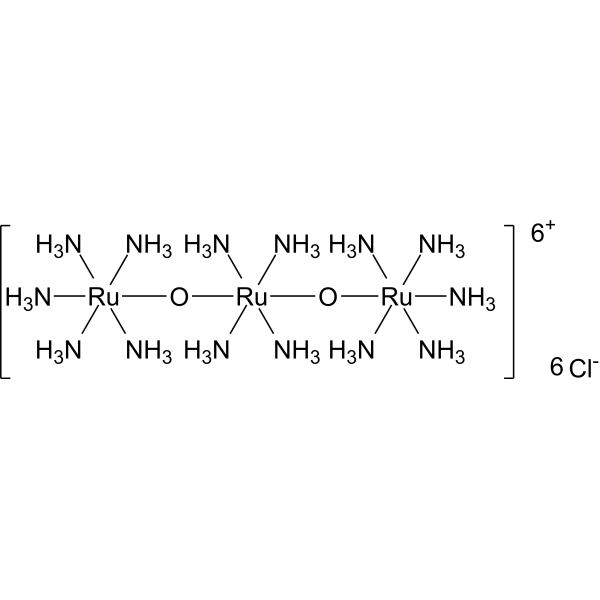
    Ruthenium red
    Maximum Cited Publications
    15 Publications Verification

    Ammoniated ruthenium oxychloride

    Calcium Channel Cardiovascular Disease
    Ruthenium red (Ammoniated ruthenium oxychloride) is a polycationic dye widely used for electron microscopy (EM) of cells, tissues and vegetative bacteria. Ruthenium red strongly reacts with phospholipids and fatty acids and binds to acidic mucopolysaccharides. Ruthenium red is a L-type calcium current (ICa) blocker .
    Ruthenium red
  • HY-N2341
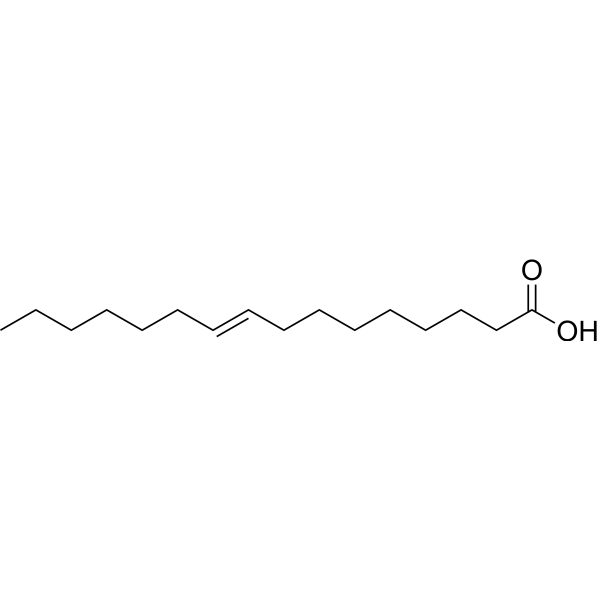
    Palmitelaidic acid
    3 Publications Verification

    9-trans-Hexadecenoic acid; trans-Palmitoleic acid

    AMPK PPAR Glucokinase Metabolic Disease
    Palmitelaidic acid (9-trans-Hexadecenoic acid) is the trans isomer of palmitoleic acid. Palmitoleic acid is one of the most abundant fatty acids in serum and tissue.
    Palmitelaidic acid
  • HY-D0220
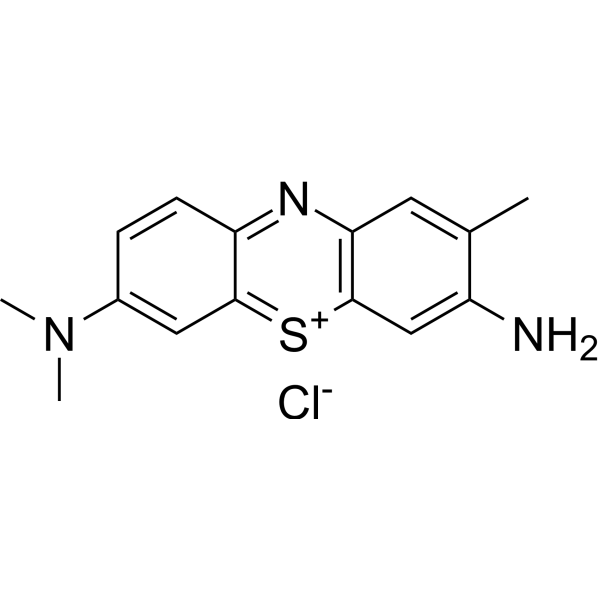
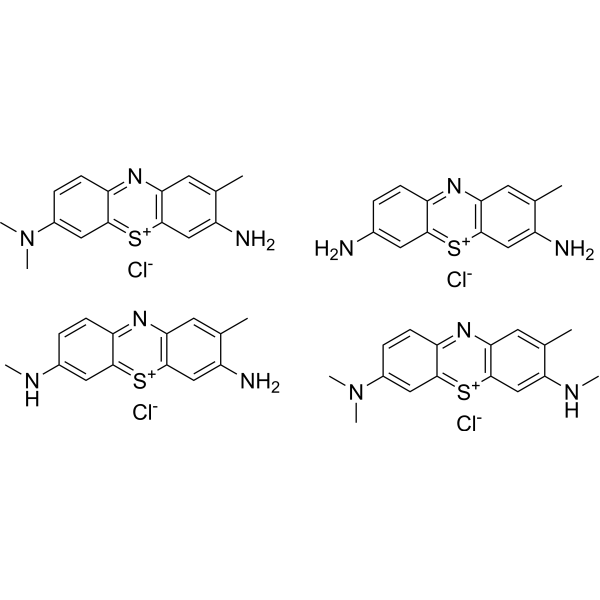
    Toluidine Blue
    3 Publications Verification

    Toluidine Blue O

    Fluorescent Dye Cancer
    Toluidine Blue (Toluidine Blue O) is an alkaline quinonimine dye (vivo dye) with high affinity for acidic tissue components, staining nuclei blue and polysaccharides purple. Toluidine Blue shows heterostaining properties for mast cells, mucins and chondrocytes. Toluidine Blue can stain different components of plant tissues and cells in different colours. Toluidine Blue is also used as a diagnostic aid to identify malignant lesions, such as cancer .
    Toluidine Blue
  • HY-101559

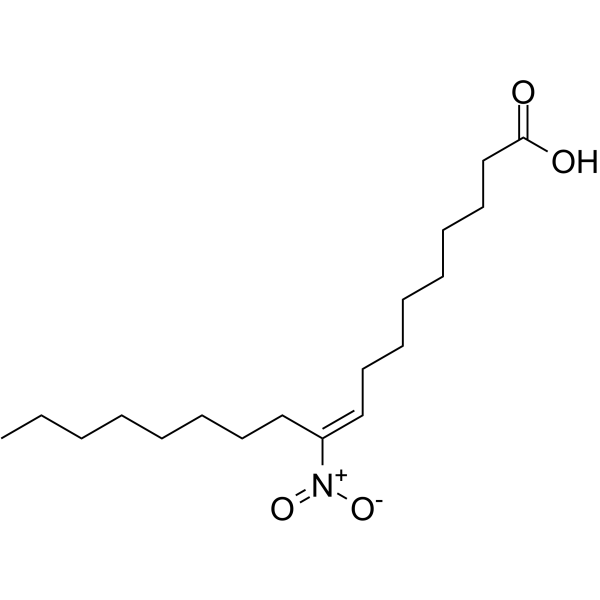
    CXA-10; 10-Nitrooleate

    Endogenous Metabolite Inflammation/Immunology
    10-Nitrooleic acid (CXA-10), a nitro fatty acid, has potential effects in disease states in which oxidative stress, inflammation, fibrosis, and/or direct tissue toxicity play significant roles .
    10-Nitrooleic acid
  • HY-W018026

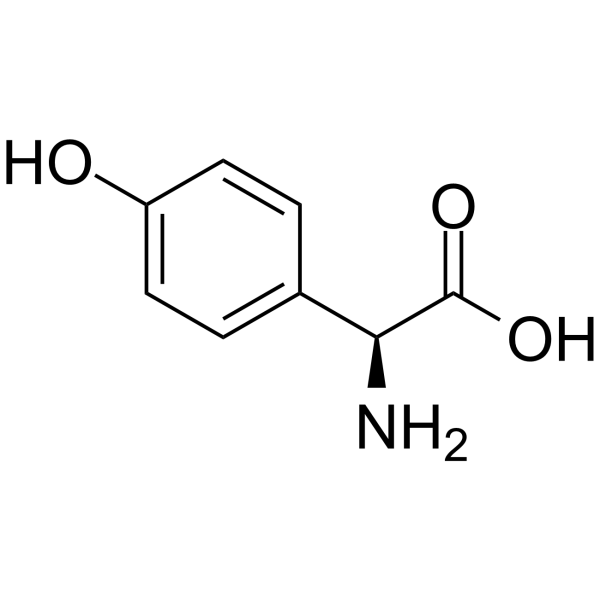
    L-p-Hydroxyphenylglycine; 4-Hydroxy-L-phenylglycine; UK 25842

    Acyltransferase Apoptosis Cardiovascular Disease Metabolic Disease
    Oxfenicine (L-p-Hydroxyphenylglycine) is an orally active carnitine palmitoyltransferase-1 inhibitor. Oxfenicine inhibits the oxidation of fatty acids in the heart, protecting cardiac tissue from necrotic damage during ischemia, and also has an inhibitory effect on cardiac tissue apoptosis. In addition, Oxfenicine promotes lipolysis in a high-fat diet rat model. Oxfenicine can be used in the study of cardiovascular and metabolic diseases .
    Oxfenicine
  • HY-113130
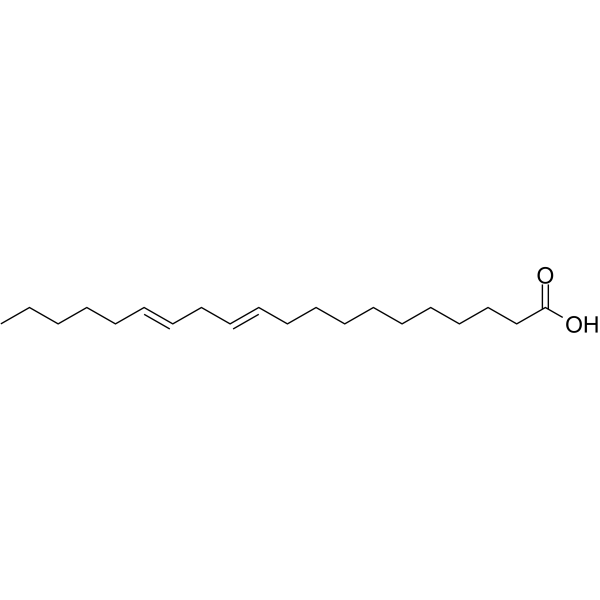
    Eicosadienoic acid
    1 Publications Verification

    Endogenous Metabolite Metabolic Disease
    Eicosadienoic acid is a rare, naturally occurring n-6 polyunsaturated fatty acid found mainly in animal tissues .
    Eicosadienoic acid
  • HY-15906
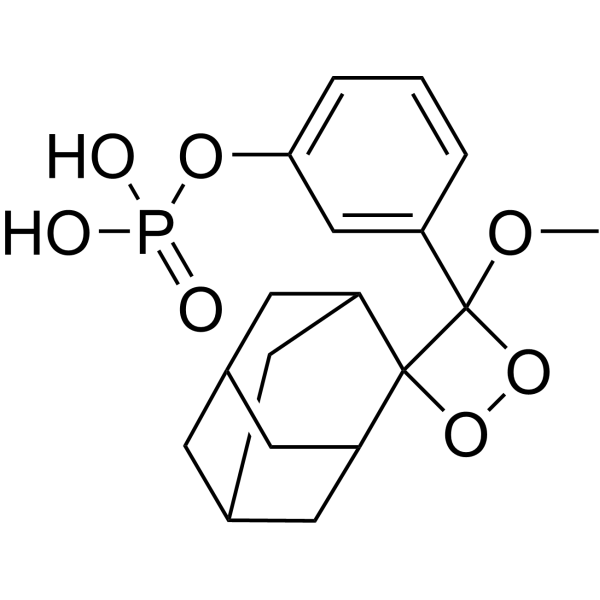
    AMPPD
    1 Publications Verification

    Lumi-Phos Plus; Lumigen PPD; PPD

    Phosphatase Others
    AMPPD (Lumi-Phos Plus; Lumigen PPD) is a chemiluminescent substrate for alkaline phosphatase (APase). AMPPD is hydrolyzed by APase to generate an unstable dioxetane intermediate, and the intermediate releases a chemiluminescent signal when it decomposes. The luminescent signal of AMPPD can be detected by highly sensitive equipment, thereby achieving quantitative analysis of the target molecule. AMPPD can be used in ultrasensitive enzyme-linked immunosorbent assays (such as quantitative detection of human tissue kininogen), chemiluminescent detection of proteins and nucleic acids, and other fields .
    AMPPD
  • HY-W087830

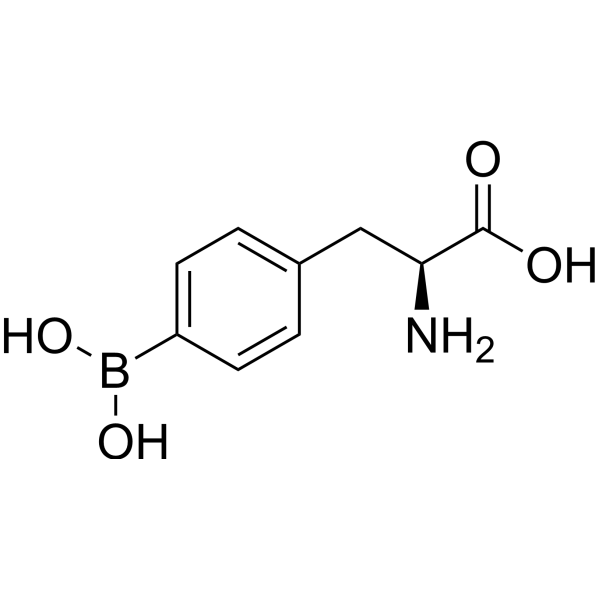
    L-BPA

    Biochemical Assay Reagents Cancer
    L-p-Boronophenylalanine is a boron-containing substrate for L-type amino acid transporters (LAT1 and LAT2). L-p-Boronophenylalanine enters tumor cells by competing with natural amino acids for LAT, selectively accumulating boron in cancer cells. L-p-Boronophenylalanine can be used in boron neutron capture therapy (BNCT). When boron-10 captures thermal neutrons, a nuclear reaction occurs, producing high-energy alpha particles and lithium nuclei, which kill cancer cells at close range with little damage to surrounding tissues. L-p-Boronophenylalanine can be used in cancer research, especially glioblastoma and anaplastic astrocytoma .
    L-p-Boronophenylalanine
  • HY-N0468
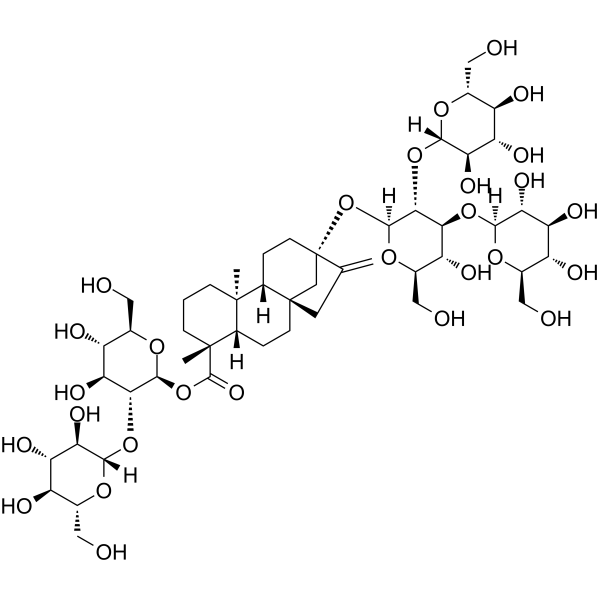
    Rebaudioside D
    1 Publications Verification

    FXR Acetyl-CoA Carboxylase Metabolic Disease
    Rebaudioside D is an orally active sweetener that targets and activates FXR, modulates Acetyl-CoA Carboxylase, and inhibits 3-hydroxy-3-methylglutaryl-CoA reductase. Rebaudioside D regulates bile acid homeostasis and lipid metabolism, reduces the synthesis rates of fatty acids and cholesterol, and exerts multiple effects including anti-adipogenesis, hepatoprotection, anti-steatosis, gut microbiota modulation, enhancement of secondary bile acid metabolism, anti-endotoxin activity, regulation of bile acid transport, and inhibition of bile acid efflux. Rebaudioside D also reduces body weight gain, visceral fat accumulation, hepatic triglyceride and cholesterol accumulation, hepatic lipid peroxidation, and decreases the circulating level of lipopolysaccharide-binding protein. Rebaudioside D additionally enhances the secondary bile acid metabolic pathway of intestinal bacteria, upregulates the gene expression of ileal organic solute transporter α, and downregulates the gene expression of hepatic bile salt export pump. Rebaudioside D does not affect glucose homeostasis, alter total caloric intake or fecal energy excretion, induce weight gain, exacerbate obesity, promote hepatic steatosis, impair brown adipose tissue function, nor change skeletal muscle metabolism-related proteins. Rebaudioside D can be used in diet-induced obesity and obesity-related research .
    Rebaudioside D
  • HY-B1018A
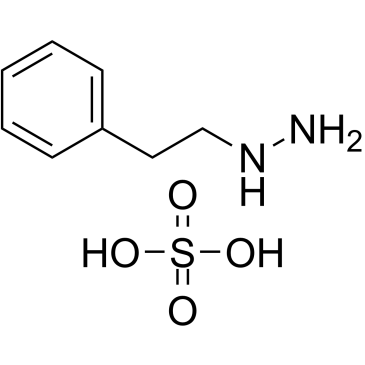
    Phenelzine sulfate
    5+ Cited Publications

    Monoamine Oxidase GABA Receptor Histone Demethylase Cardiovascular Disease Neurological Disease Metabolic Disease Inflammation/Immunology Cancer
    Phenelzine sulfate, an antidepressant agent, is an irreversible and orally active monoamine oxidase (MAO-A and MAO-B) inhibitor. Phenelzine sulfate inhibits GABA transaminase and primary amine oxidase (PrAO), and sequester reactive aldehydes. Phenelzine sulfate also inhibits LSD1 (Ki: 5.6 μM) and suppresses oxidative stress and lipogenesis. Phenelzine sulfate elevates neurotransmitters (serotonin, norepinephrine, dopamine). Phenelzine sulfate is studied in neurological, metabolic and cancer diseases for depression and anxiety disorders, stroke, spinal cord injury, traumatic brain injury, multiple sclerosis, Parkinson’s disease, Alzheimer’s disease, inflammatory pain, obesity and prostate cancer .
    Phenelzine sulfate
  • HY-N3686

    AMPK PGC-1α Metabolic Disease
    D-Arabitol is an orally active D-enantiomer of arabitol. D-Arabitol modulates the composition of gut microbiota, increases short-chain fatty acids, and promotes AMPK-PGC-1α-related browning of white adipose tissue. D-Arabitol improves weight gain, fat accumulation, insulin resistance, lipid deposition and inflammatory responses. D-Arabitol serves as the sole carbon/energy source for Bacillus methanolicus MGA3, a strain that can co-utilize it with mannitol. D-Arabitol is applicable to obesity-related research .
    D-Arabitol
  • HY-W017443
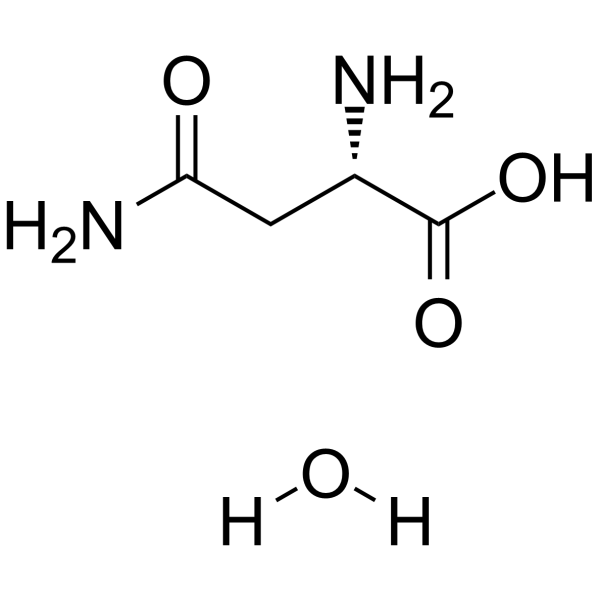
    L-Asparagine monohydrate
    5 Publications Verification

    Endogenous Metabolite Apoptosis DNA/RNA Synthesis Neurological Disease Metabolic Disease Inflammation/Immunology Cancer
    L-Asparagine monohydrate is an essential amino acid for leukemic cells and a substrate for L-Asparaginase. L-Asparaginase is a potent anti-leukemic enzyme that promotes asparagine (Asn) and glutamine (Gln) depletion and inhibits protein biosynthesis in lymphoblasts. Removal of L-asparagine from plasma by L-Asparaginase results in inhibition of RNA and DNA synthesis and subsequent apoptosis. L-Asparaginase has cell-killing ability in vitro and in vivo, and selectively inhibits the growth of cancer cells with low asparagine synthetase (AASNS) expression. L-Asparagine monohydrate can be used as a biomarker and sensor for the study of childhood acute lymphoblastic leukemia .
    L-Asparagine monohydrate
  • HY-133971

    5α,6α-Epoxycholesterol

    Liposome Others
    Cholesterol-5α,6α-epoxide is an epoxide derivative of cholesterol formed by the enzymatic oxidation of cholesterol in the liver and other tissues. Cholesterol-5α,6α-epoxide has unique chemical properties that make it an important intermediate in the biosynthesis of bile acids, which play a key role in the digestion and absorption of dietary fats. It also has a potential physiological role in regulating cholesterol metabolism and transport, although its biological function is not fully understood.
    Cholesterol 5α,6α-epoxide
  • HY-N8157
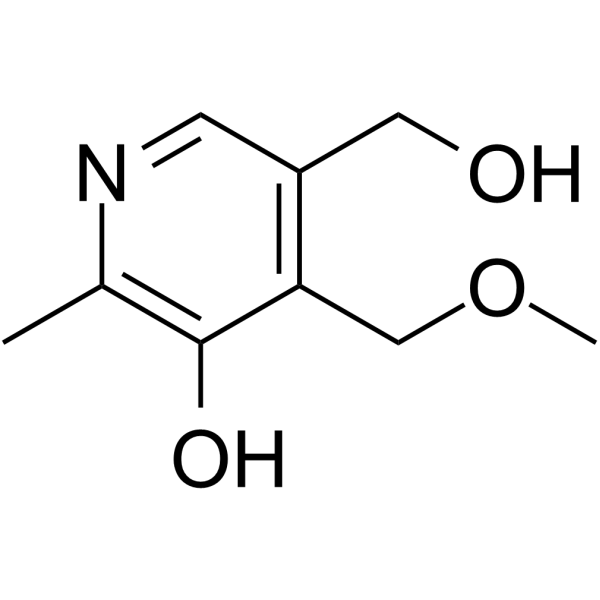
    4'-O-Methylpyridoxine
    1 Publications Verification

    Others Cardiovascular Disease Neurological Disease
    4'-O-Methylpyridoxine is an orally active antivitamin B6 compound found in Ginkgo biloba seeds and leaves. 4'-O-Methylpyridoxine inhibits pyridoxal kinase. 4'-O-Methylpyridoxine reduces brain pyridoxal-5'-phosphate (PLP) levels, decreases gamma-aminobutyric acid/glutamate (GABA/Glu) ratio. 4'-O-Methylpyridoxine increases plasma levels of pyridoxal-5'-phosphate and pyridoxal. 4'-O-Methylpyridoxine induces hyperactivity, convulsions, pathological tissue changes, organ damage in rodent brain and heart .
    4'-O-Methylpyridoxine
  • HY-113256

    Carnitine Palmitoyltransferase (CPT) Endogenous Metabolite Metabolic Disease
    Linoleyl carnitine is an acylcarnitine and metabolite. Linoleyl carnitine in the liver is negatively correlated with pantothenic acid and citric acid in serum. Linoleyl carnitine accumulates in mitochondrial CPT II deficiency .
    Linoleyl carnitine
  • HY-DY3003

    Biochemical Assay Reagents Others
    Tissue and Cell Fixative (4% Paraformaldehyde, PFA) is mainly composed of paraformaldehyde, phosphate, and deionized water, with a pH of 7.0-7.4. Tissue and Cell Fixative (4% Paraformaldehyde, PFA) is suitable for fixing most tissues and cells, and can effectively protect the morphology and structure of tissues and cells as well as nucleic acids.
    Tissue and Cell Fixative (4% Paraformaldehyde, PFA)
  • HY-B2235C

    Biochemical Assay Reagents Glutathione Peroxidase Metabolic Disease
    L-α-Lecithin (soybean) is an orally active phospholipid. L-α-Lecithin (soybean) increases the bioavailability of Lutein in plasma and eyes of Rattus norvegicus, enhances plasma Glutathione peroxidase activity, and regulates fatty acids in plasma and tissues .
    L-α-Lecithin (soybean)
  • HY-66020
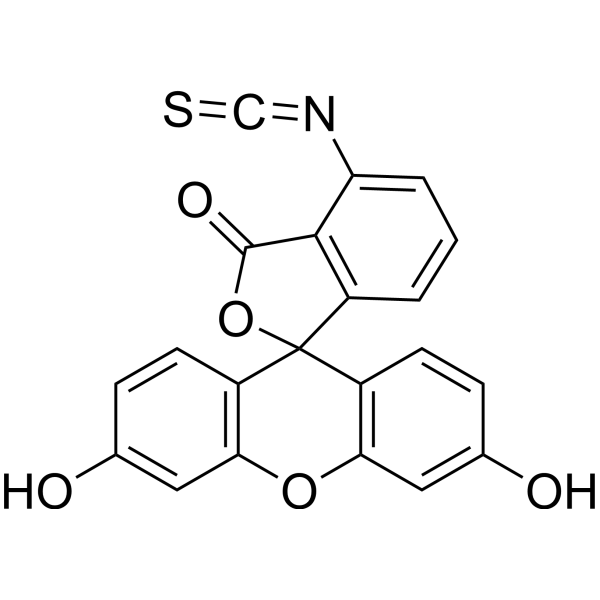
    6-FITC
    1 Publications Verification

    6-Fluorescein Isothiocyanate

    Fluorescent Dye Drug Isomer Others
    6-FITC (6-Fluorescein Isothiocyanate) is a fluorescein isomer and also serves as a fluorescent label for biomolecules (FITC isomers have similar excitation/emission wavelengths, which are 495 nm/519 nm in fluorescence detection) .
    6-FITC
  • HY-Y1365C

    Biochemical Assay Reagents Others
    Fish Gelatin,suitable for cell culture is an essential natural biopolymer. Fish Gelatin,suitable for cell culture can be isolated from fish processing by-products, such as fish skin, scales, bones and fish maw. Fish Gelatin,suitable for cell culture has been considered as a feasible substitute for mammalian gelatin. Modified Fish gelatin shows significant promise across various industries, including nanomaterials, 3D printing, thin films, coatings, and biopharmaceuticals. Fish Gelatin,suitable for cell culture can be used for cell culture .
    Fish Gelatin,suitable for cell culture
  • HY-120972

    Fluorescent Dye Others
    Pentafluorobenzenesulfonyl fluorescein is a H2O2-selective sensor that can be used to detect H2O2 levels in cells. Pentafluorobenzenesulfonyl fluorescein is generally non-fluorescent, but emits fluorescence when its sulfonyl bond undergoes perhydrolysis by H2O2 . Pentafluorobenzenesulfonyl fluorescein undergoes slight cleavage of its sulfonate ester bond by [Cu (phen)2] 2+, and can detect hydrogen peroxide around the ablation sites of fin tissues and keratinocytes in zebrafish larvae .
    Pentafluorobenzenesulfonyl fluorescein
  • HY-136373

    BAS 479H

    Herbicide Cytochrome P450 DNA/RNA Synthesis Others
    Metazachlor (BAS 479H) is a herbicide belonging to the chloroacetamides class. Metazachlor can inhibit the synthesis of very long chain fatty acids during the germination and emergence of weed seeds, thereby interfering with cell division and tissue differentiation, and thus hindering the normal growth and development of weeds .
    Metazachlor
  • HY-D2186
    BTD probe-1
    1 Publications Verification

    Biochemical Assay Reagents Others
    BTD probe-1 is a benzothiazine-based chemoproteomic probe and selective protein S-sulfenic acid (Cys-SOH) labeling agent. BTD probe-1 labels protein S-sulfenic acids in vitro in cell and tissue samples, and in situ in intact cells, enabling detection or enrichment of modified proteins/peptides. BTD probe-1 exhibits no cytotoxicity in cells at concentrations ≤1 mM. BTD probe-1 enables global, site-specific mapping and quantification of cysteine S-sulfenylation in complex proteomes with lower input material .
    BTD probe-1
  • HY-Y0469
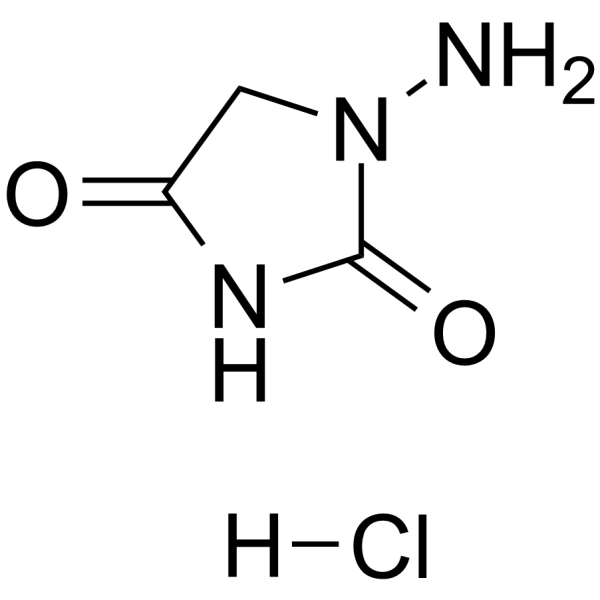
    1-Aminohydantoin hydrochloride
    1 Publications Verification

    Drug Metabolite Others
    1-Aminohydantoin hydrochloride is a major metabolite of nitrofurantoin in animal tissues and can be used as a standard for the determination of residues of veterinary agents in meat, milk et.al. 1-Aminohydantoin hydrochloride covalently binds to tissue proteins and is released from the tissues under slightly acidic conditions and derivatized with 2-nitrobenzaldehyde to form nitrophenyl derivatives of AHD before detection .
    1-Aminohydantoin hydrochloride
  • HY-D0220A
    Toluidine Blue (purity 36%)
    3 Publications Verification

    Toluidine Blue O (purity 36%)

    Fluorescent Dye Others Cancer
    Toluidine Blue (Toluidine Blue O) purity 36% is an alkaline quinonimine dye (vivo dye) with high affinity for acidic tissue components, staining nuclei blue and polysaccharides purple. Toluidine Blue purity 36% shows heterostaining properties for mast cells, mucins and chondrocytes. Toluidine Blue purity 36% can stain different components of plant tissues and cells in different colours. Toluidine Blue purity 36% is also used as a diagnostic aid to identify malignant lesions, such as cancer .
    Toluidine Blue (purity 36%)
  • HY-165099

    Apoptosis PI3K DNA/RNA Synthesis Metabolic Disease
    C-8 Ceramide-1-phosphate is a cell apoptosis inhibitor and a cell survival inducer that can stimulate DNA synthesis and cell division. C-8 Ceramide-1-phosphate can inhibit acidic sphingomyelinase (SMase) and stimulate PI3-K, which in turn produces PIP3; PIP3 can also inhibit acidic SMase. The C-8 Ceramide-1-phosphate and ceramide can be interconverted in cells through kinase and phosphatase activity, and maintaining the balance between the two is crucial for cellular and tissue homeostasis .
    C-8 Ceramide-1-phosphate
  • HY-159500

    OTL-0078; OTL78

    PSMA Cancer
    Zopocianine (OTL-0078; OTL78) is a near-infrared optical probe targeting PSMA. Zopocianine binds to PSMA on the surface of PSMA-expressing cells, enters cells via receptor-mediated endocytosis, and accumulates in acidic endosomes. Zopocianine selectively accumulates in PSMA-positive cancer tissues and enables the detection of small tumors, primary prostate tumors, and locoregional metastases. Zopocianine helps achieve negative tumor surgical margins during fluorescence-guided surgery. Zopocianine is applicable to research related to prostate cancer .
    Zopocianine
  • HY-135115

    3,4-DHPEA-EA

    α-synuclein HDAC Adrenergic Receptor Inflammation/Immunology
    Oleuropein Aglycone (3,4-DHPEA-EA) is a polyphenol and the aglycone form of oleuropein (HY-N0292), formed by enzymatic, acidic or acetylated hydrolysis of oleuropein. Dietary intake of oleuropein Aglycone (50 mg/kg diet) increases the number of neuronal autophagic vesicles, reverses cognitive deficits in the TgCRND8 transgenic mouse model of Alzheimer's disease, and reduces the levels of histone deacetylase 2 (HDAC2) in the cortex and hippocampus. Oleuropein Aglycone increases urinary norepinephrine, interscapular brown adipose tissue epinephrine, and UCP1 protein levels, and reduced plasma leptin levels and total abdominal adipose tissue weight in a rat model of high-fat diet-induced obesity. Oleuropein Aglycone also reduced lung neutrophil infiltration, lipid peroxidation, and IL-1β levels in a mouse model of carrageenan-induced pleurisy.
    Oleuropein Aglycone
  • HY-116538
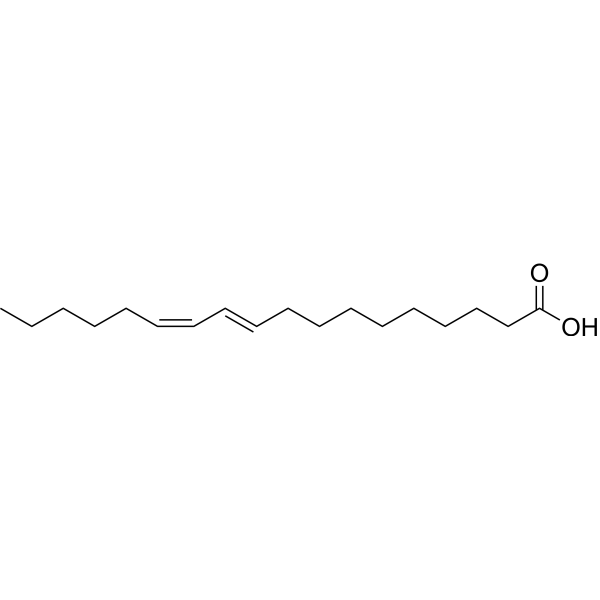
    (10E,12Z)-Octadeca-10,12-dienoic acid
    1 Publications Verification

    trans-10,cis-12 CLA2

    Endogenous Metabolite PPAR NF-κB Stearoyl-CoA Desaturase (SCD) Lipase Metabolic Disease Inflammation/Immunology Cancer
    (10E,12Z)-Octadeca-10,12-dienoic acid (trans-10,cis-12 CLA2) is an orally active PPARα activator and inhibits adipocyte differentiation. (10E,12Z)-Octadeca-10,12-dienoic acid and its downstream metabolites have various antioxidant and antitumor activities. (10E,12Z)-Octadeca-10,12-dienoic acid can induce proinflammatory cytokines and chemokines, which would lead to decreased adipogenesis and insulin resistance in adipose tissue. (10E,12Z)-Octadeca-10,12-dienoic acid can affect many aspects of milk fat synthesis. (10E,12Z)-Octadeca-10,12-dienoic acid reduces expression of lipogenic enzymes and inhibits the desaturation of fatty acids. (10E,12Z)-Octadeca-10,12-dienoic acid can reduce lipoprotein lipase (LPL) activity in cultured 3T3-L1 adipocytes and enhance triacylglycerol release from these cells. (10E,12Z)-Octadeca-10,12-dienoic acid decreases the expression of hepatic stearoyl-CoA desatyrase mRNA in mice. (10E,12Z)-Octadeca-10,12-dienoic acid is associated with changes in mucosal NF-κB and Cyclin D1 protein levels in mice .
    (10E,12Z)-Octadeca-10,12-dienoic acid
  • HY-W115727D

    PAM,average Mn 40000

    Biochemical Assay Reagents Others
    Polyacrylamide (PAM), average Mn 40000 is a versatile, high-molecular-weight polyacrylamide copolymer. Polyacrylamide series materials can maintain enzyme activity in enzyme immobilization, act as drug carriers to achieve controlled release, serve as smart materials responding to temperature/pH stimuli, and be used for in vitro toxin adsorption and soft tissue filling through mechanisms such as physical entrapment, covalent binding or chemical crosslinking. Polyacrylamide finds applications in biomedical engineering, environmental management and industrial applications .
    Polyacrylamide,average Mn 40000
  • HY-W012865

    Carnitine Palmitoyltransferase (CPT) Endogenous Metabolite FABP PPAR Metabolic Disease
    Tartronic acid, a dicarboxylic acid derive, is an inhibitor of the transformation of carbohydrates into fat under fat-deficient diet conditions. Tartronic acid promotes 3T3-L1 adipocyte differentiation by increasing the protein expression of FABP-4, PPARγ and SREBP-1. Tartronic acid promotes de novo lipogenesis and inhibits CPT-1β by upregulating acetyl-CoA and malonyl-CoA. Tartronic acid promotes weight gain and induces adipocyte hypertrophy in epididymal white adipose tissue and lipid accumulation in the livers of high-fat diet induced obese mice. Tartronic acid can be used for lipid metabolic disease research .
    Tartronic acid
  • HY-159067

    DEAE-dextran, MW 500000 hydrochloride, from bacterial (Leuconostoc mesenteroides); Diethylaminoethyl-dextran, MW 500000 hydrochloride

    Biochemical Assay Reagents Cancer
    DEAE-dextran, MW 500000 hydrochloride (DEAE-dextran, MW 500000 hydrochloride, from bacterial (Leuconostoc mesenteroides)) is a high-molecular-weight positively charged polymer that significantly enhances the uptake of viral RNA by tissue culture cells. When employed in the delivery system for "tumor immunity" RNA-splenocyte transfer, DEAE-dextran can markedly extend the lifespan of tumor-bearing animals, comparable to that of actively immunized animals. Furthermore, DEAE-dextran serves as a complexing agent for nucleic acids, forming composite particles with DNA/RNA for extensive applications in gene delivery. Additionally, DEAE-dextran can be utilized as a coating for liposomes .
    DEAE-dextran, MW 500000 hydrochloride
  • HY-N3686R

    Reference Standards AMPK PGC-1α Metabolic Disease
    D-Arabitol (Standard) is the analytical standard of D-Arabitol. This product is intended for research and analytical applications. D-Arabitol is an orally active D-enantiomer of arabitol. D-Arabitol modulates the composition of gut microbiota, increases short-chain fatty acids, and promotes AMPK-PGC-1α-related browning of white adipose tissue. D-Arabitol improves weight gain, fat accumulation, insulin resistance, lipid deposition and inflammatory responses. D-Arabitol serves as the sole carbon/energy source for Bacillus methanolicus MGA3, a strain that can co-utilize it with mannitol. D-Arabitol is applicable to obesity-related research.
    D-Arabitol (Standard)
  • HY-W250143

    Biochemical Assay Reagents Others
    Toluidine blue (ZnCl2) is a basic thiazine dye commonly used as a biological stain for microscopy. It has a deep bluish-purple color and is commonly used to stain nucleic acids such as DNA and RNA, as well as to stain mast cells, cartilage, and other connective tissues. Toluidine blue (ZnCl2) stains the acidic components of these tissues, such as sulfated or carboxylated mucopolysaccharides. It is frequently used in histology, cytology, and pathology applications to aid in the diagnosis of various diseases and conditions. The dye is usually applied to tissue sections prior to microscopic examination and can be differentiated using an acidic alcohol solution. Toluidine blue (ZnCl2) is a relatively simple and inexpensive stain with good reproducibility, making it a popular choice for many laboratories.
    Toluidine blue (ZnCl2)
  • HY-W034869

    Diamino-tetraisothiocyanato-chromium

    Biochemical Assay Reagents Others
    Reinecke (Diamino-tetraisothiocyanato-chromium) is an ammonium salt. Reinecke participates in the quantitative precipitation of histones and basic compounds present in acidic tissue extracts by forming Reinecke complexes .
    Reinecke
  • HY-126042

    (±)-Lisophylline

    Interleukin Related Metabolic Disease Inflammation/Immunology
    (±)-Lisofylline ((±)-Lisophylline) is the racemate of Lisofylline. Lisofylline inhibits the generation of phosphatidic acid and free fatty acids. Lisofylline also blocks the release of pro-inflammatory cytokines in oxidative tissue injury, in response to cancer chemotherapy and in experimental sepsis. Lisofylline can be used for Type 1 diabetes research .
    (±)-Lisofylline
  • HY-136373S

    BAS 479H-d6

    Isotope-Labeled Compounds Herbicide Cytochrome P450 DNA/RNA Synthesis Others
    Metazachlor-d6 (BAS 479H-d6) is a deuterium labeled Metazachlor (HY-136373). Metazachlor (BAS 479H) is a herbicide belonging to the chloroacetamides class. Metazachlor can inhibit the synthesis of very long chain fatty acids during the germination and emergence of weed seeds, thereby interfering with cell division and tissue differentiation, and thus hindering the normal growth and development of weeds .
    Metazachlor-d6
  • HY-P2807J

    Lactate Dehydrogenase Metabolic Disease
    L-Lactate Dehydrogenase (L-LDH), pig muscle is an L-lactate dehydrogenase found in pig muscle, mainly present in anaerobic tissues (skeletal muscle, red blood cells). L-Lactate Dehydrogenase (L-LDH), pig muscle can interact with acidic liposomes at low pH, causing protein to adsorb onto the liposomes and inhibit enzyme activity. The IC50 values for L-Lactate Dehydrogenase (L-LDH), pig muscle are 0.05 μM for cardiolipin and 1.3 μM for phosphatidylserine liposomes .
    L-Lactate Dehydrogenase (L-LDH), pig muscle
  • HY-158220C

    HAMA (MW 50000)

    Biochemical Assay Reagents Others
    Hyaluronic acid methacryloyl (HAMA) (MW 50000) is a methacrylate-modified hyaluronic acid that serves as a hydrogel former, hydrolysis-resistant material, photocrosslinkable hydrogel scaffold, and drug delivery carrier for tissue engineering. Hyaluronic acid methacryloyl (MW 50000) forms hydrogels via photocrosslinking; when combined with AuMA NPs through a one-step photocrosslinking method, its effective swelling ratio increases, and the mechanical reinforcement effect of Au NPs compensates for the impact caused by reduced crosslinking density. Hyaluronic acid methacryloyl (MW 50000) can be combined with AuMA NPs via a one-step photocrosslinking method, enabling non-invasive monitoring of hydrogel degradation with contrast-enhanced micro-CT .
    Hyaluronic acid methacryloyl (MW 50000)
  • HY-N2341S

    AMPK PPAR Glucokinase Metabolic Disease
    Palmitelaidic acid-d13 is the deuterium labeled Palmitelaidic Acid. Palmitelaidic Acid (9-trans-Hexadecenoic acid) is the trans isomer of palmitoleic acid. Palmitoleic acid is one of the most abundant fatty acids in serum and tissue.
    Palmitelaidic acid-d13
  • HY-W017443R

    Reference Standards Endogenous Metabolite Apoptosis DNA/RNA Synthesis Neurological Disease Metabolic Disease Inflammation/Immunology Cancer
    L-Asparagine monohydrate (Standard) is the analytical standard of L-Asparagine monohydrate (HY-W017443). This product is intended for research and analytical applications. L-Asparagine monohydrate is an essential amino acid for leukemic cells and a substrate for L-Asparaginase. L-Asparaginase is a potent anti-leukemic enzyme that promotes asparagine (Asn) and glutamine (Gln) depletion and inhibits protein biosynthesis in lymphoblasts. Removal of L-asparagine from plasma by L-Asparaginase results in inhibition of RNA and DNA synthesis and subsequent apoptosis. L-Asparaginase has cell-killing ability in vitro and in vivo, and selectively inhibits the growth of cancer cells with low asparagine synthetase (AASNS) expression. L-Asparagine monohydrate can be used as a biomarker and sensor for the study of childhood acute lymphoblastic leukemia .
    L-Asparagine monohydrate (Standard)
  • HY-P11083

    HBV Cancer
    Xentry is a cell-penetrating peptide (CCP) consisting of only 7 amino acids of hepatitis B virus: LCLRPVG. Xentry-linked anti-B-raf antibodies and siRNAs demonstrates the capability to kill B-raf-dependent melanoma cells. Xentry alone or conjugated to β-galactosidase leads to its delivery to most tissues in mice, except circulating blood cells. Xentry can be used for the delivery of large molecules (antibodies, siRNA, enzymes) .
    Xentry
  • HY-127023

    EPA-5-HT

    Endogenous Metabolite FAAH Interleukin Related Tyrosine Hydroxylase Metabolic Disease
    Eicosapentaenoyl serotonin (EPA-5-HT) is an endogenous fatty acid-serotonin conjugate lipid mediator. Eicosapentaenoyl serotonin acts as an inhibitor of fatty acid amide hydrolase (FAAH). Eicosapentaenoyl serotonin suppresses IL-17 release in Concanavalin A (HY-P2149)-stimulated human peripheral blood mononuclear cells. Eicosapentaenoyl serotonin is regulated by polyunsaturated fatty acids and modulates intestinal immunity and Th17 signaling. Eicosapentaenoyl serotonin can be used for the study of inflammatory bowel disease-related mechanisms .
    Eicosapentaenoyl serotonin
  • HY-N0468R

    Reference Standards Acetyl-CoA Carboxylase FXR Metabolic Disease
    Rebaudioside D (Standard) is the analytical standard of Rebaudioside D. This product is intended for research and analytical applications. Rebaudioside D is an orally active sweetener that targets and activates FXR, modulates Acetyl-CoA Carboxylase, and inhibits 3-hydroxy-3-methylglutaryl-CoA reductase. Rebaudioside D regulates bile acid homeostasis and lipid metabolism, reduces the synthesis rates of fatty acids and cholesterol, and exerts multiple effects including anti-adipogenesis, hepatoprotection, anti-steatosis, gut microbiota modulation, enhancement of secondary bile acid metabolism, anti-endotoxin activity, regulation of bile acid transport, and inhibition of bile acid efflux. Rebaudioside D also reduces body weight gain, visceral fat accumulation, hepatic triglyceride and cholesterol accumulation, hepatic lipid peroxidation, and decreases the circulating level of lipopolysaccharide-binding protein. Rebaudioside D additionally enhances the secondary bile acid metabolic pathway of intestinal bacteria, upregulates the gene expression of ileal organic solute transporter α, and downregulates the gene expression of hepatic bile salt export pump. Rebaudioside D does not affect glucose homeostasis, alter total caloric intake or fecal energy excretion, induce weight gain, exacerbate obesity, promote hepatic steatosis, impair brown adipose tissue function, nor change skeletal muscle metabolism-related proteins. Rebaudioside D can be used in diet-induced obesity and obesity-related research .
    Rebaudioside D (Standard)
  • HY-P10110

    Autophagy Neurological Disease
    retro-inverso TAT-Beclin 1 D-amino acid is has higher activity and resistance to proteolytic degradation in vivo compared to L-amino acids peptide. TAT-Beclin 1 can induce autophagy in peripheral tissues in adult mice as well as in the central nervous system of neonatal mice .
    retro-inverso TAT-Beclin 1 (D-amino acid)
  • HY-136373R

    BAS 479H (Standard)

    Herbicide Reference Standards Cytochrome P450 DNA/RNA Synthesis Others
    Metazachlor (Standard) (BAS 479H (Standard)) is the analytical standard of Metazachlor (HY-136373). This product is intended for research and analytical applications. Metazachlor (BAS 479H) is a herbicide belonging to the chloroacetamides class. Metazachlor can inhibit the synthesis of very long chain fatty acids during the germination and emergence of weed seeds, thereby interfering with cell division and tissue differentiation, and thus hindering the normal growth and development of weeds .
    Metazachlor (Standard)
  • HY-Y0469R

    Reference Standards Drug Metabolite Cancer
    1-Aminohydantoin hydrochloride (Standard) is the analytical standard of 1-Aminohydantoin hydrochloride (HY-Y0469). This product is intended for research and analytical applications. 1-Aminohydantoin hydrochloride is a major metabolite of Nitrofurantoin (HY-A0090) in animal tissues and can be used as a standard for the determination of residues of veterinary agents in meat, milk et.al. 1-Aminohydantoin hydrochloride covalently binds to tissue proteins and is released from the tissues under slightly acidic conditions and derivatized with 2-nitrobenzaldehyde to form nitrophenyl derivatives of 1-Aminohydantoin hydrochloride before detection .
    1-Aminohydantoin hydrochloride (Standard)
  • HY-172283C

    Liposome Cancer
    DSPE-PEG3400-BR2 is a PEG compound which composed of DSPE and a BR2. BR2 is a targeting peptide composed of 17 amino acids with the sequence RAGLQFPVGRLLRRLLR. It has the ability to assist cells to penetrate the membrane and can specifically target certain cells or tissues .
    DSPE-PEG3400-BR2
  • HY-172283

    Liposome Cancer
    DSPE-PEG1000-BR2 is a PEG compound which composed of DSPE and a BR2. BR2 is a targeting peptide composed of 17 amino acids with the sequence RAGLQFPVGRLLRRLLR. It has the ability to assist cells to penetrate the membrane and can specifically target certain cells or tissues .
    DSPE-PEG1000-BR2
  • HY-172283B

    Liposome Cancer
    DSPE-PEG5000-BR2 is a PEG compound which composed of DSPE and a BR2. BR2 is a targeting peptide composed of 17 amino acids with the sequence RAGLQFPVGRLLRRLLR. It has the ability to assist cells to penetrate the membrane and can specifically target certain cells or tissues .
    DSPE-PEG5000-BR2

Inquiry Online

Your information is safe with us. * Required Fields.

Salutation


Country or Region *

Applicant Name *


Organization Name *

Department *


Email Address *


Product Name *

Cat. No.


Requested quantity *

Phone Number *


Remarks

Inquiry Online

Inquiry Information

Product Name:
Cat. No.:
Quantity:
MCE Japan Authorized Agent:

