
32 Results for "

acute animal models

" in MedChemExpress (MCE) Product Catalog:
Products (32)

32 Results for "acute animal models" in MCE Product Catalog:

8
8 Publications Verification
Cat. No.: HY-115364
CAS No.: 14255-87-9
Purity:  99.87%
Synonyms: SKF 29044
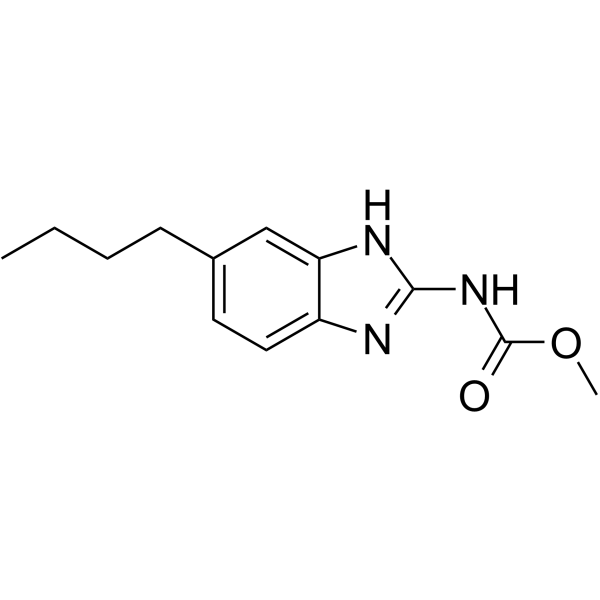
Parbendazole (SKF‑29044) is an orally active benzimidazole carbamate compound with multiple biological activities. Parbendazole binds to free tubulin and inhibits microtubule polymerization; it also activates the JNK/c‑Jun signaling axis and upregulates the expression of the downstream axonal repulsion factor Sema3A. Parbendazole upregulates KAL-1 mRNA expression, reduces nerve growth factor levels, and promotes the terminal differentiation of normal human epidermal keratinocytes. Parbendazole induces apoptosis in differentiated acute myeloid leukemia monocytes and exerts antileukemic activity in a mouse xenograft model of acute myeloid leukemia. Parbendazole exhibits broad-spectrum anthelmintic activity against various animal nematodes. Parbendazole is used in research related to acute myeloid leukemia and parasitic infections .
loading...
    loading...
4
4 Cited Publications
Cat. No.: HY-106262B
Purity:  99.73%
Synonyms: KAI-9803 hydrochloride; BMS-875944 hydrochloride
Target:  

PKC

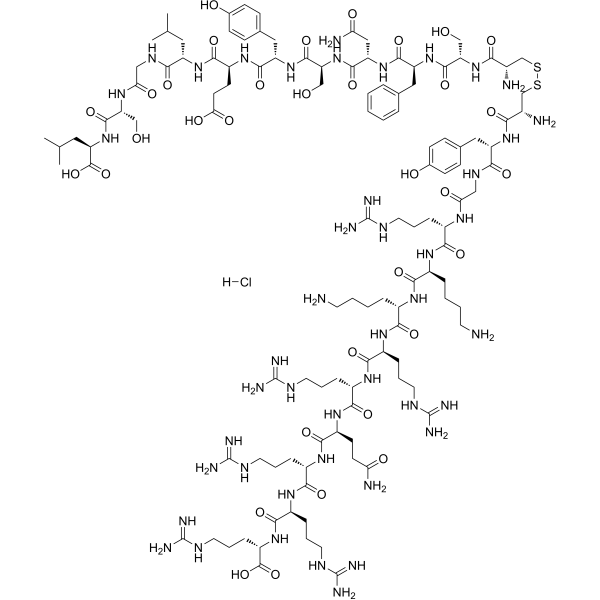
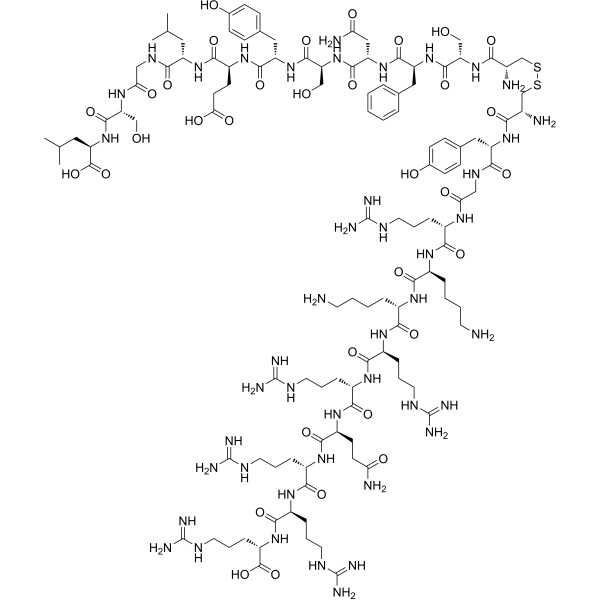
Delcasertib (KAI-9803) hydrochloride is a potent and selective δ-protein kinase C (δPKC) inhibitor. Delcasertib (KAI-9803) hydrochloride could ameliorate injury associated with ischemia and reperfusion in animal models of acute myocardial infarction (MI) .
loading...
    loading...
3
3 Cited Publications
Cat. No.: HY-42682
CAS No.: 1772-03-8
Synonyms: D-Galactosamine HCl
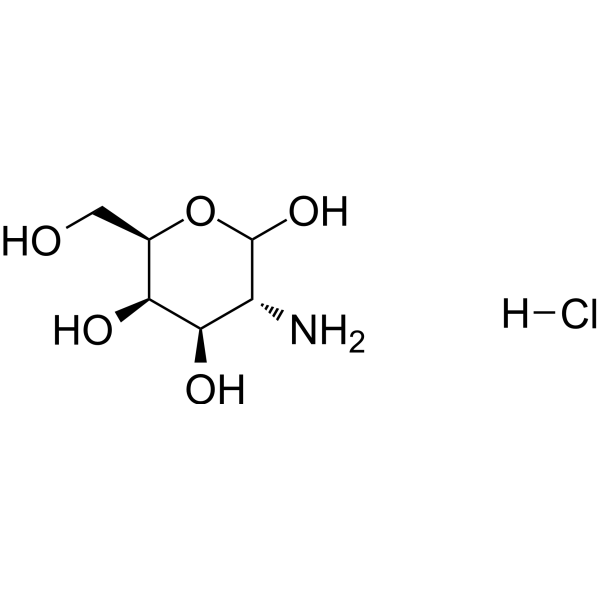
D(+)-Galactosamine (D-Galactosamine) hydrochloride, which is an established experimental toxin, primarily causes liver injury by the generation of free radicals and depletion of UTP nucleotides. D(+)-Galactosamine hydrochloride intoxication also induces renal dysfunction thus, renal failure is often associated with the end-stage of the liver damage. Lipopolysaccharide/D(+)-Galactosamine-induced acute liver injury is a known animal model of fulminant hepatic failure .
loading...
    loading...
1
1 Cited Publications
Cat. No.: HY-Y1117
CAS No.: 108-78-1
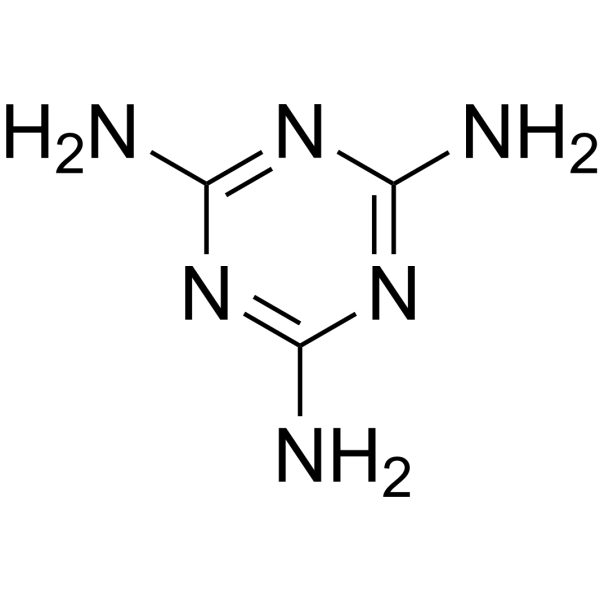
Melamine is an orally active inducer of Apoptosis. Melamine induces animal disease models. Melamine affects the activity of Sertoli cell and can be used for research on male reproductive function. Melamine also has neurotoxicity and nephrotoxicity. Melamine induces cognitive impairment and acute kidney injury models. Melamine can also be used to induce bladder cancer and urinary stone models .
loading...
    loading...
1
1 Cited Publications
Cat. No.: HY-106199
CAS No.: 40312-34-3
Purity:  98.93%
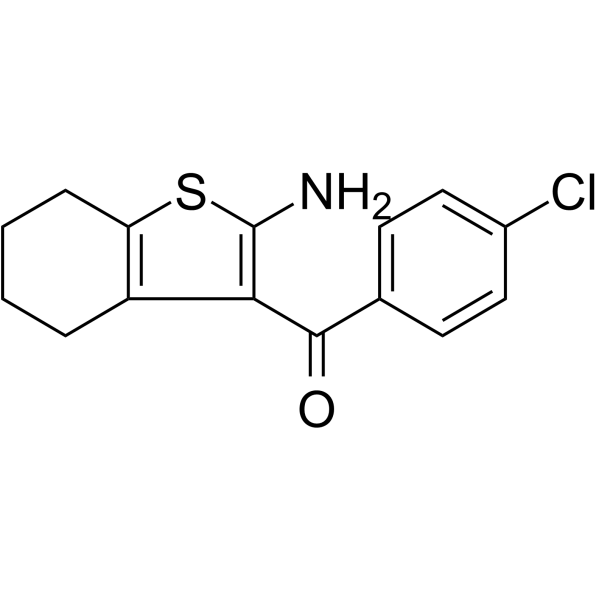
Adenosine A1 receptor activator T62 is an allosteric enhancer of adenosine A1 receptor. Adenosine A1 receptor activator T62 produces antinociception in animal models of acute pain and also reduces hypersensitivity in models of inflammatory and nerve-injury pain .
loading...
    loading...
Cat. No.: HY-NP004
Synonyms: CVF
Cobra Venom Factor (CVF) is a selective activator targeting complement components C3, C5, and factor B in the complement system. After binding to factor B, Cobra Venom Factor is cleaved by factor D, forming a stable C3/C5 convertase resistant to regulatory proteins H and I. This continuously hydrolyzes C3 and C5, depleting serum complement while inducing neutrophil migration, vascular leakage, and increased TNF-α levels. Cobra Venom Factor can be used to deplete complement and mimic complement activation-related pathological states, and is applied in animal models of complement-mediated diseases such as acute respiratory distress syndrome (ARDS), sepsis, and shock. Cobra Venom Factor can be isolated from the venom of cobras (e.g., Naja atra, Naja melanoleuca, Naja kaouthia, etc.) .
loading...
    loading...
Cat. No.: HY-106262
CAS No.: 949100-39-4
Synonyms: KAI-9803; BMS-875944
Target:  

PKC

Delcasertib (KAI-9803) is a potent and selective δ-protein kinase C (δPKC) inhibitor. Delcasertib (KAI-9803) could ameliorate injury associated with ischemia and reperfusion in animal models of acute myocardial infarction (MI) .
loading...
    loading...
Cat. No.: HY-12733
CAS No.: 1254318-44-9
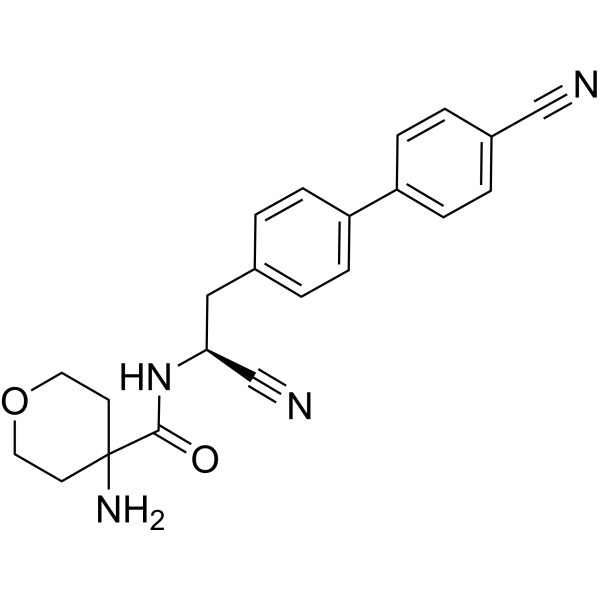
AZD5248 is an orally active, selective dipeptidyl peptidase 1 (cathepsin C) inhibitor, with IC50 values of 1 nM and 17 nM against human CatC, 44 nM against human DPP1, and 67 nM against rat DPP1. It exhibits low clearance and high bioavailability in animal models. AZD5248 forms an irreversible covalent bond with the catalytic Cys234 residue of CatC, exerts reversible inhibition via its nitrile moiety, blocks CatC-dependent amyloid formation, and reduces the activation levels of neutrophil serine proteases in bone marrow and blood. AZD5248 reacts with aortic elastin aldehydes to form stable 4-imidazolinones, induces ultrastructural changes in aortic tissue, and has an α-amino acid-based backbone. AZD5248 reduces the severity of acute pancreatitis in mouse models. AZD5248 can be used in research on chronic obstructive pulmonary disease, acute pancreatitis, neurodegenerative diseases, lysosomal storage disorders, acute lung injury, cystic fibrosis, and neutrophil-mediated inflammatory diseases .
loading...
    loading...
Cat. No.: HY-116005
CAS No.: 483341-15-7
A-286501 is an orally active and potent carbocyclic nucleoside adenosine kinase inhibitor with an IC50 value of 0.47 nM, which shows analgesic and anti-inflammatory effects. A-286501 reduces nociception in animal models of acute (thermal), inflammatory (formalin and carrageenan) and neuropathic (L5/L6 nerve ligation and streptozotocin-induced diabetic) pain. A-286501 also reduces Carrageenan (HY-125474)-induced paw edema and myeloperoxidase activity in the injured paw. A-286501 is promising for research of analgesic and anti-inflammatory agents .
loading...
    loading...
Cat. No.: HY-179041
CAS No.: 924851-91-2
SZ0232 is a selective mPGES-2 inhibitor. SZ0232 binds to the active site of mPGES-2 via hydrogen bonds and π-π stacking, reduces the production of prostaglandin E2 (PGE2) and blocks the PGE2-EP3 pathway. SZ0232 regulates Ferroptosis by activating the heme-dependent p53/SLC7A11/GPX4 axis, inhibits lipid peroxidation, and protects renal tubules. SZ0232 enhances glucose-stimulated insulin secretion, inhibits β-cell senescence, and improves glucose homeostasis. SZ0232 reduces renal lipid accumulation, alleviates fibrosis, and ameliorates renal dysfunction in diabetic mice. SZ0232 inhibits renal cyst growth in polycystic kidney disease models. SZ0232 exhibits an insulinotropic effect that strengthens with the increase of animal age. SZ0232 can be used in studies related to type 2 diabetes, acute kidney injury, diabetic kidney disease, and autosomal dominant polycystic kidney disease .
loading...
    loading...
Cat. No.: HY-B0352B
CAS No.: 61364-37-2
Synonyms: (R)-Org3770; (R)-6-Azamianserin
Target:  

5-HT Receptor

Research Areas:  

Neurological Disease

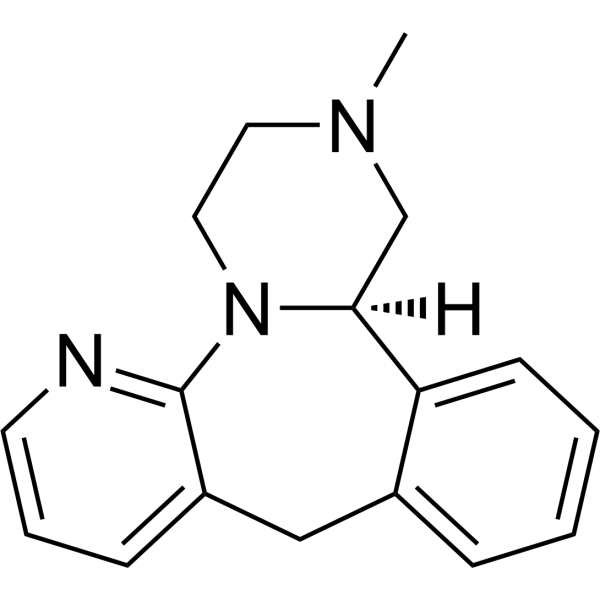
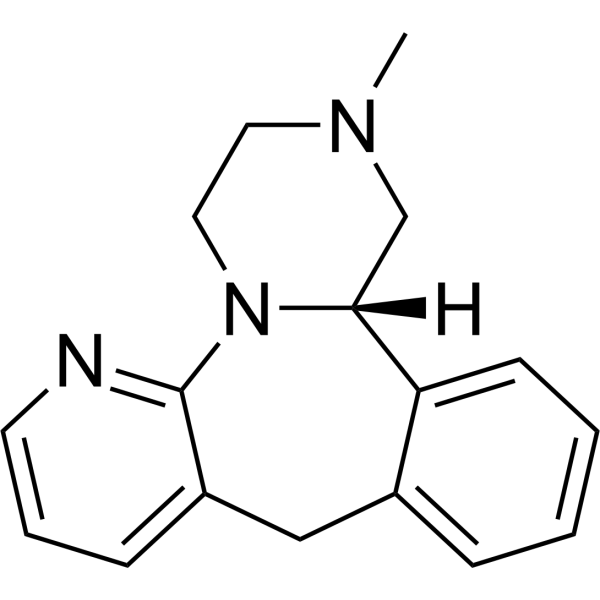
(R)-Mirtazapine ((R)-Org3770) is a R( )-enantiomer of Mirtazapine with antinociceptive properties in an animal model of acute thermal nociception. (R)-Mirtazapine is a 5-HT3 receptor antagonist. (R)-Mirtazapine is mainly metabolized by CYP3A4 .
loading...
    loading...
Cat. No.: HY-B0352A
CAS No.: 61337-87-9
Synonyms: (S)-Org3770; (S)-6-Azamianserin
Target:  

5-HT Receptor

Research Areas:  

Neurological Disease

(S)-Mirtazapine ((S)-Org3770) is a S(+)-enantiomer of Mirtazapine with pronociceptive properties in an animal model of acute thermal nociception. (S)-Mirtazapine is a stereoselective 5-HT2 receptor antagonist. (S)-Mirtazapine is metabolized by CYP2D6 and CYP1A2 .
loading...
    loading...
Cat. No.: HY-42682R
CAS No.: 1772-03-8
Synonyms: D-Galactosamine HCl (Standard)
D(+)-Galactosamine (hydrochloride) (Standard) is the analytical standard of D(+)-Galactosamine (hydrochloride). This product is intended for research and analytical applications. D(+)-Galactosamine (D-Galactosamine) hydrochloride, which is an established experimental toxin, primarily causes liver injury by the generation of free radicals and depletion of UTP nucleotides. D(+)-Galactosamine hydrochloride intoxication also induces renal dysfunction thus, renal failure is often associated with the end-stage of the liver damage. Lipopolysaccharide/D(+)-Galactosamine-induced acute liver injury is a known animal model of fulminant hepatic failure .
loading...
    loading...
Cat. No.: HY-105168
CAS No.: 157380-72-8
Target:  

Endothelin Receptor

Research Areas:  

Cardiovascular Disease

TAK 044 is an antagonist of Endothelin Receptor. TAK 044 strongly inhibits ET-induced deterioration in various animal models. TAK 044 can be used in study ET-related diseases such as acute myocardial infarction,acute renal failure, acute hepatic malfunction, and subarachnoid hemorrhage .
loading...
    loading...
Cat. No.: HY-P3223A
Target:  

Opioid Receptor

Research Areas:  

Neurological Disease

Biphalin acetate, a BBB-penetrable opioid peptide analog, contains two active enkephalin pharmacophores.Biphalin acetate has high affinity for opioid receptors. Biphalin acetate shows analgesic effect in acute, neuropathic, and chronic animal pain models. Biphalin acetate is also an antiviral, antiproliferative, anti-inflammatory, and neuroprotective agent .
loading...
    loading...
Cat. No.: HY-12413A
CAS No.: 1610562-74-7
Research Areas:  

Metabolic Disease

BMS-986118 is a potent, orally active, and selective GPR40 agonist with an EC50 of 0.07 µM. BMS-986118 has dual insulinotropic and GLP-1 secretory effects, resulting in robust plasma glucose lowering effects in acute animal models .
loading...
    loading...
Cat. No.: HY-135288
CAS No.: 114370-57-9
Target:  

Leukotriene Receptor

Research Areas:  

Inflammation/Immunology

L-649923 is an orally active CysLT1 antagonist. L-649923 reduced the incidence of gastritis in an animal model of acute gastric mucosal injury. L-649923 can be used in research on diseases such as asthma and gastritis .
loading...
    loading...
Cat. No.: HY-120407
CAS No.: 14959-86-5
Synonyms: ENT-33266
Target:  

Insecticide

Research Areas:  

Others

Looplure (ENT-33266) is an insect attractant with acute toxicity studies in different animal models showing activity at oral and dermal median lethal doses (LD50) and median lethal concentrations (LC50) for fish with some values, and low toxicity in most cases except for some cases.
loading...
    loading...
Cat. No.: HY-B0352BS
CAS No.: 2751591-56-5
Synonyms: (R)-Org3770-d3; (R)-6-Azamianserin-d3
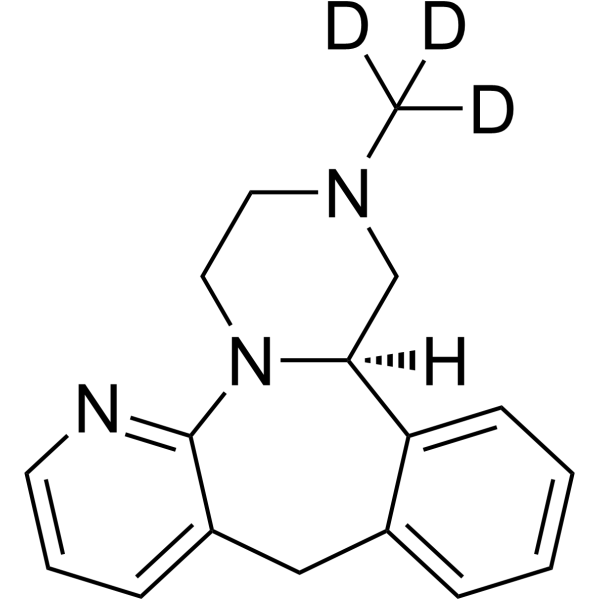
(R)-Mirtazapine-d3 is a deuterium labeled (R)-Mirtazapine. (R)-Mirtazapine is a R(−)-enantiomer of Mirtazapine with antinociceptive properties in an animal model of acute thermal nociception. (R)-Mirtazapine is a 5-HT3 receptor antagonist. (R)-Mirtazapine is mainly metabolized by CYP3A4[1].
loading...
    loading...
Cat. No.: HY-P3223
CAS No.: 126872-95-5
Target:  

Opioid Receptor

Research Areas:  

Neurological Disease

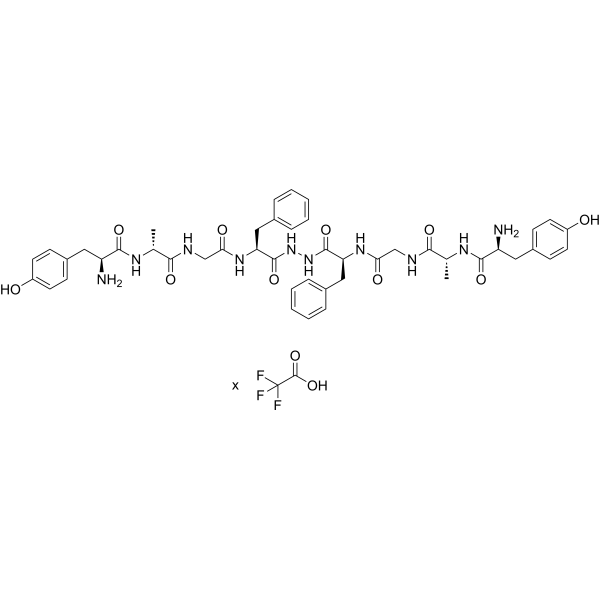
Biphalin TFA, a BBB-penetrable opioid peptide analog, contains two active enkephalin pharmacophores. Biphalin TFA has high affinity for opioid receptors. Biphalin TFA shows analgesic effect in acute, neuropathic, and chronic animal pain models. Biphalin TFA is also an antiviral, antiproliferative, anti-inflammatory, and neuroprotective agent .
loading...
    loading...

