1. Search Result
Search Result
Results for "

alginates

" in MedChemExpress (MCE) Product Catalog:

47

Inhibitors & Agonists

7

Fluorescent Dye

10

Biochemical Assay Reagents

2

Peptides

18

Natural
Products

1

Oligonucleotides

Cat. No. Product Name Target Research Areas Chemical Structure
  • HY-Y1310
    Sodium alginate
    1 Publications Verification

    Environmental Pollutants Others Cancer
    Sodium alginate is the sodium salt of alginic acid. Sodium alginate can be extracted and purified from brown seaweed Laminaria japonica. Sodium alginate can be used in food additives and pharmaceuticals, adsorb heavy metal ions, and has mucosal-protective and hemostatic effects .
    Sodium alginate
  • HY-Y1310A

    Environmental Pollutants Biochemical Assay Reagents Others
    Sodium alginate is an anionic straight chain polysaccharide. Sodium alginate can be obtained from different species of algae. Sodium alginate has different properties, such as pH-sensitivity, nontoxicity, nonimmunogenicity. Sodium alginate has weak gelation, viscosity, and film-forming properties. Sodium alginate can be utilized to prepare gels and film materials for food preservation. Sodium alginate is a versatile functional biomaterial for viscosity enhancement, stabilizer, matrixing agent, encapsulation polymer, bioadhesive and film former .
    Sodium alginate (Viscosity 200±20mpa.s)
  • HY-N4136
    Lonicerin
    1 Publications Verification

    Veronicastroside

    Bacterial Apoptosis Xanthine Oxidase Fungal Infection Neurological Disease Inflammation/Immunology
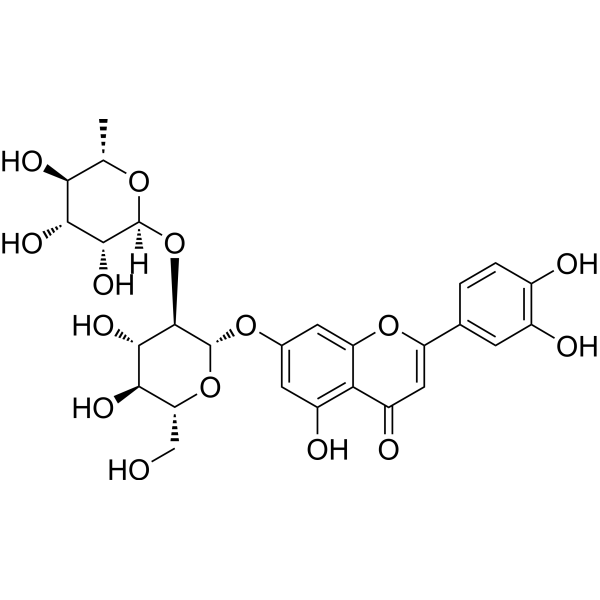
    Lonicerin (Veronicastroside) is a flavonoid with multiple biological activities. Lonicerin inhibits xanthine oxidase with an IC50 of 37.4 µg/mL. Lonicerin inhibits alginate secretion protein (AlgE). Lonicerin inhibits P. aeruginosa and C. albicans. Lonicerin has anti-inflammatory, anti-arthritic, antioxidant, antifungal, anti-bacterial, and neuroprotective properties .
    Lonicerin
  • HY-A0104D

    Hypromellose (Type I,Viscosity:4000mPa.s); (Hydroxypropyl)methyl cellulose (Type I,Viscosity:4000mPa.s); Celacol HPM 5000 (Type I,Viscosity:4000mPa.s)

    Environmental Pollutants Biochemical Assay Reagents Others
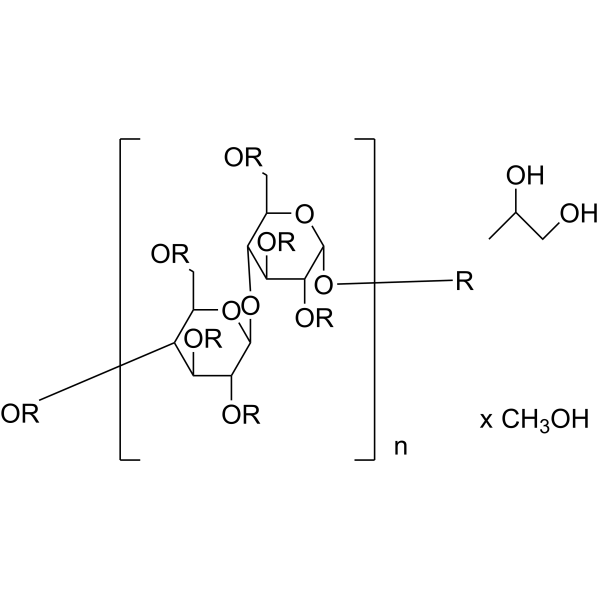
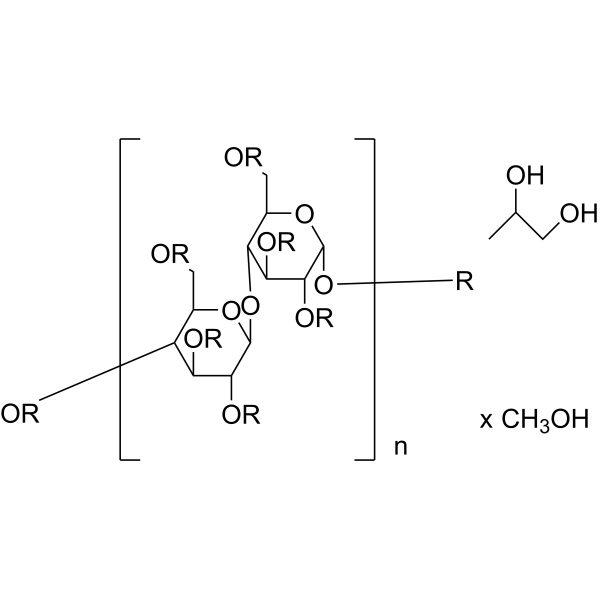
    HPMC (Hypromellose) (Type I, Viscosity: 4000mPa.s) is a primary sodium alginate and controlled release hydrophilic polymer with an average viscosity of 4000mPa.s. The viscosity of HPMC may change due to concentration, pH, temperature or the presence of metal ions. When the pH is above 10, the viscosity decreases .
    HPMC (Type I,Viscosity:4000mPa.s)
  • HY-N7703

    Others Cancer
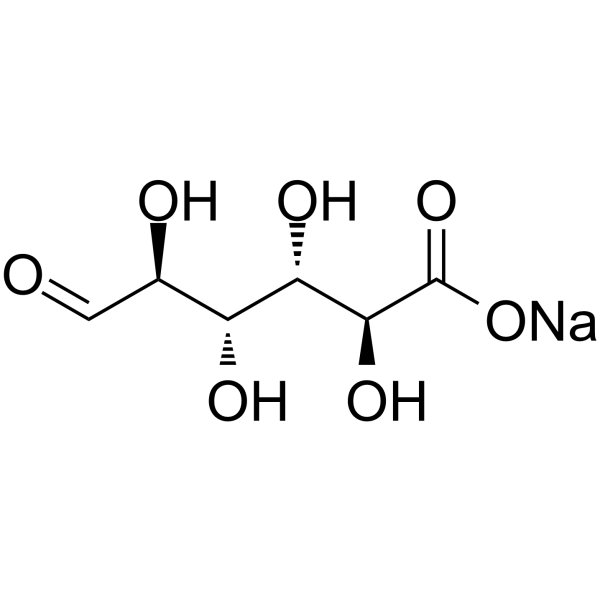
    D-Mannuronic acid sodium is a uronic acid monosaccharide that is frequently utilized in alginate manufacturing. D-Mannuronic acid can be used for the study of cancer .
    D-Mannuronic acid sodium
  • HY-W134328

    Dextran blue (MW 2000000)

    Biochemical Assay Reagents Others
    Blue dextran (Dextran blue) (MW 2000000) is a high-molecular-weight long-chain polymer of D-glucose. Blue dextran (MW 2000000) serves as an important model macromolecular drug and molecular weight estimation marker, and can be used as a standard for gel permeation chromatography. The release of Blue dextran (MW 2000000) from alginate microspheres is regulated by preparation conditions; its release rate in a pH 6.8 environment is significantly faster than that in pH 1.2, and it exhibits release characteristics close to zero-order kinetics under this condition .
    Blue dextran (MW 2000000)
  • HY-W019885A

    Sodium triphosphate pentabasic, 98%

    Environmental Pollutants Biochemical Assay Reagents Others
    Sodium tripolyphosphate (STPP), 98% is an inorganic, non-toxic polyphosphate crosslinker, inducer and enhancer. Sodium tripolyphosphate (STPP), 98% induces the formation of unique needle-like microcrystals in sodium alginate-chitosan composite films. Sodium tripolyphosphate (STPP), 98% enhances the DPPH free radical scavenging activity of sodium alginate-chitosan composite films .
    Sodium tripolyphosphate (STPP), 98%
  • HY-A0104C

    Hypromellose (Type I,Viscosity:400mPa.s); (Hydroxypropyl)methyl cellulose (Type I,Viscosity:400mPa.s); Celacol HPM 5000 (Type I,Viscosity:400mPa.s)

    Environmental Pollutants Biochemical Assay Reagents Others
    HPMC (Hypromellose) (Type I, Viscosity: 400mPa.s) is a first-grade sodium alginate with an average viscosity of 400 mPa.s. Typically, a 1% w/v HPMC aqueous solution has a viscosity of 20-400mPa.s (20-400cp) at 20°C. The viscosity of HPMC may vary depending on concentration, pH, temperature, or the presence of metal ions. Viscosity decreases at pH values above 10 .
    HPMC (Type I,Viscosity:400mPa.s)
  • HY-W133967

    Environmental Pollutants Biochemical Assay Reagents Inflammation/Immunology
    Calcium alginate is a biopolymer that can be used for developing oral agent-delivery systems . Calcium alginate is a pH sensitive hydrogel stable in acidic media and soluble in basic media .
    Calcium alginate
  • HY-P6022

    Integrin Others
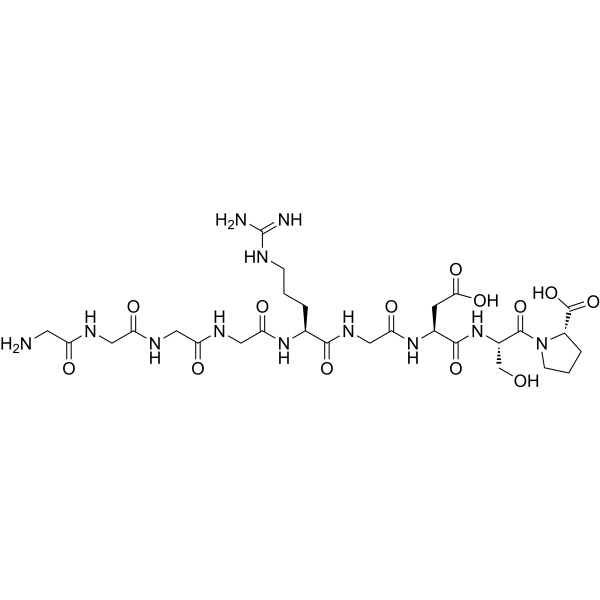
    G4RGDSP, Integrin-binding peptide is a cell integrin-binding peptide that targets integrin receptors. G4RGDSP, integrin-binding peptide is coupled to alginate to increase the viability of cells in the scaffold. G4RGDSP, integrin-binding peptide can be used as an extrudable carrier for chondrocyte delivery for the study of 3D printing technology
    G4RGDSP, integrin-binding peptide
  • HY-W012572

    Mitochondrial Metabolism Bacterial Infection Metabolic Disease
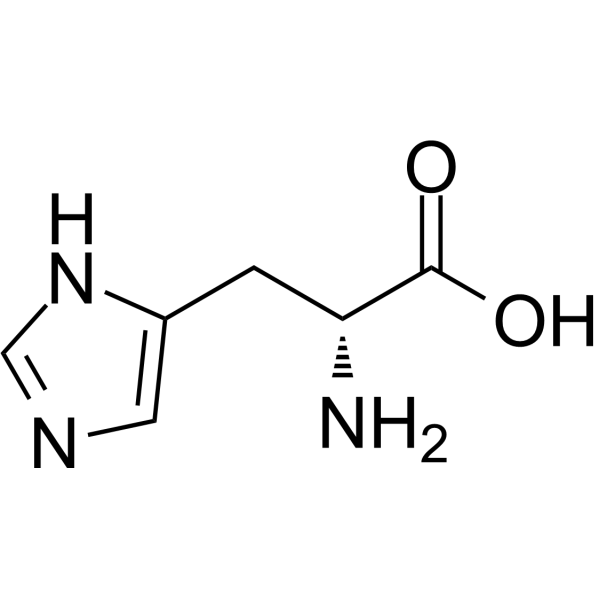
    D-Histidine is an anti-biofilm agent that targets bacterial quorum sensing systems (such as RhlI/RhlR pathway) and has antibacterial activity. D-Histidine works by non-covalently binding to bacterial regulatory factors or copper ion complexes, selectively inhibiting bacterial biofilm formation and motility. D-Histidine downregulates quorum sensing-related gene expression, reduces the synthesis of virulence factors (such as alginate and proteases), and interferes with bacterial membrane stability, inhibiting biofilm formation, promoting the disintegration of mature biofilms, and enhancing antibiotic sensitivity. D-Histidine is also an efficient catalyst for the salt-induced peptide formation (SIPF) reaction, which promotes the condensation of amino acids to form dipeptides (such as dialanine and dilysine) by forming a complex with copper ions (Cu 2+) .
    D-Histidine
  • HY-158222A

    AlgMA (MW 300000)

    Biochemical Assay Reagents Others
    Alginate Methacryloyl (MW 300000) is a methacryloyl alginate with potential for use as a tissue engineering scaffold and 3D printing ink. Alginate Methacryloyl (MW 300000) is biocompatible, non-immunogenic, has low toxicity and is capable of physical cross-linking with divalent cations such as calcium . Alginate Methacryloyl (MW 300000) needs to self-assemble into fibrous hydrogel under the action of photoinitiator LAP (HY-44076), and target bioactive adhesion sites, play an inherent supporting role for tissue cells and biodegradable activity.
    Application: cell culture, biological 3D printing, tissue engineering, etc.
    Alginate Methacryloyl (MW 300000)
  • HY-N7699C

    Bacterial Neurological Disease
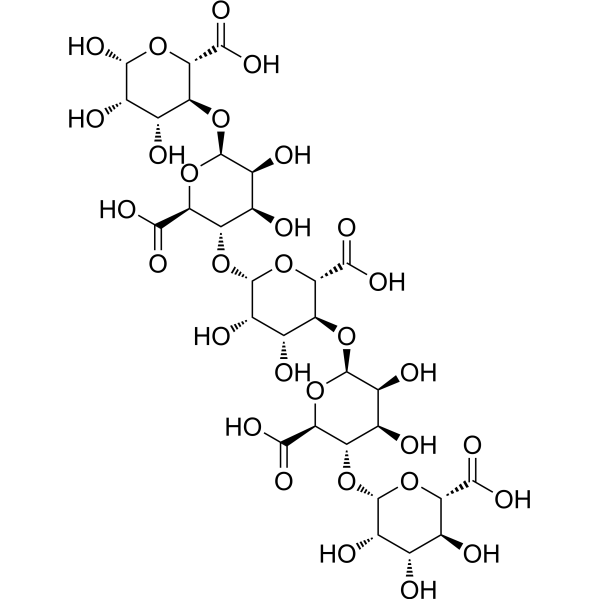
    D-Pentamannuronic acid, an alginate oligomer, is produced by marine brown algae and by a limited range of Gram negative bacteria. D-Pentamannuronic acid can be used for the research of pain and vascular dementia .
    D-Pentamannuronic acid
  • HY-P2835

    Bacterial Infection
    Alginate lyase is a polysaccharide lyase that catalyzes the degradation of alginate. Alginate lyase can be used for the research of cystic fibrosis by degrading the polysaccharide biofilm of Pseudomonas aeruginosa .
    Alginate lyase
  • HY-158222

    AlgMA (MW 50000)

    Biochemical Assay Reagents Others
    Alginate Methacryloyl (MW 50000) is a methacryloyl alginate with potential for use as a tissue engineering scaffold and 3D printing ink. Alginate Methacryloyl (MW 50000) is biocompatible, non-immunogenic, has low toxicity and is capable of physical cross-linking with divalent cations such as calcium . Alginate Methacryloyl (MW 50000) needs to self-assemble into fibrous hydrogel under the action of photoinitiator LAP (HY-44076), and target bioactive adhesion sites, play an inherent supporting role for tissue cells and biodegradable activity.
    Application: cell culture, biological 3D printing, tissue engineering, etc.
    Alginate Methacryloyl (MW 50000)
  • HY-N7699H

    Drug Intermediate Infection
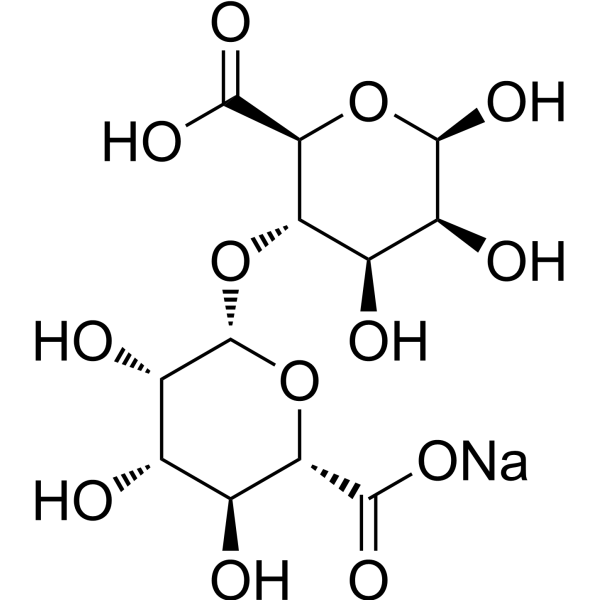
    D-Dimannuronic acid is an alginate extract from brown algae which can be used to synthesize sulfated polymannuronate (SPMG)-derived oligosaccharides .
    D-Dimannuronic acid sodium
  • HY-N7701A

    Fungal Infection
    L-Triguluronic acid is a linear polysaccharide copolymer composed of three L-guluronic acid (G) and can be used to from Alginate . Alginate is a generic name of unbranched polyanionic polysaccharides and can be used for the research of anti-fungal agents delivery carries .
    L-Triguluronic acid
  • HY-N7699B

    Bacterial Neurological Disease
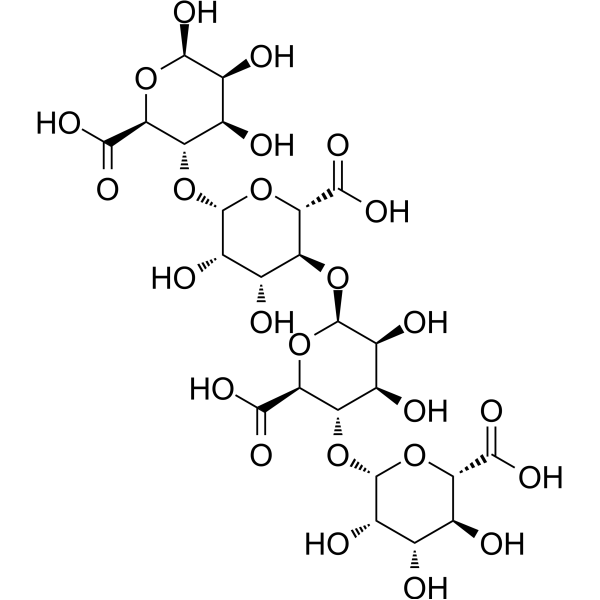
    D-Tetramannuronic acid, an alginate oligomer, is produced by marine brown algae and by a limited range of Gram negative bacteria. D-Tetramannuronic acid can be used for the research of pain and vascular dementia .
    D-Tetramannuronic acid
  • HY-N7699F

    Bacterial Neurological Disease
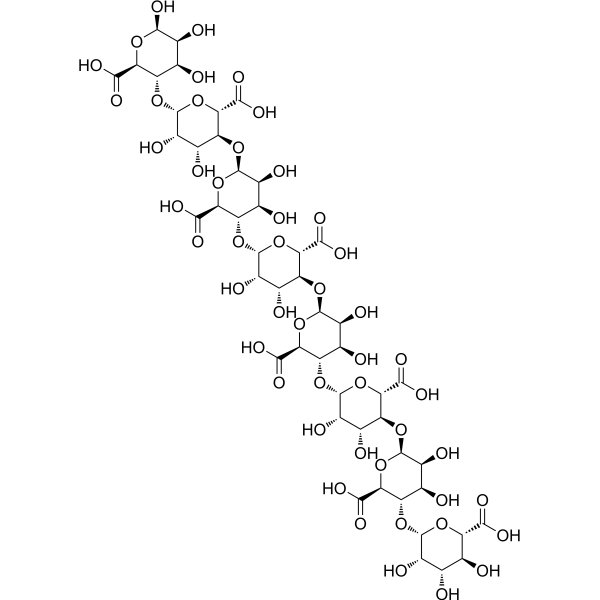
    D-Octamannuronic acid, an alginate oligomer, is produced by marine brown algae and by a limited range of Gram negative bacteria. D-Octamannuronic acid can be used for the research of pain and vascular dementia .
    D-Octamannuronic acid
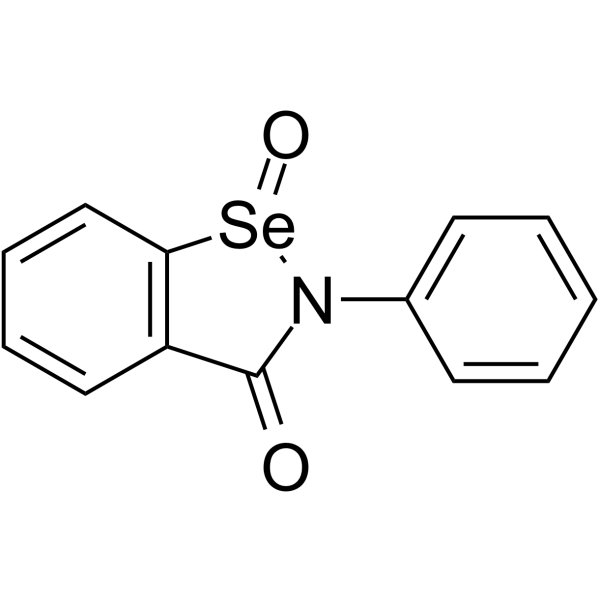
  • HY-114548

    Guanylate Cyclase Infection
    Ebselen oxide, the selenone analogue of Ebselen, covalently modifies diguanylate cyclase (DGC) to inhibit c-di-GMP-receptor interactions and reduces DGC activity. Ebselen oxide also inhibits alginate production (IC50=14 μM) by Pseudomonas aeruginosa. Ebselen oxide inhibits HDAC1, HDAC3, HDAC4, HDAC5, HDAC6, HDAC7, HDAC8, and HDAC9 (IC50 ranging from 0.2 to 4.7 μM) .
    Ebselen oxide
  • HY-172379A

    Biochemical Assay Reagents Others
    Alginate aldehyde, 35% aldehyde content is an anionic polysaccharide widely used in pharmaceutical and biomedical applications. Aldehyde-functionalized Alginate aldehyde can be used to prepare hydrogels by reacting with amine groups .
    Alginate aldehyde, 35% aldehyde content
  • HY-W012572A

    Mitochondrial Metabolism Bacterial Infection Metabolic Disease
    D-Histidine hydrochloride hydrate is an anti-biofilm agent that targets bacterial quorum sensing systems (such as RhlI/RhlR pathway) and has antibacterial activity. D-Histidine hydrochloride hydrate works by non-covalently binding to bacterial regulatory factors or copper ion complexes, selectively inhibiting bacterial biofilm formation and motility. D-Histidine hydrochloride hydrate downregulates quorum sensing-related gene expression, reduces the synthesis of virulence factors (such as alginate and proteases), and interferes with bacterial membrane stability, inhibiting biofilm formation, promoting the disintegration of mature biofilms, and enhancing antibiotic sensitivity. D-Histidine hydrochloride hydrate is also an efficient catalyst for the salt-induced peptide formation (SIPF) reaction, which promotes the condensation of amino acids to form dipeptides (such as dialanine and dilysine) by forming a complex with copper ions (Cu 2+) .
    D-Histidine hydrochloride hydrate
  • HY-N7701E

    Fungal Infection
    L-Diguluronic acid disodium is a linear polysaccharide copolymer composed of two L-guluronic acid. L-Diguluronic acid disodium can be used to form Alginate. L-Diguluronic acid disodium is a generic name of unbranched polyanionic polysaccharides and it can be used for the research of antifungal agents delivery carries .
    L-Diguluronic acid disodium
  • HY-N7657

    Others Others
    L-octaguluronic acid octasodium salt is extracted from seaweed. L-octaguluronic acid octasodium salt is the component of the natural biopolymers, alginates .
    L-octaguluronic acid octasodium salt
  • HY-N7699

    Others Infection
    D-Dimannuronic acid is an alginate extract from brown algae which can be used to synthesize sulfated polymannuronate (SPMG)-derived oligosaccharides .
    D-Dimannuronic acid
  • HY-N7699A

    TNF Receptor Neurological Disease Inflammation/Immunology
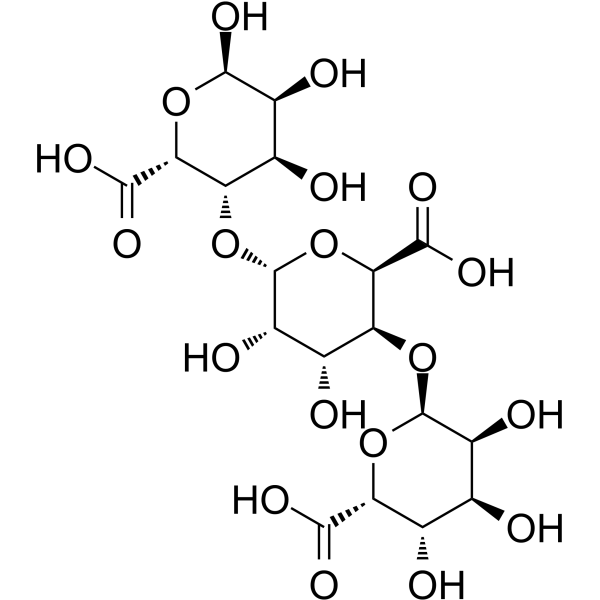
    D-Trimannuronic acid, an alginate oligomer is extracted from seaweed. D-Trimannuronic acid can induce TNF‐α secretion by mouse macrophage cell lines. D-Trimannuronic acid can be used for the research of pain and vascular dementia .
    D-Trimannuronic acid
  • HY-N7699G

    Bacterial Neurological Disease
    D-Nonamannuronic acid, an alginate oligomer, is produced by marine brown algae and by a limited range of Gram negative bacteria. D-Nonamannuronic acid can be used for the research of pain and vascular dementia .
    D-Nonamannuronic acid
  • HY-N7699E

    Bacterial Neurological Disease
    D-Heptamannuronic acid, an alginate oligomer, is produced by marine brown algae and by a limited range of Gram negative bacteria. D-Heptamannuronic acid can be used for the research of pain and vascular dementia .
    D-Heptamannuronic acid
  • HY-N7699D

    Bacterial Neurological Disease
    D-Hexamannuronic acid, an alginate oligomer, is produced by marine brown algae and by a limited range of Gram negative bacteria. D-Hexamannuronic acid can be used for the research of pain and vascular dementia .
    D-Hexamannuronic acid
  • HY-N4136R

    Veronicastroside (Standard)

    Reference Standards Bacterial Apoptosis Xanthine Oxidase Fungal Infection Neurological Disease Inflammation/Immunology
    Lonicerin (Standard) (Veronicastroside (Standard)) is the analytical standard of Lonicerin (HY-N4136). This product is intended for research and analytical applications. Lonicerin is a flavonoid with multiple biological activities. Lonicerin inhibits xanthine oxidase with an IC50 of 37.4 µg/mL. Lonicerin inhibits alginate secretion protein (AlgE). Lonicerin inhibits P. aeruginosa and C. albicans. Lonicerin has anti-inflammatory, anti-arthritic, antioxidant, antifungal, anti-bacterial, and neuroprotective properties.
    Lonicerin (Standard)
  • HY-172379

    Biochemical Assay Reagents Others
    Alginate aldehyde, 20% aldehyde content is an anionic polysaccharide widely used in pharmaceutical and biomedical applications. Aldehyde-functionalized Alginate aldehyde can be used to prepare hydrogels by reacting with amine groups .
    Alginate aldehyde, 20% aldehyde content
  • HY-N7701

    Fungal Infection
    L-Diguluronic acid is a linear polysaccharide copolymer composed of two L-guluronic acid (G) and can be used to from Alginate . Alginate is a generic name of unbranched polyanionic polysaccharides and can be used for the research of antifungal agents delivery carries .
    L-Diguluronic acid
  • HY-N7662

    Others Others
    L-heptaguluronic acid heptasodium salt, extracted from seaweed, is the component of the natural biopolymers, alginates .
    L-heptaguluronic acid heptasodium salt
  • HY-N14868

    Others Neurological Disease
    Neuroprotectin B is a cyclopeptide. Neuroprotectin B has the function of protecting chicken brain neuron culture from excitatory toxicity induced by glutamate and red alginate .
    Neuroprotectin B
  • HY-172381

    Biochemical Assay Reagents Others
    Poly(guluronate), low endotoxin is the portion of the Alginate molecule that is responsible for its gelling behaviour. Poly(guluronate), low endotoxin has ionic cross-linking effects .
    Poly(guluronate), low endotoxin
  • HY-E70128

    Others Others
    Leucyl aminopeptidase, Porcine is a metallopeptidase that cleave N-terminal residues from proteins and peptides. Leucyl aminopeptidase serves as transcriptional repressors to control pyrimidine, alginate and cholera toxin biosynthesis, as well as mediate site-specific recombination events in plasmids and phages .
    Leucyl aminopeptidase, Porcine
  • HY-177482

    Drug Intermediate Cancer
    Pro-PTX is a Pd-sensitive Paclitaxel (HY-B0015) prodrug with anticancer activity 200 to 700-fold lower than that of the parent compound. Pro-PTX triggers intramolecular cyclization via Pd-catalyzed depropargylation to release active Paclitaxel (HY-B0015) and a non-toxic byproduct. Pro-PTX diffuses efficiently through porous agarose and alginate hydrogel networks, reacts with embedded Pd nanosheets and gets activated. Pro-PTX exhibits significantly reduced cytotoxicity and antiproliferative activity in cancer cells and non-cancerous human cerebrovascular pericytes. Pro-PTX is applicable for research related to non-small cell lung cancer, glioblastoma and lung cancer .
    Pro-PTX
  • HY-W012572R

    Reference Standards Mitochondrial Metabolism Bacterial Infection Metabolic Disease
    D-Histidine (Standard) is the analytical standard of D-Histidine (HY-W012572). This product is intended for research and analytical applications. D-Histidine is an anti-biofilm agent that targets bacterial quorum sensing systems (such as RhlI/RhlR pathway) and has antibacterial activity. D-Histidine works by non-covalently binding to bacterial regulatory factors or copper ion complexes, selectively inhibiting bacterial biofilm formation and motility. D-Histidine downregulates quorum sensing-related gene expression, reduces the synthesis of virulence factors (such as alginate and proteases), and interferes with bacterial membrane stability, inhibiting biofilm formation, promoting the disintegration of mature biofilms, and enhancing antibiotic sensitivity. D-Histidine is also an efficient catalyst for the salt-induced peptide formation (SIPF) reaction, which promotes the condensation of amino acids to form dipeptides (such as dialanine and dilysine) by forming a complex with copper ions (Cu 2+) .
    D-Histidine (Standard)
  • HY-D3019

    Fluorescent Dye Others
    CY5-Alginate is a CY5 (HY-D0821)-labeled alginate.CY5-Alginate combines the polysaccharide properties of alginate with the fluorescence properties of CY5, playing an important role in fields such as fluorescent labeling, cell imaging, and drug delivery research (Ex/Em = 633/670 nm).
    CY5-Alginate
  • HY-D3018

    Fluorescent Dye Others
    CY3-Alginate is a CY3 (HY-D0822)-labeled alginate. CY3-Alginate combines the polysaccharide properties of alginate with the fluorescence properties of CY3, playing an important role in fields such as fluorescent labeling, cell imaging, and drug delivery research (Ex/Em = 550/570 nm).
    CY3-Alginate
  • HY-D3021

    Fluorescent Dye Others
    CY7-Alginate is a CY7 (HY-D0825)-labeled alginate. CY7-Alginate combines the polysaccharide properties of alginate with the fluorescence properties of CY7, playing an important role in fields such as fluorescent labeling, cell imaging, and drug delivery research (Ex/Em = 740/770 nm).
    CY7-Alginate
  • HY-D3022

    Fluorescent Dye Others
    CY7.5-Alginate is a CY7.5 (HY-D0926)-labeled alginate. CY7.5-Alginate combines the polysaccharide properties of alginate with the fluorescence properties of CY7.5, playing an important role in fields such as fluorescent labeling, cell imaging, and drug delivery research (Ex/Em = 770/820 nm).
    CY7.5-Alginate
  • HY-D3020

    Fluorescent Dye Others
    CY5.5-Alginate is a CY5.5 (HY-D0924)-labeled alginate. CY5.5-Alginate combines the polysaccharide properties of alginate with the fluorescence properties of CY5.5, playing an important role in fields such as fluorescent labeling, cell imaging, and drug delivery research (Ex/Em = 680/710 nm).
    CY5.5-Alginate
  • HY-D3033

    Fluorescent Dye Others
    FITC-Alginate is a FITC (HY-66019)-labeled alginate. FITC-Alginate combines the polysaccharide properties of alginate with the fluorescence properties of FITC, playing an important role in fields such as fluorescent labeling, cell imaging, and drug delivery research (Ex/Em = 488/525 nm).
    FITC-Alginate
  • HY-D3035

    Fluorescent Dye Others
    Rhodamine-Alginate is a Rhodamine B (HY-Y0016)-labeled alginate. Rhodamine-Alginate combines the polysaccharide properties of alginate with the fluorescence properties of Rhodamine B, playing an important role in fields such as fluorescent labeling, cell imaging, and drug delivery research (Ex/Em = 546/610 nm) .
    Rhodamine-Alginate
  • HY-P2835A

    Biochemical Assay Reagents Others
    Alginate lyase, Sphingomonas sp. (EC 4.2.2.3) is an enzyme that catalyzes the chemical reaction:Eliminative cleavage of polysaccharides containing beta-D-mannuronate residues to give oligosaccharides with 4-deoxy-alpha-L-erythro-hex-4-enopyranuronosyl groups at their ends. Alginate lyase, Sphingomonas sp. (EC 4.2.2.3) belongs to the family of lyases, participates in fructose and mannose metabolism.
    Alginate lyase, Sphingomonas sp.
  • HY-116452

    VEGFR Cancer
    YLT192 is an orally active and highly bioavailable VEGFR2 inhibitor with potent anti-angiogenic activity and anti-tumor efficacy. YLT192 significantly inhibited the kinase activity of VEGFR2 and inhibited the proliferation, migration, invasion and tube formation of human umbilical cord vascular endothelial cells. YLT192 also inhibited VEGF-induced VEGFR2 phosphorylation and its downstream signaling regulators. YLT192 also showed the ability to inhibit angiogenesis in vivo in zebrafish embryo models and alginate-coated tumor cell experiments. YLT192 can directly inhibit the proliferation of cancer cells and induce their apoptosis .
    YLT192

Inquiry Online

Your information is safe with us. * Required Fields.

Salutation


Country or Region *

Applicant Name *


Organization Name *

Department *


Email Address *


Product Name *

Cat. No.


Requested quantity *

Phone Number *


Remarks

Inquiry Online

Inquiry Information

Product Name:
Cat. No.:
Quantity:
MCE Japan Authorized Agent:

