
From 11:00 pm to 12:00 pm EST ( 8:00 pm to 9:00 pm PST ) on January 6th, the website will be under maintenance. We are sorry for the inconvenience. Please arrange your schedule properly.
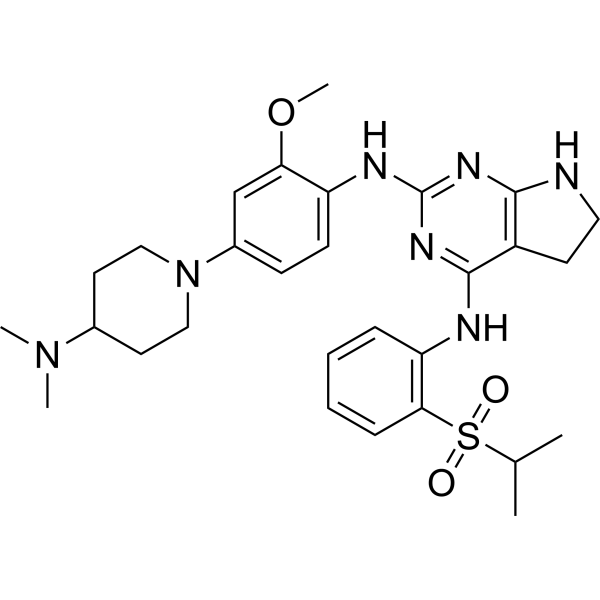
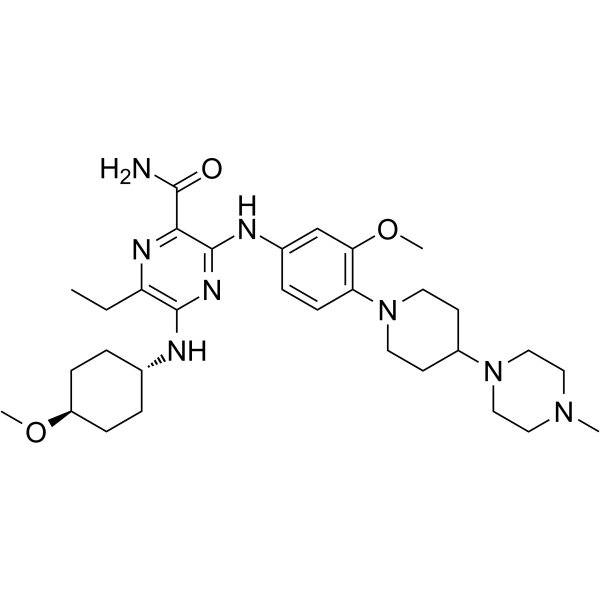
ASP3026 is a selective and orally active inhibitor of anaplasticlymphoma kinase (ALK). ASP3026 is a selective and oral active anaplasticlymphoma kinase (ALK) inhibitor with a IC50 value of 3.5 nM. ASP3026 can inhibit the phosphorylation of IGF-1R, STAT3, AKT and JNK proteins, and induce the cleavage of caspase 3 and PARP. It also inhibited ROS and ACK. ASP3026 can be used in anti-tumor research .
Iratumumab (MDX-060) a human anti-CD30 IgG1κ monoclonal antibody. Iratumumab inhibits the growth of CD30-expressing tumor cells. Iratumumab can be used for research of Hodgkin's lymphoma (HL) and anaplastic large-cell lymphoma (ALCL) .
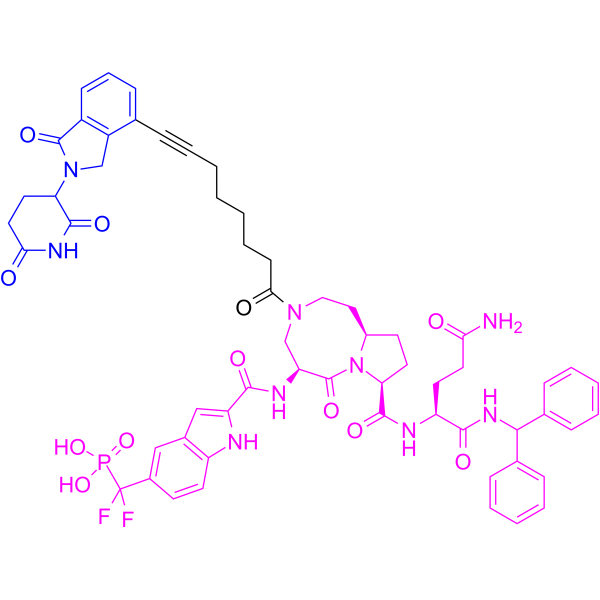
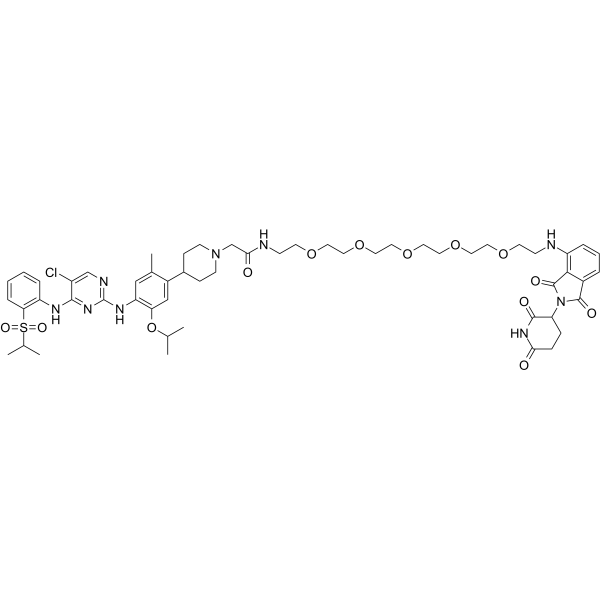
SIAIS001 is a CRBN-dependent ALK PROTAC degrader with a DC50 of 3.9 nM. SIAIS001 induces ALK protein degradation via the ubiquitin-proteasome system. SIAIS001 induces G1/S phase cell cycle arrest and inhibits proliferation of cancer cells. SIAIS001 can be used for the research of anaplastic large-cell lymphomas .
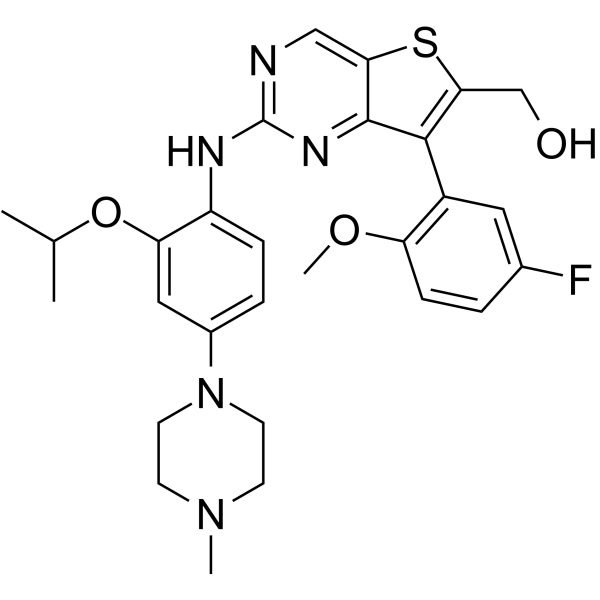
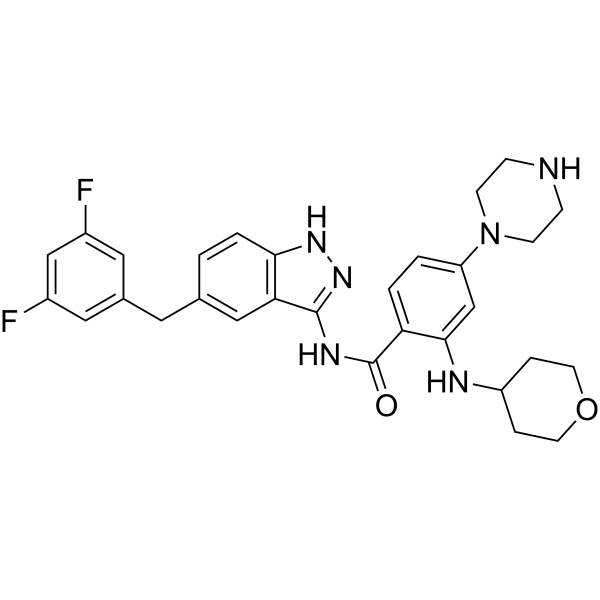
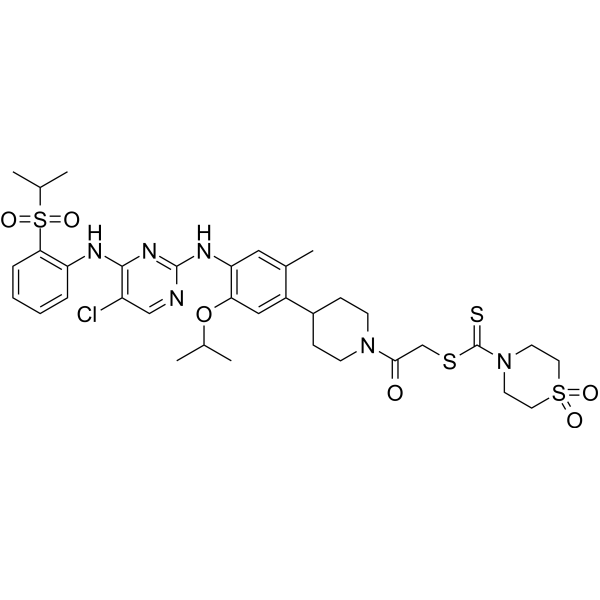
Ficonalkib is a potent inhibitor of Anaplasticlymphoma kinase (ALK), the tyrosine kinase receptor. Ficonalkib, can be used as an antineoplastic agent .
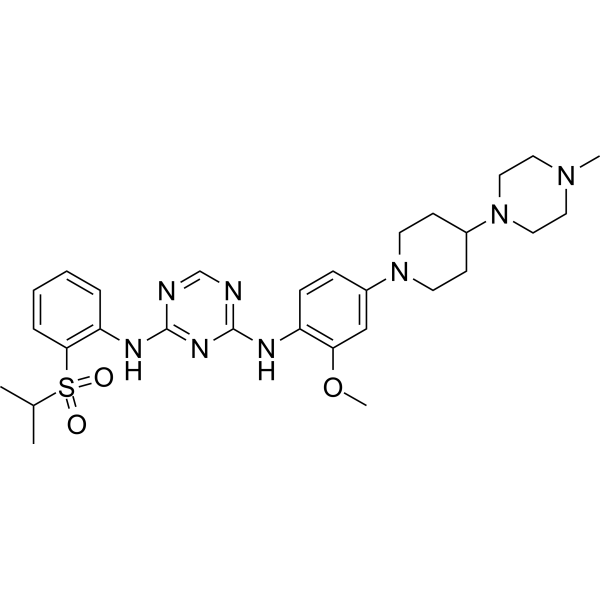
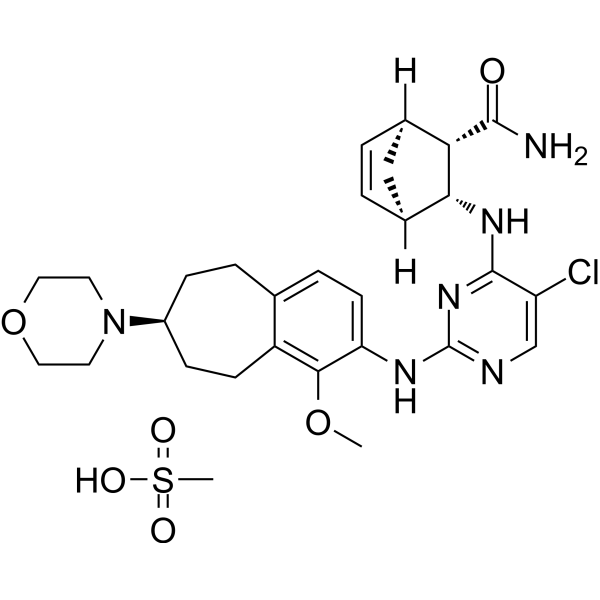
CEP-28122 mesylate salt, a diaminopyrimidine derivative, is a potent, selective, and orally active ALK inhibitor with an IC50 value of 1.9 nM. CEP-28122 mesylate salt has antitumor activity in experimental models of ALK-positive human cancers. CEP-28122 mesylate salt has good pharmacodynamic and pharmacokinetic activity. CEP-28122 mesylate salt can be used for the study of ALK-positive anaplastic large-cell lymphoma (ALCL), non-small cell lung cancer (NSCLC), and neuroblastoma cells .
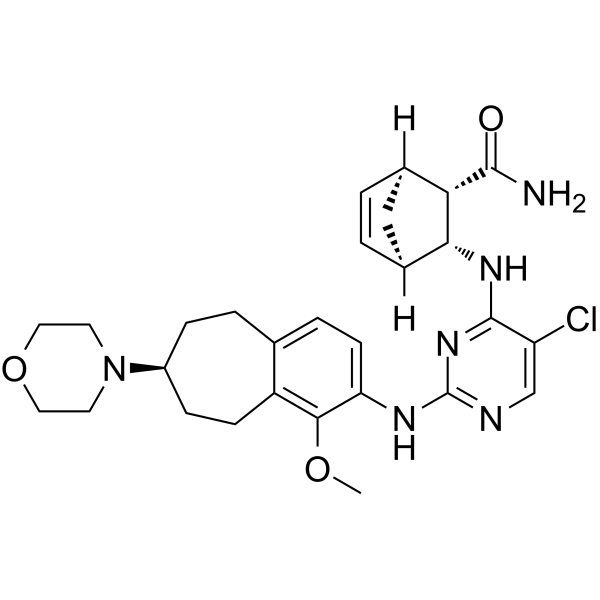
CEP-28122, a diaminopyrimidine derivative, is a potent, selective, and orally active ALK inhibitor with an IC50 value of 1.9 nM. CEP-28122 has antitumor activity in experimental models of ALK-positive human cancers. CEP-28122 has good pharmacodynamic and pharmacokinetic activity. CEP-28122 can be used for the study of ALK-positive anaplastic large-cell lymphoma (ALCL), non-small cell lung cancer (NSCLC), and neuroblastoma cells .
ALK-IN-21 (Compound B10), a potent ALK inhibitor for ALKG1202R mutation, exhibits remarkable enzymatic inhibitory potency with IC50 values of 4.59 nM, 2.07 nM and 5.95 nM toward ALK WT, ALK L1196M and ALK G1202R, respectively. ALK-IN-21 efficiently inhibits the proliferation of ALK-positive Karpas299 and H2228 cells both with IC50 values of 0.07 μM. ALK-IN-21 can be used for the research of anaplastic large cell lymphoma .
EML4-ALK kinase inhibitor 1 is a potent orally active inhibitor of echinoderm microtubule-associated protein-like 4-anaplasticlymphoma kinase (EML4-ALK), with an IC50 of 1 nM .
XmAb-2513 is a humanized monoclonal antibody inhibitor targeting CD30. XmAb-2513 has significant anti-proliferative activity and superior antibody-dependent cell-mediated cytotoxicity (ADCC) as well as antibody-dependent cell-mediated phagocytosis (ADCP). XmAb-2513 can be used for hematologic malignancies like Hodgkin Lymphoma (HL) and Anaplastic Large Cell Lymphoma (ALCL) research .
SGN-30 is a chimeric antibody derived from a mouse antihuman CD30 antibody, AC10, with the variable regions of AC10 and human α 1 heavy chain and κ light chain constant regions. SGN-30 induces apoptosis and cell-cycle arrest in cancer cells. SGN-30 can be used for the study of Hodgkin lymphoma (HL) and anaplastic large cell lymphoma (ALCL) .
Bayer-18 is an inhibitor for TYK2. Bayer-18 inhibits the viability of ALCL cell K299, SR786, Mac1 and Mac2a with IC50 of 2-3 µM, and induces apoptosis in K299 and SR786 .
ASP3026 (Standard) is the analytical standard of ASP3026. This product is intended for research and analytical applications. ASP3026 is a selective and orally active inhibitor of anaplasticlymphoma kinase (ALK). ASP3026 is a selective and oral active anaplasticlymphoma kinase (ALK) inhibitor with a IC50 value of 3.5 nM. ASP3026 can inhibit the phosphorylation of IGF-1R, STAT3, AKT and JNK proteins, and induce the cleavage of caspase 3 and PARP. It also inhibited ROS and ACK. ASP3026 can be used in anti-tumor research .
CEP-28122 mesylate hydrochloride, a diaminopyrimidine derivative, is a potent, selective, and orally active ALK inhibitor with an IC50 value of 1.9 nM. CEP-28122 mesylate hydrochloride has antitumor activity in experimental models of ALK-positive human cancers. CEP-28122 mesylate hydrochloride has good pharmacodynamic and pharmacokinetic activity. CEP-28122 mesylate hydrochloride can be used for the study of ALK-positive anaplastic large-cell lymphoma (ALCL), non-small cell lung cancer (NSCLC), and neuroblastoma cells .
ALK-IN-6 (compound 11) is an orally bioavailable inhibitor of anaplasticlymphoma kinase (ALK), with IC50 values of 71 nM, 18.72 nM and 36.81 nM for ALK wild, ALK F1196M and ALK F1174L, respectively .
C2NP sodium is a single-strand DNA aptamer that targets CD30. The multivalent C2NP is able to induce oligomerization of CD30 receptors and, in effect, activate downstream signaling, which led to apoptosis of anaplastic large cell lymphoma (ALCL) cells.
ALK protein ligand-1 (Compound A1), a ligand for the anaplasticlymphoma kinase (ALK) protein, is a PROTAC target protein ligand (Ligands for Target Protein for PROTACs) that exhibits inhibitory effects on ALK. ALK protein ligand-1 can be used in the synthesis of AP-1 (HY-169481) .
dALK-3 is an anaplasticlymphoma kinase (ALK) degrader. dALK-3 can effectively induce EML4-ALK degradation with a DC50 of 0.182 μM. dALK-3 has good anti-proliferation activity against H3122 cells and can be used in the study of cancer .
Anaplasticlymphoma kinase (ALK) is a receptor tyrosine kinase in the insulin receptor superfamily. ALK has multiple mutants. ALK R1275Q is commonly found in neuroblastoma (NB). ALK R1275Q Recombinant Human Active Protein Kinase is a recombinant ALK R1275Q protein that can be used to study ALK R1275Q-related functions .
Anaplasticlymphoma kinase (ALK) is a receptor tyrosine kinase in the insulin receptor superfamily. ALK can be used for the study of non-small cell lung carcinoma (NSCLC). ALK has multiple mutants. ALK L1196M Recombinant Human Active Protein Kinase is a recombinant ALK L1196M protein that can be used to study ALK L1196M-related functions .
Anaplasticlymphoma kinase (ALK) is a receptor tyrosine kinase in the insulin receptor superfamily. ALK has multiple mutants. ALK-F1174L is commonly found in neuroblastoma (NB). ALK-F1174L Recombinant Human Active Protein Kinase is a recombinant ALK-F1174L protein that can be used to study ALK-F1174L-related functions .
Anaplasticlymphoma kinase (ALK) is a receptor tyrosine kinase in the insulin receptor superfamily. ALK can be used for the study of non-small cell lung carcinoma (NSCLC). ALK has multiple mutants. ALK F1174S Recombinant Human Active Protein Kinase is a recombinant ALK F1174S protein that can be used to study ALK F1174S-related functions .
Anaplasticlymphoma kinase (ALK) is a receptor tyrosine kinase in the insulin receptor superfamily. ALK can be used for the study of non-small cell lung carcinoma (NSCLC). ALK has multiple mutants. ALK C1156Y Recombinant Human Active Protein Kinase is a recombinant ALK C1156Y protein that can be used to study ALK C1156Y-related functions .
Anaplasticlymphoma kinase (ALK) is a receptor tyrosine kinase in the insulin receptor superfamily. ALK can be used for the study of non-small cell lung carcinoma (NSCLC). ALK has multiple mutants. ALK G1202R Recombinant Human Active Protein Kinase is a recombinant ALK G1202R protein that can be used to study ALK G1202R-related functions .
ALK/EGFR-IN-3 is a dual inhibitor of ALK and EGFR. ALK/EGFR-IN-3 inhibits the cell proliferation of H1975, PC9, and Baf3-EML4-ALK cancer cell lines with IC50s of 0.1360, 0.0332, and 0.0339 μM, respectively .
ALK/EGFR-IN-2 is a potent dual inhibitor of ALK and EGFR. ALK/EGFR-IN-2 induces apoptosis and G0/G1 cell cycle arrest in cancer cells. ALK/EGFR-IN-2 significantly inhibits the cell proliferation of H1975, PC9, and Baf3-EML4-ALK cancer cell lines with IC50s of 0.0034, 0.0065, and 0.0018 μM, respectively .
HeFi-1 is a mouse anti-CD30 IgG1 monoclonal antibody. HeFi-1 recognizes the ligand-binding site on CD30. HeFi-1 can inhibit the growth of tumor cells with high expression of CD30. HeFi-1 can induce eosinophil apoptosis. HeFi-1 can be used for researches on cancer or inflammation conditions such as anaplastic large-cell lymphoma (ALCL) and asthma .
ALK-IN-34 is an AnaplasticLymphoma Kinase (ALK) inhibitor with an IC50 of 0.26 μM. ALK-IN-34 demonstrates antiproliferative activity against lung cancer cells and gastric adenocarcinoma cells .
CEP-14513 is an ALK inhibitor with an IC50 of 4 nM. CEP-14513 also inhibits insulin receptor, VEGFR2, TIE2 and DLK kinases, but does not inhibit MET, IKKβ, or CDK1/2/5. CEP-14513 induces cancer cell apoptosis. CEP-14513 is applicable to research related to non-small cell lung cancer, anaplastic large cell lymphoma, inflammatory myofibroblastic tumor, and diffuse large B-cell lymphoma .
Aurora kinase/ALK-IN-1 is a dual Aurora A kinase and ALK inhibitor with IC50 values of 0.296 μM and 0.332 μM, respectively. Aurora kinase/ALK-IN-1 induces G2/M cell cycle arrest, triggers mitochondrial apoptosis, elevates intracellular reactive oxygen species (ROS) levels, and inhibits ALDH1 activity. Aurora kinase/ALK-IN-1 demonstrates cytotoxicity and tumor selectivity. Aurora kinase/ALK-IN-1 can be used for the research of anaplastic large cell lymphoma .
ALK-IN-37 is an orally active type I1/2 allosteric inhibitor of anaplasticlymphoma kinase (ALK) with an IC50 of 9.58 nM. ALK-IN-37 induces cell apoptosis, inhibits colony formation, suppresses cell migration, and exerts antiproliferative effects in cancer cells overexpressing ALK. ALK-IN-37 can be used in research related to non-small cell lung cancer .
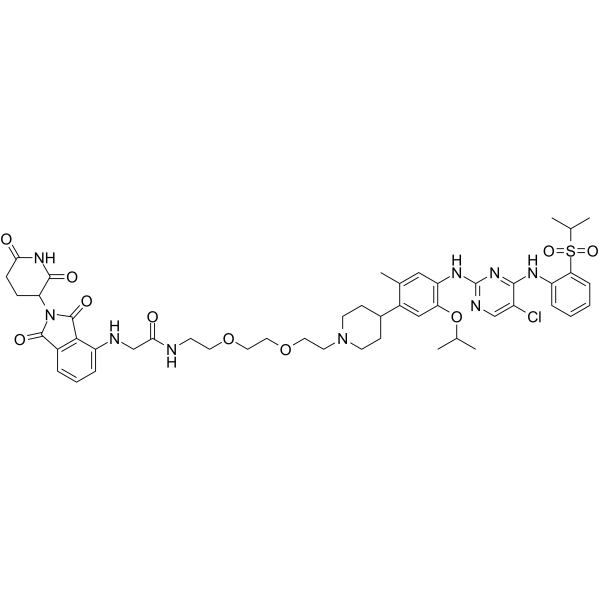
TD-004 is a potent ALKPROTAC degrader. TD-004 exhibits anti-ALK inhibitory activity with an IC50 of 0.11 µM and selectively inhibits the proliferation of SU-DHL-1 and H3122 cells (ALK-positive cancer cells) with IC50s of 0.058 µM and 0.28 µM, respectively. TD-004 induces degradation of ALK fusion proteins (NPM-ALK and EML4-ALK) via recruitment of the VHL E3 ligase and the proteasome pathway. TD-004 demonstrates significant tumor growth inhibition with a favorable safety profile in vivo. TD-004 can be used for the research of anaplastic large cell lymphoma and non-small cell lung cancer .
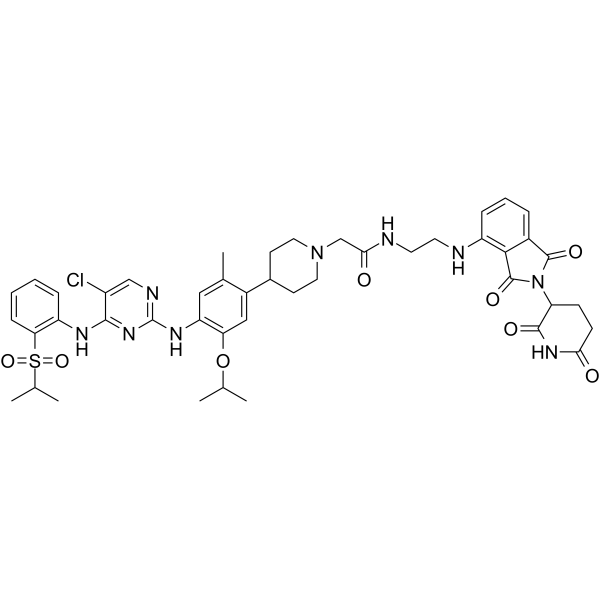
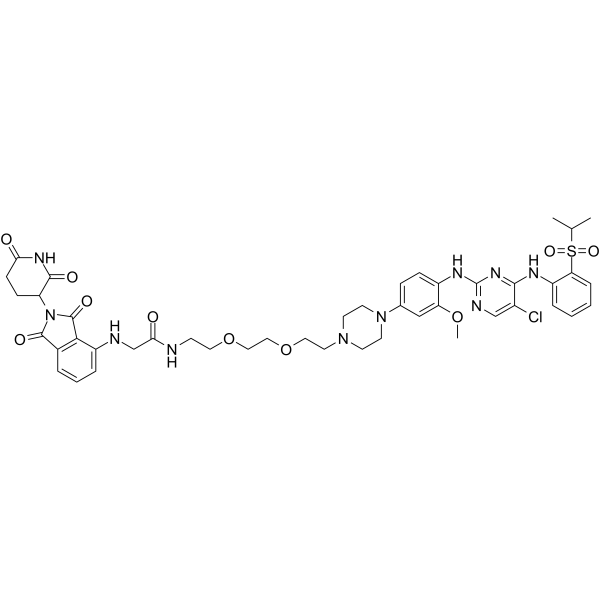
PROTAC ALK degrader-5 (Compound 17) is an efficient ALK PROTAC degrader, with its inhibitory effects on EML4-ALK and NPM-ALK being 27.4 nM and 116.5 nM respectively. PROTAC ALK degrader-5 exhibits potent anti-proliferative activity against H3122 and Karpas 299. PROTAC ALK degrader-5 effectively inhibits the phosphorylation of ALK and STAT3. PROTAC ALK degrader-5 can be used for the study of ALK-driven malignant tumors, such as human non-small cell lung cancer and anaplastic large cell lymphoma .
Br-C1-CONH-C5-CO-Val-Cit-PAB-MMAE (compound 62) is a drug-linker conjugate that contains a monomethyl auristatin E (MMAE) drug moiety, which is linked to a bromoacetamide-containing extension unit via a valine-citrulline (Val-Cit) dipeptide and a self-immolative p-aminobenzyl (PAB) spacer. Br-C1-CONH-C5-CO-Val-Cit-PAB-MMAE is applicable to the research of breast cancer, anaplastic large cell lymphoma and lung adenocarcinoma .
ALK5 ligand-1 (a31's ALK5 ligand) is a ligand of Anaplasticlymphoma kinase ALK5 with higher selectivity for ALK5 than for ALK4. ALK5 ligand-1 can be used to synthesize PROTAC degraders targeting ALK5. ALK5 PROTACs induce ALK5 degradation dependent on the ubiquitin-proteasome system and exert antifibrotic activity. ALK5 ligand-1 can be used in studies of pulmonary fibrosis .
(E)-Belizatinib ((E)-TSR-011)) (compound 36), the (E)-isomer of Belizatinib (HY-17603), is a potent, selective and orally active anaplasticlymphoma kinase (ALK) Inhibitor with an enzymatic IC50 of 0.005 μM and a cellular IC50 of 0.048 μM. (E)-Belizatinib shows >61-fold selectivity over JAK2, SRC, and IGF1R. (E)-Belizatinib shows favorable potency and PK characteristics in rats and dogs. (E)-Belizatinib can be used for ALK-driven cancer research .
ALK-IN-33 (Compound 8q) is an orally active ALK inhibitor with an IC50 of 1.61 nM. ALK-IN-33 exhibits significant selective killing effect on ALK-positive cancer cells. ALK-IN-33 induces cell cycle arrest and apoptosis, effectively weakening the migration, invasion and long-term survival ability of cancer cells. ALK-IN-33 can be used for research on non-small cell lung cancer
Ceritinib-amide-C3-acid is a target protein ligand-linker conjugate. Ceritinib-amide-C3-acid incorporates a protein ligand Ceritinib (HY-15656) and a link for E3 ligases ligand. Ceritinib-amide-C3-acid can be used for the synthesis of TD-004 (HY-180970) .
QBS10072S dihydrochloride is a LAT1-selective substrate with blood-brain barrier permeability that inhibits tumor growth. QBS10072S dihydrochloride enters LAT1-expressing tumor cells via LAT1-mediated active transport, induces interstrand DNA cross-linking and cell apoptosis, and reduces leptomeningeal dissemination. QBS10072S dihydrochloride can be used in studies related to glioblastoma multiforme, diffuse intrinsic pontine glioma, triple-negative breast cancer brain metastases, and aggressive T-cell lymphoma .
ALK/HDAC-IN-2 (Compound 19b) is an ALK/HDAC inhibitor with IC₅₀ values for ALK WT and total HDACs of 8 nM and 1.18 μM, respectively. ALK/HDAC-IN-2 exhibits inhibitory activity against ALK mutants G1202R, F1174L, and L1196M, with IC₅₀ values of 2.74, 9.23, and 34.28 nM, respectively. ALK/HDAC-IN-2 shows potent and selective inhibition against HDAC1 (IC₅₀ = 0.24 μM), while its inhibitory activity against HDAC7, HDAC6, and HDAC11 is weak (IC₅₀ > 10 μM). ALK/HDAC-IN-2 has broad-spectrum anti-proliferative activity against various cancer cells, inducing cell cycle arrest and apoptosis. ALK/HDAC-IN-2 can be used for the study of neuroblastoma .
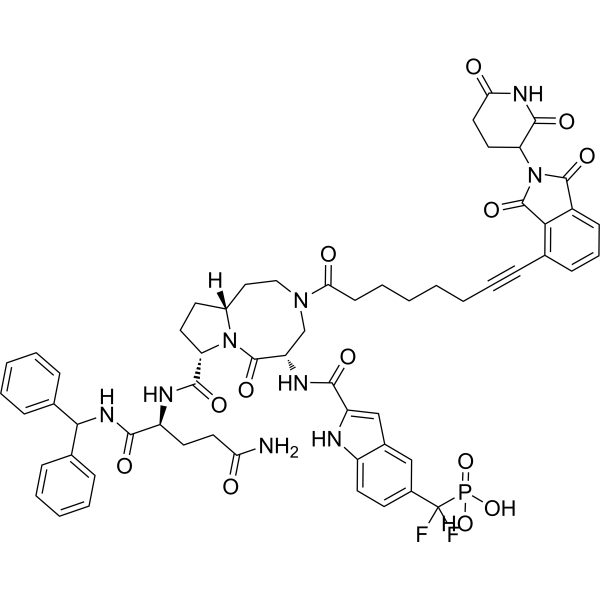
TRI-611 is a brain-penetrant, orally active molecular glue degrader targeting ALK. TRI-611 engages ALK via a distal degron, forms a ternary complex with CRBN, triggers ALK polyubiquitination and degradation, including TKI-resistant ALK fusion proteins. TRI-611 inhibits ALK downstream signaling pathways, induces anti-proliferative effects in ALK-positive cancer cells. TRI-611 induces regression of ALK-positive non-small cell lung cancer tumors in preclinical xenograft models. TRI-611 can be used for the research of ALK-positive non-small cell lung cancer, including TKI-refractory tumors and central nervous system metastases .
Lung cancer is a major global health problem, as it is the leading cause of cancer-related deaths worldwide. Lung cancer is divided into two categories: small cell lung cancer and non-small cell lung cancer (NSCLC). Non-small cell lung cancer accounts for about 85 percent of lung cancers.
As with all cancers, lung cancer may be treated with surgery, chemotherapy, radiation therapy, targeted therapy, immunotherapy or a combination thereof. Targeted therapy is one of the most exciting developments in lung cancer medicine, especially for NSCLC. Extensive genomic characterization of NSCLC has led to the identification of molecular subtypes of NSCLC that are oncogene addicted and exquisitely sensitive to targeted therapies. These include activating mutations in epidermal growth factor receptor (EGFR) and BRAF or echinoderm microtubule-associated protein-like 4 (EML4)-anaplasticlymphoma kinase (ALK) fusions and ROS1 receptor tyrosine kinase fusions. These are important targets for target therapy.
MCE offers a unique collection of 2,886 compounds with identified and potential anti-lung cancer activity. These compounds target lung cancer’s major targets and signaling pathways. MCE anti-lung cancer compound library is a useful tool for anti-lung cancer drugs screening and other related research.
Iratumumab (MDX-060) a human anti-CD30 IgG1κ monoclonal antibody. Iratumumab inhibits the growth of CD30-expressing tumor cells. Iratumumab can be used for research of Hodgkin's lymphoma (HL) and anaplastic large-cell lymphoma (ALCL) .
XmAb-2513 is a humanized monoclonal antibody inhibitor targeting CD30. XmAb-2513 has significant anti-proliferative activity and superior antibody-dependent cell-mediated cytotoxicity (ADCC) as well as antibody-dependent cell-mediated phagocytosis (ADCP). XmAb-2513 can be used for hematologic malignancies like Hodgkin Lymphoma (HL) and Anaplastic Large Cell Lymphoma (ALCL) research .
SGN-30 is a chimeric antibody derived from a mouse antihuman CD30 antibody, AC10, with the variable regions of AC10 and human α 1 heavy chain and κ light chain constant regions. SGN-30 induces apoptosis and cell-cycle arrest in cancer cells. SGN-30 can be used for the study of Hodgkin lymphoma (HL) and anaplastic large cell lymphoma (ALCL) .
HeFi-1 is a mouse anti-CD30 IgG1 monoclonal antibody. HeFi-1 recognizes the ligand-binding site on CD30. HeFi-1 can inhibit the growth of tumor cells with high expression of CD30. HeFi-1 can induce eosinophil apoptosis. HeFi-1 can be used for researches on cancer or inflammation conditions such as anaplastic large-cell lymphoma (ALCL) and asthma .
C2NP sodium is a single-strand DNA aptamer that targets CD30. The multivalent C2NP is able to induce oligomerization of CD30 receptors and, in effect, activate downstream signaling, which led to apoptosis of anaplastic large cell lymphoma (ALCL) cells.
Inquiry Online
Your information is safe with us. * Required Fields.
Western blot analysis of extracts from THP-1(lane 2(20μg), Jurkat (lane 3(20μg) and NIH3T3(lane 4(20μg) using FOXO1A (HY-P80132) Rabbit mAb. Proteins were transferred
to a PVDF membrane and blocked with 5% non-fat milk in TBST for 2 hour at room temperature. The primary antibody (1/1000) and Loading control antibody (Beta Actin, HY-P80438, 1/10000) was
used in 5% non-fat milk in TBST at 4°C overnight. Goat Anti-Mouse/Rabbit IgG-HRP Secondary Antibody (1/10000) was used for 1 hour at room temperature.
Western blot analysis of extracts from THP-1(lane 2(20μg), Jurkat (lane 3(20μg) and NIH3T3(lane 4(20μg) using FOXO1A (HY-P80132) Rabbit mAb. Proteins were transferred
to a PVDF membrane and blocked with 5% non-fat milk in TBST for 2 hour at room temperature. The primary antibody (1/1000) and Loading control antibody (Beta Actin, HY-P80438, 1/10000) was
used in 5% non-fat milk in TBST at 4°C overnight. Goat Anti-Mouse/Rabbit IgG-HRP Secondary Antibody (1/10000) was used for 1 hour at room temperature.
Western blot analysis of extracts from THP-1(lane 2(20μg), Jurkat (lane 3(20μg) and NIH3T3(lane 4(20μg) using FOXO1A (HY-P80132) Rabbit mAb. Proteins were transferred
to a PVDF membrane and blocked with 5% non-fat milk in TBST for 2 hour at room temperature. The primary antibody (1/1000) and Loading control antibody (Beta Actin, HY-P80438, 1/10000) was
used in 5% non-fat milk in TBST at 4°C overnight. Goat Anti-Mouse/Rabbit IgG-HRP Secondary Antibody (1/10000) was used for 1 hour at room temperature.
Western blot analysis of extracts from THP-1(lane 2(20μg), Jurkat (lane 3(20μg) and NIH3T3(lane 4(20μg) using FOXO1A (HY-P80132) Rabbit mAb. Proteins were transferred
to a PVDF membrane and blocked with 5% non-fat milk in TBST for 2 hour at room temperature. The primary antibody (1/1000) and Loading control antibody (Beta Actin, HY-P80438, 1/10000) was
MedchemExpress Validation 03
Western blot analysis of extracts from THP-1(lane 2(20μg), Jurkat (lane 3(20μg) and NIH3T3(lane 4(20μg) using FOXO1A (HY-P80132) Rabbit mAb. Proteins were transferred
MedchemExpress Validation 04
Western blot analysis of extracts from THP-1(lane 2(20μg), Jurkat (lane 3(20μg) and NIH3T3(lane 4(20μg) using FOXO1A (HY-P80132) Rabbit mAb. Proteins were transferred
to a PVDF membrane and blocked with 5% non-fat milk in TBST for 2 hour at room temperature. The primary antibody (1/1000) and Loading control antibody (Beta Actin, HY-P80438, 1/10000) was
used in 5% non-fat milk in TBST at 4°C overnight. Goat Anti-Mouse/Rabbit IgG-HRP Secondary Antibody (1/10000) was used for 1 hour at room temperature.
MedchemExpress Validation
Western blot analysis of extracts from THP-1(lane 2(20μg), Jurkat (lane 3(20μg) and NIH3T3(lane 4(20μg) using FOXO1A (HY-P80132) Rabbit mAb. Proteins were transferred
to a PVDF membrane and blocked with 5% non-fat milk in TBST for 2 hour at room temperature. The primary antibody (1/1000) and Loading control antibody (Beta Actin, HY-P80438, 1/10000) was
used in 5% non-fat milk in TBST at 4°C overnight. Goat Anti-Mouse/Rabbit IgG-HRP Secondary Antibody (1/10000) was used for 1 hour at room temperature.
Western blot analysis of extracts from THP-1(lane 2(20μg), Jurkat (lane 3(20μg) and NIH3T3(lane 4(20μg) using FOXO1A (HY-P80132) Rabbit mAb. Proteins were transferred
to a PVDF membrane and blocked with 5% non-fat milk in TBST for 2 hour at room temperature. The primary antibody (1/1000) and Loading control antibody (Beta Actin, HY-P80438, 1/10000) was
used in 5% non-fat milk in TBST at 4°C overnight. Goat Anti-Mouse/Rabbit IgG-HRP Secondary Antibody (1/10000) was used for 1 hour at room temperature.
MedchemExpress Validation
Western blot analysis of extracts from THP-1(lane 2(20μg), Jurkat (lane 3(20μg) and NIH3T3(lane 4(20μg) using FOXO1A (HY-P80132) Rabbit mAb. Proteins were transferred
to a PVDF membrane and blocked with 5% non-fat milk in TBST for 2 hour at room temperature. The primary antibody (1/1000) and Loading control antibody (Beta Actin, HY-P80438, 1/10000) was
used in 5% non-fat milk in TBST at 4°C overnight. Goat Anti-Mouse/Rabbit IgG-HRP Secondary Antibody (1/10000) was used for 1 hour at room temperature.
MedchemExpress Validation
Western blot analysis of extracts from THP-1(lane 2(20μg), Jurkat (lane 3(20μg) and NIH3T3(lane 4(20μg) using FOXO1A (HY-P80132) Rabbit mAb. Proteins were transferred
to a PVDF membrane and blocked with 5% non-fat milk in TBST for 2 hour at room temperature. The primary antibody (1/1000) and Loading control antibody (Beta Actin, HY-P80438, 1/10000) was
used in 5% non-fat milk in TBST at 4°C overnight. Goat Anti-Mouse/Rabbit IgG-HRP Secondary Antibody (1/10000) was used for 1 hour at room temperature.
MedchemExpress Validation
Western blot analysis of extracts from THP-1(lane 2(20μg), Jurkat (lane 3(20μg) and NIH3T3(lane 4(20μg) using FOXO1A (HY-P80132) Rabbit mAb. Proteins were transferred
to a PVDF membrane and blocked with 5% non-fat milk in TBST for 2 hour at room temperature. The primary antibody (1/1000) and Loading control antibody (Beta Actin, HY-P80438, 1/10000) was
used in 5% non-fat milk in TBST at 4°C overnight. Goat Anti-Mouse/Rabbit IgG-HRP Secondary Antibody (1/10000) was used for 1 hour at room temperature.
MedchemExpress Validation
Western blot analysis of extracts from THP-1(lane 2(20μg), Jurkat (lane 3(20μg) and NIH3T3(lane 4(20μg) using FOXO1A (HY-P80132) Rabbit mAb. Proteins were transferred
to a PVDF membrane and blocked with 5% non-fat milk in TBST for 2 hour at room temperature. The primary antibody (1/1000) and Loading control antibody (Beta Actin, HY-P80438, 1/10000) was
used in 5% non-fat milk in TBST at 4°C overnight. Goat Anti-Mouse/Rabbit IgG-HRP Secondary Antibody (1/10000) was used for 1 hour at room temperature.
MedchemExpress Validation
Western blot analysis of extracts from THP-1(lane 2(20μg), Jurkat (lane 3(20μg) and NIH3T3(lane 4(20μg) using FOXO1A (HY-P80132) Rabbit mAb. Proteins were transferred
to a PVDF membrane and blocked with 5% non-fat milk in TBST for 2 hour at room temperature. The primary antibody (1/1000) and Loading control antibody (Beta Actin, HY-P80438, 1/10000) was
used in 5% non-fat milk in TBST at 4°C overnight. Goat Anti-Mouse/Rabbit IgG-HRP Secondary Antibody (1/10000) was used for 1 hour at room temperature.
MedchemExpress Validation
Western blot analysis of extracts from THP-1(lane 2(20μg), Jurkat (lane 3(20μg) and NIH3T3(lane 4(20μg) using FOXO1A (HY-P80132) Rabbit mAb. Proteins were transferred
to a PVDF membrane and blocked with 5% non-fat milk in TBST for 2 hour at room temperature. The primary antibody (1/1000) and Loading control antibody (Beta Actin, HY-P80438, 1/10000) was
used in 5% non-fat milk in TBST at 4°C overnight. Goat Anti-Mouse/Rabbit IgG-HRP Secondary Antibody (1/10000) was used for 1 hour at room temperature.
MedChemExpress values your privacy and your trust is important to us. We use cookies to enhance your website experience. Some cookies are necessary to run the website.
Privacy and Cookie Policy

