1. Search Result
Search Result
Results for "

angiotensin III

" in MedChemExpress (MCE) Product Catalog:

20

Inhibitors & Agonists

14

Peptides

1

Natural
Products

Cat. No. Product Name Target Research Areas Chemical Structure
  • HY-13948
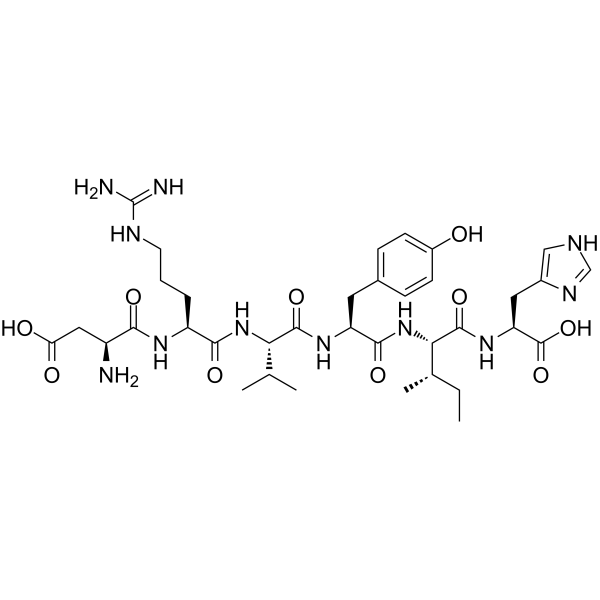
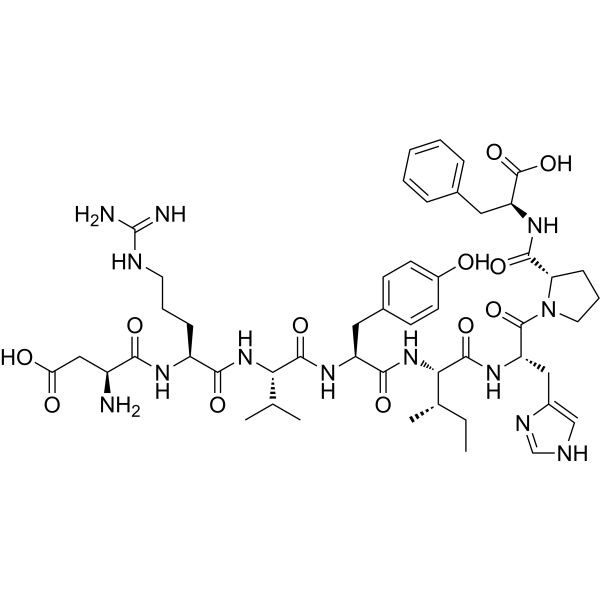
    Angiotensin II human
    Maximum Cited Publications
    222 Publications Verification

    angiotensin II; Ang II; DRVYIHPF

    Angiotensin Receptor Apoptosis Cardiovascular Disease Infection Metabolic Disease Inflammation/Immunology Cancer
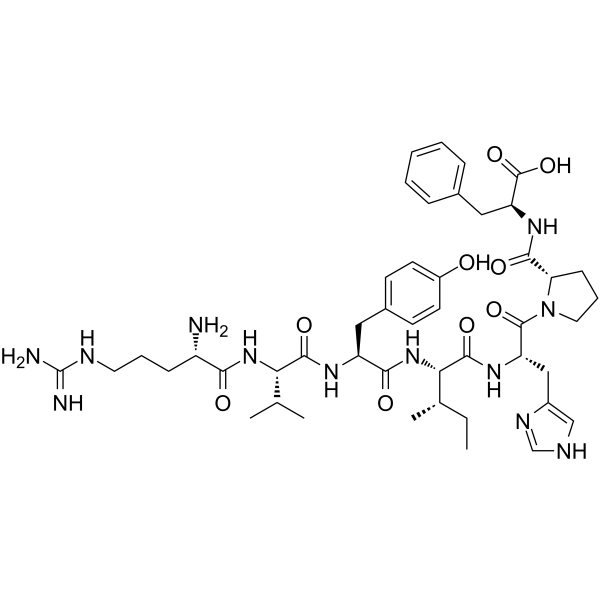
    Angiotensin II (Angiotensin II) is a vasoconstrictor and a major bioactive peptide of the renin/angiotensin system. Angiotensin II human plays a central role in regulating human blood pressure, which is mainly mediated by interactions between Angiotensin II and the G-protein-coupled receptors (GPCRs) Angiotensin II type 1 receptor (AT1R) and Angiotensin II type 2 receptor (AT2R). Angiotensin II human stimulates sympathetic nervous stimulation, increases aldosterone biosynthesis and renal actions. Angiotensin II human induces growth of vascular smooth muscle cells, increases collagen type I and III synthesis in fibroblasts, leading to thickening of the vascular wall and myocardium, and fibrosis. Angiotensin II human also induces apoptosis. Angiotensin II induces capillary formation from endothelial cells via the LOX-1 dependent redox-sensitive pathway .
    Angiotensin II human
  • HY-13948A
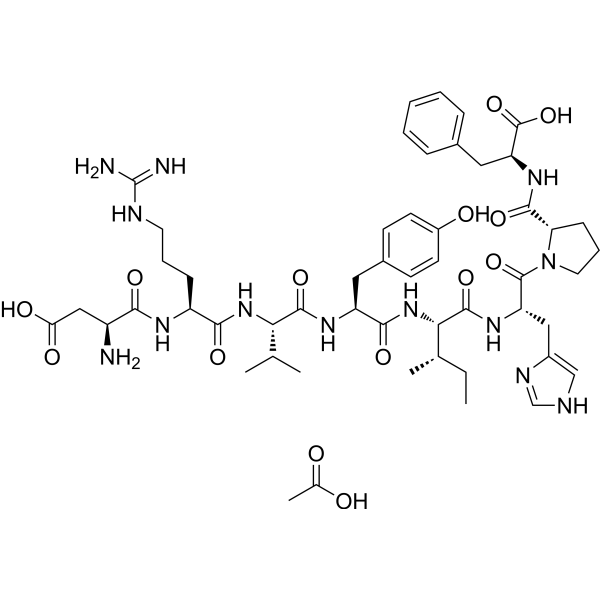
    Angiotensin II human acetate
    Maximum Cited Publications
    222 Publications Verification

    angiotensin II acetate; Ang II acetate; DRVYIHPF acetate

    Angiotensin Receptor Apoptosis Cardiovascular Disease Infection Metabolic Disease Inflammation/Immunology Cancer
    Angiotensin II human (Angiotensin II) acetate is a vasoconstrictor and a major bioactive peptide of the renin/angiotensin system. Angiotensin II human acetate plays a central role in regulating human blood pressure, which is mainly mediated by interactions between Angiotensin II and the G-protein-coupled receptors (GPCRs) Angiotensin II type 1 receptor (AT1R) and Angiotensin II type 2 receptor (AT2R). Angiotensin II human acetate stimulates sympathetic nervous stimulation, increases aldosterone biosynthesis and renal actions. Angiotensin II human acetate induces growth of vascular smooth muscle cells, increases collagen type I and III synthesis in fibroblasts, leading to thickening of the vascular wall and myocardium, and fibrosis. Angiotensin II human acetate also induces apoptosis. Angiotensin II human acetate induces capillary formation from endothelial cells via the LOX-1 dependent redox-sensitive pathway .
    Angiotensin II human acetate
  • HY-D0845
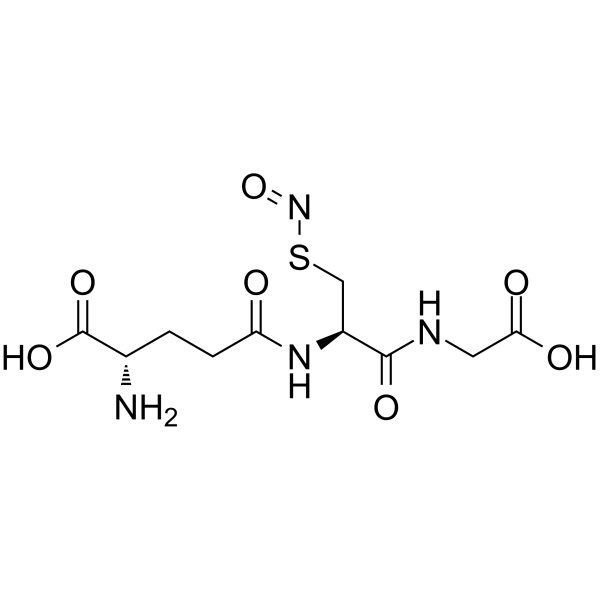
    Nitrosoglutathione
    5+ Cited Publications

    GSNO; RVC-588; S-Nitroso-L-glutathione

    Endogenous Metabolite Angiotensin Receptor Cardiovascular Disease Inflammation/Immunology
    Nitrosoglutathione (GSNO), a exogenous NO donor and a substrate for rat alcohol dehydrogenase class III isoenzyme, inhibits cerebrovascular angiotensin II-dependent and -independent AT1 receptor responses .
    Nitrosoglutathione
  • HY-P1656
    (D-Pro7)-Angiotensin I/II (1-7)
    1 Publications Verification

    Angiotensin Receptor Mas-related G-protein-coupled Receptor (MRGPR) Cardiovascular Disease
    (D-Pro7)-Angiotensin I/II (1-7) is a potent Mas receptor inhibitor with a Ki of 0.001 μM for rat receptors. (D-Pro7)-Angiotensin I/II (1-7) competitively blocks the binding of Angiotensin-(1-7) to the Mas receptor and attenuates the vasodilatory effect of rat aortas under physiological and hypertensive conditions. (D-Pro7)-Angiotensin I/II (1-7) can be used for studies on the function of the renin-angiotensin system and the pathological mechanisms of hypertension .
    (D-Pro7)-Angiotensin I/II (1-7)
  • HY-13948B
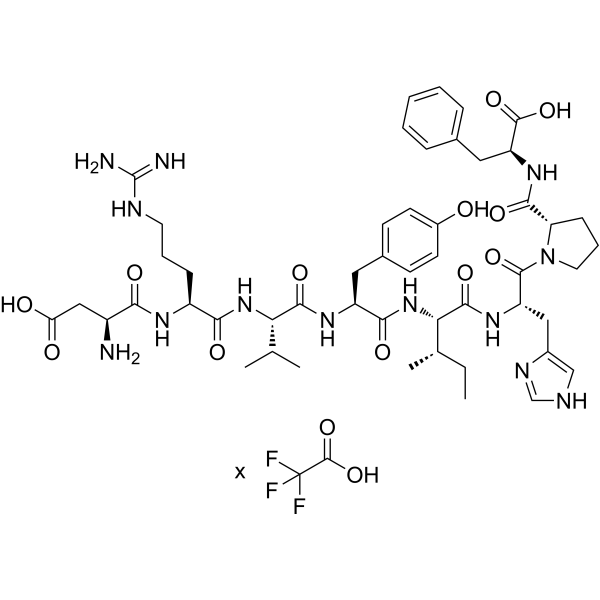
    Angiotensin II human TFA
    Maximum Cited Publications
    222 Publications Verification

    angiotensin II TFA; Ang II TFA; DRVYIHPF TFA

    Angiotensin Receptor Apoptosis Cardiovascular Disease Metabolic Disease Cancer
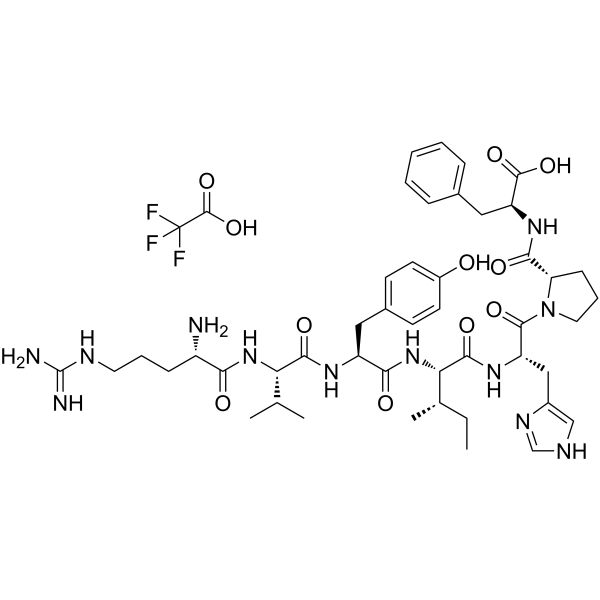
    Angiotensin II human (Angiotensin II) TFA is a vasoconstrictor and a major bioactive peptide of the renin/angiotensin system. Angiotensin II human TFA plays a central role in regulating human blood pressure, which is mainly mediated by interactions between Angiotensin II and the G-protein-coupled receptors (GPCRs) Angiotensin II type 1 receptor (AT1R) and Angiotensin II type 2 receptor (AT2R). Angiotensin II human TFA stimulates sympathetic nervous stimulation, increases aldosterone biosynthesis and renal actions. Angiotensin II human TFA induces growth of vascular smooth muscle cells, increases collagen type I and III synthesis in fibroblasts, leading to thickening of the vascular wall and myocardium, and fibrosis. Angiotensin II human TFA also induces apoptosis. Angiotensin II human TFA induces capillary formation from endothelial cells via the LOX-1 dependent redox-sensitive pathway .
    Angiotensin II human TFA
  • HY-109058
    Firibastat
    1 Publications Verification

    QGC001; RB150

    Aminopeptidase Cardiovascular Disease Neurological Disease
    Firibastat (QGC001), an orally active brain penetrating proagent of EC33, is a first-in-class brain aminopeptidase A (APA) inhibitor (Ki=200 nM). Firibastat selectively and specifically inhibits conversion of brain angiotensin-II into angiotensin-III and decreases blood pressure in hypertensive rats .
    Firibastat
  • HY-P1540

    Angiotensin Receptor Cardiovascular Disease Endocrinology
    Angiotensin III, human, mouse is a heptapeptide, acts as an endogenous angiotensin type 2 receptor (AT2R) agonist, with IC50s of 0.648 nM and 21.1 nM for AT2R and AT1R, respectively.
    Angiotensin III, human, mouse
  • HY-E70199

    APN/CD13

    Aminopeptidase Cardiovascular Disease
    Aminopeptidase N (rat) (APN/CD13) is a Zn 2+-dependent membrane-bound exopeptidase that preferentially degrades proteins and peptides with N-terminal neutral amino acids. Aminopeptidase N (rat) is inhibited by angiotensin IV and participates in the regulation of angiotensin IV half-life in the rat striatum .
    Aminopeptidase N (rat)
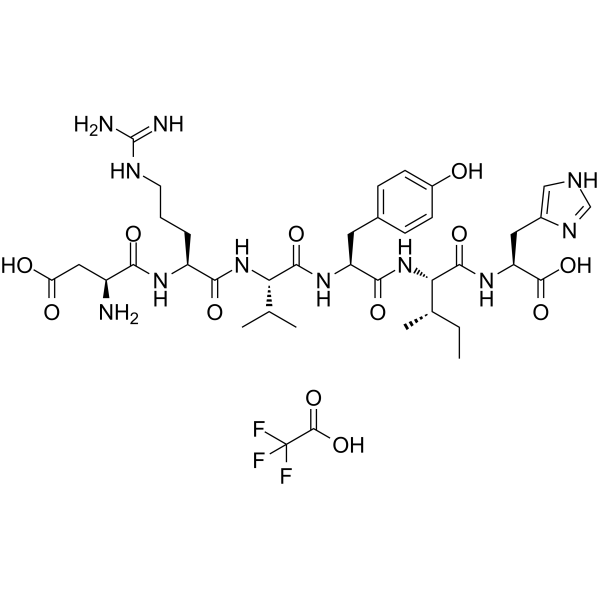
  • HY-P1540A

    Angiotensin Receptor Cardiovascular Disease
    Angiotensin III, human, mouse (TFA) is an angiotensin.
    Angiotensin III, human, mouse TFA
  • HY-P1839A

    Angiotensin Receptor Cardiovascular Disease
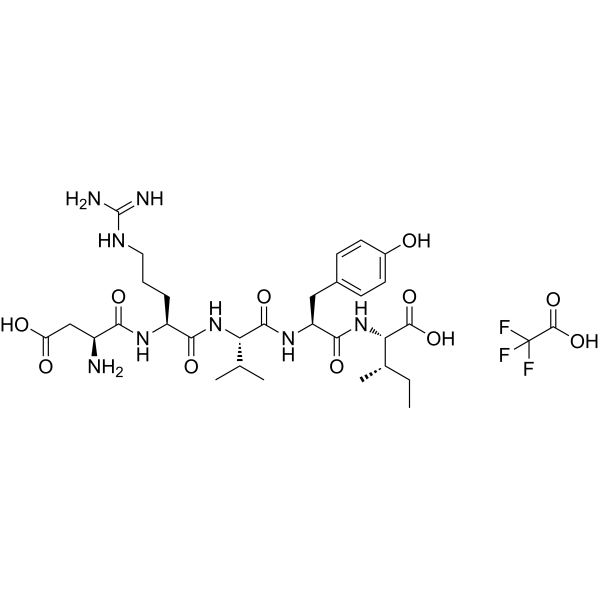
    Angiotensin I/II 1-5 TFA is a peptide that contains the amino acids 1-5, which is converted from Angiotensin I/II. Angiotensin I is formed by the action of renin on angiotensinogen. Angiotensin II is produced from angiotensin I. Angiotensin II has been investigated for the treatment, basic science, and diagnostic of Hypertension, Renin Angiotensin System, and Idiopathic Membranous Nephropathy .
    Angiotensin I/II (1-5) TFA
  • HY-P1829A

    Angiotensin Receptor Cardiovascular Disease
    Angiotensin I/II (1-6) TFA contains the amino acids 1-6 and is converted from Angiotensin I/II peptide. The precursor angiotensinogen is cleaved by renin to form angiotensin I. Angiotensin I ishydrolyzed by angiotensin-converting enzyme (ACE) to form the biologically active angiotensin II. Angiotensin II has been investigated for the treatment, basic science, and diagnostic of Hypertension, Renin Angiotensin System, and Idiopathic Membranous Nephropathy .
    Angiotensin I/II (1-6) TFA
  • HY-P3910

    Angiotensin Receptor Cardiovascular Disease
    [Val4] Angiotensin III is an angiotension III peptide. [Val4] Angiotensin III is a potent full agonist of q and βarr2 response, with pEC50 values of 8.31 and 8.44, respectively .
    [Val4] Angiotensin III
  • HY-P1044

    LVV-hemorphin-4

    Carboxypeptidase Neurological Disease
    Spinorphin is an inhibitor of enkephalin-degrading enzymes. Spinorphin inhibits aminopeptidase, dipeptidyl aminopeptidase III, angiotensin-converting enzyme and enkephalinase. Spinorphin possesses an antinociceptive effect .
    Spinorphin
  • HY-P1829

    Angiotensin Receptor Cardiovascular Disease
    Angiotensin I/II 1-6 contains the amino acids 1-6 and is converted from Angiotensin I/II peptide. The precursor angiotensinogen is cleaved by renin to form angiotensin I. Angiotensin I ishydrolyzed by angiotensin-converting enzyme (ACE) to form the biologically active angiotensin II. Angiotensin II has been investigated for the treatment, basic science, and diagnostic of Hypertension, Renin Angiotensin System, and Idiopathic Membranous Nephropathy .
    Angiotensin I/II (1-6)
  • HY-P1044A

    LVV-hemorphin-4 TFA

    Angiotensin Receptor Neurological Disease
    Spinorphin TFA is an inhibitor of enkephalin-degrading enzymes. Spinorphin inhibits aminopeptidase, dipeptidyl aminopeptidase III, angiotensin-converting enzyme and enkephalinase. Spinorphin possesses an antinociceptive effect .
    Spinorphin TFA
  • HY-P2643

    Endogenous Metabolite Cardiovascular Disease
    Angiotensin I/II (4-8), a major metabolite of Angiotensin II, is a C-terminal 4-8 pentapeptide .
    Angiotensin I/II (4-8)
  • HY-P1839

    Angiotensin Receptor Cardiovascular Disease
    Angiotensin I/II 1-5 is a peptide that contains the amino acids 1-5, which is converted from Angiotensin I/II. Angiotensin I is formed by the action of renin on angiotensinogen. Angiotensin II is produced from angiotensin I. Angiotensin II has been investigated for the treatment, basic science, and diagnostic of Hypertension, Renin Angiotensin System, and Idiopathic Membranous Nephropathy .
    Angiotensin I/II (1-5)
  • HY-P10182

    Antibiotic Infection
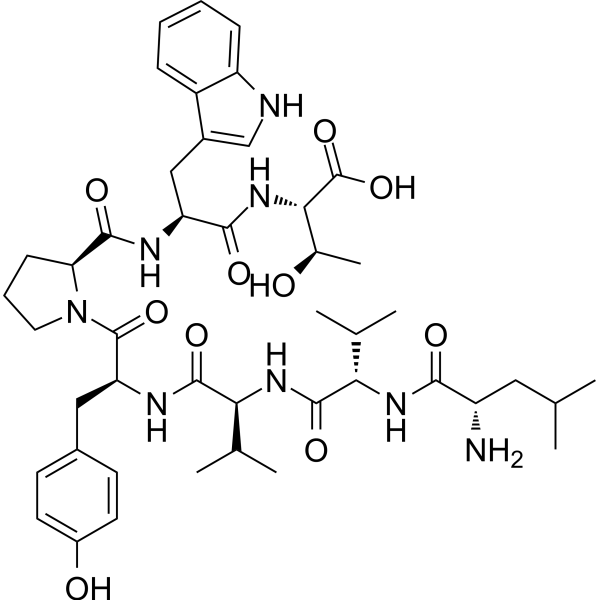
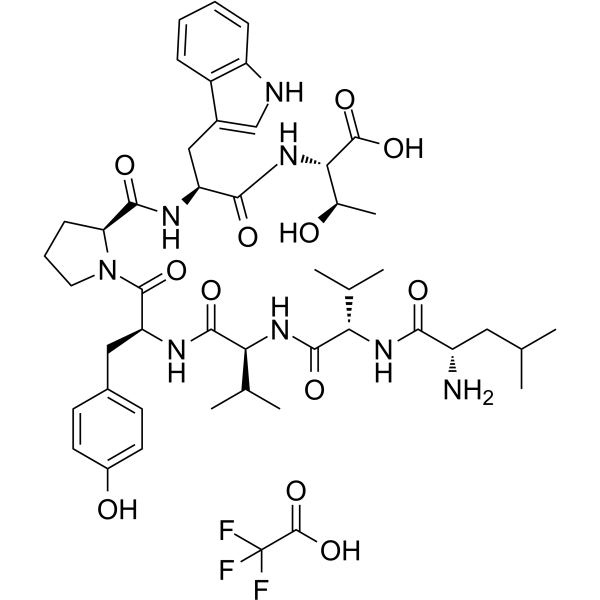
    Angiotensin III antipeptide is a peptide antibiotic .
    Angiotensin III antipeptide
  • HY-109058R

    QGC001 (Standard); RB150 (Standard)

    Aminopeptidase Reference Standards Cardiovascular Disease
    Firibastat (Standard) is the analytical standard of Firibastat. This product is intended for research and analytical applications. Firibastat (QGC001), an orally active brain penetrating proagent of EC33, is a first-in-class brain aminopeptidase A (APA) inhibitor (Ki=200 nM). Firibastat selectively and specifically inhibits conversion of brain angiotensin-II into angiotensin-III and decreases blood pressure in hypertensive rats .
    Firibastat (Standard)
  • HY-D0845R

    GSNO (Standard); RVC-588 (Standard); S-Nitroso-L-glutathione (Standard)

    Reference Standards Endogenous Metabolite Angiotensin Receptor Cardiovascular Disease Inflammation/Immunology
    Nitrosoglutathione (Standard) (GSNO (Standard)) is the analytical standard of Nitrosoglutathione (HY-D0845). This product is intended for research and analytical applications. Nitrosoglutathione (GSNO), a exogenous NO donor and a substrate for rat alcohol dehydrogenase class III isoenzyme, inhibits cerebrovascular angiotensin II-dependent and -independent AT1 receptor responses. x
    Nitrosoglutathione (Standard)

Inquiry Online

Your information is safe with us. * Required Fields.

Salutation


Country or Region *

Applicant Name *


Organization Name *

Department *


Email Address *


Product Name *

Cat. No.


Requested quantity *

Phone Number *


Remarks

Inquiry Online

Inquiry Information

Product Name:
Cat. No.:
Quantity:
MCE Japan Authorized Agent: