1. Search Result
Search Result
Results for "

anti-invasive

" in MedChemExpress (MCE) Product Catalog:

29

Inhibitors & Agonists

2

Peptides

7

Natural
Products

2

Isotope-Labeled Compounds

Cat. No. 상품명 Target 연구분야 Chemical Structure
  • HY-N0803

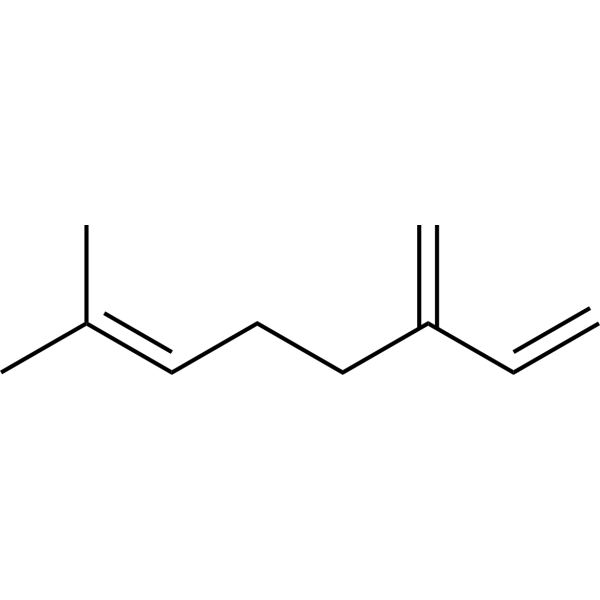
    β-Myrcene

    Environmental Pollutants NF-κB Others
    Myrcene (β-Myrcene) is a type of aromatic compound that inhibits TNFα and NF-κB activity. Myrcene has anti-invasive action, inhibits cell cycle, and leads to cancer cell apoptosis. Myrcene has strong blood protection effect, anti-inflammation, and anti-inflammatory activity .
    Myrcene,75% (stabilized with BHT)
  • HY-103444
    ARP-100
    1 Publications Verification

    MMP Cancer
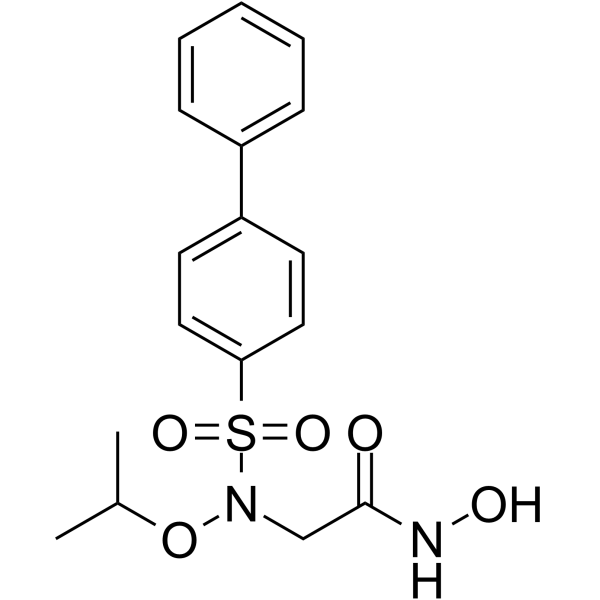
    ARP-100 is a potent and selective matrix metalloproteinase MMP-2 inhibitor (IC50=12 nM). ARP-100 interacts with S1' pocket of MMP-2 and shows anti-invasive properties in an in vitro model of invasion on matrigel. ARP-100 shows the less inhibitory activity towards MMP-1 (>50 μM), MMP-3 (4.5 μM), MMP-7 (>50 μM), and MMP-9 (0.2 μM) .
    ARP-100
  • HY-121618

    Environmental Pollutants GABA Receptor Parasite Reactive Oxygen Species (ROS) Apoptosis Autophagy Infection Neurological Disease Inflammation/Immunology
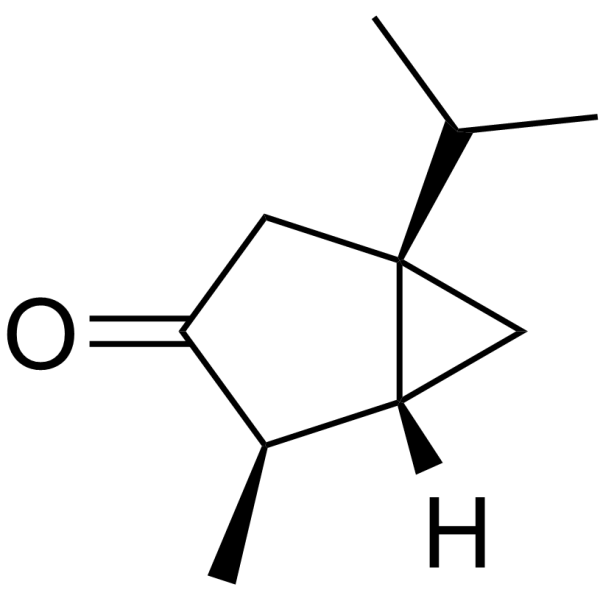
    α-Thujone is a monoterpene isolated from Thuja occidentalis essential oil with potent anti-tumor activities. α-Thujone is a reversible modulator of the GABA type A receptor and the IC50 for α-Thujone is 21 μM in suppressing the GABA-induced currents. α-Thujone induces ROS accumulation-dependent cytotoxicity, also induces cell apoptosis and autophagy. α-Thujone has antinociceptive, insecticidal, and anthelmintic activity, and can cross the blood-brain barrier .
    α-Thujone
  • HY-134832
    Mito-LND
    3 Publications Verification

    Mito-Lonidamine

    Oxidative Phosphorylation Mitochondrial Metabolism Reactive Oxygen Species (ROS) Autophagy Cancer
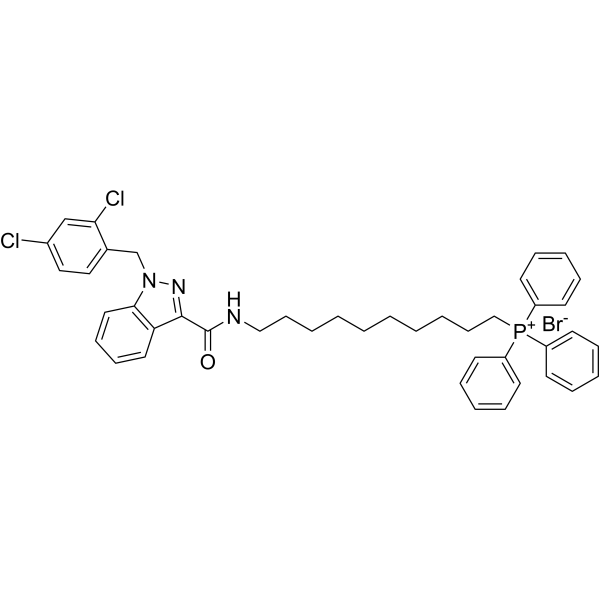
    Mito-LND (Mito-Lonidamine) is an orally active and mitochondria-targeted inhibitor of oxidative phosphorylation (OXPHOS). Mito-LND inhibits mitochondrial bioenergetics, stimulates the formation of reactive oxygen species, and induces autophagic cell death in lung cancer cells .
    Mito-LND
  • HY-115625

    Progesterone Receptor Apoptosis Glycosyltransferase Cancer
    AG-205 is a progesterone receptor membrane component 1 (PGRMC1) antagonist and CGT inhibitor, with an IC50 of 50 μM against rat CGT. AG-205 exhibits antimitotic, antimigratory and anti-invasive activities. AG-205 increases the expression of genes encoding cholesterol biosynthesis pathway or steroidogenic enzymes. AG-205 promotes the regulation of cell cycle by apoptosis and reduces the migratory and invasive capacities of ovarian and breast cancer cells. AG-205 can be used in research related to renal cancer and breast cancer .
    AG-205
  • HY-N6862

    MMP Cancer
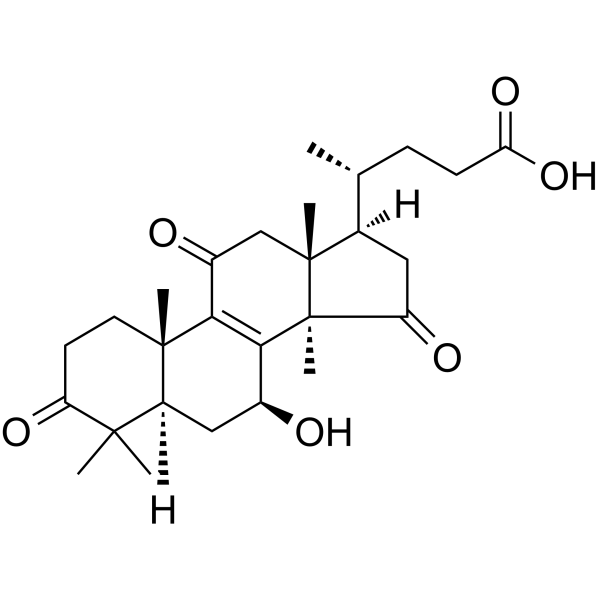
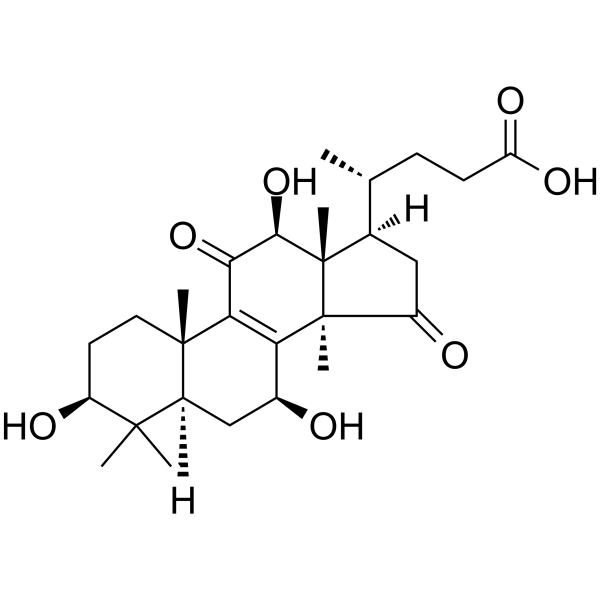
    Lucideric acid A is a natural compound isolated from Ganoderma lucidum, inhibits PMA-induced MMP-9 activity, with anti-invasive effect on hepatoma cells .
    Lucideric acid A
  • HY-12168

    BAY 12-9566

    MMP Cancer
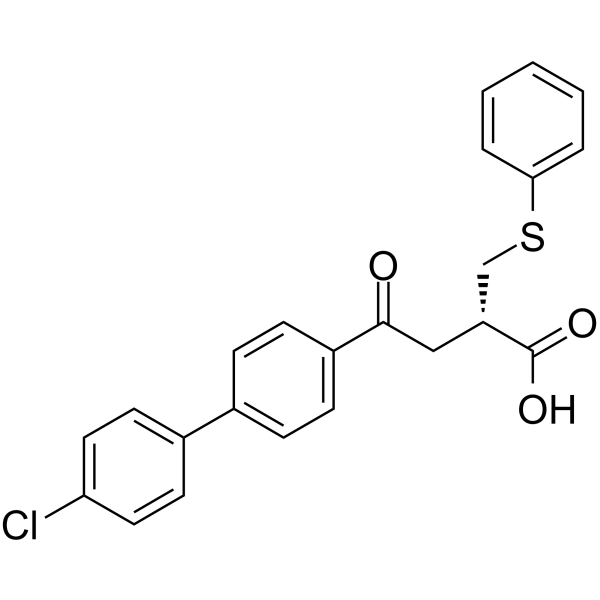
    Tanomastat (BAY 12-9566) is an orally bioavailable, non-peptidic biphenyl matrix metalloproteinases (MMPs) inhibitor with a Zn-binding carboxyl group. The Ki values are 11, 143, 301, and 1470 nM for MMP-2, MMP-3, MMP-9, MMP-13 respectively. Tanomastat shows anti-invasive and antimetastatic activity in several experimental tumor models .
    Tanomastat
  • HY-178521

    Cadherin Cancer
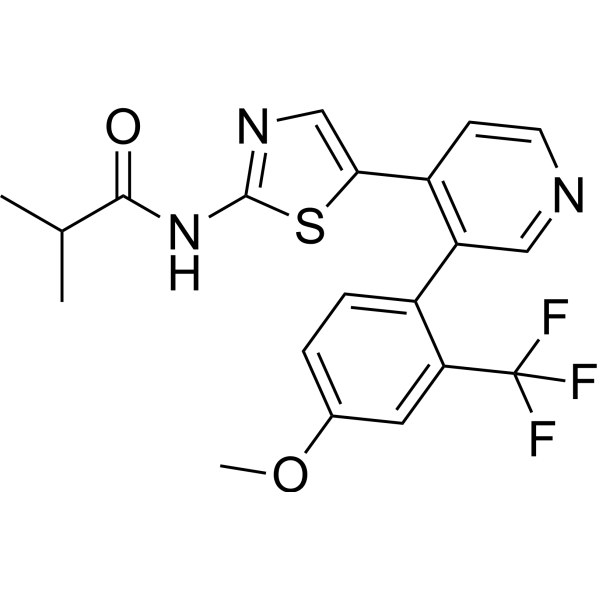
    BAS00602705 is an E-cadherin inhibitor. BAS00602705 exerts its function by blocking the trans-interactions of E-cadherin molecules within junctional complexes, without permanently altering E-cadherin expression levels. BAS00602705 significantly impairs invadopodia formation in pancreatic cancer cells. BAS00602705 can be used for the study of anti-invasive therapeutic strategies in cancers characterized by dysregulated E-cadherin-mediated invadopodia activity, such as pancreatic ductal adenocarcinoma (PDAC) .
    BAS00602705
  • HY-156019

    FGFR Cancer
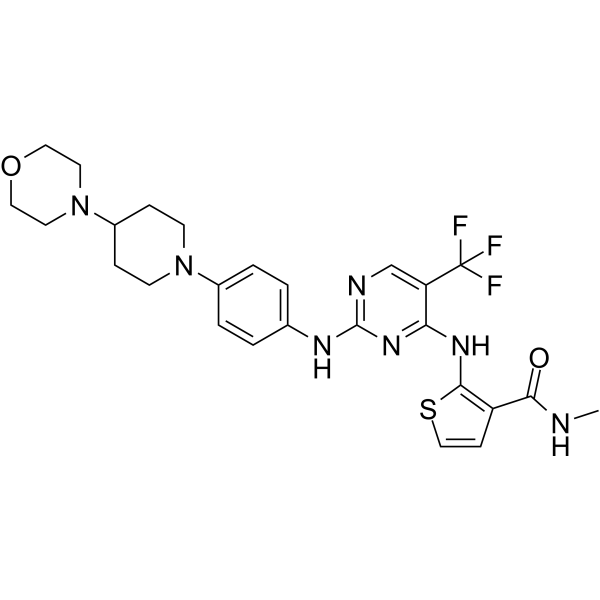
    FGFR1 inhibitor-10 (Compound 4i) is an FGFR1 inhibitor (IC50: 28 nM). FGFR1 inhibitor-10 inhibits the phosphorylation of FGFR1. FGFR1 inhibitor-10 has anti-angiogenic, anti-invasion activity, and anti-tumor effect .
    FGFR1 inhibitor-10
  • HY-143657

    Myosin Ferlin Family MMP Cancer
    Myoferlin inhibitor 1 is a compound that exhibits reversible, concentration-dependent binding to the myoferlin MYOF-C2D protein, with a KD of 0.094 μM. Myoferlin inhibitor 1 shows potent anti-invasion and anti-migration activities against different pancreatic cancer cells. Myoferlin inhibitor 1 inhibits pancreatic cancer metastasis through reversing mesenchymal transition (EMT), inhibiting the secretions of MMP1 and MMP2 and blocking the receptor tyrosine kinases. Myoferlin inhibitor 1 displays effective antimetastatic activities in pancreatic cancer in vitro and in vivo. Myoferlin inhibitor 1 can be used in research on preventing pancreatic cancer metastasis .
    Myoferlin inhibitor 1
  • HY-N6776

    Potassium Channel Neurological Disease Cancer
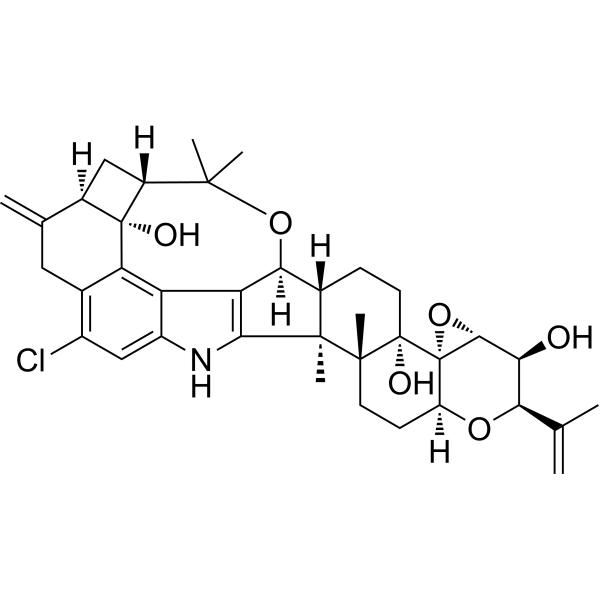
    Penitrem A is an indole diterpene neurotoxic alkaloid produced by Penicillium, acts as a selective BK channel antagonist with antiproliferative and anti-invasive activities against multiple malignancies. Penitrem A increases the spontaneous release of endogenous glutamate, gamma-aminobutyric acid (GABA) and aspartate from cerebrocortical synaptosomes, and induces tremorgenic syndromes in animals .
    Penitrem A
  • HY-143539

    Ferlin Family Cancer
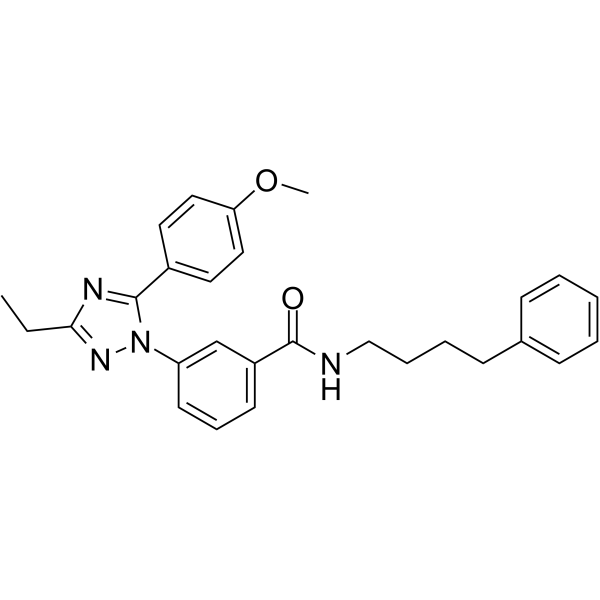
    YQ456 is a novel small molecule inhibitor of myoferlin that showed high binding affinity to myoferlin with a KD of 37 nM and excellent anti-invasion capability with an IC50 of 110 nM.
    YQ456
  • HY-N6860

    MMP Cancer
    Lucidenic acid C is a natural compound isolated from Ganoderma lucidum, inhibits PMA-induced MMP-9 activity, with anti-invasive effect on hepatoma cells .
    Lucidenic acid C
  • HY-N0803S

    β-Myrcene-d6

    NF-κB Neurological Disease Cancer
    Myrcene-d6 is the deuterium labeled Myrcene. Myrcene (β-Myrcene) is a type of aromatic compound that inhibits TNFα and NF-κB activity. Myrcene has anti-invasive action, inhibits cell cycle, and leads to cancer cell apoptosis. Myrcene has strong blood protection effect, anti-inflammation, and anti-inflammatory activity .
    Myrcene-d6
  • HY-179418

    Apoptosis Cancer
    Ceritinib-platinum(IV)-4-phenylbutyrate (complex 7) is a Ceritinib (HY-15656)-conjugated Platinum(IV) prodrug with anticancer activity. Ceritinib-platinum(IV)-4-phenylbutyrate induces S-phase arrest, DNA damage responses, and apoptosis. Ceritinib-platinum(IV)-4-phenylbutyrate combines cytotoxicity with immune and anti-invasive activation in cancer cell models. Ceritinib-platinum(IV)-4-phenylbutyrate can be used for cancer research, such as non-small cell lung cancer (NSCLC) .
    Ceritinib-platinum(IV)-4-phenylbutyrate
  • HY-119726A

    APX001 (tautomerism); E1211 (tautomerism)

    Fungal Infection Inflammation/Immunology
    Fosmanogepix tautomerism (APX001 tautomerism) is a broad-spectrum and orally active anti-invasive fungal compound. Fosmanogepix tautomerism targets the conserved Gwt1 enzyme required for the localization of glycosylphosphatidylinositol-anchored mannoproteins in fungi, and inhibition prevents proper localization of cell wall mannoproteins, thereby impairing cell wall integrity, biofilm formation, germ tube formation, and fungal growth. Fosmanogepix tautomerism can be used to study invasive fungal infections .
    Fosmanogepix (tautomerism)
  • HY-123345

    LIM Kinase (LIMK) Cancer
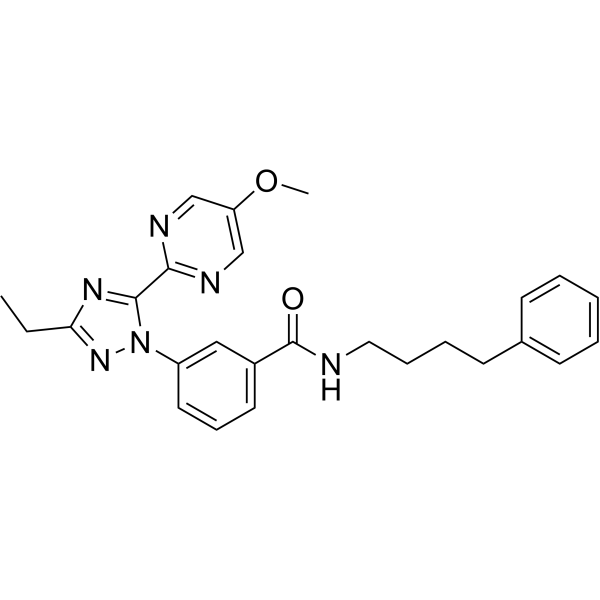
    CRT 0105446 (compound 22d) is a LIMK1 inhibitor, with an IC50 of 8 nM .
    CRT 0105446
  • HY-172136

    HDAC Cancer
    LSQ-28 is an orally active HDAC3 inhibitor with an IC50 of 42 nM, and exhibits potent anticancer, antiproliferative, antimigratory, anti-invasive, and antiwound healing activities. LSQ-28 can be utilized in cancer research .
    LSQ-28
  • HY-103444R

    Reference Standards MMP Cancer
    ARP-100 (Standard) is the analytical standard of ARP-100. This product is intended for research and analytical applications. ARP-100 is a potent and selective matrix metalloproteinase MMP-2 inhibitor (IC50=12 nM). ARP-100 interacts with S1' pocket of MMP-2 and shows anti-invasive properties in an in vitro model of invasion on matrigel. ARP-100 shows the less inhibitory activity towards MMP-1 (>50 μM), MMP-3 (4.5 μM), MMP-7 (>50 μM), and MMP-9 (0.2 μM) .
    ARP-100 (Standard)
  • HY-120896B

    Reactive Oxygen Species (ROS) Cancer
    Imipramine Blue chloride is a potent anti-invasive agent. Imipramine Blue chloride inhibits the invasion of glioma. Imipramine Blue chloride inhibits NADPH oxidase-mediated reactive oxygen species generation .
    Imipramine Blue chloride
  • HY-161284

    MMP Cancer
    MMP-9/10-IN-1 (Compound 6b) is a potent dual MMP-9/10 Inhibotor with IC50s of 0.076 and 0.139 μM against NSCLC and A549 cells, respectively. MMP-9/10-IN-1 has anti-invasive and anti-angiogenic activities when in combination with Sorafenib (HY-10201) .
    MMP-9/10-IN-1
  • HY-N0803S1

    β-Myrcene-13C3

    NF-κB Isotope-Labeled Compounds Others
    Myrcene- 13C3 is 13C labeled Myrcene (HY-N0803). Myrcene (β-Myrcene) is a type of aromatic compound that inhibits TNFα and NF-κB activity. Myrcene has anti-invasive action, inhibits cell cycle, and leads to cancer cell apoptosis. Myrcene has strong blood protection effect, anti-inflammation, and anti-inflammatory activity .
    Myrcene-13C3
  • HY-12168B

    (Rac)-BAY 12-9566

    MMP Cancer
    (Rac)-Tanomastat ((Rac)-BAY 12-9566) is the racemate of Tanomastat. Tanomastat (BAY 12-9566) is an orally bioavailable, non-peptidic biphenyl matrix metalloproteinases (MMPs) inhibitor with a Zn-binding carboxyl group. The Ki values are 11, 143, 301, and 1470 nM for MMP-2, MMP-3, MMP-9, MMP-13 respectively. Tanomastat shows anti-invasive and antimetastatic activity in several experimental tumor models .
    (Rac)-Tanomastat
  • HY-116264

    Ser/Thr Protease Cancer
    CatB-IN-1 is an enzyme inhibitor with significant inhibitory activity against tumor invasion. CatB-IN-1 may reduce the invasiveness of tumor cells by regulating intracellular protein metabolism. CatB-IN-1 demonstrates effective anti-invasive ability in cell models and can significantly reduce the invasive ability of MCF-10A neoT cells. The structure-activity relationship study of CatB-IN-1 shows that its design can target multiple functions of cat hepsin B .
    CatB-IN-1
  • HY-144125

    Apoptosis Cancer
    Antitumor agent-41 (compound N-12), a potent antitumor agent, enhibits excellent antimigration and anti-invasion activity. Antitumor agent-41 (compound N-12) induces tumor inhibition via tumor necrosis and inflammatory response .
    Antitumor agent-41
  • HY-121618R

    GABA Receptor Reactive Oxygen Species (ROS) Parasite Apoptosis Autophagy Reference Standards Infection Neurological Disease
    α-Thujone (Standard) is the analytical standard of α-Thujone. This product is intended for research and analytical applications. α-Thujone is a monoterpene isolated from Thuja occidentalis essential oil with potent anti-tumor activities. α-Thujone is a reversible modulator of the GABA type A receptor and the IC50 for α-Thujone is 21 μM in suppressing the GABA-induced currents. α-Thujone induces ROS accumulation-dependent cytotoxicity, also induces cell apoptosis and autophagy. α-Thujone has antinociceptive, insecticidal, and anthelmintic activity, and easily penetrates the blood-brain barrier .
    α-Thujone (Standard)
  • HY-156016

    HDAC Cancer
    HDAC/CD13-IN-1 (Compound 12) is a HDAC/CD13 inhibitor (IC50: 0.34 μM for hCD13, 0.53 μM for porcine CD13, 0.03, 0.06, 0.02 μM for HDAC1/2/3). HDAC/CD13-IN-1 inhibits MV4-11, K562, Jeko-1, and HL60 cell proliferation (IC50: 0.25-2.04 μM). HDAC/CD13-IN-1 induces cancer cell apoptosis. HDAC/CD13-IN-1 has anti-metastasis and anti-invasion efficacy .
    HDAC/CD13-IN-1
  • HY-N16719

    Kallikrein ERK Cadherin β-catenin Cancer
    Picrasidine J is a selective inhibitor targeting the KLK-10 protease and the ERK signaling pathway. Picrasidine J inhibits epithelial-mesenchymal transition (EMT) by upregulating E-Cadherin and ZO-1 and downregulating β-catenin and Snail, while simultaneously reducing KLK-10 expression and inhibiting ERK phosphorylation, thereby exhibiting significant anti-migratory and anti-invasive activity. Picrasidine J can inhibit the metastasis of head and neck squamous cell carcinoma (HNSCC) and is primarily used in anti-metastasis research for head and neck tumors .
    Picrasidine J
  • HY-119601

    Phosphodiesterase (PDE) Cancer
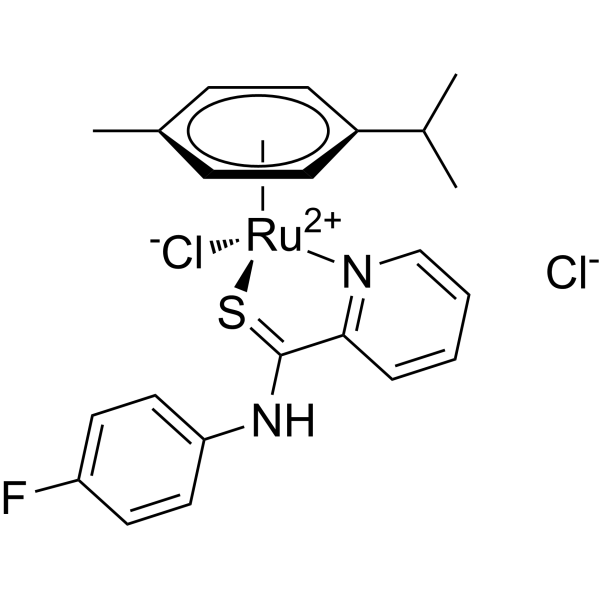
    GRI918013 (compound 1) is a selective and competitive autotaxin (ATX/NPP2) inhibitor with anti-invasive and anti-metastatic activity. GRI918013 competitively binds to ATX, blocking lipid substrates such as lysophosphatidylcholine (LPC) from entering the ATX active site, thereby inhibiting ATX-mediated hydrolysis of LPC to lysophosphatidic acid (LPA), and consequently inhibiting ATX-LPA axis-related tumor cell invasion and metastasis. GRI918013 inhibits ATX-mediated hydrolysis of the LPL substrate FS-3 (IC50=31.42 nM, Ki=12.98 nM). GRI918013 can be used in research on cancer invasion and metastasis, such as melanoma, and can also serve as a tool compound for ATX-LPA axis-related diseases such as fibrotic diseases, neuropathic pain, and cholestatic pruritus .
    GRI918013

온라인 문의

Your information is safe with us. * Required Fields.

호칭


Country or Region *

고객명 *


회사명 *

Department *


메일주소 *


상품명 *

Cat. No.


Requested quantity *

전화번호 *


비고

온라인 문의

Inquiry Information

상품명:
Cat. No.:
수량:
MCE Japan Authorized Agent:

