Search Result
Results for "
anxiolytic/antidepressant
" in MedChemExpress (MCE) Product Catalog:
1
Biochemical Assay Reagents
19
Isotope-Labeled Compounds
| Cat. No. |
Product Name |
Target |
Research Areas |
Chemical Structure |
-
- HY-14544
-
|
ICI204636
|
5-HT Receptor
Dopamine Receptor
|
Neurological Disease
|
|
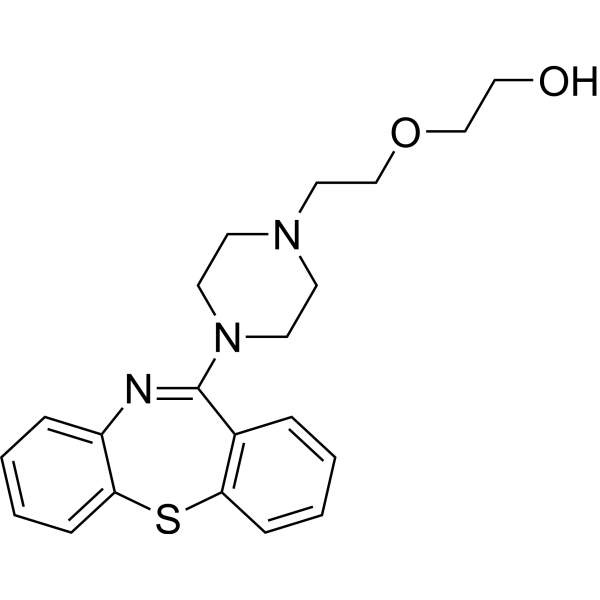
Quetiapine (ICI204636) is a 5-HT receptors agonist with a pEC50 of 4.77 for human 5-HT1A receptor. Quetiapine is a dopamine receptor antagonist with a pIC50 of 6.33 for human D2 receptor. Quetiapine has moderate to high affinity for the human D2, HT1A, 5-HT2A, 5-HT2C receptor with pKis of 7.25, 5.74, 7.54, 5.55. Antidepressant and anxiolytic effects .
|
-
-
- HY-B1359
-
|
C.I. Basic Blue 9 trihydrate
|
Guanylate Cyclase
Monoamine Oxidase
NO Synthase
Parasite
|
Infection
Neurological Disease
Cancer
|
|
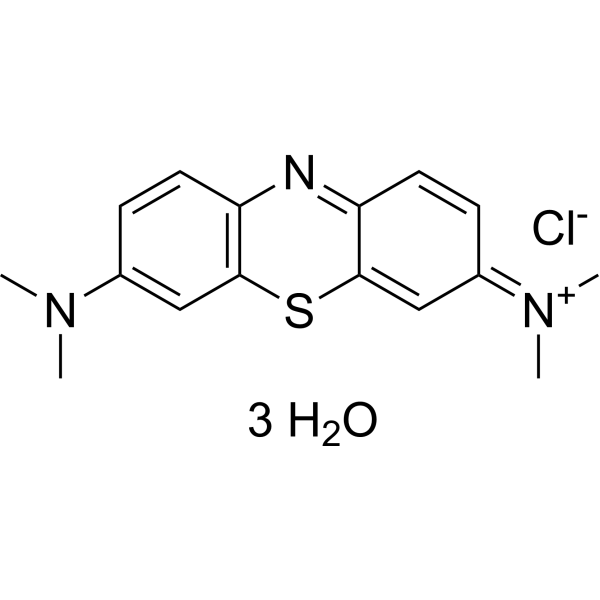
Methylene blue trihydrate (C.I. Basic Blue 9 trihydrate) is a guanylyl cyclase (sGC), monoamine oxidase A (MAO-A) and NO synthase (NOS) inhibitor. Methylene blue trihydrate is a vasopressor and is often used as a dye in several medical procedures. Methylene blue trihydrate has antinociception, antimalarial, antidepressant and anxiolytic activity effects. Methylene Blue trihydrate has the potential for methemoglobinemias, neurodegenerative disorders and ifosfamide-induced encephalopathytreatment .
|
-
-
- HY-13206
-
|
|
mGluR
|
Neurological Disease
|
|
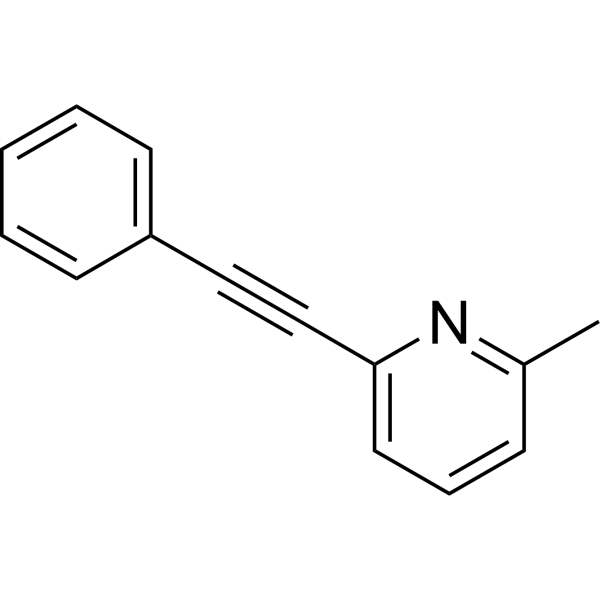
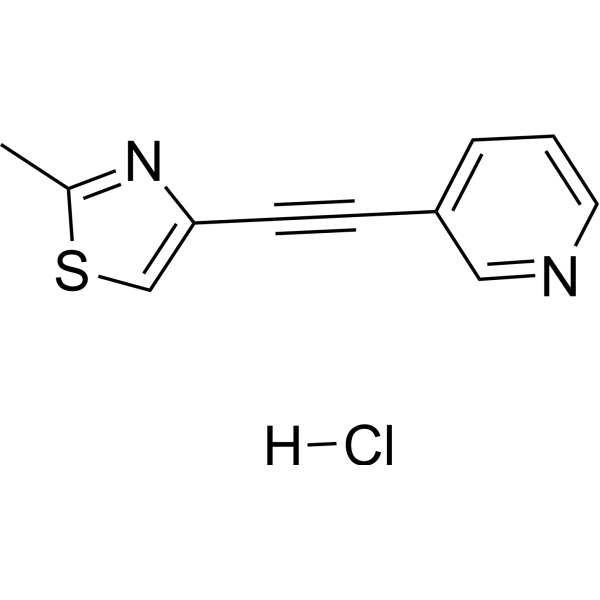
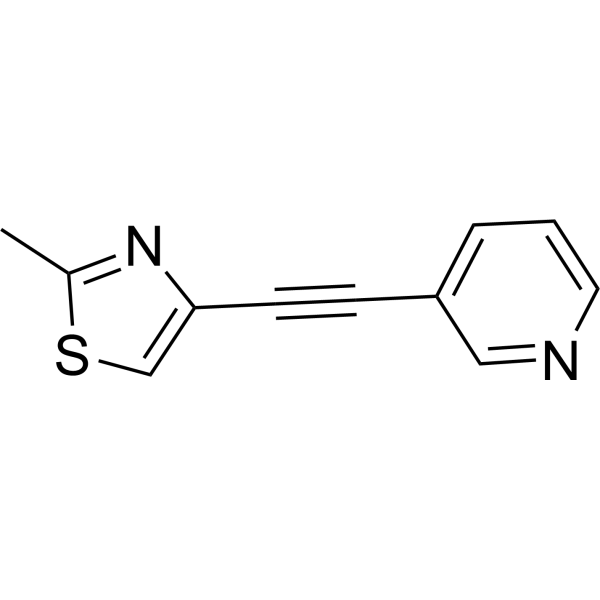
MTEP hydrochloride is a potent, non-competitive and highly selective mGluR5 antagonist, with an IC50 of 5 nM and a Ki of 16 nM. MTEP hydrochloride shows antidepressant and anxiolytic-like effects. MTEP hydrochloride can be used for Parkinson's disease research .
|
-
-
- HY-B0031
-
|
|
5-HT Receptor
Dopamine Receptor
|
Neurological Disease
|
|
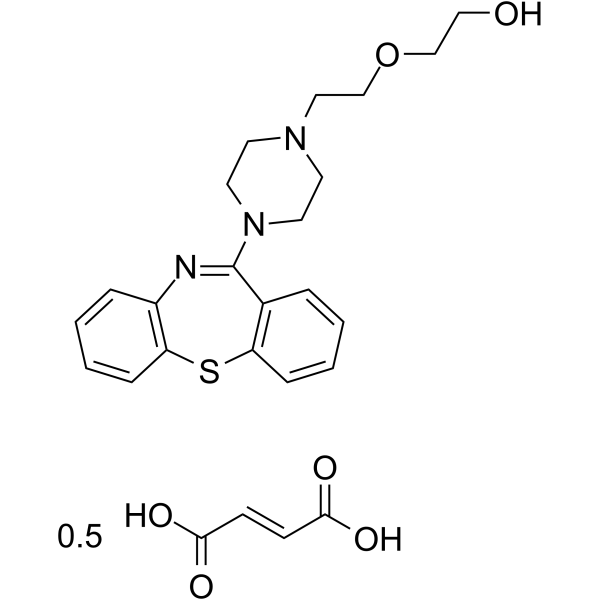
Quetiapine hemifumarate is a 5-HT receptors agonist with a pEC50 of 4.77 for human 5-HT1A receptor. Quetiapine hemifumarate is a dopamine receptor antagonist with a pIC50 of 6.33 for human D2 receptor. Quetiapine hemifumarate has moderate to high affinity for the human D2, HT1A, 5-HT2A, 5-HT2C receptor with pKis of 7.25, 5.74, 7.54, 5.55. Antidepressant and anxiolytic effects .
|
-
-
- HY-N0368
-
-
-
- HY-B0168A
-
|
|
Serotonin Transporter
PERK
|
Neurological Disease
|
|
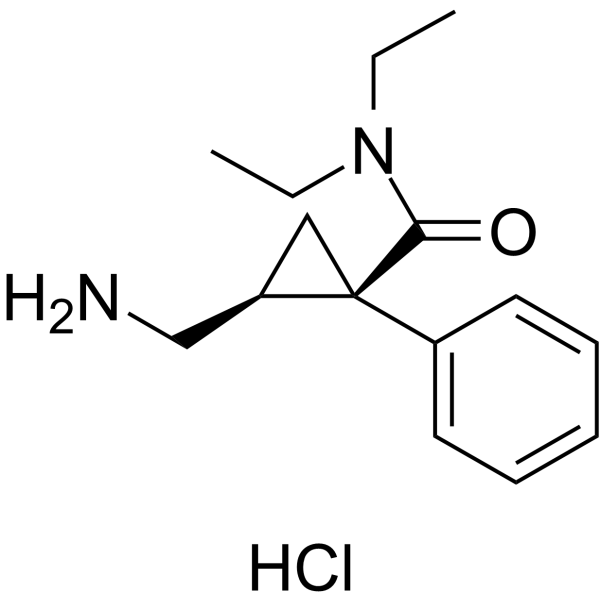
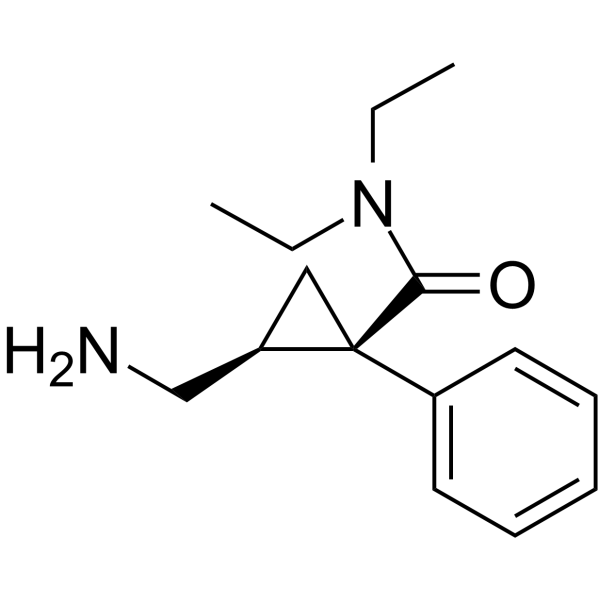
Milnacipran hydrochloride is an orally active Serotonin (HY-B1473A) and Norepinephrine (HY-13715) reuptake inhibitor. Milnacipran hydrochloride inhibits monoamine transporters, especially the norepinephrine transporter and the serotonin transporter (Ki values of 31 and 8.5 nM, respectively). Milnacipran hydrochloride inhibits pERK1/2 activation. Milnacipran hydrochloride has antidepressant, anxiolytic and analgesic properties. Milnacipran hydrochloride inhibits biting behavior in mice. Milnacipran hydrochloride can be used in the study of major depressive disorder, anxiety disorders, and neuropathic pain (e.g., fibromyalgia) .
|
-
-
- HY-14609
-
|
|
mGluR
|
Neurological Disease
|
|
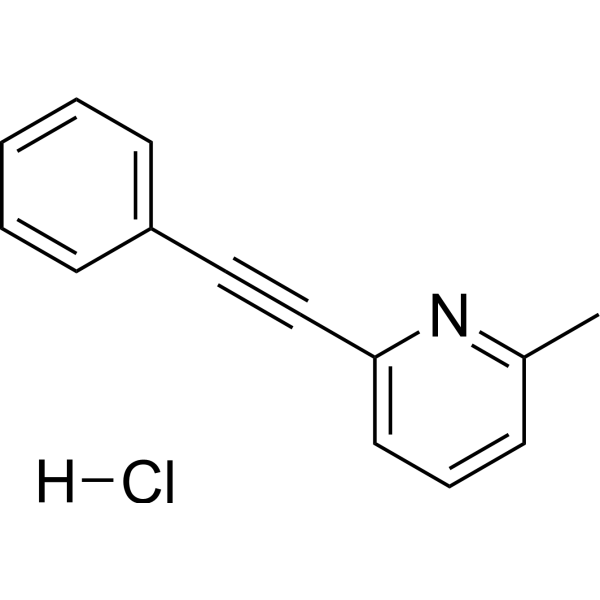
MPEP Hydrochloride is a potent, selective, noncompetitive, orally active and systemically active mGlu5 receptor antagonist, with an IC50 of 36 nM for completely inhibiting quisqualate-stimulated phosphoinositide (PI) hydrolysis. MPEP Hydrochloride has anxiolytic-or antidepressant-like effects . MPEP (Hydrochloride) is a click chemistry reagent, it contains an Alkyne group and can undergo copper-catalyzed azide-alkyne cycloaddition (CuAAc) with molecules containing Azide groups.
|
-
-
- HY-103207
-
-
-
- HY-B0061
-
|
SM-3997 citrate
|
5-HT Receptor
|
Neurological Disease
Metabolic Disease
|
|
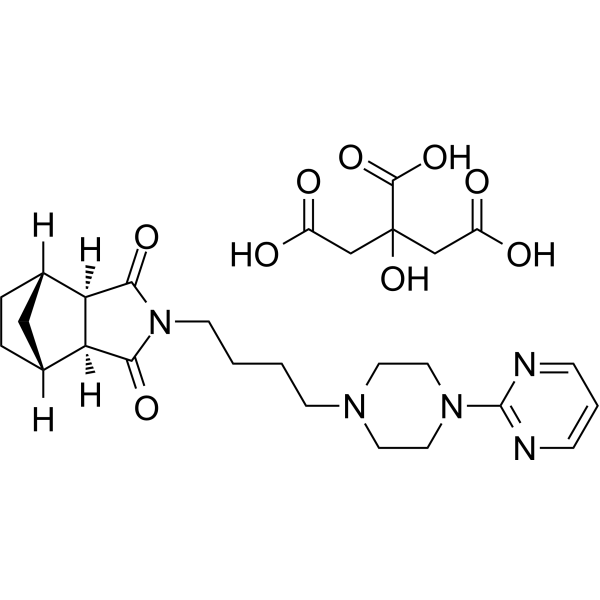
Tandospirone (SM-3997) citrate is a potent and selective 5-HT1A receptor partial agonist, with a Ki of 27 nM. Tandospirone citrate has anxiolytic and antidepressant activities. Tandospirone citrate can be used for the research of the central nervous system disorders and the underlying mechanisms .
|
-
-
- HY-14609A
-
|
|
mGluR
|
Neurological Disease
|
|
MPEP is a potent, selective, noncompetitive, orally active and systemically active mGlu5 receptor antagonist, with an IC50 of 36 nM for completely inhibiting quisqualate-stimulated phosphoinositide (PI) hydrolysis. MPEP has anxiolytic-or antidepressant-like effects . MPEP is a click chemistry reagent, it contains an Alkyne group and can undergo copper-catalyzed azide-alkyne cycloaddition (CuAAc) with molecules containing Azide groups.
|
-
-
- HY-12390
-
|
Lopramine
|
5-HT Receptor
Adrenergic Receptor
|
Neurological Disease
|
|
Lofepramine (Lopramine) is a modified tricyclic and orally active antidepressant. Lofepramine inhibits the uptake of Noradrenaline (NA) (HY-13715) and 5-hydroxytryptamine (5-HT) with IC50s of 2.7 μM and 11 μM, respectively. Lofepramine exerts its antidepressant activity by promoting noradrenergic neurotransmission. Lofepramine also enhances serotonergic neurotransmission by inhibiting neuronal uptake of 5-HT and tryptophan pyrrolase. Lofepramine exhibits significant anxiolytic properties. .
|
-
-
- HY-107625A
-
|
|
MCHR1 (GPR24)
|
Neurological Disease
|
|
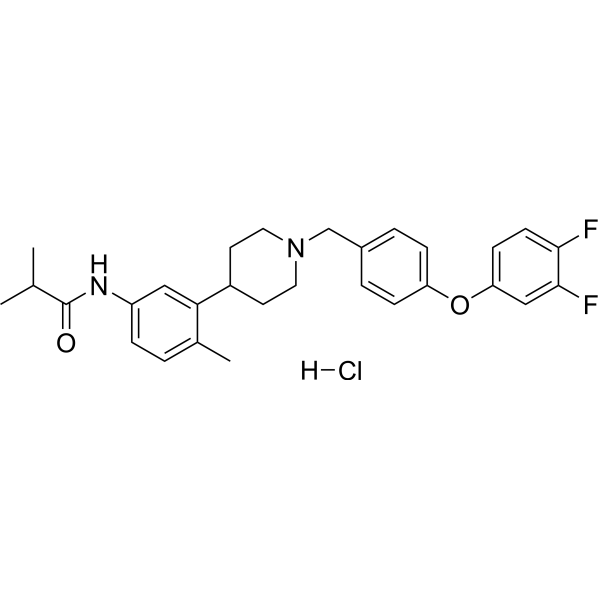
SNAP 94847 hydrochloride is a novel, high affinity selective melanin-concentrating hormonereceptor1 (MCHR1) antagonist with (Ki= 2.2 nM, Kd=530 pM), it displays >80-fold and >500-fold selectivity over MCHα1A and MCHD2 receptors respectively. SNAP 94847 hydrochloride binds with high affinity to the mouse and rat MCHR1 with minimal cross-reactivity to other GPCR, ion channels, enzymes, and transporters .
|
-
-
- HY-14127
-
|
NBI30775
|
CRFR
|
Neurological Disease
Endocrinology
|
|
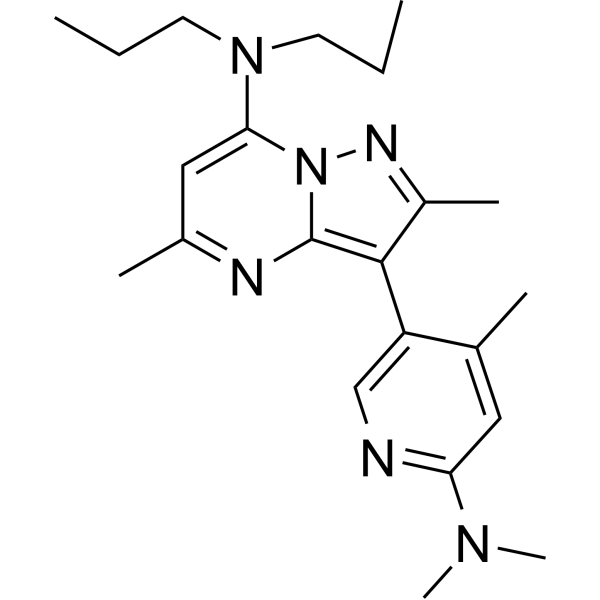
R121919 (NBI30775) is a potent and selective CRF1R antagonist with a Ki of 2 to 5 nM. R121919 has antidepressant and anxiolytic effects. R121919 alleviates defensive withdrawal in rats .
|
-
-
- HY-14558
-
|
SM-3997
|
5-HT Receptor
|
Neurological Disease
|
|
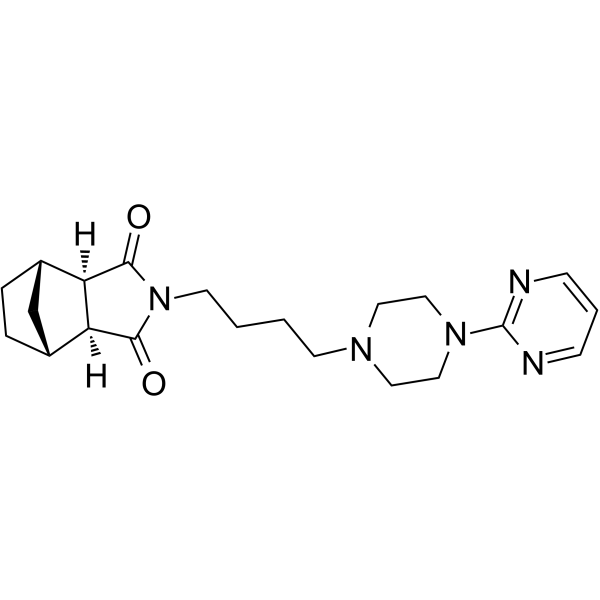
Tandospirone (SM-3997) is a potent and selective 5-HT1A receptor partial agonist, with a Ki of 27 nM. Tandospirone has anxiolytic and antidepressant activities. Tandospirone can be used for the research of the central nervous system disorders and the underlying mechanisms .
|
-
-
- HY-108710
-
|
|
mGluR
|
Neurological Disease
|
|
VU0650786 is a potent and selective CNS penetrant negative allosteric modulator of metabotropic glutamate receptor subtype 3 (mGlu3 NAM), with an IC50 of 392 nM. VU0650786 has antidepressant and anxiolytic activity in rodents .
|
-
-
- HY-13206A
-
MTEP
3 Publications Verification
|
mGluR
|
Neurological Disease
|
|
MTEP is a potent, non-competitive and highly selective mGluR5 antagonist, with an IC50 of 5 nM and a Ki of 16 nM. MTEP shows antidepressant and anxiolytic-like effects. MTEP can be used for Parkinson's disease research . MTEP is a click chemistry reagent, it contains an Alkyne group and can undergo copper-catalyzed azide-alkyne cycloaddition (CuAAc) with molecules containing Azide groups.
|
-
-
- HY-110135A
-
|
|
IGF-1R
|
Neurological Disease
|
|
NBI-31772 hydrate is a potent inhibitor of interaction between insulin-like growth factor (IGF) and IGF-binding proteins (IGFBPs). NBI-31772 hydrate is also a nonpeptide ligand that releases bioactive IGF-I from the IGF-I/IGFBP-3 complex (Kis=1-24 nM for all six human subtypes). Anxiolytic and antidepressant-like effects .
|
-
-
- HY-14551
-
|
SR142801
|
Neurokinin Receptor
|
Neurological Disease
|
|
Osanetant (SR142801) is a selective NK3 receptor antagonist. Osanetant produces anxiolytic- and antidepressant-like effects and is researched for schizophrenia .
|
-
-
- HY-19477
-
-
-
- HY-N8303
-
|
|
ERK
PAK
|
Neurological Disease
Inflammation/Immunology
|
|
Gardenin A is an orally active and synthetic PMF analogue with the neurotrophic effect for neurite outgrowth and neuronal differentiation. Gardenin A promotes neuritogenesis via activating MAPK/ERK, PKC, and PKA, but not TrkA, CREB signaling pathways. Gardenin A also has sedative, anxiolytic, antidepressant, and anticonvulsant effects .
|
-
-
- HY-12394
-
|
Dosulepin; Dothep
|
Histamine Receptor
5-HT Receptor
|
Neurological Disease
|
|
Dothiepin (Dosulepin; Dothep) is an antidepressant agent with sedative/anxiolytic activity. Dothiepin is an inhibitor preferring of noradrenaline uptake than serotonin uptake. Dothiepin facilitates noradrenergic neurotransmission via inhibiting the neuronal uptake. Dothiepin is also an antagonist of histamine H1-receptor without cardiotoxicity. Dothiepin exhibits significant analgesic activity in psychogenic facial pain,idiopathic fibromyalgia syndrome or rheumatoid arthritis .
|
-
-
- HY-107624
-
ATC0175
1 Publications Verification
|
MCHR1 (GPR24)
|
Neurological Disease
|
|
ATC0175 is a potent, selective and orally active melanin-concentrating hormone 1 recepter antagonist with IC50s of 13.5, >10000 nM for MCH1R, MCH2R, respectively. ATC0175 shows antidepressant effects and anxiolytic effects in animal models. ATC0175 has the potential for the research of depression and/or anxiety disorders .
|
-
-
- HY-14544R
-
|
ICI204636 (Standard)
|
Reference Standards
5-HT Receptor
Dopamine Receptor
|
Neurological Disease
|
|
Quetiapine (Standard) is the analytical standard of Quetiapine. This product is intended for research and analytical applications. Quetiapine (ICI204636) is a 5-HT receptors agonist with a pEC50 of 4.77 for human 5-HT1A receptor. Quetiapine is a dopamine receptor antagonist with a pIC50 of 6.33 for human D2 receptor. Quetiapine has moderate to high affinity for the human D2, HT1A, 5-HT2A, 5-HT2C receptor with pKis of 7.25, 5.74, 7.54, 5.55. Antidepressant and anxiolytic effects .
|
-
-
- HY-B0168
-
|
|
Serotonin Transporter
PERK
|
Neurological Disease
|
|
Milnacipran is an orally active Serotonin (HY-B1473A) and Norepinephrine (HY-13715) reuptake inhibitor. Milnacipran inhibits monoamine transporters, especially the norepinephrine transporter and the serotonin transporter (Ki values of 31 and 8.5 nM, respectively). Milnacipran inhibits pERK1/2 activation. Milnacipran has antidepressant, anxiolytic and analgesic properties. Milnacipran inhibits biting behavior in mice. Milnacipran can be used in the study of major depressive disorder, anxiety disorders, and neuropathic pain (e.g., fibromyalgia) .
|
-
-
- HY-N6648
-
|
|
GABA Receptor
|
Neurological Disease
|
|
Cirsimaritin binds weakly to the benzodiazepine site on GABAA receptors, with antidepressant, anxiolytic and antinociceptive activities.
|
-
-
- HY-117820
-
-
-
- HY-101316
-
|
|
NO Synthase
|
Neurological Disease
|
|
TRIM is a potent nitric oxide synthase inhibitor. TRIM inhibits mouse cerebellar nNOS and rat lung iNOS in vitro with IC50 values of 28.2 and 27.0 µM, respectively. Antidepressant- and anxiolytic-like effects .
|
-
-
- HY-110146
-
|
|
mGluR
|
Neurological Disease
|
|
XAP044 is a potent and selective antagonist of mGlu7. The metabotropic glutamate receptor subtype 7 (mGlu7) is an important presynaptic regulator of neurotransmission in the mammalian CNS. XAP044 demonstrates good brain exposure and wide spectrum anti-stress and antidepressant- and anxiolytic-like efficacy in rodent behavioral paradigms .
|
-
-
- HY-19946
-
|
F 11440
|
5-HT Receptor
|
Neurological Disease
|
|
Eptapirone (F11440) is a potent, selective and orally active 5-HT1A receptor agonist (pKi = 8.33). Eptapirone can inhibit cAMP production. Eptapirone can reduce 5-HT levels and increase corticosterone levels. Eptapirone shows potent anxiolytic and antidepressant potential. Eptapirone can be used for the research of neurological disease, such as anxiety and depression .
|
-
-
- HY-B0031S1
-
|
|
5-HT Receptor
Dopamine Receptor
|
Neurological Disease
|
|
Quetiapine-d4 (hemifumarate) is the deuterium labeled Quetiapine hemifumarate. Quetiapine hemifumarate is a 5-HT receptors agonist and a dopamine receptor antagonist. Antidepressant and anxiolytic effects .
|
-
-
- HY-14836
-
|
JZP 4
|
Calcium Channel
Sodium Channel
|
Neurological Disease
|
|
Elpetrigine (JZP 4) is a potent calcium and sodium channel blocker. Elpetrigine has anticonvulsant, antidepressant, antimania and anxiolytic effects. Elpetrigine can be used in the research of epilepsy and bipolar disorder .
|
-
-
- HY-121653
-
|
|
5-HT Receptor
|
Neurological Disease
|
|
Flesinoxan is a hypotensive agent and a potent, high affinity and selective 5-hydroxytryptamine1A (5-HT1A) receptor agonist with an EC50 value of 24 nM. Flesinoxan also has effective anxiolytic/antidepressant effects .
|
-
-
- HY-103133
-
|
|
5-HT Receptor
|
Neurological Disease
|
|
WAY 208466 dihydrochloride is a potent and selective 5-HT6 receptor agonist (EC50=7.3 nM for the human 5-HT6 receptor). WAY-208466 dihydrochloride elevates cortical GABA levels in rat frontal cortex . WAY 208466 dihydrochloride exhibits antidepressant and anxiolytic-like effects .
|
-
-
- HY-152052S
-
|
|
Isotope-Labeled Compounds
|
Others
|
|
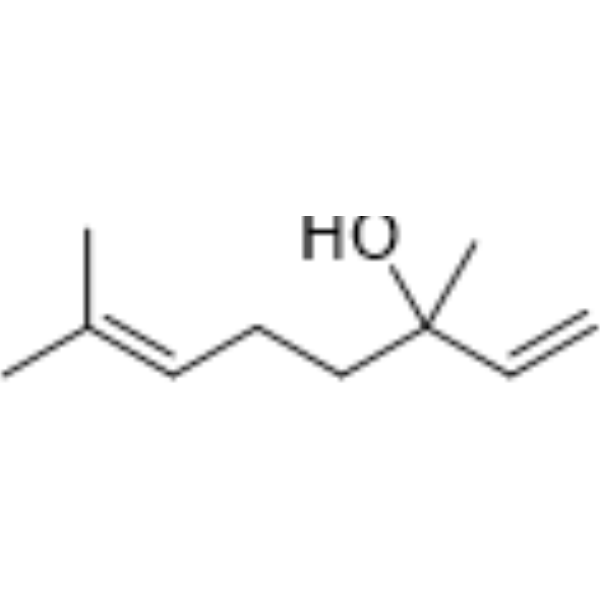
Linalool-d5 is the deuterium labeled Linalool (HY-N0368). Linalool is a natural monoterpene which is a competitive NMDA receptor antagonist. Linalool is orally active and crosses the blood-brain barrier. Linalool has anticancer, antibacterial, anti-inflammatory, neuroprotective, anxiolytic, antidepressant, anti-stress, cardioprotective, hepatoprotective, nephroprotective and pulmonary protective activities .
|
-
-
- HY-B0031S
-
-
-
- HY-19496
-
|
Buagafuran; Buagarofuran
|
5-HT Receptor
|
Neurological Disease
|
|
4-Butyl-alpha-agarofuran (AF 5) is an anxiolytic and antidepressant agent. 4-Butyl-alpha-agarofuran a α-agarofuran derivative that can be isolated from Gharu-wood. 4-Butyl-alpha-agarofuran can be used for the research of neurological disease research .
|
-
-
- HY-107626
-
|
|
MCHR1 (GPR24)
5-HT Receptor
|
Neurological Disease
|
|
ATC0065 is a potent, selective and orally active melanin-concentrating hormone (MCH) receptor 1 (MCHR1) antagonist with an IC50 of 15.7 nM for human MCHR1. ATC0065 does not exhibits significant activity for MCHR2. ATC0065 has anxiolytic and antidepressant activities .
|
-
-
- HY-14348
-
|
|
5-HT Receptor
|
Neurological Disease
|
|
GSK163090 is a potent, selective and orally active 5-HT1A/1B/1D receptor antagonist with pKi values of 9.4, 8.5 and 9.7, respectively. GSK163090 inhibits the functional activity of serotonin reuptake transporter (SerT) with a pKi value of 6.1. GSK163090 has antidepressant and anxiolytic activities .
|
-
-
- HY-110053
-
|
SM-3997 hydrochloride
|
5-HT Receptor
|
Neurological Disease
|
|
Tandospirone (SM-3997) hydrochloride is a potent and selective 5-HT1A receptor partial agonist, with a Ki of 27 nM. Tandospirone hydrochloride has anxiolytic and antidepressant activities. Tandospirone hydrochloride can be used for the research of the central nervous system disorders and the underlying mechanisms .
|
-
-
- HY-120738
-
|
|
5-HT Receptor
|
Neurological Disease
|
|
p-MPPI hydrochloride is a selective 5-HT1A receptor antagonist with high affinity for 5-HT1A receptors. p-MPPI hydrochloride can crosses the blood-brain barrier, and has clear antidepressant and anxiolytic-like effects .
|
-
-
- HY-169870
-
|
(+)-Mecamylamine; TC-5214
|
nAChR
|
Neurological Disease
|
|
Dexmecamylamine ((+)-Mecamylamine) is the antagonist for nicotinic acetylcholine receptor (nAChR), that antagonises the α3β4/α4β2/α7/α1β1γδ receptor with IC50 of micromolare levels. Dexmecamylamine exhibits anxiolytic and antidepressant-like activities .
|
-
-
- HY-12390A
-
|
Lopramine hydrochloride
|
5-HT Receptor
Adrenergic Receptor
|
Neurological Disease
|
|
Lofepramine (Lopramine) is a modified tricyclic and orally active antidepressant. Lofepramine inhibits the uptake of Noradrenaline (NA) (HY-13715) and 5-hydroxytryptamine (5-HT) with IC50s of 2.7 μM and 11 μM, respectively. Lofepramine exerts its antidepressant activity by promoting noradrenergic neurotransmission. Lofepramine also enhances serotonergic neurotransmission by inhibiting neuronal uptake of 5-HT and tryptophan pyrrolase. Lofepramine exhibits significant anxiolytic properties. .
|
-
-
- HY-A0095B
-
|
BIMT-17 hydrochloride; BIMT-17BS hydrochloride
|
5-HT Receptor
Dopamine Receptor
|
Neurological Disease
|
|
Flibanserin hydrochloride (BIMT-17 hydrochloride) is an orally active 5-HT1A receptor agonist and 5-HT2A receptor antagonist with binding affinities Ki of 1 nM and 49 nM, respectively. Flibanserin hydrochloride also binds to dopamine D4 receptors with a Ki of 4-24 nM. Flibanserin hydrochloride has antidepressant and anxiolytic effects and can be used in the study of hypoactive sexual desire disorder (HSDD) .
|
-
-
- HY-107626A
-
|
|
MCHR1 (GPR24)
5-HT Receptor
|
Neurological Disease
|
|
ATC0065 free base is a potent, selective and orally active melanin-concentrating hormone (MCH) receptor 1 (MCHR1) antagonist with an IC50 of 15.7 nM for human MCHR1. ATC0065 free base does not exhibits significant activity for MCHR2. ATC0065 free base has anxiolytic and antidepressant activities .
|
-
-
- HY-108043
-
|
|
Opioid Receptor
|
Neurological Disease
|
|
AZD-2327 is a potent and selective δ-opioid receptor agonist. AZD-2327 binds to the human opioid receptor (Ki of 0.49 and 0.75 nM and EC50 of 24 and 9.2 nM at the C27 and F27 isoforms, respectively). AZD-2327 shows selectivity of >1000-fold over the human μ- and κ-opioid receptor subtypes as well as >130 other receptors and channels. AZD-2327 exhibits antidepressant and anxiolytic activities and can be used for the research of neurological disease .
|
-
-
- HY-10867
-
|
|
FAAH
|
Metabolic Disease
|
|
PF-622 is a selective FAAH inhibitor, and can be used for study of analgesic and anxiolytic/antidepressant .
|
-
-
- HY-19046
-
|
SC 48274 hydrochloride
|
Tryptophan Hydroxylase
|
Neurological Disease
|
|
AGN-2979 (SC 48274) hydrochloride is a tryptophan hydroxylase activation inhibitor. AGN-2979 hydrochloride exhibits antidepressant and anxiolytic activities .
|
-
-
- HY-107625
-
|
|
MCHR1 (GPR24)
|
Neurological Disease
Endocrinology
|
|
SNAP 94847 is a novel, high affinity selective melanin-concentrating hormonereceptor1 (MCHR1) antagonist with (Ki= 2.2 nM, Kd=530 pM), it displays >80-fold and >500-fold selectivity over MCHα1A and MCHD2 receptors respectively. SNAP 94847 binds with high affinity to the mouse and rat MCHR1 with minimal cross-reactivity to other GPCR, ion channels, enzymes, and transporters .
|
-
-
- HY-14551B
-
|
(S)-SR142801
|
Neurotensin Receptor
|
Neurological Disease
|
|
(S)-Osanetant is the S-enantiomer of Osanetant. Osanetant (SR142801) is a selective NK3 receptor antagonist. Osanetant produces anxiolytic- and antidepressant-like effects and is researched for schizophrenia .
|
-
-
- HY-107702
-
|
|
iGluR
|
Neurological Disease
|
|
CGP 37849 is a potent, competitive and orally active N-methyl-D-aspartate (NMDA) receptor antagonist. CGP 37849 is an anticonvulsant in rodents and has antidepressant and anxiolytic-like effects .
|
-
- HY-A0198
-
|
U 41123
|
GABA Receptor
|
Neurological Disease
|
|
Adinazolam (U 41123) is a triazolobenzodiazepine. Adinazolam binds to peripheral-type benzodiazepine receptors which interact allosterically with GABA receptors. Adinazolam has dual anxiolytic and antidepressant activities .
|
-
- HY-101578
-
|
|
Monoamine Oxidase
|
Neurological Disease
|
|
2614W94 is a selective, reversible and orally active monoamine oxidase-A (MAO-A) inhibitor with an IC50 of 5 nM and a Ki of 1.6 nM. 2614W94 shows no significant inhibition of MAO-B. 2614W94 has antidepressant and anxiolytic effects .
|
-
- HY-W012735
-
|
(+)-β-Homoproline; (+)-Hexahydronicotinic acid; (+)-3-Carboxypiperidine
|
GABA Receptor
|
Neurological Disease
|
|
(+)-Nipecotic acid ((+)-β-Homoproline) is a GABA transport inhibitor with potential antidepressant and anxiolytic activities. (+)-Nipecotic acid can increase the concentration of GABA in the synaptic cleft, thereby enhancing inhibitory neurotransmission. The research on (+)-Nipecotic acid provides a possible direction for the development of new inhibitory compounds for psychiatric diseases .
|
-
- HY-N0368S1
-
|
|
Apoptosis
Endogenous Metabolite
iGluR
Bacterial
Isotope-Labeled Compounds
|
Cancer
|
|
Linalool- 13C3 is 13C labeled Linalool (HY-N0368). Linalool is a natural monoterpene which is a competitive NMDA receptor antagonist. Linalool is orally active and crosses the blood-brain barrier. Linalool has anticancer, antibacterial, anti-inflammatory, neuroprotective, anxiolytic, antidepressant, anti-stress, cardioprotective, hepatoprotective, nephroprotective and pulmonary protective activities .
|
-
- HY-14349
-
|
|
5-HT Receptor
Dopamine Receptor
|
Neurological Disease
|
|
GSK-163090 dihydrochloride is a potent, selective and orally active 5-HT1A/1B/1D receptor antagonist with pKi values of 9.4, 8.5 and 9.7, respectively. GSK-163090 dihydrochloride inhibits the functional activity of serotonin reuptake transporter (SerT) with a pKi value of 6.1. GSK-163090 dihydrochloride has antidepressant and anxiolytic activities .
|
-
- HY-105332
-
|
|
CRFR
|
Neurological Disease
|
|
CRA1000 is an orally active, selective and competitive CRF1 receptor antagonist with anxiolytic- and antidepressant-like properties .
|
-
- HY-151951
-
-
- HY-151950
-
-
- HY-110379
-
|
|
TRP Channel
|
Neurological Disease
|
|
M084 hydrochloride is a TRPC4/5 channel blocker, with IC50 values of 10.3 μM and 8.2 μM, respectively. M084 hydrochloride has antidepressant and anxiolytic effects .
|
-
- HY-121053A
-
|
WY-50324 hydrochloride; SEB-324 hydrochloride
|
5-HT Receptor
|
Neurological Disease
|
|
Adatanserin hydrochloride is a high affinity, selective and partial agonist for the 5-HT1A receptor with a Ki of 1 nM. Adatanserin hydrochloride is a moderate affinity 5-HT2 receptor antagonist with a Ki of 73 nM. Adatanserin hydrochloride shows significant anxiolytic and antidepressant activity in an animal conflict model .
|
-
- HY-121053
-
|
WY-50324; SEB-324
|
5-HT Receptor
|
Neurological Disease
|
|
Adatanserin (WY-50324) is a high affinity, selective and partial agonist for the 5-HT1A receptor with a Ki of 1 nM. Adatanserin is a moderate affinity 5-HT2 receptor antagonist with a Ki of 73 nM. Adatanserin shows significant anxiolytic and antidepressant activity in an animal conflict model .
|
-
- HY-A0198S
-
|
U 41123-d5
|
Isotope-Labeled Compounds
GABA Receptor
|
Neurological Disease
|
|
Adinazolam-d5 (U 41123-d5) is a deuterium labeled Adinazolam (HY-A0198). Adinazolam is a triazolobenzodiazepine. Adinazolam binds to peripheral-type benzodiazepine receptors which interact allosterically with GABA receptors. Adinazolam has dual anxiolytic and antidepressant activities .
|
-
- HY-12390R
-
|
Lopramine (Standard)
|
5-HT Receptor
Adrenergic Receptor
Reference Standards
|
Neurological Disease
|
|
Lofepramine (Standard) is the analytical standard of Lofepramine. This product is intended for research and analytical applications. Lofepramine (Lopramine) is a modified tricyclic and orally active antidepressant. Lofepramine inhibits the uptake of Noradrenaline (NA) (HY-13715) and 5-hydroxytryptamine (5-HT) with IC50s of 2.7 μM and 11 μM, respectively. Lofepramine exerts its antidepressant activity by promoting noradrenergic neurotransmission. Lofepramine also enhances serotonergic neurotransmission by inhibiting neuronal uptake of 5-HT and tryptophan pyrrolase. Lofepramine exhibits significant anxiolytic properties. .
|
-
- HY-N2439R
-
|
|
Reference Standards
Others
|
Neurological Disease
|
|
Methyl isoeugenol (Standard) is the analytical standard of Methyl isoeugenol. This product is intended for research and analytical applications. Methyl isoeugenol (MIE) is a natural food flavour that can be isolated from Pimenta pseudocaryophyllus leaf. Methyl isoeugenol shows anxiolytic and antidepressant like effects. Methyl isoeugenol is orally active .
|
-
- HY-P3355
-
|
|
iGluR
|
Neurological Disease
|
|
p-fin4 is a peptide inhibitor of STEP Phosphatase-GluA2 AMPA receptor interaction with a Ki of 0.4 μM. p-fin4 restores the memory deficits and displays anxiolytic and antidepressant effects in a scopolamine-treated rat model. p-fin4 is a promising lead compound for novel cognitive enhancers and/or behavioral modulators .
|
-
- HY-130176
-
|
|
Opioid Receptor
ERK
Adenylate Cyclase
|
Neurological Disease
|
|
UFP-512 is a selective and potent σ-opioid receptor (DOP receptor) peptidic agonist with antidepressant- and anxiolytic-like effects. UFP-512 exhibits as a potent agonist on adenylyl cyclase inhibition and Erk1/2 activation. UFP-512 induces phosphorylation of DOP receptors on Ser 363 with a low desensitization of the cAMP pathway. UFP-512 is promising for research of mood disorders .
|
-
- HY-B0031S5
-
|
|
Dopamine Receptor
5-HT Receptor
Isotope-Labeled Compounds
|
Neurological Disease
|
|
Quetiapine-d4-1 fumarate is deuterated labeled Quetiapine (hemifumarate) (HY-B0031). Quetiapine hemifumarate is a 5-HT receptors agonist with a pEC50 of 4.77 for human 5-HT1A receptor. Quetiapine hemifumarate is a dopamine receptor antagonist with a pIC50 of 6.33 for human D2 receptor. Quetiapine hemifumarate has moderate to high affinity for the human D2, HT1A, 5-HT2A, 5-HT2C receptor with pKis of 7.25, 5.74, 7.54, 5.55. Antidepressant and anxiolytic effects .
|
-
- HY-P3354
-
|
|
iGluR
|
Neurological Disease
|
|
p3Ysh-3 is a peptide inhibitor of STEP Phosphatase-GluA2 AMPA receptor interaction with a Ki of 1.09 μM. p3Ysh-3 restores the memory deficits and displays anxiolytic and antidepressant effects in a scopolamine-treated rat model. p3Ysh-3 is a promising lead compound for novel cognitive enhancers and/or behavioral modulators .
|
-
- HY-123106
-
|
|
Melanocortin Receptor
|
Others
|
|
MCL-0129 is a compound with anxiolytic and antidepressant activity and is a selective MC4 receptor antagonist that exhibits anxiolytic and antidepressant-like behaviors in multiple rodent models.
|
-
- HY-W010410S
-
|
|
Isotope-Labeled Compounds
|
Metabolic Disease
|
|
Oct-1-en-3-ol-d3 is deuterated labeled Linalool (HY-N0368). Linalool is a natural monoterpene which is a competitive NMDA receptor antagonist. Linalool is orally active and crosses the blood-brain barrier. Linalool has anticancer, antibacterial, anti-inflammatory, neuroprotective, anxiolytic, antidepressant, anti-stress, cardioprotective, hepatoprotective, nephroprotective and pulmonary protective activities .
|
-
- HY-116236
-
|
LY2607540
|
mGluR
|
Others
|
|
THIIC (LY2607540) is a compound with anxiolytic and antidepressant potential. It is a positive allosteric modulator of mGlu receptors, exhibits anxiolytic and antidepressant-like activities in multiple animal models, and can also affect sleep and neurochemical changes.
|
-
- HY-B0168AS
-
|
|
Isotope-Labeled Compounds
Serotonin Transporter
PERK
|
Neurological Disease
|
|
Milnacipran-d5 hydrochloride is deuterium labeled Milnacipran hydrochloride (HY-B0168A). Milnacipran hydrochloride is an orally active Serotonin (HY-B1473A) and Norepinephrine (HY-13715) reuptake inhibitor. Milnacipran hydrochloride inhibits monoamine transporters, especially the norepinephrine transporter and the serotonin transporter (Ki values of 31 and 8.5 nM, respectively). Milnacipran hydrochloride inhibits pERK1/2 activation. Milnacipran hydrochloride has antidepressant, anxiolytic and analgesic properties. Milnacipran hydrochloride inhibits biting behavior in mice. Milnacipran hydrochloride can be used in the study of major depressive disorder, anxiety disorders, and neuropathic pain (e.g., fibromyalgia) .
|
-
- HY-B0168AR
-
|
|
Reference Standards
Serotonin Transporter
PERK
|
Neurological Disease
|
|
Milnacipran (hydrochloride) (Standard) is the analytical standard of Milnacipran hydrochloride (HY-B0168A). This product is intended for research and analytical applications. Milnacipran hydrochloride is an orally active Serotonin (HY-B1473A) and Norepinephrine (HY-13715) reuptake inhibitor. Milnacipran hydrochloride inhibits monoamine transporters, especially the norepinephrine transporter and the serotonin transporter (Ki values of 31 and 8.5 nM, respectively). Milnacipran hydrochloride inhibits pERK1/2 activation. Milnacipran hydrochloride has antidepressant, anxiolytic and analgesic properties. Milnacipran hydrochloride inhibits biting behavior in mice. Milnacipran hydrochloride can be used in the study of major depressive disorder, anxiety disorders, and neuropathic pain (e.g., fibromyalgia) .
|
-
- HY-14551C
-
|
SR142801 monohydrochloride
|
Neurokinin Receptor
|
Neurological Disease
|
|
Osanetant (SR142801) monohydrochloride is a selective NK3 receptor antagonist. Osanetant monohydrochloride produces anxiolytic- and antidepressant-like effects .
|
-
- HY-111479
-
-
- HY-A0198A
-
|
U 41123F mesylate
|
GABA Receptor
|
Neurological Disease
|
|
Adinazolam (U 41123F) mesylate is a triazolobenzodiazepine. Adinazolam mesylate binds to peripheral-type benzodiazepine receptors which interact allosterically with GABA receptors. Adinazolam mesylate has dual anxiolytic and antidepressant activities .
|
-
- HY-12390S
-
|
|
Isotope-Labeled Compounds
|
Neurological Disease
|
|
Lofepramine-d3 (Lopramine-d3) is the deuterium labeled Lofepramine. Lofepramine (Lopramine) is a potent tricyclic antidepressant and is extensively metabolised to Desipramine. The antidepressant activity of Lofepramine stems from the facilitation of noradrenergic neurotransmission by uptake inhibition. Lofepramine may also potentiate serotoninergic neurotransmission by inhibition of the neuronal uptake of serotonin and the enzyme tryptophan pyrrolase. Lofepramine has significant anxiolytic efficacy in addition to its antidepressant properties .
|
-
- HY-W979493
-
|
|
nAChR
|
Others
|
|
TC-2216 is a compound with antidepressant and anxiolytic activity that has shown activity in multiple animal models and may exert its effects by acting on α4β2 neuronal nicotinic receptors.
|
-
- HY-115645
-
|
NBI30775 hydrochloride
|
CRFR
|
Neurological Disease
Metabolic Disease
|
|
R121919 (NBI30775) hydrochloride is a potent and selective CRF1R antagonist with a Ki of 2 to 5 nM. R121919 hydrochloride has antidepressant and anxiolytic effects. R121919 hydrochloride alleviates defensive withdrawal in rats .
|
-
- HY-123708
-
|
|
Galectin
|
Others
|
|
SNAP 398299 is a Gal3 receptor antagonist with potential anxiolytic and antidepressant effects. SNAP 398299 can partially reverse the neuropeptide Galanin-induced inhibition of dorsal raphe cell firing and the Galanin-induced hyperpolarizing current.
|
-
- HY-108481
-
|
|
Neurokinin Receptor
|
Neurological Disease
|
|
L-760735 is a high affinity, selective and orally active NK1 receptor antagonist with an IC50 of 0.19 nM for human NK1 receptors. L-760735 exhibits anxiolytic and antidepressant-like effects .
|
-
- HY-176436S
-
-
- HY-161896
-
|
|
GABA Receptor
|
Neurological Disease
|
|
Transcription factor-IN-1 (Compound 4e) is an inhibitor for transcription factor. Transcription factor-IN-1 exhibits anticonvulsant activity by antagonism with pentylenetetrazole (PTZ) (ED50 =34.5 mg/kg). Transcription factor-IN-1 exhibits antidepressant effects in rat models .
|
-
- HY-10049A
-
|
|
Neurokinin Receptor
|
Neurological Disease
|
|
CP 122721 hydrochloride is a potent, non-peptide and selective nonpeptide neurokinin NK1 antagonist, with a pIC50 of 9.8 for human NK1 receptor expressed in IM-9 cells. CP 122721 hydrochloride exhibits anxiolytic and antidepressant-like effects .
|
-
- HY-121653B
-
|
DU-29373
|
5-HT Receptor
|
Neurological Disease
|
|
Flesinoxan hydrochloride is a hypotensive agent and a potent, high affinity and selective 5-hydroxytryptamine1A (5-HT1A) receptor agonist with an EC50 value of 24 nM. Flesinoxan hydrochloride also has effective anxiolytic/antidepressant effects .
|
-
- HY-128743R
-
|
|
Reference Standards
Endogenous Metabolite
|
Metabolic Disease
|
|
Methyl isoeugenol (Standard) is the analytical standard of Methyl isoeugenol. This product is intended for research and analytical applications. Methyl isoeugenol (MIE) is a natural food flavour that can be isolated from Pimenta pseudocaryophyllus leaf. Methyl isoeugenol shows anxiolytic and antidepressant like effects. Methyl isoeugenol is orally active .
|
-
- HY-13206R
-
|
|
mGluR
|
Neurological Disease
|
|
MTEP (hydrochloride) (Standard) is the analytical standard of MTEP (hydrochloride). This product is intended for research and analytical applications. MTEP hydrochloride is a potent, non-competitive and highly selective mGluR5 antagonist, with an IC50 of 5 nM and a Ki of 16 nM. MTEP hydrochloride shows antidepressant and anxiolytic-like effects. MTEP hydrochloride can be used for Parkinson's disease research .
|
-
- HY-14127R
-
|
NBI30775 (Standard)
|
CRFR
Reference Standards
|
Neurological Disease
Endocrinology
|
|
R121919 (Standard) is the analytical standard of R121919. This product is intended for research and analytical applications. R121919 (NBI30775) is a potent and selective CRF1R antagonist with a Ki of 2 to 5 nM. R121919 has antidepressant and anxiolytic effects. R121919 alleviates defensive withdrawal in rats .
|
-
- HY-120810
-
|
DDP-225 hydrate hydrochloride
|
5-HT Receptor
|
Neurological Disease
|
|
MCI-225 (DDP-225) hydrate hydrochloride is a selective and orally active noradrenaline (NA) reuptake inhibitor with 5-HT3 receptor antagonism. MCI-225 hydrate hydrochloride has antidepressant-like and anxiolytic-like properties. MCI-225 hydrate hydrochloride can be used for the study of anxiety disorder .
|
-
- HY-121653R
-
|
|
5-HT Receptor
|
Neurological Disease
|
|
Flesinoxan (Standard) is the analytical standard of Flesinoxan. This product is intended for research and analytical applications. Flesinoxan is a hypotensive agent and a potent, high affinity and selective 5-hydroxytryptamine1A (5-HT1A) receptor agonist with an EC50 value of 24 nM. Flesinoxan also has effective anxiolytic/antidepressant effects .
|
-
- HY-14558R
-
|
SM-3997 (Standard)
|
Reference Standards
5-HT Receptor
|
Neurological Disease
|
|
Tandospirone (Standard) is the analytical standard of Tandospirone. This product is intended for research and analytical applications. Tandospirone (SM-3997) is a potent and selective 5-HT1A receptor partial agonist, with a Ki of 27 nM. Tandospirone has anxiolytic and antidepressant activities. Tandospirone can be used for the research of the central nervous system disorders and the underlying mechanisms .
|
-
- HY-19946A
-
|
F 11440 fumarate
|
5-HT Receptor
|
Neurological Disease
|
|
Eptapirone fumarate (F11440 fumarate) is a potent, selective and orally active 5-HT1A receptor agonist (pKi = 8.33). Eptapirone fumarate can inhibit cAMP production. Eptapirone fumarate can reduce 5-HT levels and increase corticosterone levels. Eptapirone fumarate shows potent anxiolytic and antidepressant potential. Eptapirone fumarate can be used for the research of neurological disease, such as anxiety and depression .
|
-
- HY-11084
-
|
|
Endogenous Metabolite
|
Neurological Disease
|
|
SNAP-7941 is a selective antagonist with anxiolytic, antidepressant and appetite suppressant activities. SNAP-7941 showed promising biological activity in initial animal studies. SNAP-7941 targets the melanin concentrating hormone receptor MCH1 and has significant inhibitory potential. SNAP-7941 was shown to inhibit the centrally induced MCH-induced drinking effect in in vivo studies .
|
-
- HY-14558S
-
|
SM-3997-d8
|
Isotope-Labeled Compounds
5-HT Receptor
|
Neurological Disease
|
|
Tandospirone-d8 (SM-3997-d8) is deuterium labeled Tandospirone. Tandospirone (SM-3997) is a potent and selective 5-HT1A receptor partial agonist, with a Ki of 27 nM. Tandospirone has anxiolytic and antidepressant activities. Tandospirone can be used for the research of the central nervous system disorders and the underlying mechanisms .
|
-
- HY-108710R
-
|
|
Reference Standards
mGluR
|
Neurological Disease
|
|
VU0650786 (Standard) is the analytical standard of VU0650786 (HY-108710). This product is intended for research and analytical applications. VU0650786 is a potent and selective CNS penetrant negative allosteric modulator of metabotropic glutamate receptor subtype 3 (mGlu3 NAM), with an IC50 of 392 nM. VU0650786 has antidepressant and anxiolytic activity in rodents .
|
-
- HY-107624R
-
|
|
Reference Standards
MCHR1 (GPR24)
|
Neurological Disease
|
|
ATC0175 (Standard) is the analytical standard of ATC0175 (HY-107624). This product is intended for research and analytical applications. ATC0175 is a potent, selective and orally active melanin-concentrating hormone 1 recepter antagonist with IC50s of 13.5, >10000 nM for MCH1R, MCH2R, respectively. ATC0175 shows antidepressant effects and anxiolytic effects in animal models. ATC0175 has the potential for the research of depression and/or anxiety disorders .
|
-
- HY-107625AR
-
|
|
Reference Standards
MCHR1 (GPR24)
|
Neurological Disease
|
|
SNAP 94847 hydrochloride (Standard) is the analytical standard of SNAP 94847 (hydrochloride) (HY-107625A). This product is intended for research and analytical applications. SNAP 94847 hydrochloride is a novel, high affinity selective melanin-concentrating hormonereceptor1 (MCHR1) antagonist with (Ki= 2.2 nM, Kd=530 pM), it displays >80-fold and >500-fold selectivity over MCHα1A and MCHD2 receptors respectively. SNAP 94847 hydrochloride binds with high affinity to the mouse and rat MCHR1 with minimal cross-reactivity to other GPCR, ion channels, enzymes, and transporters .
|
-
- HY-N6648R
-
|
|
GABA Receptor
Reference Standards
|
Neurological Disease
|
|
Cirsimaritin (Standard) is the analytical standard of Cirsimaritin (HY-N6648). This product is intended for research and analytical applications. Cirsimaritin binds weakly to the benzodiazepine site on GABAA receptors, with antidepressant, anxiolytic and antinociceptive activities.
|
-
- HY-10347
-
|
S-20499
|
5-HT Receptor
|
Neurological Disease
|
|
Alnespirone (S-20499) is a selective, orally active 5-HT1A receptor agonist (K0.5 = 0.2 nM). Alnespirone shows antidepressant-like and anxiolytic effects .
|
-
- HY-W644305
-
|
3β-Androstenol
|
GABA Receptor
Endogenous Metabolite
|
Neurological Disease
|
Androst-16-en-3-ol is a pheromone derived from boars that triggers mating responses in estrous sows. It also exists in human urine, plasma, saliva and sweat. As an endogenous neurosteroid, Androst-16-en-3-ol acts as a positive allosteric modulator of GABAA receptors (GABAA receptor) and exerts anxiolytic, antidepressant and anticonvulsant activities in mice.
|
-
- HY-14536
-
|
Basic Blue 9; CI-52015; Methylthioninium chloride
|
Environmental Pollutants
Monoamine Oxidase
Guanylate Cyclase
Microtubule/Tubulin
NO Synthase
|
Infection
Neurological Disease
Cancer
|
|
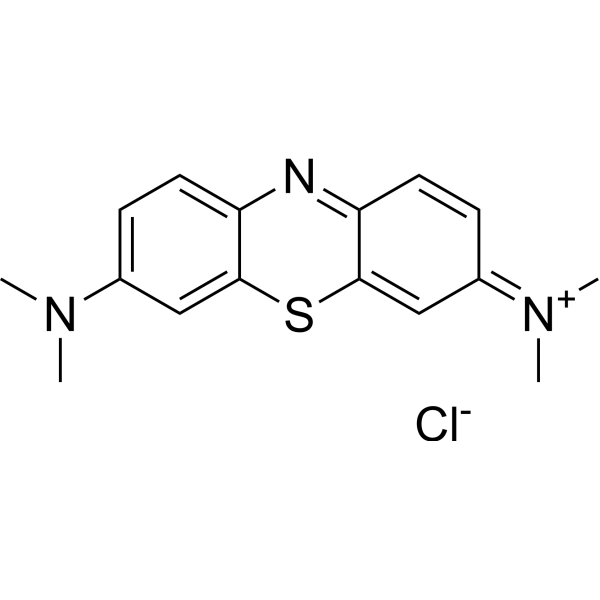
Methylene blue (Basic Blue 9) is a guanylyl cyclase (sGC), monoamine oxidase A (MAO-A) and NO synthase (NOS) inhibitor. Methylene blue is a vasopressor and is often used as a dye in several medical procedures. Methylene blue through the nitric oxide syntase/guanylate cyclase signalling pathway to reduce prepulse inhibition. Methylene blue is a REDOX cycling compound and able to cross the blood-brain barrier. Methylene blue is a Tau aggregation inhibitor. Methylene Blue is a photosensitizer and redox agent. Methylene blue reduces cerebral edema, attenuated microglial activation and reduced neuroinflammation .
|
-
- HY-D0958
-
|
Basic Blue 9 hydrate; CI-52015 hydrate; Methylthioninium chloride hydrate
|
Guanylate Cyclase
Monoamine Oxidase
NO Synthase
Microtubule/Tubulin
|
Infection
Inflammation/Immunology
Cancer
|
|
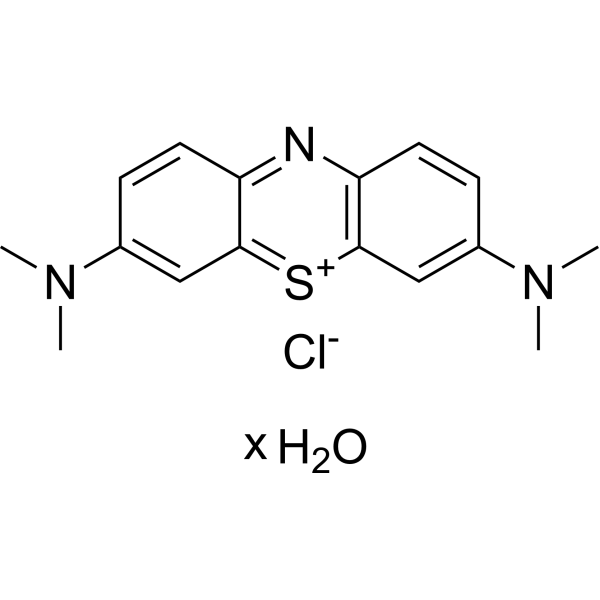
Methylene blue (Basic Blue 9) hydrate is a guanylyl cyclase (sGC), monoamine oxidase A (MAO-A) and NO synthase (NOS) inhibitor. Methylene blue is a vasopressor and is often used as a dye in several medical procedures. Methylene blue hydrate through the nitric oxide syntase/guanylate cyclase signalling pathway to reduce prepulse inhibition. Methylene blue hydrate is a REDOX cycling compound and able to cross the blood-brain barrier. Methylene blue hydrate is a Tau aggregation inhibitor. Methylene blue hydrate reduces cerebral edema, attenuated microglial activation and reduced neuroinflammation .
|
-
- HY-14536R
-
|
Basic Blue 9 (Standard); CI-52015 (Standard); Methylthioninium chloride (Standard)
|
Reference Standards
Guanylate Cyclase
Monoamine Oxidase
NO Synthase
Microtubule/Tubulin
|
Infection
Neurological Disease
Cancer
|
|
Methylene Blue (Standard) is the analytical standard of Methylene Blue. This product is intended for research and analytical applications. Methylene blue (Basic Blue 9) is a guanylyl cyclase (sGC), monoamine oxidase A (MAO-A) and NO synthase (NOS) inhibitor. Methylene blue is a vasopressor and is often used as a dye in several medical procedures. Methylene blue through the nitric oxide syntase/guanylate cyclase signalling pathway to reduce prepulse inhibition. Methylene blue is a REDOX cycling compound and able to cross the blood-brain barrier. Methylene blue is a Tau aggregation inhibitor. Methylene blue reduces cerebral edema, attenuated microglial activation and reduced neuroinflammation .
|
-
- HY-D0958R
-
|
Basic Blue 9 hydrate (Standard); CI-52015 hydrate (Standard); Methylthioninium chloride hydrate (Standard)
|
Reference Standards
Guanylate Cyclase
Monoamine Oxidase
NO Synthase
Microtubule/Tubulin
|
Infection
Inflammation/Immunology
Cancer
|
|
Methylene blue (hydrate) (Standard) is the analytical standard of Methylene blue (hydrate). This product is intended for research and analytical applications. Methylene blue (Basic Blue 9) hydrate is a guanylyl cyclase (sGC), monoamine oxidase A (MAO-A) and NO synthase (NOS) inhibitor. Methylene blue is a vasopressor and is often used as a dye in several medical procedures. Methylene blue hydrate through the nitric oxide syntase/guanylate cyclase signalling pathway to reduce prepulse inhibition. Methylene blue hydrate is a REDOX cycling compound and able to cross the blood-brain barrier. Methylene blue hydrate is a Tau aggregation inhibitor. Methylene blue hydrate reduces cerebral edema, attenuated microglial activation and reduced neuroinflammation .
|
-
- HY-14536A
-
|
Basic Blue 9 (purity≥70%); CI-52015 (purity≥70%); Methylthioninium chloride (purity≥70%)
|
Environmental Pollutants
Monoamine Oxidase
Guanylate Cyclase
Microtubule/Tubulin
NO Synthase
|
Infection
Neurological Disease
Cancer
|
|
Methylene blue (purity≥70%) is a guanylyl cyclase (sGC), monoamine oxidase A (MAO-A) and NO synthase (NOS) inhibitor. Methylene blue (purity≥70%) is a vasopressor and is often used as a dye in several medical procedures. Methylene blue (purity≥70%) through the nitric oxide syntase/guanylate cyclase signalling pathway to reduce prepulse inhibition. Methylene blue (purity≥70%) is a REDOX cycling compound and able to cross the blood-brain barrier. Methylene blue (purity≥70%) is a Tau aggregation inhibitor. Methylene blue reduces cerebral edema, attenuated microglial activation and reduced neuroinflammation .
|
-
- HY-103154
-
|
|
5-HT Receptor
|
Neurological Disease
|
|
SB228357 is a selective, potent and orall active 5-HT2C/2B receptor antagonist with pKi values of 6.9, 8.0 and 9.0 for 5-HT2A, 5-HT2B and 5-HT2C, respectively. SB228357 has antidepressant/anxiolytic effects .
|
-
- HY-159942
-
|
|
5-HT Receptor
Dopamine Receptor
|
Neurological Disease
|
|
5-HT7R antagonist 3 (Compound 6.4) is a selective 5-HT7R antagonist (Ki: 8 nM), with Ki of 511 nM (D2), 8930 nM (5-HT1A) and 5786 nM (5-HT2A), respectively. 5-HT7R antagonist 3 possesses antidepressant and anxiolytic effects in mice .
|
-
- HY-165378
-
|
(E)-Dosulepin hydrochloride; (E)-Dothep hydrochloride
|
Histamine Receptor
|
Neurological Disease
|
|
(E)-Dothiepin ((E)-Dosulepin;(E)-Dothep) hydrochloride is an antidepressant agent with sedative/anxiolytic activity. (E)-Dothiepin hydrochloride is an inhibitor preferring of noradrenaline uptake than serotonin uptake. (E)-Dothiepin hydrochloride facilitates noradrenergic neurotransmission via inhibiting the neuronal uptake. (E)-Dothiepin hydrochloride is also an antagonist of histamine H1-receptor without cardiotoxicity. (E)-Dothiepin hydrochloride exhibits significant analgesic activity in psychogenic facial pain,idiopathic fibromyalgia syndrome or rheumatoid arthritis .
|
-
- HY-14609R
-
|
|
mGluR
|
Neurological Disease
|
|
MPEP (Hydrochloride) (Standard) is the analytical standard of MPEP (Hydrochloride). This product is intended for research and analytical applications. MPEP Hydrochloride is a potent, selective, noncompetitive, orally active and systemically active mGlu5 receptor antagonist, with an IC50 of 36 nM for completely inhibiting quisqualate-stimulated phosphoinositide (PI) hydrolysis. MPEP Hydrochloride has anxiolytic-or antidepressant-like effects . MPEP (Hydrochloride) is a click chemistry reagent, it contains an Alkyne group and can undergo copper-catalyzed azide-alkyne cycloaddition (CuAAc) with molecules containing Azide groups.
|
-
- HY-14794A
-
|
(1S,2R)-Milnacipran; F2695
|
Serotonin Transporter
Trk Receptor
PI3K
mTOR
P-glycoprotein
Akt
|
Neurological Disease
Inflammation/Immunology
|
|
Levomilnacipran ((1S,2R)-Milnacipran) is the enantiomer of Milnacipran (HY-B0168) and a strong substrate of P-gp that can cross the blood-brain barrier. Levomilnacipran is a serotonin and norepinephrine reuptake inhibitor, with IC50 values of 10.5 nM and 19.0 nM, and Ki values of 92.2 nM and 1.2 nM for human norepinephrine transporter (NET) and serotonin transporter (SERT), respectively. Levomilnacipran has antidepressant and anxiolytic activities. Levomilnacipran hydrochloride can be used for the research of depression .
|
-
- HY-B0168B
-
|
(1S,2R)-Milnacipran hydrochloride; F-2695 hydrochloride
|
Serotonin Transporter
Trk Receptor
PI3K
Akt
mTOR
P-glycoprotein
|
Neurological Disease
Inflammation/Immunology
|
|
Levomilnacipran ((1S,2R)-Milnacipran) hydrochloride is the enantiomer of Milnacipran (HY-B0168) and a strong substrate of P-gp that can cross the blood-brain barrier. Levomilnacipran hydrochloride is a serotonin and norepinephrine reuptake inhibitor, with IC50 values of 10.5 nM and 19.0 nM, and Ki values of 92.2 nM and 1.2 nM for human norepinephrine transporter (NET) and serotonin transporter (SERT), respectively. Levomilnacipran hydrochloride has antidepressant and anxiolytic activities. Levomilnacipran hydrochloride can be used for the research of depression .
|
-
- HY-W677042
-
|
5α-Androst-16-en-3α-ol
|
GABA Receptor
|
Neurological Disease
|
|
α-Androstenol (5α-Androst-16-en-3α-ol) is a steroid pheromone that has been found in boar testes and male axillary sweat. α-Androstenol is also a positive allosteric modulator of GABAA receptors, which enhances GABA-activated currents in primary mouse cerebellar granule cells (EC50 of 0.4 μM). α-Androstenol produces anxiolytic-like, antidepressant-like, and anticonvulsant effects in mice. α-Androstenol can be used for the research of seizures .
|
-
- HY-B0031S2
-
|
|
Isotope-Labeled Compounds
5-HT Receptor
Dopamine Receptor
|
Neurological Disease
|
|
Quetiapine-d8 (fumarate) is the deuterium labeled Quetiapine. Quetiapine is a 5-HT receptors agonist with a pEC50 of 4.77 for human 5-HT1A receptor. Quetiapine is a dopamine receptor antagonist with a pIC50 of 6.33 for human D2 receptor. Quetiapine has moderate to high affinity for the human D2, HT1A, 5-HT2A, 5-HT2C receptor with pKis of 7.25, 5.74, 7.54, 5.55. Antidepressant and anxiolytic effects .
|
-
- HY-NP009
-
|
|
Bacterial
|
Infection
Neurological Disease
|
|
α-Lactalbumin is a globular whey protein that exists in milk. α-Lactalbumin binds Ca 2+, Mg 2+, Mn 2+, Na +, K + and Zn 2+ ions; among these, Ca 2+ binding enhances protein stability, while Zn 2+ binding reduces stability and induces aggregation. α-Lactalbumin forms amyloid fibrils, amorphous aggregates, nanoparticles and nanotubes depending on external conditions. α-Lactalbumin exhibits bactericidal and antiviral activities. α-Lactalbumin has anxiolytic and antidepressant activities, and its effects are enhanced under stress conditions .
|
-
- HY-184164
-
|
|
TRP Channel
|
Neurological Disease
|
|
JD03-02 is an orally active, blood-brain barrier-permeable TRPC1/5 heterodimer inhibitor with an IC50 of 0.2 nM. JD03-02 preferentially binds to a unique ligand-binding pocket at the interface of TRPC1-TRPC5, exerts almost no inhibitory effect on TRPC5 homotetramers, and thus avoids side effects such as obesity and hyperkinesia. JD03-02 induces anxiolytic and antidepressant effects in mouse models. JD03-02 can be used in studies related to depression and anxiety disorders .
|
-
- HY-B0168S
-
|
|
Isotope-Labeled Compounds
Serotonin Transporter
PERK
|
Neurological Disease
|
|
Milnacipran-d10 (hydrochloride) is the deuterium labeled Milnacipran hydrochloride (HY-B0168A). Milnacipran hydrochloride is an orally active Serotonin (HY-B1473A) and Norepinephrine (HY-13715) reuptake inhibitor. Milnacipran hydrochloride inhibits monoamine transporters, especially the norepinephrine transporter and the serotonin transporter (Ki values of 31 and 8.5 nM, respectively). Milnacipran hydrochloride inhibits pERK1/2 activation. Milnacipran hydrochloride has antidepressant, anxiolytic and analgesic properties. Milnacipran hydrochloride inhibits biting behavior in mice. Milnacipran hydrochloride can be used in the study of major depressive disorder, anxiety disorders, and neuropathic pain (e.g., fibromyalgia) .
|
-
- HY-B0031S3
-
|
|
Isotope-Labeled Compounds
5-HT Receptor
Dopamine Receptor
|
Neurological Disease
|
|
Quetiapine-d8 (hemifumarate) is the deuterium labeled Quetiapine hemifumarate. Quetiapine hemifumarate is a 5-HT receptors agonist with a pEC50 of 4.77 for human 5-HT1A receptor. Quetiapine hemifumarate is a dopamine receptor antagonist with a pIC50 of 6.33 for human D2 receptor. Quetiapine hemifumarate has moderate to high affinity for the human D2, HT1A, 5-HT2A, 5-HT2C receptor with pKis of 7.25, 5.74, 7.54, 5.55. Antidepressant and anxiolytic effects .
|
-
- HY-173024
-
|
|
TRP Channel
|
Neurological Disease
|
|
TRPC4/5-IN-3 (Compound 32) is the orally active inhibitor for transient receptor potential canonical channel 4/5 (TRPC4/5) with IC50 of 3.6 nM and 5.5 nM. TRPC4/5-IN-3 inhibits hERG channel with IC50 of 6.5 µM. TRPC4/5-IN-3 exhibits good metabolic stability in human/rat/mouse liver microsomes. TRPC4/5-IN-3 exhibits antidepressant and anxiolytic activity in mouse models, exhibits good pharmacokinetic characteristics in mouse with an oral bioavailability of 87% .
|
-
- HY-105285
-
|
Neu-P11
|
Melatonin Receptor
5-HT Receptor
P2X Receptor
TRP Channel
Sodium Channel
|
Neurological Disease
|
|
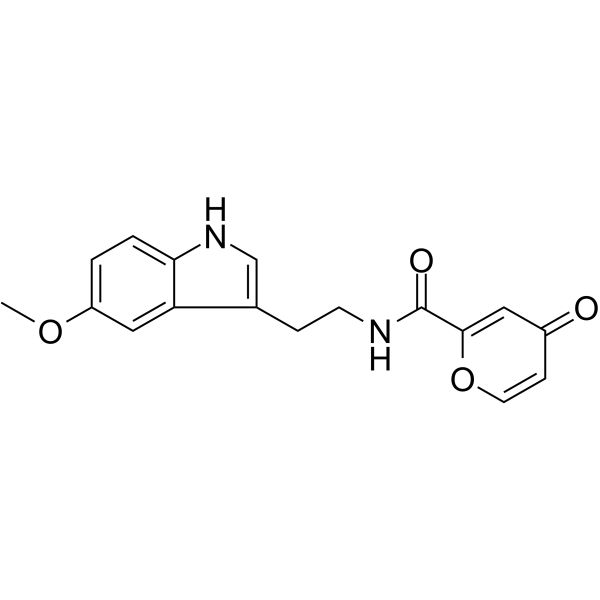
Piromelatine (Neu-P11) is a melatonin MT1/MT2 receptor agonist, serotonin 5-HT1A/5-HT1D agonist, and serotonin 5-HT2B antagonist. Piromelatine (Neu-P11) possesses sleep promoting, analgesic, anti-neurodegenerative, anxiolytic and antidepressant potentials. Piromelatine (Neu-P11) also possesses pain-related P2X3, TRPV1, and Nav1.7 channel-inhibition capacities .
|
-
- HY-N0507
-
|
|
TNF Receptor
Interleukin Related
|
Neurological Disease
Inflammation/Immunology
|
|
Rosavin, an orally bioactive phenylpropanoid from Rhodiola rosea L. (RRL), is an adaptogen that enhances the body’s response to environmental stress. Rosavin significantly influences bone tissue metabolism by inhibiting osteoclastogenesis and promoting osteoblast differentiation, also impacts various diseases, demonstrating antidepressant, adaptogenic, and anxiolytic effects in mouse models. Additionally, Rosavin improves survival, reducing intestinal damage in irradiated rats and Ischemia-reperfusion(I/R)-induced cerebral injury in vivo by regulating inflammation and oxidative stress, making it a promising candidate for research in radiation-induced intestinal injury, I/R-induced cerebral injury and osteoporosis .
|
-
- HY-A0022
-
|
Azafen; Pipofezin hydrochloride; Pipofezine hydrochloride
|
Serotonin Transporter
|
Neurological Disease
|
|
Azaphen (Pipofezin) is an orally active serotonin reuptake inhibitor. Azaphen potentiates sympathomimetic compound effects. Azaphen can be used for the research of depressive states .
|
-
- HY-A0022A
-
|
Azafen dihydrochloride monohydrate; Pipofezin dihydrochloride monohydrate; Pipofezine dihydrochloride monohydrate; Azaphenonxazine dihydrochloride monohydrate
|
Serotonin Transporter
|
Neurological Disease
|
|
Azaphen (Pipofezin) dihydrochloride monohydrate is an orally active serotonin reuptake inhibitor. Azaphen dihydrochloride monohydrate potentiates sympathomimetic compound effects. Azaphen dihydrochloride monohydrate can be used for the research of depressive states .
|
-
- HY-14794AS
-
|
(1S,2R)-Milnacipran-d10 hydrochloride; F2695-d10 hydrochloride
|
Isotope-Labeled Compounds
Serotonin Transporter
Trk Receptor
PI3K
mTOR
P-glycoprotein
Akt
|
Neurological Disease
Inflammation/Immunology
|
|
Levomilnacipran-d10 ((1S,2R)-Milnacipran-d10) hydrochloride is deuterium labeled Levomilnacipran hydrochloride (HY-B0168B). Levomilnacipran ((1S,2R)-Milnacipran) hydrochloride is the enantiomer of Milnacipran (HY-B0168) and a strong substrate of P-gp that can cross the blood-brain barrier. Levomilnacipran hydrochloride is a serotonin and norepinephrine reuptake inhibitor, with IC50 values of 10.5 nM and 19.0 nM, and Ki values of 92.2 nM and 1.2 nM for human norepinephrine transporter (NET) and serotonin transporter (SERT), respectively. Levomilnacipran hydrochloride has antidepressant and anxiolytic activities. Levomilnacipran hydrochloride can be used for the research of depression .
|
-
- HY-B0168BS
-
|
(1S,2R)-Milnacipran-d5 hydrochloride; F-2695-d5 hydrochloride
|
Isotope-Labeled Compounds
Serotonin Transporter
Trk Receptor
PI3K
Akt
mTOR
P-glycoprotein
|
Neurological Disease
Inflammation/Immunology
|
|
Levomilnacipran-d5 ((1S,2R)-Milnacipran-d5) hydrochloride is deuterium labeled Levomilnacipran hydrochloride (HY-B0168B). Levomilnacipran ((1S,2R)-Milnacipran) hydrochloride is the enantiomer of Milnacipran (HY-B0168) and a strong substrate of P-gp that can cross the blood-brain barrier. Levomilnacipran hydrochloride is a serotonin and norepinephrine reuptake inhibitor, with IC50 values of 10.5 nM and 19.0 nM, and Ki values of 92.2 nM and 1.2 nM for human norepinephrine transporter (NET) and serotonin transporter (SERT), respectively. Levomilnacipran hydrochloride has antidepressant and anxiolytic activities. Levomilnacipran hydrochloride can be used for the research of depression .
|
-
- HY-B0031R
-
|
|
Reference Standards
5-HT Receptor
Dopamine Receptor
|
Neurological Disease
|
|
Quetiapine (hemifumarate) (Standard) is the analytical standard of Quetiapine (hemifumarate). This product is intended for research and analytical applications. Quetiapine hemifumarate is a 5-HT receptors agonist with a pEC50 of 4.77 for human 5-HT1A receptor. Quetiapine hemifumarate is a dopamine receptor antagonist with a pIC50 of 6.33 for human D2 receptor. Quetiapine hemifumarate has moderate to high affinity for the human D2, HT1A, 5-HT2A, 5-HT2C receptor with pKis of 7.25, 5.74, 7.54, 5.55. Antidepressant and anxiolytic effects .
|
-
- HY-P10405
-
|
|
Dopamine Receptor
|
Neurological Disease
|
|
TAT-D1 peptide is a dopamine D1-D2 receptor heterodimer inhibitor. TAT-D1 peptide disrupts the function of dopamine D1-D2 receptor heteromers, enhances subchronic amphetamine-induced locomotor activity, and exacerbates the expression of amphetamine-induced locomotor sensitization. TAT-D1 peptide produces rapid anxiolytic and antidepressant-like effects in rat models of depression and anxiety, and inhibits c-fos expression in the nucleus accumbens of rats. TAT-D1 peptide can be used in the research of psychostimulant addiction, depression and anxiety disorders .
|
-
- HY-P10405A
-
|
|
Dopamine Receptor
|
Neurological Disease
|
|
TAT-D1 peptide acetate is a dopamine D1-D2 receptor heterodimer inhibitor. TAT-D1 peptide acetate disrupts the function of dopamine D1-D2 receptor heteromers, enhances subchronic amphetamine-induced locomotor activity, and exacerbates the expression of amphetamine-induced locomotor sensitization. TAT-D1 peptide acetate produces rapid anxiolytic and antidepressant-like effects in rat models of depression and anxiety, and inhibits c-fos expression in the nucleus accumbens of rats. TAT-D1 peptide acetate can be used in the research of psychostimulant addiction, depression and anxiety disorders .
|
-
- HY-B0031S4
-
|
|
Dopamine Receptor
5-HT Receptor
|
Neurological Disease
|
|
Quetiapine (hemifumarate)-d8 is the deuterium labeled Quetiapine hemifumarate . Quetiapine hemifumarate is a 5-HT receptors agonist with a pEC50 of 4.77 for human 5-HT1A receptor. Quetiapine hemifumarate is a dopamine receptor antagonist with a pIC50 of 6.33 for human D2 receptor. Quetiapine hemifumarate has moderate to high affinity for the human D2, HT1A, 5-HT2A, 5-HT2C receptor with pKis of 7.25, 5.74, 7.54, 5.55. Antidepressant and anxiolytic effects .
|
-
- HY-120511
-
KNT-127
1 Publications Verification
|
Opioid Receptor
|
Neurological Disease
|
|
KNT-127 is a selective and BBB-penetrant δ-opioid receptor (DOR) agonist (Ki = 0.16 nM). KNT-127 is highly selective to the δ receptor, with Ki values of 0.16, 21.3 and 153 nM for δ, μ and κ receptors, respectively. KNT-127 acts as a biased ligand that mainly activates cyclic adenosine monophosphate (cAMP) signaling with lower beta-arrestin signaling activation. KNT-127 increases the release of dopamine and L-glutamate in the striatum, nucleus accumbens, and prefrontal cortex. KNT-127 exhibits antidepressant- and anxiolytic-like effects. KNT-127 can be studied in research on neurological diseases .
|
-
- HY-N0507R
-
|
|
Reference Standards
TNF Receptor
Interleukin Related
|
Neurological Disease
Inflammation/Immunology
|
|
Rosavin (Standard) is the analytical standard of Rosavin. This product is intended for research and analytical applications. Rosavin, an orally bioactive phenylpropanoid from Rhodiola rosea L. (RRL), is an adaptogen that enhances the body’s response to environmental stress. Rosavin significantly influences bone tissue metabolism by inhibiting osteoclastogenesis and promoting osteoblast differentiation, also impacts various diseases, demonstrating antidepressant, adaptogenic, and anxiolytic effects in mouse models. Additionally, Rosavin improves survival, reducing intestinal damage in irradiated rats and Ischemia-reperfusion(I/R)-induced cerebral injury in vivo by regulating inflammation and oxidative stress, making it a promising candidate for research in radiation-induced intestinal injury, I/R-induced cerebral injury and osteoporosis .
|
-
- HY-14544AS
-
|
ICI204636-d4 hydrochloride
|
Isotope-Labeled Compounds
Dopamine Receptor
5-HT Receptor
|
Neurological Disease
|
|
Quetiapine-d4 (hydrochloride) (ICI204636-d4 (hydrochloride)) is deuterium labeled Quetiapine. Quetiapine (ICI204636) is a 5-HT receptors agonist with a pEC50 of 4.77 for human 5-HT1A receptor. Quetiapine is a dopamine receptor antagonist with a pIC50 of 6.33 for human D2 receptor. Quetiapine has moderate to high affinity for the human D2, HT1A, 5-HT2A, 5-HT2C receptor with pKis of 7.25, 5.74, 7.54, 5.55. Antidepressant and anxiolytic effects .
|
-
- HY-15446
-
|
RG7090; RO4917523
|
mGluR
|
Neurological Disease
|
|
Basimglurant (RG7090; RO4917523) is a selective, orally active, blood-brain barrier permeable negative allosteric modulator of metabotropic glutamate receptor 5 (mGluR5), with a Ki of 1.4 nM (against [ 3H]-ABP688 (HY-110141)) and 35.6 nM (against [ 3H]-MPEP (HY-14609A)). Basimglurant inhibits mGlu5-mediated signaling pathways and receptor constitutive activity, regulates dopamine levels in the nucleus accumbens, exerts anxiolytic, antidepressant-like, analgesic and arousal-promoting effects, and alters δ-wave power during non-rapid eye movement sleep. Basimglurant can be used in research on depression, fragile X syndrome, anxiety disorders, etc .
|
-
- HY-114515
-
|
RG7090 sulfate; RO4917523 sulfate
|
mGluR
|
Neurological Disease
|
|
Basimglurant (RG7090; RO4917523) sulfate is a selective, orally active, blood-brain barrier permeable negative allosteric modulator of metabotropic glutamate receptor 5 (mGluR5), with a Ki of 1.4 nM (against [ 3H]-ABP688 (HY-110141)) and 35.6 nM (against [ 3H]-MPEP (HY-14609A)). Basimglurant sulfate inhibits mGlu5-mediated signaling pathways and receptor constitutive activity, regulates dopamine levels in the nucleus accumbens, exerts anxiolytic, antidepressant-like, analgesic and arousal-promoting effects, and alters δ-wave power during non-rapid eye movement sleep. Basimglurant sulfate can be used in research on depression, fragile X syndrome, anxiety disorders, etc .
|
-
- HY-105285R
-
|
Neu-P11 (Standard)
|
Reference Standards
Melatonin Receptor
5-HT Receptor
P2X Receptor
TRP Channel
Sodium Channel
|
Neurological Disease
|
|
Piromelatine (Standard) is the analytical standard of Piromelatine. This product is intended for research and analytical applications. Piromelatine (Neu-P11) is a melatonin MT1/MT2 receptor agonist, serotonin 5-HT1A/5-HT1D agonist, and serotonin 5-HT2B antagonist. Piromelatine (Neu-P11) possesses sleep promoting, analgesic, anti-neurodegenerative, anxiolytic and antidepressant potentials. Piromelatine (Neu-P11) also possesses pain-related P2X3, TRPV1, and Nav1.7 channel-inhibition capacities .
|
-
- HY-15446R
-
|
RG7090 (Standard); RO4917523 (Standard)
|
Reference Standards
mGluR
|
Neurological Disease
|
|
Basimglurant (RG7090; RO4917523) (Standard) is the analytical standard of Basimglurant. This product is intended for research and analytical applications. Basimglurant is a selective, orally active, blood-brain barrier permeable negative allosteric modulator of metabotropic glutamate receptor 5 (mGluR5), with a Ki of 1.4 nM (against [ 3H]-ABP688 (HY-110141)) and 35.6 nM (against [ 3H]-MPEP (HY-14609A)). Basimglurant inhibits mGlu5-mediated signaling pathways and receptor constitutive activity, regulates dopamine levels in the nucleus accumbens, exerts anxiolytic, antidepressant-like, analgesic and arousal-promoting effects, and alters δ-wave power during non-rapid eye movement sleep. Basimglurant can be used in research on depression, fragile X syndrome, anxiety disorders, etc.
|
-
- HY-W010201S
-
|
(±)-Citronellol-d6; (±)-β-Citronellol-d6
|
Reactive Oxygen Species (ROS)
Isotope-Labeled Compounds
|
Cancer
|
|
Citronellol-d6 is deuterated labeled Citronellol (HY-W010201). Citronellol ((±)-Citronellol) is an orally active inducer of apoptosis. Citronellol can prevent oxidative stress, mitochondrial dysfunction, and apoptosis in the SH-SY5Y cell Parkinson's disease model induced by 6-OHDA by regulating the ROS-NO, MAPK/ERK, and PI3K/Akt signaling pathways. Citronellol can induce necroptosis in human lung cancer cells through the TNF-α pathway and accumulation of ROS. Citronellol can reduce the levels of LC-3 and p62 to regulate the autophagy pathway, inhibit oxidative stress and neuroinflammation, and thus have neuroprotective effects on Parkinson's rats. Citronellol exhibits anti-fungal activity against Trichophyton rubrum by inhibiting ergosterol synthesis .
|
-
- HY-N0008
-
|
|
Wnt
p38 MAPK
mTOR
Keap1-Nrf2
TGF-β Receptor
|
Neurological Disease
Metabolic Disease
|
|
Orcinol glucoside is an orally active, blood-brain barrier permeable osteoblast proliferation promoter that targets the Nrf2/Keap1, mTOR and p38 signaling pathways. Orcinol glucoside promotes Nrf2 nuclear translocation, upregulates antioxidant enzyme levels, enhances the phosphorylation of mTOR and p70S6K, and inhibits the enzymatic activity of HAS2 as well as the nuclear translocation of GR. Orcinol glucoside also alleviates oxidative stress, inhibits autophagic flux, osteoclastogenesis and TGF-β1-induced M2 polarization, while reducing collagen deposition and effectively promoting the proliferation, differentiation and mineralization of osteoblasts. Orcinol glucoside also exhibits anti-pulmonary fibrosis, anxiolytic and antidepressant activities. Orcinol glucoside can be used in the research of senile and glucocorticoid-induced osteoporosis, idiopathic pulmonary fibrosis (IPF), anxiety and other related diseases .
|
-
- HY-103117
-
|
|
5-HT Receptor
|
Neurological Disease
|
|
S 32212 hydrochloride is an inverse agonist of 5-HT receptors 5-HT2(CINI) and 5-HT2(CVSV) (Kis=6.6, 8.9 nM) and an antagonist of 5-HT2A and α2β-adrenergic receptors (Ki=5.8, 5.8 nM). S 32212 hydrochloride can reduce the binding of GTPγS to Gαq, and reduce the activity of phospholipase C (PLC) in HEK293 cells expressing 5-HT2(CINI) receptor and CHO cells expressing 5-HT2(CVSV) receptor (EC50=38 and 18.6 nM, respectively). S 32212 hydrochloride (2.5 mg/kg) reduces 5-HT receptor agonist-induced head twitches and penile erections in mice and rats. S 32212 hydrochloride (10, 40 mg/kg) reduces immobility time in the forced swim test and marble burying behavior in mice and rats, exerting antidepressant and anxiolytic activities.
|
-
- HY-B1213AR
-
|
|
Reference Standards
5-HT Receptor
Bacterial
|
Neurological Disease
|
|
Trimipramine (Standard) is the analytical standard of Trimipramine. This product is intended for research and analytical applications. Trimipramine is a 5-HT receptor antagonist, with pKi binding values of 6.39, 8.10, 4.66 for 5-HT1C, 5-HT2 and 5-HT1A, respectively. Trimipramine is also a potent and selective inhibitor targeting human noradrenaline (hNAT), serotonin (hSERT) and organic cation transporters (hOCT1, hOCT2) with IC50 values of 4.99 μM, 2.11 μM, 3.72 μM, 8.00 μM, respectively. Trimipramine has vascular activity and anxiolytic efficacy .
|
-
- HY-B1213A
-
|
|
5-HT Receptor
Bacterial
|
Neurological Disease
|
|
Trimipramine is a 5-HT receptor antagonist, with pKi binding values of 6.39, 8.10, 4.66 for 5-HT1C, 5-HT2 and 5-HT1A, respectively. Trimipramine is also a potent and selective inhibitor targeting human noradrenaline (hNAT), serotonin (hSERT) and organic cation transporters (hOCT1, hOCT2) with IC50 values of 4.99 μM, 2.11 μM, 3.72 μM, 8.00 μM, respectively. Trimipramine has vascular activity and anxiolytic efficacy .
|
-
- HY-B1213R
-
|
|
Reference Standards
5-HT Receptor
Bacterial
|
Neurological Disease
|
|
Trimipramine (maleate) (Standard) is the analytical standard of Trimipramine (maleate). This product is intended for research and analytical applications. Trimipramine maleate is a 5-HT receptor antagonist, with pKi binding values of 6.39, 8.10, 4.66 for 5-HT1C, 5-HT2 and 5-HT1A, respectively . Trimipramine maleate is also a potent and selective inhibitor targeting human noradrenaline (hNAT), serotonin (hSERT) and organic cation transporters (hOCT1, hOCT2) with IC50 values of 4.99 μM, 2.11 μM, 3.72 μM, 8.00 μM, respectively . Trimipramine maleate has vascular activity and anxiolytic efficacy .
|
-
- HY-B1213
-
|
|
5-HT Receptor
Bacterial
|
Neurological Disease
|
|
Trimipramine maleate is a 5-HT receptor antagonist, with blood-brain barrier permeability. Trimipramine maleate has pKi binding values of 6.39, 8.10, 4.66 for 5-HT1C, 5-HT2 and 5-HT1A, respectively. Trimipramine maleate is also a potent and selective inhibitor targeting human noradrenaline (hNAT), serotonin (hSERT) and organic cation transporters (hOCT1, hOCT2) with IC50 values of 4.99 μM, 2.11 μM, 3.72 μM, 8.00 μM, respectively. Trimipramine maleate has vascular activity and anxiolytic efficacy .
|
-
| Cat. No. |
Product Name |
Type |
-
- HY-14536
-
|
Basic Blue 9; CI-52015; Methylthioninium chloride
|
Fluorescent Dyes
|
|
Methylene blue (Basic Blue 9) is a guanylyl cyclase (sGC), monoamine oxidase A (MAO-A) and NO synthase (NOS) inhibitor. Methylene blue is a vasopressor and is often used as a dye in several medical procedures. Methylene blue through the nitric oxide syntase/guanylate cyclase signalling pathway to reduce prepulse inhibition. Methylene blue is a REDOX cycling compound and able to cross the blood-brain barrier. Methylene blue is a Tau aggregation inhibitor. Methylene Blue is a photosensitizer and redox agent. Methylene blue reduces cerebral edema, attenuated microglial activation and reduced neuroinflammation .
|
-
- HY-14536A
-
|
Basic Blue 9 (purity≥70%); CI-52015 (purity≥70%); Methylthioninium chloride (purity≥70%)
|
Fluorescent Dyes
|
|
Methylene blue (purity≥70%) is a guanylyl cyclase (sGC), monoamine oxidase A (MAO-A) and NO synthase (NOS) inhibitor. Methylene blue (purity≥70%) is a vasopressor and is often used as a dye in several medical procedures. Methylene blue (purity≥70%) through the nitric oxide syntase/guanylate cyclase signalling pathway to reduce prepulse inhibition. Methylene blue (purity≥70%) is a REDOX cycling compound and able to cross the blood-brain barrier. Methylene blue (purity≥70%) is a Tau aggregation inhibitor. Methylene blue reduces cerebral edema, attenuated microglial activation and reduced neuroinflammation .
|
-
- HY-14536R
-
|
Basic Blue 9 (Standard); CI-52015 (Standard); Methylthioninium chloride (Standard)
|
Fluorescent Dyes
|
|
Methylene Blue (Standard) is the analytical standard of Methylene Blue. This product is intended for research and analytical applications. Methylene blue (Basic Blue 9) is a guanylyl cyclase (sGC), monoamine oxidase A (MAO-A) and NO synthase (NOS) inhibitor. Methylene blue is a vasopressor and is often used as a dye in several medical procedures. Methylene blue through the nitric oxide syntase/guanylate cyclase signalling pathway to reduce prepulse inhibition. Methylene blue is a REDOX cycling compound and able to cross the blood-brain barrier. Methylene blue is a Tau aggregation inhibitor. Methylene blue reduces cerebral edema, attenuated microglial activation and reduced neuroinflammation .
|
| Cat. No. |
Product Name |
Type |
-
- HY-NP009
-
|
|
Biochemical Assay Reagents
|
|
α-Lactalbumin is a globular whey protein that exists in milk. α-Lactalbumin binds Ca 2+, Mg 2+, Mn 2+, Na +, K + and Zn 2+ ions; among these, Ca 2+ binding enhances protein stability, while Zn 2+ binding reduces stability and induces aggregation. α-Lactalbumin forms amyloid fibrils, amorphous aggregates, nanoparticles and nanotubes depending on external conditions. α-Lactalbumin exhibits bactericidal and antiviral activities. α-Lactalbumin has anxiolytic and antidepressant activities, and its effects are enhanced under stress conditions .
|
| Cat. No. |
Product Name |
Target |
Research Area |
-
- HY-105042A
-
|
Selanc diacetate; TP-7 diacetate
|
Peptides
|
Neurological Disease
|
|
Selank (Selanc) acetate is a synthetic peptide derived from tuftsin. Selank acetate has anxiolytic activity, and is a nootropic, neuropsychotropic, antidepressant, and antistress compound .
|
-
- HY-P10405A
-
|
|
Dopamine Receptor
|
Neurological Disease
|
|
TAT-D1 peptide acetate is a dopamine D1-D2 receptor heterodimer inhibitor. TAT-D1 peptide acetate disrupts the function of dopamine D1-D2 receptor heteromers, enhances subchronic amphetamine-induced locomotor activity, and exacerbates the expression of amphetamine-induced locomotor sensitization. TAT-D1 peptide acetate produces rapid anxiolytic and antidepressant-like effects in rat models of depression and anxiety, and inhibits c-fos expression in the nucleus accumbens of rats. TAT-D1 peptide acetate can be used in the research of psychostimulant addiction, depression and anxiety disorders .
|
-
- HY-P10405
-
|
|
Dopamine Receptor
|
Neurological Disease
|
|
TAT-D1 peptide is a dopamine D1-D2 receptor heterodimer inhibitor. TAT-D1 peptide disrupts the function of dopamine D1-D2 receptor heteromers, enhances subchronic amphetamine-induced locomotor activity, and exacerbates the expression of amphetamine-induced locomotor sensitization. TAT-D1 peptide produces rapid anxiolytic and antidepressant-like effects in rat models of depression and anxiety, and inhibits c-fos expression in the nucleus accumbens of rats. TAT-D1 peptide can be used in the research of psychostimulant addiction, depression and anxiety disorders .
|
-
- HY-P3355
-
|
|
iGluR
|
Neurological Disease
|
|
p-fin4 is a peptide inhibitor of STEP Phosphatase-GluA2 AMPA receptor interaction with a Ki of 0.4 μM. p-fin4 restores the memory deficits and displays anxiolytic and antidepressant effects in a scopolamine-treated rat model. p-fin4 is a promising lead compound for novel cognitive enhancers and/or behavioral modulators .
|
-
- HY-P3354
-
|
|
iGluR
|
Neurological Disease
|
|
p3Ysh-3 is a peptide inhibitor of STEP Phosphatase-GluA2 AMPA receptor interaction with a Ki of 1.09 μM. p3Ysh-3 restores the memory deficits and displays anxiolytic and antidepressant effects in a scopolamine-treated rat model. p3Ysh-3 is a promising lead compound for novel cognitive enhancers and/or behavioral modulators .
|
| Cat. No. |
Product Name |
Category |
Target |
Chemical Structure |
-
- HY-N0368
-
-
-
- HY-N0507
-
|
|
Simple Phenylpropanols
Rhodiola rosea Linn.
Crassulaceae
Phenylpropanoids
Plants
Source Classification
|
TNF Receptor
Interleukin Related
|
|
Rosavin, an orally bioactive phenylpropanoid from Rhodiola rosea L. (RRL), is an adaptogen that enhances the body’s response to environmental stress. Rosavin significantly influences bone tissue metabolism by inhibiting osteoclastogenesis and promoting osteoblast differentiation, also impacts various diseases, demonstrating antidepressant, adaptogenic, and anxiolytic effects in mouse models. Additionally, Rosavin improves survival, reducing intestinal damage in irradiated rats and Ischemia-reperfusion(I/R)-induced cerebral injury in vivo by regulating inflammation and oxidative stress, making it a promising candidate for research in radiation-induced intestinal injury, I/R-induced cerebral injury and osteoporosis .
|
-
-
- HY-N0008
-
|
|
Curculigo orchioides Gaertn.
Structural Classification
Monophenols
Phenols
Plants
Amaryllidaceae
Source Classification
|
Wnt
p38 MAPK
mTOR
Keap1-Nrf2
TGF-β Receptor
|
|
Orcinol glucoside is an orally active, blood-brain barrier permeable osteoblast proliferation promoter that targets the Nrf2/Keap1, mTOR and p38 signaling pathways. Orcinol glucoside promotes Nrf2 nuclear translocation, upregulates antioxidant enzyme levels, enhances the phosphorylation of mTOR and p70S6K, and inhibits the enzymatic activity of HAS2 as well as the nuclear translocation of GR. Orcinol glucoside also alleviates oxidative stress, inhibits autophagic flux, osteoclastogenesis and TGF-β1-induced M2 polarization, while reducing collagen deposition and effectively promoting the proliferation, differentiation and mineralization of osteoblasts. Orcinol glucoside also exhibits anti-pulmonary fibrosis, anxiolytic and antidepressant activities. Orcinol glucoside can be used in the research of senile and glucocorticoid-induced osteoporosis, idiopathic pulmonary fibrosis (IPF), anxiety and other related diseases .
|
-
-
- HY-N8303
-
|
|
Flavonoids
Flavones
Rutaceae
Plants
Citrus reticulata Blanco
Source Classification
|
ERK
PAK
|
|
Gardenin A is an orally active and synthetic PMF analogue with the neurotrophic effect for neurite outgrowth and neuronal differentiation. Gardenin A promotes neuritogenesis via activating MAPK/ERK, PKC, and PKA, but not TrkA, CREB signaling pathways. Gardenin A also has sedative, anxiolytic, antidepressant, and anticonvulsant effects .
|
-
-
- HY-N6648
-
-
-
- HY-A0022
-
-
-
- HY-N0507R
-
|
|
Structural Classification
Simple Phenylpropanols
Rhodiola rosea Linn.
Crassulaceae
Phenylpropanoids
Plants
Source Classification
|
Reference Standards
TNF Receptor
Interleukin Related
|
|
Rosavin (Standard) is the analytical standard of Rosavin. This product is intended for research and analytical applications. Rosavin, an orally bioactive phenylpropanoid from Rhodiola rosea L. (RRL), is an adaptogen that enhances the body’s response to environmental stress. Rosavin significantly influences bone tissue metabolism by inhibiting osteoclastogenesis and promoting osteoblast differentiation, also impacts various diseases, demonstrating antidepressant, adaptogenic, and anxiolytic effects in mouse models. Additionally, Rosavin improves survival, reducing intestinal damage in irradiated rats and Ischemia-reperfusion(I/R)-induced cerebral injury in vivo by regulating inflammation and oxidative stress, making it a promising candidate for research in radiation-induced intestinal injury, I/R-induced cerebral injury and osteoporosis .
|
-
-
- HY-N2439R
-
-
-
- HY-128743R
-
-
-
- HY-N6648R
-
-
| Cat. No. |
Product Name |
Chemical Structure |
-
- HY-B0031S1
-
|
|
|
Quetiapine-d4 (hemifumarate) is the deuterium labeled Quetiapine hemifumarate. Quetiapine hemifumarate is a 5-HT receptors agonist and a dopamine receptor antagonist. Antidepressant and anxiolytic effects .
|
-
-
- HY-152052S
-
|
|
|
Linalool-d5 is the deuterium labeled Linalool (HY-N0368). Linalool is a natural monoterpene which is a competitive NMDA receptor antagonist. Linalool is orally active and crosses the blood-brain barrier. Linalool has anticancer, antibacterial, anti-inflammatory, neuroprotective, anxiolytic, antidepressant, anti-stress, cardioprotective, hepatoprotective, nephroprotective and pulmonary protective activities .
|
-
-
- HY-B0031S
-
|
|
|
Quetiapine-d4 (fumarate) is the deuterium labeled Quetiapine fumarate. Quetiapine fumarate is a 5-HT receptors agonist and a dopamine receptor antagonist. Antidepressant and anxiolytic effects .
|
-
-
- HY-N0368S1
-
|
|
|
Linalool- 13C3 is 13C labeled Linalool (HY-N0368). Linalool is a natural monoterpene which is a competitive NMDA receptor antagonist. Linalool is orally active and crosses the blood-brain barrier. Linalool has anticancer, antibacterial, anti-inflammatory, neuroprotective, anxiolytic, antidepressant, anti-stress, cardioprotective, hepatoprotective, nephroprotective and pulmonary protective activities .
|
-
-
- HY-B0031S2
-
|
|
|
Quetiapine-d8 (fumarate) is the deuterium labeled Quetiapine. Quetiapine is a 5-HT receptors agonist with a pEC50 of 4.77 for human 5-HT1A receptor. Quetiapine is a dopamine receptor antagonist with a pIC50 of 6.33 for human D2 receptor. Quetiapine has moderate to high affinity for the human D2, HT1A, 5-HT2A, 5-HT2C receptor with pKis of 7.25, 5.74, 7.54, 5.55. Antidepressant and anxiolytic effects .
|
-
-
- HY-B0168S
-
|
|
|
Milnacipran-d10 (hydrochloride) is the deuterium labeled Milnacipran hydrochloride (HY-B0168A). Milnacipran hydrochloride is an orally active Serotonin (HY-B1473A) and Norepinephrine (HY-13715) reuptake inhibitor. Milnacipran hydrochloride inhibits monoamine transporters, especially the norepinephrine transporter and the serotonin transporter (Ki values of 31 and 8.5 nM, respectively). Milnacipran hydrochloride inhibits pERK1/2 activation. Milnacipran hydrochloride has antidepressant, anxiolytic and analgesic properties. Milnacipran hydrochloride inhibits biting behavior in mice. Milnacipran hydrochloride can be used in the study of major depressive disorder, anxiety disorders, and neuropathic pain (e.g., fibromyalgia) .
|
-
-
- HY-A0198S
-
|
|
|
Adinazolam-d5 (U 41123-d5) is a deuterium labeled Adinazolam (HY-A0198). Adinazolam is a triazolobenzodiazepine. Adinazolam binds to peripheral-type benzodiazepine receptors which interact allosterically with GABA receptors. Adinazolam has dual anxiolytic and antidepressant activities .
|
-
-
- HY-B0031S5
-
|
|
|
Quetiapine-d4-1 fumarate is deuterated labeled Quetiapine (hemifumarate) (HY-B0031). Quetiapine hemifumarate is a 5-HT receptors agonist with a pEC50 of 4.77 for human 5-HT1A receptor. Quetiapine hemifumarate is a dopamine receptor antagonist with a pIC50 of 6.33 for human D2 receptor. Quetiapine hemifumarate has moderate to high affinity for the human D2, HT1A, 5-HT2A, 5-HT2C receptor with pKis of 7.25, 5.74, 7.54, 5.55. Antidepressant and anxiolytic effects .
|
-
-
- HY-W010410S
-
|
|
|
Oct-1-en-3-ol-d3 is deuterated labeled Linalool (HY-N0368). Linalool is a natural monoterpene which is a competitive NMDA receptor antagonist. Linalool is orally active and crosses the blood-brain barrier. Linalool has anticancer, antibacterial, anti-inflammatory, neuroprotective, anxiolytic, antidepressant, anti-stress, cardioprotective, hepatoprotective, nephroprotective and pulmonary protective activities .
|
-
-
- HY-B0168AS
-
|
|
|
Milnacipran-d5 hydrochloride is deuterium labeled Milnacipran hydrochloride (HY-B0168A). Milnacipran hydrochloride is an orally active Serotonin (HY-B1473A) and Norepinephrine (HY-13715) reuptake inhibitor. Milnacipran hydrochloride inhibits monoamine transporters, especially the norepinephrine transporter and the serotonin transporter (Ki values of 31 and 8.5 nM, respectively). Milnacipran hydrochloride inhibits pERK1/2 activation. Milnacipran hydrochloride has antidepressant, anxiolytic and analgesic properties. Milnacipran hydrochloride inhibits biting behavior in mice. Milnacipran hydrochloride can be used in the study of major depressive disorder, anxiety disorders, and neuropathic pain (e.g., fibromyalgia) .
|
-
-
- HY-12390S
-
|
|
|
Lofepramine-d3 (Lopramine-d3) is the deuterium labeled Lofepramine. Lofepramine (Lopramine) is a potent tricyclic antidepressant and is extensively metabolised to Desipramine. The antidepressant activity of Lofepramine stems from the facilitation of noradrenergic neurotransmission by uptake inhibition. Lofepramine may also potentiate serotoninergic neurotransmission by inhibition of the neuronal uptake of serotonin and the enzyme tryptophan pyrrolase. Lofepramine has significant anxiolytic efficacy in addition to its antidepressant properties .
|
-
-
- HY-176436S
-
|
|
|
GW-117 is a 5-HT2C receptor antagonist and a melatonin (MT1/MT2) receptor agonist. GW-117 shows antidepressant-like and anxiolytic-like effects .
|
-
-
- HY-14558S
-
|
|
|
Tandospirone-d8 (SM-3997-d8) is deuterium labeled Tandospirone. Tandospirone (SM-3997) is a potent and selective 5-HT1A receptor partial agonist, with a Ki of 27 nM. Tandospirone has anxiolytic and antidepressant activities. Tandospirone can be used for the research of the central nervous system disorders and the underlying mechanisms .
|
-
-
- HY-B0031S3
-
|
|
|
Quetiapine-d8 (hemifumarate) is the deuterium labeled Quetiapine hemifumarate. Quetiapine hemifumarate is a 5-HT receptors agonist with a pEC50 of 4.77 for human 5-HT1A receptor. Quetiapine hemifumarate is a dopamine receptor antagonist with a pIC50 of 6.33 for human D2 receptor. Quetiapine hemifumarate has moderate to high affinity for the human D2, HT1A, 5-HT2A, 5-HT2C receptor with pKis of 7.25, 5.74, 7.54, 5.55. Antidepressant and anxiolytic effects .
|
-
-
- HY-B0031S4
-
|
|
|
Quetiapine (hemifumarate)-d8 is the deuterium labeled Quetiapine hemifumarate . Quetiapine hemifumarate is a 5-HT receptors agonist with a pEC50 of 4.77 for human 5-HT1A receptor. Quetiapine hemifumarate is a dopamine receptor antagonist with a pIC50 of 6.33 for human D2 receptor. Quetiapine hemifumarate has moderate to high affinity for the human D2, HT1A, 5-HT2A, 5-HT2C receptor with pKis of 7.25, 5.74, 7.54, 5.55. Antidepressant and anxiolytic effects .
|
-
-
- HY-14794AS
-
|
|
|
Levomilnacipran-d10 ((1S,2R)-Milnacipran-d10) hydrochloride is deuterium labeled Levomilnacipran hydrochloride (HY-B0168B). Levomilnacipran ((1S,2R)-Milnacipran) hydrochloride is the enantiomer of Milnacipran (HY-B0168) and a strong substrate of P-gp that can cross the blood-brain barrier. Levomilnacipran hydrochloride is a serotonin and norepinephrine reuptake inhibitor, with IC50 values of 10.5 nM and 19.0 nM, and Ki values of 92.2 nM and 1.2 nM for human norepinephrine transporter (NET) and serotonin transporter (SERT), respectively. Levomilnacipran hydrochloride has antidepressant and anxiolytic activities. Levomilnacipran hydrochloride can be used for the research of depression .
|
-
-
- HY-B0168BS
-
|
|
|
Levomilnacipran-d5 ((1S,2R)-Milnacipran-d5) hydrochloride is deuterium labeled Levomilnacipran hydrochloride (HY-B0168B). Levomilnacipran ((1S,2R)-Milnacipran) hydrochloride is the enantiomer of Milnacipran (HY-B0168) and a strong substrate of P-gp that can cross the blood-brain barrier. Levomilnacipran hydrochloride is a serotonin and norepinephrine reuptake inhibitor, with IC50 values of 10.5 nM and 19.0 nM, and Ki values of 92.2 nM and 1.2 nM for human norepinephrine transporter (NET) and serotonin transporter (SERT), respectively. Levomilnacipran hydrochloride has antidepressant and anxiolytic activities. Levomilnacipran hydrochloride can be used for the research of depression .
|
-
-
- HY-14544AS
-
|
|
|
Quetiapine-d4 (hydrochloride) (ICI204636-d4 (hydrochloride)) is deuterium labeled Quetiapine. Quetiapine (ICI204636) is a 5-HT receptors agonist with a pEC50 of 4.77 for human 5-HT1A receptor. Quetiapine is a dopamine receptor antagonist with a pIC50 of 6.33 for human D2 receptor. Quetiapine has moderate to high affinity for the human D2, HT1A, 5-HT2A, 5-HT2C receptor with pKis of 7.25, 5.74, 7.54, 5.55. Antidepressant and anxiolytic effects .
|
-
-
- HY-W010201S
-
|
|
|
Citronellol-d6 is deuterated labeled Citronellol (HY-W010201). Citronellol ((±)-Citronellol) is an orally active inducer of apoptosis. Citronellol can prevent oxidative stress, mitochondrial dysfunction, and apoptosis in the SH-SY5Y cell Parkinson's disease model induced by 6-OHDA by regulating the ROS-NO, MAPK/ERK, and PI3K/Akt signaling pathways. Citronellol can induce necroptosis in human lung cancer cells through the TNF-α pathway and accumulation of ROS. Citronellol can reduce the levels of LC-3 and p62 to regulate the autophagy pathway, inhibit oxidative stress and neuroinflammation, and thus have neuroprotective effects on Parkinson's rats. Citronellol exhibits anti-fungal activity against Trichophyton rubrum by inhibiting ergosterol synthesis .
|
-
Your information is safe with us. * Required Fields.
Inquiry Information
- Product Name:
- Cat. No.:
- Quantity:
- MCE Japan Authorized Agent:

