

30 Results for "

bone repair

" in MedChemExpress (MCE) Product Catalog:
Products (30)

30 Results for "bone repair" in MCE Product Catalog:

33
33 Publications Verification
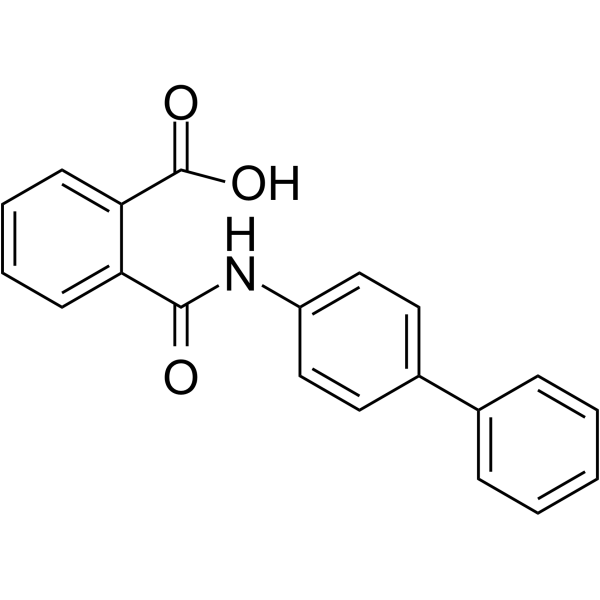
Cat. No.: HY-16268
CAS No.: 4727-31-5
Synonyms: KGN
Target:  

TGF-beta/Smad

Research Areas:  

Inflammation/Immunology

Kartogenin (KGN) is an inducer of chondrogenic tissue formation (EC50: 100 nM). Kartogenin induces chondrogenesis by binding to fibrin A, disrupting its interaction with the transcription factor core binding factor beta subunit (CBFβ), and by modulating the CBFβ-RUNX1 transcriptional program. Kartogenin also promotes tendon-bone junction (TBJ) wound healing by stimulating collagen synthesis. Kartogenin is widely used in cell-free therapy in the field of regeneration for cartilage regeneration and protection, tendon-bone healing, wound healing and limb development. Kartogenin promotes cartilage repair, coordinates limb development, and is also used in osteoarthritis (OA) research .
loading...
    loading...
33
33 Publications Verification
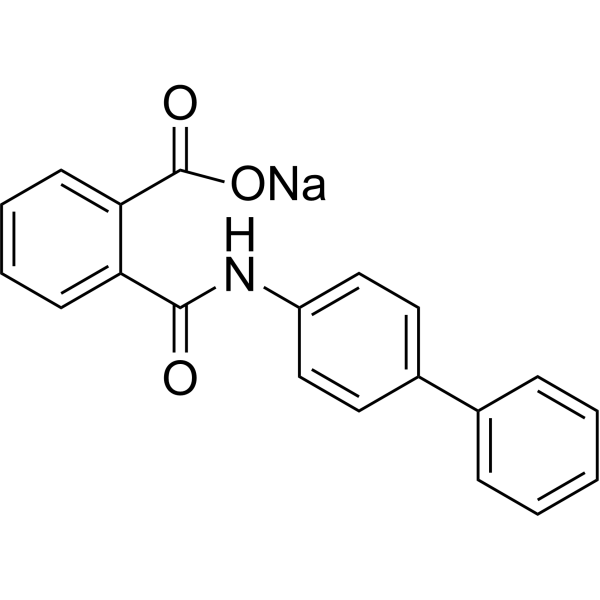
Cat. No.: HY-16268A
CAS No.: 1401168-39-5
Synonyms: KGN sodium
Target:  

TGF-beta/Smad

Research Areas:  

Inflammation/Immunology

Kartogenin (KGN) sodium is an inducer of chondrogenic tissue formation (EC50: 100 nM). Kartogenin sodium induces chondrogenesis by binding to fibrin A, disrupting its interaction with the transcription factor core binding factor beta subunit (CBFβ), and by modulating the CBFβ-RUNX1 transcriptional program. Kartogenin sodium also promotes tendon-bone junction (TBJ) wound healing by stimulating collagen synthesis. Kartogenin sodium is widely used in cell-free therapy in the field of regeneration for cartilage regeneration and protection, tendon-bone healing, wound healing and limb development. Kartogenin sodium promotes cartilage repair, coordinates limb development, and is also used in osteoarthritis (OA) research .
loading...
    loading...
1
1 Cited Publications
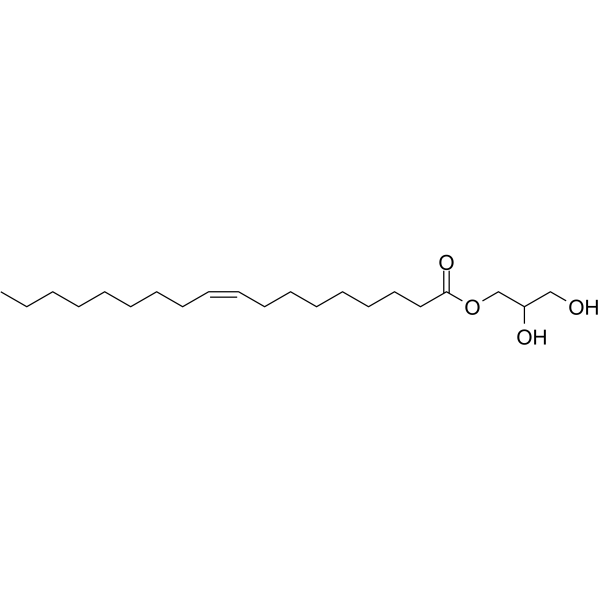
Cat. No.: HY-128754
CAS No.: 111-03-5
Purity:  99.90%
Synonyms: MG (18:1)
Monoolein is a biocompatible lipid molecule that can be used as a carrier for bone repair. Monoolein exhibits anti-inflammatory activity by inhibiting the immune response induced by LPS (HY-D1056). It exerts its anti-inflammatory effects by reducing the production of immune response factors such as IL-12 p40, IL-6, and TNF-α, and inhibiting the generation of NO. Monoolein can be used in drug delivery and research in the field of inflammatory diseases .
loading...
    loading...
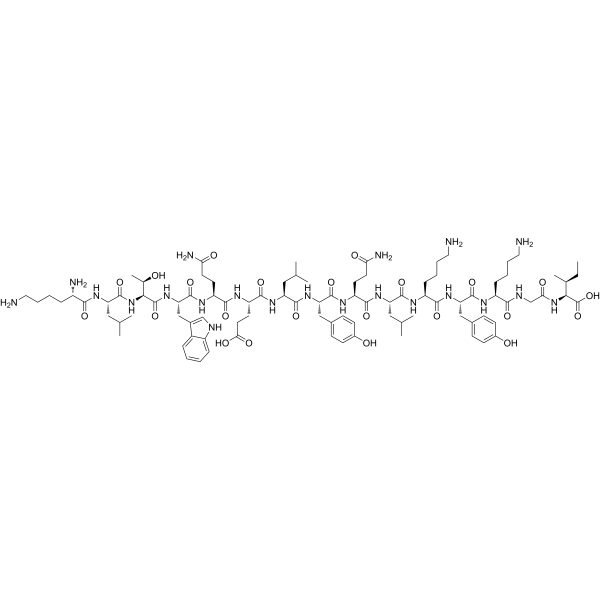
Cat. No.: HY-P5558
CAS No.: 917760-16-8
Target:  

VEGFR

Research Areas:  

Neurological Disease

KLTWQELYQLKYKGI is a VEGF mimetic peptide designed based on the VEGF helix sequence 17-25, with the ability to activate VEGF receptors and exert pro-angiogenic biological activity. KLTWQELYQLKYKGI effectively promotes the attachment, spreading and proliferation of human umbilical vein endothelial cells. KLTWQELYQLKYKGI enhances the proliferation, migration and osteogenic differentiation of bone marrow stromal cells (BMSCs). KLTWQELYQLKYKGI synergistically accelerates angiogenesis and bone regeneration in rat cranial defect models. KLTWQELYQLKYKGI can be used for the research of brain tissue engineering and traumatic brain injury repair and biomaterials for bone tissue engineering and bone repair .
loading...
    loading...
Cat. No.: HY-15130
CAS No.: 17885-08-4
Purity:  ≥98.0%
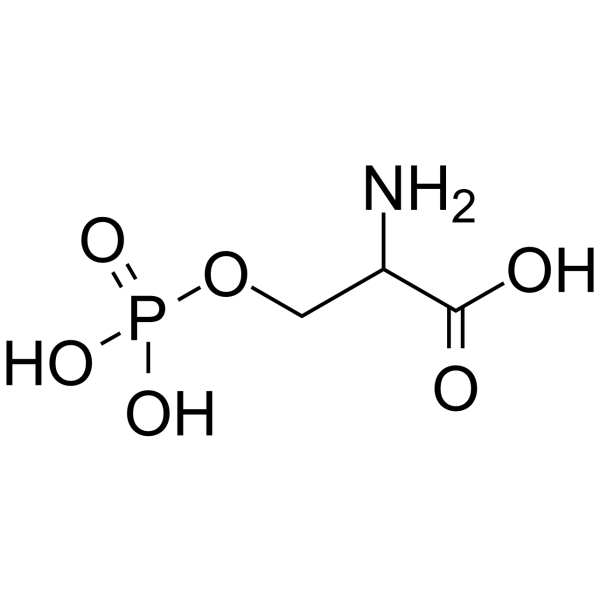
DL-O-Phosphoserine is a normal metabolite in human biofluids and is a mixture of phosphoserine with two stereochemical structures (D-type and L-type O-phospho-serine). O-phospho-L-serine is a competitive inhibitor of serine racemase and phagocytosis. O-phospho-L-serine inhibits the enzymatic reaction by competing with the active site of serine racemase, thereby affecting the production of D-serine. O-phospho-L-serine also mimics the phosphatidylserine head group, binds to the phosphatidylserine receptor, interferes with phagocytic signal transduction, and partially blocks the phagocytosis of apoptotic cells by cells. O-phospho-L-serin can be used in the research of retinal regeneration, bone repair, and insect growth and development .
loading...
    loading...
Cat. No.: HY-103322
CAS No.: 1135306-29-4
Target:  

PKA Potassium Channel

Research Areas:  

Metabolic Disease Cancer

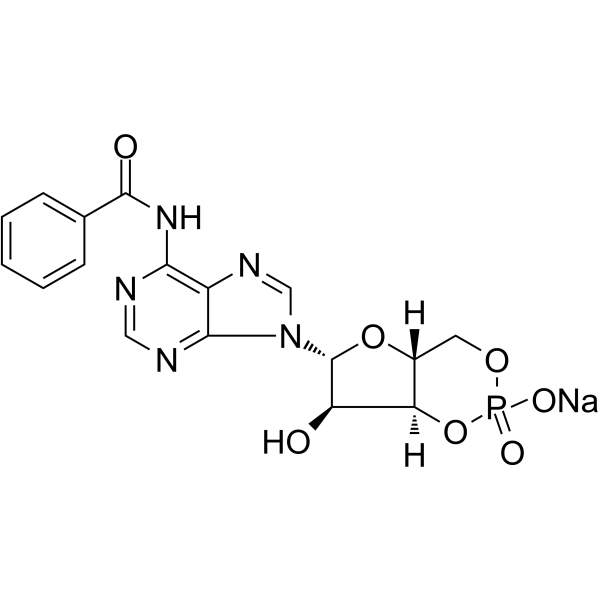
6-Bnz-cAMP sodium, a derivative of cyclic adenosine monophosphate (cAMP), is a selective PKA activator with inhibitory activity against the bTREK-1 K + channel. 6-Bnz-cAMP sodium does not activate the Epac signaling pathway. It inhibits the bTREK-1 K + channel via a voltage-independent, ATP-dependent mechanism that is independent of the PKA/Epac/calmodulin kinase/MAP kinase pathway. 6-Bnz-cAMP sodium activates CREB phosphorylation to regulate osteoblast-specific gene expression, induces osteoblast differentiation, promotes extracellular matrix mineralization, supports osteoblast proliferation, and shows no cytotoxicity toward osteoblasts. It can be used in studies related to bone tissue repair and regeneration .
loading...
    loading...
Cat. No.: HY-N7065
CAS No.: 7327-87-9
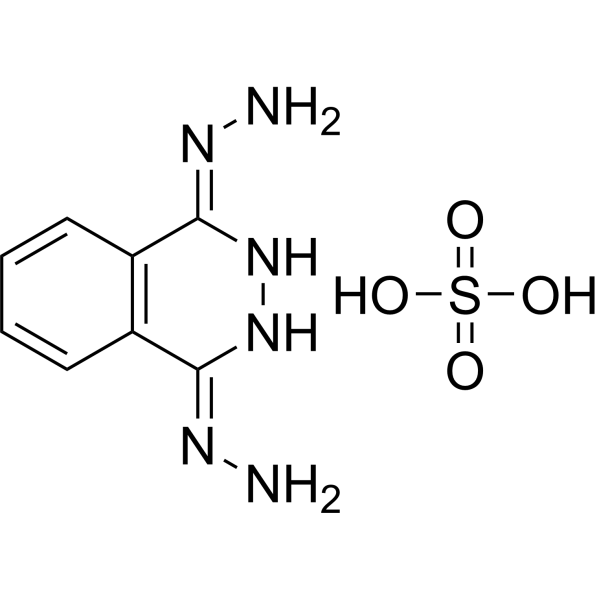
Dihydralazine sulfate is an antihypertensive hydrazine derivative and also a low-potency genotoxic agent. Dihydralazine sulfate is a direct-acting mutagen with a mixed gene mutation mechanism, which induces DNA fragmentation in the lung, kidney and spleen of mice, and induces sister chromatid exchange in mouse bone marrow cells. Dihydralazine sulfate specifically kills DNA repair-deficient bacteria. Dihydralazine sulfate is a vasodilator and antihypertensive agent that reduces systemic vascular resistance, increases cardiac output and heart rate, thereby lowering blood pressure. Dihydralazine sulfate can be used in research related to hypertension and severe early-onset preeclampsia .
loading...
    loading...
Cat. No.: HY-P5832
CAS No.: 836606-84-9
Target:  

TGF-beta/Smad RUNX

Research Areas:  

Metabolic Disease

BMP2-derived peptide is an osteogenic inducer and BMP receptor ligand. BMP2-derived peptide binds to BMP receptors on the cell surface to form a complex, activates the downstream Smad signaling pathway, and regulates the expression of osteogenic transcription factors. BMP2-derived peptide effectively promotes the adhesion, proliferation, osteogenic differentiation and mineralization of bone marrow mesenchymal stem cells, significantly up-regulates the mRNA levels of OCN, Runx2 and type I collagen, and increases alkaline phosphatase activity and calcium deposition. BMP2-derived peptide induces osteoblast differentiation and ectopic bone regeneration, and improves cranial bone defect repair. Meanwhile, BMP2-derived peptide enhances the cytocompatibility of mesoporous silica nanoparticles, synergistically increases osteogenic activity with Dexamethasone (HY-14648), serving as an important tool for bone defect repair research .
loading...
    loading...
Cat. No.: HY-D0833
CAS No.: 7758-87-4
Research Areas:  

Metabolic Disease

Tricalcium phosphate is a calcium-phosphorus compound mainly composed of calcium ions and phosphate (PO4 3-). Tricalcium phosphate promotes osteogenic differentiation, inhibits adipogenic and chondrogenic differentiation, and serves as a scaffold for spinal fusion implants. Tricalcium phosphate supports reparative dentin formation, mineralized nodule formation, and calcium ion release. Tricalcium phosphate is commonly used in fields such as biomaterials, bone repair, food additives, and pharmaceutical preparations .
loading...
    loading...
Cat. No.: HY-108464A
CAS No.: 1161-94-0
Purity:  98.1%
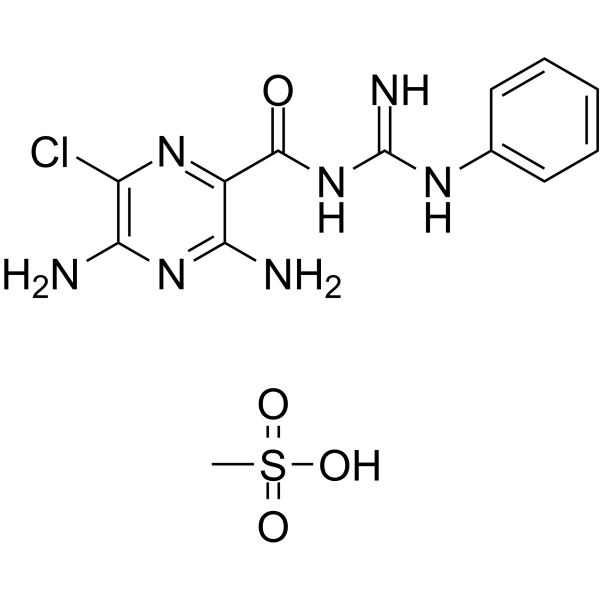
Phenamil methanesulfonate, an analog of Amiloride (HY-B0285), is a more potent and less reversible epithelial sodium channel (ENaC) blocker with an IC50 of 400 nM . Phenamil methanesulfonate is also a competive inhibitor of TRPP3 and inhibits TRPP3-mediated Ca 2+ transport with an IC50 of 140 nM in a Ca 2+ uptake assay . Phenamil methanesulfonate is an intriguing small molecule to promote bone repair by strongly activating BMP signaling pathway . Phenamil methanesulfonate is used for the research of cystic fibrosis lung disease .
loading...
    loading...
Cat. No.: HY-P2263
CAS No.: 800379-47-9
Target:  

Peptides

Research Areas:  

Inflammation/Immunology

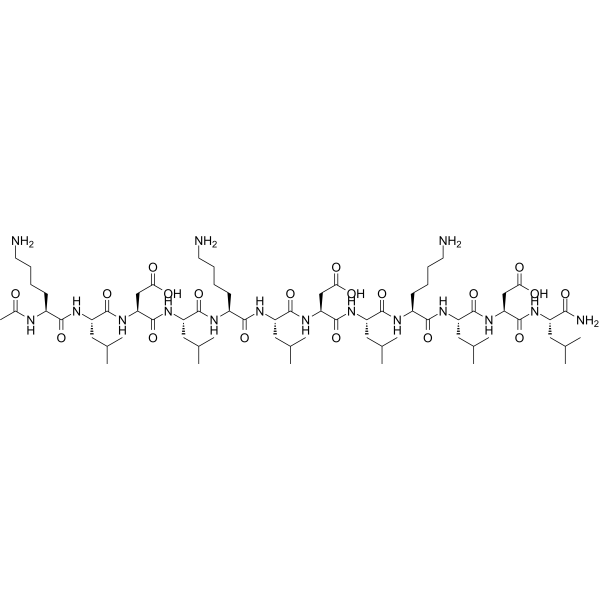
KLD-12 is a 12-residue self-assembling peptide that is used in tissue-engineering. KLD-12 combined with SDF-1 self-assembled polypeptide enhances chondrogenic differentiation of bone marrow stromal cells (BMSCs). KLD-12 hydrogel can fill full-thickness osteochondral defects in situ and improve cartilage repair .
loading...
    loading...
Cat. No.: HY-P2612
CAS No.: 199999-60-5
Research Areas:  

Inflammation/Immunology

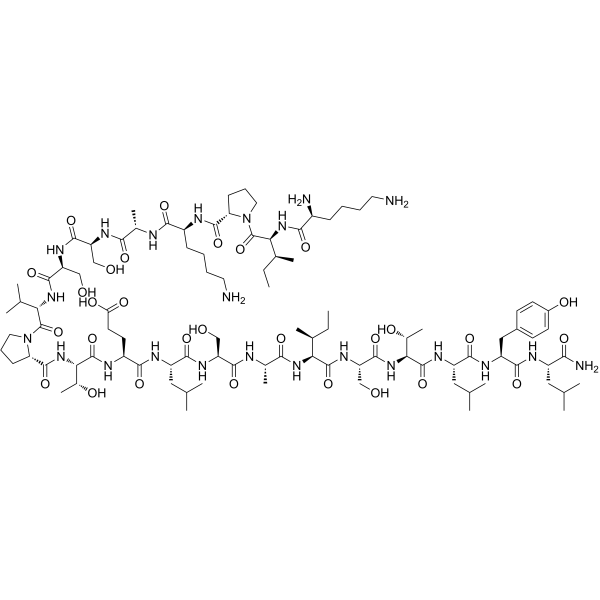
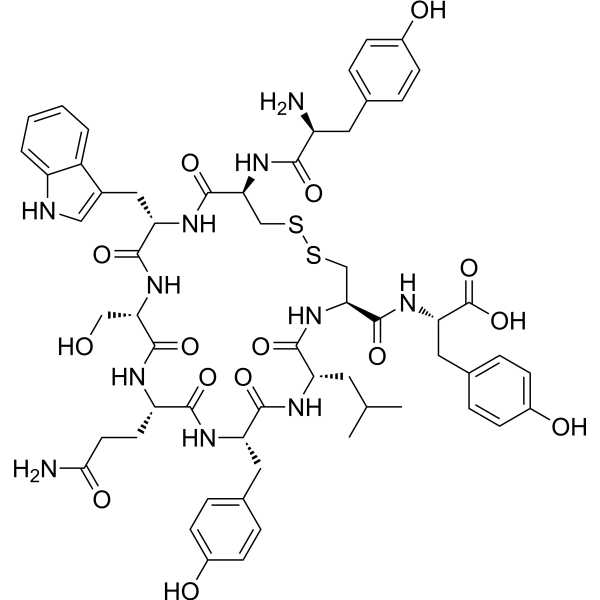
WP9QY is an inhibitor targeting TNFα and RANKL, which blocks the TNFα-TNFR1 interaction and inhibits TNFα-mediated apoptosis, cytotoxicity and bone destruction. WP9QY inhibits osteoclastogenesis and promotes osteoblast differentiation, induces chondrocyte proliferation and glycosaminoglycan production, and synergizes with TGF-β3 to promote chondrogenesis. WP9QY effectively repairs full-thickness articular cartilage defects in rabbits via intra-articular injection, and inhibits methylmercury-induced reduction of NeuN-positive cells in mouse brain slices. WP9QY can be applied to the research of diseases related to methylmercury-induced neuronal death, cartilage injury, osteoarthritis and bone loss .
loading...
    loading...
Cat. No.: HY-N15723
CAS No.: 99624-66-5
Dipsacus saponin A is an orally active triterpenoid saponin found in the roots of Dipsacus asper. Dipsacus saponin A promotes bone repair by regulating osteoblast activity and inhibiting osteoclast function. Dipsacus saponin A is promising for research of bone diseases such as fracture healing and osteoporosis .
loading...
    loading...
Cat. No.: HY-15893G
CAS No.: 89464-63-1
Synonyms: Dimethyloxallyl Glycine (GMP)
DMOG (GMP) is the GMP level of DMOG (HY-15893). GMP small molecules works appropriately as an auxiliary reagent for cell therapy manufacture. DMOG (GMP) is a HIF-1α stabilizer. DMOG (GMP) promotes the osteogenic, angiogenic, and chondrogenic differentiation of stem cells by stabilizing the expression of HIF-1α. DMOG (GMP) can enhance the osteogenic and angiogenic differentiation potential of stem cells, thereby improving bone regeneration in bone defects. DMOG (GMP) can be used in the research of bone defect repair, vascularized bone regeneration, and the treatment of bone-related diseases (such as osteoporosis and femoral head necrosis) .
loading...
    loading...
Cat. No.: HY-29347
CAS No.: 6701-17-3
Research Areas:  

Cardiovascular Disease

Ocrylate is a tissue adhesive that contains an 8-carbon alkyl cyanoacrylate in its structure. Ocrylate can be used in research on gastric fundal varices, bone and cartilage grafting, cerebrospinal fluid leakage repair, and skin closure. Additionally, the rapid polymerization property of Ocrylate makes it suitable for inhibiting vascular embolization .
loading...
    loading...
Cat. No.: HY-Y0332H
CAS No.: 13472-35-0
Synonyms: Sodium phosphate monobasic dihydrate, for molecular biology
Sodium dihydrogen phosphate dihydrate (Sodium phosphate monobasic dihydrate), for molecular biology is a phosphate compound and nucleating agent. At a content of 1.2%, Sodium dihydrogen phosphate dihydrate, for molecular biology eliminates the supercooling degree of sodium acetate trihydrate to 0°C while maintaining or slightly enhancing its latent heat storage capacity. Sodium dihydrogen phosphate dihydrate, for molecular biology can serve as a starting material for the synthesis of degradable sodium phosphate glasses, which are applied in craniomaxillofacial bone repair. Sodium dihydrogen phosphate dihydrate, for molecular biology is widely used in research on craniomaxillofacial bone repair and related fields .
loading...
    loading...
Cat. No.: HY-P4866
CAS No.: 1361235-89-3
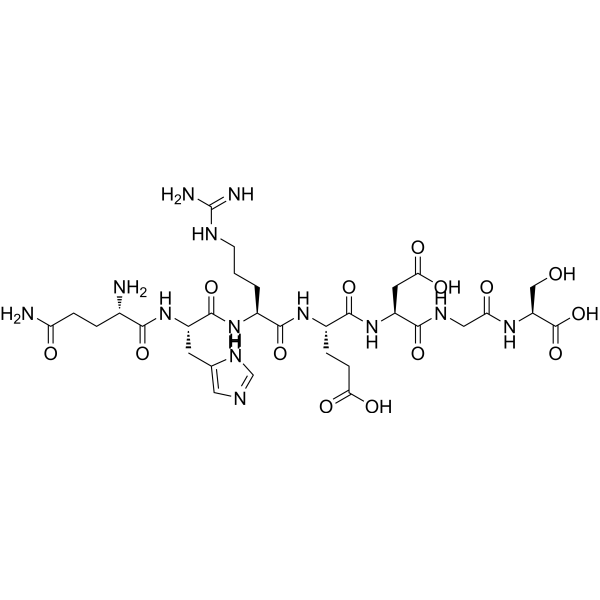
Q-Peptide is an angiopoietin-1 derived peptide (QHREDGS). Q-Peptide interacts with β1-integrin, binds to integrins on the surface of osteoblasts, and serves as an acyl donor substrate for Streptomyces mobaraensis transglutaminase. Q-Peptide activates Akt, MAPKp42/44, ILK, ERK1/2, and downregulates caspase-3/7. Q-Peptide inhibits cell apoptosis, enhances cell adhesion and migration, and promotes osteoblast differentiation, bone matrix deposition and mineralization. Q-Peptide can be used in studies related to myocardial infarction, bone regeneration, diabetic wound repair and human induced pluripotent stem cells .
loading...
    loading...
Cat. No.: HY-108464
CAS No.: 2038-35-9
Target:  

TGF-β Receptor

Research Areas:  

Others

Phenamil is a compound that promotes bone repair and regulates stem cell differentiation. It can activate the bone morphogenetic protein signaling pathway to promote bone repair, but it also induces adipogenesis. A specific 3D scaffold strategy can improve its induced osteogenic differentiation and reduce adipogenesis.
loading...
    loading...
Cat. No.: HY-P4800
CAS No.: 137348-10-8
Synonyms: Human PTHrP(107-139)
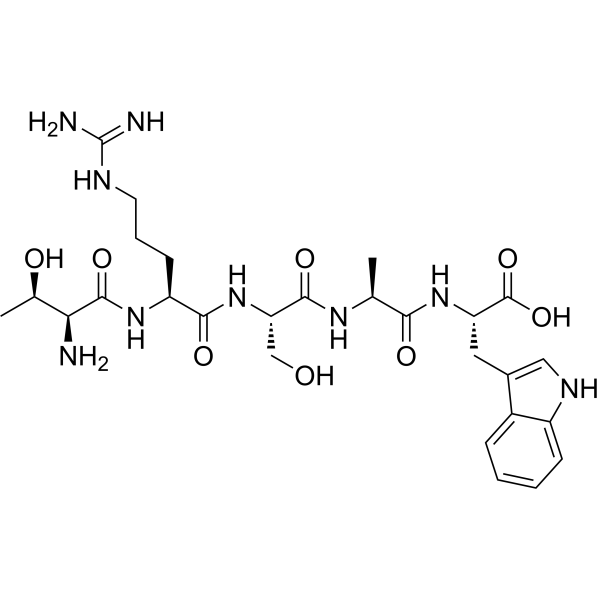
Osteostatin (human), a fragment of parathyroid hormone-related protein (PTHrP) 107-139, promotes bone repair in animal models of bone defects and prevents bone erosion in inflammatory arthritis .
loading...
    loading...
Cat. No.: HY-P4684
CAS No.: 138949-73-2
Synonyms: PTHrP (107–111)
Target:  

PTHR

Research Areas:  

Inflammation/Immunology

Osteostatin, a fragment of parathyroid hormone-related protein (PTHrP) 107-111, promotes bone repair in animal models of bone defects and prevents bone erosion in inflammatory arthritis, inhibits collagen-induced arthritis and inhibits osteoclastic bone resorption directly. Osteostatin can be used for inflammation and immunology research .
loading...
    loading...

