Search Result
Results for "
bromodomain proteins
" in MedChemExpress (MCE) Product Catalog:
| Cat. No. |
Product Name |
Target |
Research Areas |
Chemical Structure |
-
- HY-18975
-
I-BRD9
Maximum Cited Publications
9 Publications Verification
|
Epigenetic Reader Domain
|
Inflammation/Immunology
Cancer
|
|
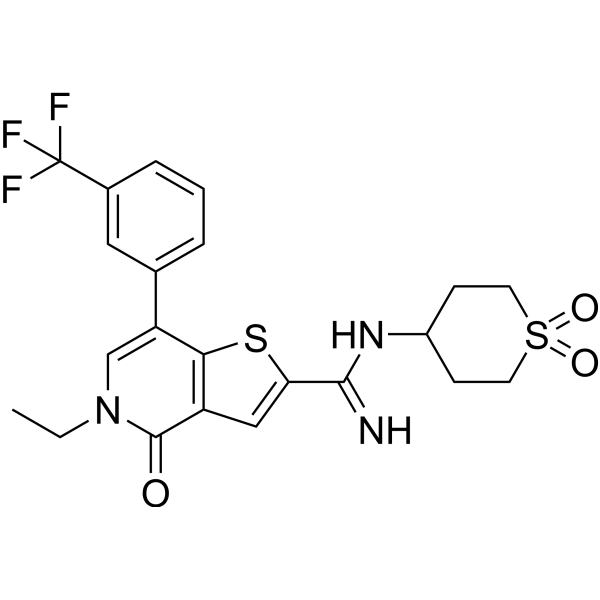
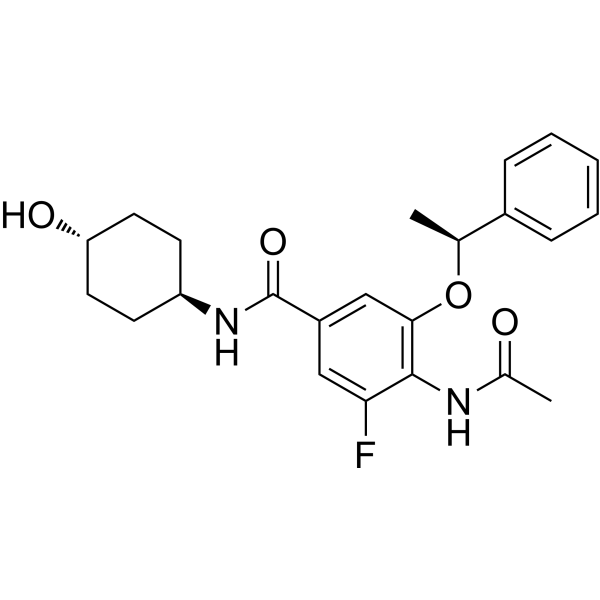
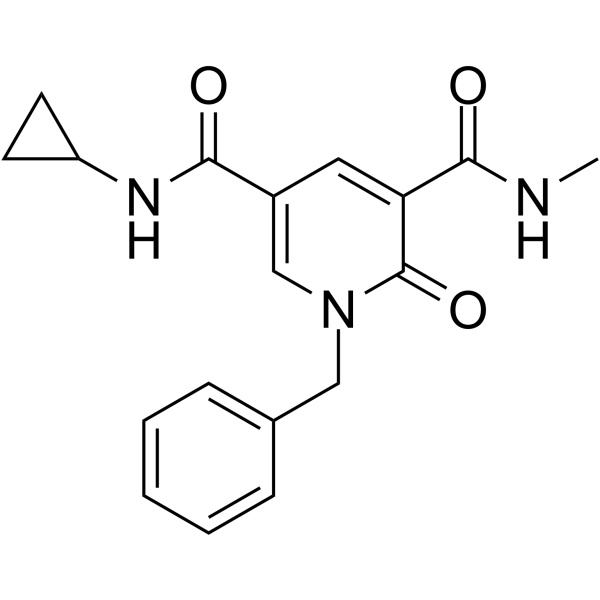
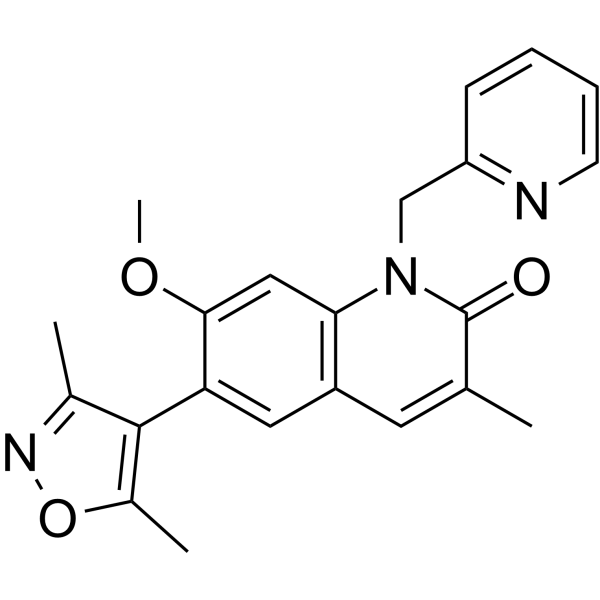
I-BRD9 is a selective cellular chemical probe of bromodomain-containing protein 9 (BRD9) with pIC50 value of 7.3 μM. I-BRD9 has high selectivity for bromodomain and extra terminal domain (BET) family and highly homologous bromodomain-containing protein 7 (BRD7). I-BRD9 can be used to identify genes regulated by BRD9 in Kasumi-1 cells involved in oncology and immune response pathways .
|
-
-
- HY-136570
-
GSK778
1 Publications Verification
iBET-BD1
|
Epigenetic Reader Domain
Apoptosis
|
Inflammation/Immunology
Cancer
|
|
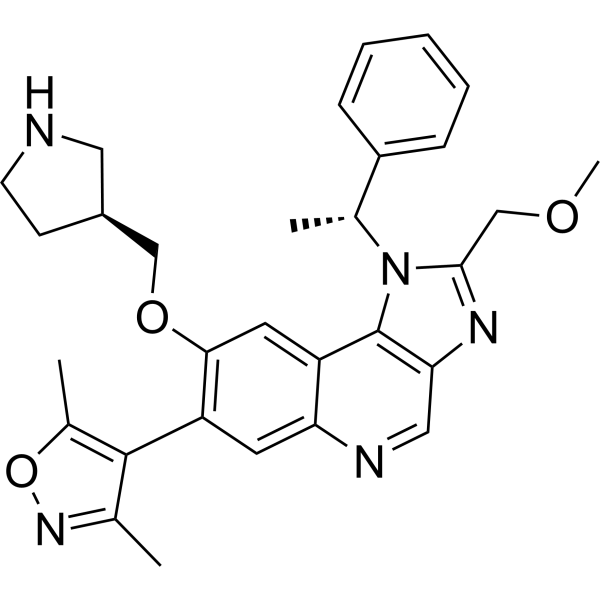
GSK778 (iBET-BD1), a chemical probe, is a potent and selective BD1 bromodomain inhibitor of the BET proteins, with IC50s of 75 nM (BRD2 BD1), 41 nM (BRD3 BD1), 41 nM (BRD4 BD1), and 143 nM (BRDT BD1), respectively. GSK778 phenocopies the effects of pan-BET inhibitors in cancer models .
|
-
-
- HY-153367
-
FHD-609
2 Publications Verification
|
PROTACs
Epigenetic Reader Domain
|
Cancer
|
|
FHD-609 is a PROTAC degrader and inhibitor of BRD9 (Bromodomain-containing protein 9). FHD-609 targets to ncBAF, can be used for research of wide range of cancers that contain a mutation in a BAF complex subunit. FHD-609 in combination with Telomelysin or INO5401, may play a role in adrenocortical carcinoma (ACC) treatment. (Blue: BRD9 ligand-6 (HY-49393), Black: linker (HY-168309); Pink: (S)-Deoxy-thalidomide-Br (HY-168308) ) .
|
-
-
- HY-19541
-
-
-
- HY-16586
-
-
-
- HY-19537
-
NI-57
1 Publications Verification
|
Epigenetic Reader Domain
|
Inflammation/Immunology
Cancer
|
|
NI-57, a chemical probe, is an inhibitor of bromodomain and plant homeodomain finger-containing (BRPF) famlily of proteins, with IC50s of 3.1, 46 and 140 nM for BRPF1, BRPF2 (BRD1) and BRPF3, respectively.
|
-
-
- HY-136571
-
GSK046
3 Publications Verification
iBET-BD2
|
Epigenetic Reader Domain
|
Inflammation/Immunology
|
|
GSK046 (iBET-BD2), a chemical probe, is a potent, selective and orally active BD2 bromodomain inhibitor of the BET proteins, with IC50s of 264 nM (BRD2 BD2), 98 nM (BRD3 BD2), 49 nM (BRD4 BD2) and 214 nM (BRDT BD2), respectively. GSK046 has immunomodulatory activity .
|
-
-
- HY-141539
-
|
|
Histone Methyltransferase
Akt
|
Cancer
|
|
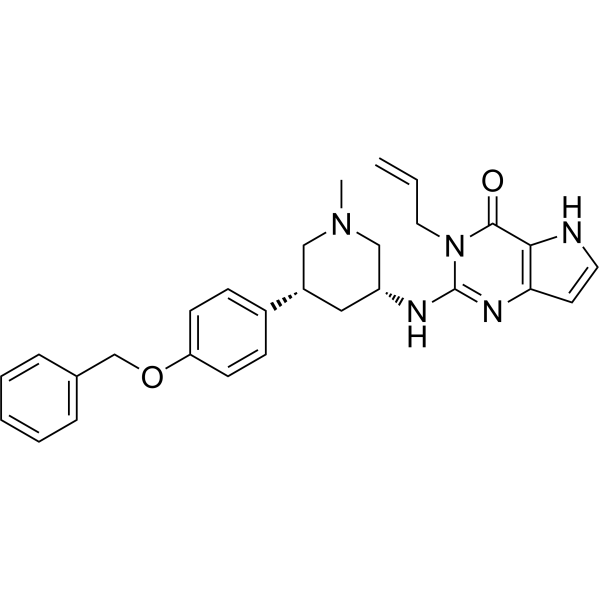
SETDB1-TTD-IN-1 is a SETDB1 methyltransferase activator and SETDB1-TTD competitive inhibitor (Kd of 88 nM), and selectivity for SETDB1-TTD over other tudor and bromodomain proteins. SETDB1-TTD-IN-1 stimulates methyltransferase activity via increased catalytic activity, promotes Akt1 Lys64 methylation, Akt1 Thr308 phosphorylation and activation. SETDB1-TTD-IN-1 prevents SETDB1-TTD-histone H3 peptide association, induces global gene expression changes, exhibits cellular target engagement, and acts as a tool compound for SETDB1-TTD function exploration. SETDB1-TTD-IN-1 can be used for the research of breast cancer .
|
-
-
- HY-117286
-
|
TEN-010
|
Epigenetic Reader Domain
Apoptosis
|
Neurological Disease
Cancer
|
|
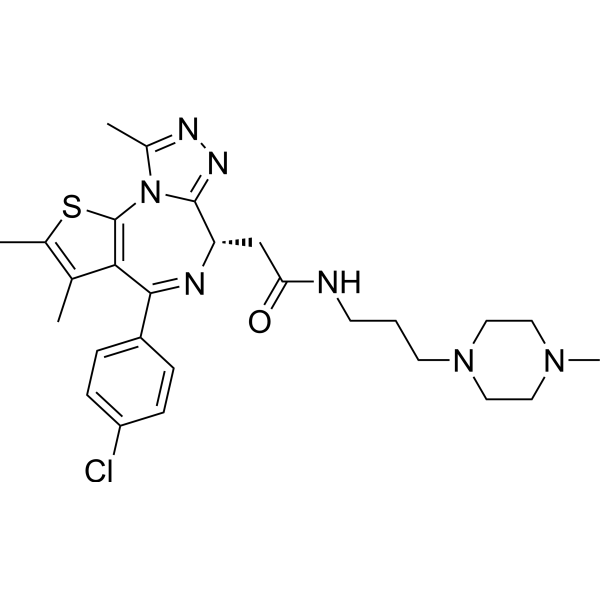
(S)-JQ-35 (TEN-010) is an orally active, blood-brain barrier-permeable bromodomain inhibitor that selectively targets the bromodomain and extra-terminal domain (BET) protein family (BRD4, BRD3, BRD2 and BRDT). (S)-JQ-35 blocks the activation of Myc gene expression by BRD4, thereby inhibiting cancer cell proliferation and promoting cancer cell apoptosis. (S)-JQ-35 can be used in research related to NUT midline carcinoma and neuroblastoma .
|
-
-
- HY-156214
-
|
AP1867-PEG2-JQ1; AP-PEG2-JQ1
|
Epigenetic Reader Domain
|
Others
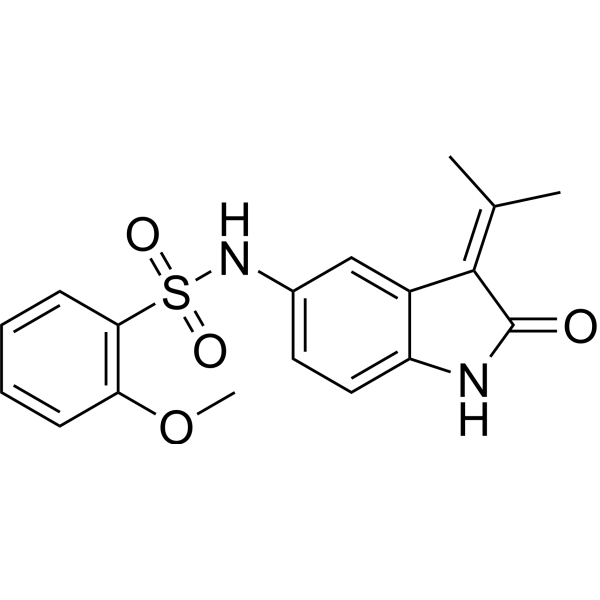
|
|
NICE-01 (AP1867-PEG2-JQ1; AP-PEG2-JQ1) is a bifunctional compound that bind to proteins in separate cellular compartments that can induce nuclear import of cytosolic cargoes, using nuclear-localized bromodomain-containing protein 4 (BRD4) as a “carrier” for co-import and nuclear trapping of cytosolic proteins .
|
-
-
- HY-137892
-
|
|
Epigenetic Reader Domain
|
Inflammation/Immunology
|
|
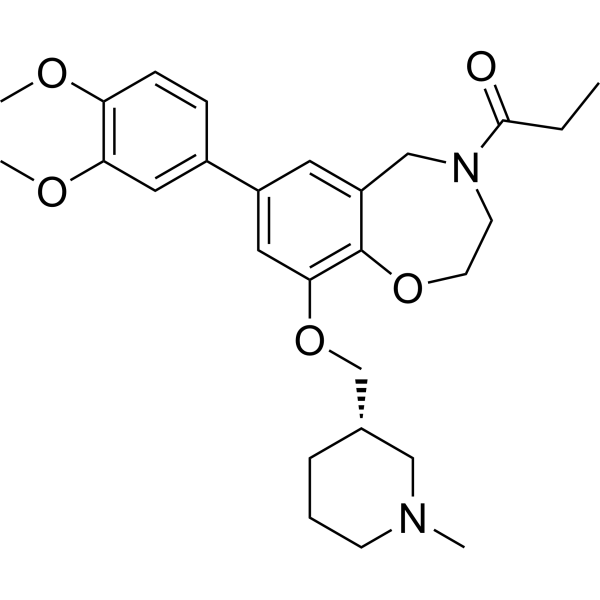
GSK620, a chemical probe, is a potent and orally active pan-BD2 inhibitor with excellent broad selectivity, developability and in vivo oral pharmacokinetics. GSK620 is highly selective for the BET-BD2 family of proteins, with >200-fold selectivity over all other bromodomains. GSK620 shows an anti-inflammatory phenotype in human whole blood .
|
-
-
- HY-147868
-
|
|
Epigenetic Reader Domain
Apoptosis
|
Cancer
|
|
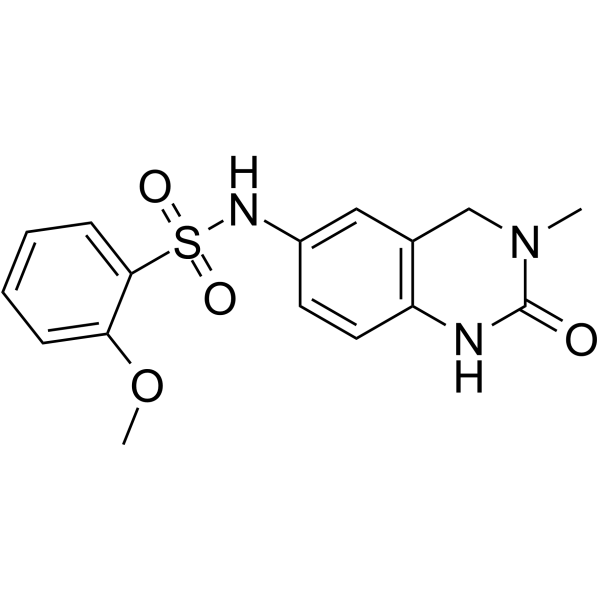
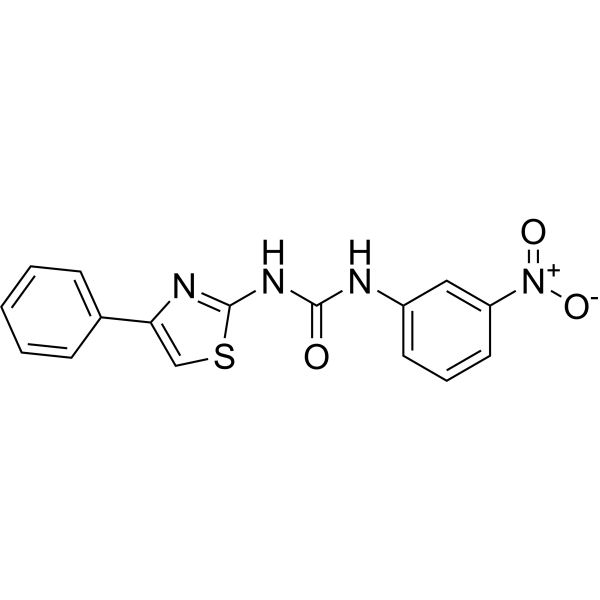
DC-CPin711 is a potent and selective inhibitor of CREB-binding protein (CBP) bromodomain with an IC50 of 0.0626 μM. DC-CPin711 arrests cell cycle at G1 phase and induces apoptosis .
|
-
-
- HY-19760
-
|
|
Epigenetic Reader Domain
|
Inflammation/Immunology
|
|
I-BET282 is a pan-inhibitor of all eight BET bromodomains, and selectivity over other representative bromodomain-containing proteins. I-BET282 shows pIC50s ranging 6.4-7.7 for BRD2 (BD1/BD2), BRD2 (BD1/BD), BRD3 (BD1/BD), and BRD4 (BD1/BD) .
|
-
-
- HY-112610
-
|
|
Epigenetic Reader Domain
Histone Acetyltransferase
|
Cancer
|
|
CF53 is a highly potent, selective and orally active inhibitor of BET protein, with a Ki of <1 nM, Kd of 2.2 nM and an IC50 of 2 nM for BRD4 BD1. CF53 binds to both the BD1 and BD2 domains of BRD2, BRD3, BRD4, and BRDT BET proteins with high affinities, very selective over non-BET bromodomain-containing proteins. CF53 shows potent anti-tumor activity both in vitro and in vivo .
|
-
-
- HY-W010649
-
|
|
HSP
Epigenetic Reader Domain
ATP-binding cassette (ABC) transporters
Bacterial
Fungal
Antibiotic
|
Infection
Metabolic Disease
Inflammation/Immunology
Cancer
|
|
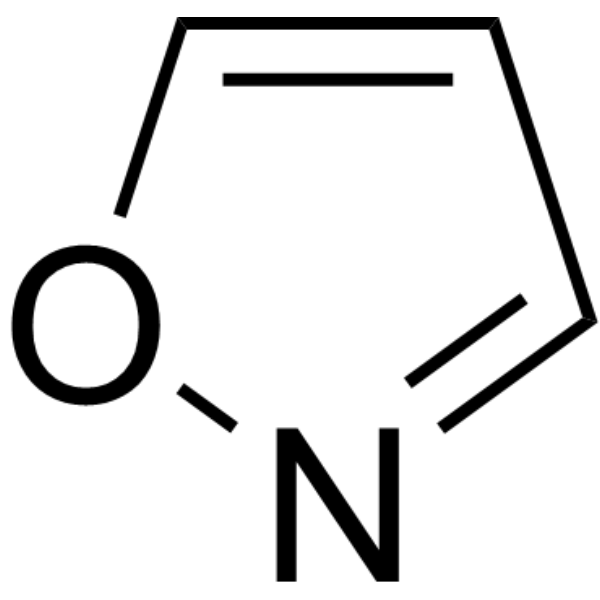
Isoxazole is a member of the five-membered heterocycle drug scaffold. Isoxazole has been used as a BET bromodomain inhibitor and can improve β-cell function in a diabetic mouse model. Isoxazole and its derivatives exhibit broad biological activities (such as antimicrobial, antibacterial, antifungal, antiviral, anticancer, anti-inflammatory, immunomodulatory, analgesic, anti-tuberculosis, and anti-diabetic effects). For example, the bicyclic Isoxazole can act as an HSP90 inhibitor, and the tricyclic Isoxazole is promising as a selective multidrug resistance protein (MRP1) inhibitor .
|
-
-
- HY-146208
-
|
|
Epigenetic Reader Domain
|
Cancer
|
|
BRD4 Inhibitor-20 is a potent orally active bromodomain protein 4 (BRD4) inhibitor. BRD4 Inhibitor-20 has inhibitory activity for BRD4 (BD1) and BRD4 (BD2) with IC50 values of 19 nM and 28 nM, respectively. BRD4 Inhibitor-20 also has anti-proliferation activities in cancer cell lines. BRD4 Inhibitor-20 can be used for the research of kinds of cancer, such as colon cancer .
|
-
-
- HY-145125
-
|
|
PROTACs
|
Others
|
|
SJ995973 (PROTAC) is a uniquely potent degrader of bromodomain and extra-terminal (BET) proteins.
|
-
-
- HY-W017851
-
|
|
Drug Intermediate
|
Neurological Disease
|
|
4-Phenyl-2-pyrrolidinone is a precursor and synthetic intermediate. 4-Phenyl-2-pyrrolidinone can be used as a precursor in the synthesis of compounds with anticonvulsant and nootropic activities and is an intermediate in the synthesis of bromodomain-containing protein 4 (BRD4) bromodomain 1 inhibitors .
|
-
-
- HY-112150
-
-
-
- HY-130256
-
|
|
PROTACs
Epigenetic Reader Domain
|
Cancer
|
|
β-NF-JQ1 is a PROTAC that recruits Aryl Hydrocarbon Receptor E3 ligase to target proteins. β-NF-JQ1 is directed against bromodomain-containing (BRD) proteins using β-NF as an AhR ligand, induces the interaction of AhR and BRD proteins, and displays effective anticancer activity that correlated with protein knockdown activity .
|
-
-
- HY-141890
-
|
|
Epigenetic Reader Domain
|
Cancer
|
|
BAZ1A-IN-1 is a potent inhibitor of BAZ1A (bromodomain-containing protein). BAZ1A-IN-1 shows a KD value of 0.52 μM against BAZ1A bromodomain. BAZ1A-IN-1 shows good anti-viability activity against cancer cell lines expressing a high level of BAZ1A, but weak or no activity against cancer cells with a low expression level of BAZ1A .
|
-
-
- HY-158764
-
|
|
PROTACs
Epigenetic Reader Domain
|
Cancer
|
|
PROTAC BET Degrader-12 (Compound 8b) is a PROTAC degrader for bromodomain and extra-terminal domain (BET)-containing proteins, which degrades the BRD3 and BRD4 in a DCAF11-dependent manner. PROTAC BET Degrader-12 inhibits cell viability of KBM7 with a DC50 of 305.2 nM. (Pink: ligand for target protein (+)-JQ-1 (HY-13030); Black: linker (HY-159077); Blue: ligand for E3 ligase (HY-159076))
|
-
-
- HY-111916
-
-
-
- HY-112149
-
-
-
- HY-170817
-
|
|
Ligands for Target Protein for PROTAC
SWI/SNF Complex
|
Cancer
|
|
SMI-1074, a SMARCA bromodomain inhibitor, is a PROTAC target protein ligand (Ligand for Target Protein for PROTAC). SMI-1074 can be used for synthesis SMD-3236 (HY-170824) and SMD-1087 (HY-170828). SMI-1074 can be used for the research of smarca4-deficient cancers .
|
-
-
- HY-123911
-
-
-
- HY-149420
-
|
|
Epigenetic Reader Domain
|
Others
|
|
BRD7-IN-2 (compound 2-77) is a potent inhibitor of bromodomain-containing protein 7 (BRD7), targeting to prostate cancer cells. BRD7-IN-2 is selective for BRD7 rather than BRD9, with IC50s of 5.4 μM, and >300 μM, respectively.
|
-
-
- HY-143332
-
|
|
Epigenetic Reader Domain
|
Cancer
|
|
TRIM24/BRPF1-IN-2 (compound 20l) is a potent TRIM24/BRPF1 dual inhibitor, with IC50 values of 0.98 and 1.16 μM, respectively. TRIM24/BRPF1-IN-2 shows TRIM24/BRPF1 bromodomain binding affinity. TRIM24/BRPF1-IN-2 can be used for prostate cancer research .
|
-
-
- HY-145260
-
|
|
Epigenetic Reader Domain
Casein Kinase
Apoptosis
Autophagy
|
Cancer
|
|
BRD4/CK2-IN-1 is the first highly effective and oral active dual-target inhibitor of BRD4/CK2 (bromodomain-containing protein 4/casein kinase 2), with IC50s of 180 nM and 230 nM for BRD4 and CK2, respectively. BRD4/CK2-IN-1 has strong anticancer activity without obvious toxicities. BRD4/CK2-IN-1 induces apoptosis and autophagy-associated cell death in triple-negative breast cancer (TNBC)
|
-
-
- HY-151364
-
|
|
HDAC
|
Cancer
|
|
HDAC6/8/BRPF1-IN-1 is a dual inhibitor of both HDAC6/8 and the bromodomain and PHD finger containing protein 1 (BRPF1). HDAC6/8/BRPF1-IN-1 has inhibitory activity for HDAC1, HDAC6 and HDAC8 with IC50 values of 797 nM, 344 nM and 908 nM, respectively. HDAC6/8/BRPF1-IN-1 has inhibitory activity for BRPF1 with an Kd value of 175.2 nM. HDAC6/8/BRPF1-IN-1 can be used for the research of cancer .
|
-
-
- HY-112149A
-
|
|
Epigenetic Reader Domain
|
Inflammation/Immunology
Cancer
|
|
(E/Z)-ZL0420 is a racemic compound of (Z)-ZL0420 and (E)-ZL0420 isomers. (E)-ZL0420 is a potent and selective bromodomain-containing protein 4 (BRD4) inhibitor with IC50 values of 27 nM against BRD4 BD1 and 32 nM against BRD4 BD2 .
|
-
-
- HY-156566
-
|
|
PROTACs
Epigenetic Reader Domain
HSP
|
Cancer
|
|
PROTAC BRD4 Degrader-21 is a BRD4-targeting PROTAC degrader with an IC50 value of 59 nM. PROTAC BRD4 Degrader-21 induces ubiquitination of BRD4, leading to its degradation via the proteasome. PROTAC BRD4 Degrader-21 binds to recombinant HSP90α protein with moderate affinity, having an IC50 of 100-1000 nM. PROTAC BRD4 Degrader-21 induces cancer cell death. PROTAC BRD4 Degrader-21 inhibits tumor growth in xenograft mouse models. PROTAC BRD4 Degrader-21 can be used for the research of acute myeloid leukemia, diffuse large B-cell lymphoma .
|
-
-
- HY-123626
-
|
|
Epigenetic Reader Domain
|
Cancer
|
|
BiBET is a chemical probe of BET/BRD4 and is able to bind to two bromodomains simultaneously in a bivalent and cis-binding mode .
|
-
-
- HY-12863B
-
-
-
- HY-157592
-
-
-
- HY-19549
-
|
|
Epigenetic Reader Domain
|
Cancer
|
|
RX-37 is a selective BET inhibitor. RX-37 binds to BET bromodomain proteins (BRD2, BRD3, and BRD4) with Ki values of 3.2-24.7 nM. RX-37 can be used for research of cancers .
|
-
-
- HY-125051
-
|
|
JAK
FLT3
|
Cancer
|
|
SG3-179 is a potent inhibitor against the BET bromodomain proteins. SG3-179 is also a JAK2 and FLT3 inhibitor. SG3-179 causes a rapid reduction in HOXB13 protein expression. SG3-179 is promising for research of multiple myeloma (MM1.S) .
|
-
-
- HY-136570A
-
-
-
- HY-178043
-
|
|
Epigenetic Reader Domain
|
Others
|
|
BTR2038 is a BRD9 degrader. BTR2038 consistis of a BRD9 bromodomain ligand (Bl-7273 analoag), a linker and BTR2000 (HY-172563). BTR2038 induces targeted degradation of V5-tagged human BRD9. BTR2038 can be used for the study of biological processes and diseases associated with abnormal BRD9 protein function .
|
-
-
- HY-130853
-
|
|
E3 Ligase Ligand-Linker Conjugates
Autophagy
Apoptosis
|
Cancer
|
|
Thalidomide-NH-PEG2-C2-NH-Boc is a synthesized?E3 ligase ligand-linker conjugate?that incorporates the?Thalidomide?based cereblon ligand and a PEG linker used for dBRD9 (compound 6) synthesis. dBRD9 is a selective BRD9 probe PROTAC degrader for the study of BAF complex biology .
|
-
-
- HY-177730
-
|
|
PROTACs
Epigenetic Reader Domain
|
Cancer
|
|
PROTAC BRD4 Degrader-40 is a Bromodomain protein 4 (BRD4) PROTAC degrader. PROTAC BRD4 Degrader-40 can induce BRD4 degradation in cancer cells. PROTAC BRD4 Degrader-40 can be used for the research of cancer, such as leukemia . (Structure Note: Pink: BRD4 ligand (HY-78695); Blue: CRBN ligand (HY-163927))
|
-
-
- HY-171774
-
|
|
Ligands for Target Protein for PROTAC
Epigenetic Reader Domain
|
Cancer
|
|
PBRM1/SMARCA2,4-ligand-1 (Compound 4) is a Ligand for Target Protein for PROTAC that binds to PBRM1, SMARCA2, and SMARCA4. PBRM1/SMARCA2,4-ligand-1 is a potent SMARCA4 bromodomain inhibitor. PBRM1/SMARCA2,4-ligand-1 can be used to synthesize PROTAC AU-24118 (HY-163410) .
|
-
-
- HY-161958
-
|
|
PROTACs
Histone Acetyltransferase
|
Cancer
|
|
dCE-2 (compound 5) is a PROTAC targeting CREB binding protein (CBP) and E1A-associated protein (EP300), which was developed based on the crystal structure of bromodomain (BRD) inhibitors. dCE-2 is composed of E3 ubiquitin ligase ligand Thalidomide-4-OH (HY-103596) (blue part), PROTAC Linker tert-Butyl 11-aminoundecanoate (HY-130715) (black part) and PROTAC target protein ligand EP300/CBP ligand 2 (HY-161960) (red part), of which the target protein ligand activity control is EP300/CBP ligand 1 (HY-161959), and the conjugate of E3 ubiquitin ligase ligand + Linker is Thalidomide-NH-C10-Boc (HY-161961) [1] .
|
-
-
- HY-175767
-
|
|
PROTACs
Epigenetic Reader Domain
|
Cancer
|
|
PROTAC BRD4 Degrader-39 is a selective targeting Bromodomain protein 4 (BRD4) degrader with an DC50 value of 24.66 nM. PROTAC BRD4 Degrader-39 conjugates BRD PROTAC (ARV-771) (HY-100972) with carbohydrate. PROTAC BRD4 Degrader-39 selectively delivers to tumor cells with high GLUT1 expression, followed by GSH-triggered release of ARV-771 and degrades BRD4. PROTAC BRD4 Degrader-39 can inhibit tumor growth and show no significant toxicity. PROTAC BRD4 Degrader-39 can be used for the research of cancer, such as breast cancer . (Structure Note: Pink: BRD4 ligand (HY-78695); Blue: VHL ligand (HY-112078); Black: (HY-42427); BRD4 ligand-Linker: (HY-42429))
|
-
-
- HY-117598
-
|
|
Epigenetic Reader Domain
|
Others
|
|
OXFBD03 serves as an inhibitor of the BRD4(1) protein, which belongs to the bromodomain and extra terminal domain bromodomain family.
|
-
-
- HY-164005
-
-
-
- HY-122573
-
|
|
Epigenetic Reader Domain
|
Cancer
|
|
Bromodomain inhibitor-13 (Compound 1) is an analog of PFI-3 (HY-12409). Bromodomain inhibitor-13 is a bromodomain-containing protein (BCP) inhibitor. Bromodomain inhibitor-13 targets SMARCA2, SMARCA4, PB1(5), and second bromodomain of PB1 (PB1(2)) with KD values of 37, 53, 30, and 190 nM, respectively .
|
-
-
- HY-160262
-
-
-
- HY-147869
-
-
-
- HY-132232
-
|
|
Epigenetic Reader Domain
|
Cancer
|
|
GSK097 is a potent and selective Inhibitor of the second bromodomain (BD2) of the bromodomain and extra-terminal domain (BET) proteins. GSK097 displays 2000-fold selective for BD2 over BD1 (BRD4 data) with >1 mg/mL solubility in FaSSIF media .
|
-
- HY-163543
-
|
|
Epigenetic Reader Domain
|
Neurological Disease
|
|
Progranulin modulator-2 (compound 18A) is a bromodomain and extra-terminal domain (BET) inhibitor. Progranulin modulator-2 enhances PGRN expression by targeting members of the BET protein family. Progranulin modulator-2 can be used to study the role of BET protein in neurodevelopment, neuroplasticity and neurodegeneration .
|
-
- HY-115829
-
|
|
HIV
|
Infection
|
|
APA-H-MPO hydrochloride is an inhibitor of PCAF bromodomain/Tat-AcK50 interaction with potential for anti-HIV/AIDS. APA-H-MPO hydrochloride can effectively inhibit the binding of PCAF bromodomain to Tat-AcK50. APA-H-MPO hydrochloride showed low cytotoxicity in preliminary cell studies. APA-H-MPO hydrochloride is considered a potential candidate for a promising inhibitory strategy targeting the host cell protein PCAF BRD to block HIV replication .
|
-
- HY-149421
-
|
|
Epigenetic Reader Domain
|
Cancer
|
|
BRD7-IN-3 (compound 1-78) is a dual inhibitor of bromodomain-containing proteins BRD7/BRD9 with IC50s of 1.6 μM and 2.7 μM respectively .
|
-
- HY-19760B
-
|
|
Epigenetic Reader Domain
|
Inflammation/Immunology
|
|
I-BET282E is a pan-inhibitor of all eight BET bromodomains, and selectivity over other representative bromodomain-containing proteins. I-BET282E shows pIC50s ranging 6.4-7.7 for BRD2 (BD1/BD2), BRD2 (BD1/BD), BRD3 (BD1/BD), and BRD4 (BD1/BD) .
|
-
- HY-157591
-
-
- HY-161495
-
-
- HY-129937
-
|
|
PROTACs
Epigenetic Reader Domain
|
Cancer
|
|
(S)-GNE-987 (compound 4), the GNE-987 (a chimeric BET degrader) hydroxy-proline epimer, abrogates binding to von Hippel-Lindau and does not degrade BRD4 protein. (S)-GNE-987 binds to the BRD4 BD1(IC50=4 nM) and BD2 (3.9 nM) bromodomains and can be used to design PROTAC-Antibody Conjugate (PAC) .
|
-
- HY-W806047
-
|
|
Epigenetic Reader Domain
|
Cancer
|
|
BRD4 Inhibitor-37 is a compound with anticancer activity that has inhibitory activity against BRD4. BRD4 Inhibitor-37 has an IC50 of approximately 0.05-0.1 μM in binding assays and shows a GI50 of 0.1-0.3 μM in cell-based assays. The effect of BRD4 Inhibitor-37 on c-Myc, a downstream protein of BRD4, has been validated, demonstrating its ability to intervene in this signaling pathway. BRD4 Inhibitor-37 exhibits selectivity among five different bromodomain proteins, enhancing its potential as a BET protein inhibitor .
|
-
- HY-170226
-
|
|
Epigenetic Reader Domain
|
Cancer
|
|
BET-IN-28 (Compound 44) is a highly potent inhibitor of bromodomain and extra-terminal domain (BET), with an IC50 value of 4.47 nM against BRD4-BD1. BET-IN-28 blocks the interaction between BET proteins and N-acetylated lysine residues on histone tails, down-regulates certain genes. BET-IN-28 can be used for hematological malignancies and solid tumors study .
|
-
- HY-161960
-
|
|
Ligands for Target Protein for PROTAC
Epigenetic Reader Domain
|
Cancer
|
|
EP300/CBP ligand 2 (compound S19) is a ligand targeting the bromodomain of CREB binding protein (CBP) and E1A-associated protein (EP300). EP300/CBP ligand 2 can be used as a target protein ligand in the PROTAC structure, and can be coupled to the E3 ubiquitin ligase ligand through the PTOTAC Linker to synthesize PROTAC molecules with degradation effects. For example, EP300/CBP ligand 2 can be coupled with the conjugate (E3 ubiquitin enzyme ligand + Linker) Thalidomide-NH-C10-Boc (HY-161961) to produce the PROTAC molecule dCE-2 (HY-161958) .
|
-
- HY-183825
-
|
|
Epigenetic Reader Domain
c-Myc
|
Cancer
|
|
Eleven-Nineteen-Leukemia Protein IN-4 is a ENL YEATS domain inhibitor with an IC50 of 62.0 nM and a Kd of 100.4 nM. Eleven-Nineteen-Leukemia Protein IN-4 downregulates MYC expression and inhibits cancer cell growth; it exerts a synergistic effect with the bromodomain inhibitor JQ-1 (HY-13030). Eleven-Nineteen-Leukemia Protein IN-4 can be used in the research of acute myeloid leukemia .
|
-
- HY-180804
-
|
|
Epigenetic Reader Domain
|
Cancer
|
|
CZL-077 is a potent, selective, and orally active p300/CBP bromodomain (BRD) inhibitor (p300 IC50 = 0.034 μM, CBP IC50 = 0.052 μM) exhibiting high selectivity over the BRDs of BET proteins (BRD2/3/4). CZL-077 inhibits cell growth with IC50 values of 0.024 μM and 5.6 μM in OPM-2 and 22RV1 cells, respectively. CZL-077 shows antitumor efficacy in OPM-2 and 22RV1 xenograft mouse models. CZL-077 can be used for multiple myeloma and prostate cancer research .
|
-
- HY-50698A
-
|
|
Drug Isomer
Epigenetic Reader Domain
Polo-like Kinase (PLK)
|
Cancer
|
|
(S)-BI 2536 (Compound 39g) is the enantiomer of BI 2536 (HY-50698). (S)-BI 2536 acts as an inhibitor of the BRD4 bromodomain and PLK1 kinase, with a Ki value of 54 nM against BRD4 and a Ki value of 0.42 nM against PLK1 kinase. (S)-BI 2536 exhibits anticancer activity against acute myeloid leukemia. (S)-BI 2536 can be used for the research of acute myeloid leukemia .
|
-
- HY-176822
-
|
|
Epigenetic Reader Domain
|
Others
|
|
SGC-BRDVIII-NC (Compound 35) is a negative control compound of SMARCA2/4 and PB1 bromodomain (BRD) inhibitor. SGC-BRDVIII-NC completely abolishes protein-ligand binding capacity with the methylation of the phenolic hydroxyl moiety. SGC-BRDVIII-NC can be used for adipogenesis research .
|
-
- HY-180886
-
|
|
Molecular Glues
c-Myc
|
Cancer
|
|
ZD-1-186 is a nondegradative molecular glue that potently suppresses MYC and robustly induces CDKN1A (p21) in diffuse large B-cell lymphoma cells. ZD-1-186 brings together BCL6 with BRD9, a noncanonical BAF complex bromodomain protein implicated in maintaining MYC transcriptional output in specific lymphoma contexts. ZD-1-186 can be used for targeted transcriptional rewiring research .
|
-
- HY-182766
-
|
|
Molecular Glues
Epigenetic Reader Domain
|
Cancer
|
|
AMX-883 a selective and orally active BRD9 molecular glue degrader that drives differentiation in acute myeloid leukaemia. AMX-883 shows selectivity over all other bromodomain containing proteins and proteome wide. AMX-883 does not employ the commonly used E3 ligases (cereblon, VHL) but instead drives degradation via DCAF16 as a targeted glue. AMX-883 can be used for the study of acute myeloid leukaemia (AML) .
|
-
- HY-183724
-
|
|
Deubiquitinase
|
Inflammation/Immunology
|
|
MS8572 is a selective OTUB1 covalent ligand. MS8572 covalently modifies the noncatalytic cysteine 23 residue of OTUB1 and does not inhibit OTUB1 deubiquitinase activity. MS8572 can be used for development of deubiquitinase-targeting chimeras for targeted protein stabilization .
|
-
- HY-179588
-
|
|
PROTACs
Epigenetic Reader Domain
c-Myc
|
Cancer
|
|
PROTAC BET Degrader-14 is a highly efficient PROTAC targeting BET (bromodomain and extra-terminal domain). PROTAC BET Degrader-14 can degrade all BET (BRD2, BRD3, BRD4) family proteins. PROTAC BET Degrader-14 potently degrades BET proteins in U2OS osteosarcoma cell lines (BRD4 DC50 = 130 nM) and KYSE180 esophageal squamous cell carcinoma cell lines (DC50 = 40 nM). PROTAC BET Degrader-14’s dependence on the ubiquitin-proteasome system. PROTAC BET Degrader-14 decreases levels of BET-regulated gene products c-Myc, RUNX2, and KRT14. PROTAC BET Degrader-14 can be used for the study of osteosarcoma .
|
-
- HY-185459
-
|
|
PARP
Epigenetic Reader Domain
|
Cancer
|
|
PCIP-1 is a PARP2 inhibitor. PCIP-1 recruits BET proteins to PARP2 to inhibit DNA repair, acts via event-driven pharmacology, and does not inhibit PARP-catalyzed PARylation. PCIP-1 inhibits DNA repair, thereby inducing synthetic lethality in homologous recombination-deficient cancer cells and increasing the sensitivity of PARP1-knockout cells. PCIP-1 can be used in the research of homologous recombination-deficient cancers, T-cell acute lymphoblastic leukemia, and BRCA-mutant cancers .
|
-
Your information is safe with us. * Required Fields.
Inquiry Information
- Product Name:
- Cat. No.:
- Quantity:
- MCE Japan Authorized Agent:

