


1. Search Result
Search Result
Results for "

byproduct

" in MedChemExpress (MCE) Product Catalog:

100

Inhibitors & Agonists

1

Screening Libraries

4

Biochemical Assay Reagents

1

Peptides

22

Natural
Products

11

Isotope-Labeled Compounds

2

Oligonucleotides

Cat. No. Product Name Target Research Areas Chemical Structure
  • HY-N0593
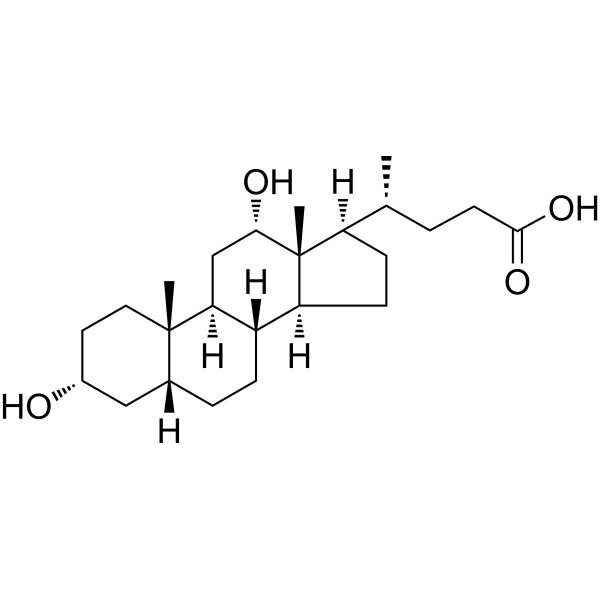
    Deoxycholic acid
    Maximum Cited Publications
    27 Publications Verification

    Cholanoic acid; Desoxycholic acid

    G protein-coupled Bile Acid Receptor 1 Endogenous Metabolite Metabolic Disease
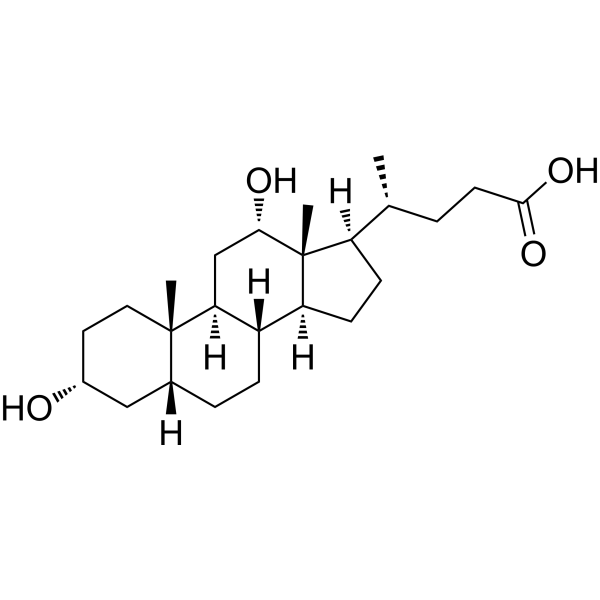
    Deoxycholic acid (cholanoic acid), a bile acid, is a by-product of intestinal metabolism, that activates the G protein-coupled bile acid receptorTGR5 .
    Deoxycholic acid
  • HY-N0593A
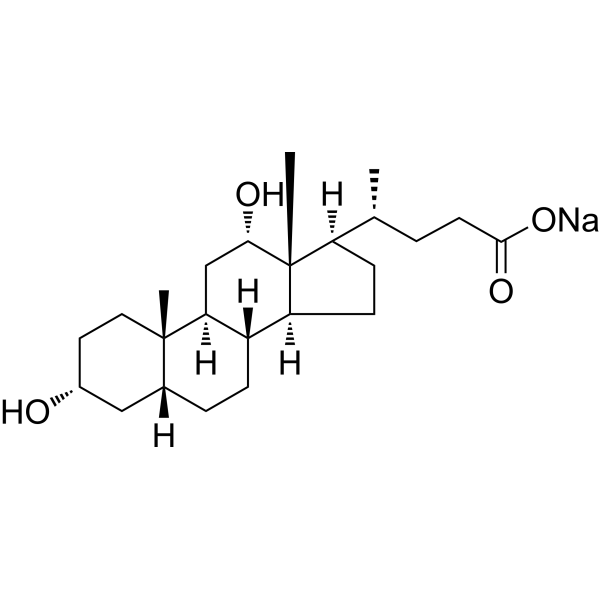
    Deoxycholic acid sodium salt
    25+ Cited Publications

    Sodium deoxycholate

    G protein-coupled Bile Acid Receptor 1 Endogenous Metabolite Metabolic Disease
    Deoxycholic acid sodium salt (sodium deoxycholate), a bile acid, is a by-product of intestinal metabolism, that activates the G protein-coupled bile acid receptorTGR5 .
    Deoxycholic acid sodium salt
  • HY-B1207
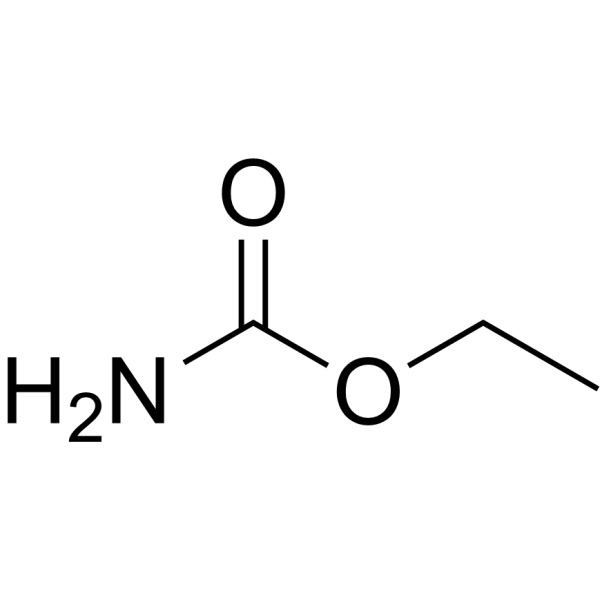
    Urethane
    4 Publications Verification

    Ethyl carbamate; Carbamic acid ethyl ester; Ethylurethane

    Environmental Pollutants Bacterial Parasite Infection Neurological Disease Cancer
    Urethane (Ethyl carbamate), the ethyl ester of carbamic acid, is a byproduct of fermentation found in various food products. Urethane has the ability to suppress bacterial, protozoal, sea urchin egg, and plant tissue growth in vitro .
    Urethane
  • HY-121883
    Lignoceric acid
    2 Publications Verification

    Tetracosanoic acid

    Endogenous Metabolite Neurological Disease
    Lignoceric acid (Tetracosanoic acid) is a 24-carbon saturated (24:0) fatty acid, which is synthesized in the developing brain. Lignoceric acid is also a by-product of lignin production. Lignoceric acid can be used for Zellweger cerebro‐hepato‐renal syndrome and adrenoleukodystrophy research .
    Lignoceric acid
  • HY-W010712
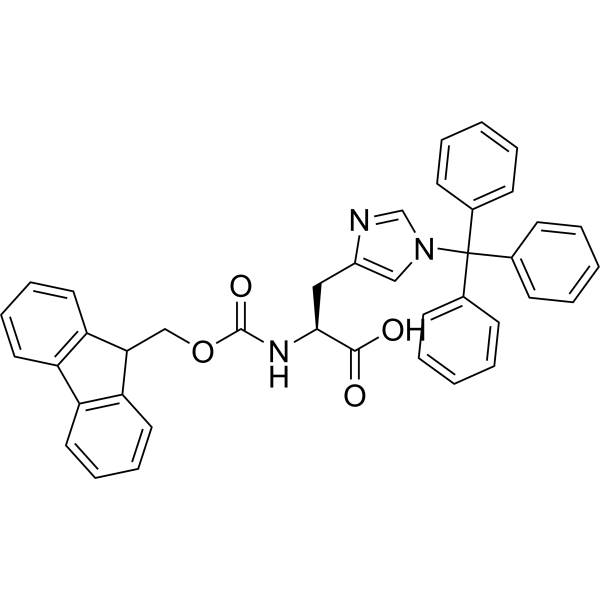
    Fmoc-His(Trt)-OH
    1 Publications Verification

    Amino Acid Derivatives Others
    Fmoc-His(Trt)-OH is a histidine derivative with a trityl (Trt) group protecting the His side chain. Fmoc-His(Trt)-OH also has an Fmoc group protecting the α-NH2 group. Fmoc-His(Trt)-OH can be used in solid-phase peptide synthesis to prevent racemization and byproduct formation. Fmoc-His(Trt)-OH acts as a protected histidine precursor in solid-phase peptide synthesis (SPPS), participating in peptide chain construction through amide bond formation. Fmoc-His(Trt)-OH can be precisely incorporated into the target peptide sequence, ensuring correct peptide chain synthesis and reducing impurity formation. Fmoc-His(Trt)-OH is mainly used in the solid-phase synthesis research of pharmaceutical peptides and bioactive peptides, and is particularly suitable for the preparation of peptide drugs requiring precise control of histidine configuration .
    Fmoc-His(Trt)-OH
  • HY-126255
    SBI-797812
    2 Publications Verification

    NAMPT Metabolic Disease
    SBI-797812 is an orally active nicotinamide phosphoribosyltransferase (NAMPT) activator. SBI-797812 shifts NAMPT to NMN formation, increases NAMPT affinity for ATP, stabilizes phosphorylated NAMPT, promotes consumption of the pyrophosphate by-product, and blunts feedback inhibition by NAD +. SBI-797812 increases intracellular nicotinamide mononucleotide (NMN) and elevates liver NAD + in mice .
    SBI-797812
  • HY-W133982

    Environmental Pollutants Biochemical Assay Reagents Infection
    Corn steep liquor, a food industrial by-product, is a nutritional additive in the liquid culture medium of fungus. Corn steep liquor can increase the production of fairy chemicals and mycelia .
    Corn steep liquor
  • HY-113004

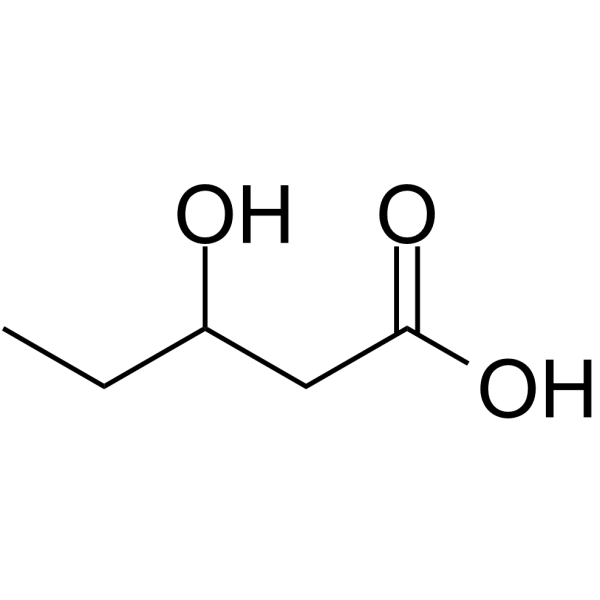
    Endogenous Metabolite Metabolic Disease
    3-Hydroxyvaleric acid is a five-carbon ketone body byproduct that can undergo an anaplerotic reaction to replenish the intermediates of the tricarboxylic acid cycle. 3-Hydroxyvaleric acid is one of the important monomers for the synthesis of polyhydroxyalkanoates (PHA). PHA is a type of biodegradable plastic that is widely used in environmentally friendly packaging, disposable products, and medical materials .
    3-Hydroxyvaleric acid
  • HY-Y0912

    N-HBTU

    Biochemical Assay Reagents Inflammation/Immunology
    HBTU (N-HBTU) is a guanidinium-based peptide coupling reagent and immunological sensitizer. HBTU can be used in combination with bases such as DIPEA (HY-130142) to complete coupling reactions, with HOBt and TMU as by-products. HBTU is a standard reagent in automated solid-phase peptide synthesis, particularly for the Fmoc/tBu strategy, which effectively promotes coupling steps, but it is not suitable for sterically hindered amino acids or dipeptide derivatives. HBTU can induce rhinitis, dermatitis, bronchial asthma and severe allergic reactions. HBTU can be used to study the pathogenesis of allergic reactions, occupational rhinitis, allergic contact dermatitis and bronchial asthma .
    HBTU
  • HY-Y1282

    Environmental Pollutants Biochemical Assay Reagents SOD Cardiovascular Disease Infection Neurological Disease
    Sodium tetraborate decahydrate is an orally active biochemical reagent and antibacterial agent. Sodium tetraborate decahydrate leads to an increase in the activity of Catalase, Superoxide dismutase. Sodium tetraborate decahydrate reduces Hydrogen sulfide and the sulfate-reducing bacteria population of swine manure. Sodium tetraborate decahydrate serves as flame suppressant for wood cellulose. Sodium tetraborate decahydrate is a triglyceride transesterification catalyst. Sodium tetraborate decahydrate suppresses the formation of chlorinated by-products in Cl -containing water. Sodium tetraborate decahydrate has a neuroprotective effect against chromium poisoning. Sodium tetraborate decahydrate can protect the heart from chromium damage at low doses. Sodium tetraborate in a low dose with an isolated application shows an antioxidant effect .
    Sodium tetraborate decahydrate
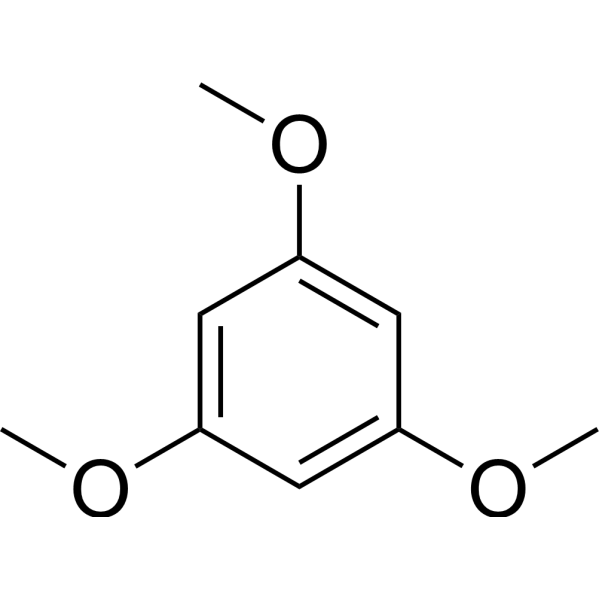
  • HY-Y0678
    1,3,5-Trimethoxybenzene
    1 Publications Verification

    TRIMETHYL PHLOROGLUCINOL

    Biochemical Assay Reagents Others
    1,3,5-Trimethoxybenzene (TRIMETHYL PHLOROGLUCINOL) is an electrophilic substitution reaction substrate targeting free chlorine (Cl +) and free bromine (Br +). 1,3,5-Trimethoxybenzene has highly selective electrophilic addition characteristics. By capturing halogens, it undergoes specific substitution reactions to generate stable halogenated products. 1,3,5-Trimethoxybenzene can not only quench residual oxidants, but also quantify the halogen concentration by detecting the product without affecting the stability of redox-sensitive disinfection byproducts (DBPs). 1,3,5-Trimethoxybenzene is mainly used in water quality testing and quantitative analysis of free chlorine/bromine in water. At the same time, in phytochemistry, it is a key component of rose fragrance and participates in the study of pollination attraction mechanism .
    1,3,5-Trimethoxybenzene
  • HY-P2992

    PPase

    Fungal Infection
    Inorganic pyrophosphatase is a ubiquitous enzyme that converts pyrophosphate (PPi) to phosphate and, in this way, controls numerous biosynthetic reactions that produce PPi as a byproduct. Inorganic pyrophosphatase, Saccharomyces cerevisiae is an Inorganic pyrophosphatase isolated from Saccharomyces cerevisiae .
    Inorganic pyrophosphatase, Saccharomyces cerevisiae
  • HY-138877

    Endogenous Metabolite Infection
    Phosphoglycolic acid is a metabolite and a bacterial cytoplasmic component. Phosphoglycolic acid acts as a by-product generated during the preparation of phosphoglycolohydroxamic acid via hydrolysis of ethyl phosphoglycolate. Phosphoglycolic acid also functions as an active component of postbiotics .
    Phosphoglycolic acid
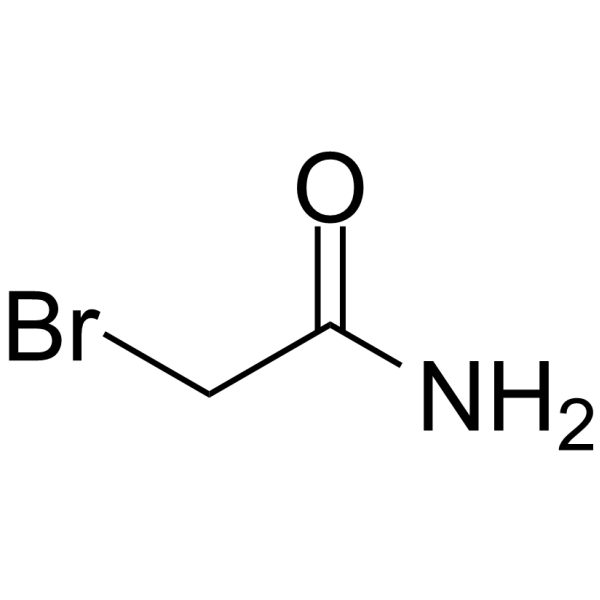
  • HY-W007330

    Aldehyde Dehydrogenase (ALDH) Microtubule/Tubulin Metabolic Disease
    2-Bromoacetamide is a disinfection byproduct. 2-Bromoacetamide can inactivate liver alcohol dehydrogenase and interfere with microtubule and actin cytoskeletal function. 2-Bromoacetamide is a potent developmental toxicant in animals .
    2-Bromoacetamide
  • HY-W013053

    DBA; 1,2,5,6-Dibenzanthracene; Benzo[k]tetraphene

    Environmental Pollutants DNA/RNA Synthesis MDM-2/p53 Apoptosis Cancer
    Dibenz[a,h]anthracene (DBA) is an orally active polycyclic aromatic hydrocarbon, a by-product of incomplete combustion of organic matter, a potent carcinogen, and an agonist of AhR. Dibenz[a,h]anthracene induces dose-dependent increases in DNA adduct formation and lacZ mutation frequency. Dibenz[a,h]anthracene upregulates St3gal5. Dibenz[a,h]anthracene can be used in cancer-related research .
    Dibenz[a,h]anthracene
  • HY-Y1365C

    Biochemical Assay Reagents Others
    Fish Gelatin,suitable for cell culture is an essential natural biopolymer. Fish Gelatin,suitable for cell culture can be isolated from fish processing by-products, such as fish skin, scales, bones and fish maw. Fish Gelatin,suitable for cell culture has been considered as a feasible substitute for mammalian gelatin. Modified Fish gelatin shows significant promise across various industries, including nanomaterials, 3D printing, thin films, coatings, and biopharmaceuticals. Fish Gelatin,suitable for cell culture can be used for cell culture .
    Fish Gelatin,suitable for cell culture
  • HY-76199

    Bacterial PROTAC Linkers Metabolic Disease
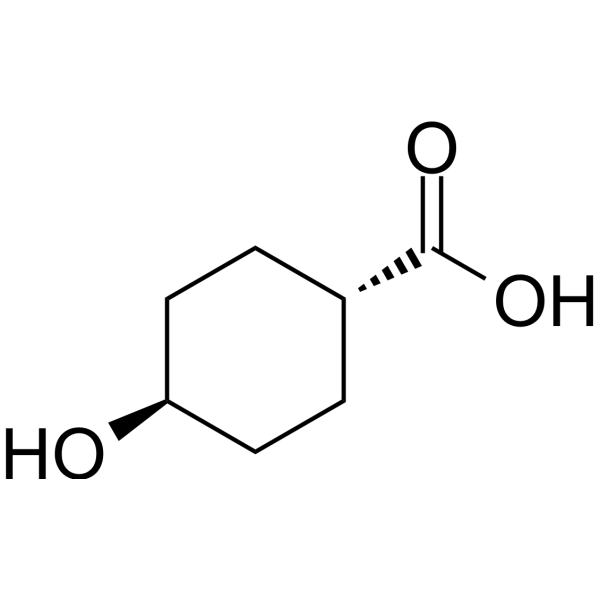
    trans-4-Hydroxycyclohexanecarboxylic acid is a substrate for cyclohexanecarboxylic acid production. trans-4-Hydroxycyclohexanecarboxylic acid is the by-product of intestinal bacterial metabolism via urinary excretion .
    trans-4-Hydroxycyclohexanecarboxylic acid
  • HY-B1207S

    Ethyl carbamate-d5; Carbamic acid ethyl ester-d5; Ethylurethane-d5

    Bacterial Parasite Infection Neurological Disease Cancer
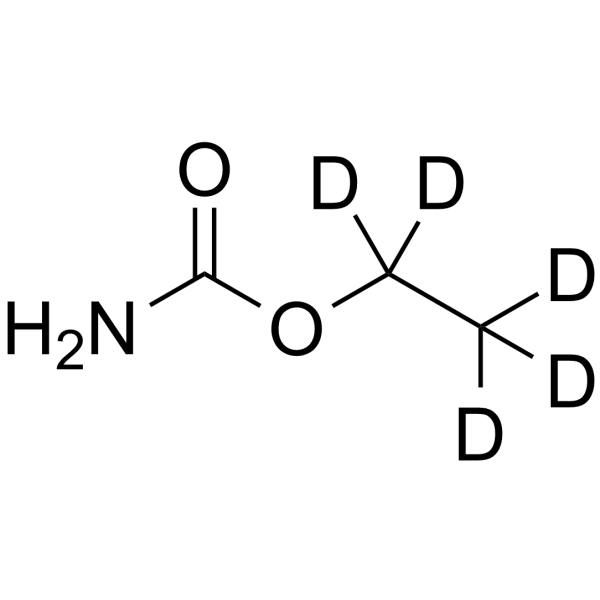
    Urethane-d5 is the deuterium labeled Urethane. Urethane (Ethyl carbamate), the ethyl ester of carbamic acid, is a byproduct of fermentation found in various food products. Urethane has the ability to suppress bacterial, protozoal, sea urchin egg, and plant tissue growth in vitro .
    Urethane-d5
  • HY-125539

    Antibiotic Phosphatase Fungal Infection
    Roridin E is a glucose-6-phosphatase (G6Pase) inhibitor and antibiotic, and is a metabolic byproduct of Roridin A (HY-N9599). Roridin E induces significant oxidative stress, characterized by depletion of glutathione in vivo, induction of hepatic lipid peroxidation, and inhibition of renal superoxide dismutase activity. Roridin E reduces blood glucose levels in rats, but exhibits acute toxicity (which is enhanced when co-administered with linoleic acid (HY-N0729)) and causes hepatotoxicity in male albino mice. Roridin E induces a decrease in total blood protein and increases in the levels of total lipids, γ-glutamyltransferase, alkaline phosphatase, and 5'-nucleotidase. Roridin E can be isolated from molds, and possesses cytostatic and antifungal activities similar to those of Verrucarin A (HY-107426) and Roridin A. Roridin E exhibits in vivo activity in rodents and is commonly used in hepatotoxicity-related studies .
    Roridin E
  • HY-N0593R
    Deoxycholic acid (Standard)
    20+ Cited Publications

    Cholanoic Acid(Standard); Desoxycholic acid (Standard)

    Reference Standards G protein-coupled Bile Acid Receptor 1 Endogenous Metabolite Metabolic Disease
    Deoxycholic acid (Standard) is the analytical standard of Deoxycholic acid. This product is intended for research and analytical applications. Deoxycholic acid (cholanoic acid), a bile acid, is a by-product of intestinal metabolism, that activates the G protein-coupled bile acid receptorTGR5 .
    Deoxycholic acid (Standard)
  • HY-N0593AR

    Sodium deoxycholate (Standard)

    G protein-coupled Bile Acid Receptor 1 Endogenous Metabolite Reference Standards Metabolic Disease
    Deoxycholic acid sodium salt (Standard) is the analytical standard of Deoxycholic acid sodium salt. This product is intended for research and analytical applications. Deoxycholic acid sodium salt (sodium deoxycholate), a bile acid, is a by-product of intestinal metabolism, that activates the G protein-coupled bile acid receptorTGR5 .
    Deoxycholic acid sodium salt (Standard)
  • HY-121883S

    Tetracosanoic acid-d47

    Isotope-Labeled Compounds Endogenous Metabolite Neurological Disease
    Lignoceric acid-d47 is the deuterium labeled Lignoceric acid. Lignoceric acid (Tetracosanoic acid) is a 24-carbon saturated (24:0) fatty acid, which is synthesized in the developing brain. Lignoceric acid is also a by-product of lignin production. Lignoceric acid can be used for Zellweger cerebro‐hepato‐renal syndrome and adrenoleukodystrophy research .
    Lignoceric acid-d47
  • HY-N14930

    Others Cardiovascular Disease
    Aeruginoic acid is a pyochelin biosynthetic byproduct, is an iron chelator. Aeruginoic acid exhibits hypotensivee activity .
    Aeruginoic acid
  • HY-B1207R

    Ethyl carbamate (Standard); Carbamic acid ethyl ester (Standard); Ethylurethane (Standard)

    Reference Standards Bacterial Parasite Infection Neurological Disease Cancer
    Urethane (Standard) is the analytical standard of Urethane. This product is intended for research and analytical applications. Urethane (Ethyl carbamate), the ethyl ester of carbamic acid, is a byproduct of fermentation found in various food products. Urethane has the ability to suppress bacterial, protozoal, sea urchin egg, and plant tissue growth in vitro .
    Urethane (Standard)
  • HY-121883S4

    Tetracosanoic acid-d4-2

    Endogenous Metabolite Neurological Disease
    Lignoceric acid-d4-2 is the deuterium labeled Lignoceric acid. Lignoceric acid (Tetracosanoic acid) is a 24-carbon saturated (24:0) fatty acid, which is synthesized in the developing brain. Lignoceric acid is also a by-product of lignin production. Lignoceric acid can be used for Zellweger cerebro‐hepato‐renal syndrome and adrenoleukodystrophy research .
    Lignoceric acid-d4-2
  • HY-121883S3

    Endogenous Metabolite Neurological Disease
    Lignoceric acid-d4-11 is the deuterium labeled Lignoceric acid. Lignoceric acid (Tetracosanoic acid) is a 24-carbon saturated (24:0) fatty acid, which is synthesized in the developing brain. Lignoceric acid is also a by-product of lignin production. Lignoceric acid can be used for Zellweger cerebro‐hepato‐renal syndrome and adrenoleukodystrophy research .
    Lignoceric acid-d4-1
  • HY-133665

    Drug Derivative Others
    2,2-Dibromoacetamide is a class of disinfection by-product (DBP) in drinking water .
    2,2-Dibromoacetamide
  • HY-133631

    Drug Derivative Others
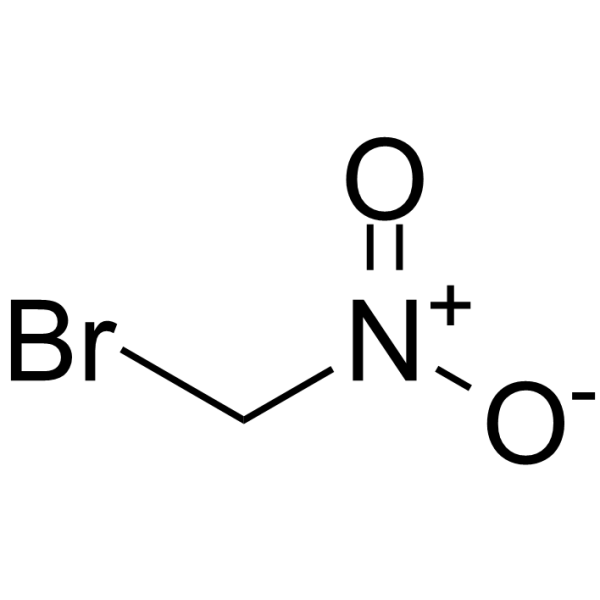
    Chloronitromethane is one of Halonitromethanes, which are a recently identified class of disinfection by-products (DBPs) in drinking water .
    Chloronitromethane
  • HY-131103S

    Adrenergic Receptor Metabolic Disease Inflammation/Immunology
    Phenylethanolamine A-d3 is a deuterium labeled Phenylethanolamine A. Phenylethanolamine A acts as a β-adrenergic agonist. Phenylethanolamine A is a byproduct during the Ractopamine synthesis process .
    Phenylethanolamine A-d3
  • HY-121883S1

    Tetracosanoic acid-d3

    Endogenous Metabolite Neurological Disease
    Lignoceric acid-d3 is the deuterium labeled Lignoceric acid . Lignoceric acid (Tetracosanoic acid) is a 24-carbon saturated (24:0) fatty acid, which is synthesized in the developing brain. Lignoceric acid is also a by-product of lignin production. Lignoceric acid can be used for Zellweger cerebro‐hepato‐renal syndrome and adrenoleukodystrophy research .
    Lignoceric acid-d3
  • HY-Y0678R

    Reference Standards Biochemical Assay Reagents Others
    1,3,5-Trimethoxybenzene (TRIMETHYL PHLOROGLUCINOL) is an electrophilic substitution reaction substrate targeting free chlorine (Cl+) and free bromine (Br+). 1,3,5-Trimethoxybenzene has highly selective electrophilic addition characteristics. By capturing halogens, it undergoes specific substitution reactions to generate stable halogenated products. 1,3,5-Trimethoxybenzene can not only quench residual oxidants, but also quantify the halogen concentration by detecting the product without affecting the stability of redox-sensitive disinfection byproducts (DBPs). 1,3,5-Trimethoxybenzene is mainly used in water quality testing and quantitative analysis of free chlorine/bromine in water. At the same time, in phytochemistry, it is a key component of rose fragrance and participates in the study of pollination attraction mechanism .
    1,3,5-Trimethoxybenzene (Standard)
  • HY-111742

    Drug Metabolite Others
    Bifenazate-diazene is a major degradation product of Bifenazate. Bifenazate is a selective carbazate acaricide and an insecticide .
    Bifenazate-diazene
  • HY-133644

    Drug Derivative Others
    Tribromoacetonitrile is a nitrogen-containing disinfection byproduct .
    Tribromoacetonitrile
  • HY-133657

    Biochemical Assay Reagents Others
    Bromoiodoacetic acid, one of iodinated haloacids, is a disinfection byproduct (DBP) at in finished drinking waters .
    Bromoiodoacetic acid
  • HY-W583685

    Biochemical Assay Reagents Others
    1-Oleoyl-3-palmitoylglycerol is an isomerization byproduct in the preparation of diacylglycerol .
    1-Oleoyl-3-palmitoylglycerol
  • HY-133635

    Biochemical Assay Reagents Others
    Tribromonitromethane is one of Halonitromethanes, which are a recently identified class of disinfection by-products (DBPs) in drinking water .
    Tribromonitromethane
  • HY-133646

    DNA/RNA Synthesis Others
    Bromochloroacetonitrile is a by-product of the chlorine disinfection of water containing natural organic material. Bromochloroacetonitrile possesses direct acting mutagenic activity and is capable of inducing DNA strand breakage .
    Bromochloroacetonitrile
  • HY-169039

    Δ9-Tetrahydrocannabinoquinone

    Drug Metabolite Others
    Δ9-THCQ (Δ9-Tetrahydrocannabinoquinone) is an oxidative byproduct of Δ9-THC .
    Δ9-THCQ
  • HY-N15688

    Endogenous Metabolite Others
    Diatoxanthin is a cytochrome and phycoxanthin byproduct that can be extracted from the algae F. pinnata cells. Diatoxanthin can be used as a biomarker to evaluate the inhibitory effects of biocides on diatom photosystem II (PSII) .
    Diatoxanthin
  • HY-W133982B

    Biochemical Assay Reagents Others
    Corn steep powder is a concentrated and dried powder of Corn steep liquor (HY-W133982). Corn steep powder is a byproduct of the food industry and a nutrient additive in fungal liquid culture media. Corn steep powder can increase the production of fine chemicals and mycelium .
    Corn steep powder
  • HY-121883SS5

    Endogenous Metabolite Neurological Disease
    Lignoceric acid-d9 is the deuterium labeled Lignoceric acid. Lignoceric acid (Tetracosanoic acid) is a 24-carbon saturated (24:0) fatty acid, which is synthesized in the developing brain. Lignoceric acid is also a by-product of lignin production. Lignoceric acid can be used for Zellweger cerebro‐hepato‐renal syndrome and adrenoleukodystrophy research .
    Lignoceric acid-d9
  • HY-W019780

    Dichlorobromomethane

    Glutathione S-transferase Metabolic Disease Cancer
    Bromodichloromethane (Dichlorobromomethane) is a type of trihalomethane, commonly found in chlorinated drinking water for disinfection, and is a disinfection by-product. The bromination of bromodichloromethane can cause the formation of mutagenic intermediates through the transformation mediated by glutathione S-transferase (GST). Bromodichloromethane inhibits the differentiation of human placental trophoblast cells and reduces the secretion of chorionic gonadotropin (CG). Bromodichloromethane has potential reproductive toxicity and carcinogenicity .
    Bromodichloromethane
  • HY-32833

    Biochemical Assay Reagents Drug Intermediate Others
    2-Chloro-3-pyridinol is a biochemical reagent that can be used as a biological material or organic compound for life science related research. 2-Chloro-3-pyridinol can also be used in the synthesis of other active compounds. In addition, 2-Chloro-3-pyridinol is a halopyridinol disinfection by-product in drinking water samples .
    2-Chloro-3-pyridinol
  • HY-121178

    Bacterial Fungal Infection
    Deoxyviolacein is a bacterial metabolite and byproduct in the biosynthesis of the bisindole alkaloid violacein (HY-119809) that has anticancer, antibacterial, and antifungal properties. It inhibits proliferation of hepatocellular carcinoma cells when used at concentrations ranging from 0.1 to 1 μM. Deoxyviolacein (125 μg/mL) has antibacterial activity against Gram-positive bacteria, including S. aureus, B. subtilis, and B. megaterium. It also has antifungal activity against R. solani when used at a concentration of 2 mg/ml.
    Deoxyviolacein
  • HY-133647

    Others Others
    Dibromoacetaldehyde, a halogenated product, is a byproduct in drinking water and has genotoxicity .
    Dibromoacetaldehyde
  • HY-133649

    Drug Derivative Others
    Dibromochloroacetaldehyde belongs to trihalogenated acetaldehyde and is a byproduct in drinking water. Dibromochloroacetaldehyde has genotoxicity .
    Dibromochloroacetaldehyde
  • HY-133654

    Drug Derivative Others
    2,3,3-Tribromopropenoic acid is a 2,3,3-Tribromo product based on propenoic acid. 2,3,3-Tribromopropenoic acid is a polar aromatic brominated disinfection byproduct during chlorination in water and shows cytotoxic potency in mammalian cell chronic cytotoxicity experiments .
    2,3,3-Tribromopropenoic acid
  • HY-133643

    Biochemical Assay Reagents Others
    Bromodichloroacetonitrile is a nitrogen-containing disinfection byproduct .
    Bromodichloroacetonitrile
  • HY-158857

    o-Cannabinolquinone; ortho-Cannabinolquinone; o-CBNQ

    Cannabinoid Receptor Neurological Disease
    ortho-CBNQ (o-Cannabinolquinone) is an oxidative byproduct of Cannabidiol.
    ortho-CBNQ
  • HY-176092

    Biochemical Assay Reagents Others
    Isotonitazene uncyclized intermediate 1 is a by-product during the synthesis of Isotonitazene.
    Isotonitazene uncyclized intermediate 1

Inquiry Online

Your information is safe with us. * Required Fields.

Salutation


Country or Region *

Applicant Name *


Organization Name *

Department *


Email Address *


Product Name *

Cat. No.


Requested quantity *

Phone Number *


Remarks

Inquiry Online

Inquiry Information

Product Name:
Cat. No.:
Quantity:
MCE Japan Authorized Agent: