1. Search Result
Search Result
Results for "

cardiac failure

" in MedChemExpress (MCE) Product Catalog:

83

Inhibitors & Agonists

1

Screening Libraries

2

Fluorescent Dyes

2

Biochemical Assay Reagents

5

Peptides

1

Inhibitory Antibodies

12

Natural
Products

2

Isotope-Labeled Compounds

Cat. No. Product Name Target Research Areas Chemical Structure
  • HY-N2333
    Resiniferatoxin
    Maximum Cited Publications
    10 Publications Verification

    (+)-Resiniferatoxin

    TRP Channel Cardiovascular Disease Cancer
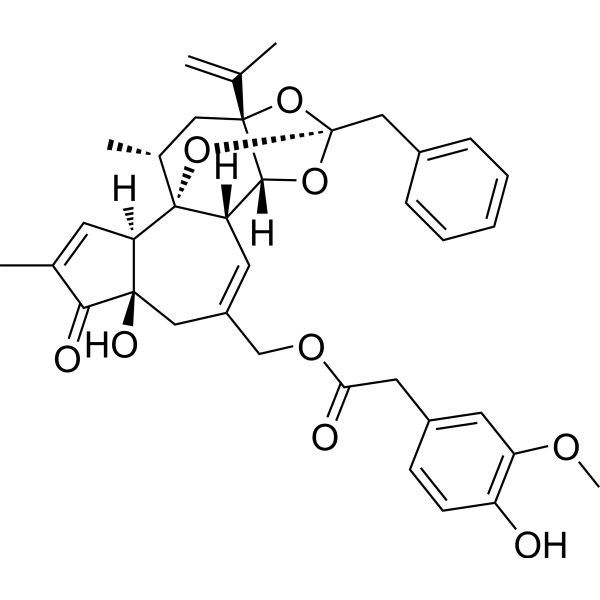
    Resiniferatoxin ((+)-Resiniferatoxin), is a selective agonist of transient receptor potential vanilloid 1 (TRPV1) receptor agonist. Resiniferatoxin can be isolated from the Euphorbia resinifera plant. Resiniferatoxin eliminates TRPV1+ primary sensory afferents and blunt cardiac sympathetic afferent reflex for a relatively long period .
    Resiniferatoxin
  • HY-139665
    VB124
    5+ Cited Publications

    Monocarboxylate Transporter Cardiovascular Disease
    VB124 is an orally active, potent, and selective MCT4 inhibitor. VB124 can specifically inhibit lactate efflux with IC50s of 8.6 nM and 19 nM for lactate import and export in MDA-MB-231 cells, respectively. VB124 is highly selective for MCT4 over MCT1. VB124 can be used for the research of cardiac hypertrophy, heart failure, and metabolism .
    VB124
  • HY-103193

    Colforsin dapropate hydrochloride

    Adenylate Cyclase Cardiovascular Disease
    NKH477 (Colforsin dapropate hydrochloride) directly activates the catalytic unit of adenylate cyclase and increases intracellular cAMP. NKH477 is a forskolin derivative that improves cardiac failure mainly through its beneficial effects on diastolic cardiac function. NKH477 exerts an antiproliferative effect in vivo with an altered cytokine profile to inhibit the acute rejection of rat orthotopic lung allografts .
    NKH477
  • HY-16657
    TAPI-1
    10+ Cited Publications

    MMP NF-κB Apoptosis TNF Receptor Inflammation/Immunology Cancer
    TAPI-1 is a broad-spectrum MMP inhibitor and NF-κB p65 inhibitor that targets ADAM17/TACE, ADAM10 and other proteins. TAPI-1 reduces the proteolytic cleavage of membrane-bound TNF-α, decreases TNF-α levels, inhibits NF-κB pathway activation, and downregulates profibrotic markers. TAPI-1 reduces the proportion of proinflammatory immune cells, alleviates cardiac and airway fibrosis, and improves cardiac function after myocardial infarction. Meanwhile, TAPI-1 inhibits the viability, migration and invasion of esophageal squamous cell carcinoma cells, enhances the chemosensitivity of Cisplatin (HY-17394), induces apoptosis, and shows low toxicity to normal esophageal epithelial cells. TAPI-1 can be widely used in studies related to myocardial infarction-induced heart failure, severe traumatic tracheal stenosis, esophageal squamous cell carcinoma and other conditions .
    TAPI-1
  • HY-112537
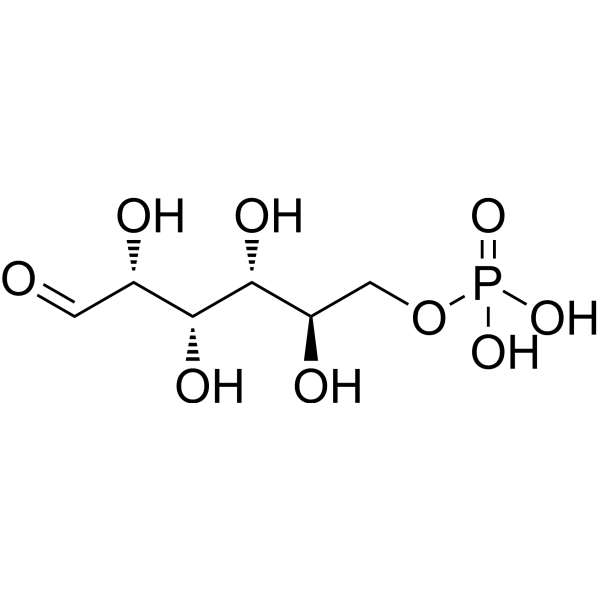
    D-Glucose 6-phosphate
    4 Publications Verification

    Endogenous Metabolite mTOR Cardiovascular Disease Metabolic Disease
    D-Glucose 6-phosphate is a key central node metabolite in glucose metabolism. It serves as the initiating metabolite for glycolysis and the pentose phosphate pathway, as well as a substrate for glycogen synthesis. D-Glucose 6-phosphate acts as a metabolic stress signal, which activates the mTOR pathway to promote protein synthesis, especially when phosphoglucose isomerase (PGI) is inhibited, thereby participating in cardiac remodeling processes. D-Glucose 6-phosphate can be used in research related to non-insulin-dependent diabetes mellitus and heart failure .
    D-Glucose 6-phosphate
  • HY-158426
    2-APQC
    1 Publications Verification

    Sirtuin Cardiovascular Disease
    2-APQC is an orally active and selective agonist of Sirtuin-3 (SIRT3) (Kd=2.756 μM), antagonizes Isoproterenol/ISO (HY-B0468)-induced cytotoxicity. 2-APQC activates the SIRT3-PYCR1 axis to enhance mitochondrial proline metabolism and inhibit the ROS-p38MAPK pathway by inhibiting signaling pathways such as mTOR-p70S6K, JNK, and TGF-β/Smad3. 2-APQC also activates the AMPK-Parkin axis to alleviate myocardial hypertrophy and fibrosis and protect cardiac function. 2-APQC can be used in the study of heart failure .
    2-APQC
  • HY-B1030
    Lanatoside C
    5+ Cited Publications

    Flavivirus Dengue Virus Autophagy Enterovirus Cardiovascular Disease Cancer
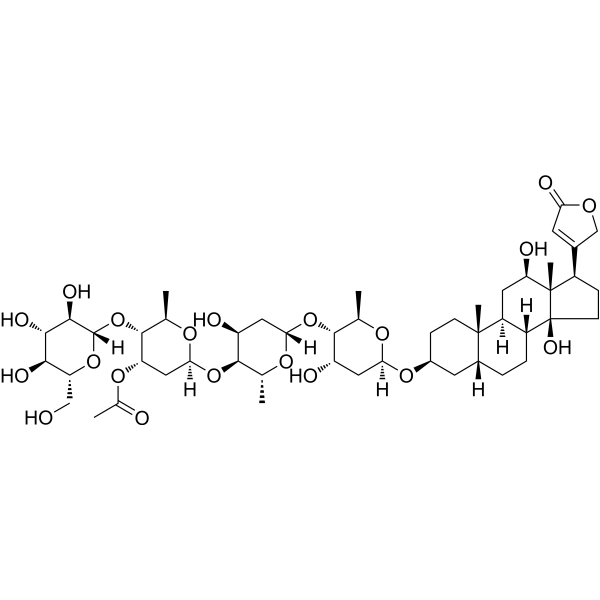
    Lanatoside C is a cardiac glycoside, can be used in the treatment of congestive heart failure and cardiac arrhythmia.Lanatoside C has an IC50 of 0.19 μM for dengue virus infection in HuH-7 cells. Lanatoside C can effectively inhibit all four serotypes of dengue virus, flavivirus Kunjin, alphavirus Chikungunya, Sindbis virus and the human enterovirus 71 .
    Lanatoside C
  • HY-D0098
    Fluorescein-5-maleimide
    5 Publications Verification

    N-(5-Fluoresceinyl)maleimide

    Fluorescent Dye Others
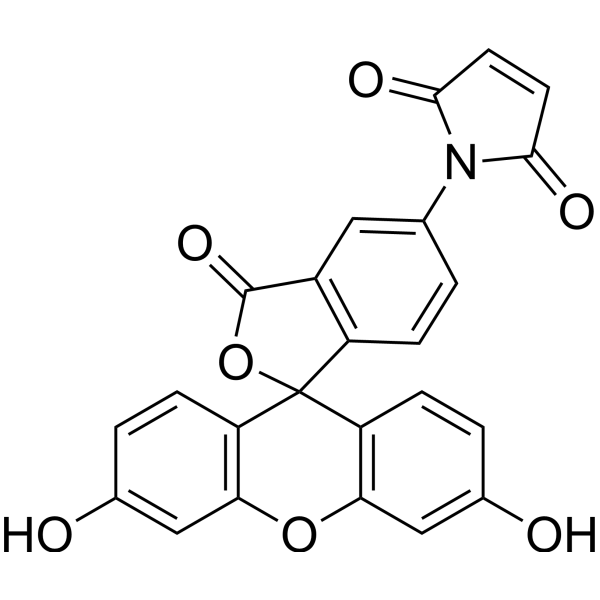
    Fluorescein-5-maleimide (N-(5-Fluoresceinyl)maleimide) is a fluorescent dye. Fluorescein-5-maleimide can be used to detect the redox state of thiols in eukaryotic cells. Fluorescein-5-maleimide can label peptides and is used to detect negatively charged nanoparticles. Fluorescein-5-maleimide can also label actin to explore its interaction with cardiac myosin-binding protein C (cMyBP-C), which helps in developing small molecule modulators for heart failure. Fluorescein-5-maleimide can screen mutant proteins that contain cysteine residues. The excitation wavelength of Fluorescein-5-maleimide is 494 nm, and the emission wavelength is 519 nm .
    Fluorescein-5-maleimide
  • HY-A0154

    Deacetyllanatoside C; Desacetyllanatoside C

    Na+/K+ ATPase Drug Metabolite Cardiovascular Disease
    Deslanoside (Desacetyllanatoside C) is a rapidly acting cardiac glycoside used to treat congestive heart failure and supraventricular arrhythmias due to reentry mechanisms, and to control ventricular rate in the treatment of chronic atrial fibrillation. Deslanoside inhibits the Na-K-ATPase membrane pump, resulting in an increase in intracellular sodium and calcium concentrations .
    Deslanoside
  • HY-121705

    Endogenous Metabolite Apoptosis Bcl-2 Family NF-κB Survivin Src Akt AMPK NO Synthase Cardiovascular Disease Metabolic Disease Inflammation/Immunology
    Propionyl-L-carnitine is an orally active L-carnitine derivative. Propionyl-L-carnitine has a high affinity for muscle L-carnitine transferase. Propionyl-L-carnitine increases Apoptosis, Bax, and reduces NF-κB, VCAM-1, MCP-1, and survivin. Propionyl-L-carnitine activates Src kinase, Akt, induces p-AMPK and nitric oxide synthesis. Propionyl-L-carnitine alleviates cardiovascular disease, obesity, and colitis .
    Propionyl-L-carnitine
  • HY-P2141
    TRV-120027
    3 Publications Verification

    TRV027

    Angiotensin Receptor Arrestin Cardiovascular Disease
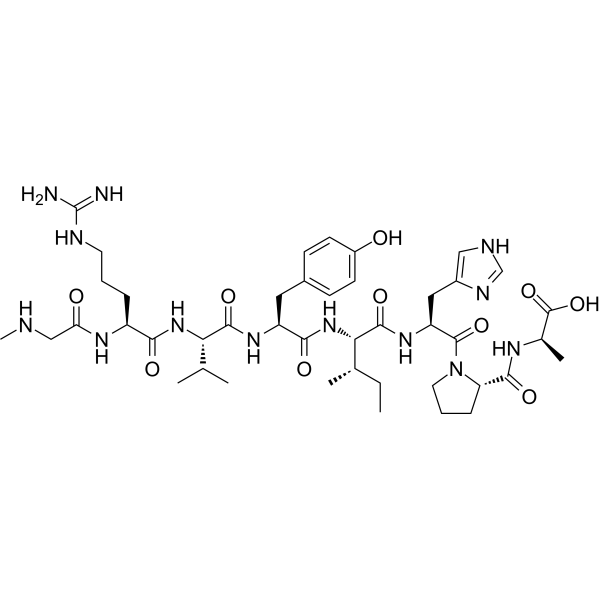
    TRV120027, a β-arrestin-1-biased agonist of the angiotensin II receptor type 1 (AT1R), engages β-arrestins while blocking G-protein signaling . TRV120027 induces acute catecholamine secretion through cation channel subfamily C3 (TRPC3) coupling, promotes the formation of a macromolecular complex composed of AT1R-β-arrestin-1-TRPC3-PLCγ at the plasma membrane. TRV120027 inhibits angiotensin II-mediated vasoconstriction and increases cardiomyocyte contractility. TRV120027 has the potential for the acute decompensated heart failure (ADHF) treatment .
    TRV-120027
  • HY-19767
    GSK 3008348
    2 Publications Verification

    Integrin TGF-β Receptor Infection Inflammation/Immunology Cancer
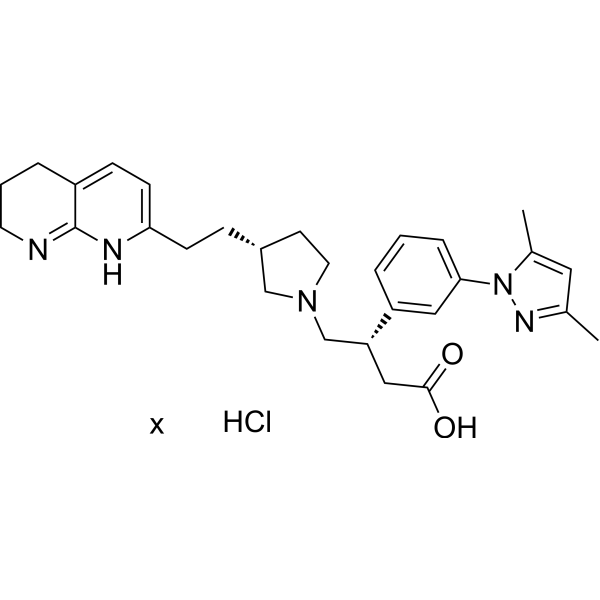
    GSK 3008348 is a small molecule antagonist of integrin αvβ6 with IC50 values for αvβ6, αvβ1, αvβ3, αvβ5, and αvβ8 are 1.50, 2.83, 12.53, 4.00, and 2.26 nM, respectively. GSK 3008348 can target the αvβ6 integrin, inhibit TGF-β activation, and thereby alleviate the fibrotic process. GSK 3008348 prevents the binding of the foot-and-mouth disease virus (FMDV) to the αvβ6 integrin receptor on the surface of host cells, thereby inhibiting the entry of the virus. GSK 3008348 can be used for research on pulmonary fibrosis and various types of cancer .
    GSK 3008348
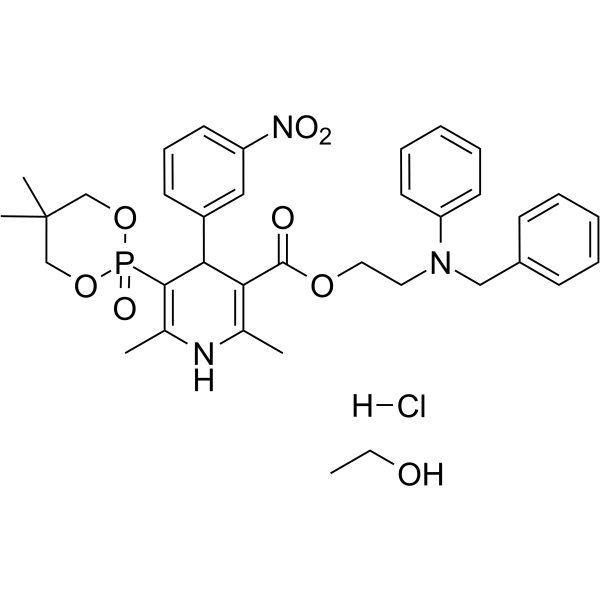
  • HY-12502A
    Efonidipine hydrochloride monoethanolate
    1 Publications Verification

    NZ-105 hydrochloride monoethanolate; (±)-Efonidipine hydrochloride monoethanolate

    Calcium Channel SARS-CoV Cardiovascular Disease Neurological Disease Cancer
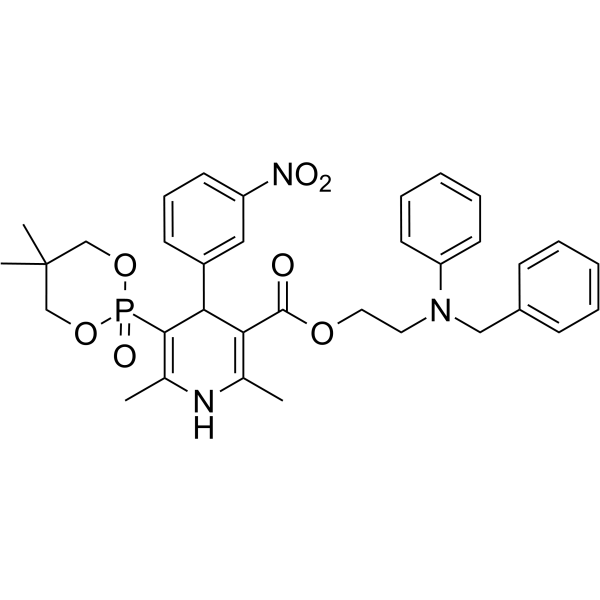
    Efonidipine (NZ-105) hydrochloride monoethanolate is an orally active dual L-type and T-type calcium channel blocker (CCB) with IC50 values of 1.8 and 350 nM, respectively. Efonidipine hydrochloride monoethanolate inhibits SARS-CoV-2 main protease. Efonidipine hydrochloride monoethanolate modulates adrenal steroidogenesis by increasing the expression of steroidogenic acute regulatory protein (StAR), dbcAMP-or angiotensin II-induced StAR mRNA expression and DHEA-S production, while suppressing the biosynthesis of aldosterone and cortisol. Efonidipine hydrochloride monoethanolate reduces plasma aldosterone levels in vivo. Efonidipine hydrochloride monoethanolate improves cardiac function in heart failure models by inhibiting T-type calcium channels (via both tonic and use-dependent blockade), independently of blood pressure reduction. Efonidipine hydrochloride monoethanolate can be used for research in hypertension, heart failure, and disorders involving dysregulated steroid hormone synthesis .
    Efonidipine hydrochloride monoethanolate
  • HY-B1194

    (±)-Tetramisole hydrochloride; DL-Tetramisole hydrochloride; R-829

    Potassium Channel Parasite PKA Infection Cardiovascular Disease
    Tetramisole hydrochloride is an orally active, selective inward rectifier potassium channel agonist with an EC50 of approximately 30 μM for the Kir2.1 subunit. Tetramisole hydrochloride is also an anti-nematode agent that blocks neuromuscular transmission by non-competitive depolarization. Tetramisole hydrochloride promotes the forward transport of Kir2.1 channels, hyperpolarizes the resting potential (RP), shortens the action potential duration (APD), inhibits intracellular calcium overload and the PKA signaling pathway, and exerts anti-arrhythmic and anti-myocardial remodeling activities. Tetramisole hydrochloride can be used in cardiac electrophysiology research and research related to myocardial ischemia and heart failure .
    Tetramisole hydrochloride
  • HY-145154

    Na+/K+ ATPase Drug Metabolite Cardiovascular Disease Metabolic Disease
    Digoxigenin monodigitoxoside, a metabolite of Digoxin (HY-B1049), belongs to the class of cardenolides. Digoxigenin monodigitoxoside exerts its function by inhibiting Na,K-ATPase. Digoxigenin monodigitoxoside is used for the research of cardiovascular diseases such as congestive heart failure and cardiac arrhythmias .
    Digoxigenin monodigitoxoside
  • HY-149662

    Calcium Channel ATP Synthase Myosin Cardiovascular Disease
    TMDJ-035 is a high-affinity, selective RyR2 inhibitor with an EC50 of 0.0130 μM. TMDJ-035 reduces RyR2 protein expression without affecting action potential-induced Ca 2+ transients. TMDJ-035 decreases ATP content and intracellular Ca 2+ levels. TMDJ-035 inhibits arrhythmias in a CPVT mouse model carrying mutant RyR2s. TMDJ-035 has no effect on electrocardiogram parameters or cardiac systolic function. TMDJ-035 exacerbates heart failure in mouse myocardial infarction models and hypoxic cardiomyocytes by altering cardiac function, causing tissue damage, promoting inflammatory infiltration, collagen deposition, and changes in Myosin heavy chain/actin expression. TMDJ-035 can be used in studies related to heart failure, catecholaminergic polymorphic ventricular tachycardia, and arrhythmias .
    TMDJ-035
  • HY-148804

    APD418

    Adrenergic Receptor Cardiovascular Disease
    Vemtoberant is a β3-adrenergic receptor inhibitor with a human Ki of 8.2 nM, and exhibits 400- to 600-fold selectivity over human β1-AR and β2-AR. Vemtoberant attenuates β3-AR-mediated cardiac inhibition. Vemtoberant can be used for the research of systolic heart failure .
    Vemtoberant
  • HY-143248
    KR-39038
    1 Publications Verification

    G Protein-coupled Receptor Kinase (GRK) HDAC Cardiovascular Disease
    KR-39038 is an orally active and potent GRK5 (G protein-coupled receptor kinase 5) inhibitor, with an IC50 of 0.02 μM. KR-39038 significantly inhibits angiotensin II-induced cellular hypertrophy through suppression of HDAC5 pathway in neonatal cardiomyocytes. KR-39038 shows profound anti-hypertrophic effects and improved cardiac function. KR-39038 can be used for heart failure research .
    KR-39038
  • HY-101327A

    Corwin hemifumarate; ICI 118587 hemifumarate

    Adrenergic Receptor Cardiovascular Disease Neurological Disease Metabolic Disease
    Xamoterol (Corwin; ICI 118587) hemifumarate is an orally active and selective β1-adrenoceptor partial agonist. Xamoterol hemifumarate acts as agonist at low sympathetic tone, antagonist at high sympathetic tone, with context-dependent cardiovascular effects including modulated heart rate, blood pressure, and cardiac output. Xamoterol hemifumarate can be used for the research of heart failure, postural hypotension, and ischemic heart disease .
    Xamoterol hemifumarate
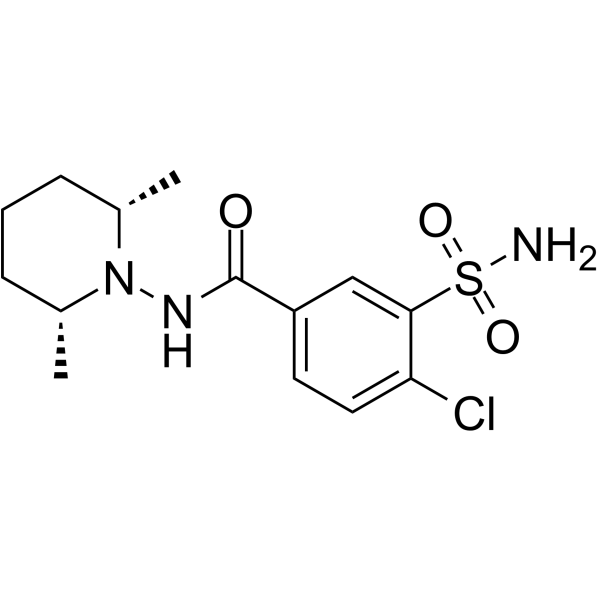
  • HY-B1477
    Clopamide
    1 Publications Verification

    Sodium Chloride Cotransporter (NCC) Cardiovascular Disease Metabolic Disease
    Clopamide is an orally active thiazide-like diuretic agent that inhibits the sodium-coupled chloride cotransporter SLC12A3. Clopamide has the potential for hypertension and cardiac failure research .
    Clopamide
  • HY-19767A
    GSK 3008348 hydrochloride
    2 Publications Verification

    Integrin TGF-β Receptor Infection Inflammation/Immunology Cancer
    GSK 3008348 hydrochloride is a small molecule antagonist of integrin αvβ6 with IC50 values for αvβ6, αvβ1, αvβ3, αvβ5, and αvβ8 are 1.50, 2.83, 12.53, 4.00, and 2.26 nM, respectively. GSK 3008348 hydrochloride can target the αvβ6 integrin, inhibit TGF-β activation, and thereby alleviate the fibrotic process. GSK 3008348 hydrochloride prevents the binding of the foot-and-mouth disease virus (FMDV) to the αvβ6 integrin receptor on the surface of host cells, thereby inhibiting the entry of the virus. GSK 3008348 hydrochloride can be used for research on pulmonary fibrosis and various types of cancer .
    GSK 3008348 hydrochloride
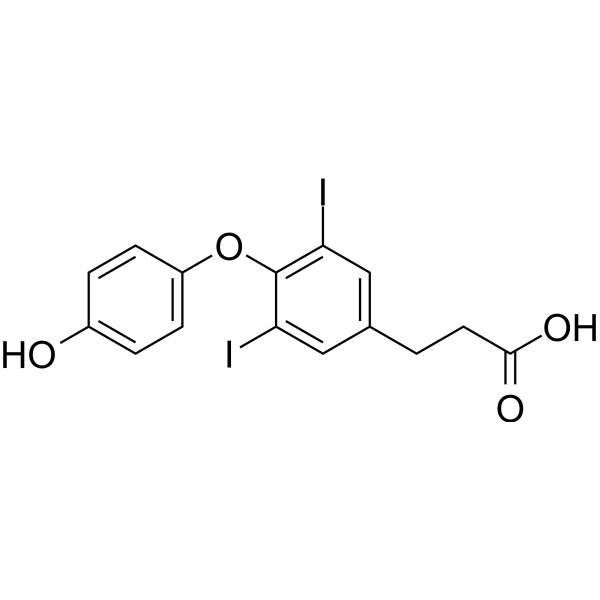
  • HY-126236
    3,5-Diiodothyropropionic acid
    1 Publications Verification

    Thyroid Hormone Receptor Cardiovascular Disease Endocrinology
    3,5-Diiodothyropropionic acid is a thyroid hormone analog, induces α-myosin heavy chain mRNA expression, binds to thyroid hormone receptor (TR), with Ka of 2.40 and 4.06 M -1 for TRα1 and TRβ1, respectively. 3,5-Diiodothyropropionic acid promotes angiogenesis in 3-D human dermal microvascular endothelial cell sprouting assay. 3,5-Diiodothyropropionic acid prevents myocardial arteriolar loss in thyroidectomized rats and enhances cardiac energy-generating capacity in postinfarction heart failure rats. 3,5-Diiodothyropropionic can be used in studies related to angiogenesis and heart failure .
    3,5-Diiodothyropropionic acid
  • HY-12502
    Efonidipine
    1 Publications Verification

    NZ-105; (±)-Efonidipine

    Calcium Channel SARS-CoV Cardiovascular Disease Neurological Disease Cancer
    Efonidipine (NZ-105) is an orally active dual L-type and T-type calcium channel blocker (CCB) with IC50 values of 1.8 and 350 nM, respectively. Efonidipine inhibits SARS-CoV-2 main protease. Efonidipine modulates adrenal steroidogenesis by increasing the expression of steroidogenic acute regulatory protein (StAR), dbcAMP-or angiotensin II-induced StAR mRNA expression and DHEA-S production, while suppressing the biosynthesis of aldosterone and cortisol. Efonidipine reduces plasma aldosterone levels in vivo. Efonidipine improves cardiac function in heart failure models by inhibiting T-type calcium channels (via both tonic and use-dependent blockade), independently of blood pressure reduction. Efonidipine can be used for research in hypertension, heart failure, and disorders involving dysregulated steroid hormone synthesis .
    Efonidipine
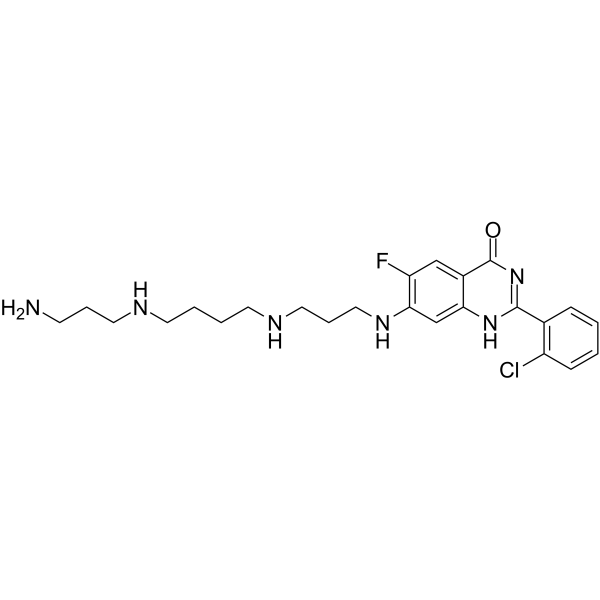
  • HY-156193

    PDHK Cardiovascular Disease Metabolic Disease
    PF-07208254 is a selective, orally active allosteric inhibitor of branched-chain ketoacid dehydrogenase kinase (BDK) (IC50=110 nM, Ki=54 nM, KD=84 nM). PF-07208254 inhibits BDK-mediated BCKDH phosphorylation and enhances the catabolism of branched-chain amino acids (BCAAs) and branched-chain keto acids (BCKAs) by binding to the allosteric pocket of BDK, reducing BDK binding to BCKDH-E2 and promoting BDK degradation. PF-07208254 inhibits BDK activity in human skeletal muscle cells (IC50=540 nM) and has activity to improve cardiac function and metabolism. PF-07208254 can be used in the study of cardiometabolic diseases (e.g., heart failure, type 2 diabetes) .
    PF-07208254
  • HY-D0227J

    Tris HCl (≥99%, for cell culture); Tris hydrochloride (≥99%, for cell culture)

    Biochemical Assay Reagents Metabolic Disease
    THAM hydrochloride (≥99%, for cell culture) is a low-toxicity amino alcohol buffer, a specific CO2-consuming proton acceptor that buffers carbon dioxide and acid both in vitro and in vivo. THAM hydrochloride (≥99%, for cell culture) binds protons to form bicarbonate, reduces PaCO2, and induces intracellular alkalization, thereby ameliorating hypercapnia-induced elevation of pulmonary blood vessels and pulmonary arterial pressure. THAM hydrochloride (≥99%, for cell culture) may cause PaCO2 rebound, hypoglycemia, and respiratory depression. THAM hydrochloride (≥99%, for cell culture) removes amniotic epithelium and preserves the basement membrane, but depletes extracellular matrix and reduces the adhesion rate of limbal epithelial cells. THAM hydrochloride (≥99%, for cell culture) can act as a CO2 carrier to enhance the productivity and carbon utilization rate of Scenedesmus obliquus. THAM hydrochloride (≥99%, for cell culture) is a key component of buffer solutions used in various biological, cell culture, biochemical, and molecular biology applications .
    THAM hydrochloride (≥99%, for cell culture)
  • HY-119608

    MAP3K Cardiovascular Disease
    GSK854 is a potent Inhibitor of Troponin I-Interacting Kinase (TNNI3K). GSK854 is a suitable lead for identifying new cardiac medicines and have been employed as in vivo tools in investigational studies aimed at defining the role of TNNI3K within heart failure .
    GSK854
  • HY-170538

    Lysyl Oxidase Cytochrome P450 Cardiovascular Disease Metabolic Disease
    SNT-5382 is a lysyl oxidase family (LOX) inhibitor and anti-fibrotic agent. SNT-5382 binds to the LTQ cofactor of LOXL2 and inhibits the enzymatic activities of LOXL3, LOXL4, LOXL1, CYP2C9, and CYP2C19. SNT-5382 reduces cardiac and liver fibrosis as well as collagen crosslinks, and improves cardiac function. SNT-5382 can be used for the research of heart failure, myocardial infarction, and nonalcoholic steatohepatitis-related liver fibrosis .
    SNT-5382
  • HY-122537A
    Arotinolol
    2 Publications Verification

    Adrenergic Receptor 5-HT Receptor Cardiovascular Disease
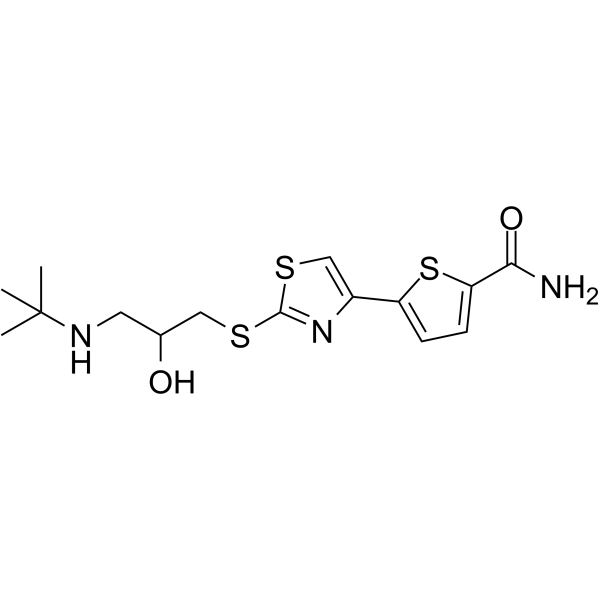
    Arotinolol is a nonselective α/β-adrenergic receptor blocker and a vasodilating β-blocker . Arotinolol also shows potency for inhibiting the binding of the radioligand 125I-ICYP to 5HT1B-serotonergic receptor sites . Arotinolol is an antihypertensive agent for the treatment of a variety of cardiovascular pathologies as well as non-cardiovascular diseases .
    Arotinolol
  • HY-120006A
    (rel)-AR234960
    1 Publications Verification

    ERK Cardiovascular Disease
    (rel)-AR234960 is a selective and competitive agonist of the G protein-coupled receptor MAS. (rel)-AR234960 binds to the MAS receptor to activate the downstream ERK1/2 signaling pathway, inducing the expression of connective tissue growth factor (CTGF) and its downstream collagen subtype genes (such as COL1A1, COL3A1). (rel)-AR234960 promotes collagen synthesis in cardiac fibroblasts through the MAS-ERK1/2-CTGF pathway and aggravates extracellular matrix remodeling. (rel)-AR234960's in vitro effect can be blocked by the MAS inverse agonist AR244555 and MEK1 inhibitor. (rel)-AR234960 regulates the expression of cardiac fibrosis-related genes and can be used in the study of heart failure .
    (rel)-AR234960
  • HY-112537S2

    Isotope-Labeled Compounds Endogenous Metabolite mTOR Others
    D-Glucose 6-phosphate- 13C is 13C labeled D-Glucose 6-phosphate (HY-112537). D-Glucose 6-phosphate is a key central node metabolite in glucose metabolism. It serves as the initiating metabolite for glycolysis and the pentose phosphate pathway, as well as a substrate for glycogen synthesis. D-Glucose 6-phosphate acts as a metabolic stress signal, which activates the mTOR pathway to promote protein synthesis, especially when phosphoglucose isomerase (PGI) is inhibited, thereby participating in cardiac remodeling processes. D-Glucose 6-phosphate can be used in research related to non-insulin-dependent diabetes mellitus and heart failure.
    D-Glucose 6-phosphate-13C
  • HY-123348

    UK-81252

    Angiotensin-converting Enzyme (ACE) Neprilysin Cardiovascular Disease Inflammation/Immunology
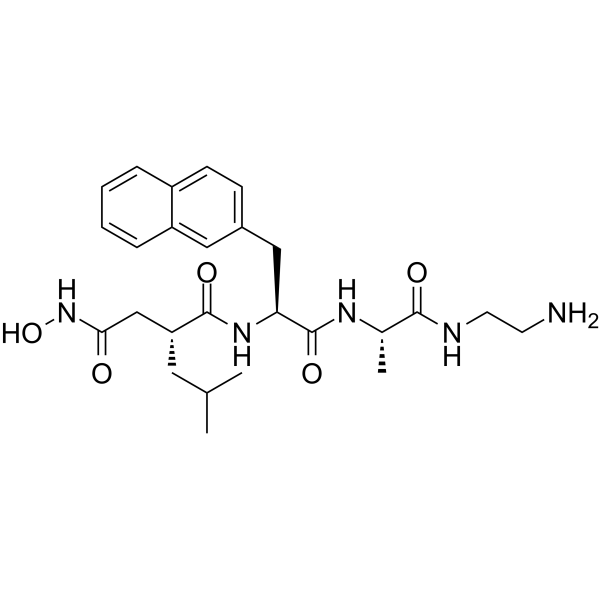
    Sampatrilat (UK-81252) is a potent and orally active vasopeptidase inhibitor of ACE and neutral endopeptidase (NEP). Sampatrilat inhibits C-domain ACE (Ki=13.8 nM) 12.4-fold more potent than that for the N-domain (Ki=171.9 nM). Sampatrilat (UK-81252) can be used for the study of chronic heart failure and blood pressure regulation .
    Sampatrilat
  • HY-132187

    TGF-beta/Smad TRP Channel Apoptosis PAI-1 Cardiovascular Disease Neurological Disease Metabolic Disease Inflammation/Immunology Cancer
    Sphingosylphosphorylcholine is a bioactive lipid and a major component of plasma high-density lipoprotein that binds to OGR1 with a Kd of 33.3 nM. Sphingosylphosphorylcholine triggers delayed phosphorylation of Smad2, upregulates α-SMA expression, and activates TRPM3. Sphingosylphosphorylcholine reduces Apoptosis and upregulates the expression of uPA and its receptor uPA-R. Sphingosylphosphorylcholine exerts anti-apoptotic, anti-cardiac hypertrophy and pro-wound healing effects. Sphingosylphosphorylcholine induces scratching behavior in mice. Sphingosylphosphorylcholine is used in studies related to atopic dermatitis, promyelocytic leukemia, heart failure, myocardial ischemia/reperfusion injury, ovarian cancer, breast cancer, pancreatic cancer, and skin wound healing disorders in genetically impaired healing diabetes .
    Sphingosylphosphorylcholine
  • HY-162897

    mAChR Cardiovascular Disease
    BAY-2413555 is an orally active muscarinic acetylcholine receptor M2 modulator that protects the heart and improve cardiac function. BAY-2413555 is promising for research of heart failure .
    BAY-2413555
  • HY-128142

    PKD PKC Cardiovascular Disease
    PKC/PKD-IN-1 (Compound 13C) is an orally active dual protein kinase C/D (PKC/PKD) inhibitor with an IC50 value of 0.6 nM for PKD1. PKC/PKD-IN-1 can attenuate high-salt diet-induced cardiac hypertrophy and can be used in the study of heart failure .
    PKC/PKD-IN-1
  • HY-16022

    Digitoxin 3'''-Acetate

    Others Others
    Acetyldigitoxin (Digitoxin 3'''-Acetate) is a cardiac glycoside. Acetyldigitoxin can come from the leaves of Digitalis species. Acetyldigitoxin reduces the heart rate and can be used for cardiac failure rasearch .
    Acetyldigitoxin
  • HY-18347

    YM 087 free base

    Vasopressin Receptor Cardiovascular Disease
    Conivaptan (YM 087 free base) is antagonist for vasopressin V1A receptor and vasopressin V2 receptor. Conivaptan ameliorates congestive heart failure, improves cardiac systolic function .
    Conivaptan
  • HY-14252A
    Milrinone lactate
    Maximum Cited Publications
    33 Publications Verification

    Win 47203 lactate

    Phosphodiesterase (PDE) Cardiovascular Disease
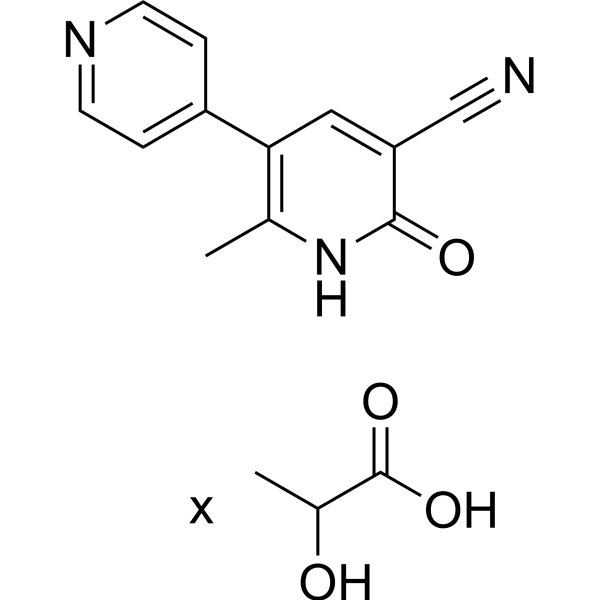
    Milrinone lactate is a potent inotropic dilating agent. Milrinone lactate shows simultaneous positive inotropic and vasodilating activities. Milrinone lactate promotes reduction of SVR and PVR in patients with DCM and NYHA class III and IV of heart failure. Milrinone lactate has the potential for the research of cardiovascular function after cardiac surgery and in septic shock .
    Milrinone lactate
  • HY-D0227B
    THAM acetate
    1 Publications Verification

    Tris acetate; Tris(hydroxymethyl)aminomethane acetate

    Biochemical Assay Reagents Metabolic Disease
    THAM acetate is a low-toxicity amino alcohol buffer, a CO2-consuming proton acceptor that buffers carbon dioxide and acid both in vitro and in vivo. THAM acetate binds protons to form bicarbonate, reduces PaCO2, and induces intracellular alkalization, thereby ameliorating hypercapnia-induced elevation of pulmonary blood vessels and pulmonary arterial pressure. THAM acetate may cause PaCO2 rebound, hypoglycemia, and respiratory depression. THAM acetate removes amniotic epithelium and preserves the basement membrane, but depletes extracellular matrix and reduces the adhesion rate of limbal epithelial cells. THAM acetate can act as a CO2 carrier to enhance the productivity and carbon utilization rate of Scenedesmus obliquus. THAM acetate is a key component of buffer solutions used in various biological, cell culture, biochemical, and molecular biology applications .
    THAM acetate
  • HY-P3678

    Neuropeptide Y Receptor Cardiovascular Disease Neurological Disease
    Neuropeptide Y (18-36) (porcine) is a competitive neuropeptide Y (NPY) cardiac receptor antagonist. Neuropeptide Y (18-36) (porcine) inhibits the binding of I-NPY to cardiac ventricular membranes in a concentration-dependent manner with an IC50 value of 158 nM and an Ki value of 140 nM. Neuropeptide Y (18-36) (porcine) can be used for the research of congestive heart failure .
    Neuropeptide Y (18-36) (porcine)
  • HY-131948

    Potassium Channel Cardiovascular Disease
    3-Chlorodiphenylamine is a high affinity Ca 2+ sensitizer of cardiac muscle. 3-Chlorodiphenylamine is based on diphenylamine and binds to the isolated N-domain of cardiac troponin C (cTnC) (Kd=6 µM). 3-Chlorodiphenylamine is an excellent starting scaffold for the development of more potent Ca 2+-sensitizing compounds due to its small size, and can be used for systolic heart failure research .
    3-Chlorodiphenylamine
  • HY-163120

    Myosin Cardiovascular Disease
    Myosin-IN-1 (compound F10) is a Myosin inhibitor that specifically targets cardiac myosin. Myosin-IN-1 stabilizes the biochemical and structural closed state of the cardiac myosin motor domain and reduces myocardial force production and calcium sensitivity in vitro. Myosin-IN-1 acts as a negative inotropic agent in isolated Langendroff-perfused rat hearts, reducing stress in isolated myofilaments and left ventricular pressure development. Myosin-IN-1 can be used in heart failure research .
    Myosin-IN-1
  • HY-147384

    Calcium Channel Cardiovascular Disease
    CXL-1020 is a hydroxylamine-based nitroxyl (HNO) donor. CXL-1020 improves cardiac inotropy/lusitropy and Ca 2+ cycling in rats with abnormal relaxation. CXL-1020 induces vasorelaxation and improves cardiac function in canine models. CXL-1020 has been used to research systolic heart failure and stable heart failure .
    CXL-1020
  • HY-145285

    Apelin Receptor (APJ) Cardiovascular Disease
    APJ receptor agonist 5 (compound 3) is a potent and orally active agonist of apelin receptor (APJ) with an EC50 of 0.4 nM. APJ receptor agonist 5 displays excellent pharmacokinetic profiles in the rodent heart failure (HF) model. APJ receptor agonist 5 also shows an acceptable safety profile in preclinical toxicology studies. APJ receptor agonist 5 leads to improved cardiac function and can be used for researching the HF disease .
    APJ receptor agonist 5
  • HY-19020

    Leukotriene Receptor Cardiovascular Disease
    FK-664 is a leukotriene inhibitor. FK-664 enhances ventricular contractility and shortens the time to peak tension in cardiac cells. FK-664 reduces mean circulating pressure (MCP) in a canine model of heart failure. FK-664 can be used in research on cardiovascular diseases such as heart failure .
    FK-664
  • HY-105762A

    Etamiphylline camsylate

    Adrenergic Receptor Cardiovascular Disease
    Etamiphyllin camsylate (Etamiphylline camsylate) is a cardiac stimulant with oral activity that increases cardiac output without increasing heart rate. Etamiphyllin camsylate is also a respiratory stimulant used for respiratory failure, as Etamiphyllin camsylate relaxes the smooth muscles of the bronchi and bronchioles, thereby opening up the airways to relieve chronic obstructive pulmonary disease .
    Etamiphyllin camsylate
  • HY-B1030R

    Dengue Virus Flavivirus Reference Standards CHIKV Autophagy Enterovirus Cardiovascular Disease Cancer
    Lanatoside C (Standard) is the analytical standard of Lanatoside C. This product is intended for research and analytical applications. Lanatoside C is a cardiac glycoside, can be used in the treatment of congestive heart failure and cardiac arrhythmia.Lanatoside C has an IC50 of 0.19 μM for dengue virus infection in HuH-7 cells. Lanatoside C can effectively inhibit all four serotypes of dengue virus, flavivirus Kunjin, alphavirus Chikungunya, Sindbis virus and the human enterovirus 71 .
    Lanatoside C (Standard)
  • HY-179277

    Adenosine Receptor Cardiovascular Disease
    MIPS3526 is a potent and selective A2B adenosine receptor (A2BR) agonist with a pEC50 of 10.17 (EC50 of 58 pM). MIPS3526 shows highly receptor subtype selective versus the A1R, A2AR, and A3R. MIPS3526 ameliorates angiotensin II stimulating effects in both cardiac myocytes and fibroblasts. MIPS3526 can be used for the study of cardiovascular disease including heart failure where cardiac remodeling is a major driver .
    MIPS3526
  • HY-N13747

    Myosin PKC Calcium Channel Cardiovascular Disease
    Chrysosplenol C is a type of flavonoid compound. Chrysosplenol C selectively activates cardiac myosin ATPase, with its EC50 being 45 µM. Chrysosplenol C enhances the release of intracellular calcium ions by activating protein kinase C (PKC), thereby increasing the contractility of rat ventricular muscle cells. Chrysosplenol C can be used in the research of heart failure .
    Chrysosplenol C
  • HY-133036

    Apelin Receptor (APJ) Cardiovascular Disease
    APJ receptor agonist 1, a biphenyl acid derivative, is a potent APJ receptor (APJ-R) agonist (EC50s 0.093 and 0.12 nM for human and rat APJ-R, respectively). APJ receptor agonist 1 displays in vitro potency to apelin-13, the endogenous peptidic ligand for the APJ receptor. APJ receptor agonist 1 has the potential for the research of heart failure .
    APJ receptor agonist 1
  • HY-122537

    Adrenergic Receptor 5-HT Receptor Cardiovascular Disease
    Arotinolol hydrochloride is a nonselective α/β-adrenergic receptor blocker and a vasodilating β-blocker . Arotinolol hydrochloride also shows potency for inhibiting the binding of the radioligand 125I-ICYP to 5HT1B-serotonergic receptor sites . Arotinolol hydrochloride is an antihypertensive agent for the treatment of a variety of cardiovascular pathologies as well as non-cardiovascular diseases .
    Arotinolol hydrochloride

Inquiry Online

Your information is safe with us. * Required Fields.

Salutation


Country or Region *

Applicant Name *


Organization Name *

Department *


Email Address *


Product Name *

Cat. No.


Requested quantity *

Phone Number *


Remarks

Inquiry Online

Inquiry Information

Product Name:
Cat. No.:
Quantity:
MCE Japan Authorized Agent:

