1. Search Result
Search Result
Pathways Recommended: Metabolic Enzyme/Protease
Results for "

copper enzyme

" in MedChemExpress (MCE) Product Catalog:

39

Inhibitors & Agonists

1

Screening Libraries

2

Fluorescent Dyes

2

Biochemical Assay Reagents

3

Natural
Products

1

Isotope-Labeled Compounds

15

Click Chemistry

1

Oligonucleotides

Cat. No. Product Name Target Research Areas Chemical Structure
  • HY-D0027

    Coumarin 120; AMC

    Fluorescent Dye Antibiotic Fungal Infection
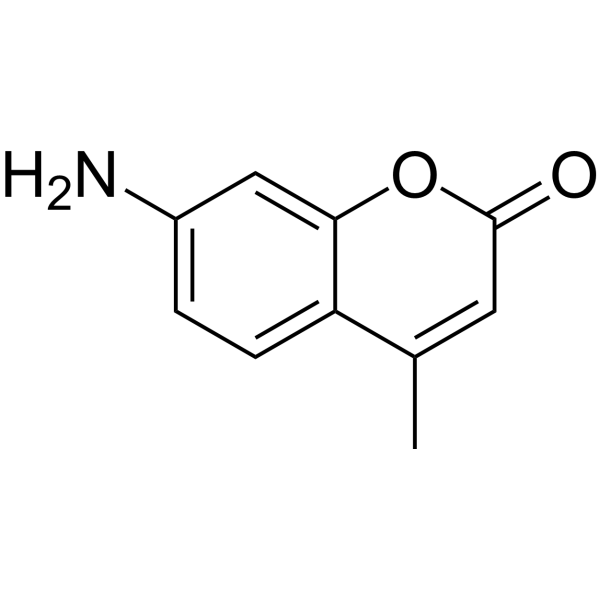
    7-Amino-4-methylcoumarin belongs to the coumarin class, can be isolated from the endophytic fungus Xylaria sp. and has a broad spectrum of antibacterial activity. 7-Amino-4-methylcoumarin is also commonly used as an important laser dye that emits in the blue region, capable of analyzing glycoprotein monosaccharides and N-linked oligosaccharides, and is also utilized in tissue pathology analysis, enzyme activity measurement, and copper ion detection. The excitation wavelength and emission wavelength are 351 nm and 430 nm, respectively.
    7-Amino-4-methylcoumarin
  • HY-145934
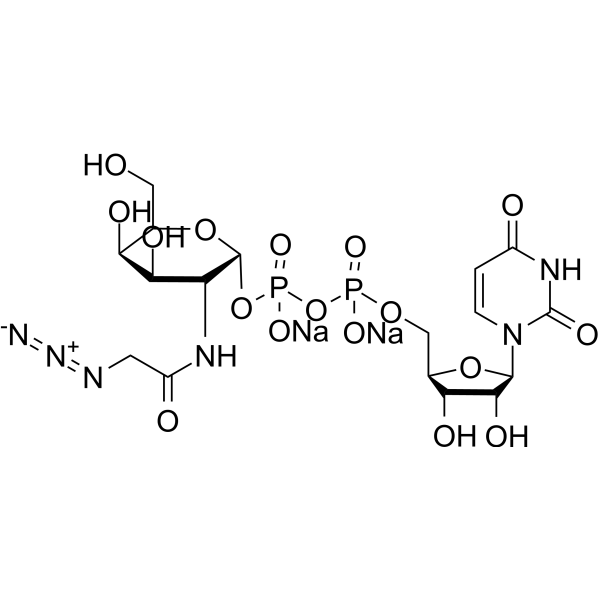
    UDP-GalNAz disodium
    1 Publications Verification

    UDP-N-azidoacetylgalactosamine disodium

    Biochemical Assay Reagents OGT Glycosidase Metabolic Disease
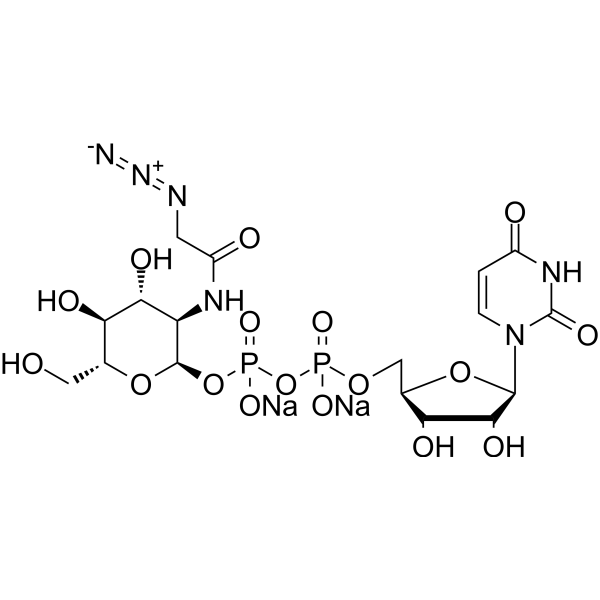
    UDP-GalNAz (UDP-N-azidoacetylgalactosamine) disodium is the analogue of UDP-GalNAc disodium (HY-114365). UDP-GalNAc disodium is the donor substrate of many N-acetylgalactosaminyltransferases, enzymes which transfer GalNAc from the nucleotide sugar to a saccharide or peptide acceptor. UDP-GalNAz disodium is a click chemistry reagent, it contains an Azide group and can undergo copper-catalyzed azide-alkyne cycloaddition reaction (CuAAc) with molecules containing Alkyne groups. It can also undergo strain-promoted alkyne-azide cycloaddition (SPAAC) reactions with molecules containing DBCO or BCN groups .
    UDP-GalNAz disodium
  • HY-W115718
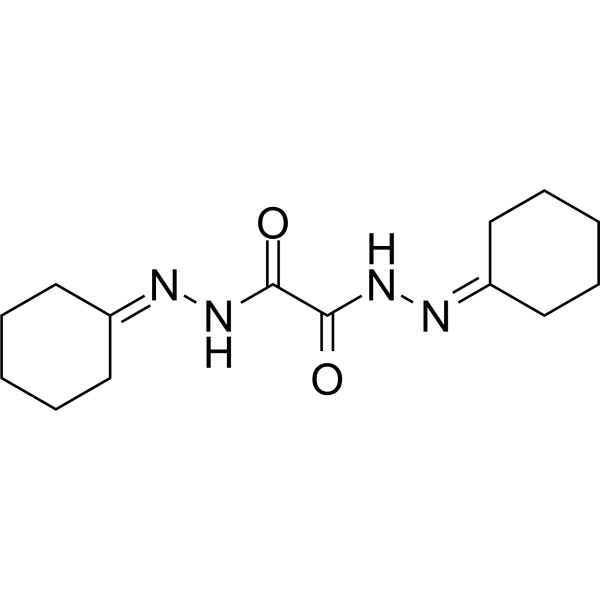
    Cuprizone
    3 Publications Verification

    Dopamine β-hydroxylase Neurological Disease
    Cuprizone is a copper chelating agent that forms a deep blue copper ketone complex with copper (II). The copper ketone reaction can be used in colorimetric tests for the presence of trace copper. Cuprizone can be used to induce some schizophrenia-like behavior in mice. Cuprizone acts on copper enzymes, including SOD1, cytochrome oxidase, and DβH, thereby causing oxidative stress and increasing DA levels in certain brain regions such as the medial prefrontal cortex (PFC) .
    Cuprizone
  • HY-145934A

    OGT Biochemical Assay Reagents Glycosidase Metabolic Disease
    UDP-GlcNAz disodium is the analogue of UDP-GlcNAc disodium (HY-112174). UDP-GlcNAc disodium is the donor substrate of many N-acetylgalactosaminyltransferases, enzymes which transfer GlcNAc from the nucleotide sugar to a saccharide or peptide acceptor. UDP-GlcNAc disodium is a click chemistry reagent, it contains an Azide group and can undergo copper-catalyzed azide-alkyne cycloaddition reaction (CuAAc) with molecules containing Alkyne groups. It can also undergo strain-promoted alkyne-azide cycloaddition (SPAAC) reactions with molecules containing DBCO or BCN groups .
    UDP-GlcNAz disodium
  • HY-15697
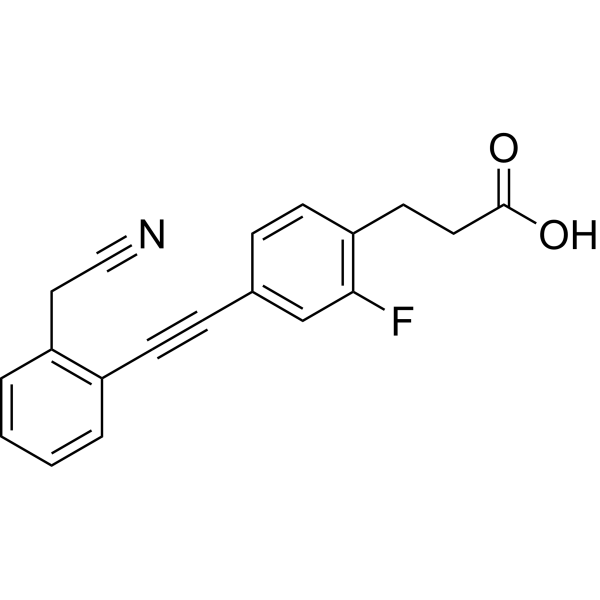
    TUG-770
    3 Publications Verification

    Free Fatty Acid Receptor Metabolic Disease
    TUG-770 is a potent, selective and orally active GPR40/FFA1 agonist with an EC50 of 6 nM for human FFA1. TUG-770 shows a high selectivity for FFA1 over FFA2, FFA3, FFA4, PPARγ, other receptors, transporters, and enzymes. TUG-770 can be uesd for type 2 diabetes research . TUG-770 is a click chemistry reagent, it contains an Alkyne group and can undergo copper-catalyzed azide-alkyne cycloaddition (CuAAc) with molecules containing Azide groups.
    TUG-770
  • HY-136211

    Biochemical Assay Reagents Metabolic Disease Inflammation/Immunology
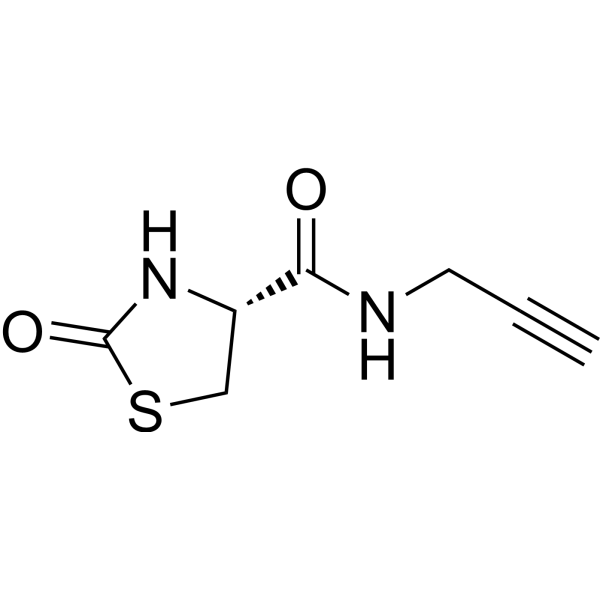
    Cystathionine-γ-lyase-IN-1 is a selective cystathionine γ-lyase (CSE) enzyme inhibitor with an IC50 of 6.3 μM . Cystathionine-γ-lyase-IN-1 is a click chemistry reagent, it contains an Alkyne group and can undergo copper-catalyzed azide-alkyne cycloaddition (CuAAc) with molecules containing Azide groups.
    Cystathionine-γ-lyase-IN-1
  • HY-N3103

    Ethyl (E)-p-hydroxycinnamate; Ethyl trans-4-hydroxycinnamate

    Tyrosinase Inflammation/Immunology
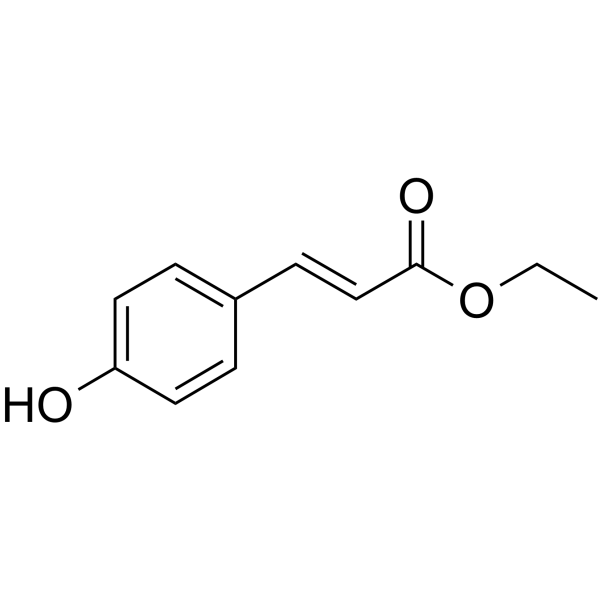
    p-Coumaric Acid Ethyl Ester (Ethyl (E)-p-hydroxycinnamate; Ethyl trans-4-hydroxycinnamate) is a non-competitive, reversible inhibitor of tyrosinase (IC50=4.89 μg/mL, Ki=1.83 μg/mL), which can quench the intrinsic fluorescence of the enzyme. p-Coumaric Acid Ethyl Ester changes the binding affinity of L-tyrosine by inducing conformational changes in the catalytic domain of tyrosinase, and does not bind to the copper ion of the enzyme. p-Coumaric Acid Ethyl Ester is used in the development of medicines, cosmetics and fruit preservation products using pollen .
    p-Coumaric Acid Ethyl Ester
  • HY-138995
    IMP-1710
    1 Publications Verification

    Deubiquitinase Others
    IMP-1710 is a potent and selective deubiquitylating enzyme UCHL1 inhibitor with an IC50 value of 38 nM. IMP-1710 has antifibrotic activity. IMP-1710 is a UCHL1 probe to identify and quantify target proteins in intact human cells . IMP-1710 is a click chemistry reagent, it contains an Alkyne group and can undergo copper-catalyzed azide-alkyne cycloaddition (CuAAc) with molecules containing Azide groups. IMP-1710 can be used in the research of idiopathic pulmonary fibrosis .
    IMP-1710
  • HY-E70519

    Monoamine Oxidase Cardiovascular Disease Neurological Disease
    Tyramine oxidase, Microorganism (EC 1.4.3.4) is a copper enzyme found in the cytoplasm of animal cells that catalyzes the oxidation of phenolic amine substrates. Tyramine oxidase, Microorganism involves in the metabolism and clearance of phenolamine compounds and has an important role in maintaining homeostasis in vivo. Tyramine oxidase, Microorganism is promising for research of hypertension, asthma, and depression .
    Tyramine oxidase, Microorganism
  • HY-114507

    Sumisoya; V-53482

    Environmental Pollutants Herbicide Others
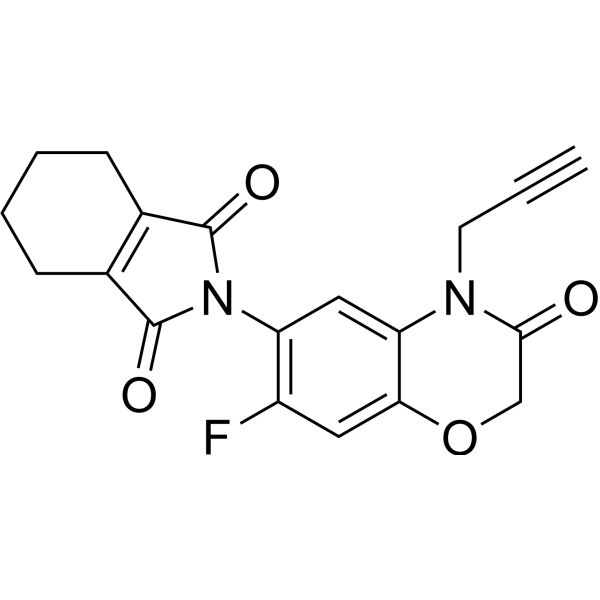
    Flumioxazin (Sumisoya) is an herbicide for use in soybean and peanut. Flumioxazin inhibits the enzyme protoporphyrinogen oxidase . Flumioxazin is a click chemistry reagent, it contains an Alkyne group and can undergo copper-catalyzed azide-alkyne cycloaddition (CuAAc) with molecules containing Azide groups.
    Flumioxazin
  • HY-W041193

    MMP Lipoxygenase Tyrosinase Infection Inflammation/Immunology Cancer
    3-Hydroxy-2-pyrone (Compound 12d) is a metalloenzyme inhibitor. 3-Hydroxy-2-pyrone shows an inhibition rate of approximately 50% for matrix metalloproteinases (MMP) and the inhibition rate for non-heme iron enzyme 5-lipoxygenase (5-LOX) was over 70% at 1 mM. 3-Hydroxy-2-pyrone also has certain inhibitory activity against copper-dependent enzyme tyrosinase. 3-Hydroxy-2-pyrone can be used for the research of cancer, infection and inflammation .
    3-Hydroxy-2-pyrone
  • HY-W243460

    Biochemical Assay Reagents Others
    EDTA copper (II) disodium salt, 97% is a negatively charged copper (II)-ethylenediaminetetraacetic acid chelate and also an adsorption substrate. EDTA copper (II) disodium salt, 97% forms amide bonds with chitosan amino groups in weakly acidic (pH 3-5) solutions, while it forms the CuEDTA (OH) 3− hydroxyl complex in strongly alkaline (pH > 12) solutions. EDTA copper (II) disodium salt, 97% can be adsorbed onto granular activated carbon, with electrostatic interactions dominating its pH-dependent adsorption behavior. EDTA copper (II) disodium salt, 97% can be used to eliminate the inhibition of enzyme-catalyzed reactions caused by trace heavy metals .
    EDTA copper(II) disodium salt, 97%
  • HY-W250928D

    Fluorescent Dye Others
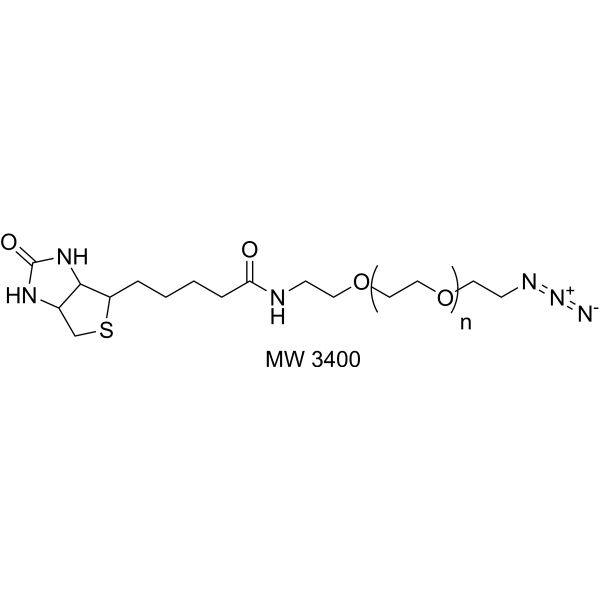
    Biotin-PEG3400-azide is a biotin labeled PEG derivative. Biotin is an enzyme co-factor, can be used for labeling protein; PEG is a hydrophilic and water-soluble polymer with low toxicity; azide, is a moderately good leaving group, can react with alkyne by Cu-catalyzation, which improve the efficiency of biotin binding targets. It contains an azide group and can undergo copper-catalyzed azide-alkyne cycloaddition (CuAAc) with molecules containing alkyne groups. It can also undergo ring strain-promoted alkyne-azide cycloaddition (SPAAC) with molecules containing DBCO or BCN groups.
    Biotin-PEG3400-azide
  • HY-W250928C

    Fluorescent Dye Others
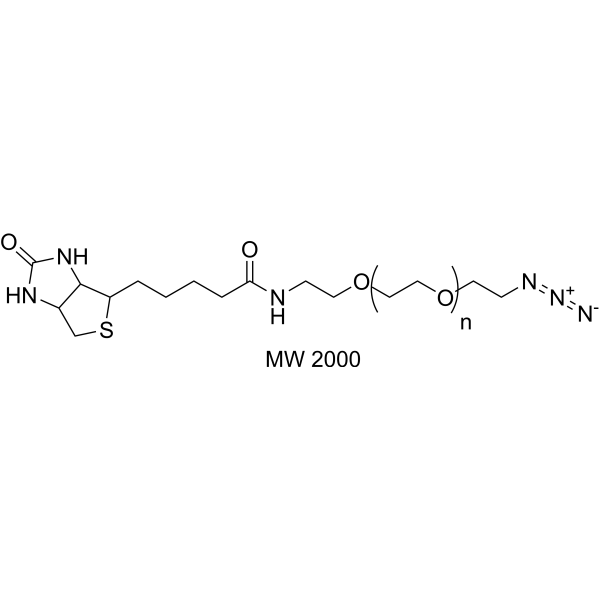
    Biotin-PEG2000-azide is a biotin labeled PEG derivative. Biotin is an enzyme co-factor, can be used for labeling protein; PEG is a hydrophilic and water-soluble polymer with low toxicity; azide, is a moderately good leaving group, can react with alkyne by Cu-catalyzation, which improve the efficiency of biotin binding targets. It contains an azide group and can undergo copper-catalyzed azide-alkyne cycloaddition (CuAAc) with molecules containing alkyne groups. It can also undergo ring strain-promoted alkyne-azide cycloaddition (SPAAC) with molecules containing DBCO or BCN groups.
    Biotin-PEG2000-azide
  • HY-W010989

    Biochemical Assay Reagents Bacterial Infection Neurological Disease Inflammation/Immunology Cancer
    Gly-His-Lys acetate is a natural, circulating regulatory and antimicrobial tripeptide derived from extracellular matrix proteins. Gly-His-Lys acetate binds Cu 2+ to support copper enzyme activation, antioxidant processes, cellular bioenergetics, and the synthesis of elastin, collagen and catecholamines. Gly-His-Lys acetate regulates cell growth, differentiation and tissue repair, and exerts regenerative, anxiolytic, anti-inflammatory, analgesic and immunosuppressive activities. Gly-His-Lys acetate induces liver degenerative changes. Gly-His-Lys acetate can be used for the research of infections, anxiety, pain-related behaviors and immune-associated liver diseases .
    Gly-His-Lys acetate
  • HY-E70377

    Cu/Zn SOD

    SOD Inflammation/Immunology Cancer
    Cu/Zn Superoxide dismutase (Cu/Zn SOD; SOD1) is a cytosolic copper-zinc dimer form of superoxide dismutase enzyme. Cu/Zn Superoxide dismutase has oxygen radical enzymatic dismutation .
    Cu/Zn Superoxide dismutase
  • HY-139162

    Biochemical Assay Reagents Others
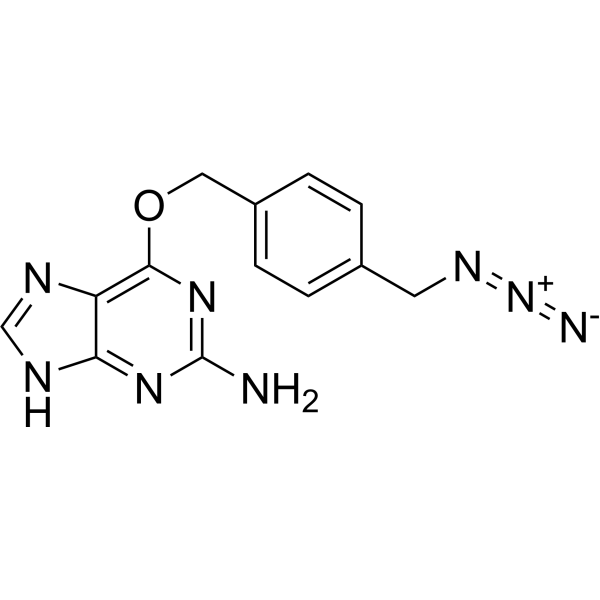
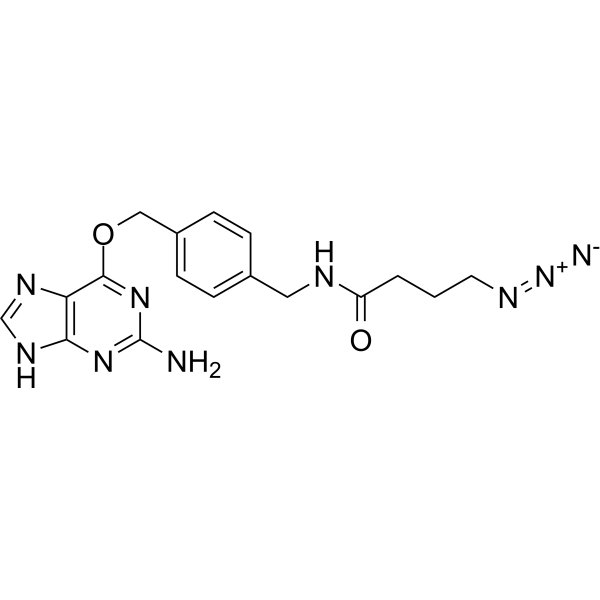
    BGN3 is a good substrate for the SNAP-tag ? and H 5 enzymes. The activities of SNAP-tag ? and H 5 enzymes on BGN3 are reasonable (IC50= 15.6 and 23.5 μM, respectively) . BGN3 is a click chemistry reagent, it contains an Azide group and can undergo copper-catalyzed azide-alkyne cycloaddition reaction (CuAAc) with molecules containing Alkyne groups. It can also undergo strain-promoted alkyne-azide cycloaddition (SPAAC) reactions with molecules containing DBCO or BCN groups.
    BGN3
  • HY-W115718R

    Reference Standards Dopamine β-hydroxylase Neurological Disease
    Cuprizone is a copper chelating agent that forms a deep blue copper ketone complex with copper (II). The copper ketone reaction can be used in colorimetric tests for the presence of trace copper. Cuprizone can be used to induce some schizophrenia-like behavior in mice. Cuprizone acts on copper enzymes, including SOD1, cytochrome oxidase, and DβH, thereby causing oxidative stress and increasing DA levels in certain brain regions such as the medial prefrontal cortex (PFC) .
    Cuprizone (Standard)
  • HY-139163

    Biochemical Assay Reagents Others
    BGSN3 is a good substrate for the SNAP-tag ? and H 5 enzymes. The activities of SNAP-tag ? and H 5 enzymes on BGSN3 are reasonable (IC50=17.8 and 10 μM, respectively) . BGSN3 is a click chemistry reagent, it contains an Azide group and can undergo copper-catalyzed azide-alkyne cycloaddition reaction (CuAAc) with molecules containing Alkyne groups. It can also undergo strain-promoted alkyne-azide cycloaddition (SPAAC) reactions with molecules containing DBCO or BCN groups.
    BGSN3
  • HY-154992

    F2PhEtyCbl

    Others Others
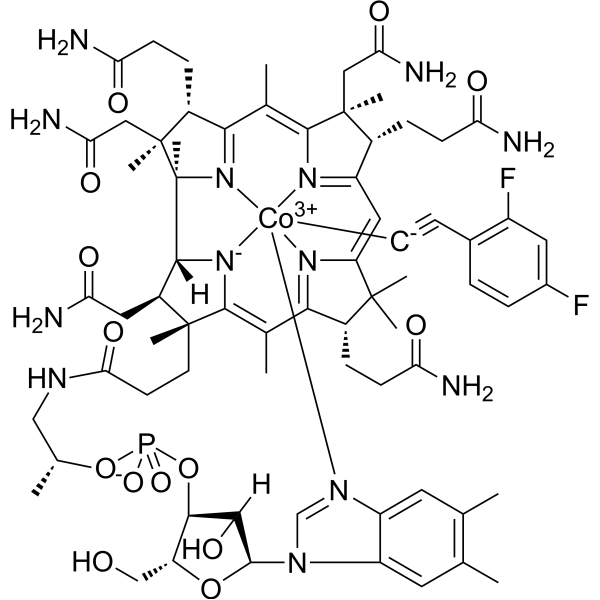
    2,4-Difluorophenylethynylcobalamin is a potential B12 antivitamin via binding to human B12 -processing enzyme CblC with high affinity (KD=130 nm). 2,4-Difluorophenylethynylcobalamin withstood tailoring by CblC, and stabilizes the ternary complex with the cosubstrate glutathione (GSH) . 2,4-Difluorophenylethynylcobalamin is a click chemistry reagent, it contains an Alkyne group and can undergo copper-catalyzed azide-alkyne cycloaddition (CuAAc) with molecules containing Azide groups.
    2,4-Difluorophenylethynylcobalamin
  • HY-145934B

    OGT Biochemical Assay Reagents Glycosidase Metabolic Disease
    UDP-GlcNAz is the analogue of UDP-GlcNAc disodium (HY-112174). UDP-GlcNAc disodium is the donor substrate of many N-acetylgalactosaminyltransferases, enzymes which transfer GlcNAc from the nucleotide sugar to a saccharide or peptide acceptor. UDP-GlcNAc disodium is a click chemistry reagent, it contains an Azide group and can undergo copper-catalyzed azide-alkyne cycloaddition reaction (CuAAc) with molecules containing Alkyne groups. It can also undergo strain-promoted alkyne-azide cycloaddition (SPAAC) reactions with molecules containing DBCO or BCN groups .
    UDP-GlcNAz
  • HY-P2888A

    BOD, bacillus cereus

    Endogenous Metabolite Metabolic Disease
    Bilirubin oxidase, bacillus cereus is a multi-copper oxidase that catalyzes the oxidation of bilirubin into biliverdin, as well as other tetrapyrroles, phenols, and aryl diamines. Bilirubin oxidase, bacillus cereus can serve as a single-enzyme deoxygenator, catalyzing the direct reduction of oxygen to water in the presence of electron donor substrates, without releasing hydrogen peroxide. Bilirubin oxidase, bacillus cereus can be used to develop enzyme-based biosensors .
    Bilirubin oxidase, bacillus cereus
  • HY-W050154R

    Reference Standards Parasite Tyrosinase NF-κB CDK Infection Inflammation/Immunology Cancer
    Kojic acid (Standard) is the analytical standard of Kojic acid. This product is intended for research and analytical applications. Kojic acid is a substance produced by Aspergillus oryzae, with various biological activities including antitumor, insecticidal, antibacterial, antioxidant, and radioprotective effects. Kojic acid exhibits tyrosinase inhibition activity by capturing copper ions that bind to the active site of tyrosinase, preventing its activation. Tyrosinase is a key enzyme in the biosynthesis of melanin, so kojic acid can block melanin production. Additionally, kojic acid shows potential inhibition of NF-κB activity in human keratinocytes, which may also be related to the anti-melanogenic effect induced by kojic acid. Kojic acid is effective when administered orally and can also be absorbed transdermally. Nano-carrier systems prepared with kojic acid demonstrate effective delivery of anticancer drugs. Kojic acid holds promise for research in cancer, infectious diseases, and skin whitening among other fields .
    Kojic acid (Standard)
  • HY-128774

    Beta-secretase Neurological Disease
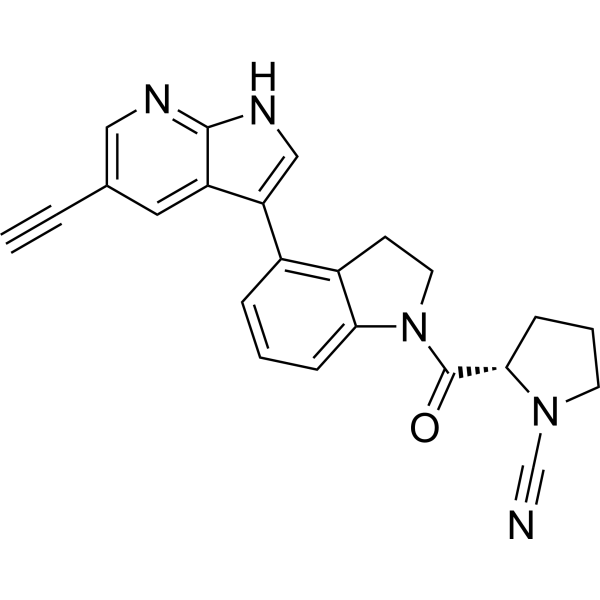
    AM-6494 is a potent and orally active BACE1 (efficacious β-site amyloid precursor protein cleaving enzyme 1) inhibitor (IC50=0.4 nM) with in vivo selectivity over BACE2 (IC50=18.6 nM) . AM-6494 is a click chemistry reagent, it contains an Alkyne group and can undergo copper-catalyzed azide-alkyne cycloaddition (CuAAc) with molecules containing Azide groups.
    AM-6494
  • HY-147206C

    Fluorescent Dye Others
    Biotin-PEG3400-Alk is a biotin labeled PEG derivative. Biotin is an enzyme co-factor, can be used for labeling protein; PEG is a hydrophilic and water-soluble polymer with low toxicity; Alk (Alkyne), acyclic (branched or unbranched) aliphatic hydrocarbon, can react with azido, which improve the efficiency of biotin binding targets. Biotin-PEG3400-Alk is a click chemistry reagent, it contains an Alkyne group and can undergo copper-catalyzed azide-alkyne cycloaddition (CuAAc) with molecules containing Azide groups.
    Biotin-PEG3400-Alk
  • HY-147206A

    Fluorescent Dye Others
    Biotin-PEG1000-Alk is a biotin labeled PEG derivative. Biotin is an enzyme co-factor, can be used for labeling protein; PEG is a hydrophilic and water-soluble polymer with low toxicity; Alk (Alkyne), acyclic (branched or unbranched) aliphatic hydrocarbon, can react with azido, which improve the efficiency of biotin binding targets. Biotin-PEG1000-Alk is a click chemistry reagent, it contains an Alkyne group and can undergo copper-catalyzed azide-alkyne cycloaddition (CuAAc) with molecules containing Azide groups.
    Biotin-PEG1000-Alk
  • HY-147206E

    Fluorescent Dye Others
    Biotin-PEG10000-Alk is a biotin labeled PEG derivative. Biotin is an enzyme co-factor, can be used for labeling protein; PEG is a hydrophilic and water-soluble polymer with low toxicity; Alk (Alkyne), acyclic (branched or unbranched) aliphatic hydrocarbon, can react with azido, which improve the efficiency of biotin binding targets. Biotin-PEG10000-Alk is a click chemistry reagent, it contains an Alkyne group and can undergo copper-catalyzed azide-alkyne cycloaddition (CuAAc) with molecules containing Azide groups.
    Biotin-PEG10000-Alk
  • HY-147206B

    Fluorescent Dye Others
    Biotin-PEG2000-Alk is a biotin labeled PEG derivative. Biotin is an enzyme co-factor, can be used for labeling protein; PEG is a hydrophilic and water-soluble polymer with low toxicity; Alk (Alkyne), acyclic (branched or unbranched) aliphatic hydrocarbon, can react with azido, which improve the efficiency of biotin binding targets. Biotin-PEG2000-Alk is a click chemistry reagent, it contains an Alkyne group and can undergo copper-catalyzed azide-alkyne cycloaddition (CuAAc) with molecules containing Azide groups.
    Biotin-PEG2000-Alk
  • HY-147206F

    Fluorescent Dye Others
    Biotin-PEG20000-Alk is a biotin labeled PEG derivative. Biotin is an enzyme co-factor, can be used for labeling protein; PEG is a hydrophilic and water-soluble polymer with low toxicity; Alk (Alkyne), acyclic (branched or unbranched) aliphatic hydrocarbon, can react with azido, which improve the efficiency of biotin binding targets. Biotin-PEG20000-Alk is a click chemistry reagent, it contains an Alkyne group and can undergo copper-catalyzed azide-alkyne cycloaddition (CuAAc) with molecules containing Azide groups.
    Biotin-PEG20000-Alk
  • HY-D0027R

    Coumarin 120 (Standard); AMC (Standard)

    Fluorescent Dye Antibiotic Fungal Reference Standards Infection
    7-Amino-4-methylcoumarin (Standard) is the analytical standard of 7-Amino-4-methylcoumarin. This product is intended for research and analytical applications. 7-Amino-4-methylcoumarin belongs to the coumarin class, can be isolated from the endophytic fungus Xylaria sp. and has a broad spectrum of antibacterial activity. 7-Amino-4-methylcoumarin is also commonly used as an important laser dye that emits in the blue region, capable of analyzing glycoprotein monosaccharides and N-linked oligosaccharides, and is also utilized in tissue pathology analysis, enzyme activity measurement, and copper ion detection. The excitation wavelength and emission wavelength are 351 nm and 430 nm, respectively. [4]
    7-Amino-4-methylcoumarin (Standard)
  • HY-131384

    8,11,14-Icosatriynoic acid

    COX Others
    8,11,14-Eicosatriynoic Acid, as an inhibitor of prostaglandin, leukotriene biosynthesis, and arachidonic acid-induced platelet aggregation, blocks human 12-lipoxygenase (12-LO), cyclooxygenase (COX)and 5-lipoxygenase (5-LO) with IC50 values of 0.46 μM, 14 μMand 25 μM, respectively. In addition, 8,11,14-Eicosatriynoic Acid inhibits the action of slow-reacting substances of allergic reactions, with IC50 value of 10 μM. Lipoxygenase is widely found in fungi, plants and animals. 12-LO involves in many important disease states and may play a role in oxidative glutamate toxicity. COX enzymes play complex roles in human physiology and pathology involving the neuronal, immune, renal, cardiovascular, gastrointestinal and reproductive systems. COX enzymes are blocked by aspirin and a variety of other NSAIDs, which makes them clinically important. 5-LO involves in cancer pathology. It is expressed by a variety of cancer cells, including colon, lung, breast, and prostate cancers, and promotes cancer cell growth and neovascularization . 8,11,14-Eicosatriynoic acid is a click chemistry reagent, it contains an Alkyne group and can undergo copper-catalyzed azide-alkyne cycloaddition (CuAAc) with molecules containing Azide groups.
    8,11,14-Eicosatriynoic acid
  • HY-W679138

    E1/E2/E3 Enzyme Heme Oxygenase (HO) Neurological Disease
    N,N-dimethyldithiocarbamate potassium is a ubiquitin-activating enzyme E1 inhibitor. N,N-dimethyldithiocarbamate potassium inhibits the activation of E1 and reduces the level of activated ubiquitinated E1 (ub-E1). N,N-dimethyldithiocarbamate potassium increases intracellular copper levels, enhances oxidative stress, elevates protein carbonyl levels, and upregulates the expression of HO-1 . N,N-dimethyldithiocarbamate potassium is applicable to research related to Parkinson's disease .
    N,N-dimethyldithiocarbamate potassium
  • HY-P2890E

    Biochemical Assay Reagents Metabolic Disease
    Laccase, Coriolus versicolor is a copper-containing oxidase enzyme that are found in many plants, fungi, and microorganisms. The copper is bound in several sites; Type 1, Type 2, and/or Type 3. The ensemble of types 2 and 3 copper is called a trinuclear cluster. Type 1 copper is available to action of solvents, such as water.
    Laccase, Coriolus versicolor
  • HY-114507R

    Sumisoya (Standard); V-53482 (Standard)

    Herbicide Reference Standards Others
    Flumioxazin (Standard) is the analytical standard of Flumioxazin. This product is intended for research and analytical applications. Flumioxazin (Sumisoya) is an herbicide for use in soybean and peanut. Flumioxazin inhibits the enzyme protoporphyrinogen oxidase . Flumioxazin is a click chemistry reagent, it contains an Alkyne group and can undergo copper-catalyzed azide-alkyne cycloaddition (CuAAc) with molecules containing Azide groups.
    Flumioxazin (Standard)
  • HY-E70519B

    Biochemical Assay Reagents Metabolic Disease
    Tyramine oxidase, Arthrobacter sp. (EC 1.4.3.6) is a class of enzymes that catalyze the oxidation of various biogenic amines, including many neurotransmitters, histamine, and exogenous amines. Tyramine oxidase, Arthrobacter sp. (EC 1.4.3.6) catalyzes the oxidation of primary amines to aldehydes, releasing ammonia and hydrogen peroxide. Each subunit of this reaction requires a copper ion, with topiramate as a cofactor.
    Tyramine Oxidase, Arthrobacter sp.
  • HY-181029

    Tyrosinase Neurological Disease Inflammation/Immunology
    Tyrosinase-IN-49 (Compound 12) is a potent and mixed-type chalcone-based tyrosinase inhibitor with an IC50 of 0.19 μM. Tyrosinase-IN-49 has potent antioxidant potential with significant DPPH and ABTS radical scavenging capacity. Tyrosinase-IN-49 can chelate the binuclear copper ions in the active center of tyrosinase and reduce Cu 2+ to Cu +, thereby reducing the catalytic activity of the enzyme. Tyrosinase-IN-49 has low cytotoxicity for HEK293 cells and zebrafish embryo. Tyrosinase-IN-49 shows antibrowning effects to improve food quality and can be used for research of food preservation .
    Tyrosinase-IN-49
  • HY-181028

    Tyrosinase Neurological Disease Inflammation/Immunology
    Tyrosinase-IN-48 (Compound 3) is a potent and competitive chalcone-based tyrosinase inhibitor with an IC50 of 0.49 μM. Tyrosinase-IN-48 has potent antioxidant potential with significant DPPH and ABTS radical scavenging capacity. Tyrosinase-IN-48 can chelate the binuclear copper ions in the active center of tyrosinase and reduce Cu 2+ to Cu +, thereby reducing the catalytic activity of the enzyme. Tyrosinase-IN-48 has low cytotoxicity for HEK293 cells and zebrafish embryo. Tyrosinase-IN-48 shows antibrowning effects to improve food quality and can be used for research of food preservation .
    Tyrosinase-IN-48
  • HY-177995

    Monoisoamyl meso-2,3-dimercaptosuccinic acid

    Reactive Oxygen Species (ROS) SOD Neurological Disease Cancer
    MiADMSA (Monoisoamyl meso-2,3-dimercaptosuccinic acid) is an orally active thiol chelator that can effectively remove heavy metals such as arsenic and lead from the body of animals. Arsenic binds with two vicinal sulfhydryl groups available in MiADMSA leading to marked reduction in body arsenic burden and also marked reduction in various oxidative stress parameters and antioxidant enzymes like-ROS, nitrite, TBARS, GSH, SOD and catalase. MiADMSA attenuates urinary bladder carcinogenesis, protects against oxidative stress, ameliorates copper-induced histopathology, reverses neurotoxicity, and is safe in animals. MiADMSA can be used in studies of bladder cancer, arsenic, and lead-induced developmental neurotoxicity .
    MiADMSA
  • HY-D0027S1

    Coumarin 120-d4; AMC-d4

    Isotope-Labeled Compounds Fluorescent Dye Antibiotic Fungal Infection
    7-Amino-4-methylcoumarin-d4 (Coumarin 120-d4) is the deuterium labeled 7-Amino-4-methylcoumarin (HY-D0027). 7-Amino-4-methylcoumarin belongs to the coumarin class, can be isolated from the endophytic fungus Xylaria sp. and has a broad spectrum of antibacterial activity. 7-Amino-4-methylcoumarin is also commonly used as an important laser dye that emits in the blue region, capable of analyzing glycoprotein monosaccharides and N-linked oligosaccharides, and is also utilized in tissue pathology analysis, enzyme activity measurement, and copper ion detection. The excitation wavelength and emission wavelength are 351 nm and 430 nm, respectively .
    7-Amino-4-methylcoumarin-d4

Inquiry Online

Your information is safe with us. * Required Fields.

Salutation


Country or Region *

Applicant Name *


Organization Name *

Department *


Email Address *


Product Name *

Cat. No.


Requested quantity *

Phone Number *


Remarks

Inquiry Online

Inquiry Information

Product Name:
Cat. No.:
Quantity:
MCE Japan Authorized Agent:

