



Search Result
Results for "
cysteine cathepsins
" in MedChemExpress (MCE) Product Catalog:
3
Biochemical Assay Reagents
| Cat. No. |
Product Name |
Target |
Research Areas |
Chemical Structure |
-
- HY-18234A
-
-
-
- HY-119293
-
K777
3 Publications Verification
|
Cathepsin
Cytochrome P450
Parasite
SARS-CoV
Filovirus
|
Infection
Inflammation/Immunology
Cancer
|
|
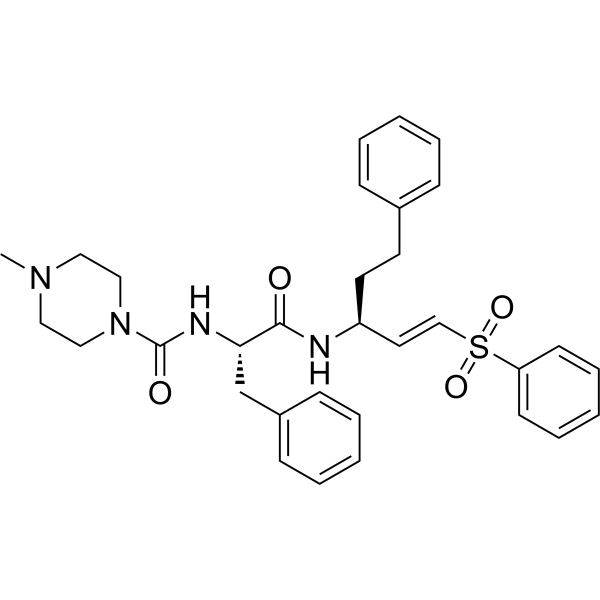
K777 is a potent, orally active and irreversible cysteine protease inhibitor. K777 is also a potent CYP3A4 inhibitor with an IC50 of 60 nM. K777 irreversibly inhibits Cruzain, the major cysteine protease of Trypansoma cruzi, and cathepsins B and L. K777 is a broad-spectrum antiviral by targeting cathepsin-mediated cell entry. K777 inhibits SARS-CoV and EBOV pseudovirus entry with IC50 values of 0.68 nM and 0.87 nM, respectively .
|
-
-
- HY-18964
-
|
Calpain inhibitor I; Ac-LLnL-CHO; ALLN
|
Proteasome
Apoptosis
|
Cancer
|
|
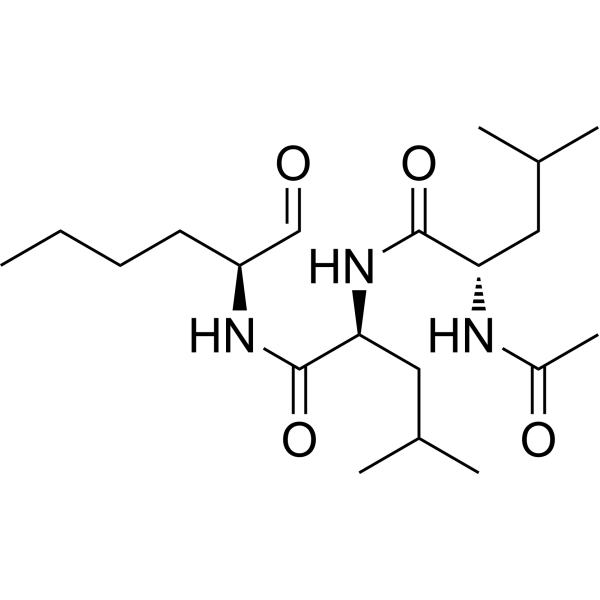
MG-101 (ALLN) is an inhibitor of cysteine proteases which inhibits calpain I, calpain II, cathepsin B and cathepsin L with Kis of 190, 220, 150 and 500 pM, respectively. MG-101 induces apoptosis and inhibits tumor growth, it can be used for the research of colon cancer .
|
-
-
- HY-128971
-
LHVS
3 Publications Verification
|
Cathepsin
Parasite
|
Infection
Neurological Disease
|
|
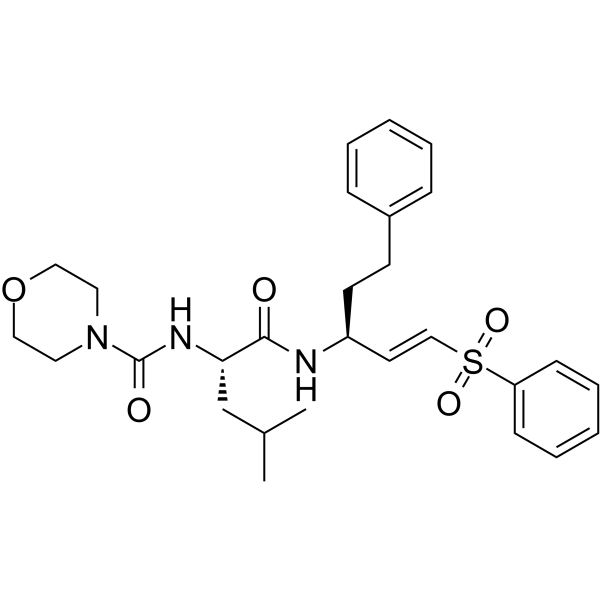
LHVS is a potent, non-selective, irreversible, cell-permeable cysteine protease and cathepsin inhibitor. LHVS decreases actin ring formation. LHVS inhibits T. gondii invasion with an IC50 of 10 μM .
|
-
-
- HY-P2780
-
-
-
- HY-101779
-
|
|
Glycosidase
|
Others
|
|
DCG04 is a multivalent ligand for the mannose-6-phosphate receptor. DCG-04 is an activity-based probe for cysteine cathepsins, and can be used for labelling numerous cysteine cathepsins in cell and tissue lysates .
|
-
-
- HY-142021
-
|
|
Cathepsin
Parasite
|
Infection
Inflammation/Immunology
|
|
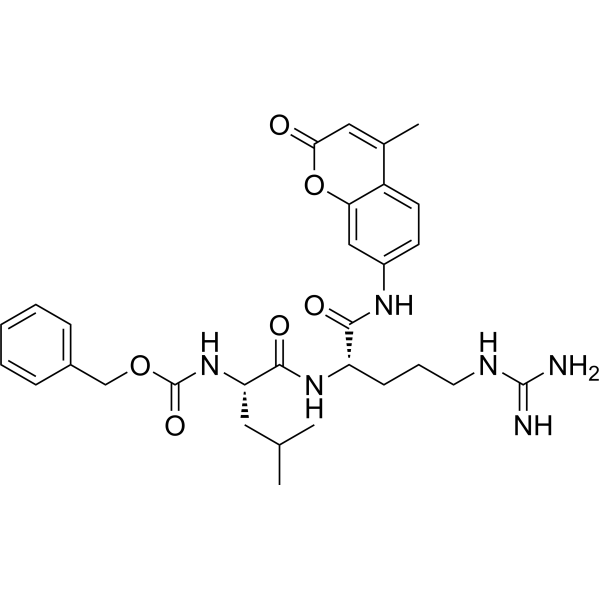
Z-Leu-Arg-AMC is a fluorogenic peptide substrate for cysteine proteases (e.g., Cathepsin) (Ex=350 nm,Em=460 nm). Z-Leu-Arg-AMC is preferentially cleaved by Cathepsin K and S under weakly acidic conditions, while its hydrolysis relies on residual Cathepsin S activity at neutral pH. Z-Leu-Arg-AMC serves as a substrate for recombinant Sphenophorus levis Cathepsin L, falcipain-2, falcipain-3, berghepain-2, knowlepain-2, vivapain-2, as well as falcipain-2 chimeras and constructs. It enables quantitative detection of cysteine protease activity in human inflammatory bronchoalveolar lavage fluid via fluorescence generation. Z-Leu-Arg-AMC can be used in research related to pulmonary inflammatory diseases and malaria .
|
-
-
- HY-115733
-
|
(Rac)-Z-Phe-Phe-FMK
|
Cathepsin
|
Cancer
|
|
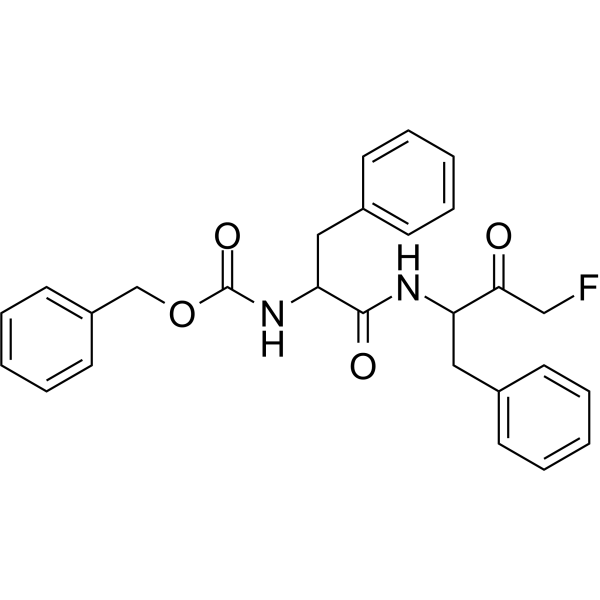
Cathepsin L-IN-2 ((Rac)-Z-Phe-Phe-FMK) is an isomer of the Cathepsin L inhibitor Z-Phe-Phe-FMK (HY-141867), with an IC50 of 15 μM for cathepsin L. Z-Phe-Phe-FMK irreversibly blocks the proteolytic function of cathepsins by covalently binding to the cysteine residues in the active center of the enzyme. Cathepsin L-IN-2 and Z-Phe-Phe-FMK can be used to study neurodegenerative diseases (such as GRN-related frontotemporal dementia) and cancer invasion and metastasis.
|
-
-
- HY-18234
-
-
-
- HY-102087
-
JPM-OEt
3 Publications Verification
|
Cathepsin
|
Cancer
|
|
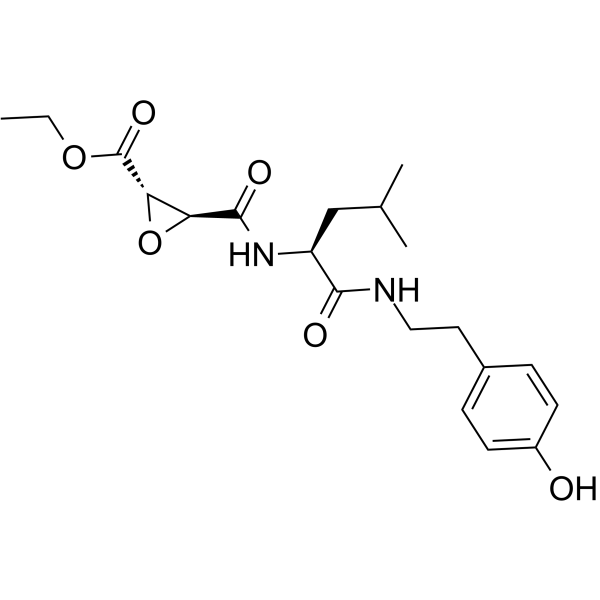
JPM-OEt is a broad spectrum cysteine cathepsin inhibitor. JPM-OEt binds covalently in the active site, and irreversibly inhibits the cysteine cathepsin family. Antitumor activity .
|
-
-
- HY-100227
-
E 64c
3 Publications Verification
|
Cathepsin
SARS-CoV
|
Metabolic Disease
|
|
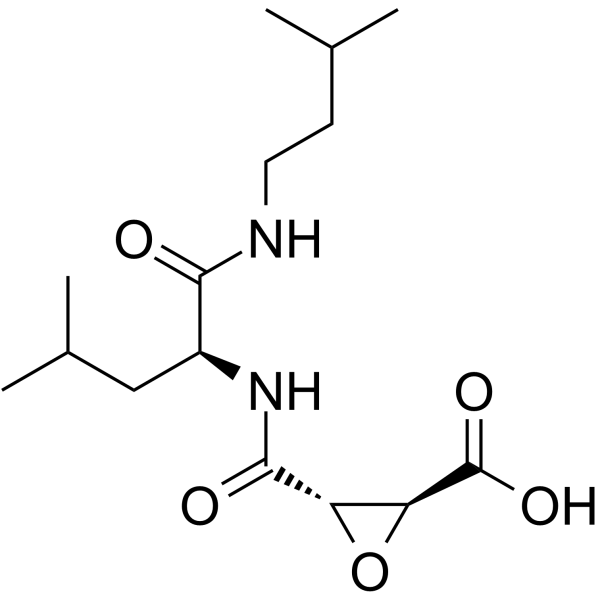
E 64c is a derivative of naturally occurring epoxide inhibitor of cysteine proteases, a Calcium-activated neutral protease (CANP) inhibitor and a very weak irreversible cathepsin C inhibitor. E 64c exhibits entry-blocking effect for MERS-CoV.
|
-
-
- HY-141867
-
|
Z-Phe-Phe-FMK
|
Cathepsin
MEK
Caspase
DNA/RNA Synthesis
Apoptosis
|
Cardiovascular Disease
Neurological Disease
|
|
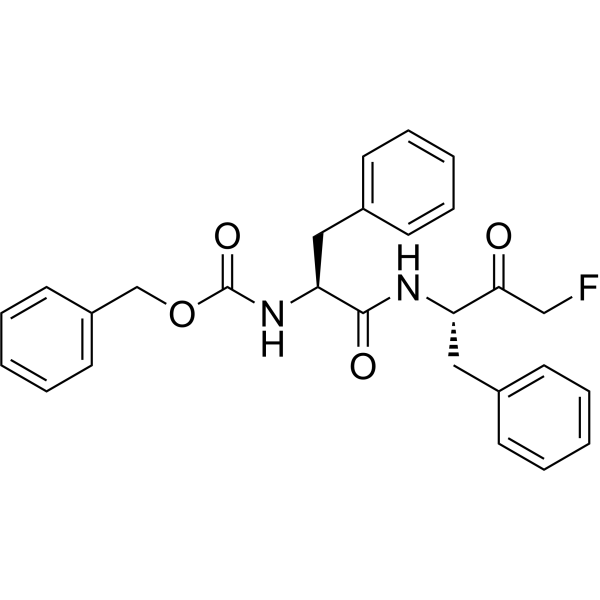
Z-FF-FMK (Z-Phe-Phe-FMK) is a cell-permeable, irreversible, and cysteine protease inhibitor targeting cathepsin-L. Z-FF-FMK inhibits angiotensin II-induced MEK activation in vascular walls, aortic medial remodeling, blood pressure elevation, and upregulation of cystatin C in aortic walls. Z-FF-FMK prevents β-amyloid-mediated caspase-3 activation, poly (ADP-ribose) polymerase cleavage, DNA fragmentation, and apoptosis of cortical neurons (apoptosis). Z-FF-FMK can be used in research related to hypertension and Alzheimer's disease .
|
-
-
- HY-E70226
-
|
CTSS
|
Ser/Thr Protease
|
Cardiovascular Disease
Inflammation/Immunology
Cancer
|
|
Cathepsin S, human, is a potent cysteine protease that promotes the degradation of damaged or harmful proteins in the endolysosomal pathway. Cathepsin S, human, is involved in multiple pathological processes, including arthritis, cancer, and cardiovascular disease .
|
-
-
- HY-W790014
-
|
|
Cathepsin
|
Infection
|
|
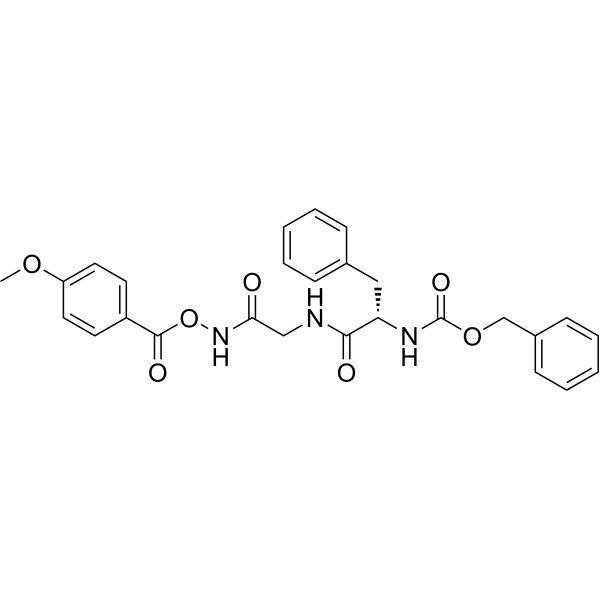
Z-FG-NHO-BzOME is a cysteine protease inhibitor that selectively inhibits cathepsin B, cathepsin L, cathepsin S, and papain .
|
-
-
- HY-Y0241
-
|
|
Cathepsin
|
Metabolic Disease
|
|
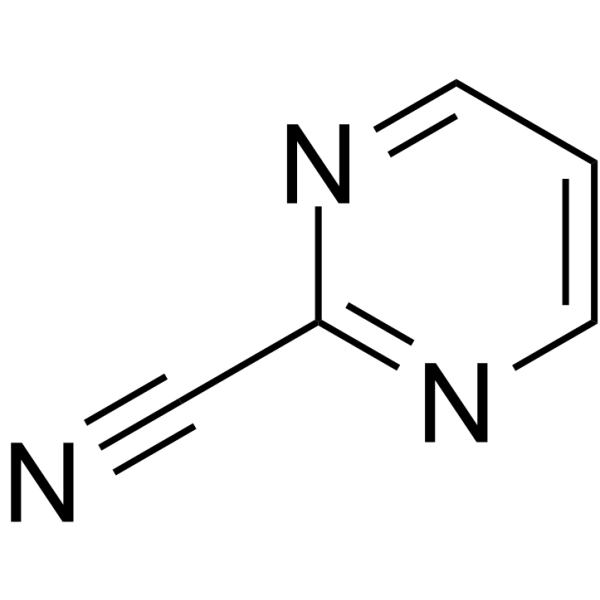
2-Cyanopyrimidine is a potent and non-selective cysteine protease cathepsin K inhibitor with an IC50 of 170 nM. 2-Cyanopyrimidine is used for osteoporos .
|
-
-
- HY-P1759A
-
|
Z-FR-AMC hydrochloride
|
Cathepsin
|
Others
|
|
N-CBZ-Phe-Arg-AMC (Z-FR-AMC) hydrochloride is a cathepsin substrate used in assessment activity of lysosomal cathepsin enzymes .
|
-
-
- HY-P2922
-
|
|
Cathepsin
|
Cancer
|
|
Cathepsin C is a lysosomal cysteine protease essential for catalytic activation of many serine proteases, including proteinase 3 (PR3), neutrophil elastase (NE), cathepsin G (CTSG), granzyme A/B/C, and mast cell chymase .
|
-
-
- HY-P3153
-
|
|
Cathepsin
|
Metabolic Disease
|
|
Cathepsin K is a cysteine protease with endo and collagenolytic activities. Cathepsin K induces degradation of bone collagen and can be used for the research of osteoporosis .
|
-
-
- HY-115454A
-
|
|
Cathepsin
|
Others
|
|
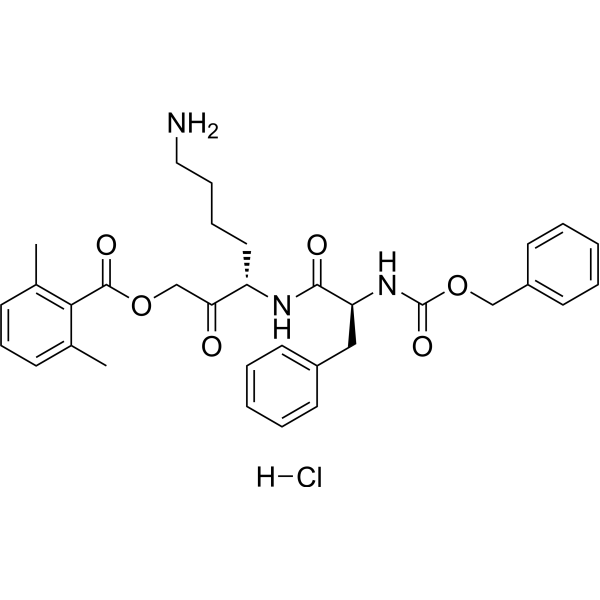
GB111-NH2 hydrochloride is a cysteine cathepsin inhibitor, and can be used for cancer study .
|
-
-
- HY-164634
-
|
|
Cathepsin
Cholecystokinin Receptor
|
Neurological Disease
Metabolic Disease
Cancer
|
|
CLIK-148 is a highly selective, irreversible and orally active cysteine protease inhibitor, primarily targeting Cathepsin L. CLIK-148 effectively inhibits the Cathepsin L-dependent degradation of HMG-CoA reductase in the endoplasmic reticulum (ER) membrane. CLIK-148 inhibits the processing of proCCK by Cathepsin L, thereby reducing the production of CCK8 (HY-P0093). CLIK-148 inhibits the degradation of type I collagen by osteoclasts' secreted Cathepsin L, reducing tumor-induced bone metastasis and malignant hypercalcemia. CLIK-148 can be used for the studies of bone metabolism disorders and regulation of neuropeptide processing .
|
-
-
- HY-119293A
-
|
|
Cathepsin
Cytochrome P450
Parasite
SARS-CoV
Filovirus
|
Infection
Inflammation/Immunology
Cancer
|
|
K777 tosylate is a potent, orally active and irreversible cysteine protease inhibitor. K777 tosylate is also a potent CYP3A4 inhibitor with an IC50 of 60 nM. K777 tosylate irreversibly inhibits Cruzain, the major cysteine protease of Trypansoma cruzi, and cathepsins B and L. K777 tosylate is a broad-spectrum antiviral by targeting cathepsin-mediated cell entry. K777 tosylate inhibits SARS-CoV and EBOV pseudovirus entry with IC50 values of 0.68 nM and 0.87 nM, respectively .
|
-
-
- HY-115454
-
-
-
- HY-143714
-
|
|
Cathepsin
|
Inflammation/Immunology
|
|
Cathepsin K inhibitor 2 is a potent inhibitor of cathepsin K. Cathepsin K, Cat K is a cysteine protease expressed under the control of CTSK gene and closely related to osteoporosis, whose main function is to hydrolyze collagen. Cathepsin K inhibitor 2 has the potential for the research of osteoarthfitis (extracted from patent WO2021147882A1, compound 78) .
|
-
-
- HY-P5377
-
|
Cathepsin K substrate
|
Ser/Thr Protease
|
Others
|
|
Abz-HPGGPQ-EDDnp (Cathepsin K substrate) is a biological active peptide. (Cathepsins are a class of globular lysosomal proteases, playing a vital role in mammalian cellular turnover. They degrade polypeptides and are distinguished by their substrate specificities. Cathepsin K is the lysosomal cysteine protease involved in bone remodeling and resorption. It has potential as a drug target in autoimmune diseases and osteoporosis.This FRET peptide can be used to monitor selectively cathepsin K activity in physiological fluids and cell lysates. Abz-HPGGPQ-EDDnp [where Abz represents o-aminobenzoic acid and EDDnp represents N -(2, 4-dinitrophenyl)-ethylenediamine], a substrate initially developed for trypanosomal enzymes, is efficiently cleaved at the Gly-Gly bond by cathepsin K. This peptide is resistant to hydrolysis by cathepsins B, F, H, L, S and V, Ex/Em=340 nm/420 nm.)
|
-
-
- HY-18964G
-
|
Calpain inhibitor I; Ac-LLnL-CHO; ALLN
|
Proteasome
Apoptosis
|
Cancer
|
|
MG-101 (GMP) (Calpain inhibitor I (GMP)) is MG-101 (HY-18964) produced by using GMP guidelines. GMP small molecules works appropriately as an auxiliary reagent for cell therapy manufacture. MG-101 (ALLN) is an inhibitor of cysteine proteases which inhibits calpain I, calpain II, cathepsin B and cathepsin L with Kis of 190, 220, 150 and 500 pM, respectively. MG-101 induces apoptosis and inhibits tumor growth, it can be used for the research of colon cancer .
|
-
-
- HY-158763
-
|
TG0205221
|
SARS-CoV
Cathepsin
Virus Protease
|
Infection
|
|
MPI8 (TG0205221) is an inhibitor of the major protease of SARS-CoV-2 (MPro) with high antiviral activity. MPI8 exerts its antiviral effect by dual and selective inhibition of SARS-CoV-2 MPro and host cell cysteine protease L (cathepsin L). MPI8 can be used in clinical studies of COVID-19 .
|
-
-
- HY-158763A
-
|
TG0205221 TFA
|
SARS-CoV
Cathepsin
Virus Protease
|
Infection
|
|
MPI8 (TG0205221) TFA is an inhibitor of the major protease of SARS-CoV-2 (MPro) with high antiviral activity. MPI8 TFA exerts its antiviral effect by dual and selective inhibition of SARS-CoV-2 MPro and host cell cysteine protease L (cathepsin L). MPI8 TFA can be used in clinical studies of COVID-19 .
|
-
-
- HY-172977
-
|
|
Cathepsin
NO Synthase
TNF Receptor
|
Neurological Disease
Inflammation/Immunology
|
|
FGA139 is a cysteine proteases inhibitor with IC50 values of 4.98/3.14 μM for cathepsin B/L. FGA139 reduces LPS-induced NO production in RAW264.7 cells and tumor necrosis factor (TNFα) levels in microglia, and has anti-oxidative stress and anti-inflammatory activities. FGA139 promotes the secretion of neuroprotective metabolites purine and linoleic acid by LPS-stimulated microglia. FGA139 can be used in neuroinflammatory diseases research .
|
-
-
- HY-18234AR
-
|
|
Reference Standards
Cathepsin
Ser/Thr Protease
Virus Protease
|
Infection
Inflammation/Immunology
|
|
Leupeptin (hemisulfate) (Standard) is the analytical standard of Leupeptin (hemisulfate). This product is intended for research and analytical applications. Leupeptin hemisulfate is a broad-spectrum, membrane-permeable protease inhibitor. Leupeptin hemisulfate potently inhibits serine, cysteine and threonine proteases. Leupeptin hemisulfate inhibits Mpro (the main protease of SARS-CoV-2) and also has anti-inflammatory activity[1][2][3].
|
-
-
- HY-101779A
-
|
|
Glycosidase
|
Others
|
|
DCG04 isomer-1 is an isomer of DCG04 (HY-101779). DCG04 is a multivalent ligand for the mannose-6-phosphate receptor. DCG-04 is an activity-based probe for cysteine cathepsins, and can be used for labelling numerous cysteine cathepsins in cell and tissue lysates .
|
-
-
- HY-15099
-
|
VEL 0230
|
Cathepsin
|
Inflammation/Immunology
|
|
NC 2300 (VEL-0230)is a selective and orally active cysteine cathepsin inhibitor with the IC50 values of 284, 34.5, and 186 nM for cathepsin B, K, and S, respectively.NC 2300 can be used for study of diseases involving bone mineral disorders .
|
-
-
- HY-171045
-
-
-
- HY-E70228
-
|
|
Ser/Thr Protease
|
Cancer
|
|
Cathepsin H, human liver is an aminopeptidase and an endopeptidase. Involved in the catabolism of proteins in the lysosomal system. Cathepsin H, human liver has a key role in the regulation of the biological behavior of tumor cells and the pathological processes of brain diseases .
|
-
-
- HY-168599
-
|
|
SARS-CoV
|
Infection
|
|
SARS-CoV-2 Mpro-IN-31 (Compound 18) is an inhibitor of SARS-CoV-2 M Pro with an IC50 value of 11 nM. Additionally, SARS-CoV-2 Mpro-IN-31 effectively inhibits the enzymatic activity of the cysteine proteases cathepsin B and cathepsin L, with IC50 values of 24 nM and 1.8 nM, respectively .
|
-
-
- HY-W014540
-
|
tert-Butyl L-prolinate hydrochloride
|
Biochemical Assay Reagents
|
|
|
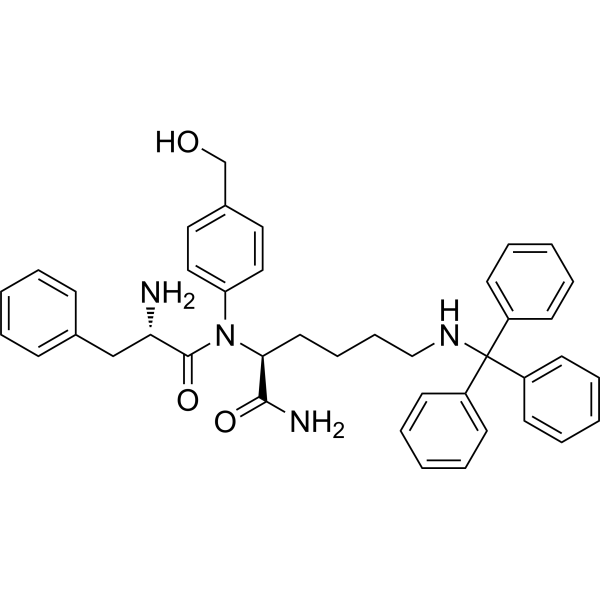
L-Proline tert-butyl ester hydrochloride (tert-Butyl L-prolinate hydrochloride) is a biologically active compound that has the activity of inhibiting cysteine and cathepsins, and is therefore widely used in the research and development of protease inhibitors. The characteristics of L-Proline tert-butyl ester hydrochloride make it of great significance in the field of biochemistry.
|
-
-
- HY-126988
-
|
α-MAPI
|
Elastase
|
Others
|
|
SP-Chymostatin B (α-MAPI) is a strong inhibitor of many proteases, including chymotrypsin, papain, chymotrypsin-like serine proteinases, chymases, and lysosomal cysteine proteinases such as cathepsins A,B,C, H, and L. SP-Chymostatin B weakly inhibits human leucocyte elastase .
|
-
-
- HY-122523
-
|
|
Bacterial
|
Infection
|
|
Tetromycin A is a tetronic acid-based antibiotic. It reportedly has pronounced activity against Gram-positive bacteria, including methicillin-resistant S. aureus. Related tetromycin derivatives have been found to have anti-trypanosomal activity and inhibit the cysteine protease cathepsin L with Ki values in the low micromolar range.
|
-
-
- HY-126489
-
|
|
Parasite
|
Infection
|
|
Tetromycin B is a cysteine protease inhibitor with Ki values of 0.62, 1.42, 32.5, and 1.59 μM for rhodesain, falcipain-2, cathepsin L, and cathepsin B, respectively. It inhibits the growth of T. brucei in vitro (IC50=30.87 μM). Tetromycin B is also cytotoxic to HEK293T kidney cells and J774.1 macrophages (IC50s=71.77 and 20.2 μM, respectively).
|
-
-
- HY-P4404
-
|
|
Cathepsin
|
Others
|
|
Abz-GIVRAK(Dnp) is the most efficient substrate for cathepsin B and is highly selective for this enzyme among lysosomal cysteine proteases. After Abz-GIVRAK(Dnp) is hydrolyzed, aminoacylbenziminosulfosuccinic acid (Abz-SAS) is released, and dinitrobenzoyl (Dnp) is also released. The product of this hydrolysis reaction, Abz-SAS, is fluorescent under ultraviolet light and can emit a fluorescent signal .
|
-
-
- HY-101779R
-
|
|
Reference Standards
Glycosidase
|
Others
|
|
DCG04 (Standard) is the analytical standard of DCG04 (HY-101779). This product is intended for research and analytical applications. DCG04 is a multivalent ligand for the mannose-6-phosphate receptor. DCG-04 is an activity-based probe for cysteine cathepsins, and can be used for labelling numerous cysteine cathepsins in cell and tissue lysates .
|
-
-
- HY-114584
-
|
|
Ser/Thr Protease
|
Neurological Disease
|
|
A-953227 is a highly potent and selective inhibitor with the activity of inhibiting calcium-dependent esterase (calpain). A-953227 has enhanced selectivity for related cysteine proteases (cathepsins) and has shown good efficacy in cell experiments. A-953227 has shown broad efficacy in preclinical models for Alzheimer's disease, suggesting that it has potential benefits in inhibiting Alzheimer's disease .
|
-
-
- HY-Y0241R
-
-
-
- HY-183940
-
|
|
Cathepsin
|
Infection
Cancer
|
|
Cathepsin L-IN-7 is an inhibitor of cathepsin L, cathepsin B and cathepsin S. Cathepsin L-IN-7 has an IC50 of 0.011 μM against cathepsin L and an IC50 of 0.062 μM against cathepsin S, while it shows weak inhibitory activity against cathepsin B. Cathepsin L-IN-7 binds to the active site of cysteine proteases and blocks their proteolytic function. Cathepsin L-IN-7 can be used in research on viral infections and cancer .
|
-
-
- HY-102087R
-
|
|
Reference Standards
Cathepsin
|
Cancer
|
|
JPM-OEt (Standard) is the analytical standard of JPM-OEt (HY-102087). This product is intended for research and analytical applications. JPM-OEt is a broad spectrum cysteine cathepsin inhibitor. JPM-OEt binds covalently in the active site, and irreversibly inhibits the cysteine cathepsin family. Antitumor activity .
|
-
-
- HY-183166
-
|
|
Cathepsin
|
Neurological Disease
|
|
Z-Arg-Lys-AOMK is a cathepsin B inhibitor that can cross the blood-brain barrier. Z-Arg-Lys-AOMK reduces cytosolic cathepsin B activity in homogenates of mouse cerebral cortex and hippocampal tissues, and alleviates motor dysfunction associated with CCI-TBI. Z-Arg-Lys-AOMK can be used in the research of traumatic brain injury .
|
-
-
- HY-179612
-
|
|
SARS-CoV
Cathepsin
Proteasome
|
Infection
|
|
SARS-CoV-2 3CLpro-IN-34 (Compound 55) is a highly efficient non-covalent inhibitor of the SARS-CoV-2 3CL pro protease (b. SARS-CoV-2 3CL pro protease) with an IC50 of 1.9 μM. SARS-CoV-2 3CLpro-IN-34 can inhibit the 3CL pro protein of SARS-CoV-1, with its IC50 being 3.2 μM, and it shows high selectivity towards host cysteine proteases (such as cathepsins L/K and calpain). SARS-CoV-2 3CLpro-IN-34 exhibits antiviral activity in cells infected with SARS-CoV-2, with its EC50 being 25 μM, and it is not affected by P-gp inhibitors and shows no significant cytotoxicity. SARS-CoV-2 3CLpro-IN-34 can be used for research on SARS-CoV-2 infection .
|
-
| Cat. No. |
Product Name |
Type |
-
- HY-18964G
-
|
Calpain inhibitor I; Ac-LLnL-CHO; ALLN
|
Fluorescent Dyes
|
|
MG-101 (GMP) (Calpain inhibitor I (GMP)) is MG-101 (HY-18964) produced by using GMP guidelines. GMP small molecules works appropriately as an auxiliary reagent for cell therapy manufacture. MG-101 (ALLN) is an inhibitor of cysteine proteases which inhibits calpain I, calpain II, cathepsin B and cathepsin L with Kis of 190, 220, 150 and 500 pM, respectively. MG-101 induces apoptosis and inhibits tumor growth, it can be used for the research of colon cancer .
|
| Cat. No. |
Product Name |
Type |
-
- HY-P1759A
-
|
Z-FR-AMC hydrochloride
|
Biochemical Assay Reagents
|
|
N-CBZ-Phe-Arg-AMC (Z-FR-AMC) hydrochloride is a cathepsin substrate used in assessment activity of lysosomal cathepsin enzymes .
|
-
- HY-18964G
-
|
Calpain inhibitor I; Ac-LLnL-CHO; ALLN
|
Biochemical Assay Reagents
|
|
MG-101 (GMP) (Calpain inhibitor I (GMP)) is MG-101 (HY-18964) produced by using GMP guidelines. GMP small molecules works appropriately as an auxiliary reagent for cell therapy manufacture. MG-101 (ALLN) is an inhibitor of cysteine proteases which inhibits calpain I, calpain II, cathepsin B and cathepsin L with Kis of 190, 220, 150 and 500 pM, respectively. MG-101 induces apoptosis and inhibits tumor growth, it can be used for the research of colon cancer .
|
-
- HY-W014540
-
|
tert-Butyl L-prolinate hydrochloride
|
Biochemical Assay Reagents
|
|
L-Proline tert-butyl ester hydrochloride (tert-Butyl L-prolinate hydrochloride) is a biologically active compound that has the activity of inhibiting cysteine and cathepsins, and is therefore widely used in the research and development of protease inhibitors. The characteristics of L-Proline tert-butyl ester hydrochloride make it of great significance in the field of biochemistry.
|
| Cat. No. |
Product Name |
Target |
Research Area |
-
- HY-18234
-
-
- HY-141867
-
|
Z-Phe-Phe-FMK
|
Cathepsin
MEK
Caspase
DNA/RNA Synthesis
Apoptosis
|
Cardiovascular Disease
Neurological Disease
|
|
Z-FF-FMK (Z-Phe-Phe-FMK) is a cell-permeable, irreversible, and cysteine protease inhibitor targeting cathepsin-L. Z-FF-FMK inhibits angiotensin II-induced MEK activation in vascular walls, aortic medial remodeling, blood pressure elevation, and upregulation of cystatin C in aortic walls. Z-FF-FMK prevents β-amyloid-mediated caspase-3 activation, poly (ADP-ribose) polymerase cleavage, DNA fragmentation, and apoptosis of cortical neurons (apoptosis). Z-FF-FMK can be used in research related to hypertension and Alzheimer's disease .
|
-
- HY-W790014
-
|
|
Cathepsin
|
Infection
|
|
Z-FG-NHO-BzOME is a cysteine protease inhibitor that selectively inhibits cathepsin B, cathepsin L, cathepsin S, and papain .
|
-
- HY-P5377
-
|
Cathepsin K substrate
|
Ser/Thr Protease
|
Others
|
|
Abz-HPGGPQ-EDDnp (Cathepsin K substrate) is a biological active peptide. (Cathepsins are a class of globular lysosomal proteases, playing a vital role in mammalian cellular turnover. They degrade polypeptides and are distinguished by their substrate specificities. Cathepsin K is the lysosomal cysteine protease involved in bone remodeling and resorption. It has potential as a drug target in autoimmune diseases and osteoporosis.This FRET peptide can be used to monitor selectively cathepsin K activity in physiological fluids and cell lysates. Abz-HPGGPQ-EDDnp [where Abz represents o-aminobenzoic acid and EDDnp represents N -(2, 4-dinitrophenyl)-ethylenediamine], a substrate initially developed for trypanosomal enzymes, is efficiently cleaved at the Gly-Gly bond by cathepsin K. This peptide is resistant to hydrolysis by cathepsins B, F, H, L, S and V, Ex/Em=340 nm/420 nm.)
|
-
- HY-P4404
-
|
|
Cathepsin
|
Others
|
|
Abz-GIVRAK(Dnp) is the most efficient substrate for cathepsin B and is highly selective for this enzyme among lysosomal cysteine proteases. After Abz-GIVRAK(Dnp) is hydrolyzed, aminoacylbenziminosulfosuccinic acid (Abz-SAS) is released, and dinitrobenzoyl (Dnp) is also released. The product of this hydrolysis reaction, Abz-SAS, is fluorescent under ultraviolet light and can emit a fluorescent signal .
|
| Cat. No. |
Product Name |
Category |
Target |
Chemical Structure |
| Cat. No. |
Product Name |
Target |
Research Areas |
Chemical Structure |
-
- HY-18964G
-
|
Calpain inhibitor I; Ac-LLnL-CHO; ALLN
|
Proteasome
Apoptosis
|
Cancer
|
|
MG-101 (GMP) (Calpain inhibitor I (GMP)) is MG-101 (HY-18964) produced by using GMP guidelines. GMP small molecules works appropriately as an auxiliary reagent for cell therapy manufacture. MG-101 (ALLN) is an inhibitor of cysteine proteases which inhibits calpain I, calpain II, cathepsin B and cathepsin L with Kis of 190, 220, 150 and 500 pM, respectively. MG-101 induces apoptosis and inhibits tumor growth, it can be used for the research of colon cancer .
|
-
Your information is safe with us. * Required Fields.
Inquiry Information
- Product Name:
- Cat. No.:
- Quantity:
- MCE Japan Authorized Agent:

