





1. Search Result
Search Result
Pathways Recommended: Antibody-drug Conjugate/ADC Related
Results for "

drug delivery agents

" in MedChemExpress (MCE) Product Catalog:

39

Inhibitors & Agonists

1

Screening Libraries

1

Fluorescent Dyes

25

Biochemical Assay Reagents

5

Peptides

2

Natural
Products

2

Isotope-Labeled Compounds

10

Oligonucleotides

Cat. No. Product Name Target Research Areas Chemical Structure
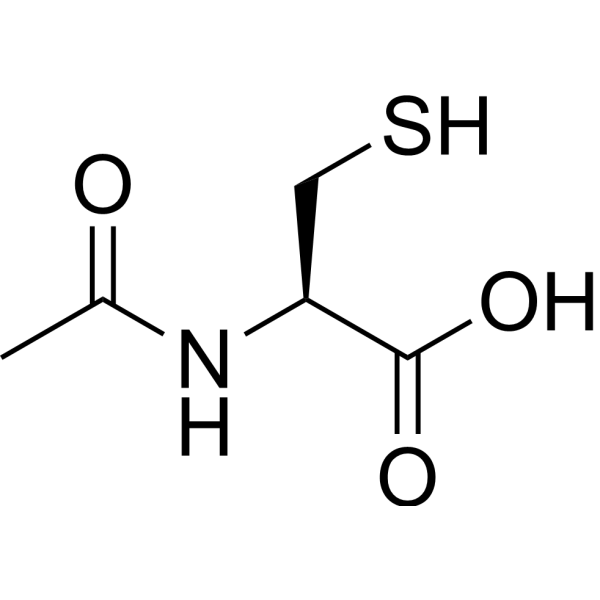
  • HY-B0215
    Acetylcysteine
    660+ Cited Publications

    N-Acetylcysteine; N-Acetyl-L-cysteine; NAC

    Reactive Oxygen Species (ROS) Endogenous Metabolite Apoptosis Ferroptosis Influenza Virus Disulfidptosis Infection Neurological Disease Inflammation/Immunology Cancer
    Acetylcysteine (N-Acetylcysteine) is a mucolytic agent that can cross the blood-brain barrier, which reduces the thickness of the mucus. Acetylcysteine is a ROS inhibitor. Acetylcysteine is a cysteine precursor, prevents hemin-induced ferroptosis by neutralizing toxic lipids generated by arachidonate-dependent activity of 5-lipoxygenases. Acetylcysteine induces cell apoptosis. Acetylcysteine also has anti-influenza virus activities. In addition, Acetylcysteine ​​is the most stable form of cysteine ​​during drug delivery and can be used in disulfidptosis studies .
    Acetylcysteine
  • HY-125861

    MC(Viscosity:100000mPa.s)

    Environmental Pollutants Biochemical Assay Reagents Others
    Methyl cellulose (MC) (Viscosity:100000mPa.s) is a non-ionic cellulose ether with surface activity and thermogelation properties. Methyl cellulose (Viscosity:100000mPa.s) is widely used as drug delivery agents, thickeners, stabilizers, emulsifiers, etc., in industries such as pharmaceuticals, food, cosmetics, and construction .
    Methyl cellulose(Viscosity:100000mPa.s)
  • HY-B2247A
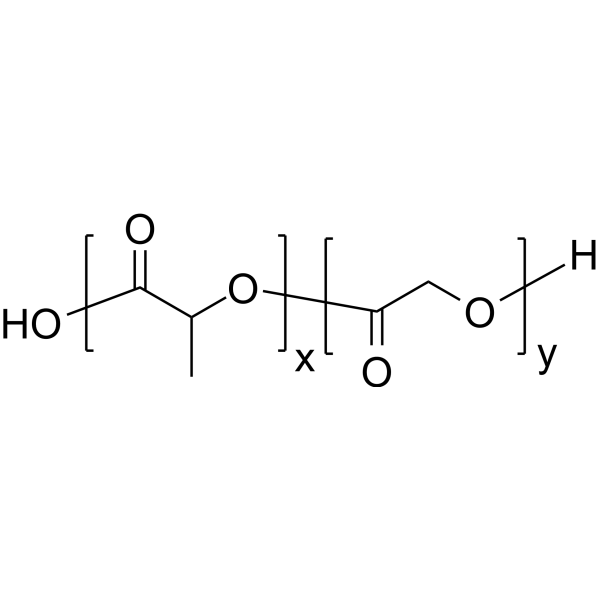
    PLGA (75:25)
    5+ Cited Publications

    poly(lactic-co-glycolic acid) (75:25)

    Biochemical Assay Reagents Others
    PLGA (75:25) is a low toxicity, biocompatible and biodegradable controlled drug delivery carrier, can achieve slow release in the organism. PLGA (75:25) is a copolymer of 75% poly lactic acid (PLA) and 25% poly glycolic acid (PGA). PLGA (75:25) has been extensively studied as delivery vehicles for agents, proteins and various other macromolecules such as DNA, RNA and peptides .
    PLGA (75:25)
  • HY-D1063
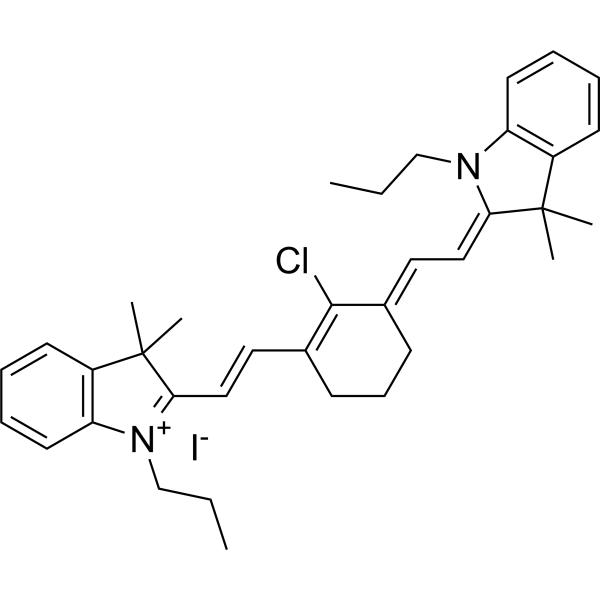
    IR-780
    5+ Cited Publications

    Fluorescent Dye Apoptosis Reactive Oxygen Species (ROS) Cancer
    IR-780 is a near-infrared fluorescent probe for in vivo imaging of tumor cells. IR-780 is transported into tumor cells via OATPs and ABCB10, with uptake dependent on glycolytic activity and plasma membrane potential. IR-780 preferentially accumulates in tumor cell mitochondria, including those of drug-resistant cancer cells, without chemical conjugation. IR-780 generates reactive oxygen species (ROS), induces hyperthermia and apoptosis, inhibits tumor growth and recurrence, and modulates HSP70 expression upon ultrasound or 808 nm laser exposure. IR-780 acts as a sonosensitizer, photodynamic and photothermal agent, and drug delivery carrier, with low acute imaging-dose toxicity and rapid vital organ clearance. IR-780 can be used for the research of cancer, such as breast cancer, lung cancer, and non-small cell lung cancer (NSCLC) .
    IR-780
  • HY-125861E
    Methyl cellulose(Viscosity:4000mPa.s)
    Maximum Cited Publications
    13 Publications Verification

    MC(Viscosity:4000mPa.s)

    Environmental Pollutants Biochemical Assay Reagents Others
    Methyl cellulose (MC) (Viscosity:4000mPa.s) is a non-ionic cellulose ether with surface activity and thermogelation properties. Methyl cellulose (Viscosity:4000mPa.s) is widely used as drug delivery agents, thickeners, stabilizers, emulsifiers, etc., in industries such as pharmaceuticals, food, cosmetics, and construction .
    Methyl cellulose(Viscosity:4000mPa.s)
  • HY-W020780

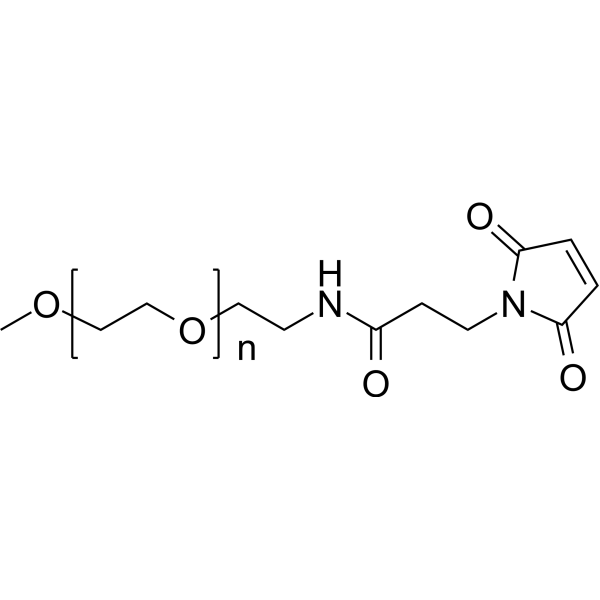
    mPEG5000-Maleimide

    Biochemical Assay Reagents Cancer
    mPEG5000-Mal (mPEG5000-Maleimide) is a PEG-derived selective covalent binding agent for sulfhydryl groups (RSGs), which can form irreversible thioether bonds with sulfhydryl groups under near-neutral conditions via the maleimide group. The mechanism of action of mPEG5000-Mal can be divided into two categories: firstly, as an enzyme modifier, it binds to target proteins through hydrophobic interactions, hydrogen bonds, and van der Waals forces, altering the protein's secondary structure; secondly, as a nanoparticle surface modifier, it covalently binds to sulfhydryl groups on the surface of red blood cells, changing the surface properties and morphology of the red blood cells, leading to their phagocytosis by macrophages of the reticuloendothelial system. mPEG5000-Mal can react with free cysteine in proteins, increasing the apparent molecular weight of the modified protein by 10-15 kDa for detection purposes. mPEG5000-Mal can enhance the thermal stability and catalytic activity of enzymes, and improve the macrophage targeting of nanoparticles, enabling targeted drug delivery. mPEG5000-Mal can be applied in enzyme engineering research in the food industry and in oncology, assisting radiotherapy by inhibiting tumor-associated macrophage infiltration and enhancing anti-tumor immune responses .
    mPEG5000-Mal
  • HY-A0103

    Environmental Pollutants Biochemical Assay Reagents Inflammation/Immunology
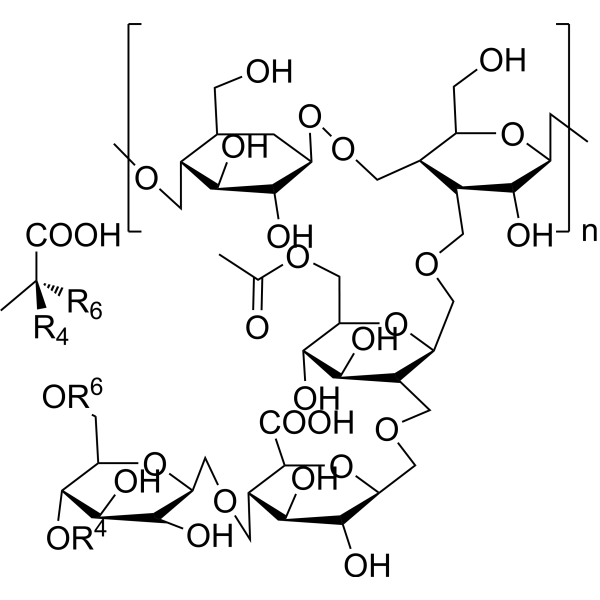
    Xanthan gum interacts with gelatin (HY-Y1365) via hydrogen bonds, thereby increasing the viscosity and stability of the hydrogel while promoting cell growth and creating a microenvironment conducive to cell differentiation [1][2]. Xanthan gum induces pro-inflammatory responses by increasing the levels of TNF-α, IL-6, and IL-10. Xanthan gum can be used for inflammation and immunology research .
    Xanthan gum
  • HY-125861B
    Methyl cellulose(Viscosity:400mPa.s)
    2 Publications Verification

    MC(Viscosity:400mPa.s)

    Environmental Pollutants Biochemical Assay Reagents Others
    Methyl cellulose (MC) (Viscosity:400mPa.s) is a non-ionic cellulose ether with surface activity and thermogelation properties. Methyl cellulose (Viscosity:400mPa.s) is widely used as drug delivery agents, thickeners, stabilizers, emulsifiers, etc., in industries such as pharmaceuticals, food, cosmetics, and construction .
    Methyl cellulose(Viscosity:400mPa.s)
  • HY-W068119A

    2-Maleimidoethylamine hydrochloride

    Biochemical Assay Reagents Cancer
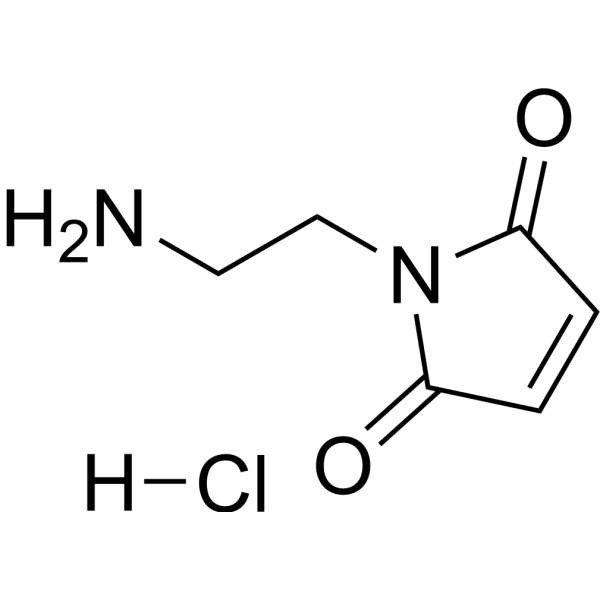
    N-(2-Aminoethyl)maleimide (2-Maleimidoethylamine) hydrochloride is a selective covalent binding agent for thiol groups (RSGs), covalently binding to thiols via an irreversible thioether bond to prepare MMP-2-sensitive nanosystems. Under near-neutral conditions, the maleimide group in N-(2-Aminoethyl)maleimide hydrochloride binds to thiol groups via a nucleophilic addition reaction, and can be used to modify polymers or biological interfaces, enhancing mucosal adhesion and regulating the surface charge of biological interfaces. N-(2-Aminoethyl)maleimide hydrochloride can optimize the adhesion performance of drug delivery carriers and cell interactions with biological interfaces, and is applied in transmucosal drug delivery systems (such as drug carriers for oral and bladder sites) and biomaterial surface engineering research, providing support for tissue implantation, regeneration, and related drug delivery .
    N-(2-Aminoethyl)maleimide hydrochloride
  • HY-125861A
    Methyl cellulose(Viscosity:15mPa.s)
    2 Publications Verification

    MC(Viscosity:15mPa.s)

    Environmental Pollutants Biochemical Assay Reagents Others
    Methyl cellulose (MC) (Viscosity:15mPa.s) is a non-ionic cellulose ether with surface activity and thermogelation properties. Methyl cellulose (Viscosity:15mPa.s) is widely used as drug delivery agents, thickeners, stabilizers, emulsifiers, etc., in industries such as pharmaceuticals, food, cosmetics, and construction .
    Methyl cellulose(Viscosity:15mPa.s)
  • HY-P10709

    Collagen Cardiovascular Disease Cancer
    CREKA peptide is a selective non-covalent binding agent targeting fibrin, type IV collagen, and fibronectin, often used as a targeting ligand to modify delivery carriers. CREKA peptide specifically recognizes fibrin, fibronectin, and type IV collagen that are excessively deposited in the tumor microenvironment or fibrotic tissue, mediating the targeted accumulation of the carrier at the lesion site and promoting drug internalization into target cells (such as cancer cells and activated hepatic stellate cells). CREKA peptide can enhance targeted delivery efficiency, increase drug concentration at the lesion site, and reduce systemic side effects .
    CREKA peptide
  • HY-155882

    mPEG750-NH2

    Biochemical Assay Reagents Cancer
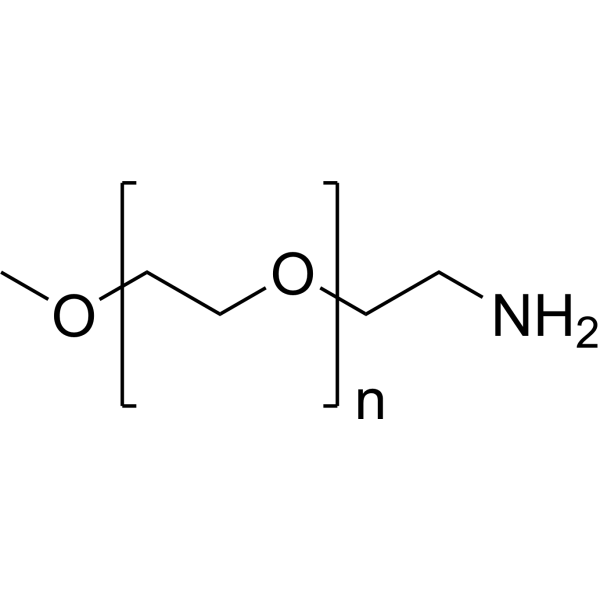
    mPEG750-amine (mPEG750-NH2) is a chemical modification reagent for nanoparticles, capable of covalently binding to Ad-PVA to form Ad-PVA-PEG polymers. mPEG750-amine stabilizes gene delivery complexes by providing steric hindrance, reducing particle aggregation, while enhancing the water solubility and serum stability of the complex, reducing carrier cytotoxicity, and assisting in the efficient condensation of pDNA by cationic components to form nanoparticles that can be endocytosed by cells. mPEG750-amine can also be used to synthesize folate-conjugated polymer micelles for encapsulating the anticancer agent Camptothecin (HY-16560). Folate-conjugated polymer micelles are effective carriers for poorly soluble anticancer drugs, capable of avoiding macrophages and acting through folate receptor (FR)-mediated endocytosis to target tumor cells. mPEG750-amine can be applied to research in the field of non-viral gene delivery, as a component of gene delivery vectors, facilitating the safe and efficient delivery of nucleic acid drugs to target cells .
    mPEG750-amine
  • HY-W011696

    cis-1-Amino-9-octadecene, 80-90%

    Environmental Pollutants Biochemical Assay Reagents Cancer
    Oleylamine, 80-90% (cis-1-Amino-9-octadecene, 80-90%) is a multifunctional reagent used for metal ion coordination and nanoparticle surface modification, and acts as a solvent, surfactant and reducing agent in the synthesis of metal oxide nanoparticles. Oleylamine, 80-90% regulates nanoparticle morphology, magnetization intensity and water proton relaxation rate via thiol-ene "click" reaction, and enhances the colloidal stability of nanoparticles in organic reagents. Oleylamine, 80-90% is mainly used in research and applications in fields such as nanomaterial synthesis, biomedical imaging (MRI contrast agents, fluorescent probes), cancer cell targeting and drug delivery .
    Oleylamine, 80-90%
  • HY-W440896

    Liposome Others
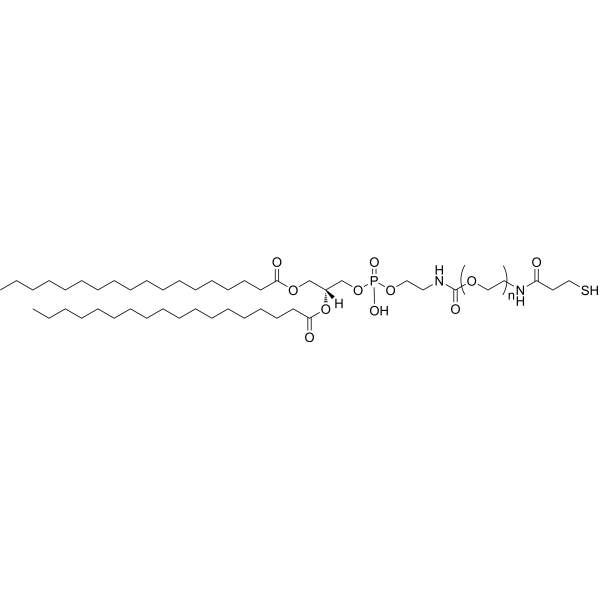
    DSPE-PEG2000-SH is an amphiphilic thiol-functionalized DSPE-PEG molecule. DSPE-PEG2000-SH inserts into extracellular vesicle (EV) bilayer membranes via hydrophobic interactions, displaying surface thiol groups to form EV-SH crosslinkers.DSPE-PEG2000-SH enables crosslinking of EV-SH with 8-arm PEG-norbornene via thiol-ene photochemistry to construct hydrogels, with hydrogel mechanical properties tunable via PEG segment molecular weight variation.DSPE-PEG2000-SH can be used to encapsulate agents for drug delivery system, such as mRNA vaccine .
    DSPE-PEG2000-SH
  • HY-125861C
    Methyl cellulose(Viscosity:1500mPa.s)
    2 Publications Verification

    MC(Viscosity:1500mPa.s)

    Environmental Pollutants Biochemical Assay Reagents Others
    Methyl cellulose (MC) (Viscosity:1500mPa.s) is a non-ionic cellulose ether with surface activity and thermogelation properties. Methyl cellulose (Viscosity:1500mPa.s) is widely used as drug delivery agents, thickeners, stabilizers, emulsifiers, etc., in industries such as pharmaceuticals, food, cosmetics, and construction .
    Methyl cellulose(Viscosity:1500mPa.s)
  • HY-151226

    GMS

    Environmental Pollutants Liposome Others
    Glyceryl monostearate (GMS) is a type of monoglyceride. Glyceryl monostearateGlyceryl monostearate can serve as a core lipid material for constructing solid lipid nanoparticles in the field of drug delivery. Glyceryl monostearate can be used as a gelling agent to structure liquid vegetable oils into semi-solid oleogels, so as to replace animal fat in meat products .
    Glyceryl monostearate
  • HY-112624K

    Dextran 5; Dextran D5; Dextran T5(MW 4500-5500)

    Apoptosis Autophagy Others
    Dextran T5 (MW 5,000) is a sulfated polysaccharide anti-apoptotic and autophagic agent. Dextran T5 (MW 5,000) has sulfated groups and interacts with cell membranes by mimicking endogenous glycosaminoglycans, inhibiting the mitochondrial apoptotic pathway and delaying DNA fragmentation to exert anti-apoptotic activity. Dextran T5 (MW 5,000) also promotes the conversion of LC3-I to LC3-II and the formation of autophagosomes to activate the autophagic pathway. Dextran T5 (MW 5,000) can prolong the survival cycle of CHO cells and increase the production of recombinant erythropoietin (EPO). The Dextran series of compounds are also natural polysaccharide drug carriers that can be connected to drugs through covalent bonding methods such as ester bonds, amide bonds or click chemistry, or self-assembled to form carriers such as nanoparticles and hydrogels. Dextran is biodegradable and biocompatible, and can achieve targeted delivery and controlled release of drugs. Dextran derivatives can prolong drug half-life, increase local concentration and reduce immune clearance activity. The Dextran series of compounds are also natural polysaccharide drug carriers that can be connected to drugs through covalent bonding methods such as ester bonds, amide bonds or click chemistry, or self-assembled to form carriers such as nanoparticles and hydrogels. Dextran is biodegradable and biocompatible, and can achieve targeted delivery and controlled release of drugs. Dextran derivatives can prolong the half-life of drugs, increase local concentrations, and reduce the activity of immune clearance .
    Dextran T5 (MW 5,000)
  • HY-125861D
    Methyl cellulose(Viscosity:40000mPa.s)
    2 Publications Verification

    MC(Viscosity:40000mPa.s)

    Environmental Pollutants Biochemical Assay Reagents Others
    Methyl cellulose (MC) (Viscosity:40000mPa.s) is a non-ionic cellulose ether with surface activity and thermogelation properties. Methyl cellulose (Viscosity:40000mPa.s) is widely used as drug delivery agents, thickeners, stabilizers, emulsifiers, etc., in industries such as pharmaceuticals, food, cosmetics, and construction .
    Methyl cellulose(Viscosity:40000mPa.s)
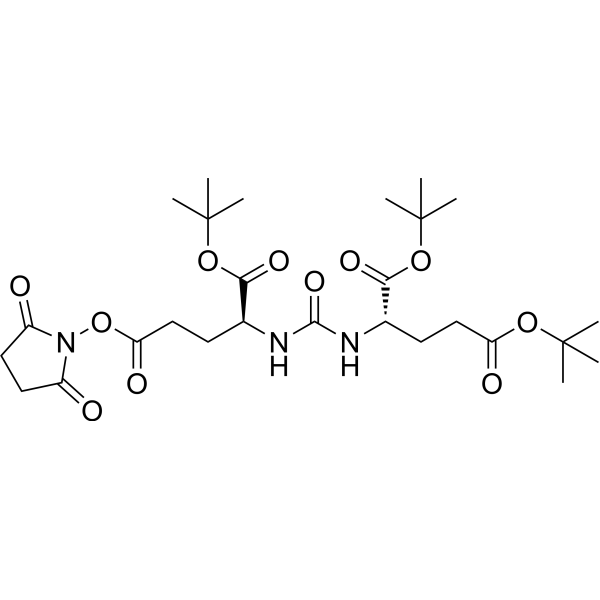
  • HY-147287

    PSMA Drug Intermediate Cancer
    Glu-urea-Glu-NHS ester is an activated N-hydroxysuccinamide (NHS) ester of Glu-urea-Glu. Glu-urea-Glu-NHS ester can be used for synthesis of small-molecule prostate-specific membrane antigen (PSMA) inhibitors, imaging agents (such as PSMAi-PEG conjugates), and targeted drug delivery vehicles .
    Glu-urea-Glu-NHS ester
  • HY-B0215S

    N-Acetylcysteine-d3; N-Acetyl-L-cysteine-d3; NAC-d3

    Isotope-Labeled Compounds Reactive Oxygen Species (ROS) Endogenous Metabolite Apoptosis Ferroptosis Influenza Virus Disulfidptosis Infection Neurological Disease
    Acetylcysteine-d3 is the deuterium labeled Acetylcysteine. Acetylcysteine (N-Acetylcysteine) is a mucolytic agent which reduces the thickness of the mucus. Acetylcysteine is a ROS inhibitor. Acetylcysteine is a cysteine precursor, prevents hemin-induced ferroptosis by neutralizing toxic lipids generated by arachidonate-dependent activity of 5-lipoxygenases. Acetylcysteine induces cell apoptosis. Acetylcysteine also has anti-influenza virus activities. In addition, Acetylcysteine is the most stable form of cysteine during drug delivery and can be used in disulfidptosis studies .
    Acetylcysteine-d3
  • HY-125861H

    MC(Viscosity:25mPa.s)

    Biochemical Assay Reagents Others
    Methyl cellulose (MC) (Viscosity:25mPa.s) is a non-ionic cellulose ether with surface activity and thermogelation properties. Methyl cellulose (Viscosity:25mPa.s) is widely used as drug delivery agents, thickeners, stabilizers, emulsifiers, etc., in industries such as pharmaceuticals, food, cosmetics, and construction .
    Methyl cellulose(Viscosity:25mPa.s)
  • HY-P4118

    Penetrating analog

    Amino Acid Derivatives Peptide-Drug Conjugates (PDCs) Others
    EB1 peptide (Penetrating analog) is an endosomolytic agent and siRNA delivery agent. EB1 peptide forms an amphipathic alpha helix upon protonation in early-late endosomes, drives endosomal membrane permeabilization, and enables endocytosed siRNA escape into the cytosol. EB1 peptide facilitates biologically active siRNA cellular uptake and targeted gene silencing. EB1 peptide forms complexes with siRNA. EB1 peptide can be used for drug delivery research .
    EB1 peptide
  • HY-W127640

    Biochemical Assay Reagents Others
    Phosphocholine Chloride Sodium Salt is an organic compound containing phosphate, choline and chloride ions. It is commonly used to prepare cell membranes and liposomes for drug delivery systems. Phosphocholine Chloride Sodium Salt has various applications in the pharmaceutical industry, especially as a stabilizer and surfactant. In addition, it is used as an emulsifier and conditioning agent in the manufacture of cosmetic and personal care products.
    Phosphocholine chloride disodium
  • HY-B0215R

    N-Acetylcysteine (Standard); N-Acetyl-L-cysteine (Standard); NAC (Standard)

    Reference Standards Reactive Oxygen Species (ROS) Endogenous Metabolite Apoptosis Ferroptosis Influenza Virus Disulfidptosis Infection Neurological Disease Cancer
    Acetylcysteine (Standard) is the analytical standard of Acetylcysteine. This product is intended for research and analytical applications. Acetylcysteine (N-Acetylcysteine) is a mucolytic agent which reduces the thickness of the mucus. Acetylcysteine is a ROS inhibitor . Acetylcysteine is a cysteine precursor, prevents hemin-induced ferroptosis by neutralizing toxic lipids generated by arachidonate-dependent activity of 5-lipoxygenases . Acetylcysteine induces cell apoptosis . Acetylcysteine also has anti-influenza virus activities . In addition, Acetylcysteine is the most stable form of cysteine during drug delivery and can be used in disulfidptosis studies .
    Acetylcysteine (Standard)
  • HY-144016

    Liposome Others
    16:0 EPC chloride, a P-O-ethyl derivative, is a saturated cationic lipid. 16:0 EPC chloride can serve as a DNA and RNA transfecting agent. 16:0 EPC chloride can be used as a co-adjuvant for preparing vaccines and promote drug delivery .
    16:0 EPC chloride
  • HY-D1005A7

    PEG-PPG-PEG, 2400 (Average)

    Biochemical Assay Reagents Others
    Poloxamer 125 (L45) (PEG-PPG-PEG, 2400 (Average)) is a block polymer of polyoxyethylene and polyoxypropylene, belonging to water-soluble non-ionic biosurfactants with properties such as emulsification and wetting. Poloxamer 125 (L45) has thermosensitive characteristics and can form thermoreversible hydrogels in aqueous solutions, presenting a fluid state at room temperature and transforming into a viscous gel under body temperature conditions; when its concentration is higher than the critical micelle concentration, it can also self-assemble into micelles in aqueous systems. Poloxamer 125 (L45) enables controlled drug release, prolongs the local retention time of drugs, and is often used as a drug delivery carrier. Poloxamer 125 (L45) can be applied in the fields of cosmetics, biomedicine and tissue engineering .
    Poloxamer 125 (L45)
  • HY-W116336B

    Biochemical Assay Reagents Fungal Bacterial Infection Cancer
    Zinc oxide, 99.99% metals basis is a versatile wide-bandgap semiconductor with superior comprehensive properties. Zinc oxide, 99.99% metals basis serves as raw material for Schottky diodes, functional nanostructures, sensors, energy harvesters and photocatalysts for hydrogen production. Zinc oxide, 99.99% metals basis acts as a non-toxic antibacterial agent and selective cytotoxin against multiple bacteria, fungi and spores. Zinc oxide, 99.99% metals basis induces cancer cell death. Zinc oxide, 99.99% metals basis is applicable to drug delivery, biosensing, bioimaging and researches on cancer, microbial infections and skin diseases .
    Zinc oxide, 99.99% metals basis
  • HY-B0215S1

    N-Acetylcysteine-15N; N-Acetyl-L-cysteine-15N; NAC-15N

    Isotope-Labeled Compounds Reactive Oxygen Species (ROS) Endogenous Metabolite Apoptosis Ferroptosis Influenza Virus Disulfidptosis Infection Neurological Disease
    Acetylcysteine- 15N (N-Acetylcysteine- 15N) is the 15N-labeled Acetylcysteine. Acetylcysteine (N-Acetylcysteine) is a mucolytic agent which reduces the thickness of the mucus. Acetylcysteine is a ROS inhibitor. Acetylcysteine is a cysteine precursor, prevents hemin-induced ferroptosis by neutralizing toxic lipids generated by arachidonate-dependent activity of 5-lipoxygenases. Acetylcysteine induces cell apoptosis. Acetylcysteine also has anti-influenza virus activities. In addition, Acetylcysteine is the most stable form of cysteine during drug delivery and can be used in disulfidptosis studies .
    Acetylcysteine-15N
  • HY-P10911

    LDLR Others
    IETP2 targets low-density lipoprotein receptor-related protein 1 (LRP1) with a KD of 738 nM and can be used for drug- and imaging agents delivery across the blood-labyrinth barrier (BLB) .
    IETP2
  • HY-145323

    Biochemical Assay Reagents Cancer
    Mitochondria-Targeted Photoactivatable Proagent accumulates in the mitochondria and shows light-triggered temporally controlled cell death. Mitochondria-Targeted Photoactivatable Proagent can be used in a novel drug delivery platform that provides on-demand, real-time, organelle-specific agent release and monitoring upon photoactivation .
    Mitochondria-Targeted Photoactivatable Prodrug
  • HY-W440907

    Biochemical Assay Reagents Others
    DSPE-PEG5000-Vinylsulfone is a viniyl sulfone PEG lipid which can be used for bioconjugation with cysteine or other thiol molecule through thiol-ene reaction. The polymer is a self-assembling reagetn which forms lipid bilayer in water and can be used as drug carrier to delivery therapeutic agents, such as mRNA or DNA vaccine.
    DSPE-PEG5000-Vinylsulfone
  • HY-W440904

    Biochemical Assay Reagents Others
    DSPE-PEG1000-Vinylsulfone is a viniyl sulfone PEG lipid which can be used for bioconjugation with cysteine or other thiol molecule through thiol-ene reaction. The polymer is a self-assembling reagetn which forms lipid bilayer in water and can be used as drug carrier to delivery therapeutic agents, such as mRNA or DNA vaccine.
    DSPE-PEG1000-Vinylsulfone
  • HY-W440905

    Biochemical Assay Reagents Others
    DSPE-PEG2000-Vinylsulfone is a viniyl sulfone PEG lipid which can be used for bioconjugation with cysteine or other thiol molecule through thiol-ene reaction. The polymer is a self-assembling reagetn which forms lipid bilayer in water and can be used as drug carrier to delivery therapeutic agents, such as mRNA or DNA vaccine.
    DSPE-PEG2000-Vinylsulfone
  • HY-174283

    Biochemical Assay Reagents Others
    Tri-valent linker-3 is a linker targeting Polymyxin B (PMB) and can be used to synthesize PMB-based drug delivery systems. Polymyxin B carries molecular payloads (e.g., nucleic acid agents) through the linker and binds megalin (a cell surface factor on the surface of target cells) with high affinity, thereby delivering the payload to tissues or cells .
    Tri-valent linker-3
  • HY-182092

    Liposome Others
    DSPE-PEG1000-Asp6 is a PEG compound which composed of DSPE and a Asp6 peptide. DSPE-PEG1000-Asp6 achieves bone-targeted delivery of drugs or imaging agents by binding to bone tissue with the Asp6 peptide through high affinity .
    DSPE-PEG1000-Asp6
  • HY-182092A

    Liposome Others
    DSPE-PEG5000-Asp6 is a PEG compound which composed of DSPE and a Asp6 peptide. DSPE-PEG5000-Asp6 achieves bone-targeted delivery of drugs or imaging agents by binding to bone tissue with the Asp6 peptide through high affinity .
    DSPE-PEG5000-Asp6
  • HY-182092C

    Liposome Others
    DSPE-PEG3400-Asp6 is a PEG compound which composed of DSPE and a Asp6 peptide. DSPE-PEG3400-Asp6 achieves bone-targeted delivery of drugs or imaging agents by binding to bone tissue with the Asp6 peptide through high affinity .
    DSPE-PEG3400-Asp6
  • HY-W440906

    Biochemical Assay Reagents Others
    DSPE-PEG3400-Vinylsulfone is a viniyl sulfone PEG lipid which can be used for bioconjugation with cysteine or other thiol molecule through thiol-ene reaction. The polymer is a self-assembling reagetn which forms lipid bilayer in water and can be used as drug carrier to delivery therapeutic agents, such as mRNA or DNA vaccine.
    DSPE-PEG3400-Vinylsulfone
  • HY-182092B

    Liposome Others
    DSPE-PEG2000-Asp6 is a PEG compound which composed of DSPE and a Asp6 peptide. DSPE-PEG2000-Asp6 achieves bone-targeted delivery of drugs or imaging agents by binding to bone tissue with the Asp6 peptide through high affinity .
    DSPE-PEG2000-Asp6

Inquiry Online

Your information is safe with us. * Required Fields.

Salutation


Country or Region *

Applicant Name *


Organization Name *

Department *


Email Address *


Product Name *

Cat. No.


Requested quantity *

Phone Number *


Remarks

Inquiry Online

Inquiry Information

Product Name:
Cat. No.:
Quantity:
MCE Japan Authorized Agent:

