Search Result
Results for "
endocrine-disrupting
" in MedChemExpress (MCE) Product Catalog:
1
Biochemical Assay Reagents
33
Isotope-Labeled Compounds
| Cat. No. |
Product Name |
Target |
Research Areas |
Chemical Structure |
-
- HY-18260
-
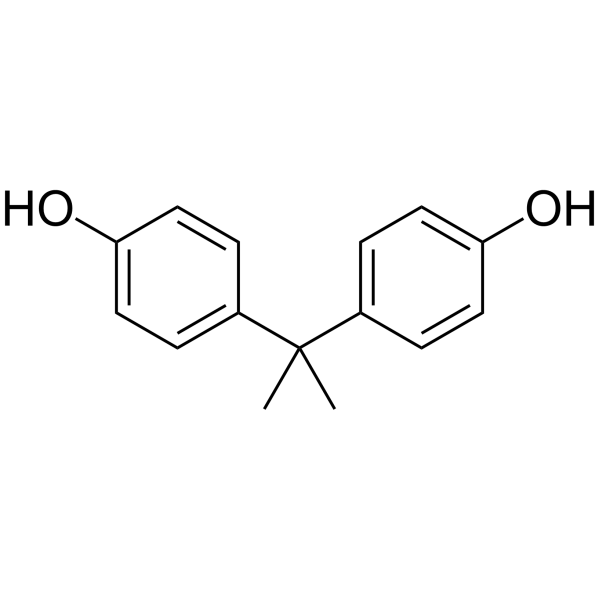
Bisphenol A
Maximum Cited Publications
15 Publications Verification
|
Environmental Pollutants
Endogenous Metabolite
Apoptosis
Reactive Oxygen Species (ROS)
p38 MAPK
Akt
|
Cardiovascular Disease
Metabolic Disease
Endocrinology
Cancer
|
|
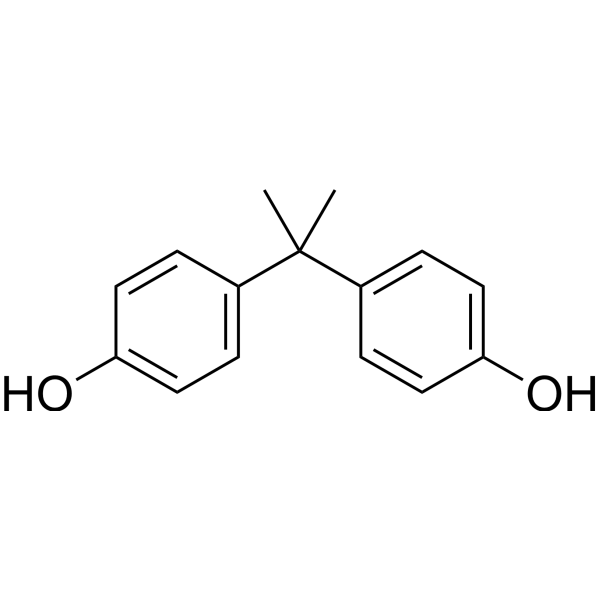
Bisphenol A is a phenolic, organic synthetic compound widely used in the production of polycarbonate plastics and epoxy resins. Bisphenol A is a reproductive, developmental, and systemic toxicant, often classified as an endocrine-disrupting compound (EDC). Bisphenol A is associated with many diseases, including cancers, cardiovascular diseases, respiratory diseases, diabetes, kidney diseases, obesity, and reproductivedisorders .
|
-
-
- HY-W100026
-
-
-
- HY-154918
-
|
|
Drug Metabolite
|
Metabolic Disease
|
|
LysoPE (18:2/0:0) is a lysophosphatidylethanolamine implicated in phospholipid metabolism. LysoPE (18:2/0:0) shows significantly altered serum levels in mice exposed to a combination of DEHP (HY-B1945) and Aroclor 1254, which is associated with disturbed phospholipid metabolism. LysoPE (18:2/0:0) can be used for the research of endocrine-disrupting compound-induced metabolic disorders and lipid metabolism disturbance. LysoPE (18:2/0:0) is identified as a potential biomarker for the combined toxicity of DEHP and Aroclor 1254 .
|
-
-
- HY-B0507
-
|
|
Environmental Pollutants
Antibiotic
Bacterial
|
Endocrinology
Cancer
|
|
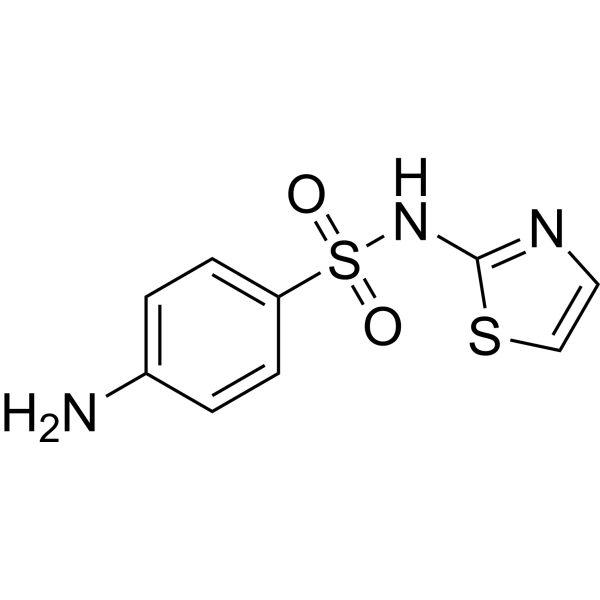
Sulfathiazole is an orally active, endocrine disruptor targeting the steroidogenic pathway, specifically enhancing the activity of CYP19 in human adrenal cancer cells (H295R) and upregulating the mRN expression of CYP17, CYP19, and 3β-HSD. Sulfathiazole increases the production of 17-estradiol (E2) and has endocrine disrupting effects on aquatic organisms such as the Japanese medaka fish .
|
-
-
- HY-133668
-
|
|
Drug Metabolite
Cytochrome P450
PPAR
|
Endocrinology
Cancer
|
|
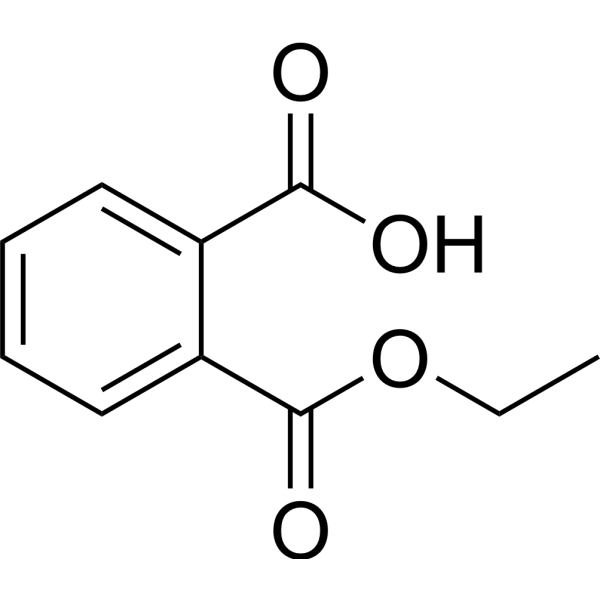
Monoethyl phthalate is an orally active PDX-1 activator and the major hydrolytic metabolite of Diethyl phthalate (HY-Y0284) in vivo, with reproductive toxicity. Monoethyl phthalate targets aromatase (aromatase/CYP19A1) and PPAR to induce cell proliferation. The plasma protein binding rate of Monoethyl phthalate in rats and humans is lower than that of Diethyl phthalate. It exhibits significant enterohepatic circulation in rats and mainly accumulates in liver tissues. Monoethyl phthalate shows no estrogenic activity in estrogen-dependent human breast cancer cells. Monoethyl phthalate can be used in studies of reproductive toxicity and related environmental endocrine disruption mechanisms .
|
-
-
- HY-18260S2
-
|
|
Isotope-Labeled Compounds
Reactive Oxygen Species (ROS)
p38 MAPK
Apoptosis
Akt
Endogenous Metabolite
|
Metabolic Disease
|
|
Bisphenol A- 13C12 is the 13C-labeled Bisphenol A (HY-18260). Bisphenol A is a phenolic, organic synthetic compound widely used in the production of polycarbonate plastics and epoxy resins. Bisphenol A is a reproductive, developmental, and systemic toxicant, often classified as an endocrine-disrupting compound (EDC). Bisphenol A is associated with many diseases, including cancers, cardiovascular diseases, respiratory diseases, diabetes, kidney diseases, obesity, and reproductivedisorders .
|
-
-
- HY-B0316
-
|
|
Environmental Pollutants
Apoptosis
Estrogen Receptor/ERR
|
Others
|
|
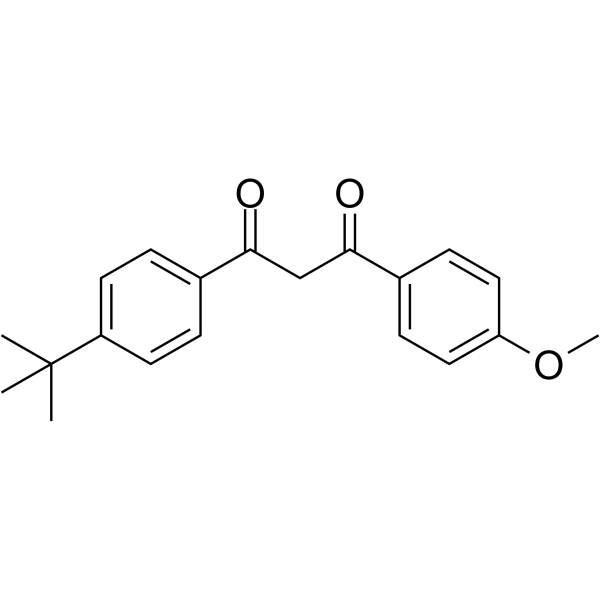
Avobenzone, a dibenzoylmethane compound, is one of the most widely used filters in sunscreens for skin photoprotection in the UVA band. Avobenzone is an endocrine disruptor that directly binds to estrogen receptor β and acts as an estrogen agonist .
|
-
-
- HY-A0067
-
|
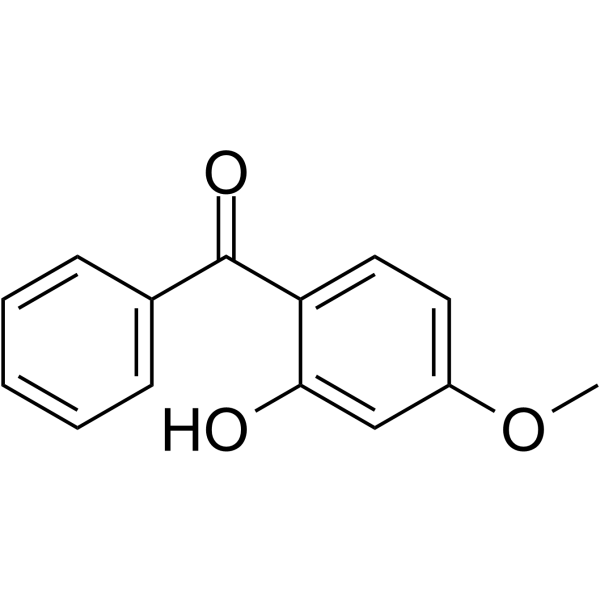
Benzophenone 3
|
Environmental Pollutants
Autophagy
RAR/RXR
Apoptosis
|
Neurological Disease
|
|
Oxybenzone (Benzophenone 3) is a commonly used UV filter in sun tans and skin protectants. Oxybenzone act as endocrine disrupting chemicals (EDCs) and can pass through the placental and blood-brain barriers. Benzophenone-3 impairs autophagy, alters epigenetic status, and disrupts retinoid X receptor signaling in apoptotic neuronal cells .
|
-
-
- HY-N7106
-
-
-
- HY-W013935
-
|
|
Endogenous Metabolite
Estrogen Receptor/ERR
Reactive Oxygen Species (ROS)
|
Endocrinology
|
|
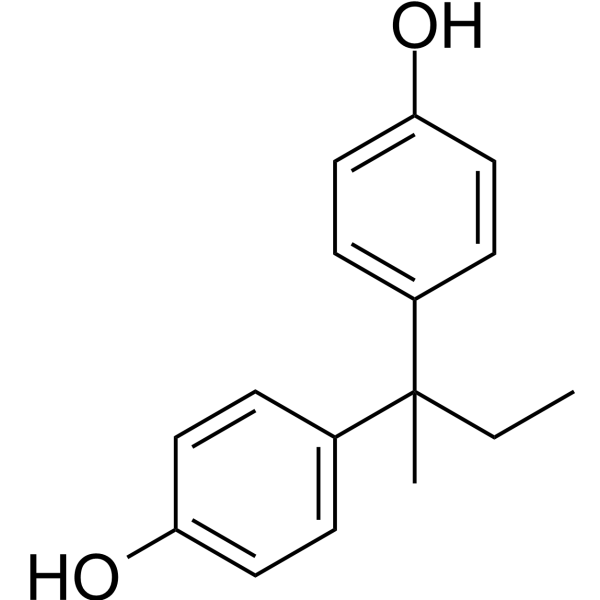
Bisphenol B is a close structural analog of Bisphenol A (BPA) (HY-18260). Bisphenol B is a potent, orally active endocrine disruptor (ED). Bisphenol B binds to G protein-coupled estrogen receptor (GPER) (IC50 = 3.3 μM) with higher affinity and agonistic activity than BPA. Bisphenol B promotes GPER mediated cell migration. Bisphenol B exerts estrogenic effects via GPER pathway at nanomolar concentration. Bisphenol B is used in the manufacture of polycarbonate resin with ED properties .
|
-
-
- HY-W014901
-
|
BPF; 4,4'-Dihydroxydiphenylmethane
|
Reactive Oxygen Species (ROS)
Akt
GSK-3
Apoptosis
|
Cardiovascular Disease
Neurological Disease
Metabolic Disease
Endocrinology
|
|
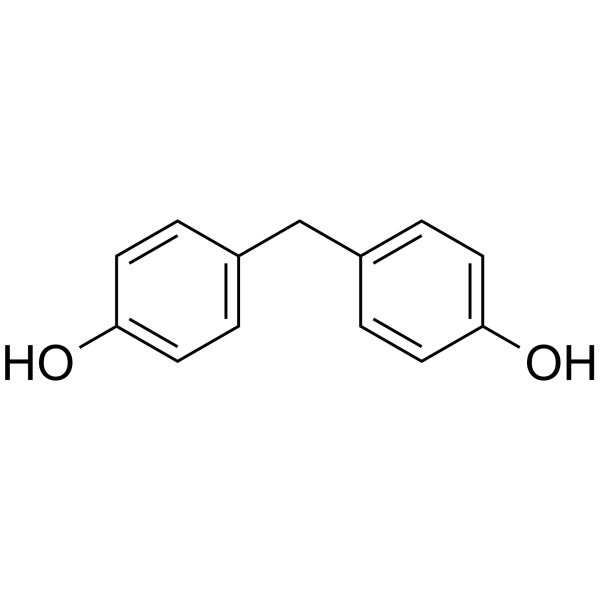
Bisphenol F is an orally active endocrine disruptor. Bisphenol F promotes ROS generation, upregulates p-AKT/p-GSK3β, and induces Apoptosis. Bisphenol F interferes with glucose metabolism, affects neurodevelopment and reproductive function. Bisphenol F reduces social novelty preference in mouse offspring. Bisphenol F can be used in bone, blood, and fat-related studies. Bisphenol F is used as a substitute for Bisphenol A (HY-18260) .
|
-
-
- HY-B1162
-
|
Benzophenone-4
|
Environmental Pollutants
Biochemical Assay Reagents
|
Metabolic Disease
|
|
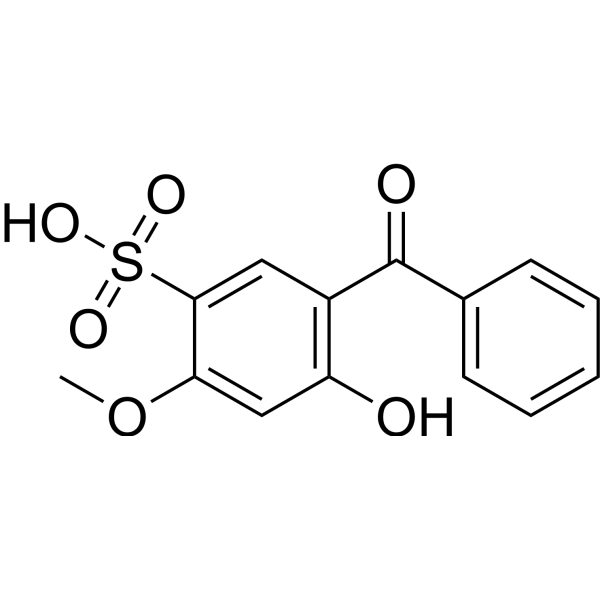
Sulisobenzone (Benzophenone-4) is a benzophenone-type UV filter. Sulisobenzone can act as a endocrine disrupting compound. Sulisobenzone disrupts energy metabolism, nucleotide synthesis, oxidative stress response, and endocrine function. Sulisobenzone thyroid hormone biosynthesis and induces oxidative stress .
|
-
-
- HY-B1805
-
|
3,4,4′-Trichlorocarbanilide
|
Environmental Pollutants
Bacterial
|
Infection
|
|
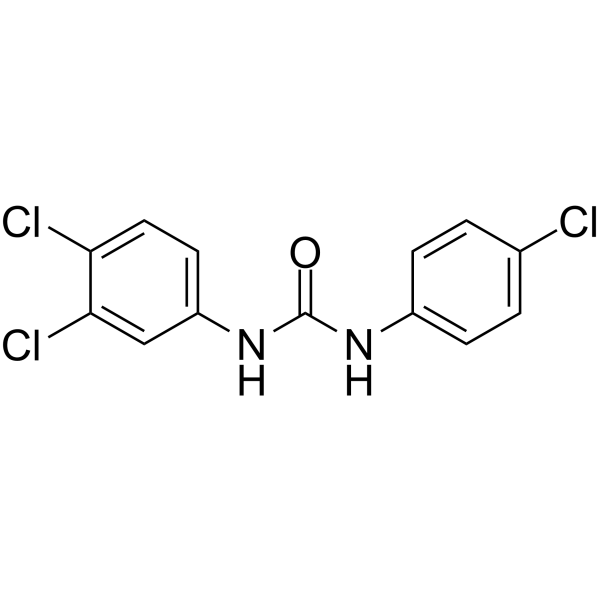
Triclocarban (3,4,4′-Trichlorocarbanilide), a broad spectrum antibacterial compound, is widely used in a broad range of applications such as the production of soaps, skin creams, toothpastes and deodorants. Triclocarban is a potential endocrine-disrupting chemical with the capacity to modulate androgen and estrogen activities as well as other hormone-mediated biological processes .
|
-
-
- HY-21197
-
|
Perfluoroheptanoic acid; Tridecafluoroheptanoic acid; PFHpA
|
PPAR
|
Neurological Disease
Metabolic Disease
Inflammation/Immunology
|
|
Perfluoroenanthic acid (Perfluoroheptanoic acid) is a kind of perfluoroalkyl carboxylic acid organic pollutant. Perfluoroenanthic acid has environmental persistence and bioaccumulation, and exposure can occur via oral, dermal and other routes. Perfluoroenanthic acid exhibits reproductive toxicity, neurotoxicity, hepatotoxicity, immunotoxicity and endocrine-disrupting effects. Perfluoroenanthic acid exerts definite adverse effects on development, spermatogenesis, neuronal activity and liver tissue .
|
-
-
- HY-18260S
-
|
|
Endogenous Metabolite
|
Metabolic Disease
|
|
Bisphenol A-d16 is the deuterium labeled Bisphenol A . Bisphenol A is a phenolic, organic synthetic compound widely used in the production of polycarbonate plastics and epoxy resins. Bisphenol A is a reproductive, developmental, and systemic toxicant, often classified as an endocrine-disrupting compound (EDC). Bisphenol A is associated with many diseases, including cardiovascular diseases, respiratory diseases, diabetes, kidney diseases, obesity, and reproductivedisorders .
|
-
-
- HY-N6714
-
|
|
Topoisomerase
Androgen Receptor
Estrogen Receptor/ERR
Apoptosis
|
Infection
Cancer
|
|
Alternariol is an orally ingested mycotoxin produced by Alternaria, capable of inhibiting the activity of topoisomerase I and II (topoisomerase I, topoisomerase II). Alternariol has weak estrogenic (Estrogen Receptor/ERR) and androgen/antiandrogen (Androgen Receptor) effects. Alternariol can induce apoptosis, trigger cell cycle arrest, suppress innate immune responses, and exhibit anti-tumor activity. Alternariol has genotoxic, mutagenic, and endocrine-disrupting effects .
|
-
-
- HY-B1866
-
Linuron
1 Publications Verification
|
Environmental Pollutants
Androgen Receptor
Herbicide
|
Infection
Metabolic Disease
Cancer
|
|
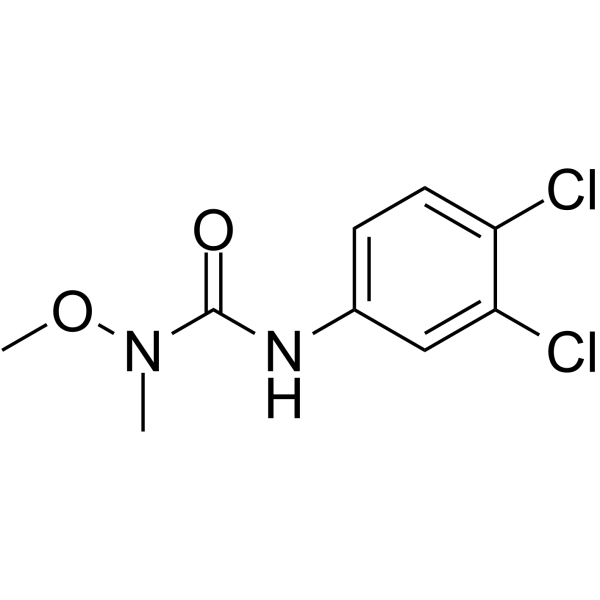
Linuron is a phenylurea herbicide widely used to control the growth of grasses and weeds in various crops and orchards. Linuron acts as a photosystem II inhibitor. It also functions as a competitive androgen receptor (AR) antagonist, with an EC50 of 200 μM and a Ki of 100 μM against rat AR, and an EC50 of 20 μM against human AR. Linuron exhibits reproductive toxicity in animals and acts as an endocrine disruptor .\n
|
-
-
- HY-17587
-
|
4-MBC; Enzacamene
|
Apoptosis
PI3K
Akt
ERK
|
Metabolic Disease
|
|
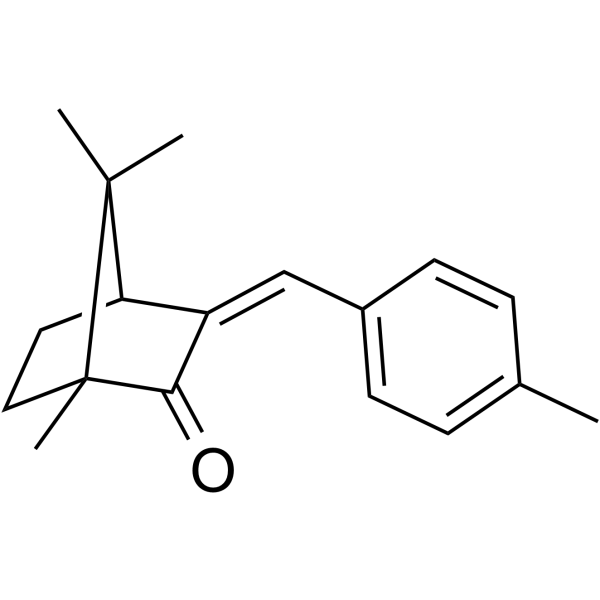
4-Methylbenzylidene camphor (4-MBC) is an endocrine disrupter that produces estrogen-like effects. 4-Methylbenzylidene camphor decreases the proliferation of human trophoblast cells and induces apoptosis. 4-Methylbenzylidene camphor activates PI3K/AKT and ERK1/2 signaling pathways and elevates intracellular ROS production. 4-Methylbenzylidene camphor is a ultraviolet (UV) filter and may hamper normal placental formation during early pregnancy .
|
-
-
- HY-B1941
-
|
|
Endogenous Metabolite
Apoptosis
DNA/RNA Synthesis
|
Neurological Disease
Metabolic Disease
Inflammation/Immunology
Endocrinology
|
|
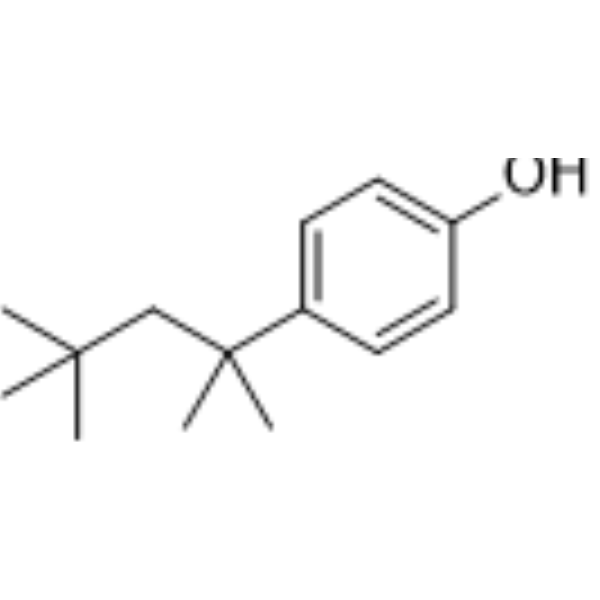
4-tert-Octylphenol, a endocrine-disrupting chemical, is an estrogenic agent. 4-tert-Octylphenol is also a biodegradation product of non-ionic surfactants alkylphenol polyethoxylates. 4-tert-Octylphenol induces apoptosis in neuronal progenitor cells in offspring mouse brain. 4-tert-Octylphenol reduces bromodeoxyuridine (BrdU), mitotic marker Ki67, and phospho-histone H3 (p-Histone-H3), resulting in a reduction of neuronal progenitor proliferation. 4-tert-Octylphenol disrupts brain development and behavior in mice, which is promising for reserch of immune response, neuro-related diseases and ethology .
|
-
-
- HY-B0507A
-
|
|
Antibiotic
Bacterial
|
Endocrinology
Cancer
|
|
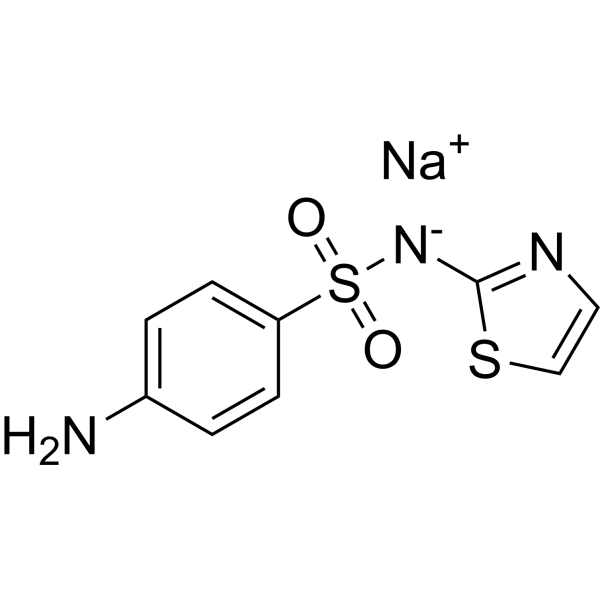
Sulfathiazole sodium is an orally active, endocrine disruptor targeting the steroidogenic pathway, specifically enhancing the activity of CYP19 in human adrenal cancer cells (H295R) and upregulating the mRN expression of CYP17, CYP19, and 3β-HSD. Sulfathiazole sodium increases the production of 17-estradiol (E2) and has endocrine disrupting effects on aquatic organisms such as the Japanese medaka fish. Sulfathiazole sodium is also a cathodic corrosion inhibitor. It inhibits the corrosion of copper by chloride ions through chemical and physical adsorption on the copper surface, reduces the corrosion current density and shifts the corrosion potential negatively .
|
-
-
- HY-W036120
-
|
2,2′,4,4′-Tetrahydroxybenzophenone
|
Environmental Pollutants
Glycosidase
Estrogen Receptor/ERR
Pregnane X Receptor (PXR)
|
Metabolic Disease
Endocrinology
|
|
Benzophenone-2 (2,2',4,4'-Tetrahydroxybenzophenone) is an organic ultraviolet absorber that is widely used in personal care products and industrial products such as plastics and coatings. Benzophenone-2 is an endocrine disruptor that can interfere with estrogen receptors (ERα receptor) and pregnane X receptor (PXR receptor) activity, leading to reproductive toxicity, immune disorders, and metabolic abnormalities. Benzophenone-2 can inhibit the activity of α-glucosidase (IC50 = 49.72 μM), and can be used for research on diabetes .
|
-
-
- HY-18260R
-
|
|
Endogenous Metabolite
Reference Standards
|
Metabolic Disease
|
|
Bisphenol A (Standard) is the analytical standard of Bisphenol A. This product is intended for research and analytical applications. Bisphenol A is a phenolic, organic synthetic compound widely used in the production of polycarbonate plastics and epoxy resins. Bisphenol A is a reproductive, developmental, and systemic toxicant, often classified as an endocrine-disrupting compound (EDC). Bisphenol A is associated with many diseases, including cardiovascular diseases, respiratory diseases, diabetes, kidney diseases, obesity, and reproductivedisorders .
|
-
-
- HY-Y1322
-
|
|
Environmental Pollutants
Mitophagy
Apoptosis
NF-κB
p38 MAPK
ERK
JNK
PI3K
Akt
Monoamine Oxidase
Reactive Oxygen Species (ROS)
PPAR
Indoleamine 2,3-Dioxygenase (IDO)
|
Cardiovascular Disease
Neurological Disease
Metabolic Disease
Inflammation/Immunology
Endocrinology
|
|
Triphenyl phosphate is an orally active, blood-brain barrier-permeable aryl organophosphate flame retardant and endocrine disruptor. Triphenyl phosphate disrupts mitochondrial dynamic balance through oxidative stress, induces excessive mitophagy and apoptosis, and ultimately leads to myocardial fibrosis. In the brain, Triphenyl phosphate activates the NF-κB inflammatory pathway by disrupting the gut microbiota, alters tryptophan metabolism and elevates neurotoxins, thereby inducing anxiety- and depression-like behaviors. In the skeletal and reproductive systems, Triphenyl phosphate inhibits osteoblast differentiation and induces germ cell apoptosis by suppressing the MAPK/ERK pathway and activating the JNK signal, respectively. In adipose and placental tissues, Triphenyl phosphate promotes lipid accumulation by activating the PI3K/AKT-PPARγ axis, and disrupts placental metabolism via the MAOA/ROS/NF-κB cascade, impairing neurodevelopment of offspring .
|
-
-
- HY-W654077
-
|
BPAF-d4; 4,4'-(Perfluoropropane-2,2-diyl)diphenol-d4
|
Estrogen Receptor/ERR
|
Endocrinology
|
Bisphenol AF-d4 is the isotope labelled analog of Bisphenol AF (HY-W013782). Bisphenol AF is a full agonist for the estrogen receptor. Bisphenol AF acts as an endocrine-disrupting chemical (EDC), activating estrogen through the estrogen receptor Era. Bisphenol AF-d4 can be used for the research of endocrinology and cancer .
|
-
-
- HY-W679754
-
|
PFTrDA
|
Biochemical Assay Reagents
Cytochrome P450
|
Metabolic Disease
|
|
Pentacosafluorotridecanoic Acid (PFTrDA) is a long-chain perfluoroalkyl carboxylic acid with strong endocrine-disrupting activity. Pentacosafluorotridecanoic Acid exhibits estrogenic effects and disrupts vtg1 transcription as well as sex hormone homeostasis in male Danio rerio. Pentacosafluorotridecanoic Acid disturbs steroidogenesis and HPG axis function in a sex-dependent pattern. Pentacosafluorotridecanoic Acid inhibits CYP17A and CYP11A1 to reduce testosterone and increase E2/T ratio in H295R cells. Pentacosafluorotridecanoic Acid triggers gender-specific immunomodulation after prenatal exposure. Pentacosafluorotridecanoic Acid correlates with lower eczema risk in female infants. Pentacosafluorotridecanoic Acid can be used for the research of endocrine disruption and eczema .
|
-
-
- HY-18260S1
-
|
|
Isotope-Labeled Compounds
Endogenous Metabolite
|
Endocrinology
|
|
Bisphenol A-d6 is the deuterium labeled Bisphenol A. Bisphenol A is a phenolic, organic synthetic compound widely used in the production of polycarbonate plastics and epoxy resins. Bisphenol A is a reproductive, developmental, and systemic toxicant, often classified as an endocrine-disrupting compound (EDC). Bisphenol A is associated with many diseases, including cardiovascular diseases, respiratory diseases, diabetes, kidney diseases, obesity, and reproductivedisorders .
|
-
-
- HY-W011215
-
|
|
Apoptosis
Reactive Oxygen Species (ROS)
|
Inflammation/Immunology
|
|
Dihexyl phthalate is one of the commonly used phthalate esters in various plastics and consumer products. Dihexyl phthalate is classified as a priority pollutant and an endocrine disruptor. Dihexyl phthalate can induce reactive oxygen species (ROS) accumulation, promote inflammation, and lead to significant increases in apoptosis and inflammation-related gene expression levels. Dihexyl phthalate can cause testicular atrophy and is a reproductive toxicant .
|
-
-
- HY-18260S6
-
|
|
Isotope-Labeled Compounds
Endogenous Metabolite
|
Metabolic Disease
|
|
Bisphenol A-d14 is a deuterium labeled Bisphenol A (HY-18260). Bisphenol A is a phenolic, organic synthetic compound widely used in the production of polycarbonate plastics and epoxy resins. Bisphenol A is a reproductive, developmental, and systemic toxicant, often classified as an endocrine-disrupting compound (EDC). Bisphenol A is associated with many diseases, including cardiovascular diseases, respiratory diseases, diabetes, kidney diseases, obesity, and reproductivedisorders .
|
-
-
- HY-W013816
-
|
|
AMPK
Akt
|
Metabolic Disease
|
|
Dipentyl phthalate is an endocrine-disrupting phthalate plasticizer. Dipentyl phthalate increases AMPK phosphorylation and decreases AKT1 phosphorylation and SIRT1 levels. Dipentyl phthalate reduces adrenocorticotropic hormone levels. Dipentyl phthalate is a testicular toxicant .
|
-
-
- HY-B0316R
-
|
|
Reference Standards
Estrogen Receptor/ERR
Apoptosis
|
Others
|
|
Avobenzone (Standard) is the analytical standard of Avobenzone. This product is intended for research and analytical applications. Avobenzone, a dibenzoylmethane compound, is one of the most widely used filters in sunscreens for skin photoprotection in the UVA band. Avobenzone is an endocrine disruptor that directly binds to estrogen receptor β and acts as an estrogen agonist .
|
-
-
- HY-W687022A
-
|
Polyvinyl chloride
|
Environmental Pollutants
Biochemical Assay Reagents
|
Endocrinology
|
|
Chloroethene polymer (Polyvinyl chloride) is an orally active vinyl chloride polymer. Chloroethene polymer is cytotoxic, reproductively toxic, and an endocrine disruptor. Chloroethene polymer can be used in the research of packaging inner surfaces, food wrapping paper, agricultural crop coverings, and plastic bottles .
|
-
-
- HY-B2035
-
|
|
Herbicide
Caspase
Cytochrome P450
MDM-2/p53
Interleukin Related
Reactive Oxygen Species (ROS)
Apoptosis
|
Others
|
|
Pretilachlor is a chloroacetamide herbicide with biological activities including endocrine disruption, oxidative stress induction, apoptosis induction, and immunotoxicity. Pretilachlor exerts its effects by interfering with hormone metabolism, inducing oxidative stress, activating apoptotic pathways, and inhibiting immune functions. Pretilachlor upregulates the transcription of P53, Mdm2, and Bbc3, and increases the activities of Caspase3 and Caspase9; it upregulates the transcription of genes in the HPG/HPT axis and the activity of aromatase; it induces oxidative stress, elevates ROS levels, and upregulates CAT, SOD, and GPX. Pretilachlor downregulates the transcription of CXCL-C1C, IL-1β, and IL-8. Pretilachlor disrupts the normal physiological processes and embryonic development of fish, exhibiting significant toxicity. Pretilachlor can be used in studies related to weeding, environmental pollution, and behavioral toxicity in fish .
|
-
-
- HY-133620
-
|
|
Insecticide
|
Infection
|
|
7-Oxodehydroabietic acid is a diterpene resin acid isolated from the roots of the pine Pinus densiflora. 7-Oxodehydroabietic acid play a defensive role against herbivorous insects via insect endocrine-disrupting activity .
|
-
-
- HY-121287
-
|
|
Herbicide
|
Cardiovascular Disease
|
|
Ioxynil is an herbicide that act as endocrine disruptor. Ioxynil can disrupt vascular and heart development in zebrafish .
|
-
-
- HY-B0507S
-
|
|
Isotope-Labeled Compounds
Antibiotic
Bacterial
|
Endocrinology
Cancer
|
|
Sulfathiazole-d4 is a deuterium labeled Sulfathiazole. Sulfathiazole is an orally active, endocrine disruptor targeting the steroidogenic pathway, specifically enhancing the activity of CYP19 in human adrenal cancer cells (H295R) and upregulating the mRN expression of CYP17, CYP19, and 3β-HSD. Sulfathiazole increases the production of 17-estradiol (E2) and has endocrine disrupting effects on aquatic organisms such as the Japanese medaka fish .
|
-
-
- HY-B0507B
-
|
|
Antibiotic
Bacterial
|
Endocrinology
Cancer
|
|
Sulfathiazole (100 μg/mL in acetonitrile) is an orally active, endocrine disruptor targeting the steroidogenic pathway, specifically enhancing the activity of CYP19 in human adrenal cancer cells (H295R) and upregulating the mRN expression of CYP17, CYP19, and 3β-HSD. Sulfathiazole (100 μg/mL in acetonitrile) increases the production of 17-estradiol (E2) and has endocrine disrupting effects on aquatic organisms such as the Japanese medaka fish. Sulfathiazole (100 μg/mL in acetonitrile) is also a cathodic corrosion inhibitor. Sulfathiazole (100 μg/mL in acetonitrile) inhibits the corrosion of copper by chloride ions through chemical and physical adsorption on the copper surface, reduces the corrosion current density and shifts the corrosion potential negatively .
|
-
-
- HY-N7106R
-
|
DMP (Standard)
|
Biochemical Assay Reagents
Reference Standards
|
Others
|
|
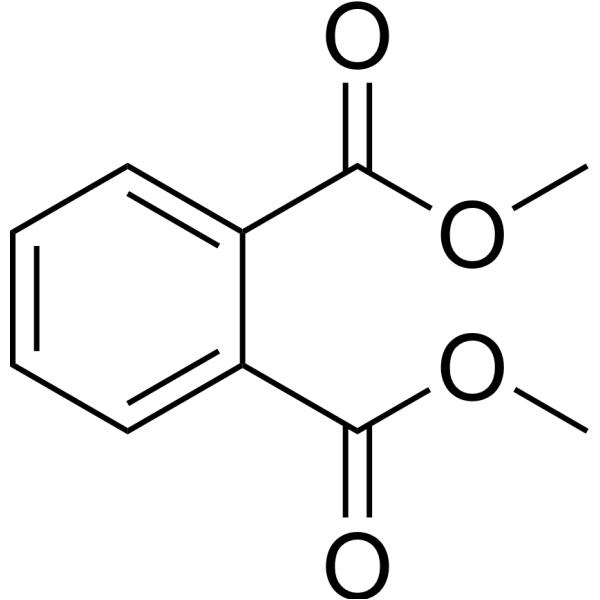
Dimethyl phthalate (Standard) is the analytical standard of Dimethyl phthalate. This product is intended for research and analytical applications. Dimethyl phthalate, a known endocrine disruptor and one of the phthalate esters (PAEs), is a ubiquitous pollutant. Dimethyl phthalate is commonly used as a plasticizer to impart flexibility to rigid polyvinylchloride (PVC) resins .
|
-
-
- HY-B1866S
-
|
|
Androgen Receptor
Isotope-Labeled Compounds
|
Others
|
|
Linuron-d6 is the deuterium labeled Linuron (HY-B1866). Linuron is a phenylurea herbicide that is widely used to control the growth of grass and weeds in various agriculture crops and in orchards. Linuron is a photosystem II inhibitor. Linuron is also a competitive androgen receptor (AR) antagonist with a Ki of 100 μM. Linuron shows reproductive toxicity in animals that acts as an endocrine disruptor .
|
-
-
- HY-A0067S
-
|
|
RAR/RXR
Apoptosis
Autophagy
|
Neurological Disease
|
|
Oxybenzone-d5 is the deuterium labeled Oxybenzone . Oxybenzone (Benzophenone 3) is a commonly used UV filter in sun tans and skin protectants. Oxybenzone act as endocrine disrupting chemicals (EDCs) and can pass through the placental and blood-brain barriers. Benzophenone-3 impairs autophagy, alters epigenetic status, and disrupts retinoid X receptor signaling in apoptotic neuronal cells .
|
-
-
- HY-18260S3
-
|
|
Endogenous Metabolite
|
Metabolic Disease
|
|
Bisphenol A-d8 is the deuterium labeled Bisphenol A . Bisphenol A is a phenolic, organic synthetic compound widely used in the production of polycarbonate plastics and epoxy resins. Bisphenol A is a reproductive, developmental, and systemic toxicant, often classified as an endocrine-disrupting compound (EDC). Bisphenol A is associated with many diseases, including cardiovascular diseases, respiratory diseases, diabetes, kidney diseases, obesity, and reproductivedisorders .
|
-
-
- HY-18260S4
-
|
|
Endogenous Metabolite
|
Metabolic Disease
|
|
Bisphenol A-d4 is the deuterium labeled Bisphenol A . Bisphenol A is a phenolic, organic synthetic compound widely used in the production of polycarbonate plastics and epoxy resins. Bisphenol A is a reproductive, developmental, and systemic toxicant, often classified as an endocrine-disrupting compound (EDC). Bisphenol A is associated with many diseases, including cardiovascular diseases, respiratory diseases, diabetes, kidney diseases, obesity, and reproductivedisorders .
|
-
-
- HY-W585956
-
|
3,4,4′-Trichlorocarbanilide-13C6
|
Isotope-Labeled Compounds
|
Others
|
|
Triclocarban- 13C6 is the 13C labeled isotope of Triclocarban (HY-B1805). Triclocarban (3,4,4′-Trichlorocarbanilide), a broad spectrum antibacterial compound, is widely used in a broad range of applications such as the production of soaps, skin creams, toothpastes and deodorants. Triclocarban is a potential endocrine-disrupting chemical with the capacity to modulate androgen and estrogen activities as well as other hormone-mediated biological processes .
|
-
-
- HY-B1805R
-
|
3,4,4′-Trichlorocarbanilide (Standard)
|
Reference Standards
Bacterial
|
Infection
Endocrinology
|
|
Triclocarban (Standard) (3,4,4′-Trichlorocarbanilide (Standard)) is the analytical standard of Triclocarban (HY-B1805). This product is intended for research and analytical applications. Triclocarban, a broad spectrum antibacterial compound, is widely used in a broad range of applications such as the production of soaps, skin creams, toothpastes and deodorants. Triclocarban is a potential endocrine-disrupting chemical with the capacity to modulate androgen and estrogen activities as well as other hormone-mediated biological processes .
|
-
-
- HY-W585856
-
|
|
Drug Intermediate
|
Others
|
|
Bisphenol A (3-chloro-2-hydroxypropyl) glycidyl ether is a chlorinated derivative that is released during heat treatment of food cans, bulk storage containers, and food containers. Bisphenol A (3-chloro-2-hydroxypropyl) glycidyl ether is an endocrine disruptor that affects reproductive organs and brain development.
|
-
-
- HY-B1866R
-
|
|
Reference Standards
Androgen Receptor
|
Endocrinology
|
|
Linuron (Standard) is the analytical standard of Linuron. This product is intended for research and analytical applications. Linuron is a phenylurea herbicide that is widely used to control the growth of grass and weeds in various agriculture crops and in orchards. Linuron is a photosystem II inhibitor. Linuron is also a competitive androgen receptor (AR) antagonist with a Ki of 100 μM. Linuron shows reproductive toxicity in animals that acts as an endocrine disruptor .
|
-
-
- HY-W011215S
-
|
|
Isotope-Labeled Compounds
Apoptosis
Reactive Oxygen Species (ROS)
|
Others
|
|
Dihexyl phthalate-3,4,5,6-d4 is the deuterium labeled Dihexyl phthalate-3,4,5,6. Dihexyl phthalate (HY-W011215) is one of the commonly used phthalate esters in various plastics and consumer products. Dihexyl phthalate is classified as a priority pollutant and an endocrine disruptor. Dihexyl phthalate can induce reactive oxygen species (ROS) accumulation, promote inflammation, and lead to significant increases in apoptosis and inflammation-related gene expression levels. Dihexyl phthalate can cause testicular atrophy and is a reproductive toxicant .
|
-
-
- HY-W014901S
-
-
-
- HY-Y1322S
-
|
Celluflex TPP-d15; DHPF 005-d15; Disflamol TP-d15; Disflamoll TP-d15; NSC 57868-d15; Phenyl phosphate ((PhO)3PO)-d15; Phoscon FR 903N-d15
|
Isotope-Labeled Compounds
Environmental Pollutants
ERK
Indoleamine 2,3-Dioxygenase (IDO)
p38 MAPK
NF-κB
Akt
Monoamine Oxidase
Mitophagy
Reactive Oxygen Species (ROS)
JNK
PI3K
PPAR
Apoptosis
|
Cardiovascular Disease
Neurological Disease
Metabolic Disease
Inflammation/Immunology
Endocrinology
|
|
Triphenyl phosphate-d15 is the deuterium labeled Triphenyl phosphate. Triphenyl phosphate is an orally active, blood-brain barrier-permeable aryl organophosphate flame retardant and endocrine disruptor. Triphenyl phosphate disrupts mitochondrial dynamic balance through oxidative stress, induces excessive mitophagy and apoptosis, and ultimately leads to myocardial fibrosis. In the brain, Triphenyl phosphate activates the NF-κB inflammatory pathway by disrupting the gut microbiota, alters tryptophan metabolism and elevates neurotoxins, thereby inducing anxiety- and depression-like behaviors. In the skeletal and reproductive systems, Triphenyl phosphate inhibits osteoblast differentiation and induces germ cell apoptosis by suppressing the MAPK/ERK pathway and activating the JNK signal, respectively. In adipose and placental tissues, Triphenyl phosphate promotes lipid accumulation by activating the PI3K/AKT-PPARγ axis, and disrupts placental metabolism via the MAOA/ROS/NF-κB cascade, impairing neurodevelopment of offspring.
|
-
-
- HY-B2021
-
|
|
Insecticide
|
Neurological Disease
|
|
τ-Fluvalinate is an insecticide and in-hive miticide, with its mechanism involving interfering with nervous systems. τ-Fluvalinate binds to the open state of Varroa destructor (VdNaV1) and Apis mellifera (AmNaV1) voltage-dependent sodium channels, with EC50 values of 160 nM and 60 nM respectively. τ-Fluvalinate has higher affinity for AmNaV1, which causes sublethal toxicity to honeybees. τ-Fluvalinate can be applied for research on Varroa destructor infestation in honeybee colonies .
|
-
-
- HY-W653896
-
|
|
Isotope-Labeled Compounds
Androgen Receptor
Apoptosis
Topoisomerase
Estrogen Receptor/ERR
|
Infection
|
|
Alternariol-d2 is deuterium labeled Alternariol. Alternariol is an orally ingested mycotoxin produced by Alternaria, capable of inhibiting the activity of topoisomerase I and II (topoisomerase I, topoisomerase II). Alternariol has weak estrogenic (Estrogen Receptor/ERR) and androgen/antiandrogen (Androgen Receptor) effects. Alternariol can induce apoptosis, trigger cell cycle arrest, suppress innate immune responses, and exhibit anti-tumor activity. Alternariol has genotoxic, mutagenic, and endocrine-disrupting effects .
|
-
- HY-W585831
-
|
BDCPP
|
Biochemical Assay Reagents
|
Others
|
|
Bis(1,3-dichloro-2-propyl) phosphate (BDCPP) is a metabolite of the flame retardant TDCPP (HY-108712) and has endocrine disrupting properties. Bis(1,3-dichloro-2-propyl) phosphate can be used in environmental monitoring, toxicology, and exposure assessment studies .
|
-
- HY-W011103
-
|
|
Biochemical Assay Reagents
Environmental Pollutants
|
Others
|
|
Diheptyl phthalate is a class of phthalates consisting of two heptyl (C7) chains attached to a phthalic acid backbone. This compound is commonly used as a plasticizer in various polymer materials such as PVC to increase flexibility and durability. It can also be used as a lubricant, solvent or additive in various industrial applications such as coatings, adhesives and sealants. However, Diheptyl phthalate has been identified as an environmental pollutant and health hazard due to its potential for endocrine disruption and toxicity.
|
-
- HY-A0067R
-
|
Benzophenone 3 (Standard)
|
Reference Standards
RAR/RXR
Autophagy
Apoptosis
|
Neurological Disease
|
|
Oxybenzone (Standard) is the analytical standard of Oxybenzone. This product is intended for research and analytical applications. Oxybenzone (Benzophenone 3) is a commonly used UV filter in sun tans and skin protectants. Oxybenzone act as endocrine disrupting chemicals (EDCs) and can pass through the placental and blood-brain barriers. Benzophenone-3 impairs autophagy, alters epigenetic status, and disrupts retinoid X receptor signaling in apoptotic neuronal cells .
|
-
- HY-W014901S1
-
-
- HY-W013816R
-
|
|
AMPK
Akt
Reference Standards
|
Metabolic Disease
|
|
Dipentyl phthalate (Standard) is the analytical standard of Dipentyl phthalate. This product is intended for research and analytical applications. Dipentyl phthalate is an endocrine-disrupting phthalate plasticizer. Dipentyl phthalate increases AMPK phosphorylation and decreases AKT1 phosphorylation and SIRT1 levels. Dipentyl phthalate reduces adrenocorticotropic hormone levels. Dipentyl phthalate is a testicular toxicant .
|
-
- HY-B1805S
-
|
3,4,4′-Trichlorocarbanilide-d4
|
Bacterial
|
Infection
|
|
Triclocarban-d4 is the deuterium labeled Triclocarban. Triclocarban (3,4,4′-Trichlorocarbanilide), a broad spectrum antibacterial compound, is widely used in a broad range of applications such as the production of soaps, skin creams, toothpastes and deodorants. Triclocarban is a potential endocrine-disrupting chemical with the capacity to modulate androgen and estrogen activities as well as other hormone-mediated biological processes .
|
-
- HY-18260S5
-
|
|
Endogenous Metabolite
|
Metabolic Disease
|
|
Bisphenol A-d4-1 is the deuterium labeled Bisphenol A . Bisphenol A is a phenolic, organic synthetic compound widely used in the production of polycarbonate plastics and epoxy resins. Bisphenol A is a reproductive, developmental, and systemic toxicant, often classified as an endocrine-disrupting compound (EDC). Bisphenol A is associated with many diseases, including cardiovascular diseases, respiratory diseases, diabetes, kidney diseases, obesity, and reproductivedisorders .
|
-
- HY-B1941R
-
|
|
Reference Standards
Endogenous Metabolite
Apoptosis
DNA/RNA Synthesis
|
Neurological Disease
Metabolic Disease
Inflammation/Immunology
Endocrinology
|
|
4-tert-Octylphenol (Standard) is the analytical standard of 4-tert-Octylphenol. This product is intended for research and analytical applications. 4-tert-Octylphenol, a endocrine-disrupting chemical, is an estrogenic agent. 4-tert-Octylphenol is also a biodegradation product of non-ionic surfactants alkylphenol polyethoxylates. 4-tert-Octylphenol induces apoptosis in neuronal progenitor cells in offspring mouse brain. 4-tert-Octylphenol reduces bromodeoxyuridine (BrdU), mitotic marker Ki67, and phospho-histone H3 (p-Histone-H3), resulting in a reduction of neuronal progenitor proliferation. 4-tert-Octylphenol disrupts brain development and behavior in mice, which is promising for reserch of immune response, neuro-related diseases and ethology .
|
-
- HY-W679754R
-
|
PFTrDA (Standard)
|
Reference Standards
Biochemical Assay Reagents
Cytochrome P450
|
Metabolic Disease
|
|
Pentacosafluorotridecanoic Acid (Standard) is the analytical standard of Pentacosafluorotridecanoic Acid (PFTrDA) (HY-W679754). This product is intended for research and analytical applications.Pentacosafluorotridecanoic Acid is a long-chain perfluoroalkyl carboxylic acid with strong endocrine-disrupting activity. Pentacosafluorotridecanoic Acid exhibits estrogenic effects and disrupts vtg1 transcription as well as sex hormone homeostasis in male Danio rerio. Pentacosafluorotridecanoic Acid disturbs steroidogenesis and HPG axis function in a sex-dependent pattern. Pentacosafluorotridecanoic Acid inhibits CYP17A and CYP11A1 to reduce testosterone and increase E2/T ratio in H295R cells. Pentacosafluorotridecanoic Acid triggers gender-specific immunomodulation after prenatal exposure. Pentacosafluorotridecanoic Acid correlates with lower eczema risk in female infants. Pentacosafluorotridecanoic Acid can be used for the research of endocrine disruption and eczema .
|
-
- HY-B1805S1
-
|
3,4,4'-Trichlorocarbanilide-13C13
|
Isotope-Labeled Compounds
Bacterial
|
Infection
|
|
Triclocarban- 13C13 (3,4,4'-Trichlorocarbanilide- 13C13) is 13C labeled Triclocarban. Triclocarban (3,4,4′-Trichlorocarbanilide), a broad spectrum antibacterial compound, is widely used in a broad range of applications such as the production of soaps, skin creams, toothpastes and deodorants. Triclocarban is a potential endocrine-disrupting chemical with the capacity to modulate androgen and estrogen activities as well as other hormone-mediated biological processes .
|
-
- HY-N6714R
-
|
|
Reference Standards
Topoisomerase
Androgen Receptor
Estrogen Receptor/ERR
Apoptosis
|
Infection
Cancer
|
|
Alternariol (Standard) is the analytical standard of Alternariol. This product is intended for research and analytical applications. Alternariol is an orally ingested mycotoxin produced by Alternaria, capable of inhibiting the activity of topoisomerase I and II (topoisomerase I, topoisomerase II). Alternariol has weak estrogenic (Estrogen Receptor/ERR) and androgen/antiandrogen (Androgen Receptor) effects. Alternariol can induce apoptosis, trigger cell cycle arrest, suppress innate immune responses, and exhibit anti-tumor activity. Alternariol has genotoxic, mutagenic, and endocrine-disrupting effects .
|
-
- HY-W653975
-
|
|
Isotope-Labeled Compounds
Endogenous Metabolite
|
Endocrinology
|
|
Bisphenol B-d8 is the deuterium labeled Bisphenol B (HY-W013935). Bisphenol B is a very close structural analog of Bisphenol A (HY-18260), an endocrine disrupting chemical (EDC). Bisphenol B shows endocrine disruptive properties or other adverse effects on animal models .
|
-
- HY-W673588
-
|
|
Drug Derivative
|
Endocrinology
|
|
2,3-Dichlorobiphenyl is a polychlorinated biphenyl (PCB). 2,3-Dichlorobiphenyl is an endocrine disruptor that affects gonadal differentiation in Xenopus laevis .
|
-
- HY-W009265
-
|
Octoxynol-2
|
Drug Metabolite
|
Others
|
|
4-Octylphenol diethoxylate (Octoxynol-2) is an endogenous estradiol like endocrine disrupter. 4-Octylphenol diethoxylate is the water contaminant .
|
-
- HY-B2058R
-
|
|
Reference Standards
Fungal
|
Infection
|
|
Triticonazole (Standard) is the analytical standard of Triticonazole. This product is intended for research and analytical applications. Triticonazole is a triazole pesticide. Triticonazole is an azole fungicide and shows endocrine disrupting activities .
|
-
- HY-B0507R
-
|
|
Reference Standards
Antibiotic
Bacterial
|
Endocrinology
Cancer
|
|
Sulfathiazole (Standard) is the analytical standard of Sulfathiazole (HY-B0507). This product is intended for research and analytical applications. Sulfathiazole is an orally active, endocrine disruptor targeting the steroidogenic pathway, specifically enhancing the activity of CYP19 in human adrenal cancer cells (H295R) and upregulating the mRN expression of CYP17, CYP19, and 3β-HSD. Sulfathiazole increases the production of 17-estradiol (E2) and has endocrine disrupting effects on aquatic organisms such as the Japanese medaka fish .
|
-
- HY-N7106S1
-
|
DMP-d6
|
Isotope-Labeled Compounds
|
Others
|
|
Dimethyl phthalate-d6 is the deuterium labeled Dimethyl phthalate. Dimethyl phthalate, a known endocrine disruptor and one of the phthalate esters (PAEs), is a ubiquitous pollutant. Dimethyl phthalate is commonly used as a plasticizer to impart flexibility to rigid polyvinylchloride (PVC) resins .
|
-
- HY-B1838
-
Asulam
1 Publications Verification
|
Herbicide
|
Others
|
|
Asulam is a herbicide with control activity against wild oats. Asulam can be used for bulb production in spinach, tulips, daffodils and lilies. Maximum residue limits (MRLs) for Asulam were evaluated in spinach. The review of Asulam took into account its endocrine disrupting properties .
|
-
- HY-N7106S
-
|
DMP (Ring-d4)
|
Isotope-Labeled Compounds
|
Others
|
|
Dimethyl phthalate (Ring-d4) is the deuterium labeled Dimethyl phthalate. Dimethyl phthalate, a known endocrine disruptor and one of the phthalate esters (PAEs), is a ubiquitous pollutant. Dimethyl phthalate is commonly used as a plasticizer to impart flexibility to rigid polyvinylchloride (PVC) resins .
|
-
- HY-B0316S1
-
|
|
Isotope-Labeled Compounds
Apoptosis
Estrogen Receptor/ERR
|
Others
|
|
Avobenzone-d3 is deuterium labeled Avobenzone. Avobenzone, a dibenzoylmethane compound, is one of the most widely used filters in sunscreens for skin photoprotection in the UVA band. Avobenzone is an endocrine disruptor that directly binds to estrogen receptor β and acts as an estrogen agonist .
|
-
- HY-B0507AR
-
|
|
Reference Standards
Antibiotic
Bacterial
|
Endocrinology
Cancer
|
|
Sulfathiazole sodium (Standard) is the analytical standard of Berberine sodium (HY-B0507A). This product is intended for research and analytical applications. Sulfathiazole sodium is an orally active, endocrine disruptor targeting the steroidogenic pathway, specifically enhancing the activity of CYP19 in human adrenal cancer cells (H295R) and upregulating the mRN expression of CYP17, CYP19, and 3β-HSD. Sulfathiazole sodium increases the production of 17-estradiol (E2) and has endocrine disrupting effects on aquatic organisms such as the Japanese medaka fish. Sulfathiazole sodium is also a cathodic corrosion inhibitor. Sulfathiazole sodium inhibits the corrosion of copper by chloride ions through chemical and physical adsorption on the copper surface, reduces the corrosion current density and shifts the corrosion potential negatively .
|
-
- HY-B0316S
-
|
|
Isotope-Labeled Compounds
Estrogen Receptor/ERR
Apoptosis
|
Others
|
|
Avobenzone- 13C,d3 is the 13C- and deuterium labeled Avobenzone. Avobenzone, a dibenzoylmethane compound, is one of the most widely used filters in sunscreens for skin photoprotection in the UVA band. Avobenzone is an endocrine disruptor that directly binds to estrogen receptor β and acts as an estrogen agonist .
|
-
- HY-W708304
-
|
|
Isotope-Labeled Compounds
Herbicide
|
Others
|
|
Asulam-d3 is the deuterium labeled Asulam (HY-B1838). Asulam is a herbicide with control activity against wild oats. Asulam can be used for bulb production in spinach, tulips, daffodils and lilies. Maximum residue limits (MRLs) for Asulam were evaluated in spinach. The review of Asulam took into account its endocrine disrupting properties .
|
-
- HY-Y0284R
-
|
|
Apoptosis
Reference Standards
|
Endocrinology
|
|
Diethyl phthalate (Standard) is the analytical standard of Diethyl phthalate. This product is intended for research and analytical applications. Diethyl phthalate is an endocrine disruptor that has the activity of affecting the apoptosis system of PC12 cells. Diethyl phthalate is widely used in a variety of plastics and personal care products. Diethyl phthalate has shown the potential to induce male reproductive toxicity unrelated to androgens in animal experiments .
|
-
- HY-G0008AR
-
|
Mebeverine metabolite O-desmethyl Mebeverine alcohol hydrochloride (Standard)
|
Reference Standards
Adrenergic Receptor
Drug Metabolite
|
Metabolic Disease
|
|
Diethyl phthalate (Standard) is the analytical standard of Diethyl phthalate. This product is intended for research and analytical applications. Diethyl phthalate is an endocrine disruptor that has the activity of affecting the apoptosis system of PC12 cells. Diethyl phthalate is widely used in a variety of plastics and personal care products. Diethyl phthalate has shown the potential to induce male reproductive toxicity unrelated to androgens in animal experiments .
|
-
- HY-B1162R
-
|
Benzophenone-4 (Standard)
|
Biochemical Assay Reagents
Reference Standards
|
Metabolic Disease
|
|
Sulisobenzone (Benzophenone-4) (Standard) is the analytical standard of Sulisobenzone (HY-B1162). This product is intended for research and analytical applications. Sulisobenzone is a benzophenone-type UV filter. Sulisobenzone can act as a endocrine disrupting compound. Sulisobenzone disrupts energy metabolism, nucleotide synthesis, oxidative stress response, and endocrine function. Sulisobenzone thyroid hormone biosynthesis and induces oxidative stress .
|
-
- HY-W687022AR
-
|
Polyvinyl chloride (Standard)
|
Reference Standards
Biochemical Assay Reagents
|
Endocrinology
|
|
Chloroethene (polymer) (Standard) is the analytical standard of Chloroethene (polymer) (HY-W687022A). This product is intended for research and analytical applications. Chloroethene polymer (Polyvinyl chloride) is an orally active vinyl chloride polymer. Chloroethene polymer is cytotoxic, reproductively toxic, and an endocrine disruptor. Chloroethene polymer can be used in the research of packaging inner surfaces, food wrapping paper, agricultural crop coverings, and plastic bottles .
|
-
- HY-A0067S1
-
|
Benzophenone 3-13C6
|
Isotope-Labeled Compounds
RAR/RXR
Autophagy
Apoptosis
|
Neurological Disease
|
|
Oxybenzone- 13C6 (Benzophenone 3- 13C6) is the 13C-labeled Oxybenzone (HY-A0067). Oxybenzone (Benzophenone 3) is a commonly used UV filter in sun tans and skin protectants. Oxybenzone act as endocrine disrupting chemicals (EDCs) and can pass through the placental and blood-brain barriers. Benzophenone-3 impairs autophagy, alters epigenetic status, and disrupts retinoid X receptor signaling in apoptotic neuronal cells .
|
-
- HY-W778335
-
|
DMP-13C2
|
Reactive Oxygen Species (ROS)
|
Inflammation/Immunology
|
|
Dimethyl Phthalate- 13C2 (DMP- 13C2) is the 13C-labeled Dimethyl phthalate (HY-N7106). Dimethyl phthalate (DMP) can be used as a plasticizer to impart flexibility to rigid polyvinyl chloride (PVC) resin. Additionally, Dimethyl phthalate is an oral active endocrine disruptor that can cause ovarian dysfunction in mice. Dimethyl phthalate can also induce oxidative stress and apoptosis in cells, thereby affecting blood and red blood cell function in rats .
|
-
- HY-W653958
-
|
Benzophenone 3-d3
|
Isotope-Labeled Compounds
RAR/RXR
Autophagy
Apoptosis
|
Neurological Disease
|
|
Oxybenzone-d3 (Benzophenone 3-d3) is a deuterium labeled Oxybenzone (HY-A0067). Oxybenzone (Benzophenone 3) is a commonly used UV filter in sun tans and skin protectants. Oxybenzone act as endocrine disrupting chemicals (EDCs) and can pass through the placental and blood-brain barriers. Benzophenone-3 impairs autophagy, alters epigenetic status, and disrupts retinoid X receptor signaling in apoptotic neuronal cells .
|
-
- HY-N7106S3
-
|
DMP-13C6
|
Reactive Oxygen Species (ROS)
|
Inflammation/Immunology
|
|
Dimethyl phthalate- 13C6 (DMP- 13C6) is the 13C-labeled Dimethyl phthalate (HY-N7106). Dimethyl phthalate (DMP) can be used as a plasticizer to impart flexibility to rigid polyvinyl chloride (PVC) resin. Additionally, Dimethyl phthalate is an oral active endocrine disruptor that can cause ovarian dysfunction in mice. Dimethyl phthalate can also induce oxidative stress and apoptosis in cells, thereby affecting blood and red blood cell function in rats .
|
-
- HY-W013935R
-
|
|
Reference Standards
Endogenous Metabolite
Estrogen Receptor/ERR
Reactive Oxygen Species (ROS)
|
Endocrinology
|
|
Bisphenol B (Standard) is the analytical standard of Bisphenol B. This product is intended for research and analytical applications. Bisphenol B is a close structural analog of Bisphenol A (BPA) (HY-18260). Bisphenol B is a potent, orally active endocrine disruptor (ED). Bisphenol B binds to G protein-coupled estrogen receptor (GPER) (IC50 = 3.3 μM) with higher affinity and agonistic activity than BPA. Bisphenol B promotes GPER mediated cell migration. Bisphenol B exerts estrogenic effects via GPER pathway at nanomolar concentration. Bisphenol B is used in the manufacture of polycarbonate resin with ED properties .
|
-
- HY-N7106S2
-
|
DMP-13C6,d4
|
Reactive Oxygen Species (ROS)
|
Inflammation/Immunology
|
|
Dimethyl phthalate- 13C6,d4 (DMP- 13C6,d4) is the deuterium labeled and 13C-labeled Dimethyl phthalate (HY-N7106). Dimethyl phthalate (DMP) can be used as a plasticizer to impart flexibility to rigid polyvinyl chloride (PVC) resin. Additionally, Dimethyl phthalate is an oral active endocrine disruptor that can cause ovarian dysfunction in mice. Dimethyl phthalate can also induce oxidative stress and apoptosis in cells, thereby affecting blood and red blood cell function in rats .
|
-
- HY-17587R
-
|
4-MBC (Standard); Enzacamene (Standard)
|
Reference Standards
Apoptosis
PI3K
Akt
ERK
|
Metabolic Disease
|
|
4-Methylbenzylidene camphor (Standard) is the analytical standard of 4-Methylbenzylidene camphor. This product is intended for research and analytical applications. 4-Methylbenzylidene camphor (4-MBC) is an endocrine disrupter that produces estrogen-like effects. 4-Methylbenzylidene camphor decreases the proliferation of human trophoblast cells and induces apoptosis. 4-Methylbenzylidene camphor activates PI3K/AKT and ERK1/2 signaling pathways and elevates intracellular ROS production. 4-Methylbenzylidene camphor is a ultraviolet (UV) filter and may hamper normal placental formation during early pregnancy .
|
-
- HY-W014901R
-
|
BPF (Standard); 4,4'-Dihydroxydiphenylmethane (Standard)
|
Reference Standards
Reactive Oxygen Species (ROS)
Akt
GSK-3
Apoptosis
|
Neurological Disease
Metabolic Disease
Endocrinology
|
|
Bisphenol F (Standard) is the analytical standard of Bisphenol F (HY-W014901). This product is intended for research and analytical applications. Bisphenol F is an orally active endocrine disruptor. Bisphenol F promotes ROS generation, upregulates p-AKT/p-GSK3β, and induces Apoptosis. Bisphenol F interferes with glucose metabolism, affects neurodevelopment and reproductive function. Bisphenol F reduces social novelty preference in mouse offspring. Bisphenol F can be used in bone, blood, and fat-related studies. Bisphenol F is used as a substitute for Bisphenol A (HY-18260) .
|
-
- HY-W703398
-
|
|
Drug Metabolite
|
Infection
|
|
Monopropyl phthalate is a compound derived from the hydrolysis of Dipropyl phthalate (DPrP). Monopropyl phthalate is hydrolyzed to PA. DPrP shows significant dose-dependent toxic effects on K. brevis .
|
-
- HY-133668S
-
|
|
Isotope-Labeled Compounds
Drug Metabolite
Cytochrome P450
PPAR
|
Cancer
|
|
Monoethyl phthalate-d4 is the deuterium labeled Monoethyl phthalate. Monoethyl phthalate is an orally active PDX-1 activator and the major hydrolytic metabolite of Diethyl phthalate (HY-Y0284) in vivo, with reproductive toxicity. Monoethyl phthalate targets aromatase (aromatase/CYP19A1) and PPAR to induce cell proliferation. The plasma protein binding rate of Monoethyl phthalate in rats and humans is lower than that of Diethyl phthalate. It exhibits significant enterohepatic circulation in rats and mainly accumulates in liver tissues. Monoethyl phthalate shows no estrogenic activity in estrogen-dependent human breast cancer cells. Monoethyl phthalate can be used in studies of reproductive toxicity and related environmental endocrine disruption mechanisms .
|
-
- HY-W331198
-
|
|
Insecticide
Ferroptosis
|
Infection
|
|
Tralopyril is an orally active, blood-brain barrier-penetrating antifouling insecticide and endocrine disruptor. By interfering with the thyroid hormone system and mitochondrial oxidative phosphorylation, Tralopyril downregulates the transcription of genes such as TRHR, Nkx2.1, TRα and induces ferroptosis. Tralopyril disrupts amino acid, energy and lipid metabolism, exhibits significant skeletal and reproductive toxicity, and causes developmental damage. Tralopyril has a long half-life in vivo and wide tissue distribution, posing potential risks to aquatic organisms and human health. Tralopyril shows species specificity in in vitro liver microsomal metabolism, exerts lethal effects on target insects and laboratory animals, and is commonly used in studies of chlorfenapyr poisoning and related toxic mechanisms .
|
-
- HY-B2035R
-
|
|
Herbicide
Reference Standards
|
Others
|
|
Pretilachlor (Standard) is the analytical standard of Pretilachlor (HY-B2035). This product is intended for research and analytical applications. Pretilachlor is a chloroacetamide herbicide with biological activities including endocrine disruption, oxidative stress induction, apoptosis induction, and immunotoxicity. Pretilachlor exerts its effects by interfering with hormone metabolism, inducing oxidative stress, activating apoptotic pathways, and inhibiting immune functions. Pretilachlor upregulates the transcription of P53, Mdm2, and Bbc3, and increases the activities of Caspase3 and Caspase9; it upregulates the transcription of genes in the HPG/HPT axis and the activity of aromatase; it induces oxidative stress, elevates ROS levels, and upregulates CAT, SOD, and GPX. Pretilachlor downregulates the transcription of CXCL-C1C, IL-1β, and IL-8. Pretilachlor disrupts the normal physiological processes and embryonic development of fish, exhibiting significant toxicity. Pretilachlor can be used in studies related to weeding, environmental pollution, and behavioral toxicity in fish .
|
-
- HY-W587442
-
|
|
Estrogen Receptor/ERR
|
Cancer
|
|
3-Chlorobisphenol A, a chlorinated derivatives of bisphenol A, is an endocrine-disrupting compound. It binds to estrogen receptors, causing disorders in hormone signaling pathways. Bisphenol A is an industrial chemical used in the production of polycarbonate plastics and epoxy resin.
|
-
- HY-W714186
-
|
Etaconazole
|
Bacterial
Fungal
|
Infection
|
|
Etaconazol (Etaconazole) is an azole fungicide. Etaconazol possesses endocrine-disrupting potential and inhibits placental steroidogenesis by suppressing 3β-hydroxysteroid dehydrogenase (3β-HSD1). Etaconazol binds to the NAD +/steroid-binding site of the target enzyme and acts on both the free enzyme and enzyme-substrate complex to inhibit their activity .
|
-
- HY-W778391
-
|
|
Isotope-Labeled Compounds
Endogenous Metabolite
|
Cardiovascular Disease
Endocrinology
|
|
Bisphenol A- 13C2 is 13C labeled Bisphenol A. Bisphenol A is a phenolic, organic synthetic compound widely used in the production of polycarbonate plastics and epoxy resins. Bisphenol A is a reproductive, developmental, and systemic toxicant, often classified as an endocrine-disrupting compound (EDC). Bisphenol A is associated with many diseases, including cardiovascular diseases, respiratory diseases, diabetes, kidney diseases, obesity, and reproductivedisorders .
|
-
- HY-21197S
-
|
Perfluoroheptanoic acid-13C4; Tridecafluoroheptanoic acid-13C4; PFHpA-13C4
|
Isotope-Labeled Compounds
PPAR
|
Neurological Disease
Metabolic Disease
Inflammation/Immunology
|
|
Perfluoroenanthic acid- 13C4 (Perfluoroheptanoic acid- 13C4) is the 13C-labeled Perfluoroenanthic acid (HY-21197). Perfluoroenanthic acid (Perfluoroheptanoic acid) is a kind of perfluoroalkyl carboxylic acid organic pollutant. Perfluoroenanthic acid has environmental persistence and bioaccumulation, and exposure can occur via oral, dermal and other routes. Perfluoroenanthic acid exhibits reproductive toxicity, neurotoxicity, hepatotoxicity, immunotoxicity and endocrine-disrupting effects. Perfluoroenanthic acid exerts definite adverse effects on development, spermatogenesis, neuronal activity and liver tissue .
|
-
- HY-W738568
-
|
OH-MINP
|
Others
|
Endocrinology
|
|
Mono (4-methyl-7-hydroxyoctyl) phthalate (OH-MINP) is an endocrine disrupting chemical.
|
-
- HY-W587411
-
|
Mono[2-(carboxymethyl)hexyl] phthalate; MCHP
|
Drug Metabolite
|
Metabolic Disease
|
|
Mono[2-(carboxymethyl)hexyl] phthalate (MCHP) is a metabolite of Di-(2-ethylhexyl)phthalate (DEHP). DEH is an endocrine disrupting chemical that is widely used as the major plasticizer .
|
-
- HY-W011215R
-
|
|
Apoptosis
Reactive Oxygen Species (ROS)
Reference Standards
|
Inflammation/Immunology
|
|
Dihexyl phthalate (Standard) is the analytical standard of Dihexyl phthalate (HY-W011215). This product is intended for research and analytical applications. Dihexyl phthalate is one of the commonly used phthalate esters in various plastics and consumer products. Dihexyl phthalate is classified as a priority pollutant and an endocrine disruptor. Dihexyl phthalate can induce reactive oxygen species (ROS) accumulation, promote inflammation, and lead to significant increases in apoptosis and inflammation-related gene expression levels. Dihexyl phthalate can cause testicular atrophy and is a reproductive toxicant .
|
-
| Cat. No. |
Product Name |
Type |
-
- HY-W011103
-
|
|
Biochemical Assay Reagents
|
|
Diheptyl phthalate is a class of phthalates consisting of two heptyl (C7) chains attached to a phthalic acid backbone. This compound is commonly used as a plasticizer in various polymer materials such as PVC to increase flexibility and durability. It can also be used as a lubricant, solvent or additive in various industrial applications such as coatings, adhesives and sealants. However, Diheptyl phthalate has been identified as an environmental pollutant and health hazard due to its potential for endocrine disruption and toxicity.
|
| Cat. No. |
Product Name |
Category |
Target |
Chemical Structure |
-
- HY-18260
-
Bisphenol A
Maximum Cited Publications
15 Publications Verification
|
Structural Classification
Classification of Application Fields
Phenols
Polyphenols
Endogenous metabolite
Disease Research Fields
Endocrinology
|
Environmental Pollutants
Endogenous Metabolite
Apoptosis
Reactive Oxygen Species (ROS)
p38 MAPK
Akt
|
|
Bisphenol A is a phenolic, organic synthetic compound widely used in the production of polycarbonate plastics and epoxy resins. Bisphenol A is a reproductive, developmental, and systemic toxicant, often classified as an endocrine-disrupting compound (EDC). Bisphenol A is associated with many diseases, including cancers, cardiovascular diseases, respiratory diseases, diabetes, kidney diseases, obesity, and reproductivedisorders .
|
-
-
- HY-133668
-
|
|
Other disease
Disease markers
Endogenous metabolite
|
Drug Metabolite
Cytochrome P450
PPAR
|
|
Monoethyl phthalate is an orally active PDX-1 activator and the major hydrolytic metabolite of Diethyl phthalate (HY-Y0284) in vivo, with reproductive toxicity. Monoethyl phthalate targets aromatase (aromatase/CYP19A1) and PPAR to induce cell proliferation. The plasma protein binding rate of Monoethyl phthalate in rats and humans is lower than that of Diethyl phthalate. It exhibits significant enterohepatic circulation in rats and mainly accumulates in liver tissues. Monoethyl phthalate shows no estrogenic activity in estrogen-dependent human breast cancer cells. Monoethyl phthalate can be used in studies of reproductive toxicity and related environmental endocrine disruption mechanisms .
|
-
-
- HY-N7106
-
-
-
- HY-W013935
-
-
-
- HY-W014901
-
-
-
- HY-N6714
-
-
-
- HY-B1941
-
-
-
- HY-18260R
-
|
|
Structural Classification
Classification of Application Fields
Phenols
Polyphenols
Endogenous metabolite
Disease Research Fields
Endocrinology
Source Classification
|
Endogenous Metabolite
Reference Standards
|
|
Bisphenol A (Standard) is the analytical standard of Bisphenol A. This product is intended for research and analytical applications. Bisphenol A is a phenolic, organic synthetic compound widely used in the production of polycarbonate plastics and epoxy resins. Bisphenol A is a reproductive, developmental, and systemic toxicant, often classified as an endocrine-disrupting compound (EDC). Bisphenol A is associated with many diseases, including cardiovascular diseases, respiratory diseases, diabetes, kidney diseases, obesity, and reproductivedisorders .
|
-
-
- HY-W011215
-
|
|
Natural Products
Pyrus bretschneideri Rehder
Rosaceae
Plants
Source Classification
|
Apoptosis
Reactive Oxygen Species (ROS)
|
|
Dihexyl phthalate is one of the commonly used phthalate esters in various plastics and consumer products. Dihexyl phthalate is classified as a priority pollutant and an endocrine disruptor. Dihexyl phthalate can induce reactive oxygen species (ROS) accumulation, promote inflammation, and lead to significant increases in apoptosis and inflammation-related gene expression levels. Dihexyl phthalate can cause testicular atrophy and is a reproductive toxicant .
|
-
-
- HY-N7106R
-
-
-
- HY-B1941R
-
|
|
Monophenols
Phenols
Endogenous metabolite
Source Classification
|
Reference Standards
Endogenous Metabolite
Apoptosis
DNA/RNA Synthesis
|
|
4-tert-Octylphenol (Standard) is the analytical standard of 4-tert-Octylphenol. This product is intended for research and analytical applications. 4-tert-Octylphenol, a endocrine-disrupting chemical, is an estrogenic agent. 4-tert-Octylphenol is also a biodegradation product of non-ionic surfactants alkylphenol polyethoxylates. 4-tert-Octylphenol induces apoptosis in neuronal progenitor cells in offspring mouse brain. 4-tert-Octylphenol reduces bromodeoxyuridine (BrdU), mitotic marker Ki67, and phospho-histone H3 (p-Histone-H3), resulting in a reduction of neuronal progenitor proliferation. 4-tert-Octylphenol disrupts brain development and behavior in mice, which is promising for reserch of immune response, neuro-related diseases and ethology .
|
-
-
- HY-N6714R
-
-
-
- HY-W013935R
-
|
|
Phenols
Polyphenols
Endogenous metabolite
Source Classification
|
Reference Standards
Endogenous Metabolite
Estrogen Receptor/ERR
Reactive Oxygen Species (ROS)
|
|
Bisphenol B (Standard) is the analytical standard of Bisphenol B. This product is intended for research and analytical applications. Bisphenol B is a close structural analog of Bisphenol A (BPA) (HY-18260). Bisphenol B is a potent, orally active endocrine disruptor (ED). Bisphenol B binds to G protein-coupled estrogen receptor (GPER) (IC50 = 3.3 μM) with higher affinity and agonistic activity than BPA. Bisphenol B promotes GPER mediated cell migration. Bisphenol B exerts estrogenic effects via GPER pathway at nanomolar concentration. Bisphenol B is used in the manufacture of polycarbonate resin with ED properties .
|
-
-
- HY-W014901R
-
|
BPF (Standard); 4,4'-Dihydroxydiphenylmethane (Standard)
|
Orchidaceae
Galeola faberi Rolfe
Phenols
Polyphenols
Plants
Source Classification
|
Reference Standards
Reactive Oxygen Species (ROS)
Akt
GSK-3
Apoptosis
|
|
Bisphenol F (Standard) is the analytical standard of Bisphenol F (HY-W014901). This product is intended for research and analytical applications. Bisphenol F is an orally active endocrine disruptor. Bisphenol F promotes ROS generation, upregulates p-AKT/p-GSK3β, and induces Apoptosis. Bisphenol F interferes with glucose metabolism, affects neurodevelopment and reproductive function. Bisphenol F reduces social novelty preference in mouse offspring. Bisphenol F can be used in bone, blood, and fat-related studies. Bisphenol F is used as a substitute for Bisphenol A (HY-18260) .
|
-
-
- HY-W011215R
-
-
| Cat. No. |
Product Name |
Chemical Structure |
-
- HY-18260S2
-
|
|
|
Bisphenol A- 13C12 is the 13C-labeled Bisphenol A (HY-18260). Bisphenol A is a phenolic, organic synthetic compound widely used in the production of polycarbonate plastics and epoxy resins. Bisphenol A is a reproductive, developmental, and systemic toxicant, often classified as an endocrine-disrupting compound (EDC). Bisphenol A is associated with many diseases, including cancers, cardiovascular diseases, respiratory diseases, diabetes, kidney diseases, obesity, and reproductivedisorders .
|
-
-
- HY-18260S
-
|
|
|
Bisphenol A-d16 is the deuterium labeled Bisphenol A . Bisphenol A is a phenolic, organic synthetic compound widely used in the production of polycarbonate plastics and epoxy resins. Bisphenol A is a reproductive, developmental, and systemic toxicant, often classified as an endocrine-disrupting compound (EDC). Bisphenol A is associated with many diseases, including cardiovascular diseases, respiratory diseases, diabetes, kidney diseases, obesity, and reproductivedisorders .
|
-
-
- HY-W654077
-
|
|
Bisphenol AF-d4 is the isotope labelled analog of Bisphenol AF (HY-W013782). Bisphenol AF is a full agonist for the estrogen receptor. Bisphenol AF acts as an endocrine-disrupting chemical (EDC), activating estrogen through the estrogen receptor Era. Bisphenol AF-d4 can be used for the research of endocrinology and cancer .
|
-
-
- HY-18260S1
-
|
|
|
Bisphenol A-d6 is the deuterium labeled Bisphenol A. Bisphenol A is a phenolic, organic synthetic compound widely used in the production of polycarbonate plastics and epoxy resins. Bisphenol A is a reproductive, developmental, and systemic toxicant, often classified as an endocrine-disrupting compound (EDC). Bisphenol A is associated with many diseases, including cardiovascular diseases, respiratory diseases, diabetes, kidney diseases, obesity, and reproductivedisorders .
|
-
-
- HY-18260S6
-
|
|
|
Bisphenol A-d14 is a deuterium labeled Bisphenol A (HY-18260). Bisphenol A is a phenolic, organic synthetic compound widely used in the production of polycarbonate plastics and epoxy resins. Bisphenol A is a reproductive, developmental, and systemic toxicant, often classified as an endocrine-disrupting compound (EDC). Bisphenol A is associated with many diseases, including cardiovascular diseases, respiratory diseases, diabetes, kidney diseases, obesity, and reproductivedisorders .
|
-
-
- HY-B0507S
-
|
|
|
Sulfathiazole-d4 is a deuterium labeled Sulfathiazole. Sulfathiazole is an orally active, endocrine disruptor targeting the steroidogenic pathway, specifically enhancing the activity of CYP19 in human adrenal cancer cells (H295R) and upregulating the mRN expression of CYP17, CYP19, and 3β-HSD. Sulfathiazole increases the production of 17-estradiol (E2) and has endocrine disrupting effects on aquatic organisms such as the Japanese medaka fish .
|
-
-
- HY-B1866S
-
|
|
|
Linuron-d6 is the deuterium labeled Linuron (HY-B1866). Linuron is a phenylurea herbicide that is widely used to control the growth of grass and weeds in various agriculture crops and in orchards. Linuron is a photosystem II inhibitor. Linuron is also a competitive androgen receptor (AR) antagonist with a Ki of 100 μM. Linuron shows reproductive toxicity in animals that acts as an endocrine disruptor .
|
-
-
- HY-A0067S
-
|
|
|
Oxybenzone-d5 is the deuterium labeled Oxybenzone . Oxybenzone (Benzophenone 3) is a commonly used UV filter in sun tans and skin protectants. Oxybenzone act as endocrine disrupting chemicals (EDCs) and can pass through the placental and blood-brain barriers. Benzophenone-3 impairs autophagy, alters epigenetic status, and disrupts retinoid X receptor signaling in apoptotic neuronal cells .
|
-
-
- HY-18260S3
-
|
|
|
Bisphenol A-d8 is the deuterium labeled Bisphenol A . Bisphenol A is a phenolic, organic synthetic compound widely used in the production of polycarbonate plastics and epoxy resins. Bisphenol A is a reproductive, developmental, and systemic toxicant, often classified as an endocrine-disrupting compound (EDC). Bisphenol A is associated with many diseases, including cardiovascular diseases, respiratory diseases, diabetes, kidney diseases, obesity, and reproductivedisorders .
|
-
-
- HY-18260S4
-
|
|
|
Bisphenol A-d4 is the deuterium labeled Bisphenol A . Bisphenol A is a phenolic, organic synthetic compound widely used in the production of polycarbonate plastics and epoxy resins. Bisphenol A is a reproductive, developmental, and systemic toxicant, often classified as an endocrine-disrupting compound (EDC). Bisphenol A is associated with many diseases, including cardiovascular diseases, respiratory diseases, diabetes, kidney diseases, obesity, and reproductivedisorders .
|
-
-
- HY-W585956
-
|
|
|
Triclocarban- 13C6 is the 13C labeled isotope of Triclocarban (HY-B1805). Triclocarban (3,4,4′-Trichlorocarbanilide), a broad spectrum antibacterial compound, is widely used in a broad range of applications such as the production of soaps, skin creams, toothpastes and deodorants. Triclocarban is a potential endocrine-disrupting chemical with the capacity to modulate androgen and estrogen activities as well as other hormone-mediated biological processes .
|
-
-
- HY-W011215S
-
|
|
|
Dihexyl phthalate-3,4,5,6-d4 is the deuterium labeled Dihexyl phthalate-3,4,5,6. Dihexyl phthalate (HY-W011215) is one of the commonly used phthalate esters in various plastics and consumer products. Dihexyl phthalate is classified as a priority pollutant and an endocrine disruptor. Dihexyl phthalate can induce reactive oxygen species (ROS) accumulation, promote inflammation, and lead to significant increases in apoptosis and inflammation-related gene expression levels. Dihexyl phthalate can cause testicular atrophy and is a reproductive toxicant .
|
-
-
- HY-W014901S
-
|
|
|
Bisphenol F- 13C6 is the 13C labeled Bisphenol F (HY-W014901). Bisphenol F is an orally active endocrine disruptor. Bisphenol F promotes ROS generation, upregulates p-AKT/p-GSK3β, and induces Apoptosis. Bisphenol F interferes with glucose metabolism, affects neurodevelopment and reproductive function. Bisphenol F reduces social novelty preference in mouse offspring. Bisphenol F can be used in bone, blood, and fat-related studies. Bisphenol F is used as a substitute for Bisphenol A (HY-18260) .
|
-
-
- HY-Y1322S
-
|
|
|
Triphenyl phosphate-d15 is the deuterium labeled Triphenyl phosphate. Triphenyl phosphate is an orally active, blood-brain barrier-permeable aryl organophosphate flame retardant and endocrine disruptor. Triphenyl phosphate disrupts mitochondrial dynamic balance through oxidative stress, induces excessive mitophagy and apoptosis, and ultimately leads to myocardial fibrosis. In the brain, Triphenyl phosphate activates the NF-κB inflammatory pathway by disrupting the gut microbiota, alters tryptophan metabolism and elevates neurotoxins, thereby inducing anxiety- and depression-like behaviors. In the skeletal and reproductive systems, Triphenyl phosphate inhibits osteoblast differentiation and induces germ cell apoptosis by suppressing the MAPK/ERK pathway and activating the JNK signal, respectively. In adipose and placental tissues, Triphenyl phosphate promotes lipid accumulation by activating the PI3K/AKT-PPARγ axis, and disrupts placental metabolism via the MAOA/ROS/NF-κB cascade, impairing neurodevelopment of offspring.
|
-
-
- HY-W653896
-
|
|
|
Alternariol-d2 is deuterium labeled Alternariol. Alternariol is an orally ingested mycotoxin produced by Alternaria, capable of inhibiting the activity of topoisomerase I and II (topoisomerase I, topoisomerase II). Alternariol has weak estrogenic (Estrogen Receptor/ERR) and androgen/antiandrogen (Androgen Receptor) effects. Alternariol can induce apoptosis, trigger cell cycle arrest, suppress innate immune responses, and exhibit anti-tumor activity. Alternariol has genotoxic, mutagenic, and endocrine-disrupting effects .
|
-
-
- HY-W014901S1
-
|
|
|
Bisphenol F- 13C12 is the 13C labeled Bisphenol F (HY-W014901). Bisphenol F is an orally active endocrine disruptor. Bisphenol F promotes ROS generation, upregulates p-AKT/p-GSK3β, and induces Apoptosis. Bisphenol F interferes with glucose metabolism, affects neurodevelopment and reproductive function. Bisphenol F reduces social novelty preference in mouse offspring. Bisphenol F can be used in bone, blood, and fat-related studies. Bisphenol F is used as a substitute for Bisphenol A (HY-18260) .
|
-
-
- HY-B1805S
-
|
|
|
Triclocarban-d4 is the deuterium labeled Triclocarban. Triclocarban (3,4,4′-Trichlorocarbanilide), a broad spectrum antibacterial compound, is widely used in a broad range of applications such as the production of soaps, skin creams, toothpastes and deodorants. Triclocarban is a potential endocrine-disrupting chemical with the capacity to modulate androgen and estrogen activities as well as other hormone-mediated biological processes .
|
-
-
- HY-18260S5
-
|
|
|
Bisphenol A-d4-1 is the deuterium labeled Bisphenol A . Bisphenol A is a phenolic, organic synthetic compound widely used in the production of polycarbonate plastics and epoxy resins. Bisphenol A is a reproductive, developmental, and systemic toxicant, often classified as an endocrine-disrupting compound (EDC). Bisphenol A is associated with many diseases, including cardiovascular diseases, respiratory diseases, diabetes, kidney diseases, obesity, and reproductivedisorders .
|
-
-
- HY-B1805S1
-
|
|
|
Triclocarban- 13C13 (3,4,4'-Trichlorocarbanilide- 13C13) is 13C labeled Triclocarban. Triclocarban (3,4,4′-Trichlorocarbanilide), a broad spectrum antibacterial compound, is widely used in a broad range of applications such as the production of soaps, skin creams, toothpastes and deodorants. Triclocarban is a potential endocrine-disrupting chemical with the capacity to modulate androgen and estrogen activities as well as other hormone-mediated biological processes .
|
-
-
- HY-W653975
-
|
|
|
Bisphenol B-d8 is the deuterium labeled Bisphenol B (HY-W013935). Bisphenol B is a very close structural analog of Bisphenol A (HY-18260), an endocrine disrupting chemical (EDC). Bisphenol B shows endocrine disruptive properties or other adverse effects on animal models .
|
-
-
- HY-N7106S1
-
|
|
|
Dimethyl phthalate-d6 is the deuterium labeled Dimethyl phthalate. Dimethyl phthalate, a known endocrine disruptor and one of the phthalate esters (PAEs), is a ubiquitous pollutant. Dimethyl phthalate is commonly used as a plasticizer to impart flexibility to rigid polyvinylchloride (PVC) resins .
|
-
-
- HY-N7106S
-
|
|
|
Dimethyl phthalate (Ring-d4) is the deuterium labeled Dimethyl phthalate. Dimethyl phthalate, a known endocrine disruptor and one of the phthalate esters (PAEs), is a ubiquitous pollutant. Dimethyl phthalate is commonly used as a plasticizer to impart flexibility to rigid polyvinylchloride (PVC) resins .
|
-
-
- HY-B0316S1
-
|
|
|
Avobenzone-d3 is deuterium labeled Avobenzone. Avobenzone, a dibenzoylmethane compound, is one of the most widely used filters in sunscreens for skin photoprotection in the UVA band. Avobenzone is an endocrine disruptor that directly binds to estrogen receptor β and acts as an estrogen agonist .
|
-
-
- HY-B0316S
-
|
|
|
Avobenzone- 13C,d3 is the 13C- and deuterium labeled Avobenzone. Avobenzone, a dibenzoylmethane compound, is one of the most widely used filters in sunscreens for skin photoprotection in the UVA band. Avobenzone is an endocrine disruptor that directly binds to estrogen receptor β and acts as an estrogen agonist .
|
-
-
- HY-W708304
-
|
|
|
Asulam-d3 is the deuterium labeled Asulam (HY-B1838). Asulam is a herbicide with control activity against wild oats. Asulam can be used for bulb production in spinach, tulips, daffodils and lilies. Maximum residue limits (MRLs) for Asulam were evaluated in spinach. The review of Asulam took into account its endocrine disrupting properties .
|
-
-
- HY-A0067S1
-
|
|
|
Oxybenzone- 13C6 (Benzophenone 3- 13C6) is the 13C-labeled Oxybenzone (HY-A0067). Oxybenzone (Benzophenone 3) is a commonly used UV filter in sun tans and skin protectants. Oxybenzone act as endocrine disrupting chemicals (EDCs) and can pass through the placental and blood-brain barriers. Benzophenone-3 impairs autophagy, alters epigenetic status, and disrupts retinoid X receptor signaling in apoptotic neuronal cells .
|
-
-
- HY-W778335
-
|
|
|
Dimethyl Phthalate- 13C2 (DMP- 13C2) is the 13C-labeled Dimethyl phthalate (HY-N7106). Dimethyl phthalate (DMP) can be used as a plasticizer to impart flexibility to rigid polyvinyl chloride (PVC) resin. Additionally, Dimethyl phthalate is an oral active endocrine disruptor that can cause ovarian dysfunction in mice. Dimethyl phthalate can also induce oxidative stress and apoptosis in cells, thereby affecting blood and red blood cell function in rats .
|
-
-
- HY-W653958
-
|
|
|
Oxybenzone-d3 (Benzophenone 3-d3) is a deuterium labeled Oxybenzone (HY-A0067). Oxybenzone (Benzophenone 3) is a commonly used UV filter in sun tans and skin protectants. Oxybenzone act as endocrine disrupting chemicals (EDCs) and can pass through the placental and blood-brain barriers. Benzophenone-3 impairs autophagy, alters epigenetic status, and disrupts retinoid X receptor signaling in apoptotic neuronal cells .
|
-
-
- HY-N7106S3
-
|
|
|
Dimethyl phthalate- 13C6 (DMP- 13C6) is the 13C-labeled Dimethyl phthalate (HY-N7106). Dimethyl phthalate (DMP) can be used as a plasticizer to impart flexibility to rigid polyvinyl chloride (PVC) resin. Additionally, Dimethyl phthalate is an oral active endocrine disruptor that can cause ovarian dysfunction in mice. Dimethyl phthalate can also induce oxidative stress and apoptosis in cells, thereby affecting blood and red blood cell function in rats .
|
-
-
- HY-N7106S2
-
|
|
|
Dimethyl phthalate- 13C6,d4 (DMP- 13C6,d4) is the deuterium labeled and 13C-labeled Dimethyl phthalate (HY-N7106). Dimethyl phthalate (DMP) can be used as a plasticizer to impart flexibility to rigid polyvinyl chloride (PVC) resin. Additionally, Dimethyl phthalate is an oral active endocrine disruptor that can cause ovarian dysfunction in mice. Dimethyl phthalate can also induce oxidative stress and apoptosis in cells, thereby affecting blood and red blood cell function in rats .
|
-
-
- HY-133668S
-
|
|
|
Monoethyl phthalate-d4 is the deuterium labeled Monoethyl phthalate. Monoethyl phthalate is an orally active PDX-1 activator and the major hydrolytic metabolite of Diethyl phthalate (HY-Y0284) in vivo, with reproductive toxicity. Monoethyl phthalate targets aromatase (aromatase/CYP19A1) and PPAR to induce cell proliferation. The plasma protein binding rate of Monoethyl phthalate in rats and humans is lower than that of Diethyl phthalate. It exhibits significant enterohepatic circulation in rats and mainly accumulates in liver tissues. Monoethyl phthalate shows no estrogenic activity in estrogen-dependent human breast cancer cells. Monoethyl phthalate can be used in studies of reproductive toxicity and related environmental endocrine disruption mechanisms .
|
-
-
- HY-W778391
-
|
|
|
Bisphenol A- 13C2 is 13C labeled Bisphenol A. Bisphenol A is a phenolic, organic synthetic compound widely used in the production of polycarbonate plastics and epoxy resins. Bisphenol A is a reproductive, developmental, and systemic toxicant, often classified as an endocrine-disrupting compound (EDC). Bisphenol A is associated with many diseases, including cardiovascular diseases, respiratory diseases, diabetes, kidney diseases, obesity, and reproductivedisorders .
|
-
-
- HY-21197S
-
|
|
|
Perfluoroenanthic acid- 13C4 (Perfluoroheptanoic acid- 13C4) is the 13C-labeled Perfluoroenanthic acid (HY-21197). Perfluoroenanthic acid (Perfluoroheptanoic acid) is a kind of perfluoroalkyl carboxylic acid organic pollutant. Perfluoroenanthic acid has environmental persistence and bioaccumulation, and exposure can occur via oral, dermal and other routes. Perfluoroenanthic acid exhibits reproductive toxicity, neurotoxicity, hepatotoxicity, immunotoxicity and endocrine-disrupting effects. Perfluoroenanthic acid exerts definite adverse effects on development, spermatogenesis, neuronal activity and liver tissue .
|
-
Your information is safe with us. * Required Fields.
Inquiry Information
- Product Name:
- Cat. No.:
- Quantity:
- MCE Japan Authorized Agent:

