186 Results for "

epoxide

" in MedChemExpress (MCE) Product Catalog:
Products (186)

186 Results for "epoxide" in MCE Product Catalog:

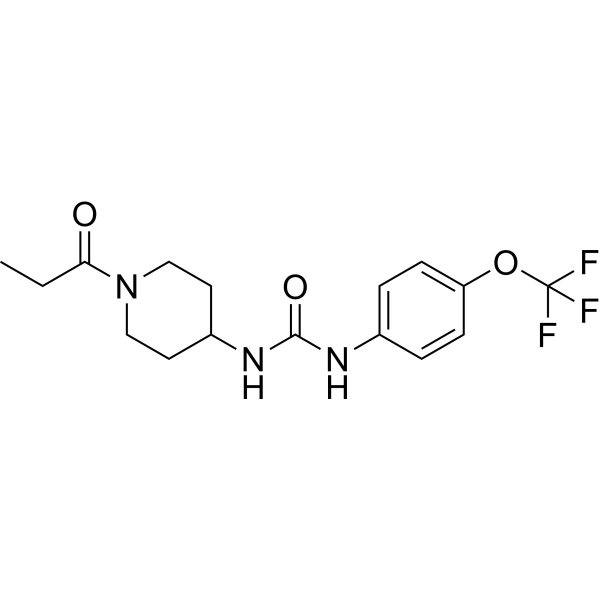
14
14 Publications Verification
Cat. No.: HY-101294
CAS No.: 1222780-33-7
Purity:  99.10%
Target:  

Epoxide Hydrolase

Research Areas:  

Inflammation/Immunology

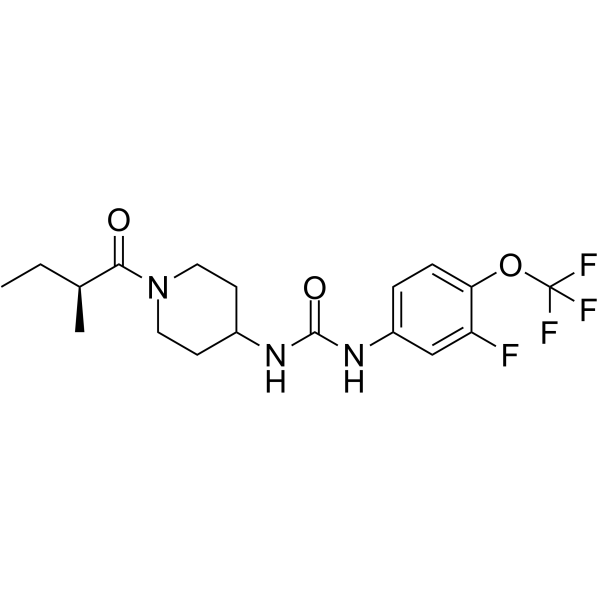
TPPU is a soluble epoxide hydrolase (sEH) inhibitor with IC50 values of 37 and 3.7 nM for monkey and human sEH, respectively.
13
13 Cited Publications
Cat. No.: HY-100944
CAS No.: 6090-95-5
Purity:  99.92%
Target:  

Glycosidase

Research Areas:  

Neurological Disease

Conduritol B epoxide is an irreversible covalently bound acid β-glucosidase (GCase) inhibitor.
12
12 Cited Publications
Cat. No.: HY-A0210
CAS No.: 17397-89-6
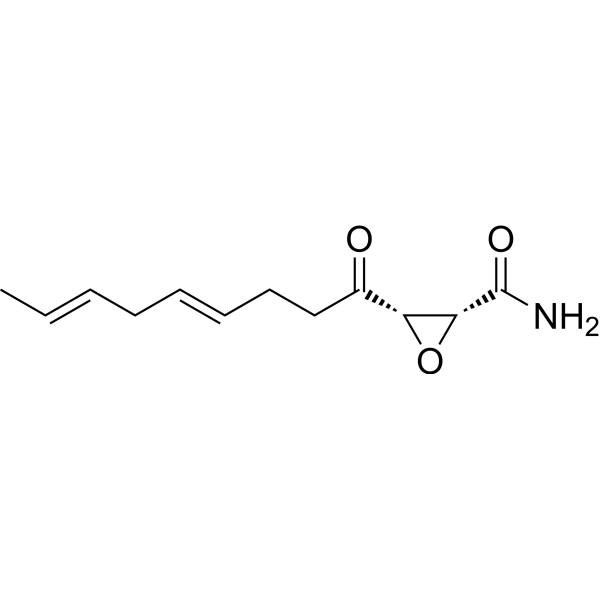
Cerulenin, a potent, natural inhibitor of fatty acid synthase (FASN), is an epoxide produced by the fungus Cephalosporium caeruleus. Cerulenin inhibits topoisomerase I catalytic activity and augments SN-38-induced apoptosis. Cerulenin has antifungal and antitumor activies .
3
3 Cited Publications
Cat. No.: HY-108570
CAS No.: 479413-70-2
Purity:  ≥98.0%
Target:  

Epoxide Hydrolase

Research Areas:  

Inflammation/Immunology

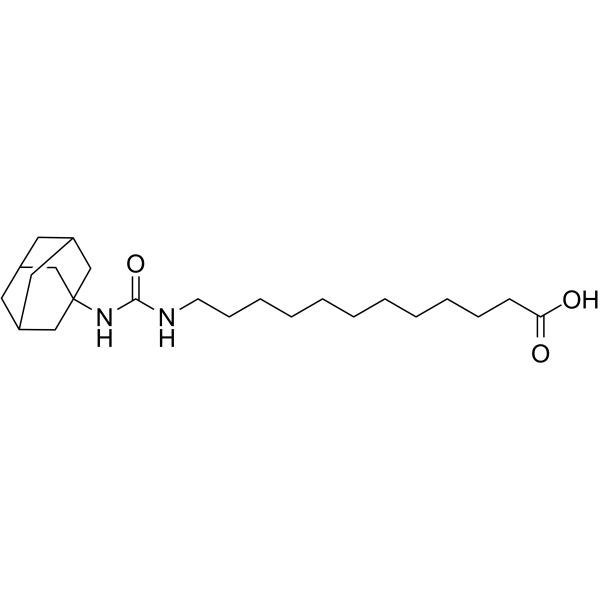
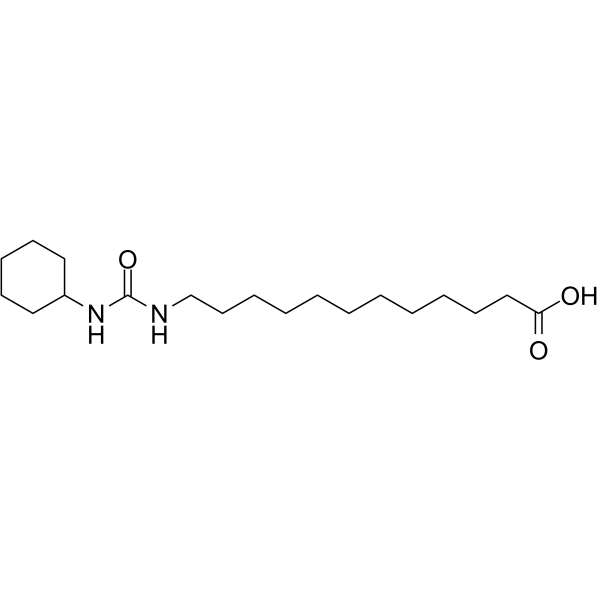
AUDA (compound 43) is a potent soluble epoxide hydrolase (sEH) inhibitor with IC50s of 18 and 69 nM for the mouse and human sEH, respectively . AUDA has anti-inflammatory activity .
3
3 Cited Publications
Cat. No.: HY-100227
CAS No.: 76684-89-4
Target:  

Cathepsin SARS-CoV

Research Areas:  

Metabolic Disease

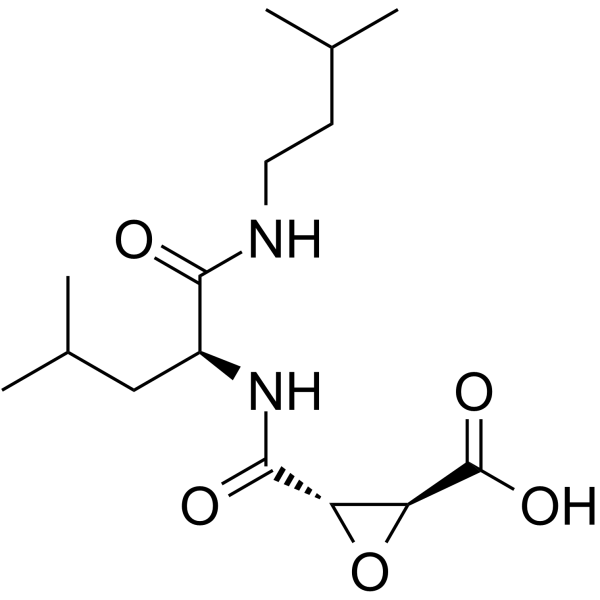
E 64c is a derivative of naturally occurring epoxide inhibitor of cysteine proteases, a Calcium-activated neutral protease (CANP) inhibitor and a very weak irreversible cathepsin C inhibitor. E 64c exhibits entry-blocking effect for MERS-CoV.
2
2 Cited Publications
Cat. No.: HY-113974
CAS No.: 885012-33-9
Purity:  98.16%
Synonyms: t-AUCB
Target:  

Epoxide Hydrolase

Research Areas:  

Cancer

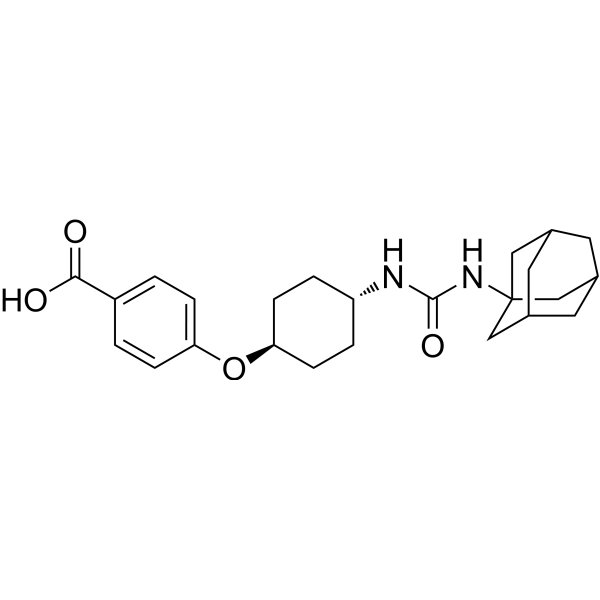
trans-AUCB (t-AUCB) is a potent, orally active and selective soluble epoxide hydrolase (sEH) inhibitor with IC50s of 1.3 nM, 8 nM, 8 nM for hsEH, mouse sEH and rat sEH, respectively. trans-AUCB has anti-glioma activity .
2
2 Cited Publications
Cat. No.: HY-19644
CAS No.: 1142090-23-0
Synonyms: GSK 2256294
Target:  

Epoxide Hydrolase

Research Areas:  

Cardiovascular Disease

GSK2256294A (GSK 2256294) is a selective and orally active inhibitor of soluble epoxide hydrolase (sEH). GSK2256294A inhibits recombinant human sEH, rat sEH orthologs and murine sEH orthologs with IC50s of 27, 61 and 189 pM, respectively. GSK2256294A can be used for the research of chronic obstructive pulmonary disease (COPD) and cardiovascular disease .
1
1 Cited Publications
Cat. No.: HY-135653
CAS No.: 1809885-32-2
Purity:  98.13%
Synonyms: BPN-19186
Target:  

Epoxide Hydrolase

Research Areas:  

Neurological Disease

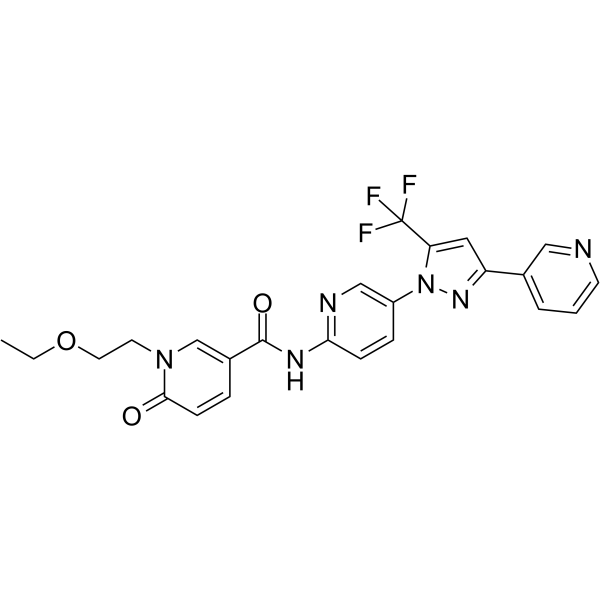
EC5026 (BPN-19186) is a first-in-class, non-opioid and orally active soluble Epoxide Hydrolase (sEH) inhibitor. EC5026 shows efficacy for inflammatory and neuropathic pain .
1
1 Cited Publications
Cat. No.: HY-124063
CAS No.: 940954-41-6
Purity:  98.01%
Target:  

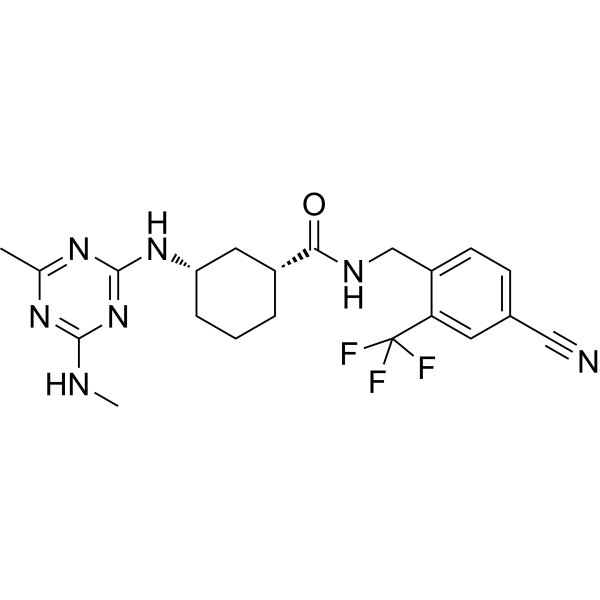
Epoxide Hydrolase

Research Areas:  

Cardiovascular Disease

BI-1935, a chemical probe, is a potent soluble epoxide hydrolase (sEH) inhibitor. BI-1935 can be used for the research of cardiovascular disease .
1
1 Cited Publications
Cat. No.: HY-121538
CAS No.: 479413-68-8
Purity:  ≥98.0%
Target:  

Epoxide Hydrolase PPAR

Research Areas:  

Cardiovascular Disease

CUDA is a potent inhibitor of soluble epoxide hydrolase (sEH), with IC50s of 11.1 nM and 112 nM for mouse sEH and human sEH, respectively . CUDA selectively increases peroxisome proliferator-activated receptor (PPAR) alpha activity. CUDA may be valuable for the research of cardiovascular disease .
1
1 Cited Publications
Cat. No.: HY-N0805A
CAS No.: 18649-93-9
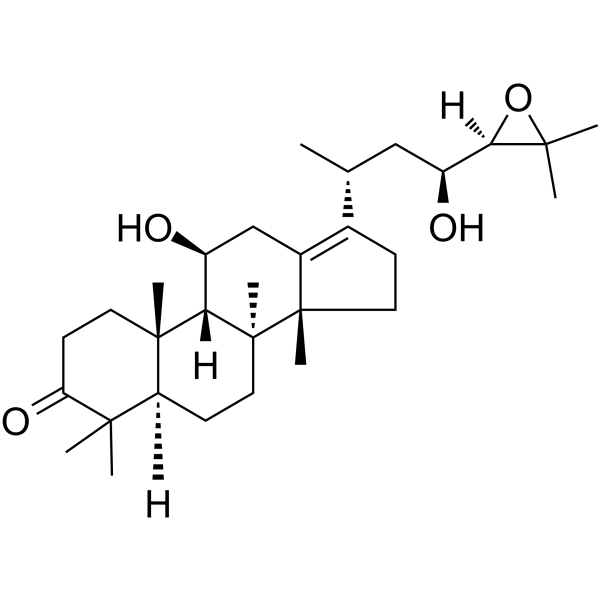
Alisol B is a triterpene with diverse biological activities. Alisol B binds human soluble epoxide hydrolase (sEH) with a Ki of 5.97 μM and reduces sEH activity. Alisol B inhibits RANKL-induced JNK phosphorylation, NFATc1 and c-Fos expression, osteoclast formation, mature osteoclast pit-forming and actin ring activity, and SERCA pump activity. Alisol B induces calcium mobilization, CaMKK-AMPK-mTOR pathway activation, autophagic flux, autophagosome formation, G1 phase cell cycle arrest, endoplasmic reticulum stress, unfolded protein responses, and cancer cell apoptosis. Alisol B can be used for the research of hypercalcemia, osteoporosis, rheumatoid arthritis, periodontitis, acute kidney injury, and breast cancer .
1
1 Cited Publications
Cat. No.: HY-W027340
CAS No.: 68729-05-5
Synonyms: 4BSA
Research Areas:  

Cancer

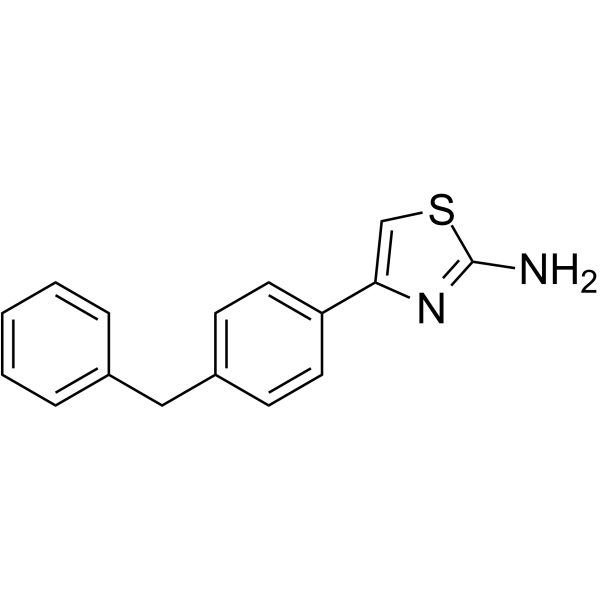
ARM1 (4BSA) is a potent aminopeptidase and epoxide hydrolase inhibitor. ARM1 shows aminopeptidase inhibitory activity with an IC50 7.61 µM and epoxide hydrolase inhibitory activity with an IC50 12.4 µM .
1
1 Cited Publications
Cat. No.: HY-120954
CAS No.: 519038-92-7
Target:  

Endogenous Metabolite

Research Areas:  

Cardiovascular Disease

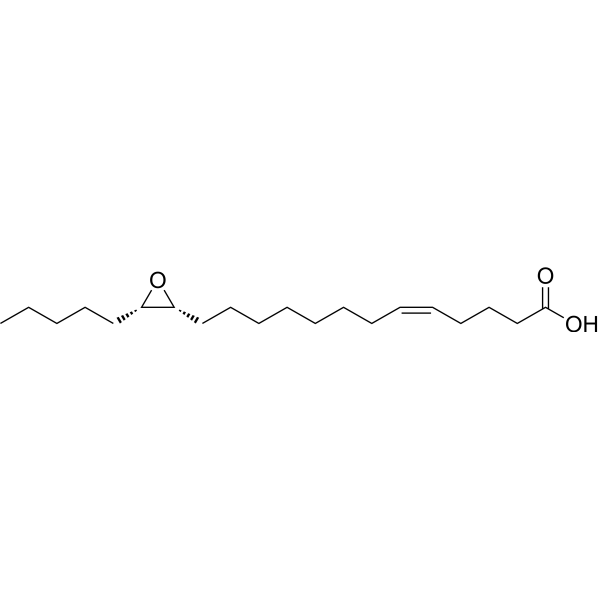
14,15-EE-5(Z)-E is a structural analogue of 14, 15-epoxide dicartrienoic acid (14,15-EET). 14,15-EE-5(Z)-E antagonizes the relaxation of vascular smooth muscle induced by EET .
1
1 Cited Publications
Cat. No.: HY-121538A
Target:  

Epoxide Hydrolase PPAR

Research Areas:  

Cardiovascular Disease

CUDA disodium is a potent inhibitor of soluble epoxide hydrolase (sEH), with IC50s of 11.1 nM and 112 nM for mouse sEH and human sEH, respectively . CUDA disodium selectively increases peroxisome proliferator-activated receptor (PPAR) alpha activity. CUDA disodium may be valuable for the research of cardiovascular disease .
1
1 Cited Publications
Cat. No.: HY-128171
CAS No.: 724453-98-9
Purity:  99.67%
Target:  

FLAP Epoxide Hydrolase

Research Areas:  

Inflammation/Immunology

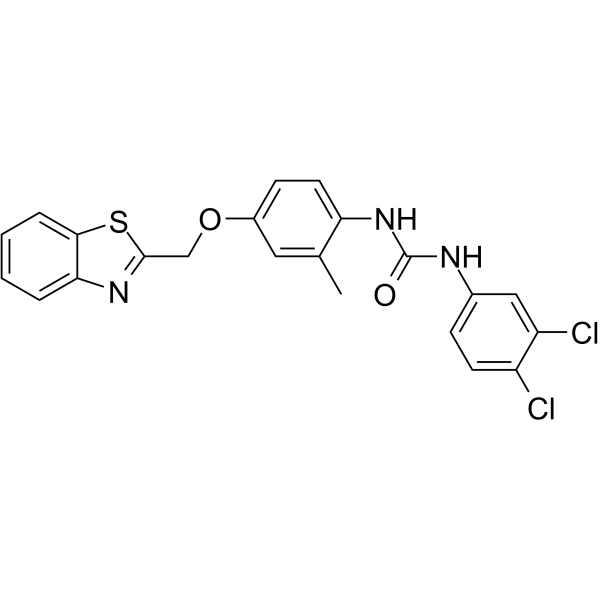
Diflapolin is a highly active dual 5-lipoxygenase-activating protein (FLAP)/soluble epoxide hydrolase (sEH) inhibitor with marked anti-inflammatory efficacy and high target selectivity. Diflapolin inhibits 5-LOX product formation in intact human monocytes and neutrophils with IC50s?of? 30 and 170?nM, respectively, and suppressed the activity of isolated sEH (IC50=20?nM) .
Cat. No.: HY-133971
CAS No.: 1250-95-9
Purity:  98.40%
Synonyms: 5α,6α-Epoxycholesterol
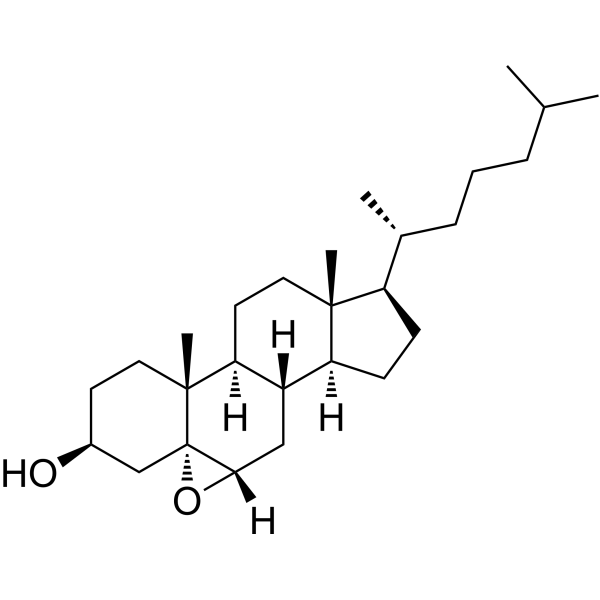
Cholesterol-5α,6α-epoxide is an epoxide derivative of cholesterol formed by the enzymatic oxidation of cholesterol in the liver and other tissues. Cholesterol-5α,6α-epoxide has unique chemical properties that make it an important intermediate in the biosynthesis of bile acids, which play a key role in the digestion and absorption of dietary fats. It also has a potential physiological role in regulating cholesterol metabolism and transport, although its biological function is not fully understood.
Cat. No.: HY-N0348
CAS No.: 24916-90-3
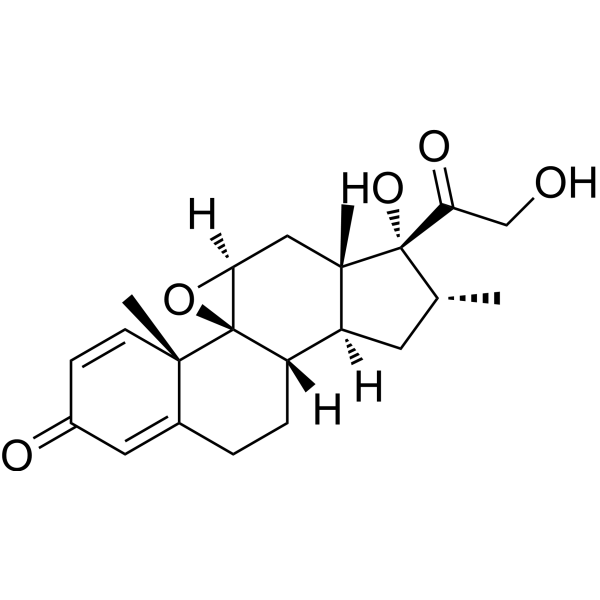
Dexamethasone 9,11-epoxide is a type of glucocorticoid. Dexamethasone 9,11-epoxide can be used as a drug intermediate to prepare Dexamethasone (HY-14648) and Betamethasone (HY-13570). Dexamethasone 9,11-epoxide can be employed in the research of inflammation and immune diseases .
Cat. No.: HY-W013378
CAS No.: 36507-30-9
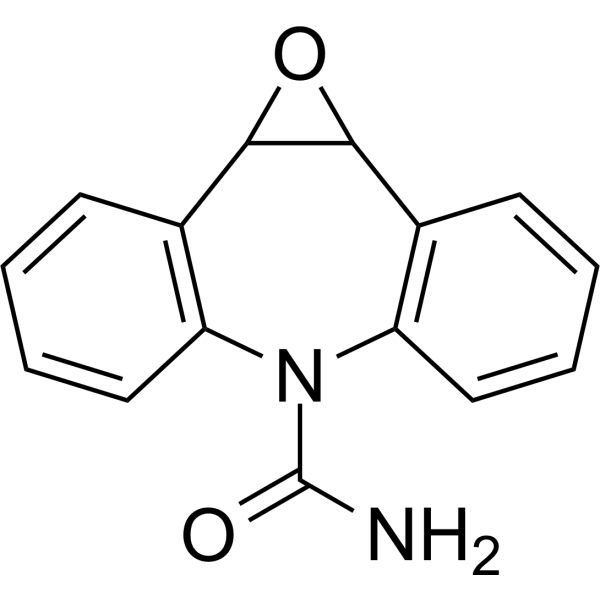
Carbamazepine 10,11-epoxide is a metabolite of Carbamazepine (HY-B0246). Carbamazepine 10,11-epoxide can be used to monitor for Carbamazepine .
Cat. No.: HY-111151
CAS No.: 913548-29-5
Purity:  99.69%
Synonyms: APAU
AR9281 (APAU) is a potent, selective and orally active soluble epoxide hydrolase (s-EH) inhibitor. AR-9281 can inhibits human sEH (HsEH) and murine sEH (MsEH) with IC50 values of 13.8 nM and 1.7 nM, respectively. AR9281 can be used for the research of inflammation, hypertension and type 2 diabetes .
Cat. No.: HY-W093282
CAS No.: 8013-07-8
Synonyms: Soybean oil epoxide
Epoxidized soya bean oil (ESBO) is a vegetable oil-derived organic compound used as a plasticizer and stabilizer in various applications. It is produced by epoxidation of soybean oil, which introduces epoxy groups into the fatty acid chains of the oil. ESBO is a viscous, pale yellow liquid that is soluble in many organic solvents, such as chloroform and ethanol, but insoluble in water. It is commonly used as a plasticizer in polyvinyl chloride (PVC) products, including toys, food packaging materials and medical devices. In addition to its plasticizing properties, ESBO acts as an antioxidant and UV stabilizer, helping to prevent degradation and discoloration of PVC products over time. ESBOs have been investigated for their potential use in biodegradable plastics and as bio-based alternatives to traditional petroleum-derived plasticizers.