1. Search Result
Search Result
Results for "

ferroptosis inducer

" in MedChemExpress (MCE) Product Catalog:

317

Inhibitors & Agonists

2

Screening Libraries

5

Fluorescent Dyes

5

Biochemical Assay Reagents

2

Peptides

1

Inhibitory Antibodies

56

Natural
Products

19

Isotope-Labeled Compounds

13

Click Chemistry

2

Oligonucleotides

1

GMP Molecules

Targets Recommended:
Cat. No. Product Name Target Research Areas Chemical Structure
  • HY-17394
    Cisplatin
    765+ Cited Publications

    cis-Platinum; CDDP; cis-Diaminodichloroplatinum

    DNA Alkylator/Crosslinker Ferroptosis Autophagy Pyroptosis Lipoxygenase Cancer
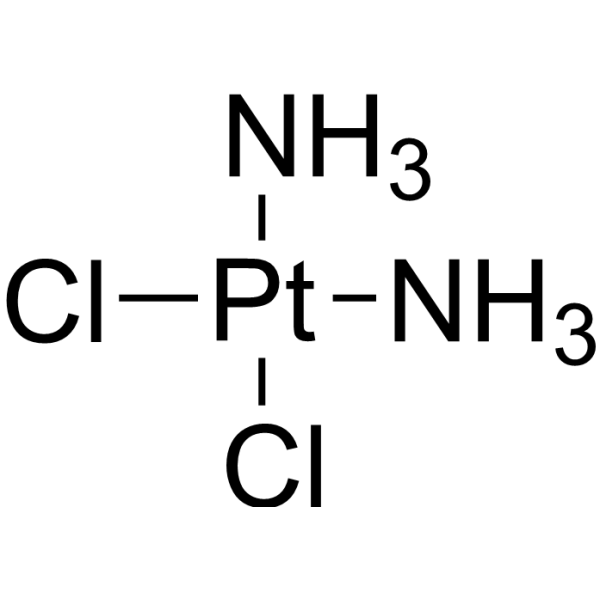
    Cisplatin (CDDP) is an antineoplastic chemotherapy agent by cross-linking with DNA and causing DNA damage in cancer cells. Cisplatin activates ferroptosis and induces autophagy .
    Cisplatin
  • HY-100579
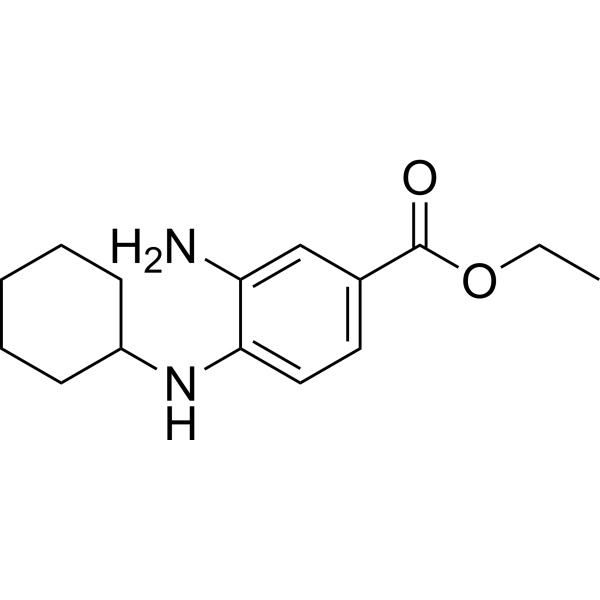
    Ferrostatin-1
    Maximum Cited Publications
    1548 Publications Verification

    Fer-1

    Ferroptosis Fungal Cancer
    Ferrostatin-1 (Fer-1), a potent and selective ferroptosis inhibitor, suppresses Erastin-induced ferroptosis in HT-1080 cells (EC50=60 nM). Ferrostatin-1, a synthetic antioxidant, acts via a reductive mechanism to prevent damage to membrane lipids and thereby inhibits cell death. Ferrostatin-1 exhibits antifungal activity .
    Ferrostatin-1
  • HY-14655
    Sulfasalazine
    75+ Cited Publications

    NSC 667219

    NF-κB Autophagy Apoptosis Ferroptosis Bacterial Antibiotic Infection Neurological Disease Metabolic Disease Inflammation/Immunology Cancer
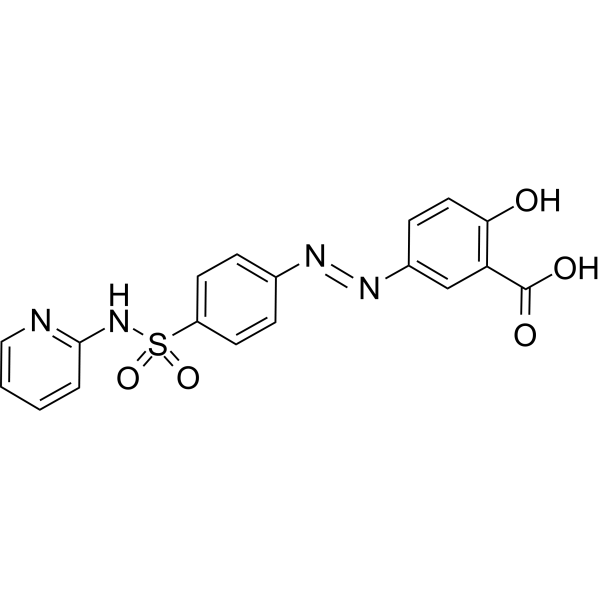
    Sulfasalazine (NSC 667219) is an anti-rheumatic agent for the research of rheumatoid arthritis and ulcerative colitis. Sulfasalazine can suppress NF-κB activity. Sulfasalazine is a type 1 ferroptosis inducer .
    Sulfasalazine
  • HY-B1645
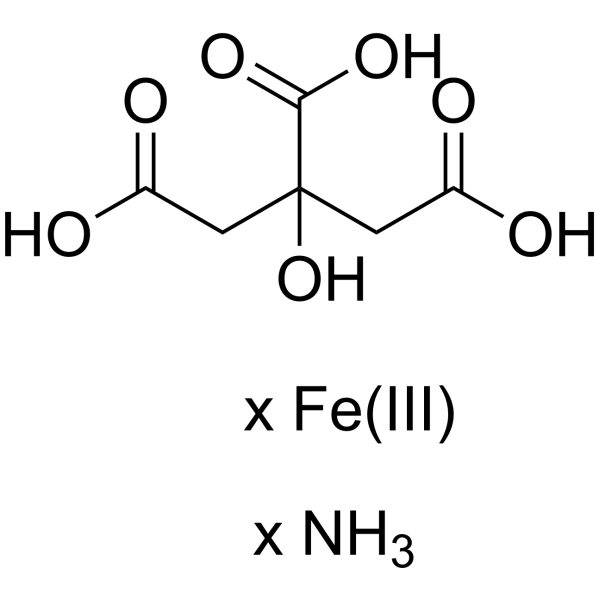
    Ammonium iron(III) citrate
    25+ Cited Publications

    Ammonium ferric citrate; FAC

    Environmental Pollutants Ferroptosis Cancer
    Ammonium iron(III) citrate (Ammonium ferric citrate), a physiological form of nonetransferrin-bound iron, induces intracellular iron overload to cause ferroptosis . Ammonium iron(III) citrate can enhance protein production .
    Ammonium iron(III) citrate
  • HY-136057
    iFSP1
    25+ Cited Publications

    Ferroptosis Ligands for Target Protein for PROTAC Cancer
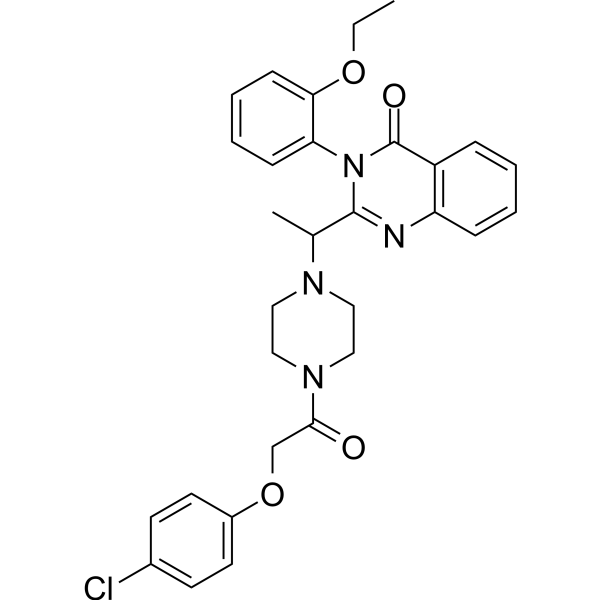
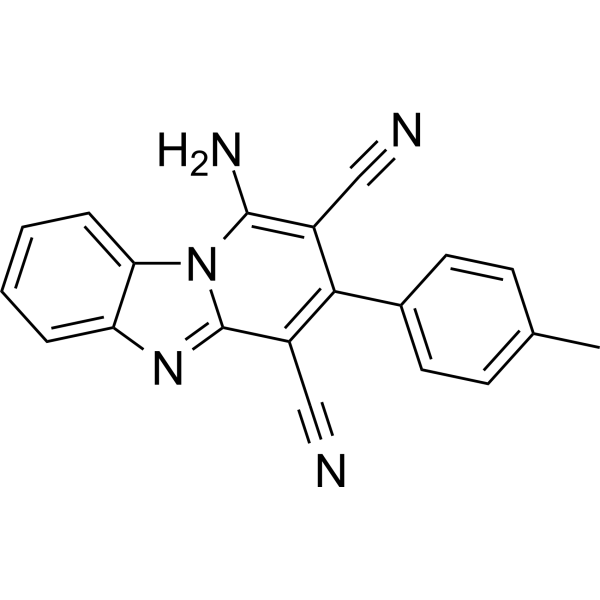
    iFSP1 is a potent, selective and glutathione-independent inhibitor of ferroptosis suppressor protein 1 (FSP1) (AIFM2) with an EC50 of 103 nM. iFSP1 selectively induces ferroptosis in GPX4-knockout cells which overexpressed FSP1. iFSP1 is able to sensitize a variety of human cancer cell lines to the ferroptosis inducer, such as (1S,3R)-RSL3 (HY-100218A) .
    iFSP1
  • HY-103087
    FIN56
    20+ Cited Publications

    Ferroptosis Others
    FIN56 is a specific inducer of ferroptosis. FIN56 induces ferroptosis by inducing degradation of GPX4. FIN56 also binds to and activates squalene synthase .
    FIN56
  • HY-111914A
    Ferroheme
    1 Publications Verification

    NO Synthase Fatty Acid Synthase (FASN) Cardiovascular Disease
    Ferroheme is the ferrous form of heme in hemoglobin, reversibly binding oxygen as an oxygen carrier. Its free form induces oxidative stress and ferroptosis by releasing iron ions, which catalyze reactive oxygen species generation via Fenton reactions, leading to lipid peroxidation and cell death. This mechanism is critical in pathological contexts like intracerebral hemorrhage and neurodegenerative diseases, making it a target for studying iron-overload disorders and ferroptosis-related pathologies[1][2][3].
    Ferroheme
  • HY-N0070
    Solasonine
    3 Publications Verification

    Ferroptosis Glutathione Peroxidase Reactive Oxygen Species (ROS) Cancer
    Solasonine is a ferroptosis inducer which can be isolated from Solanum melongena that has anti-infection, anti-cancer, and neurogenesis promoting properties. Solasonine promotes ferroptosis of HCC cells via destruction of the glutathione redox system induced by inhibiting GPX4, and can be used for cancer research .
    Solasonine
  • HY-114395
    NVS-ZP7-4
    5+ Cited Publications

    Ferroptosis SLC39 (Zinc Transporter) Inflammation/Immunology
    NVS-ZP7-4 is an inhibitor of the zinc transporter SLC39A7 (ZIP7) and indicates ER zinc levels. ZIP7 is an active molecular node in the Notch pathway and mediates ferroptosis. NVS-ZP7-4 induces ER stress and exerts a certain ferroptosis-inhibiting effect, reduces Erastin (HY-15763)-induced cell death .
    NVS-ZP7-4
  • HY-139087
    Erastin2
    5 Publications Verification

    Ferroptosis Metabolic Disease
    Erastin2, an Erastin (HY-15763) analog, is a ferroptosis inducer and a potent, selective inhibitor of the system xc(-) cystine/glutamate transporter
    Erastin2
  • HY-129457
    FINO2
    10+ Cited Publications

    Ferroptosis Cancer
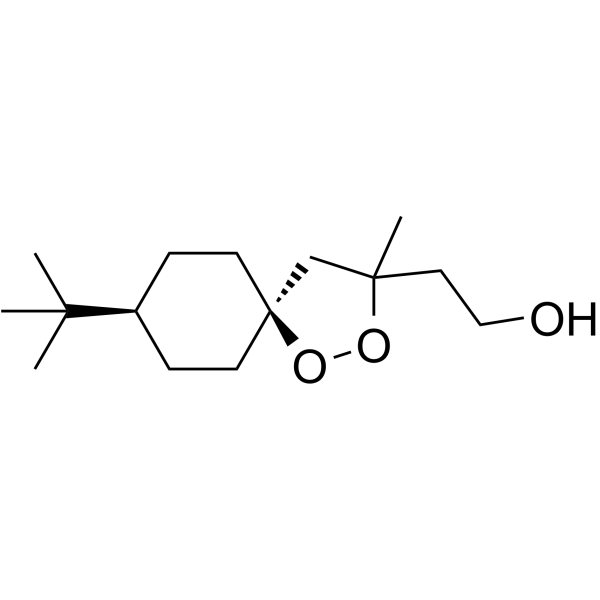
    FINO2 is a potent ferroptosis inducer. FINO2 inhibits GPX4 activity. FINO2 is a stable oxidant that oxidizes ferrous iron and stable at varying pH levels. FINO2 causes widespread lipid peroxidation .
    FINO2
  • HY-175615

    ADC Payload Glutathione Peroxidase Ferroptosis Cancer
    RSL3-NH2 is a GPX4 inhibitor and ferroptosis inducer. RSL3-NH2 triggers the iron-dependent cell death pathway associated with lipid peroxidation by inhibiting GPX4 activity. RSL3-NH2 exhibits significant cytotoxicity against colorectal cancer cells and effectively induces their ferroptosis. RSL3-NH2 can serve as a ADC payload for synthesizing antibody-drug conjugates (ADC) and be used in colorectal cancer-related research .
    RSL3-NH2
  • HY-N6929
    Angelic acid
    1 Publications Verification

    Ferroptosis Keap1-Nrf2 Reactive Oxygen Species (ROS) Neurological Disease Cancer
    Angelic acid is a ferroptosis inducer, targeting NRF2 degradation. Angelic acid binds to NRF2 protein and promotes NRF2 degradation via ubiquitination-proteasome pathway, relieves the inhibitory effect of NRF2 on oxidative stress and lipid peroxidation. Then, Angelic acid induces ferroptosis in tumor cells. Angelic acid can enhance the accumulation of intracellular reactive oxygen species (ROS), upregulate ferroptosis-related markers CHAC1 and PTGS2, and synergize with ferroptosis inducers to enhance anti-tumor effects. Angelic acid also has the activity of scavenging UVA-induced ROS in vitro, inhibiting skin fibroblast senescence and extracellular matrix degradation. Angelic Acid helps wound healing with sedative activity .
    Angelic acid
  • HY-162065
    N6F11
    1 Publications Verification

    Ferroptosis Cancer
    N6F11 is a selective ferroptosis inducer, and can selectively induce ferroptosis by targeting TRIM25-mediated GPX4 degradation in cancer cells while sparing immune cells. N6F11 initiates HMGB1-dependent antitumor immunity mediated by CD8 + T cells .
    N6F11
  • HY-154954
    Ogremorphin
    2 Publications Verification

    OGM; GPR68-IN-1; OGM-8345

    GPR68 Ferroptosis Inflammation/Immunology Cancer
    Ogremorphin (OGM) is a G protein coupled sensor GPR68 inhibitor with anti-inflammatory and anti-tumor activities. Ogremorphin can inhibit the migration of human melanoma cells and induce ferroptosis in glioblastoma cells .
    Ogremorphin
  • HY-27787

    cis-Eleostearic acid

    Apoptosis Ferroptosis Metabolic Disease Cancer
    α-Eleostearic acid (cis-Eleostearic acid), a conjugated linolenic acid, is an apoptosis inducer. α-Eleostearic acid is also a ferroptosis inducer. α-Eleostearic acid exhibits antioxidant and antitumor activity .
    α-Eleostearic acid
  • HY-157068

    Ferroptosis Glutathione Peroxidase Cancer
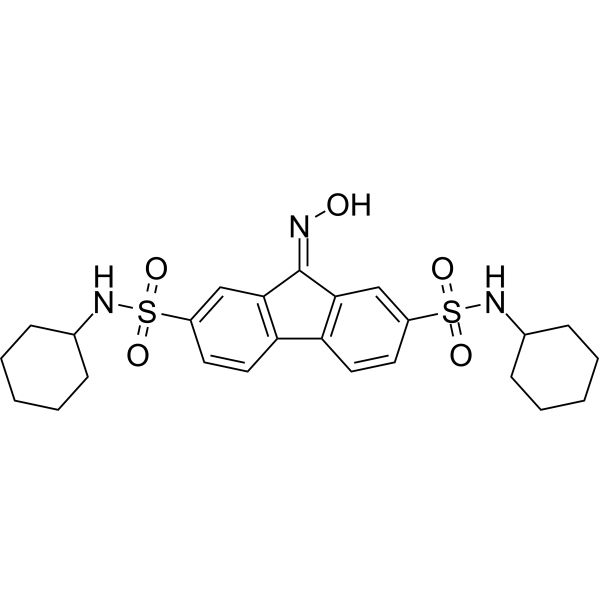
    icFSP1 is a potent ferroptosis suppressor protein-1 (FSP1) inhibitor. icFSP1 triggers subcellular relocalization of FSP1 from the membrane and FSP1 condensation, in synergism with GPX4 inhibition. icFSP1 induces ferroptosis. icFSP1 shows antitumor activity against melanoma. .
    icFSP1
  • HY-Y1177

    Phenyl disulfide

    PI3K Akt mTOR Ferroptosis Apoptosis Autophagy Glutathione Peroxidase Keap1-Nrf2 Cancer
    Diphenyl disulfide (Phenyl disulfide) is an organic disulfide compound. Diphenyl disulfide inhibits the PI3K/AKT/mTOR pathway, and induces ferroptosis (ferroptosis), apoptosis (apoptosis) and autophagy (autophagy) in cancer cells. Diphenyl disulfide downregulates GPX4 expression, inhibits NRF2 phosphorylation, induces lipid peroxidation, promotes xCT ubiquitination, induces proteolytic cleavage of p21 Bax into p18 Bax, and suppresses cell proliferation and viability. Diphenyl disulfide can be used in research related to melanoma and breast cancer .
    Diphenyl disulfide
  • HY-161928

    Glutathione Peroxidase Ferroptosis Cancer
    GPX4 activator 1 (Compound A9) is a allosteric activator of GPX4 (Kd = 5.86 μM, EC50 = 19.19 μM). GPX4 activator 1 can selectively act on ferroptosis and prevent the accumulation of intracellular lipid peroxides caused by ferroptosis inducers .
    GPX4 activator 1
  • HY-145595

    Ferroptosis Cancer
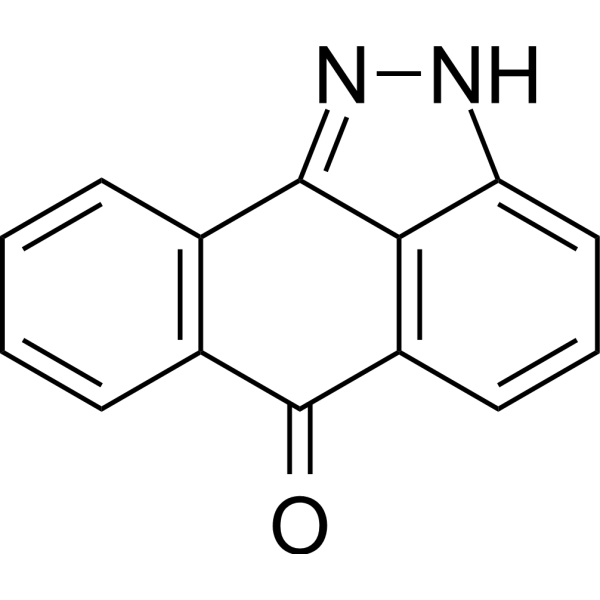
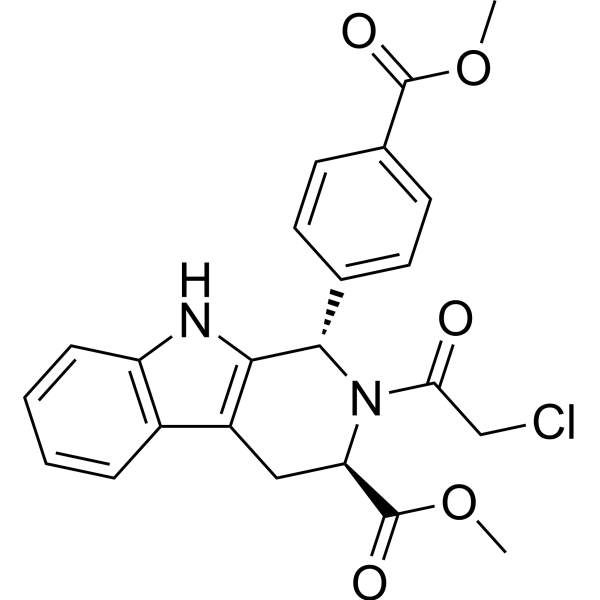
    Ferroptosis inducer-1 (compound BX-3a) is a Ferroptosis inducer with antitumor potential . Ferroptosis inducer-1 is a click chemistry reagent, it contains an Alkyne group and can undergo copper-catalyzed azide-alkyne cycloaddition (CuAAc) with molecules containing Azide groups.
    Ferroptosis inducer-1
  • HY-W002942

    1,2,3,4-Tetrahydroquinolin-8-ol; 8-hydroxy-1,2,3,4-tetrahydroquinoline

    Ferroptosis Reactive Oxygen Species (ROS) Inflammation/Immunology
    Ferroptosis-IN-21 is a ferroptosis inhibitor that protects against renal I/R injury by suppressing ferroptosis and directly scavenging peroxyl radicals. Ferroptosis-IN-21 displays broad-spectrum anti-ferroptotic efficacy across multiple inducers in renal tubular epithelial cells, with nanomolar potency and robust suppression of lipid Reactive Oxygen Species (ROS). Ferroptosis-IN-21 significantly ameliorates renal I/R injury in mice, reducing histological damage, functional impairment, and inflammatory cytokine expression, while decreasing lipid peroxidation biomarkers such as 4-hydroxynonenal. Ferroptosis-IN-12 can be used for research in the field of ferroptosis-targeted drug development .
    Ferroptosis-IN-21
  • HY-D2878

    Fluorescent Dye Ferroptosis Others
    MitoPeDPP is a mitochondrial-targeted fluorescent probe that is sensitive to LPO. MitoPeDPP is synthesized from diphenylpyrenephosphine. MitoPeDPP can be used to study the occurrence of mitochondrial LPO in RSL3-induced oligodendrocyte ferroptosis .
    MitoPeDPP
  • HY-100887
    Piperazine Erastin
    5+ Cited Publications

    Ferroptosis Cancer
    Piperazine erastin is an analog of erastin which induces an iron-dependent form of non-apoptotic cell death, termed ferroptosis. Piperazine erastin can be used in cancer research .
    Piperazine Erastin
  • HY-Y0278

    Tetrachloro-p-benzoquinone; TCBQ

    Environmental Pollutants JNK Fungal Toll-like Receptor (TLR) Reactive Oxygen Species (ROS) Apoptosis MyD88 Ferroptosis Infection Neurological Disease Metabolic Disease Inflammation/Immunology
    Chloranil (Tetrachloro-p-benzoquinone), an orally active metabolite of pentachlorophenol and hexachlorobenzene, is a widely used fungicide. Chloranil can induce ROS production. Chloranil induces neutrophil extracellular traps through the ROS-JNK-NOX2 pathway. Chloranil induces ferroptosis and neuroinflammation. Chloranil induces apoptosis of mouse embryonic stem cells .
    Chloranil
  • HY-163074

    Ferroptosis Cancer
    Ferroptosis-IN-6 (compound 13) is a potent inhibitor of Ferroptosis with EC50 of 25.5 nM. Ferroptosis-IN-6 significantly inhibits RSL3-induced cell death in cells and in vivo .
    Ferroptosis-IN-6
  • HY-112063
    CIL56
    4 Publications Verification

    Ferroptosis Cancer
    CIL56 is a potent and selective ferroptosis inducer. Ferroptosis is an iron-dependent form of regulated cell death (RCD).
    CIL56
  • HY-139369
    QD394
    1 Publications Verification

    Reactive Oxygen Species (ROS) Cancer
    QD394 is a reactive oxygen species (ROS) inducer that can induce lipid peroxidation, increase intracellular ROS accumulation, inhibit STAT3 phosphorylation, and induce ferroptosis .
    QD394
  • HY-175209

    Keap1-Nrf2 Ferroptosis Reactive Oxygen Species (ROS) Atg8/LC3 Cancer
    Nrf2-IN-4 is a Nrf2 inhibitor. Nrf2-IN-4 induces ferroptosis via NRF2 inhibition. Nrf2-IN-4 disrupts cellular iron homeostasis, facilitates ferritin degradation, and ultimately triggers ferroptosis. Nrf2-IN-4 induces lysosome activation by promoting iron-dependent ROS production and lysosomal acidification. Nrf2-IN-4 demonstrates significant antitumor efficacy. Nrf2-IN-4 can be used for the study of breast cancer .
    Nrf2-IN-4
  • HY-139001

    Glutathione Peroxidase Ferroptosis Others
    JKE-1716 is a potent and selective nitrolic acid-containing GPX4 inhibitor. JKE-1716 is able of inducing ferroptosis selectively through covalent GPX4 inhibition .
    JKE-1716
  • HY-161601

    Ferroptosis Reactive Oxygen Species (ROS) Cancer
    Ferroptosis inducer-2 (Compound 24) is an inducer for heme oxygenase-1 (HO-1). Ferroptosis inducer-2 exhibits anticancer activity against triple-negative breast cancer (TNBC) cells through induction of ferroptosis .
    Ferroptosis inducer-2
  • HY-139008

    Glutathione Peroxidase Others
    RC363 is a novel probucol analog with the activity to protect mouse hippocampal cells and primary cortical neurons from glutamate-induced oxidative cell death (ferroptosis) and increase glutathione peroxidase (GPx) 1 levels and activity.
    RC363
  • HY-174345

    ACSL Family Ferroptosis Glutathione Peroxidase Reactive Oxygen Species (ROS) Cancer
    Ferroptosis inducer-8 is a ferroptosis inducer with high selectivity for other cell death mechanism. Ferroptosis inducer-8 induces ferroptosis by affecting ACSL4, GPX4, and FTH1, thereby disrupting intracellular iron homeostasis and the GSH/GPX4 antioxidant defense system, ultimately leading to the accumulation of lipid peroxidation. Ferroptosis inducer-8 also induces ROS production. Ferroptosis inducer-8 inhibits tumor growth and can be used for research of triple-negative breast cancer (TNBC) .
    Ferroptosis inducer-8
  • HY-178370

    Ferroptosis Reactive Oxygen Species (ROS) Cancer
    Ferroptosis inducer-12 is a potent and selective ferroptosis inducer. Ferroptosis inducer-12 exhibits potent antiproliferative activity against HT1080 and OS-RC-2, with IC50 values of 3 nM and 5 nM, respectively. Ferroptosis inducer-12 strongly inhibits GPX4 enzymatic activity, induces intracellular ROS and elevates intracellular Fe 2+ levels in OS-RC-2 cells. Ferroptosis inducer-12 significantly inhibits tumor growth in BALB/c nude mice bearing OS-RC-2 xenografts. Ferroptosis inducer-12 can be used for the study of cancer .
    Ferroptosis inducer-12
  • HY-175698

    ACSL Family Ferroptosis Microtubule/Tubulin COX Glutathione Peroxidase Cancer
    Ferroptosis inducer-9 is a ferroptosis inducer and colchicine site tubulin polymerization inhibitor. Ferroptosis inducer-9 inhibits MCF-7 cell growth with an IC50 of 14 nM and inhibits [ 3H]colchicine binding. Ferroptosis inducer-9 reduces expression of GPX4 and FTH, increases COX2 and ACSL4, lowers GSH, NADP+, and NADPH levels, increases LPO, MDA, and Fe(II) levels, and decreases SOD concentrations. Ferroptosis inducer-9 demonstrates significant anti-tumor efficacy in HCT116 CRC xenograft model. Ferroptosis inducer-9 can be used for the study of triple negative breast cancer (TNBC) and colorectal cancer (CRC) .
    Ferroptosis inducer-9
  • HY-175869

    Ferroptosis Metabolic Disease Inflammation/Immunology
    Ferroptosis-IN-22 is a selective ferroptosis inhibitor by targeting NCOA4 and disrupting its interaction with ferritin with an EC50 of 520 nM and a Kd of 0.78 μM. Ferroptosis-IN-22 has a strong inhibitory activity against ferroptosis induced by multiple ferroptosis inducers (RSL3 (HY-100218A), Erastin (HY-15763), ML210 (HY-100003), FIN56 (HY-103087)), but does not inhibit necrosis induced by H2O2 or apoptosis induced by STS (HY-15141). Ferroptosis-IN-22 effectively ameliorates Concanavalin A (HY-P2149)-induced acute liver injury. Ferroptosis-IN-22 can be used for the study of ferroptosis-related diseases .
    Ferroptosis-IN-22
  • HY-176212

    Ferroptosis VDAC Reactive Oxygen Species (ROS) Inflammation/Immunology
    Ferroptosis-IN-20 (Compound 34a) is a Ferroptosis inhibitor (EC50: 24.2 nM) targeting voltage-dependent anion channel (VDAC). Ferroptosis-IN-20 inhibits VDAC oligomerization and lipid peroxidation. Ferroptosis-IN-20 reduces content of ROS, attenuates TFR1-mediated iron uptake, inhibits Fe 2+ level and restores glutathione (GSH) level. Ferroptosis-IN-20 alleviates Folic acid (HY-16637)-induced acute kidney injury (AKI) .
    Ferroptosis-IN-20
  • HY-151879

    Microtubule/Tubulin Ferroptosis Cancer
    Tubulin inhibitor 30 (Compound 15) is a tubulin assembly inhibitor with an IC50 of 0.52 μM. Tubulin inhibitor 30 can induce ferroptosis .
    Tubulin inhibitor 30
  • HY-135837

    Ferroptosis Cancer
    Fluorescein-diisobutyrate-6-amide is a potent ferroptosis inducer. Fluorescein-diisobutyrate-6-amide has the potential for the research of cancer .
    Fluorescein-diisobutyrate-6-amide
  • HY-178163

    Ferroptosis Necroptosis RIP kinase Reactive Oxygen Species (ROS) Mixed Lineage Kinase Inflammation/Immunology
    Zharp1-163 is a dual inhibitor of ferroptosis and necroptosis. Zharp1-163 effectively blocks ferroptosis by reducing reactive oxygen species (ROS) levels and inhibits necroptosis by potently and selectively targeting RIPK1 kinase activity (KD = 240 nM; IC50 = 406.1 nM). Zharp1-163 inhibits the cellular activation of RIPK1, RIPK3 and MLKL in response to necroptotic stimulation. Zharp1-163 markedly attenuates TNF-α (HY-P1875)-induced systemic inflammatory syndrome, including the prevention of TNF-α-induced mortality and hypothermia in mice. Zharp1-163 significantly alleviates acute kidney injury associated with both necroptosis and ferroptosis in models induced by Cisplatin (HY-17394) and ischemia-reperfusion. Zharp1-163 can be used for the study of diseases associated with cell death pathways, such as kidney disease .
    Zharp1-163
  • HY-34765

    Glutathione Peroxidase Reactive Oxygen Species (ROS) Ferroptosis Apoptosis Cancer
    Propiolamide is a monooxygenase (MMO) system activator and glutathione peroxidase 4 (GPX4) inhibitor. Propiolamide induces ROS production through interaction with the MMO system. Propiolamide promotes the accumulation of intracellular cytotoxic lipid peroxides and induces ferroptosis. Propiolamide induces programmed cell death via the apoptosis pathway. Propiolamide can be used in cancer research .
    Propiolamide
  • HY-172803

    Ferroptosis ERK MEK p38 MAPK Inflammation/Immunology
    Ferroptosis inducer-7 is an orally active and selective ferroptosis inducer via inositol 1,4,5-trisphosphate receptor (IP3R)/calcium release-activated calcium channel protein (ORAI). Ferroptosis inducer-7 exhibits a notable effect in alleviating anemia symptoms, suppressing bone marrow CTLs activation, and improving hematopoietic function in immune-mediated bone marrow failure. Ferroptosis inducer-7 can be studied in research for aplastic anemia .
    Ferroptosis inducer-7
  • HY-N15742

    Ferroptosis Reactive Oxygen Species (ROS) p38 MAPK Cancer
    Talaroconvolutin A is a ferroptosis inducer. Talaroconvolutin A induces ferroptosis by increasing reactive oxygen species (ROS) levels rather than the GPX4 pathway. Talaroconvolutin A downregulates the expression of the channel protein solute carrier family 7 member 11 (SLC7A11) and upregulates arachidonic acid lipoxygenase 3 (ALOXE3). Talaroconvolutin A inhibits the growth of colorectal cancer cells HCT116 and bladder cancer cells SW480 with IC50 values of 1.22 μM and 1.4 μM, respectively. Talaroconvolutin A can be used in the study of colorectal cancer and bladder cancer [1] [2] [3].
    Talaroconvolutin A
  • HY-175811

    Ferroptosis Glutathione Peroxidase Cancer
    Ferroptosis inducer-10 is a ferroptosis inducer. Ferroptosis inducer-10 can inhibit A549 cells growth with an IC50 of 0.76 μM. Ferroptosis inducer-10 can deplete GSH, elevate ROS and MDA, and downregulate GPX4 expression. Ferroptosis inducer-10 can induce cell G2/M phase and inhibit migration. Ferroptosis inducer-10 can be used for the research of cancer, such as non-small lung cancer .
    Ferroptosis inducer-10
  • HY-169146

    Ferroptosis Cancer
    Ferroptosis inducer-5 (compund 20a) is a ferroptosis inducer .
    Ferroptosis inducer-5
  • HY-161948

    Ferroptosis Cancer
    Ferroptosis inducer-4 (Compound 5) is a ferroptosis (Ferroptosis) inducer with a structure featuring terminal double bonds introduced at the sn-2 position of phospholipids. Ferroptosis inducer-4 exhibits significant cytotoxicity towards HT-1080 cells, with an IC50 of 18 μM. This cytotoxic mechanism involves the generation of lipid peroxides and oxidative damage to the cell membrane triggered by the terminal double bonds. Ferroptosis inducer-4 can be used for research on ferroptosis regulation .
    Ferroptosis inducer-4
  • HY-175852

    Ferroptosis Glutathione Peroxidase Reactive Oxygen Species (ROS) Cancer
    Ferroptosis inducer-11 is a ferroptosis inducer. Ferroptosis inducer-11 exhibits potent cytotoxicity against HCT-116, NCM-60 and HT-29 cells with IC50 values of 0.43 μM, 3.14 μM and 0.48 μM, respectively. Ferroptosis inducer-11 strongly suppresses GPX4 enzymatic activity with an IC50 of 1.86 μM. Ferroptosis inducer-11 induces ferroptosis, as well as increases intracellular lipid ROS, malondialdehyde (MDA), and Fe 2+ levels, while decreasing glutathione (GSH) levels in colon cancer cells. Ferroptosis inducer-11 can be used for the study of colon cancer .
    Ferroptosis inducer-11
  • HY-161760

    Raf Ferroptosis Cancer
    Ferroptosis inducer-3 (compound JB3) is an oral bioactive inhibitor of RAF1, with the IC50 of 226.9 nM. Ferroptosis inducer-3 can induce ferroptosis and plays an important role in cancer research .
    Ferroptosis inducer-3
  • HY-168097

    Ferroptosis Reactive Oxygen Species (ROS) Cancer
    Ferroptosis inducer 6 (6d) is a ferroptosis inducer with high potency for type I/-II photodynamic therapy by inducing ROS generation, oxidative stress and mitochondrial damage. Ferroptosis inducer 6 has anti-tumor activity .
    Ferroptosis inducer-6
  • HY-179016

    Ferroptosis Apoptosis Mitochondrial Metabolism Calcium Channel Cancer
    Ferroptosis/apoptosis inducer-3 (Compound 34) is a Ferroptosis and Apoptosis inducer. Ferroptosis/apoptosis inducer-3 induces both Ferroptosis and Apoptosis by causing G2/M phase cell cycle arrest, disrupting mitochondrial membrane potentials, promoting lipid peroxidation, and increasing the levels of Ca 2+ and Fe 2+ through the activation of calcium/calmodulin signaling. Ferraplasm/apoptosis inducer-3 shows anticancer effects against cervical cancer, adenocarcinoma, breast cancer, colon cancer, and colorectal carcinoma .
    Ferroptosis/apoptosis inducer-3
  • HY-145595A

    Ferroptosis Others
    (1R,3R)-Ferroptosis inducer-1 is an isomer of Ferroptosis inducer-1 (HY-145595). (1R,3R)-Ferroptosis inducer-1 (compound BX-3a) is a Ferroptosis inducer with antitumor potential .
    (1R,3R)-Ferroptosis inducer-1

Inquiry Online

Your information is safe with us. * Required Fields.

Salutation


Country or Region *

Applicant Name *


Organization Name *

Department *


Email Address *


Product Name *

Cat. No.


Requested quantity *

Phone Number *


Remarks

Inquiry Online

Inquiry Information

Product Name:
Cat. No.:
Quantity:
MCE Japan Authorized Agent:

