

1. Search Result
Search Result
Results for "

hormone disorder

" in MedChemExpress (MCE) Product Catalog:

48

Inhibitors & Agonists

2

Screening Libraries

12

Peptides

1

Natural
Products

6

Isotope-Labeled Compounds

3

Click Chemistry

Cat. No. Product Name Target Research Areas Chemical Structure
  • HY-P0093
    Sincalide
    4 Publications Verification

    Cholecystokinin octapeptide; CCK-8; SQ19844

    Cholecystokinin Receptor Apoptosis PI3K Akt Infection Cancer
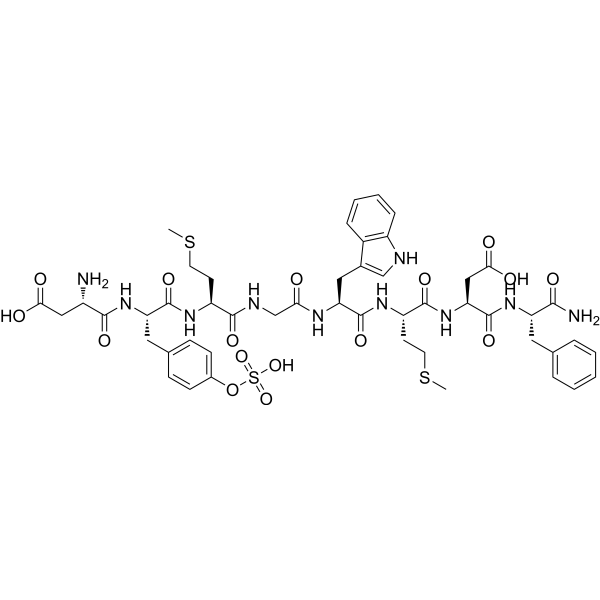
    Sincalide (Cholecystokinin octapeptide, CCK-8) is a rapid-acting amino acid polypeptide hormone analogue of cholecystokinin (CCK) for intravenous use in postevacuation cholecystography. Sincalide is a major bioactive segment of CCK that retains most of the biological activities of CCK. Sincalide can promote gallbladder contraction by injection and helps diagnose gallbladder and pancreas disorders. Sincalide can increase bile secretion, cause the gallbladder to contract and relax the sphincter of Oddi, resulting in bile drainage into the duodenum. Sincalide is a major bioactive segment of CCK that retains most of the biological activities of CCK .
    Sincalide
  • HY-14598
    Diethylstilbestrol
    3 Publications Verification

    Estrogen Receptor/ERR Apoptosis Autophagy Endocrinology Cancer
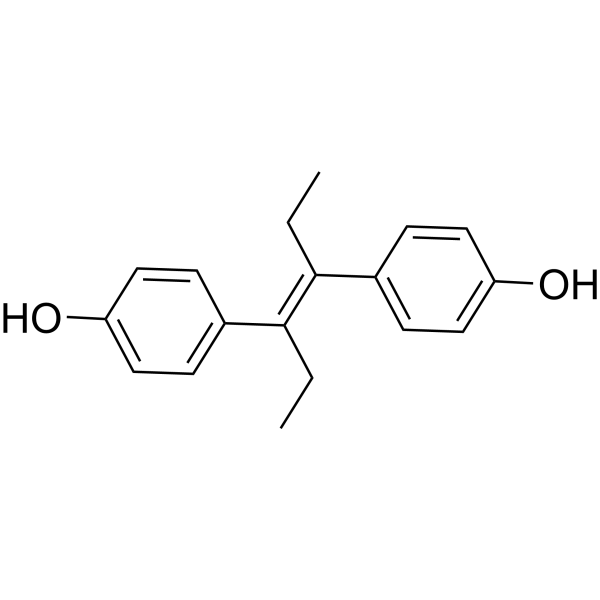
    Diethylstilbestrol is a non-steroidal female hormone that has oral activity and can act on menopausal and postmenopausal disorders. Diethylstilbestrol can induce DNA oxidation and Apoptosis of spermatogonial stem cells. Diethylstilbestrol can induce thymocyte Autophagy Diethylstilbestrol is a 11β-hydroxysteroid dehydrogenase 2 (HSD11B2) inhibitor. .
    Diethylstilbestrol
  • HY-B1033
    Metergoline
    2 Publications Verification

    5-HT Receptor Dopamine Receptor Sodium Channel Neurological Disease
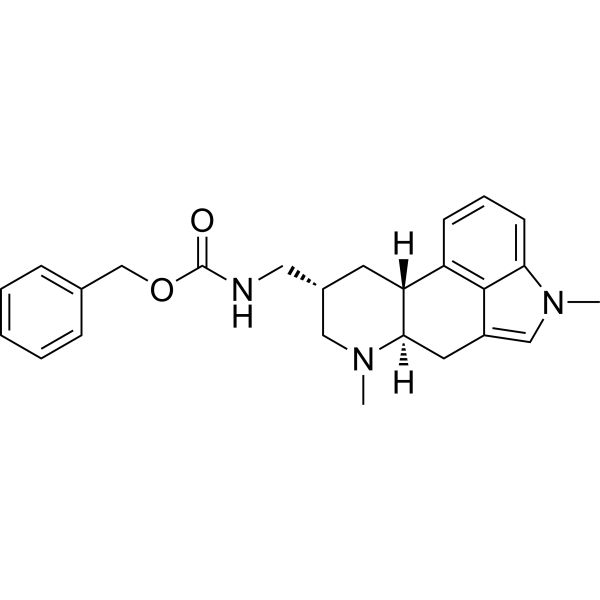
    Metergoline is a serotonin (5-HT) receptor and dopamine receptors antagonist, with pKis of 8.64, 8.75 and 8.75 for 5-HT2A, 5-HT2B and 5-HT2C, respectively. Metergoline is a high-affinity ligand for the h5-HT7 receptor, with a Ki of 16 nM. Metergoline is also a reversible neural Na + channels inhibitor. Metergoline is commonly used for the research of seasonal affective disorder, prolactin hormone regulation .
    Metergoline
  • HY-13681
    Methylprednisolone acetate
    1 Publications Verification

    Glucocorticoid Receptor Inflammation/Immunology
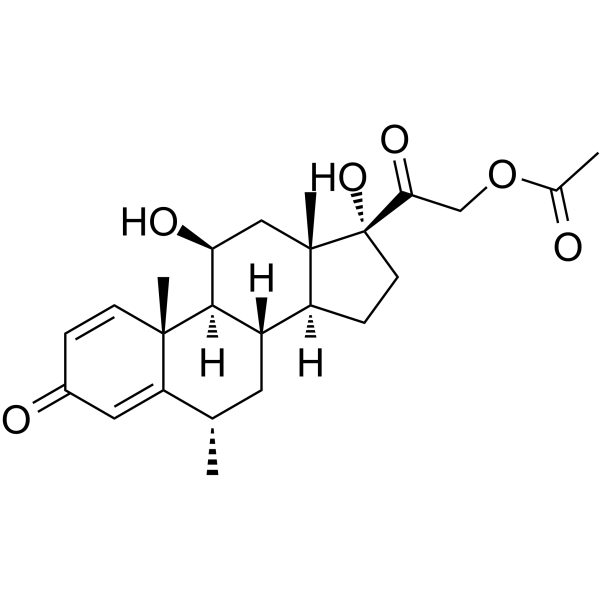
    Methylprednisolone acetate, a prednisolone derivative, is a corticosteroid?hormone. Methylprednisolone acetate can relieve pain and swelling that occurs with arthritis and other joint disorders in vivo .
    Methylprednisolone acetate
  • HY-12502A
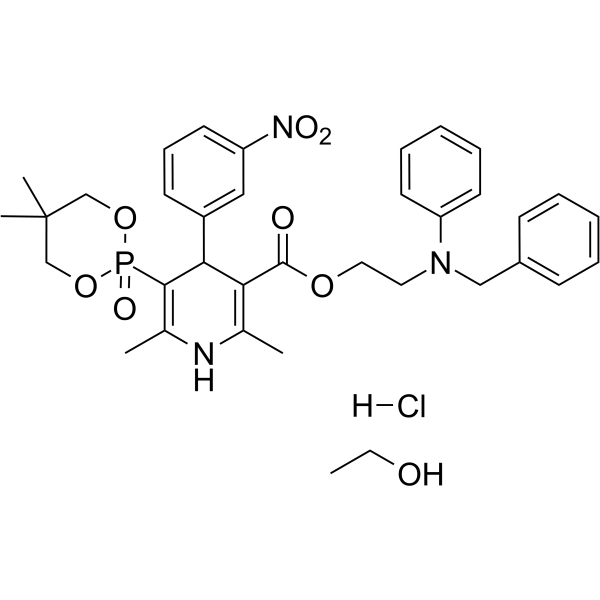
    Efonidipine hydrochloride monoethanolate
    1 Publications Verification

    NZ-105 hydrochloride monoethanolate; (±)-Efonidipine hydrochloride monoethanolate

    Calcium Channel SARS-CoV Cardiovascular Disease Neurological Disease Cancer
    Efonidipine (NZ-105) hydrochloride monoethanolate is an orally active dual L-type and T-type calcium channel blocker (CCB) with IC50 values of 1.8 and 350 nM, respectively. Efonidipine hydrochloride monoethanolate inhibits SARS-CoV-2 main protease. Efonidipine hydrochloride monoethanolate modulates adrenal steroidogenesis by increasing the expression of steroidogenic acute regulatory protein (StAR), dbcAMP-or angiotensin II-induced StAR mRNA expression and DHEA-S production, while suppressing the biosynthesis of aldosterone and cortisol. Efonidipine hydrochloride monoethanolate reduces plasma aldosterone levels in vivo. Efonidipine hydrochloride monoethanolate improves cardiac function in heart failure models by inhibiting T-type calcium channels (via both tonic and use-dependent blockade), independently of blood pressure reduction. Efonidipine hydrochloride monoethanolate can be used for research in hypertension, heart failure, and disorders involving dysregulated steroid hormone synthesis .
    Efonidipine hydrochloride monoethanolate
  • HY-19884B
    Relamorelin TFA
    1 Publications Verification

    RM-131 TFA; BIM-28131 TFA

    GHSR Metabolic Disease
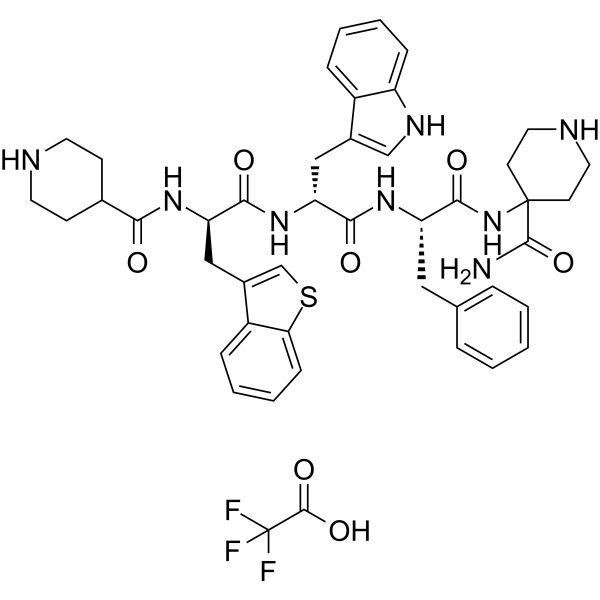
    Relamorelin (RM-131) TFA, a pentapeptide ghrelin analog, is a selective ghrelin/growth hormone secretagogue receptor (GHSR) agonist with a Ki of 0.42 nM for GHS-1a receptor. Relamorelin TFA is centrally penetrant. Relamorelin TFA increases growth hormone levels and accelerates gastric emptying. Relamorelin TFA has the potential for cachexia, gastroparesis, and gastric/intestinal dysmobility disorders research .
    Relamorelin TFA
  • HY-B0390

    Environmental Pollutants Estrogen Receptor/ERR Endocrinology Cancer
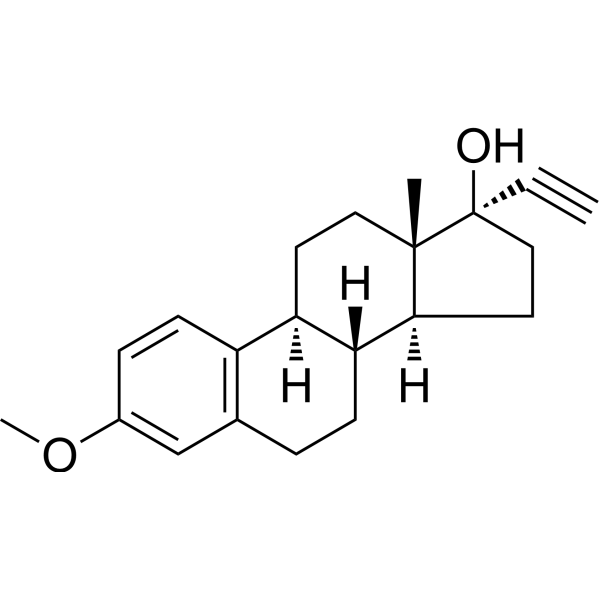
    Mestranol is an inactive proagent and becomes biologically active on conversion to ethinyl estradiol (EE). Mestranol acts as an estrogen receptor agonist. Mestranol combines with a progestin in vivo and can be used for the research of menopausal hormone or menstrual disorders. Mestranol is a click chemistry reagent, it contains an Alkyne group and can undergo copper-catalyzed azide-alkyne cycloaddition (CuAAc) with molecules containing Azide groups.
    Mestranol
  • HY-W127758
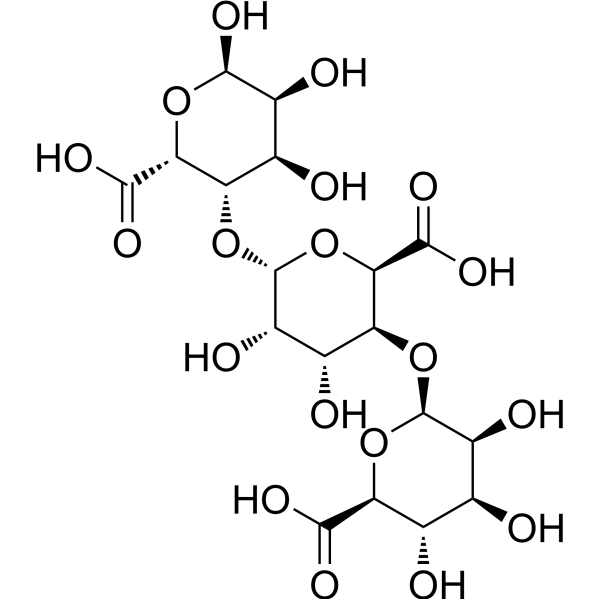
    Alginic acid
    1 Publications Verification

    Histamine Receptor Apoptosis Autophagy Endogenous Metabolite Inflammation/Immunology Endocrinology
    Alginic acid is a natural polysaccharide, which has been widely concerned and applied due to its excellent water solubility, film formation, biodegradability and biocompatibility. Alginic acid induces oxidative stress-mediated hormone secretion disorder, apoptosis and autophagy in mouse granulosa cells and ovaries. Alginic acid has an inhibitory effect on histamine release. Anti-anaphylactic and anti-inflammatory properties .
    Alginic acid
  • HY-P1205A
    MCH(human, mouse, rat) TFA
    1 Publications Verification

    Melanin-concentrating hormone(human, mouse, rat) TFA

    MCHR1 (GPR24) Neurological Disease Metabolic Disease
    MCH (human, mouse, rat) TFA is a cyclic neuropeptide mainly synthesized by neurons in the lateral hypothalamic area. MCH (human, mouse, rat) TFA also serves as an endogenous ligand for the melanin-concentrating hormone receptor (MHC receptor), with a binding IC50 of 0.3 nM and 1.5 nM for human MCH-1R and MCH-2R, respectively; its functional EC50 values are 3.9 nM and 88.7 nM. MCH (human, mouse, rat) TFA acts not only as an orexigenic signal but also as a key integrating and regulatory hormone for energy homeostasis and sleep-wake cycles. MCH (human, mouse, rat) TFA can be used in studies related to obesity, sleep disorders, and other associated conditions .
    MCH(human, mouse, rat) TFA
  • HY-P0093A
    Sincalide ammonium
    4 Publications Verification

    Cholecystokinin octapeptide ammonium; CCK-8 ammonium; SQ19844 ammonium

    Cholecystokinin Receptor Apoptosis PI3K Akt Infection Cancer
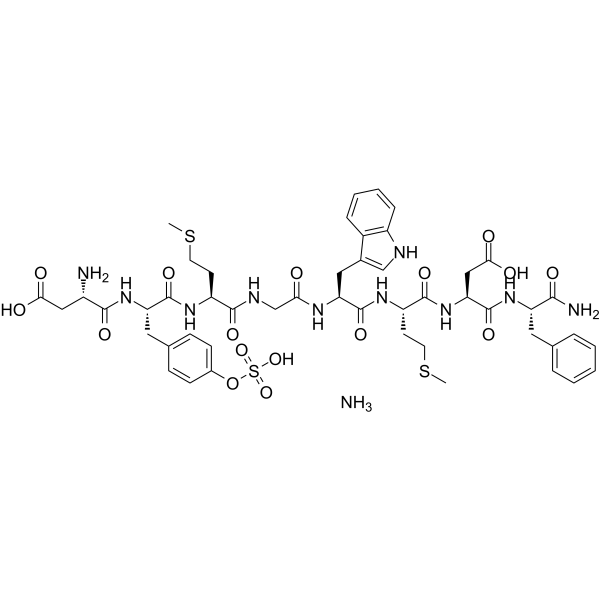
    Sincalide ammonium (Cholecystokinin octapeptide ammonium, CCK-8 ammonium) is a rapid-acting amino acid polypeptide hormone analogue of cholecystokinin (CCK) for intravenous use in postevacuation cholecystography. Sincalide ammonium is a major bioactive segment of CCK that retains most of the biological activities of CCK. CCK‐8 can promote gallbladder contraction by injection and helps diagnose gallbladder and pancreas disorders. Sincalide ammonium can increase bile secretion, cause the gallbladder to contract and relax the sphincter of Oddi, resulting in bile drainage into the duodenum. Sincalide ammonium is a major bioactive segment of CCK that retains most of the biological activities of CCK .
    Sincalide ammonium
  • HY-12502
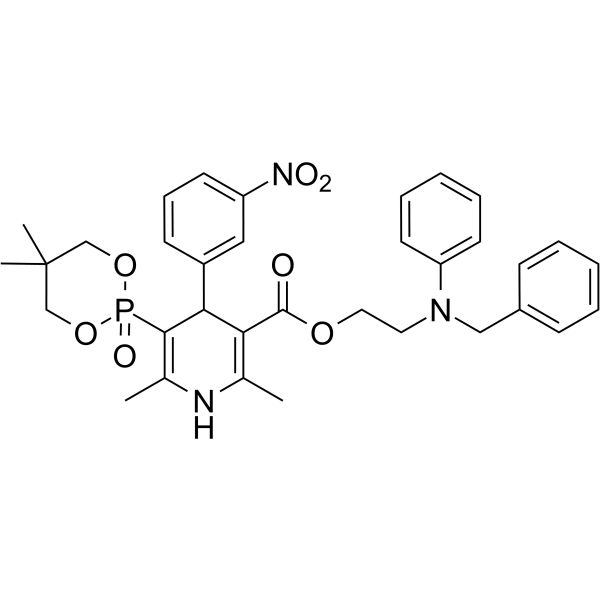
    Efonidipine
    1 Publications Verification

    NZ-105; (±)-Efonidipine

    Calcium Channel SARS-CoV Cardiovascular Disease Neurological Disease Cancer
    Efonidipine (NZ-105) is an orally active dual L-type and T-type calcium channel blocker (CCB) with IC50 values of 1.8 and 350 nM, respectively. Efonidipine inhibits SARS-CoV-2 main protease. Efonidipine modulates adrenal steroidogenesis by increasing the expression of steroidogenic acute regulatory protein (StAR), dbcAMP-or angiotensin II-induced StAR mRNA expression and DHEA-S production, while suppressing the biosynthesis of aldosterone and cortisol. Efonidipine reduces plasma aldosterone levels in vivo. Efonidipine improves cardiac function in heart failure models by inhibiting T-type calcium channels (via both tonic and use-dependent blockade), independently of blood pressure reduction. Efonidipine can be used for research in hypertension, heart failure, and disorders involving dysregulated steroid hormone synthesis .
    Efonidipine
  • HY-109106A

    SK-1403; AJT240; PLS240

    CaSR Endocrinology
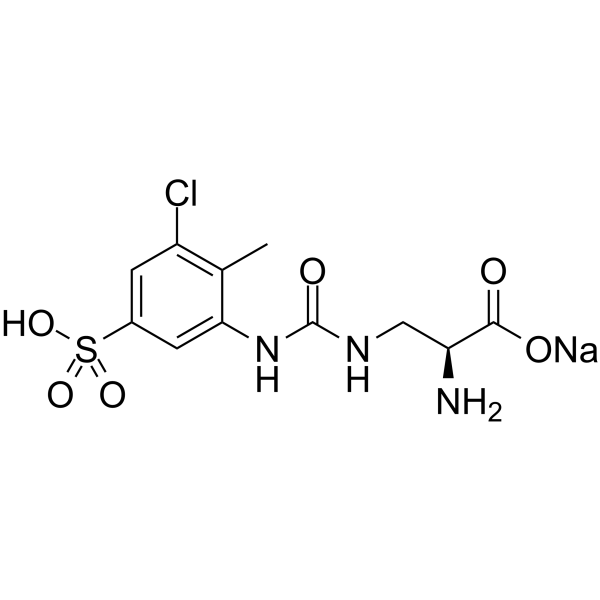
    Upacicalcet sodium is a non-peptide calcimimetic that acts as a CaSR agonist (EC50 = 10.8 nM). Upacicalcet sodium reduces serum intact parathyroid hormone (iPTH) and serum Ca 2+ levels, reducing hypocalcemia and gastrointestinal complications. Upacicalcet sodium sodium improves vascular calcification and bone disorders in the Adenine (HY-B0152)-induced secondary hyperparathyroidism (SHPT) rat model. Upacicalcet sodium sodium inhibits cortical pore formation and reduces bone fibrosis in rats with chronic kidney disease (CKD). Upacicalcet sodium is useful for studying SHPT .
    Upacicalcet sodium
  • HY-100318

    MCHR1 (GPR24) Metabolic Disease
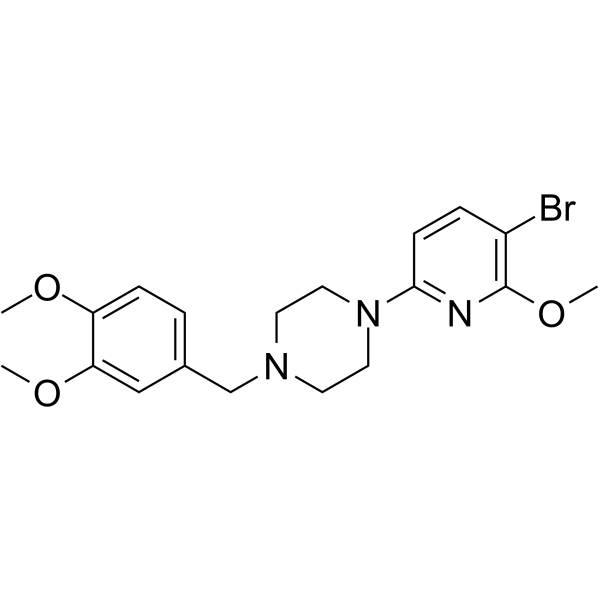
    MCHR1 antagonist 5 (Compound 80) is a melanin-concentrating hormone receptor 1 (MCHR1) antagonist. MCHR1 antagonist 5 can be uesd for the study of a variety of metabolic, feeding and sexual disorders .
    MCHR1 antagonist 5
  • HY-U00051

    Histamine Receptor Dopamine Receptor Neurological Disease
    Propiomazine is an orally active antihistamine agent. Propiomazine is a potent prolactin (PRL) release stimulant, whose effect depends on the antagonism of the dopaminergic system and can inhibit the secretion of luteinizing hormone (LH). Propiomazine is mainly used for anesthesia assistance, mental disorders and anxiety-induced sedation, and can also be used in research related to insomnia .
    Propiomazine
  • HY-107624
    ATC0175
    1 Publications Verification

    MCHR1 (GPR24) Neurological Disease
    ATC0175 is a potent, selective and orally active melanin-concentrating hormone 1 recepter antagonist with IC50s of 13.5, >10000 nM for MCH1R, MCH2R, respectively. ATC0175 shows antidepressant effects and anxiolytic effects in animal models. ATC0175 has the potential for the research of depression and/or anxiety disorders .
    ATC0175
  • HY-P1739

    Melanocortin Receptor Neurological Disease
    ACTH (34-39) is an adrenocorticotropic hormone fragment. ACTH (34-39) can be used in the study of stress-related sleep disorders .
    ACTH (34-39)
  • HY-P1205
    MCH(human, mouse, rat)
    1 Publications Verification

    Melanin-concentrating hormone(human, mouse, rat)

    MCHR1 (GPR24) Neurological Disease Metabolic Disease
    MCH (human, mouse, rat) is a cyclic neuropeptide mainly synthesized by neurons in the lateral hypothalamic area. MCH (human, mouse, rat) also serves as an endogenous ligand for the melanin-concentrating hormone receptor (MHC receptor), with a binding IC50 of 0.3 nM and 1.5 nM for human MCH-1R and MCH-2R, respectively; its functional EC50 values are 3.9 nM and 88.7 nM. MCH (human, mouse, rat) acts not only as an orexigenic signal but also as a key integrating and regulatory hormone for energy homeostasis and sleep-wake cycles. MCH (human, mouse, rat) can be used in studies related to obesity, sleep disorders, and other associated conditions .
    MCH(human, mouse, rat)
  • HY-14598R

    Reference Standards Estrogen Receptor/ERR Apoptosis Autophagy Endocrinology Cancer
    Diethylstilbestrol (Standard) is the analytical standard of Diethylstilbestrol. This product is intended for research and analytical applications. Diethylstilbestrol (Stilbestrol) is a non-steroidal female hormone that has oral activity and can act on menopausal and postmenopausal disorders. Diethylstilbestrol can induce DNA oxidation and Apoptosis of spermatogonial stem cells. Diethylstilbestrol can induce thymocyte Autophagy Diethylstilbestrol is a 11β-hydroxysteroid dehydrogenase 2 (HSD11B2) inhibitor. .
    Diethylstilbestrol (Standard)
  • HY-W039283

    MCHR1 (GPR24) Neurological Disease Cancer
    MCH-1 antagonist 2 (l-BROMO-2,4-DIFLUORO-5-NITROBEN-ZENE) is a melanin concentrating hormone-1 (MCH1) receptor-selective 4-aryl piperidine. MCH-1 antagonist 2 can be used for the research of depression, anxiety, obesity, urge incontinence, urinary incontinence, major depression, bipolar disorder, agoraphobia, specific phobia, social phobia, obsessive-compulsive disorder, post-traumatic stress disorder, acute stress disorder, urinary frequency, urinary urgency, nocturia, enuresis, bulimia, bulimia nervosa, anorexia nervosa, major depressive disorder, dysthymic disorder, bipolar 1 and 2 disorders, schizoaffective disorder, cognitive disorders with depressed mood, personality disorders, insomnia, hypersomnia, narcolepsy, circadian rhythm sleep disorder, nightmare disorder, sleep terror disorder, sleepwalking disorder, panic disorder, social anxiety disorder, generalized anxiety disorder, overactive bladder .
    MCH-1 antagonist 2
  • HY-19884

    RM-131; BIM-28131

    GHSR Metabolic Disease
    Relamorelin (RM-131), a pentapeptide ghrelin analog, is a selective ghrelin/growth hormone secretagogue receptor (GHSR) agonist with a Ki of 0.42 nM for GHS-1a receptor. Relamorelin is centrally penetrant. Relamorelin increases growth hormone levels and accelerates gastric emptying. Relamorelin has the potential for cachexia, gastroparesis, and gastric/intestinal dysmobility disorders research .
    Relamorelin
  • HY-12502B

    NZ-105 hydrochloride; (±)-Efonidipine hydrochloride

    Calcium Channel SARS-CoV Cardiovascular Disease Cancer
    Efonidipine (NZ-105) hydrochloride is an orally active dual L-type and T-type calcium channel blocker (CCB) with IC50 values of 1.8 and 350 nM, respectively. Efonidipine hydrochloride inhibits SARS-CoV-2 main protease. Efonidipine hydrochloride modulates adrenal steroidogenesis by increasing the expression of steroidogenic acute regulatory protein (StAR), dbcAMP-or angiotensin II-induced StAR mRNA expression and DHEA-S production, while suppressing the biosynthesis of aldosterone and cortisol. Efonidipine hydrochloride reduces plasma aldosterone levels in vivo. Efonidipine hydrochloride improves cardiac function in heart failure models by inhibiting T-type calcium channels (via both tonic and use-dependent blockade), independently of blood pressure reduction. Efonidipine hydrochloride can be used for research in hypertension, heart failure, and disorders involving dysregulated steroid hormone synthesis .
    Efonidipine hydrochloride
  • HY-19884A

    RM-131 acetate; BIM-28131 acetate

    GHSR Metabolic Disease
    Relamorelin (RM-131) acetate, a pentapeptide ghrelin analog, is a selective ghrelin/growth hormone secretagogue receptor (GHSR) agonist with a Ki of 0.42 nM for GHS-1a receptor. Relamorelin acetate is centrally penetrant. Relamorelin acetate increases growth hormone levels and accelerates gastric emptying. Relamorelin acetate has the potential for cachexia, gastroparesis, and gastric/intestinal dysmobility disorders research .
    Relamorelin acetate
  • HY-109106

    SK-1403 free acid; AJT240 free acid; PLS240 free acid

    CaSR Endocrinology
    Upacicalcet is a non-peptide calcimimetic that acts as a CaSR agonist (EC50 = 10.8 nM). Upacicalcet reduces serum intact parathyroid hormone (iPTH) and serum Ca2+ levels, reducing hypocalcemia and gastrointestinal complications. Upacicalcet improves vascular calcification and bone disorders in the Adenine (HY-B0152)-induced secondary hyperparathyroidism (SHPT) rat model. Upacicalcet inhibits cortical pore formation and reduces bone fibrosis in rats with chronic kidney disease (CKD). Upacicalcet is useful for studying SHPT .
    Upacicalcet
  • HY-B1033R

    5-HT Receptor Dopamine Receptor Sodium Channel Reference Standards Neurological Disease
    Metergoline (Standard) is the analytical standard of Metergoline. This product is intended for research and analytical applications. Metergoline is a serotonin (5-HT) receptor and dopamine receptors antagonist, with pKis of 8.64, 8.75 and 8.75 for 5-HT2A, 5-HT2B and 5-HT2C, respectively. Metergoline is a high-affinity ligand for the h5-HT7 receptor, with a Ki of 16 nM. Metergoline is also a reversible neural Na+ channels inhibitor. Metergoline is commonly used for the research of seasonal affective disorder, prolactin hormone regulation .
    Metergoline (Standard)
  • HY-B0390R

    Reference Standards Estrogen Receptor/ERR Endocrinology Cancer
    Mestranol (Standard) is the analytical standard of Mestranol. This product is intended for research and analytical applications. Mestranol is an inactive proagent and becomes biologically active on conversion to ethinyl estradiol (EE). Mestranol acts as an estrogen receptor agonist. Mestranol combines with a progestin in vivo and can be used for the research of menopausal hormone or menstrual disorders. Mestranol is a click chemistry reagent, it contains an Alkyne group and can undergo copper-catalyzed azide-alkyne cycloaddition (CuAAc) with molecules containing Azide groups.
    Mestranol (Standard)
  • HY-153637

    Thyroid Hormone Receptor Endocrinology
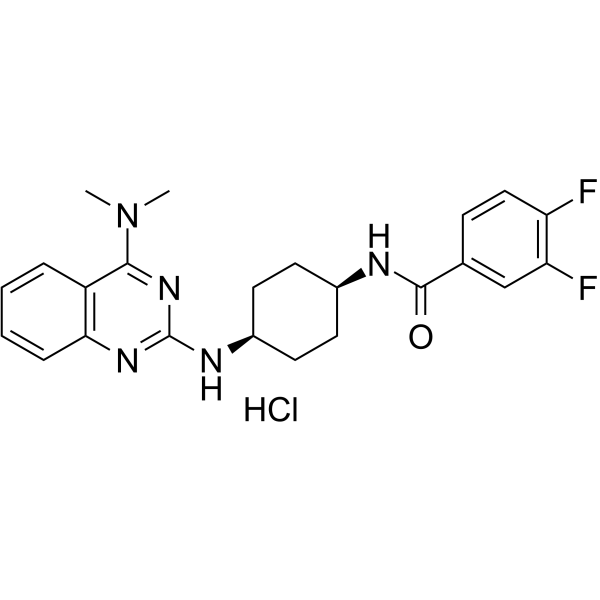
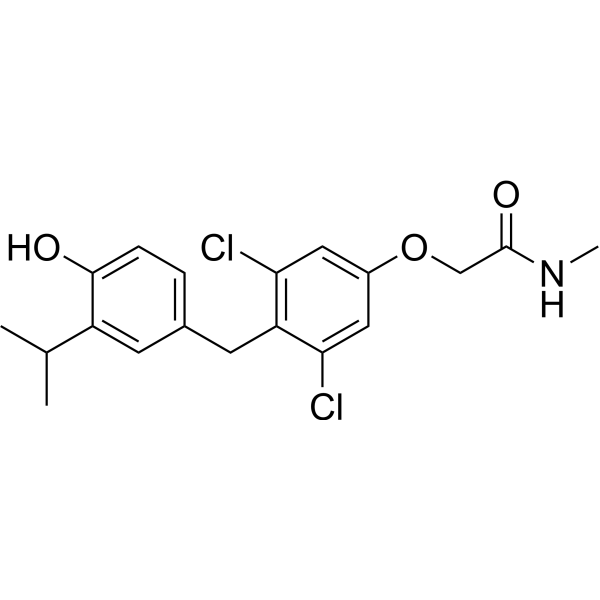
    THR-β modulator-1 (compound 1a) is a potent thyroid hormone receptor β modulator. THR-β modulator-1 can be used in research of thyroid hormone receptor related disorders .
    THR-β modulator-1
  • HY-E70395

    PE; PEP

    Biochemical Assay Reagents Neurological Disease
    Prolyl Endopeptidase, highly active in brain and other tissues, catabolizes proline-containing peptides such as substance P, neurotensin, luteinizing hormone-releasing hormone, thyrotropin releasing hormone, bradykinin and angiotensin II. Prolyl Endopeptidase can be used for study of neuropsychiatric diseases such as stress disorder, depression, and schizophrenia .
    Prolyl endopeptidase
  • HY-122353

    CG 3509

    Thyroid Hormone Receptor Neurological Disease
    Orotirelin (CG 3509) is a thyrotrophin-releasing hormone (TRH) analogue. Orotirelin can be used in the study of neurological diseases .
    Orotirelin
  • HY-19305

    GHR Inflammation/Immunology
    EP-51216 is a growth hormone agonist peptide. EP-51216 increases food intake. EP-51216 can be used in the research of eating disorders .
    EP-51216
  • HY-139035

    CRFR Neurological Disease
    CRHR1 antagonist 1 (compound 10a) is a non-peptide corticotropin-releasing hormone type 1 receptor (CRHR1) antagonist. CRHR1 antagonist 1 can be utilized in mental disorders research .
    CRHR1 antagonist 1
  • HY-13681R

    Reference Standards Glucocorticoid Receptor Inflammation/Immunology
    Methylprednisolone acetate (Standard) is the analytical standard of Methylprednisolone acetate. This product is intended for research and analytical applications. Methylprednisolone acetate, a prednisolone derivative, is a corticosteroid hormone. Methylprednisolone acetate can relieve pain and swelling that occurs with arthritis and other joint disorders in vivo .
    Methylprednisolone acetate (Standard)
  • HY-13681S

    Glucocorticoid Receptor Isotope-Labeled Compounds Inflammation/Immunology
    Methylprednisolone acetate-d6 is the deuterium labeled Methylprednisolone acetate (HY-13681). Methylprednisolone acetate, a prednisolone derivative, is a corticosteroid hormone. Methylprednisolone acetate can relieve pain and swelling that occurs with arthritis and other joint disorders in vivo .
    Methylprednisolone acetate-d6
  • HY-U00051A

    Histamine Receptor Neurological Disease
    Propiomazine hydrochloride is an orally active antihistamine agent. Propiomazine hydrochloride is a potent prolactin (PRL) release stimulant, whose effect depends on the antagonism of the dopaminergic system and can inhibit the secretion of luteinizing hormone (LH). Propiomazine hydrochloride is mainly used for anesthesia assistance, mental disorders and anxiety-induced sedation, and can also be used in research related to insomnia .
    Propiomazine hydrochloride
  • HY-U00051AS1

    Isotope-Labeled Compounds Neurological Disease
    (R)-Propiomazine-d6 hydrochloride is deuterium labeled Propiomazine hydrochloride. Propiomazine hydrochloride is an orally active antihistamine agent. Propiomazine hydrochloride is a potent prolactin (PRL) release stimulant, whose effect depends on the antagonism of the dopaminergic system and can inhibit the secretion of luteinizing hormone (LH). Propiomazine hydrochloride is mainly used for anesthesia assistance, mental disorders and anxiety-induced sedation, and can also be used in research related to insomnia.
    (R)-Propiomazine-d6 hydrochloride
  • HY-U00051AS

    Isotope-Labeled Compounds Histamine Receptor Neurological Disease
    Propiomazine-d6 hydrochloride is deuterium labeled Propiomazine hydrochloride. Propiomazine hydrochloride is an orally active antihistamine agent. Propiomazine hydrochloride is a potent prolactin (PRL) release stimulant, whose effect depends on the antagonism of the dopaminergic system and can inhibit the secretion of luteinizing hormone (LH). Propiomazine hydrochloride is mainly used for anesthesia assistance, mental disorders and anxiety-induced sedation, and can also be used in research related to insomnia.
    Propiomazine-d6 hydrochloride
  • HY-U00051AS2

    Isotope-Labeled Compounds Neurological Disease
    (S)-Propiomazine-d6 hydrochloride is deuterium labeled Propiomazine hydrochloride. Propiomazine hydrochloride is an orally active antihistamine agent. Propiomazine hydrochloride is a potent prolactin (PRL) release stimulant, whose effect depends on the antagonism of the dopaminergic system and can inhibit the secretion of luteinizing hormone (LH). Propiomazine hydrochloride is mainly used for anesthesia assistance, mental disorders and anxiety-induced sedation, and can also be used in research related to insomnia.
    (S)-Propiomazine-d6 hydrochloride
  • HY-117982

    GnRH Receptor ERK Endocrinology
    SKI2496 is an orally active GnRH receptor antagonist (IC50: 0.25 nM for hGnRHR, 13.2 nM for monkey GnRHR, 279.2 nM for rat GnRHR). SKI2496 blocks Ca 2+ flux with an IC50 value of 0.76 nM. SKI2496 inhibits ERK1/2 phosphorylation with an IC50 value of 2.6 nM. SKI2496 inhbits serum LH concentrations, and can be used for research of sex hormone-dependent disorders .
    SKI2496
  • HY-B0390S

    Isotope-Labeled Compounds Estrogen Receptor/ERR Cancer
    Mestranol-d2 is the deuterium labeled Mestranol. Mestranol is an inactive proagent and becomes biologically active on conversion to ethinyl estradiol (EE). Mestranol acts as an estrogen receptor agonist. Mestranol combines with a progestin in vivo and can be used for the research of menopausal hormone or menstrual disorders . Mestranol-d2 is a click chemistry reagent, it contains an Alkyne group and can undergo copper-catalyzed azide-alkyne cycloaddition (CuAAc) with molecules containing Azide groups.
    Mestranol-d2
  • HY-B0390S1

    Isotope-Labeled Compounds Estrogen Receptor/ERR Cancer
    Mestranol-d4 is the deuterium labeled Mestranol. Mestranol is an inactive proagent and becomes biologically active on conversion to ethinyl estradiol (EE). Mestranol acts as an estrogen receptor agonist. Mestranol combines with a progestin in vivo and can be used for the research of menopausal hormone or menstrual disorders . Mestranol-d4 is a click chemistry reagent, it contains an Alkyne group and can undergo copper-catalyzed azide-alkyne cycloaddition (CuAAc) with molecules containing Azide groups.
    Mestranol-d4
  • HY-109106B

    (Rac)-SK-1403 free acid; (Rac)-AJT240 free acid; (Rac)-PLS240 free acid

    CaSR Endocrinology
    (Rac)-Upacicalcet is the racemate of Upacicalcet (HY-109106). Upacicalcet is a non-peptide calcimimetic that acts as a CaSR agonist (EC50 = 10.8 nM). Upacicalcet reduces serum intact parathyroid hormone (iPTH) and serum Ca2+ levels, reducing hypocalcemia and gastrointestinal complications. Upacicalcet improves vascular calcification and bone disorders in the Adenine (HY-B0152)-induced secondary hyperparathyroidism (SHPT) rat model. Upacicalcet inhibits cortical pore formation and reduces bone fibrosis in rats with chronic kidney disease (CKD). Upacicalcet is useful for studying SHPT .
    (Rac)-Upacicalcet
  • HY-P0037

    Org 30850ANT

    GnRH Receptor Endocrinology
    Org-30850 is a potent LHRH antagonist designed for treating hormone-dependent disorders. In animal studies, a single subcutaneous dose effectively inhibited ovulation in rats and significantly reduced testosterone levels in male rats for up to 48 hours post-administration. Daily doses of Org-30850 in female rats suppressed estrous cycles, decreased uterine and ovarian weights, and lowered estradiol and FSH serum levels. In male rats, prolonged treatment resulted in reversible reductions in gonadal function and testosterone levels, with almost complete recovery observed after cessation of treatment. Unlike comparable LHRH antagonists, Org-30850 exhibited minimal injection site irritation and no edematous reactions, suggesting a more favorable therapeutic profile .
    Org-30850
  • HY-12502AR

    NZ-105 hydrochloride monoethanolate (Standard); (±)-Efonidipine hydrochloride monoethanolate (Standard)

    Reference Standards Calcium Channel SARS-CoV Cardiovascular Disease
    Efonidipine (NZ-105) hydrochloride monoethanolate (Standard) is the analytical standard of Efonidipine hydrochloride monoethanolate (HY-12502AR). This product is intended for research and analytical applications. Efonidipine (NZ-105) hydrochloride monoethanolate is an orally active dual L-type and T-type calcium channel blocker (CCB) with IC50 values of 1.8 and 350 nM, respectively. Efonidipine hydrochloride monoethanolate inhibits SARS-CoV-2 main protease. Efonidipine hydrochloride monoethanolate modulates adrenal steroidogenesis by increasing the expression of steroidogenic acute regulatory protein (StAR), dbcAMP-or angiotensin II-induced StAR mRNA expression and DHEA-S production, while suppressing the biosynthesis of aldosterone and cortisol. Efonidipine hydrochloride monoethanolate reduces plasma aldosterone levels in vivo. Efonidipine hydrochloride monoethanolate improves cardiac function in heart failure models by inhibiting T-type calcium channels (via both tonic and use-dependent blockade), independently of blood pressure reduction. Efonidipine hydrochloride monoethanolate can be used for research in hypertension, heart failure, and disorders involving dysregulated steroid hormone synthesis .
    Efonidipine hydrochloride monoethanolate (Standard)
  • HY-W587442

    Estrogen Receptor/ERR Cancer
    3-Chlorobisphenol A, a chlorinated derivatives of bisphenol A, is an endocrine-disrupting compound. It binds to estrogen receptors, causing disorders in hormone signaling pathways. Bisphenol A is an industrial chemical used in the production of polycarbonate plastics and epoxy resin.
    3-Chlorobisphenol A
  • HY-U00051B

    Histamine Receptor Dopamine Receptor Neurological Disease
    Propiomazine maleate is an orally active antihistamine agent. Propiomazine maleate is a potent prolactin (PRL) release stimulant, whose effect depends on the antagonism of the dopaminergic system and can inhibit the secretion of luteinizing hormone (LH). Propiomazine maleate is mainly used for anesthesia assistance, mental disorders and anxiety-induced sedation, and can also be used in research related to insomnia .
    Propiomazine maleate
  • HY-107624R

    Reference Standards MCHR1 (GPR24) Neurological Disease
    ATC0175 (Standard) is the analytical standard of ATC0175 (HY-107624). This product is intended for research and analytical applications. ATC0175 is a potent, selective and orally active melanin-concentrating hormone 1 recepter antagonist with IC50s of 13.5, >10000 nM for MCH1R, MCH2R, respectively. ATC0175 shows antidepressant effects and anxiolytic effects in animal models. ATC0175 has the potential for the research of depression and/or anxiety disorders .
    ATC0175 (Standard)
  • HY-135446

    Endothelin Receptor Cardiovascular Disease Endocrinology
    BQ-610 is a selective antagonist of the endothelin A receptor (ETA receptor). BQ-610 specifically blocks the ETA receptor, competitively inhibiting the binding of endothelin-1 (ET-1) (a vasoconstrictive peptide) to the receptor, thereby blocking the effects of ET-1 such as vascular smooth muscle contraction, cell mitosis, and inhibition of hormone secretion. BQ-610 significantly alleviates cerebral vasospasm in rabbits. BQ-610 blocks the bronchial epithelial and pulmonary vascular cell proliferation caused by cigarette smoke in rat models. BQ-610 can delay the natural luteal regression in the cow's uterus. BQ-610 can be used for research on vasospasm, abnormal cell proliferation, and reproductive endocrine disorders .
    BQ-610
  • HY-159978

    Sodium Phosphate Cotransporter Metabolic Disease Inflammation/Immunology
    EOS789 is an orally active sodium-dependent phosphate transporter inhibitor, with IC50 values of 6.8, 1.5, and 1.7 μM against human NaPi-IIb, PiT-1, PiT-2, respectively; and IC50 values of 3.9, 1.9, and 1.7 μM against rat NaPi-IIb, PiT-1, PiT-2, respectively. EOS789 inhibits intestinal phosphate absorption, increases fecal phosphate excretion, reduces urinary phosphate excretion, and decreases the levels of serum phosphate, FGF23, and adult parathyroid hormone. EOS789 ameliorates ectopic thoracic aortic calcification, renal injury and hyperphosphatemia, and inhibits the expression of fibrosis markers. EOS789 can be used for the research of hyperphosphatemia and chronic kidney disease-mineral and bone disorder (CKD-MBD) .
    EOS789
  • HY-186200

    PTHR Metabolic Disease
    PTHR1 antagonist 1 (Compound 18) is a PTHR1 antagonist with an IC50 of 0.090 µM. PTHR1 antagonist 1 is applicable to the research of calcium metabolism disorders .
    PTHR1 antagonist 1

Inquiry Online

Your information is safe with us. * Required Fields.

Salutation


Country or Region *

Applicant Name *


Organization Name *

Department *


Email Address *


Product Name *

Cat. No.


Requested quantity *

Phone Number *


Remarks

Inquiry Online

Inquiry Information

Product Name:
Cat. No.:
Quantity:
MCE Japan Authorized Agent:

