






Delivery of temperature sensitive items including proteins and kits will be paused on 6/19 for the Juneteenth holiday. For urgent orders please contact customer service.
Human serum albumin (HSA) is the most abundant protein in plasma and is a major determinant of plasma oncotic pressure. Human serum albumin exhibits antioxidant, anticoagulant, anti-inflammatory, anti-platelet aggregation activities as well as colloid osmotic action. Human serum albumin can block the inhibitory effect of GML on human T cells, providing protective function for T cells. Human serum albumin is also associated with cardiovascular diseases and can partially prevent the LPS (HY-D1056) induced oxidative stress, as well as the upregulation of NF-κB, NF-κB, and peroxynitrite (ONOO −) in the vascular wall, contributing to the reduction of blood pressure . This product is recombinant Human Serum Albumin expressed in a microbial expression system.
Nab-Paclitaxel (Nanoparticle albumin-bound Paclitaxel) is an albumin-bound nanoparticle formulation of Paclitaxel (HY-B0015). Nab-Paclitaxel is composed of albumin and the active pharmaceutical ingredient Paclitaxel, in which humanalbumin is used as an excipient to disperse and stabilize particles and carry the main drug. Nab-Paclitaxel is a solvent-free taxane with higher response rates and improved tolerability. Nab-Paclitaxel displays less toxicity and greater antitumor activity. Nab-Paclitaxel is more readily available for tumor cell uptake in three rhabdomyosarcoma, seven neuroblastoma cell lines, and one ostersarcoma cell line Nab-Paclitaxel can be studied in cancer research for example breast cancer and solid tumors. (The product specifications below only indicate the effective content of Paditaxel, the actual albumin quality depends on the batch; the ratio of each ingredient in this product is Paditaxel: albumin -1:7~1:11) .
Human serum albumin (Cell culture grade, Endotoxin<0.125 EU/mg) (HSA) is the most abundant protein in plasma and is a major determinant of plasma oncotic pressure. Human serum albumin (Cell culture grade, Endotoxin<0.125 EU/mg) exhibits antioxidant, anticoagulant, anti-inflammatory, anti-platelet aggregation activities as well as colloid osmotic action. Human serum albumin (Cell culture grade, Endotoxin<0.125 EU/mg) can block the inhibitory effect of GML on human T cells, providing protective function for T cells. Human serum albumin (Cell culture grade, Endotoxin<0.125 EU/mg) is also associated with cardiovascular diseases and can partially prevent the LPS (HY-D1056) induced oxidative stress, as well as the upregulation of NF-κB, iNOS, and peroxynitrite (ONOO −) in the vascular wall, contributing to the reduction of blood pressure. Human serum albumin (Cell culture grade, Endotoxin<0.125 EU/mg) can be used for in vitro cell culture . This product is human serum albumin recombinantly expressed in an Escherichia coli expression system.
Lipid A-11 (Compound A-11) (CICL1) is an ionizable cationic lipid. Lipid A-11 can be used to prepare lipid nanoparticles. Lipid A-11 can be used in research involving T cell-targeted transfection .
Ozoralizumab (ATN-103) is an anti-TNFα humanized antibody. Ozoralizumab is a humanized trivalent nanobody compound that consists of two anti-human TNFα nanobodies and an anti-human serum albumin (HSA) nanobody. Ozoralizumab can be used in research of arthritis .
Insulin icodec is an Insulin (HY-P0035) analog that strongly but reversibly binds to albumin. Insulin icodec has long plasma half-life. Insulin icodec modulates insulin receptor activity, controls blood glucose levels, reduces HbA1c levels, and binds reversibly to human serum albumin. Insulin icodec can be used for the research of type 2 diabetes mellitus .
p-NCS-Bz-DOTA-GA is a bifunctional chelator. p-NCS-Bz-DOTA-GA can be used as a versatile linker in targeted molecular imaging for both PET/SPECT and MRI applications .
Recombinant Human Serum Albumin (rHSA) is a non-glycosylated monomeric plasma protein that acts as a core factor for maintaining plasma colloid osmotic pressure. Recombinant Human Serum Albumin (rHSA) possesses multiple physiological functions including carrier, metabolic regulation, detoxification, antioxidation and enzyme mimicking. Recombinant Human Serum Albumin (rHSA) not only scavenges reactive oxygen and nitrogen species via specific residues and binds a variety of endogenous and exogenous compounds to maintain redox homeostasis, but also serves as a biomarker for multiple diseases such as cancer and inflammation. Recombinant Human Serum Albumin (rHSA) broadly supports the development of implantable materials, surgical adhesives and ligand capture, and can be used for research on critical illnesses including hypovolemia, liver failure, severe sepsis and various types of trauma resuscitation .
Sonelokimab (ALX 0761) is a trivalent bispecific nanobody composed of camel derived humanized IL-17F antibodies, IL-17A/F antibodies, and serum albuminVHH antibodies. Sonelokimab can prolong the plasma half-life by binding to human serum albumin. Sonelokimab can be used for research on rheumatoid arthritis and psoriasis .
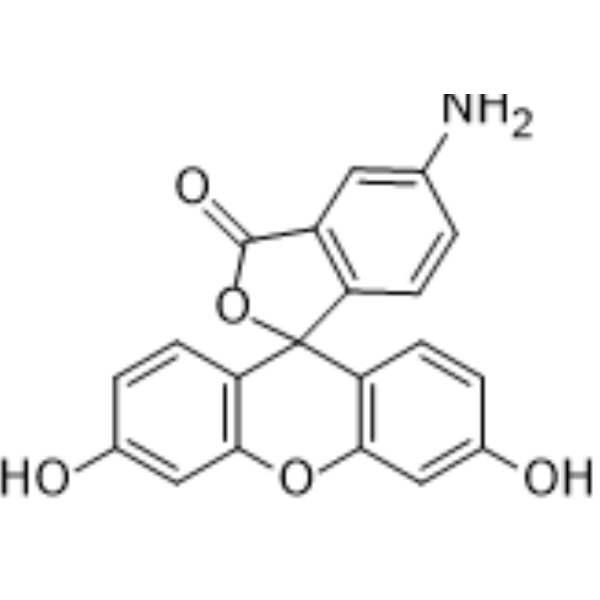
5-Aminofluorescein (5-AF) is a fluorescence marker, covalently bound to human serum albumin. The excitation wavelength is 495 nm and the emission wavelength is 535 nm .
Donzakimig is a trispecific anti-IL-13/IL-22/HSA antibody. Donzakimig adopts a Fab-scFv-scFv structural format (without an Fc region), in which the Fab domain is linked to the scFv domains via a S (G4S)2 linker. Donzakimig binds to and inhibits the activities of IL-13 and IL-22, thereby blocking the signal transduction of these two cytokines. Donzakimig can extend its serum half-life by binding to human serum albumin, enhancing its in vivo stability and achieving long-acting efficacy. Donzakimig can be used in research on moderate-to-severe atopic dermatitis, moderate-to-severe asthma (especially eosinophilic type), psoriasis, inflammatory bowel disease, and other conditions .
Canine Serum Albumin is a plasma protein derived from dogs. Canine Serum Albumin exhibits greater flexibility than human serum albumin and bovine serum albumin. Serum albumin is a multifunctional protein with exceptional ligand-binding capacity, which enables it to act as a transport molecule for various metabolites, drugs, nutrients, metals and other molecules .
Vobarilizumab (ALX-0061) is a humanized bispecific anti-IL-6R and anti-human serum albumin (ALB) monoclonal antibody (mAb) (Kd: 0.19 pM). Vobarilizumab consists of an anti-IL-6R domain and an anti-human serum albumin domain. Vobarilizumab can be used in the research of inflammatory autoimmune diseases, such as rheumatoid arthritis .
Horse Serum Albumin is an abundant, multifunctional mammalian plasma protein and transport molecule. Horse Serum Albumin acts as an allergen, exhibits high cross-reactivity with serum albumins from other mammals, and contains epitope regions recognizable by antibodies. Horse Serum Albumin binds a variety of metabolites, drugs, nutrients, metals and other molecules .
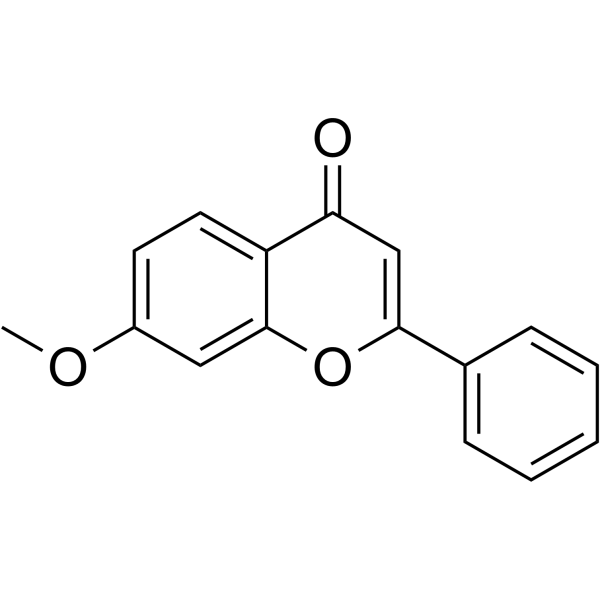
7-Methoxyflavone is a flavonoid compound that can be isolated from Zornia brasiliensis. 7-Methoxyflavone can bind to humanserum albumin and is an aromatase inhibitor. 7-Methoxyflavone has peripheral analgesic and certain antitumor activities. 7-Methoxyflavone is effective against chemical pain but has no significant effect on thermal pain .
7-Amino-4-methylcoumarin-3-acetic acid (AMCA) serves as the parent structure of coumarin-based blue fluorescent dyes, and its activated form AMCA-NHS can directly conjugate with proteins (Ex/Em ≈ 350/440-460).
BSA Standard Solution (5 mg/mL) is a bovine serum albumin solution commonly used as a standard for total serum protein detection. BSA Standard Solution (5 mg/mL) can be used for drawing standard curves and calibrating experiments in total protein assays. BSA Standard Solution (5 mg/mL) is also suitable for various biological experiments, including PCR detection inhibition, antibody desalting, chromatography control, SDS-PAGE electrophoresis, and calibration of UV spectrophotometers .
Rolitetracycline is a highly soluble, broad-spectrum antibiotic derived from tetracycline. Rolitetracycline binds to and stabilizes bovine serum albumin, and also inhibits HIV-1 integrase, blocks Aβ fibril formation and suppresses dengue virus proliferation. Rolitetracycline mediates the inhibition of Aβ fibrils via a specific three-dimensional pharmacophore conformation, and exerts bacteriostatic and bactericidal activities. Rolitetracycline acts synergistically with Penicillin G (HY-N7139) or Cephalothin (HY-B1275A) to alter the effects on microbial growth. Rolitetracycline serves as an important tool compound for the study of bacterial infections (urinary tract infections, sepsis), HIV-1 and dengue virus infections, as well as Alzheimer's disease .
VHL-IN-1 (Compound 30) is an E3 ligase VHL inhibitor with a Kd value of 37 nM. VHL-IN-1 blocks VHL-mediated ubiquitination and degradation of HIF-1α. VHL-IN-1 stabilizes the protein levels of HIF-1α and hydroxylated HIF-1α, and induces the transcriptional activity of HIF-1α. VHL-IN-1 can be used for PROTAC development. VHL-IN-1 is applicable for cancer research .
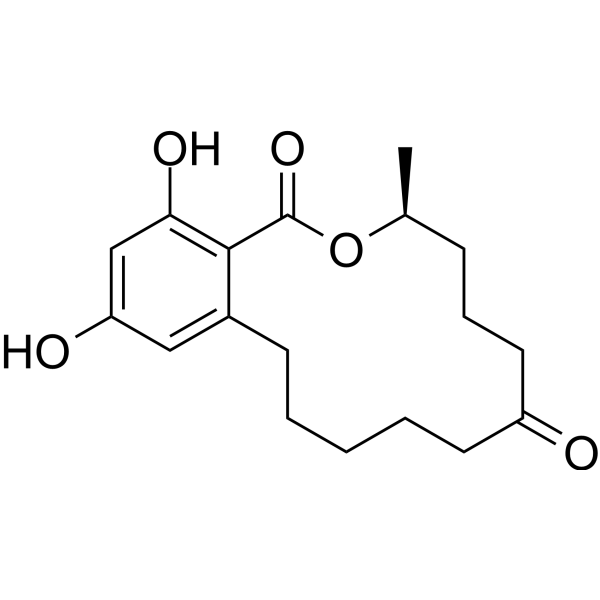
Zearalanone is a reductive metabolite of Zearalenone (HY-103447). Zearalanone binds to serum albumin across multiple species. Zearalanone enhances the binding affinity of Warfarin (HY-B0687) to serum albumin .
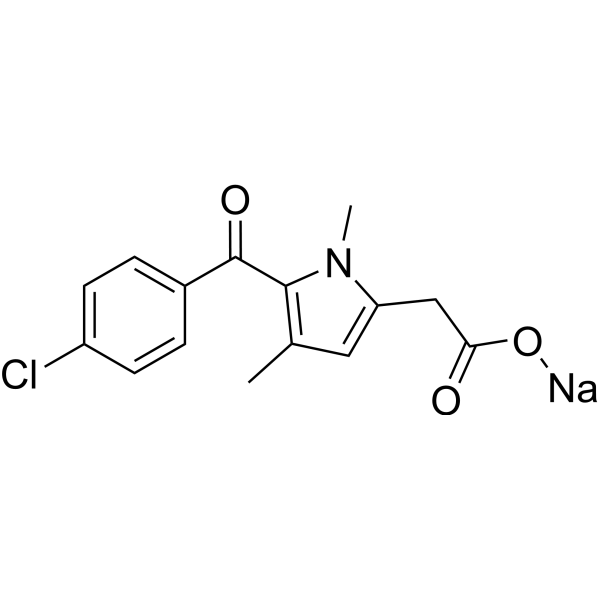
Zomepirac sodium salt (McN-2783-21-98) is an orally active prostaglandin synthetase inhibitor. Zomepirac sodium salt blocks prostaglandin synthesis and inhibits Collagen (HY-P72147)- or Epinephrine (HY-B0447)-induced platelet aggregation. Zomepirac sodium salt can be used for the research of postoperative pain and osteoarthritis .
Licarin A ((+)-Licarin A), a neolignan, significantly and dose-dependently reduces TNF-α production (IC50=12.6 μM) in dinitrophenyl-human serum albumin (DNP-HSA)-stimulated RBL-2H3 cells. Anti-allergic effects. Licarin A reduces TNF-α and PGD2 production, and COX-2 expression .
8-Bromoadenosine is an adenosine analog. Adenosine analogs mostly act as smooth muscle vasodilators and have also been shown to inhibit cancer progression. 8-Bromoadenosine can quench the intrinsic fluorescence of human serum albumin (HSA) through static quenching procedure. 8-Bromoadenosine can be used to synthesize adenosine phosphate, such as Acadesine (HY-13417), Clofarabine (HY-A0005), Fludarabine phosphate (HY-B0028) and Vidarabine (HY-B0277) .
DIDNTB is a dye. DIDNTB exhibits chemical sensitivity and specificity toward albumin. DIDNTB is much less affected by other proteins. DIDNTB enables the detection of urinary albumin at concentrations ≥10 mg/L .\n
Alclofenac (Allopydin) is an orally active prostaglandin synthase inhibitor with anti-inflammatory, analgesic and antipyretic activities. Alclofenac irreversibly inhibits platelet aggregation. Alclofenac can be used in research related to rheumatoid arthritis, osteoarthritis, ankylosing spondylitis, low back pain and sciatica .
Blue dextran (MW 70000) (Dextran blue (MW 70000)) is a conjugate of dextran and Cibacron Blue 3G-A ligand, mainly used for purification of human serum albumin .
Progesterone/BSA is a conjugate of Progesterone (HY-N0437) and bovine serum albumin (BSA). Progesterone/BSA cannot penetrate the plasma membrane of human sperm, but still rapidly elevates intracellular free calcium and induces the acrosome reaction. Progesterone/BSA can also act as a probe to specifically bind to progesterone-binding proteins on the membrane of rat brain synaptosomes .
Sulbenicillin disodium is a semisynthetic α-sulfonylbenzylpenicillin antibiotic. Sulbenicillin disodium exerts antibacterial activity against multiple gram-negative rods. Sulbenicillin disodium inhibits primary and secondary platelet aggregation, serotonin release from platelets, and platelet adherence via platelet surface coating. Sulbenicillin disodium can be used for the research of Pseudomonas aeruginosa, Pseudomonas maltophilia, and Pseudomonas cepacia infections .
Himic anhydride is an acid anhydride compound and sensitizer. Himic anhydride with cross-reactivity to hexahydrophthalic anhydride. Himic anhydride induces immunoglobulin E (IgE)-mediated sensitization and allergic immune responses. Himic anhydride can be used for the research of occupational asthma .
Ponceau 4R (85%) (Acid Red 18 (85%); New Coccine (85%)) is an orally active synthetic food colorant and a HSA-binding aggregator. Ponceau 4R (85%) binds to HSA, inducing its partial unfolding, conformational changes and aggregation. Ponceau 4R (85%) serves as a food colorant and can be used in research on diseases including type Ⅱ diabetes, Parkinson's disease, Huntington's disease and spongiform encephalopathy .
Cochinchinenin C is a GLP-1R agonist that binds to the extracellular domain of the receptor via hydrophobic interactions and hydrogen bonds, and promotes glucose-dependent insulin secretion from pancreatic β-cells. Cochinchinenin C also increases intracellular cAMP and ATP levels. At low concentrations, Cochinchinenin C binds to human serum albumin, alters its microenvironment, and induces dominant static fluorescence quenching. Cochinchinenin C shows almost no cytotoxicity to pancreatic β-cells, and exerts a synergistic effect with Loureirin A (HY-N1505) when binding to human serum albumin. Cochinchinenin C has been widely used in studies of type 2 diabetes, Helicobacter pylori infection, thrombotic diseases, and other conditions .
Withanoside V is a blood-brain barrier-permeable withanolide derivative . Withanoside V binds strongly to Sudlow I (domain IIA) of human serum albumin (HSA) to form a stable complex and alter the secondary structure of albumin, thereby increasing helix content and reducing β-sheet and random coil. Withanoside V binds to Aβ (1-42) to block the interaction between monomers and subsequent aggregation. Withanoside V inhibits the viability of neuroblastoma cells, reduces the number of apoptotic cells induced by Aβ (1-42), and decreases ROS production. Withanoside V inhibits SARS-CoV-2 Mpro. Withanoside V can be used for research on Alzheimer's disease and coronavirus disease 2019 .
BSPOTPE is the mixture of (E)-BSPOTPE (HY-W856375) and (Z)-BSPOTPE. BSPOTPE binds Human serum albumin (HSA) (HY-P1956), exhibits aggregation-induced emission (AIE) phenomenon. BSPOTPE shows selectivity for albumin (such as HSA and BSA), but has no obvious fluorescence response to other proteins and DNA. BSPOTPE can be used as fluorescent probe for HSA .
Blue dextran (MW 20000) (Dextran blue (MW 20000)) is a conjugate of dextran and Cibacron Blue 3G-A ligand, mainly used for purification of human serum albumin .
Albiglutide fragment (GLP-1 (7-36) analog) is an active fragment of Albiglutide (7-36) and a glucagon-like peptide-1 (GLP-1) analog (a long-acting GLP-1 receptor agonist). Albiglutide is produced by the fusion of DPP-4 resistant GLP-1 dimer with the humanalbumin gene. Moreover, Albiglutide fragment significantly reduces glycosylated hemoglobin (A1C) and is used in type 2 diabetes (T2D) studies .
Mal-va-mac-SN38 is a drug-linker conjugate for ADC. Mal-va-mac-SN38 contains a ADC cytotoxin SN-38 (HY-13704) and a linker (HY-126364). Mal-va-mac-SN38 can rapidly and covalently bind with endogenous albumin in vivo, resulting in the formation of HSA-va-mac-SN38. Mal-va-mac-SN38 demonstrates exceptional stability in human plasma, and has anti-tumor and anti-metastasis effect .
Lerodalcibep (LIB003) is a recombinant fusion protein of a PCSK9-binding domain (adnectin) and human serum albumin. Lerodalcibep is a Lipid-lowering agent. Lerodalcibep can be used for the research of hypercholesterolemia and cardiovascular diseases .
Blue dextran (MW 5000) (Dextran blue (MW 5000)) is a conjugate of dextran and Cibacron Blue 3G-A ligand, mainly used for purification of human serum albumin .
Aspartyl-alanyl-diketopiperazine (DA-DKP) is an immunomodulatory molecule generated by cleavage and cyclization from the N-terminus of humanalbumin and can modulate the inflammatory immune response through a molecular pathway implicated in T- lymphocyte anergy .
1H,1H,2H,2H-Perfluorohexanesulfonic acid (4:2 FTSA) is a short-chain perfluoroalkyl sulfonic acid with 6 carbon atoms that can bind to human serum albumin .
Antiulcer Agent 2 is a tetrapeptide containing aspartic acid, alanine, histidine, and lysine. Antiulcer Agent 2 is present at the N-terminal of humanalbumin. Antiulcer Agent 2 has potential applications in ulcers and active oxygen generation .
4,4,5,5,6,6,6-Heptafluorohexanoic acid (3:3 FTCA) is a polyfluoroalkyl substance (PFAS) that accumulate in the environment. 3:3 FTCA binds to many proteins, including the primary human serum transport protein albumin (HSA) .
Rabbit Serum Albumin (globulin free) is a plasma protein derived from rabbits. Rabbit Serum Albumin (globulin-free) can stereoselectively bind to a variety of bioactive molecules. Rabbit Serum Albumin (globulin free) acts as the allergen Ory c RSA with cross-reactivity to other mammalian serum albumins. Rabbit Serum Albumin (globulin free) can be used for the research of allergy .
Human Serum Albumin-HRP (HSA-HRP) is a HRP labeled serum albumin. Human Serum Albumin-HRP (HSA-HRP) can be used for ELISA and Western blot detection of human serum albumin .
(E)-BSPOTPE is the E configuration of BSPOTPE (HY-W856375A). BSPOTPE binds Human serum albumin (HSA) (HY-P1956), exhibits aggregation-induced emission (AIE) phenomenon. BSPOTPE shows selectivity for albumin (such as HSA and BSA), but has no obvious fluorescence response to other proteins and DNA. BSPOTPE can be used as fluorescent probe for HSA .
Blue dextran (MW 40000) (Dextran blue (MW 4000)) is a conjugate of dextran and Cibacron Blue 3G-A ligand, mainly used for purification of human serum albumin .
Blue dextran (MW 500000) (Dextran blue (MW 500000)) is a conjugate of dextran and Cibacron Blue 3G-A ligand, mainly used for purification of human serum albumin .
Blue dextran (MW 110000) (Dextran blue (MW 110000)) is a conjugate of dextran and Cibacron Blue 3G-A ligand, mainly used for purification of human serum albumin .
Tetrazole-C15-(N-acetylsulfamoyl)butanoic acid (Ligand 1) improves the pharmacokinetic properties of therapeutic peptides and proteins through non-covalent binding with human serum albumin (HSA). Tetrazole-C15-(N-acetylsulfamoyl)butanoic acid can be used for synthesis of long-acting human growth hormone (HGH) analog somapacitan .
DDAO phosphate diammonium is a fluorescent phosphatase substrate. DDAO phosphate diammonium has tunable excitation wavelength (600-650nm) and long emission wavelength (λem=656nm). DDAO phosphate diammonium can be used to detect the activity of different enzymes such as β-galactosidase, sulfatase, protein phosphatase 2A, carboxylesterase 2, humanalbumin and esterase.
2-Iodoestradiol is a potent human sex hormone binding globulin (SHBG) ligand with a remarkably high affinity for SHBG. 2-Iodoestradiol exhibits competition for the same binding site as dihydrotestosterone in binding to human SHBG. The binding affinity constant of 2-Iodoestradiol at physiological pH and 37 degrees Celsius is 2.4 x 10(9) M-1, exceeding that for SHBG. 2-Iodoestradiol has been shown to bind to serum albumin, but with lower affinity. The radioisotope 125I-derivative of 2-Iodoestradiol has been used to study the binding properties of human SHBG, demonstrating its potential application in biological research .
DDAO-C6 is a cridone ester derivative, highly specific fluorescence for detecting human serum albumin (HSA). DDAO-C6 acts as an enzymatic activatable near-infrared fluorescent probe in visually sensing endogenous lipase from gut microbes (Ex/Em=600/658 nm) .
Paclitaxel octadecanedioate (compound PTX-FA18) is comprised of Paclitaxel (HY-B0015) conjugated to 1,18-octadecanedioic acid (HY-W005178). Paclitaxel octadecanedioate mixed with human serum albumin (HAS) is cytotoxic to HT-1080, PANC-1, HT-29 and Hela cells (IC50s = 12, 2.48, 8.62, and 64.42 nM, respectively) .
Derlotuximab is a CHO-expressed, scFv-Fc (huIgG1) type chimeric antibody that targets Histone H1. The predicted molecular weight (MW) of Derlotuximab is 145.1 kDa. The isotype control for Derlotuximab can be referenced as Human IgG1 kappa, Isotype Control (HY-P99001).
Sodium octyl sulfate (SOS)-d17 (Sodium capryl sulfate-d17) is the deuterated analogue of Sodium octyl sulfate (SOS). Sodium octyl sulfate (Sodium capryl sulfate; SOS) is a medium‑chain anionic surfactant. Sodium octyl sulfate (SOS) can undergo strong hydrophobic interactions with serum albumins (such as human serum albumin (HSA) and bovine serum albumin (BSA)), while exhibiting weak interactions with other proteins including myoglobin and hemoglobin. As an environmental pollutant in freshwater ecosystems, Sodium octyl sulfate (SOS) can mimic interspecific pheromones released by Daphnia magna and induce the formation of multicellular colonies in green algae.
DX-236 is a macrocyclic peptide with a binding affinity of 1.9 µM to human serum albumin (HSA). DX-236 can fuse with HSV to prolong its circulation in vivo .
(R)-Duloxetine (LY248686) Hydrochloride is a napthalenyloxy-substituted amine utilized in binding studies with human serum albumin, and unlike its enantiomer (S)-Duloxetine, it exhibits limited efficacy as a dual serotonin and norepinephrine reuptake inhibitor (SNRI).
Balugrastim (CG 10639) is a novel long-acting recombinant granulocyte colony-stimulating factor (G-CSF) obtained by means of a genetic fusion between recombinant human serum albumin and granulocyte colony-stimulating factor. Balugrastim can be used for the research of breast cancer .
MAO-B-IN-37 (Compound 37) is a derivative of TT01001 (HY-114520), and a selective inhibitor for monoamine oxidase B (MAO-B) with an IC50 of 270 nM. MAO-B-IN-37 exhibits good metabolic stability in mice microsomes and good affinity with human serum albumin .
CEP-40125 (RXDX-107) is a modified form of Bendamustine (HY-13567), a DNA cross-linking agent that may cause DNA damage and cell apoptosis. CEP-40125 (RXDX-107) is formed by encapsulating the alkyl ester form of Bendamustine in human serum albumin .
Zomepirac sodium salt (Standard) is the analytical standard of Zomepirac sodium salt (HY-B0890). This product is intended for research and analytical applications. Zomepirac sodium salt (McN-2783-21-98) is an orally active prostaglandin synthetase inhibitor. Zomepirac sodium salt blocks prostaglandin synthesis and inhibits Collagen (HY-P72147)- or Epinephrine (HY-B0447)-induced platelet aggregation. Zomepirac sodium salt can be used for the research of postoperative pain and osteoarthritis .
Zomepirac (McN-2783-21-98 free acid) is an orally active prostaglandin synthetase inhibitor. Zomepirac blocks prostaglandin synthesis and inhibits Collagen (HY-P72147)- or Epinephrine (HY-B0447)-induced platelet aggregation. Zomepirac can be used for the research of postoperative pain and osteoarthritis .
Retinoic acid-HSA is a conjugate of Retinoic acid (HY-14649) and Human serum albumin (HSA). By conjugating the antigen with protein adjuvants, the production of antigen-specific antibodies in vaccine models can be enhanced. The conjugate does not affect protein folding or disrupt the primary epitopes, and it can enhance cross-presentation and the generation of antigen-specific T cells .
Tylophorine and its analogs are benzoindole alkaloids, most of which are derived from Garcinia plants. Tylophorine analogs all show potent growth inhibition against human hepatocellular carcinoma HepG2 and human nasopharyngeal carcinoma KB cell lines. Tylophorine analogs can also induce increased albumin expression and inhibit α-fetoprotein expression in HepG2 cells, and have the potential to induce HepG2 cell differentiation .
Vamidothion is a polar organophosphorus insecticide and acaricide with biological activity against insects and mites. Vamidothion is degraded by human serum albumin (HSA) and promotes adduct formation with tyrosine residues. The phosphate amino acid adducts formed after the reaction of vamidothion with HSA are detected by liquid chromatography quadrupole-Orbitrap mass spectrometry. The metabolites of vamidothion can be used in forensic toxicology to help determine deaths caused by organophosphorus poisoning .
3,7-Dihydroxyflavone (Resogalangin) is a flavonoid phytoestrogen, which can be isolated from Adenophora species. 3,7-Dihydroxyflavone is a modulator of estrogen receptors and an inhibitor of human progesterone metabolizing enzyme AKR1C1 and fungal 17β-hydroxysteroid dehydrogenase and a redox inhibitor (IC50=0.6 and 6.0 μM, respectively). 3,7-Dihydroxyflavone is a fluorescent binding substrate for human serum albumin (HSA) with excitation wavelengths of 370 nm (pH 7.4) and 350 nm (pH 3.5), respectively, and emission wavelength of 515 nm .
Albiglutide fragment (GLP-1 (7-36) analog) TFA is an active fragment of Albiglutide (7-36) and a glucagon-like peptide-1 (GLP-1) analog (a long-acting GLP-1 receptor agonist). Albiglutide is produced by the fusion of DPP-4 resistant GLP-1 dimer with the humanalbumin gene. Moreover, Albiglutide fragment TFA significantly reduces glycosylated hemoglobin (A1C) and is used in type 2 diabetes (T2D) studies .
Levosemotiadil, an S-isomer of semotiadil, exhibits stronger binding affinity to human serum albumin (HSA) compared to its R-isomer counterpart. This study utilized high-performance frontal analysis (HPFA) to demonstrate that levosemotiadil binds approximately three times more strongly to HSA than semotiadil. The binding parameters were evaluated using Scatchard analysis, revealing specific interactions with the diazepam binding site on HSA. The presence of diazepam decreased the binding affinity of both enantiomers, while warfarin did not alter their binding characteristics. These findings highlight levosemotiadil's potential as a Ca- and Na-channel blocker with significant binding preferences for HSA, crucial for understanding its pharmacokinetics and therapeutic effects .
Human Serum Albumin-FITC (HSA-FITC) is a FITC (HY-66019) labeled serum albumin. Human Serum Albumin-FITC plays an important role in fluorescent labeling, drug delivery research, and other fields (Ex/Em = 488/525 nm) .
Human Serum Albumin-Rhodamine (HSA-Rhodamine) is a Rhodamine B (HY-Y0016) labeled serum albumin. Human Serum Albumin-Rhodamine plays an important role in fluorescent labeling, drug delivery research, and other fields (Ex/Em = 546/610 nm) .
Human Serum Albumin-ICG (HSA-ICG) is a Indocyanine green (ICG) (HY-D0711) labeled serum albumin. Human Serum Albumin-ICG plays an important role in fluorescent labeling, drug delivery research, and other fields (Ex/Em = 785/813 nm) .
Human Serum Albumin-CY7 (HSA-CY7) is a CY7 (HY-D0825) labeled serum albumin. Human Serum Albumin-CY7 plays an important role in fluorescent labeling, drug delivery research, and other fields (Ex/Em = 740/770 nm) .
Human Serum Albumin-CY5.5 (HSA-CY5.5) is a CY5.5 (HY-D0924) labeled serum albumin. Human Serum Albumin-CY5.5 plays an important role in fluorescent labeling, drug delivery research, and other fields (Ex/Em = 680/710 nm) .
Chrysin 7-sulfate is a conjugated metabolite of Chrysin (HY-14589). Chrysin 7-sulfate can strongly displace the Site I marker warfarin from human serum albumin. Chrysin 7-sulfate can effectively displace Ochratoxin A (OTA) (HY-N6788) from albumin both in vitro and in vivo .
meso-Astaxanthin is a natural stereoisomer of Astaxanthin (HY-B2163) with antioxidant activity and is found in a variety of aquatic animals. meso-Astaxanthin binds to human serum albumin in a monomeric form at a stoichiometric ratio; at low ligand-to-protein ratios, human serum albumin acts as a chiral template for supramolecular assembly at higher ratios. meso-Astaxanthin directly scavenges superoxide anions. meso-Astaxanthin can be used in the research of myocardial ischemia-reperfusion injury .
Adargiminase (NEI-01) is a modified arginine-depleting enzyme and albumin binder. Adargiminase catalyzes the conversion of arginine to citrulline and ammonia, reduces plasma arginine levels to undetectable levels, and binds to serum albumin from Mus musculus (mouse), Rattus norvegicus (rat), Canis lupus familiaris (dog) and Homo sapiens (human) to extend its half-life. Adargiminase inhibits the viability of ASS1-negative pancreatic cancer cells, and reduces tumor volume and weight. Adargiminase can be used for the research of pancreatic cancer .
OPA-S-S-alkyne is a cell surface protein-selective labeling agent. OPA-S-S-alkyne selectively labels hyper-reactive extracellular lysines including ROR2 K382 and ENG K285, blocks ENG-BMP9 interaction, and labels purified human serum albumin with minimal bias. OPA-S-S-alkyne can be used for the research of hematologic and influenza A virus infection .
(-)-Epigallocatechin-4'-O-methylether ((-)-EGC-4'-O-ME) is an orally active natural phenolic catechin with antioxidant, free radical-scavenging and hepatoprotective activities. (-)-Epigallocatechin-4'-O-methylether interferes with radiation-induced free radical formation, scavenges DPPH free radicals, inhibits carbon tetrachloride-induced increases in serum GOT and GPT, suppresses carbon tetrachloride-induced TBA-RS formation, and counteracts carbon tetrachloride-induced hepatocyte toxicity. (-)-Epigallocatechin-4'-O-methylether binds specifically to human serum albumin. (-)-Epigallocatechin-4'-O-methylether can be used in studies related to liver injury .
(Rac)-Aspartyl-alanyl-diketopiperazine ((Rac)-DA-DKP) is the racemic form of Aspartyl-alanyl-diketopiperazine (HY-107091). Aspartyl-alanyl-diketopiperazine is an immunomodulatory molecule generated by cleavage and cyclization from the N-terminus of humanalbumin and can modulate the inflammatory immune response through a molecular pathway implicated in T- lymphocyte anergy.
A-849519 is a reversible methionine aminopeptidase-2 (MetAP-2) inhibitor with an IC50 of 19 nM. A-849519 binds to the active site of the Mn 2+ form of human MetAP-2, where the oxygen atom of one acidic functional group interacts with the manganese ion, and another heteroatom binds to the water molecule above the two manganese ions, thereby functionally inhibiting enzyme activity. A-849519 inhibits the methionine processing activity of MetAP-2 as well as the proliferation of fibrosarcoma cells. A-849519 can be used in studies related to fibrosarcoma .
DOTA-NT-20.3-IPBA is a Neurotensin receptor 1 (NTR1)-targeting albumin binder with specific high-affinity binding to NTR1. DOTA-NT-20.3-IPBA is formed by the conjugation of DOTA-NT-20.3 and IPBA. DOTA-NT-20.3-IPBA can be used for positron emission tomography (PET) imaging following labeling with [ 68Ga]Ga .
7-Methoxyflavone (Standard) is the analytical standard of 7-Methoxyflavone (HY-N8487). This product is intended for research and analytical applications. 7-Methoxyflavone is a flavonoid compound that can be isolated from Zornia brasiliensis. 7-Methoxyflavone can bind to human serum albumin and is an aromatase inhibitor. 7-Methoxyflavone has peripheral analgesic and certain antitumor activities. 7-Methoxyflavone is effective against chemical pain but has no significant effect on thermal pain .
Darexaban maleate (YM150 maleate) is a direct factor Xa inhibitor with activity in preventing venous thromboembolism. The major metabolite of Darexaban maleate in humans is Darexaban glucitol, which acts pharmacologically. The glucitolation reaction of Darexaban maleate is mainly catalyzed by UGT1A9 and UGT1A10 in the human liver and intestine. The K(m) value of Darexaban maleate glucitolation in the liver is greater than 250 μM, while in the intestine it exhibits substrate inhibition kinetics with a K(m) value of 27.3 μM. The unbound K(m) value of Darexaban maleate is significantly reduced by the influence of fatty acid-free bovine serum albumin in both HLM and UGT1A9 .
PiF is a fluorescent probe with high specificity for pancreatic β-cells (Ex/Em = 535 nm/565 nm), and its fluorescence signal increases significantly with elevated insulin concentrations in in vitro experiments. PiF enables visualization of rat and human islets transplanted via the portal vein in mouse livers with low liver background signals. The fluorine atom of PiF can be replaced by radioactive 18F to prepare a PET tracer. PiF can be used for research on type 1 diabetes .
Albiglutide fragment (Standard) is the analytical standard of Albiglutide fragment (HY-108795). This product is intended for research and analytical applications. Albiglutide fragment (GLP-1 (7-36) analog) is an active fragment of Albiglutide (7-36) and a glucagon-like peptide-1 (GLP-1) analog (a long-acting GLP-1 receptor agonist). Albiglutide is produced by the fusion of DPP-4 resistant GLP-1 dimer with the humanalbumin gene. Moreover, Albiglutide fragment significantly reduces glycosylated hemoglobin (A1C) and is used in type 2 diabetes (T2D) studies .
PI3K-001 is a cathepsin B-responsive prodrug and antifibrotic agent. PI3K-001 undergoes cathepsin B-mediated cleavage of the Val-Ala linker in fibrotic lung lesions to release an active PI3K inhibitor payload, while it remains stable in healthy tissues. PI3K-001 improves collagen deposition, tissue collapse and alveolar injury in fibrotic lung tissues. PI3K-001 is applicable for the research of pulmonary fibrosis .
Hesperetin triacetate is an active compound with anti-inflammatory and anti-tumor activities. Hesperetin triacetate inhibits bovine serum albumin denaturation in vitro. Hesperetin triacetate inhibits carrageenan-induced paw swelling in mice in vivo. Hesperetin triacetate exhibits anti-proliferative activity against breast cancer cells. Hesperetin triacetate induces DNA degradation and apoptosis in breast cancer cells. Hesperetin triacetate can be used in studies related to breast cancer and inflammation .
Antibacterial agent 330 is an antibacterial agent. Antibacterial agent 330 triggers ROS accumulation, forms DNA supramolecular complex by intercalation to block DNA replication and inhibits LDH to disturb metabolism, and further prompts bacterial cell rupture to induce the leakage of intracellular content, ultimately causing bacterial death. Antibacterial agent 330 displays antibacterial activity and promotes wound healing in both G. Mellonella larval and murine wound infection models. Antibacterial agent 330 can be used for the research of bacterial infections .
5-Aminofluorescein (5-AF) is a fluorescence marker, covalently bound to human serum albumin. The excitation wavelength is 495 nm and the emission wavelength is 535 nm .
7-Amino-4-methylcoumarin-3-acetic acid (AMCA) serves as the parent structure of coumarin-based blue fluorescent dyes, and its activated form AMCA-NHS can directly conjugate with proteins (Ex/Em ≈ 350/440-460).
Ponceau 4R (85%) (Acid Red 18 (85%); New Coccine (85%)) is an orally active synthetic food colorant and a HSA-binding aggregator. Ponceau 4R (85%) binds to HSA, inducing its partial unfolding, conformational changes and aggregation. Ponceau 4R (85%) serves as a food colorant and can be used in research on diseases including type Ⅱ diabetes, Parkinson's disease, Huntington's disease and spongiform encephalopathy .
BSPOTPE is the mixture of (E)-BSPOTPE (HY-W856375) and (Z)-BSPOTPE. BSPOTPE binds Human serum albumin (HSA) (HY-P1956), exhibits aggregation-induced emission (AIE) phenomenon. BSPOTPE shows selectivity for albumin (such as HSA and BSA), but has no obvious fluorescence response to other proteins and DNA. BSPOTPE can be used as fluorescent probe for HSA .
(E)-BSPOTPE is the E configuration of BSPOTPE (HY-W856375A). BSPOTPE binds Human serum albumin (HSA) (HY-P1956), exhibits aggregation-induced emission (AIE) phenomenon. BSPOTPE shows selectivity for albumin (such as HSA and BSA), but has no obvious fluorescence response to other proteins and DNA. BSPOTPE can be used as fluorescent probe for HSA .
DDAO phosphate diammonium is a fluorescent phosphatase substrate. DDAO phosphate diammonium has tunable excitation wavelength (600-650nm) and long emission wavelength (λem=656nm). DDAO phosphate diammonium can be used to detect the activity of different enzymes such as β-galactosidase, sulfatase, protein phosphatase 2A, carboxylesterase 2, humanalbumin and esterase.
DDAO-C6 is a cridone ester derivative, highly specific fluorescence for detecting human serum albumin (HSA). DDAO-C6 acts as an enzymatic activatable near-infrared fluorescent probe in visually sensing endogenous lipase from gut microbes (Ex/Em=600/658 nm) .
Human Serum Albumin-FITC (HSA-FITC) is a FITC (HY-66019) labeled serum albumin. Human Serum Albumin-FITC plays an important role in fluorescent labeling, drug delivery research, and other fields (Ex/Em = 488/525 nm) .
Human Serum Albumin-Rhodamine (HSA-Rhodamine) is a Rhodamine B (HY-Y0016) labeled serum albumin. Human Serum Albumin-Rhodamine plays an important role in fluorescent labeling, drug delivery research, and other fields (Ex/Em = 546/610 nm) .
Human Serum Albumin-ICG (HSA-ICG) is a Indocyanine green (ICG) (HY-D0711) labeled serum albumin. Human Serum Albumin-ICG plays an important role in fluorescent labeling, drug delivery research, and other fields (Ex/Em = 785/813 nm) .
Human Serum Albumin-CY7 (HSA-CY7) is a CY7 (HY-D0825) labeled serum albumin. Human Serum Albumin-CY7 plays an important role in fluorescent labeling, drug delivery research, and other fields (Ex/Em = 740/770 nm) .
Human Serum Albumin-CY5.5 (HSA-CY5.5) is a CY5.5 (HY-D0924) labeled serum albumin. Human Serum Albumin-CY5.5 plays an important role in fluorescent labeling, drug delivery research, and other fields (Ex/Em = 680/710 nm) .
PiF is a fluorescent probe with high specificity for pancreatic β-cells (Ex/Em = 535 nm/565 nm), and its fluorescence signal increases significantly with elevated insulin concentrations in in vitro experiments. PiF enables visualization of rat and human islets transplanted via the portal vein in mouse livers with low liver background signals. The fluorine atom of PiF can be replaced by radioactive 18F to prepare a PET tracer. PiF can be used for research on type 1 diabetes .
Human serum albumin (HSA) is the most abundant protein in plasma and is a major determinant of plasma oncotic pressure. Human serum albumin exhibits antioxidant, anticoagulant, anti-inflammatory, anti-platelet aggregation activities as well as colloid osmotic action. Human serum albumin can block the inhibitory effect of GML on human T cells, providing protective function for T cells. Human serum albumin is also associated with cardiovascular diseases and can partially prevent the LPS (HY-D1056) induced oxidative stress, as well as the upregulation of NF-κB, NF-κB, and peroxynitrite (ONOO −) in the vascular wall, contributing to the reduction of blood pressure . This product is recombinant Human Serum Albumin expressed in a microbial expression system.
Human serum albumin (Cell culture grade, Endotoxin<0.125 EU/mg) (HSA) is the most abundant protein in plasma and is a major determinant of plasma oncotic pressure. Human serum albumin (Cell culture grade, Endotoxin<0.125 EU/mg) exhibits antioxidant, anticoagulant, anti-inflammatory, anti-platelet aggregation activities as well as colloid osmotic action. Human serum albumin (Cell culture grade, Endotoxin<0.125 EU/mg) can block the inhibitory effect of GML on human T cells, providing protective function for T cells. Human serum albumin (Cell culture grade, Endotoxin<0.125 EU/mg) is also associated with cardiovascular diseases and can partially prevent the LPS (HY-D1056) induced oxidative stress, as well as the upregulation of NF-κB, iNOS, and peroxynitrite (ONOO −) in the vascular wall, contributing to the reduction of blood pressure. Human serum albumin (Cell culture grade, Endotoxin<0.125 EU/mg) can be used for in vitro cell culture . This product is human serum albumin recombinantly expressed in an Escherichia coli expression system.
p-NCS-Bz-DOTA-GA is a bifunctional chelator. p-NCS-Bz-DOTA-GA can be used as a versatile linker in targeted molecular imaging for both PET/SPECT and MRI applications .
Recombinant Human Serum Albumin (rHSA) is a non-glycosylated monomeric plasma protein that acts as a core factor for maintaining plasma colloid osmotic pressure. Recombinant Human Serum Albumin (rHSA) possesses multiple physiological functions including carrier, metabolic regulation, detoxification, antioxidation and enzyme mimicking. Recombinant Human Serum Albumin (rHSA) not only scavenges reactive oxygen and nitrogen species via specific residues and binds a variety of endogenous and exogenous compounds to maintain redox homeostasis, but also serves as a biomarker for multiple diseases such as cancer and inflammation. Recombinant Human Serum Albumin (rHSA) broadly supports the development of implantable materials, surgical adhesives and ligand capture, and can be used for research on critical illnesses including hypovolemia, liver failure, severe sepsis and various types of trauma resuscitation .
Canine Serum Albumin is a plasma protein derived from dogs. Canine Serum Albumin exhibits greater flexibility than human serum albumin and bovine serum albumin. Serum albumin is a multifunctional protein with exceptional ligand-binding capacity, which enables it to act as a transport molecule for various metabolites, drugs, nutrients, metals and other molecules .
Horse Serum Albumin is an abundant, multifunctional mammalian plasma protein and transport molecule. Horse Serum Albumin acts as an allergen, exhibits high cross-reactivity with serum albumins from other mammals, and contains epitope regions recognizable by antibodies. Horse Serum Albumin binds a variety of metabolites, drugs, nutrients, metals and other molecules .
BSA Standard Solution (5 mg/mL) is a bovine serum albumin solution commonly used as a standard for total serum protein detection. BSA Standard Solution (5 mg/mL) can be used for drawing standard curves and calibrating experiments in total protein assays. BSA Standard Solution (5 mg/mL) is also suitable for various biological experiments, including PCR detection inhibition, antibody desalting, chromatography control, SDS-PAGE electrophoresis, and calibration of UV spectrophotometers .
DIDNTB is a dye. DIDNTB exhibits chemical sensitivity and specificity toward albumin. DIDNTB is much less affected by other proteins. DIDNTB enables the detection of urinary albumin at concentrations ≥10 mg/L .\n
Blue dextran (MW 70000) (Dextran blue (MW 70000)) is a conjugate of dextran and Cibacron Blue 3G-A ligand, mainly used for purification of human serum albumin .
Progesterone/BSA is a conjugate of Progesterone (HY-N0437) and bovine serum albumin (BSA). Progesterone/BSA cannot penetrate the plasma membrane of human sperm, but still rapidly elevates intracellular free calcium and induces the acrosome reaction. Progesterone/BSA can also act as a probe to specifically bind to progesterone-binding proteins on the membrane of rat brain synaptosomes .
Blue dextran (MW 20000) (Dextran blue (MW 20000)) is a conjugate of dextran and Cibacron Blue 3G-A ligand, mainly used for purification of human serum albumin .
Blue dextran (MW 5000) (Dextran blue (MW 5000)) is a conjugate of dextran and Cibacron Blue 3G-A ligand, mainly used for purification of human serum albumin .
Rabbit Serum Albumin (globulin free) is a plasma protein derived from rabbits. Rabbit Serum Albumin (globulin-free) can stereoselectively bind to a variety of bioactive molecules. Rabbit Serum Albumin (globulin free) acts as the allergen Ory c RSA with cross-reactivity to other mammalian serum albumins. Rabbit Serum Albumin (globulin free) can be used for the research of allergy .
Human Serum Albumin-HRP (HSA-HRP) is a HRP labeled serum albumin. Human Serum Albumin-HRP (HSA-HRP) can be used for ELISA and Western blot detection of human serum albumin .
Blue dextran (MW 40000) (Dextran blue (MW 4000)) is a conjugate of dextran and Cibacron Blue 3G-A ligand, mainly used for purification of human serum albumin .
Blue dextran (MW 500000) (Dextran blue (MW 500000)) is a conjugate of dextran and Cibacron Blue 3G-A ligand, mainly used for purification of human serum albumin .
Blue dextran (MW 110000) (Dextran blue (MW 110000)) is a conjugate of dextran and Cibacron Blue 3G-A ligand, mainly used for purification of human serum albumin .
Retinoic acid-HSA is a conjugate of Retinoic acid (HY-14649) and Human serum albumin (HSA). By conjugating the antigen with protein adjuvants, the production of antigen-specific antibodies in vaccine models can be enhanced. The conjugate does not affect protein folding or disrupt the primary epitopes, and it can enhance cross-presentation and the generation of antigen-specific T cells .
Insulin icodec is an Insulin (HY-P0035) analog that strongly but reversibly binds to albumin. Insulin icodec has long plasma half-life. Insulin icodec modulates insulin receptor activity, controls blood glucose levels, reduces HbA1c levels, and binds reversibly to human serum albumin. Insulin icodec can be used for the research of type 2 diabetes mellitus .
Albiglutide fragment (GLP-1 (7-36) analog) is an active fragment of Albiglutide (7-36) and a glucagon-like peptide-1 (GLP-1) analog (a long-acting GLP-1 receptor agonist). Albiglutide is produced by the fusion of DPP-4 resistant GLP-1 dimer with the humanalbumin gene. Moreover, Albiglutide fragment significantly reduces glycosylated hemoglobin (A1C) and is used in type 2 diabetes (T2D) studies .
Antiulcer Agent 2 is a tetrapeptide containing aspartic acid, alanine, histidine, and lysine. Antiulcer Agent 2 is present at the N-terminal of humanalbumin. Antiulcer Agent 2 has potential applications in ulcers and active oxygen generation .
DX-236 is a macrocyclic peptide with a binding affinity of 1.9 µM to human serum albumin (HSA). DX-236 can fuse with HSV to prolong its circulation in vivo .
Albiglutide fragment (GLP-1 (7-36) analog) TFA is an active fragment of Albiglutide (7-36) and a glucagon-like peptide-1 (GLP-1) analog (a long-acting GLP-1 receptor agonist). Albiglutide is produced by the fusion of DPP-4 resistant GLP-1 dimer with the humanalbumin gene. Moreover, Albiglutide fragment TFA significantly reduces glycosylated hemoglobin (A1C) and is used in type 2 diabetes (T2D) studies .
DOTA-NT-20.3-IPBA is a Neurotensin receptor 1 (NTR1)-targeting albumin binder with specific high-affinity binding to NTR1. DOTA-NT-20.3-IPBA is formed by the conjugation of DOTA-NT-20.3 and IPBA. DOTA-NT-20.3-IPBA can be used for positron emission tomography (PET) imaging following labeling with [ 68Ga]Ga .
Albiglutide fragment (Standard) is the analytical standard of Albiglutide fragment (HY-108795). This product is intended for research and analytical applications. Albiglutide fragment (GLP-1 (7-36) analog) is an active fragment of Albiglutide (7-36) and a glucagon-like peptide-1 (GLP-1) analog (a long-acting GLP-1 receptor agonist). Albiglutide is produced by the fusion of DPP-4 resistant GLP-1 dimer with the humanalbumin gene. Moreover, Albiglutide fragment significantly reduces glycosylated hemoglobin (A1C) and is used in type 2 diabetes (T2D) studies .
p5RHH is an acid-activated membrane-lytic peptide derived from melittin. p5RHH, as a siRNA delivery vector, initiates synchronous disassembly of nanocomplexes and endosome lysis in response to acidic pH, and triggers the release of siRNA into the cytoplasm following macropinocytosis .
MCE Recombinant Human Serum Albumin Solution (rHSA, 20%) can be widely used in various cell culture systems and is particularly suitable for maintaining the undifferentiated growth and expansion of human embryonic stem cells (hESC) and induced pluripotent stem cells (hiPSC) under both feeder-dependent and feeder-free conditions.
MCE Human iPSC/ESC Hepatocyte Induction Differentiation Kit enables the efficient generation of hepatocyte-like cells with a high degree of maturation within 21 d. The resulting cells stably express multiple key hepatic functional markers, including albumin (ALB), cytochrome P450 (CYP) family enzymes, and other liver-specific functional molecules, and exhibit typical hepatocellular phenotypes and functions.
Nab-Paclitaxel (Nanoparticle albumin-bound Paclitaxel) is an albumin-bound nanoparticle formulation of Paclitaxel (HY-B0015). Nab-Paclitaxel is composed of albumin and the active pharmaceutical ingredient Paclitaxel, in which humanalbumin is used as an excipient to disperse and stabilize particles and carry the main drug. Nab-Paclitaxel is a solvent-free taxane with higher response rates and improved tolerability. Nab-Paclitaxel displays less toxicity and greater antitumor activity. Nab-Paclitaxel is more readily available for tumor cell uptake in three rhabdomyosarcoma, seven neuroblastoma cell lines, and one ostersarcoma cell line Nab-Paclitaxel can be studied in cancer research for example breast cancer and solid tumors. (The product specifications below only indicate the effective content of Paditaxel, the actual albumin quality depends on the batch; the ratio of each ingredient in this product is Paditaxel: albumin -1:7~1:11) .
Ozoralizumab (ATN-103) is an anti-TNFα humanized antibody. Ozoralizumab is a humanized trivalent nanobody compound that consists of two anti-human TNFα nanobodies and an anti-human serum albumin (HSA) nanobody. Ozoralizumab can be used in research of arthritis .
Sonelokimab (ALX 0761) is a trivalent bispecific nanobody composed of camel derived humanized IL-17F antibodies, IL-17A/F antibodies, and serum albuminVHH antibodies. Sonelokimab can prolong the plasma half-life by binding to human serum albumin. Sonelokimab can be used for research on rheumatoid arthritis and psoriasis .
Donzakimig is a trispecific anti-IL-13/IL-22/HSA antibody. Donzakimig adopts a Fab-scFv-scFv structural format (without an Fc region), in which the Fab domain is linked to the scFv domains via a S (G4S)2 linker. Donzakimig binds to and inhibits the activities of IL-13 and IL-22, thereby blocking the signal transduction of these two cytokines. Donzakimig can extend its serum half-life by binding to human serum albumin, enhancing its in vivo stability and achieving long-acting efficacy. Donzakimig can be used in research on moderate-to-severe atopic dermatitis, moderate-to-severe asthma (especially eosinophilic type), psoriasis, inflammatory bowel disease, and other conditions .
Vobarilizumab (ALX-0061) is a humanized bispecific anti-IL-6R and anti-human serum albumin (ALB) monoclonal antibody (mAb) (Kd: 0.19 pM). Vobarilizumab consists of an anti-IL-6R domain and an anti-human serum albumin domain. Vobarilizumab can be used in the research of inflammatory autoimmune diseases, such as rheumatoid arthritis .
Lerodalcibep (LIB003) is a recombinant fusion protein of a PCSK9-binding domain (adnectin) and human serum albumin. Lerodalcibep is a Lipid-lowering agent. Lerodalcibep can be used for the research of hypercholesterolemia and cardiovascular diseases .
Anti-Albumin Antibody is a human-derived antibody expressed in CHO cells, targeting Albumin. The Anti-Albumin Antibody features huIgG1 heavy chain and huλ light chain, with a predicted molecular weight (MW) of 144.24 kDa. The isotype control for Anti-Albumin Antibody can refer to Human IgG1 lambda2, Isotype Control (HY-P990096).
Derlotuximab is a CHO-expressed, scFv-Fc (huIgG1) type chimeric antibody that targets Histone H1. The predicted molecular weight (MW) of Derlotuximab is 145.1 kDa. The isotype control for Derlotuximab can be referenced as Human IgG1 kappa, Isotype Control (HY-P99001).
Balugrastim (CG 10639) is a novel long-acting recombinant granulocyte colony-stimulating factor (G-CSF) obtained by means of a genetic fusion between recombinant human serum albumin and granulocyte colony-stimulating factor. Balugrastim can be used for the research of breast cancer .
Albipagrastim alfa is a long-acting granulocyte colony-stimulating factor (G-CSF), which is formed by the fusion of highly active recombinant G-CSF and human serum albumin (HSA). Albipagrastim alfa can significantly inhibit the clearance pathway mediated by the G-CSF receptor. Albipagrastim alfa can be used in tumor-related research .
Adargiminase (NEI-01) is a modified arginine-depleting enzyme and albumin binder. Adargiminase catalyzes the conversion of arginine to citrulline and ammonia, reduces plasma arginine levels to undetectable levels, and binds to serum albumin from Mus musculus (mouse), Rattus norvegicus (rat), Canis lupus familiaris (dog) and Homo sapiens (human) to extend its half-life. Adargiminase inhibits the viability of ASS1-negative pancreatic cancer cells, and reduces tumor volume and weight. Adargiminase can be used for the research of pancreatic cancer .
7-Methoxyflavone is a flavonoid compound that can be isolated from Zornia brasiliensis. 7-Methoxyflavone can bind to humanserum albumin and is an aromatase inhibitor. 7-Methoxyflavone has peripheral analgesic and certain antitumor activities. 7-Methoxyflavone is effective against chemical pain but has no significant effect on thermal pain .
Zearalanone is a reductive metabolite of Zearalenone (HY-103447). Zearalanone binds to serum albumin across multiple species. Zearalanone enhances the binding affinity of Warfarin (HY-B0687) to serum albumin .
Licarin A ((+)-Licarin A), a neolignan, significantly and dose-dependently reduces TNF-α production (IC50=12.6 μM) in dinitrophenyl-human serum albumin (DNP-HSA)-stimulated RBL-2H3 cells. Anti-allergic effects. Licarin A reduces TNF-α and PGD2 production, and COX-2 expression .
Sulbenicillin disodium is a semisynthetic α-sulfonylbenzylpenicillin antibiotic. Sulbenicillin disodium exerts antibacterial activity against multiple gram-negative rods. Sulbenicillin disodium inhibits primary and secondary platelet aggregation, serotonin release from platelets, and platelet adherence via platelet surface coating. Sulbenicillin disodium can be used for the research of Pseudomonas aeruginosa, Pseudomonas maltophilia, and Pseudomonas cepacia infections .
Cochinchinenin C is a GLP-1R agonist that binds to the extracellular domain of the receptor via hydrophobic interactions and hydrogen bonds, and promotes glucose-dependent insulin secretion from pancreatic β-cells. Cochinchinenin C also increases intracellular cAMP and ATP levels. At low concentrations, Cochinchinenin C binds to human serum albumin, alters its microenvironment, and induces dominant static fluorescence quenching. Cochinchinenin C shows almost no cytotoxicity to pancreatic β-cells, and exerts a synergistic effect with Loureirin A (HY-N1505) when binding to human serum albumin. Cochinchinenin C has been widely used in studies of type 2 diabetes, Helicobacter pylori infection, thrombotic diseases, and other conditions .
Withanoside V is a blood-brain barrier-permeable withanolide derivative . Withanoside V binds strongly to Sudlow I (domain IIA) of human serum albumin (HSA) to form a stable complex and alter the secondary structure of albumin, thereby increasing helix content and reducing β-sheet and random coil. Withanoside V binds to Aβ (1-42) to block the interaction between monomers and subsequent aggregation. Withanoside V inhibits the viability of neuroblastoma cells, reduces the number of apoptotic cells induced by Aβ (1-42), and decreases ROS production. Withanoside V inhibits SARS-CoV-2 Mpro. Withanoside V can be used for research on Alzheimer's disease and coronavirus disease 2019 .
Tylophorine and its analogs are benzoindole alkaloids, most of which are derived from Garcinia plants. Tylophorine analogs all show potent growth inhibition against human hepatocellular carcinoma HepG2 and human nasopharyngeal carcinoma KB cell lines. Tylophorine analogs can also induce increased albumin expression and inhibit α-fetoprotein expression in HepG2 cells, and have the potential to induce HepG2 cell differentiation .
3,7-Dihydroxyflavone (Resogalangin) is a flavonoid phytoestrogen, which can be isolated from Adenophora species. 3,7-Dihydroxyflavone is a modulator of estrogen receptors and an inhibitor of human progesterone metabolizing enzyme AKR1C1 and fungal 17β-hydroxysteroid dehydrogenase and a redox inhibitor (IC50=0.6 and 6.0 μM, respectively). 3,7-Dihydroxyflavone is a fluorescent binding substrate for human serum albumin (HSA) with excitation wavelengths of 370 nm (pH 7.4) and 350 nm (pH 3.5), respectively, and emission wavelength of 515 nm .
meso-Astaxanthin is a natural stereoisomer of Astaxanthin (HY-B2163) with antioxidant activity and is found in a variety of aquatic animals. meso-Astaxanthin binds to human serum albumin in a monomeric form at a stoichiometric ratio; at low ligand-to-protein ratios, human serum albumin acts as a chiral template for supramolecular assembly at higher ratios. meso-Astaxanthin directly scavenges superoxide anions. meso-Astaxanthin can be used in the research of myocardial ischemia-reperfusion injury .
(-)-Epigallocatechin-4'-O-methylether ((-)-EGC-4'-O-ME) is an orally active natural phenolic catechin with antioxidant, free radical-scavenging and hepatoprotective activities. (-)-Epigallocatechin-4'-O-methylether interferes with radiation-induced free radical formation, scavenges DPPH free radicals, inhibits carbon tetrachloride-induced increases in serum GOT and GPT, suppresses carbon tetrachloride-induced TBA-RS formation, and counteracts carbon tetrachloride-induced hepatocyte toxicity. (-)-Epigallocatechin-4'-O-methylether binds specifically to human serum albumin. (-)-Epigallocatechin-4'-O-methylether can be used in studies related to liver injury .
7-Methoxyflavone (Standard) is the analytical standard of 7-Methoxyflavone (HY-N8487). This product is intended for research and analytical applications. 7-Methoxyflavone is a flavonoid compound that can be isolated from Zornia brasiliensis. 7-Methoxyflavone can bind to human serum albumin and is an aromatase inhibitor. 7-Methoxyflavone has peripheral analgesic and certain antitumor activities. 7-Methoxyflavone is effective against chemical pain but has no significant effect on thermal pain .
The serum albumin/ALB protein has multiple binding abilities and can bind water, Ca(2+), Na(+), K(+), fatty acids, hormones, bilirubin, and drugs. Its main effects include regulating blood colloid osmotic pressure to achieve homeostasis. Serum Albumin/ALB Protein, Human (P.pastoris) is the recombinant human-derived Serum Albumin/ALB protein, expressed by P. pastoris , with tag free.
The serum albumin/ALB protein has multiple binding abilities and can bind water, Ca(2+), Na(+), K(+), fatty acids, hormones, bilirubin, and drugs. Its main effects include regulating blood colloid osmotic pressure to achieve homeostasis. Serum Albumin/ALB Protein, Human (HEK293, His) is the recombinant human-derived Serum Albumin/ALB protein, expressed by HEK293, with C-His labeled tag.
The serum albumin/ALB protein has multiple binding abilities and can bind water, Ca(2+), Na(+), K(+), fatty acids, hormones, bilirubin, and drugs. Its main effects include regulating blood colloid osmotic pressure to achieve homeostasis. Serum Albumin/ALB Protein, Human (HEK293, Flag) is the recombinant human-derived Serum Albumin/ALB protein, expressed by HEK293, with C-Flag labeled tag.
The serum albumin/ALB protein has multiple binding abilities and can bind water, Ca(2+), Na(+), K(+), fatty acids, hormones, bilirubin, and drugs. Its main effects include regulating blood colloid osmotic pressure to achieve homeostasis. Serum Albumin/ALB Protein, Human (HEK293, His-Avi) is the recombinant human-derived Serum Albumin/ALB protein, expressed by HEK293 , with C-Avi, C-His labeled tag.
The serum albumin/ALB protein has multiple binding abilities and can bind water, Ca(2+), Na(+), K(+), fatty acids, hormones, bilirubin, and drugs. Its main effects include regulating blood colloid osmotic pressure to achieve homeostasis. Serum Albumin/ALB Protein, Human (Biotinylated, HEK293, His-Avi) is the recombinant human-derived Serum Albumin/ALB protein, expressed by HEK293 , with C-Avi, C-His labeled tag.
The serum albumin/ALB protein has multiple binding abilities and can bind water, Ca(2+), Na(+), K(+), fatty acids, hormones, bilirubin, and drugs. Its main effects include regulating blood colloid osmotic pressure to achieve homeostasis. Serum Albumin/ALB Protein, Human (HEK293, V418M, T420A, E505G, V547A) is the recombinant human-derived Serum Albumin/ALB protein, expressed by HEK293, with tag free.
Afamin/AFM Protein, Human (578a.a, HEK 293, His) is a specificl human vitamin E-binding glycoprotein that is present in biological fluids. Afamin Protein, Human plays potential role in fertility and neuroprotection.
Afamin/AFM protein serves as a carrier of hydrophobic molecules in body fluids and plays an important role in the solubility and activity of lipidated Wnt family members (including WNT1, WNT2B, WNT3, WNT3A, WNT5A, WNT7A, WNT7B, WNT8, WNT9A, and WNT9B). The role of WNT10A and WNT10B. It also binds to vitamin E and may act as a transporter of this vitamin in body fluids, especially when the lipoprotein system is deficient. Afamin/AFM Protein, Human (578a.a, HEK293, His) is the recombinant human-derived Afamin/AFM protein, expressed by HEK293 , with C-10*His labeled tag.
Sodium octyl sulfate (SOS)-d17 (Sodium capryl sulfate-d17) is the deuterated analogue of Sodium octyl sulfate (SOS). Sodium octyl sulfate (Sodium capryl sulfate; SOS) is a medium‑chain anionic surfactant. Sodium octyl sulfate (SOS) can undergo strong hydrophobic interactions with serum albumins (such as human serum albumin (HSA) and bovine serum albumin (BSA)), while exhibiting weak interactions with other proteins including myoglobin and hemoglobin. As an environmental pollutant in freshwater ecosystems, Sodium octyl sulfate (SOS) can mimic interspecific pheromones released by Daphnia magna and induce the formation of multicellular colonies in green algae.
OPA-S-S-alkyne is a cell surface protein-selective labeling agent. OPA-S-S-alkyne selectively labels hyper-reactive extracellular lysines including ROR2 K382 and ENG K285, blocks ENG-BMP9 interaction, and labels purified human serum albumin with minimal bias. OPA-S-S-alkyne can be used for the research of hematologic and influenza A virus infection .
Lipid A-11 (Compound A-11) (CICL1) is an ionizable cationic lipid. Lipid A-11 can be used to prepare lipid nanoparticles. Lipid A-11 can be used in research involving T cell-targeted transfection .
8-Bromoadenosine is an adenosine analog. Adenosine analogs mostly act as smooth muscle vasodilators and have also been shown to inhibit cancer progression. 8-Bromoadenosine can quench the intrinsic fluorescence of human serum albumin (HSA) through static quenching procedure. 8-Bromoadenosine can be used to synthesize adenosine phosphate, such as Acadesine (HY-13417), Clofarabine (HY-A0005), Fludarabine phosphate (HY-B0028) and Vidarabine (HY-B0277) .
Inquiry Online
Your information is safe with us. * Required Fields.
Western blot analysis of extracts from THP-1(lane 2(20μg), Jurkat (lane 3(20μg) and NIH3T3(lane 4(20μg) using FOXO1A (HY-P80132) Rabbit mAb. Proteins were transferred
to a PVDF membrane and blocked with 5% non-fat milk in TBST for 2 hour at room temperature. The primary antibody (1/1000) and Loading control antibody (Beta Actin, HY-P80438, 1/10000) was
used in 5% non-fat milk in TBST at 4°C overnight. Goat Anti-Mouse/Rabbit IgG-HRP Secondary Antibody (1/10000) was used for 1 hour at room temperature.
Western blot analysis of extracts from THP-1(lane 2(20μg), Jurkat (lane 3(20μg) and NIH3T3(lane 4(20μg) using FOXO1A (HY-P80132) Rabbit mAb. Proteins were transferred
to a PVDF membrane and blocked with 5% non-fat milk in TBST for 2 hour at room temperature. The primary antibody (1/1000) and Loading control antibody (Beta Actin, HY-P80438, 1/10000) was
used in 5% non-fat milk in TBST at 4°C overnight. Goat Anti-Mouse/Rabbit IgG-HRP Secondary Antibody (1/10000) was used for 1 hour at room temperature.
Western blot analysis of extracts from THP-1(lane 2(20μg), Jurkat (lane 3(20μg) and NIH3T3(lane 4(20μg) using FOXO1A (HY-P80132) Rabbit mAb. Proteins were transferred
to a PVDF membrane and blocked with 5% non-fat milk in TBST for 2 hour at room temperature. The primary antibody (1/1000) and Loading control antibody (Beta Actin, HY-P80438, 1/10000) was
used in 5% non-fat milk in TBST at 4°C overnight. Goat Anti-Mouse/Rabbit IgG-HRP Secondary Antibody (1/10000) was used for 1 hour at room temperature.
Western blot analysis of extracts from THP-1(lane 2(20μg), Jurkat (lane 3(20μg) and NIH3T3(lane 4(20μg) using FOXO1A (HY-P80132) Rabbit mAb. Proteins were transferred
to a PVDF membrane and blocked with 5% non-fat milk in TBST for 2 hour at room temperature. The primary antibody (1/1000) and Loading control antibody (Beta Actin, HY-P80438, 1/10000) was
MedchemExpress Validation 03
Western blot analysis of extracts from THP-1(lane 2(20μg), Jurkat (lane 3(20μg) and NIH3T3(lane 4(20μg) using FOXO1A (HY-P80132) Rabbit mAb. Proteins were transferred
MedchemExpress Validation 04
Western blot analysis of extracts from THP-1(lane 2(20μg), Jurkat (lane 3(20μg) and NIH3T3(lane 4(20μg) using FOXO1A (HY-P80132) Rabbit mAb. Proteins were transferred
to a PVDF membrane and blocked with 5% non-fat milk in TBST for 2 hour at room temperature. The primary antibody (1/1000) and Loading control antibody (Beta Actin, HY-P80438, 1/10000) was
used in 5% non-fat milk in TBST at 4°C overnight. Goat Anti-Mouse/Rabbit IgG-HRP Secondary Antibody (1/10000) was used for 1 hour at room temperature.
MedchemExpress Validation
Western blot analysis of extracts from THP-1(lane 2(20μg), Jurkat (lane 3(20μg) and NIH3T3(lane 4(20μg) using FOXO1A (HY-P80132) Rabbit mAb. Proteins were transferred
to a PVDF membrane and blocked with 5% non-fat milk in TBST for 2 hour at room temperature. The primary antibody (1/1000) and Loading control antibody (Beta Actin, HY-P80438, 1/10000) was
used in 5% non-fat milk in TBST at 4°C overnight. Goat Anti-Mouse/Rabbit IgG-HRP Secondary Antibody (1/10000) was used for 1 hour at room temperature.
Western blot analysis of extracts from THP-1(lane 2(20μg), Jurkat (lane 3(20μg) and NIH3T3(lane 4(20μg) using FOXO1A (HY-P80132) Rabbit mAb. Proteins were transferred
to a PVDF membrane and blocked with 5% non-fat milk in TBST for 2 hour at room temperature. The primary antibody (1/1000) and Loading control antibody (Beta Actin, HY-P80438, 1/10000) was
used in 5% non-fat milk in TBST at 4°C overnight. Goat Anti-Mouse/Rabbit IgG-HRP Secondary Antibody (1/10000) was used for 1 hour at room temperature.
MedchemExpress Validation
Western blot analysis of extracts from THP-1(lane 2(20μg), Jurkat (lane 3(20μg) and NIH3T3(lane 4(20μg) using FOXO1A (HY-P80132) Rabbit mAb. Proteins were transferred
to a PVDF membrane and blocked with 5% non-fat milk in TBST for 2 hour at room temperature. The primary antibody (1/1000) and Loading control antibody (Beta Actin, HY-P80438, 1/10000) was
used in 5% non-fat milk in TBST at 4°C overnight. Goat Anti-Mouse/Rabbit IgG-HRP Secondary Antibody (1/10000) was used for 1 hour at room temperature.
MedchemExpress Validation
Western blot analysis of extracts from THP-1(lane 2(20μg), Jurkat (lane 3(20μg) and NIH3T3(lane 4(20μg) using FOXO1A (HY-P80132) Rabbit mAb. Proteins were transferred
to a PVDF membrane and blocked with 5% non-fat milk in TBST for 2 hour at room temperature. The primary antibody (1/1000) and Loading control antibody (Beta Actin, HY-P80438, 1/10000) was
used in 5% non-fat milk in TBST at 4°C overnight. Goat Anti-Mouse/Rabbit IgG-HRP Secondary Antibody (1/10000) was used for 1 hour at room temperature.
MedchemExpress Validation
Western blot analysis of extracts from THP-1(lane 2(20μg), Jurkat (lane 3(20μg) and NIH3T3(lane 4(20μg) using FOXO1A (HY-P80132) Rabbit mAb. Proteins were transferred
to a PVDF membrane and blocked with 5% non-fat milk in TBST for 2 hour at room temperature. The primary antibody (1/1000) and Loading control antibody (Beta Actin, HY-P80438, 1/10000) was
used in 5% non-fat milk in TBST at 4°C overnight. Goat Anti-Mouse/Rabbit IgG-HRP Secondary Antibody (1/10000) was used for 1 hour at room temperature.
MedchemExpress Validation
Western blot analysis of extracts from THP-1(lane 2(20μg), Jurkat (lane 3(20μg) and NIH3T3(lane 4(20μg) using FOXO1A (HY-P80132) Rabbit mAb. Proteins were transferred
to a PVDF membrane and blocked with 5% non-fat milk in TBST for 2 hour at room temperature. The primary antibody (1/1000) and Loading control antibody (Beta Actin, HY-P80438, 1/10000) was
used in 5% non-fat milk in TBST at 4°C overnight. Goat Anti-Mouse/Rabbit IgG-HRP Secondary Antibody (1/10000) was used for 1 hour at room temperature.
MedchemExpress Validation
Western blot analysis of extracts from THP-1(lane 2(20μg), Jurkat (lane 3(20μg) and NIH3T3(lane 4(20μg) using FOXO1A (HY-P80132) Rabbit mAb. Proteins were transferred
to a PVDF membrane and blocked with 5% non-fat milk in TBST for 2 hour at room temperature. The primary antibody (1/1000) and Loading control antibody (Beta Actin, HY-P80438, 1/10000) was
used in 5% non-fat milk in TBST at 4°C overnight. Goat Anti-Mouse/Rabbit IgG-HRP Secondary Antibody (1/10000) was used for 1 hour at room temperature.
MedchemExpress Validation
Western blot analysis of extracts from THP-1(lane 2(20μg), Jurkat (lane 3(20μg) and NIH3T3(lane 4(20μg) using FOXO1A (HY-P80132) Rabbit mAb. Proteins were transferred
to a PVDF membrane and blocked with 5% non-fat milk in TBST for 2 hour at room temperature. The primary antibody (1/1000) and Loading control antibody (Beta Actin, HY-P80438, 1/10000) was
used in 5% non-fat milk in TBST at 4°C overnight. Goat Anti-Mouse/Rabbit IgG-HRP Secondary Antibody (1/10000) was used for 1 hour at room temperature.
MedChemExpress values your privacy and your trust is important to us. We use cookies to enhance your website experience. Some cookies are necessary to run the website.
Privacy and Cookie Policy

