

129 Results for "

human neurons

" in MedChemExpress (MCE) Product Catalog:
Products (129)

129 Results for "human neurons" in MCE Product Catalog:

16
16 Cited Publications
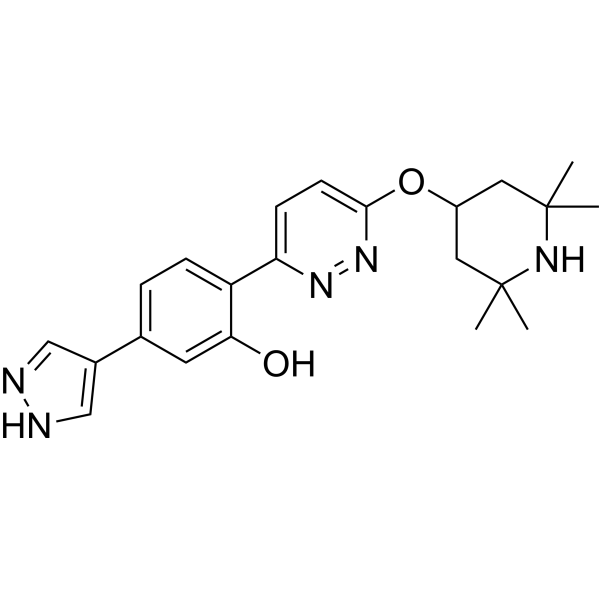
Cat. No.: HY-19620
CAS No.: 1562338-42-4
Synonyms: LMI070; NVS-SM1
Research Areas:  

Cancer

Branaplam (LMI070; NVS-SM1) is a highly potent, selective and orally active survival motor neuron-2 (SMN2) splicing modulator with an EC50 of 20 nM for SMN. Branaplam inhibits human-ether-a-go-go-related gene (hERG) with an IC50 of 6.3 μM. Branaplam elevates full-length SMN protein and extends survival in a severe spinal muscular atrophy (SMA) mouse model .
loading...
    loading...
16
16 Cited Publications
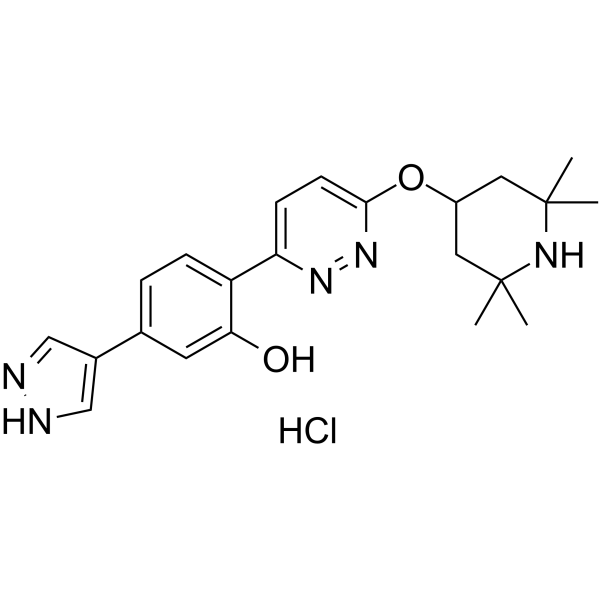
Cat. No.: HY-19620A
CAS No.: 1562338-39-9
Synonyms: LMI070 hydrochloride; NVS-SM1 hydrochloride
Research Areas:  

Cancer

Branaplam (LMI070; NVS-SM1) hydrochloride is a highly potent, selective and orally active survival motor neuron-2 (SMN2) splicing modulator with an EC50 of 20 nM for SMN. Branaplam hydrochloride inhibits human-ether-a-go-go-related gene (hERG) with an IC50 of 6.3 μM. Branaplam hydrochloride elevates full-length SMN protein and extends survival in a severe spinal muscular atrophy (SMA) mouse model .
loading...
    loading...
5
5 Cited Publications
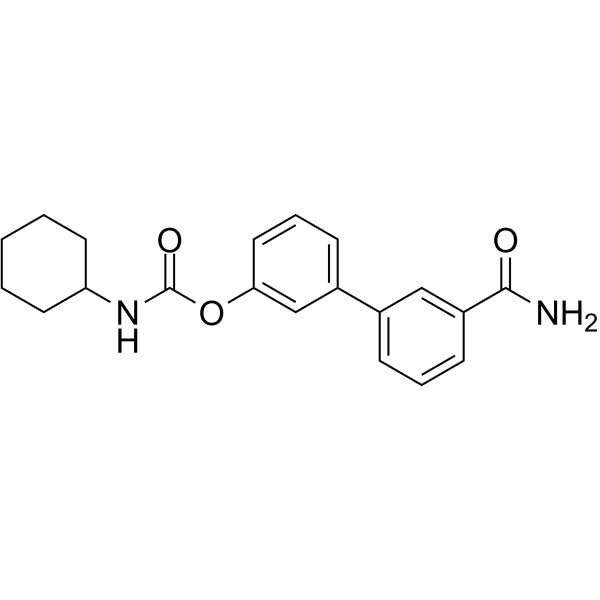
Cat. No.: HY-10864
CAS No.: 546141-08-6
Purity:  99.15%
Synonyms: KDS-4103
Target:  

FAAH Autophagy Mitophagy

Research Areas:  

Neurological Disease

URB-597 (KDS-4103) is an orally bioavailable and selective FAAH inhibitor. URB-597 inhibits FAAH activity with an IC50s of approximately 5 nM in rat brain membranes, 0.5 nM in intact rat neurons, 3 nM in human liver microsomes. Antidepressant-like effects. Analgesic activity .
loading...
    loading...
5
5 Cited Publications
Cat. No.: HY-121119
CAS No.: 212329-37-8
Purity:  99.97%
MRS 1523 is a potent and selective adenosine A3 receptor antagonist with Ki values of 18.9 nM and 113 nM for human and rat A3 receptors, respectively. In rat this corresponds to selectivities of 140- and 18-fold vs A1 and A2A receptors, respectively. MRS 1523 can exert antihyperalgesic effect through N-type Ca channel block and action potential inhibition in isolated rat dorsal root ganglion (DRG) neurons .
loading...
    loading...
4
4 Cited Publications
Cat. No.: HY-18941C
Synonyms: LY354740 hydrochloride; Eglumetad hydrochloride
Target:  

mGluR

Research Areas:  

Neurological Disease

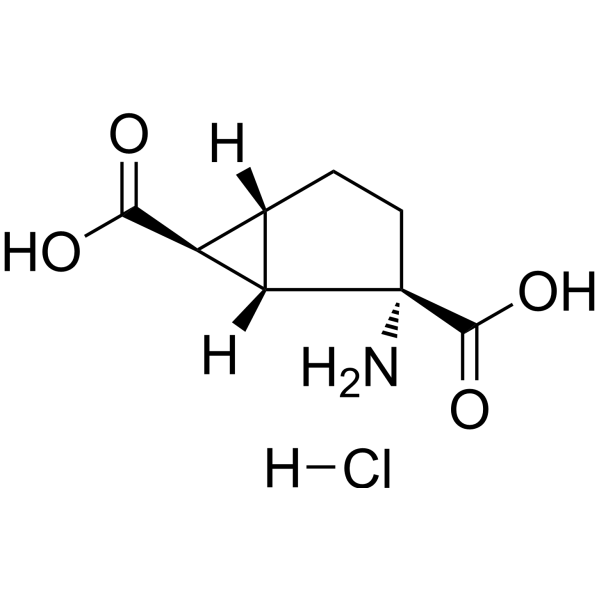
Eglumegad (LY354740) hydrochloride is a highly potent and selective group II (mGlu2/3) receptor agonist with IC50s of 5 and 24 nM on transfected human mGlu2 and mGlu3 receptors, respectively. Eglumegad hydrochloride protects neurons from NMDA toxicity. Eglumegad hydrochloride has anxiolytic- and antipsychotic-like effects .
loading...
    loading...
3
3 Cited Publications
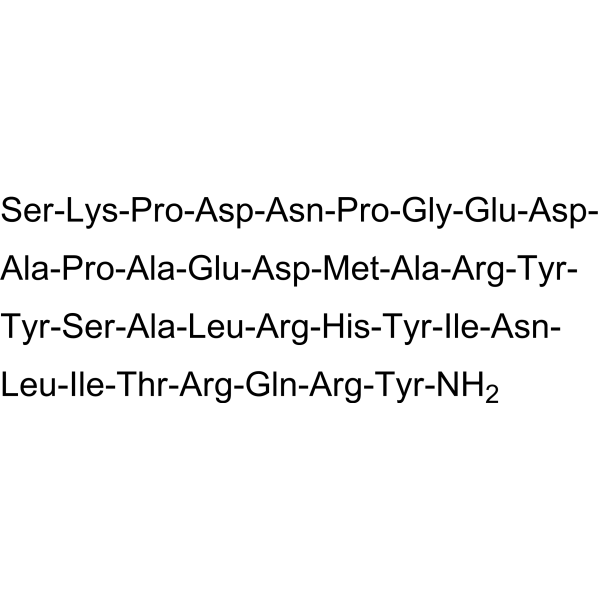
Cat. No.: HY-P0198
CAS No.: 90880-35-6
Synonyms: Neuropeptide Y (29-64), amide
Neuropeptide Y (human,rat,mouse) is involved in Alzheimer's disease (AD) and protects rat cortical neurons against β-Amyloid toxicity.
loading...
    loading...
3
3 Cited Publications
Cat. No.: HY-P0198A
Neuropeptide Y (human) TFA is involved in Alzheimer's disease (AD) and protects rat cortical neurons against β-Amyloid toxicity.
loading...
    loading...
3
3 Cited Publications
Cat. No.: HY-109061
CAS No.: 1903008-80-9
Purity:  99.87%
Synonyms: YH25448; GNS-1480
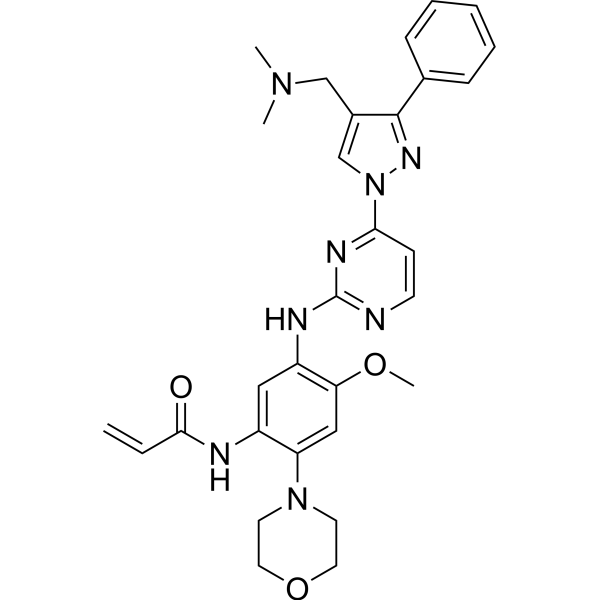
Lazertinib (YH25448; GNS-1480) is an orally active, blood-brain barrier permeable third-generation EGFR tyrosine kinase inhibitor, as well as an ABCB1/ABCG2 inhibitor and a TRPA1 activator. Lazertinib exhibits IC50 values of 0.4 mM and 0.2 mM against human ABCB1 and ABCG2, respectively. By inhibiting mutant EGFR signaling, EGFR phosphorylation and the downstream ERK/AKT pathway, as well as upregulating surface expression of EGFR/MET, Lazertinib induces cell cycle arrest, apoptosis, spontaneous calcium responses, hyperexcitability of dorsal root ganglion (DRG) neurons, and TRPA1-dependent pain-like behaviors. Lazertinib competitively binds to the substrate-binding sites of ABCB1/ABCG2, stimulates their ATPase activity without altering their expression or plasma membrane localization, thereby enhancing ADCC activity, acting as a chemosensitizer, and reversing ABCB1-mediated multidrug resistance. It exerts antitumor activity as a single agent or in combination with other drugs. Lazertinib is applicable to research related to non-small cell lung cancer, multidrug-resistant cancers, and paresthesia .
loading...
    loading...
3
3 Cited Publications
Cat. No.: HY-109061B
CAS No.: 2247995-37-3
Synonyms: YH25448 mesylate; GNS-1480 mesylate
Research Areas:  

Cancer

Lazertinib (YH25448; GNS-1480) mesylate is an orally active, blood-brain barrier permeable third-generation EGFR tyrosine kinase inhibitor, as well as an ABCB1/ABCG2 inhibitor and a TRPA1 activator. Lazertinib mesylate exhibits IC50 values of 0.4 mM and 0.2 mM against human ABCB1 and ABCG2, respectively. By inhibiting mutant EGFR signaling, EGFR phosphorylation and the downstream ERK/AKT pathway, as well as upregulating surface expression of EGFR/MET, Lazertinib mesylate induces cell cycle arrest, apoptosis, spontaneous calcium responses, hyperexcitability of dorsal root ganglion (DRG) neurons, and TRPA1-dependent pain-like behaviors. Lazertinib mesylate competitively binds to the substrate-binding sites of ABCB1/ABCG2, stimulates their ATPase activity without altering their expression or plasma membrane localization, thereby enhancing ADCC activity, acting as a chemosensitizer, and reversing ABCB1-mediated multidrug resistance. It exerts antitumor activity as a single agent or in combination with other drugs. Lazertinib mesylate is applicable to research related to non-small cell lung cancer, multidrug-resistant cancers, and paresthesia .
loading...
    loading...
2
2 Cited Publications
Cat. No.: HY-B0815
CAS No.: 2921-88-2
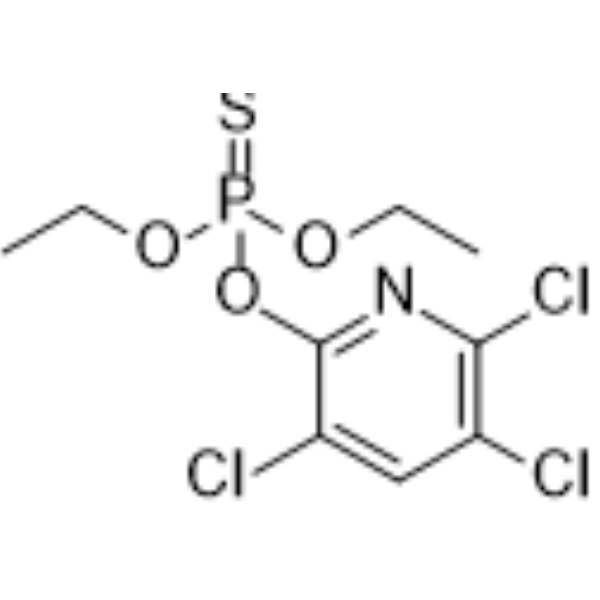
Chlorpyrifos is a neurotoxic insecticide that belongs to the class of thionite esters. Chlorpyrifos is also a AChE inhibitor that affects neurological function in insects, humans and other animals. Chlorpyrifos interferes with cell replication and differentiation, ultimately altering synaptic transmission in neurons .
loading...
    loading...
2
2 Cited Publications
Cat. No.: HY-Y0669
CAS No.: 535-75-1
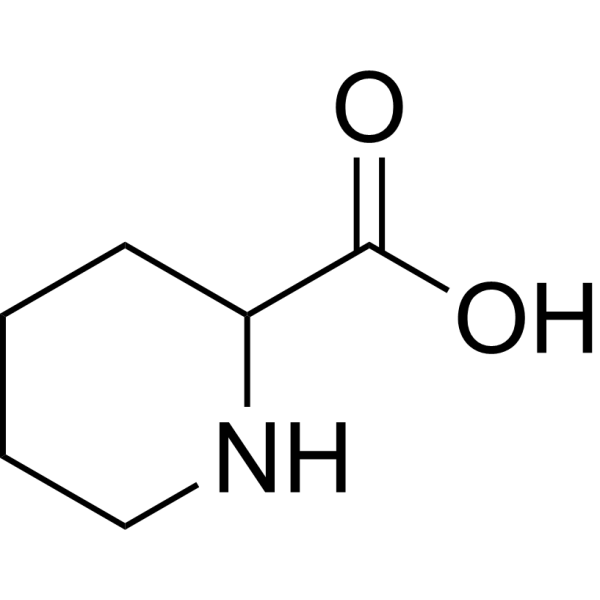
Pipecolic acid is an orally bioavailable, blood-brain barrier-permeable metabolite of lysine with antioxidant, inhibitor, and inducer activity. Pipecolic acid modulates the YAP-GPX4 signaling pathway, reduces retinal vascular tube formation, and mitigates ferroptosis. Pipecolic acid potentiates voltage-sensitive Ca 2+ channel currents and induces neuronal apoptosis. Pipecolic acid can be used for the research of diabetic retinopathy .
loading...
    loading...
1
1 Cited Publications
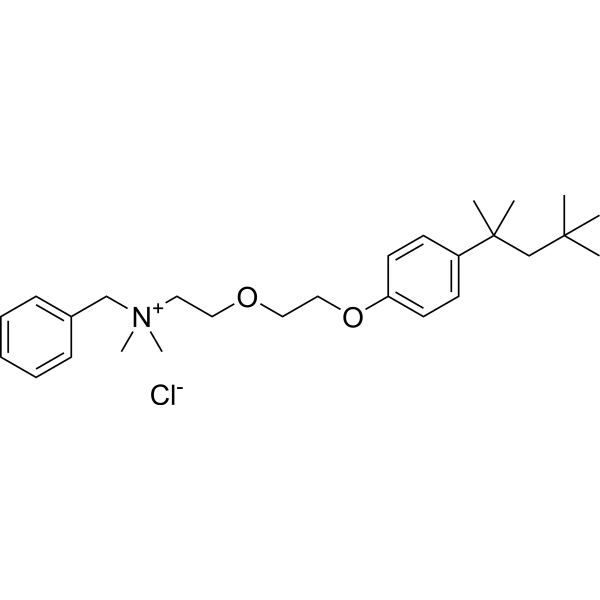
Cat. No.: HY-B0942
CAS No.: 121-54-0
Benzethonium chloride inhibits nicotinic acetylcholine receptors in human recombinant α7 and α4β2 neurons in Xenopus laevis oocytes, which has antibacterial, anticancer, antisepsis and disinfection activity. Benzethonium chloride induced Apoptosis and activated caspases in cancer cell lines. Benzethonium chloride ablates the tumor-forming ability of FaDu cells, delays the growth of xenograft tumors in vivo .
loading...
    loading...
1
1 Cited Publications
Cat. No.: HY-P2543
CAS No.: 150138-78-6
Neuropeptide Y (3-36) (human, rat) is a neuropeptide Y fragment derived from humans or rats. Neuropeptide Y is an extremely abundant neurotransmitter in central and peripheral neurons, and it participates in the regulation of psychomotor activity, circadian rhythm, feeding behavior and cardiovascular function. Neuropeptide Y (3-36) (human, rat) can serve as a substrate to be sequentially degraded from its N-terminus by AfuS28, and it requires binding to AfuS28 and SedB to be decomposed into amino acids, dipeptides and tripeptides [1] [2].
loading...
    loading...
1
1 Cited Publications
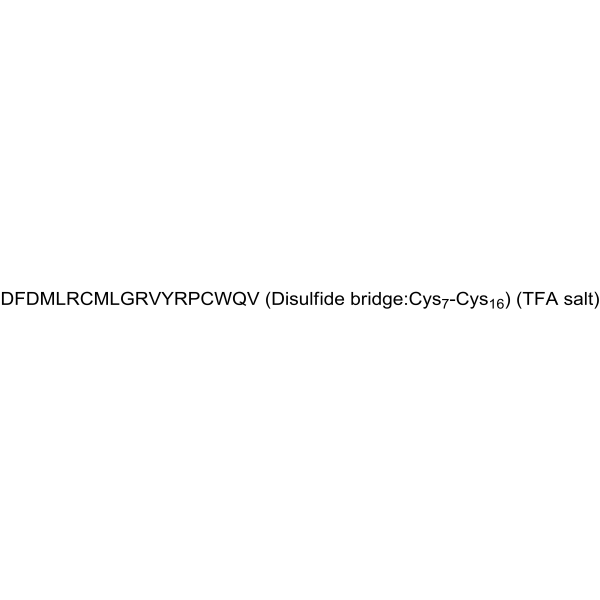
Cat. No.: HY-P1205A
Synonyms: Melanin-concentrating hormone(human, mouse, rat) TFA
Target:  

MCHR1 (GPR24)

MCH (human, mouse, rat) TFA is a cyclic neuropeptide mainly synthesized by neurons in the lateral hypothalamic area. MCH (human, mouse, rat) TFA also serves as an endogenous ligand for the melanin-concentrating hormone receptor (MHC receptor), with a binding IC50 of 0.3 nM and 1.5 nM for human MCH-1R and MCH-2R, respectively; its functional EC50 values are 3.9 nM and 88.7 nM. MCH (human, mouse, rat) TFA acts not only as an orexigenic signal but also as a key integrating and regulatory hormone for energy homeostasis and sleep-wake cycles. MCH (human, mouse, rat) TFA can be used in studies related to obesity, sleep disorders, and other associated conditions .
loading...
    loading...
1
1 Cited Publications
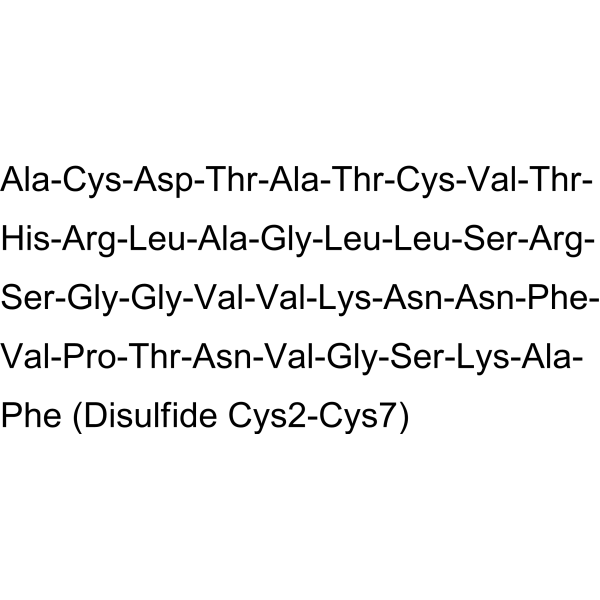
Cat. No.: HY-P4058
CAS No.: 83652-28-2
Synonyms: CGRP free acid
Target:  

CGRP Receptor

Research Areas:  

Neurological Disease

Calcitonin gene-related peptide (CGRP) free acid is a 37-amino acid neuropeptide, which represents the deamidated form of α-CGRP (human) (HY-P1071). Calcitonin gene-related peptide free acid is produced in the central and peripheral nervous systems of rats, and localizes to specific sensory, integrative and motor neuron systems, including those involved in nociception/thermoreception, feeding behavior, olfaction and visceral motor functions .
loading...
    loading...
1
1 Cited Publications
Cat. No.: HY-N2411
CAS No.: 60314-89-8
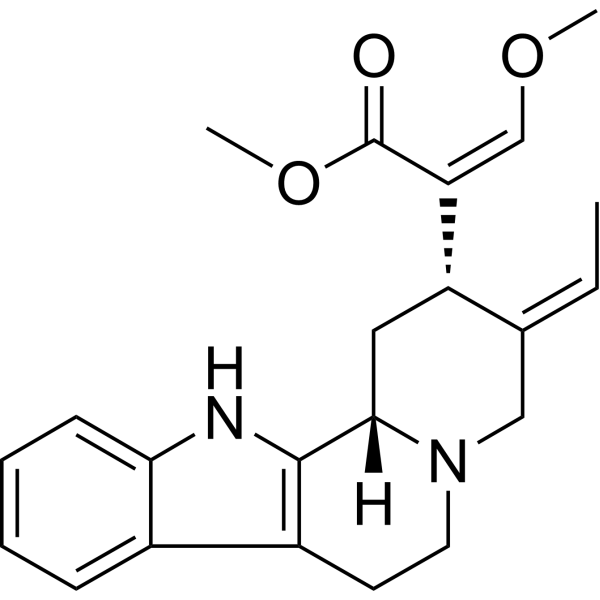
Geissoschizine methyl ether is an orally active, blood-brain barrier permeable alkaloid, and a partial agonist of the 5-HT1A receptor. It can be isolated from Uncaria hook. Geissoschizine methyl ether potently inhibits the binding of [ 3H]8-OH-DPAT to the 5-HT1A receptor in a concentration-dependent manner, with an IC50 of 0.904 μM. It ameliorates isolation-induced increased aggression and reduced sociability in mice. Geissoschizine methyl ether promotes oligodendrocyte differentiation and remyelination in the medial prefrontal cortex of adult mice .
loading...
    loading...
1
1 Cited Publications
Cat. No.: HY-N4126
CAS No.: 6601-66-7
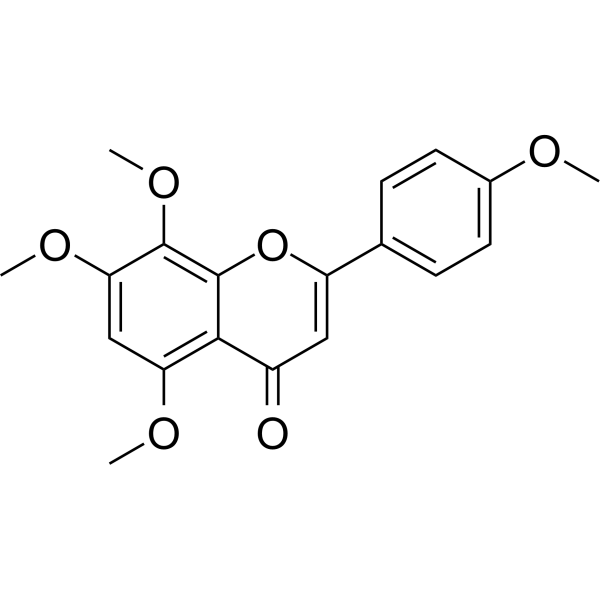
6-Demethoxytangeretin is a flavonoid compound that can be isolated from Citrus reticulata. 6-Demethoxytangeretin has anti-inflammatory and anti-allergic activities and can inhibit the production of IL-6 and the expression of related genes in human mast cells through the ALK and MAPK pathways. 6-Demethoxytangeretin can promote CRE-mediated transcription in hippocampal neurons .
loading...
    loading...
1
1 Cited Publications
Cat. No.: HY-P1428
CAS No.: 311309-25-8
Research Areas:  

Endocrinology

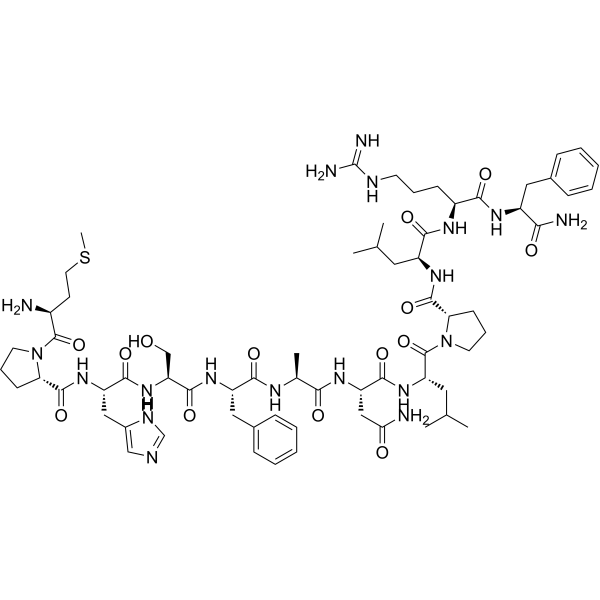
RFRP-1(human) is a gonadotropin-inhibitory hormone (GnIH) homolog. RFRP-1(human) targets human gonadotropin-releasing hormone (GnRH) neurons and gonadotropes and potently inhibits gonadotropin. RFRP-1(human) is a potent Neuropeptide FF (NPFF) receptor agonist with EC50s of 0.0011 nM and 29 nM for NPFF2 and NPFF1, respectively .
loading...
    loading...
1
1 Cited Publications
Cat. No.: HY-P1205
CAS No.: 128315-56-0
Synonyms: Melanin-concentrating hormone(human, mouse, rat)
Target:  

MCHR1 (GPR24)

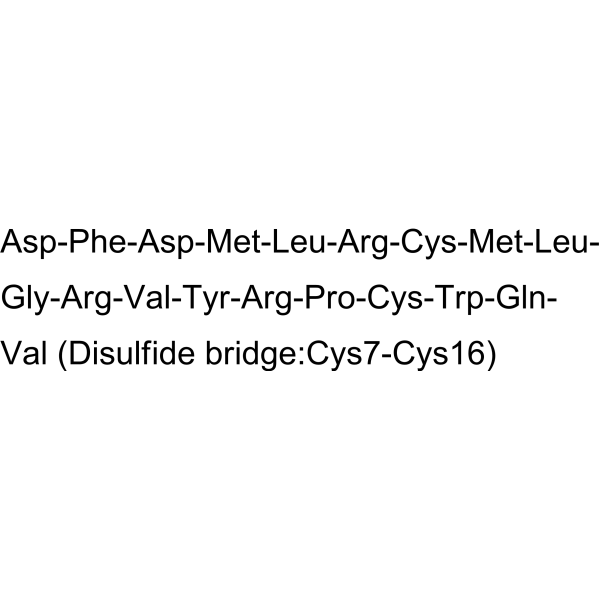
MCH (human, mouse, rat) is a cyclic neuropeptide mainly synthesized by neurons in the lateral hypothalamic area. MCH (human, mouse, rat) also serves as an endogenous ligand for the melanin-concentrating hormone receptor (MHC receptor), with a binding IC50 of 0.3 nM and 1.5 nM for human MCH-1R and MCH-2R, respectively; its functional EC50 values are 3.9 nM and 88.7 nM. MCH (human, mouse, rat) acts not only as an orexigenic signal but also as a key integrating and regulatory hormone for energy homeostasis and sleep-wake cycles. MCH (human, mouse, rat) can be used in studies related to obesity, sleep disorders, and other associated conditions .
loading...
    loading...
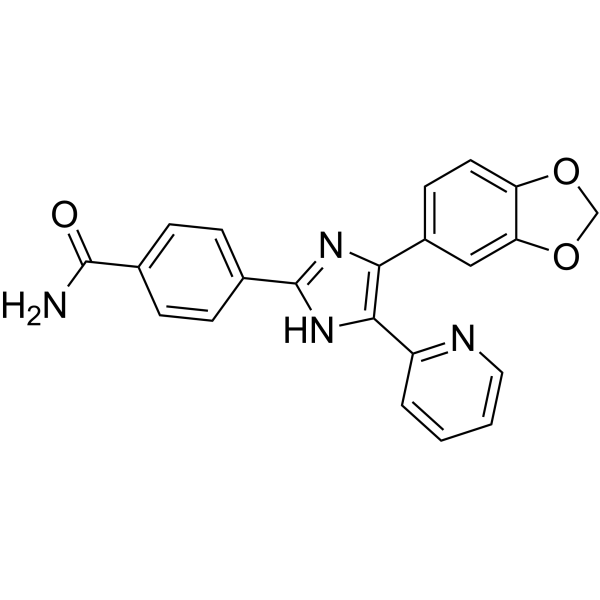
Cat. No.: HY-10431G
CAS No.: 301836-41-9
SB-431542 (GMP) is SB-431542 (HY-10431) produced by using GMP guidelines. GMP small molecules works appropriately as an auxiliary reagent for cell therapy manufacture. SB-431542 is a TGF-β receptor kinase inhibitor (TRKI) in SMAD signaling .
loading...
    loading...

