

Search Result
Results for "
inorganic phosphate
" in MedChemExpress (MCE) Product Catalog:
-
- HY-Y0406E
-
|
Calcium dichloride anhydrous, for cell culture
|
Environmental Pollutants
Biochemical Assay Reagents
|
Infection
Cancer
|
|
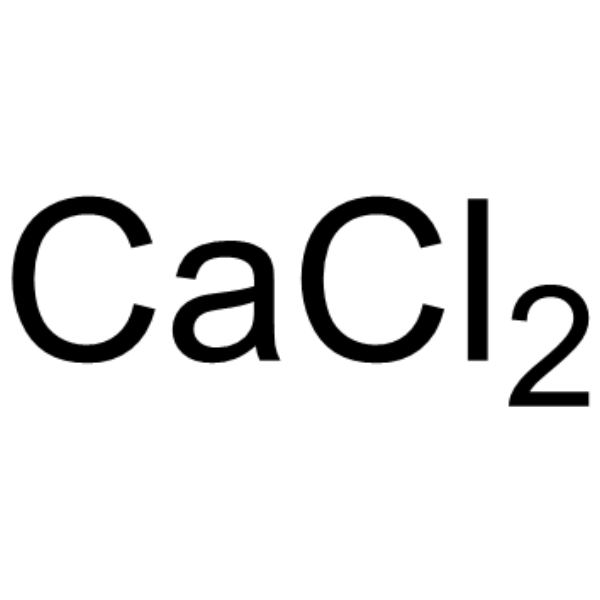
Calcium chloride anhydrous, for cell culture is an inorganic salt for the preparation of various buffers . Calcium chloride anhydrous, for cell culture can be used for animal modeling, to construct abdominal aortic aneurysm models .
|
-
-
- HY-Y1878
-
|
Cupric sulfate
|
Environmental Pollutants
Biochemical Assay Reagents
|
Others
|
|
Copper(Ⅱ) sulfate (Cupric sulfate) is an inorganic compound that is a source of copper ions. Copper(Ⅱ) sulfate forms coordination compounds through the coordination of copper ions with ligands. Copper(Ⅱ) sulfate can be used for various enzymatic studies and material synthesis .
|
-
-
- HY-Y0406H
-
-
-
- HY-B2243
-
|
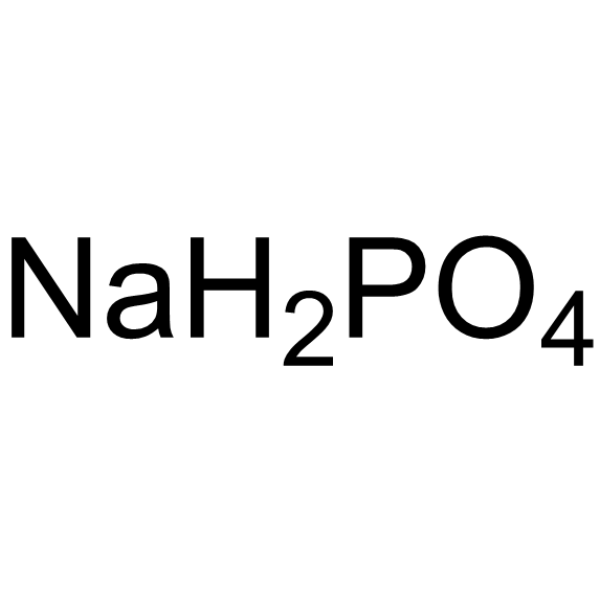
Sodium phosphate monobasic; Monosodium dihydrogen orthophosphate; Monosodium phosphate
|
Environmental Pollutants
Biochemical Assay Reagents
|
Others
|
|
Dihydrogen monosodium phosphate (Monosodium phosphate) is an inorganic salt compound commonly used in industry and laboratories. It can be used as a buffer, nutritional supplement, cleaning agent, etc., and plays a role in certain metal processing, pharmaceutical and chemical industries. In addition, Dihydrogen monosodium phosphate can also be used in the field of water treatment and environmental protection, for example as a purifying agent or precipitating agent for solutions.
|
-
-
- HY-W094497
-
-
-
- HY-Y1110I
-
|
Magnogene, for insect cell culture, 97%
|
Environmental Pollutants
Biochemical Assay Reagents
|
Infection
|
|
Magnesium chloride, for insect cell culture, 97% is an orally active inorganic mineral salt. Magnesium chloride combined with Potassium chloride (HY-Y0537E) increases the fat body glycogen, protein, total lipids and haemolymph protein and trehalose in the silkworm, Bombyx mori L .
|
-
-
- HY-W015240
-
|
|
Endogenous Metabolite
|
Metabolic Disease
Inflammation/Immunology
|
|
N-Acetyl-L-glutamic acid is a type of glutamic acid that can serve as a component of cell culture media. When combined with media containing inorganic salts, carbohydrates, vitamins, and amino acids, N-Acetyl-L-glutamic acid plays roles in promoting cell growth, enhancing antibody production, etc. N-Acetyl-L-glutamic acid is also an endogenous metabolite that can be found in the brain. Additionally, as an IgE blocker, N-Acetyl-L-glutamic acid can be used in the research of allergic diseases .
|
-
-
- HY-104086
-
|
CB7; Carrier CB7
|
Biochemical Assay Reagents
|
Others
|
|
Cucurbit[7]uril is a cyclic organic molecule consisting of seven glycoluril units linked by methylene bridges. It has a rigid barrel-like structure with two identical inlets at both ends to selectively encapsulate guest molecules of appropriate size, shape, and polarity. Cucurbit[7]uril is known for its high binding affinity for a variety of organic and inorganic guests, including drugs, amino acids, peptides, and metal ions. This property makes them promising candidates for various applications in areas such as drug delivery, catalysis, and sensing.
|
-
-
- HY-Y0261A
-
|
|
Environmental Pollutants
Biochemical Assay Reagents
|
Others
|
|
Ammonium sulphate,≥99.0%,AR is an inorganic sulfate salt used for molecular biology . Ammonium sulphate,≥99.0%,AR can be used to precipitate proteins, separate antibodies, and enhance antigen-antibody reactions. Ammonium sulphate,≥99.0%,AR can serve as a nitrogen source in plant fertilizers and has developmentally toxicity to freshwater snails, but increases the number of Anopheles africanus and Culex mosquito larvae in rice paddies. Ammonium sulphate,≥99.0%,AR also inhibits the conversion of glucose to ascorbic acid in plants .
|
-
-
- HY-D0995
-
|
MESG
|
Fluorescent Dye
|
Others
|
|
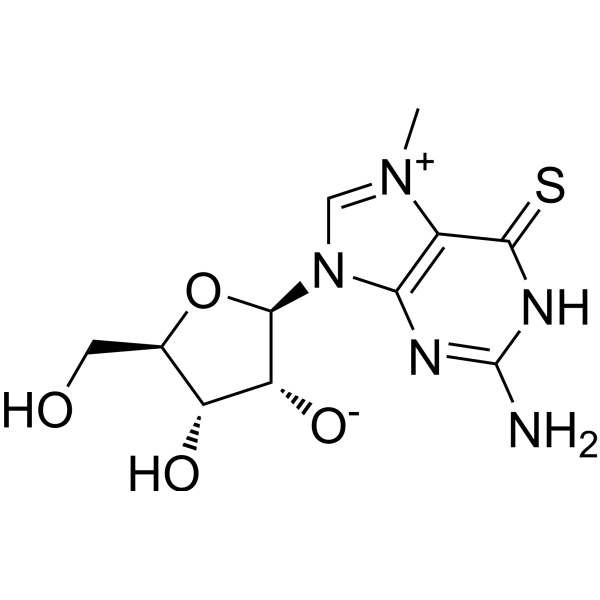
7-Methyl-6-thioguanosine (MESG) is a chromogenic substrate that can be converted to 7-methyl-6-thioguanine in the presence of purine nucleoside phosphorylase and inorganic phosphate. 7-Methyl-6-thioguanosine can be used to quantify inorganic phosphate. 7-Methyl-6-thioguanosine can also be used to determine the activities of purine nucleoside phosphorylase and protein phosphatases .
|
-
-
- HY-Y0344I
-
|
Halite, meets analytical specification of Ph. Eur. BP USP
|
Biochemical Assay Reagents
Na+/K+ ATPase
Interleukin Related
|
Inflammation/Immunology
Cancer
|
|
Sodium chloride, meets analytical specification of Ph. Eur. BP USP, ≤0.00002% Al, an inorganic salt is an orally active salt. Sodium chloride, meets analytical specification of Ph. Eur. BP USP, ≤0.00002% Al, an inorganic salt induces the expression of ATP1A1. Sodium chloride, meets analytical specification of Ph. Eur. BP USP, ≤0.00002% Al, an inorganic salt induces the pro-inflammatory cytokines IL-2, TNFα, IL-9 and several chemokines. Sodium chloride, meets analytical specification of Ph. Eur. BP USP, ≤0.00002% Al, an inorganic salt enhances the anti-tumor activities of Digoxin (HY-B1049) against small cell lung cancer. Sodium chloride, meets analytical specification of Ph. Eur. BP USP, ≤0.00002% Al, an inorganic salt drives autoimmune disease by the induction of pathogenic Th17 cells .
|
-
-
- HY-W105970
-
-
-
- HY-B2243B
-
|
Sodium phosphate monobasic for molecular biology; Monosodium dihydrogen orthophosphate for molecular biology; Monosodium phosphate for molecular biology
|
Environmental Pollutants
Biochemical Assay Reagents
|
Others
|
|
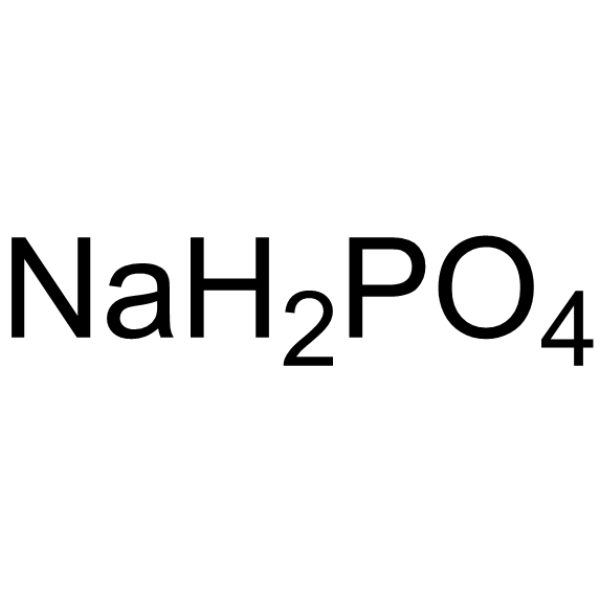
Anhydrous sodium dihydrogen phosphate, for molecular biology is an inorganic salt compound that can be used as a buffer and nutritional supplement. Anhydrous sodium dihydrogen phosphate, for molecular biology can be used in molecular biology experiments .
|
-
-
- HY-Y1220J
-
|
|
Environmental Pollutants
Biochemical Assay Reagents
|
Others
|
|
Potassium carbonate, with a purity of 99%, is an inorganic compound. At low concentrations, potassium carbonate can be used as an alkaline treatment agent and feed buffer in pork processing, as well as to inhibit the synthesis of milk fat in dairy cows .
|
-
-
- HY-Y1332
-
|
L-Tartaric acid potassium sodium salt tetrahydrate; Potassium sodium tartrate tetrahydrate; Sodium potassium tartrate tetrahydrate
|
Biochemical Assay Reagents
|
Others
|
|
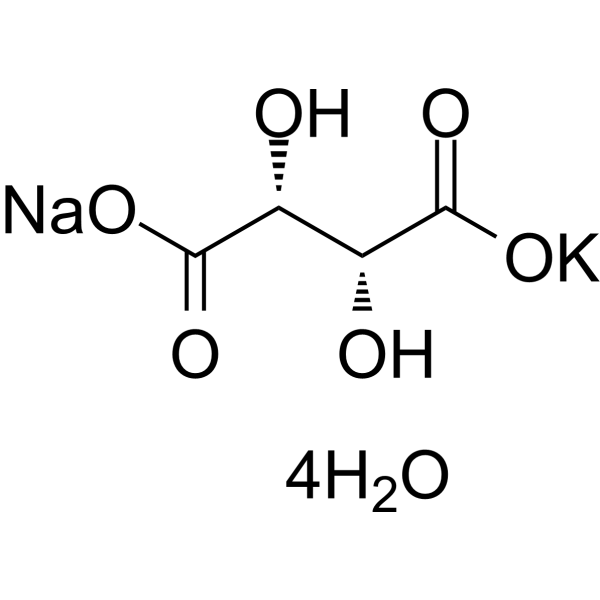
Rochelle salt is an organic-inorganic compound commonly used as a catalyst and complexing reagent. It can be used to catalyze or promote certain chemical reactions, and is widely used in batteries, pharmaceuticals and food industries. In addition, this compound is also used as a substrate or intermediate in some biochemical reactions.
|
-
-
- HY-W096178B
-
|
|
Biochemical Assay Reagents
|
Others
|
|
Silica sand, 1-2 mm is an inorganic, inert, and biocompatible (under certain conditions) solid matrix composed of high-purity silica particles. Silica sand, 1-2 mm is primarily used as a physical functional material in biochemical research .
|
-
-
- HY-148983
-
|
|
Monoamine Oxidase
Bacterial
GLUT
|
Infection
Metabolic Disease
Inflammation/Immunology
|
|
Hydroxylamine (50% w/w in water) is an inorganic highly reactive compound and antibacterial agent. Hydroxylamine (50% w/w in water) acutely activates the transport activity of GLUT1, inhibits Monoamine oxidase activity. Hydroxylamine (50% w/w in water) inhibits nitrite oxidizing bacteria. Hydroxylamine (50% w/w in water) activates glucose uptake. Hydroxylamine (50% w/w in water) can be used in the research of inflammatory diseases and allergies[1][2][3][4] .
|
-
-
- HY-W251598B
-
|
Sodium hydrogen carbonate for molecular biology; Soda bicarbonate for molecular biology
|
Bacterial
NO Synthase
|
Inflammation/Immunology
Cancer
|
|
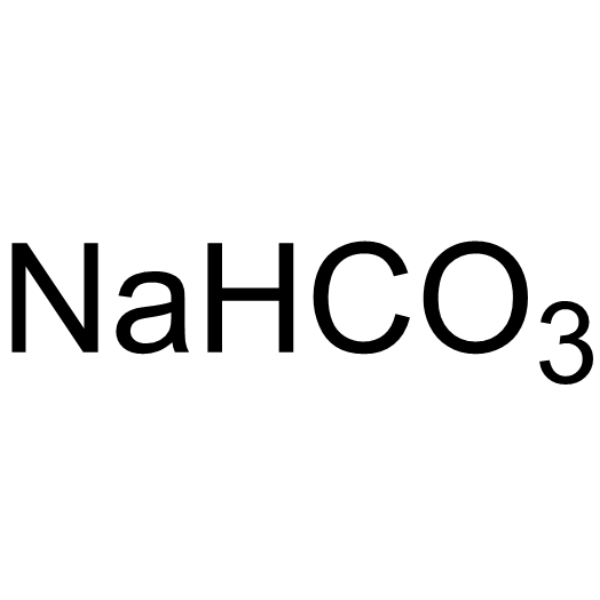
Sodium bicarbonate, for molecular biology (Sodium hydrogen carbonate for molecular biolog; Soda bicarbonate for molecular biolog) is an inorganic salt. Sodium bicarbonate can maintain the pH of the culture medium, thereby affecting the expression of inducible nitric oxide synthase (iNOS) and nitric oxide (NO) production in macrophages and reversing the acidosis of the tumor microenvironment. Sodium bicarbonate is widely used in the fields of food, cosmetics, etc. Its main uses include buffers, flavoring agents, disinfectants, pharmaceuticals, and proton gradient regulators. Sodium bicarbonate is also commonly used as an antacid to inhibit gastrointestinal diseases, neutralize gastric acid, and reduce gastric discomfort .
|
-
-
- HY-P2992
-
|
PPase
|
Fungal
|
Infection
|
|
Inorganic pyrophosphatase is a ubiquitous enzyme that converts pyrophosphate (PPi) to phosphate and, in this way, controls numerous biosynthetic reactions that produce PPi as a byproduct. Inorganic pyrophosphatase, Saccharomyces cerevisiae is an Inorganic pyrophosphatase isolated from Saccharomyces cerevisiae .
|
-
-
- HY-Y0308H
-
|
Disodium hydrogen phosphate, for molecular biology
|
Biochemical Assay Reagents
|
Others
|
|
Sodium phosphate dibasic (Disodium hydrogen phosphate), for molecular biology, is a type of phosphate salt that can be used in molecular biology research to prepare stable buffers free of RNase/DNase/protease .
|
-
-
- HY-B2243D
-
|
Sodium phosphate monobasic, for cell culture; Monosodium dihydrogen orthophosphate, for cell culture; Monosodium phosphate, for cell culture
|
Environmental Pollutants
Biochemical Assay Reagents
|
Others
|
|
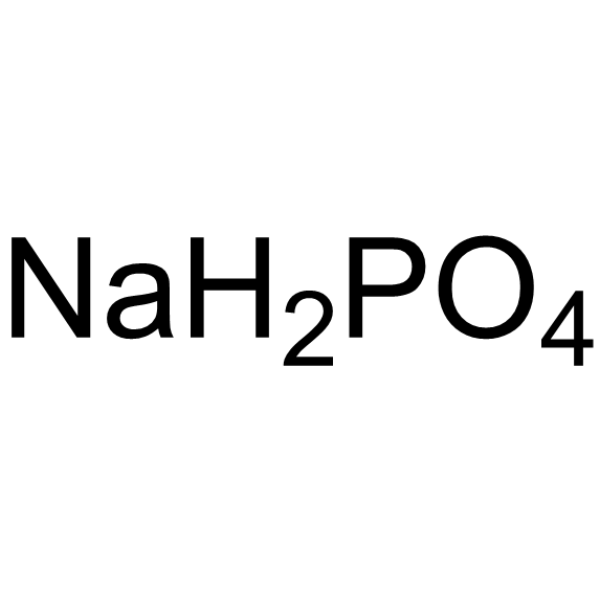
Anhydrous sodium dihydrogen phosphate, for cell culture is an inorganic salt compound that can be used as a buffer and nutritional supplement. Anhydrous sodium dihydrogen phosphate, for cell culture can be used in cell culture .
|
-
-
- HY-76260
-
|
|
Bacterial
Antibiotic
|
Infection
|
|
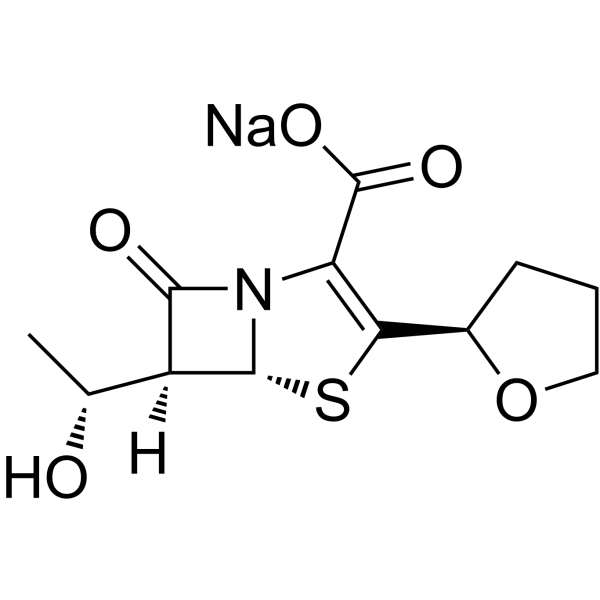
Faropenem sodium is an orally bioavailable penem antibiotic. Faropenem sodium regulates inorganic phosphate transporter Npt1. Faropenem sodium inhibits M. tuberculosis (MIC of 1.3 μg/mL) and B. anthracis .
|
-
-
- HY-Y1324
-
|
Disodium hydrogen phosphate dodecahydrate; Disodium phosphate dodecahydrate
|
Environmental Pollutants
Biochemical Assay Reagents
|
Endocrinology
|
|
Phosphoric acid disodium dodecahydrate is an inorganic compound and food additive. Phosphoric acid disodium dodecahydrate promotes gel formation, improves food texture and thermal properties of materials. Phosphoric acid disodium dodecahydrate induces glomerular calcification. Phosphoric acid disodium dodecahydrate can be used in kidney disease research .
|
-
-
- HY-Y1110H
-
|
Magnogene, suitable for insect cell culture
|
Environmental Pollutants
Biochemical Assay Reagents
|
Others
|
|
Magnesium chloride anhydrous, suitable for insect cell culture is an inorganic salt and cell culture medium component that can be used to prepare Tris buffer. Magnesium chloride anhydrous, suitable for insect cell culture is a component of Hunter's Thrips medium, which supports the in vitro culture of western flower thrip embryonic cells, and promotes the adhesion of tissue fragments/cells as well as the growth of fibroblast-like and epithelial-like cells .
|
-
-
- HY-W039315
-
|
|
Biochemical Assay Reagents
|
Metabolic Disease
|
2,5-Anhydro-D-mannitol, 97% is an antimetabolic fructose analogue. 2,5-Anhydro-D-mannitol, 97% depletes intracellular ATP, reduces oxygen consumption, regulates substrate oxidation, increases phosphomonoester levels, decreases inorganic phosphate levels, and promotes the release of intracellular calcium from intracellular calcium stores via phospholipase C-dependent activity in hepatocytes .
|
-
-
- HY-34717
-
|
Tetra-n-butylammonium tetrafluoroborate
|
Biochemical Assay Reagents
|
Others
|
|
Tetrabutylammonium tetrafluoroborate is an inorganic salt commonly used in organic synthesis reactions and electrochemical applications. It is usually used as a catalyst or reagent, and is widely used in the field of organic synthesis, such as fluorination reaction, olefin addition and cyclization reaction, etc. In addition, it can also be used in electrochemical deposition and electroplating, and plays an important role in some electronic devices. Although it has no direct application in the medical field, it plays an important role in chemical research and industrial production.
|
-
-
- HY-Y0651
-
|
|
Environmental Pollutants
Biochemical Assay Reagents
|
Infection
Inflammation/Immunology
|
|
Sodium sulfite is an inorganic salt used as an antioxidant and preservative. Sodium sulfite is also used in sulfonation and sulfomethylation reactions. Sodium sulfite can also be used as a bleaching agent, desulfurizer, and dechlorinator. Sodium sulfite inhibits hepatocyte proliferation, promotes hepatocyte apoptosis and necrosis, and impairs mitochondrial integrity. Sodium sulfite induces superoxide anion production, primes neutrophils for enhanced superoxide anion generation, and induces neutrophil gene expression. Sodium sulfite can be used in studies related to pulmonary inflammation and gastric tissue injury .
|
-
-
- HY-W034067
-
|
|
Biochemical Assay Reagents
Bacterial
|
Infection
|
|
Silver nitrite is an inorganic compound with the chemical formula AgNO2. Silver nitrite can inhibit cell division and bacterial growth by interfering with protein synthesis .
|
-
-
- HY-Y0537C
-
|
Potassium chloride, suitable for the extraction and solubilization of proteins
|
Environmental Pollutants
Biochemical Assay Reagents
|
Others
|
|
Potassium chloride, ≥99.99% trace metals basis (Potassium chloride, suitable for the extraction and solubilization of proteins), is an inorganic salt used in the preparation of phosphate buffers. With very low metal impurity content, it is suitable for protein extraction and dissolution.
|
-
-
- HY-119572
-
|
|
Biochemical Assay Reagents
|
Inflammation/Immunology
|
|
Sodium zirconium cyclosilicate is an orally administered, non-absorbed, novel, inorganic microporous zirconium silicate compound, is a highly selective cation exchanger that selectively removes excess K + in vivo. Sodium zirconium cyclosilicate can be used in research of chronic kidney disease (CKD) .
|
-
-
- HY-W019885A
-
|
Sodium triphosphate pentabasic, 98%
|
Environmental Pollutants
Biochemical Assay Reagents
|
Others
|
|
Sodium tripolyphosphate (STPP), 98% is an inorganic, non-toxic polyphosphate crosslinker, inducer and enhancer. Sodium tripolyphosphate (STPP), 98% induces the formation of unique needle-like microcrystals in sodium alginate-chitosan composite films. Sodium tripolyphosphate (STPP), 98% enhances the DPPH free radical scavenging activity of sodium alginate-chitosan composite films .
|
-
-
- HY-W089777
-
|
GPTMS
|
Biochemical Assay Reagents
|
Others
|
|
3-Glycidyloxypropyltrimethoxysilane (GPTMS) is a silicon source for the preparation of inorganic-organic hybrid polymers. 3-Glycidyloxypropyltrimethoxysilane can be used to prepare hard coatings of organic polymers, such as contact lens materials in the optical industry, as well as related materials in the fields of electronics, thin films, sensors, nanoimprinting, waveguides, and biology .
|
-
-
- HY-Y1885
-
|
|
Biochemical Assay Reagents
Bacterial
SARS-CoV
|
Infection
|
|
Tetrasodium pyrophosphate is a water-soluble inorganic salt commonly used as a buffering agent,
emulsifier, and sequestrant. Tetrasodium pyrophosphate is an antimicrobial agent that can reduce microbial colonization. Tetrasodium pyrophosphate blocks IPP translocation, enhances astaxanthin, phenol, flavonoid, and H2O2 levels, activates PAL and DPPH scavenging activity. Tetrasodium pyrophosphate can be used for the research of alleviating symptoms post COVID-19 .
|
-
-
- HY-P2799A
-
|
CK, CPK, Creatine Phosphokinase
|
Endogenous Metabolite
Creatine Kinase
|
Cardiovascular Disease
|
|
Creatine Kinase (CPK/CK), Bovine Heart (CK) is a creatine kinase derived from bovine heart. Creatine Kinase (CPK/CK), Bovine Heart catalyzes the reversible phosphate transfer reaction between phosphocreatine and ADP, and is widely used in myocardial energy metabolism research and quality control of clinical biochemical tests .
|
-
-
- HY-W111692
-
|
|
Biochemical Assay Reagents
|
Others
|
|
Sodium polyphosphate, crystal,+200 mesh, 96% is an inorganic polyphosphate that also serves as a stabilizer, dispersant, chelating agent, and coacervate-forming agent. Sodium polyphosphate provides electrostatic stabilization for mineral and material suspensions, but its dispersing efficacy decreases under acidic pH, high temperature, high calcium concentration, or a combination of these conditions. Sodium polyphosphate can chelate alkaline earth metals, reduce solution pH, and alter the rate of pH decline at a divalent cation/phosphorus molar ratio of 0.18. Sodium polyphosphate forms coacervates with smaller divalent cations and precipitates with larger divalent cations, where the functional requirements of cations depend on polyphosphate concentration, average degree of polymerization, and cation type .
|
-
-
- HY-P1252
-
|
|
Thyroid Hormone Receptor
|
Metabolic Disease
|
|
Parathyroid Hormone (1-34), bovine is a potent parathyroid hormone (PTH) receptor agonist. Parathyroid Hormone (1-34), bovine increases calcium and inorganic phosphate levels in vivo. Parathyroid Hormone (1-34), bovine can be used for th reseach of osteoporosis .
|
-
-
- HY-Y1699
-
|
|
Biochemical Assay Reagents
|
Others
|
|
Tetrabutylammonium hexafluorophosphate is an organic-inorganic compound commonly used as an ionic solvent and catalyst. It can be used to catalyze or promote reactions in certain chemical reactions, and is widely used in batteries, solar cells and pigments. In addition, this compound is also widely used in organic synthesis and chemical analysis.
|
-
-
- HY-E70015
-
|
PEPC
|
Others
|
Others
|
|
Phosphoenolpyruvate carboxylase, Microorganism (PEPC) is a carbon dioxide fixing enzyme that in an irreversible manner and in the presence of Mg 2+, converts phosphoenolpyruvate and bicarbonate into oxaloacetate and inorganic phosphorus. Phosphoenolpyruvate carboxylase catalyses the primary assimilation of CO(2) in Crassulacean acid metabolism plants. Phosphoenolpyruvate carboxylase plays a major role in setting the day-night pattern of metabolism in plants .
|
-
-
- HY-P2724
-
|
PNP
|
Endogenous Metabolite
|
Metabolic Disease
|
|
Purine nucleoside phosphorylase, Microorganism (PNP) is a key enzyme in purine metabolism, which is involved in the purine rescue pathway. The deficiency of Purine nucleoside phosphorylase resulted in impaired T cell function. In the presence of inorganic orthophosphate as the second substrate, Purine nucleoside phosphorylase catalyzes the breaking of the glycosidic bond between ribose and deoxyribonucleoside to generate purine base and ribose (deoxyribose) -1-phosphate .
|
-
-
- HY-W094497B
-
|
Sodium phosphate monobasic monohydrate, for molecular biology
|
Biochemical Assay Reagents
|
Others
|
|
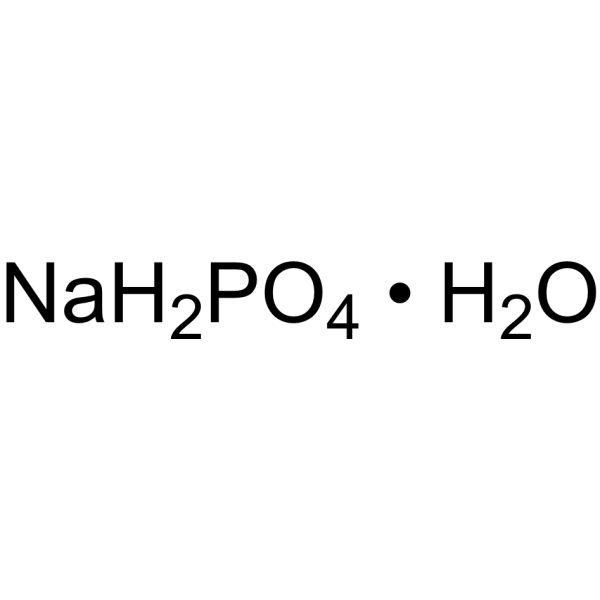
Sodium dihydrogen phosphate monohydrate, for molecular biology is an inorganic salt compound commonly used in industry and laboratories. It can be used as a buffer, and plays a role in certain metal processing, pharmaceutical and chemical industries.
|
-
-
- HY-W094708C
-
|
Disodium hydrogen phosphate dihydrate, for molecular biology
|
Biochemical Assay Reagents
|
Others
|
|
Sodium phosphate dibasic dihydrate, for molecular biology is an inorganic salt compound. Sodium phosphate dibasic dihydrate, for molecular biology is commonly used in molecular biology experiments and can be used as a buffer, nutritional supplement, and detergent.
|
-
-
- HY-Y1102A
-
-
-
- HY-P2741
-
|
E.C. 2.4.1.8
|
Endogenous Metabolite
|
Metabolic Disease
|
|
Maltose phosphorylase is a dimerase which catalyzes the transformation of maltose and inorganic phosphate into β-D-glucose-1-phosphate and glucose. Maltose phosphorylases have been classified in family 65 of the glycoside hydrolases .
|
-
-
- HY-W094464
-
-
-
- HY-W251598I
-
|
Sodium hydrogen carbonate, meets analytical specification of Ph. Eur., BP, USP, FCC, E500
|
Bacterial
NO Synthase
|
Inflammation/Immunology
Cancer
|
|
Sodium bicarbonate, meets analytical specification of Ph. Eur., BP, USP, FCC, E500 is an inorganic salt that is neutral to slightly alkaline and easily decomposes when exposed to moisture in the air. Sodium bicarbonate can maintain the pH of the culture medium, thereby affecting the expression of inducible nitric oxide synthase (iNOS) and nitric oxide (NO) production in macrophages and reversing the acidosis of the tumor microenvironment. Sodium bicarbonate is widely used in the fields of food, medicine, cosmetics, etc. Its main uses include buffers, flavoring agents, disinfectants, pharmaceuticals, and proton gradient regulators. Sodium bicarbonate is also commonly used as an antacid to inhibit gastrointestinal diseases, neutralize gastric acid, and reduce gastric discomfort .
|
-
-
- HY-P2734
-
|
|
Phosphatase
|
Others
|
|
Phosphorylase a, rabbit muscle is glycogen phosphorylase isolated from rabbit muscle. Phosphorylase a, rabbit muscle catalyzes glycogenolysis, converting glycogen and inorganic phosphate into glucose-1-phosphate to supply energy for muscle contraction .
|
-
-
- HY-W111522
-
|
di-Sodium hydrogen phosphite, 98%
|
Biochemical Assay Reagents
|
Others
|
|
Sodium phosphite dibasic pentahydrate, 98% (di-Sodium hydrogen phosphite, 98%) is an inorganic phosphorus source and an alkali metal salt of phosphorous acid. Sodium phosphite dibasic pentahydrate, 98% acts as a catalyst for the butanetetracarboxylic acid-based crosslinking reaction of cotton cellulose .
|
-
-
- HY-W094497C
-
|
Sodium phosphate monobasic monohydrate, for electrophoresis
|
Biochemical Assay Reagents
|
Others
|
|
Sodium dihydrogen phosphate monohydrate, for electrophoresis is an inorganic salt that can be used for electrophoresis .
|
-
-
- HY-B2243H
-
|
Sodium phosphate monobasic (USP); Monosodium dihydrogen orthophosphate (USP); Monosodium phosphate (USP)
|
Biochemical Assay Reagents
|
Others
|
|
Anhydrous sodium dihydrogen phosphate, meets USP testing specifications is an inorganic salt. It is a chemical compound of sodium with a phosphate counter ion. Anhydrous sodium dihydrogen phosphate, meets USP testing specifications can be used as a pH buffer with other sodium phosphates .
|
-
-
- HY-W096178C
-
|
|
Biochemical Assay Reagents
|
Others
|
|
Silica sand, 2-7 mm is an inorganic, inert, and biocompatible (under certain conditions) solid matrix composed of high-purity silica particles. Silica sand, 2-7 mm is primarily used as a physical functional material in biochemical research .
|
-
- HY-Y0261AS1
-
|
|
Isotope-Labeled Compounds
|
Others
|
|
Ammonium sulphate,≥99.0%,AR- 15N2 is the deuterium labeled Ammonium sulphate,≥99.0%,AR . Ammonium sulphate,≥99.0%,AR is an inorganic sulfate salt used for molecular biology .
|
-
- HY-W015240S
-
|
|
Isotope-Labeled Compounds
Endogenous Metabolite
|
Metabolic Disease
Inflammation/Immunology
|
|
N-Acetyl-L-glutamic acid-d5 is the deuterium labeled N-Acetyl-L-glutamic acid (HY-W015240). N-Acetyl-L-glutamic acid is a type of glutamic acid that can serve as a component of cell culture media. When combined with media containing inorganic salts, carbohydrates, vitamins, and amino acids, N-Acetyl-L-glutamic acid plays roles in promoting cell growth, enhancing antibody production, etc. N-Acetyl-L-glutamic acid is also an endogenous metabolite that can be found in the brain. Additionally, as an IgE blocker, N-Acetyl-L-glutamic acid can be used in the research of allergic diseases .
|
-
- HY-Y0988
-
-
- HY-E70426
-
|
RsPPK; PPK
|
Bacterial
|
Infection
|
|
Polyphosphate kinase (RsPPK; PPK) is a key enzyme in bacteria that catalyzes the reversible conversion between inorganic polyphosphate (polyP) and nucleoside phosphates (ATP/ADP/AMP, etc.). Polyphosphate kinase antagonizes the expression of virulence genes regulated by (p) ppGpp, PigR, MglA and SspA in Francisella tularensis. Polyphosphate kinase can be used in studies related to tularemia .
|
-
- HY-W033823
-
|
|
Biochemical Assay Reagents
Endogenous Metabolite
|
|
|
Rhodium(III) oxide is an inorganic compound with catalytic activity. Rhodium(III) oxide can be used as an efficient catalyst in catalytic reactions and is often used to promote chemical reactions. Rhodium(III) oxide is also widely used in energy materials, especially in fuel cells and other renewable energy technologies. Rhodium(III) oxide is studied in the field of materials science for the development of new functional materials.
|
-
- HY-W094708D
-
|
Disodium hydrogen phosphate dihydrate, meets analytical specification of Ph. Eur. BP
|
Biochemical Assay Reagents
|
Others
|
|
Sodium phosphate dibasic dihydrate, meets analytical specification of Ph. Eur. BP is an inorganic salt that can be used for life science related research .
|
-
- HY-Y0332J
-
|
Potassium phosphate monobasic (Pharmaceutical primary standard, USP)
|
Biochemical Assay Reagents
|
Cancer
|
|
Potassium dihydrogen phosphate, United States Pharmacopeia (USP) Reference Standard is a inorganic compound.
|
-
- HY-Y1325E
-
|
Sodium acetate trihydrate (Pharmaceutical primary standard, USP)
|
Biochemical Assay Reagents
|
Others
|
|
Sodium acetate trihydrate, United States Pharmacopeia (USP) Reference Standard is an inorganic salt that can be used for life science related research .
|
-
- HY-33638
-
|
2-Chloro-5-pyrimidinemethanol; 2-Chloro-5-(hydroxymethyl)pyrimidine
|
Biochemical Assay Reagents
|
Others
|
|
(2-Chloropyrimidin-5-yl)methanol (2-Chloro-5-pyrimidinemethanol) is an inorganic catalyst .
|
-
- HY-P2724A
-
|
PNP, Bacillus sp.
|
Endogenous Metabolite
|
Metabolic Disease
|
|
Purine nucleoside phosphorylase, Bacillus sp. is a key enzyme in purine metabolism, involved in the purine salvage pathway. A deficiency in Purine nucleoside phosphorylase, Bacillus sp. can lead to impaired T-cell function. In the presence of inorganic phosphate as a second substrate, Purine nucleoside phosphorylase, Bacillus sp. catalyzes the cleavage of the glycosidic bond of ribonucleosides and deoxyribonucleosides, producing purine bases and ribose (or deoxyribose)-1-phosphate. Purine nucleoside phosphorylase, Bacillus sp. can be used for the determination of inorganic phosphate .
|
-
- HY-177837
-
|
|
Liposome
|
Metabolic Disease
|
|
Liposomal Magnesium is a specialized delivery system that encapsulates inorganic magnesium within tiny liposomes. These liposomes act as protective shells, enhancing the absorption and bioavailability of magnesium. Magnesium is an essential mineral and a
|
-
- HY-W075791
-
|
|
Biochemical Assay Reagents
|
Others
|
|
Copper(II) perchlorate hexahydrate is an inorganic compound with the chemical formula Cu(ClO4) 2 (H2O) 6 and can be used as a catalyst in certain reaction .
|
-
- HY-177836
-
|
|
Liposome
|
Metabolic Disease
|
|
Liposomal Calcium is a specialized delivery system that encapsulates inorganic calcium within tiny liposomes. These liposomes act as protective shells, enhancing the absorption and bioavailability of calcium. Calcium is an essential mineral that plays a c
|
-
- HY-177835
-
|
|
Liposome
|
Metabolic Disease
|
|
Liposomal Iron is a specialized delivery system that encapsulates inorganic iron within tiny liposomes. These liposomes act as protective shells, enhancing the absorption and bioavailability of iron. Iron is an essential trace element in the human body th
|
-
- HY-179179
-
|
|
Biochemical Assay Reagents
|
Others
|
|
1/2 MS Medium has a similar composition to standard MS medium, including inorganic salts, sucrose, vitamins, etc. Unlike MS medium, 1/2 MS Medium contains a lower concentration of plant growth hormones (such as indoleacetic acid and adenosine), typically half the concentration of standard MS medium.
|
-
- HY-P991210
-
|
ALXN-1850
|
Phosphatase
|
Cardiovascular Disease
|
|
Efzimfotase alfa (ALXN-1850) is enzyme replacement therapy agent targeting the deficiency of tissue-nonspecific alkaline phosphatase (TNSALP). Efzimfotase alfa functions by hydrolyzing the substrates of TNSALP, reducing the concentrations of substrates such as inorganic pyrophosphate (PPi) and pyridoxal 5′-phosphate (PLP). Efzimfotase alfa is promising for research of hypophosphatasia (HPP) .
|
-
- HY-E70067
-
|
|
Biochemical Assay Reagents
|
Others
|
|
GlcNAc 1-P uridyltransferase (PmGlmU) catalyzes high efficient synthesis of UDP-GlcNAc from GlcNAc-1-P and UTP. GlcNAc 1-P uridyltransferase (PmGlmU) is used to break down the pyrophosphate formed in the PmGlmU reaction to inorganic phosphate to shift the equilibrium of the coupled enzymatic reactions towards the formation of UDP-GlcNA .
|
-
- HY-W010902
-
|
Dicalcium 1,6-di-O-phosphonato-L-tagatose
|
Endogenous Metabolite
ATP Synthase
|
Metabolic Disease
|
|
Calcium fructose diphosphate (Dicalcium 1,6-di-O-phosphonato-L-tagatose) is a crucial intermediate in the glycolysis process and is closely related to ATP synthesis. Calcium fructose diphosphate can be used to regulate calcium and phosphorus balance, protect myocardial tissue from ischemia/reperfusion injury, counteract the effects of alcohol, and serve as a safer source of phosphate in parenteral nutrition .
|
-
- HY-Y0319B2
-
-
- HY-Y0537I
-
|
Potassium chloride (Pharmaceutical primary standard, USP)
|
Biochemical Assay Reagents
|
Others
|
|
Potassium chloride, United States Pharmacopeia (USP) Reference Standard is an inorganic salt, which can be used for the buffer preparation .
|
-
- HY-172190
-
|
|
Biochemical Assay Reagents
|
Others
|
|
MS Medium is a basic medium for plant tissue culture. MS Medium has a high concentration of inorganic salts and is suitable for plant protoplast, cell and tissue culture .
|
-
- HY-P2943
-
|
|
Endogenous Metabolite
|
Others
|
|
Phosphate acetyltransferase is a transferase enzyme, is often used in biochemical studies. Phosphate acetyltransferase catalyzes the reversible transfer of the acetyl group from acetyl-P to CoA forming acetyl-CoA and inorganic phosphate, participating to acetate assimilation/dissimilation reactions .
|
-
- HY-Y0261AS
-
|
|
Isotope-Labeled Compounds
|
Others
|
|
Ammonium sulphate-d8 is the deuterium labeled Ammonium sulphate,≥99.0%,AR . Ammonium sulphate,≥99.0%,AR is an inorganic sulfate salt used for molecular biology .
|
-
- HY-W134402
-
|
|
Biochemical Assay Reagents
|
|
|
Osmium(III) chloride hydrate is an inorganic compound with catalytic and synthetic activity. Osmium(III) chloride hydrate can be used as a catalyst in organic synthesis reactions to promote the reaction. Osmium(III) chloride hydrate can be used as a high-purity salt in material science to provide relevant chemical properties.
|
-
- HY-W127692
-
|
Tetra-n-butylammonium salicylate
|
Biochemical Assay Reagents
|
Others
|
|
Tetrabutylammonium salicylate is an organic-inorganic compound commonly used as a catalyst and chemical reagent. It can be used to catalyze or promote certain chemical reactions, and is widely used in medicine, cosmetics and surfactants. In addition, this compound is also used as a substrate or intermediate in some biochemical reactions.
|
-
- HY-P1252A
-
|
|
Thyroid Hormone Receptor
|
Metabolic Disease
|
|
Parathyroid Hormone (1-34), bovine TFA is a potent parathyroid hormone (PTH) receptor agonist. Parathyroid Hormone (1-34), bovine increases calcium and inorganic phosphate levels in vivo. Parathyroid Hormone (1-34), bovine can be used for th reseach of osteoporosis .
|
-
- HY-172190A
-
|
|
Biochemical Assay Reagents
|
Others
|
|
MS Medium (Agar-Free, Sucrose-Free) is a culture medium with a high concentration of inorganic salts and ions, making it a relatively stable balanced solution. The quantity and ratio of nutrients in MS Medium (Agar-Free, Sucrose-Free) are suitable to meet the nutritional and physiological needs of plants.
|
-
- HY-D1536
-
|
|
Fluorescent Dye
|
Neurological Disease
|
|
Glycine cresol red is a complexometric indicator. Glycine cresol red forms coloured complexes with Al 3+, Ga 3+ and In 3+ ions in aqueous solutions. Glycine cresol red can been used for the spectrophotometric determination of inorganic ions. Glycine cresol red can be used as a stain in neurohistology .
|
-
- HY-Y1332R
-
|
L-Tartaric acid potassium sodium salt tetrahydrate (Standard); Potassium sodium tartrate tetrahydrate (Standard); Sodium potassium tartrate tetrahydrate (Standard)
|
Biochemical Assay Reagents
Reference Standards
|
Others
|
|
Rochelle salt (Standard) is the analytical standard of Rochelle salt. This product is intended for research and analytical applications. Rochelle salt is an organic-inorganic compound commonly used as a catalyst and complexing reagent. It can be used to catalyze or promote certain chemical reactions, and is widely used in batteries, pharmaceuticals and food industries. In addition, this compound is also used as a substrate or intermediate in some biochemical reactions.
|
-
- HY-N16399
-
|
|
Reactive Oxygen Species (ROS)
Cadherin
|
Cancer
|
|
Black tea extract is the extract of Black tea. Black tea extract prevents inorganic arsenic (iAs) induced ROS generation, inhibiting uncontrolled proliferation, epithelial to mesenchymal transition (EMT) and metastasis in HaCaT cells. Black tea extract has an anti-fibrotic activity. Black tea extract can be used for skin cancers research .
|
-
- HY-W015240S1
-
|
|
Isotope-Labeled Compounds
Endogenous Metabolite
|
Metabolic Disease
Inflammation/Immunology
|
|
N-Acetyl-L-glutamic acid-d4 is the deuterium labeled N-Acetyl-L-glutamic acid (HY-W015240). N-Acetyl-L-glutamic acid is a type of glutamic acid that can serve as a component of cell culture media. When combined with media containing inorganic salts, carbohydrates, vitamins, and amino acids, N-Acetyl-L-glutamic acid plays roles in promoting cell growth, enhancing antibody production, etc. N-Acetyl-L-glutamic acid is also an endogenous metabolite that can be found in the brain. Additionally, as an IgE blocker, N-Acetyl-L-glutamic acid can be used in the research of allergic diseases .
|
-
- HY-W015240R
-
|
|
Reference Standards
Endogenous Metabolite
|
Metabolic Disease
Inflammation/Immunology
|
|
N-Acetyl-L-glutamic acid (Standard) is the analytical standard of N-Acetyl-L-glutamic acid (HY-W015240). This product is intended for research and analytical applications. N-Acetyl-L-glutamic acid is a type of glutamic acid that can serve as a component of cell culture media. When combined with media containing inorganic salts, carbohydrates, vitamins, and amino acids, N-Acetyl-L-glutamic acid plays roles in promoting cell growth, enhancing antibody production, etc. N-Acetyl-L-glutamic acid is also an endogenous metabolite that can be found in the brain. Additionally, as an IgE blocker, N-Acetyl-L-glutamic acid can be used in the research of allergic diseases .
|
-
- HY-P2992A
-
|
|
Biochemical Assay Reagents
|
Metabolic Disease
|
|
Inorganic Pyrophosphatase, Bacillus stearothermophilus (EC 3.6.1.1) catalyzes the conversion of one molecule of pyrophosphate to two phosphate ions. The functionality of Inorganic Pyrophosphatase, Bacillus stearothermophilus (EC 3.6.1.1) plays a critical role in lipid metabolism (including lipid synthesis and degradation), calcium absorption and bone formation, and DNA synthesis,as well as other biochemical transformations.
|
-
- HY-107991
-
-
- HY-W134228
-
-
- HY-P2741A
-
-
- HY-182738
-
|
|
Biochemical Assay Reagents
|
Others
|
|
White Medium is mainly composed of potassium salts, calcium chloride, magnesium sulfate, and phosphates, with a potassium salt concentration of 80 mg/L and a magnesium sulfate concentration of 720 mg/L. White Medium has a low concentration of inorganic salts.
|
-
- HY-182738A
-
|
|
Biochemical Assay Reagents
|
Others
|
|
White Medium (With Sucrose) is mainly composed of potassium salts, calcium chloride, magnesium sulfate, and phosphates, with a potassium salt concentration of 80 mg/L and a magnesium sulfate concentration of 720 mg/L. White Medium (With Sucrose) has a low concentration of inorganic salts.
|
-
- HY-172190C
-
|
|
Biochemical Assay Reagents
|
Others
|
|
MS Medium (Calcium-Free) is a culture medium with a high concentration of inorganic salts and ions, making it a relatively stable balanced solution. The quantity and ratio of nutrients in MS Medium (Calcium-Free) are suitable to meet the nutritional and physiological needs of plants.
|
-
- HY-172190B
-
|
|
Biochemical Assay Reagents
|
Others
|
|
MS Medium (Agar-Free) is a culture medium with a high concentration of inorganic salts and ions, making it a relatively stable balanced solution. The quantity and ratio of nutrients in MS Medium (Agar-Free) are suitable to meet the nutritional and physiological needs of plants.
|
-
- HY-76260S
-
|
|
Isotope-Labeled Compounds
Antibiotic
Bacterial
|
Infection
|
|
Faropenem-d7 sodium is the deuterium labeled Faropenem sodium (HY-76260). Faropenem sodium is an orally bioavailable penem antibiotic. Faropenem sodium regulates inorganic phosphate transporter Npt1. Faropenem sodium inhibits M. tuberculosis (MIC of 1.3 μg/mL) and B. anthracis .
|
-
- HY-W111690
-
|
Dilithium tetrachloromanganese(2-)
|
Biochemical Assay Reagents
|
Others
|
|
Manganese(II) chloride bis(lithium chloride) complex solution,0.956 g/mL at 25 °C, 0.5M in THF (Dilithium tetrachloromanganese(2-)) is an inorganic coordination complex, commonly used as a dedicated homogeneous catalyst in organic synthesis and battery research .
|
-
- HY-182738B
-
|
|
Biochemical Assay Reagents
|
Others
|
|
White Medium (With Sucrose) is mainly composed of potassium nitrate, calcium chloride, magnesium sulfate, and phosphate, with potassium nitrate concentration of 80 mg/L and magnesium sulfate concentration of 720 mg/L. White Medium (With Sucrose) has a low concentration of inorganic salts and is primarily used for culturing plant roots, embryos, and general tissues; it is a sterile solution.
|
-
- HY-E70994
-
|
|
Biochemical Assay Reagents
|
Metabolic Disease
|
|
Fructose-6-phosphate Kinase, Bacillus stearothermophilus (EC 2.7.1.11) is an important enzyme in glucose metabolism. Fructose-6-phosphate Kinase, Bacillus stearothermophilus (EC 2.7.1.11) catalyzes the hydrolysis of fructose-1,6-bisphosphate to fructose-6-phosphate and inorganic phosphate.
|
-
- HY-179179A
-
|
|
Biochemical Assay Reagents
|
Others
|
|
1/2 MS Medium (Agar-Free, Sucrose-Free) has a similar composition to standard MS medium, including inorganic salts, sucrose, vitamins, etc. Unlike MS medium, 1/2 MS Medium (Agar-Free, Sucrose-Free) contains a lower concentration of plant growth hormones (such as indoleacetic acid and adenosine), typically half the concentration of standard MS medium.
|
-
- HY-182659
-
|
|
Biochemical Assay Reagents
|
Others
|
|
3/4 MS Medium (Agar-Free, Sucrose-Free) has a similar composition to standard MS medium, including inorganic salts, sucrose, and vitamins. However, unlike standard MS medium, 3/4 MS Medium (Agar-Free, Sucrose-Free) contains lower concentrations of plant growth hormones (such as indoleacetic acid and adenosine), typically three-quarters the concentration found in standard MS medium.
|
-
- HY-Y0306
-
|
|
Environmental Pollutants
Biochemical Assay Reagents
|
Others
|
|
Ammonium bromide is an inorganic electrolyte additive used in halogen-free magnesium-sulfur battery electrolytes, which serves dual functions as a regulator and a resistance-reducing agent. Ammonium bromide effectively optimizes the interfacial reaction kinetics of batteries by guiding the uniform deposition of magnesium, reducing the activation energy for magnesium ion transport, and decreasing the stripping/deposition overpotential. Ammonium bromide significantly enhances the cycle life and initial discharge capacity of magnesium-sulfur batteries .
|
-
- HY-116945
-
|
|
Endogenous Metabolite
|
Others
|
|
Diphenamid is a chemical compound that exhibits herbicide activity. Diphenamid acts by inhibiting the enzyme acetyl-CoA carboxylase. Diphenamid has shown resistance as a model for mimicking organic pollutants in wastewater treatment processes, especially in the presence of multiple anions. The degradation of diphenamid is significantly affected by certain inorganic ions, such as chromium (VI) and nitrogen oxides. Diphenamid shows changes in toxicity with longer treatment times, and the results of toxicity tests on selected algae indicate higher toxicity at 240 minutes of treatment .
|
-
- HY-E70426A
-
|
RsPPK, Propionibacterium shermanii; PPK, Propionibacterium shermanii
|
Bacterial
|
Infection
|
|
Polyphosphate kinase (RsPPK; PPK), Propionibacterium shermanii is the Polyphosphate kinase (HY-E70426) derived from Propionibacterium shermanii. Polyphosphate kinase is a key enzyme in bacteria that catalyzes the reversible conversion between inorganic polyphosphate (polyP) and nucleoside phosphates (ATP/ADP/AMP, etc.). Polyphosphate kinase antagonizes the expression of virulence genes regulated by (p) ppGpp, PigR, MglA and SspA in Francisella tularensis. Polyphosphate kinase can be used in studies related to tularemia .
|
-
- HY-W150770
-
|
Isophthalic acid diamide
|
Drug Intermediate
|
Others
|
|
Isophthalamide (Isophthalic acid diamide) is a widely used chemical scaffold for the design of high-performance fluorescent chemosensors.Isophthalamide, with its inherent hydrogen-bond-donating properties and tunable chelating cavity, enables highly selective recognition and detection of various analytes ranging from inorganic ions to complex organic molecules.Isophthalamide can be incorporated with various fluorophores to develop sensors displaying “turn-on” or “turn-off” signal responses.Isophthalamide-based sensors are thus capable of detecting diverse analytes including metal ions, anions, neutral molecules, pharmaceuticals, and explosives .
|
-
- HY-W251598J
-
|
Sodium hydrogen carbonate (Pharmaceutical primary standard, USP); Soda bicarbonate (Pharmaceutical primary standard, USP)
|
Bacterial
NO Synthase
|
Inflammation/Immunology
Cancer
|
|
Sodium bicarbonate, United States Pharmacopeia (USP) Reference Standard is an inorganic salt. Sodium bicarbonate, United States Pharmacopeia (USP) Reference Standard can maintain the pH of the culture medium, thereby affecting the expression of inducible nitric oxide synthase (iNOS) and nitric oxide (NO) production in macrophages and reversing the acidosis of the tumor microenvironment. Sodium bicarbonate, United States Pharmacopeia (USP) Reference Standard is widely used in the fields of food, cosmetics, etc. Its main uses include buffers, flavoring agents, disinfectants, pharmaceuticals, and proton gradient regulators. Sodium bicarbonate, United States Pharmacopeia (USP) Reference Standard is also commonly used as an antacid to inhibit gastrointestinal diseases, neutralize gastric acid, and reduce gastric discomfort .
|
-
- HY-W251598S
-
|
|
Reference Standards
Bacterial
NO Synthase
|
Inflammation/Immunology
Cancer
|
|
Bicarbonate- 13C sodium is the 13C-labeled Sodium bicarbonate (HY-Y0756). Sodium bicarbonate is an inorganic salt that is neutral to slightly alkaline and easily decomposes when exposed to moisture in the air. Sodium bicarbonate can maintain the pH of the culture medium, thereby affecting the expression of inducible nitric oxide synthase (iNOS) and nitric oxide (NO) production in macrophages and reversing the acidosis of the tumor microenvironment. Sodium bicarbonate is widely used in the fields of food, medicine, cosmetics, etc. Its main uses include buffers, flavoring agents, disinfectants, pharmaceuticals, and proton gradient regulators. Sodium bicarbonate is also commonly used as an antacid to inhibit gastrointestinal diseases, neutralize gastric acid, and reduce gastric discomfort .
|
-
- HY-W251598C
-
|
Sodium hydrogen carbonate for cell culture; Soda bicarbonate for cell culture
|
Environmental Pollutants
Bacterial
|
Inflammation/Immunology
Cancer
|
|
Sodium bicarbonate, for cell culture (Sodium hydrogen carbonate for cell culture; Soda bicarbonate for cell culture) is an inorganic salt that is neutral to slightly alkaline and easily decomposes when exposed to moisture in the air. Sodium bicarbonate, for cell culture can maintain the pH of the culture medium, thereby affecting the expression of inducible nitric oxide synthase (iNOS) and nitric oxide (NO) production in macrophages and reversing the acidosis of the tumor microenvironment. Sodium bicarbonate is widely used in the fields of food, medicine, cosmetics, etc. Its main uses include buffers, flavoring agents, disinfectants, pharmaceuticals, and proton gradient regulators. Sodium bicarbonate is also commonly used as an antacid to inhibit gastrointestinal diseases, neutralize gastric acid, and reduce gastric discomfort .
|
-
- HY-W115785
-
|
|
Environmental Pollutants
VEGFR
RUNX
|
Metabolic Disease
|
|
Zinc borate is a bioactive inorganic substance with properties including osteogenic induction, pro-angiogenesis, antioxidation, antimutagenesis and cytotoxicity. In the field of bone tissue engineering, Zinc borate is often incorporated into chitosan scaffolds. By releasing zinc ions and borate ions, Zinc borate induces the differentiation of human dental pulp stem cells into osteoblasts, upregulates the expression of bone-related genes and promotes calcium deposition. Zinc borate also promotes angiogenesis by upregulating key factors such as vascular endothelial growth factor. Zinc borate exhibits antioxidant capacity to scavenge free radicals, and can specifically reduce mutagenicity under specific conditions. Zinc borate reduces the survival rate of mouse fibroblasts, but it can still be used in studies related to bone tissue engineering .
|
-
- HY-Y0308D
-
|
Disodium hydrogen phosphate, meets analytical specification of Ph. Eur. BP USP FCC E339
|
Biochemical Assay Reagents
|
Endocrinology
|
|
Sodium phosphate dibasic (Disodium hydrogen phosphate), meets analytical specification of Ph. Eur. BP USP FCC E339 is an inorganic dibasic phosphate that functions as an electrolyte supplement, a buffer carrier for injectable drugs, while also exhibiting nephrotoxicity. Sodium phosphate dibasic, meets analytical specification of Ph. Eur. BP USP FCC E339 induces extensive nephrotic syndrome-like changes, including systemic symptoms such as persistent proteinuria, lipemia, hypercholesterolemia, and anemia, and causes severe renal pathological alterations such as renal enlargement, glomerular calcification, podocyte injury, and tubulointerstitial lesions. Sodium phosphate dibasic, meets analytical specification of Ph. Eur. BP USP FCC E339 has the ability to induce phosphate-induced nephropathy and glomerular calcification, and can be widely used in studies on nephrotic syndrome and related renal pathological mechanisms .
|
-
-
- HY-D0995
-
|
MESG
|
蛍光色素
|
|
7-Methyl-6-thioguanosine (MESG) is a chromogenic substrate that can be converted to 7-methyl-6-thioguanine in the presence of purine nucleoside phosphorylase and inorganic phosphate. 7-Methyl-6-thioguanosine can be used to quantify inorganic phosphate. 7-Methyl-6-thioguanosine can also be used to determine the activities of purine nucleoside phosphorylase and protein phosphatases .
|
-
- HY-D1536
-
|
|
蛍光色素
|
|
Glycine cresol red is a complexometric indicator. Glycine cresol red forms coloured complexes with Al 3+, Ga 3+ and In 3+ ions in aqueous solutions. Glycine cresol red can been used for the spectrophotometric determination of inorganic ions. Glycine cresol red can be used as a stain in neurohistology .
|
-
- HY-Y0406E
-
|
Calcium dichloride anhydrous, for cell culture
|
生化学アッセイ試薬
|
|
Calcium chloride anhydrous, for cell culture is an inorganic salt for the preparation of various buffers . Calcium chloride anhydrous, for cell culture can be used for animal modeling, to construct abdominal aortic aneurysm models .
|
-
- HY-Y0406H
-
|
Calcium dichloride anhydrous, powder, 97%
|
生化学アッセイ試薬
|
|
Calcium chloride anhydrous, powder, 97% is an inorganic salt for the preparation of various buffers .
|
-
- HY-W094497
-
|
Sodium phosphate monobasic monohydrate
|
生化学アッセイ試薬
|
|
Sodium phosphate monobasic monohydrate (Sodium phosphate monobasic monohydrate) is an inorganic salt compound, and it is commonly used for buffer preparation .
|
-
- HY-Y1110I
-
|
Magnogene, for insect cell culture, 97%
|
生化学アッセイ試薬
|
|
Magnesium chloride, for insect cell culture, 97% is an orally active inorganic mineral salt. Magnesium chloride combined with Potassium chloride (HY-Y0537E) increases the fat body glycogen, protein, total lipids and haemolymph protein and trehalose in the silkworm, Bombyx mori L .
|
-
- HY-104086
-
|
CB7; Carrier CB7
|
生化学アッセイ試薬
|
|
Cucurbit[7]uril is a cyclic organic molecule consisting of seven glycoluril units linked by methylene bridges. It has a rigid barrel-like structure with two identical inlets at both ends to selectively encapsulate guest molecules of appropriate size, shape, and polarity. Cucurbit[7]uril is known for its high binding affinity for a variety of organic and inorganic guests, including drugs, amino acids, peptides, and metal ions. This property makes them promising candidates for various applications in areas such as drug delivery, catalysis, and sensing.
|
-
- HY-W251598C
-
|
Sodium hydrogen carbonate for cell culture; Soda bicarbonate for cell culture
|
生化学アッセイ試薬
|
|
Sodium bicarbonate, for cell culture (Sodium hydrogen carbonate for cell culture; Soda bicarbonate for cell culture) is an inorganic salt that is neutral to slightly alkaline and easily decomposes when exposed to moisture in the air. Sodium bicarbonate, for cell culture can maintain the pH of the culture medium, thereby affecting the expression of inducible nitric oxide synthase (iNOS) and nitric oxide (NO) production in macrophages and reversing the acidosis of the tumor microenvironment. Sodium bicarbonate is widely used in the fields of food, medicine, cosmetics, etc. Its main uses include buffers, flavoring agents, disinfectants, pharmaceuticals, and proton gradient regulators. Sodium bicarbonate is also commonly used as an antacid to inhibit gastrointestinal diseases, neutralize gastric acid, and reduce gastric discomfort .
|
-
- HY-Y0344I
-
|
Halite, meets analytical specification of Ph. Eur. BP USP
|
生化学アッセイ試薬
|
|
Sodium chloride, meets analytical specification of Ph. Eur. BP USP, ≤0.00002% Al, an inorganic salt is an orally active salt. Sodium chloride, meets analytical specification of Ph. Eur. BP USP, ≤0.00002% Al, an inorganic salt induces the expression of ATP1A1. Sodium chloride, meets analytical specification of Ph. Eur. BP USP, ≤0.00002% Al, an inorganic salt induces the pro-inflammatory cytokines IL-2, TNFα, IL-9 and several chemokines. Sodium chloride, meets analytical specification of Ph. Eur. BP USP, ≤0.00002% Al, an inorganic salt enhances the anti-tumor activities of Digoxin (HY-B1049) against small cell lung cancer. Sodium chloride, meets analytical specification of Ph. Eur. BP USP, ≤0.00002% Al, an inorganic salt drives autoimmune disease by the induction of pathogenic Th17 cells .
|
-
- HY-W105970
-
|
Disodium pyrophosphate; Sodium acid pyrophosphate; SAPP
|
生化学アッセイ試薬
|
|
Sodium pyrophosphate (Disodium pyrophosphate), a food additive, is an inorganic compound. Sodium pyrophosphate has potential hematotoxic and immunotoxic effects .
|
-
- HY-B2243B
-
|
Sodium phosphate monobasic for molecular biology; Monosodium dihydrogen orthophosphate for molecular biology; Monosodium phosphate for molecular biology
|
生化学アッセイ試薬
|
|
Anhydrous sodium dihydrogen phosphate, for molecular biology is an inorganic salt compound that can be used as a buffer and nutritional supplement. Anhydrous sodium dihydrogen phosphate, for molecular biology can be used in molecular biology experiments .
|
-
- HY-Y1220J
-
|
|
生化学アッセイ試薬
|
|
Potassium carbonate, with a purity of 99%, is an inorganic compound. At low concentrations, potassium carbonate can be used as an alkaline treatment agent and feed buffer in pork processing, as well as to inhibit the synthesis of milk fat in dairy cows .
|
-
- HY-Y1332
-
|
L-Tartaric acid potassium sodium salt tetrahydrate; Potassium sodium tartrate tetrahydrate; Sodium potassium tartrate tetrahydrate
|
生化学アッセイ試薬
|
|
Rochelle salt is an organic-inorganic compound commonly used as a catalyst and complexing reagent. It can be used to catalyze or promote certain chemical reactions, and is widely used in batteries, pharmaceuticals and food industries. In addition, this compound is also used as a substrate or intermediate in some biochemical reactions.
|
-
- HY-W096178B
-
|
|
生化学アッセイ試薬
|
|
Silica sand, 1-2 mm is an inorganic, inert, and biocompatible (under certain conditions) solid matrix composed of high-purity silica particles. Silica sand, 1-2 mm is primarily used as a physical functional material in biochemical research .
|
-
- HY-W251598B
-
|
Sodium hydrogen carbonate for molecular biology; Soda bicarbonate for molecular biology
|
生化学アッセイ試薬
|
|
Sodium bicarbonate, for molecular biology (Sodium hydrogen carbonate for molecular biolog; Soda bicarbonate for molecular biolog) is an inorganic salt. Sodium bicarbonate can maintain the pH of the culture medium, thereby affecting the expression of inducible nitric oxide synthase (iNOS) and nitric oxide (NO) production in macrophages and reversing the acidosis of the tumor microenvironment. Sodium bicarbonate is widely used in the fields of food, cosmetics, etc. Its main uses include buffers, flavoring agents, disinfectants, pharmaceuticals, and proton gradient regulators. Sodium bicarbonate is also commonly used as an antacid to inhibit gastrointestinal diseases, neutralize gastric acid, and reduce gastric discomfort .
|
-
- HY-Y0308H
-
|
Disodium hydrogen phosphate, for molecular biology
|
生化学アッセイ試薬
|
|
Sodium phosphate dibasic (Disodium hydrogen phosphate), for molecular biology, is a type of phosphate salt that can be used in molecular biology research to prepare stable buffers free of RNase/DNase/protease .
|
-
- HY-B2243D
-
|
Sodium phosphate monobasic, for cell culture; Monosodium dihydrogen orthophosphate, for cell culture; Monosodium phosphate, for cell culture
|
生化学アッセイ試薬
|
|
Anhydrous sodium dihydrogen phosphate, for cell culture is an inorganic salt compound that can be used as a buffer and nutritional supplement. Anhydrous sodium dihydrogen phosphate, for cell culture can be used in cell culture .
|
-
- HY-Y1324
-
|
Disodium hydrogen phosphate dodecahydrate; Disodium phosphate dodecahydrate
|
生化学アッセイ試薬
|
|
Phosphoric acid disodium dodecahydrate is an inorganic compound and food additive. Phosphoric acid disodium dodecahydrate promotes gel formation, improves food texture and thermal properties of materials. Phosphoric acid disodium dodecahydrate induces glomerular calcification. Phosphoric acid disodium dodecahydrate can be used in kidney disease research .
|
-
- HY-Y1110H
-
|
Magnogene, suitable for insect cell culture
|
生化学アッセイ試薬
|
|
Magnesium chloride anhydrous, suitable for insect cell culture is an inorganic salt and cell culture medium component that can be used to prepare Tris buffer. Magnesium chloride anhydrous, suitable for insect cell culture is a component of Hunter's Thrips medium, which supports the in vitro culture of western flower thrip embryonic cells, and promotes the adhesion of tissue fragments/cells as well as the growth of fibroblast-like and epithelial-like cells .
|
-
- HY-W039315
-
|
|
生化学アッセイ試薬
|
2,5-Anhydro-D-mannitol, 97% is an antimetabolic fructose analogue. 2,5-Anhydro-D-mannitol, 97% depletes intracellular ATP, reduces oxygen consumption, regulates substrate oxidation, increases phosphomonoester levels, decreases inorganic phosphate levels, and promotes the release of intracellular calcium from intracellular calcium stores via phospholipase C-dependent activity in hepatocytes .
|
-
- HY-34717
-
|
Tetra-n-butylammonium tetrafluoroborate
|
生化学アッセイ試薬
|
|
Tetrabutylammonium tetrafluoroborate is an inorganic salt commonly used in organic synthesis reactions and electrochemical applications. It is usually used as a catalyst or reagent, and is widely used in the field of organic synthesis, such as fluorination reaction, olefin addition and cyclization reaction, etc. In addition, it can also be used in electrochemical deposition and electroplating, and plays an important role in some electronic devices. Although it has no direct application in the medical field, it plays an important role in chemical research and industrial production.
|
-
- HY-Y0651
-
|
|
生化学アッセイ試薬
|
|
Sodium sulfite is an inorganic salt used as an antioxidant and preservative. Sodium sulfite is also used in sulfonation and sulfomethylation reactions. Sodium sulfite can also be used as a bleaching agent, desulfurizer, and dechlorinator. Sodium sulfite inhibits hepatocyte proliferation, promotes hepatocyte apoptosis and necrosis, and impairs mitochondrial integrity. Sodium sulfite induces superoxide anion production, primes neutrophils for enhanced superoxide anion generation, and induces neutrophil gene expression. Sodium sulfite can be used in studies related to pulmonary inflammation and gastric tissue injury .
|
-
- HY-W034067
-
|
|
生化学アッセイ試薬
|
|
Silver nitrite is an inorganic compound with the chemical formula AgNO2. Silver nitrite can inhibit cell division and bacterial growth by interfering with protein synthesis .
|
-
- HY-Y0537C
-
|
Potassium chloride, suitable for the extraction and solubilization of proteins
|
生化学アッセイ試薬
|
|
Potassium chloride, ≥99.99% trace metals basis (Potassium chloride, suitable for the extraction and solubilization of proteins), is an inorganic salt used in the preparation of phosphate buffers. With very low metal impurity content, it is suitable for protein extraction and dissolution.
|
-
- HY-W019885A
-
|
Sodium triphosphate pentabasic, 98%
|
生化学アッセイ試薬
|
|
Sodium tripolyphosphate (STPP), 98% is an inorganic, non-toxic polyphosphate crosslinker, inducer and enhancer. Sodium tripolyphosphate (STPP), 98% induces the formation of unique needle-like microcrystals in sodium alginate-chitosan composite films. Sodium tripolyphosphate (STPP), 98% enhances the DPPH free radical scavenging activity of sodium alginate-chitosan composite films .
|
-
- HY-W089777
-
|
GPTMS
|
生化学アッセイ試薬
|
|
3-Glycidyloxypropyltrimethoxysilane (GPTMS) is a silicon source for the preparation of inorganic-organic hybrid polymers. 3-Glycidyloxypropyltrimethoxysilane can be used to prepare hard coatings of organic polymers, such as contact lens materials in the optical industry, as well as related materials in the fields of electronics, thin films, sensors, nanoimprinting, waveguides, and biology .
|
-
- HY-Y1885
-
|
|
生化学アッセイ試薬
|
|
Tetrasodium pyrophosphate is a water-soluble inorganic salt commonly used as a buffering agent,
emulsifier, and sequestrant. Tetrasodium pyrophosphate is an antimicrobial agent that can reduce microbial colonization. Tetrasodium pyrophosphate blocks IPP translocation, enhances astaxanthin, phenol, flavonoid, and H2O2 levels, activates PAL and DPPH scavenging activity. Tetrasodium pyrophosphate can be used for the research of alleviating symptoms post COVID-19 .
|
-
- HY-W111692
-
|
|
生化学アッセイ試薬
|
|
Sodium polyphosphate, crystal,+200 mesh, 96% is an inorganic polyphosphate that also serves as a stabilizer, dispersant, chelating agent, and coacervate-forming agent. Sodium polyphosphate provides electrostatic stabilization for mineral and material suspensions, but its dispersing efficacy decreases under acidic pH, high temperature, high calcium concentration, or a combination of these conditions. Sodium polyphosphate can chelate alkaline earth metals, reduce solution pH, and alter the rate of pH decline at a divalent cation/phosphorus molar ratio of 0.18. Sodium polyphosphate forms coacervates with smaller divalent cations and precipitates with larger divalent cations, where the functional requirements of cations depend on polyphosphate concentration, average degree of polymerization, and cation type .
|
-
- HY-Y1699
-
|
|
生化学アッセイ試薬
|
|
Tetrabutylammonium hexafluorophosphate is an organic-inorganic compound commonly used as an ionic solvent and catalyst. It can be used to catalyze or promote reactions in certain chemical reactions, and is widely used in batteries, solar cells and pigments. In addition, this compound is also widely used in organic synthesis and chemical analysis.
|
-
- HY-W094497B
-
|
Sodium phosphate monobasic monohydrate, for molecular biology
|
生化学アッセイ試薬
|
|
Sodium dihydrogen phosphate monohydrate, for molecular biology is an inorganic salt compound commonly used in industry and laboratories. It can be used as a buffer, and plays a role in certain metal processing, pharmaceutical and chemical industries.
|
-
- HY-W094708C
-
|
Disodium hydrogen phosphate dihydrate, for molecular biology
|
生化学アッセイ試薬
|
|
Sodium phosphate dibasic dihydrate, for molecular biology is an inorganic salt compound. Sodium phosphate dibasic dihydrate, for molecular biology is commonly used in molecular biology experiments and can be used as a buffer, nutritional supplement, and detergent.
|
-
- HY-Y1102A
-
|
|
生化学アッセイ試薬
|
|
Copper(II) acetate, 99.99% trace metals basis is a dinuclear metal complex that can be used a source of copper and oxidizing agent in inorganic synthesis, and as a catalyst in organic synthesis .
|
-
- HY-W251598I
-
|
Sodium hydrogen carbonate, meets analytical specification of Ph. Eur., BP, USP, FCC, E500
|
生化学アッセイ試薬
|
|
Sodium bicarbonate, meets analytical specification of Ph. Eur., BP, USP, FCC, E500 is an inorganic salt that is neutral to slightly alkaline and easily decomposes when exposed to moisture in the air. Sodium bicarbonate can maintain the pH of the culture medium, thereby affecting the expression of inducible nitric oxide synthase (iNOS) and nitric oxide (NO) production in macrophages and reversing the acidosis of the tumor microenvironment. Sodium bicarbonate is widely used in the fields of food, medicine, cosmetics, etc. Its main uses include buffers, flavoring agents, disinfectants, pharmaceuticals, and proton gradient regulators. Sodium bicarbonate is also commonly used as an antacid to inhibit gastrointestinal diseases, neutralize gastric acid, and reduce gastric discomfort .
|
-
- HY-Y0308D
-
|
Disodium hydrogen phosphate, meets analytical specification of Ph. Eur. BP USP FCC E339
|
生化学アッセイ試薬
|
|
Sodium phosphate dibasic (Disodium hydrogen phosphate), meets analytical specification of Ph. Eur. BP USP FCC E339 is an inorganic dibasic phosphate that functions as an electrolyte supplement, a buffer carrier for injectable drugs, while also exhibiting nephrotoxicity. Sodium phosphate dibasic, meets analytical specification of Ph. Eur. BP USP FCC E339 induces extensive nephrotic syndrome-like changes, including systemic symptoms such as persistent proteinuria, lipemia, hypercholesterolemia, and anemia, and causes severe renal pathological alterations such as renal enlargement, glomerular calcification, podocyte injury, and tubulointerstitial lesions. Sodium phosphate dibasic, meets analytical specification of Ph. Eur. BP USP FCC E339 has the ability to induce phosphate-induced nephropathy and glomerular calcification, and can be widely used in studies on nephrotic syndrome and related renal pathological mechanisms .
|
-
- HY-W111522
-
|
di-Sodium hydrogen phosphite, 98%
|
生化学アッセイ試薬
|
|
Sodium phosphite dibasic pentahydrate, 98% (di-Sodium hydrogen phosphite, 98%) is an inorganic phosphorus source and an alkali metal salt of phosphorous acid. Sodium phosphite dibasic pentahydrate, 98% acts as a catalyst for the butanetetracarboxylic acid-based crosslinking reaction of cotton cellulose .
|
-
- HY-W094497C
-
|
Sodium phosphate monobasic monohydrate, for electrophoresis
|
生化学アッセイ試薬
|
|
Sodium dihydrogen phosphate monohydrate, for electrophoresis is an inorganic salt that can be used for electrophoresis .
|
-
- HY-B2243H
-
|
Sodium phosphate monobasic (USP); Monosodium dihydrogen orthophosphate (USP); Monosodium phosphate (USP)
|
生化学アッセイ試薬
|
|
Anhydrous sodium dihydrogen phosphate, meets USP testing specifications is an inorganic salt. It is a chemical compound of sodium with a phosphate counter ion. Anhydrous sodium dihydrogen phosphate, meets USP testing specifications can be used as a pH buffer with other sodium phosphates .
|
-
- HY-W096178C
-
|
|
生化学アッセイ試薬
|
|
Silica sand, 2-7 mm is an inorganic, inert, and biocompatible (under certain conditions) solid matrix composed of high-purity silica particles. Silica sand, 2-7 mm is primarily used as a physical functional material in biochemical research .
|
-
- HY-W094708D
-
|
Disodium hydrogen phosphate dihydrate, meets analytical specification of Ph. Eur. BP
|
生化学アッセイ試薬
|
|
Sodium phosphate dibasic dihydrate, meets analytical specification of Ph. Eur. BP is an inorganic salt that can be used for life science related research .
|
-
- HY-Y0332J
-
|
Potassium phosphate monobasic (Pharmaceutical primary standard, USP)
|
生化学アッセイ試薬
|
|
Potassium dihydrogen phosphate, United States Pharmacopeia (USP) Reference Standard is a inorganic compound.
|
-
- HY-Y1325E
-
|
Sodium acetate trihydrate (Pharmaceutical primary standard, USP)
|
生化学アッセイ試薬
|
|
Sodium acetate trihydrate, United States Pharmacopeia (USP) Reference Standard is an inorganic salt that can be used for life science related research .
|
-
- HY-33638
-
|
2-Chloro-5-pyrimidinemethanol; 2-Chloro-5-(hydroxymethyl)pyrimidine
|
生化学アッセイ試薬
|
|
(2-Chloropyrimidin-5-yl)methanol (2-Chloro-5-pyrimidinemethanol) is an inorganic catalyst .
|
-
- HY-W075791
-
|
|
生化学アッセイ試薬
|
|
Copper(II) perchlorate hexahydrate is an inorganic compound with the chemical formula Cu(ClO4) 2 (H2O) 6 and can be used as a catalyst in certain reaction .
|
-
- HY-179179
-
|
|
生化学アッセイ試薬
|
|
1/2 MS Medium has a similar composition to standard MS medium, including inorganic salts, sucrose, vitamins, etc. Unlike MS medium, 1/2 MS Medium contains a lower concentration of plant growth hormones (such as indoleacetic acid and adenosine), typically half the concentration of standard MS medium.
|
-
- HY-W251598J
-
|
Sodium hydrogen carbonate (Pharmaceutical primary standard, USP); Soda bicarbonate (Pharmaceutical primary standard, USP)
|
生化学アッセイ試薬
|
|
Sodium bicarbonate, United States Pharmacopeia (USP) Reference Standard is an inorganic salt. Sodium bicarbonate, United States Pharmacopeia (USP) Reference Standard can maintain the pH of the culture medium, thereby affecting the expression of inducible nitric oxide synthase (iNOS) and nitric oxide (NO) production in macrophages and reversing the acidosis of the tumor microenvironment. Sodium bicarbonate, United States Pharmacopeia (USP) Reference Standard is widely used in the fields of food, cosmetics, etc. Its main uses include buffers, flavoring agents, disinfectants, pharmaceuticals, and proton gradient regulators. Sodium bicarbonate, United States Pharmacopeia (USP) Reference Standard is also commonly used as an antacid to inhibit gastrointestinal diseases, neutralize gastric acid, and reduce gastric discomfort .
|
-
- HY-Y0319B2
-
|
|
生化学アッセイ試薬
|
|
Potassium acetate, meets USP testing specifications is an inorganic salt that can be used for life science related research .
|
-
- HY-Y0537I
-
|
Potassium chloride (Pharmaceutical primary standard, USP)
|
生化学アッセイ試薬
|
|
Potassium chloride, United States Pharmacopeia (USP) Reference Standard is an inorganic salt, which can be used for the buffer preparation .
|
-
- HY-172190
-
|
|
生化学アッセイ試薬
|
|
MS Medium is a basic medium for plant tissue culture. MS Medium has a high concentration of inorganic salts and is suitable for plant protoplast, cell and tissue culture .
|
-
- HY-W127692
-
|
Tetra-n-butylammonium salicylate
|
生化学アッセイ試薬
|
|
Tetrabutylammonium salicylate is an organic-inorganic compound commonly used as a catalyst and chemical reagent. It can be used to catalyze or promote certain chemical reactions, and is widely used in medicine, cosmetics and surfactants. In addition, this compound is also used as a substrate or intermediate in some biochemical reactions.
|
-
- HY-172190A
-
|
|
生化学アッセイ試薬
|
|
MS Medium (Agar-Free, Sucrose-Free) is a culture medium with a high concentration of inorganic salts and ions, making it a relatively stable balanced solution. The quantity and ratio of nutrients in MS Medium (Agar-Free, Sucrose-Free) are suitable to meet the nutritional and physiological needs of plants.
|
-
- HY-Y1332R
-
|
L-Tartaric acid potassium sodium salt tetrahydrate (Standard); Potassium sodium tartrate tetrahydrate (Standard); Sodium potassium tartrate tetrahydrate (Standard)
|
生化学アッセイ試薬
|
|
Rochelle salt (Standard) is the analytical standard of Rochelle salt. This product is intended for research and analytical applications. Rochelle salt is an organic-inorganic compound commonly used as a catalyst and complexing reagent. It can be used to catalyze or promote certain chemical reactions, and is widely used in batteries, pharmaceuticals and food industries. In addition, this compound is also used as a substrate or intermediate in some biochemical reactions.
|
-
- HY-107991
-
|
Fluorophosphate sodium
|
生化学アッセイ試薬
|
|
Acorea (Fluorophosphate) sodium is an inorganic compound and an important fluoride salt .
|
- HY-182738
-
|
|
生化学アッセイ試薬
|
|
White Medium is mainly composed of potassium salts, calcium chloride, magnesium sulfate, and phosphates, with a potassium salt concentration of 80 mg/L and a magnesium sulfate concentration of 720 mg/L. White Medium has a low concentration of inorganic salts.
|
- HY-182738A
-
|
|
生化学アッセイ試薬
|
|
White Medium (With Sucrose) is mainly composed of potassium salts, calcium chloride, magnesium sulfate, and phosphates, with a potassium salt concentration of 80 mg/L and a magnesium sulfate concentration of 720 mg/L. White Medium (With Sucrose) has a low concentration of inorganic salts.
|
- HY-172190C
-
|
|
生化学アッセイ試薬
|
|
MS Medium (Calcium-Free) is a culture medium with a high concentration of inorganic salts and ions, making it a relatively stable balanced solution. The quantity and ratio of nutrients in MS Medium (Calcium-Free) are suitable to meet the nutritional and physiological needs of plants.
|
- HY-172190B
-
|
|
生化学アッセイ試薬
|
|
MS Medium (Agar-Free) is a culture medium with a high concentration of inorganic salts and ions, making it a relatively stable balanced solution. The quantity and ratio of nutrients in MS Medium (Agar-Free) are suitable to meet the nutritional and physiological needs of plants.
|
- HY-W111690
-
|
Dilithium tetrachloromanganese(2-)
|
生化学アッセイ試薬
|
|
Manganese(II) chloride bis(lithium chloride) complex solution,0.956 g/mL at 25 °C, 0.5M in THF (Dilithium tetrachloromanganese(2-)) is an inorganic coordination complex, commonly used as a dedicated homogeneous catalyst in organic synthesis and battery research .
|
- HY-182738B
-
|
|
生化学アッセイ試薬
|
|
White Medium (With Sucrose) is mainly composed of potassium nitrate, calcium chloride, magnesium sulfate, and phosphate, with potassium nitrate concentration of 80 mg/L and magnesium sulfate concentration of 720 mg/L. White Medium (With Sucrose) has a low concentration of inorganic salts and is primarily used for culturing plant roots, embryos, and general tissues; it is a sterile solution.
|
- HY-179179A
-
|
|
生化学アッセイ試薬
|
|
1/2 MS Medium (Agar-Free, Sucrose-Free) has a similar composition to standard MS medium, including inorganic salts, sucrose, vitamins, etc. Unlike MS medium, 1/2 MS Medium (Agar-Free, Sucrose-Free) contains a lower concentration of plant growth hormones (such as indoleacetic acid and adenosine), typically half the concentration of standard MS medium.
|
- HY-182659
-
|
|
生化学アッセイ試薬
|
|
3/4 MS Medium (Agar-Free, Sucrose-Free) has a similar composition to standard MS medium, including inorganic salts, sucrose, and vitamins. However, unlike standard MS medium, 3/4 MS Medium (Agar-Free, Sucrose-Free) contains lower concentrations of plant growth hormones (such as indoleacetic acid and adenosine), typically three-quarters the concentration found in standard MS medium.
|
-
- HY-P1252
-
|
|
Thyroid Hormone Receptor
|
Metabolic Disease
|
|
Parathyroid Hormone (1-34), bovine is a potent parathyroid hormone (PTH) receptor agonist. Parathyroid Hormone (1-34), bovine increases calcium and inorganic phosphate levels in vivo. Parathyroid Hormone (1-34), bovine can be used for th reseach of osteoporosis .
|
-
- HY-P1252A
-
|
|
Thyroid Hormone Receptor
|
Metabolic Disease
|
|
Parathyroid Hormone (1-34), bovine TFA is a potent parathyroid hormone (PTH) receptor agonist. Parathyroid Hormone (1-34), bovine increases calcium and inorganic phosphate levels in vivo. Parathyroid Hormone (1-34), bovine can be used for th reseach of osteoporosis .
|
-
- HY-K0615
-
|
|
|
MCE ATPase Staining Kit for Muscle Fibers (Calcium Activation Method) is based on the hydrolysis of ATP by ATPase, which generates ADP and inorganic phosphate. Phosphate combines with calcium ions to form colorless calcium phosphate precipitates. Calcium phosphate is then treated with cobalt chloride to form cobalt phosphate, which, after treatment with sulfide solution, results in the formation of brown-black cobalt sulfide precipitates at the enzyme activity sites.
|
| 製品番号 |
製品名 |
Target |
研究分野 |
Image |
-
- HY-P991210
-
|
ALXN-1850
|
Phosphatase
|
Cardiovascular Disease
|
|
Efzimfotase alfa (ALXN-1850) is enzyme replacement therapy agent targeting the deficiency of tissue-nonspecific alkaline phosphatase (TNSALP). Efzimfotase alfa functions by hydrolyzing the substrates of TNSALP, reducing the concentrations of substrates such as inorganic pyrophosphate (PPi) and pyridoxal 5′-phosphate (PLP). Efzimfotase alfa is promising for research of hypophosphatasia (HPP) .
|
-
(5)
| 製品番号 |
製品名 |
Category |
Target |
構造式 |
-
- HY-W015240
-
-
-
- HY-N16399
-
-
-
- HY-W015240R
-
|
|
Microorganisms
Amino acids
Endogenous metabolite
Source Classification
|
Reference Standards
Endogenous Metabolite
|
|
N-Acetyl-L-glutamic acid (Standard) is the analytical standard of N-Acetyl-L-glutamic acid (HY-W015240). This product is intended for research and analytical applications. N-Acetyl-L-glutamic acid is a type of glutamic acid that can serve as a component of cell culture media. When combined with media containing inorganic salts, carbohydrates, vitamins, and amino acids, N-Acetyl-L-glutamic acid plays roles in promoting cell growth, enhancing antibody production, etc. N-Acetyl-L-glutamic acid is also an endogenous metabolite that can be found in the brain. Additionally, as an IgE blocker, N-Acetyl-L-glutamic acid can be used in the research of allergic diseases .
|
-
| 製品番号 |
Compare |
製品名 |
Species |
Source |
Image |
Compare Product
|
| Product |
|
| Cat. No. |
|
| Species |
|
| Source |
|
| Tag |
|
| Accession |
|
| Gene ID |
|
| Molecular Weight |
|
| Purity |
|
| Endotoxin Level |
|
| Biological Activity |
|
| Appearance |
|
| Formulation |
|
| Storage & Stability |
|
| Shipping |
|
| Free Sample |
Yes
No
|
| Size |
* This product has been "discontinued".
Optimized version of product available:
|
-
- HY-W251598S
-
|
|
|
Bicarbonate- 13C sodium is the 13C-labeled Sodium bicarbonate (HY-Y0756). Sodium bicarbonate is an inorganic salt that is neutral to slightly alkaline and easily decomposes when exposed to moisture in the air. Sodium bicarbonate can maintain the pH of the culture medium, thereby affecting the expression of inducible nitric oxide synthase (iNOS) and nitric oxide (NO) production in macrophages and reversing the acidosis of the tumor microenvironment. Sodium bicarbonate is widely used in the fields of food, medicine, cosmetics, etc. Its main uses include buffers, flavoring agents, disinfectants, pharmaceuticals, and proton gradient regulators. Sodium bicarbonate is also commonly used as an antacid to inhibit gastrointestinal diseases, neutralize gastric acid, and reduce gastric discomfort .
|
-
-
- HY-Y0261AS1
-
|
|
|
Ammonium sulphate,≥99.0%,AR- 15N2 is the deuterium labeled Ammonium sulphate,≥99.0%,AR . Ammonium sulphate,≥99.0%,AR is an inorganic sulfate salt used for molecular biology .
|
-
-
- HY-W015240S
-
|
|
|
N-Acetyl-L-glutamic acid-d5 is the deuterium labeled N-Acetyl-L-glutamic acid (HY-W015240). N-Acetyl-L-glutamic acid is a type of glutamic acid that can serve as a component of cell culture media. When combined with media containing inorganic salts, carbohydrates, vitamins, and amino acids, N-Acetyl-L-glutamic acid plays roles in promoting cell growth, enhancing antibody production, etc. N-Acetyl-L-glutamic acid is also an endogenous metabolite that can be found in the brain. Additionally, as an IgE blocker, N-Acetyl-L-glutamic acid can be used in the research of allergic diseases .
|
-
-
- HY-Y0261AS
-
|
|
|
Ammonium sulphate-d8 is the deuterium labeled Ammonium sulphate,≥99.0%,AR . Ammonium sulphate,≥99.0%,AR is an inorganic sulfate salt used for molecular biology .
|
-
-
- HY-W015240S1
-
|
|
|
N-Acetyl-L-glutamic acid-d4 is the deuterium labeled N-Acetyl-L-glutamic acid (HY-W015240). N-Acetyl-L-glutamic acid is a type of glutamic acid that can serve as a component of cell culture media. When combined with media containing inorganic salts, carbohydrates, vitamins, and amino acids, N-Acetyl-L-glutamic acid plays roles in promoting cell growth, enhancing antibody production, etc. N-Acetyl-L-glutamic acid is also an endogenous metabolite that can be found in the brain. Additionally, as an IgE blocker, N-Acetyl-L-glutamic acid can be used in the research of allergic diseases .
|
-
-
- HY-76260S
-
|
|
|
Faropenem-d7 sodium is the deuterium labeled Faropenem sodium (HY-76260). Faropenem sodium is an orally bioavailable penem antibiotic. Faropenem sodium regulates inorganic phosphate transporter Npt1. Faropenem sodium inhibits M. tuberculosis (MIC of 1.3 μg/mL) and B. anthracis .
|
-
-
- HY-B2243
-
|
Sodium phosphate monobasic; Monosodium dihydrogen orthophosphate; Monosodium phosphate
|
|
Chelating Agents
pH Modifiers
|
|
Dihydrogen monosodium phosphate (Monosodium phosphate) is an inorganic salt compound commonly used in industry and laboratories. It can be used as a buffer, nutritional supplement, cleaning agent, etc., and plays a role in certain metal processing, pharmaceutical and chemical industries. In addition, Dihydrogen monosodium phosphate can also be used in the field of water treatment and environmental protection, for example as a purifying agent or precipitating agent for solutions.
|
-
- HY-W094497
-
|
Sodium phosphate monobasic monohydrate
|
|
pH Modifiers
|
|
Sodium phosphate monobasic monohydrate (Sodium phosphate monobasic monohydrate) is an inorganic salt compound, and it is commonly used for buffer preparation .
|
-
- HY-D0995
-
|
MESG
|
|
Nucleoside Analogs
Guanosine
|
|
7-Methyl-6-thioguanosine (MESG) is a chromogenic substrate that can be converted to 7-methyl-6-thioguanine in the presence of purine nucleoside phosphorylase and inorganic phosphate. 7-Methyl-6-thioguanosine can be used to quantify inorganic phosphate. 7-Methyl-6-thioguanosine can also be used to determine the activities of purine nucleoside phosphorylase and protein phosphatases .
|
-
- HY-B2243B
-
|
Sodium phosphate monobasic for molecular biology; Monosodium dihydrogen orthophosphate for molecular biology; Monosodium phosphate for molecular biology
|
|
Others
|
|
Anhydrous sodium dihydrogen phosphate, for molecular biology is an inorganic salt compound that can be used as a buffer and nutritional supplement. Anhydrous sodium dihydrogen phosphate, for molecular biology can be used in molecular biology experiments .
|
-
- HY-Y1324
-
|
Disodium hydrogen phosphate dodecahydrate; Disodium phosphate dodecahydrate
|
|
pH Modifiers
|
|
Phosphoric acid disodium dodecahydrate is an inorganic compound and food additive. Phosphoric acid disodium dodecahydrate promotes gel formation, improves food texture and thermal properties of materials. Phosphoric acid disodium dodecahydrate induces glomerular calcification. Phosphoric acid disodium dodecahydrate can be used in kidney disease research .
|
-
- HY-177837
-
|
|
|
Liposome
|
|
Liposomal Magnesium is a specialized delivery system that encapsulates inorganic magnesium within tiny liposomes. These liposomes act as protective shells, enhancing the absorption and bioavailability of magnesium. Magnesium is an essential mineral and a
|
-
- HY-177836
-
|
|
|
Liposome
|
|
Liposomal Calcium is a specialized delivery system that encapsulates inorganic calcium within tiny liposomes. These liposomes act as protective shells, enhancing the absorption and bioavailability of calcium. Calcium is an essential mineral that plays a c
|
-
- HY-177835
-
|
|
|
Liposome
|
|
Liposomal Iron is a specialized delivery system that encapsulates inorganic iron within tiny liposomes. These liposomes act as protective shells, enhancing the absorption and bioavailability of iron. Iron is an essential trace element in the human body th
|
入力情報は安全に管理されます. ※ 必須入力項目.
Inquiry Information
- 製品名:
- 製品番号:
- 数量:
- MCE 日本正規代理店: