
1. Search Result
Search Result
Results for "

intravenous injection

" in MedChemExpress (MCE) Product Catalog:

27

Inhibitors & Agonists

8

Biochemical Assay Reagents

5

Peptides

2

MCE Kits

1

Inhibitory Antibodies

1

Natural
Products

3

Oligonucleotides

Cat. No. Product Name Target Research Areas Chemical Structure
  • HY-P0093
    Sincalide
    4 Publications Verification

    Cholecystokinin octapeptide; CCK-8; SQ19844

    Cholecystokinin Receptor Apoptosis PI3K Akt Infection Cancer
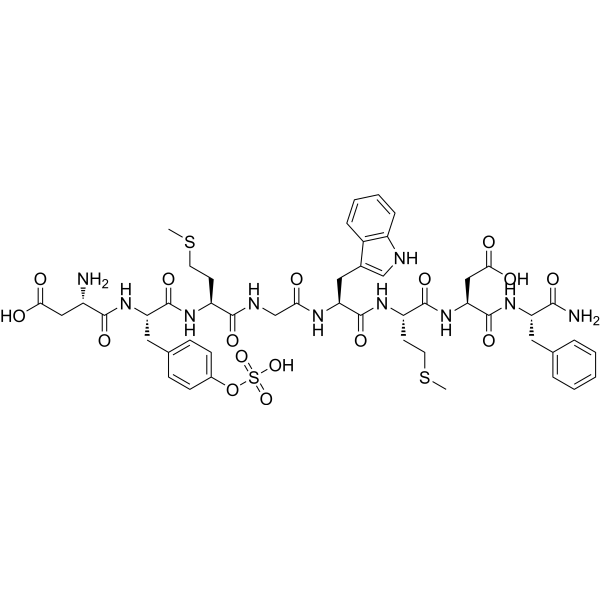
    Sincalide (Cholecystokinin octapeptide, CCK-8) is a rapid-acting amino acid polypeptide hormone analogue of cholecystokinin (CCK) for intravenous use in postevacuation cholecystography. Sincalide is a major bioactive segment of CCK that retains most of the biological activities of CCK. Sincalide can promote gallbladder contraction by injection and helps diagnose gallbladder and pancreas disorders. Sincalide can increase bile secretion, cause the gallbladder to contract and relax the sphincter of Oddi, resulting in bile drainage into the duodenum. Sincalide is a major bioactive segment of CCK that retains most of the biological activities of CCK .
    Sincalide
  • HY-P991015

    JNJ-78278343; KLCB-245

    CD3 Cancer
    Pasritamig (JNJ-78278343; KLCB-245) is a bispecific T-cell engager (BiTE) that targets the complex of human kallikrein KLK2 and CD3 receptor. Pasritamig redirects the cytotoxicity of T cells to KLK2-expressing tumor cells and induces T cell-mediated lysis of KLK2-expressing prostate cancer cells. Administered via subcutaneous injection, subcutaneous infusion or intravenous infusion, Pasritamig exhibits antitumor activity against metastatic castration-resistant prostate cancer. Pasritamig has a safety profile with an extremely low incidence of cytokine release syndrome and can be safely administered in an outpatient setting. Pasritamig is applicable to the research of metastatic castration-resistant prostate cancer .
    Pasritamig
  • HY-P5423

    Exosomes Liposome Cancer
    GALA is a pH-responsive amphipathic peptide consisting of 30 amino acids, which acts as a lung endothelium-targeting ligand. GALA undergoes a conformational transition from random coil to α-helix in an acidic environment at pH 5.0, thereby inducing endosomal membrane destabilization and fusion. GALA-modified liposomes traverse lung endothelial cells via clathrin-dependent endocytosis and transcytosis, and specifically accumulate in the lungs after intravenous injection. GALA significantly promotes the cytosolic release of cargos carried by exosomes, plasmids and liposomes, effectively enhances gene transfection efficiency, and drives gene knockdown of functional macromolecules (such as siRNA) in alveolar epithelial cells (with no significant cytotoxicity at effective concentrations). GALA serves as a critical tool for studies on lung cancer metastasis (e.g., melanoma lung metastasis) and lung-targeted drug delivery systems .
    GALA
  • HY-137500
    NT1-014B
    1 Publications Verification

    Liposome Biochemical Assay Reagents Cardiovascular Disease Neurological Disease
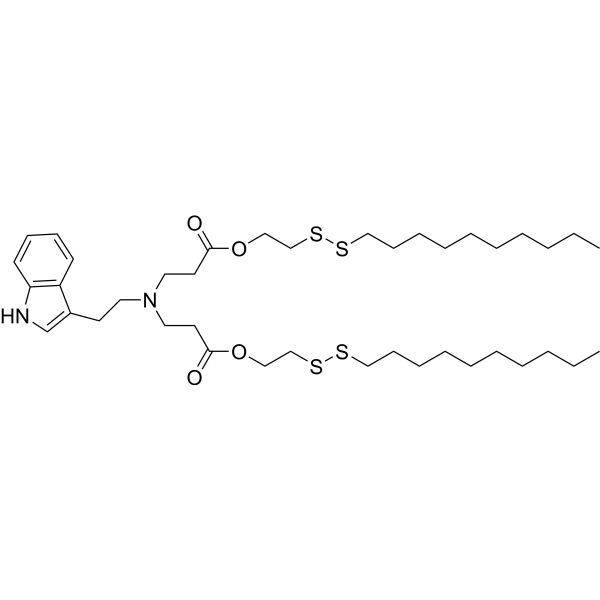
    NT1-014B is a tryptamine-derived lipidoid. NT1-014B incorporates NT-lipidoid into BBB-impermeable lipid nanoparticles (LNPs), enabling the LNPs to cross the BBB. NT1-014B enhances brain delivery via intravenous injection. NT1-014B can be used in ischemic stroke research .
    NT1-014B
  • HY-P0093A
    Sincalide ammonium
    4 Publications Verification

    Cholecystokinin octapeptide ammonium; CCK-8 ammonium; SQ19844 ammonium

    Cholecystokinin Receptor Apoptosis PI3K Akt Infection Cancer
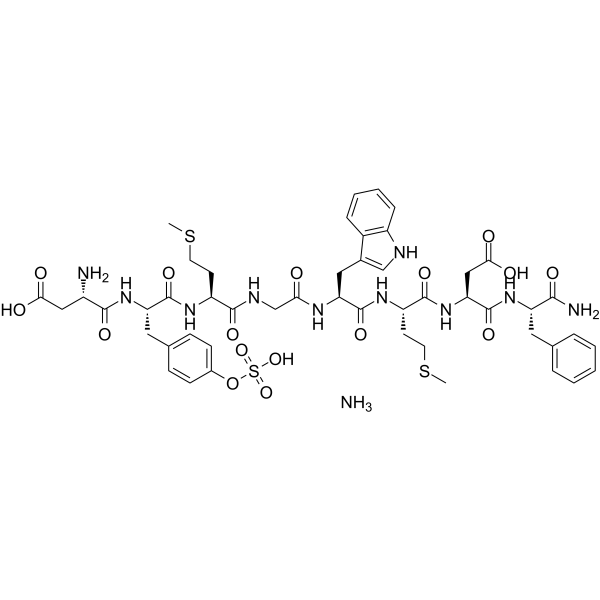
    Sincalide ammonium (Cholecystokinin octapeptide ammonium, CCK-8 ammonium) is a rapid-acting amino acid polypeptide hormone analogue of cholecystokinin (CCK) for intravenous use in postevacuation cholecystography. Sincalide ammonium is a major bioactive segment of CCK that retains most of the biological activities of CCK. CCK‐8 can promote gallbladder contraction by injection and helps diagnose gallbladder and pancreas disorders. Sincalide ammonium can increase bile secretion, cause the gallbladder to contract and relax the sphincter of Oddi, resulting in bile drainage into the duodenum. Sincalide ammonium is a major bioactive segment of CCK that retains most of the biological activities of CCK .
    Sincalide ammonium
  • HY-Y0850U3

    Polyvinyl alcohol (Mw 125000, 98-99% hydrolyzed, ~2800 polymerization); Poly(Ethenol) (Mw 125000, 98-99% hydrolyzed, ~2800 polymerization)

    Biochemical Assay Reagents Others
    PVA (Polyvinyl alcohol) (Mw 125000, 98-99% hydrolyzed, ~2800 polymerization) is a water-soluble, biodegradable, biocompatible and non-immunogenic polymer. PVA (Mw 125000, 98-99% hydrolyzed, ~2800 polymerization) causes no irritation to rabbit eyes, no skin sensitization in guinea pigs, promotes the proliferation of human skin keratinocytes, and reduces the loss of corneal endothelial cells. The LD50 of PVA (Mw 125000, 98-99% hydrolyzed, ~2800 polymerization) in rats and dogs is greater than 10 g/kg. PVA (Mw 125000, 98-99% hydrolyzed, ~2800 polymerization) is hardly absorbed by the digestive system, causes no adverse effects upon long-term oral administration, and shows no mutagenicity or carcinogenicity. However, repeated intravenous or portal vein injection of PVA (Mw 125000, 98-99% hydrolyzed, ~2800 polymerization) may induce pathological changes such as glomerular lesions, anemia, hypertension or liver fibrosis in rats or dogs. Crosslinked nanofibers prepared by modifying PVA (Mw 125000, 98-99% hydrolyzed, ~2800 polymerization) can be used in studies related to wound dressings and other applications .
    PVA (Mw 125000, 98-99% hydrolyzed, ~2800 polymerization)
  • HY-158976

    Lactated ringer's solution (LRS)

    Biochemical Assay Reagents Collagen HSP Inflammation/Immunology
    Sodium lactate ringer's solution (Lactated ringer's solution (LRS)) is an isotonic crystal intravenous injection and arthroscopic irrigation solution containing racemic sodium lactate and electrolytes such as sodium, potassium, calcium and chloride (130 mEq sodium/L, 274 mOsm/L), which can be used as a cell integrity protectant. Sodium lactate ringer's solution maintains the integrity of human meniscus cells, ensures that they retain normal cell morphology, membrane regularity, size and density, and does not alter the mRNA expression levels of α1 (I) procollagen, α1 (II) procollagen, aggrecan or HSP70. Sodium lactate ringer's solution can be applied to studies related to extracellular fluid deficiency and meniscus tears .
    Sodium lactate ringer's solution
  • HY-N10225

    Prostaglandin Receptor Cardiovascular Disease Endocrinology
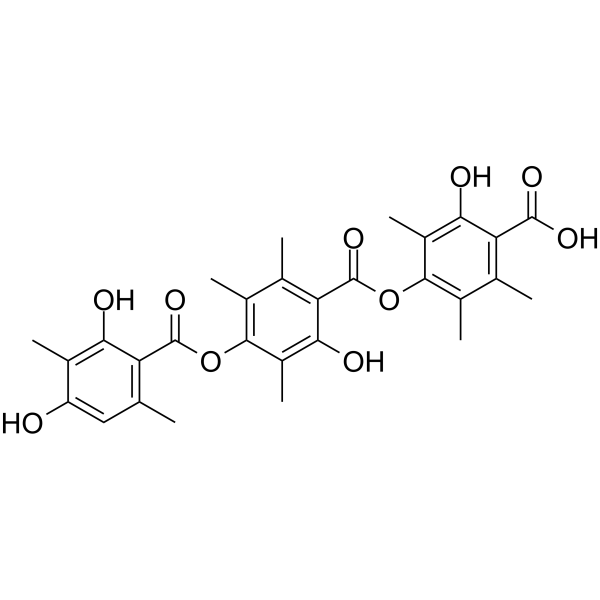
    Thielavin A is an inhibitor of prostaglandin biosynthesis produced by Thielavia terricola. Thielavin A specifically inhibits the conversion of arachidonic acid into prostaglandin H2. Thielavin A has no anti-inflammatory activity on intravenous injection or on oral administration .
    Thielavin A
  • HY-177440

    Prostaglandin Receptor COX PGE synthase Metabolic Disease
    T26A is a highly selective prostaglandin transporter (PGT) inhibitor.T26A does not interact with the PGT homolog OATPc, blocks PGT-mediated PGE2 influx, and blocks PGE2 metabolism.T26A retains PGE2 in the extracellular compartment and reduces intracellular PGE2 metabolites.T26A elevates circulating endogenous PGE2 levels, reduces circulating endogenous PGE2 metabolite levels, and slows metabolism of exogenously injected PGE2 in Rattus norvegicus via intravenous injection.T26A does not affect PGE2 synthesis.T26A can be used for the research of PGT function in adult animals .
    T26A
  • HY-W338446

    Tau Protein Neurological Disease
    BF-170 is a selective tau fibril binding agent with an EC50 of 221 nM. It exhibits good blood-brain barrier permeability, and after intravenous injection in mice, the concentration in brain tissue reaches 9.1% ID/g within 2 minutes (with a brain clearance rate of 0.25% ID/g after 30 minutes). BF-170 can be used as a probe for tau protein pathology imaging in Alzheimer's disease (AD). It plays an important role in early-stage AD research and holds potential for imaging studies of tau-related neurodegenerative diseases .
    BF-170
  • HY-W440913

    Liposome Fluorescent Dye Cancer
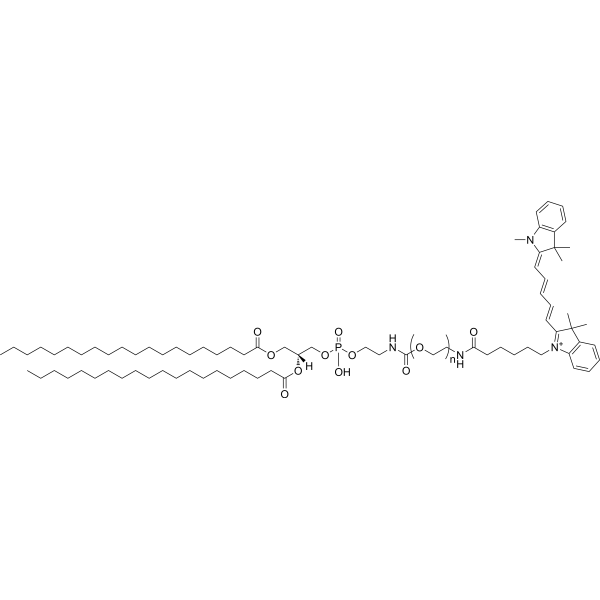
    DSPE-PEG-Cy5, MW 5000 is a fluorescently labeled PEGylated phospholipid with a molecular weight of 5000 Da. After intravenous injection, DSPE-PEG-Cy5, MW 5000 shows only extremely low fluorescence accumulation at tumor sites in orthotopic tumor-bearing mice, and can be used as a negative control for evaluating tumor accumulation of nanoparticles. DSPE-PEG-Cy5, MW 5000 can serve as a fluorescent marker to prepare Cy5-labeled NPs-DPPA and NPs-DPPA (C3F8) for pharmacokinetic and biodistribution studies in mice. DSPE-PEG-Cy5, MW 5000 is widely applicable to research in fields related to triple-negative breast cancer, hepatocellular carcinoma and so on .
    DSPE-PEG5000-Cy5
  • HY-B1657

    Drug Intermediate Neurological Disease
    Fosphenytoin is a phosphate ester proagent developed as an alternative to intravenous phenytoin for acute intervention of seizures. Fosphenytoin has advantages including more convenient and rapid intravenous administration, availability for intramuscular injection, and low potential for adverse local reactions at injection sites .
    Fosphenytoin
  • HY-105236

    (Rac)-CI-977 free base

    Opioid Receptor Neurological Disease
    (Rac)-Enadoline ((Rac)-CI-977 free base) is a selective K-opioid receptor agonist that stereoselectively antagonizes clonic seizures induced by slow intravenous injection of N-methyl-DL-aspartate in mice .
    (Rac)-Enadoline
  • HY-106258

    OHM 11638; BAX-ACC 1638; MOT 288

    Motilin Receptor Metabolic Disease
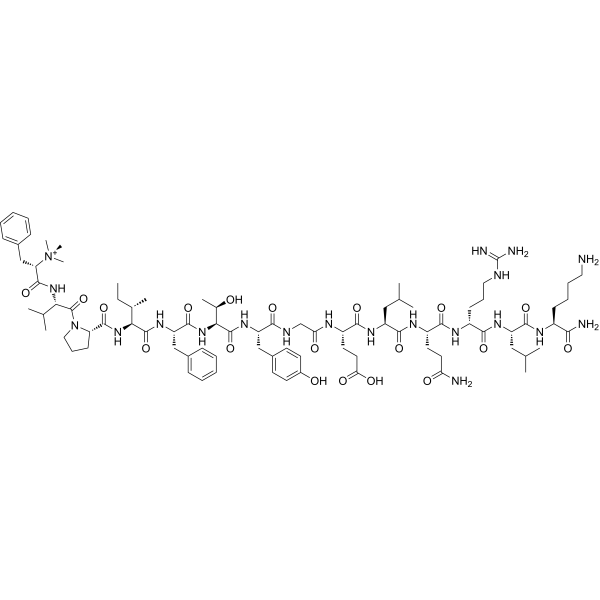
    OHM 11638 (Atilmotin), an analogue of the (1-14) fragment of porcine motilin, is a motilin receptor agonist with a pKd of 8.94 for the motilin receptor. OHM 11638 affects esophageal, lower esophageal sphincter (LES), and gastric motility. OHM 11638 increases LES and gastric pressures, OHM 11638 can be used as prokinetic agents .
    Atilmotin
  • HY-105919

    Factor Xa Cardiovascular Disease
    Naroparcil is an orally active antithrombotic agent. Naroparcil exhibits antithrombotic effects in rabbit Wessler stasis model with EC50s of 21.9 mg/kg and 36.0 mg/kg after respectively intravenous injection and oral administration .
    Naroparcil
  • HY-130522

    6β-PGI1

    Prostaglandin Receptor Others
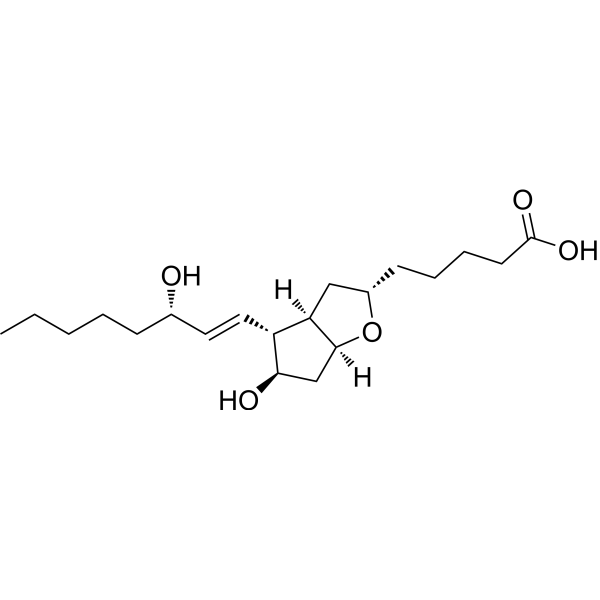
    6β-Prostaglandin I1 (6β-PGI1) is an analog of prostaglandin I2 (PGI2) that is resistant to hydrolysis in aqueous solutions. 6β-Prostaglandin I1 can reduce gastric acid secretion with an ID50 (dose causing 50% inhibition) of approximately 3.0 μg/kg/min (intravenous injection) .
    6β-Prostaglandin I1
  • HY-118350

    Biochemical Assay Reagents Neurological Disease
    FR 75513 is a 1,1'-biphenyl-2,6-dicarboxylic acid diester series compound that can inhibit the contraction of the detrusor muscle of guinea pig bladder (IC50=3.3 μg/mL). After intravenous injection of FR 75513 into anesthetized rats, it also showed strong inhibitory activity on the detrusor contraction (ID50=0.04 mg/kg).
    FR 75513
  • HY-136831

    QMPB

    Leukotriene Receptor Inflammation/Immunology
    SR2640 is a highly efficient and selective LTD4/LTE4 antagonist that can specifically inhibit the smooth muscle contractions induced by LTD4 in the guinea pig ileum and trachea in a concentration-dependent manner, without affecting the contractions caused by histamine. SR2640 can concentration-dependently prevent the binding of 0.4 nM [3H] LTD4 to membrane receptors in guinea pig lung tissue, with an IC50 of 23 nM. SR2640 can shift the dose-response curve for bronchoconstriction induced by intravenous LTD4 in guinea pigs to the right, and the extent of this shift is positively correlated with the dose of SR2640 administered. SR2640 can be used in asthma research .
    SR2640
  • HY-12976

    G Protein-coupled Receptor Kinase (GRK) Metabolic Disease
    DS-1558 is an orally active small molecule G protein-coupled receptor 40 agonist. DS-1558 not only increases the glucose-stimulated insulin secretion by glucagon like peptide-1 (GLP-1) but also potentiated the maximum insulinogenic effects of GLP-1 after an intravenous glucose injection in normal Sprague Dawley rats. DS-1558 is promising for research of type 2 diabetes .
    DS-1558
  • HY-168782

    TNF Receptor Interleukin Related Inflammation/Immunology
    Resolvin D2 n-3 DPA is a specialized proresolving mediator (SPM). Resolvin D2 n-3 DPA (1 nM) can reduce the chemotaxis and adhesion of human neutrophils induced by TNF-α. Resolvin D2 n-3 DPA (100 ng/mouse; intravenous injection) can reduce neutrophil infiltration in the peritoneum and the levels of IL-6 and the chemokine (C-C motif) ligand 2 (CCL2) in a mouse model of inflammation induced by zinc oxide .
    Resolvin D2 n-3 DPA
  • HY-176027

    Liposome Others
    CP-LC-1422 is a homocysteine-derived ionizable amino lipid with high RNA delivery capability and can mediate high-level protein expression in vivo. CP-LC-1422 exhibits significant spleen targeting via intravenous injection in a lipid nanoparticle (LNP) formulation with no significant toxicity observed .
    CP-LC-1422
  • HY-W923355

    EPA-TG; Glycerol trieicosapentaenoate; TG(20:5/20:5/20:5)

    Others Others
    1,2,3-Trieicosapentaenoyl glycerol (EPA-TG) is a glycerol ester that can be obtained by the reaction of polyunsaturated fatty acids or lower alkyl esters with glycerol catalyzed by alkoxide ions . After two intravenous injections of the EPA-TG emulsion into rabbits, the EPA content in plasma and platelet phospholipids increased markedly . In another study, by administering the EPA-TG emulsion, the production of leukotriene B4 by polymorphonuclear leukocytes in rabbits was reduced by 40% .
    1,2,3-Trieicosapentaenoyl glycerol
  • HY-P11614

    Liposome Cancer
    LCA-H10 is a lithocholic acid-histidine decapeptide conjugate, a biocompatible lipid nanoparticle (LNP) additive that reduces ionizable lipid proportions, functions as an endosomal escape inducer, and enhances siRNA encapsulation. LCA-H10 increases hepatic accumulation of LNPs in mice after intravenous injection when incorporated into LiLNP-LH and reduces proinflammatory cytokines (IL-6, TNF, IL-1β) in mouse serum. LCA-H10 can be used for the research of prostate cancer .
    LCA-H10
  • HY-182098C

    Liposome Cancer
    DSPE-PEG5000-GALA is a PEG compound which composed of DSPE and a lung endothelium-targeting peptide GALA (HY-P5423). GALA is a pH-responsive amphipathic peptide consisting of 30 amino acids, which acts as a lung endothelium-targeting ligand. GALA undergoes a conformational transition from random coil to α-helix in an acidic environment at pH 5.0, thereby inducing endosomal membrane destabilization and fusion. GALA-modified liposomes traverse lung endothelial cells via clathrin-dependent endocytosis and transcytosis, and specifically accumulate in the lungs after intravenous injection. DSPE-PEG5000-GALA can be used for drug delivery .
    DSPE-PEG5000-GALA
  • HY-182098

    Liposome Cancer
    DSPE-PEG1000-GALA is a PEG compound which composed of DSPE and a lung endothelium-targeting peptide GALA (HY-P5423). GALA is a pH-responsive amphipathic peptide consisting of 30 amino acids, which acts as a lung endothelium-targeting ligand. GALA undergoes a conformational transition from random coil to α-helix in an acidic environment at pH 5.0, thereby inducing endosomal membrane destabilization and fusion. GALA-modified liposomes traverse lung endothelial cells via clathrin-dependent endocytosis and transcytosis, and specifically accumulate in the lungs after intravenous injection. DSPE-PEG1000-GALA can be used for drug delivery .
    DSPE-PEG1000-GALA
  • HY-182098A

    Liposome Cancer
    DSPE-PEG2000-GALA is a PEG compound which composed of DSPE and a lung endothelium-targeting peptide GALA (HY-P5423). GALA is a pH-responsive amphipathic peptide consisting of 30 amino acids, which acts as a lung endothelium-targeting ligand. GALA undergoes a conformational transition from random coil to α-helix in an acidic environment at pH 5.0, thereby inducing endosomal membrane destabilization and fusion. GALA-modified liposomes traverse lung endothelial cells via clathrin-dependent endocytosis and transcytosis, and specifically accumulate in the lungs after intravenous injection. DSPE-PEG2000-GALA can be used for drug delivery .
    DSPE-PEG2000-GALA
  • HY-182098B

    Liposome Cancer
    DSPE-PEG3400-GALA is a PEG compound which composed of DSPE and a lung endothelium-targeting peptide GALA (HY-P5423). GALA is a pH-responsive amphipathic peptide consisting of 30 amino acids, which acts as a lung endothelium-targeting ligand. GALA undergoes a conformational transition from random coil to α-helix in an acidic environment at pH 5.0, thereby inducing endosomal membrane destabilization and fusion. GALA-modified liposomes traverse lung endothelial cells via clathrin-dependent endocytosis and transcytosis, and specifically accumulate in the lungs after intravenous injection. DSPE-PEG3400-GALA can be used for drug delivery .
    DSPE-PEG3400-GALA

Inquiry Online

Your information is safe with us. * Required Fields.

Salutation


Country or Region *

Applicant Name *


Organization Name *

Department *


Email Address *


Product Name *

Cat. No.


Requested quantity *

Phone Number *


Remarks

Inquiry Online

Inquiry Information

Product Name:
Cat. No.:
Quantity:
MCE Japan Authorized Agent:

