



1. Search Result
Search Result
Results for "

liposome research

" in MedChemExpress (MCE) Product Catalog:

64

Inhibitors & Agonists

1

Screening Libraries

6

Fluorescent Dyes

22

Biochemical Assay Reagents

15

Peptides

7

Natural
Products

2

Isotope-Labeled Compounds

25

Oligonucleotides

Targets Recommended:
Cat. No. Product Name Target Research Areas Chemical Structure
  • HY-N6693
    Valinomycin
    5+ Cited Publications

    NSC 122023

    Apoptosis Antibiotic Autophagy Fungal Infection Others Cancer
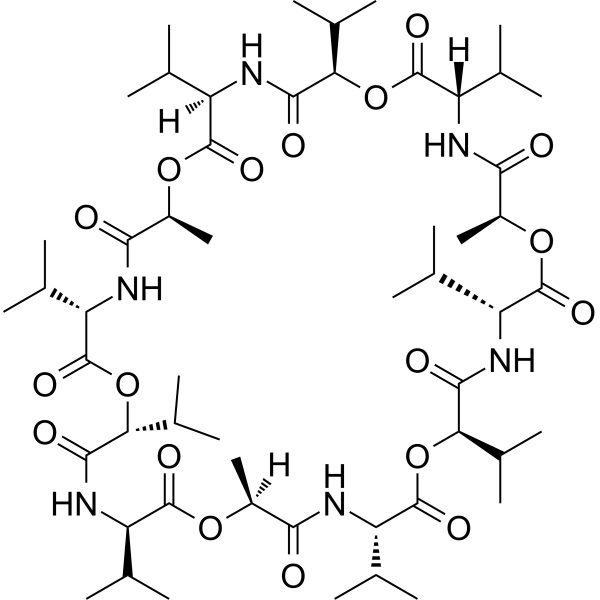
    Valinomycin is a potassium-specific ionophore, the valinomycin-K + complex can be incorporated into biological bilayer membranes with the hydrophobic surface of valinomycin, destroys the normal K + gradient across the membrane, and as a result kills the cells, incorporating into liposomes can significantly reduces the cytotoxicity and enhances the targeting effect. Valinomycin exhibits antibiotic, antifungal, antiviral, antitumor and insecticidal efficacy, thus can be used for relevant research .
    Valinomycin
  • HY-130751
    DODAP
    1 Publications Verification

    Liposome Inflammation/Immunology
    DODAP is a cationic lipid utilized as the lipid component in liposomes (pKa = 5.59 in TNS binding tests). DODAP is employed for encapsulating siRNA and delivering immunostimulated chemotherapeutic agents both in vitro and in vivo. DODAP holds great promise for research in vaccines and inflammation .
    DODAP
  • HY-140739

    Liposome Neurological Disease Cancer
    DSPE-PEG2000-Maleimide sodium (purity>95%) is a phospholipid-PEG conjugate. DSPE-PEG2000-Maleimide utilizes the amphiphilicity of DSPE to insert into the lipid bilayer of liposomes or nanoparticles. DSPE-PEG2000-Maleimide covalently couples to the sulfhydryl (-SH) of ligands (such as antibodies, peptides, or proteins) via thiol-maleimide click chemistry, giving the particles targeting capabilities. DSPE-PEG2000-Maleimide sodium (purity>95%) can be used in the researches of breast cancer, lymphoma, and inherited retinal degeneration .
    DSPE-PEG2000-Maleimide sodium (purity>95%)
  • HY-141613

    DOPS-NA

    Liposome Others
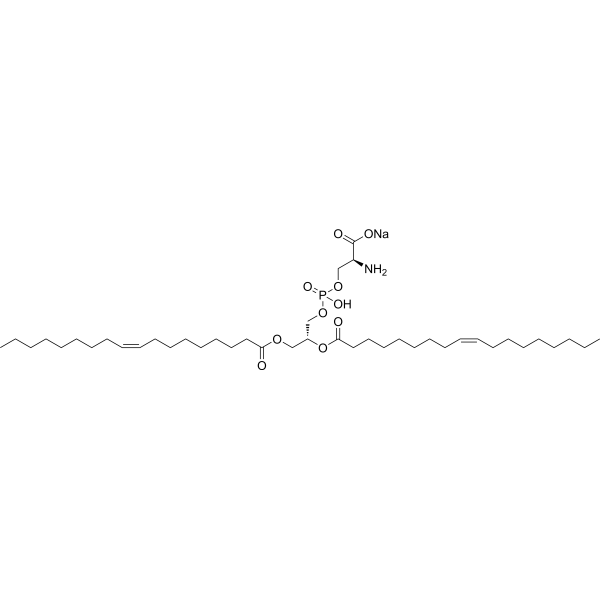
    1,2-Dioleoyl-sn-glycero-3-phospho-L-serine sodium (DOPS-NA) is a ubstitute for Phosphoserine/phosphatidylserine. 1,2-Dioleoyl-sn-glycero-3-phospho-L-serine sodium can be used together with DOPC and DOPE in lipid mixtures for the synthesis of liposomes. 1,2-Dioleoyl-sn-glycero-3-phospho-L-serine sodium can self-assemble into single-layer or double-layer membrane structures, similar to cell membranes, and possesses high membrane fluidity and flexibility. 1,2-Dioleoyl-sn-glycero-3-phospho-L-serine is widely applied in membrane biology, cell membrane research, lipid preparation, and drug delivery systems .
    1,2-Dioleoyl-sn-glycero-3-phospho-L-serine sodium
  • HY-B2235B

    L-α-Phosphatidylcholine (egg yolk, Type XVI-E), 99%, lyophilized powder; 1,2-Diacyl-sn-glycero-3-phosphocholine (egg yolk, Type XVI-E), 99%; egg yolk Lecithins, Type XVI-E, 99%

    Environmental Pollutants Biochemical Assay Reagents Liposome Others
    L-α-Lecithin (egg yolk, Type XVI-E), 99% (L-α-Phosphatidylcholine (egg yolk, Type XVI-E), 99%) is an active biomaterial. L-α-Lecithin (egg yolk, Type XVI-E), 99% forms liposomes with compounds (PF or BA). L-α-Lecithin (egg yolk, Type XVI-E), 99% increases membrane fluidity and affects microemulsion stability and fluorescence intensity stained with Nile red (HY-D0718). L-α-Lecithin (egg yolk, Type XVI-E), 99% It can be used for cell membrane structure research, biological membrane potential research, and liposome research .
    L-α-Lecithin (egg yolk, Type XVI-E), 99%
  • HY-142978
    18:0 mPEG2000 PE
    1 Publications Verification

    DSPE-mPEG2000; 1,2-Distearoyl-sn-glycero-3-phosphoethanolamine-N-[methoxy(polyethylene glycol)-2000]

    Liposome Others
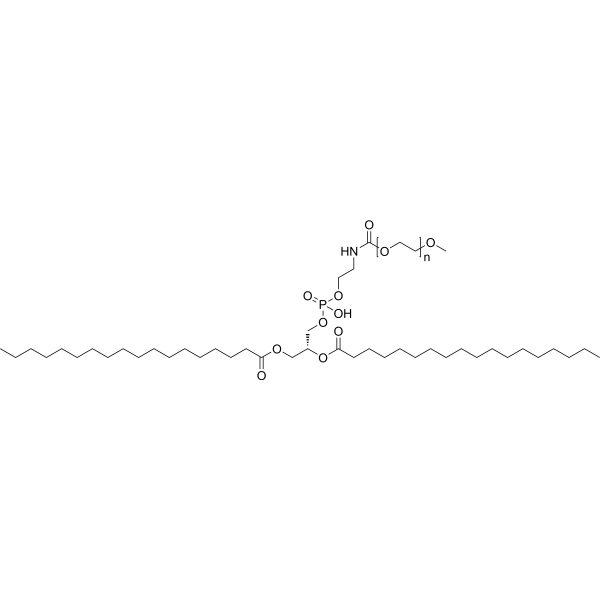
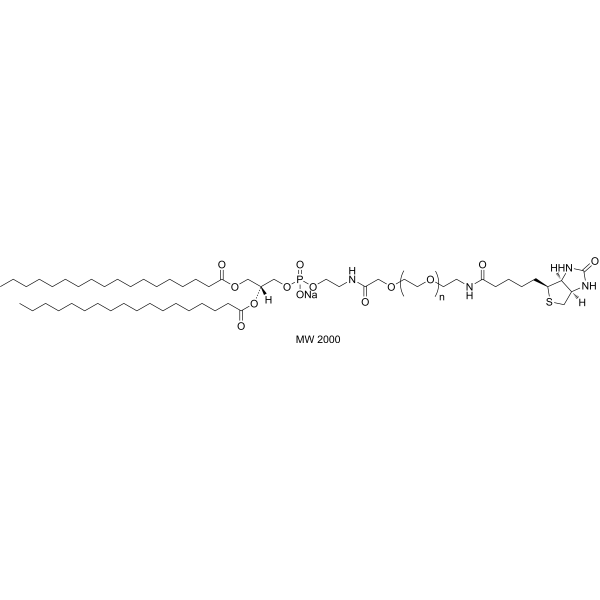
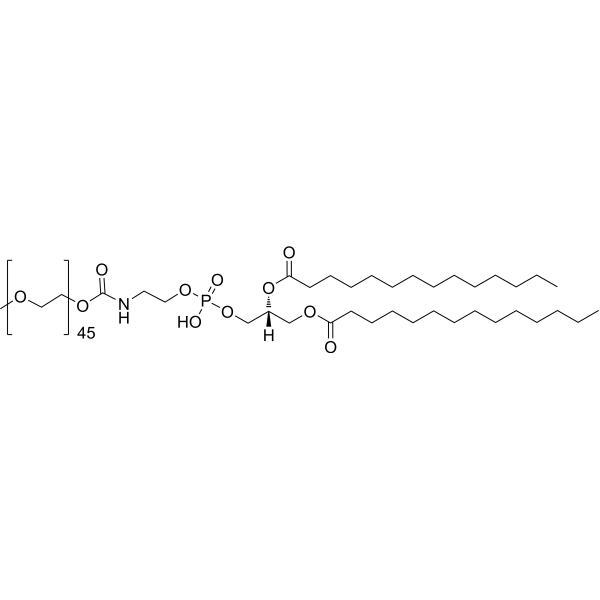
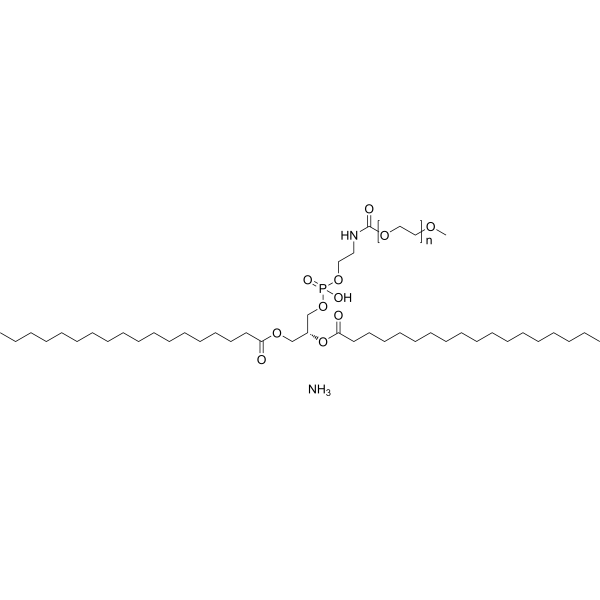
    18:0 mPEG2000 PE (DSPE-mPEG2000) ammonium is a kind of amphiphilic polymer material. 18:0 mPEG2000 PE ammonium combines hydrophobic lipids (18:0 stearic acid chain) with hydrophilic polyethylene glycol (2 kDa) chains to form amphiphilic molecules, which are used to construct stable liposomes/nanoparticles, thereby enhancing drug delivery, prolonging circulation time, and achieving targeted effects through its functional terminal groups (usually biotin or carboxyl groups). 18:0 mPEG2000 PE ammonium can be used for the research of nanoprobes and drug delivery .
    18:0 mPEG2000 PE
  • HY-B2235A

    L-α-Phosphatidylcholine (egg yolk), 75%; 1,2-Diacyl-sn-glycero-3-phosphocholine (egg yolk), 75%; egg yolk Lecithins, 75%

    Environmental Pollutants Biochemical Assay Reagents Others Metabolic Disease
    L-α-Lecithin (egg yolk), 75% is a kind of biological materials. L-α-Lecithin (egg yolk), 75% can be used for studying cell membrane structure, biofilm potential, liposome research, etc .
    L-α-Lecithin (egg yolk), 75%
  • HY-W440911

    Liposome Fluorescent Dye Cancer
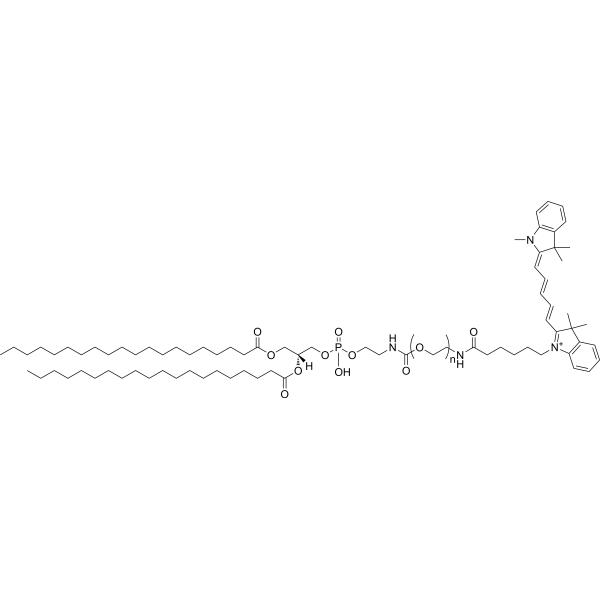
    DSPE-PEG2000-Cy5 is a Cy5 (HY-D0821) fluorophore-labeled conjugate of distearoylphosphatidylethanolamine and polyethylene glycol, as well as a liposome component. The Cy5 fluorophore is commonly used for labeling proteins and nucleic acids in imaging, flow cytometry and genomic applications. DSPE-PEG2000-Cy5 supports cell membrane modification, in vivo tumor targeting research and long-term in vivo circulation of its liposomal formulations (Ex/Em=633/670 nm) .
    DSPE-PEG2000-Cy5
  • HY-141629

    Sphingomyelin 16:0

    Liposome Endogenous Metabolite Cancer
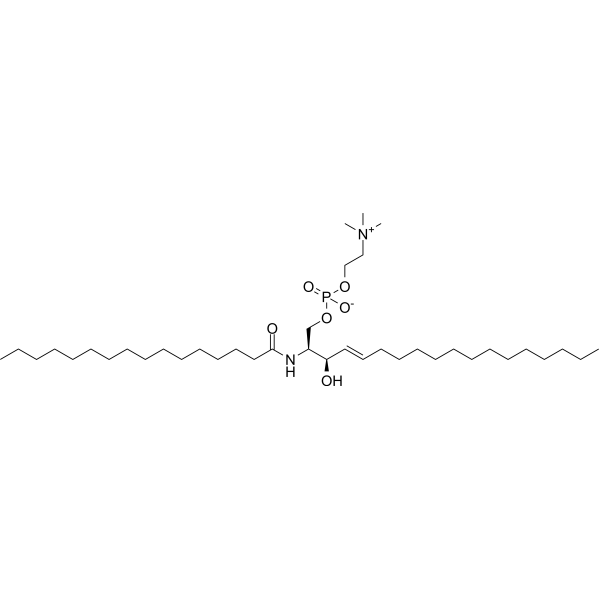
    N-palmitoyl-D-sphingomyelin (sphingomyelin 16:0) is a component of LDL-carrying liposomes. N-palmitoyl-D-sphingomyelin can be used in colorectal cancer research .
    N-Palmitoyl-D-sphingomyelin
  • HY-N2427

    Others Others
    Adamantane is a polycyclic cage molecule with high symmetry and remarkable properties. Adamantane can be incorporated into a lipophilic part of the lipid bilayer that constitutes membranes and as an anchor in the lipid bilayer of liposomes. Adamantane can be studied in pharmacological research to improve the lipophilicity and pharmacological properties of other active products .
    Adamantane
  • HY-B0240R

    Tetraethylthiuram disulfide (Standard); TETD (Standard)

    Reference Standards Aldehyde Dehydrogenase (ALDH) Interleukin Related Pyroptosis Apoptosis Cuproptosis Metabolic Disease Cancer
    Disulfiram (Standard) is the analytical standard of Disulfiram. This product is intended for research and analytical applications. Disulfiram (Tetraethylthiuram disulfide) is a specific inhibitor of aldehyde-dehydrogenase (ALDH1), used for the treatment of chronic alcoholism by producing an acute sensitivity to alcohol. Disulfiram inhibits gasdermin D (GSDMD) pore formation in liposomes and inflammasome-mediated pyroptosis and IL-1β secretion in human and mouse cells. Disulfiram + Cu 2+ increases intracellular ROS levels triggering apoptosis of ovarian cancer stem cells [1-6].
    Disulfiram (Standard)
  • HY-W590549

    DODAC

    Liposome Cancer
    Dioleyldimethylammonium chloride (DODAC) is a positively charged lipid promoter with membrane-disrupting activity, which is often formulated into cationic liposomes with dioleoylphosphatidylethanolamine. Dioleyldimethylammonium chloride is used in gene transfection research; through electrostatic interactions, it effectively promotes the binding of programmable fusion vesicles to cells and induces membrane disruption. Dioleyldimethylammonium chloride is also applied in studies on L1210 leukemia and LS180 human colon cancer .
    Dioleyldimethylammonium chloride
  • HY-174892

    Biochemical Assay Reagents Others
    Biotin-PEG5-NHS ester is a heterobifunctional crosslinker as well as a polyethylene glycol-containing bioconjugation reagent. Biotin-PEG5-NHS ester is widely used in scientific research fields such as the construction of highly sensitive biosensors, the development of targeted drug delivery systems (e.g., liposome modification), immunofluorescence imaging, and protein affinity purification, and serves as an important tool for achieving precise labeling and functionalization of biomolecules .
    Biotin-PEG5-NHS ester
  • HY-144012

    16:0 PEG2000 PE ammonium; 1,2-Dipalmitoyl-sn-glycero-3-phosphoethanolamine-N-[methoxy(polyethylene glycol)-2000] ammonium

    Liposome Others
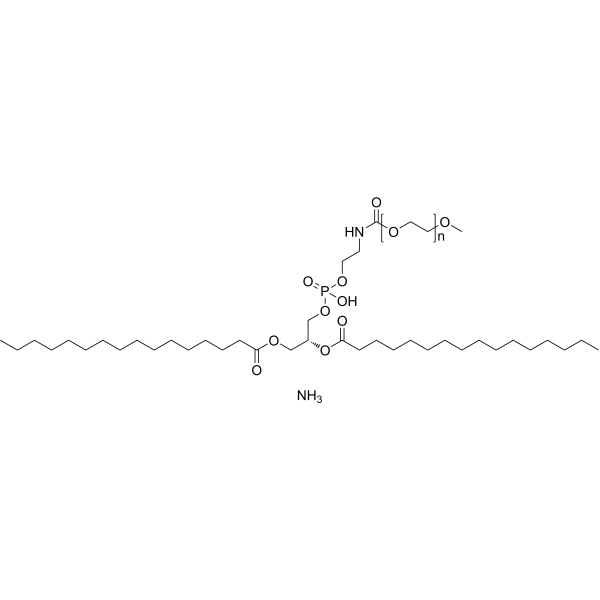
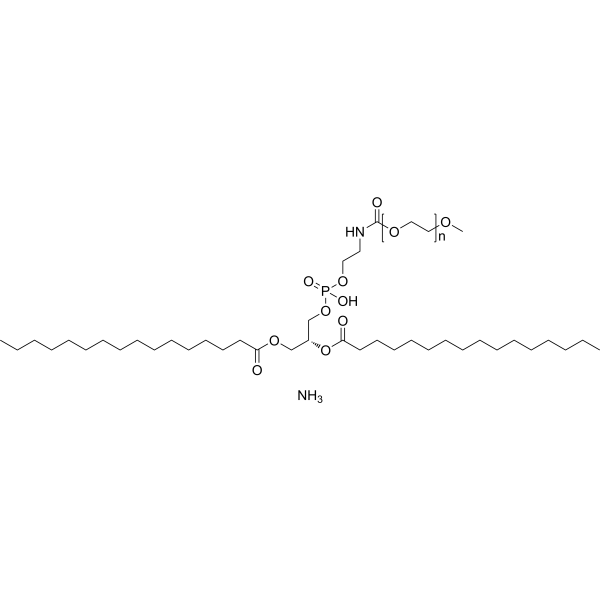
    DPPE-PEG2000 ammonium (16:0 PEG5000 PE) is a polymer-lipid conjugate and LipoParticle stabilizer with a PEG chain of 5,000 g/mol molecular weight attached to its polar head, and it can be internalized by biological membranes. DPPE-PEG2000 ammonium enables LipoParticle to maintain colloidal stability after 20-fold dilution in PBS or cell culture medium, and prevents aggregate formation during lyophilization and rehydration. DPPE-PEG2000 ammonium helps enhance the non-cytotoxic property of LipoParticle formulations against human osteoblasts. DPPE-PEG2000 ammonium serves as a PEG lipid functional end group for synthesizing liposomes (LPs), is used in the design of conjugated polymer nanoparticles, and applies to research related to bone and joint infections .
    DPPE-PEG2000 ammonium
  • HY-144013H

    DSPE-mPEG5000 ammonium; 1,2-Distearoyl-sn-glycero-3-phosphoethanolamine-N-[methoxy(polyethylene glycol)-5000] ammonium

    Liposome Cancer
    18:0 mPEG5000 PE (DSPE-mPEG5000) ammonium is a kind of amphiphilic polymer material. 18:0 mPEG5000 PE ammonium combines hydrophobic lipids (18:0 stearic acid chain) with hydrophilic polyethylene glycol (5 kDa) chains to form amphiphilic molecules, which are used to construct stable liposomes/nanoparticles, thereby enhancing drug delivery, prolonging circulation time, and achieving targeted effects through its functional terminal groups (usually biotin or carboxyl groups). 18:0 mPEG5000 PE ammonium can be used for the research of nanoprobes and drug delivery .
    18:0 mPEG5000 PE ammonium
  • HY-P10861A

    Tau Protein Neurological Disease
    RI-AG03 acetate is a proteolytically stable tau aggregation inhibitor that crosses the blood-brain barrier and exhibits oral efficacy. RI-AG03 acetate inhibits tau aggregation and promotes the formation of alternative amorphous aggregates that are non-amyloidogenic. RI-AG03 acetate mediates cellular uptake through direct membrane penetration and macropinocytosis, and its conjugation with cell-penetrating peptide sequences (CPPs) enhances the binding of cells to liposomes. RI-AG03 acetate suppresses aggregation-dependent neurodegenerative and behavioral phenotypes, and extends the lifespan of Drosophila models of tauopathy. RI-AG03 acetate can be used for research on tau-related diseases such as Alzheimer's disease .
    RI-AG03 acetate
  • HY-144012H

    16:0 PEG5000 PE; 1,2-Dipalmitoyl-sn-glycero-3-phosphoethanolamine-N-[methoxy(polyethylene glycol)-5000] ammonium

    Liposome Others
    DPPE-PEG5000 (16:0 PEG5000 PE) is a polymer-lipid conjugate and LipoParticle stabilizer with a PEG chain of 5,000 g/mol molecular weight attached to its polar head, and it can be internalized by biological membranes. DPPE-PEG5000 enables LipoParticle to maintain colloidal stability after 20-fold dilution in PBS or cell culture medium, and prevents aggregate formation during lyophilization and rehydration. DPPE-PEG5000 helps enhance the non-cytotoxic property of LipoParticle formulations against human osteoblasts. DPPE-PEG5000 serves as a PEG lipid functional end group for synthesizing liposomes (LPs), is used in the design of conjugated polymer nanoparticles, and applies to research related to bone and joint infections .
    DPPE-PEG5000
  • HY-177204

    Ferroptosis Apoptosis Glutathione Peroxidase Cardiovascular Disease
    DSPE-PEG2000-WLSEAGPVVTVRALRGTGSW is a polypeptide targeting tenascin-X (Tenascin-X) that can be conjugated with liposomes and exosomes. DSPE-PEG2000-WLSEAGPVVTVRALRGTGSW specifically binds to Tenascin-X on the surface of cardiomyocytes, mediates receptor-dependent uptake of nanocarriers, enhances targeted drug delivery of cargo to cardiomyocytes, and increases drug accumulation in cardiac tissue. DSPE-PEG2000-WLSEAGPVVTVRALRGTGSW protects cardiomyocytes treated with LPS, alleviates oxidative stress, repairs mitochondrial function, inhibits ferroptosis and apoptosis, and downregulates the secretion of pro-inflammatory cytokines at the same time. DSPE-PEG2000-WLSEAGPVVTVRALRGTGSW improves cardiac injury and pathological morphology in mice with sepsis-induced cardiomyopathy, restores GPX4 expression, and promotes the internalization of cardiomyocyte-derived exosomes, making it suitable for related research on sepsis-induced cardiomyopathy, myocardial ischemia-reperfusion injury, and other conditions .
    DSPE-PEG2000-WLSEAGPVVTVRALRGTGSW
  • HY-144018

    Liposome Others
    18:1 EPC chloride is a cationic alkylated phospholipid and also an egg yolk phosphatidylcholine. 18:1 EPC chloride can be used in research on liposomes and drug delivery .
    18:1 EPC chloride
  • HY-W440914

    Fluorescent Dye Others
    DSPE-PEG1000-FITC is an amphiphile PEG polymer which has unsaturated lipid tails. The polymer can form micelles in an aqueous solution and can be used to prepare liposome/nano particles for drug nanocarriers. . Reagent grade, for research use only.
    DSPE-PEG1000-FITC
  • HY-P5840

    Biochemical Assay Reagents Cancer
    Cyclo(RGDyC) is a cyclic pentapeptide with anti-angiogenic abilities. Cyclo(RGDyC) can be combined with liposome delivery systems for research on ocular neovascular diseases and cancer .
    Cyclo(RGDyC)
  • HY-D1556

    1,2-dioleoyl-sn-glycero-3-phosphoethanolamine-N-(carboxyfluorescein) ammonium

    Fluorescent Dye Cancer
    18:1 PE CF (1,2-dioleoyl-sn-glycero-3-phosphoethanolamine-N-(carboxyfluorescein) (ammonium)) is a pH-sensitive fluorescent indicator. 18:1 PE CF exhibits changes in fluorescence intensity in response to pH variations and reflects the electrostatic states of cationic liposomes and lipoplexes. 18:1 PE CF supports real-time visualization of pH distribution and membrane deformation in giant unilamellar vesicles and is suitable for steady-state fluorescence testing in large unilamellar vesicle membranes. 18:1 PE CF is capable of monitoring the surface electrical potential of cationic liposomes and lipoplexes and can effectively label lipid bilayers and nanomicelles. 18:1 PE CF can be used for the research of the investigation of lung cancer (Ex = 495 nm; Em = 520 nm) .
    18:1 PE CF
  • HY-159194

    Liposome Cancer
    DSPE-PEG2000-Cy5.5 is a phospholipid-fluorophore conjugate consisting of Cy5.5 covalently linked to 1,2-distearoyl-sn-glycero-3-phosphoethanolamine (DSPE), serving as a surface label for liposomes in multimodal CT/optical imaging.DSPE-PEG2000-Cy5.5 can be used for the research of non-small cell lung cancer .
    DSPE-PEG2000-Cy5.5
  • HY-P10861

    Tau Protein Neurological Disease
    RI-AG03 is a proteolytically stable tau aggregation inhibitor that crosses the blood-brain barrier and exhibits oral efficacy. RI-AG03 inhibits tau aggregation and promotes the formation of alternative amorphous aggregates that are non-amyloidogenic. RI-AG03 mediates cellular uptake through direct membrane penetration and macropinocytosis, and its conjugation with cell-penetrating peptide sequences (CPPs) enhances the binding of cells to liposomes. RI-AG03 suppresses aggregation-dependent neurodegenerative and behavioral phenotypes, and extends the lifespan of Drosophila models of tauopathy. RI-AG03 can be used for research on tau-related diseases such as Alzheimer's disease .
    RI-AG03
  • HY-155887

    DSPE-PEG-NH2, MW 3400 ammonium

    Liposome Cancer
    DSPE-PEG-Amine (DSPE-PEG-NH2), MW 3400 ammonium is an amino-functionalized PEGylated phospholipid. It serves not only as a key component for preparing σ receptor-targeted liposomes (such as anisamide-modified lipids) but also as a starting material for synthesizing click chemistry- and tumor-targeted lipids including DSPE-PEG-DBCO (HY-155788) and DSPE-PEG2000-TCO (HY-170704). DSPE-PEG-Amine, MW 3400 ammonium effectively modulates the ζ potential of nanoparticles, enables complexation with nucleic acids or proteins to protect DNA from nuclease degradation, and supports ligand conjugation on the nanoparticle surface. It is used in studies related to DU-145 tumors, breast cancer, and other relevant research .
    DSPE-PEG-Amine, MW 3400 ammonium
  • HY-109506R

    129Y83 (Standard)

    Liposome Reference Standards Endogenous Metabolite Others
    DPPC (Standard) is the analytical standard of DPPC. This product is intended for research and analytical applications. DPPC (129Y83) is a phosphoglyceride that can be used to prepare lipid monolayers, bilayers, and liposomes. DPPC is the main lipid component of pulmonary surfactant. Dppc-liposome can be effectively used as a delivery vector to induce an immune response against GSL antigen in mice .
    DPPC (Standard)
  • HY-P11455A

    Liposome Others
    Lipopeptide CPE4 TFA is a PEG-modified peptide E4 [(EIAALEK) 4]. Lipopeptide CPE4 TFA is capable of coiled-coil formation when attached to liposomes. Lipopeptide CPE4 TFA triggers membrane fusion between liposomes and living cells with concomitant efficient cytosolic delivery of a variety of compounds such as fluorescent dyes Propidium Iodide (PI) (HY-D0815) and TO-PRO-3 iodide (HY-117070), and Doxorubicin (DOX) (HY-15142A). Lipopeptide CPE4 TFA can be used for drug delivery research .
    Lipopeptide CPE4 TFA
  • HY-125924A

    Drug Derivative Cancer
    DSPE-PEG20000-Amine ammonium is an amine derivative of phospholipid-polyethylene glycol, which is used to synthesize solid lipid and thermosensitive liposome nanoparticles for the delivery of anticancer agents. DSPE-PEG20000-Amine ammonium is applicable for cancer research .
    DSPE-PEG20000-Amine ammonium
  • HY-D1672

    Fluorescent Dye Neurological Disease
    TMR Biocytin is a polar tracer used in the research of cell-cell and cell-liposome fusions, as well as membrane permeability and cellular uptake during pinocytosis. TMR Biocytin can be detected using streptavidin, and is an effective neuronal tracer in live tissue (Ex=544 nm, Em=571 nm) .
    TMR Biocytin
  • HY-130462R

    POPC (Standard)

    Liposome Reference Standards Others
    1-Palmitoyl-2-oleoyl-sn-glycero-3-PC (Standard) is the analytical standard of 1-Palmitoyl-2-oleoyl-sn-glycero-3-PC. This product is intended for research and analytical applications. 1-Palmitoyl-2-oleoyl-sn-glycero-3-PC (POPC), a phospholipid, is a major component of biological membranes. 1-Palmitoyl-2-oleoyl-sn-glycero-3-PC is used for the preparation of liposomes and studying the properties of lipid bilayers .
    1-Palmitoyl-2-oleoyl-sn-glycero-3-PC (Standard)
  • HY-150240

    Liposome Cancer
    DOPE-GA can be used in the preparation of liposomes for research on drug delivery and other applications .
    DOPE-GA
  • HY-N11604

    C16(Plasm)-16:1-PC; PC(P-16:0/16:1); PlsC 16:0/16:1

    Biochemical Assay Reagents Metabolic Disease
    1-(1(Z)-Hexadecenyl)-2-palmitoleoyl-sn-glycero-3-phosphocholine [PC (P-16:0/16:1 (9Z))] is a phosphatidylcholine that can be utilized for liposome preparation and serves as a marker in metabolomics research .
    1-(1(Z)-Hexadecenyl)-2-palmitoleoyl-sn-glycero-3-phosphocholine
  • HY-N2427S

    Isotope-Labeled Compounds Others
    Adamantane-d16is the deuterium labeled Adamantane (HY-N2427). Adamantane, a polycyclic cage molecule with high symmetry and remarkable properties. Adamantane can be incorporated into a lipophilic part of the lipid bilayer that constitutes membranes and as an anchor in the lipid bilayer of liposomes. Adamantane can be used in research of surface recognition and drug delivery .
    Adamantane-d16
  • HY-164722

    Liposome Others
    DSPE-PEG8000-OH is a hydroxy-terminated phospholipid PEG polymer. The hydrophobic tails that allows the encapsulation and aggregation of other hydrophobic drugs, and the hydroxy-terminated can be further reacted. DSPE-PEG8000-OH can prepare liposomes or lipid nanoparticles, which can be used in drug delivery and promoting drug absorption research .
    DSPE-PEG8000-OH
  • HY-P5033

    Bacterial Cancer
    Cyclo(Gly-His) is a liposome-encapsulated cyclic dipeptide with antimicrobial and anticancer activity. Cyclo(Gly-His) has cytotoxicity for HeLa and MCF-7 cell with IC50 values of 1.699 mM and 0.358 mM, respectively. Cyclo(Gly-His) can be used for the research of drug delivery systems .
    Cyclo(Gly-His)
  • HY-P11456A

    Liposome Others
    Lipopeptide CPK4 TFA is a Cholesterol (HY-N0322)-modified peptide K4 [(KIAALKE) 3]. Lipopeptide CPK4 TFA is capable of coiled-coil formation when attached to liposomes. Lipopeptide CPK4 TFA triggers membrane fusion between liposomes and living cells with concomitant efficient cytosolic delivery of a variety of compounds such as fluorescent dyes Propidium Iodide (PI) (HY-D0815) and TO-PRO-3 iodide (HY-117070), and Doxorubicin (DOX) (HY-15142A). Lipopeptide CPK4 TFA can be used for drug delivery research .
    Lipopeptide CPK4 TFA
  • HY-140739A

    Liposome Neurological Disease Cancer
    DSPE-PEG2000-Maleimide free acid is a phospholipid-PEG conjugate. DSPE-PEG2000-Maleimide free acid utilizes the amphiphilicity of DSPE to insert into the lipid bilayer of liposomes or nanoparticles. DSPE-PEG2000-Maleimide free acid covalently couples to the sulfhydryl (-SH) of ligands (such as antibodies, peptides, or proteins) via thiol-maleimide click chemistry, giving the particles targeting capabilities. DSPE-PEG2000-Maleimide free acid can be used in the researches of breast cancer, lymphoma, and inherited retinal degeneration .
    DSPE-PEG2000-Maleimide free acid
  • HY-W127442R

    Ethyl 2-Ethylbutyrate (Standard)

    Bacterial Antibiotic Reference Standards Others
    DPPC (Standard) is the analytical standard of DPPC. This product is intended for research and analytical applications. DPPC (129Y83) is a phosphoglyceride that can be used to prepare lipid monolayers, bilayers, and liposomes. DPPC is the main lipid component of pulmonary surfactant. Dppc-liposome can be effectively used as a delivery vector to induce an immune response against GSL antigen in mice .
    Etzadroxil (Standard)
  • HY-B2106DR

    Decaethylene glycol monododecyl ether (C12E10) (Standard); Polidocanol (10) (Standard)

    Reference Standards Biochemical Assay Reagents Others
    Polyoxyethylene (10) lauryl ether (Standard) is the analytical standard of Polyoxyethylene (10) lauryl ether. This product is intended for research and analytical applications. Polyoxyethylene (10) lauryl ether is a non-ionic surfactant. Polyoxyethylene (10) lauryl ether exhibits unique properties in dissolving liposomes and exerts the minimal interference with endotoxin detection. Polyoxyethylene (10) lauryl ether forms hybrid liposomes with Dimyristoylphosphatidylcholine (DMPC) (HY-109541), which can inhibit the proliferation of human promyelocytic leukemia cells without the administration of any drugs.
    Polyoxyethylene (10) lauryl ether (Standard)
  • HY-P11455

    Liposome Others
    Lipopeptide CPE4 is a PEG-modified peptide E4 [(EIAALEK) 4]. Lipopeptide CPE4 is capable of coiled-coil formation when attached to liposomes. Lipopeptide CPE4 triggers membrane fusion between liposomes and living cells with concomitant efficient cytosolic delivery of a variety of compounds such as fluorescent dyes Propidium Iodide (PI) (HY-D0815) and TO-PRO-3 iodide (HY-117070), and Doxorubicin (DOX) (HY-15142A). Lipopeptide CPE4 can be used for drug delivery research .
    Lipopeptide CPE4
  • HY-148994

    Dihydrofolate reductase (DHFR) Cancer
    Methotrexate-γ-aspartate is a Ll210 cell dihydrofolate reductase inhibitor. Methotrexate-γ-aspartate is apparently more resistant to enzymic cleavage than is methotrexate-y-glutamate. Methotrexate-γ-aspartate can be used in antibody-targeted liposomes and is promising for research of leukemic .
    Methotrexate-γ-aspartate
  • HY-N2427R

    Reference Standards Others Others
    Adamantane (Standard) is the analytical standard of Adamantane. This product is intended for research and analytical applications. Adamantane, a polycyclic cage molecule with high symmetry and remarkable properties. Adamantane can be incorporated into a lipophilic part of the lipid bilayer that constitutes membranes and as an anchor in the lipid bilayer of liposomes. Adamantane can be used in research of surface recognition and drug delivery .
    Adamantane (Standard)
  • HY-173376

    1,2-Didodecanoyl-rac-glycero-3-methoxypolyethylene glycol (MW 2000)

    Liposome Biochemical Assay Reagents Cancer
    C12 DG PEG (1,2-Didodecanoyl-rac-glycero-3-methoxypolyethylene glycol) (MW 2000) is a PEG lipid that can be used in lipid nanoparticle and liposome formation. C12 DG PEG (MW 2000) is promising for research of cancers .
    C12 DG PEG (MW 2000)
  • HY-P11456

    Liposome Others
    Lipopeptide CPK4 is a Cholesterol (HY-N0322)-modified peptide K4 [(KIAALKE) 3]. Lipopeptide CPK4 is capable of coiled-coil formation when attached to liposomes. Lipopeptide CPK4 triggers membrane fusion between liposomes and living cells with concomitant efficient cytosolic delivery of a variety of compounds such as fluorescent dyes Propidium Iodide (PI) (HY-D0815) and TO-PRO-3 iodide (HY-117070), and Doxorubicin (DOX) (HY-15142A). Lipopeptide CPK4 can be used for drug delivery research .
    Lipopeptide CPK4
  • HY-D2525

    Fluorescent Dye Others
    Cy3-PEG-DMPE is a fluorescent probe that combines Cy3 (HY-D0822) fluorescent dye, polyethylene glycol (PEG) and DMPE (HY-142983). Cy3-PEG-DMPE is widely used in biomolecule labeling, cell imaging and liposome research.
    Cy3-PEG-DMPE
  • HY-141436R

    Sucrose octasulfate potassium (Standard)

    Biochemical Assay Reagents Reference Standards Cancer
    Sucrosofate (potassium) (Standard) is the analytical standard of Sucrosofate (potassium). This product is intended for research and analytical applications. Sucrosofate (Sucrose octasulfate) potassium is a sucrose acid that can be used to prepare liposomes to deliver Irinotecan (HY-16562). Irinotecan is an inhibitor of topoisomerase Topo I and is commonly used in colon and rectal cancer research. Sucrosofate nanoliposome preparation loaded with Irinotecan, also known as PEP02 or MM-398 .
    Sucrosofate potassium (Standard)
  • HY-119770

    SDZ-HDL 376

    Scavenger Receptor Class B type I (SR-BI) Cardiovascular Disease
    HDL376 is a scavenger receptor class B type I (SR-BI) inhibitor. HDL376 directly inhibits SR-BI-mediated lipid transport in cells and in liposomes reconstituted with purified SR-BI (IC50 = 0.22 μM). HDL376 can be used for the research of atherosclerotic coronary artery disease .
    HDL376
  • HY-164720

    Liposome Others
    DSPE-PEG4000-OH is a hydroxy-terminated phospholipid PEG polymer. The hydrophobic tails that allows the encapsulation and aggregation of other hydrophobic drugs, and the hydroxy-terminated can be further reacted. DSPE-PEG4000-OH can prepare liposomes or lipid nanoparticles, which can be used in drug delivery and promoting drug absorption research .
    DSPE-PEG4000-OH
  • HY-164723

    Liposome Others
    DSPE-PEG10000-OH is a hydroxy-terminated phospholipid PEG polymer. The hydrophobic tails that allows the encapsulation and aggregation of other hydrophobic drugs, and the hydroxy-terminated can be further reacted. DSPE-PEG10000-OH can prepare liposomes or lipid nanoparticles, which can be used in drug delivery and promoting drug absorption research .
    DSPE-PEG10000-OH
  • HY-W440883

    Liposome Others
    DSPE-PEG2000-Ald is a phospholipid polyPEG which can self-assemble to form lipid bilayer in aqueous solution. The polymer can be used to prepare liposome as a drug delivery vehicle for administration of drugs or nutrients, such as mRNA vaccines. The aldehyde is reactive with aminooxy to form a stable oxime linkage or with amine at pH < 7 to form a reversible imine bond. Reagent grade, for research use only.
    DSPE-PEG2000-Ald

Inquiry Online

Your information is safe with us. * Required Fields.

Salutation


Country or Region *

Applicant Name *


Organization Name *

Department *


Email Address *


Product Name *

Cat. No.


Requested quantity *

Phone Number *


Remarks

Inquiry Online

Inquiry Information

Product Name:
Cat. No.:
Quantity:
MCE Japan Authorized Agent:

