



1. Search Result
Search Result
Results for "

macular degeneration

" in MedChemExpress (MCE) Product Catalog:

89

Inhibitors & Agonists

1

Biochemical Assay Reagents

8

Peptides

19

Inhibitory Antibodies

2

Natural
Products

3

Isotope-Labeled Compounds

12

Oligonucleotides

Cat. No. Product Name Target Research Areas Chemical Structure
  • HY-B0146
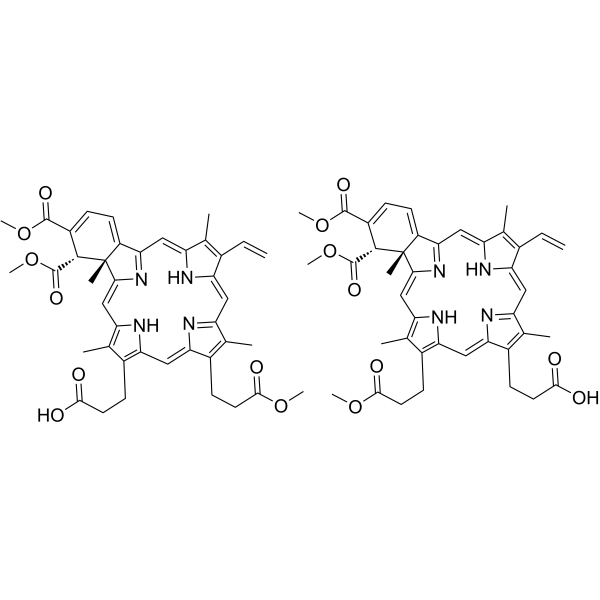
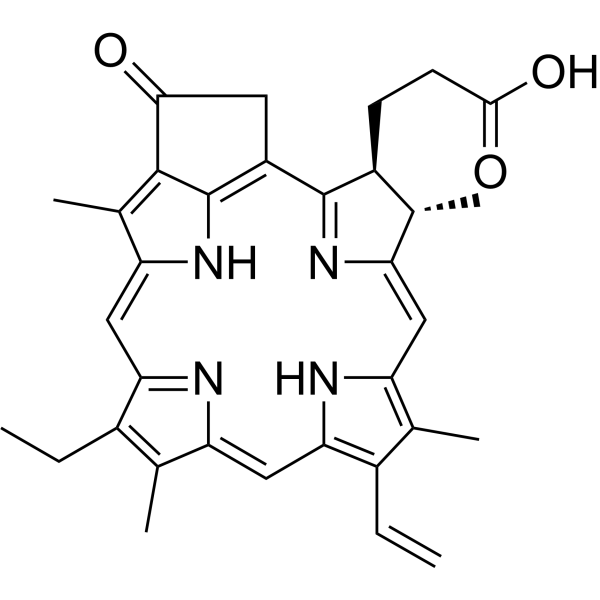
    Verteporfin
    Maximum Cited Publications
    266 Publications Verification

    CL 318952

    YAP Apoptosis Autophagy Photosensitizer Cancer
    Verteporfin (CL 318952) is a photosensitizer for photodynamic therapy to eliminate the abnormal blood vessels in the eye associated with conditions such as age-related macular degeneration. Verteporfin is a YAP inhibitor which disrupts YAP-TEAD interactions. Verteporfin induces cell apoptosis . Verteporfinis an autophagy inhibitor that blocks autophagy at an early stage by inhibiting autophagosome formation .
    Verteporfin
  • HY-N6947
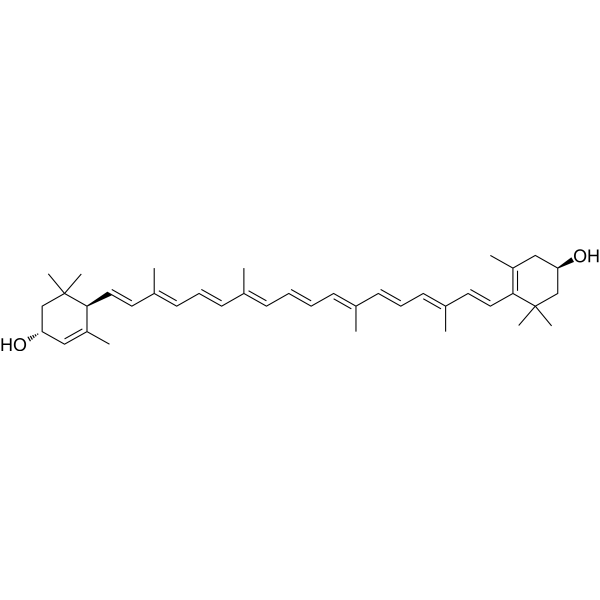
    Lutein
    4 Publications Verification

    Xanthophyll

    Endogenous Metabolite Apoptosis Reactive Oxygen Species (ROS) Neurological Disease Inflammation/Immunology
    Lutein (Xanthophyll) is a carotenoid with reported anti-inflammatory properties. A large body of evidence shows that lutein has several beneficial effects, especially on eye health . Lutein exerts its biological activities, including anti-inflammation, anti-oxidase and anti-apoptosis, through effects on reactive oxygen species (ROS) . Lutein is able to arrive in the brain and shows antidepressant-like and neuroprotective effects. Lutein is orally active .
    Lutein
  • HY-P3252A
    Pegcetacoplan acetate
    1 Publications Verification

    Complement System Inflammation/Immunology
    Pegcetacoplan acetate is a pegylated complement C3/C3b inhibitor. Pegcetacoplan acetate acts by specifically binding to and inhibiting C3 and C3b, thereby suppressing the complement cascade at its proximal stage. Pegcetacoplan is not a known inhibitor or inducer of CYP450 isoenzymes. Pegcetacoplan acetate can be used for the research of complement-mediated diseases, including paroxysmal nocturnal hemoglobinuria (PNH) and age-related macular degeneration (AMD) .
    Pegcetacoplan acetate
  • HY-108801A
    Aflibercept (VEGF Trap)
    1 Publications Verification

    VEGFR Cardiovascular Disease Metabolic Disease Cancer
    Aflibercept (VEGF Trap) is a soluble decoy VEGFR constructed by fusing the Ig domains of VEGFR1 and VEGFR2 with the Fc region of human IgG1. Aflibercept inhibits VEGF signaling by reducing VEGF-regulated processes. Aflibercept can be used for thr research of age-related macular degeneration (AMD) and cardiovascular disease .
    Aflibercept (VEGF Trap)
  • HY-P9951A
    Ranibizumab (anti-VEGF)
    1 Publications Verification

    RG-6321 (anti-VEGF)

    VEGFR Cardiovascular Disease
    Ranibizumab (RG-6321) (anti-VEGF) is a humanized anti-VEGF monoclonal antibody fragment and can recognize all VEGF-A isoforms (VEGF110, VEGF121, and VEGF165) . Ranibizumab (anti-VEGF) slows vision loss in vivo and is used for wet age-related macular degeneration (AMD) research .
    Ranibizumab (anti-VEGF)
  • HY-147080

    ARC1905

    Complement System Others
    Avacincaptad pegol (ARC1905) sodium is a 40KDa PEG-conjugated aptamer. Avacincaptad pegol sodium targets complement factor 5 (C5), inhibits the cleavage of C5 into C5a and C5b, limits inflammatory stimulation and complement membrane attack complex (MAC), and is used to study age-related macular degeneration (AMD). Avacincaptad pegol sodium limits irregular cell apoptosis by targeting downstream factors in the complement cascade while preserving the early steps of the complement system .
    Avacincaptad pegol sodium
  • HY-108801
    Aflibercept
    1 Publications Verification

    VEGF Trap; VEGF-TRAPR1R2; VEGF-trapR1

    VEGFR Cardiovascular Disease Metabolic Disease Cancer
    Aflibercept (VEGF Trap) is a soluble decoy VEGFR constructed by fusing the Ig domains of VEGFR1 and VEGFR2 with the Fc region of human IgG1. Aflibercept inhibits VEGF signaling by reducing VEGF-regulated processes. Aflibercept can be used for thr research of age-related macular degeneration (AMD) and cardiovascular disease .
    Aflibercept
  • HY-128973
    Pyropheophorbide-a
    3 Publications Verification

    Reactive Oxygen Species (ROS) Cancer
    Pyropheophorbide-a (Ppa) is a photosensitizer used in photodynamic therapy (PDT) for tumors. Pyropheophorbide-a exhibits phototoxic effects on tumor cells, such as cervical cancer cells, and also has anti-lipogenesis activity. Pyropheophorbide-a shows potential for research in the fields of cancer and age-related macular degeneration (AMD). Pyropheophorbide-a derivatives also demonstrate inhibitory activity against tumor cells .
    Pyropheophorbide-a
  • HY-107543
    8-pCPT-2′-O-Me-cAMP sodium
    1 Publications Verification

    8-CPT-2'-O-Me-cAMP sodium

    Ras Cardiovascular Disease
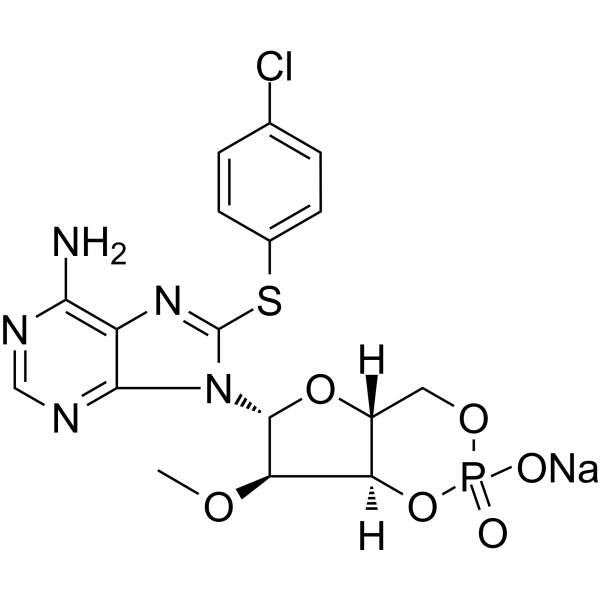
    8-pCPT-2′-O-Me-cAMP (8-CPT-2'-O-Me-cAMP) sodium, an analog of cAMP, is an activator of exchange proteins activated by cAMP (Epac). 8-pCPT-2′-O-Me-cAMP sodium activates Epac1 (EC50 = 2.2 μM), but not PKA (EC50 >10 μM). 8-pCPT-2′-O-Me-cAMP sodium stimulates Epac-mediated Ca 2+ release in pancreatic β-cells in vitro. 8-pCPT-2′-O-Me-cAMP sodium is a Rap1 activator. 8-pCPT-2′-O-Me-cAMP sodium enhances the retinal pigment epithelium barrier against the pathological choroidal endothelial cell invasion that occurs in macular degeneration .
    8-pCPT-2′-O-Me-cAMP sodium
  • HY-P99116

    RG7716; RO-6867461

    VEGFR Cardiovascular Disease Metabolic Disease Inflammation/Immunology
    Faricimab, an overall good safety and tolerability profile, is a bispecific antibody targeting Angiopoietin-2 (Ang-2) and vascular endothelial growth factor-A (VEGF-A). Faricimab prevents retinal vascular leakage, cell death and inflammation in retinal ischemia/reperfusion (I/R) injury and sCNV mouse models. Faricimab demonstrates statistically superior visual acuity gains versus Ranibizumab (HY-P9951). Faricimab can be used for retinal diseases, such as age-related macular degeneration (w-AMD), diabetic macular edema (DME) and macular edema following retinal vein occlusion (RVO) .
    Faricimab
  • HY-110195
    Smurf1-IN-A01
    3 Publications Verification

    A01

    HSP Interleukin Related MyD88 NF-κB Estrogen Receptor/ERR Others Cancer
    Smurf1-IN-A01 is a Smurf1 inhibitor. Smurf1-IN-A01 has anticancer activity and can be used for the research of osteoporosis and age-related macular degeneration .
    Smurf1-IN-A01
  • HY-163690

    Ser/Thr Protease Neurological Disease Inflammation/Immunology
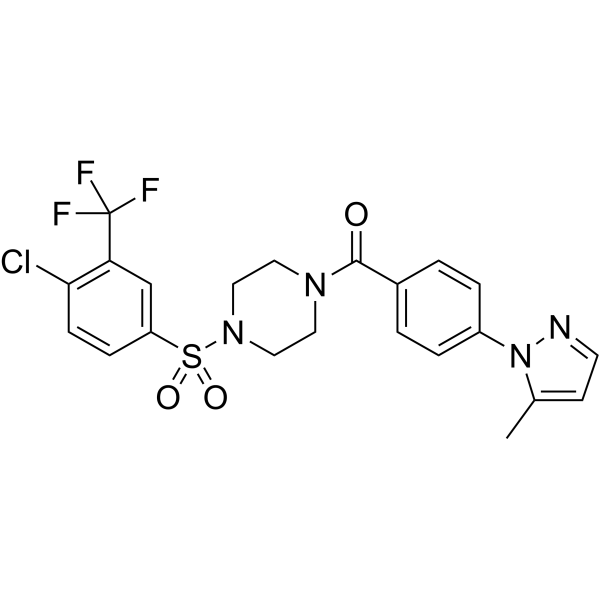
    HTRA1-IN-1 is a potent and selective high temperature requirement A serine peptid 1 (HTRA1) inhibitor with an IC50 of 13 nM. HTRA1-IN-1 can be used for the research of HTRA1-related diseases, such as age-related macular degeneration (AMD), osteoarthritis, and rheumatoid arthritis .
    HTRA1-IN-1
  • HY-150069

    Bcl-2 Family Apoptosis Metabolic Disease
    UBX1325 is an Bcl-xL inhibitor that promotes apoptosis in senescent cells. UBX1325 is a potent anti-aging agent that can be used in studies of age-related eye diseases such as diabetic macular oedema (DME), age-related macular degeneration (AMD) and diabetic retinopathy (DR) .
    UBX1325
  • HY-P99629

    FHTR 2163; RG 6147; RO 7171009

    Ser/Thr Protease Neurological Disease
    Galegenimab (FHTR 2163) is a humanized monoclonal antibody Fab fragment targeting the HtrA1 trimer. Galegenimab is used in research on age-related macular degeneration (AMD) .
    Galegenimab
  • HY-P99905
    Efdamrofusp alfa
    1 Publications Verification

    IBI302

    VEGFR Cardiovascular Disease Neurological Disease
    Efdamrofusp alfa is a bispecific fusion protein. Efdamrofusp alfa is capable of neutralizing both VEGF isoforms and C3b/C4b. Efdamrofusp alfa can be used for the research of neovascular age-related macular degeneration (nAMD) and other complement-related ocular conditions .
    Efdamrofusp alfa
  • HY-19720A

    ACU-4429 hydrochloride

    RPE65 Metabolic Disease
    Emixustat (ACU-4429) hydrochloride is an orally active RPE65 inhibitor with an IC50 value of 4.4 nM. Emixustat hydrochloride is also a visual cycle modulator, capable of regulating visual cycle activity by inhibiting retinol isomerization, and holds potential for studying vision disorders such as age-related macular degeneration (AMD) .
    Emixustat hydrochloride
  • HY-145628

    Sigma Receptor Neurological Disease Inflammation/Immunology
    CM398 is a highly selective, orally active Sigma-2 receptor ligand with a Ki value of 0.43 nM. CM398 ameliorates age-related macular degeneration. CM398 exerts analgesic effects on visceral pain, inflammatory pain and neuropathic pain. CM398 can be used in research related to age-related macular degeneration, neuropathic pain and inflammatory pain .
    CM398
  • HY-P99402

    REGN 2176

    PDGFR Cardiovascular Disease Neurological Disease
    Rinucumab (REGN 2176) is an anti-PDGFR-β antibody. Rinucumab is used for research on neovascular age-related macular degeneration .
    Rinucumab
  • HY-P3204
    POT-4
    1 Publications Verification

    AL-78898A

    Complement System Metabolic Disease
    POT-4 (AL-78898A), a Compstatin derivative, is a potent inhibitor of complement factor C3 activation. POT-4 can be used for age-related macular degeneration research
    POT-4
  • HY-148457

    Izervay

    Complement System Infection Neurological Disease Inflammation/Immunology
    Avacincaptad pegol (Izervay) is a selective inhibitor targeting complement component C5, and is a pegylated ribonucleic acid aptamer. Avacincaptad pegol inhibits the cleavage of C5 into pro-inflammatory C5a and C5b, which forms the membrane attack complex (C5b-9), thereby reducing inflammatory cell recruitment and retinal cell damage. Avacincaptad pegol can slow the growth of geographic atrophy (GA) lesions and reduce the risk of persistent vision loss. Avacincaptad pegol can be used in research of geographic atrophy associated with age-related macular degeneration (AMD) and has been approved by the FDA .
    Avacincaptad pegol
  • HY-19720

    ACU-4429

    RPE65 Metabolic Disease
    Emixustat is an orally active RPE65 inhibitor with an IC50 value of 4.4 nM. Emixustat is also a visual cycle modulator, capable of regulating visual cycle activity by inhibiting retinol isomerization, and holds potential for studying vision disorders such as age-related macular degeneration (AMD) .
    Emixustat
  • HY-109561

    EYE001; NX1838

    VEGFR Metabolic Disease Inflammation/Immunology
    Pegaptanib sodium is an RNA aptamer with polyethylene glycol modifications, which is directed against vascular endothelial growth factor (VEGF)-165. Pegaptanib could be used for the study of neovascular age-related macular degeneration (AMD) .
    Pegaptanib sodium
  • HY-12093
    MMP408
    1 Publications Verification

    MMP Inflammation/Immunology
    MMP408 is a selective and orally effective inhibitor of MMP-12 with IC50 values for human, mouse and rat MMP-12 of 2 nM, 160 nM and 3 μM respectively. MMP408 exhibits IC50 value for human MMP-13 of 120 nM, and its activity against other MMPs is weak. MMP408 can alleviate inflammation, fibrosis and tissue remodeling by inhibiting MMP-12. MMP408 can be used in the research of chronic obstructive pulmonary disease and chronic sinusitis with nasal polyps .
    MMP408
  • HY-P10409

    Small humanin-like peptide 2

    Apoptosis Reactive Oxygen Species (ROS) Neurological Disease Metabolic Disease
    SHLP2 (Small humanin-like peptide 2) is a small molecule peptide encoded by mitochondrial DNA, belonging to mitochondria derived peptide. SHLP2 has the activity of regulating apoptosis and inhibits cell death. SHLP2 binds to mitochondrial complex 1. SHLP2 improves mitochondrial metabolism by increasing respiration and biogenesis, reducing ROS, and decreasing mtDNA oxidation. SHLP2 also regulated energy homeostasis through the activation of hypothalamic neurons. SHLP2 can be used in the study of diseases related to mitochondrial dysfunction and anti-aging diseases, such as age-related macular degeneration and Parkinson’s disease .
    SHLP2
  • HY-148370

    IONIS-FB-LRx; RG6299; ISIS 696844

    Complement System Others
    Sefaxersen (IONIS-FB-LRx) is a specific antisense oligonucleotide (ASO) targeting complement factor B (CFB). Sefaxersen effectively reduces circulating levels of CFB. Sefaxersen can be used for geographic atrophy (GA) research .
    Sefaxersen
  • HY-148370A

    IONIS-FB-LRx sodium; RG6299 sodium; ISIS 696844 sodium

    Complement System Others
    Sefaxersen sodium is a specific antisense oligonucleotide (ASO) targeting complement factor B (CFB). Sefaxersen sodium effectively reduces circulating levels of CFB, and can be used for geographic atrophy (GA) research .
    Sefaxersen sodium
  • HY-10186
    TG 100801
    1 Publications Verification

    VEGFR FGFR PDGFR Src Cancer
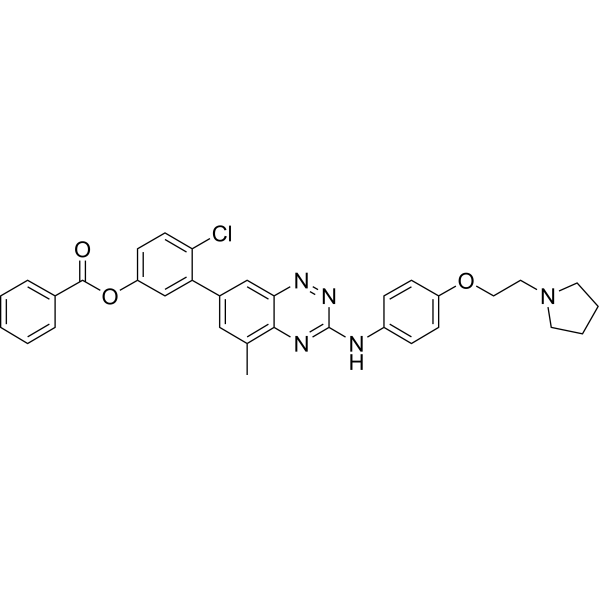
    TG 100801 is a proagent that generates TG 100572 by de-esterification in development to treat age-related macular degeneration. TG 100572 is a multi-targeted kinase inhibitor which inhibits receptor tyrosine kinases and Src kinases; has IC50s of 2, 7, 2, 16, 13, 5, 0.5, 6, 0.1, 0.4, 1, 0.2 nM for VEGFR1, VEGFR2, FGFR1, FGFR2, PDGFRβ, Fgr, Fyn, Hck, Lck, Lyn, Src, Yes, respectively.
    TG 100801
  • HY-P99830

    KH902

    VEGFR TNF Receptor Interleukin Related Cardiovascular Disease Inflammation/Immunology Cancer
    Conbercept (KH902) is a recombinant fusion protein composed of VEGFR-1 (second domain) and VEGFR-2 (third and fourth domains) regions fused to human IgG1 Fc. Conbercept is a VEGF inhibitor (IC50 = 8.8 pM) and is a soluble receptor decoy that blocks all isoforms of VEGF-A (Kd = 0.5 pM), VEGF-B (Kd = 8 pM), VEGF-C, and PlGF (Kd = 5 pM). Conbercept has anti-inflammatory effects, can lower the levels of VEGF, TNF-α and IL-6, and reduce the infiltration of inflammatory cells. Conbercept decreases tumor growth in several oncology studies. Conbercept can be used for various eye diseases such as polypoidal choroidal vasculopathy (PCV), diabetic macular edema (DME) and pathologic myopia choroidal neovascularization (pmCNV) .
    Conbercept
  • HY-114653

    Casein Kinase SRPK Cancer
    SRPIN803 is a potent CK2 and SRPK1 dual inhibitor, with IC50s of 203 nM and 2.4 μM, respectively. SRPIN803 exhibits antiangiogenic activity. SRPIN803 can be used for the research of age-related macular degeneration .
    SRPIN803
  • HY-P99576

    OG1953

    VEGFR Others
    Tarcocimab (OG1953) is a humanized anti-VEGFA monoclonal antibody (IgG1 type). Tarcocimab is available for research in retinal vein occlusion (RVO) and wet age-related macular degeneration (AMD).
    Tarcocimab
  • HY-P1930A

    Integrin Inflammation/Immunology
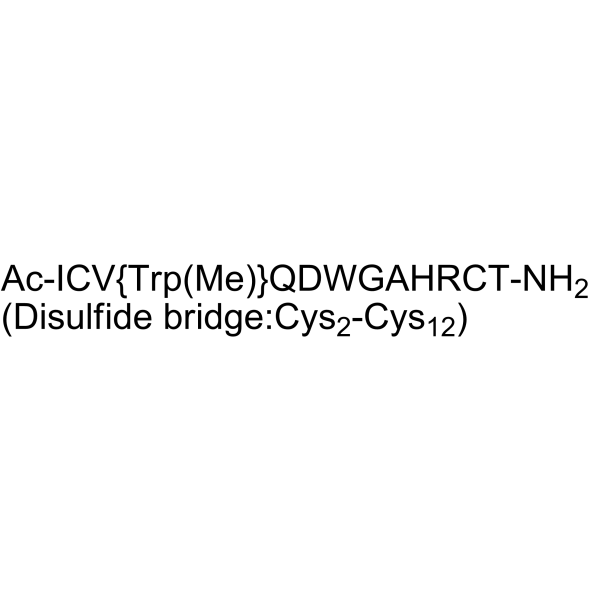
    Risuteganib hydrochloride is a synthetic RGD (arginyl-glycyl-aspartic acid)-class peptide. Risuteganib hydrochloride is an anti-integrin that downregulates oxidative stress and restores homeostasis, and targets three integrin receptors that are implicated in dry age-related macular degeneration (AMD) in order to restore homeostasis in the retina .
    Risuteganib hydrochloride
  • HY-P99298

    RG 7417; TNX 234; Anti-CFD Recombinant Antibody

    Complement System Inflammation/Immunology
    Lampalizumab (RG 7417) is a humanised monoclonal antibody targeting complement Factor D in the alternative complement pathway. Lampalizumab binds an exosite and sterically blocks Factor B access to the active site. Lampalizumab can be used for age-related macular degeneration (AMD) research .
    Lampalizumab
  • HY-W997836

    4-AHP

    Endogenous Metabolite Cancer
    4-Amino-3-hydroxyphenylalanine dihydrochloride (4-AHP) is a photodegradation product of eumelanin. 4-Amino-3-hydroxyphenylalanine dihydrochloride can be used to investigate the development of cutaneous melanoma and age-related macular degeneration .
    4-Amino-3-hydroxyphenylalanine
  • HY-N0679S

    ALK-001; Retinol acetate-d3; Vitamin A acetate-d3

    Isotope-Labeled Compounds Metabolic Disease
    Retinyl acetate-d3 (ALK-001) is a deuterated Vitamin A. Retinyl acetate-d3 can be used for research of geographic atrophy (GA) secondary to age-related macular degeneration (AMD) .
    Retinyl acetate-d3
  • HY-153484A

    VEGFR Small Interfering RNA (siRNA) Others
    Bevasiranib sodium is a siRNA designed to silence the genes that produce vascular endothelial growth factor (VEGF). It is widely accepted that vascular endothelial growth factor (VEGF) is a key component in the pathogenesis of choroidal neo-vascularization (CNV), which is a precursor to wet age-related macular degeneration (wet AMD).
    Bevasiranib sodium
  • HY-116098

    AL-4940

    Biochemical Assay Reagents Cancer
    Anecortave desacetate (AL-4940) is an angiogenesis inhibitor. Anecortave is indicated for the study of exudative (wet) age-related macular degeneration as well as retinal tumors .
    Anecortave desacetate
  • HY-W1048555A

    Biochemical Assay Reagents Others
    Mal-PEG2000-SCM is a heterobifunctional PEG crosslinker bearing maleimide and succinimidyl carboxymethyl ester functional groups. MMal-PEG2000-SCM conjugates the F3 peptide to nanoparticles: the SCM group reacts with amino groups on the nanoparticle surface to form amide groups, while the MAL group reacts with thiol groups of the F3 peptide to form carbon-sulfur bonds. Mal-PEG-SCM enables unidirectional addition of linkers, ensuring that appropriate functional groups are available for RGD incorporation. Mal-PEG2000-SCM can be used in the development of nanoparticles targeting specific tumor cells .
    Mal-PEG2000-SCM
  • HY-16467
    Squalamine lactate
    1 Publications Verification

    MSI-1256F

    Bacterial Infection Cardiovascular Disease Cancer
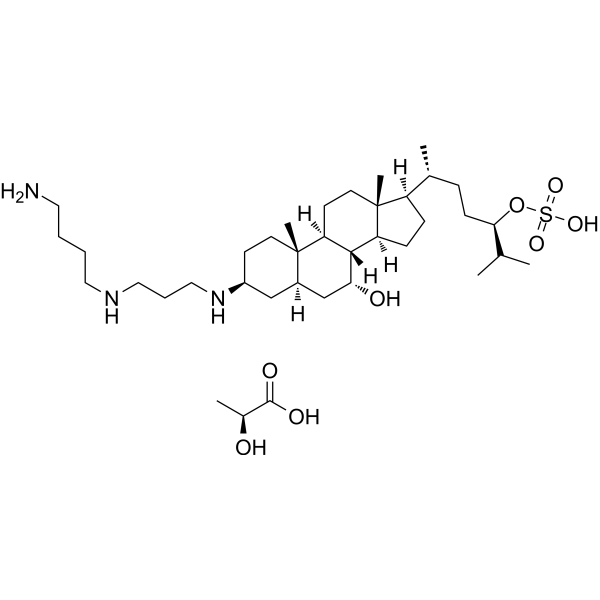
    Squalamine lactate is an aminosterol compound discovered in the tissues of the dogfish shark, with antimicrobial activity, and used for the treatment of neovascular age-related macular degeneration.
    Squalamine lactate
  • HY-15492
    AG-13958
    1 Publications Verification

    AG-013958

    VEGFR Cardiovascular Disease
    AG-13958 (AG-013958), a potent VEGFR tyrosine kinase inhibitor, is used for treatment of choroidal neovascularization associated with age-related macular degeneration (AMD) .
    AG-13958
  • HY-N13212

    Apoptosis Neurological Disease Inflammation/Immunology
    Wolfberry Extract is the extract of Wolfberry. Wolfberry Extract exhibits antioxidant and anti-inflammatory effects. Wolfberry Extract can be used as a dietary supplement for the research of age-related macular degeneration and inflammatory diseases .
    Wolfberry Extract
  • HY-113127

    Apoptosis Others
    L-Tryptophanamide is a compound discovered in wet age-related macular degeneration research, which has activities related to affecting retinal cell proliferation, apoptosis, necrosis and angiogenesis. In in vitro experiments, L-Tryptophanamide affects the proliferation, apoptosis and necrosis of human retinal pigment epithelial cells, and promotes tube formation and migration of human retinal endothelial cells.
    L-Tryptophanamide
  • HY-P991415

    AM712

    VEGFR Tie Others
    ASKG-712 (AM712) is a recombinant anti-VEGF humanized monoclonal antibody and Ang-2 antagonist peptide fusion protein. ASKG-712 can be used in Wet age-related macular degeneration and Diabetic macular oedema research .
    ASKG-712
  • HY-116312

    8-CPT-2'-O-Me-cAMP

    Ras Cardiovascular Disease
    8-pCPT-2′-O-Me-cAMP (8-CPT-2'-O-Me-cAMP), an analog of cAMP, is an activator of exchange proteins activated by cAMP (Epac). 8-pCPT-2′-O-Me-cAMP activates Epac1 (EC50 = 2.2 μM), but not PKA (EC50 >10 μM). 8-pCPT-2′-O-Me-cAMP stimulates Epac-mediated Ca 2+ release in pancreatic β-cells in vitro. 8-pCPT-2′-O-Me-cAMP is a Rap1 activator. 8-pCPT-2′-O-Me-cAMP enhances the retinal pigment epithelium barrier against the pathological choroidal endothelial cell invasion that occurs in macular degeneration .
    8-pCPT-2′-O-Me-cAMP
  • HY-153560

    Phospholipase Neurological Disease
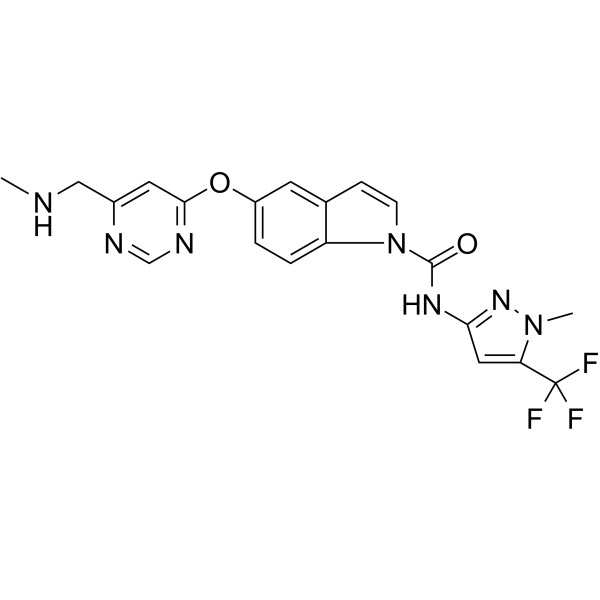
    Lp-PLA2-IN-14 (Compound 19) is an Lp-PLA2 inhibitor with a pIC50 of 8.4 against rhLp-PLA2. Lp-PLA2-IN-14 can be used for the research of neurodegenerative related diseases, such as Alzheimer Disease (AD), glaucoma, age-related macular degeneration (AMD) or cardiovascular diseases including atherosclerosis and the like .
    Lp-PLA2-IN-14
  • HY-B0146R

    CL 318952 (Standard)

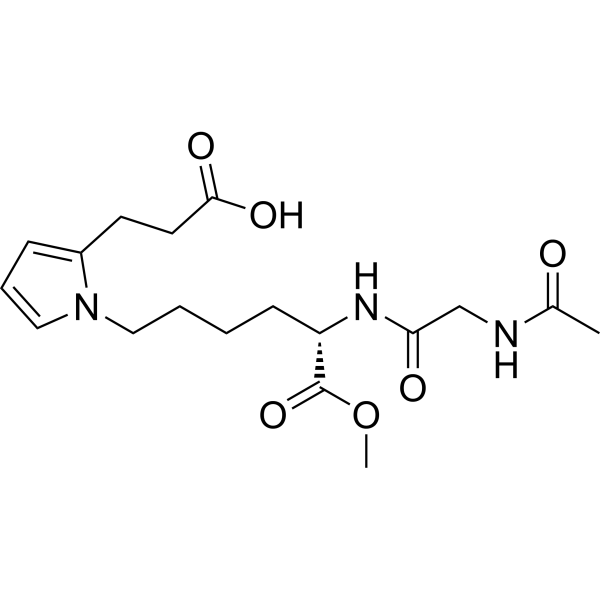
    Reference Standards YAP Apoptosis Autophagy Cancer
    Verteporfin (Standard) is the analytical standard of Verteporfin. This product is intended for research and analytical applications. Verteporfin (CL 318952) is a photosensitizer for photodynamic therapy to eliminate the abnormal blood vessels in the eye associated with conditions such as age-related macular degeneration. Verteporfin is a YAP inhibitor which disrupts YAP-TEAD interactions. Verteporfin induces cell apoptosis . Verteporfinis an autophagy inhibitor that blocks autophagy at an early stage by inhibiting autophagosome formation .
    Verteporfin (Standard)
  • HY-136903

    Calcium Channel Proteasome Reactive Oxygen Species (ROS) Cardiovascular Disease Neurological Disease Inflammation/Immunology
    SNJ-1945 is an orally active Calpain inhibitor that can cross the blood-brain barrier. SNJ-1945 protects rat hearts against cardiac arrest-reperfusion injury by inhibiting the hydrolysis of α-fodrin. SNJ-1945 inhibits VEGF-induced angiogenesis in retinal endothelial cells. SNJ-1945 also protects SH-SY5Y cells from damage induced by MPP+ (HY-W008719) and Rotenone (HY-B1756). SNJ-1945 exhibits anti-inflammatory and neuroprotective activities in a mouse model of multiple sclerosis. SNJ-1945 can be used for the research of cardiovascular, nervous system and inflammatory diseases .
    SNJ-1945
  • HY-162904

    Mitochondrial Metabolism Cardiovascular Disease
    BPU17 binds to PHB1 and causes mild defects in mitochondrial function by defects in the PHB1-PHB2 interaction. This impairment inhibits the SRF/CArG-box-dependent transcription, resulting in the suppression of epithelial-mesenchymal transition (EMT) of retinal pigment epithelial cells (RPEs). BPU17 exhibits antifibrotic activity in vivo. BPU17 is promising for research of anti-neovascular age-related macular degeneration (nAMD) agent .
    BPU17
  • HY-10187

    VEGFR FGFR PDGFR Src Cancer
    TG 100801 Hydrochloride is a proagent that generates TG 100572 by de-esterification in development to treat age-related macular degeneration. TG 100572 is a multi-targeted kinase inhibitor which inhibits receptor tyrosine kinases and Src kinases; has IC50s of 2, 7, 2, 16, 13, 5, 0.5, 6, 0.1, 0.4, 1, 0.2 nM for VEGFR1, VEGFR2, FGFR1, FGFR2, PDGFRβ, Fgr, Fyn, Hck, Lck, Lyn, Src, Yes, respectively.
    TG 100801 Hydrochloride
  • HY-P3204A

    AL-78898A TFA

    Complement System Metabolic Disease
    POT-4 TFA (AL-78898A TFA), a Compstatin derivative, is a potent inhibitor of complement factor C3 activation. POT-4 TFA can be used for age-related macular degeneration research .
    POT-4 TFA
  • HY-P1930

    Integrin Inflammation/Immunology
    Risuteganib is a synthetic RGD (arginyl-glycyl-aspartic acid)-class peptide. Risuteganib is an anti-integrin that downregulates oxidative stress and restores homeostasis, and targets three integrin receptors that are implicated in dry age-related macular degeneration (AMD) in order to restore homeostasis in the retina .
    Risuteganib

Inquiry Online

Your information is safe with us. * Required Fields.

Salutation


Country or Region *

Applicant Name *


Organization Name *

Department *


Email Address *


Product Name *

Cat. No.


Requested quantity *

Phone Number *


Remarks

Inquiry Online

Inquiry Information

Product Name:
Cat. No.:
Quantity:
MCE Japan Authorized Agent:

