1. Search Result
Search Result
Results for "

mitochondrial translation

" in MedChemExpress (MCE) Product Catalog:

17

Inhibitors & Agonists

1

Fluorescent Dyes

1

Biochemical Assay Reagents

3

Isotope-Labeled Compounds

1

GMP Molecules

Cat. No. Product Name Target Research Areas Chemical Structure
  • HY-W008923
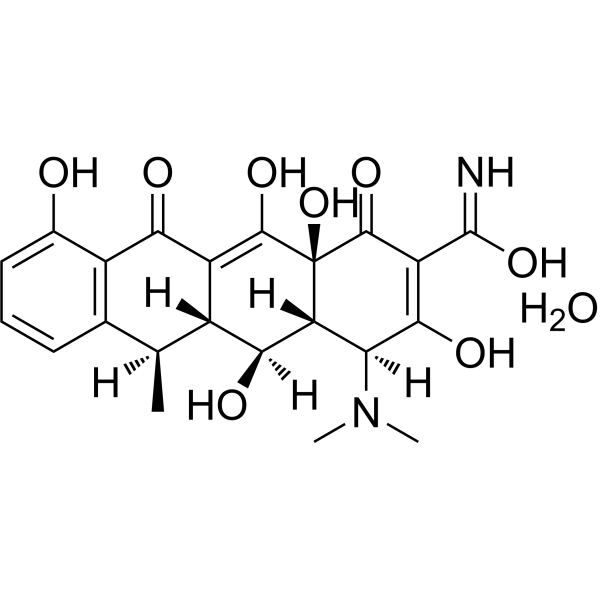
    Doxycycline monohydrate
    170+ Cited Publications

    MMP Parasite Bacterial Antibiotic Apoptosis Akt PI3K Infection Neurological Disease Inflammation/Immunology Cancer
    Doxycycline monohydrate is an orally active highly lipophilic, tissue-permeable MMP inhibitor with broad-spectrum antibacterial activity. Doxycycline monohydrate is also a semi-synthetic antibiotic with chelating properties, which blocks bacterial protein synthesis and inhibits extracellular matrix degradation through interactions with zinc and calcium atoms. Doxycycline monohydrate also inhibits mitochondrial biogenesis, translation, and the expression of respiratory chain proteins. Doxycycline monohydrate induces apoptosis, inhibits autophagy and EMT, downregulates stem cell markers, and activates the PI3K-AKT pathway, thereby effectively inhibiting the viability and proliferation of cancer cells such as breast cancer cells. Doxycycline monohydrate also promotes the survival and self-renewal of embryonic stem cells and neural stem cells, and reduces the frequency of medium changes in culture. Doxycycline monohydrate has been applied in studies related to breast cancer, prostate cancer, bladder cancer, and other cancers .
    Doxycycline monohydrate
  • HY-N0565S1

    Isotope-Labeled Compounds MMP Parasite Bacterial Antibiotic Apoptosis Akt PI3K Infection Neurological Disease Inflammation/Immunology Cancer
    Doxycycline-d3 hyclate (major) is the deuterium labeled Doxycycline hyclate (HY-N0565B). Doxycycline hyclate is an orally active highly lipophilic, tissue-permeable MMP inhibitor with broad-spectrum antibacterial activity. Doxycycline hyclate is also a semi-synthetic antibiotic with chelating properties, which blocks bacterial protein synthesis and inhibits extracellular matrix degradation through interactions with zinc and calcium atoms. Doxycycline hyclate also inhibits mitochondrial biogenesis, translation, and the expression of respiratory chain proteins. Doxycycline hyclate induces apoptosis, inhibits autophagy and EMT, downregulates stem cell markers, and activates the PI3K-AKT pathway, thereby effectively inhibiting the viability and proliferation of cancer cells such as breast cancer cells. Doxycycline hyclate also promotes the survival and self-renewal of embryonic stem cells and neural stem cells, and reduces the frequency of medium changes in culture. Doxycycline hyclate has been applied in studies related to breast cancer, prostate cancer, bladder cancer, and other cancers .
    Doxycycline-d3 (hyclate) (major)
  • HY-164515

    Apoptosis Mitochondrial Metabolism Caspase PARP Cancer
    ONC213 is an orally active αKGDH inhibitor. ONC213 can suppress mitochondrial respiration and elevate α-ketoglutarate levels by inhibiting αKGDH activity. ONC213 can induce cells apoptosis by inducing mitochondrial stress response and inhibiting translation of MCL-1. ONC213 can be used for the research of cancer, such as acute myeloid leukemia research (AML) .
    ONC213
  • HY-N0565AR

    Reference Standards MMP Parasite Bacterial Antibiotic Apoptosis Akt PI3K Infection Neurological Disease Inflammation/Immunology Cancer
    Doxycycline hydrochloride (Standard) is the analytical standard of Doxycycline hydrochloride (HY-N0565A). This product is intended for research and analytical applications. Doxycycline hydrochloride is an orally active highly lipophilic, tissue-permeable MMP inhibitor with broad-spectrum antibacterial activity. Doxycycline hydrochloride is also a semi-synthetic antibiotic with chelating properties, which blocks bacterial protein synthesis and inhibits extracellular matrix degradation through interactions with zinc and calcium atoms. Doxycycline hydrochloride also inhibits mitochondrial biogenesis, translation, and the expression of respiratory chain proteins. Doxycycline hydrochloride induces apoptosis, inhibits autophagy and EMT, downregulates stem cell markers, and activates the PI3K-AKT pathway, thereby effectively inhibiting the viability and proliferation of cancer cells such as breast cancer cells. Doxycycline hydrochloride also promotes the survival and self-renewal of embryonic stem cells and neural stem cells, and reduces the frequency of medium changes in culture. Doxycycline hydrochloride has been applied in studies related to breast cancer, prostate cancer, bladder cancer, and other cancers .
    Doxycycline (hydrochloride) (Standard)
  • HY-N0565R

    Reference Standards MMP Parasite Bacterial Antibiotic Apoptosis Akt PI3K Infection Neurological Disease Inflammation/Immunology Cancer
    Doxycycline (Standard) is the analytical standard of Doxycycline (HY-N0565). This product is intended for research and analytical applications. Doxycycline is an orally active highly lipophilic, tissue-permeable MMP inhibitor with broad-spectrum antibacterial activity. Doxycycline is also a semi-synthetic antibiotic with chelating properties, which blocks bacterial protein synthesis and inhibits extracellular matrix degradation through interactions with zinc and calcium atoms. Doxycycline also inhibits mitochondrial biogenesis, translation, and the expression of respiratory chain proteins. Doxycycline induces apoptosis, inhibits autophagy and EMT, downregulates stem cell markers, and activates the PI3K-AKT pathway, thereby effectively inhibiting the viability and proliferation of cancer cells such as breast cancer cells. Doxycycline also promotes the survival and self-renewal of embryonic stem cells and neural stem cells, and reduces the frequency of medium changes in culture. Doxycycline has been applied in studies related to breast cancer, prostate cancer, bladder cancer, and other cancers .
    Doxycycline (Standard)
  • HY-N0565BR

    Doxycycline (hydrochloride hemiethanolate hemihydrate) (Standard); WC2031 (Standard)

    Reference Standards MMP Parasite Bacterial Antibiotic Apoptosis Akt PI3K Infection Neurological Disease Inflammation/Immunology Cancer
    Doxycycline hyclate (Standard) is the analytical standard of Doxycycline hyclate (HY-N0565B). This product is intended for research and analytical applications. Doxycycline hyclate is an orally active highly lipophilic, tissue-permeable MMP inhibitor with broad-spectrum antibacterial activity. Doxycycline hyclate is also a semi-synthetic antibiotic with chelating properties, which blocks bacterial protein synthesis and inhibits extracellular matrix degradation through interactions with zinc and calcium atoms. Doxycycline hyclate also inhibits mitochondrial biogenesis, translation, and the expression of respiratory chain proteins. Doxycycline hyclate induces apoptosis, inhibits autophagy and EMT, downregulates stem cell markers, and activates the PI3K-AKT pathway, thereby effectively inhibiting the viability and proliferation of cancer cells such as breast cancer cells. Doxycycline hyclate also promotes the survival and self-renewal of embryonic stem cells and neural stem cells, and reduces the frequency of medium changes in culture. Doxycycline hyclate has been applied in studies related to breast cancer, prostate cancer, bladder cancer, and other cancers .
    Doxycycline hyclate (Standard)
  • HY-N0565AS

    Isotope-Labeled Compounds MMP Parasite Bacterial Antibiotic Apoptosis Akt PI3K Infection Neurological Disease Inflammation/Immunology Cancer
    Doxycycline-d3 hydrochloride is deuterium labeled Doxycycline hydrochloride (HY-N0565A). Doxycycline hydrochloride is an orally active highly lipophilic, tissue-permeable MMP inhibitor with broad-spectrum antibacterial activity. Doxycycline hydrochloride is also a semi-synthetic antibiotic with chelating properties, which blocks bacterial protein synthesis and inhibits extracellular matrix degradation through interactions with zinc and calcium atoms. Doxycycline hydrochloride also inhibits mitochondrial biogenesis, translation, and the expression of respiratory chain proteins. Doxycycline hydrochloride induces apoptosis, inhibits autophagy and EMT, downregulates stem cell markers, and activates the PI3K-AKT pathway, thereby effectively inhibiting the viability and proliferation of cancer cells such as breast cancer cells. Doxycycline hydrochloride also promotes the survival and self-renewal of embryonic stem cells and neural stem cells, and reduces the frequency of medium changes in culture. Doxycycline hydrochloride has been applied in studies related to breast cancer, prostate cancer, bladder cancer, and other cancers .
    Doxycycline-d3 (hydrochloride)
  • HY-N0565S3

    Isotope-Labeled Compounds MMP Parasite Bacterial Antibiotic Apoptosis Akt PI3K Infection Neurological Disease Inflammation/Immunology Cancer
    Doxycycline- 13C,d3 is 13C and deuterium labeled Doxycycline (HY-N0565). Doxycycline is an orally active highly lipophilic, tissue-permeable MMP inhibitor with broad-spectrum antibacterial activity. Doxycycline is also a semi-synthetic antibiotic with chelating properties, which blocks bacterial protein synthesis and inhibits extracellular matrix degradation through interactions with zinc and calcium atoms. Doxycycline also inhibits mitochondrial biogenesis, translation, and the expression of respiratory chain proteins. Doxycycline induces apoptosis, inhibits autophagy and EMT, downregulates stem cell markers, and activates the PI3K-AKT pathway, thereby effectively inhibiting the viability and proliferation of cancer cells such as breast cancer cells. Doxycycline also promotes the survival and self-renewal of embryonic stem cells and neural stem cells, and reduces the frequency of medium changes in culture. Doxycycline has been applied in studies related to breast cancer, prostate cancer, bladder cancer, and other cancers .
    Doxycycline-13C,d3
  • HY-152203

    Drug Derivative Cancer
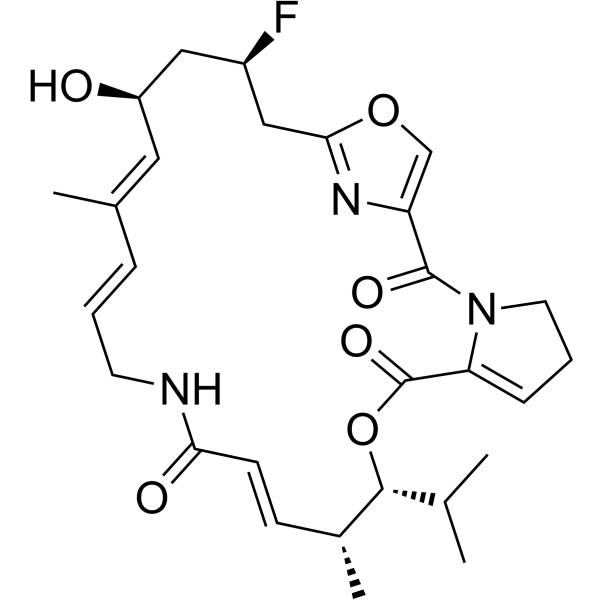
    Mitochondrial respiration-IN-2 is the fluorine derivative of Virginiamycin M1 (HY-N6686). Mitochondrial respiration-IN-2 can inhibit mitochondrial translation of glioblastoma stem cells .
    Mitochondrial respiration-IN-2
  • HY-152202

    Mitochondrial Metabolism Cancer
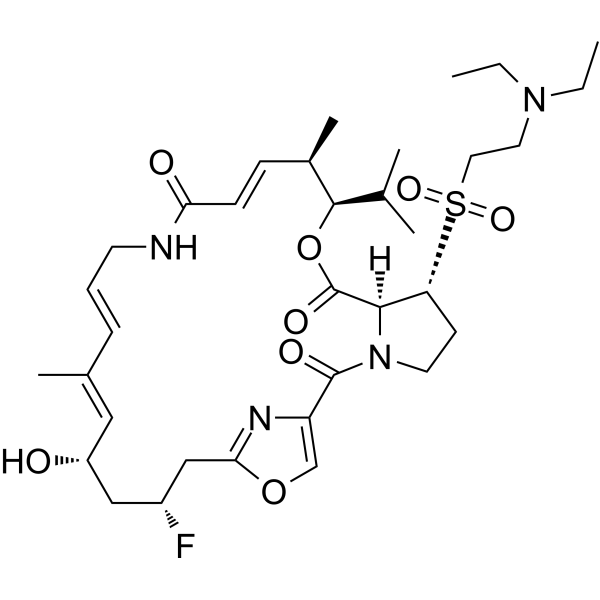
    Mitochondrial respiration-IN-3 is the fluorine derivative of Dalfopristin (HY-A0241). Mitochondrial respiration-IN-3 has cell membrane-permeable. Mitochondrial respiration-IN-3 can inhibit mitochondrial translation of glioblastoma stem cells. Mitochondrial respiration-IN-3 can be used in research of cancer .
    Mitochondrial respiration-IN-3
  • HY-162456

    Apoptosis Reactive Oxygen Species (ROS) Cancer
    Anticancer agent 205 (compound 9) is a potent anticancer agent. Anticancer agent 205 binds to G4-mtDNA target and inhibits the replication, transcription, and translation of mtDNA (mitochondrial genome). Anticancer agent 205 causes mitochondrial dysfunction, increases ROS production, induces DNA damage and cellular senescence. Anticancer agent 205 induces apoptosis and cell cycle arrests at G0/G1 phase. Anticancer agent 205 has the potential for the research of colorectal cancer .
    Anticancer agent 205
  • HY-176066A

    c-Myc Apoptosis Cancer
    c-Myc inhibitor 16 iodide (Compound W11) is a selective c-Myc G-quadruplex (c-Myc G4) inhibitor. c-Myc inhibitor 16 iodide inhibits the transcription and translation of the c-Myc gene, disrupts the tumor cell cycle, arrests cell growth in the G0/G1 phase and activates the mitochondrial apoptosis pathway to induce early apoptosis of cancer cells. c-Myc inhibitor 16 iodide is promising for research of breast cancer .
    c-Myc inhibitor 16 iodide
  • HY-N0565C

    MMP Parasite Bacterial Antibiotic Apoptosis Akt PI3K Infection Neurological Disease Inflammation/Immunology Cancer
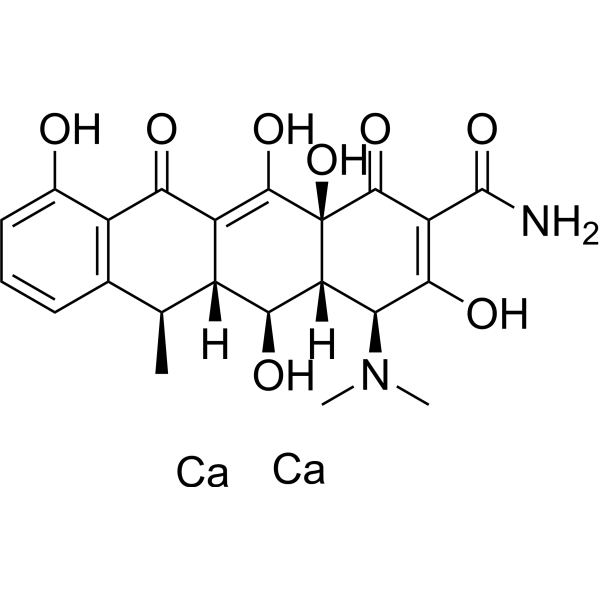
    Doxycycline calcium is an orally active highly lipophilic, tissue-permeable MMP inhibitor with broad-spectrum antibacterial activity. Doxycycline calcium is also a semi-synthetic antibiotic with chelating properties, which blocks bacterial protein synthesis and inhibits extracellular matrix degradation through interactions with zinc and calcium atoms. Doxycycline calcium also inhibits mitochondrial biogenesis, translation, and the expression of respiratory chain proteins. Doxycycline calcium induces apoptosis, inhibits autophagy and EMT, downregulates stem cell markers, and activates the PI3K-AKT pathway, thereby effectively inhibiting the viability and proliferation of cancer cells such as breast cancer cells. Doxycycline calcium also promotes the survival and self-renewal of embryonic stem cells and neural stem cells, and reduces the frequency of medium changes in culture. Doxycycline calcium has been applied in studies related to breast cancer, prostate cancer, bladder cancer, and other cancers .
    Doxycycline calcium
  • HY-W008923R

    Reference Standards MMP Parasite Bacterial Antibiotic Apoptosis Akt PI3K Infection Neurological Disease Inflammation/Immunology Cancer
    Doxycycline monohydrate (Standard) is the analytical standard of Doxycycline monohydrate (HY-W008923). Doxycycline monohydrate is an orally active highly lipophilic, tissue-permeable MMP inhibitor with broad-spectrum antibacterial activity. Doxycycline monohydrate is also a semi-synthetic antibiotic with chelating properties, which blocks bacterial protein synthesis and inhibits extracellular matrix degradation through interactions with zinc and calcium atoms. Doxycycline monohydrate also inhibits mitochondrial biogenesis, translation, and the expression of respiratory chain proteins. Doxycycline monohydrate induces apoptosis, inhibits autophagy and EMT, downregulates stem cell markers, and activates the PI3K-AKT pathway, thereby effectively inhibiting the viability and proliferation of cancer cells such as breast cancer cells. Doxycycline monohydrate also promotes the survival and self-renewal of embryonic stem cells and neural stem cells, and reduces the frequency of medium changes in culture. Doxycycline monohydrate has been applied in studies related to breast cancer, prostate cancer, bladder cancer, and other cancers .
    Doxycycline monohydrate (Standard)
  • HY-149193

    Endogenous Metabolite Metabolic Disease
    5-Taurinomethyluridine is a taurine-containing modified uridine and translation regulator that exists in Trp and Leu (UUR) tRNAs of mammalian mitochondria. 5-Taurinomethyluridine is located at the first position of the anticodon of these mitochondrial tRNAs. 5-Taurinomethyluridine is synthesized from taurine and one-carbon metabolites by GTPBP3/MTO1, and its deficiency directly causes abnormal mitochondrial translation and various human mitochondrial diseases .
    5-Taurinomethyluridine
  • HY-181602

    ATP Synthase COX Oxidative Phosphorylation AMPK Cancer
    ATP Synthesis-IN-4 is a mitochondria-targeted small-molecule ligand that inhibits ATP synthesis. ATP Synthesis-IN-4 binds to mtDNA G4s in melanoma cells, thereby inducing changes in mitochondrial metabolism and inhibiting cell proliferation. ATP Synthesis-IN-4 suppresses the translation of key mitochondrial respiratory chain proteins (CYTB, ATP8, COX1, COX3, ND2) in melanoma cells, downregulates the expression of OXPHOS complexes, activates the phosphorylation of AMPK, and induces metabolic reprogramming to upregulate glycolysis. ATP Synthesis-IN-4 is applicable to relevant research on melanoma .
    ATP Synthesis-IN-4
  • HY-N0565AG

    Apoptosis MMP Akt PI3K Infection Neurological Disease Inflammation/Immunology Cancer
    Doxycycline hydrochloride GMP is Doxycycline (hydrochloride) (HY-N0565A) produced by using GMP guidelines. GMP small molecules works appropriately as an auxiliary reagent for cell therapy manufacture. Doxycycline hydrochloride is an orally active highly lipophilic, tissue-permeable MMP inhibitor with broad-spectrum antibacterial activity. Doxycycline hydrochloride is also a semi-synthetic antibiotic with chelating properties, which blocks bacterial protein synthesis and inhibits extracellular matrix degradation through interactions with zinc and calcium atoms. Doxycycline hydrochloride also inhibits mitochondrial biogenesis, translation, and the expression of respiratory chain proteins. Doxycycline hydrochloride induces apoptosis, inhibits autophagy and EMT, downregulates stem cell markers, and activates the PI3K-AKT pathway, thereby effectively inhibiting the viability and proliferation of cancer cells such as breast cancer cells. Doxycycline hydrochloride also promotes the survival and self-renewal of embryonic stem cells and neural stem cells, and reduces the frequency of medium changes in culture. Doxycycline hydrochloride has been applied in studies related to breast cancer, prostate cancer, bladder cancer, and other cancers .
    Doxycycline (hydrochloride)

Inquiry Online

Your information is safe with us. * Required Fields.

Salutation


Country or Region *

Applicant Name *


Organization Name *

Department *


Email Address *


Product Name *

Cat. No.


Requested quantity *

Phone Number *


Remarks

Inquiry Online

Inquiry Information

Product Name:
Cat. No.:
Quantity:
MCE Japan Authorized Agent:

