
1. Search Result
Search Result
Results for "

mutated

" in MedChemExpress (MCE) Product Catalog:

145

Inhibitors & Agonists

2

Screening Libraries

1

Biochemical Assay Reagents

7

Peptides

7

Inhibitory Antibodies

5

Natural
Products

3

Recombinant Proteins

4

Isotope-Labeled Compounds

5

Antibodies

3

Click Chemistry

2

Oligonucleotides

Targets Recommended:
Cat. No. Product Name Target Research Areas Chemical Structure
  • HY-114277
    Sotorasib
    Maximum Cited Publications
    109 Publications Verification

    AMG-510

    Ras Cancer
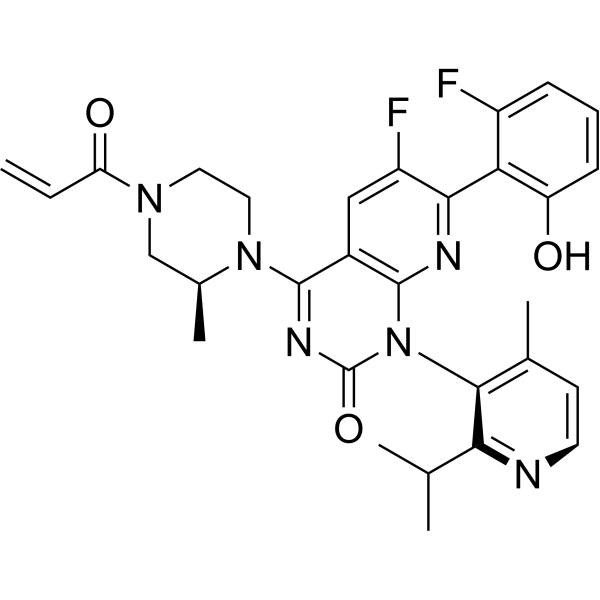
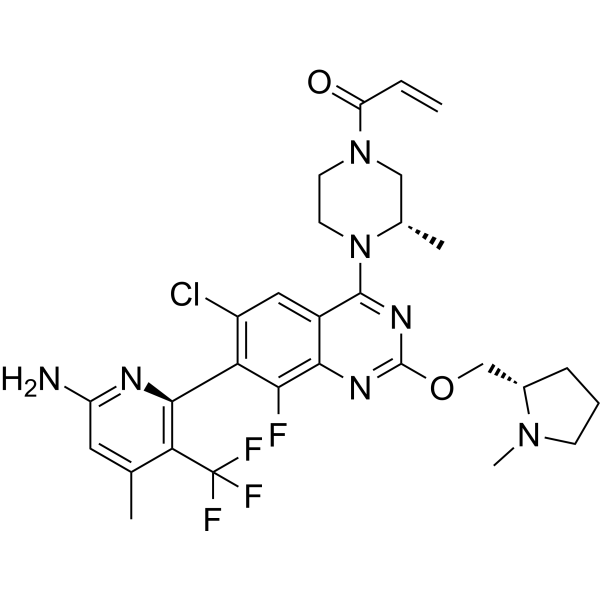
    Sotorasib (AMG-510) is a first-in-class, orally bioavailable, and selective KRAS G12C covalent inhibitor. Sotorasib irreversibly inhibits KRAS G12C by locking it in an inactive GDP-bound state. Sotorasib leads to the regression of KRAS G12C‑mutated locally advanced or metastatic non‑small cell lung cancer (NSCLC) .
    Sotorasib
  • HY-145483
    KT-474
    1 Publications Verification

    KYM-001; PROTAC IRAK4 degrader-7

    PROTACs IRAK Apoptosis Cancer
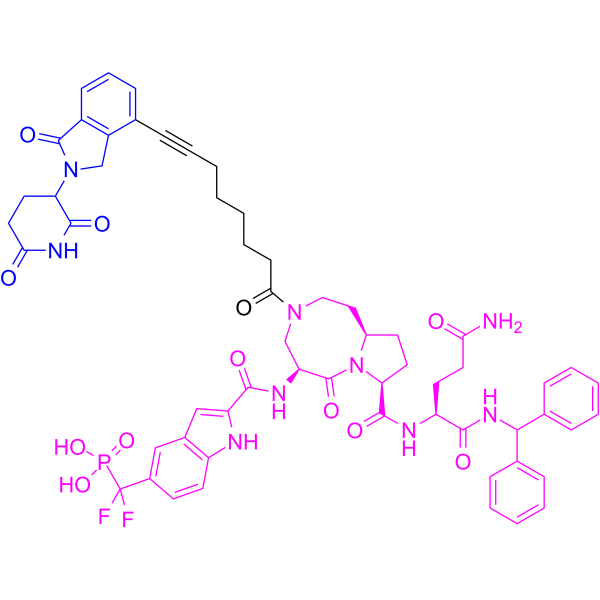
    KT-474 (KYM-001; PROTAC IRAK4 degrader-7) is an orally active PROTAC IRAK4 degrader with anti-tumor effects. KT-474 inhibits the cell cycle and induces apoptosis. KT-474 induces tumor regression in a xenograft model of MYD88-mutated ABC DLBCL. KT-474 is a click chemistry reagent, containing an alkyne group, which can undergo copper-catalyzed azide-alkyne cycloaddition (CuAAc) with molecules containing azide groups .
    KT-474
  • HY-112210
    Shield-1
    5+ Cited Publications

    Shld1

    FKBP Others
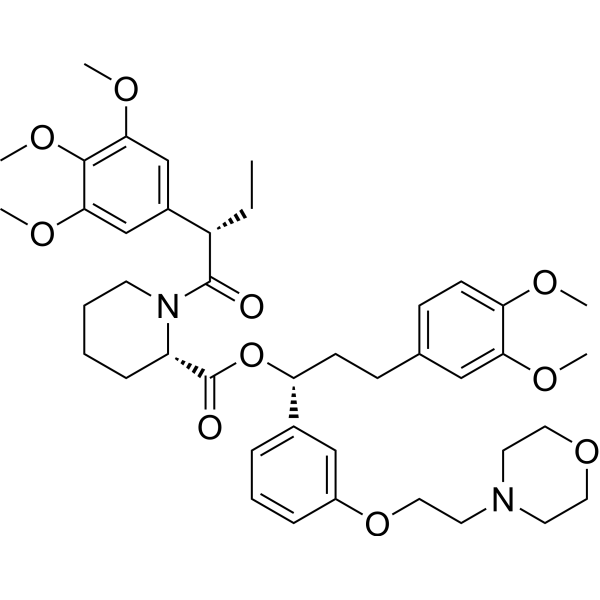
    Shield-1 (Shld1) is a specific, cell-permeant and high-affinity ligand of FK506-binding protein-12 (FKBP), and reverses the instability by binding to mutated FKBP (mtFKBP), allowing conditional expression of mtFKBP-fused proteins. Shield-1 can stabilize proteins tagged with a mutated FKBP12-derived destabilization domain (DD) .
    Shield-1
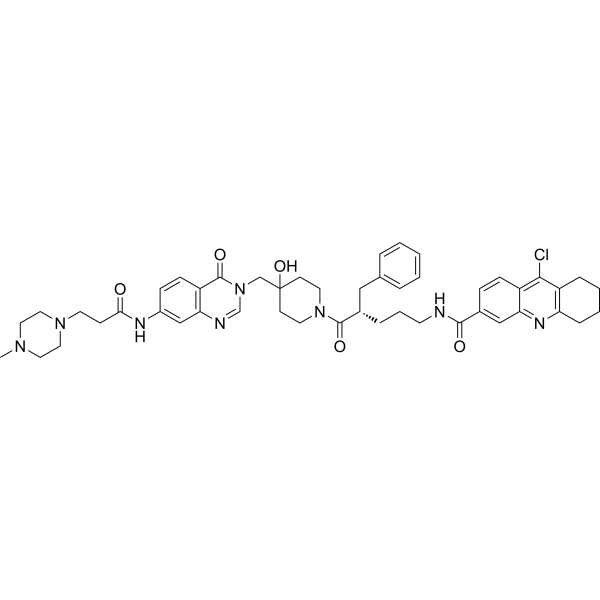
  • HY-159607

    PROTACs SWI/SNF Complex Cancer
    PRT3789 is a selective SMARCA2 PROTAC degrader (DC50 in HeLa cell: 0.72 nM for SMARCA2, 14 nM for SMARCA4). PRT3789 forms a stable ternary complex with Von Hippel-Lindau (VHL) E3 ligase, induces polyubiquitination at SMARCA2-specific lysine residues, and drives proteasome-dependent SMARCA2 degradation. PRT3789 disrupts SWI/SNF chromatin remodeling complex integrity, induces dissociation of specific subunits, suppresses oncogenic gene expression, reduces chromatin accessibility, and upregulates antigen processing/presentation-related gene expression. PRT3789 induces synthetic lethality, inhibits proliferation and colony formation, and drives tumor growth inhibition and regression in SMARCA4-deficient contexts. PRT3789 can be used for the research of SMARCA4-mutated solid tumors, non-small cell lung cancer, endometrial cancer, colorectal cancer, bladder cancer, esophageal cancer, ovarian cancer, and gastric cancer .
    PRT3789
  • HY-N0735
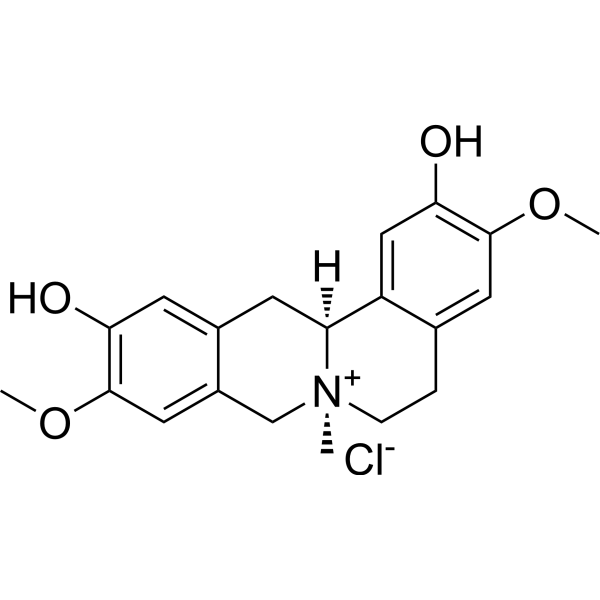
    Phellodendrine chloride
    2 Publications Verification

    Autophagy Apoptosis AMPK mTOR STAT Interleukin Related PKC p38 MAPK NF-κB COX Reactive Oxygen Species (ROS) PI3K Akt MMP Neurological Disease Inflammation/Immunology Cancer
    Phellodendrine chloride is an orally active plant alkaloid. Phellodendrine chloride inhibits the proliferation of KRAS-mutated pancreatic cancer cells by suppressing macropinocytosis and glutamine metabolism, inducing ROS accumulation and mitochondrial apoptosis. Phellodendrine chloride promotes autophagy by activating the AMPK/mTOR pathway, alleviating intestinal damage in ulcerative colitis. Phellodendrine chloride can alleviate gouty arthritis by inhibiting the IL-6/STAT3 signaling pathway. Phellodendrine chloride suppresses allergic reactions by altering the conformation of MRGPRB3/MRGPRX2 protein, thereby inhibiting the activation of PKC and subsequent downstream MAPK and NF-κB signaling. Phellodendrine chloride inhibits the AKT/NF-κB pathway and down-regulates the expression of COX-2, thereby protecting zebrafish embryos from oxidative stress. Phellodendrine chloride has an anti-major depressive disorder (MDD) effect by down-regulating CHRM1, HTR1A, and the PI3K/Akt signaling pathway .
    Phellodendrine chloride
  • HY-103713
    Seclidemstat
    10+ Cited Publications

    SP-2577

    Histone Demethylase Cancer
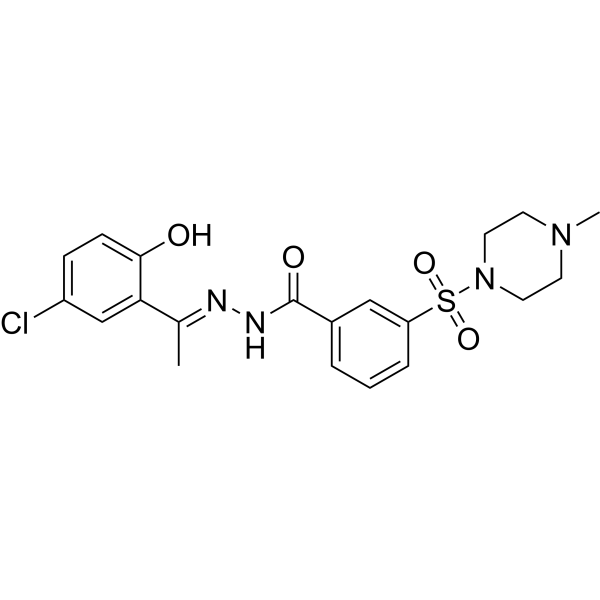
    Seclidemstat is a potent noncompetitive and reversible KDM1A (LSD1) inhibitor (Ki=31 nM, IC50=13 nM). Seclidemstat promotes antitumor immunity in switch/sucrose nonfermentable (SWI/SNF) complex mutated ovarian cancer, as well as inhibit virus production, viral DNA replication, and late gene expression. Seclidemstat can be used for the research of Ewing Sarcoma .
    Seclidemstat
  • HY-118341

    Apoptosis Bcl-2 Family Cancer
    Clitocine, an adenosine nucleoside analog isolated from mushroom, is a potent and efficacious readthrough agent. Clitocine acts as a suppressor of nonsense mutations and can induce the production of p53 protein in cells harboring p53 nonsense-mutated alleles. Clitocine can induce apoptosis in multidrug-resistant human cancer cells by targeting Mcl-1. Anticancer activity .
    Clitocine
  • HY-122639
    ZINC05007751
    3 Publications Verification

    NEKs Cancer
    ZINC05007751 is a potent NIMA-related kinase NEK6 inhibitor with an IC50 of 3.4 μM. ZINC05007751 shows antiproliferative activity against a panel of human cancer cell lines, and displays a synergistic effect with Cisplatin and Paclitaxel in a BRCA2 mutated ovarian cancer cell line. ZINC05007751 is very selective against NEK1 and NEK6 with no significant activity was observed against NEK2, NEK7, and NEK9 .
    ZINC05007751
  • HY-78869
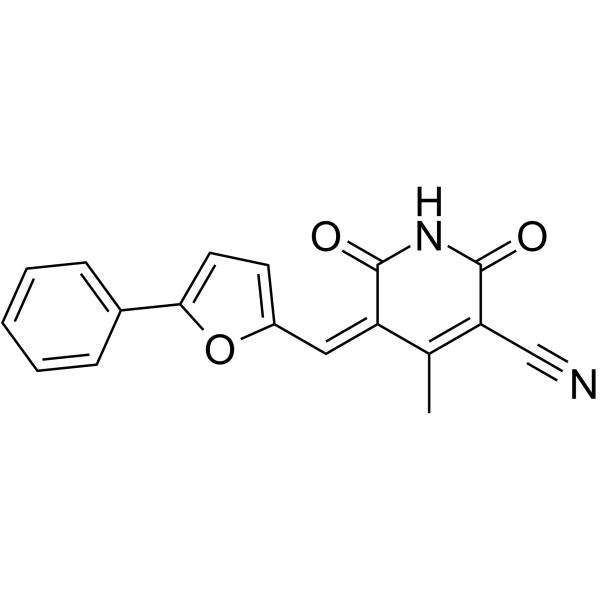
    Mutated EGFR-IN-1
    1 Publications Verification

    Osimertinib analog

    Drug Derivative Infection Metabolic Disease Cancer
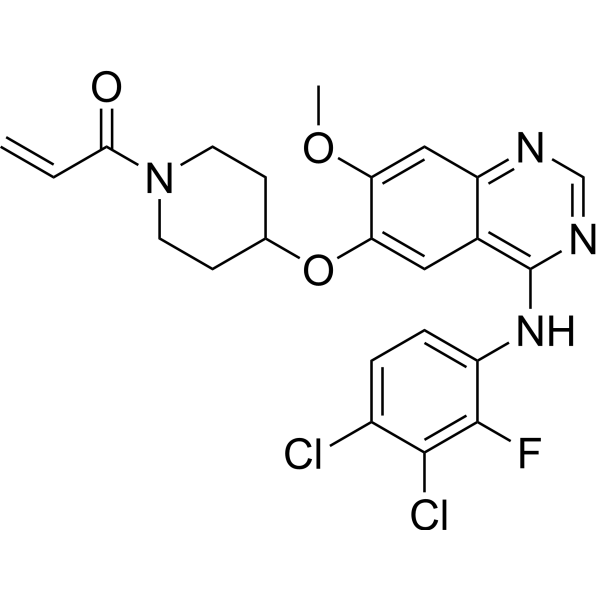
    Mutated EGFR-IN-1 (Osimertinib analog) (Intermediate 168) is a structural analog of Osimertinib (HY-15772) and can be used as a pharmaceutical intermediate for EGFR inhibitors .
    Mutated EGFR-IN-1
  • HY-157887
    ADT-007
    1 Publications Verification

    Ras Cancer
    ADT-007 is a potent and orally active pan-RAS inhibitor with strong anticancer effects. ADT-007 binds RAS in a nucleotide-free conformation to block GTP activation. ADT-007 potently and selectively inhibits the growth of cancer cells with mutated or hyper-activated wild-type RAS isozymes .
    ADT-007
  • HY-114358
    Tamnorzatinib
    2 Publications Verification

    ONO-7475

    TAM Receptor Trk Receptor Cancer
    Tamnorzatinib (ONO-7475) is a potent, selective, and orally active Axl/Mer inhibitor with IC50 values of 0.7 nM and 1.0 nM, respectively. Tamnorzatinib sensitizes AXL-overexpressing EGFR-mutant NSCLC cells to the EGFR-TKIs, suppresses the emergence and maintenance of tolerant cells. Tamnorzatinib combines with Osimertinib (HY-15772) provides a bright promise for the study of EGFR-mutated non-small cell lung cancer (NSCLC).
    Tamnorzatinib
  • HY-12029

    EGFR Cancer
    WZ8040 is an irreversible mutated EGFR T790M inhibitor and inhibits EGFR phosphorylation. WZ8040 displays 100-fold greater activity against the mutated EGFR than the normal .
    WZ8040
  • HY-156640

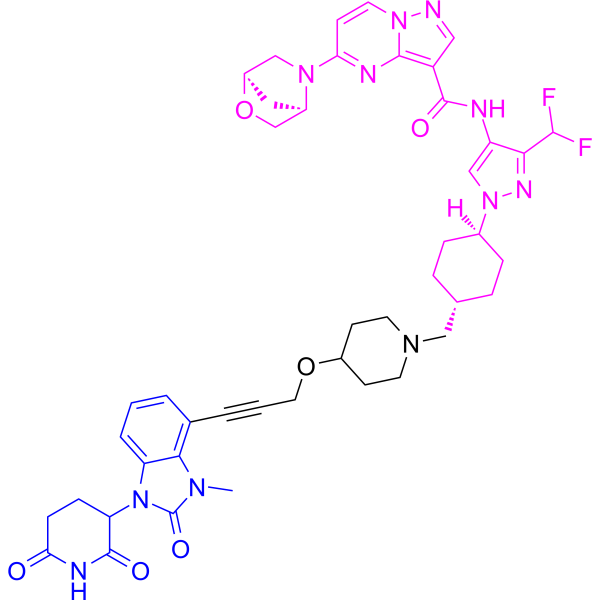
    LP-168

    EGFR Cancer
    Rocbrutinib is an orally available, highly selective Bruton's tyrosine kinase (BTK) inhibitor, with an IC50 of 0.11 nM against wild-type BTK and an IC50 of 1.0 nM against C481S-mutated BTK. Rocbrutinib reduces the viability of leukemia cells, induces cytotoxicity and inhibits cell migration. Rocbrutinib can be used in research related to chronic lymphocytic leukemia, non-Hodgkin's lymphoma and mantle cell lymphoma .
    Rocbrutinib
  • HY-100886

    PI3K Apoptosis Cancer
    BAY1082439 is an orally bioavailable, selective PI3Kα/β/δ inhibitor. BAY1082439 also inhibits mutated forms of PIK3CA. BAY1082439 is highly effective in inhibiting Pten-null prostate cancer growth .
    BAY1082439
  • HY-N0427

    Akt NF-κB AMPK mTOR PKC STAT Interleukin Related p38 MAPK COX Reactive Oxygen Species (ROS) Apoptosis Autophagy PI3K MMP Neurological Disease Inflammation/Immunology Cancer
    Phellodendrine is an orally active plant alkaloid. Phellodendrine inhibits the proliferation of KRAS-mutated pancreatic cancer cells by suppressing macropinocytosis and glutamine metabolism, inducing ROS accumulation and mitochondrial apoptosis. Phellodendrine promotes autophagy by activating the AMPK/mTOR pathway, alleviating intestinal damage in ulcerative colitis. Phellodendrine can alleviate gouty arthritis by inhibiting the IL-6/STAT3 signaling pathway. Phellodendrine suppresses allergic reactions by altering the conformation of MRGPRB3/MRGPRX2 protein, thereby inhibiting the activation of PKC and subsequent downstream MAPK and NF-κB signaling. Phellodendrine inhibits the AKT/NF-κB pathway and down-regulates the expression of COX-2, thereby protecting zebrafish embryos from oxidative stress. Phellodendrine has an anti-major depressive disorder (MDD) effect by down-regulating CHRM1, HTR1A, and the PI3K/Akt signaling pathway .
    Phellodendrine
  • HY-136360
    MI-3454
    3 Publications Verification

    Epigenetic Reader Domain Cancer
    MI-3454 is an orally active, highly potent and selective menin-MLL1 interaction inhibitor with an IC50 of 0.51 nM. MI-3454 inhibits proliferation, induces differentiation and complete remission or regression of leukemia in mouse models of MLL1-rearranged or NPM1-mutated leukemia through downregulation of key genes involved in leukemogenesis .
    MI-3454
  • HY-149508

    Keap1-Nrf2 Reactive Oxygen Species (ROS) Cancer
    Nrf2-IN-3 (Compound R16) is a small-molecule NRF2 inhibitor and increases reactive oxygen species (ROS) production. Nrf2-IN-3 selectively binds KEAP1 mutants and restores their NRF2-inhibitory function by repairing the disrupted KEAP1/NRF2 interactions, leading to proteasome-dependent NRF2 degradation in cells. Nrf2-IN-3 sensitizes KEAP1-mutated tumor cells to Cisplatin (HY-17394), Gefitinib (HY-50895), and KEAP1 G333C-mutated xenograft to Cisplatin .
    Nrf2-IN-3
  • HY-107720
    ARL 17477
    1 Publications Verification

    NO Synthase Cancer
    ARL-17477 is a dual inhibitor of NOS1and the autophagy-lysosomal system with anticancer activity and can inhibit tumor growth in KRAS-mutated cancers .
    ARL 17477
  • HY-19323A
    (S)-Ceralasertib
    2 Publications Verification

    (S)-AZD6738

    ATM/ATR Cancer
    (S)-Ceralasertib ((S)-AZD6738) is the S-enantiomer of Ceralasertib (HY-19323). (S)-Ceralasertib is the inhibitor for ataxia telangiectasia mutated and rad3 related (ATR) .
    (S)-Ceralasertib
  • HY-125835
    CP-10
    1 Publications Verification

    PROTACs CDK Cancer
    CP-10 is a PROTAC connected by ligands for Cereblon and CDK, with highly selective, specific, and remarkable CDK6 degradation (DC50=2.1 nM). It inhibits proliferation of several haematopoietic cancer cells with impressive potency including multiple myeloma, and can still degrades mutated and overexpressed CDK6 .
    CP-10
  • HY-P990049

    JMT-101; MRG003 Antibody

    EGFR Cancer
    Becotatug (JMT-101) is a humanized IgG1 antibody targeting EGFR. Becotatug can also be conjugated to Afatinib (HY-10261) and Osimertinib (HY-15772) as a synthetic ADC. Becotatug can be used for the study of EGFR-mutated advanced non-small cell lung cancer (NSCLC) .
    Becotatug
  • HY-144984

    β-catenin Molecular Glues Cancer
    NRX-1933 is a type of molecular glue. NRX-1933 is a β-catenin:β-TrCP interaction enhancer for the development of small molecule degraders. NRX-1933 promotes the ubiquitination of mutated β-Catenin, leading to degradation. NRX-1933 can be applied to tumor research on abnormal activation of Wnt/β - catenin signaling pathway .
    NRX-1933
  • HY-103713A
    Seclidemstat mesylate
    10+ Cited Publications

    SP-2577 mesylate

    Histone Demethylase Cancer
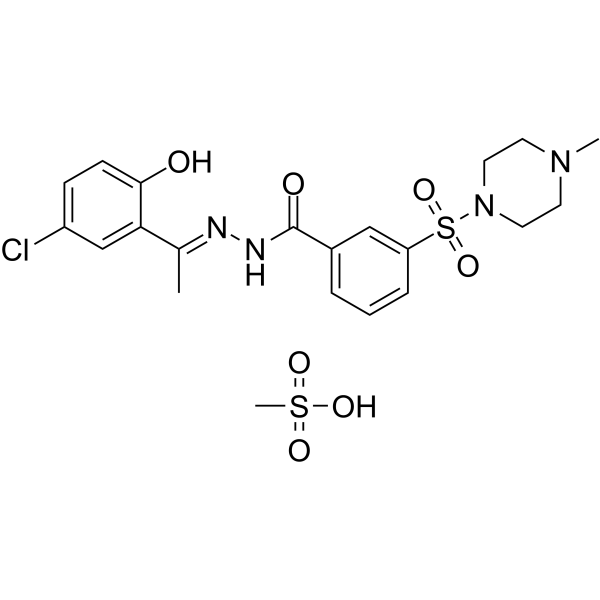
    Seclidemstat (SP-2577) mesylate is a potent noncompetitive and reversible KDM1A (LSD1) inhibitor (Ki=31 nM, IC50=13 nM). Seclidemstat mesylate promotes antitumor immunity in switch/sucrose nonfermentable (SWI/SNF) complex mutated ovarian cancer, as well as inhibit virus production, viral DNA replication, and late gene expression. Seclidemstat mesylate can be used for the research of Ewing Sarcoma .
    Seclidemstat mesylate
  • HY-147405

    PF-07284890; ARRY-461

    Raf ERK Cancer
    Tinlorafenib (PF-07284890) is the orally active inhibitor for BRAF and CRAF with IC50s of 5.8 nM and 4.1 nM. Tinlorafenib (Compound 10) inhibits V600E mutated BRAF and V600K mutanted BRAF with IC50s of 4.25 nM and 2.7 nM. Tinlorafenib can cross the blood brain barrier. Tinlorafenib demonstrates CNS penetration and can be used in the research of BRAF-associated malignant and benign tumors of the CNS as well as extracranial malignancies .
    Tinlorafenib
  • HY-156135

    MDM-2/p53 RET DNA/RNA Synthesis Apoptosis Caspase Endocrinology Cancer
    NSC194598 is a p53 DNA-binding inhibitor with an IC50 value of 180 nM. NSC194598 inhibits p53 DNA binding and induction of target genesn when p53 is stabilized and activated by irradiation or chemotherapy. NSC194598 can interfere with transcriptional activation of mutated rearranged during transfection (RET) gene, induce apoptosis and G0/G1 phase arrest. NSC194598 can be used for the researches of acute radiation toxicity and medullary thyroid carcinoma .
    NSC194598
  • HY-149480

    PROTACs Estrogen Receptor/ERR Cancer
    ERD-3111 (Compound 44) is an orally active PROTAC ERα degrader (DC50: 0.5 nM). ERD-3111 inhibits tumor growth in the parental MCF-7 xenograft model with wild-type ER and two clinically relevant ESR1 mutated mice model. ERD-3111 can be used in the research of ER+ breast cancer .
    ERD-3111
  • HY-P3615

    Endothelin Receptor Cardiovascular Disease
    [Asn18] Endothelin-1 swine, human is a structural analogue of Endothelin 1 (swine, human) (HY-P0202), with the Asp amino acid at position 18 mutated to Asn. Endothelin 1 (swine, human) is a synthetic peptide with human and porcine endothelin 1 sequences and is a potent endogenous vasoconstrictor .
    [Asn18] Endothelin-1 (swine, human)
  • HY-158008

    Ras Cancer
    (R)-G12Di-7 is a covalent ligand for KRAS-G12D, which selectively labels K-Ras-G12D·GDP and K-Ras-G12D·GppNHp. (R)-G12Di-7 exhibits inhibitory activity against G12D mutated cancer cells .
    (R)-G12Di-7
  • HY-122631

    CDK Dystrophin Others
    TG693 is an orally active inhibitor of CLK1. TG693 regulates the mutated exon 31 of the dystrophin gene in vivo. TG693 is used in Duchenne muscular dystrophy (DMD) research .
    TG693
  • HY-104067

    NASTRp

    Epigenetic Reader Domain Cancer
    Naphthol AS-MX phosphate (NASTRp) is a small molecule inhibitor of the CREB (cyclic adenosine phosphate reaction element binding protein)-CBP (CREB binding protein) transcription factor complex. Naphthol AS-MX phosphate shows antitumor activity against lung cancer cells, inhibiting tumor cell proliferation (IC50=3.701 μmol/L), colony formation, and anchored independent growth in soft AGAR. Naphthol AS-MX phosphate can be used in the study of KRAS mutated lung cancer, especially for KRAS mutated lung cancer with poor chemotherapy resistance and prognosis .
    Naphthol AS-MX phosphate
  • HY-161235

    SOS1 Molecular Glues Ras Cancer
    BTX-7312 is a cereblon-based SOS1 bifunctional degrader and a molecular glue. BTX-7312 reduces downstream signaling markers pERK and pS6 and shows antiproliferative activity in various KRAS-mutated cells .
    BTX-7312
  • HY-19897

    FLT3 VEGFR Cancer
    4SC-203 is a potent multikinase inhibitor with potential antineoplastic activity. 4SC-203 selectively FLT3/STK1, FLT3 mutated forms, and VEGFRs .
    4SC-203
  • HY-160765

    APS-8-100-2

    Wnt Apoptosis Cancer
    WNTinib (APS-8-100-2) is a multi-kinase inhibitor that selectively antagonizes β-catenin (CTNNB1) mutated hepatocellular carcinoma (HCC). WNTinib downregulates oncogenicWntsignaling by inhibiting KIT/MAPK and downstream EZH2 activation .
    WNTinib
  • HY-145312

    ATM/ATR Cancer
    ATR-IN-4 is a potent ATR (Ataxia telangiectasia mutated gene Rad 3-associated kinase) inhibitor. ATR-IN-4 inhibits growth of human prostate cancer cells DU145 and human lung cancer cells NCI-H460 with IC50s of 130.9 nM and 41 .33 nM, respectively. (Patent CN112142744A, compound 13) .
    ATR-IN-4
  • HY-132593

    WVE-120101

    Huntingtin Neurological Disease
    Rovanersen (WVE-120101) is an antisense oligonucleotide that specifically targets mutated mRNA copies of the huntington (HTT) gene without affecting healthy mRNA of HTT gene, thereby preventing the production of faulty Huntingtin protein. Rovanersen can be used for huntington’s disease research .
    Rovanersen
  • HY-164397

    Anaplastic lymphoma kinase (ALK) Apoptosis Cancer
    XMU-MP-5 is a selective inhibitor for ALK. XMU-MP-5 inhibits ALK-mutated Ba/F3 cell with IC50s of 4-50 nM, and induces apoptosis in EML4-ALK Ba/F3. XMU-MP-5 exhibits antitumor efficacy in mice .
    XMU-MP-5
  • HY-151517

    SOS1 Ras Cancer
    SOS1-IN-14 is a potent, selective and orally active SOS1 inhibitor with an IC50 value of 3.9 nM. SOS1-IN-14 can be absorbed in the intestine via a P-glycoprotein-mediated efflux mechanism. SOS1-IN-14 can be used to research KRAS-mutated cancers. SOS1-IN-14 has better potent tumor suppression than BI-3406 (HY-125817) .
    SOS1-IN-14
  • HY-179219S

    DNA/RNA Synthesis Cancer
    RTx-303 is an orally active, selective DNA polymerase θ (Polθ) inhibitor (IC50 = 5.1 nM). RTx-303 exhibits significantly high cellular potency and strongly potentiates PARPi in BRCA1/2 mutant cells and patient-derived xenograft models. RTx-303 can be used for the study of BRCA2-mutated breast cancer .
    RTx-303
  • HY-130645

    PARP Neurological Disease Cancer
    iRucaparib-TP3 is a selective PARP1 degrader (DC50=36 nM). iRucaparib-TP3 is promising for research of oncology (e.g., BRCA-mutated cancers) and neurodegenerative diseases .
    iRucaparib-TP3
  • HY-123307

    Xylafop

    Environmental Pollutants Acetyl-CoA Carboxylase Others
    Quizalofop (Xylafop) is a herbicide that inhibits acetyl-CoA carboxylase (ACCase) to reduce the synthesis of fatty acids. Quizalofop can be used to screen EMS (HY-W015854) mutated microalgae for research on improving the performance of microalgae biofuel production .
    Quizalofop
  • HY-164466

    Calcium Channel Notch Cancer
    CAD204520, a SERCA inhibitor (IC50 = 0.34 μM), targets mutated over wild type NOTCH1 proteins in T-cell acute lymphoblastic leukemia (T-ALL) and mantle cell lymphoma (MCL). CAD204520 can be used for T-ALL and MCL research .
    CAD204520
  • HY-118806A

    mAChR Neurological Disease
    AC-42 hydrochloride is the hydrochloride salt form of AC-42 (HY-118806). AC-42 hydrochloride is an allosteric agonist for muscarinic M1 receptor with EC50s of 805 nM and 220 nM for human wild-type and Y381A mutated M1 receptors, respectively. AC-42 hydrochloride stimulates the inositol phosphate (IP)-accumulation and calcium mobilization in CHO cells .
    AC-42 hydrochloride
  • HY-148521

    CDK FLT3 PROTACs Apoptosis Cancer
    PROTAC FLT3/CDK9 degrader-1 is a potent FLT3 and CDK9 dual PROTAC degrader. PROTAC FLT3/CDK9 degrader-1 induces apoptosis and effective degradation of target proteins FLT3 and CDK9. PROTAC FLT3/CDK9 degrader-1 has the potential for the research of FLT3-ITD mutated AML .
    PROTAC FLT3/CDK9 degrader-1
  • HY-112477

    Hymenialdisine analogue-1

    Checkpoint Kinase (Chk) Choline Kinase Cancer
    Chk2-IN-1 (compound 1) is a potent and selective inhibitor of checkpoint kinase 2 (Chk2), with IC50s of 13.5 nM and 220.4 nM for Chk2 and Chk1, respectively. Chk2-IN-1 can elicit a strong ataxia telangiectasia mutated (ATM)-dependent Chk2-mediated radioprotection effect .
    Chk2-IN-1
  • HY-123359

    DNA/RNA Synthesis Dystrophin Others
    RTC14 is a read-through compound (RTC) that can induce ribosomes to bypass nonsense mutations in mRNA and allow the production of full-length functional proteins. RTC14 has the potential to be used in the research of various genetic disorders, such as nonsense mutations in the ataxia-telangiectasia mutated (ATM) gene and the dystrophin gene .
    RTC14
  • HY-175274

    FLT3 Cancer
    MolPort-002-705-878 is a highly selective FMS-like tyrosine kinase 3 (FLT3) inhibitor with a binding affinity of −11.33 kcal/mol. MolPort-002-705-878 inhibits the proliferation of FLT3-mutated acute myeloid leukemia (AML) cells. MolPort-002-705-878 is promising for research of FLT3-mutated AML .
    MolPort-002-705-878
  • HY-134481

    FLT3 Cancer
    FLT3-IN-10 (compound 7c) is a potent inhibitor of FMS-like tyrosine kinase 3 (FLT3). FLT3-IN-10 has the potential for the research of FLT3-mutated acute myeloid leukemia (AML) .
    FLT3-IN-10
  • HY-162440

    Ras Cancer
    pan-KRAS-IN-7 (Compound 25) is an inhibitor for in human tumor mutated genes KRAS, which inhibits proliferation of KRAS mutated cells AsPC-1 (G12D mutant) and SW480 (G12V mutant) with IC50 of 0.35 and 0.51 nM, respectively .
    pan-KRAS-IN-7
  • HY-162443

    Ras Cancer
    pan-KRAS-IN-10 (Compound 58) is an inhibitor for in human tumor mutated genes KRAS, which inhibits proliferation of KRAS mutated cells AsPC-1 (G12D mutant) and SW480 (G12V mutant) with IC50 of 0.7 and 0.24 nM, respectively .
    pan-KRAS-IN-10
  • HY-N0735R

    Reference Standards Autophagy mTOR AMPK Apoptosis STAT Interleukin Related PKC p38 MAPK NF-κB COX Reactive Oxygen Species (ROS) PI3K Akt MMP Neurological Disease Inflammation/Immunology Cancer
    Phellodendrine chloride (Standard) is the analytical standard of Phellodendrine chloride (HY-N0735). Phellodendrine chloride is an orally active plant alkaloid. Phellodendrine chloride inhibits the proliferation of KRAS-mutated pancreatic cancer cells by suppressing macropinocytosis and glutamine metabolism, inducing ROS accumulation and mitochondrial apoptosis. Phellodendrine chloride promotes autophagy by activating the AMPK/mTOR pathway, alleviating intestinal damage in ulcerative colitis. Phellodendrine chloride can alleviate gouty arthritis by inhibiting the IL-6/STAT3 signaling pathway. Phellodendrine chloride suppresses allergic reactions by altering the conformation of MRGPRB3/MRGPRX2 protein, thereby inhibiting the activation of PKC and subsequent downstream MAPK and NF-κB signaling. Phellodendrine chloride inhibits the AKT/NF-κB pathway and down-regulates the expression of COX-2, thereby protecting zebrafish embryos from oxidative stress. Phellodendrine chloride has an anti-major depressive disorder (MDD) effect by down-regulating CHRM1, HTR1A, and the PI3K/Akt signaling pathway.
    Phellodendrine chloride (Standard)

Inquiry Online

Your information is safe with us. * Required Fields.

Salutation


Country or Region *

Applicant Name *


Organization Name *

Department *


Email Address *


Product Name *

Cat. No.


Requested quantity *

Phone Number *


Remarks

Inquiry Online

Inquiry Information

Product Name:
Cat. No.:
Quantity:
MCE Japan Authorized Agent:

