
1. Search Result
Search Result
Pathways Recommended: Cell Cycle/DNA Damage
Results for "

myocardial damage

" in MedChemExpress (MCE) Product Catalog:

37

Inhibitors & Agonists

1

Screening Libraries

1

Biochemical Assay Reagents

6

Peptides

1

Inhibitory Antibodies

10

Natural
Products

1

Isotope-Labeled Compounds

Cat. No. Product Name Target Research Areas Chemical Structure
  • HY-100001
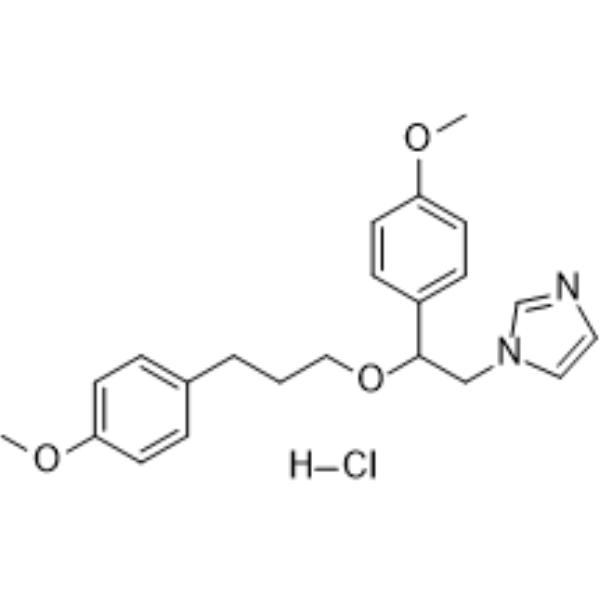
    SKF-96365 (hydrochloride)
    Maximum Cited Publications
    27 Publications Verification

    TRP Channel CRAC Channel Autophagy CaMK Akt Apoptosis Na+/Ca2+ Exchanger Calcium Channel Neurological Disease Inflammation/Immunology Cancer
    SKF-96365 hydrochloride is a TRPC channel antagonist and store-operated calcium entry (SOCE) inhibitor. SKF-96365 hydrochloride reduces calcium ion influx by inhibiting the activity and expression of TRPC6, STIM1 and Orai1. SKF-96365 hydrochloride inhibits voltage-gated sodium current (cardiac INa/NaV1.5) and slows myocardial conduction. SKF-96365 hydrochloride inhibits phosphorylation/activation of CaMKIIγ and suppresses the downstream AKT signaling pathway. SKF-96365 hydrochloride induces G2/M phase cell cycle arrest, apoptosis and cytoprotective autophagy in colorectal cancer cells. SKF-96365 hydrochloride alleviates allergic rhinitis symptoms by reducing inflammatory cytokine levels. SKF-96365 hydrochloride reduces intracellular calcium overload, inhibits Homer1 expression, prevents nuclear damage and suppresses apoptosis. SKF-96365 hydrochloride inhibits the growth of colorectal cancer xenografts in nude mice . SKF-96365 hydrochloride is applicable to research related to allergic rhinitis, colorectal cancer, Parkinson's disease, persistent spontaneous nociception and hyperalgesia .
    SKF-96365 (hydrochloride)
  • HY-P3211
    Nangibotide
    5+ Cited Publications

    LR12

    TREM receptor NF-κB NOD-like Receptor (NLR) Interleukin Related Apoptosis Cardiovascular Disease Inflammation/Immunology
    Nangibotide (LR12) is a synthetic peptide and TREM-1 receptor inhibitor. Nangibotide inhibits NF-κB and NLRP3 inflammasome activation and reduces the release of pro-inflammatory factors (such as IL-1β, IL-8). Nangibotide inhibits Apoptosis. Nangibotide reduces excessive inflammatory responses and protects tissues (liver, lung) from damage. Nangibotide can be used in the researches for myocardial ischemia-reperfusion injury, septic shock, acute lung injury, osteoarthritis, and acute liver failure .
    Nangibotide
  • HY-B1060
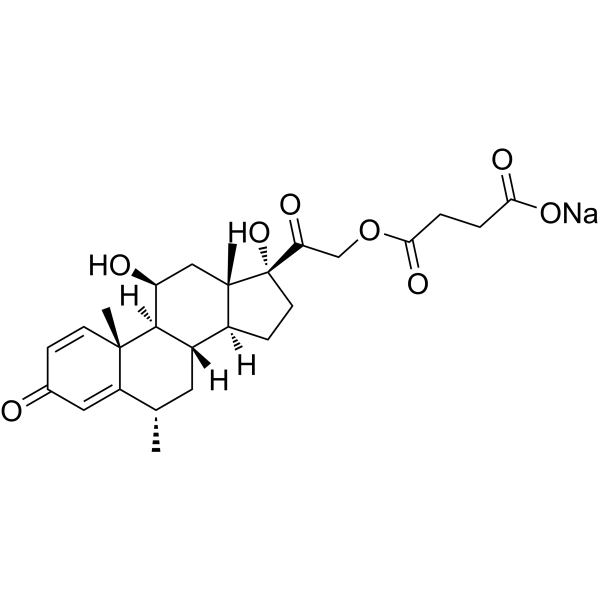
    Methylprednisolone succinate sodium
    2 Publications Verification

    Methylprednisolone hydrogen succinate sodium

    Glucocorticoid Receptor Infection Neurological Disease Inflammation/Immunology Cancer
    Methylprednisolone succinate (Methylprednisolone hydrogen succinate) sodium is a prodrug of Methylprednisolone (HY-B0260) and glucocorticoid with immunosuppressant and anti-inflammatory activity. Methylprednisolone succinate sodium binds cytosolic glucocorticoid receptors, translocates to nuclei, and modulates target gene transcription. Methylprednisolone succinate sodium alters Bax, Bcl-2, occludin, and ZO-1 expression; attenuates TLR4/NF-κB signaling; suppresses proinflammatory cytokine production and immune cell activation. Methylprednisolone succinate sodium can be used for the research of intracranial haemorrhage, rheumatoid arthritis, multiple sclerosis, preterminal cancer, inflammatory conditions, shock, immediate-type hypersensitivity, acute myocardial ischemia, hypoxic heart muscle damage, and traumatic spinal cord injury .
    Methylprednisolone succinate sodium
  • HY-B1770

    Environmental Pollutants Biochemical Assay Reagents Cardiovascular Disease Endocrinology
    Sodium Iodide is a compound composed of sodium ions and iodine ions. Sodium Iodide scavenges hydrogen peroxide. Sodium Iodide maintains the level of thyroid hormone T3 through its iodine component. Sodium Iodide protects tissues from oxidative damage and regulates thyroid homeostasis. Sodium Iodide relieves acute myocardial infarction .
    Sodium Iodide,99%
  • HY-106950

    Diphosphofructose; Esafosfan; FDP

    Toll-like Receptor (TLR) COX Cardiovascular Disease Neurological Disease Metabolic Disease
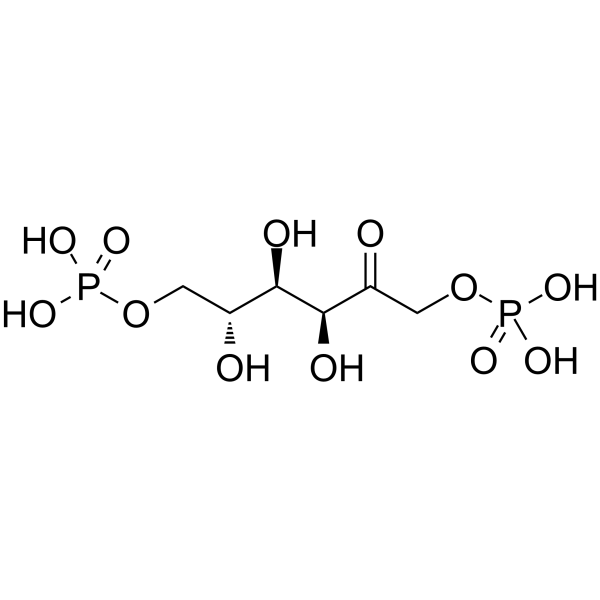
    Fosfructose is an orally active cyclooxygenase-2 inhibitor and Toll-like receptor 4 modulator. Fosfructose reduces the expression of cyclooxygenase-2, thereby decreasing prostaglandin production. By inhibiting the Toll-like receptor 4 signaling pathway, Fosfructose downregulates LPS-induced adhesion molecule expression. Fosfructose is applicable to research related to ischemic stroke, epilepsy, sepsis, myocardial injury, osteoporosis, and ultraviolet B-induced skin damage .
    Fosfructose
  • HY-P3211A
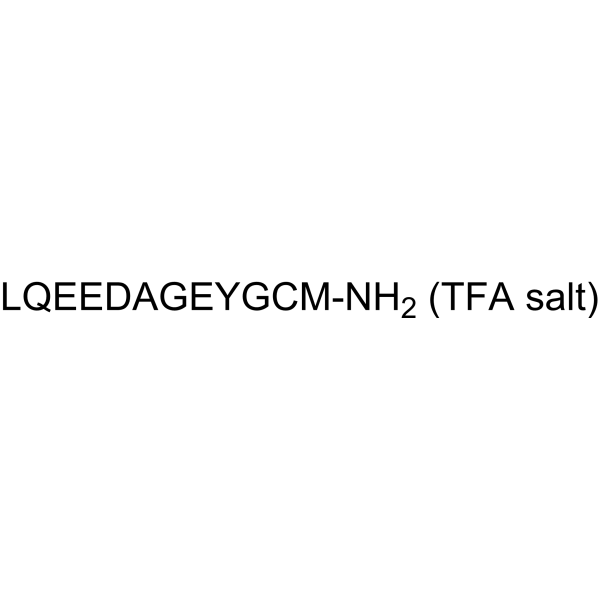
    Nangibotide TFA
    5+ Cited Publications

    LR12 TFA

    TREM receptor NF-κB NOD-like Receptor (NLR) Interleukin Related Apoptosis Cardiovascular Disease Inflammation/Immunology
    Nangibotide TFA (LR12 TFA) is a synthetic peptide and TREM-1 receptor inhibitor. Nangibotide TFA inhibits NF-κB and NLRP3 inflammasome activation and reduces the release of pro-inflammatory factors (such as IL-1β, IL-8). Nangibotide TFA inhibits Apoptosis. Nangibotide TFA reduces excessive inflammatory responses and protects tissues (liver, lung) from damage. Nangibotide TFA can be used in the researches for myocardial ischemia-reperfusion injury, septic shock, acute lung injury, osteoarthritis, and acute liver failure .
    Nangibotide TFA
  • HY-128483

    TGF-beta/Smad PI3K NF-κB Akt Apoptosis Dopamine β-hydroxylase mTOR Adrenergic Receptor Cardiovascular Disease Endocrinology Cancer
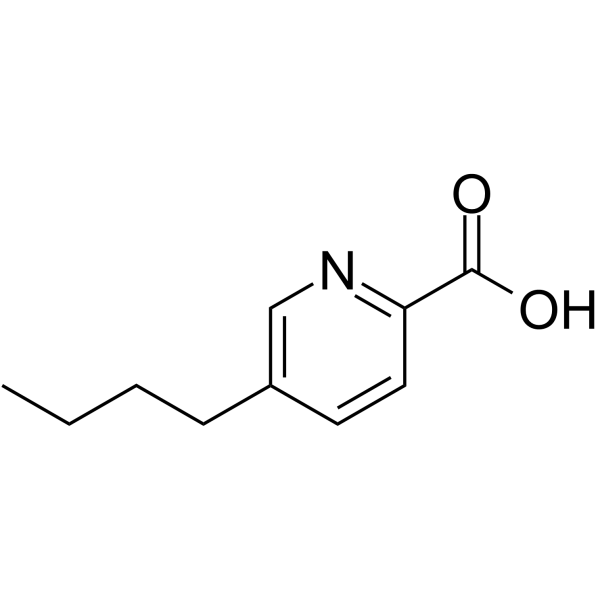
    Fusaric acid is an orally active multi-pathway inhibitor with the activity of inducing oxidative stress and apoptosis. Fusaric acid can chelate divalent metal cations, damage mitochondrial membrane structure, and activate apoptosis-related proteases such as Caspase-3/7, -8, and -9. Fusaric acid also regulates Bax/Bcl-2 protein, inhibits fibrosis-related signaling pathways such as NF-κB, TGF-β1/SMADs, and PI3K/AKT/mTOR, and reduces collagen deposition. Fusaric acid is also a dopamine β-hydroxylase inhibitor, which reduces endogenous levels of norepinephrine and epinephrine in the brain, heart, spleen, and adrenal glands. Fusaric acid can play a role in myocardial fibrosis and improve cardiac hypertrophy in heart disease, and can also be used in the study of esophageal cancer and liver cancer .
    Fusaric acid
  • HY-B1900
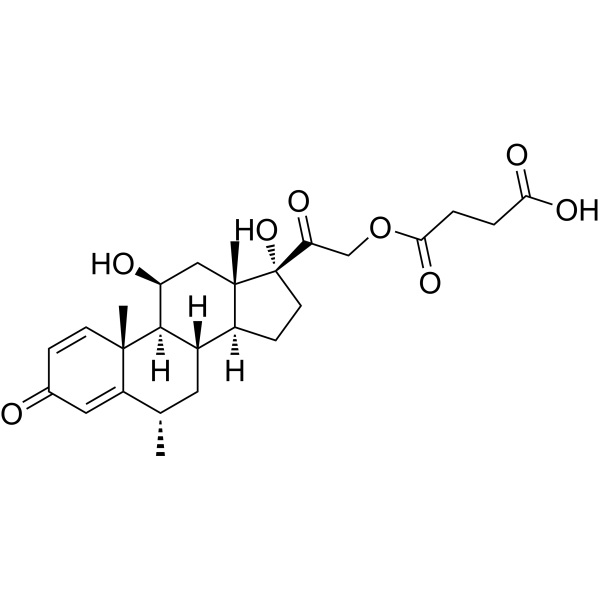
    Methylprednisolone succinate
    2 Publications Verification

    Methylprednisolone hydrogen succinate

    Glucocorticoid Receptor Bacterial Toll-like Receptor (TLR) NF-κB Infection Neurological Disease Metabolic Disease Inflammation/Immunology Cancer
    Methylprednisolone succinate (Methylprednisolone hydrogen succinate) is a prodrug of Methylprednisolone (HY-B0260) and glucocorticoid with immunosuppressant and anti-inflammatory activity. Methylprednisolone succinate binds cytosolic glucocorticoid receptors, translocates to nuclei, and modulates target gene transcription. Methylprednisolone succinate alters Bax, Bcl-2, occludin, and ZO-1 expression; attenuates TLR4/NF-κB signaling; suppresses proinflammatory cytokine production and immune cell activation. Methylprednisolone succinate can be used for the research of intracranial haemorrhage, rheumatoid arthritis, multiple sclerosis, preterminal cancer, inflammatory conditions, shock, immediate-type hypersensitivity, acute myocardial ischemia, hypoxic heart muscle damage, and traumatic spinal cord injury .
    Methylprednisolone succinate
  • HY-N1487
    Oleanonic acid
    2 Publications Verification

    3-Oxooleanolic acid

    HIV Autophagy Ferroptosis Amyloid-β Infection Neurological Disease Inflammation/Immunology Cancer
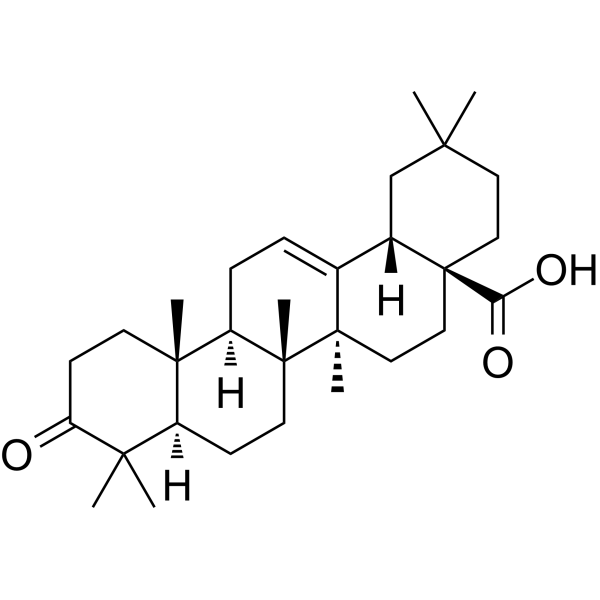
    Oleanonic acid (3-Oxooleanolic acid) is an orally available triterpene that has anti-inflammatory and insecticidal properties. In vitro, oleanonic acid can improve oxidative stress, autophagy defects, ferroptosis, mitochondrial damage, and endoplasmic reticulum stress induced by Amyloid-β, and in vivo, it can alleviate myocardial hypertrophy in rats .
    Oleanonic acid
  • HY-W016409
    Ethyl 3,4-dihydroxybenzoate
    1 Publications Verification

    Protocatechuic acid ethyl ester

    HIF/HIF Prolyl-Hydroxylase Reactive Oxygen Species (ROS) NO Synthase Autophagy Apoptosis Metabolic Disease Cancer
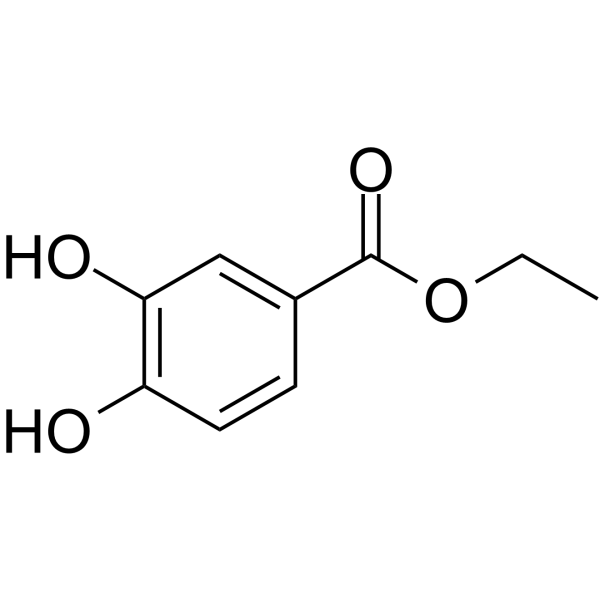
    Ethyl 3,4-dihydroxybenzoate (Protocatechuic acid ethyl ester) is an orally effective, blood-brain barrier-permeable, competitive prolyl hydroxylase (PHD) inhibitor that inhibits the hydroxylation modification of hypoxia-inducible factor (HIF) by PHD. Ethyl 3,4-dihydroxybenzoate stabilizes HIF-1α by inhibiting PHD, activates downstream pathways to induce autophagy and apoptosis of tumor cells, and regulates inflammatory responses, inhibits the NF-κB pathway, improves vascular permeability, and promotes osteoblast differentiation. Ethyl 3,4-dihydroxybenzoate has anti-tumor, anti-hypoxic injury, and bone metabolism regulation effects. It can also be used in the research of cardiovascular protection (such as reducing myocardial ischemic damage), bone tissue engineering (promoting osteogenesis/inhibiting osteoclast differentiation), and prevention and treatment of high-altitude cerebral edema .
    Ethyl 3,4-dihydroxybenzoate
  • HY-114869
    DPQ
    3 Publications Verification

    PARP Neurological Disease Cancer
    DPQ is a selective PARP-1 inhibitor that blocks PARP-1-mediated DNA damage repair and NAD +/ATP consumption, thereby inhibiting excessive inflammatory responses. DPQ inhibits NF-κB pathway activation, reduces the expression of pro-inflammatory factors (such as TNF-α, IL-6) and oxidative stress. DPQ can be used in inflammation-related studies of acute lung injury, myocardial infarction, and neurodegenerative diseases .
    DPQ
  • HY-149662

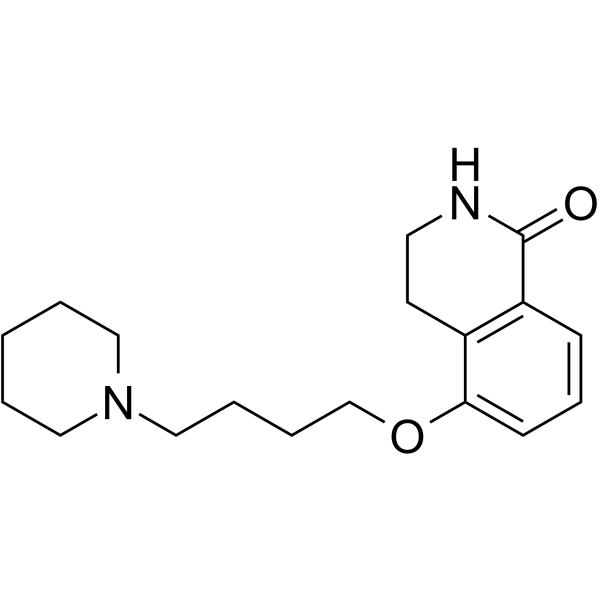
    Calcium Channel ATP Synthase Myosin Cardiovascular Disease
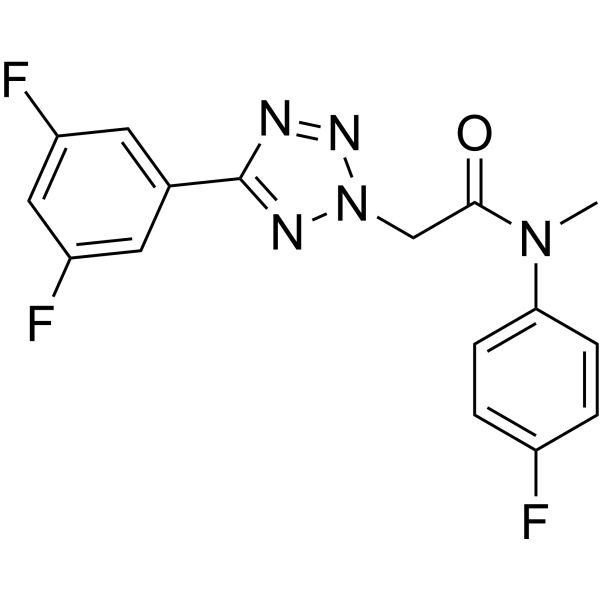
    TMDJ-035 is a high-affinity, selective RyR2 inhibitor with an EC50 of 0.0130 μM. TMDJ-035 reduces RyR2 protein expression without affecting action potential-induced Ca 2+ transients. TMDJ-035 decreases ATP content and intracellular Ca 2+ levels. TMDJ-035 inhibits arrhythmias in a CPVT mouse model carrying mutant RyR2s. TMDJ-035 has no effect on electrocardiogram parameters or cardiac systolic function. TMDJ-035 exacerbates heart failure in mouse myocardial infarction models and hypoxic cardiomyocytes by altering cardiac function, causing tissue damage, promoting inflammatory infiltration, collagen deposition, and changes in Myosin heavy chain/actin expression. TMDJ-035 can be used in studies related to heart failure, catecholaminergic polymorphic ventricular tachycardia, and arrhythmias .
    TMDJ-035
  • HY-N0430

    Coptisin

    Indoleamine 2,3-Dioxygenase (IDO) NF-κB p38 MAPK PI3K Akt Apoptosis Reactive Oxygen Species (ROS) Mitochondrial Metabolism DNA/RNA Synthesis ROCK LDLR Cardiovascular Disease Neurological Disease Metabolic Disease Inflammation/Immunology Cancer
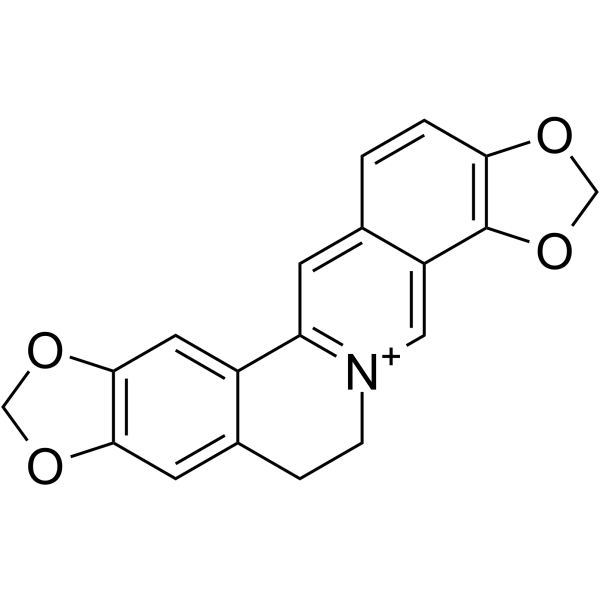
    Coptisine is an orally active and brain-penetrant alkaloid found in Coptis chinensis. Coptisine is a reversible, uncompetitive IDO inhibitor with a Ki of 5.8 μM and an IC50 of 6.3 μM. Coptisine suppresses neuroinflammation, reduces Aβ plaque burden and shows neuroprotective activity. Coptisine shows anti-inflammation activity by blocking NF-κB, MAPK, and PI3K/Akt activation. Coptisine inhibits cancer cells proliferation, induces DNA damage, G2/M phase cell cycle arrest, apoptosis, ROS production and mitochondrial dysfunction. Coptisine inhibits Rho/ROCK pathway activation, reduces arrhythmia, limits cardiac injury marker release, reduces infarct size, and preserves cardiac function in rat myocardial ischemia/reperfusion models. Coptisine downregulates HMGCR and upregulates LDLR and CYP7A1 to modulate cholesterol metabolism, reduces abnormal serum lipid levels, and promotes fecal bile acid excretion. Coptisine can be used for the research of cancer, hypercholesterolemia, Alzheimer’s disease, inflammatory disorders and cardiovascular disease .
    Coptisine
  • HY-N0430A
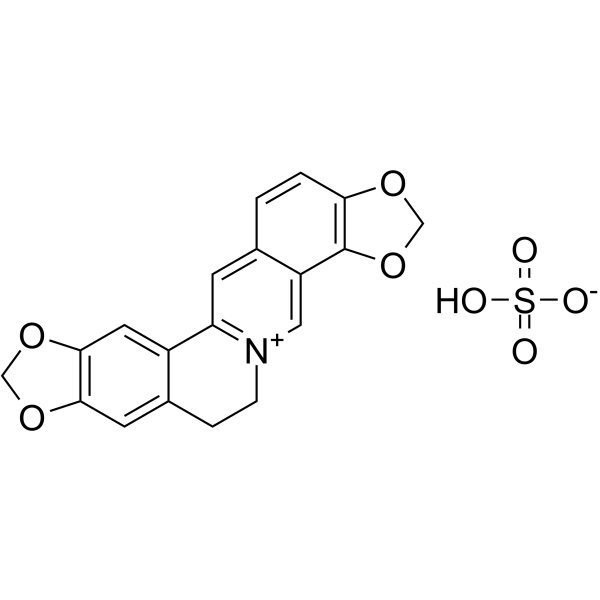
    Coptisine Sulfate
    5 Publications Verification

    Indoleamine 2,3-Dioxygenase (IDO) NF-κB p38 MAPK PI3K Akt Apoptosis Reactive Oxygen Species (ROS) Mitochondrial Metabolism DNA/RNA Synthesis ROCK LDLR Cardiovascular Disease Neurological Disease Metabolic Disease Inflammation/Immunology Cancer
    Coptisine Sulfate is an orally active and brain-penetrant alkaloid found in Coptis chinensis. Coptisine Sulfate is a reversible, uncompetitive IDO inhibitor with a Ki of 5.8 μM and an IC50 of 6.3 μM. Coptisine Sulfate suppresses neuroinflammation, reduces Aβ plaque burden and shows neuroprotective activity. Coptisine Sulfate shows anti-inflammation activity by blocking NF-κB, MAPK, and PI3K/Akt activation. Coptisine Sulfate inhibits cancer cells proliferation, induces DNA damage, G2/M phase cell cycle arrest, apoptosis, ROS production and mitochondrial dysfunction. Coptisine Sulfate inhibits Rho/ROCK pathway activation, reduces arrhythmia, limits cardiac injury marker release, reduces infarct size, and preserves cardiac function in rat myocardial ischemia/reperfusion models. Coptisine Sulfate downregulates HMGCR and upregulates LDLR and CYP7A1 to modulate cholesterol metabolism, reduces abnormal serum lipid levels, and promotes fecal bile acid excretion. Coptisine Sulfate be used for the research of cancer, hypercholesterolemia, Alzheimer’s disease, inflammatory disorders and cardiovascular disease .
    Coptisine Sulfate
  • HY-N6020B
    Butin
    1 Publications Verification

    Others Cardiovascular Disease Inflammation/Immunology
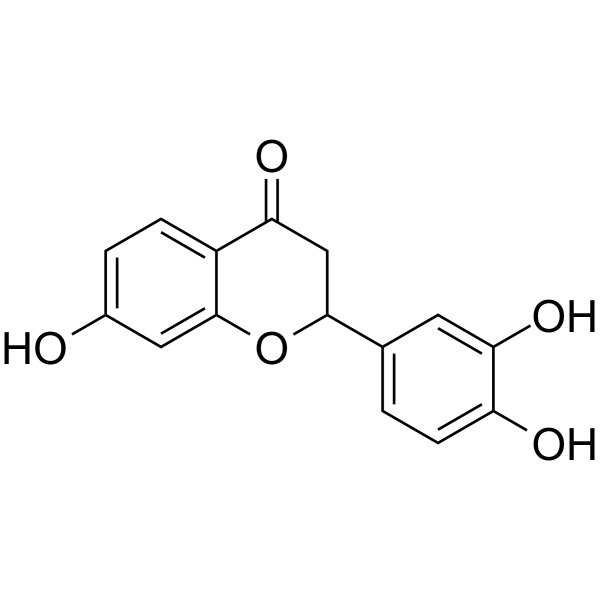
    Butin is a major biologically active flavonoid isolated from the heartwood of Dalbergia odorifera with oral activity, with strong antioxidant, antiplatelet and anti-inflammatory activities. Butin significantly alleviates myocardial infarction and improves heart function, together with prevents diabetes-induced cardiac oxidative damage in rat .
    Butin
  • HY-P6437A

    Dynamin Cardiovascular Disease Neurological Disease
    Drp1 peptide inhibitor P110 (Compound P110) TFA is a selective Drp1 peptide inhibitor with neuroprotective properties. Drp1 peptide inhibitor P110 TFA can inhibit the activation of Drp1, prevent MPTP (HY-15608)-induced Drp1 mitochondrial translocation, and alleviate MPTP-induced dopaminergic neuron loss, dopaminergic nerve terminal damage, and behavioral deficits, and can be used in the study of Alzheimer's disease. Additionally, Drp1 peptide inhibitor P110 TFA can reduce mitochondrial damage and organ injury in animal models of Huntington's disease, cerebral ischemic injury, and myocardial infarction .
    Drp1 peptide inhibitor P110 TFA
  • HY-174400

    SGLT SOD Na+/H+ Exchanger (NHE) Autophagy Cardiovascular Disease
    SGLT2-IN-2 (Compound E9) is an inhibitor of SGLT2. SGLT2-IN-2 significantly enhances the inhibition of SGLT2, NHE1, and SOD enzyme activity. SGLT2-IN-2 has protective effect on the glucose-free DMEM-induced injured cardiomyocytes. SGLT2-IN-2 significantly improves cardiac function in TAC-induced HF mice and inhibits cardiomyocyte hypertrophy as well as collagen deposition. SGLT2-IN-2 can ameliorate myocardial tissue damage and enhance mitochondrial autophagy in injured cardiomyocytes, thereby increasing survival rates in HF mice .
    SGLT2-IN-2
  • HY-E70008

    Sirtuin Inflammation/Immunology
    Lumbokinase attenuates myocardial ischemia-reperfusion (I-R) injury through the activation of Sirt1 signaling, and thus enhances autophagic flux and reduces I-R-induced oxidative damage, inflammation and apoptosis .
    Lumbokinase
  • HY-P6437

    Dynamin Cardiovascular Disease Neurological Disease
    Drp1 peptide inhibitor P110 (Compound P110) is a selective Drp1 peptide inhibitor with neuroprotective properties. Drp1 peptide inhibitor P110 can inhibit the activation of Drp1, prevent MPTP-induced Drp1 mitochondrial translocation, and alleviate MPTP-induced dopaminergic neuron loss, dopaminergic nerve terminal damage, and behavioral deficits, and can be used in the study of Alzheimer's disease. Additionally, Drp1 peptide inhibitor P110 can reduce mitochondrial damage and organ injury in animal models of Huntington's disease, cerebral ischemic injury, and myocardial infarction .
    Drp1 peptide inhibitor P110
  • HY-B1900R
    Methylprednisolone succinate (Standard)
    1 Publications Verification

    Methylprednisolone hydrogen succinate (Standard)

    Reference Standards Glucocorticoid Receptor Bacterial Toll-like Receptor (TLR) NF-κB Metabolic Disease Inflammation/Immunology Cancer
    Methylprednisolone succinate (Standard) is the analytical standard of Methylprednisolone succinate (HY-B1900). This product is intended for research and analytical applications. Methylprednisolone succinate (Methylprednisolone hydrogen succinate) is a prodrug of Methylprednisolone (HY-B0260) and glucocorticoid with immunosuppressant and anti-inflammatory activity. Methylprednisolone succinate binds cytosolic glucocorticoid receptors, translocates to nuclei, and modulates target gene transcription. Methylprednisolone succinate alters Bax, Bcl-2, occludin, and ZO-1 expression; attenuates TLR4/NF-κB signaling; suppresses proinflammatory cytokine production and immune cell activation. Methylprednisolone succinate can be used for the research of intracranial haemorrhage, rheumatoid arthritis, multiple sclerosis, preterminal cancer, inflammatory conditions, shock, immediate-type hypersensitivity, acute myocardial ischemia, hypoxic heart muscle damage, and traumatic spinal cord injury .
    Methylprednisolone succinate (Standard)
  • HY-125942
    SKF-96365
    Maximum Cited Publications
    27 Publications Verification

    CRAC Channel TRP Channel CaMK Akt Apoptosis Autophagy Na+/Ca2+ Exchanger Calcium Channel Neurological Disease Inflammation/Immunology Cancer
    SKF-96365 is a TRPC channel antagonist and store-operated calcium entry (SOCE) inhibitor. SKF-96365 reduces calcium ion influx by inhibiting the activity and expression of TRPC6, STIM1 and Orai1. SKF-96365 inhibits voltage-gated sodium current (cardiac INa/NaV1.5) and slows myocardial conduction. SKF-96365 inhibits phosphorylation/activation of CaMKIIγ and suppresses the downstream AKT signaling pathway. SKF-96365 induces G2/M phase cell cycle arrest, apoptosis and cytoprotective autophagy in colorectal cancer cells. SKF-96365 alleviates allergic rhinitis symptoms by reducing inflammatory cytokine levels. SKF-96365 reduces intracellular calcium overload, inhibits Homer1 expression, prevents nuclear damage and suppresses apoptosis. SKF-96365 inhibits the growth of colorectal cancer xenografts in nude mice . SKF-96365 is applicable to research related to allergic rhinitis, colorectal cancer, Parkinson's disease, persistent spontaneous nociception and hyperalgesia .
    SKF-96365
  • HY-142059

    Phosphodiesterase (PDE) Cardiovascular Disease Metabolic Disease
    PDE5-IN-4 is a phosphodiesterase 5 inhibitor. PDE5-IN-4 can be used for the research of acute myocardial infarction and damage caused by reperfusion, gastrointestinal diseases, damage caused by diabetes, and liver failure .
    PDE5-IN-4
  • HY-P2696

    Transmembrane Glycoprotein Cardiovascular Disease
    EP 80317 is a selective CD36 ligand. EP 80317 protects the heart against damage and dysfunction elicited by myocardial ischaemia and reperfusion (MI/R), along with a transient reduction in peripheral lipolysis. EP 80317 can be used for the study of cardiovascular disease .
    EP 80317
  • HY-155517

    NOD-like Receptor (NLR) Pyroptosis Inflammation/Immunology
    INF200 (compound 5) is a sulfonylurea-based inhibitor of NLRP3 and NLRP3-mediated pyroptosis. INF200 has beneficial cardiometabolic effects in rat model of high-fat diet (HFD)-induced metaflammation,and shows anti-inflammatory activity to (10 μM) decreases IL-1β release in human macrophages. INF200 improves glucose and lipid profiles,and attenuates systemic inflammation and biomarkers of cardiac dysfunction (particularly BNP). INF200 also improves myocardial damage-dependent ischemia/reperfusion injury (IRI) in hemodynamic evaluation .
    INF200
  • HY-130272

    Drug Derivative Cardiovascular Disease
    Anti-MI/R injury agent 1 (compound 18), a Panaxatriol derivative, is an orally active, potent anti-myocardial ischemia/reperfusion (anti-MI/R) injury agent. Anti-MI/R injury agent 1 enhances oxygen-glucose deprivation and reperfusion (OGD/R)-induced cardiomyocyte injury cell viability. Anti-MI/R injury agent 1 can markedly reduce myocardial infarction size, decrease circulating cardiac troponin I (cTnI) leakage, and alleviate cardiac tissue damage in the rats .
    Anti-MI/R injury agent 1
  • HY-106987

    NO Synthase Cardiovascular Disease Inflammation/Immunology
    SP/W-5186 is a nitric oxide (NO) donor agent containing a cysteine structure. SP/W-5186 can improve cardiac function, reduce myocardial damage, protect vascular endothelial function and inhibit inflammation and oxidative stress. SP/W-5186 has the ability to inhibit oxidative damage induced by peroxynitrite (ONOO⁻). SP/W-5186 can be used in the research of myocardial ischemia-reperfusion injury .
    SP/W 5186
  • HY-N6020BR

    Reference Standards Others Cardiovascular Disease Inflammation/Immunology
    Butin is a major biologically active flavonoid isolated from the heartwood of Dalbergia odorifera with oral activity, with strong antioxidant, antiplatelet and anti-inflammatory activities. Butin significantly alleviates myocardial infarction and improves heart function, together with prevents diabetes-induced cardiac oxidative damage in rat .
    Butin (Standard)
  • HY-149586

    Reactive Oxygen Species (ROS) Others
    ROS-IN-2 (compound 85) is a seco-lupane triterpenoid derivative. ROS-IN-2 blocks ROS production and protects mitochondria from damage by inhibiting excessive production of oxidative stressors. ROS-IN-2 can be used for myocardial ischemia/reperfusion (MI/R) injury research .
    ROS-IN-2
  • HY-N13218

    Others Cardiovascular Disease
    Pueraria Extract is a kudzu extract, and its components include: Isoflavones. Pueraria Extract (ethanol extract) can significantly improve cardiac damage in rats with acute myocardial infarction. Pueraria Extract improves bile acid levels by increasing the expression of CYP7A1 and restoring the diversity of intestinal microbiota. Pueraria Extract can also inhibit the FXR-FGF15 signaling pathway and increase the expression of OST-α to increase bile acid reabsorption and fecal excretion. .
    Pueraria Extract
  • HY-W424851

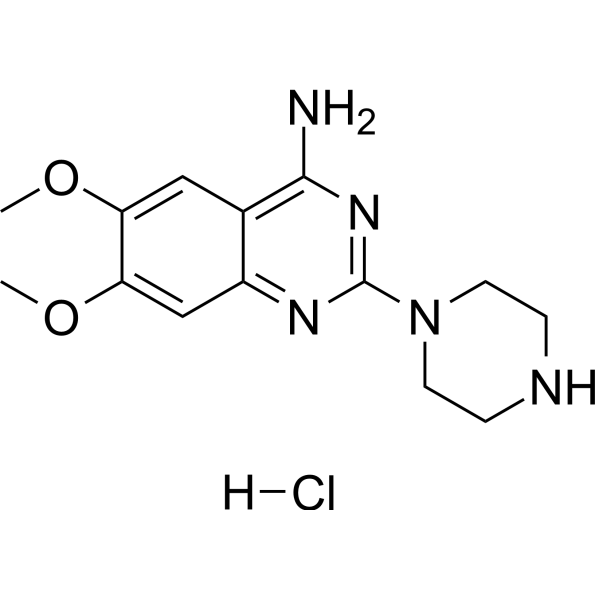
    6,7-Dimethoxy-2-(1-piperazinyl)-4-quinazolinamine hydrochloride

    PARP Infection Inflammation/Immunology
    DPQ hydrochloride is a blood-brain barrier permeable and selective PARP-1 inhibitor that blocks PARP-1-mediated DNA damage repair and NAD +/ATP consumption, thereby inhibiting excessive inflammatory responses. DPQ hydrochloride inhibits NF-κB pathway activation, reduces the expression of pro-inflammatory factors (such as TNF-α, IL-6) and oxidative stress. DPQ hydrochloride can be used in inflammation-related studies of acute lung injury, myocardial infarction, and neurodegenerative diseases .
    DPQ hydrochloride
  • HY-121586

    Bay g 6575

    Lipoxygenase Cardiovascular Disease
    Nafazatrom (Bay g 6575) is an orally active cardioprotective agent that protects against ischemic damage. Nafazatrom dose-dependently inhibits neutrophil aggregation, superoxide anion generation, arachidonic acid metabolism, and to a lesser extent the release of β-glucosidase, platelet aggregation or arachidonic acid in vitro. Acid metabolism has no significant effect. In a dog ischemia-reperfusion model, Nafazatrom (10 mg/kg; po) reduced infarct size and the occurrence of arrhythmias and rescued ischemic myocardial function without affecting any hemodynamic changes. The basis of Nafazatrom's cardioprotection may be inhibition of neutrophil function and cellular infiltration in vitro .
    Nafazatrom
  • HY-128483R

    TGF-beta/Smad PI3K NF-κB Akt Apoptosis Dopamine β-hydroxylase mTOR Adrenergic Receptor Reference Standards Cardiovascular Disease Endocrinology Cancer
    Fusaric acid (Standard) is the analytical standard of Fusaric acid (HY-128483). This product is intended for research and analytical applications. Fusaric acid is an orally active multi-pathway inhibitor with the activity of inducing oxidative stress and apoptosis. Fusaric acid can chelate divalent metal cations, damage mitochondrial membrane structure, and activate apoptosis-related proteases such as Caspase-3/7, -8, and -9. Fusaric acid also regulates Bax/Bcl-2 protein, inhibits fibrosis-related signaling pathways such as NF-κB, TGF-β1/SMADs, and PI3K/AKT/mTOR, and reduces collagen deposition. Fusaric acid is also a dopamine β-hydroxylase inhibitor, which reduces endogenous levels of norepinephrine and epinephrine in the brain, heart, spleen, and adrenal glands. Fusaric acid can play a role in myocardial fibrosis and improve cardiac hypertrophy in heart disease, and can also be used in the study of esophageal cancer and liver cancer .
    Fusaric acid (Standard)
  • HY-W778057

    Protocatechuic acid ethyl ester-13C3

    Reactive Oxygen Species (ROS) Cancer
    Ethyl 3,4-Dihydroxybenzoate- 13C3 (Protocatechuic acid ethyl ester- 13C3) is the 13C-labeled Ethyl 3,4-dihydroxybenzoate (HY-W016409). Ethyl 3,4-dihydroxybenzoate (Protocatechuic acid ethyl ester) is an orally effective, blood-brain barrier-permeable, competitive prolyl hydroxylase (PHD) inhibitor that inhibits the hydroxylation modification of hypoxia-inducible factor (HIF) by PHD. Ethyl 3,4-dihydroxybenzoate stabilizes HIF-1α by inhibiting PHD, activates downstream pathways to induce autophagy and apoptosis of tumor cells, and regulates inflammatory responses, inhibits the NF-κB pathway, improves vascular permeability, and promotes osteoblast differentiation. Ethyl 3,4-dihydroxybenzoate has anti-tumor, anti-hypoxic injury, and bone metabolism regulation effects. It can also be used in the research of cardiovascular protection (such as reducing myocardial ischemic damage), bone tissue engineering (promoting osteogenesis/inhibiting osteoclast differentiation), and prevention and treatment of high-altitude cerebral edema .
    Ethyl 3,4-Dihydroxybenzoate-13C3
  • HY-W016409R

    Protocatechuic acid ethyl ester (Standard)

    Reference Standards HIF/HIF Prolyl-Hydroxylase Reactive Oxygen Species (ROS) NO Synthase Autophagy Apoptosis Metabolic Disease Cancer
    Ethyl 3,4-dihydroxybenzoate (Standard) (Protocatechuic acid ethyl ester (Standard)) is the analytical standard of Ethyl 3,4-dihydroxybenzoate (HY-W016409). This product is intended for research and analytical applications. Ethyl 3,4-dihydroxybenzoate (Protocatechuic acid ethyl ester) is an orally effective, blood-brain barrier-permeable, competitive prolyl hydroxylase (PHD) inhibitor that inhibits the hydroxylation modification of hypoxia-inducible factor (HIF) by PHD. Ethyl 3,4-dihydroxybenzoate stabilizes HIF-1α by inhibiting PHD, activates downstream pathways to induce autophagy and apoptosis of tumor cells, and regulates inflammatory responses, inhibits the NF-κB pathway, improves vascular permeability, and promotes osteoblast differentiation. Ethyl 3,4-dihydroxybenzoate has anti-tumor, anti-hypoxic injury, and bone metabolism regulation effects. It can also be used in the research of cardiovascular protection (such as reducing myocardial ischemic damage), bone tissue engineering (promoting osteogenesis/inhibiting osteoclast differentiation), and prevention and treatment of high-altitude cerebral edema .
    Ethyl 3,4-dihydroxybenzoate (Standard)
  • HY-106414A

    NSC 292652 hydrochloride; RP 33921 hydrochloride

    Drug Derivative DNA Alkylator/Crosslinker Cardiovascular Disease Cancer
    Detorubicin hydrochloride (NSC 292652 hydrochloride) is a semi-synthetic analog of Daunorubicin (HY-13062A) and a prodrug of Doxorubicin (HY-15142A). Detorubicin hydrochloride hydrolyzes to release Doxorubicin under neutral pH conditions. Detorubicin hydrochloride forms complexes with DNA. Detorubicin hydrochloride exhibits anti-hematologic tumor and metastatic melanoma activities. Detorubicin hydrochloride causes myocardial injury, skin damage, alopecia, and high mortality in golden hamsters. Detorubicin hydrochloride can be used in research related to leukemia, and metastatic melanoma .
    Detorubicin hydrochloride
  • HY-P2696A

    Transmembrane Glycoprotein Cardiovascular Disease
    EP 80317 acetate is a selective CD36 ligand. EP 80317 acetate protects the heart against damage and dysfunction elicited by myocardial ischaemia and reperfusion (MI/R), along with a transient reduction in peripheral lipolysis. EP 80317 acetate can be used for the study of cardiovascular disease .
    EP 80317 acetate
  • HY-P992358

    ADAMTS Cardiovascular Disease
    GSK2394002 is an antibody inhibitor targeting ADAMTS-4 and ADAMTS-5, with cartilage-penetrating ability following systemic administration. GSK2394002 inhibits the release of aggrecan-derived neoepitopes and reduces cartilage degradation, exhibiting the potential to relieve pain, alleviate hyperalgesia and inhibit the progression of joint damage. GSK2394002 also induces potentially irreversible cardiovascular effects such as increased mean arterial pressure and myocardial ischemia in cynomolgus monkeys .
    GSK2394002

Inquiry Online

Your information is safe with us. * Required Fields.

Salutation


Country or Region *

Applicant Name *


Organization Name *

Department *


Email Address *


Product Name *

Cat. No.


Requested quantity *

Phone Number *


Remarks

Inquiry Online

Inquiry Information

Product Name:
Cat. No.:
Quantity:
MCE Japan Authorized Agent:

