1. Search Result
Search Result
Pathways Recommended: Stem Cell/Wnt Cell Cycle/DNA Damage
Results for "

nerve cells

" in MedChemExpress (MCE) Product Catalog:

140

Inhibitors & Agonists

4

Screening Libraries

3

Fluorescent Dye

6

Biochemical Assay Reagents

11

Peptides

2

Inhibitory Antibodies

41

Natural
Products

5

Isotope-Labeled Compounds

2

Oligonucleotides

Cat. No. Product Name Target Research Areas Chemical Structure
  • HY-101200

    SIN-1 chloride

    Apoptosis Autophagy Reactive Oxygen Species (ROS) Annexin A NF-κB Cardiovascular Disease Neurological Disease Inflammation/Immunology Cancer
    Linsidomine hydrochloride (SIN-1 chloride) is a spontaneous ROS/RNS generator and peroxynitrite donor. Linsidomine hydrochloride is a vasodilator and platelet aggregation inhibitor. Linsidomine hydrochloride induces oxidative stress-induced chondrocyte apoptosis and necrosis. Linsidomine hydrochloride inhibits the migration, proliferation and neointima formation of vascular smooth muscle cells by inhibiting the expression of annexin A2. In addition, low doses of Linsidomine hydrochloride shows protective effects on Zn 2+ treated nerve cells .
    Linsidomine hydrochloride
  • HY-Y0850

    Environmental Pollutants Biochemical Assay Reagents Neurological Disease
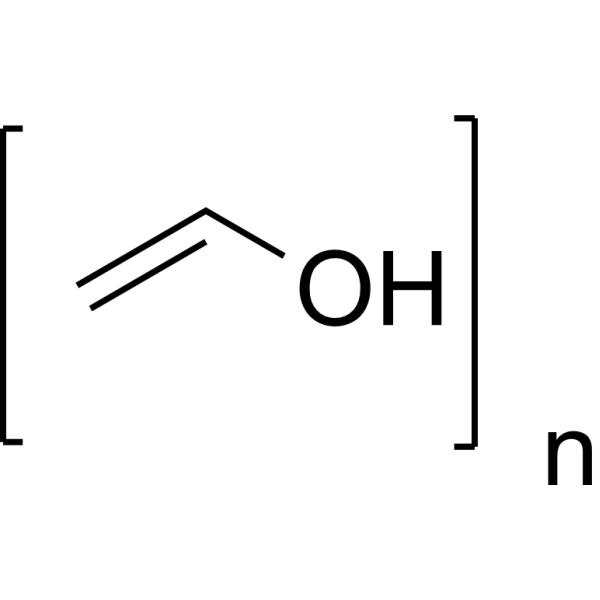
    Polyvinyl alcohol (Mw 146000-186000, 99+% hydrolyzed) is a non-biodegradable, hydrophilic, odorless biomedical polymer with cell adhesion/proliferation inhibition, peripheral nerve regeneration induction, dissolution enhancement, and non-toxic, biocompatible properties .
    Polyvinyl alcohol (Mw 146000-186000, 99+% hydrolyzed)
  • HY-154848
    UCL-TRO-1938
    3 Publications Verification

    PI3K Akt Cardiovascular Disease Neurological Disease Cancer
    UCL-TRO-1938 is a potent small molecule allosteric activator of PI3Kα with an EC50 value of approximately 60 μM. UCL-TRO-1938 can induce cell proliferation and has cardioprotective effects from ischaemia reperfusion injury and enhances nerve regeneration following nerve crush .
    UCL-TRO-1938
  • HY-N0015
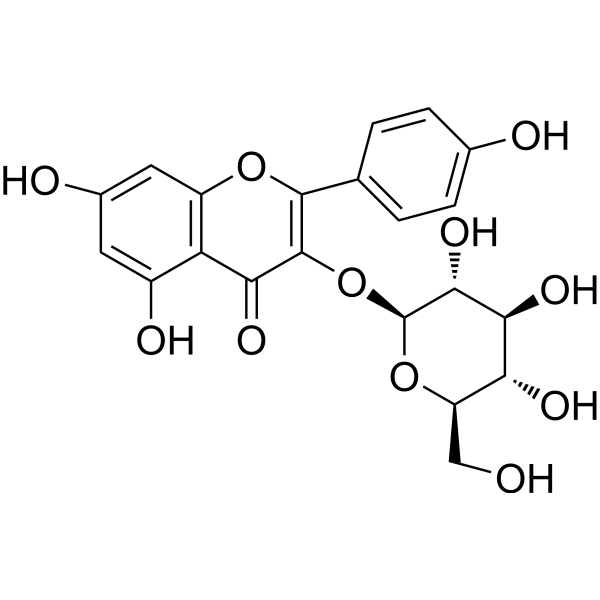
    Astragalin
    Maximum Cited Publications
    17 Publications Verification

    Astragaline; 3-Glucosylkaempferol; Kaempferol 3-β-D-glucopyranoside

    Apoptosis NF-κB Infection Inflammation/Immunology Cancer
    Astragalin (Astragaline) a flavonoid with anti-inflammatory, antioxidant, anticancer, bacteriostatic activity. Astragalin inhibits cancer cells proliferation and migration, induces apoptosis. Astragalin is orally active and provides nerve and heart protection, and resistance against and osteoporosis .
    Astragalin
  • HY-12807
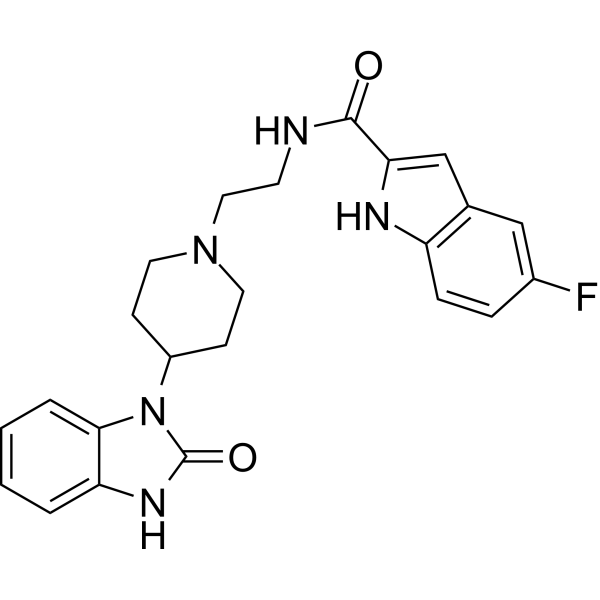
    FIPI
    5 Publications Verification

    5-Fluoro-2-indolyl deschlorohalopemide

    Phospholipase Cardiovascular Disease Neurological Disease Inflammation/Immunology Cancer
    FIPI is a phospholipase D (PLD) inhibitor with an IC50 for PLD1 and PLD2 of about 25 nM. FIPI regulates cytoskeletal recombination, cell diffusion and chemotaxis. FIPI can be used in cancer research. In addition, FIPI can enhance the secretion and aggregation of platelet dense particles, inhibit thrombosis, reduce ischemic stroke infarct volume and improve nerve function .
    FIPI
  • HY-P3419
    PAMP-12 (unmodified)
    2 Publications Verification

    Mas-related G-protein-coupled Receptor (MRGPR) PERK Calcium Channel Cardiovascular Disease Inflammation/Immunology
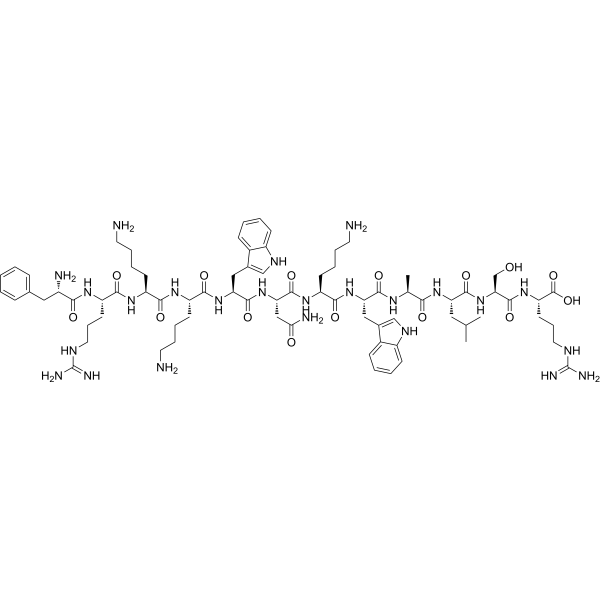
    PAMP-12 (unmodified) is an endogenous peptide and is a MrgX2 agonist. PAMP-12 (unmodified) can reduce cAMP accumulation, increase Ca 2+ levels, enhance beta-arrestin recruitment, decrease IP-1, and increases phosphoERK. PAMP-12 (unmodified) can elicit hypotension through inhibiting catecholamine secretion from sympathetic nerve endings and adrenal chromaffin cells. PAMP-12 (unmodified) can be used for the research of hypotension and ulcerative colitis .
    PAMP-12 (unmodified)
  • HY-W012788
    Maltol
    2 Publications Verification

    Environmental Pollutants Endogenous Metabolite Apoptosis Infection Neurological Disease
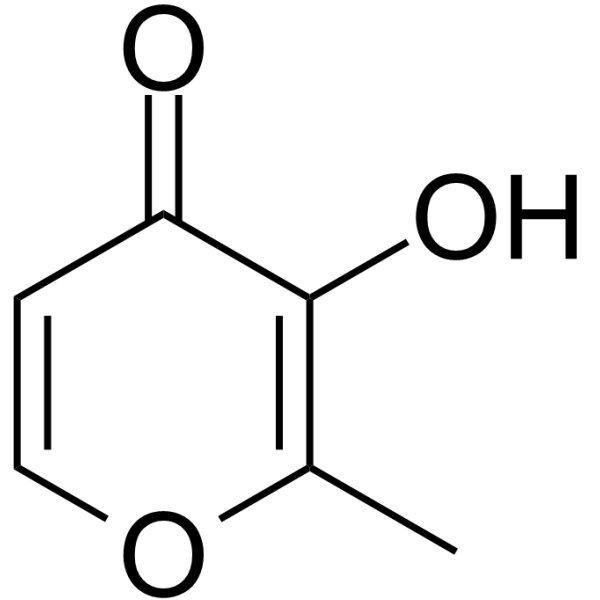
    Maltol, a type of aromatic compound, is an antioxidant agent. Maltol enhances neural function by mitigating oxidative stress and cell apoptosis. Maltol is an inhibitor of oxidative damage in nerve cells and is effective in preventing diabetic peripheral neuropathy (DPN). Maltol is used extensively as a safe flavoring agent and food preservative. Maltol is a metal ion chelator that can be used in the field of catalysis, cosmetics, and medicine .
    Maltol
  • HY-B0563
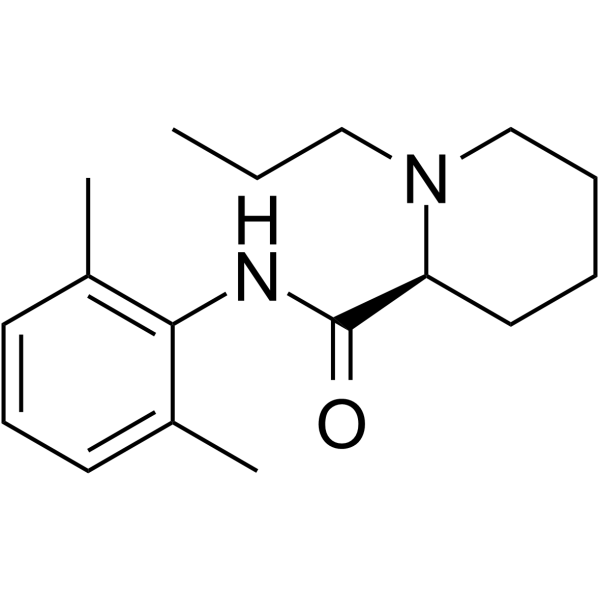
    Ropivacaine
    5+ Cited Publications

    Sodium Channel Potassium Channel Cardiovascular Disease Neurological Disease Cancer
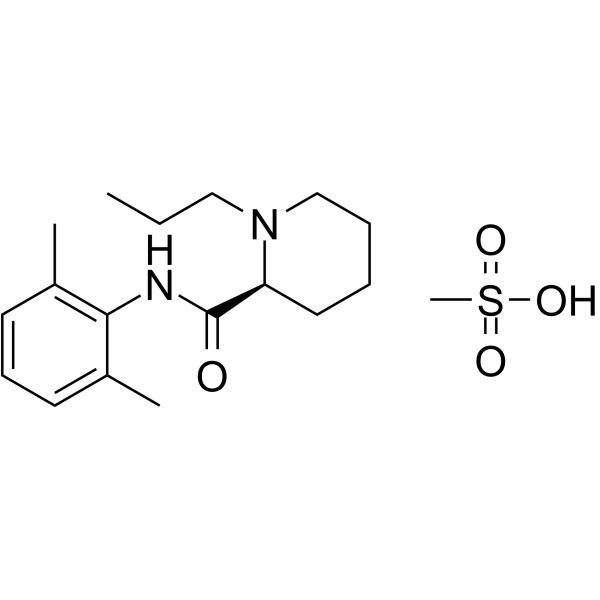
    Ropivacain is a potent sodium channel blocker. Ropivacain blocks impulse conduction via reversible inhibition of sodium ion influx in nerve fibrese . Ropivacaine is also an inhibitor of K2P (two-pore domain potassium channel) TREK-1 with an IC50 of 402.7 μM in COS-7 cell's membrane . Ropivacaine is used for the research of neuropathic pain management .
    Ropivacaine
  • HY-D0889
    Glycylglycine
    1 Publications Verification

    Gly-Gly; H-Gly-Gly-OH

    Endogenous Metabolite Metabolic Disease
    Glycylglycine is a non-selective glycylglycine dipeptidase substrate and iNOS inhibitor. Glycylglycine can cross the cell membrane by passive diffusion and is hydrolyzed to glycine in the cell, participating in energy metabolism and antioxidant processes. Glycylglycine promotes spermatogonial stem cells (SSCs) proliferation, inhibits astrocyte overactivation and reduces nitric oxide (NO) release, while upregulating the expression of neurotrophic factors (such as PDGFA, FGF2, CNTF) to support nerve myelin repair. Glycylglycine can be used to study male reproductive biology (such as SSCs proliferation regulation) and neurodegenerative diseases (such as neuroprotective mechanisms in multiple sclerosis) .
    Glycylglycine
  • HY-N1501
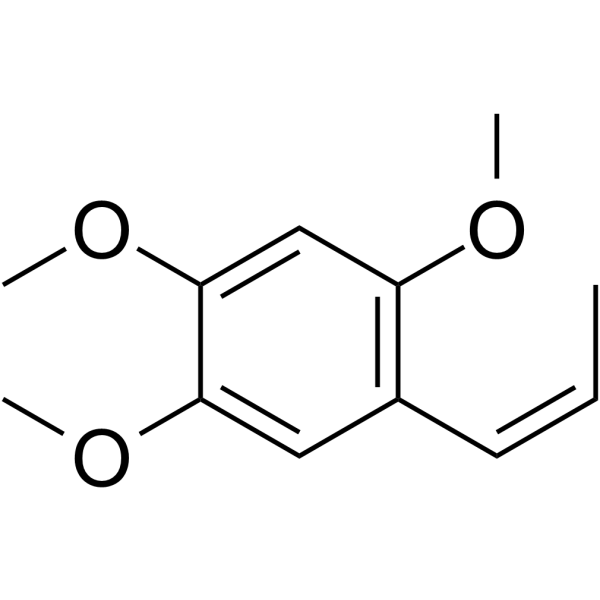
    Beta-asarone
    4 Publications Verification

    α-synuclein Cardiovascular Disease Neurological Disease Inflammation/Immunology
    Beta-asarone is an orally active and BBB-penetrable anti-inflammatory agent and neuroprotective agent, which is the major ingredient of Acorus tatarinowii Schott. Beta-asarone can protect nerve cells from apoptosis and autophagy, inhibit expression of α-synuclein, as well as myocardial protection. Beta-asarone can be used in the study of neurological and cardiovascular diseases .
    Beta-asarone
  • HY-B0364A
    Dyclonine hydrochloride
    1 Publications Verification

    Dyclocaine hydrochloride

    Bacterial Fungal Aldehyde Dehydrogenase (ALDH) Infection Cancer
    Dyclonine (Dyclocaine) hydrochloride is an orally effective ALDH covalent inhibitor (crosses blood-brain barrier), with an IC50 of 35 μM for ALDH2 and 76 μM for ALDH3A1. Dyclonine hydrochloride has sensitizing activities for targeted cancer cells and antibacterial. Dyclonine hydrochloride is also a local agent that can suppress or relieve pain. that blocks the transmission of various nerve impulses or stimuli and inhibits the sensation of touch and pain .
    Dyclonine hydrochloride
  • HY-110155
    LM11A-31 dihydrochloride
    5+ Cited Publications

    Neurotensin Receptor Neurological Disease
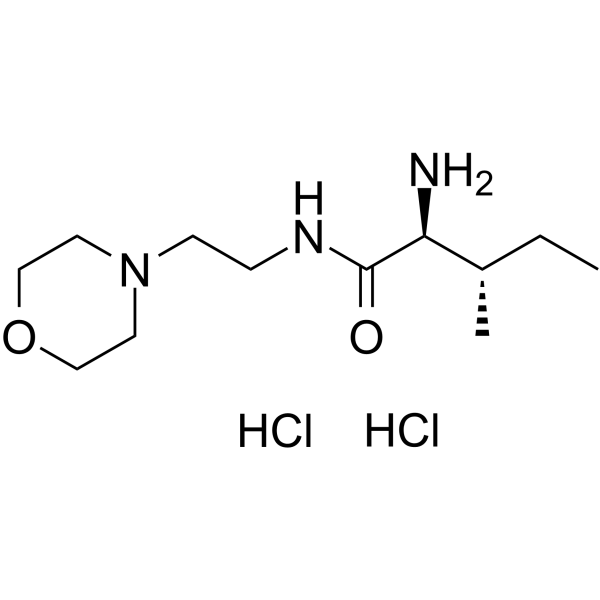
    LM11A-31 dihydrochloride, a non-peptide p75 NTR (neurotrophin receptor p75) modulator, is an orally active and potent proNGF (nerve growth factor) antagonist. LM11A-31 dihydrochloride is an amino acid derivative with high blood-brain barrier permeability and blocks p75-mediated cell death. LM11A-31 dihydrochloride reverses cholinergic neurite dystrophy in Alzheimer's disease mouse models with mid- to late-stage disease progression .
    LM11A-31 dihydrochloride
  • HY-133968
    24-Methylenecholesterol
    2 Publications Verification

    Ostreasterol

    Acyltransferase Reactive Oxygen Species (ROS) Inflammation/Immunology
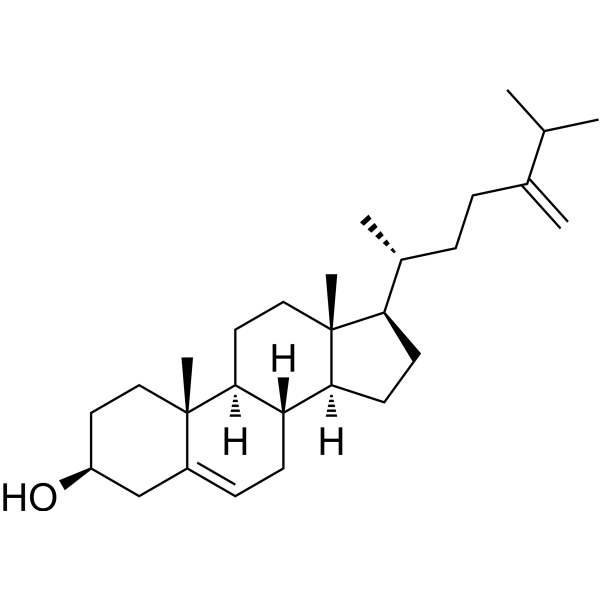
    24-Methylenecholesterol (Ostreasterol) is a regulator targeting acyl-CoA cholesterol acyltransferase (ACAT) with anti-aging and neuroprotective effects. 24-Methylenecholesterol mimics the effects of nerve growth factor (NGF), can extend yeast lifespan through an anti-oxidative stress mechanism, and exhibits neuroprotective activity in PC12 cells. 24-Methylenecholesterol can reduce intracellular reactive oxygen species (ROS) and malondialdehyde (MDA) levels, activate anti-oxidative stress pathways (such as UTH1, SOD-related genes), and promote synaptic growth .
    24-Methylenecholesterol
  • HY-N0837
    Veratramine
    1 Publications Verification

    NSC17821; NSC23880

    PI3K Akt mTOR Autophagy Apoptosis Neurological Disease Metabolic Disease Inflammation/Immunology Cancer
    Veratramine (NSC17821; NSC23880) is an orally active inhibitor of the PI3K/Akt/mTOR signaling pathway and a SIGMAR1 modulator. Veratramine induces autophagic apoptosis of tumor cells, arrests the cell cycle at the G0/G1 phase, and inhibits epithelial-mesenchymal transition (EMT)-related proteins to reduce tumor migration. Veratramine reduces spinal cord and sciatic nerve pathological damage in a neuropathy model by inhibiting SIGMAR1 binding to NMDAR and phosphorylation of NMDAR Ser896. Veratramine has anti-tumor proliferation, apoptosis induction, anti-inflammatory and neuroprotective activities, and can be used in the study of cancers such as liver cancer and osteosarcoma, as well as diabetic peripheral neuropathy .
    Veratramine
  • HY-12546

    Brevetoxin-2; PbTx-2

    Sodium Channel Apoptosis Calcium Channel Potassium Channel Caspase Neurological Disease Cancer
    Brevetoxin B (Brevetoxin-2) is a red tide toxin. Brevetoxin B affects sodium, potassium and calcium currents in nerve terminals. Brevetoxin B also modulates the metabolic activity of Jurkat cells, reduces cell viability and induces apoptosis. Brevetoxin B can be used in research on synaptic transmission and tumors .
    Brevetoxin B
  • HY-B0563B
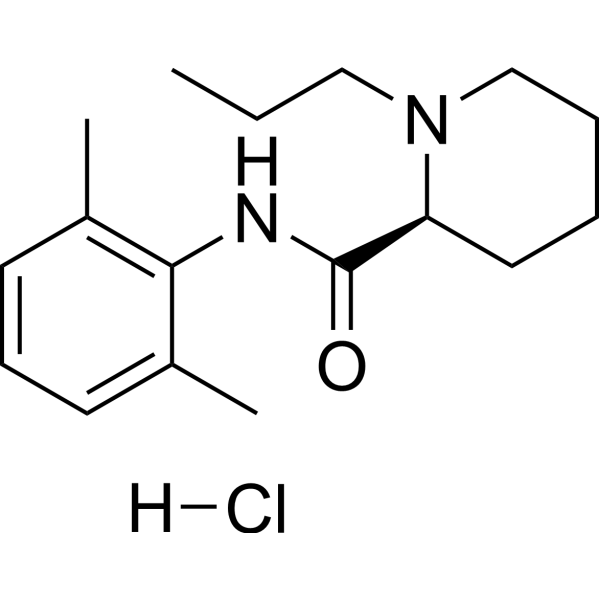
    Ropivacaine hydrochloride
    5+ Cited Publications

    Sodium Channel Potassium Channel Cardiovascular Disease Neurological Disease Cancer
    Ropivacaine hydrochloride is a potent sodium channel blocker and blocks impulse conduction via reversible inhibition of sodium ion influx in nerve fibrese . Ropivacaine is also an inhibitor of K2P (two-pore domain potassium channel) TREK-1 with an IC50 of 402.7 μM in COS-7 cell's membrane . Ropivacaine is widely used for neuropathic pain management in vivo .
    Ropivacaine hydrochloride
  • HY-15976
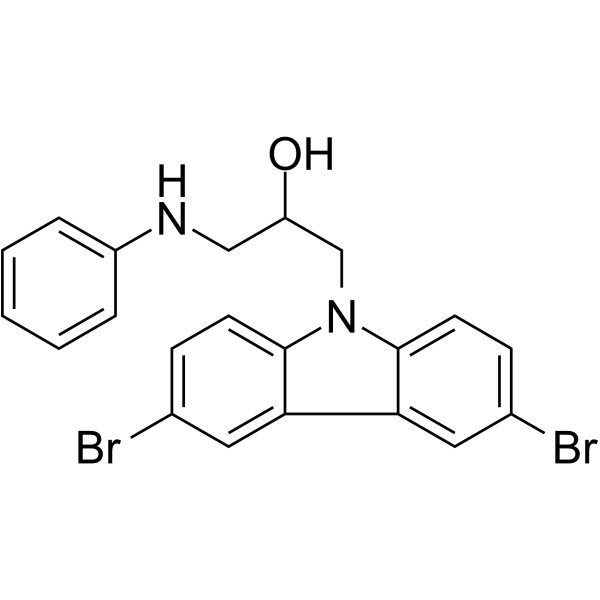
    P7C3
    5+ Cited Publications

    Others Neurological Disease
    P7C3 is an orally bioavailable and blood-brain barrier penetrant aminopropyl carbazole, with neuroprotective effects. P7C3 can be used for the research of neurodegenerative diseases, including Parkinson's disease .
    P7C3
  • HY-117088
    LM11A-31
    5+ Cited Publications

    Neurokinin Receptor Neurological Disease
    LM11A-31, a non-peptide p75 NTR (neurotrophin receptor p75) modulator, is an orally active and potent proNGF (nerve growth factor) antagonist. LM11A-31 is an amino acid derivative with high blood-brain barrier permeability and blocks p75-mediated cell death. LM11A-31 reverses cholinergic neurite dystrophy in Alzheimer's disease mouse models with mid- to late-stage disease progression .
    LM11A-31
  • HY-A0042

    CGP 33101; E 2080; RUF 331

    Sodium Channel Neurological Disease
    Rufinamide (CGP 33101) is an orally active antiepileptic compound that inhibits Na + current activation, inhibits neuronal hyperexcitability, and has anticonvulsant effects. Rufinamide is used in the study of Lennox-Gastaut syndrome .
    Rufinamide
  • HY-131686

    Akt mTOR EGFR ERK Infection Neurological Disease Metabolic Disease Inflammation/Immunology Cancer
    Ganglioside GT1b (bovine) ammonium is a member of the ganglioside family. Ganglioside GT1b (bovine) ammonium acts as a protective signal against nerve injury-induced spinal synapse elimination. Ganglioside GT1b (bovine) ammonium induces HA synthesis and the phosphorylation of Akt/mTOR in orbital fibroblasts. Ganglioside GT1b (bovine) ammonium enhances porcine oocyte maturation and induce activation of EGFR and ERK1/2 signaling. Ganglioside GT1b (bovine) ammonium is a putative host cell receptor for the Merkel cell polyomavirus. Ganglioside GT1b (bovine) ammonium can be used for the researches of cancer, infection, immunology, endocrinology and neurological disease, such as Thyroid eye disease .
    Ganglioside GT1b (bovine) ammonium
  • HY-101448
    TMI-1
    1 Publications Verification

    WAY-171318

    MMP Apoptosis Interleukin Related TNF Receptor Caspase Infection Neurological Disease Inflammation/Immunology Cancer
    TMI-1 (WAY-171318) inhibits TNF converting enzyme (TACE) (IC50 of 8.4 nM), ADAM-TS-4, ADAM-17 and various MMPs with oral activity. TMI-1 significantly suppresses the secretion of TNF-α , alleviating collagen-induced arthritis in mice. TMI-1 inhibits cancer cell proliferation, induces apoptosis through a caspase-dependent pathway. TMI-1 also reverses TRPV1 upregulation and lowers the levels of inflammatory factors (TNF-αIL-1βIL-6) in nerve cells, protecting against paclitaxel-induced neurotoxicity. TMI-1 leads to changes in pro-atherogenic lipoprotein profiles, but does not affect the progression of early lesions .
    TMI-1
  • HY-P5623
    RVG
    1 Publications Verification

    RVG29; RDP; Rabies Virus Glycoprotein-29

    nAChR Interleukin Related Neurological Disease Inflammation/Immunology
    RVG (RVG29) is a blood-brain barrier-permeable peptide derived from rabies virus glycoprotein, which binds to the α-7 subunit of neuronal nicotinic acetylcholine receptor (AchR). RVG efficiently delivers drugs to nerve cells and antigen-presenting cells in a targeted manner, and enhances the efficiency of antigen presentation and drug delivery .
    RVG
  • HY-B0600

    AFP-168; MK2452

    Prostaglandin Receptor Cardiovascular Disease Others
    Tafluprost (AFP-168) is an anti-glaucoma prostaglandin (PG) analog. Tafluprost can inhibit the apoptosis of retinal ganglion cells (RGCs) and rat RGCs cells. Tafluprost promotes axon regeneration by regulating Zn 2+-mTORpathway, inhibits intracellular lipid accumulation in human preorbital adipocytes. Tafluprost can be used in the study of optic nerve injury in glaucoma .
    Tafluprost
  • HY-W247131
    DASPEI
    2 Publications Verification

    Fluorescent Dye Neurological Disease
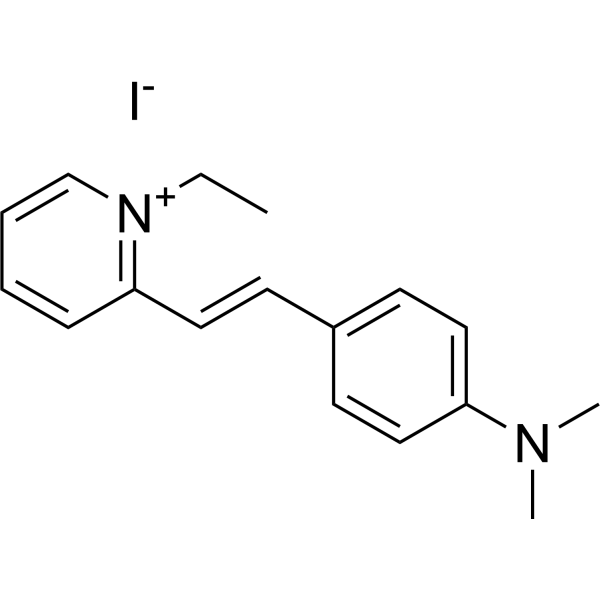
    DASPEI is a cationic styrenyl mitochondrial dye with large Stokes shift. DASPEI has excitation and emission wavelength at 550/573 nm, which has good light chromogenic property. DASPEI can stain mitochondria in living cells with good labeling property. And DASPEI can also be used to stain presynaptic nerve endings independently of neuronal activity .
    DASPEI
  • HY-B0563A

    Sodium Channel Potassium Channel Cardiovascular Disease Neurological Disease Cancer
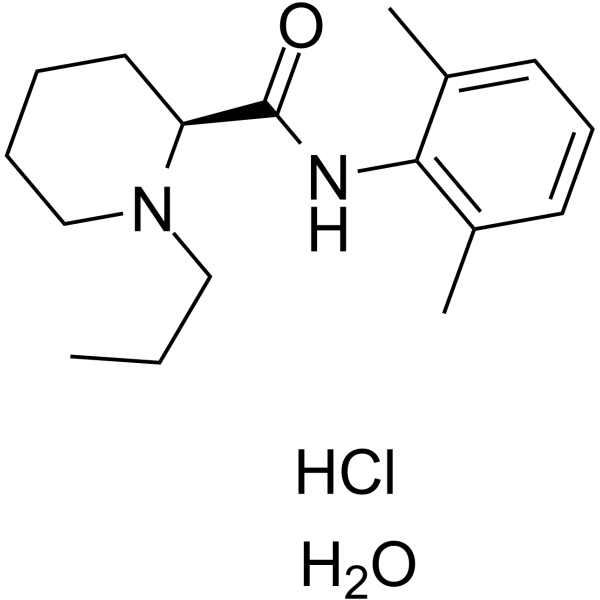
    Ropivacaine hydrochloride monohydrate is a potent sodium channel blocker and blocks impulse conduction via reversible inhibition of sodium ion influx in nerve fibrese . Ropivacaine is also an inhibitor of K2P (two-pore domain potassium channel) TREK-1 with an IC50 of 402.7 μM in COS-7 cell's membrane . Ropivacaine is widely used for regional anesthesia and neuropathic pain management in vivo .
    Ropivacaine hydrochloride monohydrate
  • HY-B0563S1

    Isotope-Labeled Compounds Sodium Channel Potassium Channel Cardiovascular Disease Neurological Disease
    Ropivacaine-d7 is deuterium labeled Ropivacaine. Ropivacain is a potent?sodium channel?blocker. Ropivacain blocks impulse conduction via reversible inhibition of?sodium ion influx?in nerve fibrese . Ropivacaine is also an inhibitor of K2P (two-pore domain potassium channel) TREK-1 with an IC50 of 402.7 μM in COS-7 cell's membrane . Ropivacaine is used for the research of neuropathic pain?management .
    Ropivacaine-d7
  • HY-101365A
    RS-102221 hydrochloride
    1 Publications Verification

    5-HT Receptor Neurological Disease
    RS-102221 hydrochloride is a selective 5-HT2C receptor antagonist (Ki=10 nM). RS-102221 hydrochloride shows nearly 100-fold selectivity for the 5-HT2C receptor as compared to the 5-HT2A and 5-HT2B receptors. RS-102221 hydrochloride can promote the differentiation of new nerve cells. RS-102221 hydrochloride increases food-intake and weight-gain in rats .
    RS-102221 hydrochloride
  • HY-101396
    ICA-069673
    3 Publications Verification

    Potassium Channel Neurological Disease
    ICA-069673 is a KCNQ2/Q3 potassium channel activator. ICA-069673 demonstrates greater selectivity for KV7.2/7.3 over KV7.3/KV7.5, with EC50s of 0.69 μM and 14.3 μM, respectively. ICA-069673 inhibits spontaneous phasic and nerve-evoked contractions in guinea pig detrusor smooth muscle (DSM). ICA-069673 also decreases the global intracellular Ca(2+) concentration in DSM cells .
    ICA-069673
  • HY-A0079

    Amethocaine

    Sodium Channel Calcium Channel Neurological Disease
    Tetracaine (Amethocaine) is a sodium channel inhibitor and ryanodine receptor (RyR) inhibitor. Tetracaine blocks sodium conduction across nerve cell membranes, preventing rapid sodium ion influx and depolarization. Tetracaine exhibits biphasic effects on spontaneous sarcoplasmic reticulum Ca 2+ release in Ca 2+-overloaded ventricular myocytes, and increases sarcoplasmic reticulum Ca 2+ load. Tetracaine can be used in research related to eye diseases .
    Tetracaine
  • HY-N2282

    Zingiberensis newsaponin

    Aldose Reductase JAK STAT Autophagy Apoptosis NF-κB SOD Reactive Oxygen Species (ROS) Cardiovascular Disease Neurological Disease Inflammation/Immunology Cancer
    Zingiberen Newsaponin (Zingiberensis newsaponin) is an orally active type of steroid saponin compound. Zingiberen Newsaponin exerts anti-hepatocellular carcinoma (HCC) effects by inhibiting autophagy and the AKR1C1/JAK2/STAT3 pathway. Zingiberen Newsaponin activates oxidative stress (upregulates ROS and MDA) and mitochondrial pathways, promoting cancer cell apoptosis. Zingiberen Newsaponin alleviates cerebral ischemia-reperfusion (I/R) injury by decreasing the concentration of pro-inflammatory cytokines and inhibits NF-κB. Zingiberen Newsaponin can enhance the activity of SOD, eliminate free radicals and protect nerve cells. Zingiberen Newsaponin induces platelet aggregation .
    Zingiberen newsaponin
  • HY-N2000
    Bellidifolin
    1 Publications Verification

    STAT PI3K mTOR Akt Neurological Disease Inflammation/Immunology Cancer
    Bellidifolin is an orally active compound with antiproliferative, anti-inflammatory and antioxidant properties. Bellidifolin modulates key signaling pathways including STAT3, PI3K-Akt, mTOR and BRD4, and inhibits the viral protein R (Vpr). Bellidifolin induces cell cycle arrest and apoptosis, exerts significant antifibrotic effects, and protects the heart, liver and nervous system. Bellidifolin is applicable to the research of various diseases such as lung cancer, non-alcoholic fatty liver disease, myocardial hypertrophy and ischemic cranial nerve injury .
    Bellidifolin
  • HY-110166
    PD 90780
    2 Publications Verification

    Trk Receptor Neurological Disease
    PD 90780 is a non peptide antagonist of nerve growth factor (NGF). PD 90780 interacts with NGF, prevents NGF binds with p75 NTR. PD 90780 inhibits NGF-p75 NTR interaction with IC50s of 23.1 and 1.8 μM in PC12 cells and PC12 nnr5 cells, respectively .
    PD 90780
  • HY-N0015R

    Astragaline (Standard); 3-Glucosylkaempferol (Standard); Kaempferol 3-β-D-glucopyranoside (Standard)

    Reference Standards Apoptosis NF-κB Infection Inflammation/Immunology Cancer
    Astragalin (Standard) is the analytical standard of Astragalin. This product is intended for research and analytical applications. Astragalin (Astragaline) a flavonoid with anti-inflammatory, antioxidant, anticancer, bacteriostatic activity. Astragalin inhibits cancer cells proliferation and migration, induces apoptosis. Astragalin is orally active and provides nerve and heart protection, and resistance against and osteoporosis .
    Astragalin (Standard)
  • HY-137984

    SARS-CoV Apoptosis Cancer
    Cnicin is an orally bioavailable sesquiterpene lactone. Cnicin has antibacterial and antiproliferative properties and induces apoptosis in primary myeloma cells. Cnicin also exhibits activity against SARS-CoV-2. Cnicin inhibits the viral replication of SARS CoV-2 with an IC50 of 1.18 μg/mL. Cnicin can promote functional nerve regeneration .
    Cnicin
  • HY-P10019

    NLY01

    GCGR Neurological Disease Inflammation/Immunology
    Pegsebrenatide (NLY01) is a blood-brain barrier-penetrant GLP-1R agonist. Pegsebrenatide alleviates retinal inflammation and neuronal death secondary to ocular hypertension . Pegsebrenatide significantly delays onset and reduces disease severity in experimental autoimmune encephalomyelitis . Pegsebrenatide inhibits the formation of A1 reactive astrocytes in nerve cells and reduces the loss of retinal ganglion cells and dopaminergic neurons. Pegsebrenatide exerts neuroprotective effects in a mouse model of Parkinson's disease by directly preventing microglia-mediated conversion of astrocytes to the A1 neurotoxic phenotype. Pegsebrenatide can be used for research on glaucoma, Parkinson's disease, and multiple sclerosis .
    Pegsebrenatide
  • HY-W009754

    5-HT Receptor Neurological Disease
    Antidepressant agent 10 (Compound 4) is an orally active compound. Antidepressant agent 10 has IC50 values of 190 nM and 110 nM for 5-HT1A and 5-HT2, respectively. Antidepressant agent 10 can be used in the research of mental disorders .
    Antidepressant agent 10
  • HY-D0889R

    Gly-Gly (Standard); H-Gly-Gly-OH (Standard)

    Reference Standards Endogenous Metabolite Metabolic Disease
    Glycylglycine (Standard) is the analytical standard of Glycylglycine (HY-D0889). This product is intended for research and analytical applications. Glycylglycine is a non-selective glycylglycine dipeptidase substrate and iNOS inhibitor. Glycylglycine can cross the cell membrane by passive diffusion and is hydrolyzed to glycine in the cell, participating in energy metabolism and antioxidant processes. Glycylglycine promotes spermatogonial stem cells (SSCs) proliferation, inhibits astrocyte overactivation and reduces nitric oxide (NO) release, while upregulating the expression of neurotrophic factors (such as PDGFA, FGF2, CNTF) to support nerve myelin repair. Glycylglycine can be used to study male reproductive biology (such as SSCs proliferation regulation) and neurodegenerative diseases (such as neuroprotective mechanisms in multiple sclerosis) .
    Glycylglycine (Standard)
  • HY-N1501R

    α-synuclein Reference Standards Cardiovascular Disease Neurological Disease Inflammation/Immunology
    Beta-asarone (Standard) is the analytical standard of Beta-asarone. This product is intended for research and analytical applications. Beta-asarone is an orally active and BBB-penetrable anti-inflammatory agent and neuroprotective agent, which is the major ingredient of Acorus tatarinowii Schott. Beta-asarone can protect nerve cells from apoptosis and autophagy, inhibit expression of α-synuclein, as well as myocardial protection. Beta-asarone can be used in the study of neurological and cardiovascular diseases .
    Beta-asarone (Standard)
  • HY-N1989

    Na+/K+ ATPase CaMK Apoptosis Cholinesterase (ChE) NO Synthase NF-κB Neurological Disease Cancer
    Bacoside A is an orally active, blood-brain barrier-permeable triterpenoid saponin that modulates the activities of ATPases, AChE, CaMK2A and iNOS. Derived from Bacopa monniera. Bacoside A exerts significant antioxidant, anti-inflammatory and anti-apoptotic effects by maintaining ion balance, scavenging reactive oxygen species, stabilizing cell membranes, and regulating the expression of NF-κB and apoptosis-related proteins. Bacoside A counteracts morphine-induced reductions in Na +/K +-ATPase, Ca 2+-ATPase and Mg 2+-ATPase activities, increases mitochondrial membrane potential, and decreases intracellular reactive oxygen species levels. Bacoside A specifically binds to calcium/calmodulin-dependent protein kinase IIA to trigger endoplasmic reticulum calcium release. Bacoside A exhibits non-apoptotic cytotoxicity against glioblastoma cells while protecting normal nerve cells from stress-induced damage. Bacoside A is applicable to the research of Parkinson's disease and glioblastoma multiforme .
    Bacoside A
  • HY-117517

    Trk Receptor Cancer
    NG-012, potentiator of nerve growth factor (NGF), were isolated from the culture broth of Penicillium verruculosum F-4542. NG-012 potentiates the neurite outgrowth induced by NGF in rat pheochromocytoma cell line (PC12) .
    NG-012
  • HY-161712

    IMPDH Cancer
    IMPDH-IN-4 is a derivative of N-pyridinylthiophene carboxamid that exhibits activity against peripheral nerve sheath carcinoma cells. IMPDH-IN-4 is metabolized by NAMPT and NMNAT1 to an adenine dinucleotide (AD) derivative, which is an NAD analog and can inhibit inosine monophosphate dehydrogenase (IMPDH), leading to the accumulation of inosine monophosphate (IMP) in cells. IMPDH-IN-4 has good blood-brain barrier permeability and can be used in the study of central and peripheral nervous system cancers .
    IMPDH-IN-4
  • HY-137273

    Somatostatin Receptor MMP Inflammation/Immunology
    Sucrose octasulfate sodium, a derivative of sulfated oligosaccharides, is a matrix metalloproteinase (MMP) inhibitor. Sucrose octasulfate sodium stimulates the release of somatostatin-like immunoreactivity (SLI) from the stomach by acting directly on D cells in the gastric mucosa. Sucrose octasulfate sodium exerts its ulcer-healing effect by releasing endogenous gastric somatostatin. Sucrose octasulfate sodium can be used as a pharmaceutical excipient and significantly improves wound closure in diabetic foot ulcers caused by nerve ischemia and venous leg ulcers. Sucrose octasulfate sodium can be used in the study of chronic wound healing .
    Sucrose octasulfate sodium
  • HY-101365

    5-HT Receptor Neurological Disease
    RS-102221 is a selective 5-HT2C receptor antagonist (Ki=10 nM). RS-102221 shows nearly 100-fold selectivity for the 5-HT2C receptor as compared to the 5-HT2A and 5-HT2B receptors. RS-102221 can promote the differentiation of new nerve cells. RS-102221 increases food-intake and weight-gain in rats .
    RS-102221
  • HY-Z6848

    Sodium Channel Neurological Disease
    (R)-(+)-Bupivacaine hydrochloride is a voltage-gated sodium channel inhibitor. (R)-(+)-Bupivacaine hydrochloride can selectively block the voltage-gated sodium channels on nerve cell membranes, inhibit the influx of sodium ions, and thus prevent the generation and conduction of nerve impulses, exerting local anesthetic activity. (R)-(+)-Bupivacaine hydrochloride can be used in research of acute pains .
    (R)-(+)-Bupivacaine hydrochloride
  • HY-N3938

    Others Neurological Disease
    Gelsemiol is the main active ingredient in Verbena littoralis H. B. K.. Gelsemiol enhanced nerve growth factor (NGF) -induced axonal elongation in PC12D cells .
    Gelsemiol
  • HY-169675

    Endogenous Metabolite Neurological Disease Endocrinology
    Lacripep is a synthetic tear protein. Lacripep binds to and activates syndecan-1 (SDC1). Lacripep restores progenitor cell identity and epithelial barrier function. Lacripep resolves dry eye .
    Lacripep
  • HY-171450

    Trk Receptor Cancer
    VMD-928 is an orally active, allosteric, irreversible and selective tropomyosin receptor kinase A (TrkA) inhibitor. VMD-928 blocks the downstream signaling pathways triggered by the binding of nerve growth factor (NGF) to TrkA, thereby inhibiting cell proliferation, invasion, and promoting cancer cell death. VMD-928 is promising for research of various cancers, including prostate cancer, thymic carcinoma, mesothelioma, squamous cell carcinoma of the head and neck, squamous cell carcinoma of the lung, ovarian cancer, hepatocellular carcinoma .
    VMD-928
  • HY-10068

    Y-39983

    ROCK Neurological Disease
    Y-33075 hydrochloride (Y-39983) is a selective ROCK inhibitor derived from Y-27632, and is more potent than Y-27632, with an IC50 of 3.6 nM.
    Y-33075 hydrochloride
  • HY-11055

    Histone Acetyltransferase Neurological Disease
    KP 544 is a potent neurotrophic protein enhancer that amplifies nerve growth factor (NGF)-induced neurite outgrowth of PC12 cells and SH-SY5Y neuroblastoma cells. KP544 also enhances choline acetyltransferase activity. KP 544 selectively interact in the differentiation pathway downstream of MAPK in a manner that amplifies nerve growth factor and cyclic AMP effects and is also neuroprotective .
    KP 544
  • HY-N8931

    Lithospermic acid monomethyl ester

    Akt Neurological Disease
    Monomethyl lithospermate activates the PI3K/AKT pathway, which plays a protective role in nerve injury. Monomethyl lithospermate can improve the survival ability of SHSY-5Y cells, inhibit the breakdown of mitochondrial membrane potential (MMOP) and inhibit cell apoptosis. Monomethyl lithospermate also reduced the level of oxidative stress in the brain tissue of rats with middle artery occlusion (MCAO) and improved nerve damage in rats with ischemic stroke (IS) .
    Monomethyl lithospermate

Inquiry Online

Your information is safe with us. * Required Fields.

Salutation


Country or Region *

Applicant Name *


Organization Name *

Department *


Email Address *


Product Name *

Cat. No.


Requested quantity *

Phone Number *


Remarks

Inquiry Online

Inquiry Information

Product Name:
Cat. No.:
Quantity:
MCE Japan Authorized Agent:

