1. Search Result
Search Result
Pathways Recommended: Cell Cycle/DNA Damage
Results for "

neurological damage

" in MedChemExpress (MCE) Product Catalog:

38

Inhibitors & Agonists

9

Natural
Products

1

Isotope-Labeled Compounds

1

Oligonucleotides

1

GMP Molecules

Cat. No. Product Name Target Research Areas Chemical Structure
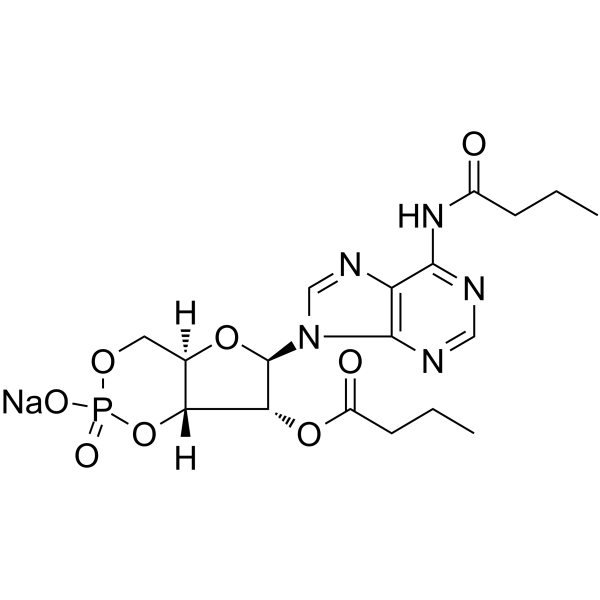
  • HY-B0764
    Bucladesine sodium
    Maximum Cited Publications
    41 Publications Verification

    Dibutyryl cAMP sodium; DBcAMP sodium

    PKA Reactive Oxygen Species (ROS) Apoptosis Neurological Disease Inflammation/Immunology Cancer
    Bucladesine (Dibutyryl cAMP; DBcAMP) sodium is a membrane-permeable 3′, 5′-cyclic adenosine monophosphate (cAMP) analog. Bucladesine selectively activates cAMP dependent protein kinase (PKA) by increasing the intracellular level of cAMP. Bucladesine significantly attenuates MDMA-induced increases in hippocampal mitochondrial ROS formation, mitochondrial outer membrane damage, cytochrome c release, and hippocampal ADP/ATP ratio, thereby improving spatial learning and memory impairments. Bucladesine exhibit anti-nociceptive and anti-inflammation effect. Bucladesine can inhibit cancer cells proliferation, induce apoptosis. Bucladesine can be used for the researches of neurological disease, cancer, inflammation .
    Bucladesine sodium
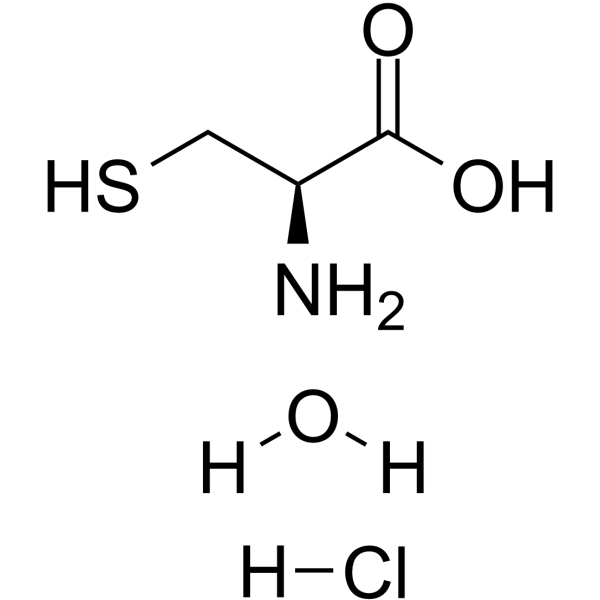
  • HY-W016715
    L-Cysteine hydrochloride hydrate
    Maximum Cited Publications
    12 Publications Verification

    Endogenous Metabolite NF-κB Insulin Receptor Neurological Disease Metabolic Disease
    L-Cysteine hydrochloride hydrate is an orally active and essential amino acid, which acts as a precursor for biologically active molecules such as hydrogen sulphide (H2S), glutathione and taurine. L-Cysteine hydrochloride hydrate regulates CBS/H2S pathway, inhibits NF-κB activation and insulin and ghrelin secretion. L-Cysteine hydrochloride hydrate reduces blood sugar, vascular inflammation markers and appetite. L-Cysteine hydrochloride hydrate induces kidney damage. L-Cysteine hydrochloride hydrate can be used in the study of neurological diseases and diabetes .
    L-Cysteine hydrochloride hydrate
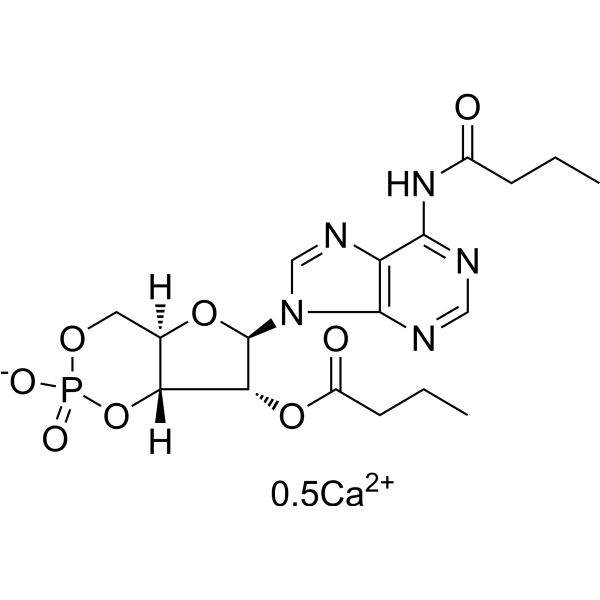
  • HY-B0764A
    Bucladesine hemicalcium
    Maximum Cited Publications
    41 Publications Verification

    Dibutyryl cAMP hemicalcium; DBcAMP hemicalcium

    PKA Apoptosis Reactive Oxygen Species (ROS) Neurological Disease Cancer
    Bucladesine (Dibutyryl cAMP; DBcAMP) hemicalcium is a membrane-permeable 3′, 5′-cyclic adenosine monophosphate (cAMP) analog. Bucladesine selectively activates cAMP dependent protein kinase (PKA) by increasing the intracellular level of cAMP. Bucladesine significantly attenuates MDMA-induced increases in hippocampal mitochondrial ROS formation, mitochondrial outer membrane damage, cytochrome c release, and hippocampal ADP/ATP ratio, thereby improving spatial learning and memory impairments. Bucladesine exhibit anti-nociceptive and anti-inflammation effect. Bucladesine can inhibit cancer cells proliferation, induce apoptosis. Bucladesine can be used for the researches of neurological disease, cancer, inflammation .
    Bucladesine hemicalcium
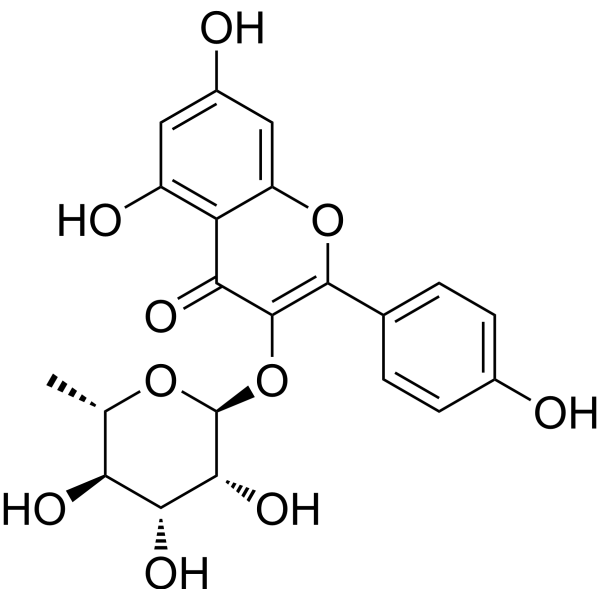
  • HY-N1441
    Afzelin
    5+ Cited Publications

    Kaempferol-3-O-rhamnoside

    Mitochondrial Metabolism PTEN Autophagy Bacterial Infection Cardiovascular Disease Neurological Disease Inflammation/Immunology
    Afzelin (Kaempferol-3-O-rhamnoside)It is a flavonol glycoside that has anti-inflammatory, anti-oxidative stress response, anti-apoptotic, and anti-cardiac cytotoxic effects. AfzelinIt can reduce mitochondrial damage, enhance mitochondrial biosynthesis, and reduce mitochondria-related proteins. Parkinand PTENinduced putative kinase 1 (putative kinase 1)s level. AfzelinCan be improved D-galactosamine(GalN)/LPSSurvival rate of mice treated with doxorubicin prophylaxis (HY-15142A)Induced cardiotoxicity and scopolamine (HY-N0296)-induced neurological injury. AfzelinAlso inhibits asthma and allergies caused by ovalbumin .
    Afzelin
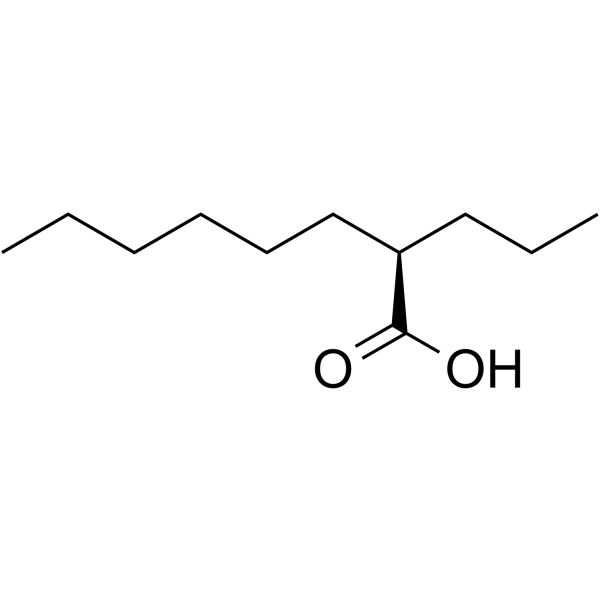
  • HY-107661
    Arundic Acid
    2 Publications Verification

    ONO-2506; (R)-2-Propyloctanoic acid

    ERK Akt NF-κB EAAT Cardiovascular Disease Neurological Disease
    Arundic Acid is an orally effective astrocyte function modulator and neuroprotective agent. Arundic Acid increases the expression and function of the astrocytic glutamate transporter EAAT1 by activating the ERK, Akt and NF-κB pathways. Arundic Acid attenuates retinal ganglion cell death in a normal-tension glaucoma model. Arundic Acid exerts neuroprotective effects in a mouse model of Parkinson's disease. Arundic Acid is a S100β protein synthesis inhibitor that prevents neurological deficits and brain tissue damage after intracerebral hemorrhage in rats. Arundic Acid downregulates neuroinflammation and astrocytic dysfunction after status epilepticus in immature rats. Arundic Acid is applicable to research related to Parkinson's disease, cerebral ischemia, glaucoma, intracerebral hemorrhage and epilepsy .
    Arundic Acid
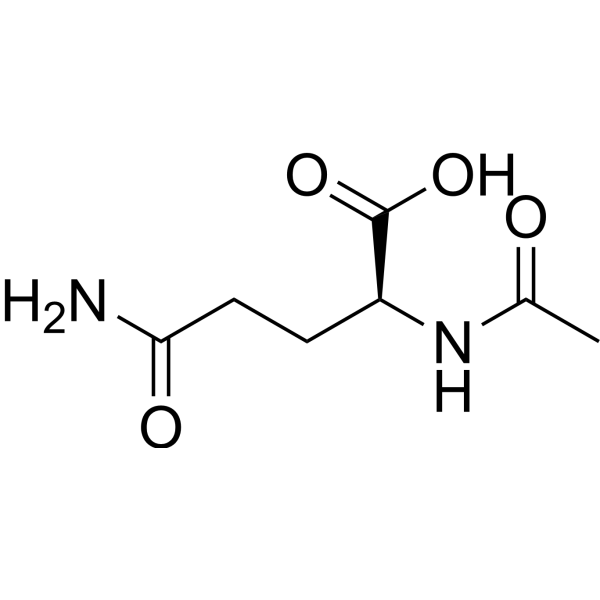
  • HY-B1065

    α-N-Acetyl-L-glutamine; N2-Acetylglutamine

    Keap1-Nrf2 Akt ASK1 Apoptosis Neurological Disease
    Aceglutamide (α-N-Acetyl-L-glutamine; N2-Acetylglutamine) is a neuroprotectant that can penetrate the blood-brain barrier. Aceglutamide can enhance the antioxidant systems of glutathione (GSH), thioredoxin (Trx) and Nrf2. Aceglutamide also inhibits ASK1 and TRAF1, activates the Akt/Bcl-2 anti-apoptotic pathway, enhances the activity of antioxidant enzymes and reduces oxidative damage. Aceglutamide can improve neurological deficits after cerebral ischemia, reduce infarct volume, and inhibit neuronal apoptosis, especially substantia nigra dopaminergic neurons. Aceglutamide can reduce cerebral ischemia/reperfusion injury, improve motor dysfunction, and is used in ischemic stroke-related research .
    Aceglutamide
  • HY-160229

    R-1075 sodium

    Toll-like Receptor (TLR) MyD88 Caspase Reactive Oxygen Species (ROS) Autophagy Pyroptosis HIV Infection Neurological Disease
    ssRNA40 sodium (R-1075 sodium) is a single-stranded RNA40 derived from HIV-1. ssRNA40 sodium activates the TLR7, TLR8, TLR2, RIG-I, MDA5, MyD88, Caspase-3, IRE1α, NLRP3 inflammasome and IRF7 signaling pathways. ssRNA40 sodium alters mRNA expression in neutrophils, induces pro-inflammatory cytokines, ROS, autophagy (autophagy), pyroptosis (pyroptosis), neuronal death, neurodegeneration, aggregate formation and NK cell activation. ssRNA40 sodium activates the expression of CD62L, CD11b, CD69, MX1, OAS1, ATG7, LC3B and XBP1 in immune cell and neuronal populations. ssRNA40 sodium causes cortical neuron loss and axonal damage in mice in a TLR7-dependent manner. ssRNA40 sodium can be used in research on HIV-1 infection, neurodegeneration, COVID-19 and HIV-associated neurological disorders .
    ssRNA40 sodium
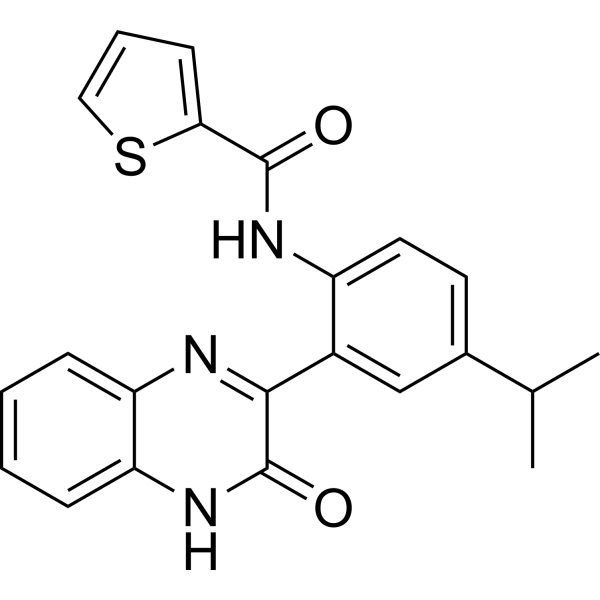
  • HY-13495
    ML281
    2 Publications Verification

    STK33 PKA Aurora Kinase Bcl-2 Family Apoptosis Metabolic Disease Cancer
    ML281 is a highly selective inhibitor of serine/threonine kinase 33 (STK33) with an IC50 value of 14 nM. ML281 shows 700-fold selectivity over PKA and 550-fold over AurB. ML281 exerts core mechanism by inhibiting STK33: in small cell lung cancer, ML281 downregulates RPS6/BAD signaling phosphorylation, induces apoptosis, and suppresses proliferation, invasion . ML281 reduces STK33-mediated 4-hydroxyphenylpyruvate dioxygenase (HPD) phosphorylation in tyrosinemia . ML281 is suitable for research on STK33 function, KRAS mutation-related cancers (pancreatic cancer, colon cancer, lung adenocarcinoma, etc.), small cell lung cancer, and tyrosinemia-related damage
    ML281
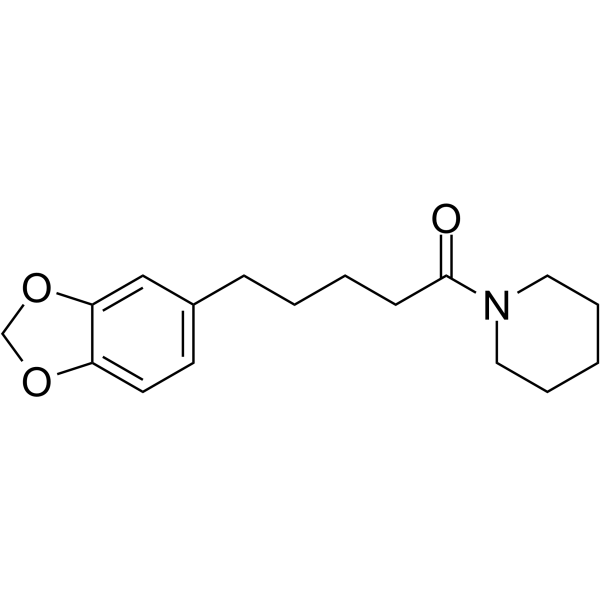
  • HY-N4205

    Cytochrome P450 Cancer
    Tetrahydropiperine is an orally effective, selective inhibitor of NF-κB and MAPKs<、b>, and an activator of the PI3K/Akt/mTOR<、b> pathway. Tetrahydropiperine reduces the production of pro-inflammatory cytokines such as TNF-α, IL-6, and nitric oxide (NO) by inhibiting the nuclear translocation of NF-κB and the phosphorylation of MAPKs such as ERK, JNK, and p38. At the same time, Tetrahydropiperine inhibits excessive autophagy by activating the PI3K/Akt/mTOR pathway, protecting neurons from oxidative damage. Tetrahydropiperine has anti-inflammatory, anti-apoptotic, and neuroprotective effects, and is mainly used in the study of inflammatory diseases (such as endotoxemia, arthritis) and neurological diseases such as ischemic stroke .
    Tetrahydropiperine
  • HY-W391596

    Parasite Infection Neurological Disease
    Pamaquine is an 8-aminoquinoline antimalarial agent. Pamaquine has neurotoxicity and can damage specific neuro-anatomical structures, leading to deficits of neurologic function in Rhesus monkeys models .
    Pamaquine
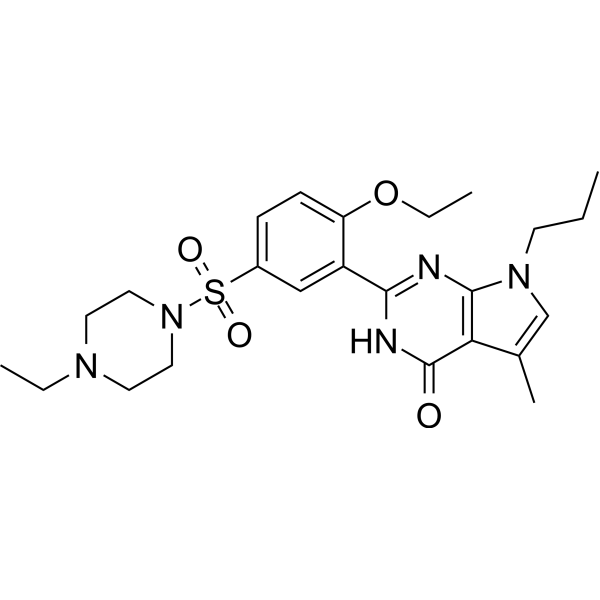
  • HY-133712

    Tunodafil

    Phosphodiesterase (PDE) Neurological Disease
    Yonkenafil (Tunodafil), a novel phosphodiesterase 5 (PDE5) inhibitor, is effective in reducing cerebral infarction, neurological deficits, edema, and neuronal damage in the infarcted area. Yonkenafil may improve cognitive function by modulating neurogenesis and has a potential therapeutic effect on Alzheimer's disease .
    Yonkenafil
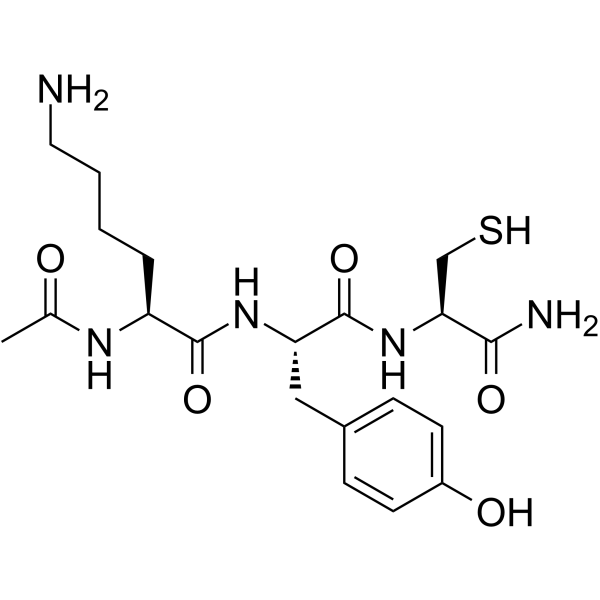
  • HY-125039
    N-Acetyl lysyltyrosylcysteine amide
    2 Publications Verification

    Glutathione Peroxidase Cardiovascular Disease Neurological Disease
    N-Acetyl lysyltyrosylcysteine amide is a potent, reversible, specific, and non-toxic tripeptide inhibitor of myeloperoxidase (MPO). N-Acetyl lysyltyrosylcysteine amide effectively inhibits MPO generation of toxic oxidants in vivo. N-Acetyl lysyltyrosylcysteine amide reduces neuronal damage and preserves brain tissue and neurological function in the stroked brain. N-Acetyl lysyltyrosylcysteine amide inhibits MPO-dependent hypochlorous acid (HOCl) generation, protein nitration, and LDL oxidation .
    N-Acetyl lysyltyrosylcysteine amide
  • HY-B0764B

    Dibutyryl cAMP; DBcAMP

    PKA Reactive Oxygen Species (ROS) Apoptosis Neurological Disease Inflammation/Immunology Cancer
    Bucladesine (Dibutyryl cAMP; DBcAMP) is a membrane-permeable 3′, 5′-cyclic adenosine monophosphate (cAMP) analog. Bucladesine selectively activates cAMP dependent protein kinase (PKA) by increasing the intracellular level of cAMP. Bucladesine significantly attenuates MDMA-induced increases in hippocampal mitochondrial ROS formation, mitochondrial outer membrane damage, cytochrome c release, and hippocampal ADP/ATP ratio, thereby improving spatial learning and memory impairments. Bucladesine exhibit anti-nociceptive and anti-inflammation effect. Bucladesine can inhibit cancer cells proliferation, induce apoptosis. Bucladesine can be used for the researches of neurological disease, cancer, inflammation .
    Bucladesine
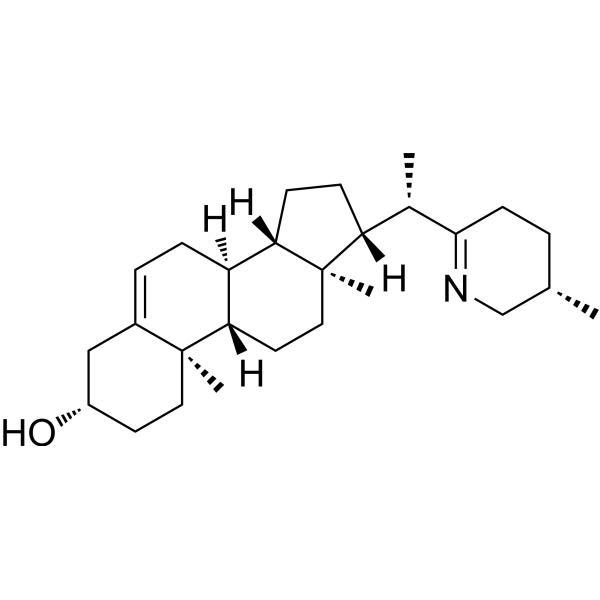
  • HY-N11911
    Verazine
    1 Publications Verification

    (-)-Verazine

    Fungal Infection Neurological Disease
    Verazine ((-)-Verazine) is an anti-Fungal Agent that can be found in the dried roots and rhizoma of Veratrum maackii Regel. Verazine causes DNA damage in the cerebellum and cerebral cortex of mice in a dose-dependent manner. Verazine can be used in the study of fungal infections and neurological diseases .
    Verazine
  • HY-B0764G

    Dibutyryl cAMP sodium; DBcAMP sodium

    PKA Reactive Oxygen Species (ROS) Apoptosis Neurological Disease Inflammation/Immunology Cancer
    Bucladesine (Dibutyryl cAMP; DBcAMP) sodium (GMP) is a Bucladesine sodium (HY-B0764) produced by using GMP guidelines. Bucladesine (Dibutyryl cAMP; DBcAMP) is a membrane-permeable 3′, 5′-cyclic adenosine monophosphate (cAMP) analog. Bucladesine selectively activates cAMP dependent protein kinase (PKA) by increasing the intracellular level of cAMP. Bucladesine significantly attenuates MDMA-induced increases in hippocampal mitochondrial ROS formation, mitochondrial outer membrane damage, cytochrome c release, and hippocampal ADP/ATP ratio, thereby improving spatial learning and memory impairments. Bucladesine exhibit anti-nociceptive and anti-inflammation effect. Bucladesine can inhibit cancer cells proliferation, induce apoptosis. Bucladesine can be used for the researches of neurological disease, cancer, inflammation .
    Bucladesine sodium
  • HY-B0764R

    Dibutyryl cAMP sodium (Standard); DBcAMP sodium (Standard)

    Reference Standards PKA Reactive Oxygen Species (ROS) Apoptosis Neurological Disease Inflammation/Immunology Cancer
    Bucladesine (Dibutyryl cAMP; DBcAMP) sodium (Standard) is the analytical standard of Bucladesine sodiumn (HY-B0764). This product is intended for research and analytical applications. Bucladesine is a membrane-permeable 3′, 5′-cyclic adenosine monophosphate (cAMP) analog. Bucladesine selectively activates cAMP dependent protein kinase (PKA) by increasing the intracellular level of cAMP. Bucladesine significantly attenuates MDMA-induced increases in hippocampal mitochondrial ROS formation, mitochondrial outer membrane damage, cytochrome c release, and hippocampal ADP/ATP ratio, thereby improving spatial learning and memory impairments. Bucladesine exhibit anti-nociceptive and anti-inflammation effect. Bucladesine can inhibit cancer cells proliferation, induce apoptosis. Bucladesine can be used for the researches of neurological disease, cancer, inflammation .
    Bucladesine sodium (Standard)
  • HY-N1441R

    Kaempferol-3-O-rhamnoside (Standard)

    Mitochondrial Metabolism PTEN Autophagy Bacterial Reference Standards Infection Cardiovascular Disease Neurological Disease Inflammation/Immunology
    Afzelin (Standard) is the analytical standard of Afzelin. This product is intended for research and analytical applications. Afzelin (Kaempferol-3-O-rhamnoside)It is a flavonol glycoside that has anti-inflammatory, anti-oxidative stress response, anti-apoptotic, and anti-cardiac cytotoxic effects. AfzelinIt can reduce mitochondrial damage, enhance mitochondrial biosynthesis, and reduce mitochondria-related proteins. Parkinand PTENinduced putative kinase 1 (putative kinase 1)s level. AfzelinCan be improved D-galactosamine(GalN)/LPSSurvival rate of mice treated with doxorubicin prophylaxis (HY-15142A)Induced cardiotoxicity and scopolamine (HY-N0296)-induced neurological injury. AfzelinAlso inhibits asthma and allergies caused by ovalbumin .
    Afzelin (Standard)
  • HY-N1818

    3-Deoxysappanone B

    p38 MAPK Neurological Disease Inflammation/Immunology
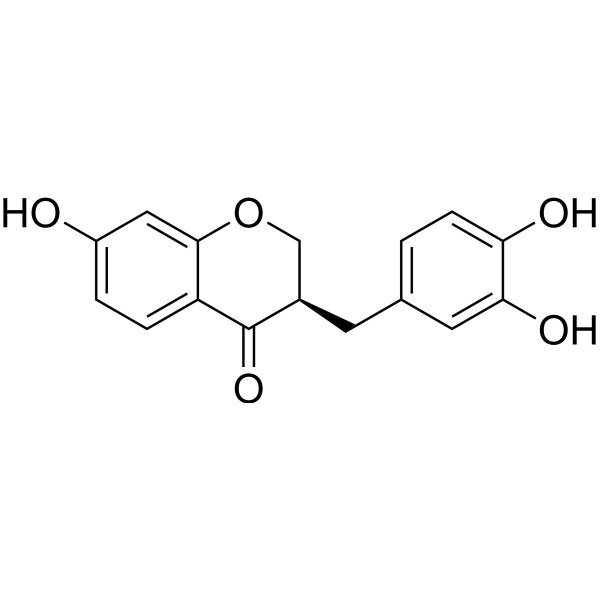
    Deoxysappanone B (3-Deoxysappanone B) is a homoisoflavone compound isolated from Caesalpinia sappan L (Lignum Sappan). Deoxysappanone B has anti-neuroinflammatory and neuroprotective effects and inhibits the production of neuroinflammatory mediators by blocking the IκB kinase (IKK)-NF-κB and p38/ERK MAPK pathways. Deoxysappanone B can be used in disease studies of neuritis and inflammation-related neurological damage .
    Deoxysappanone B
  • HY-142931

    ATM/ATR Neurological Disease Cancer
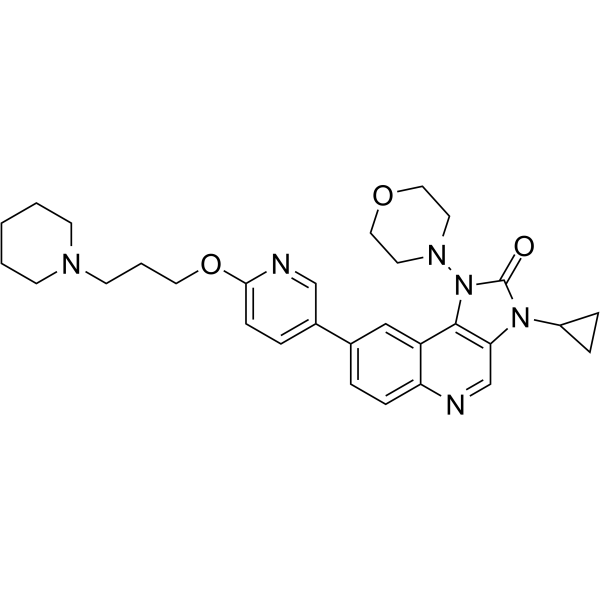
    ATM-IN-1 is a potent inhibitor of ATM. ATM is located mainly in the nucleus and microsomes and is involved in cell cycle progression and in the cell cycle checkpoint response to DNA damage. ATM-IN-1 has the potential for the research of cancer and neurology diseases (extracted from patent WO2021139814A1, compound 3) .
    ATM-IN-1
  • HY-14124

    Opioid Receptor Neurological Disease
    MK-5757 is a Nociceptin/Orphanin FQ Peptide Receptor antagonist. ORL1 antagonist 3 can improve cerebral blood flow disorders and ischemic damage, and alleviate abnormal neurological symptoms. ORL1 antagonist 3can be used for the research of neurological disease, such as traumatic brain injury .
    MK-5757
  • HY-W505984

    KM05073

    Keap1-Nrf2 Inflammation/Immunology
    TPNA10168 is an Nrf-2 activator that activates the Keap1-Nrf2-ARE pathway. TPNA10168 is neuroprotective against oxidative stress-induced damage. TPNA10168 significantly reduces the transcription of inflammatory genes, including TNF-α, IL-1β, IL-6, and iNOS. TPNA10168 can be used in research on anti-inflammatory and neurological diseases .
    TPNA10168
  • HY-105353

    iGluR Neurological Disease
    CEB-1604 is an NMDA receptor antagonist. CEB-1604 inhibits NMDA-induced currents in oocytes transfected with NMDA receptor isoforms (NR1/NR2A, NR1/NR2B, NR1/NR2C, NR1/NR2D) with IC50 values ranging from 5 to 12 μM. CEB-1604 abolishes NMDA-dependent epileptiform discharges in rat cortical wedge preparations and reduces the depolarizing effects of NMDA. CEB-1604 can be used in the research field of neurological damage diseases .
    CEB-1604
  • HY-118222

    Cholinesterase (ChE) Neurological Disease
    KBR 2822 is an inhibitor of neurological target esterase (NTE) and has an inhibitory effect on AChE. KBR 2822 can aggravate neurological damage under certain conditions, but does not cause neurological disease when used alone in the absence of direct neurotoxicity or biochemical damage.
    KBR 2822
  • HY-125095

    Tunodafil hydrochloride

    Phosphodiesterase (PDE) Cardiovascular Disease Neurological Disease
    Yonkenafil (Tunodafil) hydrochloride, a novel phosphodiesterase 5 (PDE5) inhibitor, is effective in reducing cerebral infarction, neurological deficits, edema, and neuronal damage in the infarcted area. Yonkenafil (Tunodafil) hydrochloride may improve cognitive function by modulating neurogenesis and has a potential therapeutic effect on Alzheimer's disease .
    Yonkenafil hydrochloride
  • HY-114659

    Sodium Channel Apoptosis Reactive Oxygen Species (ROS) Neurological Disease Inflammation/Immunology
    AM-36 is a neuroprotective agent with combined antioxidant and sodium channel blocking actions. AM-36 can inhibit cell apoptosis and ROS prodiction. AM-36 can reduce neuronal damage and DA release after middle cerebral artery occlusion in rats. AM-36 can be used for the researches of inflammation and neurological disease, such as stroke .
    AM-36
  • HY-107567

    β-Alanylhistamine

    Histamine Receptor Cardiovascular Disease Neurological Disease Metabolic Disease Inflammation/Immunology
    Carcinine (β-Alanylhistamine) is a selective and orally active histamine H3 receptor antagonist with a Ki of 0.2939 μM. Carcinine can reduce histamine content. Carcinine exhibits anti-oxidant activity and neuroprotective effects. Carcinine shows positive inotropic effect and can reduce blood sugar and blood lipid levels. Carcinine can be used for the researches of inflammation, neurological, cardiovascular and metabolic disease, such as retinal damage, seizure and diabetes .
    Carcinine
  • HY-107567B

    β-Alanylhistamine dihydrochloride

    Histamine Receptor Cardiovascular Disease Neurological Disease Metabolic Disease Inflammation/Immunology
    Carcinine (β-Alanylhistamine) dihydrochloride is the dihydrochloride salt of Carcinine (HY-107567). Carcinine is a selective and orally active histamine H3 receptor antagonist with a Ki of 0.2939 μM. Carcinine can reduce histamine content. Carcinine exhibits anti-oxidant activity and neuroprotective effects. Carcinine shows positive inotropic effect and can reduce blood sugar and blood lipid levels. Carcinine can be used for the researches of inflammation, neurological, cardiovascular and metabolic disease, such as retinal damage, seizure and diabetes .
    Carcinine dihydrochloride
  • HY-173307

    Keap1-Nrf2 Apoptosis Reactive Oxygen Species (ROS) Cardiovascular Disease
    Nrf2 activator 19 is a BBB-penetrable NRF2/HO-1 activator. Nrf2 activator 19 exerts potent antioxidant and neuroprotective effects. Nrf2 activator 19 can also effectively reduce brain damage, reduce Reactive Oxygen Species (ROS) accumulation. Nrf2 activator 19 inhibits neuronal apoptosis. Nrf2 activator 19 promotes the recovery of neurological function and motor ability. Nrf2 activator 19 shows significant potential in ischemic stroke research .
    Nrf2 activator 19
  • HY-158696

    Cholinesterase (ChE) Monoamine Oxidase Neurological Disease
    BChE/MAO-B-IN-1 (compound 7) is a dual BChE/MAO-B inhibitor with IC50 values ​​of 375 nM and 20 nM, respectively. BChE/MAO-B-IN-1 protects against oxidative damage induced by H2O2 and 6-OHDA in SH-SY5Y cells. BChE/MAO-B-IN-1 can penetrate the central nervous system in a cell model that mimics the blood-brain barrier. BChE/MAO-B-IN-1 can be used in the study of neurological diseases such as Alzheimer's disease (AD) .
    BChE/MAO-B-IN-1
  • HY-158695

    Cholinesterase (ChE) Monoamine Oxidase Neurological Disease
    Dual AChE-MAO B-IN-4 (compound 7) is a dual AChE/MAO-B inhibitor, with IC50 values ​​of 261 nM and 15 nM, respectively. Dual AChE-MAO B-IN-4 protects against oxidative damage induced by H2O2 and 6-OHDA in SH-SY5Y cells. Dual AChE-MAO B-IN-4 can penetrate the central nervous system in a cell model that mimics the blood-brain barrier. Dual AChE-MAO B-IN-4 can be used in the study of neurological diseases such as Alzheimer's disease (AD) .
    Dual AChE-MAO B-IN-4
  • HY-B1065R

    α-N-Acetyl-L-glutamine (Standard); N2-Acetylglutamine (Standard)

    Reference Standards Keap1-Nrf2 Akt ASK1 Apoptosis Neurological Disease
    Aceglutamide (α-N-Acetyl-L-glutamine; N2-Acetylglutamine) (Standard) is the analytical standard of Aceglutamide (HY-B1065). This product is intended for research and analytical applications. Aceglutamide (α-N-Acetyl-L-glutamine; N2-Acetylglutamine) is a neuroprotectant that can penetrate the blood-brain barrier. Aceglutamide can enhance the antioxidant systems of glutathione (GSH), thioredoxin (Trx) and Nrf2. Aceglutamide also inhibits ASK1 and TRAF1, activates the Akt/Bcl-2 anti-apoptotic pathway, enhances the activity of antioxidant enzymes and reduces oxidative damage. Aceglutamide can improve neurological deficits after cerebral ischemia, reduce infarct volume, and inhibit neuronal apoptosis, especially substantia nigra dopaminergic neurons. Aceglutamide can reduce cerebral ischemia/reperfusion injury, improve motor dysfunction, and is used in ischemic stroke-related research .
    Aceglutamide (Standard)
  • HY-B1139S

    Isotope-Labeled Compounds Neurological Disease
    Tolperisone-d10 (hydrochloride) is the deuterium labeled Tolperisone hydrochloride. Tolperisone hydrochloride is a centrally acting muscle relaxant, is indicated for use in the treatment of pathologically increased tone of the cross-striated muscle caused by neurological diseases (damage of the pyramidal tract, multiple sclerosis, myelopathy, encephalomyelitis) and of spastic paralysis and other encephalopathies manifested with muscular dystonia.
    Tolperisone-d10 hydrochloride
  • HY-W415753

    VUFB-15754

    Drug Derivative Neurological Disease Inflammation/Immunology
    Alaptide, a spirocyclic synthetic dipeptide and a derivative of melanocyte-stimulating hormone release-inhibiting factor (MIF), is a transdermal permeation modifier. Alaptide loaded on nanofibrous membranes accelerates the healing of skin incisions, particularly the healing of skin burns. Alaptide is a nootropic agent, that influences the dopaminergic system and increases homovanillic acid level in the striatum of rat models. Alaptide can be used for wound healing with large damaged areas and neurological diseases research .
    Alaptide
  • HY-183654

    HIF/HIF Prolyl-Hydroxylase Cardiovascular Disease Neurological Disease
    Vadadustat prodrug-1 is a near-infrared activated photocaged, blood-brain barrier-permeable neuroprotective prodrug of Vadadustat. Vadadustat prodrug-1 masks the acidic pharmacophore of Vadadustat, and releases active Vadadustat upon irradiation at 650 nm to inhibit PHD2. Vadadustat prodrug-1 reduces cell damage, infarct volume and cerebral edema, and promotes neurological function recovery. Vadadustat prodrug-1 can be used for the research of ischemic stroke .
    Vadadustat prodrug-1
  • HY-180828

    NO Synthase Cardiovascular Disease Neurological Disease
    iNOs-IN-8 (Compound 13h) is an efficient and highly selective inducible nitric oxide synthase (iNOS) inhibitor, with an IC50 of 238 nM. iNOs-IN-8 exhibits significant neuroprotective effects in oxygen-glucose deprivation/reoxygenation (OGD/R) and hydrogen peroxide-induced neuronal and endothelial cell damage. iNOs-IN-8 significantly reduces the volume of cerebral infarction and improves neurological function in rat models. iNOs-IN-8 can be used for the study of ischemic stroke .
    iNOs-IN-8
  • HY-107567BR

    β-Alanylhistamine dihydrochloride (Standard)

    Reference Standards Histamine Receptor Cardiovascular Disease Neurological Disease Metabolic Disease Inflammation/Immunology
    Carcinine dihydrochloride (Standard) is the analytical standard of Carcinine (dihydrochloride) (HY-107567B). This product is intended for research and analytical applications. Carcinine (β-Alanylhistamine) dihydrochloride is the dihydrochloride salt of Carcinine (HY-107567). Carcinine is a selective and orally active histamine H3 receptor antagonist with a Ki of 0.2939 μM. Carcinine can reduce histamine content. Carcinine exhibits anti-oxidant activity and neuroprotective effects. Carcinine shows positive inotropic effect and can reduce blood sugar and blood lipid levels. Carcinine can be used for the researches of inflammation, neurological, cardiovascular and metabolic disease, such as retinal damage, seizure and diabetes .
    Carcinine dihydrochloride (Standard)
  • HY-N16876

    Drug Derivative Others
    Indole-3-acetic acid N-β-D-xylopyranoside is a natural alkaloid.
    Indole-3-acetic acid N-β-D-xylopyranoside
  • HY-186073

    HDAC Neurological Disease
    HDAC1 activator-1 is a specific HDAC1 activator with orally activity, exerting no significant effects on other HDAC family members. HDAC1 activator-1 exhibits neuroprotective activity, ameliorates cognitive and motor function deficits by reducing neuronal loss and gliosis. HDAC1 activator-1 specifically activates HDAC1 in SH-SY5Y cells and exerts regulatory effects on aberrant cell cycle and DNA damage. HDAC1 activator-1 can be used for the research of TDP-43 proteinopat1-related neurodegenerative diseases including Amyotrophic Lateral Sclerosis (ALS) and cerebral ischemia-related neurological injury .
    HDAC1 activator-1

Inquiry Online

Your information is safe with us. * Required Fields.

Salutation


Country or Region *

Applicant Name *


Organization Name *

Department *


Email Address *


Product Name *

Cat. No.


Requested quantity *

Phone Number *


Remarks

Inquiry Online

Inquiry Information

Product Name:
Cat. No.:
Quantity:
MCE Japan Authorized Agent:

