
1. Search Result
Search Result
Results for "

pAKT

" in MedChemExpress (MCE) Product Catalog:

96

Inhibitors & Agonists

1

Biochemical Assay Reagents

2

Peptides

3

Inhibitory Antibodies

21

Natural
Products

3

Isotope-Labeled Compounds

1

Click Chemistry

Cat. No. Product Name Target Research Areas Chemical Structure
  • HY-B0094
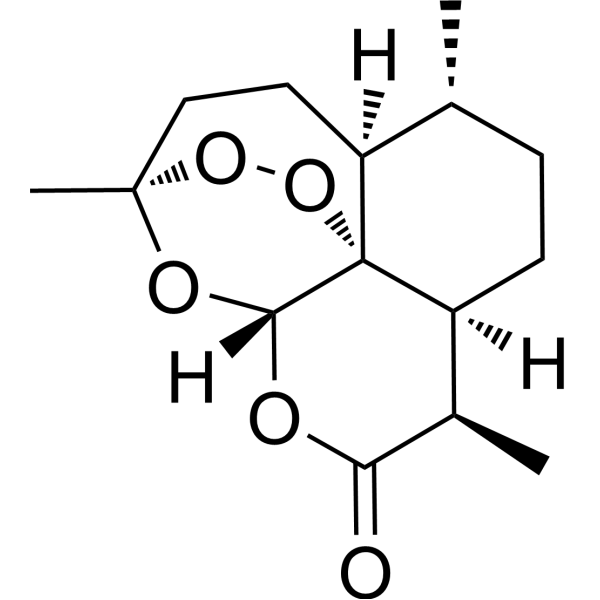
    Artemisinin
    Maximum Cited Publications
    32 Publications Verification

    Qinghaosu; NSC 369397

    HCV Parasite Akt Ferroptosis Infection Neurological Disease Metabolic Disease Inflammation/Immunology Cancer
    Artemisinin (Qinghaosu), a sesquiterpene lactone, is an anti-malarial agent isolated from the aerial parts of Artemisia annua L. plants . Artemisinin inhibits AKT signaling pathway by decreasing pAKT in a dose-dependent manner. Artemisinin reduces cancer cell proliferation, migration, invasion, tumorigenesis and metastasis and has neuroprotective effects .
    Artemisinin
  • HY-148273

    ASP-3082; KRAS G12D inhibitor 17

    PROTACs Ras ERK Akt Cancer
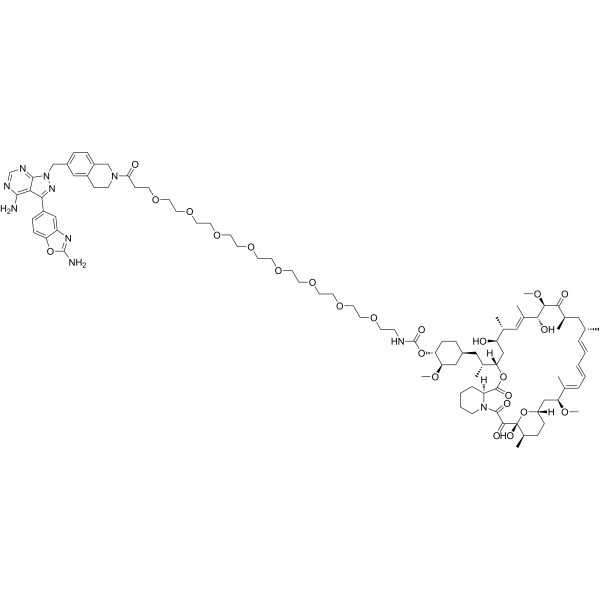
    Setidegrasib (KRAS G12D inhibitor 17, ASP3082) is a PROTAC KRAS degrader (DC50: 37 nM). Setidegrasib induces the degradation of G12D-mutation KRAS protein. Setidegrasib suppresses p-ERK, p-AKT, p-S6 levels in AsPC-1 cells. Setidegrasib exhibits anti-tumor activity in various cancer xenograft models in mice. Setidegrasib can be used for the study of KRAS(G12D)-mutated solid tumors. (Blue: VHL ligase ligand (HY-168699); Black: linker (HY-168698); Pink: G12D ligand (HY-168700)) .
    Setidegrasib
  • HY-14463
    Onalespib
    10+ Cited Publications

    AT13387

    HSP Cancer
    Onalespib (AT13387) is a potent and cross the blood-brain barrier heat-shock-protein-90 (Hsp90) inhibitor. Onalespib inhibits the proliferation, survival and migration. Onalespib decreases the expression of EGFR, p-EGFR, AKT, P-AKT, ERK1/2, P-ERK1/2, S6, P-S6 protein. Onalespib shows antitumor activity. Onalespib has the potential for the research of non-small cell lung cancer (NSCLC) .
    Onalespib
  • HY-N1435
    Oroxin B
    5 Publications Verification

    Apoptosis PI3K PTEN Autophagy Neurological Disease Metabolic Disease Inflammation/Immunology Cancer
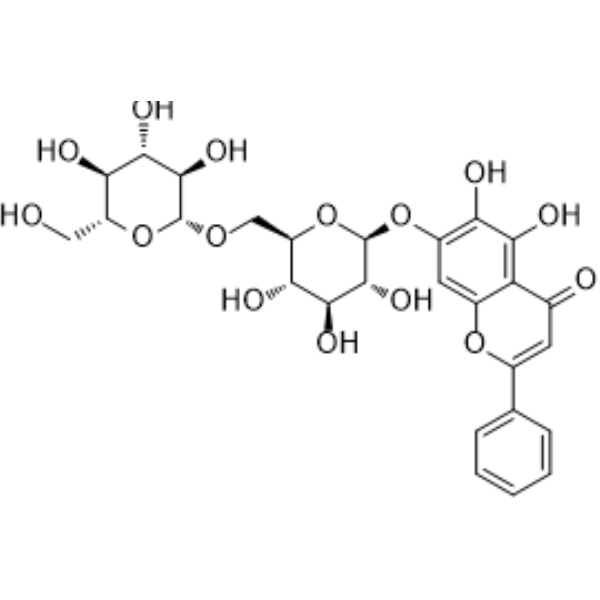
    Oroxin B (OB) is a BBB-permeable flavonoid isolated from traditional Chinese herbal medicine Oroxylum indicum (L.) Vent. Oroxin B (OB) possesses obvious inhibitory effect and induces early apoptosis rather than late apoptosis on liver cancer cells through upregulation of PTEN, down regulation of COX-2, VEGF, PI3K, and p-AKT. Oroxin B (OB) selectively induces tumor-suppressive ER stress in malignant lymphoma cells .
    Oroxin B
  • HY-B0789
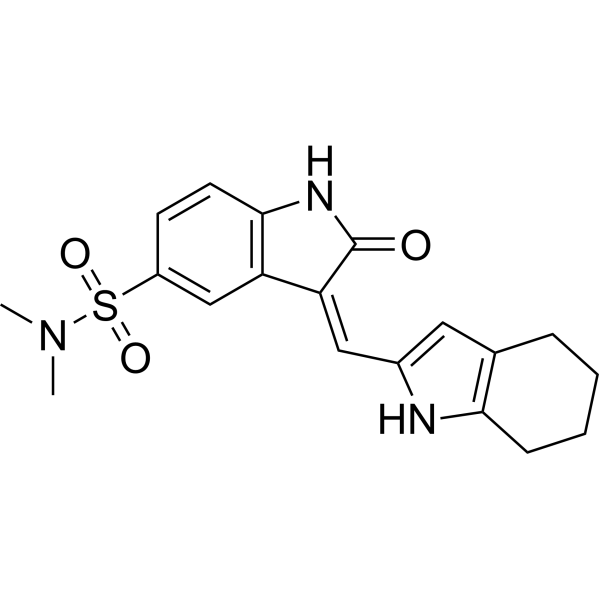
    SU6656
    20+ Cited Publications

    Src FAK Akt Cancer
    SU6656 is a Src family kinases inhibitor with IC50s of 280, 20, 130, 170 nM for Src, Yes, Lyn, and Fyn, respectively. SU6656 inhibits FAK phosphorylation at Y576/577, Y925, Y861 sites. SU6656 also inhibits p-AKT.
    SU6656
  • HY-N3584
    Paris saponin VII
    4 Publications Verification

    Chonglou Saponin VII

    Akt p38 MAPK P-glycoprotein Bcl-2 Family Caspase PARP Autophagy Apoptosis Cancer
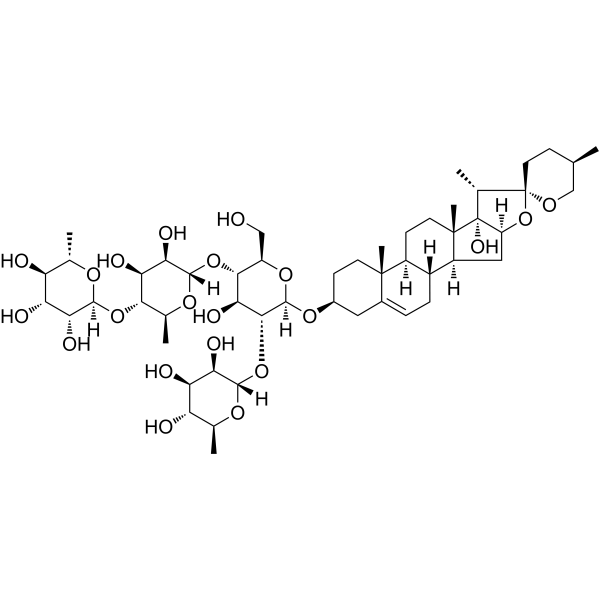
    Paris saponin VII (Chonglou Saponin VII) is a steroidal saponin isolated from the roots and rhizomes of Trillium tschonoskii. Paris saponin VII-induced apoptosis in K562/ADR cells is associated with Akt/MAPK and the inhibition of P-gp. Paris saponin VII attenuates mitochondrial membrane potential, increases the expression of apoptosis-related proteins, such as Bax and cytochrome c, and decreases the protein expression levels of Bcl-2, caspase-9, caspase-3, PARP-1, and p-Akt. Paris saponin VII induces a robust autophagy in K562/ADR cells and provides a biochemical basis in the treatment of leukemia .
    Paris saponin VII
  • HY-124798
    Rheb inhibitor NR1
    3 Publications Verification

    mTOR Neurological Disease Inflammation/Immunology Cancer
    Rheb inhibitor NR1 is a Rheb inhibitor with an IC50 of 2.1 µM in the Rheb-IVK assay. Rheb inhibitor NR1 can directly bind Rheb in the switch II domain and selectively inhibit the activation of mechanistic target of rapamycin complex 1 (mTORC1). Rheb inhibitor NR1 inhibits the phosphorylation of mTORC1 driven T389pS6K1 and increases the phosphorylation of S473pAKT in a dose-dependent manner. Rheb inhibitor NR1 does not influence mTORC2 activity .
    (Rheb-IVK: Rheb-dependent mTORC1 kinase activity)
    Rheb inhibitor NR1
  • HY-N0361
    Dihydrocapsaicin
    4 Publications Verification

    Environmental Pollutants Caspase Akt Apoptosis Reactive Oxygen Species (ROS) TRP Channel Bcl-2 Family PI3K Cardiovascular Disease Neurological Disease
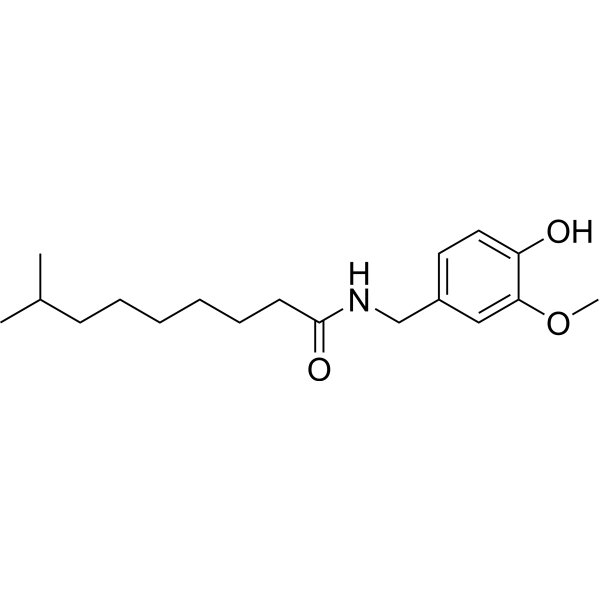
    Dihydrocapsaicin, a capsaicin, is a potent and selective TRPV1 (transient receptor potential vanilloid channel 1) agonist. Dihydrocapsaicin reduces AIF, Bax, and Caspase-3 expressions, and increased Bcl-2, Bcl-xL and p-Akt levels. Dihydrocapsaicin enhances the hypothermia-induced neuroprotection following ischemic stroke via PI3K/Akt regulation in rat .
    Dihydrocapsaicin
  • HY-N0777
    Isorhamnetin-3-O-glucoside
    3 Publications Verification

    Others PERK ERK Akt PI3K Lipase Metabolic Disease
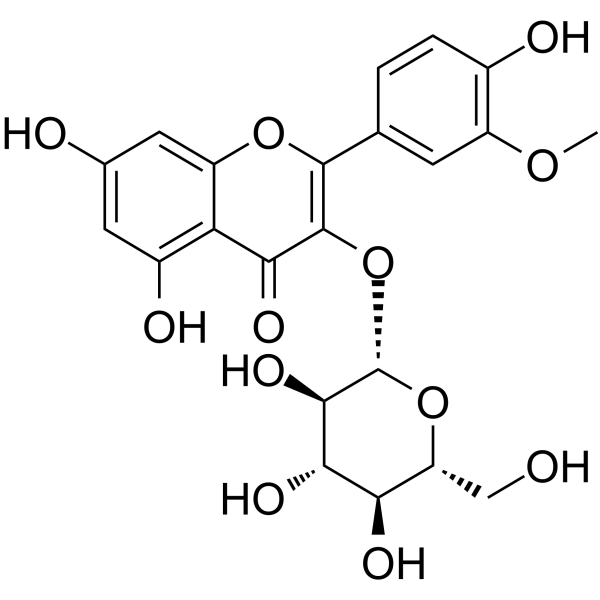
    Isorhamnetin-3-O-glucoside is an orally active natural compound. Isorhamnetin 3-O-glucoside increases P-ERK, ERK, P-Akt (Ser473), P-PI3K, and PDX-1. Isorhamnetin 3-O-glucoside downregulates C/EBPα and inhibits lipase. Isorhamnetin 3-O-glucoside reduces lipids and inhibits obesity .
    Isorhamnetin-3-O-glucoside
  • HY-101986
    BIIE-0246
    2 Publications Verification

    AR-H 053591

    Neuropeptide Y Receptor Metabolic Disease Endocrinology
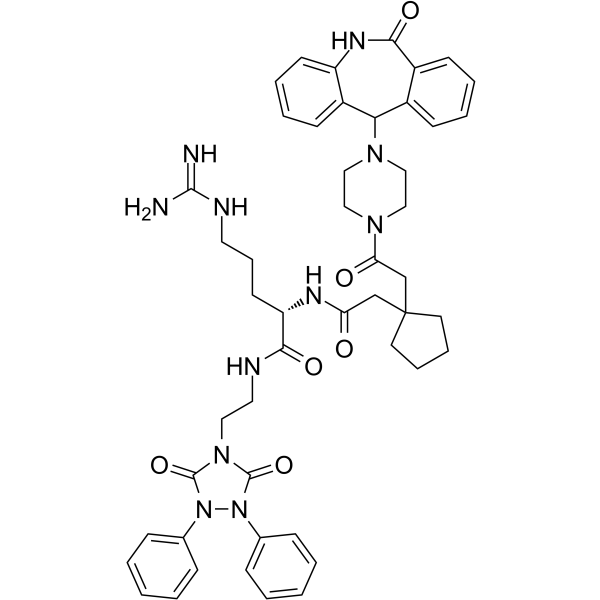
    BIIE-0246 (AR-H 053591) is a potent and selective NPY2R (neuropeptide Y receptor 2) antagonist with an IC50 value of 15 nM for rat [ 125I]PYY3-36. BIIE-0246 decreases the expression of p-AKT S473, P-p44/42 MAPK under the NPY-stimulated. BIIE-0246 reduces albuminuria in ADR nephropathy .
    BIIE-0246
  • HY-132168
    RMC-5552
    5 Publications Verification

    mTOR Cancer
    RMC-5552 is a potent and selective mTORC1 inhibitor. RMC-5552 inhibits phosphorylation of mTORC1 pS6K and p4EBP1 with IC50s of 0.14 nM and 0.48 nM, respectively. RMC-5552 shows much lower pAKT inhibition (IC50 of 19 nM), resulting in mTORC1/mTORC2 selectivity approaching 40-fold. RMC-5552 has anti-cancer activity .
    RMC-5552
  • HY-108052
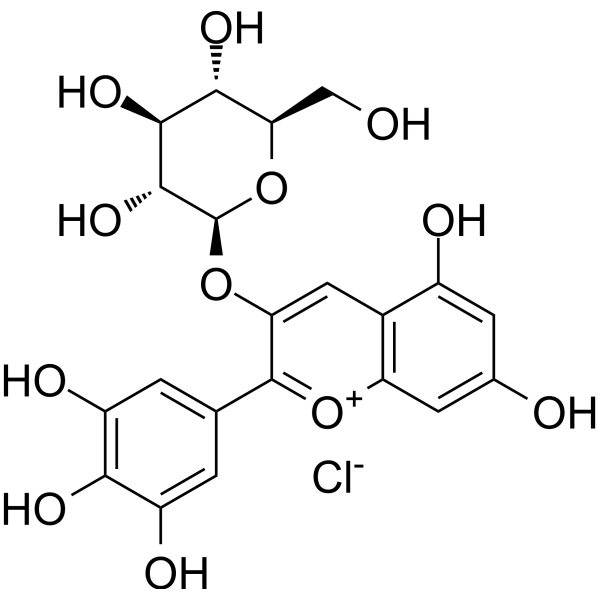
    Delphinidin 3-glucoside chloride
    1 Publications Verification

    Delphinidin 3-O-glucoside chloride; Delphinidin 3-O-β-glucoside chloride

    EGFR Apoptosis Akt Cardiovascular Disease Cancer
    Delphinidin 3-glucoside chloride (Delphinidin 3-O-glucoside chloride) is an active anthocyanin found in Hibiscus sabdariffa extract. Delphinidin 3-glucoside chloride induces a pro-apoptotic effect in B cell chronic lymphocytic leukaemia (B CLL) . Delphinidin 3-glucoside chloride exerts phytoestrogen activity by binding to ERβ, with an IC50 of 9.7 μM . Delphinidin-3-O-glucoside chloride inhibits EGFR with an IC50 of 2.37 µM . Delphinidin 3-glucoside chloride exhibits antitumor effects through pAKT/IRF1/HOTAIR pathway. Delphinidin 3-glucoside chloride exhibits efficacy against oxidative stress, inhibits platelet activation and endothelial dysfunction .
    Delphinidin 3-glucoside chloride
  • HY-N1967

    PNPLA3 Metabolic Disease
    Dihydrocurcumin, a major metabolites of curcumin, reduces lipid accumulation and oxidative stress. Dihydrocurcumin regulates mRNA and protein expression levels of SREBP-1C, PNPLA3 and PPARα, increases protein expression levels of pAKT and PI3K, and reduced the levels of cellular NO and ROS via Nrf2 signaling pathways .
    Dihydrocurcumin
  • HY-178193

    DNA/RNA Synthesis Akt PD-1/PD-L1 Cancer
    Chem-0199 is an Adipocyte Enhancer-Binding Protein 1 (AEBP1) inhibitor. Chem-0199 can disrupt the interaction between AEBP1 and CKAP4, thereby enhances antitumor immunity. Chem-0199 can inhibit Akt phosphorylation (p-Akt) and downregulates PD-L1 expression. Chem-0199 can be used for the research of cancer, such as colon cancer .
    Chem-0199
  • HY-N0757
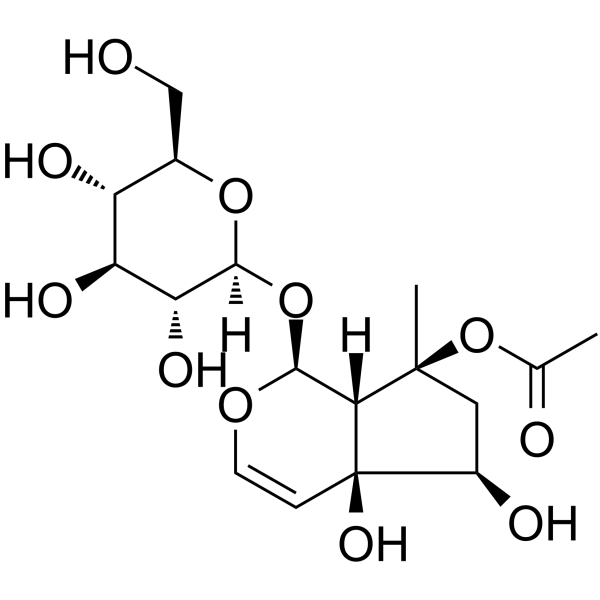
    8-​O-​Acetylharpagide
    1 Publications Verification

    Akt Bcl-2 Family Apoptosis Adrenergic Receptor Cardiovascular Disease Inflammation/Immunology Cancer
    8-O-Acetylharpagide is an orally active iridoid glycoside compound. 8-O-Acetylharpagide exhibits anti-aging activity at low doses and anticancer activity at high doses. 8-O-Acetylharpagide induces late-stage apoptosis and necrosis-like death in cancer cells, and downregulates anti-apoptotic proteins such as Akt, p-Akt and Bcl-2. 8-O-Acetylharpagide is mainly metabolized in rats via demethylation, hydrolysis and glucuronidation, and its active metabolites downregulate the AKT/NF-κB/MMP9 signaling axis. 8-O-Acetylharpagide exerts vasoconstrictive effects by activating vascular α-adrenoceptor .
    8-​O-​Acetylharpagide
  • HY-N0819
    Raddeanin A
    1 Publications Verification

    Apoptosis PI3K Akt ERK mTOR Wnt β-catenin Wee1 JNK VEGFR CDK Neurological Disease Inflammation/Immunology Cancer
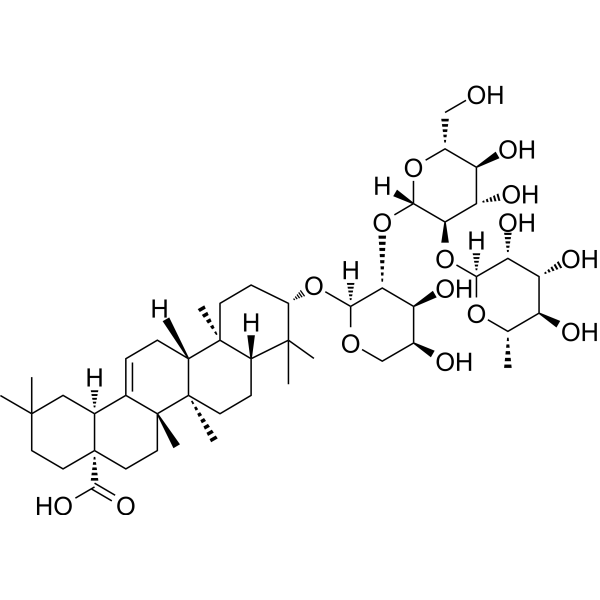
    Raddeanin A is an oleanane-type triterpenoid saponin with oral activity. Raddeanin A inhibits SRC, mTOR, JNK, VEGFR2, NLRP3 inflammasome, Wnt/β-catenin, Wee1, PI3K/AKT signaling pathway, MAPK/ERK signaling pathway, AR-FL, AR-Vs, and downregulates the expression of p-PI3K and p-AKT. Raddeanin A inhibits osteoclast formation, bone resorption, osteolysis, cancer cell invasion, migration, proliferation, angiogenesis and epithelial-mesenchymal transition, while induces apoptosis, cell cycle arrest, ROS production, immunogenic cell death and dendritic cell maturation. Raddeanin A improves blood-retinal barrier function, alleviates inflammation, regulates the tumor microenvironment, and enhances the activity of anti-PD-1 antibody. Raddeanin A is applicable to the research of breast cancer-associated osteolysis, human osteosarcoma, colorectal cancer, glioblastoma, Alzheimer's disease, cholangiocarcinoma, melanoma, non-small cell lung cancer, castration-resistant prostate cancer and multiple myeloma .
    Raddeanin A
  • HY-176812

    Ras PI3K Akt Cancer
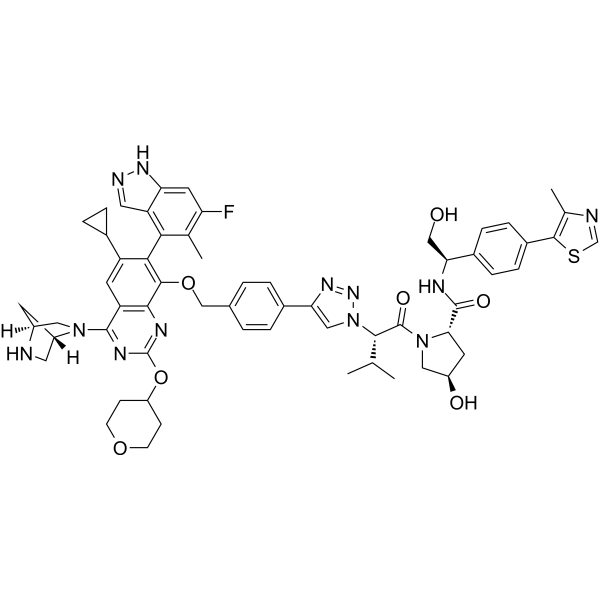
    VVD-849 is a RAS ligand. VVD-849 covalently binds to Cys242 in the RAS-binding domain of PI3K p110α and promotes RAS/PI3K interaction. VVD-849 partially inhibits pAKT (S473) in HER2-overexpressing tumors. VVD-849 can be used for the research of cancers such as breast cancer .
    VVD-849
  • HY-143275

    PROTACs PI3K Akt Cancer
    HL-8 is a PI3Kα PROTAC degrader. HL-8 promotes the ubiquitination and degradation of PI3Kα. HL-8 reduces pAKT levels. HL-8 has anticancer activity against colon and cervical cancer (Pink: PI3Kα ligand (HY-143277); Blue: E3 ligase VHL ligand (HY-138678); Black: linker (HY-W002042)) .
    HL-8
  • HY-P99291

    LM609; MEDI-522

    Integrin Apoptosis Akt Cancer
    Etaracizumab (LM 609) is an αvβ3 integrin IgG mAb. Etaracizumab is developed to target αvβ3+ cancer cells via NK cell-mediated cytotoxicity. Etaracizumab sterically hinders access of large ligands to the RGD-binding pocket, without obstructing it. Etaracizumab decreases p-Akt in vitro. Etaracizumab can decrease cancer proliferation and invasion. Etaracizumab induces tumor cell apoptosis, and inhibition ofαvβ3-mediated cell adhesion, endothelial cell migration and osteoclast-mediated bone resorption. Etaracizumab can be studied in anti-tumor research against cancers such as ovarian cancer, metastatic melanoma as well as advanced solid tumors. Recommend Isotype Control: Human IgG1 kappa, Isotype Control (HY-P99001) .
    Etaracizumab
  • HY-153663

    Ras Cancer
    TH-Z827 is a mutant selective KRAS(G12D) inhibitor with an IC50 of 2.4 μM. TH-Z827 does not bind KRAS(WT) or KRAS(G12C). TH-Z827 blocked the KRAS(G12D)-CRAF interaction with an IC50 value of 42 μM .
    TH-Z827
  • HY-B0094R

    Qinghaosu (Standard); NSC 369397 (Standard)

    Reference Standards HCV Parasite Akt Ferroptosis Infection Neurological Disease Cancer
    Artemisinin (Standard) is the analytical standard of Artemisinin. This product is intended for research and analytical applications. Artemisinin (Qinghaosu), a sesquiterpene lactone, is an anti-malarial agent isolated from the aerial parts of Artemisia annua L. plants . Artemisinin inhibits AKT signaling pathway by decreasing pAKT in a dose-dependent manner. Artemisinin reduces cancer cell proliferation, migration, invasion, tumorigenesis and metastasis and has neuroprotective effects .
    Artemisinin (Standard)
  • HY-13440
    AMG 511
    5 Publications Verification

    PI3K Cancer
    AMG 511 is a potent and orally available pan inhibitor of class I PI3Ks, with Kis of 4 nM, 6 nM, 2 nM and 1 nM for PI3Kα, β, δ and γ, respectively. AMG 511 significantly suppresses PI3K signaling that is indicated by p-Akt (Ser473) decrease. AMG 511 exhibits anti-tumor activity in mouse glioblastoma xenograft model .
    AMG 511
  • HY-121537

    COX Akt Apoptosis Neurological Disease Inflammation/Immunology Cancer
    CAY10404 is a potent and selective cyclooxygenase-2 (COX-2) inhibitor with an IC50 of 1 nM and a selectivity index (SI; COX-1 IC50/COX-2 IC50) of >500000. CAY10404 is a potent PKB/Akt and MAPK signaling pathways inhibitor and induces apoptosis in non-small cell lung cancer (NSCLC) cells. CAY10404, a diarylisoxazole, has good analgesic, anti-inflammatory, and anti-cancer activities .
    CAY10404
  • HY-102071

    5'-O-Tritylinosine; 5'-O-Trityl-inosine

    Nucleoside Antimetabolite/Analog Cancer
    KIN59 (5’-O-Tritylinosine) is a potent thymidine phosphorylase allosteric inhibitor. KIN59 inhibits FGF2-stimulated cell growth. KIN59 inhibits the expression of p-FGFR1, P-Akt in FGF2 (10 ng/mL) stimulated cells. KIN59 shows anti-tumor activity .
    KIN59
  • HY-134903

    mTOR Cancer
    (32-Carbonyl)-RMC-5552 is a potent mTOR inhibitor. (32-Carbonyl)-RMC-5552 inhibits mTORC1 and mTORC2 substrate (p-P70S6K-(T389), p-4E-BP1-(T37/36), AND p-AKT1/2/3-(S473)) phosphorylation with pIC50s of > 9, >9 and between 8 and 9, respectively (patent WO2019212990A1, example 2) .
    (32-Carbonyl)-RMC-5552
  • HY-P11162

    FGFR Akt ERK mTOR Apoptosis Inflammation/Immunology
    FGF7p is a small molecule peptide and a potential bladder protector. FGF7p can activate downstream signaling pathways of FGFR2 in the urinary tract epithelium (pFRS2α, pAKT and pERK). FGF7p alleviates cyclophosphamide induced apoptosis and tissue damage in urinary tract epithelial cells by activating AKT and its downstream anti apoptotic targets (pBAD, pS6/mTORC1). FGF7p is commonly used in the study of inflammatory conditions .
    FGF7p
  • HY-162141

    Glutaminase Apoptosis Cancer
    MD102 is a potent TG2 inhibitor with an IC50 value of 0.35 μM. MD102 stabilizes p53 by inhibiting TG2, inducing a decrease in p-AKT and p-mTOR downstream signaling, leading to tumor cell apoptosis .
    MD102
  • HY-P991664

    Src Akt ERK TAM Receptor c-Met/HGFR MMP HIF/HIF Prolyl-Hydroxylase VEGFR Cancer
    AG01 is a monoclonal antibody against progranulin (GP88). AG01 inhibits triple-negative breast cancer (TNBC) cell proliferation and migration, reduces the expression of phosphorylated protein kinases p-Src, p-AKT, and p-ERK, and reduces the expression of oncogenic proteins such as Axl, c-MET, HIF-1α, and VEGF. AG01 inhibits tumor growth and Ki67 expression in a TNBC xenograft mouse model. AG01 can be used in the research of TNBC and other cancers .
    AG01
  • HY-113916

    AT13387 lactate

    HSP Cancer
    Onalespib lactate is a potent and cross the blood-brain barrier heat-shock-protein-90 (Hsp90) inhibitor with an Kd value of 0.71 nM. Onalespib lactate inhibits the proliferation, survival and migration. Onalespib lactate decreases the expression of EGFR, p-EGFR, AKT, P-AKT, ERK1/2, P-ERK1/2, S6, P-S6 protein. Onalespib lactate shows antitumor activity. Onalespib lactate has the potential for the research of non-small cell lung cancer (NSCLC) .
    Onalespib lactate
  • HY-176239

    PROTACs PI3K Akt Apoptosis Autophagy Cancer
    PROTAC PI3Kδ degrader-1 is a Lysine-targeted covalent PI3Kδ PROTAC degrader with a DC50 of 3.98 nM. PROTAC PI3Kδ degrader-1 has a potent antiproliferative activity and selective PI3Kδ inhibition (IC50: 8 nM). PROTAC PI3Kδ degrader-1 also significantly degrades p-AKT, induces cell cycle arrest in G1 phase and prompts cell apoptosis and autophagy. PROTAC PI3Kδ degrader-1 effectively inhibits the tumor growth in SU-DHL-6 xenograft mice model . Pink: PI3Kδ ligand (HY-169983); Blue: VHL ligase ligand (HY-112078); Black: linker (HY-W013381)
    PROTAC PI3Kδ degrader-1
  • HY-B0094S

    Qinghaosu-d3; NSC 369397-d3

    Akt Ferroptosis HCV Parasite Infection Neurological Disease Cancer
    Artemisinin-d3 is the deuterium labeled Artemisinin. Artemisinin (Qinghaosu), a sesquiterpene lactone, is an anti-malarial agent isolated from the aerial parts of Artemisia annua L. plants . Artemisinin inhibits AKT signaling pathway by decreasing pAKT in a dose-dependent manner. Artemisinin reduces cancer cell proliferation, migration, invasion, tumorigenesis and metastasis and has neuroprotective effects .
    Artemisinin-d3
  • HY-178193A

    DNA/RNA Synthesis Akt PD-1/PD-L1 Cancer
    (Rac)-Chem-0199 is the racemic mixture of Chem-0199 (HY-178193). Chem-0199 is an Adipocyte Enhancer-Binding Protein 1 (AEBP1) inhibitor. Chem-0199 can disrupt the interaction between AEBP1 and CKAP4, thereby enhances antitumor immunity. Chem-0199 can inhibit Akt phosphorylation (p-Akt) and downregulates PD-L1 expression. Chem-0199 can be used for the research of cancer, such as colon cancer .
    (Rac)-Chem-0199
  • HY-146223

    Ras p38 MAPK PI3K Apoptosis Cancer
    AZD4625 is an orally active, selective irreversible, covalent allosteric GTPase KRASG12C inhibitor with an IC50 of 3 nM. AZD4625 can inhibit the MAPK pathway (with decreased pCRAF, pMEK, and pERK) and the PI3K pathway (with decreased pAKT and pS6), and induce cell apoptosis. AZD4625 has no binding and inhibition of wild-type RAS or isoforms carrying non-KRASG12C mutations. AZD4625 can be used for the study of KRASG12C mutant non-small cell lung cancer .
    AZD4625
  • HY-W001925

    Apoptosis NF-κB c-Met/HGFR Akt MMP Cancer
    7-Methoxy-1-tetralone is a potent antitumor agent. 7-Methoxy-1-tetralone inhibits cancer cell proliferation and migration, and induces hepatocellular carcinoma cell (HCC) apoptosis. 7-Methoxy-1-tetralone decreased the protein levels of NF-κB, matrix metallopeptidase 2 (MMP2)/MMP9, and p-AKT. 7-Methoxy-1-tetralone showed antitumor activity in nude mice and had no effect on body weight and liver, spleen and organ index .
    7-Methoxy-1-tetralone
  • HY-124348

    3,5-Dimethyl PIT-1

    PI3K Cancer
    DM-PIT-1 is a PIP3/PH (phosphatidylinositol-3,4,5-triphosphate/Pleckstrin) interaction inhibitor. DM-PIT-1 decreases he expression of P-Akt, P-GSK-3-β, P-p70S6K, P-S6, P-4E-BP1. DM-PIT-1 induces apoptosis and shows anticancer activity. DM-PIT-1 has the potential for the research of ovarian cancer .
    DM-PIT-1
  • HY-178176

    PROTACs Cannabinoid Receptor Akt ERK Bcl-2 Family Apoptosis Cancer
    PROTAC CB1R Degrader-1 is a potent and selective CB1R PROTAC degrader that exploits the ubiquitin-proteasome system (UPS) achieving a DC50 of 3.37 μM in MCF-7 cells and showing no impact on CB2R. PROTAC CB1R Degrader-1 reduces CB1R-associated downstream signaling (p-AKT, p-ERK, BCL2, and MCM5), thereby inhibiting breast cancer cell proliferation and inducing apoptosis. PROTAC CB1R Degrader-1 can be used for breast cancer research. (Blue: CRBN ligand (HY-41547); Black: linker (HY-178198); Pink: CB1R ligand (HY-134497)) .
    PROTAC CB1R Degrader-1
  • HY-N7895
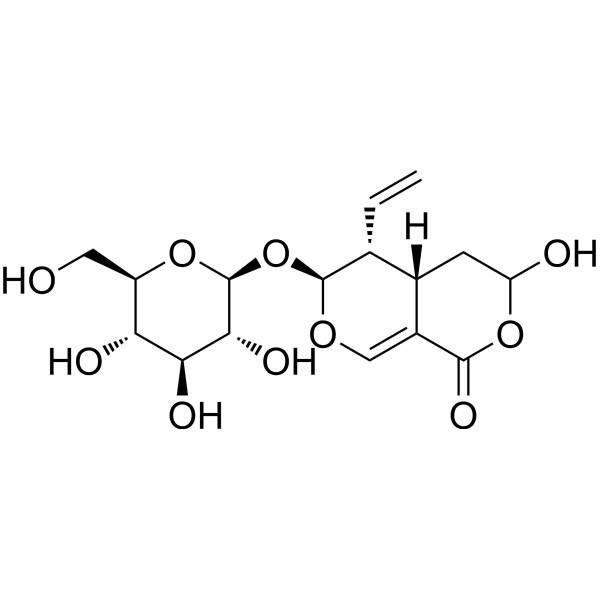
    Secologanic acid
    1 Publications Verification

    NO Synthase Akt Inflammation/Immunology
    Secologanic acid is a secoiridoid glycoside. Secologanic acid inhibits NO production, the relative expression of AKT and p-AKT. Secologanic acid shows anti-inflammatory activity .
    Secologanic acid
  • HY-112488

    Glucosylceramide Synthase (GCS) Metabolic Disease
    EXEL-0346 is an orally active glucosylceramide synthase (GCS) inhibitor, with an IC50 of 2 nM. EXEL-0346 combined with insulin increases pAkt. EXEL-0346 effectively reduces the levels of Glucosylceramide, Lactosylceramide and GM3. EXEL-0346 improves obesity and diabetes .
    EXEL-0346
  • HY-101986A
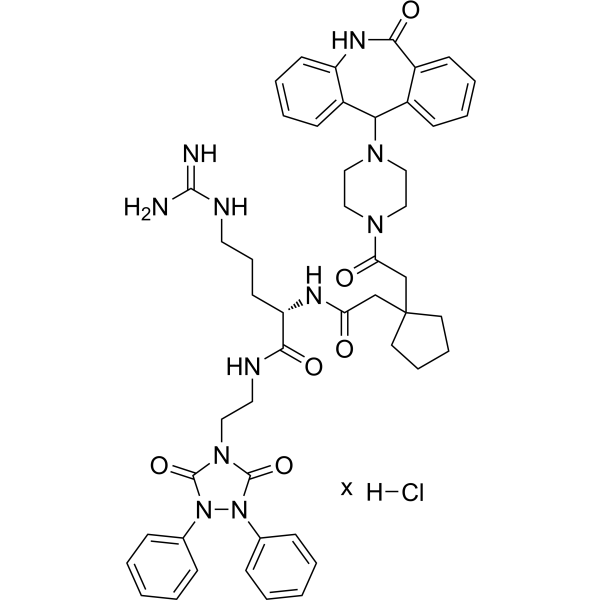
    BIIE-0246 hydrochloride
    2 Publications Verification

    AR-H 053591 hydrochloride

    Neuropeptide Y Receptor Metabolic Disease
    BIIE-0246 hydrochloride (AR-H 053591 hydrochloride) is a potent and selective NPY2R (neuropeptide Y receptor 2) antagonist with an IC50 value of 15 nM for rat [ 125I]PYY3-36. BIIE-0246 hydrochloride decreases the expression of p-AKT S473, P-p44/42 MAPK under the NPY-stimulated. BIIE-0246 hydrochloride reduces albuminuria in ADR nephropathy .
    BIIE-0246 hydrochloride
  • HY-N0361R

    Reference Standards TRP Channel Reactive Oxygen Species (ROS) Apoptosis Caspase Bcl-2 Family Akt PI3K Cardiovascular Disease Neurological Disease
    Dihydrocapsaicin (Standard) is the analytical standard of Dihydrocapsaicin. This product is intended for research and analytical applications. Dihydrocapsaicin, a capsaicin, is a potent and selective TRPV1 (transient receptor potential vanilloid channel 1) agonist. Dihydrocapsaicin reduces AIF, Bax, and Caspase-3 expressions, and increased Bcl-2, Bcl-xL and p-Akt levels. Dihydrocapsaicin enhances the hypothermia-induced neuroprotection following ischemic stroke via PI3K/Akt regulation in rat .
    Dihydrocapsaicin (Standard)
  • HY-N1435R

    Reference Standards Apoptosis PI3K PTEN Autophagy Metabolic Disease Inflammation/Immunology Cancer
    Oroxin B (Standard) is the analytical standard of Oroxin B. This product is intended for research and analytical applications. Oroxin B (OB) is a flavonoid isolated from traditional Chinese herbal medicine Oroxylum indicum (L.) Vent. Oroxin B (OB) possesses obvious inhibitory effect and induces early apoptosis rather than late apoptosis on liver cancer cells through upregulation of PTEN, down regulation of COX-2, VEGF, PI3K, and p-AKT . Oroxin B (OB) selectively induces tumor-suppressive ER stress in malignant lymphoma cells .
    Oroxin B (Standard)
  • HY-145931

    mTOR Autophagy Cancer
    CC214-2 is an oral active and selective mTOR kinase inhibitor. CC214-2 targets to both of mTORC1 (pS6) and mTORC2 (pAktS473). CC214-2 induces autophagy, which is a potential target for host-directed therapy (HDT) in tuberculosis. CC214-2 exhibits synergistic bactericidal and sterilizing activity agasinst tuberculosis (TB), and shortens the treatment duration. CC214-2 also inhibits Rapamycin (HY-10219)-resistant signaling and the growth of glioblastomas in vitro and in vivo .
    CC214-2
  • HY-132231

    PI3K Apoptosis Cancer
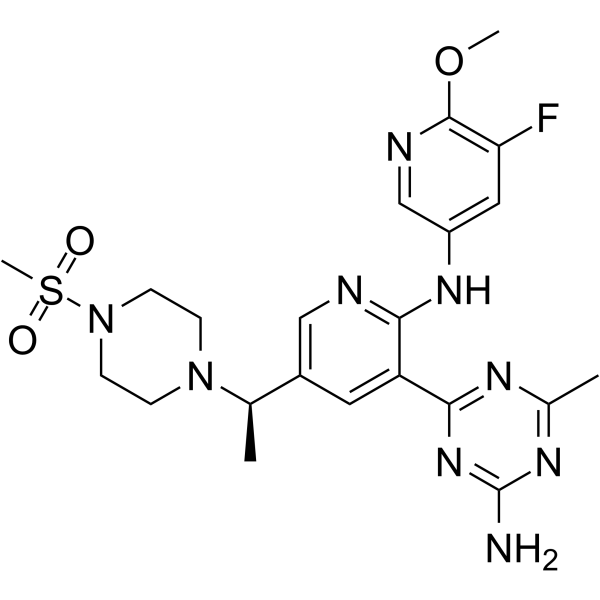
    FD223 is a potent and selective phosphoinositide 3-kinase delta (PI3Kδ) inhibitor. FD223 displays high potency (IC50=1 nM) and good selectivity over other isoforms (IC50s of 51 nM, 29 nM and 37 nM, respectively for α, β and γ). FD223 exhibits efficient inhibition of the proliferation of acute myeloid leukemia (AML) cell lines by suppressing p-AKT Ser473 thus causing G1 phase arrest during the cell cycle. FD223 has potential for the research of leukemia such as AML .
    FD223
  • HY-178939

    EGFR Akt PERK Apoptosis Neurological Disease Cancer
    EGFR-IN-181 is an orally active, potent, brain-penetrant EGFRL858R/T790M/C797S triple mutations inhibitor (IC50 = 1.32 nM). EGFR-IN-181 can inhibit EGFR phosphorylation (p-EGFR) and phosphorylation of its downstream signaling proteins AKT (p-AKT) and ERK (p-ERK). EGFR-IN-181 can induce apoptosis and cause G2 phase arrest. EGFR-IN-181 can be used for the study of non-small cell lung cancer (NSCLC) and brain metastases .
    EGFR-IN-181
  • HY-115814

    PI3K Inflammation/Immunology
    AM-1430 is an efficient, highly selective and orally active small molecule inhibitor of PI3Kδ with an IC50 of 4.6 nM. AM-1430 exhibits IC50s for PI3Kα, PI3Kβ and PI3Kγ of 14.18, 2.2 and 3.22 μM, respectively. AM-1430 inhibits B cell proliferation and exhibits excellent in vivo activity in pAKT inhibition models and the hemoglobin (KLH) immune response model. AM-1430 can be used for the study of inflammation and autoimmune diseases .
    AM-1430
  • HY-146223A

    Ras PI3K p38 MAPK Apoptosis Cancer
    (3R,10R,14aS)-AZD4625 is the isomer of AZD4625 (HY-146223), and can be used as an experimental control. AZD4625 is an orally active, selective irreversible, covalent allosteric GTPase KRASG12C inhibitor with an IC50 of 3 nM. AZD4625 can inhibit the MAPK pathway (with decreased pCRAF, pMEK, and pERK) and the PI3K pathway (with decreased pAKT and pS6), and induce cell apoptosis. AZD4625 has no binding and inhibition of wild-type RAS or isoforms carrying non-KRASG12C mutations. AZD4625 can be used for the study of KRASG12C mutant non-small cell lung cancer .
    (3R,10R,14aS)-AZD4625
  • HY-108052R

    Delphinidin 3-O-glucoside chloride (Standard); Delphinidin 3-O-β-glucoside chloride (Standard)

    Reference Standards EGFR Apoptosis Akt Cardiovascular Disease Cancer
    Delphinidin 3-glucoside (chloride) (Standard) is the analytical standard of Delphinidin 3-glucoside (chloride). This product is intended for research and analytical applications. Delphinidin 3-glucoside chloride (Delphinidin 3-O-glucoside chloride) is an active anthocyanin found in Hibiscus sabdariffa extract. Delphinidin 3-glucoside chloride induces a pro-apoptotic effect in B cell chronic lymphocytic leukaemia (B CLL) . Delphinidin 3-glucoside chloride exerts phytoestrogen activity by binding to ERβ, with an IC50 of 9.7 μM . Delphinidin-3-O-glucoside chloride inhibits EGFR with an IC50 of 2.37 µM . Delphinidin 3-glucoside chloride exhibits antitumor effects through pAKT/IRF1/HOTAIR pathway. Delphinidin 3-glucoside chloride exhibits efficacy against oxidative stress, inhibits platelet activation and endothelial dysfunction .
    Delphinidin 3-glucoside chloride (Standard)
  • HY-179424

    PROTACs HIF/HIF Prolyl-Hydroxylase p38 MAPK Akt PI3K MEK Apoptosis Cancer
    PROTAC HIF-1α degrader-2 is a highly efficient and selective PROTAC degrader targeting HIF-1α. PROTAC HIF-1α degrader-2 promotes HIF-1α degradation via the ubiquitin-proteasome pathway by facilitating the formation of a HIF-1α/VHL ternary complex. PROTAC HIF-1α degrader-2 inhibits HeLa cell proliferation, migration, and colony formation, and induces apoptosis. PROTAC HIF-1α degrader-2 reduces p-MEK and p-AKT expression in the MAPK and PI3K/AKT pathways. PROTAC HIF-1α degrader-2 can be used for the study of cervical cancer .
    PROTAC HIF-1α degrader-2
  • HY-116563

    PI3K Cancer
    PI3Kα-IN-24 (WR23) is a PI3Kα inhibitor with an IC50 of 0.025 μM and exhibits a significant pAkt Ser473 suppression effect. PI3Kα-IN-24 can be utilized in cancer research .
    PI3Kα-IN-24
  • HY-155098

    SHP2 Cancer
    CNBCA is a potent, selective, competitive SHP2 enzyme inhibitor, with the IC50 of 0.87 μM. CNBCA binds to full-length SHP2 and inhibits enzyme activity. CNBCA inhibits pAkt and pERK1/2, and the cell growth of BT474 and MDA-MB468 cells. CNBCA can be used for breast cancer study .
    CNBCA

Inquiry Online

Your information is safe with us. * Required Fields.

Salutation


Country or Region *

Applicant Name *


Organization Name *

Department *


Email Address *


Product Name *

Cat. No.


Requested quantity *

Phone Number *


Remarks

Inquiry Online

Inquiry Information

Product Name:
Cat. No.:
Quantity:
MCE Japan Authorized Agent:

