125 Results for "

poisons

" in MedChemExpress (MCE) Product Catalog:
Products (125)

125 Results for "poisons" in MCE Product Catalog:

28
28 Publications Verification
Cat. No.: HY-W018746
CAS No.: 139-33-3
Synonyms: Ethylenediaminetetraacetic acid disodium
EDTA disodium salt, also known as ethylenediaminetetraacetic acid disodium, belongs to the chelating agent category, which is formed by chelating a central metal ion with four carboxylate groups and two amine groups. This compound, with its ability to bind and chelate metal ions such as calcium, magnesium and iron, is commonly used in a variety of applications, including industrial, medical and research settings. It is used as a preservative in food and beverage, as a stabilizer in medicine, as a chelating agent in water treatment, and as a reagent in biochemical and biomedical research. In addition, EDTA disodium salt has been studied for potential research effects such as improving heavy metal poisoning and cardiovascular disease.
loading...
    loading...
27
27 Cited Publications
Cat. No.: HY-W250119
CAS No.: 23411-34-9
Synonyms: EDTA disodium calcium salt hydrate; Ethylenediaminetetraacetic acid disodium calcium salt hydrate
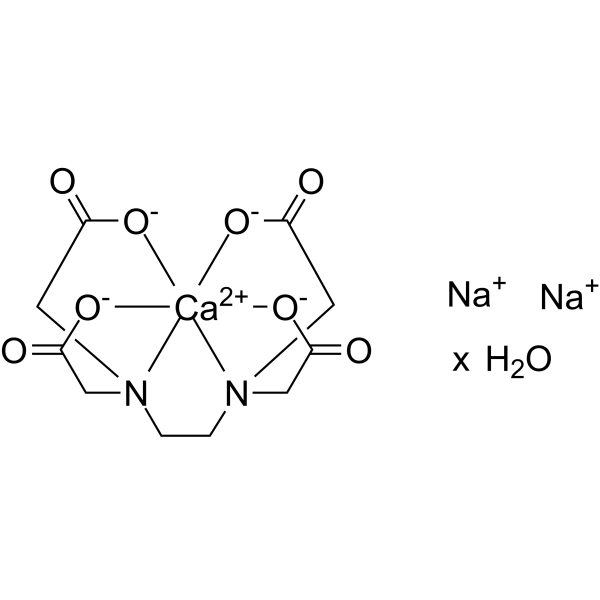
Calcium disodium edetate hydrate (EDTA disodium calcium salt hydrate) is a metal chelator and antifungal agent. Calcium disodium edetate hydrate chelates Mn 2+, damages mitochondria, and interferes with carbohydrate metabolic pathways, particularly the synthesis of pyruvate in glycolysis. Calcium disodium edetate hydrate inhibits Penicillium digitatum and delays conidial germination. Calcium disodium edetate (hydrate) enhances the host defense system of citrus fruits. Calcium disodium edetate hydrate is applicable to research related to citrus green mold .
loading...
    loading...
4
4 Cited Publications
Cat. No.: HY-B0876
CAS No.: 7554-65-6
Synonyms: 4-Methylpyrazole
Target:  

Cytochrome P450

Research Areas:  

Metabolic Disease

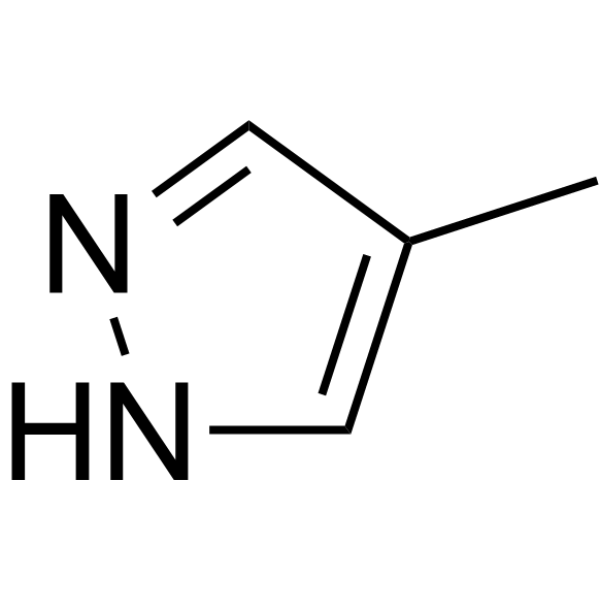
Fomepizole (4-Methylpyrazole) is a potent cytochrome P450 (CYP2E1) inhibitor. Fomepizole is a competitive inhibitor of the enzyme alcohol dehydrogenase. Fomepizole blocks further conversion of methanol and ethylene glycol to toxic metabolites. Fomepizole has the potential for an antidote for ethylene glycol or methanol poisoning .
loading...
    loading...
4
4 Cited Publications
Cat. No.: HY-B0876A
CAS No.: 56010-88-9
Synonyms: 4-Methylpyrazole hydrochloride
Target:  

Cytochrome P450

Research Areas:  

Metabolic Disease

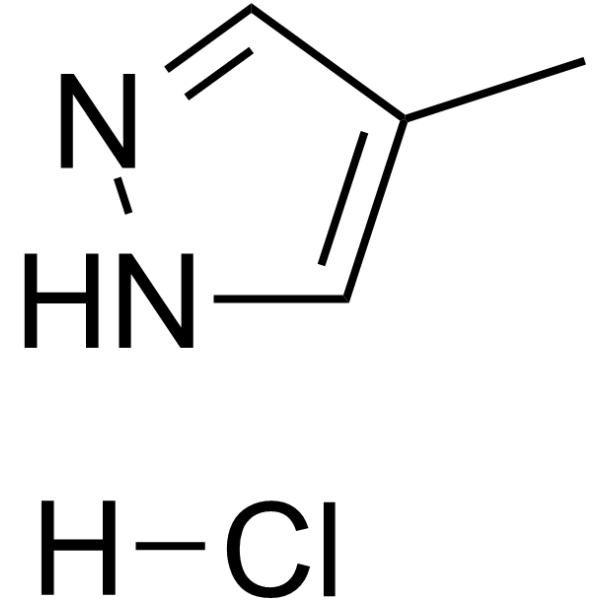
Fomepizole (4-Methylpyrazole) hydrochloride is a potent and orally active cytochrome P450 (CYP2E1) inhibitor. Fomepizole hydrochloride is a competitive inhibitor of the enzyme alcohol dehydrogenase. Fomepizole hydrochloride blocks further conversion of methanol and ethylene glycol to toxic metabolites. Fomepizole hydrochloride has the potential for an antidote for ethylene glycol or methanol poisoning .
loading...
    loading...
3
3 Cited Publications
Cat. No.: HY-B2209
CAS No.: 13422-51-0
Synonyms: Vitamin B12a
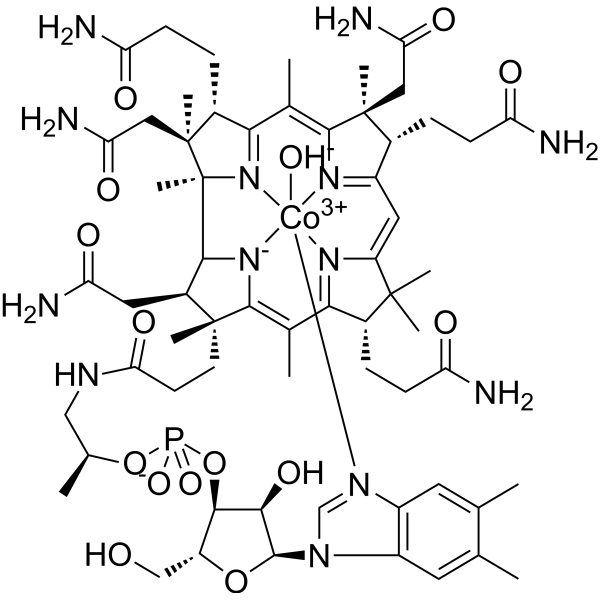
Hydroxocobalamin (Vitamin B12a) is a cyanide antidote. Hydroxocobalamin can decrease the cell and plasma cyanide concentrations and increase survival rate in acute cyanide poisoning. Hydroxocobalamin can improve newborn Cbl-C defect-induced metabolic profile and neurocognitive outcome. Hydroxocobalamin can normalize Vitamin B12 deficiency. Hydroxocobalamin can induce acute kidney injury. Hydroxocobalamin can be used for the researches of metabolic and neurological disease .
loading...
    loading...
3
3 Cited Publications
Cat. No.: HY-B1200
CAS No.: 51-15-0
Synonyms: 2-PAM chloride
Target:  

Cholinesterase (ChE)

Research Areas:  

Neurological Disease

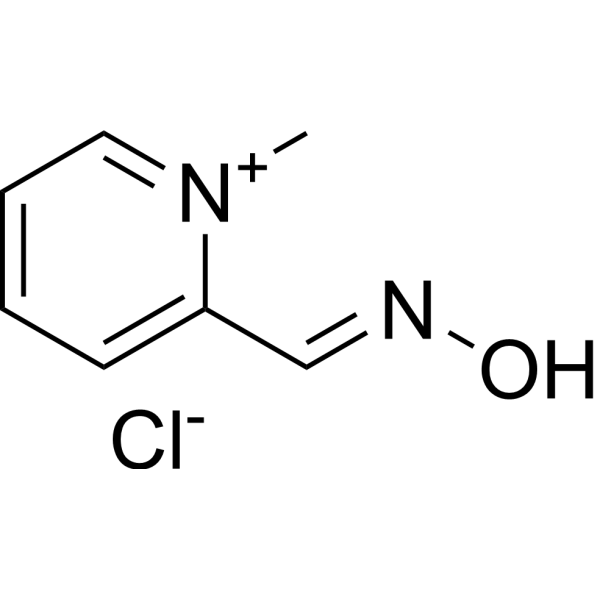
Pralidoxime chloride is a potent reactivator of acetylcholinesterase (AChE). Pralidoxime chloride reactivates nerve agent-inhibited AChE via direct nucleophilic attack by the oxime moiety on the phosphorus center of the bound nerve agent. Pralidoxime chloride is an antidote for organophosphate poisoning .
loading...
    loading...
2
2 Cited Publications
Cat. No.: HY-N6608
CAS No.: 57-47-6
Synonyms: Eserine
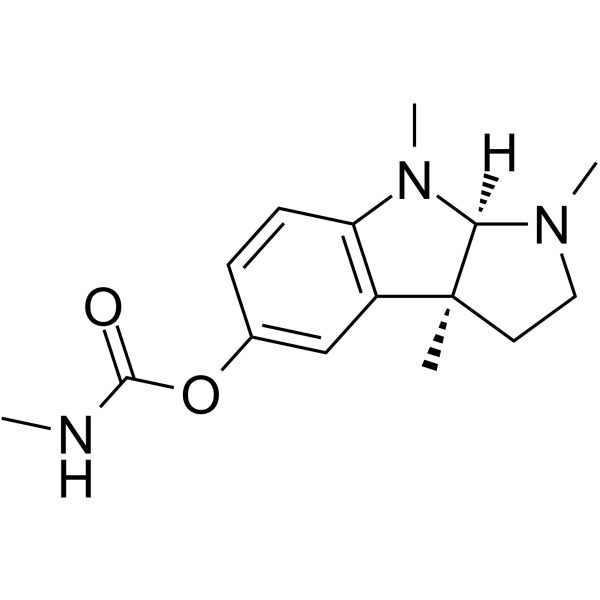
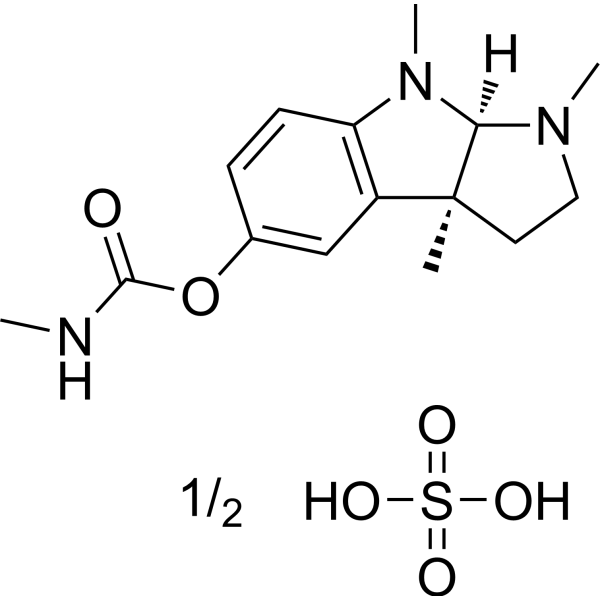
Physostigmine (Eserine) is a reversible acetylcholinesterase (AChE) inhibitor. Physostigmine can crosses the blood-brain barrier and stimulates central cholinergic neurotransmission. Physostigmine can reverse memory deficits in transgenic mice with Alzheimer's disease. Physostigmine is also an antidote for anticholinergic poisoning .
loading...
    loading...
2
2 Cited Publications
Cat. No.: HY-B1266
CAS No.: 57-64-7
Synonyms: Eserine salicylate
Target:  

Cholinesterase (ChE)

Research Areas:  

Neurological Disease

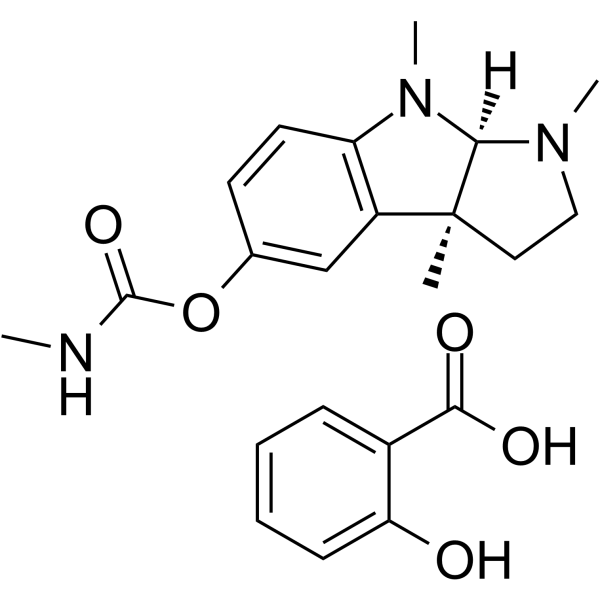
Physostigmine salicylate (Eserine salicylate) is a reversible acetylcholinesterase (AChE) inhibitor. Physostigmine salicylate crosses the blood-brain barrier and stimulates central cholinergic neurotransmission. Physostigmine salicylate can reverse memory deficits in transgenic mice with Alzheimer's disease. Physostigmine salicylate is also an antidote for anticholinergic poisoning .
loading...
    loading...
2
2 Cited Publications
Cat. No.: HY-N0584
CAS No.: 55869-99-3
Synonyms: 6-Hydroxyhyoscyamine
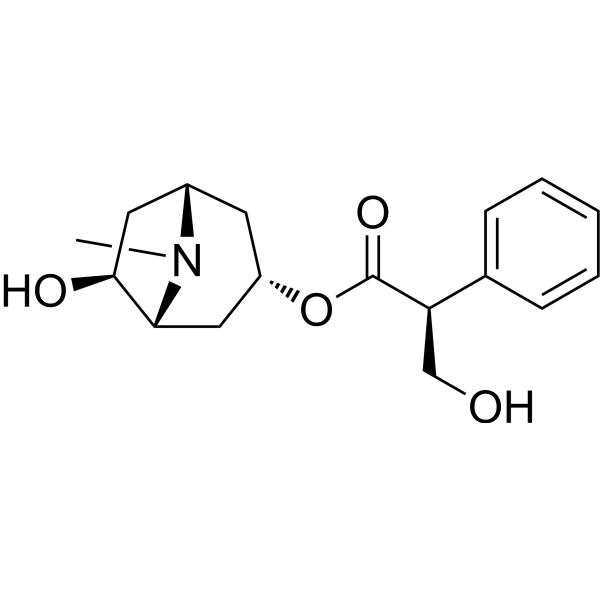
Anisodamine (6-Hydroxyhyoscyamine), a belladonna alkaloid, is a non-subtype-selective muscarinic, and also a nicotinic cholinoceptor antagonist. Anisodamine employs in traditional Chinese medicine for many ailments, mainly to improve the microcirculation in states of shock, and also in organophosphate poisoning .
loading...
    loading...
2
2 Cited Publications
Cat. No.: HY-N2320
CAS No.: 64-47-1
Synonyms: Eserine hemisulfate
Target:  

Cholinesterase (ChE)

Research Areas:  

Neurological Disease

Physostigmine hemisulfate (Eserine hemisulfate) is a reversible acetylcholinesterase (AChE) inhibitor. Physostigmine hemisulfate can crosses the blood-brain barrier and stimulates central cholinergic neurotransmission. Physostigmine hemisulfate can reverse memory deficits in transgenic mice with Alzheimer's disease. Physostigmine hemisulfate is also an antidote for anticholinergic poisoning .
loading...
    loading...
2
2 Cited Publications
Cat. No.: HY-B1120
CAS No.: 3383-96-8
Synonyms: Temefos
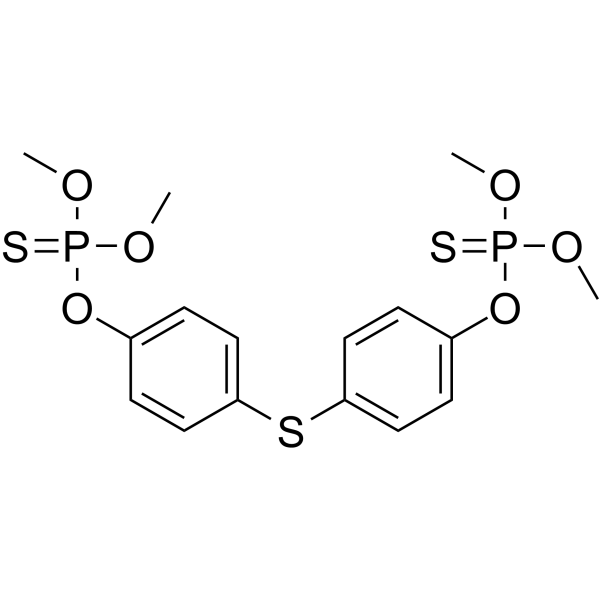
Temephos (Temefos) is an orally active, blood-brain barrier-permeable organophosphate insecticide and AChE inhibitor. By irreversibly inhibiting AChE to induce cholinergic overactivation, Temephos effectively blocks larval development of Aedes aegypti (yellow fever mosquito) and Aedes albopictus (Asian tiger mosquito), and is commonly used in studies related to Dengue Virus, Zika Virus and other relevant pathogens. Temephos exhibits genotoxicity and neurodevelopmental toxicity, and may also cause liver injury, reproductive system abnormalities and cholinergic poisoning symptoms in mammals. Temephos tends to accumulate in adipose tissues and aquatic organisms, and is excreted via feces after metabolism through oxidation and hydrolysis. Note that CYP-mediated metabolic detoxification may reduce the actual larvicidal efficacy of Temephos against some mosquito species. Temephos can be used in research related to dengue fever, Zika virus disease, chikungunya and dracunculiasis .
loading...
    loading...
1
1 Cited Publications
Cat. No.: HY-B1285
CAS No.: 59-52-9
Synonyms: 2,3-Dimercapto-1-propanol; Dithioglycerol
Target:  

HIV

Research Areas:  

Infection

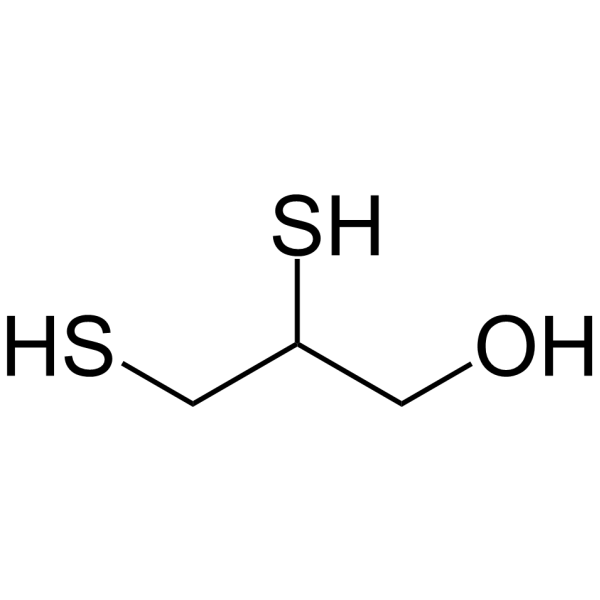
Dimercaprol (2,3-Dimercapto-1-propanol) is an anti-heavy metal-poisoning agent, which exhibits anti-HIV activity. Dimercaprol can be used for the study for arsenic, mercury, gold, lead, antimony, and other toxic metal poisoning .
loading...
    loading...
1
1 Cited Publications
Cat. No.: HY-N2331
CAS No.: 466-06-8
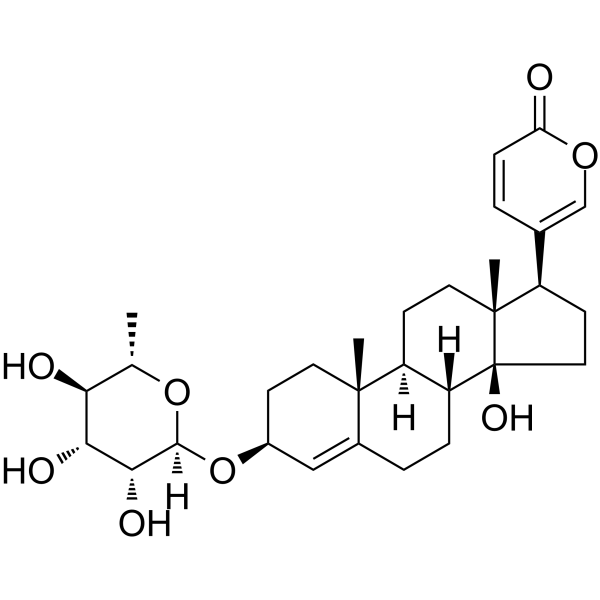
Proscillaridin A is a potent poison of topoisomerase I/II activity with IC50 values of 30 nM and 100 nM, respectively .
loading...
    loading...
1
1 Cited Publications
Cat. No.: HY-B0373
CAS No.: 1953-02-2
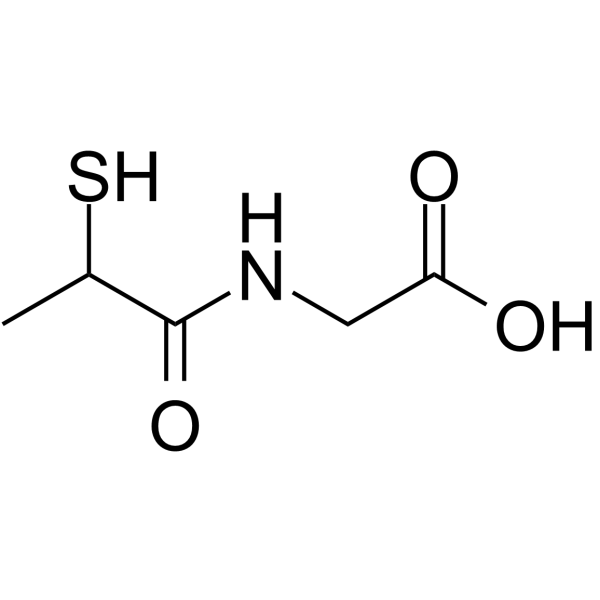
Tiopronin is a diffusible antioxidant, an antidote to heavy metal poisoning and a radioprotective agent. Tiopronin can control the rate of cystine precipitation and excretion and has the potential for cystinuria, rheumatoid arthritis and hepatic disorders .
loading...
    loading...
1
1 Cited Publications
Cat. No.: HY-B1768
CAS No.: 304-55-2
Synonyms: Dimercaptosuccinic acid; DMSA
Research Areas:  

Others Cancer

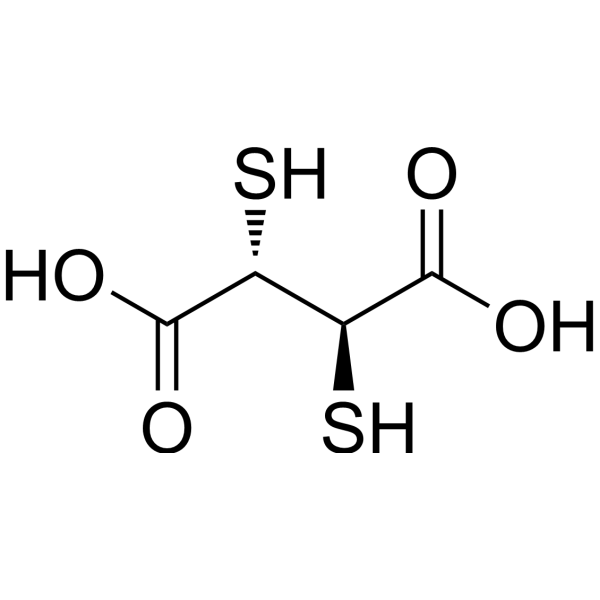
Succimer is a widely used chelating agent for the treatment of Pb poisoning.
loading...
    loading...
1
1 Cited Publications
Cat. No.: HY-N2582
CAS No.: 3615-82-5
Synonyms: Phytin
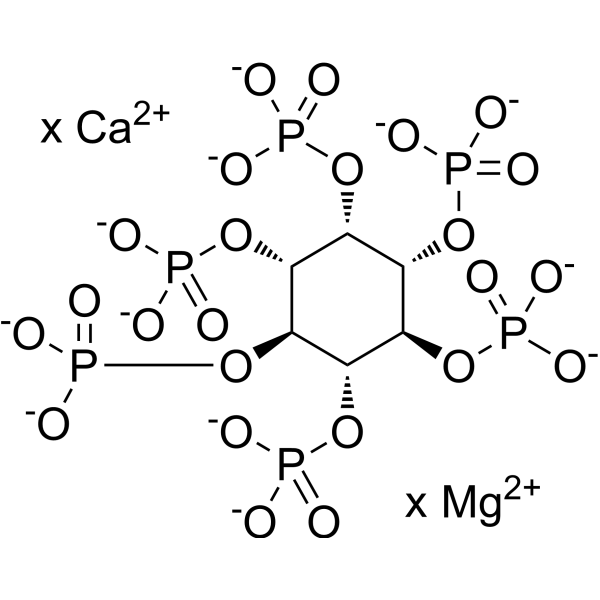
Calcium phytate (Phytin) is an insoluble phosphorus-containing compound widely present in plant-based foods such as cereals and legumes. Calcium phytate can be found in feces and can alleviate lead poisoning .
loading...
    loading...
1
1 Cited Publications
Cat. No.: HY-W011108
CAS No.: 114-90-9
Target:  

Cholinesterase (ChE)

Research Areas:  

Neurological Disease

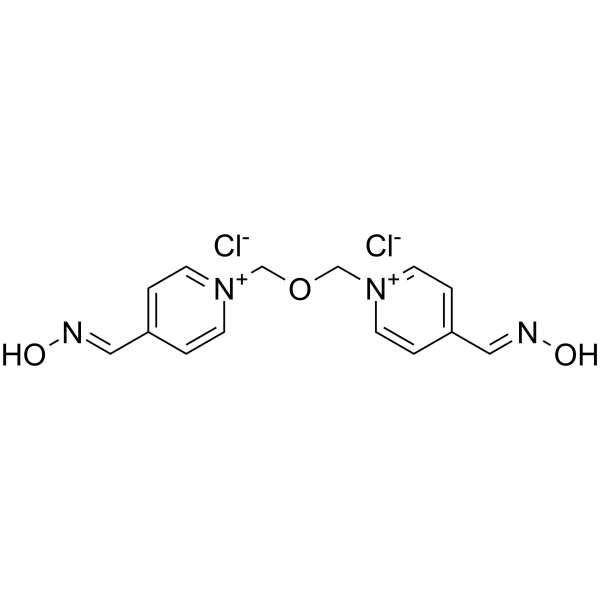
Obidoxime dichloride is a non-full spectrum oxime agent and can be used as an antidote for organophosphate nerve agent poisoning. Obidoxime dichloride reactivates sarin-inhibited acetylcholinesterase (AChE) and reduces acute toxicity of sarin-evaluated .
loading...
    loading...
1
1 Cited Publications
Cat. No.: HY-118581
CAS No.: 38989-38-7
Purity:  98.30%
Target:  

Topoisomerase

Research Areas:  

Cancer

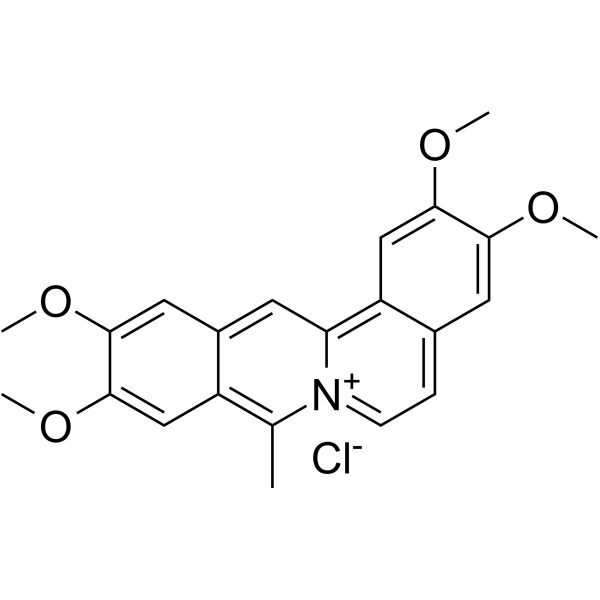
Coralyne chloride is a protoberberine alkaloid with potent anti-cancer activities. Coralyne chloride acts as a potent topoisomerase I poison and induces Top I mediated DNA cleavage . Coralyne chloride can be used for preparing?coralyne derivatives?as DNA binding fluorescent probes .
loading...
    loading...
1
1 Cited Publications
Cat. No.: HY-W041171
CAS No.: 7423-93-0
Synonyms: 3-Chlorotyrosine
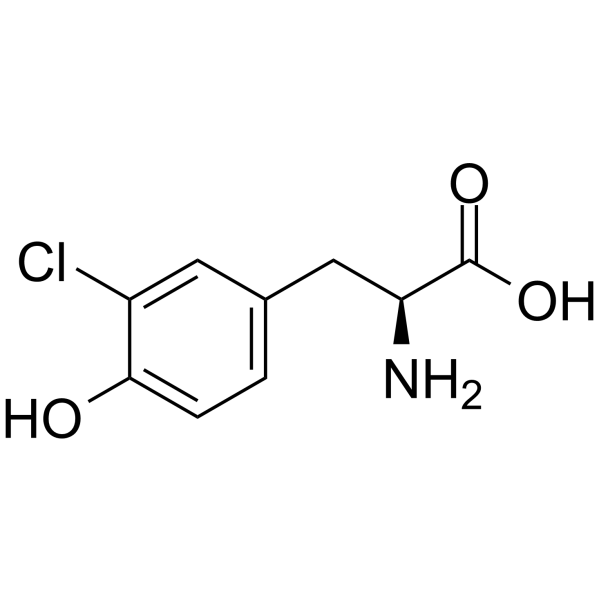
3-Chloro-L-tyrosine is a specific biomarker in myeloperoxidase-catalyzed oxidation. 3-Chloro-L-tyrosine can be used as a molecular marker for oxidative stress and inflammation to determine whether myeloperoxidase-mediated tyrosine chlorination occurs. 3-Chloro-L-tyrosine is therefore used in the diagnosis of chlorine poisoning in forensic toxicology and in the auxiliary diagnosis of inflammation such as colorectal cancer .
loading...
    loading...
1
1 Cited Publications
Cat. No.: HY-106901AS
Purity:  ≥96.0%
Synonyms: HI-6-d4
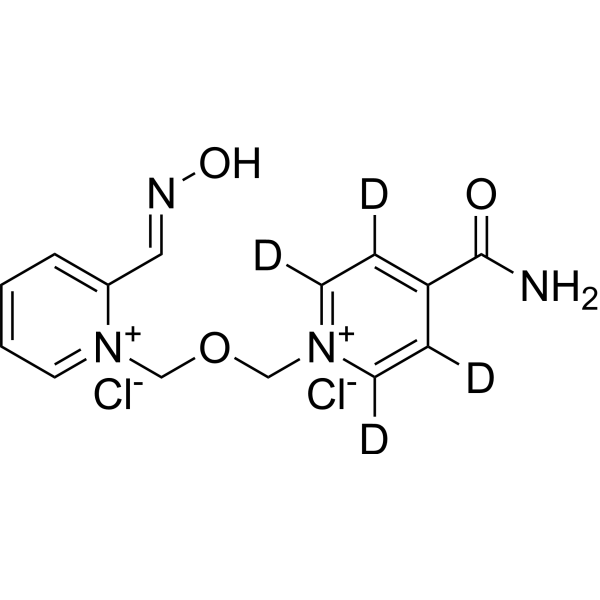
Asoxime-d4 dichloride (HI-6-d4) is the deuterium labeled Asoxime dichloride. Asoxime dichloride is an orally active thiosemicarbazone-based antidote. Asoxime dichloride is a reversible inhibitor of AChE, and its core mechanism of action is to re-activate AChE inhibited by nerve toxins, thereby restoring the cholinergic nerve function. Asoxime dichloride significantly restores the function of poisoned muscles without reactivating AChE. Asoxime dichloride is an antagonist of acetylcholine receptors (AChRs), including nicotinic receptor and α7 nAChR. Asoxime dichloride can serve as an effective immunomodulator, improving the immune effect of the nervous system.
loading...
    loading...

