1. Search Result
Search Result
Results for "

polarization

" in MedChemExpress (MCE) Product Catalog:

132

Inhibitors & Agonists

10

Fluorescent Dye

2

Biochemical Assay Reagents

13

Peptides

2

Inhibitory Antibodies

38

Natural
Products

1

Recombinant Proteins

7

Isotope-Labeled Compounds

2

Click Chemistry

4

Oligonucleotides

Cat. No. Product Name Target Research Areas Chemical Structure
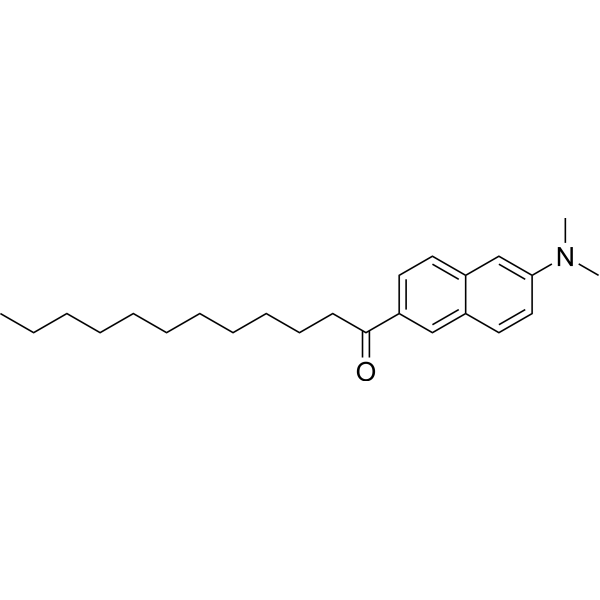
  • HY-D0080
    Laurdan
    Maximum Cited Publications
    23 Publications Verification

    Fluorescent Dye Others
    Laurdan is a membrane-permeable fluorescent probe that displays spectral sensitivity to the phospholipid phase of the cell membrane to which it is bound. Quantitation of generalized polarization (GP) of Laurdan can be used to identify phospholipid phase (Ex/Em = 370/440-490 nm).
    Laurdan
  • HY-101563
    GSK3326595
    Maximum Cited Publications
    31 Publications Verification

    EPZ015938

    Histone Methyltransferase SARS-CoV MDM-2/p53 CDK Apoptosis Infection Cancer
    GSK3326595 is a protein arginine methyltransferase 5 (PRMT5) inhibitor. GSK3326595 decreases SARS-CoV-2 infection, inhibits cancer cell proliferation and induces pro-inflammatory macrophage polarization and increases hepatic triglyceride levels without affecting atherosclerosis. GSK3326595 can be used for research of relapsed/refractory mantle cell lymphoma .
    GSK3326595
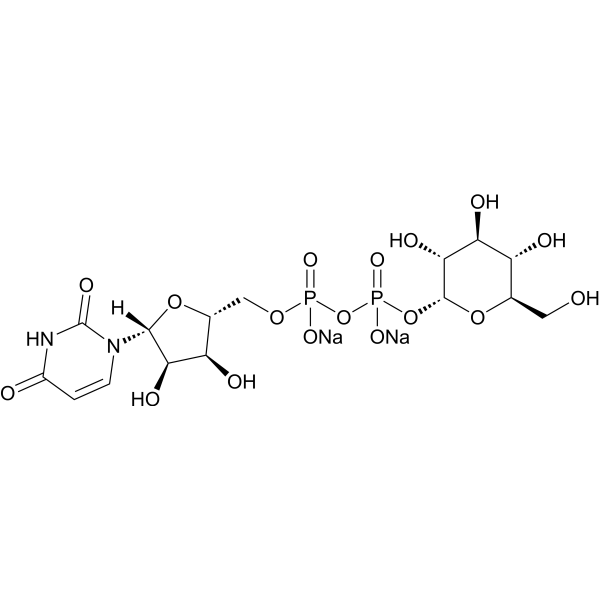
  • HY-N7032

    UDP-D-Glucose disodium

    Endogenous Metabolite P2Y Receptor Cardiovascular Disease Metabolic Disease Inflammation/Immunology
    Uridine 5’-diphosphoglucose (UDP-glucose) disodium, secreted by cardiomyocytes during ischemia and reperfu, is a potent agonist of the proinflammatory P2Y14 receptor. It acts an important role in the regulation of inflammation and neutrophil polarization in neutrophils. Uridine 5’-diphosphoglucose disodium is also the precursor of glucose-containing oligosaccharides, polysaccharides, glycoproteins, and glycolipids in animal tissues and in some microorganisms. Uridine 5’-diphosphoglucose disodium is promising for research in counteracting myocardial infarction/reperfusion (MIR)-induced inflammation in the heart tissue.
    Uridine 5′-diphosphoglucose disodium
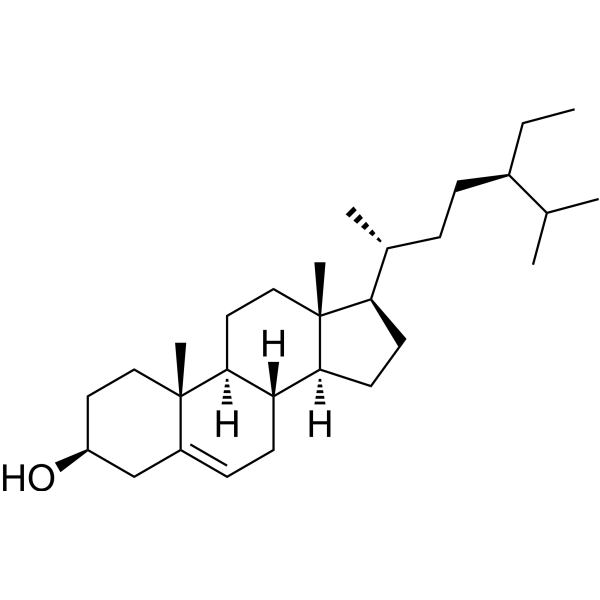
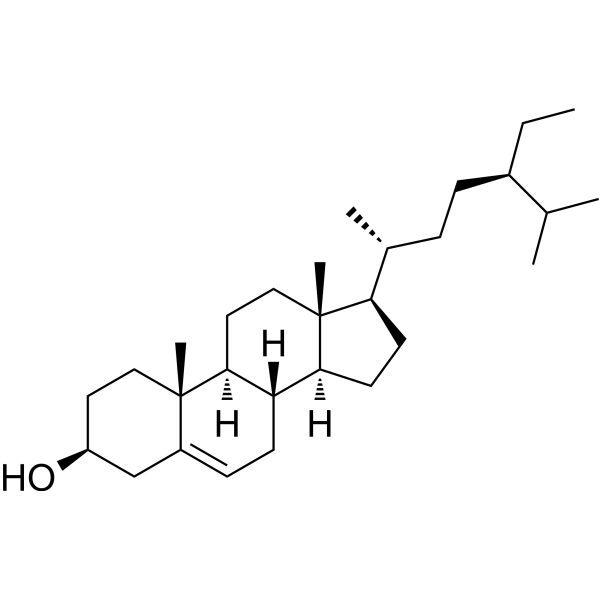
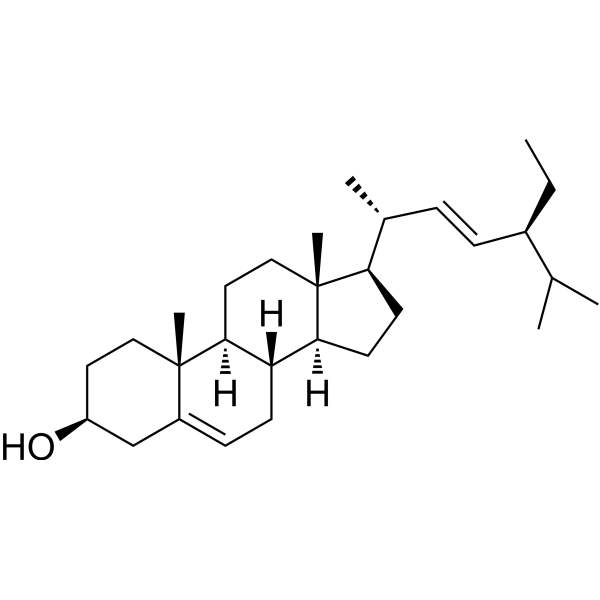
  • HY-N0131
    Stigmasterol
    10+ Cited Publications

    MMP Endogenous Metabolite Neurological Disease Inflammation/Immunology
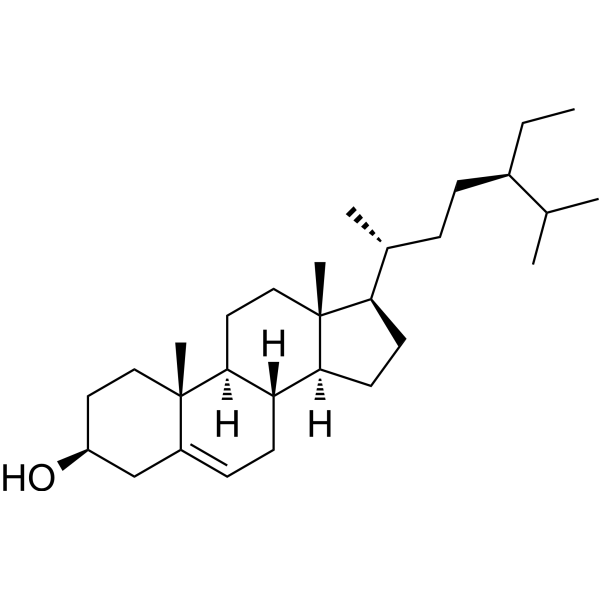
    Stigmasterol is an orally acitve, immunomodulatory agent with anti-inflammatory and neuroprotective effect, as well as able to cross the blood-brain barrier. Stigmasterol activates AMPK, which in turn inhibits NF-κB and NLRP3 signaling pathways, reduces microglia-mediated neuroinflammation, and alleviates cognitive impairment and Alzheimer's disease. Stigmasterol regulates M1/M2 polarization of microglia through the TLR4/ NF-κB pathway, thereby reducing neuropathic pain. Stigmasterol can be used for neurodegenerative diseases, inflammatory diseases, and pain management, among others .
    Stigmasterol
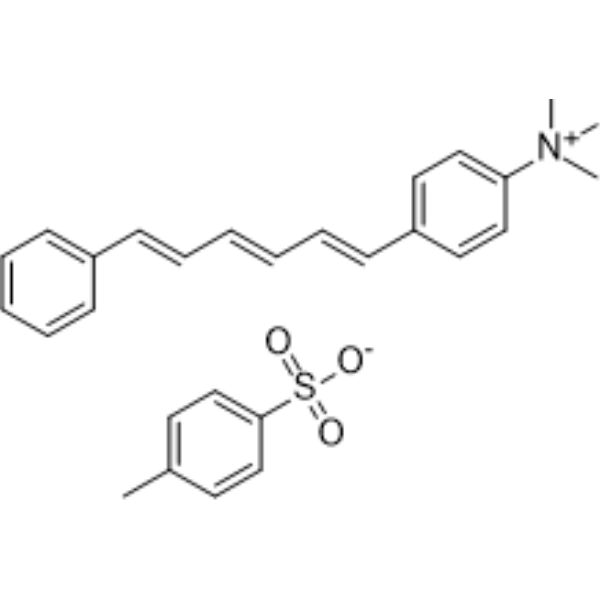
  • HY-D0986
    TMA-DPH
    10+ Cited Publications

    Fluorescent Dye Others
    TMA-DPH is a hydrophobic fluorescent membrane probe (Ex=355 nm; Em=430 nm). TMA-DPH is able to anchor on the cell surface and localize to different regions of the phospholipid bilayer. By analyzing the fluorescence polarization values of TMA-DPH in the plasma membrane and membrane substructures, the fluidity of the cell membrane can be determined .
    TMA-DPH
  • HY-Y0836
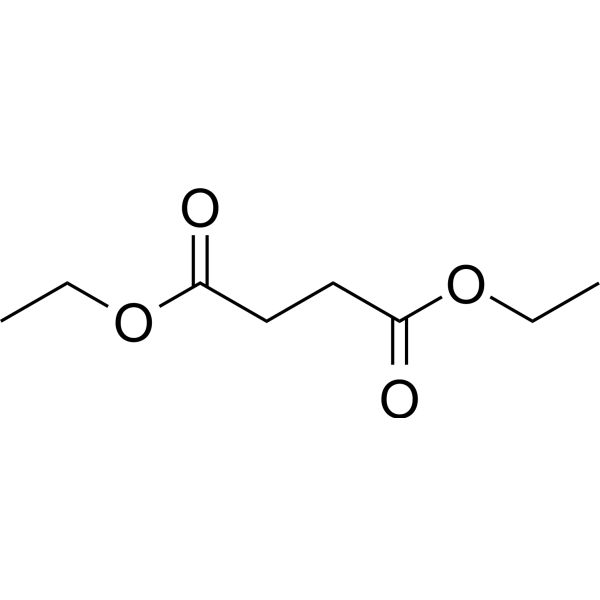
    Diethyl succinate
    3 Publications Verification

    Diethyl Butanedioate

    Environmental Pollutants Biochemical Assay Reagents Reactive Oxygen Species (ROS) Metabolic Disease Inflammation/Immunology
    Diethyl succinate (Diethyl Butanedioate) can be utilized at physiological pH, allowing it to penetrate biological membranes and integrate into the cells of tissue cultures, where it is metabolized via the tricarboxylic acid cycle. Diethyl succinate modulates the polarization and activation of microglial cells by reducing mitochondrial fission and the levels of reactive oxygen species (ROS), thereby exerting an inflammatory protective effect in primary microglial cells. Furthermore, Diethyl succinate is non-toxic and can be used in flavorings and seasonings .
    Diethyl succinate
  • HY-N0730

    Autophagy Apoptosis Neurological Disease Inflammation/Immunology
    Diosgenin glucoside, a saponin compound extracted from Trillium tschonoskii, provides neuroprotection by regulating microglial M1 polarization. Diosgenin glucoside protects against spinal cord injury by regulating autophagy and alleviating apoptosis .
    Diosgenin glucoside
  • HY-143712
    Allolithocholic acid
    1 Publications Verification

    Drug Metabolite G protein-coupled Bile Acid Receptor 1 ROR Metabolic Disease Inflammation/Immunology Cancer
    Allolithocholic acid is an orally active metabolite of Lithocholic acid (HY-B0172). Allolithocholic acid is a dual GPBAR1 agonist (EC50 = 2.7 μM) and RORγt inverse agonist (IC50 = 3.4 μM). Allolithocholic acid modulates immune and metabolic pathways, regulates immune cell polarization, prevents M1 macrophage and Th17 CD4 cell polarization. Allolithocholic acid improves insulin sensitivity, reduces liver lipid accumulation, reverses liver immunological, inflammatory and metabolic signaling dysregulation, restores bile acid homeostasis, adipose tissue histopathology/function, and intestinal microbiota composition, modulates intestinal immunity. Allolithocholic acid can be used for the researches of cancer, inflammayion, immunology and metabolic disease .
    Allolithocholic acid
  • HY-N2909

    NF-κB RIP kinase Mixed Lineage Kinase Cardiovascular Disease Neurological Disease Inflammation/Immunology
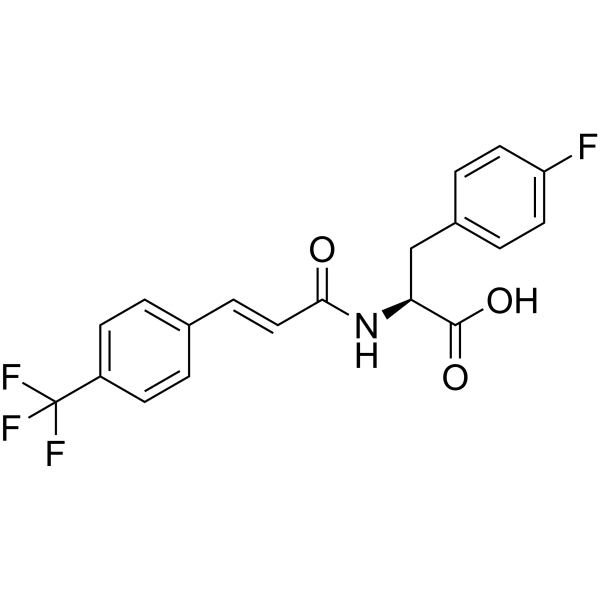
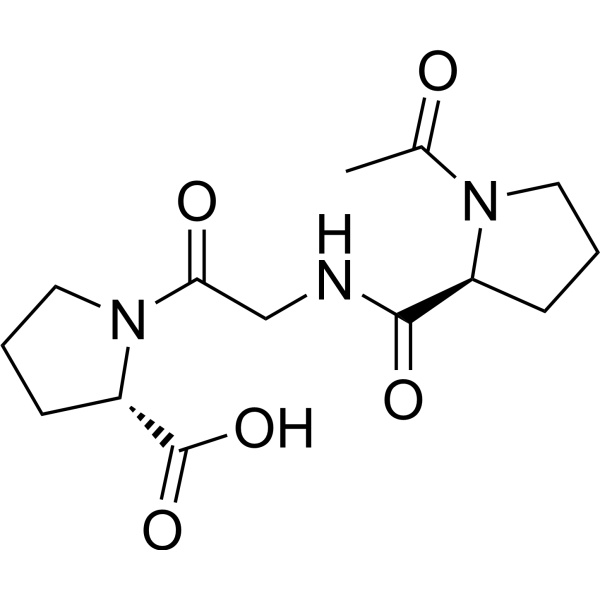
    Aurantiamide is a non-covalent, orally active, blood-brain-permeable GRPR selective antagonist with anti-inflammatory and neuroprotective effects. Aurantiamide reduces inflammation and oxidative stress in renal tissue by inhibiting GRPR-mediated renal necrosis pathways (such as RIPK3/MLKL signaling) and NF-κB inflammatory pathways, exerting anti-acute kidney injury and endothelial function activities. Aurantiamide also inhibits the M1 polarization of microglia and inhibits NLRP3 activation, thereby improving AD mouse models. Aurantiamide has in vivo inhibitory efficacy in acute kidney injury models such as ischemia/reperfusion, sepsis, and hypertension models .
    Aurantiamide
  • HY-125859A
    Myeloperoxidase, human white blood cells
    1 Publications Verification

    MPO

    Bacterial Inflammation/Immunology
    Myeloperoxidase, human white blood cells (MPO) is a peroxidase. In Myeloperoxidase, human white blood cells mediate oxidative stress by promoting the production of reactive oxygen species (ROS) and active nitrogen (RNS), regulating the polarization and inflammation-related signaling pathways of microglia and neutrophils. Myeloperoxidase, human white blood cells has antibacterial activity .
    Myeloperoxidase, human white blood cells
  • HY-N16308

    Fluorescent Dye Others
    ER-Laurdan is a derivative of the membrane-permeable fluorescent probe Laurdan (HY-D0080) that targets the endoplasmic reticulum (ER). As a membrane fluidity reporter, ER-Laurdan specifically localizes to the ER luminal membrane, and exhibits a prominent solvatochromic response to fluidity changes caused by membrane packing and exogenous saturated fatty acid stress. ER-Laurdan shows no overlapping localization with mitochondria, enables quantitative analysis of ER membrane fluidity via generalized polarization ratio measurement, and allows automatic signal masking with the help of ER markers. With high specificity and quantitative capability, ER-Laurdan serves as an important tool for investigating metabolic disorders and associated changes in the physical properties of cell membranes .
    ER-Laurdan
  • HY-151527
    PI3K/Akt/CREB activator 1
    4 Publications Verification

    Akt PI3K Epigenetic Reader Domain Neurological Disease
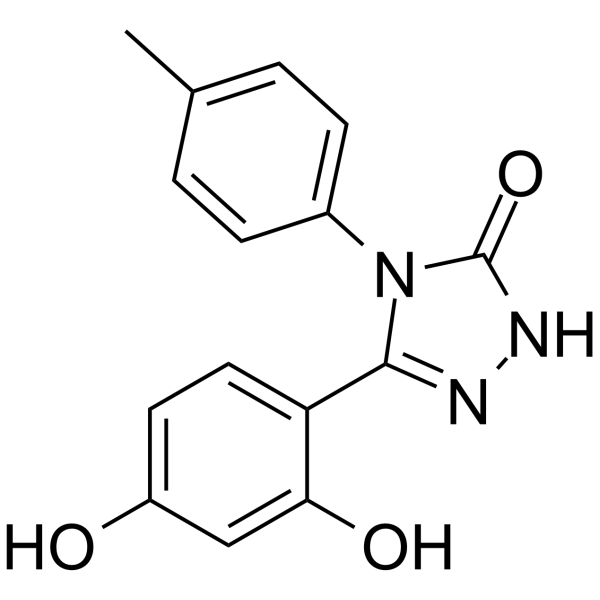
    PI3K/Akt/CREB activator 1 (compound AE-18) is a potent, orally active PI3K/Akt/CREB activator. PI3K/Akt/CREB activator 1 promotes neuronal proliferation, induced differentiation of Neuro-2a cells into a neuron-like morphology, and accelerated the establishment of axon-dendrite polarization of primary hippocampal neurons through upregulating brain-derived neurotrophic factor via the PI3K/Akt/CREB pathway. PI3K/Akt/CREB activator 1 can be used in research of vascular dementia (VaD) .
    PI3K/Akt/CREB activator 1
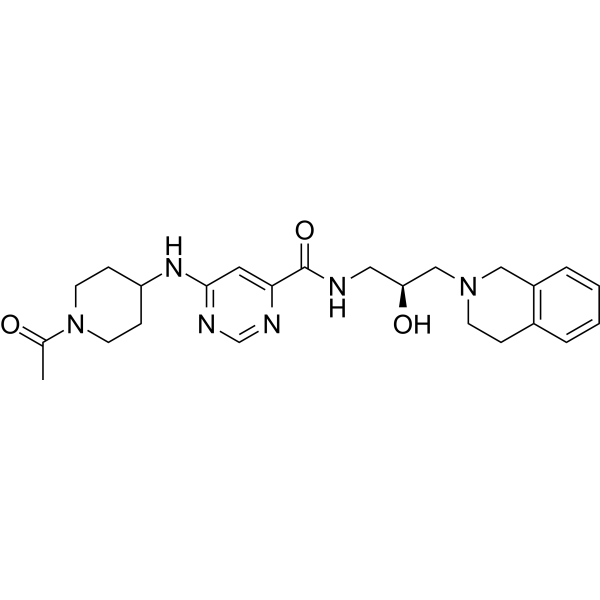
  • HY-175686

    Ligands for E3 Ligase Cancer
    E3 ligase Ligand 67 (Compound 5) is a STUB1/CHIP ligand with a Kd of 8.9  μM for CHIP in fluorescence polarization assay. E3 ligase Ligand 67 is an E3 ligase ligand that can be used for synthesis of PROTACs .
    E3 ligase Ligand 67
  • HY-DY1057

    Fluorescent Dye Others
    TMA-DPH (solution) is a hydrophobic fluorescent membrane probe (Ex=355 nm; Em=430 nm). TMA-DPH is able to anchor on the cell surface and localize to different regions of the phospholipid bilayer. By analyzing the fluorescence polarization values of TMA-DPH in the plasma membrane and membrane substructures, the fluidity of the cell membrane can be determined .
    Solvent and concentration: DMSO: 10 mM
    TMA-DPH (solution)
  • HY-P991316

    DX-2400; DX-2410

    MMP NO Synthase Inflammation/Immunology Cancer
    KD014 (DX-2400) is a human monoclonal antibody that selectively targets MMP‑14. KD014 inhibits collagen degradation and regulates the polarization of macrophages toward an anti-inflammatory/anti-tumor phenotype. KD014 alleviates joint damage in rheumatoid arthritis and suppresses tumor growth and invasion. KD014 can be used in studies related to breast cancer and rheumatoid arthritis .
    KD014
  • HY-163385

    DNA Methyltransferase Cancer
    ALKBH1-IN-1 (Compound 13h) is a selective ALKBH1 inhibitor, with an IC50 of 0.026 μM and 1.39 μM in the fluorescence polarization and enzyme activity assay, respectively. ALKBH1-IN-1 can modulate the level of DNA 6mA modifications. ALKBH1-IN-1 can be used to study the functions of ALKBH1 and DNA 6mA .
    ALKBH1-IN-1
  • HY-N6028
    Darutoside
    1 Publications Verification

    COX NF-κB Interleukin Related TNF Receptor Inflammation/Immunology
    Darutoside is an orally effective diterpene compound with significant anti-inflammatory, analgesic, wound healing promotion, and immunomodulatory activities. Darutoside reduces edema and pain responses by inhibiting the expression of COX-2 and the migration of inflammatory cells. It regulates macrophage polarization towards the M2 type by inhibiting the NF-κB pathway, alleviating inflammation and promoting wound healing. Through multi-target regulation of metabolic networks, Darutoside significantly alleviates acute gouty arthritis .
    Darutoside
  • HY-106373
    Adrenocorticotropic hormone
    1 Publications Verification

    ACTH; Adrenocorticotrophic hormone

    Androgen Receptor Reactive Oxygen Species (ROS) Mitochondrial Metabolism Interleukin Related TNF Receptor Metabolic Disease Inflammation/Immunology
    Adrenocorticotropic hormone (ACTH; Adrenocorticotrophic hormone) is a polypeptide tropic hormone produced by the anterior pituitary gland. Adrenocorticotropic hormone stimulates cortisol secretion from the adrenal cortex via the hypothalamic-pituitary-adrenal (HPA) axis. Adrenocorticotropic hormone regulates cortisol and androgen production. Adrenocorticotropic hormone can promote the development of spermatogenesis. Adrenocorticotropic hormone can relieve acute inflammation in gout models by inhibiting the polarization of macrophages to M1 type, inhibiting ROS and proinflammatory factor production and protecting mitochondrial function. Adrenocorticotropic hormone can be used for the researches of inflammation, endocrinology, metabolic disease, such as gout and nephrotic syndrome .
    Adrenocorticotropic hormone
  • HY-B1076
    Medrysone
    1 Publications Verification

    HMS; 6α-Methyl-11β-hydroxyprogesterone

    VEGFR CCR STAT Neurological Disease
    Medrysone (HMS; 6α-Methyl-11β-hydroxyprogesterone) is a STAT6 modulator and M2 macrophage polarization inducer. Medrysone enhances IL-4-triggered STAT6 activation, upregulates the expression of M2 markers, and promotes the secretion of VEGF and CCL2. Medrysone also enhances the pro-migratory activity of M2-like macrophages toward endothelial cells. By regulating macrophage polarization and related repair pathways, Medrysone significantly promotes corneal wound repair in a rat mechanical injury model. Medrysone can be used for research related to corneal injury .
    Medrysone
  • HY-117468
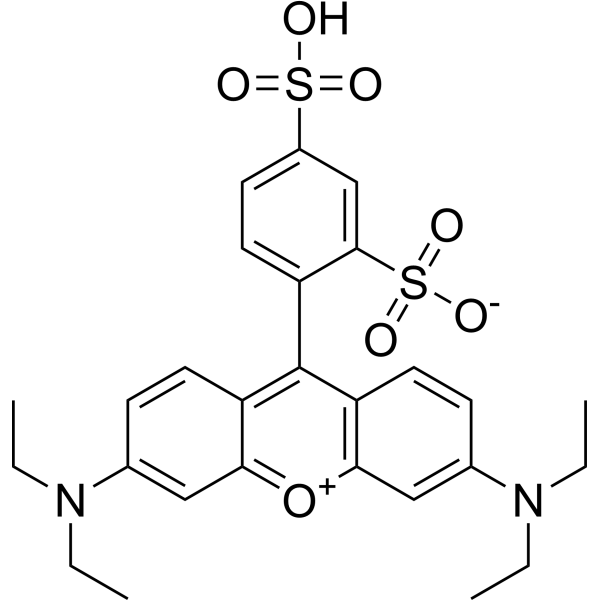
    Lissamine rhodamine B
    5+ Cited Publications

    Fluorescent Dye Others
    Lissamine rhodamine B is a red-fluorescent dye, it is a derivative of rhodamine. Lissamine rhodamine B can be used as a fluorescent probe to develop competitive aptamer fluorescence anisotropy/polarization (FA/FP) assays .
    Lissamine rhodamine B
  • HY-DY1025

    Fluorescent Dye Others
    Laurdan (solution) is a membrane-permeable fluorescent probe that displays spectral sensitivity to the phospholipid phase of the cell membrane to which it is bound. Quantitation of generalized polarization (GP) of Laurdan can be used to identify phospholipid phase.
    Solvent and concentration: DMSO: 5 mM
    Laurdan (solution)
  • HY-113044R

    UDP-D-Glucose (Standard)

    Reference Standards Endogenous Metabolite P2Y Receptor Cardiovascular Disease Metabolic Disease Inflammation/Immunology
    Uridine 5′-diphosphoglucose (Standard) (UDP-D-Glucose (Standard)) is the analytical standard of Uridine 5′-diphosphoglucose (HY-113044). This product is intended for research and analytical applications. Uridine 5’-diphosphoglucose (UDP-glucose), secreted by cardiomyocytes during ischemia and reperfu, is a potent agonist of the proinflammatory P2Y14 receptor. It acts an important role in the regulation of inflammation and neutrophil polarization in neutrophils. Uridine 5’-diphosphoglucose is also the precursor of glucose-containing oligosaccharides, polysaccharides, glycoproteins, and glycolipids in animal tissues and in some microorganisms. Uridine 5’-diphosphoglucose is promising for research in counteracting myocardial infarction/reperfusion (MIR)-induced inflammation in the heart tissue.
    Uridine 5′-diphosphoglucose (Standard)
  • HY-W013967

    Fluorescent Dye Infection
    1,6-Diphenylhexa-1,3,5-triene is a membrane intercalator and hydrophobic fluorescent probe. 1,6-Diphenylhexa-1,3,5-triene intercalates into the non-polar region of lipid bilayers of adipocyte membranes with probe/membrane equilibrium affected by temperature, probe concentration, and membrane concentration. 1,6-Diphenylhexa-1,3,5-triene’s fluorescence intensity correlating with adipocyte membrane probe incorporation (Ex/Em = 350/452 nm) .
    1,6-Diphenylhexa-1,3,5-triene
  • HY-N7043
    Isosilybin A
    2 Publications Verification

    Apoptosis PPAR NF-κB p38 MAPK ERK Androgen Receptor Inflammation/Immunology Cancer
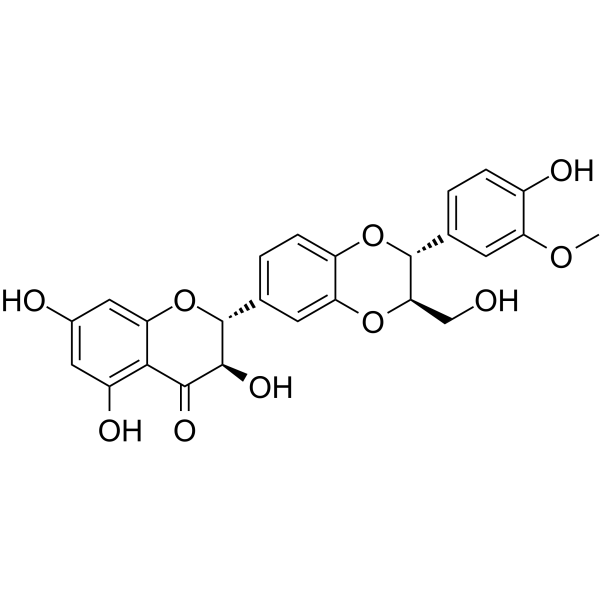
    Isosilybin A is a PPARγ agonist that can be isolated from silymarin. Isosilybin A activates extrinsic and intrinsic pathways of apoptosis through targeting of the Akt-NF-kB-AR axis. Isosilybin A can relieve the inflammatory response in the rosacea model via inhibiting Erk and p38 signaling pathways and M1 macrophage polarization, with its targets related to RELA and VEGFA. Isosilybin A has anti-prostate cancer (PCA) activity [1][2][3].
    Isosilybin A
  • HY-128578
    KPLH1130
    2 Publications Verification

    PDHK NO Synthase Interleukin Related HIF/HIF Prolyl-Hydroxylase Metabolic Disease Inflammation/Immunology
    KPLH1130 is a pyruvate dehydrogenase kinase (PDK) inhibitor. KPLH1130 potently inhibits M1 macrophage polarization by reducing the expression of pro-inflammatory cytokines, decreasing the levels of M1 phenotype markers (HIF-1α, iNOS) and nitric oxide (NO) production. KPLH1130 prevents the reduction of mitochondrial oxygen consumption rate (OCR) induced by inflammatory stimuli (LPS ((HY-D1056) + IFN-γ) in various macrophage types. KPLH1130 improves glucose tolerance in HFD-fed mice. KPLH1130 can be used for the study of obesity-associated metabolic disorders and other inflammatory conditions .
    KPLH1130
  • HY-W142432

    Biochemical Assay Reagents β-catenin Wnt Arginase TGF-beta/Smad mTOR Akt ERK Atg8/LC3 p62 Autophagy Metabolic Disease Inflammation/Immunology Cancer
    Perfluoroundecanoic acid is a perfluoroalkyl substance (PFAS). Perfluoroundecanoic acid is an orally active oxidative stress inducer. Perfluoroundecanoic acid promotes macrophage M2 polarization, activates Wnt/β-catenin signaling and enhances β-catenin nuclear accumulation. Perfluoroundecanoic acid -induced M2 phenotype macrophage accelerates tumor progression in vitro and in vivo. Perfluoroundecanoic acid induces DNA damage, reproductive and pathophysiological dysfunctions via oxidative stress in male Swiss mice. Perfluoroundecanoic acid inhibits Leydig cell development in pubertal male rats via inducing oxidative stress and autophagy. Perfluoroundecanoic acid accelerates insulitis development in a mouse model of type 1 diabetes. Perfluoroundecanoic acid can be used for the study of ovarian cancer, type 1 diabetes and inflammation .
    Perfluoroundecanoic acid
  • HY-133705
    Geldanamycin-FITC
    1 Publications Verification

    HSP Others
    Geldanamycin-FITC, a Geldanamycin fluorescent probe, can be used in a fluorescence polarization assay for HSP90 inhibitors. Geldanamycin-FITC also can be used for detection of cell surface HSP90 (Ex/Em = 488/515 nm) .
    Geldanamycin-FITC
  • HY-113481

    Transmembrane Glycoprotein COX PKA Prostaglandin Receptor Inflammation/Immunology Cancer
    Prostaglandin E3 is an eicosanoid derived from eicosapentaenoic acid. Prostaglandin E3 inhibits polarization towards M1 but promotes polarization of M2a macrophages. Prostaglandin E3 shows anti-inflammatory and anti-tumor activity .
    Prostaglandin E3
  • HY-160851

    AK3287; AKEX0011

    ASK1 p38 MAPK Inflammation/Immunology
    GDC-3280 (AK3287; AKEX0011) is an orally active compound based on Pirfenidone (HY-B0673)'s phenyl pyridone scaffold. GDC-3280 alleviates the inflammatory and fibrotic reaction of silicosis by inhibiting the ASK1-p38 MAPK pathway and regulating macrophage polarization. GDC-3280 exhibits anti-inflammatory and anti-fibrotic effects .
    GDC-3280
  • HY-129242

    4-Oxo-Tempo

    SOD Others
    Tempone (4-Oxo-Tempo) is a stable water-soluble nitro radical. Tempone is widely used as a contrast agent for metabolic activity and hypoxic sensitivity in electron spin resonance spectroscopy, magnetic resonance imaging and dynamic nuclear polarization. Tempone reduces superoxide radicals by mimicking the activity of superoxide dismutase (SOD), thereby reducing the formation of hydroxyl radicals and peroxynitrites. Tempone can be used in the study of ischemia-reperfusion injury and acute renal failure .
    Tempone
  • HY-113044

    UDP-D-Glucose

    Endogenous Metabolite P2Y Receptor Cardiovascular Disease Metabolic Disease Inflammation/Immunology
    Uridine 5’-diphosphoglucose (UDP-glucose), secreted by cardiomyocytes during ischemia and reperfu, is a potent agonist of the proinflammatory P2Y14 receptor. It acts an important role in the regulation of inflammation and neutrophil polarization in neutrophils. Uridine 5’-diphosphoglucose is also the precursor of glucose-containing oligosaccharides, polysaccharides, glycoproteins, and glycolipids in animal tissues and in some microorganisms. Uridine 5’-diphosphoglucose is promising for research in counteracting myocardial infarction/reperfusion (MIR)-induced inflammation in the heart tissue .
    Uridine 5′-diphosphoglucose
  • HY-101318
    β-Funaltrexamine hydrochloride
    2 Publications Verification

    β-FNA hydrochloride

    Opioid Receptor p38 MAPK STAT NF-κB NO Synthase Toll-like Receptor (TLR) Cardiovascular Disease Neurological Disease
    β-Funaltrexamine (β-FNA) hydrochloride is a blood-brain barrier-permeable, selective and irreversible μ-opioid receptor antagonist with immunomodulatory, anti-inflammatory and neuroprotective activities. β-Funaltrexamine hydrochloride inhibits p38 MAPK and TLR4 signaling by blocking μ-opioid receptors, and reduces the transcriptional activities of NF-κB, AP-1, CREB and Stat. Furthermore, β-Funaltrexamine hydrochloride inhibits iNOS activation and pro-inflammatory microglial polarization, converting microglia to an anti-inflammatory phenotype, thereby downregulating neuroinflammation and ameliorating neuronal degeneration. β-Funaltrexamine hydrochloride is widely applicable to research related to stroke, cerebral ischemia/reperfusion injury and neurodegenerative diseases .
    β-Funaltrexamine hydrochloride
  • HY-170747A

    Bacterial Infection Inflammation/Immunology
    9-tert-Butyldoxycycline hydrochloride exhibits immunomodulatory activity, alters the polarization states polymorphonuclear neutrophils, and ameliorates the inflammatory response in ischemia-reperfusion injury model. 9-tert-Butyldoxycycline hydrochloride is the ligand for ‘Tet-On’ switch system .
    9-tert-Butyldoxycycline hydrochloride
  • HY-N8559

    Reactive Oxygen Species (ROS) Apoptosis Inflammation/Immunology
    Aloesone is a phenolic compound. Aloesone can inhibit the production of ROS, the release of NO, M1 polarization, and apoptosis in RAW264.7 cells stimulated by LPS (HY-D1056). Aloesone has anti-inflammatory and antioxidant activities .
    Aloesone
  • HY-139038

    DNA/RNA Synthesis Cancer
    TDRL-X80 is a potent inhibitor of xeroderma pigmentosum group A (XPA) protein. TDRL-X80 inhibits XPA’s DNA binding activity. TDRL-X80 exhibits activity against single, double, and Cisplatin-damaged DNA with IC50s of 18, 20, and 29 μM in fluorescence polarization (FP) analyses , and with IC50s of 21, 39, and 28 in ELISA Analysis .
    TDRL-X80
  • HY-161982

    TNF Receptor Cancer
    JNU-0921 is a potent and orally active CD137 agonist. JNU-0921 increases the mRNA expression of IFN-γ and GZMB. JNU-0921 induces luciferase activity with an EC50 value of 64.07 nM.JNU-0921 enhances effector and memory function of cytotoxic CD8 + T cells (CTLs) and alleviates their exhaustion. JNU-0921 also skews polarization of helper T cells toward T helper 1 type and enhances their activity to boost CTL function. JNU-0921 shows anticancer activity .
    JNU-0921
  • HY-106373A
    Adrenocorticotropic hormone TFA
    1 Publications Verification

    ACTH TFA; Adrenocorticotrophic hormone TFA

    Androgen Receptor Reactive Oxygen Species (ROS) Mitochondrial Metabolism Interleukin Related TNF Receptor Metabolic Disease Inflammation/Immunology
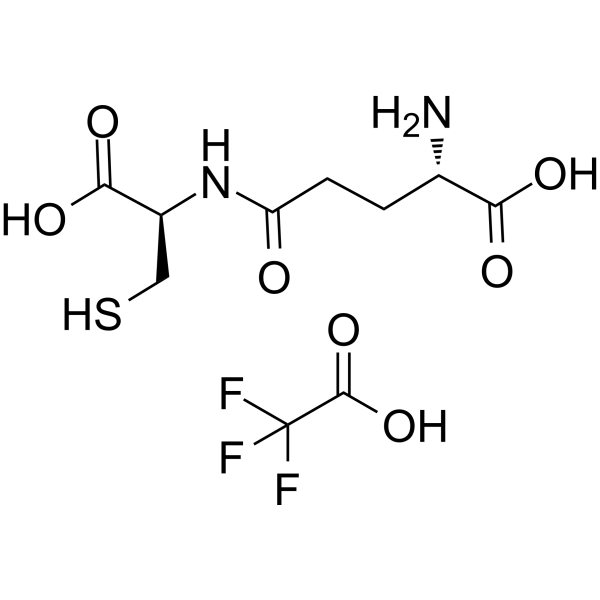
    Adrenocorticotropic hormone (ACTH; Adrenocorticotrophic hormone) TFA is a polypeptide tropic hormone produced by the anterior pituitary gland. Adrenocorticotropic hormone TFA stimulates cortisol secretion from the adrenal cortex via the hypothalamic-pituitary-adrenal (HPA) axis. Adrenocorticotropic hormone TFA regulates cortisol and androgen production. Adrenocorticotropic hormone TFA can promote the development of spermatogenesis. Adrenocorticotropic hormone TFA can relieve acute inflammation in gout models by inhibiting the polarization of macrophages to M1 type, inhibiting ROS and proinflammatory factor production and protecting mitochondrial function. Adrenocorticotropic hormone TFA can be used for the researches of inflammation, endocrinology, metabolic disease, such as gout and nephrotic syndrome .
    Adrenocorticotropic hormone TFA
  • HY-N10116A

    Interleukin Related IFNAR Calcium Channel Bacterial CCR Infection Cancer
    Calamenene is a sesquiterpene compound . Calamenene promotes dendritic cell maturation, upregulates CD1a, CD80, CD83, CD86, HLA-DR and CCR7 on the cell surface, reduces endocytic activity, enhances T cell-stimulating capacity, drives Th1 polarization through the secretion of IL-12, induces IFN-γ production, decreases IL-4 generation, and triggers intracellular Ca 2+ mobilization as well as dendritic cell migration towards MIP-3β. Calamenene exerts bacteriostatic and bactericidal growth-inhibitory effects against pathogenic *Vibrio harveyi*. Calamenene can be used in studies related to cancer and bacterial infections .
    Calamenene
  • HY-12791
    hPGDS-IN-1
    2 Publications Verification

    PGE synthase Neurological Disease Inflammation/Immunology
    hPGDS-IN-1 (Compound 2 ) is an hPGDS inhibitor with an IC50 of 12 nM (as measured by fluorescence polarization assay or EIA). hPGDS-IN-1 can be used in the research of allergic rhinitis and spinal cord neurons .
    hPGDS-IN-1
  • HY-N13239

    Apoptosis Inflammation/Immunology
    Dandelion Extract is a dandelion extract, and its ingredients include: Flavone. Dandelion Extract can reduce LPS-induced inflammatory responses in RAW264.7 cells by regulating cell polarization and apoptosis. Dandelion Extract can also reduce CuSO4-induced inflammatory response in zebrafish larvae. .
    Dandelion Extract
  • HY-155848

    Phosphatase Cancer
    LYP-IN-4 (compound D14) is a reversible and selective inhibitor of lymphotyrosine phosphatase (LYP) (Ki=1.34 μM, IC50=3.52μM). LYP-IN-4 inhibits LYP to regulate TCR signaling, up-regulates PD-1/PD-L1 expression, and enhance anti-tumor immunity. LYP-IN-4 activates T cells and inhibits M2 macrophage polarization, inhibits tumor growth in MC38 isogenic mouse models.
    LYP-IN-4
  • HY-175876

    MMP Interleukin Related Inflammation/Immunology
    ADAM17-IN-1 is a selective inhibitor of ADAM17. ADAM17-IN-1 inhibits ADAM17 activity to reduce metabolic activity of dendritic cells (DCs), impair DC antigen-presenting function, suppress allergen-specific Th2 cell polarization, and reduce Th2 cytokine (IL-4, IL-5, IL-13) secretion. ADAM17-IN-1 demonstrates protective efficacy against house dust mite (HDM)-induced type 2/eosinophilic airway inflammation in mice. ADAM17-IN-1 can be used for the study of type 2-high allergic asthma .
    ADAM17-IN-1
  • HY-104026B

    Endogenous Metabolite Aryl Hydrocarbon Receptor Inflammation/Immunology
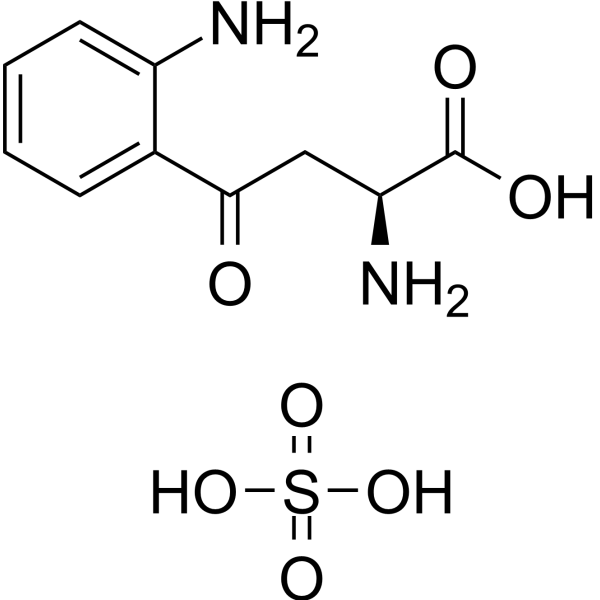
    L-Kynurenine sulfate, an aryl hydrocarbon receptor (AHR) agonist that activates AHR-directed, naive T cell polarization to the anti-inflammatory Treg phenotype .
    L-Kynurenine sulfate
  • HY-123115

    5-O-α-D-Glucopyranosyl-D-fructose

    JAK STAT TNF Receptor Interleukin Related Metabolic Disease Inflammation/Immunology
    Leucrose (5-O-α-D-Glucopyranosyl-D-fructose) is an orally active Sucrose (HY-B1779) isomer naturally found in pollen and honey. Leucrose promotes phosphorylation of JAK1 and STAT6, reduces pro-inflammatory mediators and cytokinesas (TNFα, and IL-1β), increases M2 macrophage polarization and suppresses DSS (HY-116282C)-induced colitis. Leucrose suppresses hepatic triglyceride accumulation, improves fasting blood glucose levels, and regulates hepatic lipogenesis and fatty acid β-oxidation in high-fat diet-induced obese mice. Leucrose is slowly hydrolyzed into glucose and fructose by α-glucosidase and acts as as a sugar substitute in diet .
    Leucrose
  • HY-127108

    Acetyl-CoA Carboxylase Metabolic Disease Cancer
    ND-654 is a highly selective acetyl-CoA carboxylase (ACC) inhibitor (IC50: ACC1=3 nM, ACC2=8 nM). ND-654 reduces hepatic lipogenesis, decreases neutrophil recruitment and promotes anti-inflammatory M2 macrophage polarization. ND-654 is promising for research of nonalcoholic steatohepatitis and hepatocellular carcinoma .
    ND-654
  • HY-12577

    PARP Cancer
    TNKS1/2-IN-1 (Example 4) is a TNKS1 and TNKS2 inhibitor, with pIC50 values of 8.2 or 7.3 against TNKS1, and 7.1 or 7.7 against TNKS2. TNKS1/2-IN-1 inhibits the enzymatic activities of TNKS1 and TNKS2. TNKS1/2-IN-1 is applicable for cancer research .
    TNKS1/2-IN-1
  • HY-P10897

    Toll-like Receptor (TLR) NF-κB Cardiovascular Disease Inflammation/Immunology
    SjDX5-271 is a small 3 kDa peptide. SjDX5-271 inhibits the TLR4/MyD88/NF-κB signaling pathway. SjDX5-271 induces cell polarization. SjDX5-271 alleviats hepatic inflammation. SjDX5-271 protects mice against liver ischemia-reperfusion injury .
    SjDX5-271
  • HY-175250

    TNF Receptor Inflammation/Immunology
    TNF-α-IN-25 is an orally active TNF-α inhibitor. TNF-α-IN-25 shows Fluorescence Polarization (FP) assay IC50 of 103 nM in FP binding assays and L929 assay IC50 of 505 nM in cell-based assays. TNF-α-IN-25 inhibits paw swelling in the glucose-6-phosphate isomerase (GPI) arthritis model. TNF-α-IN-25 can be used for the study of arthritis .
    TNF-α-IN-25
  • HY-N7032S1

    UDP-D-Glucose-13C6 disodium

    Isotope-Labeled Compounds Endogenous Metabolite P2Y Receptor Cardiovascular Disease Metabolic Disease Inflammation/Immunology
    Uridine 5′-diphosphoglucose- 13C6 (UDP-D-Glucose- 13C6) disodium is the 13C labeled Uridine 5′-diphosphoglucose disodium (HY-N7032) . Uridine 5’-diphosphoglucose (UDP-glucose) disodium, secreted by cardiomyocytes during ischemia and reperfu, is a potent agonist of the proinflammatory P2Y14 receptor. It acts an important role in the regulation of inflammation and neutrophil polarization in neutrophils. Uridine 5’-diphosphoglucose disodium is also the precursor of glucose-containing oligosaccharides, polysaccharides, glycoproteins, and glycolipids in animal tissues and in some microorganisms. Uridine 5’-diphosphoglucose disodium is promising for research in counteracting myocardial infarction/reperfusion (MIR)-induced inflammation in the heart tissue .
    Uridine 5′-diphosphoglucose-13C6 disodium
  • HY-D2898

    Fluorescent Dye Enterovirus Infection
    Jun14157 is a fluorescence polarization probe that can specifically bind to the conserved allosteric site of enterovirus 2C proteins (Ex: 485/20; Em: 528/20). Jun14157 has Kd values of 2.3 μM, 1.4 μM, and 1.1 μM for EV-D68 2C, EV-A71 2C, and CVB3 2C, respectively. Jun14157 can be used in research related to enteroviruses .
    Jun14157

Inquiry Online

Your information is safe with us. * Required Fields.

Salutation


Country or Region *

Applicant Name *


Organization Name *

Department *


Email Address *


Product Name *

Cat. No.


Requested quantity *

Phone Number *


Remarks

Inquiry Online

Inquiry Information

Product Name:
Cat. No.:
Quantity:
MCE Japan Authorized Agent:

