
1. Search Result
Search Result
Results for "

protective. Anti-inflammatory

" in MedChemExpress (MCE) Product Catalog:

135

Inhibitors & Agonists

3

Biochemical Assay Reagents

5

Peptides

71

Natural
Products

10

Isotope-Labeled Compounds

3

Oligonucleotides

Cat. No. Product Name Target Research Areas Chemical Structure
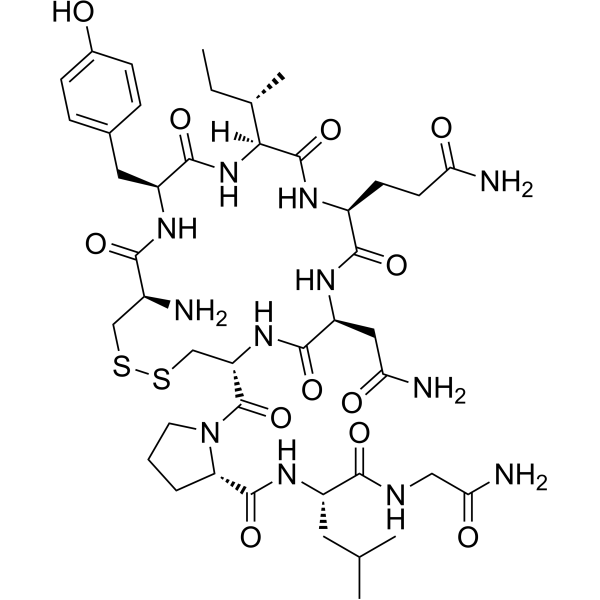
  • HY-17571
    Oxytocin
    20+ Cited Publications

    α-Hypophamine; Oxytocic hormone

    Oxytocin Receptor Endogenous Metabolite Endocrinology Cancer
    Oxytocin (α-Hypophamine; Oxytocic hormone) is a pleiotropic, hypothalamic peptide known for facilitating parturition, lactation, and prosocial behaviors. Oxytocin can function as a stress-coping molecule with anti-inflammatory, antioxidant, and protective effects especially in the face of adversity or trauma .
    Oxytocin
  • HY-N1485
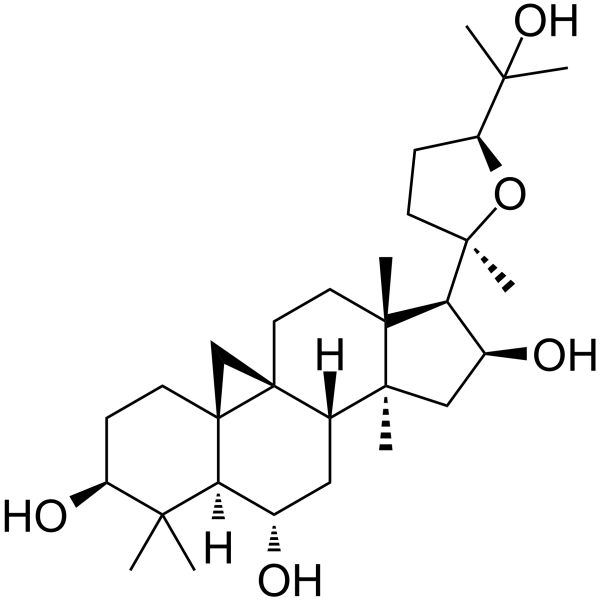
    Cycloastragenol
    5+ Cited Publications

    Astramembrangenin; Cyclosieversigenin

    Telomerase Cardiovascular Disease Neurological Disease Inflammation/Immunology
    Cycloastragenol (Astramembrangenin), the active form of astragaloside IV, has anti-oxidant, anti-inflammatory, anti-aging, anti-apoptotic, and cardiovascular protective effects. Cycloastragenol is a potent telomerase activator and can lengthen telomeres. Cycloastragenol alleviates age-related bone loss and improves bone microstructure and biomechanical properties .
    Cycloastragenol
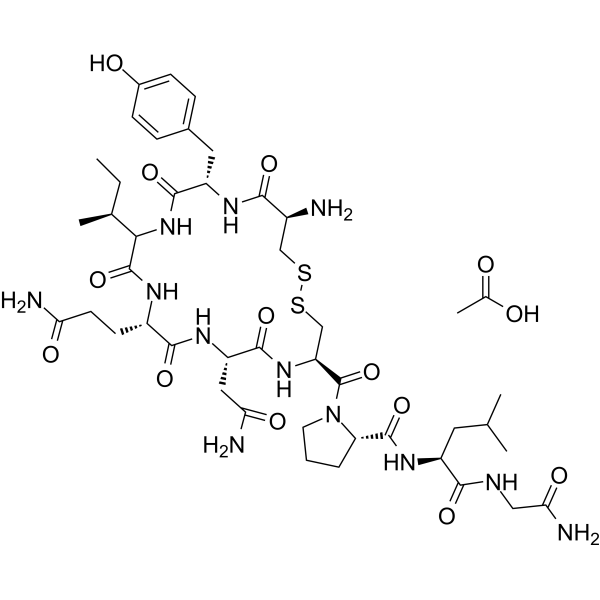
  • HY-17571A
    Oxytocin acetate
    20+ Cited Publications

    α-Hypophamine acetate; Oxytocic hormone acetate

    Oxytocin Receptor Endogenous Metabolite Endocrinology Cancer
    Oxytocin (α-Hypophamine) acetate is a pleiotropic, hypothalamic peptide known for facilitating parturition, lactation, and prosocial behaviors. Oxytocin acetate can function as a stress-coping molecule with anti-inflammatory, antioxidant, and protective effects especially in the face of adversity or trauma .
    Oxytocin acetate
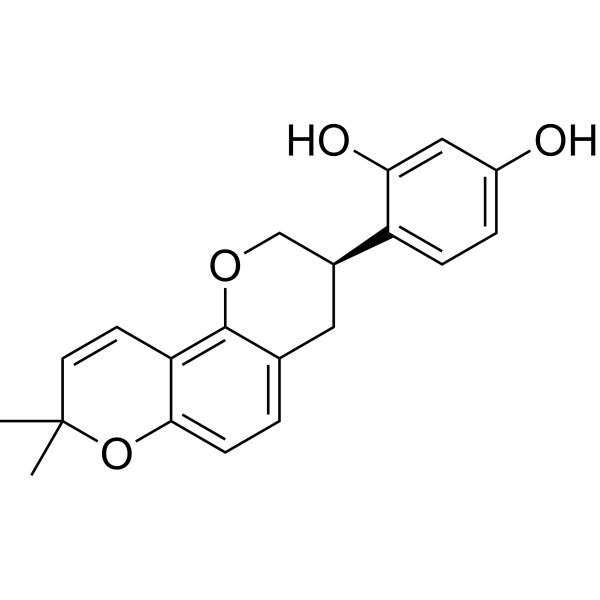
  • HY-N0393
    Glabridin
    10+ Cited Publications

    PPAR Reactive Oxygen Species (ROS) Bacterial Cardiovascular Disease Infection Neurological Disease Metabolic Disease Inflammation/Immunology Cancer
    Glabridin is a natural isoflavan from Glycyrrhiza glabra L., binds to and activates PPARγ, with an EC50 of 6115 nM. Glabridin exhibits antioxidant, anti-bacterial, anti-nephritic, anti-diabetic, anti-fungal, antitumor, anti-inflammatory, antiosteoporotic, cardiovascular protective, neuroprotective and radical scavenging activities .
    Glabridin
  • HY-135005A
    Biliverdin
    1 Publications Verification

    Endogenous Metabolite Inflammation/Immunology
    Biliverdin, a tetrapyrrolic pigment, is a product of heme catabolism. Heme is broken down into Biliverdin and carbon monoxide and iron by heme oxidase. Biliverdin is then quickly broken down to bilirubin by Biliverdin reductase. Biliverdin can mediate the protective effects of HO-1 in many disease models including IRI and organ transplantation. Biliverdin exhibits anti-mutagenic, an antioxidant, anti-inflammatory, and immunosuppressant properties .
    Biliverdin
  • HY-N0512
    Loganin
    5 Publications Verification

    Loganoside

    Reactive Oxygen Species (ROS) TNF Receptor Interleukin Related Neurological Disease Inflammation/Immunology Cancer
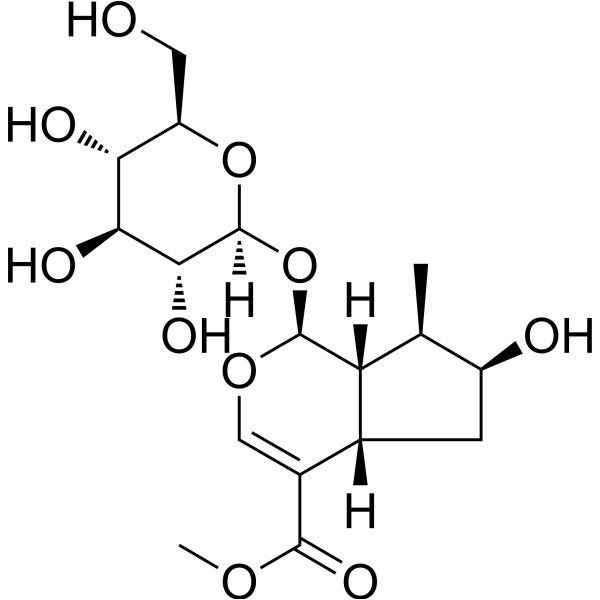
    Loganin is a type of iridoid glycoside compound that possesses anti-inflammatory, antioxidant, and antitumor properties, and offers protective effects against acute lung injury and pulmonary fibrosis. Loganin exerts its protective effects against LPS (HY-D1056)-mediated inflammation and oxidative stress by upregulating the Nrf2/HO-1 signaling pathway, and it reduces neuroinflammation caused by spinal cord injury (SCI) .
    Loganin
  • HY-N2922

    Amyloid-β NF-κB Neurological Disease Inflammation/Immunology
    β-Amyrin shows effectively counteract amyloid β (Aβ)-induced impairment of long-term potentiation (LTP). β-Amyrin is a promising candidate for Alzheimer's disease (AD) research. β-Amyrin exhibits anti-inflammatory effects, protective activity against pulmonary fibrosis, and notable antibacterial capabilities. β-Amyrin is an orally active natural triterpenoid compound .
    β-Amyrin
  • HY-N0692
    Schisandrol B
    2 Publications Verification

    Gomisin-A; TJN-101; Wuweizi alcohol-B

    Reactive Oxygen Species (ROS) Cytochrome P450 Autophagy Cancer
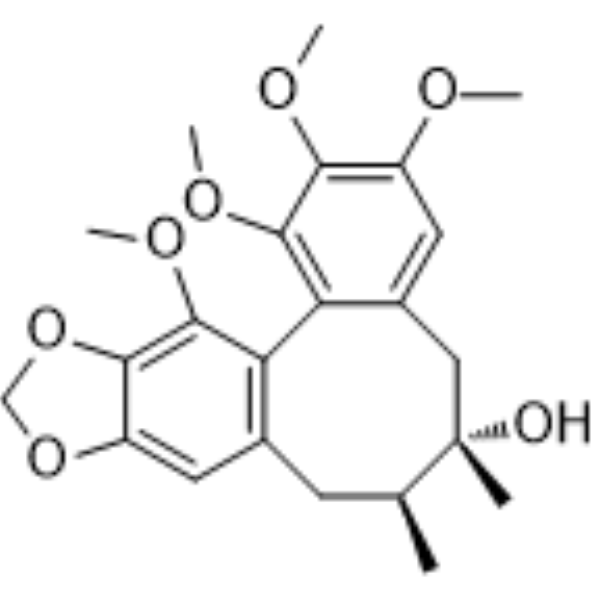
    Schisandrol B (Gomisin-A) is a major active constituent of Schisandra chinensis with hepato-protective effects. Schisandrol B inhibits reactive oxygen species (ROS) production. Schisandrol B inhibits the activity of P-glycoprotein and CYP3A and also has anti-inflammatory, anti-diabetic and antioxidant activities .
    Schisandrol B
  • HY-B0612A
    Lercanidipine hydrochloride
    1 Publications Verification

    Calcium Channel Apoptosis Reactive Oxygen Species (ROS) p38 MAPK NF-κB Cardiovascular Disease Neurological Disease
    Lercanidipine is a third-generation, lipophilic, brain-penetrant, vascular-selective and orally active dihydropyridine-calcium channel blocker with a pIC50 of 7.74 (converts from μM). Lercanidipine has long lasting antihypertensive action as well as reno- and neuro-protective effect. Lercanidipine also shows anti-oxidant, anti-inflammatory and anti-apoptotic properties. Lercanidipine can be used in cardiovascular and neurological research .
    Lercanidipine hydrochloride
  • HY-N0513

    Reactive Oxygen Species (ROS) Phosphatase NF-κB Keap1-Nrf2 Metabolic Disease Inflammation/Immunology
    Loganic acid is an iridoid isolated from cornelian cherry fruits. Loganic acid inhibits NF-κB signaling pathway, activates Nrf2 signaling pathway, exhibits anti-inflammatory activity. Loganic acid can modulate diet-induced atherosclerosis and redox status. Loganic acid has strong free radical scavenging activity and remarkable cyto-protective effect against heavy metal mediated toxicity. Loganic acid is orally active .
    Loganic acid
  • HY-N0368
    Linalool,98% (stabilized with MEHQ)
    4 Publications Verification

    Environmental Pollutants Apoptosis iGluR Endogenous Metabolite Bacterial TNF Receptor Infection Cardiovascular Disease Neurological Disease Inflammation/Immunology Cancer
    Linalool is a natural monoterpene which is a competitive NMDA receptor antagonist. Linalool is orally active and crosses the blood-brain barrier. Linalool has anticancer, antibacterial, anti-inflammatory, neuroprotective, anxiolytic, antidepressant, anti-stress, cardioprotective, hepatoprotective, nephroprotective and pulmonary protective activities .
    Linalool,98% (stabilized with MEHQ)
  • HY-B0612
    Lercanidipine
    1 Publications Verification

    Calcium Channel Apoptosis Reactive Oxygen Species (ROS) p38 MAPK NF-κB Cardiovascular Disease Neurological Disease
    Lercanidipine is a third-generation, lipophilic, brain-penetrant, vascular-selective and orally active dihydropyridine-calcium channel blocker with a pIC50 of 7.74 (converts from μM). Lercanidipine has long lasting antihypertensive action as well as reno- and neuro-protective effect. Lercanidipine also shows anti-oxidant, anti-inflammatory and anti-apoptotic properties. Lercanidipine can be used in cardiovascular and neurological research .
    Lercanidipine
  • HY-N6804

    NF-κB Reactive Oxygen Species (ROS) Inflammation/Immunology Cancer
    Diammonium glycyrrhizinate is a substance that can be extracted and purified from a traditional Chinese medicinal herb. Diammonium glycyrrhizinate has anti-inflammatory effect, resistance to biologic oxidation, membranous protection and a weak steroidal action. Diammonium glycyrrhizinate exerts protective effect by downregulating inflammation cytokines, suppressing the NF-κB pathway, and restoring superoxide dismutase. Diammonium glycyrrhizinate can be used as a hepatic protector and can therefore be studied in research for most liver diseases .
    Diammonium Glycyrrhizinate
  • HY-B0758

    Calcium Channel Inflammation/Immunology
    Troxipide is an orally active defensive factor-enhancing therapeutic agent for gastritis and gastric ulcer (GU). Troxipide is a non-antisecretory gastro protective agent with antiulcer, anti-inflammatory and mucus-secreting properties .
    Troxipide
  • HY-N0716A
    Berberine hemisulfate
    Maximum Cited Publications
    52 Publications Verification

    Natural Yellow 18 hemisulfate

    Antibiotic Topoisomerase Autophagy Bacterial Reactive Oxygen Species (ROS) Apoptosis PI3K Akt Caspase JNK AP-1 NF-κB Infection Cardiovascular Disease Neurological Disease Metabolic Disease Inflammation/Immunology Cancer
    Berberine hemisulfate is the hemisulfate form of Berberine (HY-N0716). Berberine hemisulfate is an alkaloid isolated from the Chinese herbal medicine Huanglian. Berberine hemisulfate exhibits anti-inflammatory, antibiobic, antitumor, cardiovascular protective and neuroprotective activity .
    Berberine hemisulfate
  • HY-N2555
    Tilianin
    2 Publications Verification

    Others Cardiovascular Disease Metabolic Disease Inflammation/Immunology
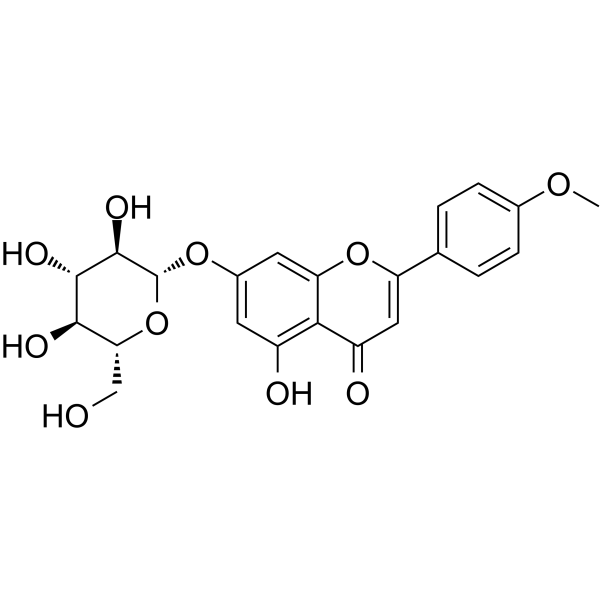
    Tilianin is an active flavonoid glycoside found in many medical plants, with potential anti-hypertensive, myocardial-protective, anti-diabetic, anti-hyperlipidemic, anti-inflammatory and antioxidant effects .
    Tilianin
  • HY-30152
    Xanthotoxol
    2 Publications Verification

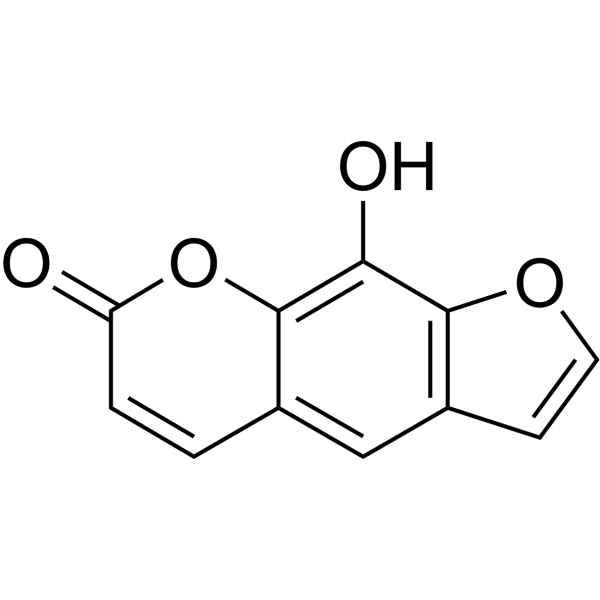
    8-Hydroxypsoralen

    5-HT Receptor Reactive Oxygen Species (ROS) Endogenous Metabolite Neurological Disease Inflammation/Immunology
    Xanthotoxol (8-Hydroxypsoralen) It is a kind of fragrant bean substance, and it is a CYP450 inhibitor. Xanthotoxol has anti-inflammatory, anti-inflammatory, and 5-HT antagonistic and protective effects. Xanthotoxol inhibited CYP3A4 sum CYP1A2 IC50s separation 7.43 μM sum 27.82 μM. Xanthotoxol can pass through MAPK and NF-κB, inhibiting inflammation.
    Xanthotoxol
  • HY-N0396
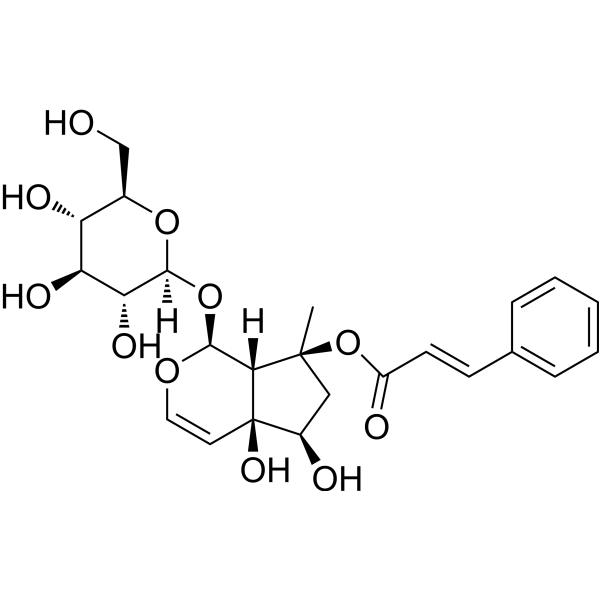
    Harpagoside
    4 Publications Verification

    COX NO Synthase Inflammation/Immunology Cancer
    Harpagoside can be obtained by Harpagophytum procumbens, which has anti-inflammatory, anti-cancer, protective activity, and efficacy. Harpagoside has an inhibitory effect on COX-1 and COX-2 active, and suppresses NO production. Harpagoside inhibits HepG2 cell lipid polysaccharide, which is a protein that is expressed horizontally and selectively, and has anti-inflammatory and latent pain effects. Harpagoside has the ability to protect the body, and has a degenerative effect on the β-oxidation (Aβ).
    Harpagoside
  • HY-N5042

    Interleukin Related NOD-like Receptor (NLR) Arrestin Caspase Apoptosis SOD Inflammation/Immunology
    Forsythoside I is an orally active caffeoyl phenylethanoid glycoside (CPG) that can be isolated from Forsythia suspense (Thunb.) Vahl. Forsythoside I has anti-inflammatory activity and can exert a protective effect in a mouse model of acute lung injury .
    Forsythoside I
  • HY-N5077
    Sinapine
    2 Publications Verification

    Cholinesterase (ChE) P-glycoprotein Neurological Disease Inflammation/Immunology Cancer
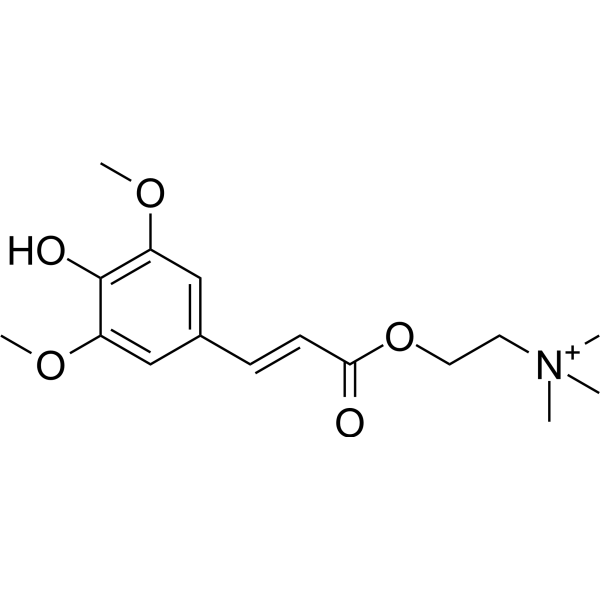
    Sinapine is an alkaloid isolated from seeds of the cruciferous species. Sinapine exhibits anti-inflammatory, anti-oxidant, anti-tumor, anti-angiogenic and radio-protective effects. Sinapine is also an acetylcholinesterase (AChE) inhibitor and can be used for the research of Alzheimer’s disease, ataxia, myasthenia gravis, and Parkinson’s disease .
    Sinapine
  • HY-W011641
    (±)-Naringenin
    4 Publications Verification

    Potassium Channel Toll-like Receptor (TLR) NF-κB Apoptosis Caspase Cardiovascular Disease Neurological Disease Inflammation/Immunology Cancer
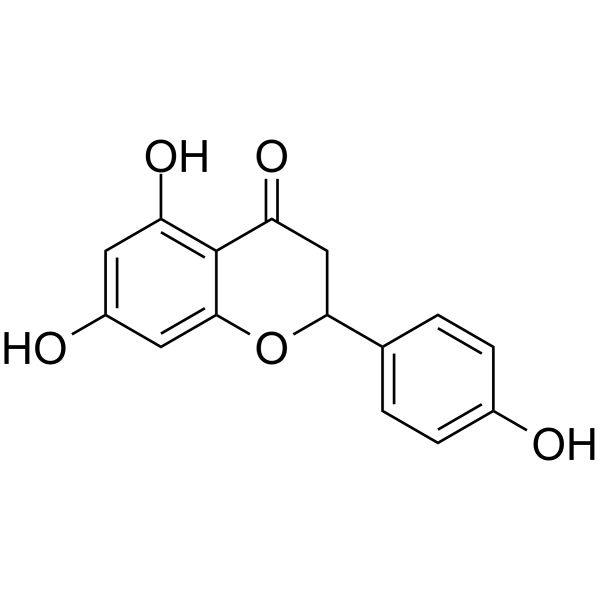
    (±)-Naringenin is an orally available anti-inflammatory agent that can regulate both acute and chronic inflammation responses, while also showing antioxidant, neuroprotective, liver-protective, and anti-cancer effects. (±)-Naringenin promotes vasodilation in endothelial cells by activating BKCa channels in muscle cells. It also exerts protective effects against experimental colitis by inhibiting Toll-like receptor 4/NF-κB signaling, making it useful in studies related to sepsis, fulminant hepatitis, fibrosis, and cancer research .
    (±)-Naringenin
  • HY-N3121

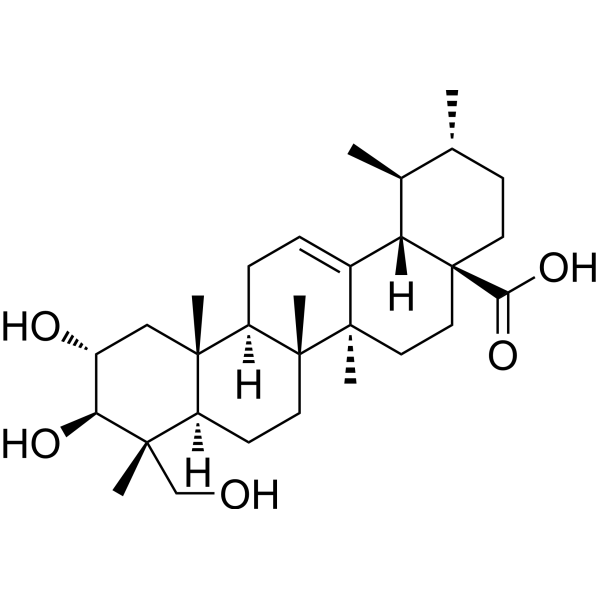
    PERK Keap1-Nrf2 Apoptosis Cardiovascular Disease Neurological Disease Metabolic Disease Cancer
    Pachypodol is an orally active methoxyflavonoid compound. Pachypodol activates the ERK-dependent Nrf2 pathway and inhibits Apoptosis. Pachypodol exhibits activities such as antioxidant, cytoprotective, anti-inflammatory effects. Pachypodol improves cognition. Pachypodol exerts protective effects against cardiac and liver damage. Pachypodol has anticancer activity against colon cancer .
    Pachypodol
  • HY-N2007

    3,4-Dimethoxybenzoic acid

    COX Reactive Oxygen Species (ROS) Cardiovascular Disease Inflammation/Immunology
    Veratric acid (3,4-Dimethoxybenzoic acid) is an orally active phenolic compound derived from vegetables and fruits, has antioxidant and anti-inflammatory activities . Veratric acid also acts as a protective agent against hypertension-associated cardiovascular remodelling . Veratric acid reduces upregulated COX-2 expression, and levels of PGE2, IL-6 after UVB irradiation .
    Veratric acid
  • HY-P10368

    Dynamin Reactive Oxygen Species (ROS) Infection Cardiovascular Disease Neurological Disease Inflammation/Immunology
    P110 heptapeptide is a peptide inhibitor of the Drp1-Fis1 interaction. P110 heptapeptide has anti-inflammatory, immunomodulatory, mitochondrial protective, and neuroprotective activities. Without blocking the physiological functions of Drp1, P110 heptapeptide reduces pathological functions in many models of neurodegeneration, ischemia, and sepsis. P110 heptapeptide can be used for research on neurological and inflammatory diseases .
    P110 heptapeptide
  • HY-121222

    PI3K Apoptosis Cancer
    alpha-Bisabolol, an orally active sesquiterpene alcohol, induces cell cycle arrest, mitochondrial apoptosis and inhibition of PI3K/Akt signalling pathways. alpha-Bisabolol exerts a protective action against Cisplatin (HY-17394)-induced nephrotoxicity by mitigating inflammation and oxidative stress through the inhibition of NFκB activation. alpha-Bisabolol exhibits anti-inflammatory, analgesic, antibiotic and anticancer activities .
    alpha-Bisabolol
  • HY-117878
    ML345
    1 Publications Verification

    IDE NOD-like Receptor (NLR) Interleukin Related Inflammation/Immunology Endocrinology
    ML345 is a potent and selective inhibitor of insulin-degrading enzyme (IDE) and NLRP3, with an IC50 of 188 nM against IDE. ML345 targets the Cys819 residue of IDE to inhibit IDE. ML345 selectively binds to NLRP3 in a non-covalent manner. ML345 inhibits inflammatory cytokines (IL-1β, IL-6) and exhibits potent anti-inflammatory activity. ML345 exerts a protective effect against miscarriage .
    ML345
  • HY-N0812
    Timosaponin BII
    2 Publications Verification

    Prototimosaponin A III

    Amyloid-β Neurological Disease Inflammation/Immunology Cancer
    Timosaponin BII (Prototimosaponin A III) is a steroid saponin found in the rhizomes of Anemarrhena asphodeloides. Timosaponin BII has neuronal protective, anti-inflammatory and antioxidant activities .
    Timosaponin BII
  • HY-W033577
    Tricarbonyldichlororuthenium(II) dimer
    2 Publications Verification

    CORM-2

    P2X Receptor Potassium Channel NO Synthase STAT Interleukin Related Inflammation/Immunology
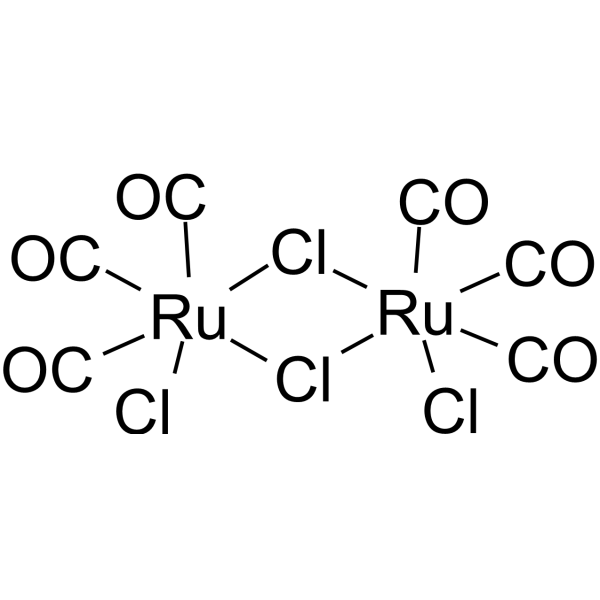
    Tricarbonyldichlororuthenium(II) dimer (CORM-2) is a CO-releasing molecule. Tricarbonyldichlororuthenium(II) dimer exhibits anti-inflammatory, antioxidant, and gastric mucosa-protective activities. Additionally, Tricarbonyldichlororuthenium(II) dimer has CO-independent functional effects on multiple potassium channels .
    Tricarbonyldichlororuthenium(II) dimer
  • HY-N2440
    Gypenoside A
    1 Publications Verification

    Interleukin Related Reactive Oxygen Species (ROS) AMPK FOXO COX Apoptosis Cardiovascular Disease Metabolic Disease Inflammation/Immunology
    Gypenoside A is an orally active triterpenoid compound that can be isolated from Gynostemma pentaphyllum. Gypenoside A has anti-inflammatory and antioxidant activities. Gypenoside A also has a certain protective effect on cardiomyocytes and can inhibit apoptosis. Gypenoside A can be used in the research of cardiovascular diseases and inflammation-related diseases .
    Gypenoside A
  • HY-B0558
    Carbimazole
    2 Publications Verification

    p38 MAPK Neurological Disease Endocrinology
    Carbimazole is an orally active antithyroid agent which rapidly converts to Methimazole after absorption and prevents thyroid peroxidase enzyme from iodinating and coupling the tyrosine residues on thyroglobulin, hence reducing the production of thyroxine. Carbimazole also displays anti-inflammatory and neuronal-protective activities, suggesting its application for hyperthyroidism and neurological research .
    Carbimazole
  • HY-N0450
    Sinapine thiocyanate
    2 Publications Verification

    P-glycoprotein Cholinesterase (ChE) Cancer
    Sinapine thiocyanate is an alkaloid isolated from seeds of the cruciferous species. Sinapine thiocyanate exhibits anti-inflammatory, anti-oxidant, anti-tumor, anti-angiogenic and radio-protective effects. Sinapine thiocyanate is also an acetylcholinesterase (AChE) inhibitor and can be used for the research of Alzheimer’s disease, ataxia, myasthenia gravis, and Parkinson’s disease .
    Sinapine thiocyanate
  • HY-116442

    Xanthine Oxidase Cardiovascular Disease Inflammation/Immunology
    Azapropazone is an orally active nonsteroidal anti-inflammatory agent. Azapropazone inhibits Xanthine oxidase activity with an IC50 of 70-140 μg/mL. Azapropazone exerts significant cardiomyocyte protective effects on dogs with ischemia-reperfusion injury . Azapropazone reduces arthritis. Azapropazone inhibits Adrenaline-induced platelet aggregation. Azapropazone can be used for the research of myocardial ischemia and reperfusion injury, adjuvant arthritis, and gouty arthritis .
    Azapropazone
  • HY-N0924
    (±)-Stylopine
    1 Publications Verification

    Tetrahydrocoptisine

    Interleukin Related NO Synthase p38 MAPK PERK NF-κB Neurological Disease Inflammation/Immunology
    (±)-Stylopine (Tetrahydrocoptisine) is an alkaloid compound. (±)-Stylopine can be isolated from the tubers of the plant Corydalis. (±)-Stylopine inhibits TNF-α, IL-6, and NO production, and attenuates phosphorylation of p38 MAPK, ERK1/2. (±)-Stylopine inhibits NF-κB expression. (±)-Stylopine exhibits anti-inflammatory activity. (±)-Stylopine has protective effects against foot edema, gastric ulcers, anxiety, depression, and acute lung injury .
    (±)-Stylopine
  • HY-100897A

    Thrombin Cardiovascular Disease
    Sulodexide solution is a mixture of glycosaminoglycans that can be administered by injection. It is composed of low molecular weight heparin (80%) and dermatan sulfate (20%). Sulodexide exhibits antithrombotic activity through interaction with antithrombin III (AT III) and heparin cofactor II (HC II), and inhibition of thrombin formation. Sulodexide exhibits profibrinolytic activity through release of tissue plasminogen activator (tPA). Sulodexide exhibits endothelial protective and anti-inflammatory effect, ameliorates chronic venous disease.
    Sulodexide solution
  • HY-N7327

    Phospholipase Inflammation/Immunology
    Ochnaflavone is an inhibitor of IIA-type secretory phospholipase A2 (sPLA2-IIA) with an IC50 of 3.45 µM. Ochnaflavone exhibits significant anti-inflammatory and liver-protective effects, capable of inhibiting the degradation of phosphatidylethanolamine (PE) and lipid peroxidation induced by carbon tetrachloride (CCl4) in rat liver, with an IC50 of 7.16 µM for lipid peroxidation. Ochnaflavone can be used in research on liver damage and inflammatory diseases .
    Ochnaflavone
  • HY-N9173
    Cupressuflavone
    1 Publications Verification

    Others Inflammation/Immunology
    Cupressuflavone is a natural product that can be found in Cupressus macrocarpa. Cupressuflavone exhibits anti-inflammatory and antiulcerogenic activities. Cupressuflavone also show protective effects against CCl4-induced hepato- and nephrotoxicity in mice .
    Cupressuflavone
  • HY-N0393R
    Glabridin (Standard)
    10+ Cited Publications

    Reference Standards PPAR Reactive Oxygen Species (ROS) Bacterial Infection Inflammation/Immunology Cancer
    Glabridin (Standard) is the analytical standard of Glabridin. This product is intended for research and analytical applications. Glabridin is a natural isoflavan from Glycyrrhiza uralensis, binds to and activates PPARγ, with an EC50 of 6115 nM. Glabridin exhibits antioxidant, anti-bacterial, anti-nephritic, anti-diabetic, anti-fungal, antitumor, anti-inflammatory, antiosteoporotic, cardiovascular protective, neuroprotective and radical scavenging activities .
    Glabridin (Standard)
  • HY-173414

    PROTACs STING NF-κB Inflammation/Immunology
    PROTAC STING degrader-3 is a STING PROTAC degrader (DC50: 0.62 μM). PROTAC STING degrader-3 induces STING degradation via the ubiquitin-proteasome pathway. PROTAC STING degrader-3 exerts anti-inflammatory effects by inhibiting STING/TBK1/NF-κB signaling. PROTAC STING degrader-3 has renal protective effects and can be used in the study of acute kidney injury (AKI) .
    PROTAC STING degrader-3
  • HY-15505

    JNJ 3026582

    p38 MAPK Cardiovascular Disease Inflammation/Immunology Cancer
    RWJ-67657 (JNJ 3026582) is an orally active and selective p38α and p38β MAPK inhibitor with IC50s of 1 and 11 μM, respectively. RWJ-67657 displays no activity at p38γ and p38δ, and exhibits cardio protective effect. Anti-inflammatory and anti-tumor activity .
    RWJ-67657
  • HY-NP026

    C-phycocyaninfromporphyratenera

    SOD Integrin Inflammation/Immunology
    Spirulina C-phycocyanin, a component of the light-harvesting phycobilisome complex in photosystem II, is a highly dominant chromoprotein in Spirulina. Spirulina C-phycocyanin can be detected by Raman spectral measurement. Spirulina C-phycocyanin has antioxidant, anti-inflammatory, antiplatelet, liver-protective and cholesterol-lowering effects .
    Spirulina C-phycocyanin
  • HY-177846

    Liposome Inflammation/Immunology
    Liposomal Melatonin is a specialized delivery system that encapsulates melatonin within tiny liposomes. These liposomes act as protective shells, enhancing the absorption and bioavailability of melatonin. Melatonin is an antioxidant, anti-inflammatory, fr
    Liposomal Melatonin
  • HY-W097994

    2,3-Dihydroxy-4-methoxybenzaldehyde

    Fungal Infection Inflammation/Immunology
    DHMB (2,3-Dihydroxy-4-methoxybenzaldehyde) is a small organic molecule with anti-fungal and anti-inflammatory activity. DHMB has protective effect on intestinal epithelial cells .
    DHMB
  • HY-105305

    ABT-719; AP-214

    Melanocortin Receptor Inflammation/Immunology
    Modimelanotide (ABT-719) is an α-melanocyte-stimulating hormone analog. Modimelanotide has high specific binding ability to melanocortin receptors (MCR1, 3, 4, 5). Modimelanotide possesses anti-inflammatory and organ-protective effects. Modimelanotide can be used in the research of diseases such as acute kidney injury .
    Modimelanotide
  • HY-152052S

    Isotope-Labeled Compounds Others
    Linalool-d5 is the deuterium labeled Linalool (HY-N0368). Linalool is a natural monoterpene which is a competitive NMDA receptor antagonist. Linalool is orally active and crosses the blood-brain barrier. Linalool has anticancer, antibacterial, anti-inflammatory, neuroprotective, anxiolytic, antidepressant, anti-stress, cardioprotective, hepatoprotective, nephroprotective and pulmonary protective activities .
    Linalool-d5
  • HY-N8126

    Glucoemodin

    Others Metabolic Disease Inflammation/Immunology
    Emodin-6-O-β-D-glucoside (Glucoemodin) is an active compound from Reynoutria japonica. Emodin-6-O-β-D-glucoside shows potent anti-inflammatory and barrier protective effects. Emodin-6-O-β-D-glucoside can be used for the research of diabetic complications and atherosclerosis .
    Emodin 6-O-β-D-glucoside
  • HY-131934

    Endogenous Metabolite Inflammation/Immunology
    9-OAHSA is a fatty acid ester of hydroxy fatty acids (FAHFAs). 9-OAHSA shows anti-inflammatory effects via inhibiting cytokine production and reduces IL-1β and IL-6 expression. 9-OAHSA is also a protective molecule to prevent colon carcinoma cells from apoptotic cell death .
    9-OAHSA
  • HY-N2007S

    3,4-Dimethoxybenzoic acid-d6

    Isotope-Labeled Compounds COX Reactive Oxygen Species (ROS) Cardiovascular Disease Inflammation/Immunology
    Veratric acid-d6 is deuterium labeled Veratric acid. Veratric acid (3,4-Dimethoxybenzoic acid) is an orally active phenolic compound derived from vegetables and fruits, has antioxidant and anti-inflammatory activities . Veratric acid also acts as a protective agent against hypertension-associated cardiovascular remodelling . Veratric acid reduces upregulated COX-2 expression, and levels of PGE2, IL-6 after UVB irradiation .
    Veratric acid-d6
  • HY-170409

    Trk Receptor Apoptosis Neurological Disease Inflammation/Immunology
    BNN27 is the agonist for TrkA receptor and p75NTR receptor, that exhibits neurotrophic and anti-apoptotic effects. BNN27 increases the levels of glutamate, GABA, and glutamine in the rat hippocampus and prefrontal cortex, improves glutamate turnover. BNN27 exhibits neuroprotective efficacy in mouse amyotrophic lateral sclerosis (ALS) model, exhibits anti-inflammatory efficacy in experimental autoimmune encephalomyelitis (EAE) model, exhibits retinal protective efficacy in rat diabete models. BNN27 is blood-brain barrier penetrable .
    BNN27
  • HY-N5077R

    Reference Standards Cholinesterase (ChE) P-glycoprotein Neurological Disease Inflammation/Immunology Cancer
    Sinapine is an alkaloid isolated from seeds of the cruciferous species. Sinapine exhibits anti-inflammatory, anti-oxidant, anti-tumor, anti-angiogenic and radio-protective effects. Sinapine is also an acetylcholinesterase (AChE) inhibitor and can be used for the research of Alzheimer’s disease, ataxia, myasthenia gravis, and Parkinson’s disease .
    Sinapine (Standard)
  • HY-N12042

    TNF Receptor PI3K Reactive Oxygen Species (ROS) Interleukin Related Inflammation/Immunology
    Taxamairin B is a potent anti-inflammatory agent. Taxamairin B decreases proinflammatory cytokines (TNF-α, IL-1β and IL-6) expression and the production of NO and ROS in LPS-induced RAW264.7 cells. Taxamairin B exhibits significant protective effects in LPS-induced acute lung injury in mice .
    Taxamairin B

Inquiry Online

Your information is safe with us. * Required Fields.

Salutation


Country or Region *

Applicant Name *


Organization Name *

Department *


Email Address *


Product Name *

Cat. No.


Requested quantity *

Phone Number *


Remarks

Inquiry Online

Inquiry Information

Product Name:
Cat. No.:
Quantity:
MCE Japan Authorized Agent:

