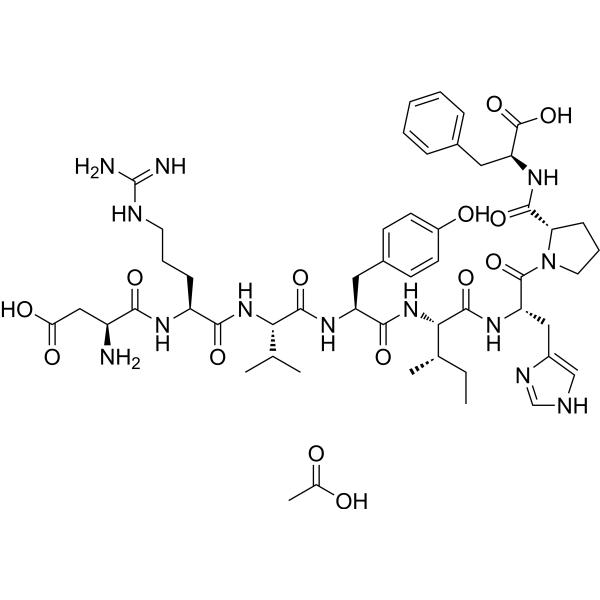
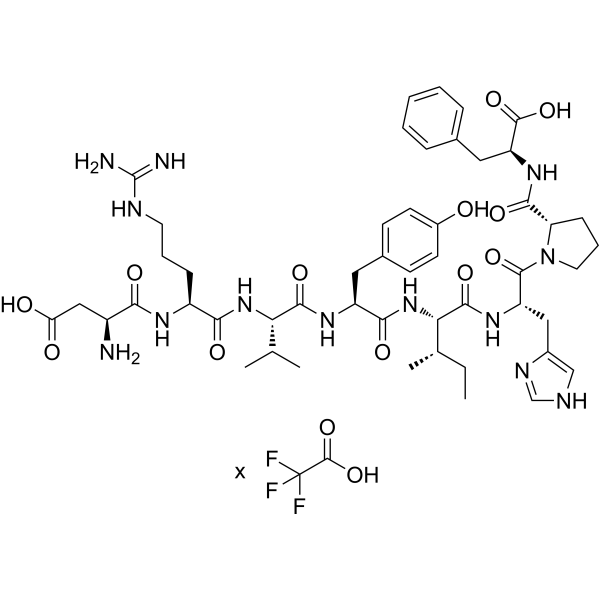
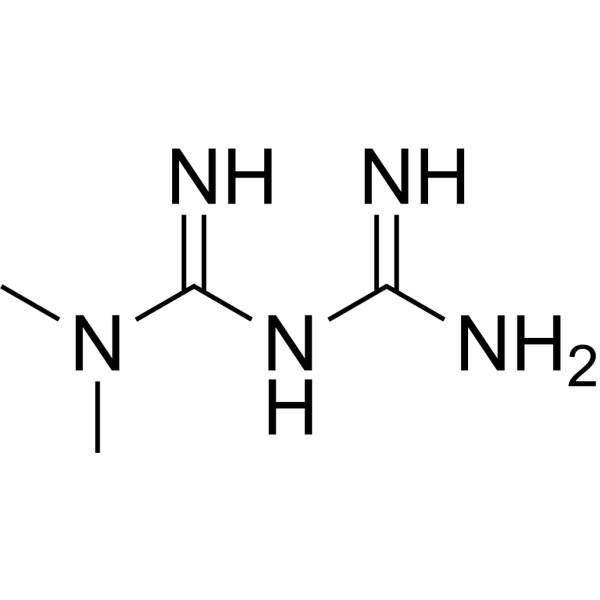
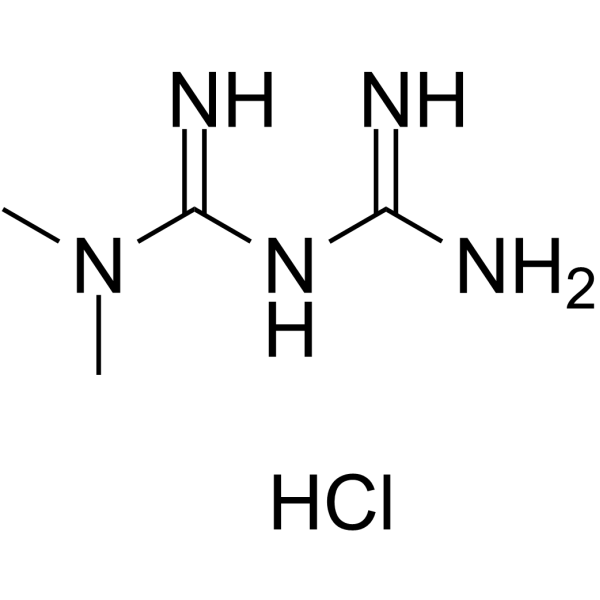
1. Search Result
Search Result
Results for "

renal

" in MedChemExpress (MCE) Product Catalog:

851

Inhibitors & Agonists

4

Screening Libraries

2

Fluorescent Dyes

30

Biochemical Assay Reagents

66

Peptides

1

MCE Kits

39

Inhibitory Antibodies

161

Natural
Products

19

Recombinant Proteins

46

Isotope-Labeled Compounds

37

Antibodies

5

Click Chemistry

15

Oligonucleotides

1

GMP Molecules

Cat. No. Product Name Target Research Areas Chemical Structure
  • HY-42682
    D(+)-Galactosamine hydrochloride
    3 Publications Verification

    D-Galactosamine HCl

    Drug Derivative Inflammation/Immunology
    D(+)-Galactosamine (D-Galactosamine) hydrochloride, which is an established experimental toxin, primarily causes liver injury by the generation of free radicals and depletion of UTP nucleotides. D(+)-Galactosamine hydrochloride intoxication also induces renal dysfunction thus, renal failure is often associated with the end-stage of the liver damage. Lipopolysaccharide/D(+)-Galactosamine-induced acute liver injury is a known animal model of fulminant hepatic failure .
    D(+)-Galactosamine hydrochloride
  • HY-B1472
    Deoxycorticosterone acetate
    2 Publications Verification

    11-Deoxycorticosterone acetate; DOC acetate; Cortexone acetate

    Mineralocorticoid Receptor Endogenous Metabolite Metabolic Disease
    Deoxycorticosterone acetate (DOCA) is an adrenocortin, acts as a precursor to aldosterone. Deoxycorticosterone acetate is a mineralocorticoid receptor agonist. Deoxycorticosterone acetate can cause severe renal injury, including inflammation, fibrosis, glomerular damage, and proteinuria .
    Deoxycorticosterone acetate
  • HY-133168
    Englerin A
    1 Publications Verification

    TRP Channel Cancer
    Englerin A is a potent and selective activator of TRPC4 and TRPC5 channels, with EC50s of 11.2 and 7.6 nM, respectively. Englerin A can induce renal carcinoma cells death by elevated Ca 2+ influx and Ca 2+ cell overload .
    Englerin A
  • HY-P99023
    Girentuximab
    1 Publications Verification

    G250; cG250

    Carbonic Anhydrase Cancer
    Girentuximab (G250) is a chimeric monoclonal antibody that binds carbonic anhydrase IX (CAIX), a cell surface glycoprotein ubiquitously expressed in clear cell renal cell carcinoma (ccRCC) .
    Girentuximab
  • HY-A0166
    Cilastatin
    5+ Cited Publications

    MK0791

    Bacterial Antibiotic Infection
    Cilastatin (MK0791) is a reversible, competitive renal dehydropeptidase I inhibitor with an IC50 of 0.1 μM. Cilastatin inhibits the bacterial metallob-lactamase enzyme CphA with an IC50 of 178 μM. Cilastatin is an antibacterial adjunct .
    Cilastatin
  • HY-B0247
    Torsemide
    1 Publications Verification

    Torasemide

    NKCC Cardiovascular Disease Metabolic Disease
    Torsemide (Torasemide) is an orally active loop diuretic. Torsemide has anti-aldosterone and vasodilatory effects. Torsemide also can be used for the research of heart failure, renal disease and hepatic cirrhosis .
    Torsemide
  • HY-W040821
    DL-Homocysteine
    4 Publications Verification

    Endogenous Metabolite Neurological Disease
    DL-Homocysteine is a weak neurotoxin, and can affect the production of kynurenic acid in the brain. DL-Homocysteine is correlated with Vitamin B12, renal functions and folate levels, affects the cross-sectional cognition indirectly through white matter microstructural integrity .
    DL-Homocysteine
  • HY-P10899

    PROTACs TGF-beta/Smad Endocrinology
    ETTAC-2 is a LRG1 PROTAC degrader, degrading LRG1 via the ubiquitin-proteasome pathway with a DC50 value of 8.38 μM. ETTAC-2 penetrates damaged renal cells to reduce the extracellular secretion of LRG1. ETTAC-2 effectively inhibits the TGF-β-Smad3 signaling pathway and diminishes the secretion of fibrosis-associated extracellular matrix proteins. ETTAC-2 degrades LRG1 within fibrotic kidneys and the efficacy in inhibiting the TGF-β-Smad3 pathway both in vitro and vivo. ETTAC-2 can be used for renal fibrosis research .
    ETTAC-2
  • HY-108852

    CHI 621

    Interleukin Related Inflammation/Immunology Cancer
    Basiliximab (CHI 621) is a recombinant chimeric murine/human IgG1 monoclonal anti-interleukin-2 receptor antibody. Basiliximab can be used for the research of renal transplantation .
    Basiliximab
  • HY-13102

    Procollagen C Proteinase Others
    UK-383367 is an orally available pro-collagen C-protease inhibitor (BMP-1) with an IC50 value of 44 nM. UK-383367 can reduce renal fibrosis and inflammation in chronic kidney disease (CKD) and may be used to study postoperative skin scarring .
    UK-383367
  • HY-A0080
    Aminohippurate sodium
    4 Publications Verification

    Sodium p-aminohippurate; p-Aminohippuric acid sodium salt

    Biochemical Assay Reagents
    Aminohippurate sodium is a renal tubular transport inhibitor and a substrate for organic anion transporters. Aminohippurate sodium inhibits renal tubular reabsorption of phosphate and promotes increased urinary phosphate excretion. Aminohippurate sodium inhibits renal tubular reabsorption of vitamin C as well as the transport of glucose .
    Aminohippurate sodium
  • HY-133114

    EZM-K

    Keap1-Nrf2 Autophagy Cardiovascular Disease Metabolic Disease Inflammation/Immunology Cancer
    Ezetimibe ketone is an orall active Nrf2 activator and ROS inhibitor. Ezetimibe ketone attenuates H2O2-induced reactive oxygen species production and reduces H2O2-induced apoptosis in renal tubular epithelial cells. Ezetimibe ketone suppresses renal tubular injury and inflammation .
    Ezetimibe ketone
  • HY-W561907

    Antibiotic Bacterial Infection
    IMipenem and cilastatin sodium is a broad-spectrum Carbapenem Antibiotic combination. Imipenem (HY-B1369A) is a Carbapenem antibiotic. IMipenem demonstrates excellent activity against gram-positive and gram-negative aerobic and anaerobic organisms. Cilastatin (HY-A0166) is a renal Dehydropeptidase inhibitor that inhibits the metabolism of Imipenem by renal brush-border enzymes, thus increasing imipenem concentrations in urine .
    IMipenem and cilastatin sodium
  • HY-A0166A
    Cilastatin sodium
    5+ Cited Publications

    MK0791 sodium

    Bacterial Antibiotic Infection
    Cilastatin sodium (MK0791 sodium) is a reversible, competitive renal dehydropeptidase I inhibitor with an IC50 of 0.1 μM. Cilastatin sodium inhibits the bacterial metallob-lactamase enzyme CphA with an IC50 of 178 μM. Cilastatin sodium is an antibacterial adjunct .
    Cilastatin sodium
  • HY-100746
    STF-62247
    2 Publications Verification

    Autophagy Cancer
    STF-62247 is an autophagy inducer that selectively cytotoxic to VHL-deficient renal cell carcinoma (IC50 of 0.625 μM and 16 μM in RCC4 and RCC4/VHL cells, respectively) .
    STF-62247
  • HY-P99273

    TNF Receptor Cancer
    Vorsetuzumab (Anti-Human CD70 Recombinant Antibody) is a human anti-CD70 antibody. Vorsetuzumab enhances macrophage-related phagocytosis of renal carcinoma cells, shows inhibitory efficacy against Burkitt’s lymphoma .
    Vorsetuzumab
  • HY-113039

    (S)-2-Hydroxyglutaric acid

    Histone Demethylase Mitochondrial Metabolism Endogenous Metabolite Cancer
    L-2-Hydroxyglutaric acid is an epigenetic modifier and putative oncometabolite in renal cancer. L-2-Hydroxyglutaric acid can inhibit histone demethylases and hence promote histone methylation . L-2-Hydroxyglutaric acid inhibits mitochondrial creatine kinase (Mi-CK) activity with Km and Ki of 2.52 mM and 11.13 mM, respectively .
    L-2-Hydroxyglutaric acid
  • HY-W002942

    1,2,3,4-Tetrahydroquinolin-8-ol; 8-hydroxy-1,2,3,4-tetrahydroquinoline

    Ferroptosis Reactive Oxygen Species (ROS) Inflammation/Immunology
    Ferroptosis-IN-21 is a ferroptosis inhibitor that protects against renal I/R injury by suppressing ferroptosis and directly scavenging peroxyl radicals. Ferroptosis-IN-21 displays broad-spectrum anti-ferroptotic efficacy across multiple inducers in renal tubular epithelial cells, with nanomolar potency and robust suppression of lipid Reactive Oxygen Species (ROS). Ferroptosis-IN-21 significantly ameliorates renal I/R injury in mice, reducing histological damage, functional impairment, and inflammatory cytokine expression, while decreasing lipid peroxidation biomarkers such as 4-hydroxynonenal. Ferroptosis-IN-12 can be used for research in the field of ferroptosis-targeted drug development .
    Ferroptosis-IN-21
  • HY-103460

    Endothelin Receptor Cardiovascular Disease
    IRL 2500 is a potent Endothelin receptor antagonist. IRL 2500 shows IC50 values of 1.3 and 94 nM for ETB and ETA receptors, respectively. IRL 2500 inhibits ETB receptor-mediated blood pressure increase and renal vascular resistance in rats in vivo .
    IRL 2500
  • HY-Y1091

    Endogenous Metabolite Others
    D-Lysine is a useful raw material employed as an analog of lutenizing-hormone-releasing hormone and as a agent carrier in the form of polylysine. D-Lysine decreases renal uptake of radioactivity during scintigraphy and PRRT with low toxicity. D-Lysine not interferes with the natural amino acid metabolic balance .
    D-Lysine
  • HY-147025

    PROTACs TGF-beta/Smad HIF/HIF Prolyl-Hydroxylase Inflammation/Immunology Cancer
    (S,R,S)-AHPC-C2-amide-benzofuranylmethyl-pyridine is a dual target PROTAC that can not only target to the ubiquitination and degradation of Smad3 but also improve the HIF-α protein level. (S,R,S)-AHPC-C2-amide-benzofuranylmethyl-pyridine has a multi-path anti-fibrosis function and a renal protection function for research of renal anemia. (S,R,S)-AHPC-C2-amide-benzofuranylmethyl-pyridine can be used for research on prostate cancer and other cancers .
    (S,R,S)-AHPC-C2-amide-benzofuranylmethyl-pyridine
  • HY-10655
    Palosuran
    4 Publications Verification

    ACT-058362

    Urotensin Receptor Cardiovascular Disease
    Palosuran (ACT-058362) is a potent, selective, and orally active antagonist of urotensin II receptor, with an IC50 of 3.6 nM for CHO cell membranes expressing human recombinant receptors. Palosuran can improves pancreatic and renal function in diabetic rats .
    Palosuran
  • HY-100775A
    Fezagepras
    1 Publications Verification

    Setogepram; PBI-4050

    Free Fatty Acid Receptor GPR84 Metabolic Disease Inflammation/Immunology
    Fezagepras (Setogepram) acts as an orally active agonist for GPR40 and as an antagonist or inverse agonist for GPR84 . Fezagepras decreases renal, liver and pancreatic fibrosis . Fezagepras exerts anti-fibrotic, anti-inflammatory and anti-proliferative actions .
    Fezagepras
  • HY-B0235
    Trichlormethiazide
    2 Publications Verification

    Carbonic Anhydrase Metabolic Disease
    Trichlormethiazide is an orally active thiazide diuretic, with antihypertensive effect. Trichlormethiazide increases urine volume (UV), Na and K excretion and tends to improve the depressed creatinine clearance (CCRE) in acute renal failure rats model .
    Trichlormethiazide
  • HY-156696

    Na+/H+ Exchanger (NHE) Metabolic Disease
    S3226 is a highly selective NHE-3 inhibitor (IC50<1 μM) that specifically blocks NHE-3-mediated sodium transport. S3226 significantly inhibits blastocyst formation and expansion in mouse embryos, and reduces fluid and electrolyte reabsorption in rat proximal tubules in a dose-dependent manner. S3226 effectively alleviates ischemia-induced acute renal failure by improving renal function parameters, reducing renal tubular injury and restoring intracellular pH homeostasis, without interfering with the normal tubuloglomerular feedback response. S3226 is widely used in studies of acute renal failure and related pathological mechanisms .
    S3226
  • HY-157231A

    PERK Cancer
    HC-5404-Fu is an orally active PERK inhibitor with an IC50 of 0.001 μM against human PERK. HC-5404-Fu blocks PERK activation induced by VEGFR-TKI and disrupts the adaptive stress response triggered by VEGFR-TKI. HC-5404-Fu enhances anti-angiogenic effects by inhibiting newly formed and mature tumor blood vessels in renal cell carcinoma models. HC-5404-Fu can be used in research related to renal cell carcinoma .
    HC-5404-Fu
  • HY-128439

    DYRK Cancer
    BT173 is a potent homeodomain interacting protein kinase 2 (HIPK2) inhibitor. BT173 binds to HIPK2 and does not inhibit HIPK2 kinase activity but rather, interfered allosterically with the ability of HIPK2 to associate with Smad3. BT173 attenuates renal fibrosis through suppression of the TGF-β1/Smad3 pathway. BT173 can be studied in research for kidney diseases such as renal fibrosis .
    BT173
  • HY-155374

    Phosphatase Apoptosis Cancer
    PP5-IN-1 (Compound P053) is a competitive inhibitor of Serine/threonine protein phosphatase-5 (PP5) that binds to its catalytic domain and causes apoptosis in renal cancer .
    PP5-IN-1
  • HY-175247

    Large Tumor Suppressor (LATS) E1/E2/E3 Enzyme YAP Cancer
    DDO-4033 is a SPOP inhibitor (IC50 = 16.9 μM, Kd = 15.1 μM). DDO-4033 impairs the malignant migration, invasion, and proliferation of clear cell renal cell carcinoma (ccRCC) cell lines. DDO-4033 disrupts SPOP recruitment to its substrate LATS1, inhibits its polyubiquitination and subsequent degradation, and upregulates LATS1 expression. DDO-4033 has promising antitumor activity and is promising for renal cell carcinoma research .
    DDO-4033
  • HY-75992

    VD/VDR Others
    trans-Doxercalciferol is an isomer of Doxercalciferol. Doxercalciferol is a Vitamin D2 analog, acts as an activator of Vitamin D receptor, and prevent renal disease .
    trans-Doxercalciferol
  • HY-P10369

    Biochemical Assay Reagents Radionuclide-Drug Conjugates (RDCs) Cardiovascular Disease Inflammation/Immunology
    Betiatide, as a chelating agent for Technetium-99m ( 99mTc), is used to prepare 99mTc-MAG3 (mercaptoacetyltriglycine), a radiopharmaceutical for renal function imaging. Betiatide is used for the diagnosis of congenital and acquired abnormalities, renal failure, urinary tract obstructions, and calculi . Betiatide can be used for the synthesis/research of Radionuclide-Drug Conjugates (RDCs).
    Betiatide
  • HY-151810

    Cytochrome P450 Metabolic Disease
    CYP4A11/CYP4F2-IN-2 is a potent and orally active dual inhibitor of cytochrome P450 (CYP) 4A11 and CYP4F2, with IC50s of 140 nM and 40 nM, respectively. CYP4A11/CYP4F2-IN-2 has potential for the research of renal diseases .
    TP0472993
  • HY-165245

    Transmembrane Glycoprotein Cancer
    SBI-183 is an orally active inhibitor of QSOX1 (Kd: 20 μM). SBI-183 suppresses the proliferative and invasive phenotype of renal cancer cell lines, including triple negative breast cancer cell line, lung adenocarcinoma cell line and pancreatic ductal adenocarcinoma. SBI-183 inhibits tumor growth in two human xenograft mouse models of renal cell carcinoma in vivo .
    SBI-183
  • HY-119425

    ICRF 159

    Topoisomerase Cancer
    Razoxane (ICRF 159), a EDTA (HY-Y0682) derivative, is an orally active antiangiogenic topoisomerase II inhibitor. Razoxane has antineoplastic, antiangiogenic, and antimetastatic activities. Razoxanecan be used for the research of renal cell carcinoma (RCC), lung cancer and melanoma cancer .
    Razoxane
  • HY-172423

    KO-2806

    Farnesyl Transferase mTOR VEGFR Cancer
    Darlifarnib (KO-2806) is an orally active farnesyl transferase inhibitor. Darlifarnib inhibits the mTORC1 signaling pathway, thereby enhancing the anti-angiogenic properties of tyrosine kinase inhibitors. When used in combination with anti-VEGFR tyrosine kinase inhibitors, Darlifarnib promotes renal cell carcinoma tumor regression and inhibits tumor neovascularization. Darlifarnib sensitizes renal cell carcinoma tumors that progress after anti-VEGFR TKI treatment .
    Darlifarnib
  • HY-P11452

    LDLR Endocrinology
    (KKEEE)3K is a kidney-targeting peptide. (KKEEE)3K enters renal tubular cells via megalin receptor-mediated endocytosis. (KKEEE)3K can be used in the research of renal drug delivery .
    (KKEEE)3K
  • HY-W766140

    4-Hydroxy duloxetine glucuronide sodium; LY550408 sodium

    Drug Metabolite Metabolic Disease
    4-Hydroxy duloxetine β-D-glucuronide (4-Hydroxy duloxetine glucuronide) sodium is a major metabolite of Duloxetine (HY-B0161). 4-Hydroxy duloxetine β-D-glucuronide sodium is promising for research of hepatic or renal impairment .
    4-Hydroxy duloxetine β-D-glucuronide sodium
  • HY-118332

    Prostaglandin Receptor Cardiovascular Disease
    19(R)-HETE is a vasodilator in renal arteries, whereas 19(S)-HETE was relatively inactive .
    19(R)-HETE
  • HY-42682R

    D-Galactosamine HCl (Standard)

    Reference Standards Inflammation/Immunology
    D(+)-Galactosamine (hydrochloride) (Standard) is the analytical standard of D(+)-Galactosamine (hydrochloride). This product is intended for research and analytical applications. D(+)-Galactosamine (D-Galactosamine) hydrochloride, which is an established experimental toxin, primarily causes liver injury by the generation of free radicals and depletion of UTP nucleotides. D(+)-Galactosamine hydrochloride intoxication also induces renal dysfunction thus, renal failure is often associated with the end-stage of the liver damage. Lipopolysaccharide/D(+)-Galactosamine-induced acute liver injury is a known animal model of fulminant hepatic failure .
    D(+)-Galactosamine hydrochloride (Standard)
  • HY-151809

    Cytochrome P450 Metabolic Disease
    CYP4A11/CYP4F2-IN-1 is a potent dual inhibitor of cytochrome P450 (CYP) 4A11 and CYP4F2, with IC50s of 19 nM and 17 nM, respectively. CYP4A11/CYP4F2-IN-1 has potential for the research of renal diseases .
    CYP4A11/CYP4F2-IN-1
  • HY-P3209

    Bradykinin Receptor Inflammation/Immunology
    Des-Arg9-[Leu8]-Bradykinin acetate is potent bradykinin receptor 1 (B1R) antagonist. Des-Arg9-[Leu8]-Bradykinin acetate can be used for renal fibrosis research .
    Des-Arg9-[Leu8]-Bradykinin acetate
  • HY-120569

    Apoptosis Cancer
    NC-001 is a selective apoptosis inducer targeting renal proximal tubular cells and renal cancer cells. NC-001 inhibits tumor growth in clear cell renal cell carcinoma (CCRCC) xenograft models. NC-001 is promising for research of metastatic renal cell carcinoma .
    NC-001
  • HY-116794

    2,2-Diphenylethyl isothiocyanate

    Apoptosis JNK MDM-2/p53 Caspase Cancer
    SF5 (2,2-Diphenylethyl isothiocyanate) is a sulforaphane analog. SF5 inhibits apoptosis by the JNK-p53-caspase pathway. SF5 can be used as a new renal protective agent for drug-resistant acute renal disease .
    SF5
  • HY-P2687

    Urodilatin (human)

    Natriuretic Peptide Receptor (NPR) Cardiovascular Disease
    Ularitide (Urodilatin), natriuretic peptide, is a vasodilator. Ularitide binds to and activates renal receptors. Ularitide also regulates renal dopamine metabolism Ularitide can be used in the research of heart failure .
    Ularitide
  • HY-179909

    MEK CDK Cancer
    MEK-IN-9 (Compound 4-82) is a MEK inhibitor. MEK-IN-9 induces p15 and p27 protein. MEK-IN-9 can be used in the research of renal adenocarcinoma and colorectal cancer .
    MEK-IN-9
  • HY-W134312

    Tricalcium dicitrate

    Environmental Pollutants Biochemical Assay Reagents Inflammation/Immunology
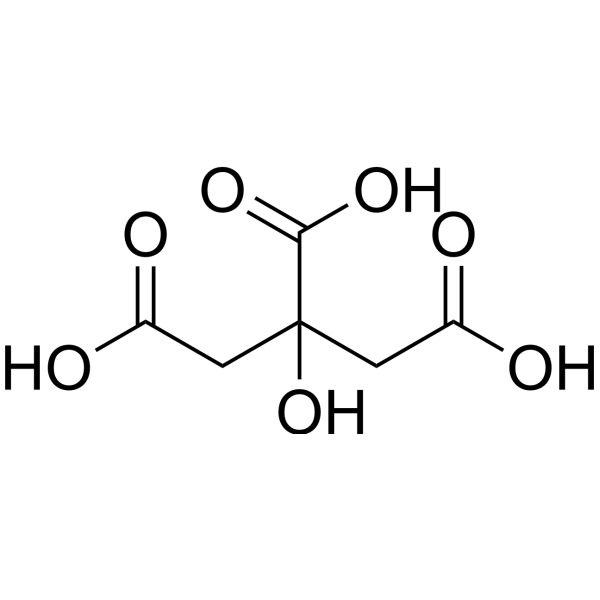
    Calcium citrate,AR,99% (Tricalcium dicitrate) is an alkalinizing agent. Calcium citrate,AR,99% attenuates tubulointerstitial damage. Calcium citrate,AR,99% ameliorates the progression of chronic renal injury .
    Calcium citrate,AR,99%
  • HY-109034A

    Renin Cardiovascular Disease
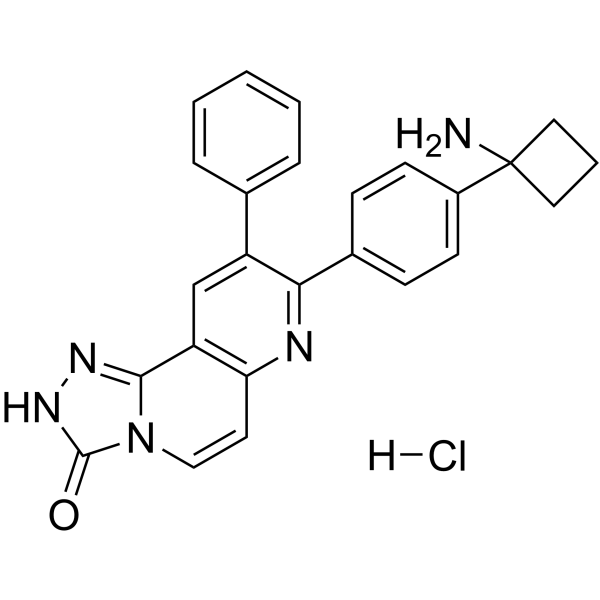
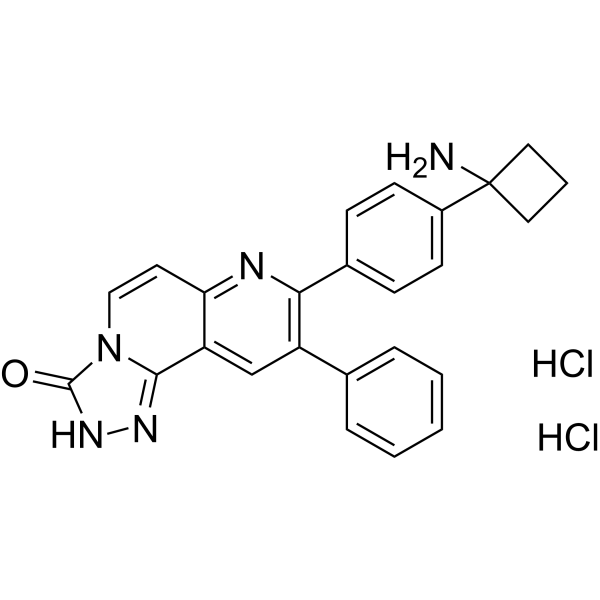
    Imarikiren hydrochloride is a renin inhibitor. Imarikiren hydrochloride can be used for the study of cardiovascular and renal diseases such as hypertension, heart failure, and diabetic nephropathy by blocking the renin-angiotensin (RA) system .
    Imarikiren hydrochloride
  • HY-151342

    Drug Derivative Others
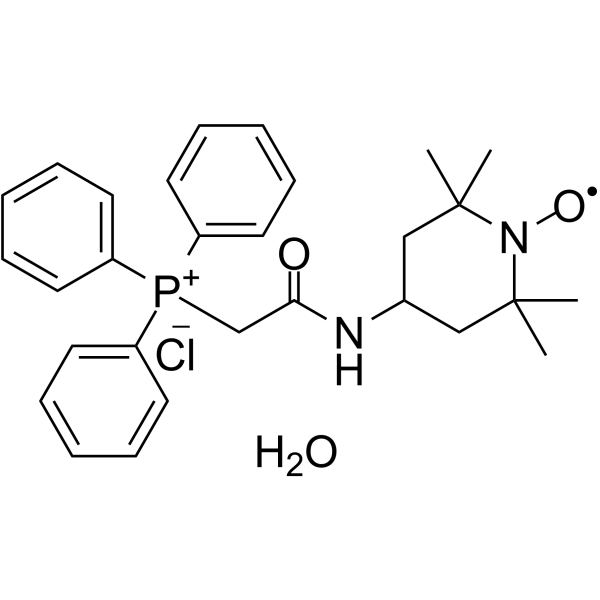
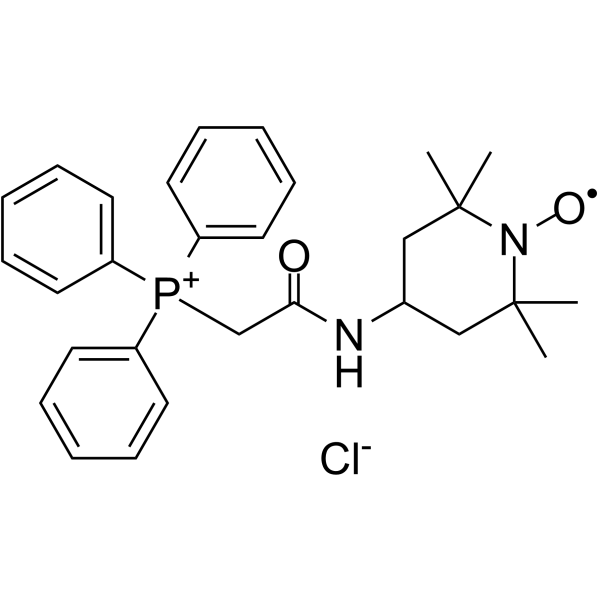
    Ser@TPP@CUR is a Curcumin (HY-N0005) derivative. Ser@TPP@CUR effectively ameliorates injured renal tubular epithelial cells and improves renal functions of acute kidney injury (AKI) mice. Ser@TPP@CUR can be used for the research of AKI .
    Ser@TPP@CUR
  • HY-B0235A

    Carbonic Anhydrase Metabolic Disease
    Trichlormethiazide sodium is an orally active thiazide diuretic, with antihypertensive effect. Trichlormethiazide sodium increases urine volume (UV), Na and K excretion and tends to improve the depressed creatinine clearance (CCRE) in acute renal failure rats model .
    Trichlormethiazide sodium
  • HY-133168R

    Reference Standards TRP Channel Cancer
    Englerin A (Standard) is the analytical standard of Englerin A. This product is intended for research and analytical applications. Englerin A is a potent and selective activator of TRPC4 and TRPC5 channels, with EC50s of 11.2 and 7.6 nM, respectively. Englerin A can induce renal carcinoma cells death by elevated Ca2+ influx and Ca2+ cell overload .
    Englerin A (Standard)

Inquiry Online

Your information is safe with us. * Required Fields.

Salutation


Country or Region *

Applicant Name *


Organization Name *

Department *


Email Address *


Product Name *

Cat. No.


Requested quantity *

Phone Number *


Remarks

Inquiry Online

Inquiry Information

Product Name:
Cat. No.:
Quantity:
MCE Japan Authorized Agent:

