1. Search Result
Search Result
Pathways Recommended: Cell Cycle/DNA Damage
Results for "

replication cycle

" in MedChemExpress (MCE) Product Catalog:

66

Inhibitors & Agonists

1

Screening Libraries

1

Peptides

17

Natural
Products

8

Isotope-Labeled Compounds

2

Oligonucleotides

Cat. No. Product Name Target Research Areas Chemical Structure
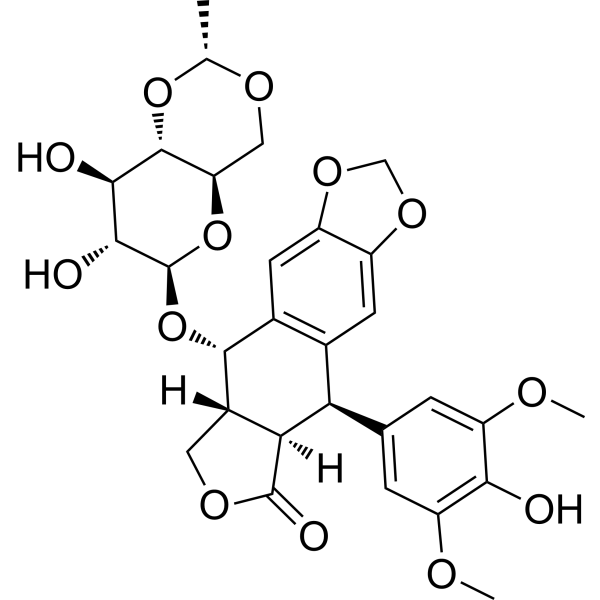
  • HY-13629
    Etoposide
    Maximum Cited Publications
    173 Publications Verification

    VP-16; VP-16-213

    Topoisomerase Autophagy Mitophagy Bacterial Apoptosis Antibiotic Infection Cancer
    Etoposide (VP-16; VP-16-213) is an anti-cancer chemotherapy agent. Etoposide inhibits topoisomerase II, thus stopping DNA replication. Etoposide induces cell cycle arrest, apoptosis and autophagy .
    Etoposide
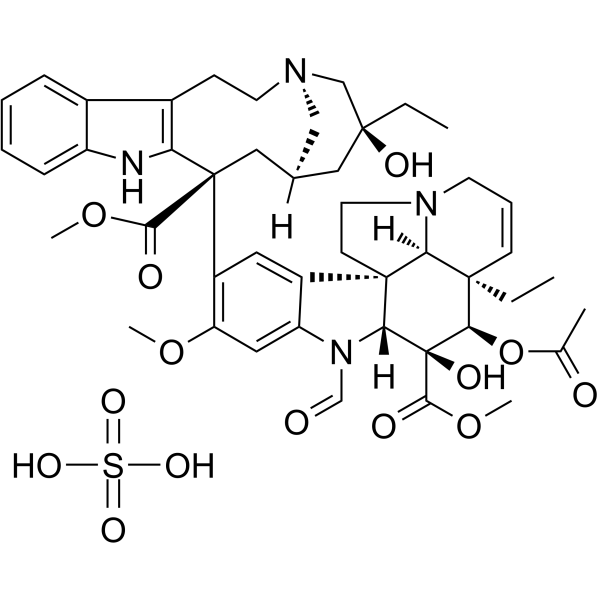
  • HY-N0488
    Vincristine sulfate
    70+ Cited Publications

    Leurocristine sulfate; NSC-67574 sulfate; 22-Oxovincaleukoblastine sulfate

    Apoptosis Microtubule/Tubulin Mitosis Cancer
    Vincristine (Leurocristine; NSC-67574; 22-Oxovincaleukoblastine) sulfate is a microtubule inhibitor that disrupts microtubule polymerization by binding to β-tubulin (with a Ki of 85 nM in bovine), arrests the cell cycle and induces apoptosis. Vincristine sulfate inhibits cell replication, tumor blood flow and the proliferation of various cancer cells, while triggering effects such as oxidative stress, inflammation, calcium overload, epithelial-mesenchymal transition and peripheral neuropathic pain. Vincristine sulfate upregulates the expression of various transporters and nuclear receptors, and enriches gastric cancer stem-like cells. Vincristine sulfate is used in research related to various tumors including acute lymphoblastic leukemia, lymphoma, melanoma, gastric cancer, solid tumors and sarcomas .
    Vincristine sulfate
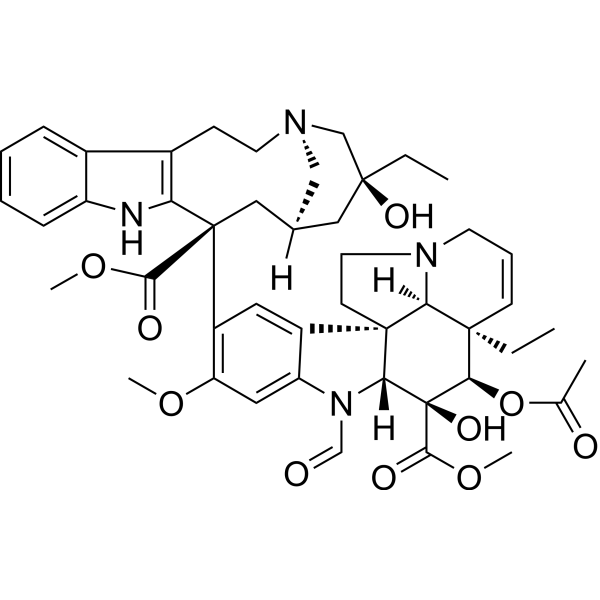
  • HY-N0488A
    Vincristine
    70+ Cited Publications

    Leurocristine; NSC-67574; 22-Oxovincaleukoblastine

    Apoptosis Microtubule/Tubulin Mitosis Infection Cancer
    Vincristine (Leurocristine; NSC-67574; 22-Oxovincaleukoblastine) is a microtubule inhibitor that disrupts microtubule polymerization by binding to β-tubulin (with a Ki of 85 nM in bovine), arrests the cell cycle and induces apoptosis. Vincristine inhibits cell replication, tumor blood flow and the proliferation of various cancer cells, while triggering effects such as oxidative stress, inflammation, calcium overload, epithelial-mesenchymal transition and peripheral neuropathic pain. Vincristine upregulates the expression of various transporters and nuclear receptors, and enriches gastric cancer stem-like cells. Vincristine is used in research related to various tumors including acute lymphoblastic leukemia, lymphoma, melanoma, gastric cancer, solid tumors and sarcomas .
    Vincristine
  • HY-W040129
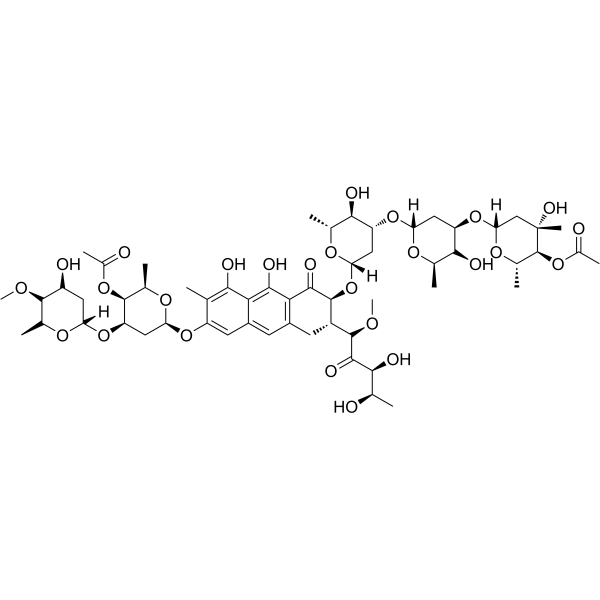
    Chromomycin A3
    1 Publications Verification

    DNA Alkylator/Crosslinker DNA/RNA Synthesis Apoptosis Caspase Infection Neurological Disease Cancer
    Chromomycin A3 is an inhibitor that selectively binds to GC-rich DNA sequences. Chromomycin A3 targets the DNA minor groove after forming a dimer with Mg 2+. Chromomycin A3 inhibits DNA replication and transcription, blocks the binding of Sp1 transcription factor to target gene promoters, downregulates the expression of anti-apoptotic proteins such as FLIP, Mcl-1, and XIAP, and induces S-phase cycle arrest and caspase-dependent apoptosis in tumor cells. Chromomycin A3 can antagonize oxidative stress induced by glutathione depletion and neuronal apoptosis induced by Camptothecin (HY-15660). Chromomycin A3 can be used in basic research on malignant tumors such as cholangiocarcinoma, and is a potential chemosensitizer and GC-rich region probe .
    Chromomycin A3
  • HY-B0277
    Vidarabine
    5+ Cited Publications

    Ara-A; Adenine Arabinoside; 9-β-D-Arabinofuranosyladenine

    Apoptosis Fungal Reactive Oxygen Species (ROS) EBV HSV Antibiotic DNA/RNA Synthesis Drug Metabolite Infection Cancer
    Vidarabine (Ara-A) is a nucleoside antibiotic isolated from Streptomyces, and a metabolite of Vidarabine phosphate (HY-B0277A). Vidarabine selectively inhibits viral DNA polymerase and cellular ribonucleotide reductase, thereby blocking viral replication. Vidarabine phosphate also exhibits antifungal activity, induces late-stage cellular apoptosis, and causes cell cycle arrest. Vidarabine phosphate can be used in research related to severe chronic active Epstein-Barr virus (EBV) infection, herpes infection, and candidiasis .
    Vidarabine
  • HY-W195984
    Z57346765
    1 Publications Verification

    Phosphoglycerate Kinase (PGK) Cancer
    Z57346765 is an inhibitor that targets the ADP-binding pocket of PGK1, with a Kd of 20.9 μM for human PGK1, and exhibits anticancer activity. Z57346765 reduces the activity of the metabolic enzyme PGK1 during glycolysis, regulates lipid peroxidation and cancer cell proliferation, and promotes lipid peroxidation in cervical cancer cells. Z57346765 inhibits the proliferation of cervical cancer and clear cell renal cell carcinoma cells in xenograft mouse models, and induces the expression of genes associated with cell metabolism, DNA replication and cell cycle. Z57346765 is used in research related to cervical cancer, clear cell renal cell carcinoma and breast cancer .
    Z57346765
  • HY-17026E

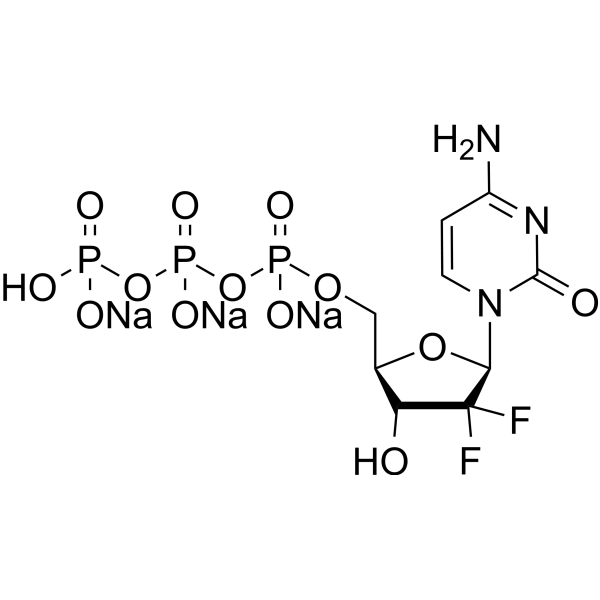
    dFdCTP trisodium

    Drug Metabolite DNA/RNA Synthesis Apoptosis Cancer
    Gemcitabine triphosphate (dFdCTP) trisodium is the active metabolite of Gemcitabine (HY-17026). The mechanism of Gemcitabine triphosphate trisodium cell-killing is its competition with cytidine triphosphate during DNA replication, which results in the inhibition of chain elongation. Gemcitabine triphosphate trisodium shows a Ki of 11.2 μM against DNA polymerase α and 14.4 μM against DNA polymerase ε. Gemcitabine triphosphate trisodium partially inhibits dCMP deaminase and acts as a substrate for DNA synthesis to incorporate into cellular DNA and RNA. Gemcitabine triphosphate trisodium disrupts DNA and RNA synthesis, arrests cell cycle in G0/G1 and S phases, triggers apoptosis, reduces tumor cell proliferation. Gemcitabine triphosphate trisodium can be used for the research of pancreatic cancer and non-small cell lung cancer .
    Gemcitabine triphosphate trisodium
  • HY-W011725

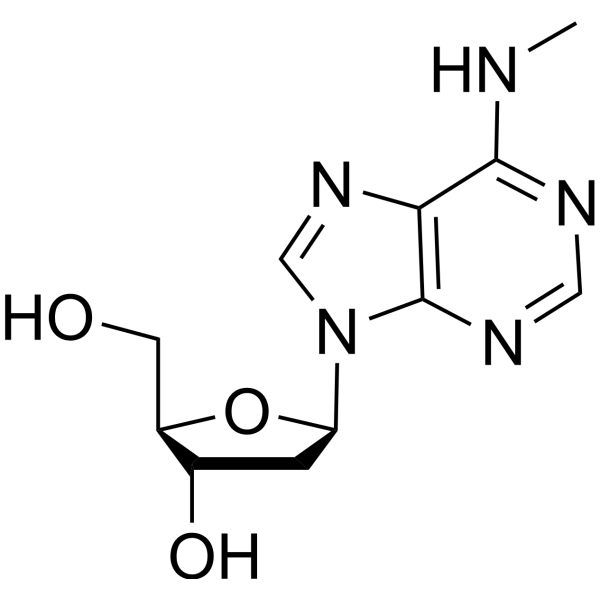
    m6dA

    Nucleoside Antimetabolite/Analog Mitochondrial Metabolism DNA/RNA Synthesis Neurological Disease Cancer
    N-6-Methyl-2-deoxyadenosine (m6dA) is an adenine nucleoside analogue. N-6-Methyl-2-deoxyadenosine targets nuclear processes and DNA replication machineries including WER, SATB1, TFAM, Jumu, SSBP1, DNA polymerase η and phage polymerase Gp90 exo . N-6-Methyl-2-deoxyadenosine acts as a multifunctional epigenetic regulator that modulates transcription, DNA damage response, cell cycle, transposon silencing, stress adaptation, epigenetic crosstalk, and nucleosome organization in both prokaryotes and eukaryotes. N-6-Methyl-2-deoxyadenosine regulates mitochondrial epigenetic inheritance and is required for fear extinction memory in mice. N-6-Methyl-2-deoxyadenosine exhibits dysregulated levels in cancers. N-6-Methyl-2-deoxyadenosine can be used for the research of glioblastoma, triple negative breast cancer, and conditioned fear (fear extinction impairment) .
    N-6-Methyl-2-deoxyadenosine
  • HY-B1589A
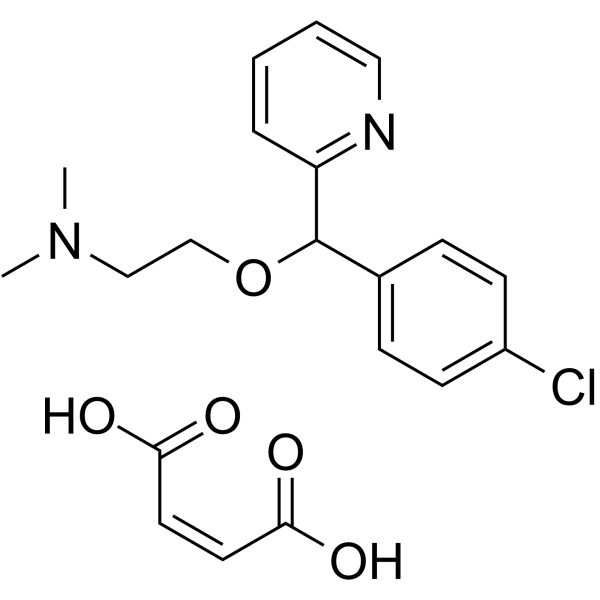
    Carbinoxamine maleate salt
    1 Publications Verification

    Histamine Receptor Influenza Virus Infection Inflammation/Immunology
    Carbinoxamine maleate salt is a blood-brain barrier-permeable histamine H1 receptor antagonist. Carbinoxamine maleate salt blocks the action of histamine on H1 receptors, reducing symptoms such as sneezing, rhinitis, rhinorrhea, erythema, pruritus and urticaria. Carbinoxamine maleate salt inhibits influenza virus entry into cells via endocytosis, targets the early stage of the viral life cycle, and simultaneously reduces viral replication levels in the lungs, alleviating pathological damage and inflammatory responses in lung tissues. Carbinoxamine maleate salt can be used in research on allergic rhinitis, influenza, etc.
    Carbinoxamine maleate salt
  • HY-120072
    PF-3450074
    5 Publications Verification

    PF-74

    HIV Infection
    PF-3450074 (PF-74) is a specifical inhibitor of HIV-1 capsid protein (CA) and displays a broad-spectrum inhibition of HIV isolates with submicromolar potency (EC50=8-640 nM). PF-3450074 (PF-74) acts at an early stage of HIV-1 infection, inhibits viral replication by directly competing with the binding of CPSF6 and NUP153, and blocks the uncoating, assembly, and the reverse transcription steps of the viral life cycle . CPSF6: nuclear host factors cleavage and polyadenylation specific factor 6; NUP153: nucleoporin 153.
    PF-3450074
  • HY-15815
    Bromosporine
    5 Publications Verification

    Epigenetic Reader Domain Apoptosis CDK HIV Cancer
    Bromosporine, a chemical probe, is a potent BET inhibitor with an IC50 value of 2.1 μM for PCAF. Bromosporine can arrest cell cycle and induce apoptosis in cancer cells. Bromosporine exhibits excellent antitumor activity in xenograft mice model when combined with 5-Fluorouracil (HY-90006). Bromosporine can increase CDK9 T-loop phosphorylation in HIV-1 latency models, resulting the protection of reactivate HIV-1 replication from latency. Bromosporine can be used to research colorectal cancer, acute myeloid leukemia (AML) and AIDS .
    Bromosporine
  • HY-N4183
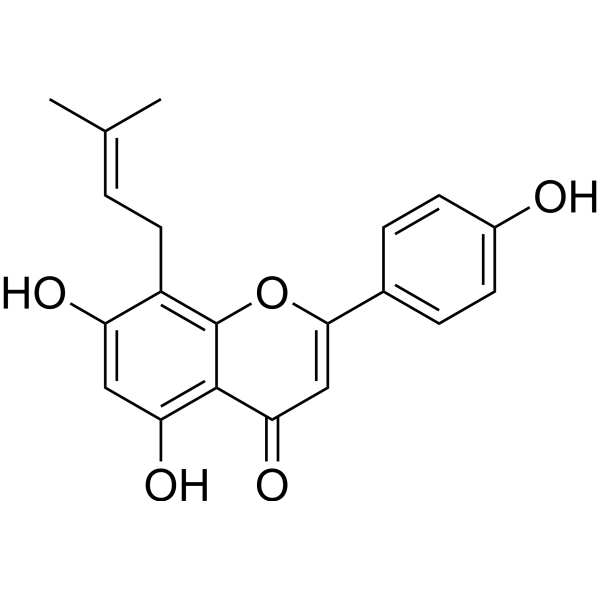
    Licoflavone C
    1 Publications Verification

    Apoptosis Caspase Estrogen Receptor/ERR Cardiovascular Disease Infection
    Licoflavone C is a broad-spectrum antiviral inhibitor with estrogen-like properties. Licoflavone C binds to viral endonuclease (CEN) and inhibits the replication of various bunyaviruses including severe fever with thrombocytopenia syndrome virus (SFTSV) and lymphocytic choriomeningitis virus in a non-substrate competitive manner. The IC50 values of Licoflavone C against SFTSV CEN and SFTSV CEN are 35.5 μM and 135.8 μM, respectively, and its Kd value against SFTSV CEN is 9.53 μM. After viral entry into cells, Licoflavone C reduces viral loads in mouse tissues in a dose-dependent manner, and exhibits extremely low cytotoxicity and genotoxicity. Licoflavone C induces apoptosis by increasing caspase 3/7 activity, blocks the cell cycle, and alleviates chemotherapy-induced chromosomal damage. Licoflavone C is applicable to the research on severe fever with thrombocytopenia syndrome and related viral infection mechanisms .
    Licoflavone C
  • HY-120836
    AOH1160
    1 Publications Verification

    DNA/RNA Synthesis Apoptosis Cancer
    AOH1160 is a potent oral small molecule proliferating cell nuclear antigen (PCNA) inhibitor that interferes with DNA replication, blocks homologous recombination-mediated DNA repair, leads to cell cycle arrest and induces apoptosis .
    AOH1160
  • HY-176871

    PROTACs SWI/SNF Complex DNA/RNA Synthesis Cancer
    PROTAC SMARCA2 degrader-35 (Compound 43) is a selective SMARCA2 PROTAC degrader with a DC50 < 0.1 μM for SMARCA2. PROTAC SMARCA2 degrader-35 has anticancer activity and regulates cancer cell proliferation and growth through cell cycle arrest and DNA replication inhibition in SMARCA4-deleted cancer cells .
    PROTAC SMARCA2 degrader-35
  • HY-B0277A

    ara-AMP; ara-A 5'-monophosphate

    EBV HSV Fungal DNA/RNA Synthesis Apoptosis Drug Intermediate Reactive Oxygen Species (ROS) Infection
    Vidarabine phosphate (ara-AMP; ara-A 5'-monophosphate) is a purine nucleoside antiviral agent and a prodrug of Vidarabine (HY-B0277). Vidarabine phosphate is rapidly converted into the antiviral active Vidarabine in vivo, which selectively inhibits viral DNA polymerase and cellular ribonucleotide reductase, thereby blocking viral replication. Vidarabine phosphate also exhibits antifungal activity, induces late-stage cellular apoptosis, and causes cell cycle arrest. Vidarabine phosphate can be used in research related to severe chronic active Epstein-Barr virus (EBV) infection, herpes infection, and candidiasis .
    Vidarabine phosphate
  • HY-124012

    DNA/RNA Synthesis Apoptosis Cancer
    PCNA-I1 is a selective small molecule inhibitor targeting proliferating cell nuclear antigen (PCNA) with anticancer activity. PCNA-I1 can stabilize the PCNA trimer structure (Kd=0.14-0.41μM), reduce its binding to chromatin, induce tumor cell cycle arrest, inhibit DNA replication and repair, and enhance the anti-tumor effect of DNA damaging agents. PCNA-I1 can be used in the study of targeted therapy for prostate cancer, lung cancer and other tumors .
    PCNA-I1
  • HY-17026A

    dFdCTP

    Drug Metabolite DNA/RNA Synthesis Apoptosis Cancer
    Gemcitabine triphosphate (dFdCTP) is the active metabolite of Gemcitabine (HY-17026). The mechanism of Gemcitabine triphosphate cell-killing is its competition with cytidine triphosphate during DNA replication, which results in the inhibition of chain elongation. Gemcitabine triphosphate shows a Ki of 11.2 μM against DNA polymerase α and 14.4 μM against DNA polymerase ε. Gemcitabine triphosphate partially inhibits dCMP deaminase and acts as a substrate for DNA synthesis to incorporate into cellular DNA and RNA. Gemcitabine triphosphate disrupts DNA and RNA synthesis, arrests cell cycle in G0/G1 and S phases, triggers apoptosis, reduces tumor cell proliferation. Gemcitabine triphosphate can be used for the research of pancreatic cancer and non-small cell lung cancer .
    Gemcitabine triphosphate
  • HY-N1401
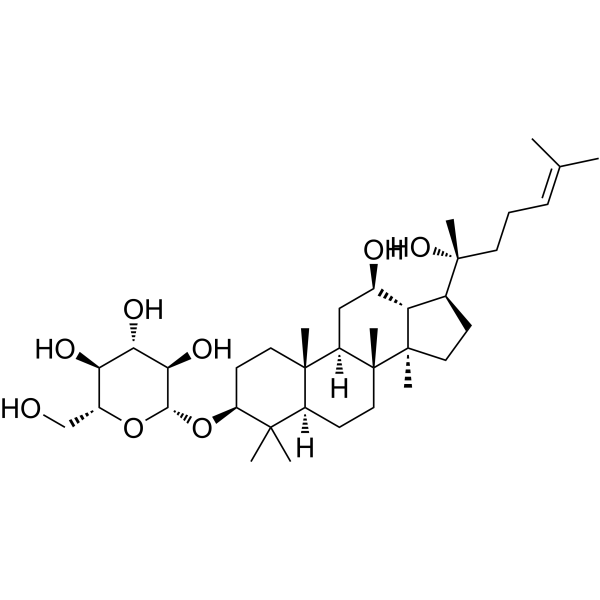
    20(R)-Ginsenoside Rh2
    2 Publications Verification

    MMP Apoptosis HSV DNA/RNA Synthesis NO Synthase Prostaglandin Receptor Reactive Oxygen Species (ROS) Akt Infection Inflammation/Immunology Cancer
    20(R)-Ginsenoside Rh2 is an orally active protopanaxadiol-type saponin with multiple biological activities. 20(R)-Ginsenoside Rh2 exerts a significant inhibitory effect on non-small cell lung cancer and liver cancer by inducing cell cycle arrest and promoting apoptosis. 20(R)-Ginsenoside Rh2 exerts anti-γ-herpesvirus effects by inhibiting viral DNA replication. 20(R)-Ginsenoside Rh2 inhibits inflammatory mediators by reducing the levels of NO, PGE2, and ROS; it can delay skin photoaging by reducing ROS and inhibiting MMP-9/2 activity. 20(R)-Ginsenoside Rh2 accelerates the recovery after muscle injury by activating the Akt1/PKB signaling pathway. 20(R)-Ginsenoside Rh2 can inhibit osteoclast formation and exert an anti-osteoporosis effect .
    20(R)-Ginsenoside Rh2
  • HY-13629R
    Etoposide (Standard)
    1 Publications Verification

    VP-16 (Standard); VP-16-213 (Standard)

    Reference Standards Topoisomerase Autophagy Mitophagy Bacterial Apoptosis Antibiotic Infection Cancer
    Etoposide (Standard) is the analytical standard of Etoposide. This product is intended for research and analytical applications. Etoposide (VP-16; VP-16-213) is an anti-cancer chemotherapy agent. Etoposide inhibits topoisomerase II, thus stopping DNA replication. Etoposide induces cell cycle arrest, apoptosis and autophagy .
    Etoposide (Standard)
  • HY-P2988B

    Bacterial HIV Infection
    Neuraminidase, arthrobacter ureafaciens is a neuraminidase derived from Arthrobacter ureafaciens. Neuraminidase, arthrobacter ureafaciens catalyzes the removal of sialic acid residues from cell surfaces and viral glycoconjugates. Neuraminidase, arthrobacter ureafaciens enhances HIV-1-mediated syncytium formation and promotes the viral binding and entry steps in the HIV-1 replication cycle .
    Neuraminidase, arthrobacter ureafaciens
  • HY-159828

    VH-499; VH4011499

    HIV Infection
    Dezecapavir is a HIV-1 capsid protein inhibitor. Dezecapavir exhibits picomolar-level antiviral activity against a variety of HIV-1 laboratory strains and clinical isolates in vitro. Dezecapavir inhibits the early and late stages of the HIV-1 life cycle, blocking nuclear import, reverse transcript production, virion assembly, maturation, and post-nuclear import/pre-integration replication processes. Dezecapavir can be used in studies related to HIV-1 infection .
    Dezecapavir
  • HY-147020

    NK01-63

    SARS-CoV Infection
    Coronastat is a potent inhibitor of the SARS-CoV-2 3CL protease. The SARS-CoV-2 3CL protease is a critical agent target for small molecule COVID-19, given its likely agentgability and essentiality in the viral maturation and replication cycle .
    Coronastat
  • HY-W009245

    HIV Infection Cancer
    Bz-RS-iSer(3-Ph)-OMe (compound 2), a Taxol derivative, inhibits HSV replication cycle at low cytotoxicity, blocks mitotic divisions of Vero cells, influences M-MSV induced tumor size and affects immune response by inhibiting PHA-induced T lymphocyte proliferation .
    Bz-RS-iSer(3-Ph)-OMe
  • HY-135319

    Bacterial Antibiotic ERK JNK NF-κB ROR Apoptosis Caspase GSK-3 Akt PI3K Infection Metabolic Disease Inflammation/Immunology Cancer
    Strictinin is an orally active phenolic compound. Strictinin reduces xanthine oxidase activity, uric acid production, and the activation of ERK1/2, JNK, NF-κB, and NLRP3 inflammasome components in hepatocytes treated with Xanthine (HY-W017389). Strictinin decreases elevated serum uric acid levels and enhanced xanthine oxidase activity in mice treated with potassium oxonate. Strictinin acts as a ROR1 inhibitor and exhibits anticancer activity against highly aggressive non-androgen-dependent prostate cancer. Strictinin induces cancer cell apoptosis (apoptosis), arrests cell cycle, and inhibits cancer cell migration, invasion, and epithelial-mesenchymal transition. Strictinin modulates gut microbiota, inhibits bacterial growth and biofilm formation, accelerates small intestinal transit, and blocks viral entry and replication. Strictinin can be used in research related to hyperuricemia, androgen receptor-negative non-androgen-dependent prostate cancer, triple-negative breast cancer, bacterial infections, constipation, coronavirus infections, dental caries, and infections caused by influenza A, influenza B, and human parainfluenza virus type 1 .
    Strictinin
  • HY-158170

    CDK Cancer
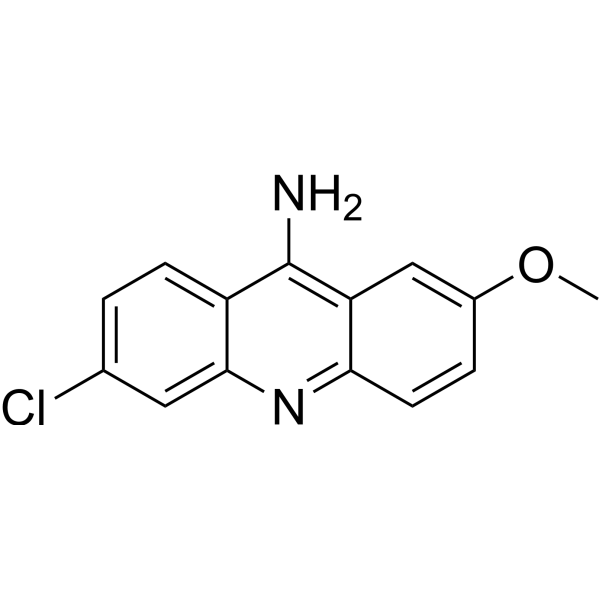
    CDK7-IN-28 (CDK7-1276) is a potent CDK7 inhibitor(IC50<5 nM). CDK7-IN-28 can inhibit proliferation of MDA-MB-468 cell line by blocking cell cycle and inhibiting DNA replication .
    CDK7-IN-28
  • HY-115567

    1-(β-D-2-Deoxyribofuranosyl)-5-nitroindole

    Apoptosis Cancer
    5-NIdR (1-(β-D-2-Deoxyribofuranosyl)-5-nitroindole), an artificial nucleoside, exhibits the ability to inhibit the replication of DNA lesions generated by Temozolomide (HY-17364). 5-NIdR induces cancer cells apoptosis and arrests cell cycle at G0 phase. 5-NIdR enhances Temozolomide anti-tumor efficacy in murine glioblastoma model .
    5-NIdR
  • HY-121663

    Dengue Virus Infection
    ST-148 is a novel small molecule compound that has potent inhibitory effects against all four dengue virus serotypes. In the nonlethal AG129 mouse dengue virus infection model, ST-148 significantly reduced viremia and viral load in vital organs and tended to reduce plasma cytokine levels. Compound resistance was associated with the dengue virus capsid (C) gene, and the direct interaction of ST-148 with the C protein was presumed to be achieved through the protein's built-in fluorescence change in the presence of the compound. Therefore, ST-148 appears to interact with the dengue virus C protein and inhibit one or more unique steps of the viral replication cycle.
    ST-148
  • HY-N0488S

    Leurocristine-d3 sulfate; NSC-67574-d3 sulfate; 22-Oxovincaleukoblastine-d3 sulfate

    Isotope-Labeled Compounds Apoptosis Microtubule/Tubulin Mitosis Cancer
    Vincristine-d3 sulfate is the deuterium labeled Vincristine sulfate. Vincristine sulfate (Leurocristine; NSC-67574; 22-Oxovincaleukoblastine) is a microtubule inhibitor that disrupts microtubule polymerization by binding to β-tubulin (with a Ki of 85 nM in bovine), arrests the cell cycle and induces apoptosis. Vincristine sulfate inhibits cell replication, tumor blood flow and the proliferation of various cancer cells, while triggering effects such as oxidative stress, inflammation, calcium overload, epithelial-mesenchymal transition and peripheral neuropathic pain. Vincristine sulfate upregulates the expression of various transporters and nuclear receptors, and enriches gastric cancer stem-like cells. Vincristine sulfate is used in research related to various tumors including acute lymphoblastic leukemia, lymphoma, melanoma, gastric cancer, solid tumors and sarcomas .
    Vincristine-d3 sulfate
  • HY-N16420

    DNA/RNA Synthesis Apoptosis Cancer
    Illudin B is a DNA-targeting cytotoxin that forms interstrand DNA crosslinks via covalent binding, disrupting DNA replication and transcription. Illudin B induces cell cycle arrest and apoptosis, showing toxicity against multiple tumor cells (e.g., leukemia, breast, lung cancer) .
    Illudin B
  • HY-B0439S1

    Sulphadoxine d3

    Parasite Antibiotic Infection
    Sulfadoxine-d3 is a deuterium labeled Sulfadoxine (HY-B0439). Sulfadoxine is a sulfonamide that is used, usually in combination with Pyrimethamine(HY-18062), for multidrug-resistant Plasmodium falciparum and P. vivax inhibition. Unlike PYR, Sulfadoxine has no impact on HIV replication or MT-2 cell cycle progression. But also Sulfadoxine exhibits suppression on respiratory, and urinary tract infections .
    Sulfadoxine D3
  • HY-179157

    PROTACs Checkpoint Kinase (Chk) DNA/RNA Synthesis Apoptosis Bcl-2 Family Caspase Cancer
    MA203 is a highly efficient and selective PROTAC degrader targeting CHK1. MA203 accelerates CRBN-dependent proteasomal degradation of CHK1 in solid tumor-derived cells and acute leukemia cells. MA203 induces DNA replication stress. MA203 blocks cell cycle progression and triggers tumor cell apoptosis. MA203 does not damage healthy differentiated and primitive hematopoietic cells, stromal cells, and retinal epithelial cells. MA203 can be used for the study of CHK1-dependent cancers .
    MA203
  • HY-130519

    CDK Cancer
    Cdc7-IN-7 (compound I-E) is a potent Cdc7 kinase inhibitor extracted from patent WO2019165473A1, compound I-E. Cdc7 is a serine-threonine protein kinase enzyme which is essential for the initiation of DNA replication in the cell cycle .
    Cdc7-IN-7
  • HY-178741

    HIV Infection
    KFA-027 is a HIV-1 inhibitor, with an IC50 of 0.398 nM. KFA-027 inhibits capsid-dependent early steps (reverse transcription, nuclear import, integration) and late-stage aberrant capsid assembly in the HIV-1 replication cycle. KFA-027 can be used for the study of multidrug-resistant HIV-1 infections .
    KFA-027
  • HY-W744243

    VP-16-d4; VP-16-213-d4

    Isotope-Labeled Compounds Apoptosis Topoisomerase Bacterial Autophagy Mitophagy Antibiotic Cancer
    Etoposide-d4 (VP-16-d4; VP-16-213-d4) is the deuterium labeled Etoposide (HY-13629). Etoposide (VP-16; VP-16-213) is an anti-cancer chemotherapy agent. Etoposide inhibits topoisomerase II, thus stopping DNA replication. Etoposide induces cell cycle arrest, apoptosis and autophagy .
    Etoposide-d4
  • HY-178158

    Farnesyl Transferase Apoptosis DNA/RNA Synthesis Cancer
    SQS-IN-1 is a squalene synthase (SQS) inhibitor. SQS-IN-1 exhibits potent and broad-spectrum anti-proliferative effects on both mouse and human lung cancer cell lines. SQS-IN-1 inhibits DNA replication and the cell cycle, causing mitochondrial hyperpolarization and inducing cell apoptosis. SQS-IN-1 inhibits cell migration and invasion. SQS-IN-1 can be used to the study of lung cancer .
    SQS-IN-1
  • HY-B0277R

    Ara-A (Standard); Adenine Arabinoside (Standard); 9-β-D-Arabinofuranosyladenine (Standard)

    Reference Standards Apoptosis Fungal Reactive Oxygen Species (ROS) EBV HSV Antibiotic DNA/RNA Synthesis Drug Metabolite Infection
    Vidarabine (Ara-A) (Standard) is the analytical standard of Vidarabine. This product is intended for research and analytical applications. Vidarabine is a nucleoside antibiotic isolated from Streptomyces, and a metabolite of Vidarabine phosphate (HY-B0277A). Vidarabine selectively inhibits viral DNA polymerase and cellular ribonucleotide reductase, thereby blocking viral replication. Vidarabine phosphate also exhibits antifungal activity, induces late-stage cellular apoptosis, and causes cell cycle arrest. Vidarabine phosphate can be used in research related to severe chronic active Epstein-Barr virus (EBV) infection, herpes infection, and candidiasis .
    Vidarabine (Standard)
  • HY-N0488S2

    Leurocristine-d6 sulfate; NSC-67574-d6 sulfate; 22-Oxovincaleukoblastine-d6 sulfate

    Isotope-Labeled Compounds Apoptosis Mitosis Microtubule/Tubulin Cancer
    Vincristine-d6 (sulfate) is the deuterium labeled Vincristine sulfate. Vincristine sulfate (Leurocristine; NSC-67574; 22-Oxovincaleukoblastine) is a microtubule inhibitor that disrupts microtubule polymerization by binding to β-tubulin (with a Ki of 85 nM in bovine), arrests the cell cycle and induces apoptosis. Vincristine sulfate inhibits cell replication, tumor blood flow and the proliferation of various cancer cells, while triggering effects such as oxidative stress, inflammation, calcium overload, epithelial-mesenchymal transition and peripheral neuropathic pain. Vincristine sulfate upregulates the expression of various transporters and nuclear receptors, and enriches gastric cancer stem-like cells. Vincristine sulfate is used in research related to various tumors including acute lymphoblastic leukemia, lymphoma, melanoma, gastric cancer, solid tumors and sarcomas .
    Vincristine-d6 sulfate
  • HY-N0488S1

    Leurocristine-d3-1 sulfate; NSC-67574-d3-1 sulfate; 22-Oxovincaleukoblastine-d3-1 sulfate

    Isotope-Labeled Compounds Apoptosis Mitosis Microtubule/Tubulin Cancer
    Vincristine-d3 sulfate is the deuterium labeled Vincristine sulfate. Vincristine-1 sulfate (Leurocristine; NSC-67574; 22-Oxovincaleukoblastine) is a microtubule inhibitor that disrupts microtubule polymerization by binding to β-tubulin (with a Ki of 85 nM in bovine), arrests the cell cycle and induces apoptosis. Vincristine-1 sulfate inhibits cell replication, tumor blood flow and the proliferation of various cancer cells, while triggering effects such as oxidative stress, inflammation, calcium overload, epithelial-mesenchymal transition and peripheral neuropathic pain. Vincristine-1 sulfate upregulates the expression of various transporters and nuclear receptors, and enriches gastric cancer stem-like cells. Vincristine-1 sulfate is used in research related to various tumors including acute lymphoblastic leukemia, lymphoma, melanoma, gastric cancer, solid tumors and sarcomas .
    Vincristine-d3-1 sulfate
  • HY-N0488R

    Leurocristine sulfate (Standard); NSC-67574 sulfate (Standard); 22-Oxovincaleukoblastine sulfate (Standard)

    Reference Standards Apoptosis Microtubule/Tubulin Mitosis Cancer
    Vincristine (sulfate) (Standard) is the analytical standard of Vincristine (sulfate). This product is intended for research and analytical applications. Vincristine sulfate (Leurocristine; NSC-67574; 22-Oxovincaleukoblastine) is a microtubule inhibitor that disrupts microtubule polymerization by binding to β-tubulin (with a Ki of 85 nM in bovine), arrests the cell cycle and induces apoptosis. Vincristine sulfate inhibits cell replication, tumor blood flow and the proliferation of various cancer cells, while triggering effects such as oxidative stress, inflammation, calcium overload, epithelial-mesenchymal transition and peripheral neuropathic pain. Vincristine sulfate upregulates the expression of various transporters and nuclear receptors, and enriches gastric cancer stem-like cells. Vincristine sulfate is used in research related to various tumors including acute lymphoblastic leukemia, lymphoma, melanoma, gastric cancer, solid tumors and sarcomas .
    Vincristine sulfate (Standard)
  • HY-121777

    DNA/RNA Synthesis Cancer
    SFOM-0046 arrests cell cycle in S-phase and causes DNA replication stress leading to the phosphorylation of H2AX into γ-H2AX. SFOM-0046 induces DNA damages. SFOM-0046 is a potent anticancer agent .
    SFOM-0046
  • HY-E70085

    DNA/RNA Synthesis Infection
    Moloney murine leukemia virus RT is a monomeric reverse transcriptase from Moloney murine leukemia virus (MMLV). Moloney murine leukemia virus RT is a replicative polymerase that play an essential role in the life cycle of the retrovirus .
    Moloney murine leukemia virus RT
  • HY-130515

    CDK Cancer
    Cdc7-IN-3 (compound I-A) is a potent Cdc7 kinase inhibitor extracted from patent WO2019165473A1, compound I-B. Cdc7 is a serine-threonine protein kinase enzyme which is essential for the initiation of DNA replication in the cell cycle .
    Cdc7-IN-3
  • HY-P10509

    CMV Infection
    IE1 peptide refers to an antigenic peptide encoded by the immediate early (IE) gene of mouse cytomegalovirus (mCMV). IE1 peptide is one of the key antigenic peptides expressed during mCMV infection, plays a role in transcriptional activation in the life cycle of mCMV, and is one of the earliest genes expressed in the viral replication cycle. IE1 peptide is an important target for CD8+ T cell response and can be used to study the host immune response to mCMV infection .
    IE1 peptide
  • HY-130517

    CDK Cancer
    Cdc7-IN-5 (compound I-B) is a potent Cdc7 kinase inhibitor extracted from patent WO2019165473A1, compound I-B. Cdc7 is a serine-threonine protein kinase enzyme which is essential for the initiation of DNA replication in the cell cycle .
    Cdc7-IN-5
  • HY-130516

    CDK Cancer
    Cdc7-IN-4 (compound I-C) is a potent Cdc7 kinase inhibitor extracted from patent WO2019165473A1, compound I-C. Cdc7 is a serine-threonine protein kinase enzyme which is essential for the initiation of DNA replication in the cell cycle .
    Cdc7-IN-4
  • HY-13629S

    VP-16-d3; VP-16-213-d3

    Isotope-Labeled Compounds Topoisomerase Antibiotic Apoptosis Bacterial Autophagy Mitophagy Infection Cancer
    Etoposide-d3 (VP-16-d3) is the deuterium labeled Etoposide (HY-13629). Etoposide (VP-16) is an anti-cancer chemotherapy agent. Etoposide inhibits topoisomerase II, thus stopping DNA replication. Etoposide induces cell cycle arrest, apoptosis and autophagy .
    Etoposide-d3
  • HY-13629S1

    VP-16-13C,d3; VP-16-213-13C,d3

    Isotope-Labeled Compounds Topoisomerase Autophagy Mitophagy Bacterial Apoptosis Antibiotic Infection Cancer
    Etoposide- 13C,d3 is the 13C- and deuterium labeled Etoposide. Etoposide (VP-16; VP-16-213) is an anti-cancer chemotherapy agent. Etoposide inhibits topoisomerase II, thus stopping DNA replication. Etoposide induces cell cycle arrest, apoptosis and autophagy .
    Etoposide-13C,d3
  • HY-169429

    Flavivirus Infection
    CHIKV-IN-5 (Compound 26) is a CHIKV inhibitor (EC90 = 0.45 μM). CHIKV-IN-5 inhibits CHIKV replication at a late stage in the virus life cycle by blocking structural protein translation. CHIKV-IN-5 has great in vitro mouse microsomal stability. CHIKV-IN-5 reduces footpad swelling and decreases virus dissemination to other tissues in mice infected with CHIKV .
    CHIKV-IN-5
  • HY-168497

    Histone Methyltransferase Cancer
    C-MS023 is a photo-activatable MS023 (HY-19615) prodrug, achieving spatiotemporal inhibition of Histone Arginine Asymmetric Dimethylation. C-MS023 inhibits PRMT6 mediated asymmetric dimethylation of H3 arginine 2 (H3R2me2a), with an estimate IC50 of 0.2224 μM. The photolysis of C-MS023 could be triggered by visible light irradiation at 420 nm, thereby liberating MS023 for effective downregulation of histone arginine asymmetric dimethylation and DNA replication-related transcriptomic activities .
    C-MS023
  • HY-173338

    DNA/RNA Synthesis Infection
    MSRV-IN-1 (Compound M3) is an inhibitor targeting aquatic rhabdoviruses (such as MSRV, SVCV and IHNV). Its IC50 values for inhibiting MSRV, SVCV and IHNV are 0.92 μM, 2.92 μM and 2.78 μM respectively. MSRV-IN-1 does not act directly on the virions but rather inhibits viral replication by altering the cell cycle arrest state in the S phase induced by the virus and disrupting the viral replication environment. When administered intraperitoneally at a dose of 20 mg/kg, MSRV-IN-1 can significantly increase the survival rate of largemouth bass infected with MSRV by 35.98% and reduce the viral loads in the liver, spleen and kidney. MSRV-IN-1 can be used in the research of diseases related to rhabdoviruses in aquaculture .
    MSRV-IN-1

Inquiry Online

Your information is safe with us. * Required Fields.

Salutation


Country or Region *

Applicant Name *


Organization Name *

Department *


Email Address *


Product Name *

Cat. No.


Requested quantity *

Phone Number *


Remarks

Inquiry Online

Inquiry Information

Product Name:
Cat. No.:
Quantity:
MCE Japan Authorized Agent:

