Search Result
Results for "
selective JAK inhibitor
" in MedChemExpress (MCE) Product Catalog:
2
Biochemical Assay Reagents
15
Isotope-Labeled Compounds
| Cat. No. |
Product Name |
Target |
Research Areas |
Chemical Structure |
-
- HY-50856
-
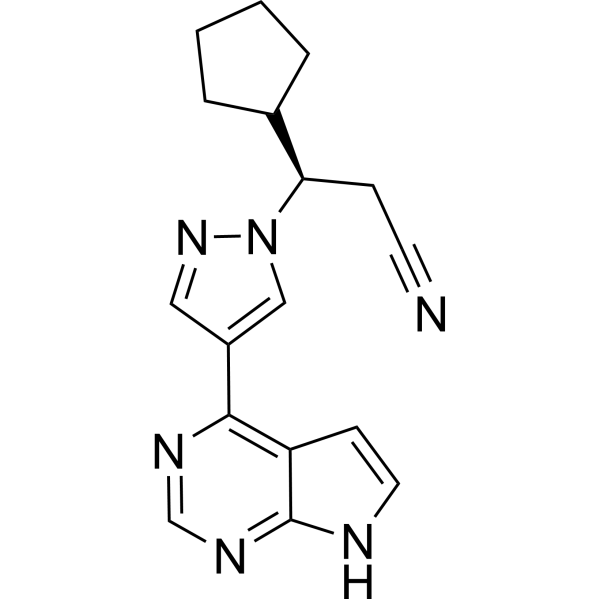
Ruxolitinib
Maximum Cited Publications
259 Publications Verification
INCB18424
|
JAK
Autophagy
Mitophagy
Apoptosis
|
Cancer
|
|
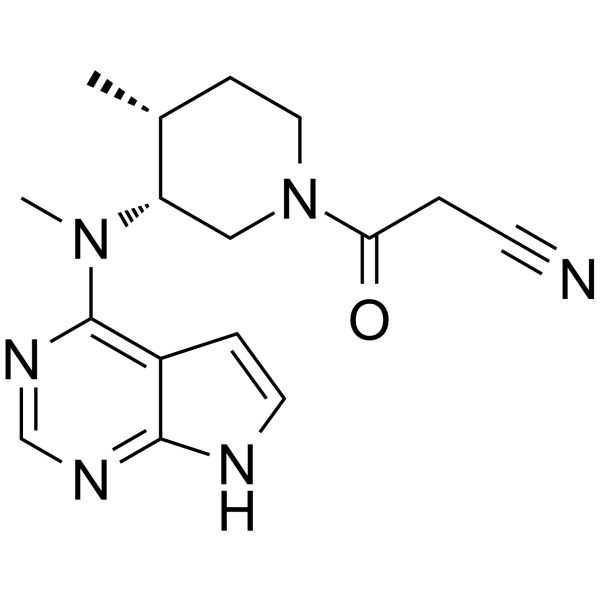
Ruxolitinib (INCB18424) is an orally active and selective JAK1/2 inhibitor with IC50s of 3.3 nM and 2.8 nM in cell-free assays, and has 130-fold selectivity for JAK1/2 over JAK3 . Ruxolitinib induces autophagy and kills tumor cells through toxic mitophagy .
|
-
-
- HY-15315
-
|
LY3009104; INCB028050
|
JAK
|
Inflammation/Immunology
|
|
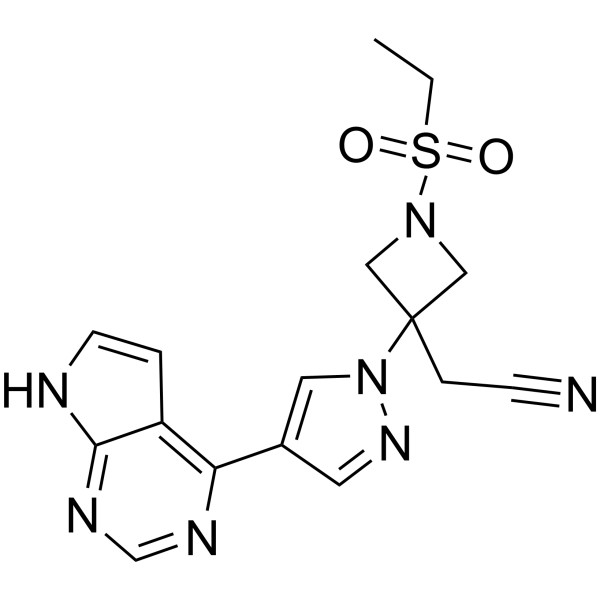
Baricitinib (LY3009104; INCB028050) is a selective and orally bioavailable JAK1 and JAK2 inhibitor with IC50s of 5.9 nM and 5.7 nM, respectively.
|
-
-
- HY-19569
-
|
ABT-494
|
JAK
|
Inflammation/Immunology
|
|
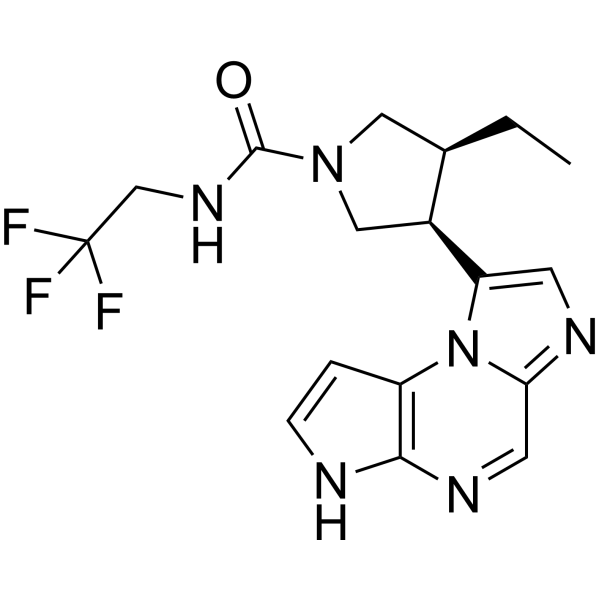
Upadacitinib (ABT-494) is a potent, orally active and selective Janus kinase 1 (JAK1) inhibitor (IC50=43 nM). Upadacitinib (ABT-494) displays approximately 74 fold selective for JAK1 over JAK2 (200 nM) in cellular assays dependent on specific, relevant cytokines. Upadacitinib (ABT-494) can be used for several autoimmune disorders research .
|
-
-
- HY-10409
-
|
TG-101348; SAR 302503
|
JAK
Apoptosis
|
Cancer
|
|
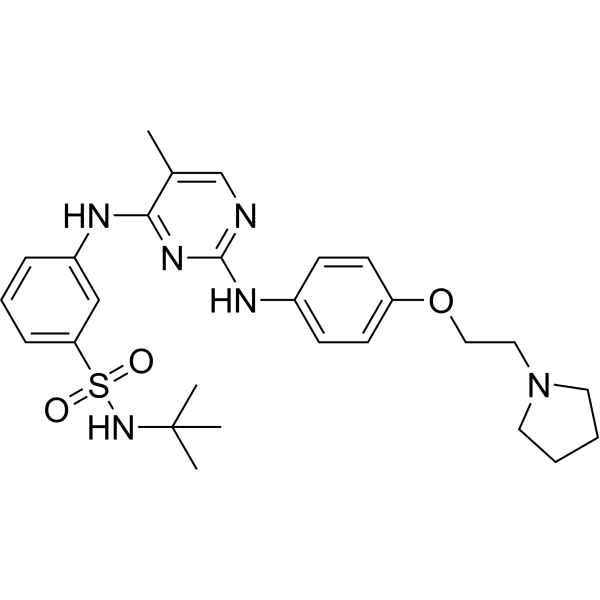
Fedratinib (TG-101348) is a potent, selective, ATP-competitive and orally active JAK2 inhibitor with IC50s of 3 nM for both JAK2 and JAK2V617F kinase. Fedratinib shows 35- and 334-fold selectivity over JAK1 and JAK3, respectively. Fedratinib induces cancer cell apoptosis and has the potential for myeloproliferative disorders research .
|
-
-
- HY-50858
-
|
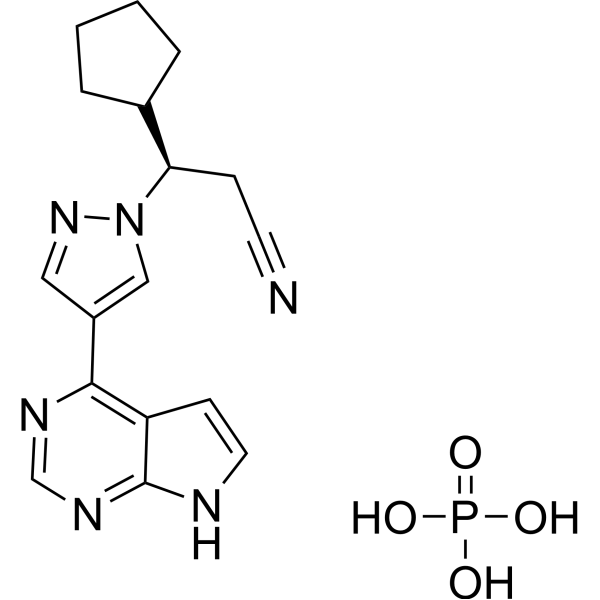
INCB018424 phosphate
|
JAK
Autophagy
Mitophagy
|
Cancer
|
|
Ruxolitinib phosphate (INCB018424 phosphate) is a potent JAK1/2 inhibitor with IC50s of 3.3 nM/2.8 nM, respectively, showing more than 130-fold selectivity over JAK3.
|
-
-
- HY-18300
-
|
GLPG0634
|
JAK
HIV
|
Cancer
|
|
Filgotinib (GLPG0634) is a selective, orally available JAK1 inhibitor with anti-inflammatory and antiviral activities. Filgotinib can effectively inhibit the activities of JAK1, JAK2, JAK3 and TYK2 with IC50 values of 10 nM, 28 nM, 810 nM and 116 nM, respectively. Filgotinib also inhibits HIV-1 driven gene transcription and reduces proliferation of HIV-1 infected cells. Filgotinib can be used in the study of rheumatoid arthritis and inflammatory bowel disease .
|
-
-
- HY-107361
-
|
AZD4205
|
JAK
|
Cancer
|
|
Golidocitinib (AZD4205) is a selective JAK1 inhibitor, with an IC50 of 73 nM, weakly inhibits JAK2 (IC50>14.7 μM), and shows little inhibition on JAK3 (IC50>30 μM) .
|
-
-
- HY-15315A
-
|
LY3009104 phosphate; INCB028050 phosphate
|
JAK
|
Inflammation/Immunology
|
|
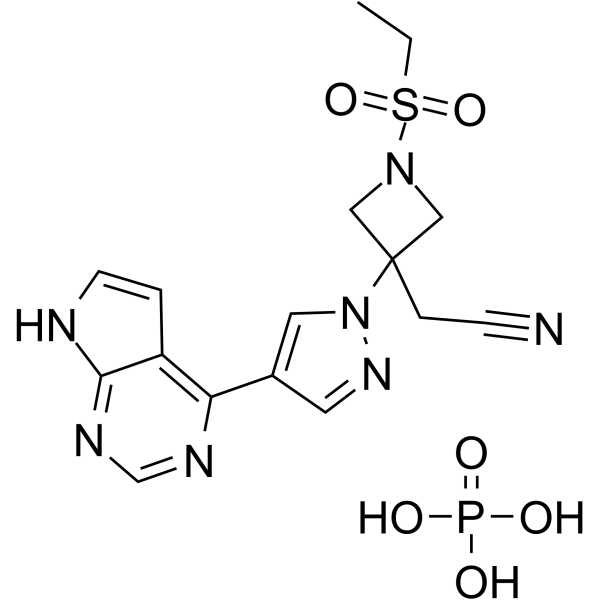
Baricitinib phosphate (LY3009104 phosphate; INCB028050 phosphate) is a selective orally bioavailable JAK1/JAK2 inhibitor with IC50 of 5.9 nM and 5.7 nM, respectively.
|
-
-
- HY-N1405
-
|
Elatericin B; JSI-124; NSC-521777
|
STAT
JAK
|
Cancer
|
|
Cucurbitacin I is a natural selective inhibitor of JAK2/STAT3, with potent anti-cancer activity.
|
-
-
- HY-15270
-
|
|
JAK
|
Cancer
|
|
BMS-911543 is a selective JAK2 inhibitor, with IC50s of 1.1 nM, less selective at JAK1, JAK3 and TYK2 (IC50, 75, 360, 66 nM, respectively).
|
-
-
- HY-16997
-
|
INCB039110
|
JAK
|
Cancer
|
|
Itacitinib (INCB039110) is an orally active and selective inhibitor of JAK1 with an IC50 of 2 nM for human JAK1. Itacitinib shows >20-fold selectivity for JAK1 over JAK2 and >100-fold over JAK3 and TYK2; Itacitinib is used in the research of myelofibrosis .
|
-
-
- HY-10410
-
|
|
FLT3
JAK
RET
Autophagy
Apoptosis
|
Cancer
|
|
TG101209 is a selective JAK2 inhibitor with IC50 of 6 nM, less potent to Flt3 and RET with IC50 of 25 nM and 17 nM, appr 30-fold selective for JAK2 than JAK3, and sensitive to JAK2V617F and MPLW515L/K mutations.
|
-
-
- HY-10409A
-
|
TG-101348 hydrochloride hydrate; SAR 302503 hydrochloride hydrate
|
JAK
Apoptosis
|
Cancer
|
|
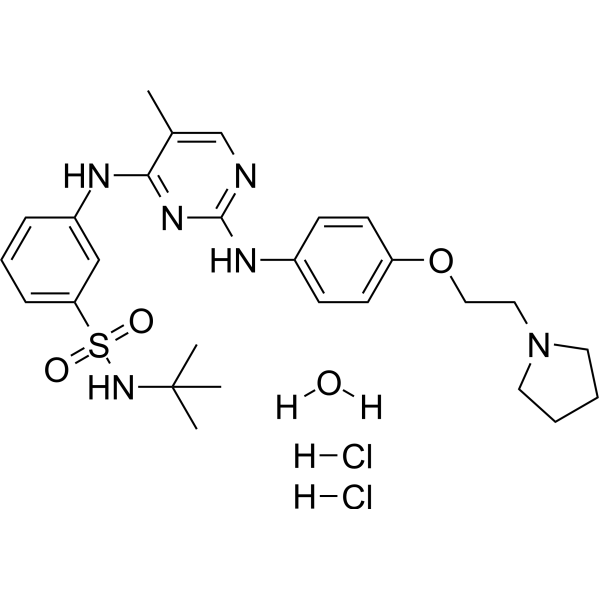
Fedratinib hydrochloride hydrate (TG-101348 hydrochloride hydrate) is a potent, selective, ATP-competitive and orally active JAK2 inhibitor with IC50s of 3 nM for both JAK2 and JAK2V617F kinase. Fedratinib hydrochloride hydrate shows 35- and 334-fold selectivity over JAK1 and JAK3, respectively. Fedratinib hydrochloride hydrate induces cancer cell apoptosis and has the potential for myeloproliferative disorders research .
|
-
-
- HY-112724
-
|
SHR0302
|
JAK
Apoptosis
|
Inflammation/Immunology
Cancer
|
|
Ivarmacitinib (SHR0302) is a potent and orally active all members of the JAK family inhibitor, particularly JAK1. The selectivity of Ivarmacitinib for JAK1 is >10-fold for JAK2, 77-fold for JAK3, 420-fold for Tyk2. Ivarmacitinib inhibits JAK1-STAT3 phosphorylation and induces the apoptosis of hepatic stellate cells. Ivarmacitinib has anti-proliferative and anti-inflammatory effects .
|
-
-
- HY-131906
-
|
|
JAK
FLT3
Apoptosis
|
Cancer
|
|
JAK2-IN-7 is a selective JAK2 inhibitor with IC50s of 3, 11.7, and 41 nM for JAK2, SET-2, and Ba/F3 V617F cells, respectively. JAK2-IN-7 possesses >14-fold selectivity over JAK1, JAK3, FLT3. JAK2-IN-7 stimulates cell cycle arrest in the G0/G1 phase and induces tumor cellapoptosis. Antitumor activities .
|
-
-
- HY-13775
-
XL019
5 Publications Verification
|
JAK
Apoptosis
|
Cancer
|
|
XL019?is a potent, orally active, and selective JAK2 inhibitor, with IC50s of 2.2, 134.3, and 214.2 nM for JAK2, JAK1 and JAK3, respectively. XL019 shows 50-fold or greater selectivity for JAK2, versus a panel of over 100 serine/threonine and tyrosine kinases, including other members of the JAK family. XL019 potently inhibits STAT3 and STAT5 phosphorylation in cells harboring either JAK2V617F or wild-type JAK2 .
|
-
-
- HY-16755
-
|
GSK-2586184; GLPG-0778
|
JAK
|
Inflammation/Immunology
|
|
Solcitinib is an orally active, competitive, potent, selective JAK1 inhibitor, with an IC50 of 9.8 nM, and 11-, 55- and 23-fold selectivity over JAK2, JAK3 and TYK2, respectively; Solcitinib is used in the research of moderate-to-severe plaque-type psoriasis.
|
-
-
- HY-15999
-
|
PRT062070; PRT2070
|
JAK
Syk
|
Cancer
|
|
Cerdulatinib (PRT062070) is a selective Tyk2 inhibitor with an IC50 of 0.5 nM. Cerdulatinib (PRT062070) also is a dual JAK and SYK inhibitor with IC50s of 12, 6, 8 and 32 for JAK1, 2, 3 and SYK, respectively.
|
-
-
- HY-101976
-
|
|
JAK
|
Inflammation/Immunology
|
|
JAK3-IN-6 is a potent, selective irreversible Janus Associated Kinase 3 (JAK3) inhibitor, with an IC50 of 0.15 nM.
|
-
-
- HY-50856R
-
|
INCB18424 (Standard)
|
Reference Standards
JAK
Autophagy
Mitophagy
Apoptosis
|
Cancer
|
|
Ruxolitinib (Standard) is the analytical standard of Ruxolitinib. This product is intended for research and analytical applications. Ruxolitinib (INCB18424) is a potent and selective JAK1/2 inhibitor with IC50s of 3.3 nM and 2.8 nM in cell-free assays, and has 130-fold selectivity for JAK1/2 over JAK3 . Ruxolitinib induces autophagy and kills tumor cells through toxic mitophagy .
|
-
-
- HY-10962
-
|
CYT387 sulfate salt
|
JAK
Autophagy
Apoptosis
|
Cancer
|
|
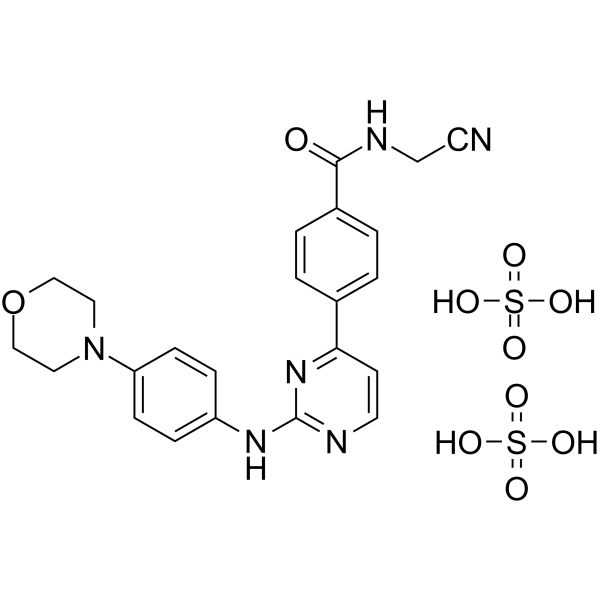
Momelotinib sulfate (CYT387 sulfate salt) is an ATP-competitive inhibitor of JAK1/JAK2 with IC50 of 11 nM/18 nM, 10-fold selectivity versus JAK3 (IC50=155 nM).
|
-
-
- HY-19631A
-
|
NS-018
|
JAK
|
Cancer
|
|
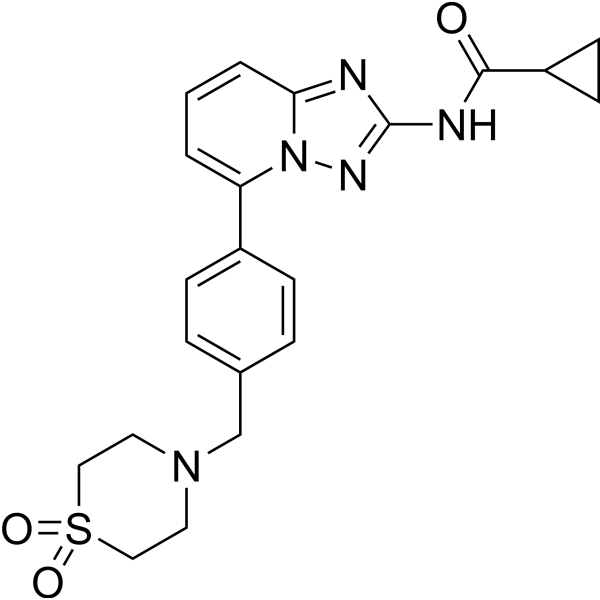
Ilginatinib (NS-018) is a highly active and orally bioavailable JAK2 inhibitor, with an IC50 of 0.72 nM, 46-, 54-, and 31-fold selectivity for JAK2 over JAK1 (IC50, 33 nM), JAK3 (IC50, 39 nM), and Tyk2 (IC50, 22 nM).
|
-
-
- HY-120469
-
|
|
JAK
|
Inflammation/Immunology
|
|
GDC-046 is a potent, selective, and orally bioavailable TYK2 inhibitor with Kis of 4.8, 0.7, 0.7, and 0.4 nM for TYK2, JAK1, JAK2, and JAK3, respectively .
|
-
-
- HY-15315S
-
|
LY3009104-d5; INCB028050-d5
|
JAK
|
Inflammation/Immunology
|
|
Baricitinib-d5 is the deuterium labeled Baricitinib. Baricitinib (LY3009104; INCB028050) is a selective and orally bioavailable JAK1 and JAK2 inhibitor with IC50s of 5.9 nM and 5.7 nM, respectively.
|
-
-
- HY-19631
-
|
NS-018 maleate
|
JAK
|
Cancer
|
|
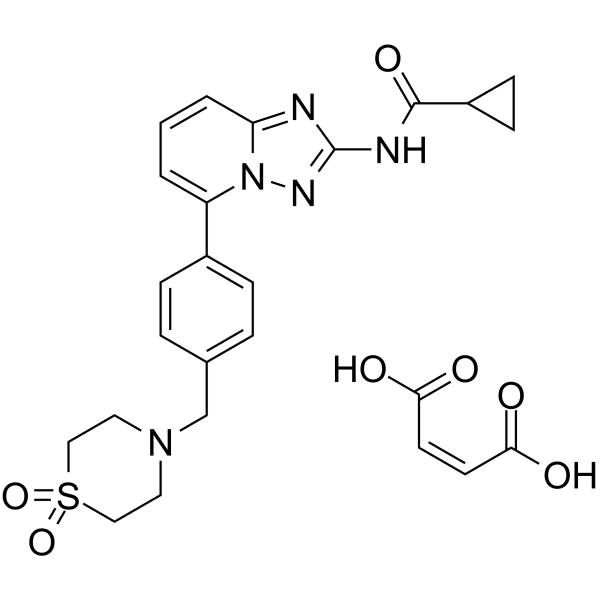
Ilginatinib maleate (NS-018 maleate) is a highly active and orally bioavailable JAK2 inhibitor, with an IC50 of 0.72 nM, 46-, 54-, and 31-fold selectivity for JAK2 over JAK1 (IC50, 33 nM), JAK3 (IC50, 39 nM), and Tyk2 (IC50, 22 nM).
|
-
-
- HY-19631B
-
|
NS-018 hydrochloride
|
JAK
|
Cancer
|
|
Ilginatinib hydrochloride (NS-018 hydrochloride) is a highly active and orally bioavailable JAK2 inhibitor, with an IC50 of 0.72 nM, 46-, 54-, and 31-fold selectivity for JAK2 over JAK1 (IC50, 33 nM), JAK3 (IC50, 39 nM), and Tyk2 (IC50, 22 nM).
|
-
-
- HY-108264
-
|
NIBR3049
|
JAK
PKC
GSK-3
|
Cancer
|
|
TCS 21311 (NIBR3049) is a potent, highly selective JAK3 inhibitor with an IC50 of 8 nM, it displays >100-fold selectivity over JAK1, JAK2 and TYK2. TCS 21311 (NIBR3049) inhibits PKCα, PKCθ, and GSK3β with IC50s of 13, 68, and 3 nM, respectively .
|
-
-
- HY-102046
-
FM-381
2 Publications Verification
|
JAK
|
Inflammation/Immunology
|
|
FM-381, a chemical probe, is a potent covalent reversible inhibitor of JAK3 targeting the unique Cys909. FM-381 has an IC50 of 127 pM for JAK3, with 410, 2700 and 3600-fold selectivity over JAK1, JAK2 and TYK2, respectively .
|
-
-
- HY-101024
-
|
|
JAK
STAT
|
Inflammation/Immunology
|
|
PF-06263276 (PF 6263276) is a potent and selective pan-JAK inhibitor, with IC50s of 2.2 nM, 23.1 nM, 59.9 nM and 29.7 nM for JAK1, JAK2, JAK3 and TYK2, respectively. PF-06263276 inhibits pSTAT3 and TYK2 pathway. PF-06263276 has a protective effect against ear skin inflammation .
|
-
-
- HY-19544
-
|
|
JAK
|
Cancer
|
|
JAK3-IN-1 is a potent, selective and orally active JAK3 inhibitor with an IC50 of 4.8 nM. JAK3-IN-1 shows over 180-fold more selective for JAK3 than JAK1 (IC50 of 896 nM) and JAK2 (IC50 of 1050 nM) .
|
-
-
- HY-13827
-
|
|
JAK
|
Inflammation/Immunology
|
|
JAK-IN-1 is a JAK1/2/3 inhibitor with IC50s of 0.26, 0.8 and 3.2 nM, respectively. JAK-IN-1 shows improved selectivity for JAK3 over JAK1.
|
-
-
- HY-137756
-
|
|
JAK
|
Cancer
|
|
JAK2-IN-6, a multiple-substituted aminothiazole derivative, is a potent and selective JAK2 inhibitor with an IC50 of 22.86 μg/mL. JAK2-IN-6 shows no activity against JAK1 and JAK3. JAK2-IN-6 has anti-proliferative effect against cancer cells .
|
-
-
- HY-161684
-
|
|
JAK
STAT
|
Cancer
|
|
JAK2-IN-10 is a selective JAK2 V617F inhibitor with an IC50 value of ≤10 nM . JAK2-IN-10 can be used for the research of myeloproliferative neoplasms and other related diseases .
|
-
-
- HY-175684
-
|
|
JAK
STAT
Apoptosis
|
Cancer
|
|
JAK2-IN-14 is an orally active JAK2 inhibitor with an IC50 of 2 nM. JAK2-IN-14 demonstrates 89.5-, 80.5-, and 51-fold selectivity over JAK1, JAK3, and TYK2, respectively. JAK2-IN-14 inhibits STAT5 signaling pathway. JAK2-IN-14 causes tumor cell cycle arrest and apoptosis. JAK2-IN-14 can used for the study of myeloproliferative neoplasms (MPNs) .
|
-
-
- HY-152080
-
|
TUL01101
|
JAK
|
Inflammation/Immunology
|
|
Blovacitinib (TUL01101) is a potent, selective and orally active JAK1 inhibitor, with an IC50s of 3, 37, 1517 and 36 nM for JAK1, JAK2, JAK3, and TYK2, respectively. Blovacitinib can be used for the research of rheumatoid arthritis .
|
-
-
- HY-11067
-
WHI-P97
1 Publications Verification
|
JAK
|
Inflammation/Immunology
|
|
WHI-P97 is a potent and selective JAK-3 inhibitor. WHI-P97 is effective in preventing the development allergic asthma in vivo .
|
-
-
- HY-124858
-
|
|
STAT
JAK
Apoptosis
|
Cardiovascular Disease
Cancer
|
|
SC99 is an orally active, selective STAT3 inhibitor targeting JAK2-STAT3 pathway. SC99 docks into the ATP-binding pocket of JAK2. SC99 inhibits phosphorylation of JAK2 and STAT3 with no effects on the other kinases associated with STAT3 signaling. SC99 inhibits platelet activation, aggregation and displays potent anti-myeloma, anti-thrombotic activities .
|
-
-
- HY-153568
-
|
|
JAK
|
Cancer
|
|
JAK1-IN-11 (compound 11) is a potent inhibitor of JAK,with IC50s of 0.02 nM (JAK1),and 0.44 nM (JAK2),respectively. JAK1-IN-11 has high selectivity against JAK1 over JAK2 .
|
-
-
- HY-116505
-
|
|
JAK
|
Cancer
|
|
JAK1-IN-4 is a potent and selective JAK1 inhibitor, with IC50s of 85 nM, 12.8 μM and >30 μM for JAK1, JAK2, and JAK3, respectively. JAK1-IN-4 inhibits STAT3 phosphorylation in NCI-H 1975 cells (IC50, 227 nM) .
|
-
-
- HY-161015
-
|
|
JAK
|
Inflammation/Immunology
|
|
JAK1-IN-13 (compound 36b) is an orally active, potent and highly selective inhibitor of JAK1 with an IC50 of 0.044 nM. JAK1-IN-13 significantly decreases STAT3 phosphorylation .
|
-
-
- HY-13450
-
|
|
JAK
EGFR
|
Inflammation/Immunology
|
|
ZM 449829 is a potent, selective and ATP competitive inhibitor of JAK3, with a pIC50 of 6.8. ZM 449829 will be useful pharmacological tools for the investigation of the JAK3 .
|
-
-
- HY-18300R
-
|
GLPG0634 (Standard)
|
Reference Standards
JAK
|
Cancer
|
|
Filgotinib (Standard) is the analytical standard of Filgotinib. This product is intended for research and analytical applications. Filgotinib (GLPG0634) is a selective and orally active JAK1 inhibitor with IC50 of 10 nM, 28 nM, 810 nM, and 116 nM for JAK1, JAK2, JAK3, and TYK2, respectively.
|
-
-
- HY-100849
-
|
|
JAK
|
Inflammation/Immunology
|
|
JAK3i is a highly selective JAK3 inhibitor (IC50: 0.43 nM). JAK3i forms a covalent bond with a cysteine in JAK3, but not the closely related kinase domains in JAK1, JAK2, or TYK2. JAK3i abolishes IL-2-driven T-cell proliferation in vivo and has the potential for autoimmune disease research .
|
-
-
- HY-19569A
-
|
ABT-494 tartrate tetrahydrate
|
JAK
|
Inflammation/Immunology
|
|
Upadacitinib (ABT-494) tartrate tetrahydrate is a potent, orally active and selective Janus kinase 1 (JAK1) inhibitor (IC50=43 nM). Upadacitinib tartrate tetrahydrate displays approximately 74 fold selective for JAK1 over JAK2 (200 nM) in cellular assays dependent on specific, relevant cytokines. Upadacitinib tartrate tetrahydrate can be used for several autoimmune disorders research .
|
-
-
- HY-148060
-
|
|
JAK
|
Cancer
|
|
JAK-IN-21 (Example 4) is a selective and potent JAK inhibitor with IC50s of 1.73, 2.04, 109 and 62.9 nM against JAK1, JAK2, J2V617F and TYK2, respectively .
|
-
-
- HY-144440
-
|
|
JAK
|
Cancer
|
|
JAK1-IN-9 (compound 23a) is a potent and selective JAK1 inhibitor with an IC50 of 72 nM. JAK1-IN-9 shows selective against other JAKs by 12 times or more .
|
-
-
- HY-119935
-
|
|
JAK
|
Inflammation/Immunology
|
|
JAK3 covalent inhibitor-1 is a potent and selective janus kinase 3 (JAK3) covalent inhibitor with an IC50 of 11 nM and shows 246-fold selectivity vs other JAKs .
|
-
-
- HY-50859
-
|
INCB018424 sulfate
|
JAK
Autophagy
|
Cancer
|
|
Ruxolitinib sulfate (INCB018424 sulfate) is the first potent, selective JAK1/2 inhibitor to enter the clinic with IC50s of 3.3 nM/2.8 nM, and has > 130-fold selectivity for JAK1/2 versus JAK3.
|
-
-
- HY-155746
-
|
|
JAK
|
Infection
Inflammation/Immunology
|
|
JAK2-IN-9 (Compound A8) is a selective JAK2 inhibitor (IC50: 5 nM). JAK2-IN-9 inhibits the phosphorylation of JAK2, STAT3, and STAT5. JAK2-IN-9 has metabolic stabilities. JAK2-IN-9 induces apoptosis. JAK2-IN-9 can be used for research of myeloproliferative neoplasms (MPNs) .
|
-
-
- HY-18300S
-
|
GLPG0634-d4
|
JAK
|
Cancer
|
|
Filgotinib-d4 is the deuterium labeled Filgotinib. Filgotinib (GLPG0634) is a selective JAK1 inhibitor with IC50 of 10 nM, 28 nM, 810 nM, and 116 nM for JAK1, JAK2, JAK3, and TYK2, respectively.
|
-
- HY-146727
-
|
|
JAK
|
Inflammation/Immunology
|
|
JAK3-IN-11 (Compound 12), a potent, noncytotoxic, irreversible, orally active JAK3 inhibitor with IC50 value of 1.7 nM, has excellent selectivity (>588-fold compared to other JAK isoforms), covalently bind to the ATP-binding pocket in JAK3. JAK3-IN-11 strongly inhibits JAK3-dependent signaling and T cell proliferation, is a promising tool for study autoimmune diseases .
|
-
- HY-112724A
-
|
SHR0302 sulfate
|
JAK
Apoptosis
|
Inflammation/Immunology
Cancer
|
|
Ivarmacitinib (SHR0302) sulfate is a potent and orally active all members of the JAK family inhibitor, particularly JAK1. The selectivity of Ivarmacitinib for JAK1 is >10-fold for JAK2, 77-fold for JAK3, 420-fold for Tyk2. Ivarmacitinib inhibits JAK1-STAT3 phosphorylation and induces the apoptosis of hepatic stellate cells. Ivarmacitinib has anti-proliferative and anti-inflammatory effects .
|
-
- HY-10409R
-
|
TG-101348 (Standard); SAR 302503 (Standard)
|
Reference Standards
JAK
Apoptosis
|
Cancer
|
|
Fedratinib (Standard) is the analytical standard of Fedratinib. This product is intended for research and analytical applications. Fedratinib (TG-101348) is a potent, selective, ATP-competitive and orally active JAK2 inhibitor with IC50s of 3 nM for both JAK2 and JAK2V617F kinase. Fedratinib shows 35- and 334-fold selectivity over JAK1 and JAK3, respectively. Fedratinib induces cancer cell apoptosis and has the potential for myeloproliferative disorders research .
|
-
- HY-100759
-
|
|
JAK
|
Cancer
|
|
JAK2-IN-4 (compound 16h) is a selective JAK2/JAK3 inhibitor, with IC50 values of 0.7 nM and 23.2 nM for JAK2 and JAK3, respectively .
|
-
- HY-120604
-
|
NVP_BVB808
|
JAK
STAT
|
Cancer
|
|
BVB808 (NVP_BVB808) is a selective JAK2 inhibitor with approximately 10-fold selectivity for JAK2 over other JAK family members (such as JAK1, JAK3 or TYK2) in vitro. BVB808 inhibits the activity of JAK2 and reduces the phosphorylation of STAT5, thereby blocking the JAK2-dependent cell proliferation and survival signaling pathways. BVB808 can be used in cancer research .
|
-
- HY-10963
-
|
CYT387 mesylate
|
JAK
Autophagy
|
Cancer
|
|
Momelotinib mesylate (CYT387 mesylate) is an ATP-competitive inhibitor of JAK1/JAK2 with IC50 of 11 nM/18 nM, appr 10-fold selectivity versus JAK3.
|
-
- HY-178936
-
|
|
JAK
STAT
|
Inflammation/Immunology
Cancer
|
|
JAK2-IN-15 is an orally active, potent, selective JAK2 inhibitor (IC50 = 1.17 nM). JAK2-IN-15 can inhibit the AK2-STAT signaling pathway. JAK2-IN-15 significantly improves key pathological indicators such as hematocrit and splenomegaly in an Epoetin beta (HY-114134) (rhEPO)-induced mouse model. JAK2-IN-15 can be used for the study of Polycythemia Vera (PV) .
|
-
- HY-143884
-
|
|
JAK
|
Inflammation/Immunology
|
|
JAK2/TYK2-IN-2 is a potent and selective TYK2 inhibitor with IC50 values of 9 and 157 nM for TYK2 and JAK2, respectively. JAK2/TYK2-IN-2 has anti-inflammatory activity .
|
-
- HY-15315AR
-
|
LY3009104 phosphate (Standard); INCB028050 phosphate (Standard)
|
JAK
Reference Standards
|
Inflammation/Immunology
|
|
Baricitinib (phosphate) (Standard) is the analytical standard of Baricitinib (phosphate). This product is intended for research and analytical applications. Baricitinib phosphate (LY3009104 phosphate; INCB028050 phosphate) is a selective orally bioavailable JAK1/JAK2 inhibitor with IC50 of 5.9 nM and 5.7 nM, respectively.
|
-
- HY-143885
-
|
|
JAK
|
Inflammation/Immunology
|
|
JAK1/TYK2-IN-3 is a potent, selective and orally active dual TYK2/JAK1 inhibitor with IC50 values of 6 and 37 nM, respectively. JAK1/TYK2-IN-3 also shows selectively relative to JAK2 (IC50=140 nM) and JAK3 (IC50=362 nM). JAK1/TYK2-IN-3 shows anti-inflammatory effect by regulating the expression of related TYK2/JAK1-regulated genes, as well as the formation of Th1, Th2, and Th17 cells .
|
-
- HY-120457
-
|
|
JAK
STAT
|
Inflammation/Immunology
|
|
WYE-151650 is a selective JAK-3 inhibitor. WYE-151650 suppresses IL-2-induced STAT-5 phosphorylation and cell proliferation mediated by JAK-3. WYE-151650 is promising for research of autoimmune diseases .
|
-
- HY-50856S2
-
|
INCB18424-d9
|
Isotope-Labeled Compounds
Apoptosis
JAK
Autophagy
Mitophagy
|
Cancer
|
|
Ruxolitinib-d9 (INCB18424-d9) is deuterium labeled Ruxolitinib. Ruxolitinib (INCB18424) is an orally active and selective JAK1/2 inhibitor with IC50s of 3.3 nM and 2.8 nM in cell-free assays, and has 130-fold selectivity for JAK1/2 over JAK3 . Ruxolitinib induces autophagy and kills tumor cells through toxic mitophagy .
|
-
- HY-150688
-
|
|
JNK
|
Cancer
|
|
JAK3-IN-13 (compound 12n) is a potent, selective and orally active JAK3 inhibitor with IC50 values of 4728, 2039, 8, 365 nM for NK1, JNK2, JNK3, Tyk2, respectively. JAK3-IN-13 shows antiproliferative activity. JAK3-IN-13 induces cell cycle arrest at G0/G1 phase. JAK3-IN-13 shows antitumor activity .
|
-
- HY-112442
-
|
|
JAK
|
Cancer
|
|
AZ-3 is a potent and selective JAK1 inhibitor with an IC50 of 34 nM.
|
-
- HY-162031
-
|
|
JAK
|
Metabolic Disease
|
|
MMT3-72-M2 is an MMT3-72 metabolite. MMT3-72-M2 is a selective JAK1 inhibitor. MMT3-72-M2 inhibits JAK1, JAK2, TYK2, and JAK3 with IC50 values of 10.8 nM, 26.3 nM, 91.6 nM, 328.7 nM, respectlly .
|
-
- HY-15315S1
-
|
LY3009104-d3; INCB028050-d3
|
JAK
|
Inflammation/Immunology
|
|
Baricitinib-d3 is the deuterium labeled Baricitinib. Baricitinib (LY3009104; INCB028050) is a selective and orally bioavailable JAK1 and JAK2 inhibitor with IC50s of 5.9 nM and 5.7 nM, respectively.
|
-
- HY-139807
-
|
|
JAK
|
Inflammation/Immunology
|
|
JAK-IN-14 is a potent and selective JAK1 inhibitor, with an IC50 of <5 μM. JAK-IN-14 is >8-fold more selective for JAK1 than JAK2 and JAK3 (Patent WO2016119700A1, compound 16) .
|
-
- HY-161139
-
|
|
JAK
|
Inflammation/Immunology
|
|
JAK1-IN-14 (Compound 12a) is a potent and selective JAK1 inhibitor. JAK1-IN-14 inhibits JAK1 and JAK2 with an IC50 value of 12.6 nM and 135 nM. JAK1-IN-14 suppresses hepatic fibrosis levels and can be used for the research of liver fibrosis and inflammatory diseases .
|
-
- HY-153566
-
|
|
JAK
|
Cancer
|
|
JAK1-IN-10 (compound 9), a cyano-substituted cyclic hydrazine derivative, is a potent and selective JAK1 inhibitor .
|
-
- HY-128450
-
-
- HY-U00390
-
|
|
JAK
|
Cancer
|
|
JAK3-IN-7 is a potent and selective JAK3 inhibitor extracted from patent WO2011013785A1, has an IC50 of <0.01 μM.
|
-
- HY-174999
-
|
|
JAK
Tyrosinase
|
Neurological Disease
Inflammation/Immunology
|
|
JAK3-IN-18 is an orally active JAK3 and TEC inhibitor, with IC50s of 0.5391 nM and 12.40 nM, respectively. JAK3-IN-18 demonstrates outstanding selectivity over AK1, AK2, and TYk2, with selectivity ratios exceeding 10,000-fold. JAK3-IN-18 demonstrates excellent therapeutic efficacy in the experimental autoimmune encephalomyelitis (EAE) mouse model. JAK3-IN-18 can be used for the study of multiple sclerosis .
|
-
- HY-133747
-
|
|
JAK
|
Inflammation/Immunology
|
|
JAK3-IN-9 is an orally active JAK3 inhibitor with IC50 value of 1.7 nM. JAK3-IN-9 is highly selective to the JAK3 signal path. JAK3-IN-9 is lowly toxic with high oral bioavailability, shows good anti-arthritis activity. JAK3-IN-9 can be used in autoimmune disease research .
|
-
- HY-149296
-
|
|
JAK
|
Inflammation/Immunology
|
|
JAK1-IN-12 is a selective inhibitor of JAK1, with IC50 of 0.0246 μM. And IC50s of 0.423 μM, 0.410 μM and 1.12 μM for JAK2, JAK3 and TYK2. JAK1-IN-12 promotes hair growth in mice. JAK1-IN-12 can be used for research of immune and inflammatory diseases .
|
-
- HY-161259
-
|
|
JAK
|
Inflammation/Immunology
|
|
JAK-IN-36 (Compound 12e) is a potent and selective inhibitor of Janus Kinase 1 (JAK1) with a IC50 value of 2.2 nM. JAK-IN-36 can be used in the study of autoimmune diseases .
|
-
- HY-10962R
-
|
CYT387 sulfate salt (Standard)
|
JAK
Autophagy
Apoptosis
Reference Standards
|
Cancer
|
|
Momelotinib (sulfate) (Standard) is the analytical standard of Momelotinib (sulfate). This product is intended for research and analytical applications. Momelotinib sulfate (CYT387 sulfate salt) is an ATP-competitive inhibitor of JAK1/JAK2 with IC50 of 11 nM/18 nM, 10-fold selectivity versus JAK3 (IC50=155 nM).
|
-
- HY-16641
-
|
|
JAK
|
Cancer
|
|
JAK1-IN-17 (Compound 31) is a highly selective inhibitor of JAK1 with a Ki of 1.9 nM. JAK1-IN-17 exhibits a low whole blood shift, which allows maintaining good whole blood potency. JAK1-IN-17 is also a nitrile-containing analogue with consistent, yet weak reversible inhibition of CYP3A4 using a midazolam probe (IC50 = 7.9 μM). JAK1-IN-17 can be studied in cancer research .
|
-
- HY-10409AR
-
|
TG-101348 hydrochloride hydrate (Standard); SAR 302503 hydrochloride hydrate (Standard)
|
Reference Standards
JAK
Apoptosis
|
Cancer
|
|
Fedratinib (hydrochloride hydrate) (Standard) is the analytical standard of Fedratinib (hydrochloride hydrate). This product is intended for research and analytical applications. Fedratinib hydrochloride hydrate (TG-101348 hydrochloride hydrate) is a potent, selective, ATP-competitive and orally active JAK2 inhibitor with IC50s of 3 nM for both JAK2 and JAK2V617F kinase. Fedratinib hydrochloride hydrate shows 35- and 334-fold selectivity over JAK1 and JAK3, respectively. Fedratinib hydrochloride hydrate induces cancer cell apoptosis and has the potential for myeloproliferative disorders research .
|
-
- HY-176793
-
|
|
JAK
|
Infection
Inflammation/Immunology
Cancer
|
|
JAK1-IN-18 (Example 2) is a selective JAK1 inhibitor with an IC50 of 0.15 nM for JAK1 over JAK2 and JAK3. JAK1-IN-18 significantly reduces inflammation in DSS (HY-116282C)-induced ulcerative colitis (UC) mouse models and DNBS(HY-W324435)-induced Crohn's disease (CD) rat models. JAK1-IN-18 can be used for autoimmune diseases (such as inflammatory bowel disease), viral infections (such as HBV infection) and cancers (such as blood cancer) research .
|
-
- HY-161354
-
|
|
JAK
Apoptosis
|
Inflammation/Immunology
|
|
JAK3 covalent inhibitor-2 (compound J1b) is a selective, orally potent JAK3 inhibitor (IC50=7.2 nM) with low toxicity, anti-inflammatory activity and good bioavailability .
|
-
- HY-18293
-
|
|
JAK
Autophagy
|
Cancer
|
|
NSC 33994 (G6) is a selective JAK2 inhibitor, with an IC50 of 60 nM .
|
-
- HY-122101
-
|
|
JAK
Apoptosis
|
Cancer
|
|
NSC114792 is a selective JAK3 inhibitor. NSC114792 induces apoptosis. NSC114792 decreases the protein expression of p-JAK3 and p-STAT5 .
|
-
- HY-10409S
-
|
TG-101348-d9; SAR 302503-d9
|
Isotope-Labeled Compounds
Apoptosis
JAK
|
Cancer
|
|
Fedratinib-d9 (TG-101348-d9) is deuterium labeled Fedratinib. Fedratinib (TG-101348) is a potent, selective, ATP-competitive and orally active JAK2 inhibitor with IC50s of 3 nM for both JAK2 and JAK2V617F kinase. Fedratinib shows 35- and 334-fold selectivity over JAK1 and JAK3, respectively. Fedratinib induces cancer cell apoptosis and has the potential for myeloproliferative disorders research .
|
-
- HY-U00318
-
|
|
JAK
|
Inflammation/Immunology
|
|
JAK-IN-11 (Example 1,II) is a potent and selective JAK inhibitor. JAK-IN-11 has the potential for the skin disorders (such as cutaneous lupus) treatment . JAK-IN-11 is a click chemistry reagent, it contains an Alkyne group and can undergo copper-catalyzed azide-alkyne cycloaddition (CuAAc) with molecules containing Azide groups.
|
-
- HY-19631AR
-
|
NS-018 (Standard)
|
JAK
Reference Standards
|
Cancer
|
|
Ilginatinib (Standard) is the analytical standard of Ilginatinib. This product is intended for research and analytical applications. Ilginatinib (NS-018) is a highly active and orally bioavailable JAK2 inhibitor, with an IC50 of 0.72 nM, 46-, 54-, and 31-fold selectivity for JAK2 over JAK1 (IC50, 33 nM), JAK3 (IC50, 39 nM), and Tyk2 (IC50, 22 nM).
|
-
- HY-131014
-
|
|
JAK
|
Inflammation/Immunology
|
|
FM-479 is the negative control of FM-381 (HY-102046) and has no activity on JAK3 or other kinases . FM-381 is a potent covalent reversible inhibitor of JAK3 targeting the unique Cys909. FM-381 has an IC50 of 127 pM for JAK3, with 410, 2700 and 3600-fold selectivity over JAK1, JAK2 and TYK2, respectively.
|
-
- HY-N1405R
-
|
Elatericin B (Standard); JSI-124 (Standard); NSC-521777 (Standard)
|
STAT
JAK
Reference Standards
|
Cancer
|
|
Cucurbitacin I (Standard) is the analytical standard of Cucurbitacin I. This product is intended for research and analytical applications. Cucurbitacin I is a natural selective inhibitor of JAK2/STAT3, with potent anti-cancer activity.
|
-
- HY-177006
-
-
- HY-136734
-
|
|
JAK
|
Inflammation/Immunology
|
|
JAK2-IN-5 (Compound 13) is a selective JAK kinase inhibitor, with an IC50 of 0.078 μM against JAK-2 and an IC50 of 0.206 μM against JAK-2 V617F. JAK2-IN-5 can be used for the research of myeloproliferative disorders .
|
-
- HY-179687
-
|
|
JAK
STAT
|
Cardiovascular Disease
|
|
JAK2-IN-18 (Compound example1) is a selective JAK2 inhibitor. JAK2-IN-18 can inhibit JAK-STAT signaling and shows an IC50 of <100 nM for pSTAT5 in HEL9217 cells. JAK2-IN-18 can inhibit the proliferation of abnormally proliferating myeloid cells and can be used for the research of myeloproliferative disorders, such as essential thrombocythemia .
|
-
- HY-181872
-
|
|
JAK
Interleukin Related
STAT
|
Inflammation/Immunology
|
|
JAK1-IN-20 (Compound 38) is a gut-restricted, orally active, selective JAK1 inhibitor with an IC50 of <0.5 nM. JAK1-IN-20 inhibits the enzymatic activity of JAK1, reduces the production of proinflammatory cytokines (TNF-α, IL-6), and suppresses the phosphorylation of STAT3. JAK1-IN-20 ameliorates ulcerative colitis. JAK1-IN-20 can be used for the research of inflammatory bowel disease .
|
-
- HY-183670
-
|
|
JAK
STAT
Apoptosis
|
Infection
Cancer
|
|
JAK2-IN-21 is a Janus kinase 2 (JAK2) inhibitor with an IC50 of 12.25 nM. JAK2-IN-21 inhibits the JAK2/STAT3/STAT5 tumor-promoting signaling pathway and reduces JAK2 protein expression. JAK2-IN-21 exhibits selective cytotoxicity against HPV-positive cancer cells and induces cancer cell apoptosis. JAK2-IN-21 can be used in the research of HPV-positive cervical cancer .
|
-
- HY-W635076
-
|
|
JAK
|
Inflammation/Immunology
|
|
oJak-989 is a selective JAK1 inhibitor with a Ki of 2.8 nM for JAK1, 110 nM for JAK3, and 31 nM for TYK2. oJak-989 is applicable to the research of inflammatory diseases .
|
-
- HY-182314
-
|
|
JAK
STAT
Apoptosis
|
Cancer
|
|
JAK3-IN-20 is a selective and orally active JAK3 inhibitor with an IC50 of 0.7473 nM. JAK3-IN-20 forms a covalent bond with JAK3 Cys909, outcompetes ATP for catalytic site binding, and blocks JAK-STAT pathway activation. JAK3-IN-20 inhibits migration, proliferation, and tumor growth of Bortezomib (HY-10227)-resistant cancer cells. JAK3-IN-20 induces dose-dependent apoptosis. JAK3-IN-20 can be used for the research of Bortezomib-resistant multiple myeloma .
|
-
- HY-123939
-
|
|
JAK
ROCK
|
Cardiovascular Disease
|
|
JAK1/3-IN-1 is a selective, orally active JAK1/3 inhibitor with IC50 values of 1.9 nM and 0.9 nM, respectively. JAK1/3-IN-1 significantly reduces the mean arterial blood pressure and significantly increases the heart rate in rabbits. JAK1/3-IN-1 decreases the mean arterial blood pressure in conscious telemetered rats and induces lethal cardiovascular effects .
|
-
- HY-N14094
-
|
|
JAK
Apoptosis
Autophagy
|
Cancer
|
|
Tubulosine is an alkaloid. Tubulosine can be isolated from Pogonopus tubulosus (DC.) Schumann. Tubulosine is an ATP-competitive, selective JAK3 inhibitor with an IC50 value of 9.9 nM. Tubulosine also inhibits the kinase activities of other JAK family members, the extent of inhibition is less than that of JAK3, with IC50 values of 69.5, 84.9 and 76.3 nM for JAK1, JAK2 and TYK2, respectively. Tubulosine selectively inhibits JAK3 signalling by binding to the ATP-binding site of the kinase of JAK3. Tubulosine induces apoptotic and necrotic/autophagic cell death. Tubulosine inhibits the process of peptide chain elongation by eukaryotic polysomes by, specifically preventing the elongation-factor-2-dependent step of translocation. Tubulosine exhibits anticancer activity in breast cancer cells .
|
-
- HY-10410R
-
|
|
Reference Standards
FLT3
JAK
RET
Autophagy
Apoptosis
|
Cancer
|
|
TG101209 (Standard) is the analytical standard of TG101209 (HY-10410). This product is intended for research and analytical applications. TG101209 is a selective JAK2 inhibitor with IC50 of 6 nM, less potent to Flt3 and RET with IC50 of 25 nM and 17 nM, appr 30-fold selective for JAK2 than JAK3, and sensitive to JAK2V617F and MPLW515L/K mutations.
|
-
- HY-179715
-
|
|
PROTACs
JAK
TNF Receptor
Interleukin Related
STAT
|
Inflammation/Immunology
|
|
PROTAC JAK1/2 degrader-1 (Compound A8) is a selective JAK1/2 PROTAC degrader, with DC50 values of 1.4 μM for JAK1 and 0.92 μM for JAK2. PROTAC JAK1/2 degrader-1 significantly inhibits the release of NO, IL-6 (IC50 = 12.89 μM) and TNF-α (IC50 = 17.17 μM). PROTAC JAK1/2 degrader-1 significantly alleviates inflammatory responses and colonic damage by inhibiting the JAK/STAT3 signaling pathway. PROTAC JAK1/2 degrader-1 can be used for research on colitis. (Pink: JAK1/2 ligand (HY-179716); Blue: CRBN ligand (HY-10984); Black: linker; CRBN ligand + linker (HY-131888A)) .
|
-
- HY-174430
-
|
|
Ligands for Target Protein for PROTAC
JAK
|
Cancer
|
|
WWQ-131 is a potent selective JAK2 inhibitor with an IC50 of 2.56 nM. WWQ-131 shows >252-fold selectivity over JAK1, JAK3, and TYK2. WWQ-131 exhibits antiproliferative activity against cancer cells. WWQ-131 is the ligand for target protein for PROTAC JAK2 degrader-1 (HY-174428). WWQ-131 can be used for the research of myeloproliferative neoplasms (MPNs) .
|
-
- HY-108264R
-
|
NIBR3049 (Standard)
|
Reference Standards
JAK
PKC
GSK-3
|
Cancer
|
|
TCS 21311 (Standard) is the analytical standard of TCS 21311 (HY-108264). This product is intended for research and analytical applications. TCS 21311 (NIBR3049) is a potent, highly selective JAK3 inhibitor with an IC50 of 8 nM, it displays >100-fold selectivity over JAK1, JAK2 and TYK2. TCS 21311 (NIBR3049) inhibits PKCα, PKCθ, and GSK3β with IC50s of 13, 68, and 3 nM, respectively .
|
-
- HY-18300A
-
|
GLPG0634 maleate
|
JAK
HIV
|
Inflammation/Immunology
|
|
Filgotinib maleate (GLPG0634 maleate) is a selective, orally available JAK1 inhibitor with anti-inflammatory and antiviral activities. Filgotinib maleate can effectively inhibit the activities of JAK1, JAK2, JAK3 and TYK2 with IC50 values of 10 nM, 28 nM, 810 nM and 116 nM, respectively. Filgotinib maleate also inhibits HIV-1 driven gene transcription and reduces proliferation of HIV-1 infected cells. Filgotinib maleate can be used in the study of rheumatoid arthritis and inflammatory bowel disease .
|
-
- HY-107361R
-
|
AZD4205 (Standard)
|
Reference Standards
JAK
|
Cancer
|
|
Golidocitinib (Standard) (AZD4205 (Standard)) is the analytical standard of Golidocitinib (HY-107361). This product is intended for research and analytical applications. Golidocitinib (AZD4205) is a selective JAK1 inhibitor, with an IC50 of 73 nM, weakly inhibits JAK2 (IC50>14.7 μM), and shows little inhibition on JAK3 (IC50>30 μM) .
|
-
- HY-115452
-
|
|
JAK
Apoptosis
|
Cancer
|
|
G5-7, an orally active and allosteric JAK2 inhibitor, selectively inhibits JAK2 mediated phosphorylation and activation of EGFR (Tyr 1068) and STAT3 by binding to JAK2. G5-7 induces cell cycle arrest, apoptosis and possesses antiangiogenic effect. G5-7 has the potential for glioma study .
|
-
- HY-15343
-
|
|
JAK
|
Cancer
|
|
CEP-33779 is a novel, selective, and orally bioavailable inhibitor of JAK2 with an IC50 of 1.8±0.6 nM.
|
-
- HY-182430
-
|
|
JAK
STAT
Apoptosis
|
Cancer
|
|
NVP-BVB808 is a selective and ATP-competitive JAK2 inhibitor with an IC50 of 0.35 nM. NVP-BVB808 binds to JAK2’s ATP-binding site, stabilizes JAK2’s active conformation, increases JAK2 activation loop phosphorylation, and blocks downstream kinase function. NVP-BVB808 exhibits antiproliferative and pro-apoptosis effects, suppresses constitutive STAT5a phosphorylation. NVP-BVB808 can be used for the research of cancer, such as leukemia .
|
-
- HY-124657
-
|
|
JAK
Apoptosis
|
Cancer
|
|
PRN-371 is a potent and selective JAK3 inhibitor. PRN371 effectively suppresses natural killer/T-cell lymphoma cell proliferation and induces apoptosis through abrogation of the JAK3-STAT signaling. PRN-371 exhibits antitumor activity and can be used for the research of cancer, such as hematological malignancies .
|
-
- HY-145551
-
|
|
JAK
Interleukin Related
|
Inflammation/Immunology
|
|
Atinvicitinib is an orally active and selective JAK1 inhibitor. Atinvicitinib blocks signaling of JAK1-dependent pruritogenic and pro-inflammatory cytokines, including those in the IL-31, IL-4, and IL-13 pathways. Atinvicitinib can be used for the researches of pruritus associated with allergic dermatitis and canine atopic dermatitis .
|
-
- HY-107429
-
|
PF-04965842
|
JAK
|
Inflammation/Immunology
|
|
Abrocitinib (PF-04965842) is a potent, orally active and selective JAK1 inhibitor, with IC50s of 29 and 803 nM for JAK1 and JAK2, respectively. Abrocitinib (PF-04965842) exhibits less active effect on TYK2 (IC50, 1.253 μM), and inhibits phosphorylation of STAT1, STAT3 and STAT5 after stimulation. Effective in autoimmune disease .
|
-
- HY-147330
-
|
|
PROTACs
JAK
|
Cancer
|
|
SJ1008030 (compound 8) is a JAK2 PROTAC which selectively degrades JAK2. SJ1008030 inhibits MHH–CALL-4 cell growth with an IC50 of 5.4 nM. SJ1008030 can be used for the research of leukemia .
|
-
- HY-15315R
-
|
LY3009104 (Standard); INCB028050 (Standard)
|
Reference Standards
JAK
|
Inflammation/Immunology
|
|
Baricitinib (Standard) is the analytical standard of Baricitinib. This product is intended for research and analytical applications. Baricitinib (LY3009104; INCB028050) is a selective and orally bioavailable JAK1 and JAK2 inhibitor with IC50s of 5.9 nM and 5.7 nM, respectively.
|
-
- HY-109182
-
|
JNJ-64251330
|
JAK
STAT
|
Inflammation/Immunology
|
|
Lorpucitinib (JNJ-64251330) is an orally active pan-JAK inhibitor with good enteric selectivity and safety. Lorpucitinib can inhibit the JAK/STAT pathway and reduce the levels of inflammatory biomarkers in serum. Lorpucitinib can be used in the research of familial adenomatous polyposis and gastrointestinal inflammatory diseases .
|
-
- HY-109175
-
|
|
JAK
|
Inflammation/Immunology
|
|
Fosifidancitinib is a potent and selective inhibitor of JAK kinases 1/3. Fociatinib is used in studies of allergies, asthma and autoimmune diseases .
|
-
- HY-18300AR
-
|
GLPG0634 maleate (Standard)
|
JAK
HIV
Reference Standards
|
Inflammation/Immunology
|
|
Filgotinib (maleate) (Standard) is the analytical standard of Filgotinib (maleate). This product is intended for research and analytical applications. Filgotinib maleate (GLPG0634 maleate) is a selective, orally available JAK1 inhibitor with anti-inflammatory and antiviral activities. Filgotinib maleate can effectively inhibit the activities of JAK1, JAK2, JAK3 and TYK2 with IC50 values of 10 nM, 28 nM, 810 nM and 116 nM, respectively. Filgotinib maleate also inhibits HIV-1 driven gene transcription and reduces proliferation of HIV-1 infected cells. Filgotinib maleate can be used in the study of rheumatoid arthritis and inflammatory bowel disease .
|
-
- HY-101024R
-
|
|
JAK
Reference Standards
STAT
|
Inflammation/Immunology
|
|
PF-06263276 (Standard) is the analytical standard of PF-06263276 (HY-101024). This product is intended for research and analytical applications. PF-06263276 (PF 6263276) is a potent and selective pan-JAK inhibitor, with IC50s of 2.2 nM, 23.1 nM, 59.9 nM and 29.7 nM for JAK1, JAK2, JAK3 and TYK2, respectively. PF-06263276 inhibits pSTAT3 and TYK2 pathway. PF-06263276 has a protective effect against ear skin inflammation .
|
-
- HY-147330A
-
|
|
PROTACs
JAK
|
Cancer
|
|
SJ1008030 (compound 8) TFA is a JAK2 PROTAC which selectively degrades JAK2. SJ1008030 TFA inhibits MHH–CALL-4 cell growth with an IC50 of 5.4 nM. SJ1008030 TFA can be used for the research of leukemia .
|
-
- HY-147330B
-
-
- HY-19569S1
-
|
ABT-494-d5
|
Isotope-Labeled Compounds
JAK
|
Inflammation/Immunology
|
|
Upadacitinib-d5 (ABT-494-d5) is the deuterium labeled Upadacitinib (HY-19569). Upadacitinib (ABT-494) is a potent, orally active and selective JAK1 inhibitor (IC50 = 43 nM). Upadacitinib (ABT-494) displays approximately 74 fold selective for JAK1 over JAK2 (200 nM) in cellular assays dependent on specific, relevant cytokines. Upadacitinib (ABT-494) can be used for several autoimmune disorders research .
|
-
- HY-19569R
-
|
ABT-494 (Standard)
|
Reference Standards
JAK
|
Inflammation/Immunology
|
|
Upadacitinib (Standard) is the analytical standard of Upadacitinib. This product is intended for research and analytical applications. Upadacitinib (ABT-494) is a potent, orally active and selective Janus kinase 1 (JAK1) inhibitor (IC50=43 nM). Upadacitinib (ABT-494) displays approximately 74 fold selective for JAK1 over JAK2 (200 nM) in cellular assays dependent on specific, relevant cytokines. Upadacitinib (ABT-494) can be used for several autoimmune disorders research .
|
-
- HY-111077
-
|
|
JAK
STAT
|
Inflammation/Immunology
Cancer
|
|
INCB16562 is an orally active and selective inhibitor against JAK1/2 markedly selective over JAK3. INCB16562 potently inhibits interleukin-6 (IL-6)-induced phosphorylation of STAT3. Additionally, INCB16562 inhibits the proliferation and survival of myeloma cells dependent on IL-6 for growth, as well as the IL-6–induced growth of primary bone marrow-derived plasma cells. INCB16562 antagonizes the growth of myeloma xenografts in mice with antitumor activity. INCB16562 is promising for research of multiple myeloma .
|
-
- HY-168339
-
|
|
JAK
|
Inflammation/Immunology
|
|
Tyk2-IN-22 (Compound A8) is a selective inhibitor for tyrosine kinase 2 (Tyk2), that it inhibits Tyk2, JAK1, and JAK3 with IC50s of 9.7, 148.6, and 883.3 nM, respectively. Tyk2-IN-22 inhibits the downstream STAT5 phosphorylation .
|
-
- HY-16997A
-
|
|
JAK
|
Cancer
|
|
Itacitinib adipate is an orally bioavailable and selective JAK1 inhibitor which has been tested for efficacy and safety in a phase II trial in myelofibrosis.
|
-
- HY-180561
-
|
|
Deubiquitinase
JAK
STAT
Apoptosis
|
Cancer
|
|
WWQ-03-012 is a selective deSUMOylating isopeptidases DESI2 inhibitor with an IC50 of 47.3 μM. WWQ-03-012 cans induce JAK2-V617F ubiquitination-proteasome degradation with no significant effect on wild-type JAK2. WWQ-03-012 can block JAK2-STAT3/5 signaling, inhibit cell proliferation and induce apoptosis. WWQ-03-012 has a synergistic effect in combination with Ruxolitinib (HY-50856), further enhancing its killing effect on JAK2 mutant cells. WWQ-03-012 can be used for the research of cancer, such as myeloproliferative neoplasms .
|
-
- HY-107429R
-
|
PF-04965842 (Standard)
|
Reference Standards
JAK
|
Inflammation/Immunology
|
|
Abrocitinib (Standard) is the analytical standard of Abrocitinib. This product is intended for research and analytical applications. Abrocitinib (PF-04965842) is a potent, orally active and selective JAK1 inhibitor, with IC50s of 29 and 803 nM for JAK1 and JAK2, respectively. Abrocitinib (PF-04965842) exhibits less active effect on TYK2 (IC50, 1.253 μM), and inhibits phosphorylation of STAT1, STAT3 and STAT5 after stimulation. Effective in autoimmune disease .
|
-
- HY-126294
-
|
AZD4604; JAK1-IN-7
|
JAK
|
Inflammation/Immunology
|
|
Londamocitinib (AZD4604) is a potent and selective JAK1 inhibitor with IC50 at 0.54 nM. Londamocitinib has anti-inflammatory activity .
|
-
- HY-126242S
-
|
|
JAK
IFNAR
Interleukin Related
|
Inflammation/Immunology
|
|
Tyk2-IN-7 is an orally active TYK2 JH2 inhibitor, binds to TYK2 JH2 domain with IC50 and Ki.app of 0.00053 μM and 0.00007 μM, respectively. Tyk2-IN-7 provides a highly selective alternative to conventional TYK2 orthosteric inhibitors, inhibits TYK2/JAK1/JAK2 kinase domain. Tyk2-IN-7 can inhibit the IL-23 and IFN-α signaling pathways. Tyk2-IN-7 is commonly used in the study of inflammatory conditions such as colitis .
|
-
- HY-168984
-
|
|
JAK
|
Inflammation/Immunology
Cancer
|
|
Milpecitinib (Compound 21a) is a potent, selective Janus tyrosine kinase (JAK) inhibitor with anti-inflammatory activity. Milpecitinib is promising for research of cancers and inflammatory disorders .
|
-
- HY-144075
-
|
|
JAK
|
Inflammation/Immunology
|
|
JAK-IN-19 is a potent JAK inhibitor (PBMC IFNγ pIC50=7.2 and HLF Eotaxin pIC50=7.7). JAK-IN-19 has good retentive properties in the lung via mitigating being metabolized by Aldehyde Oxidase (AO), with diminished VEGFR2 selectivity (VEGFR2 pIC50=7.0, Aurora B pIC50=5.8) .
|
-
- HY-15999A
-
|
PRT062070 hydrochloride; PRT2070 hydrochloride
|
Syk
JAK
|
Cancer
|
|
Cerdulatinib hydrochloride (PRT062070) is a selective, oral active and reversible ATP-competitive inhibitor of dual SYK and JAK, with IC50s of 32 nM, 0.5 nM, 12 nM, 6 nM and 8 nM for SYK and Tyk2, JAK1, 2, 3, respectively. Cerdulatinib hydrochloride could be used to research autoimmune disease and B-cell malignancies .
|
-
- HY-109148
-
|
TD-1473; JNJ-8398
|
JAK
|
Inflammation/Immunology
|
|
Izencitinib (TD-1473) is an orally active, non-selective and gut-restricted JAK inhibitor. Izencitinib (TD-1473) can be used in the study for ulcerative colitis .
|
-
- HY-151385
-
|
|
JAK
STAT
IFNAR
Interleukin Related
|
Cancer
|
|
VVD-118313 (compound 5a) is a potent, selective JAK1 inhibitor. VVD-118313 targets an isoform-restricted allosteric cysteine to block JAK1-dependent trans-phosphorylation and cytokine signaling. VVD-118313 can be used for research of cancer . VVD-118313 is a click chemistry reagent, it contains an Alkyne group and can undergo copper-catalyzed azide-alkyne cycloaddition (CuAAc) with molecules containing Azide groups.
|
-
- HY-121874
-
|
|
JAK
|
Cancer
|
|
EP009 is a JAK3 inhibitor that selectively inhibits IL-2-mediated JAK3 tyrosine phosphorylation (IC50=10-20 μM in Kit225 cells) without affecting IL-3-induced JAK2 phosphorylation (up to 50 μM in BaF/3 cells). EP009 significantly reduced Kit225 cell viability (72 h, LD50=5.0 μM) while having no effect on BaF/3 cells. .
|
-
- HY-144031S
-
|
|
Isotope-Labeled Compounds
JAK
|
Inflammation/Immunology
|
|
Tyk2-IN-8 (compound 3) is a selective Tyk-2 inhibitor with an IC50 of 5.7 nM for TYK2-JH2. Tyk2-IN-8 inhibits JAK1-JH1 with IC50 of 3.0 nM. Tyk2-IN-8 can be used for the research of autoimmune disease .
|
-
- HY-151385A
-
|
|
STAT
Interleukin Related
IFNAR
JAK
|
Cancer
|
|
(R,R)-VVD-118313 is the isomer of VVD-118313 (HY-151385). VVD-118313 is a selective JAK1 inhibitor and blocks JAK1-dependent trans-phosphorylation and cytokine signaling. VVD-118313 can be used for research of cancer . (R,R)-VVD-118313 is a click chemistry reagent, it contains an Alkyne group and can undergo copper-catalyzed azide-alkyne cycloaddition (CuAAc) with molecules containing Azide groups.
|
-
- HY-182359
-
|
|
JAK
STAT
|
Inflammation/Immunology
|
|
YYSW001 is a selective and orally acrive JAK1 inhibitor with an IC50 of 6 nM and a Kd of 32.32 μM. YYSW001 blocks JAK1-dependent phosphorylation of STAT6, as well as IL-6-induced phosphorylation of STAT3. YYSW001 suppresses pro-inflammatory cytokine levels, reduces paw swelling, lowers clinical arthritis scores, alleviates joint damage and decreases bone loss. YYSW001 is applicable for the research of rheumatoid arthritis .
|
-
- HY-100754C
-
|
PF-06651600 tosylate
|
JAK
Interleukin Related
STAT
|
Inflammation/Immunology
|
|
Ritlecitinib (PF-06651600) tosylate is a highly selective, orally active, irreversible covalent JAK3 inhibitor (IC50=33 nM) without inhibitory activity towards JAK1, JAK2, and TYK2 (IC50 >10 μ M). Ritlecitinib tosylate rapidly inactivates the JAK3 kinase, and blocks signaling and downstream STAT phosphorylation mediated by common gamma chain cytokines such as IL-2 and IL-15. Ritlecitinib tosylate can inhibit Th1/Th17 cell differentiation and function, and effectively suppress preclinical animal models such as alopecia areata, adjuvant-induced arthritis (AIA), and experimental autoimmune encephalomyelitis (EAE) .
|
-
- HY-100754
-
|
PF-06651600
|
JAK
Interleukin Related
STAT
|
Inflammation/Immunology
|
|
Ritlecitinib (PF-06651600) is a highly selective, orally active, irreversible covalent JAK3 inhibitor (IC50=33 nM) without inhibitory activity towards JAK1, JAK2, and TYK2 (IC50 >10 μ M). Ritlecitinib rapidly inactivates the JAK3 kinase, and blocks signaling and downstream STAT phosphorylation mediated by common gamma chain cytokines such as IL-2 and IL-15. Ritlecitinib can inhibit Th1/Th17 cell differentiation and function, and effectively suppress preclinical animal models such as alopecia areata, adjuvant-induced arthritis (AIA), and experimental autoimmune encephalomyelitis (EAE) .
|
-
- HY-100754A
-
|
PF-06651600 malonate
|
JAK
Interleukin Related
STAT
|
Inflammation/Immunology
|
|
Ritlecitinib (PF-06651600) malonate is a highly selective, orally active, irreversible covalent JAK3 inhibitor (IC50=33 nM) without inhibitory activity towards JAK1, JAK2, and TYK2 (IC50 >10 μ M). Ritlecitinib malonate rapidly inactivates the JAK3 kinase, and blocks signaling and downstream STAT phosphorylation mediated by common gamma chain cytokines such as IL-2 and IL-15. Ritlecitinib malonate can inhibit Th1/Th17 cell differentiation and function, and effectively suppress preclinical animal models such as alopecia areata, adjuvant-induced arthritis (AIA), and experimental autoimmune encephalomyelitis (EAE) .
|
-
- HY-160940
-
|
|
MAP4K
|
Cancer
|
|
HPK1-IN-46 (Compound 36) is an efficient and highly selective HPK1 reverse indazole inhibitor with an IC50 value of 1.1 nM. HPK1-IN-46 exhibits high selectivity for CDK2, JAK1, and JAK2. HPK1-IN-46 inhibits SLP76 phosphorylation mediated by HPK1, reverses T-cell inhibition, and enhances anti-tumor immunity. HPK1-IN-46 can be used in immunotherapy research for tumors .
|
-
- HY-145588
-
|
INCB54707
|
JAK
|
Inflammation/Immunology
|
|
Povorcitinib (INCB54707) is a potent and selective JAK1 inhibitor that effectively reduces abscesses and inflammatory nodules. Povorcitinib is used to study cutaneous lupus erythematosus (CLE) and lichen planus (LP) .
|
-
- HY-144032
-
|
|
JAK
|
Inflammation/Immunology
|
|
Tyk2-IN-9 (Compound 26) is a selective Tyk-2 inhibitor with IC50s of 0.076 and 1.8 nM for TYK2-JH2 and JAK1-JH2, respectively. Tyk2-IN-9 can be used for the research of inflammatory or autoimmune disease .
|
-
- HY-144087
-
|
|
JAK
|
Inflammation/Immunology
|
|
TYK2-IN-11 (Compound 5B) is a selective Tyk-2 inhibitor with IC50s of 0.016 and 0.31 nM for TYK2-JH2 and JAK1-JH2, respectively. TYK2-IN-11 can be used for the research of inflammatory or autoimmune disease .
|
-
- HY-N0918
-
|
Demethoxyyangonin; 5,6-Dehydrokavain
|
Monoamine Oxidase
JAK
IKK
STAT
NO Synthase
Cytochrome P450
|
Neurological Disease
Inflammation/Immunology
|
|
Desmethoxyyangonin is one of the six major kavalactones found in the Piper methysticum (kava) plant. Desmethoxyyangonin is a selective inhibitor of monoamine oxidase-B (MAO-B) (IC50: 0.123 µM). Desmethoxyyangonin exerts anti-inflammatory effects by inhibiting Jak2/STAT3 and IKK signaling pathways. Desmethoxyyangonin induces CYP3A23 expression and leads to skeletal muscle relaxation .
|
-
- HY-18200A
-
|
E5555 hydrochloride; ER-172594-00 hydrochloride
|
Protease Activated Receptor (PAR)
JAK
Apoptosis
|
Cardiovascular Disease
Cancer
|
|
Atopaxar hydrochloride (E5555 hydrochloride) is the hydrochloride salt form of Atopaxar (HY-18200). Atopaxar hydrochloride is an orally active, selective and reversible antagonist for thrombin receptor protease-activated receptor-1 (PAR-1). Atopaxar hydrochloride is the inhibitor for Janus kinase 1 (JAK1) and JAK2, which inhibits the JAK-STAT with EC50 of 5.90 μM in A549. Atopaxar hydrochloride inhibits the cell viability of A549 (IC50=7.02 μM), arrests the cell cycle at G1 phase and induces apoptosis. Atopaxar hydrochloride exhibits antiplatelet and antitumor activities. Atopaxar hydrochloride can be used for the research of atherothrombotic disease .
|
-
- HY-124727
-
|
|
JAK
Apoptosis
|
Cancer
|
|
ZT55 is an orally active and highly-selective JAK2 inhibitor with an IC50 value of 0.031 μM. ZT55 inhibits the proliferation of JAK2 V617F-expressing HEL cell lines and induces apoptosis and cycle arrest. ZT-55 also effectively inhibits the growth of HEL xenograft tumours in a mice model. ZT-55 can be used in studies of myeloproliferative neoplasms, polycythemia vera and primary thrombocythemia .
|
-
- HY-109178
-
|
ATI-50002; ATI-502
|
JAK
|
Others
Inflammation/Immunology
|
|
Ifidancitinib (ATI-50002) is an orally available, potent and selective inhibitor of JAK kinase 1/3 that disrupts γc cytokine signaling. Ifidancitinib is used in the research of allergy, asthma, and autoimmune diseases .
|
-
- HY-176527
-
|
|
JAK
|
Inflammation/Immunology
|
|
(Rac)-TUL01101 (Compound I) is a selective JAK kinase inhibitor. (Rac)-TUL01101 can be used in the research of various diseases such as rheumatoid arthritis, atopic dermatitis, and alopecia areata .
|
-
- HY-16449
-
|
CT-1578
|
JAK
FLT3
|
Inflammation/Immunology
|
|
SB1578 (CT-1578) is a selective JAK2 and FLT3 inhibitor with an IC50 of 46 nM and 60 nM, respectively. SB1578 exhibits high selectivity for other kinase targets. SB1578 can be used for the study of non-oncology indication rheumatoid arthritis .
|
-
- HY-132849
-
|
TD-0903
|
JAK
|
Infection
Inflammation/Immunology
|
|
Nezulcitinib (TD-0903) is an inhaled and lung-selective pan-Janus kinase (JAK) inhibitor. Nezulcitinib can be used for the research of COVID-19 associated acute lung injury and impaired oxygenation .
|
-
- HY-N0918R
-
|
Demethoxyyangonin (Standard); 5,6-Dehydrokavain (Standard)
|
Reference Standards
Monoamine Oxidase
JAK
STAT
NO Synthase
IKK
Cytochrome P450
|
Neurological Disease
Inflammation/Immunology
|
|
Desmethoxyyangonin (Standard) is one of the six major kavalactones found in the Piper methysticum (kava) plant. Desmethoxyyangonin (Standard) is a selective inhibitor of monoamine oxidase-B (MAO-B) (IC50: 0.123 µM). Desmethoxyyangonin (Standard) exerts anti-inflammatory effects by inhibiting Jak2/STAT3 and IKK signaling pathways. Desmethoxyyangonin (Standard) induces CYP3A23 expression and leads to skeletal muscle relaxation .
|
-
- HY-113787
-
|
|
Ack1
JAK
|
Cancer
|
|
(R)-9b is a potent inhibitor of ACK1 tyrosine kinase (IC50=56 nM) with anticancer activity. (R)-9b exhibits selectivity for ACK1 but has inhibitory effects on JAK family kinases JAK2 and Tyk2. (R)-9b can be used in the study of hormone-regulated cancers such as prostate and breast cancer .
|
-
- HY-100754R
-
|
PF-06651600 (Standard)
|
JAK
Reference Standards
Interleukin Related
STAT
|
Inflammation/Immunology
|
|
Ritlecitinib (Standard) is the analytical standard of Ritlecitinib (HY-100754). This product is intended for research and analytical applications. Ritlecitinib (PF-06651600) is a highly selective, orally active, irreversible covalent JAK3 inhibitor (IC50=33 nM) without inhibitory activity towards JAK1, JAK2, and TYK2 (IC50 >10 μ M). Ritlecitinib rapidly inactivates the JAK3 kinase, and blocks signaling and downstream STAT phosphorylation mediated by common gamma chain cytokines such as IL-2 and IL-15. Ritlecitinib can inhibit Th1/Th17 cell differentiation and function, and effectively suppress preclinical animal models such as alopecia areata, adjuvant-induced arthritis (AIA), and experimental autoimmune encephalomyelitis (EAE) .
|
-
- HY-100754CR
-
|
PF-06651600 tosylate (Standard)
|
JAK
Reference Standards
Interleukin Related
STAT
|
Inflammation/Immunology
|
|
Ritlecitinib (tosylate) (Standard) is the analytical standard of Ritlecitinib (tosylate) (HY-100754C). This product is intended for research and analytical applications. Ritlecitinib (PF-06651600) tosylate is a highly selective, orally active, irreversible covalent JAK3 inhibitor (IC50=33 nM) without inhibitory activity towards JAK1, JAK2, and TYK2 (IC50 >10 μ M). Ritlecitinib tosylate rapidly inactivates the JAK3 kinase, and blocks signaling and downstream STAT phosphorylation mediated by common gamma chain cytokines such as IL-2 and IL-15. Ritlecitinib tosylate can inhibit Th1/Th17 cell differentiation and function, and effectively suppress preclinical animal models such as alopecia areata, adjuvant-induced arthritis (AIA), and experimental autoimmune encephalomyelitis (EAE) .
|
-
- HY-15343R
-
|
|
JAK
|
Cancer
|
|
CEP-33779 (Standard) is the analytical standard of CEP-33779. This product is intended for research and analytical applications. CEP-33779 is a novel, selective, and orally bioavailable inhibitor of JAK2 with an IC50 of 1.8±0.6 nM.
|
-
- HY-W727879
-
|
ABT-494-15N,d2
|
Isotope-Labeled Compounds
|
Others
|
|
Upadacitinib- 15N,d2 (ABT-494- 15N,d2) is the deuterium-labeled Upadacitinib (HY-19569). Upadacitinib- 15N,d2 (ABT-494) is a potent, orally active and selective Janus kinase 1 (JAK1) inhibitor (IC50=43 nM). Upadacitinib- 15N,d2 (ABT-494) displays approximately 74 fold selective for JAK1 over JAK2 (200 nM) in cellular assays dependent on specific, relevant cytokines. Upadacitinib- 15N,d2 (ABT-494) can be used for several autoimmune disorders research .
|
-
- HY-169984S
-
|
|
Isotope-Labeled Compounds
STAT
JAK
|
Inflammation/Immunology
|
|
Tyk2-IN-22-d3 (Compound 1) is the deuterated analog of Tyk2-IN-22 (HY-168339). Tyk2-IN-22 (Compound A8) is a selective inhibitor for tyrosine kinase 2 (Tyk2), that it inhibits Tyk2, JAK1, and JAK3 with IC50s of 9.7, 148.6, and 883.3 nM, respectively. Tyk2-IN-22 inhibits the downstream STAT5 phosphorylation .
|
-
- HY-178913
-
|
|
JAK
STAT
|
Inflammation/Immunology
|
|
Tyk2-IN-23 is a potent, orally active, selective TYK2 inhibitor (IC50 = 18 nM), exhibiting more than > 70-fold selectivity over JAK1/2/3 isoforms. Tyk2-IN-23 potently inhibits p-STAT3 in TYK2-dependent signaling activated by IFN-α and IL-10. Tyk2-IN-23 potently inhibits IFN-α-induced STAT1 phosphorylation in H9 cells. Tyk2-IN-23 can be used for the study of alopecia areata and allergic Rhinitis .
|
-
- HY-145015
-
|
HM43239
|
FLT3
Apoptosis
|
Cancer
|
|
Tuspetinib (HM43239) is an orally active and selective FLT3 inhibitor with IC50s of 1.1 nM, 1.8 nM and 1.0 nM for FLT3 WT, FLT3 internal tandem duplication (ITD) and FLT3 D835Y kinases, respectively. Tuspetinib inhibits the kinase activity of FLT3 as a reversible type I inhibitor and modulates p-STAT5, p-ERK, SYK, JAK1/2, and TAK1. Tuspetinib inhibits the proliferation and induces the apoptosis of leukemic cells .
|
-
- HY-145015A
-
|
HM43239 hydrate
|
FLT3
Apoptosis
|
Cancer
|
|
Tuspetinib (HM43239) hydrate is an orally active and selective FLT3 inhibitor with IC50s of 1.1 nM, 1.8 nM and 1.0 nM for FLT3 WT, FLT3 internal tandem duplication (ITD) and FLT3 D835Y kinases, respectively. Tuspetinib hydrate inhibits the kinase activity of FLT3 as a reversible type I inhibitor and modulates p-STAT5, p-ERK, SYK, JAK1/2, and TAK1. Tuspetinib hydrate inhibits the proliferation and induces the apoptosis of leukemic cells .
|
-
- HY-145015B
-
|
HM43239 dihydrochloride
|
FLT3
Apoptosis
|
Cancer
|
|
Tuspetinib (HM43239) dihydrochloride is an orally active and selective FLT3 inhibitor with IC50s of 1.1 nM, 1.8 nM and 1.0 nM for FLT3 WT, FLT3 internal tandem duplication (ITD) and FLT3 D835Y kinases, respectively. Tuspetinib dihydrochloride inhibits the kinase activity of FLT3 as a reversible type I inhibitor and modulates p-STAT5, p-ERK, SYK, JAK1/2, and TAK1. Tuspetinib dihydrochloride inhibits the proliferation and induces the apoptosis of leukemic cells .
|
-
- HY-145588A
-
|
INCB54707 phosphate
|
JAK
|
Inflammation/Immunology
|
|
Povorcitinib (INCB54707) phosphate is a potent and selective JAK1 inhibitor that effectively reduces abscesses and inflammatory nodules. Povorcitinib phosphate can be used to study cutaneous lupus erythematosus (CLE) and lichen planus (LP) (information extracted from patent WO2021076124A1) .
|
-
- HY-174280
-
|
ITK kinase-IN-1
|
Itk
JAK
|
Inflammation/Immunology
|
|
Modzatinib (ITK kinase-IN-1) is an oral active, selective, covalent ITK/JAK3 dual-target inhibitor with IC50 values of 8 nM and 23 nM, respectively. Modzatinib exhibits anti-inflammatory activity and can be used in the research of autoimmune and inflammatory diseases .
|
-
- HY-102084
-
|
|
Interleukin Related
|
Inflammation/Immunology
|
|
LMT-28 is an orally active and the first synthetic IL-6 inhibitor that functions through direct binding to gp130. LMT-28 shows low toxicity and selectively inhibits IL-6-induced phosphorylation of STAT3, JAK2, and gp130 .
|
-
- HY-177131
-
|
|
JAK
|
Inflammation/Immunology
|
|
Soficitinib (Compound 20) is a selective tyrosine kinase 2 (TYK2) and Janus kinase 2 (JAK2) inhibitor, with IC50 values of 0.5 nM and 1.2 nM, respectively. Soficitinib shows promise for research into autoimmune diseases (such as psoriasis, rheumatoid arthritis) and inflammatory diseases .
|
-
- HY-153701S
-
|
Envudeucitinib; ESK-001
|
JAK
Interleukin Related
IFNAR
Isotope-Labeled Compounds
|
Inflammation/Immunology
|
|
Envudeucitinibum (Envudeucitinib) is a highly selective, allosteric and orally active TYK2 inhibitor binding to the JH2 domain of TYK2. Envudeucitinibum has no off-target effects on other kinases (JAK1-3). Envudeucitinibum reduces signaling and production of proinflammatory cytokines including IL-12, IL-23, IL-17, and type I interferons (IFNs). Envudeucitinibum can be used for the research of plaque psoriasis, systemic lupus erythematosus (SLE), and other immune-mediated diseases .
|
-
- HY-146672
-
|
|
Itk
|
Cancer
|
|
ITK inhibitor 6 (compound 43) is a potent and selective ITK inhibitor with IC50s of 4 nM, 133 nM, 320 nM, 2360 nM, 155 nM for ITK, BTK, JAK3, EGFR, LCK, respectively. ITK inhibitor 6 inhibits phosphorylation of PLCγ1 and ERK1/2. ITK inhibitor 6 shows antiproliferative activities .
|
-
- HY-172957
-
|
|
JAK
|
Cancer
|
|
JNN-5 is a potent and selective JAK2 inhibitor with an IC50 of 0.41 nM. JNN-5 shows strong antiproliferative activities in the TNBC cell lines (MDA-MB-468, MDA-MB-213, HCC70, MDA-MB-157) .
|
-
- HY-178448
-
|
|
EGFR
JAK
Ferroptosis
Apoptosis
Reactive Oxygen Species (ROS)
Cannabinoid Receptor
Glutathione Peroxidase
Caspase
|
Inflammation/Immunology
Cancer
|
|
EGFR-IN-178 is an orally active EGFR mutant inhibitor, exhibits highly selective inhibitory activity against mutants of the EGFR enzyme, including Del19 (IC50 = 3.4 nM), L858R/T790 M (IC50 = 2.9 nM), and Del19/T790 M (IC50 = 2.5 nM). EGFR-IN-178 has good activity against JAK2 (IC50 = 55.6 nM) and JAK3 (IC50 = 46.1 nM) kinases. EGFR-IN-178 can increase cellular lipid oxide MDA, meanwhile decrease GSH content, causing ferroptosis in cancer cells. EGFR-IN-178 promotes apoptosis by increasing cleaved caspase-3 expression. EGFR-IN-178 can inhibit the phosphorylation of EGFR protein and decrease the active form p-JAK2 for JAK2, induce an increase in intracellular ROS. EGFR-IN-178 can be used for the study of non-small cell lung cancer (NSCLC) .
|
-
- HY-115438
-
|
|
JAK
STAT
Apoptosis
|
Cancer
|
|
AUH-6-96 is a JAK/STAT signaling inhibitor. AUH-6-96 reduces Unpaired-induced transcriptional activity in Drosophila cells and blocks tyrosine phosphorylation of STAT92E. AUH-6-96 blocks both constitutive and IL-6-induced phosphorylation of STAT3. AUH-6-96 decreases the level of tyrosine-phosphorylated JAK3. AUH-6-96 induces cancer cell Apoptosis by downregulating the expression of anti-apoptotic genes downstream of STAT3. AUH-6-96 selectively reduces the viability of cancer cells with abnormal JAK/STAT signaling pathway. AUH-6-96 is applicable to related research on Hodgkin's lymphoma, breast cancer, and prostate cancer .
|
-
- HY-W740378
-
|
AFN-941
|
EGFR
JAK
|
Others
|
|
1,2,3,4-Tetrahydrostaurosporine is a derivative of Staurosporine (HY-15141) and an inhibitor of mutant EGFR (IC50=74 nM for EGFRT790M). It is selective for EGFRT790M over wild-type EGFR (IC50=390 nM). It also binds to Janus kinase 3 (JAK3).
|
-
- HY-145588S
-
|
INCB54707-d6
|
Isotope-Labeled Compounds
JAK
|
Inflammation/Immunology
|
|
Povorcitinib-d6 (INCB54707-d6) is the deuterium labeled Povorcitinib (HY-145588). Povorcitinib (INCB54707) is a potent and selective JAK1 inhibitor that effectively reduces abscesses and inflammatory nodules. Povorcitinib is used to study cutaneous lupus erythematosus (CLE) and lichen planus (LP) .
|
-
- HY-132193
-
|
|
RET
|
Cancer
|
|
RET-IN-4 is a potent, selective and orally active RET inhibitor with IC50s of 1.29 nM, 1.97 nM, and 0.99 nM for RET (WT), RET (V804M), and RET (M918T), respectively. RET-IN-4 exhibits better kinases selectivity against JAK2 (IC50 of 4.4 nM) and FLT3 (IC50 of 30.8 nM). RET-IN-4 has anticancer effects .
|
-
- HY-50867
-
|
CEP-701; KT-5555
|
JAK
FLT3
Trk Receptor
Apoptosis
STAT
|
Cancer
|
|
Lestaurtinib (CEP-701) is an orally active and selective RPTKs (receptor protein tyrosine kinase) inhibitor, competitively inhibits ATP binding to the TrkA/B/C domain. Lestaurtinib inhibits RPTKs phosphorylation, with IC50s of 2, 25 and 0.9 nM for FLT3, TrkA and JAK2, respectively. Lestaurtinib induces apoptosis and cycle arrest, also can inhibit growth of tumor .
|
-
- HY-161618
-
|
|
JAK
EGFR
PI3K
IGF-1R
GSK-3
|
Inflammation/Immunology
Endocrinology
|
|
MJ04 is a selective inhibitor for Janus Kinase 3 (JAK 3) with an IC50 of 2.03 nM. MJ04 inhibits T cell differentation and inhibits the proinfammatory cytokines in Lipopolysaccharides (HY-D1056)‑induced macrophages. MJ04 exhibits good pharmacokinetic characters in mice, promotes hair growth in DHT-induced androgenetic alopecia (AGA) in athymic mice model, without significant toxicity (LD50 >2 g/kg) .
|
-
- HY-156466
-
|
|
STAT
Interleukin Related
IFNAR
|
Inflammation/Immunology
|
|
QL-1200186 is a selective, orally active, allosteric inhibitor targeting the tyrosine kinase TYK2 pseudokinase domain JH2 (IC50=0.06 nM, TYK2 JH2), with 164-fold selectivity over TYK1 JH2 (IC50=9.85 nM,TYK1 JH2). QL-1200186 first stabilizes the TYK2 JH2 conformation, inhibits the activity of the JH1 catalytic domain, and blocks the IFNα, IL-12/IL-23-mediated JAK-STAT signaling pathway. QL-1200186 can inhibit the production of Th1/Th17 cell-related cytokines (such as IFNγ, IL-23), reduce immune cell activation, and has no significant effect on JAK1/2/3 kinase activity. QL-1200186 can significantly improve skin inflammation in the Imiquimod (HY-B0180)-induced psoriasis mouse model and reduce the Psoriasis Area and Severity Index (PASI) score. QL-1200186 can be used in the study of autoimmune diseases such as psoriasis and systemic lupus erythematosus (SLE) .
|
-
- HY-145601
-
|
TT 00420
|
Aurora Kinase
FGFR
VEGFR
|
Cancer
|
|
Tinengotinib (TT00420) is an orally active, spectrally selective small molecule kinase inhibitor targeting Aurora A/B (IC50=1.2-3.3 nM), FGFR1/2/3 (IC50=1.5-3.5 nM), VEGFRs, JAK1/2 and CSF1R. Tinengotinib blocks Aurora kinase-mediated cell cycle progression (inducing G2/M arrest), inhibits FGFR/JNK-JUN signaling pathway and activates MEK/ERK-dependent apoptotic pathway. Tinengotinib has the activity of anti-tumor proliferation, inducing apoptosis, inhibiting angiogenesis and regulating tumor microenvironment. Tinengotinib can be used in the study of triple-negative breast cancer (TNBC), gallbladder cancer and tumor immune microenvironment .
|
-
- HY-102084R
-
|
|
Reference Standards
Interleukin Related
|
Inflammation/Immunology
|
|
LMT-28 (Standard) is the analytical standard of LMT-28 (HY-102084). This product is intended for research and analytical applications. LMT-28 is an orally active and the first synthetic IL-6 inhibitor that functions through direct binding to gp130. LMT-28 shows low toxicity and selectively inhibits IL-6-induced phosphorylation of STAT3, JAK2, and gp130 .
|
-
- HY-112809
-
|
|
Syk
Src
LRRK2
GSK-3
JAK
VEGFR
Aurora Kinase
|
Inflammation/Immunology
|
|
GSK2646264 (Compound 44) is a potent and selective spleen tyrosine kinase (SYK) inhibitor with a pIC50 of 7.1. GSK2646264 also inhibits other kinases with pIC50 values of 5.4, 5.4, 5.3, 5, 4.5, <4.6 and <4.3 against LCK, LRRK2, GSK3β, JAK2, VEGFR2, Aurora B and Aurora A, respectively. GSK2646264 is penetrable into the epidermis and dermis of the skin .
|
-
- HY-80002
-
|
BMX kinase inhibitor
|
Btk
BMX Kinase
|
Cancer
|
|
BMX-IN-1 is a selective, irreversible inhibitor of bone marrow tyrosine kinase on chromosome X (BMX) that targets Cys 496 in the BMX ATP binding domain with an IC50 of 8 nM, also targets the related Bruton’s tyrosine kinase (BTK) with an IC50 value of 10.4 nM, but is more than 47-656-fold less potent against Blk, JAK3, EGFR, Itk, or Tec activity.
|
-
- HY-17603A
-
|
(E)-TSR-011
|
Anaplastic lymphoma kinase (ALK)
|
Cancer
|
|
(E)-Belizatinib ((E)-TSR-011)) (compound 36), the (E)-isomer of Belizatinib (HY-17603), is a potent, selective and orally active anaplastic lymphoma kinase (ALK) Inhibitor with an enzymatic IC50 of 0.005 μM and a cellular IC50 of 0.048 μM. (E)-Belizatinib shows >61-fold selectivity over JAK2, SRC, and IGF1R. (E)-Belizatinib shows favorable potency and PK characteristics in rats and dogs. (E)-Belizatinib can be used for ALK-driven cancer research .
|
-
- HY-131968
-
|
|
JAK
Cytochrome P450
|
Inflammation/Immunology
|
|
BMS-986202 is a potent, selective and orally active Tyk2 inhibitor that binds to Tyk2 JH2 with an IC50 value of 0.19 nM and a Ki of 0.02 nM. BMS-986202 is remarkably selective over other kinases including Jak family members. BMS-986202 is also a weak inhibitor of CYP2C19 with an IC50 value of 14 μM. BMS-986202 can be used for IL-23-driven acanthosis, anti-CD40-induced colitis, and spontaneous lupus research. BMS-986202 is a de novo deuterium .
|
-
- HY-149007
-
|
|
STAT
Apoptosis
|
Cancer
|
|
STAT3-IN-11 (7a) is a selective STAT3 inhibitor that inhibits the phosphorylation of STAT3 at site pTyr705. STAT3-IN-11 inhibits the phosphorylation of downstream genes (Survivin and Mcl-1) without affecting its upstream tyrosine kinases (Src and JAK2) levels and p-STAT1 expression. STAT3-IN-11 can induce cancer cell apoptosis, which is potential for the discovery of effective STAT3 inhibitors and antitumor agents against cancers .
|
-
- HY-18949
-
|
|
FLT3
JAK
c-Kit
|
Cancer
|
|
JI6 is a potent, selective and orally active FLT3 inhibitor, with IC50s of ~40, 8, and 4 nM for FLT3-WT, FLT3-D835Y, and FLT3-D835H, respectively. JI6 also inhibits JAK3 and c-Kit, with IC50s of ~250 and ~500 nM, respectively. JI6 can be used for the research of acute myeloid leukemia .
|
-
- HY-120214
-
|
|
Syk
RET
|
Inflammation/Immunology
|
|
TAS05567 is a potent, highly selective, ATP-competitive and orally active Syk inhibitor with an IC50 of 0.37 nM. In a panel of 192 kinases, TAS05567 only shows >70% inhibition of Syk and 4 other kinases (FLT3, JAK2, KDR and RET with IC50s of 10 nM, 4.8 nM, 600 nM and 29 nM, respectively). TAS05567 can be used for humoral immune-mediated inflammatory conditions such as autoimmune and allergic diseases .
|
-
- HY-111553
-
|
|
EGFR
|
Cancer
|
|
TAS0728 is a potent, selective, orally active, irreversible and covalent-binding HER2 inhibitor, with an IC50 of 13 nM. TAS0728 also shows IC50s of 4.9, 8.5, 31, 65, 33, 25 and 86 nM for BMX、HER4、BLK、EGFR、JAK3、SLK and LOK respectively. Furthermore, TAS0728 exhibits robust and sustained inhibition of the phosphorylation of HER2, HER3, and downstream effectors .
|
-
- HY-175771
-
|
|
STAT
c-Myc
Bcl-2 Family
Interleukin Related
JAK
|
Cancer
|
|
STAT3-IN-46 is a selective and orally active inhibitor of signal transducer and activator of transcription 3 (STAT3) (KD = 323.3 nM). STAT3-IN-46 directly binds to the SH2 domain of the STAT3 and inhibits IL-6/JAK/STAT3 signaling pathway (IC50 = 0.87 μM) and downregulates c-Myc and Bcl-2 levels. STAT3-IN-46 can be used for the research of cancer, such as triple-negative breast cancer .
|
-
- HY-176876
-
|
|
Glucocorticoid Receptor
Interleukin Related
JAK
STAT
|
Inflammation/Immunology
|
|
Glucocorticoid receptor/IL-6-IN-1 (Compound 35) is a selective dual inhibitor targeting the glucocorticoid receptor (GR) and IL-6 signaling pathway (IC50 values of 120 nM and 59 nM, respectively). Glucocorticoid receptor/IL-6-IN-1 inhibits IL-6-induced JAK/STAT3 phosphorylation, blocking inflammatory cytokine transcription. Glucocorticoid receptor/IL-6-IN-1 is promising for research of inflammatory diseases like rheumatoid arthritis and asthma .
|
-
- HY-117548
-
UNC1062
2 Publications Verification
|
TAM Receptor
Apoptosis
p38 MAPK
ERK
PI3K
Akt
JAK
STAT
|
Cardiovascular Disease
Cancer
|
|
UNC1062 is a highly selective tyrosine kinase (MERTK) inhibitor with an IC50 of 1.1 nM (Morrison Ki = 0.33 nM). UNC1062 exhibits good selectivity for the TAM family (TYRO3 IC50 = 60 nM, AXL IC50 = 85 nM). UNC1062 exhibits significant anti-proliferative effects and induces apoptosis in various cancer models (such as melanoma, gastric cancer, and acute myeloid leukemia). UNC1062 inhibits multiple pathways, including MAPK/ERK, PI3K/AKT and JAK/STAT and affects the motility of head and neck squamous cell carcinoma (HNSCC) cells through the RhoA signaling pathway. UNC1062 inhibits macrophage efferocytosis, and it suitable for research on atherosclerosis .
|
-
- HY-125938
-
|
Cycloartenol ferulate; Cycloartenol ferulic acid ester
|
Drug Derivative
Apoptosis
Reactive Oxygen Species (ROS)
JAK
STAT
|
Inflammation/Immunology
Cancer
|
|
Cycloartenyl ferulate (Cycloartenol ferulate; Cycloartenol ferulic acid ester) is a derivative of γ-oryzanol (HY-B2194) with multiple biological activities including antioxidant, anti-inflammatory, and anti-tumor properties. Cycloartenyl ferulate selectively binds to IFNγR1 (binding affinity Kd = 0.5 μM) to activate the canonical JAK1/2-STAT1 signaling pathway. Cycloartenyl ferulate inhibits paraquat (PQ)-triggered apoptosis and ROS in HK2 cells. Cycloartenyl ferulate enhances the activation and cytolytic activity of natural killer (NK) cells by upregulating the expression of NK cell activation receptors (NKG2D, NKp30, NKp44) and the release of cytotoxic molecules and cytokine IFNγ. Cycloartenyl ferulate exerts anti-cancer effects in tumor mice models. Cycloartenyl ferulate can be used for the study of cancer and allergic inflammation intervention .
|
-
- HY-182720
-
|
|
HDAC
Microtubule/Tubulin
|
Cancer
|
|
FT108 is a selective HDAC6 inhibitor with an IC50 of 0.026 μM. FT108 exhibits only modest in vitro activity against HDAC3 and HDAC8 with IC50 values of 6.68 and 4.07 μM. FT108 increases acetylation of tubulin and has little to no effect on acetylated histone H3 levels. FT108 lacks activity against myeloproliferative neoplasm cell lines, and does not suppress JAK2 phosphorylation or its downstream targets pSTAT3 and pSTAT5 .
|
-
- HY-178500
-
|
|
Deubiquitinase
Apoptosis
STAT
JAK
Akt
PI3K
|
Cancer
|
|
WCY-8-67 is an orally active and selective USP5 inhibitor, with an IC50 value of 1.33 μM. WCY-8-67 induces apoptosis and suppresses JAK/STAT3 and PI3K/AKT signaling pathways in vitro. WCY-8-67 inhibits proliferation of AE-positive AML cells, induces G1 phase arrest and differentiation of AML cells. WCY-8-67 demonstrates potent anti-leukemic efficacy in mice. WCY-8-67 can be used for the study of acute myeloid leukemia .
|
-
- HY-117287A
-
|
BMS-986165 (hydrochloride)
|
IFNAR
STAT
Interleukin Related
JAK
|
Inflammation/Immunology
|
|
Deucravacitinib (BMS-986165) hydrochloride is an orally active allosteric inhibitor of tyrosine kinase 2 (TYK2), with an IC50 of 0.2 nM and a Ki of 0.02 nM against the JH2 domain of TYK2, and it exhibits selectivity over other JAK subtypes and most of the kinome. Deucravacitinib hydrochloride blocks IL-23, IL-12, p-STAT1/3 and Type I IFN signaling, and inhibits Th17/Th1-mediated psoriasis inflammation . Deucravacitinib hydrochloride can be used in research related to moderate-to-severe plaque psoriasis, inflammatory bowel disease and systemic lupus erythematosus .
|
-
- HY-117287
-
|
BMS-986165
|
JAK
STAT
Interleukin Related
IFNAR
|
Inflammation/Immunology
|
|
Deucravacitinib (BMS-986165) is an orally active allosteric inhibitor of tyrosine kinase 2 (TYK2), with an IC50 of 0.2 nM and a Ki of 0.02 nM against the JH2 domain of TYK2, and it exhibits selectivity over other JAK subtypes and most of the kinome. Deucravacitinib blocks IL-23, IL-12, p-STAT1/3 and Type I IFN signaling, and inhibits Th17/Th1-mediated psoriasis inflammation . Deucravacitinib can be used in research related to moderate-to-severe plaque psoriasis, inflammatory bowel disease and systemic lupus erythematosus .
|
-
- HY-145923
-
|
ABBV-CLS-484
|
Phosphatase
STAT
JAK
|
Cancer
|
|
Osunprotafib (ABBV-CLS-484) is an orally active and selective active site PTPN1 (IC50: 2.5 nM) and PTPN2(IC50: 1.8 nM) inhibitor. Osunprotafib has 6-8-fold weaker activity on PTPN9 and no detectable activity on SHP-1 or SHP-2. Osunprotafib increases the sensitivity of human cancer cell lines to IFNγ. Osunprotafib generates robust anti-tumor immunity by enhancing JAK-STAT signalling and reducing T cell dysfunction .
|
-
- HY-145923B
-
|
ABBV-CLS-484 hydrochloride
|
Phosphatase
|
Inflammation/Immunology
Cancer
|
|
Osunprotafib (ABBV-CLS-484) hydrochloride is an orally active and selective active site PTPN1 (IC50: 2.5 nM) and PTPN2(IC50: 1.8 nM) inhibitor. Osunprotafib hydrochloride has 6-8-fold weaker activity on PTPN9 and no detectable activity on SHP-1 or SHP-2. Osunprotafib hydrochloride increases the sensitivity of human cancer cell lines to IFNγ. Osunprotafib hydrochloride generates robust anti-tumor immunity by enhancing JAK-STAT signalling and reducing T cell dysfunction .
|
-
- HY-N0143
-
Phlorizin
Maximum Cited Publications
15 Publications Verification
Floridzin
|
Caspase
JAK
GLUT
STAT
Apoptosis
Bacterial
SGLT
mTOR
Akt
NF-κB
PI3K
DNA/RNA Synthesis
|
Infection
Neurological Disease
Metabolic Disease
Cancer
|
|
Phlorizin (Floridzin) is an orally active non-selective sodium-glucose cotransporter (SGLT) inhibitor, with an IC50 of 0.04 μM and a Ki of 39 nM against hSGLT2, and an IC50 of 0.17 μM and a Ki of 0.31 μM against hSGLT1. Phlorizin promotes GLUT4 translocation, inhibits gluconeogenesis and promotes glycogen synthesis by activating the PI3K/Akt/mTOR pathway. Phlorizin reduces DNA damage and apoptosis (apoptosis) by inhibiting the NF-κB inflammatory pathway. Phlorizin induces apoptosis via activating the Caspase pathway by antagonizing the JAK/STAT3 and PCK pathways. Phlorizin also exhibits antibacterial, anti-inflammatory and neuroprotective activities .
|
-
- HY-178500A
-
|
|
Deubiquitinase
Apoptosis
STAT
JAK
Akt
PI3K
|
Cancer
|
|
WCY-8-67 TFA is an orally active and selective USP5 inhibitor, with an IC50 value of 1.33 μM. WCY-8-67 TFA induces apoptosis and suppresses JAK/STAT3 and PI3K/AKT signaling pathways. WCY-8-67 TFA inhibits proliferation of AE-positive AML cells, induces G1 phase arrest and differentiation of AML cells. WCY-8-67 TFA demonstrates potent anti-leukemic efficacy in mice. WCY-8-67 TFA can be used for the study of acute myeloid leukemia .
|
-
- HY-N0143A
-
|
Floridzin dihydrate
|
SGLT
PI3K
Akt
GLUT
NF-κB
JAK
STAT
Caspase
Apoptosis
DNA/RNA Synthesis
mTOR
Bacterial
|
Infection
Neurological Disease
Metabolic Disease
Cancer
|
|
Phlorizin (Floridzin) dihydrate is an orally active non-selective sodium-glucose cotransporter (SGLT) inhibitor, with an IC50 of 0.04 μM and a Ki of 39 nM against hSGLT2, and an IC50 of 0.17 μM and a Ki of 0.31 μM against hSGLT1. Phlorizin dihydrate promotes GLUT4 translocation, inhibits gluconeogenesis and promotes glycogen synthesis by activating the PI3K/Akt/mTOR pathway. Phlorizin dihydrate reduces DNA damage and apoptosis (apoptosis) by inhibiting the NF-κB inflammatory pathway. Phlorizin dihydrate induces apoptosis via activating the Caspase pathway by antagonizing the JAK/STAT3 and PCK pathways. Phlorizin dihydrate also exhibits antibacterial, anti-inflammatory and neuroprotective activities .
|
-
- HY-177515
-
|
|
IRAK
STAT
JAK
NF-κB
|
Inflammation/Immunology
|
|
IRAK4 modulator-2 (Compound 5) is a selective dual Interleukin-1 Receptor Associated Kinase 4 (IRAK4) and IRAK1 inhibitor with IC50 values of 0.005 μM and 0.97 μM, erespectively. IRAK4 modulator-2 blocks IRAK-mediated signaling pathways (e.g., JAK-STAT, NF-κB pathways), reduces the production of pro-inflammatory cytokines (e.g., IL-1, TNF), and exerts anti-inflammatory activity. IRAK4 modulator-2 is promising for research of autoimmune diseases and inflammatory diseases, such as rheumatoid arthritis, psoriasis, inflammatory bowel disease .
|
-
- HY-N0143R
-
|
Floridzin (Standard)
|
Reference Standards
Caspase
JAK
GLUT
STAT
Apoptosis
Bacterial
SGLT
mTOR
Akt
NF-κB
PI3K
DNA/RNA Synthesis
|
Infection
Neurological Disease
Metabolic Disease
Cancer
|
|
Phlorizin (Floridzin) (Standard) is the analytical standard of Phlorizin. This product is intended for research and analytical applications. Phlorizin is an orally active non-selective sodium-glucose cotransporter (SGLT) inhibitor, with an IC50 of 0.04 μM and a Ki of 39 nM against hSGLT2, and an IC50 of 0.17 μM and a Ki of 0.31 μM against hSGLT1. Phlorizin promotes GLUT4 translocation, inhibits gluconeogenesis and promotes glycogen synthesis by activating the PI3K/Akt/mTOR pathway. Phlorizin reduces DNA damage and apoptosis (apoptosis) by inhibiting the NF-κB inflammatory pathway. Phlorizin induces apoptosis via activating the Caspase pathway by antagonizing the JAK/STAT3 and PCK pathways. Phlorizin also exhibits antibacterial, anti-inflammatory and neuroprotective activities .
|
-
- HY-15244A
-
|
BYL-719 hydrochloride
|
PI3K
Apoptosis
|
Cancer
|
|
Alpelisib (BYL-719) hydrochloride is an orally active PI3Kα-selective inhibitor that blocks the conversion of PIP2 to PIP3, thereby inhibiting pathways including PI3K/AKT/mTOR, MAPK/ERK, Notch and JAK-STAT. Alpelisib hydrochloride also induces apoptosis, G0/G1 phase arrest and senescence; it significantly inhibits the proliferation, self-renewal, stemness and epithelial-mesenchymal transition (EMT) of tumor cells, reduces cancer stem cell populations and decreases the expression of stem cell markers. Alpelisib hydrochloride not only enhances the sensitivity to Eribulin (HY-13442) and exerts a synergistic effect with Paclitaxel (HY-B0015), but may also induce drug resistance by upregulating the SGK3/GSK3β/β-catenin signaling pathway. Alpelisib hydrochloride can be applied to research related to breast cancer, gastric cancer and lipomas associated with PTEN hamartoma tumor syndrome .
|
-
- HY-15244
-
|
BYL-719
|
PI3K
Apoptosis
|
Cancer
|
|
Alpelisib (BYL-719) is an orally active PI3Kα-selective inhibitor that blocks the conversion of PIP2 to PIP3, thereby inhibiting pathways including PI3K/AKT/mTOR, MAPK/ERK, Notch and JAK-STAT. Alpelisib also induces apoptosis, G0/G1 phase arrest and senescence; it significantly inhibits the proliferation, self-renewal, stemness and epithelial-mesenchymal transition (EMT) of tumor cells, reduces cancer stem cell populations and decreases the expression of stem cell markers. Alpelisib not only enhances the sensitivity to Eribulin (HY-13442) and exerts a synergistic effect with Paclitaxel (HY-B0015), but may also induce drug resistance by upregulating the SGK3/GSK3β/β-catenin signaling pathway. Alpelisib can be applied to research related to breast cancer, gastric cancer and lipomas associated with PTEN hamartoma tumor syndrome .
|
-
- HY-172581
-
|
|
FLT3
Apoptosis
Ras
p38 MAPK
PI3K
Akt
JAK
STAT
|
Cancer
|
|
Clifutinib is an orally active and selective internal tandem duplication mutation of FMS-like tyrosine kinase 3 (FLT3-ITD) inhibitor with an IC50 value of 15.1 nM. Clifutinib exerts strong antiproliferative effects on FLT3-ITD acute myeloid leukemia (AML) cell lines (MV-4-11: IC50 = 1.5 nM; MOLM-13: IC50 = 1.4 nM). Clifutinib inhibits the activity of FLT3-ITD kinase and blocks the downstream RAS/MAPK, PI3K/AKT, and JAK/STAT5 signaling pathways of FLT3. Clifutinib induces apoptosis of acute myeloid leukemia (AML) cells with FLT3-ITD mutations. Clifutinib demonstrates significant antitumor efficacy in mice bearing MV-4-11 or MOLM-13 xenografts. Clifutinib is promising for research of relapsed/refractory FLT3-ITD-positive acute myeloid leukemia .
|
-
- HY-182361
-
|
|
AMPK
JAK
Cadherin
|
Cancer
|
|
NUAK1-IN-3 is a potent and selective NUAK1 inhibitor with an IC50 of 0.49 nM. NUAK1-IN-3 also inhibits NUAK2 and JAK3 with IC50 values of 265 and 225 nM. NUAK1-IN-3 engages Glu139 of NUAK1, forms a salt bridge between its bicyclic ring nitrogen and Asp142, and uses a fluorine atom to enhance hydrophobic binding interactions. NUAK1-IN-3 attenuates MYPT1 phosphorylation, suppresses the NUAK1-MYPT1 signaling axis, and inhibits proliferation, migration, and invasion of triple-negative breast cancer cells. NUAK1-IN-3 reverses TGF-β1-induced epithelial-mesenchymal transition (EMT) marker alterations, downregulates Snail and N-cadherin, and upregulates E-cadherin in tumor tissues. NUAK1-IN-3 suppresses tumor growth in triple-negative breast cancer xenograft models. NUAK1-IN-3 can be used for the research of triple-negative breast cancer .
|
-
- HY-15244G
-
|
|
PI3K
Apoptosis
|
Cancer
|
|
Alpelisib GMP is Alpelisib (HY-15244) produced by using GMP guidelines. GMP small molecules works appropriately as an auxiliary reagent for cell therapy manufacture. Alpelisib (BYL-719) is an orally active PI3Kα-selective inhibitor that blocks the conversion of PIP2 to PIP3, thereby inhibiting pathways including PI3K/AKT/mTOR, MAPK/ERK, Notch and JAK-STAT. Alpelisib also induces apoptosis, G0/G1 phase arrest and senescence; it significantly inhibits the proliferation, self-renewal, stemness and epithelial-mesenchymal transition (EMT) of tumor cells, reduces cancer stem cell populations and decreases the expression of stem cell markers. Alpelisib not only enhances the sensitivity to Eribulin (HY-13442) and exerts a synergistic effect with Paclitaxel (HY-B0015), but may also induce drug resistance by upregulating the SGK3/GSK3β/β-catenin signaling pathway. Alpelisib can be applied to research related to breast cancer, gastric cancer and lipomas associated with PTEN hamartoma tumor syndrome .
|
-
| Cat. No. |
Product Name |
Type |
-
- HY-15244G
-
|
|
Fluorescent Dyes
|
|
Alpelisib GMP is Alpelisib (HY-15244) produced by using GMP guidelines. GMP small molecules works appropriately as an auxiliary reagent for cell therapy manufacture. Alpelisib (BYL-719) is an orally active PI3Kα-selective inhibitor that blocks the conversion of PIP2 to PIP3, thereby inhibiting pathways including PI3K/AKT/mTOR, MAPK/ERK, Notch and JAK-STAT. Alpelisib also induces apoptosis, G0/G1 phase arrest and senescence; it significantly inhibits the proliferation, self-renewal, stemness and epithelial-mesenchymal transition (EMT) of tumor cells, reduces cancer stem cell populations and decreases the expression of stem cell markers. Alpelisib not only enhances the sensitivity to Eribulin (HY-13442) and exerts a synergistic effect with Paclitaxel (HY-B0015), but may also induce drug resistance by upregulating the SGK3/GSK3β/β-catenin signaling pathway. Alpelisib can be applied to research related to breast cancer, gastric cancer and lipomas associated with PTEN hamartoma tumor syndrome .
|
| Cat. No. |
Product Name |
Type |
-
- HY-N0143A
-
|
Floridzin dihydrate
|
Biochemical Assay Reagents
|
|
Phlorizin (Floridzin) dihydrate is an orally active non-selective sodium-glucose cotransporter (SGLT) inhibitor, with an IC50 of 0.04 μM and a Ki of 39 nM against hSGLT2, and an IC50 of 0.17 μM and a Ki of 0.31 μM against hSGLT1. Phlorizin dihydrate promotes GLUT4 translocation, inhibits gluconeogenesis and promotes glycogen synthesis by activating the PI3K/Akt/mTOR pathway. Phlorizin dihydrate reduces DNA damage and apoptosis (apoptosis) by inhibiting the NF-κB inflammatory pathway. Phlorizin dihydrate induces apoptosis via activating the Caspase pathway by antagonizing the JAK/STAT3 and PCK pathways. Phlorizin dihydrate also exhibits antibacterial, anti-inflammatory and neuroprotective activities .
|
-
- HY-15244G
-
|
|
Biochemical Assay Reagents
|
|
Alpelisib GMP is Alpelisib (HY-15244) produced by using GMP guidelines. GMP small molecules works appropriately as an auxiliary reagent for cell therapy manufacture. Alpelisib (BYL-719) is an orally active PI3Kα-selective inhibitor that blocks the conversion of PIP2 to PIP3, thereby inhibiting pathways including PI3K/AKT/mTOR, MAPK/ERK, Notch and JAK-STAT. Alpelisib also induces apoptosis, G0/G1 phase arrest and senescence; it significantly inhibits the proliferation, self-renewal, stemness and epithelial-mesenchymal transition (EMT) of tumor cells, reduces cancer stem cell populations and decreases the expression of stem cell markers. Alpelisib not only enhances the sensitivity to Eribulin (HY-13442) and exerts a synergistic effect with Paclitaxel (HY-B0015), but may also induce drug resistance by upregulating the SGK3/GSK3β/β-catenin signaling pathway. Alpelisib can be applied to research related to breast cancer, gastric cancer and lipomas associated with PTEN hamartoma tumor syndrome .
|
| Cat. No. |
Product Name |
Category |
Target |
Chemical Structure |
-
- HY-N0143
-
-
-
- HY-N1405
-
-
-
- HY-N0918
-
-
-
- HY-125938
-
|
Cycloartenol ferulate; Cycloartenol ferulic acid ester
|
Triterpenes
Monophenols
other families
Classification of Application Fields
Terpenoids
Phenols
Plants
Inflammation/Immunology
Disease Research Fields
Source Classification
|
Drug Derivative
Apoptosis
Reactive Oxygen Species (ROS)
JAK
STAT
|
|
Cycloartenyl ferulate (Cycloartenol ferulate; Cycloartenol ferulic acid ester) is a derivative of γ-oryzanol (HY-B2194) with multiple biological activities including antioxidant, anti-inflammatory, and anti-tumor properties. Cycloartenyl ferulate selectively binds to IFNγR1 (binding affinity Kd = 0.5 μM) to activate the canonical JAK1/2-STAT1 signaling pathway. Cycloartenyl ferulate inhibits paraquat (PQ)-triggered apoptosis and ROS in HK2 cells. Cycloartenyl ferulate enhances the activation and cytolytic activity of natural killer (NK) cells by upregulating the expression of NK cell activation receptors (NKG2D, NKp30, NKp44) and the release of cytotoxic molecules and cytokine IFNγ. Cycloartenyl ferulate exerts anti-cancer effects in tumor mice models. Cycloartenyl ferulate can be used for the study of cancer and allergic inflammation intervention .
|
-
-
- HY-N1405R
-
-
-
- HY-N0918R
-
-
-
- HY-N0143R
-
-
-
- HY-N14094
-
|
|
Structural Classification
Alkaloids
Other Alkaloids
Rubiaceae
Plants
Pogonopus tubulosus (A.Rich. ex DC.) K.Schum.
Source Classification
|
JAK
Apoptosis
Autophagy
|
|
Tubulosine is an alkaloid. Tubulosine can be isolated from Pogonopus tubulosus (DC.) Schumann. Tubulosine is an ATP-competitive, selective JAK3 inhibitor with an IC50 value of 9.9 nM. Tubulosine also inhibits the kinase activities of other JAK family members, the extent of inhibition is less than that of JAK3, with IC50 values of 69.5, 84.9 and 76.3 nM for JAK1, JAK2 and TYK2, respectively. Tubulosine selectively inhibits JAK3 signalling by binding to the ATP-binding site of the kinase of JAK3. Tubulosine induces apoptotic and necrotic/autophagic cell death. Tubulosine inhibits the process of peptide chain elongation by eukaryotic polysomes by, specifically preventing the elongation-factor-2-dependent step of translocation. Tubulosine exhibits anticancer activity in breast cancer cells .
|
-
| Cat. No. |
Product Name |
Chemical Structure |
-
- HY-117287
-
Maximum Cited Publications
33 Publications Verification
|
|
Deucravacitinib (BMS-986165) is an orally active allosteric inhibitor of tyrosine kinase 2 (TYK2), with an IC50 of 0.2 nM and a Ki of 0.02 nM against the JH2 domain of TYK2, and it exhibits selectivity over other JAK subtypes and most of the kinome. Deucravacitinib blocks IL-23, IL-12, p-STAT1/3 and Type I IFN signaling, and inhibits Th17/Th1-mediated psoriasis inflammation . Deucravacitinib can be used in research related to moderate-to-severe plaque psoriasis, inflammatory bowel disease and systemic lupus erythematosus .
|
-
-
- HY-131968
-
1 Publications Verification
|
|
BMS-986202 is a potent, selective and orally active Tyk2 inhibitor that binds to Tyk2 JH2 with an IC50 value of 0.19 nM and a Ki of 0.02 nM. BMS-986202 is remarkably selective over other kinases including Jak family members. BMS-986202 is also a weak inhibitor of CYP2C19 with an IC50 value of 14 μM. BMS-986202 can be used for IL-23-driven acanthosis, anti-CD40-induced colitis, and spontaneous lupus research. BMS-986202 is a de novo deuterium .
|
-
-
- HY-15315S
-
|
|
|
Baricitinib-d5 is the deuterium labeled Baricitinib. Baricitinib (LY3009104; INCB028050) is a selective and orally bioavailable JAK1 and JAK2 inhibitor with IC50s of 5.9 nM and 5.7 nM, respectively.
|
-
-
- HY-153701S
-
|
|
|
Envudeucitinibum (Envudeucitinib) is a highly selective, allosteric and orally active TYK2 inhibitor binding to the JH2 domain of TYK2. Envudeucitinibum has no off-target effects on other kinases (JAK1-3). Envudeucitinibum reduces signaling and production of proinflammatory cytokines including IL-12, IL-23, IL-17, and type I interferons (IFNs). Envudeucitinibum can be used for the research of plaque psoriasis, systemic lupus erythematosus (SLE), and other immune-mediated diseases .
|
-
-
- HY-126242S
-
|
|
|
Tyk2-IN-7 is an orally active TYK2 JH2 inhibitor, binds to TYK2 JH2 domain with IC50 and Ki.app of 0.00053 μM and 0.00007 μM, respectively. Tyk2-IN-7 provides a highly selective alternative to conventional TYK2 orthosteric inhibitors, inhibits TYK2/JAK1/JAK2 kinase domain. Tyk2-IN-7 can inhibit the IL-23 and IFN-α signaling pathways. Tyk2-IN-7 is commonly used in the study of inflammatory conditions such as colitis .
|
-
-
- HY-161684
-
|
|
|
JAK2-IN-10 is a selective JAK2 V617F inhibitor with an IC50 value of ≤10 nM . JAK2-IN-10 can be used for the research of myeloproliferative neoplasms and other related diseases .
|
-
-
- HY-W727879
-
1 Publications Verification
|
|
Upadacitinib- 15N,d2 (ABT-494- 15N,d2) is the deuterium-labeled Upadacitinib (HY-19569). Upadacitinib- 15N,d2 (ABT-494) is a potent, orally active and selective Janus kinase 1 (JAK1) inhibitor (IC50=43 nM). Upadacitinib- 15N,d2 (ABT-494) displays approximately 74 fold selective for JAK1 over JAK2 (200 nM) in cellular assays dependent on specific, relevant cytokines. Upadacitinib- 15N,d2 (ABT-494) can be used for several autoimmune disorders research .
|
-
-
- HY-19569S1
-
|
|
|
Upadacitinib-d5 (ABT-494-d5) is the deuterium labeled Upadacitinib (HY-19569). Upadacitinib (ABT-494) is a potent, orally active and selective JAK1 inhibitor (IC50 = 43 nM). Upadacitinib (ABT-494) displays approximately 74 fold selective for JAK1 over JAK2 (200 nM) in cellular assays dependent on specific, relevant cytokines. Upadacitinib (ABT-494) can be used for several autoimmune disorders research .
|
-
-
- HY-18300S
-
|
|
|
Filgotinib-d4 is the deuterium labeled Filgotinib. Filgotinib (GLPG0634) is a selective JAK1 inhibitor with IC50 of 10 nM, 28 nM, 810 nM, and 116 nM for JAK1, JAK2, JAK3, and TYK2, respectively.
|
-
-
- HY-144031S
-
|
|
|
Tyk2-IN-8 (compound 3) is a selective Tyk-2 inhibitor with an IC50 of 5.7 nM for TYK2-JH2. Tyk2-IN-8 inhibits JAK1-JH1 with IC50 of 3.0 nM. Tyk2-IN-8 can be used for the research of autoimmune disease .
|
-
-
- HY-50856S2
-
|
|
|
Ruxolitinib-d9 (INCB18424-d9) is deuterium labeled Ruxolitinib. Ruxolitinib (INCB18424) is an orally active and selective JAK1/2 inhibitor with IC50s of 3.3 nM and 2.8 nM in cell-free assays, and has 130-fold selectivity for JAK1/2 over JAK3 . Ruxolitinib induces autophagy and kills tumor cells through toxic mitophagy .
|
-
-
- HY-15315S1
-
|
|
|
Baricitinib-d3 is the deuterium labeled Baricitinib. Baricitinib (LY3009104; INCB028050) is a selective and orally bioavailable JAK1 and JAK2 inhibitor with IC50s of 5.9 nM and 5.7 nM, respectively.
|
-
-
- HY-10409S
-
|
|
|
Fedratinib-d9 (TG-101348-d9) is deuterium labeled Fedratinib. Fedratinib (TG-101348) is a potent, selective, ATP-competitive and orally active JAK2 inhibitor with IC50s of 3 nM for both JAK2 and JAK2V617F kinase. Fedratinib shows 35- and 334-fold selectivity over JAK1 and JAK3, respectively. Fedratinib induces cancer cell apoptosis and has the potential for myeloproliferative disorders research .
|
-
-
- HY-169984S
-
|
|
|
Tyk2-IN-22-d3 (Compound 1) is the deuterated analog of Tyk2-IN-22 (HY-168339). Tyk2-IN-22 (Compound A8) is a selective inhibitor for tyrosine kinase 2 (Tyk2), that it inhibits Tyk2, JAK1, and JAK3 with IC50s of 9.7, 148.6, and 883.3 nM, respectively. Tyk2-IN-22 inhibits the downstream STAT5 phosphorylation .
|
-
-
- HY-145588S
-
|
|
|
Povorcitinib-d6 (INCB54707-d6) is the deuterium labeled Povorcitinib (HY-145588). Povorcitinib (INCB54707) is a potent and selective JAK1 inhibitor that effectively reduces abscesses and inflammatory nodules. Povorcitinib is used to study cutaneous lupus erythematosus (CLE) and lichen planus (LP) .
|
-
| Cat. No. |
Product Name |
|
Classification |
-
- HY-U00318
-
|
|
|
Alkynes
|
|
JAK-IN-11 (Example 1,II) is a potent and selective JAK inhibitor. JAK-IN-11 has the potential for the skin disorders (such as cutaneous lupus) treatment . JAK-IN-11 is a click chemistry reagent, it contains an Alkyne group and can undergo copper-catalyzed azide-alkyne cycloaddition (CuAAc) with molecules containing Azide groups.
|
| Cat. No. |
Product Name |
Target |
Research Areas |
Chemical Structure |
-
- HY-15244G
-
|
|
PI3K
Apoptosis
|
Cancer
|
|
Alpelisib GMP is Alpelisib (HY-15244) produced by using GMP guidelines. GMP small molecules works appropriately as an auxiliary reagent for cell therapy manufacture. Alpelisib (BYL-719) is an orally active PI3Kα-selective inhibitor that blocks the conversion of PIP2 to PIP3, thereby inhibiting pathways including PI3K/AKT/mTOR, MAPK/ERK, Notch and JAK-STAT. Alpelisib also induces apoptosis, G0/G1 phase arrest and senescence; it significantly inhibits the proliferation, self-renewal, stemness and epithelial-mesenchymal transition (EMT) of tumor cells, reduces cancer stem cell populations and decreases the expression of stem cell markers. Alpelisib not only enhances the sensitivity to Eribulin (HY-13442) and exerts a synergistic effect with Paclitaxel (HY-B0015), but may also induce drug resistance by upregulating the SGK3/GSK3β/β-catenin signaling pathway. Alpelisib can be applied to research related to breast cancer, gastric cancer and lipomas associated with PTEN hamartoma tumor syndrome .
|
-
Your information is safe with us. * Required Fields.
Inquiry Information
- Product Name:
- Cat. No.:
- Quantity:
- MCE Japan Authorized Agent:

