
1. Search Result
Search Result
Results for "

tissue selectivity

" in MedChemExpress (MCE) Product Catalog:

226

Inhibitors & Agonists

13

Fluorescent Dye

9

Biochemical Assay Reagents

23

Peptides

3

Inhibitory Antibodies

11

Natural
Products

8

Isotope-Labeled Compounds

8

Oligonucleotides

Cat. No. Product Name Target Research Areas Chemical Structure
  • HY-115768
    Compound 48/80
    5 Publications Verification

    Poly-p-methoxyphenethylmethylamine

    Phospholipase Neurological Disease Cancer
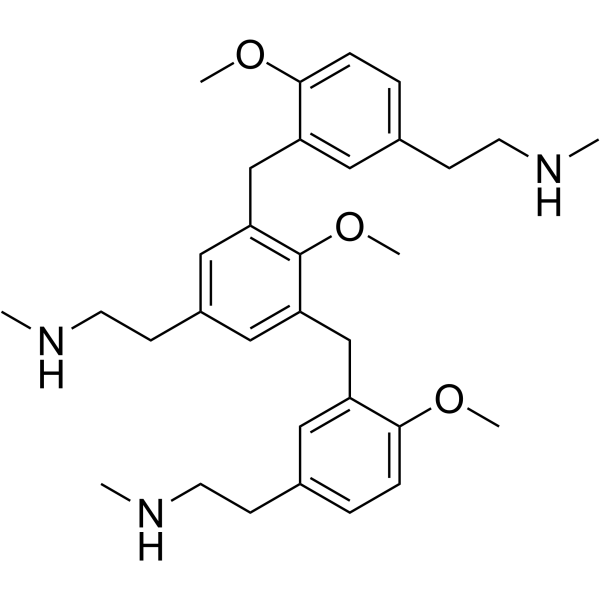
    Compound 48/80 (Poly-p-methoxyphenethylmethylamine) is widely used in animal and tissue models as a "selective" mast cell activator. Compound 48/80 acts at the mast cell membrane to stimulate trimeric G-proteins and induces degranulation via phospholipase C and D pathways .
    Compound 48/80
  • HY-13738A
    Raloxifene hydrochloride
    Maximum Cited Publications
    20 Publications Verification

    Keoxifene hydrochloride; LY156758; LY139481 hydrochloride

    Estrogen Receptor/ERR Autophagy Endocrinology Cancer
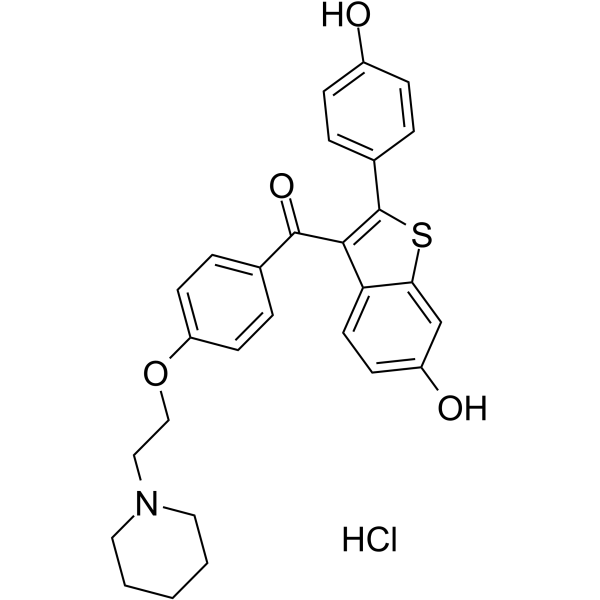
    Raloxifene hydrochloride (Keoxifene hydrochloride) is a second generation selective and orally active estrogen receptor modulator. Raloxifene hydrochloride produces estrogen-agonistic effects on bone and lipid metabolism and estrogen-antagonistic effects on uterine endometrium and breast tissue .
    Raloxifene hydrochloride
  • HY-13273
    Ostarine
    3 Publications Verification

    MK-2866; GTX-024; Enobosarm

    Androgen Receptor Others Cancer
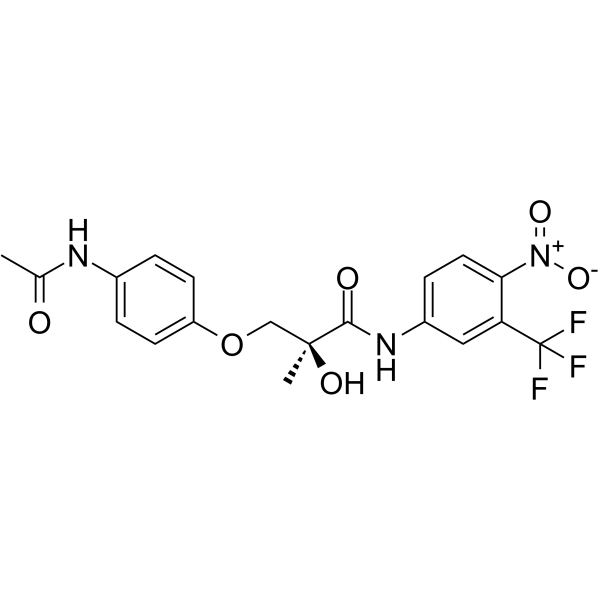
    Ostarine (MK-2866) is a selective androgen receptor modulator (SARMs) that regulates cardiomyocyte function, improves bone healing, regulates uterine function, and influences muscle tissue metabolism .
    Ostarine
  • HY-B1614
    Clenbuterol hydrochloride
    5+ Cited Publications

    NAB-365 hydrochloride

    Adrenergic Receptor Metabolic Disease Inflammation/Immunology Endocrinology
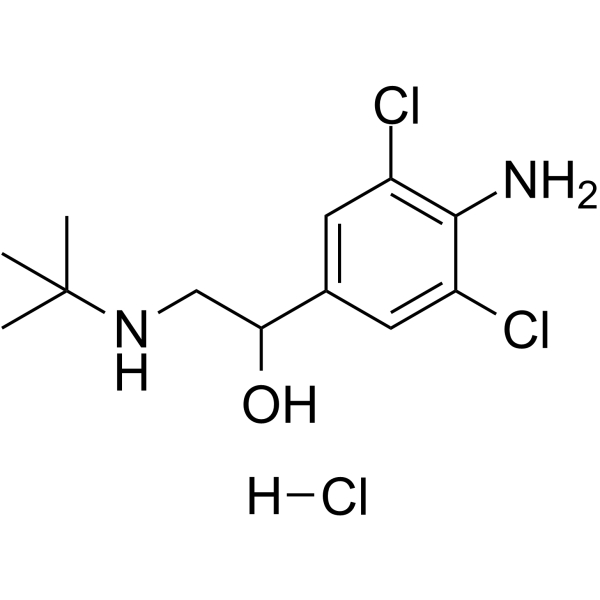
    Clenbuterol (NAB-365) hydrochloride, a selective β2-adrenergic agonist, enhances skeletal muscle strength and hypertrophy. Clenbuterol hydrochloride induces growth factor mRNA, activates astrocytes, and protects rat brain tissue against ischemic damage .
    Clenbuterol hydrochloride
  • HY-120110
    IOX4
    5+ Cited Publications

    HIF/HIF Prolyl-Hydroxylase Neurological Disease Inflammation/Immunology
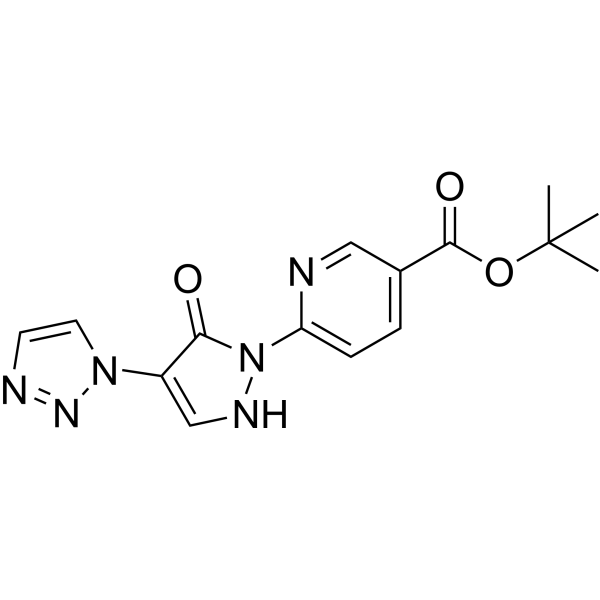
    IOX4 is a selective HIF prolyl-hydroxylase 2 (PHD2) inhibitor with an IC50 value of 1.6 nM, induces HIFα in cells and in wildtype mice with marked induction in the brain tissue. IOX4 competes with and displaces 2-oxoglutarate (2OG) at the active site of PHD2 .
    IOX4
  • HY-135747
    Gut restricted-7
    5+ Cited Publications

    GR-7

    Bacterial Infection
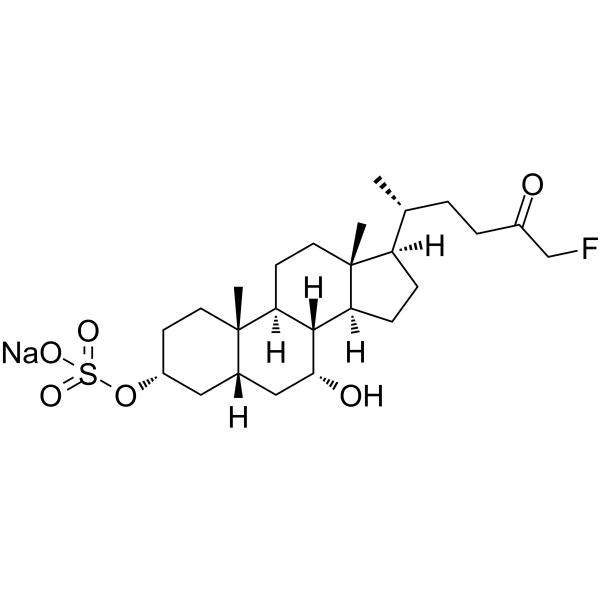
    Gut restricted-7 (GR-7) is a potent, covalent and orally active pan-bile salt hydrolase (BSH) inhibitor. Gut restricted-7 has a tissue-selective and is restricted to the gut. Gut restricted-7 decreases gut bacterial BSHs and decreases deconjugated bile acid levels in feces of mice .
    Gut restricted-7
  • HY-B1398
    Ampyrone
    1 Publications Verification

    4-Aminophenazone

    COX Drug Metabolite Neurological Disease Inflammation/Immunology Cancer
    Ampyrone (4-Aminophenazone; 4-Aminoantipyrine) is a reversible and low-damage optical clearing agent and non-selective COX inhibitor based on UV absorption properties. Ampyrone can improve the optical transmittance of mouse skin and other tissues. Ampyrone can induce tissue refractive index matching by enhancing UV absorption, reduce light scattering, and achieve tissue transparency in vivo. Ampyrone reduces the synthesis of prostaglandin PGE2, thereby exerting anti-inflammatory, analgesic and antipyretic effects. Ampyrone inhibits DNA damage, cell apoptosis and immune cell phagocytosis induced by Doxorubicin (HY-15142A) and Cisplatin (HY-17394), etc., and participates in the regulation of toxicity in tumor chemotherapy .
    Ampyrone
  • HY-100186
    GSK-2881078
    5 Publications Verification

    Androgen Receptor Cardiovascular Disease Others Metabolic Disease Inflammation/Immunology Endocrinology Cancer
    GSK-2881078 is an orally active and nonsteroidal selective androgen receptor modulator (SARM) which act as partial AR agonists in androgenic tissues while mainly as complete AR agonists in synthetic metabolic tissues,induces AR-mediated transcriptional activation in PC3(AR)2 cells (EC50 = 3.99 nM) and the effect can be inhibited by the non-steroidal AR antagonist Bicalutamide. GSK-2881078 can be used in research of muscle weakness and cachexia associated with both chronic and acute illness .
    GSK-2881078
  • HY-N0457A
    L-Chicoric Acid
    3 Publications Verification

    (-)-Chicoric acid; trans-Caffeoyltartaric acid

    HIV Integrase HIV Endogenous Metabolite Infection Cancer
    L-Chicoric Acid ((-)-Chicoric acid) is a dicaffeoyltartaric acid and a potent, selective and reversible HIV-1 integrase inhibitor with an IC50 of ~100 nM. L-Chicoric Acid inhibits HIV-1 replication in tissue culture .
    L-Chicoric Acid
  • HY-NP002D

    Biochemical Assay Reagents Others
    Bovine Serum Albumin (Biotinylated) is a biotinylated bovine serum albumin that selectively binds to different vascular subsets in lymphoid tissue. Bovine Serum Albumin (Biotinylated) can be used as a histochemical probe, and a targeting ligand for drug delivery .
    Bovine Serum Albumin (Biotinylated)
  • HY-111056
    UK122 TFA
    1 Publications Verification

    Ser/Thr Protease Cancer
    UK122 is a potent and selective urokinase-type plasminogen activator (uPA) inhibitor with an IC50 of 0.2 μM. UK122 shows no or little inhibition of tissue-type PA (tPA), plasmin, thrombin, and trypsin (all IC50>100 μM). UK122, 4-oxazolidinone analogue, is an anticancer agent and inhibits cancer cell migration and invasion .
    UK122 TFA
  • HY-12023
    GTx-007
    4 Publications Verification

    S-4

    Androgen Receptor Cancer
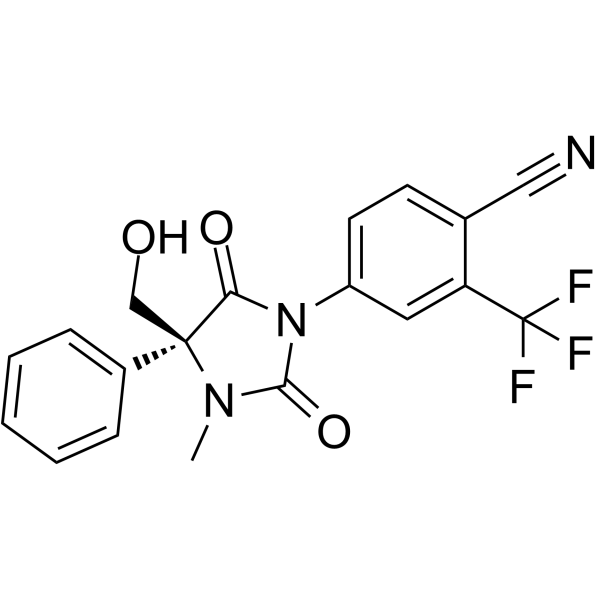
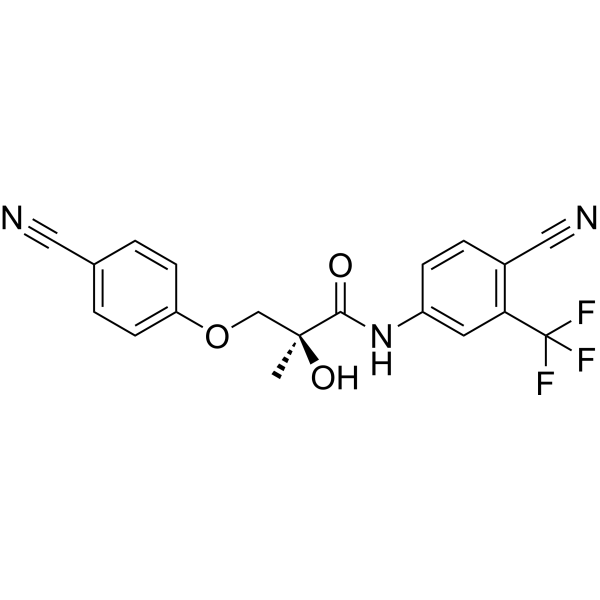
    GTx-007 (S-4) is an orally active and selective nonsteroidal androgen receptor (AR) modulator (SARM) and a partial agonist, with Ki of 4 nM. GTx-007 (S-4) is identified as SARMs with potent and tissue-selective in vivo pharmacological activity .
    GTx-007
  • HY-110292

    TRP Channel Calcium Channel Inflammation/Immunology
    A-425619 is an orally active and selective transient receptor potential type V1 (TRPV1) antagonist. A-425619 blocks Capsaicin (HY-10448)- and N-arachidonoyl-dopamine (NADA)-induced Ca 2+ influx in dorsal root ganglia and trigeminal ganglia. A-425619 relieves pathophysiological pain associated with inflammation and tissue injury in rats. A-425619 can be used for the study of pain related to inflammation and tissue injury .
    A-425619
  • HY-131881
    JHU37160
    2 Publications Verification

    mAChR Neurological Disease
    JHU37160 is a potent and brain-penetrant DREADD agonist, with EC50s of 18.5 nM and 0.2 nM for hM3Dq and hM4Di DREADDs in HEK-293 cells, respectively. JHU37160 exhibits selective [ 3H]Clozapine displacement from DREADDs and not from other Clozapine-binding sites in mice brain tissue .
    JHU37160
  • HY-12960

    FLT3-​IN-​1

    FLT3 c-Kit Apoptosis Cancer
    SKLB4771 is a potent and selective Flt3 inhibitor with an IC50 value of 10 nM. SKLB4771 downregulates the phosphorylation of FLT3/STAT5/ERK, blocks cell proliferation, and induces apoptosis in tumor tissue .
    SKLB4771
  • HY-101176
    2-Iodomelatonin
    2 Publications Verification

    Melatonin Receptor Cancer
    2-Iodomelatonin is a potent agonist of melatonin receptor 1 (MT1) with a Ki value of 28 pM, it is more 5-fold selective for MT1 over MT2 . 2-iodomelatonin can be used to identify, characterize and localize melatonin binding sites in the brain and peripheral tissues .
    2-Iodomelatonin
  • HY-103195
    NKY80
    2 Publications Verification

    Adenylate Cyclase Metabolic Disease
    NKY80 is a potent, selective and non-competitive adenylyl cyclase (AC) type V isoform inhibitor with IC50s of 8.3 µM, 132 µM and 1.7 mM for type V, III and II, respectively. NKY80 is a non-nucleoside quinazolinone and regulates the AC catalytic activity in heart and lung tissues .
    NKY80
  • HY-D0053

    6-Carboxy-X-rhodamine

    Fluorescent Dye Others
    6-ROX is a selective fluorescent probe and potential inhibitor of COX-2. 6-ROX binds to the active site of COX-2 and inhibits its conversion of arachidonic acid into prostaglandins. 6-ROX is often used in the field of optical imaging related to tumors and inflammation, and helps detect diseased tissues with high expression of COX-2 .
    6-ROX
  • HY-14210

    Phosphatase Inflammation/Immunology
    TNAP-IN-1 (Compound 1) is a selective tissue-nonspecific alkaline phosphatase (TNAP) inhibitor, with an IC50 of 0.19 μM. TNAP-IN-1 can be used for the research of soft tissue calcification .
    TNAP-IN-1
  • HY-119649

    IKI220

    Environmental Pollutants Parasite Infection
    Flonicamid (IKI220) is a novel systemic insecticide with selective activity against hemipterous pests. The main insecticidal mechanism of flonicamid is starvation based on the inhibition of stylet penetration to plant tissues .
    Flonicamid
  • HY-P10216

    Biochemical Assay Reagents Neurological Disease
    CAQK peptide selectively binds to injured mouse brain. CAQK peptide selectively targets demyelinating areas and it is absent from healthy tissue. The CAQK peptide target is a proteoglycan complex upregulated in brain injuries and is used for drug delivery. CAQK peptide can penetrate the blood-brain barrier .
    CAQK peptide
  • HY-134194
    KL201
    2 Publications Verification

    Cryptochrome Metabolic Disease
    KL201 a circadian clock modulator, is a isoform-selective cryptochrome 1 (CRY1) stabilizer. KL201 has no stabilizing effect on CRY2. KL201 lengthens the period of circadian rhythms in cells and tissues .
    KL201
  • HY-120017

    MD-370503

    Monoamine Oxidase Neurological Disease
    Befloxatone (MD-370503) is an orally active, selective and reversible inhibitor of Monoamine Oxidase A (MAO-A) (IC50=4 nM). Befloxatone increases the tissue level of monoamine, striatal dopamine and cortical norepinephrine. Befloxatone has antidepressant potential .
    Befloxatone
  • HY-151425

    Indoleamine 2,3-Dioxygenase (IDO) Cancer
    TDO-IN-1 is an orally active and selective inhibitor of tryptophan 2,3-dioxygenase (TDO), shows excellent selectivity over indoleamine-2,3-dioxygenase (IDO), with an IC50 value of 0.62 μM (IDO). TDO-IN-1 reverse the local immune tolerance of tumor tissue to inhibit tumor growth in vivo .
    TDO-IN-1
  • HY-172663A

    DNA/RNA Synthesis Apoptosis Cancer
    Trabectedin derivative 1 TFA is a selective DNA minor groove binder. Trabectedin derivative 1 TFA inhibits DNA transcription and repair to induce tumor cell apoptosis. Trabectedin derivative 1 TFA is promising for research of solid tumors such as soft tissue sarcoma and ovarian cancer .
    Trabectedin derivative 1 TFA
  • HY-173527

    Mitochondrial Metabolism Metabolic Disease
    PSSI-51 is an orally active, peripherally selective inhibitor of succinyl-CoA:3-ketoacid-CoA transferase (SCOT). PSSI-51 inhibits SCOT activity in peripheral tissues (such as muscle and kidney) but does not affect SCOT activity in brain tissue. PSSI-51 reduces ketone body oxidation by inhibiting SCOT, thereby improving obesity-related hyperglycemia. PSSI-51 can be used in the study of type 2 diabetes (T2D) and has the potential to improve obesity-related metabolic disorders .
    PSSI-51
  • HY-W020468
    Linopirdine
    2 Publications Verification

    DuP 996

    Potassium Channel TRP Channel Neurological Disease
    Linopirdine (DuP 996) is an orally active, selective M-type K + current (IM; Kv7; KCNQ Channels) inhibitor with an IC50 of 2.4 μM. Linopirdine is a TRPV1 agonist. Linopirdine, a putative cognition enhancing agent, increases acetylcholine release in rat brain tissue .
    Linopirdine
  • HY-18102
    GLPG0492
    5+ Cited Publications

    Androgen Receptor Neurological Disease
    GLPG0492 is an orally active, non-steroidal selective androgen receptor modulator. GLPG0492 exerts functional transactivation by binding to the ligand-binding domain of the receptor, exhibiting preferential partial agonist activity in muscle and bone tissues with low activity in reproductive tissues. GLPG0492 effectively counteracts muscle atrophy-related pathways, significantly enhances muscle strength, maintains motor ability, reduces fibrosis and improves electrophysiological parameters. GLPG0492 prevents immobilization-induced muscle atrophy and regulates muscle mass homeostasis, serving as a valuable tool compound for studies on Duchenne muscular dystrophy, muscle loss and various types of disuse musculoskeletal atrophy .
    GLPG0492
  • HY-119433

    J867

    Progesterone Receptor Endocrinology
    Asoprisnil (J867), a selective progesterone receptor modulator, exhibits mixed progesterone agonist and antagonist effects on various progesterone targeted tissues in animal and human .
    Asoprisnil
  • HY-13556A
    Arzoxifene hydrochloride
    1 Publications Verification

    LY353381 hydrochloride; SERM III hydrochloride

    Estrogen Receptor/ERR Cancer
    Arzoxifene (LY353381) hydrocloride is a selective estrogen receptor modulator that is a potent estrogen antagonist in mammary and uterine tissue while acting as an estrogen agonist to maintain bone density and lower serum cholesterol.
    Arzoxifene hydrochloride
  • HY-145310

    Epigenetic Reader Domain Inflammation/Immunology
    ZL0590 is a potent, orally active BRD4 BD1-selective inhibitor with an IC50 of 90 nM for human BRD4 BD1. ZL0590 exhibits significant anti-inflammatory activities. ZL0590 can reduce mucosal inflammation in animal models of inflammatory bowel disease and restores tissue architecture. ZL0590 can be used in research on inflammatory diseases such as inflammatory bowel disease .
    ZL0590
  • HY-137976
    Penehyclidine hydrochloride
    1 Publications Verification

    Penequinine hydrochloride

    mAChR NF-κB Apoptosis Autophagy Akt GSK-3 ERK Cardiovascular Disease Neurological Disease Inflammation/Immunology
    Penehyclidine (Penequinine) hydrochloride, a anticholinergic agent, is a selective antagonist of M1 and M3 receptors. Penehyclidine hydrochloride activates NF-kβ in lung tissue and inhibits the release of inflammatory factors. Penehyclidine hydrochloride can alleviate the pulmonary inflammatory response in rats with chronic obstructive pulmonary disease (COPD) undergoing mechanical ventilation .
    Penehyclidine hydrochloride
  • HY-175728

    Potassium Channel Sodium Channel Calcium Channel Metabolic Disease
    VU6032735 is a potent and subtype-selective sperm-specific potassium channel 3 (SLO3) inhibitor with IC50 values of 165 nM (hSLO3) and 730 nM (mSLO3). VU6032735 also inhibits sodium channel and L-type calcium channel VU6032735 can sustain high tissue exposure in the fertilized oviduct. VU6032735 can be used for the research of contraception .
    VU6032735
  • HY-U00178

    CB7432

    Estrogen Receptor/ERR Cancer
    Idoxifene (CB7432) is a novel tissue-specific selective estrogen receptor modulator (SERM).
    Idoxifene
  • HY-W062700

    JAK Erythropoietin Receptor (EpoR) Neurological Disease
    STS-E412 is a selective activator of tissue-protective EPO receptor (including EPOR and CD131). STS-E412 can be used for research of neurodegenerative diseases and organ protection .
    STS-E412
  • HY-131006

    Monoamine Transporter Neurological Disease
    FFN200 dihydrochloride, a fluorescent substrate of VMAT2, selectively trace monoamine exocytosis in both neuronal cell culture and brain tissue. The fluorescence excitation and emission maxima of FFN200 are determined to be 352 and 451 nm, respectively .
    FFN200 dihydrochloride
  • HY-P1473

    Amylin (8-37) (mouse, rat)

    Amylin Receptor Metabolic Disease
    Amylin (8-37), rat is a truncated analog of native Amylin that selectively inhibits insulin-related glucose uptake and glycogen deposition in muscle tissue. Amylin (8-37), rat is a weak amylin receptor (AMY) antagonist.
    Amylin (8-37), rat
  • HY-13738AR

    Keoxifene hydrochloride(Standard); LY156758(Standard); LY139481 hydrochloride (Standard)

    Reference Standards Estrogen Receptor/ERR Autophagy Endocrinology Cancer
    Raloxifene (hydrochloride) (Standard) is the analytical standard of Raloxifene (hydrochloride). This product is intended for research and analytical applications. Raloxifene hydrochloride (Keoxifene hydrochloride) is a second generation selective and orally active estrogen receptor modulator. Raloxifene hydrochloride produces estrogen-agonistic effects on bone and lipid metabolism and estrogen-antagonistic effects on uterine endometrium and breast tissue .
    Raloxifene hydrochloride (Standard)
  • HY-131891

    mAChR Neurological Disease
    JHU37152 is a potent and brain-penetrant DREADD agonist, with EC50s of 5 nM and 0.5 nM for hM3Dq and hM4Di DREADDs in HEK-293 cells, respectively. JHU37152 exhibits selective [ 3H]Clozapine displacement from DREADDs and not from other Clozapine-binding sites in mice brain tissue .
    JHU37152
  • HY-117658

    MAP3K Cardiovascular Disease
    GSK-114 is a highly selective, orally active TNNI3K inhibitor (IC50= 25 nM). GSK-114 shows a 40-fold selectivity for TNNI3K over B-Raf kinase (IC50= 1 μM). Cardiac troponin I-interacting kinase (TNNI3K or CARK) is a member of the tyrosine-like kinase family that is selectively expressed in heart tissue .
    GSK-114
  • HY-N9141

    5-HT Receptor Neurological Disease
    Nantenine is a serotonergic receptor antagonist. Nantenine selectively inhibits the contractile response of tissues to serotonin. Nantenine can be isolated from Nandina domestica .
    Nantenine
  • HY-130013

    Fluorescent Dye Others
    HKYellow-AM (6/12-mixture) is a yellow fluorescent probe that can detect ONOO- in living cells and tissues with high selectivity and sensitivity without cytotoxicity .
    HKYellow-AM (6/12-mixture)
  • HY-163684

    Complement System Inflammation/Immunology
    Zoracopan is a selective complement factor D (CFD) inhibitor. When administered systemically (orally or intravenously), Zoracopan accumulates and is sustained-released in ocular tissues, primarily in the choroid-retinal pigment epithelium (C-RPE) and/or iridociliary body (I-CB) .
    Zoracopan
  • HY-D1275

    Fluorescent Dye Others
    CAY10731 (compound 3) is a highly selective fluorescent probe for detection of hydrogen sulfide (H2S). CAY10731 is used to monitor exo- and endogenous H2S in both cancer and normal cells. CAY10731 is applied for imaging of H2S in living tissues at variable depths and in nematodes .
    CAY10731
  • HY-19665

    LY303870

    Neurokinin Receptor Neurological Disease Inflammation/Immunology
    Lanepitant (LY303870) is a selective neurokinin-1 (NK-1) receptor antagonist. Lanepitant blocks neurogenic inflammation and pain transmission by preventing the binding of substance P to NK-1 receptors on both neuronal and non-neuronal tissues. Lanepitant can be used to study osteoarthritis .
    Lanepitant
  • HY-B1398R
    Ampyrone (Standard)
    1 Publications Verification

    4-Aminophenazone (Standard)

    Reference Standards COX Drug Metabolite Neurological Disease Inflammation/Immunology Cancer
    Ampyrone (4-Aminophenazone) (Standard) is the analytical standard of Ampyrone (HY-B1398). This product is intended for research and analytical applications. Ampyrone (4-Aminophenazone; 4-Aminoantipyrine) is a reversible and low-damage optical clearing agent and non-selective COX inhibitor based on UV absorption properties. Ampyrone can improve the optical transmittance of mouse skin and other tissues. Ampyrone can induce tissue refractive index matching by enhancing UV absorption, reduce light scattering, and achieve tissue transparency in vivo. Ampyrone reduces the synthesis of prostaglandin PGE2, thereby exerting anti-inflammatory, analgesic and antipyretic effects. Ampyrone inhibits DNA damage, cell apoptosis and immune cell phagocytosis induced by Doxorubicin (HY-15142A) and Cisplatin (HY-17394), etc., and participates in the regulation of toxicity in tumor chemotherapy .
    Ampyrone (Standard)
  • HY-119649S

    IKI220-15N18O

    Isotope-Labeled Compounds Parasite Infection
    Flonicamid- 15N,18O (IKI220- 15N,18O) is 15N labeled Flonicamid. Flonicamid (IKI220) is a novel systemic insecticide with selective activity against hemipterous pests. The main insecticidal mechanism of flonicamid is starvation based on the inhibition of stylet penetration to plant tissues .
    Flonicamid-15N,18O
  • HY-105318

    Androgen Receptor Metabolic Disease Endocrinology
    LGD-2226 is a selective and orally active androgen receptor modulator with an EC50 of 0.2 nM and a Ki of 1.5 nM for human androgen receptor. LGD-2226 shows tissue selectivity in animal models, with reduced effects on prostate compared to muscle. LGD-2226 can be used for muscle wasting, osteoporosis and sexual dysfunction .
    LGD-2226
  • HY-14360

    Cathepsin Metabolic Disease
    MK 1256 is a highly selective and orally active inhibitor of tissue protease K (Cat K) with an IC50 of 0.62 nM. MK 1256 shows extremely high selectivity towards other tissue proteases (all > 1100 times), with only a slightly lower selectivity for tissue protease F (Cat F) (110 times). MK 1256 exhibits strong anti-bone resorption activity in the osteoporosis model of rhesus monkeys with ovariectomy. MK 1256 can be used for research on osteoporosis .
    MK 1256
  • HY-135732

    Androgen Receptor Cancer
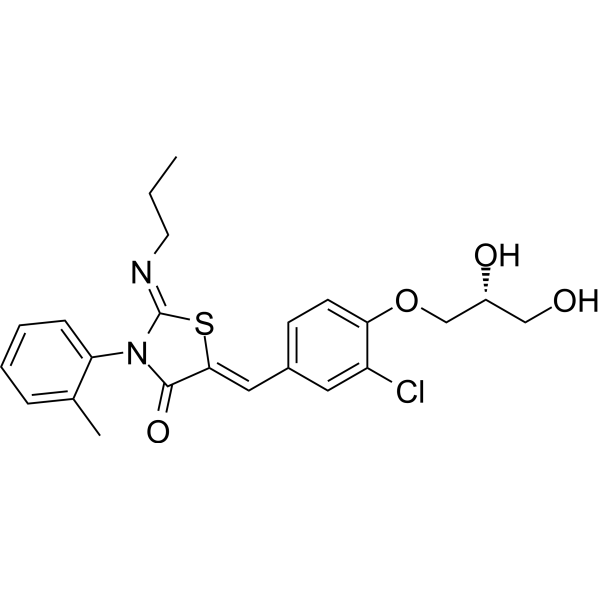
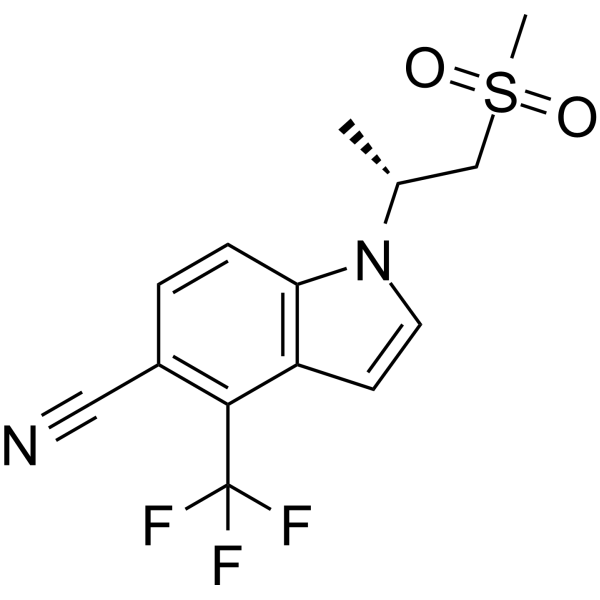
    SK33, a trifluoromethylated enobosarm analog, is a potent, and tissue selective anti-androgen. SK33reduces androgen receptor (AR) transcriptional activity .
    SK33

Inquiry Online

Your information is safe with us. * Required Fields.

Salutation


Country or Region *

Applicant Name *


Organization Name *

Department *


Email Address *


Product Name *

Cat. No.


Requested quantity *

Phone Number *


Remarks

Inquiry Online

Inquiry Information

Product Name:
Cat. No.:
Quantity:
MCE Japan Authorized Agent:

