1. Search Result
Search Result
Results for "

water soluble polymer

" in MedChemExpress (MCE) Product Catalog:

30

Inhibitors & Agonists

19

Biochemical Assay Reagents

1

Peptides

7

Click Chemistry

10

Oligonucleotides

Cat. No. Product Name Target Research Areas Chemical Structure
  • HY-Y0873
    PEG300
    Maximum Cited Publications
    178 Publications Verification

    Polyethylene glycol 300

    Environmental Pollutants Biochemical Assay Reagents Others
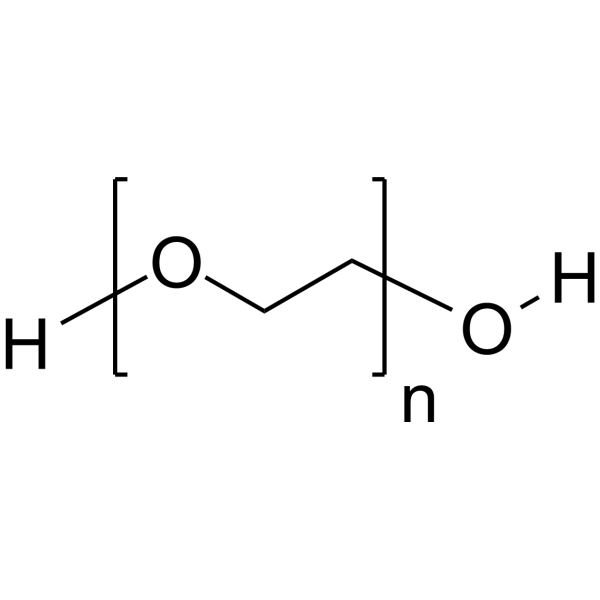
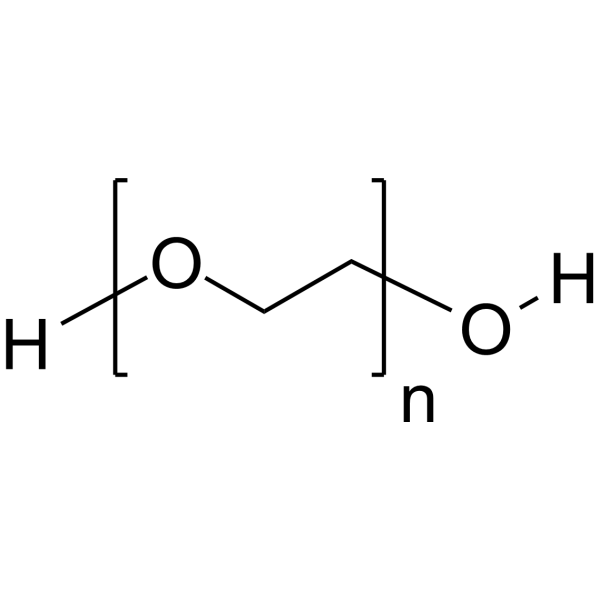
    PEG300 (Polyethylene glycol 300), a neutral polymer of molecular weight 300, is a water-soluble, low immunogenic and biocompatible polymer formed by repeating units of ethylene glycol .
    PEG300
  • HY-Y0873K

    Polyethylene glycol 200

    Environmental Pollutants Biochemical Assay Reagents Others
    PEG200 (Polyethylene glycol 200), a neutral polymer of molecular weight 200, is a water-soluble, low immunogenic and biocompatible polymer formed by repeating units of ethylene glycol .
    PEG200
  • HY-Y0850H

    PVA (Mw 89000-98000, 99+% hydrolyzed); Poly(Ethenol) (Mw 89000-98000, 99+% hydrolyzed)

    Environmental Pollutants Biochemical Assay Reagents Others
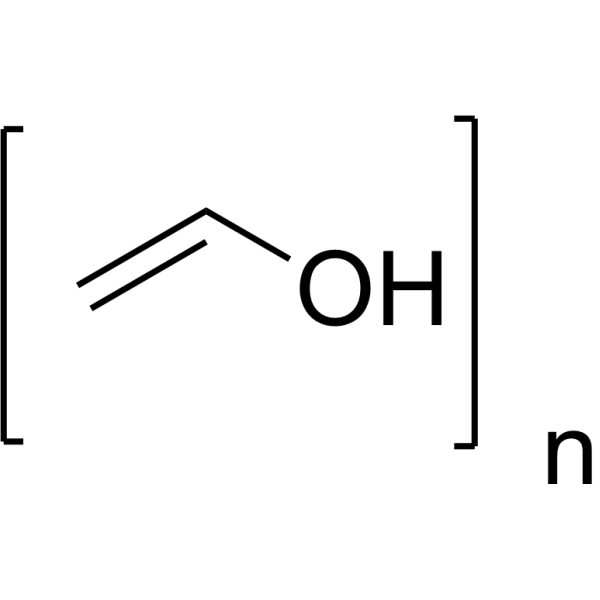
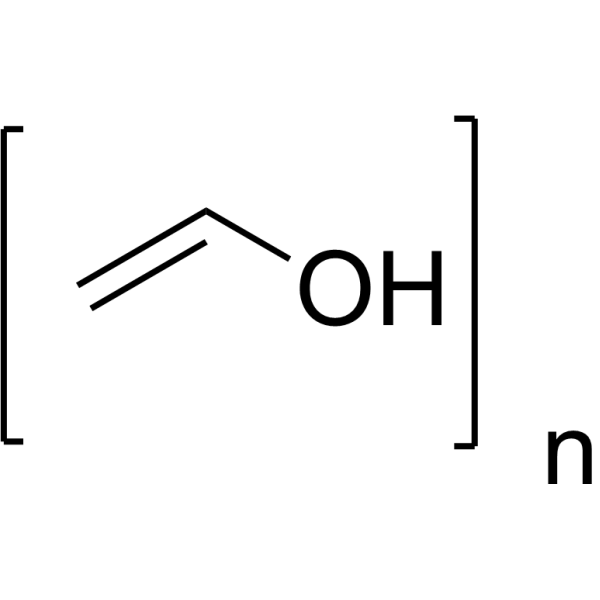
    Polyvinyl alcohol (Mw 89000-98000, 99+% hydrolyzed) also known as PVA, is a vinyl water-soluble polymer that can be used as a non-ionic surfactant. It can also be used as a biodegradable polymer and can be used in adhesives, coatings, textiles, ceramics and cosmetics .
    Polyvinyl alcohol (Mw 89000-98000, 99+% hydrolyzed)
  • HY-112624C

    Biochemical Assay Reagents Endogenous Metabolite Others
    Dextran (MW 40000) is a complex carbohydrate polymer consisting of glucose molecules linked by glycosidic bonds. Dextran has excellent solubility in water, making it useful as a viscosity modifier or stabilizer in foods, paints and adhesives. In the biomedical field, dextran is often used as a plasma expander because of its ability to increase blood volume when administered intravenously. It can also be modified to create dextran-based drug delivery systems, such as targeted nanoparticles.
    Dextran (MW 40000)
  • HY-Y0850I

    PVA (Mw 9000-10000, 80% hydrolyzed); Poly(Ethenol) (Mw 9000-10000, 80% hydrolyzed)

    Environmental Pollutants Biochemical Assay Reagents Cancer
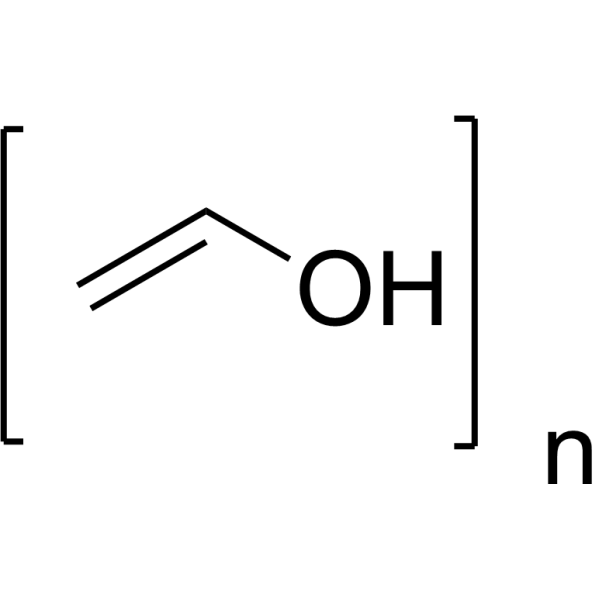
    Polyvinyl alcohol (Mw 9000-10000, 80% hydrolyzed) also known as PVA, is a vinyl water-soluble polymer that can be used as a non-ionic surfactant. Polyvinyl alcohol (Mw 9000-10000, 80% hydrolyzed) can be used as a biodegradable polymer and can be used in adhesives, coatings, textiles, ceramics, and cosmetics. Polyvinyl alcohol can be used in tissue engineering by electrospinning. Polyvinyl alcohol can achieve high cellular density, infiltration, and uniform distribution, facilitating functional connections between cells. Polyvinyl alcohol can improve cell vitality through in vitro cultivation. Polyvinyl alcohol demonstrates promising inhibition of ostersarcoma cancer cells with Doxorubicin (HY-15142A) .
    Polyvinyl alcohol (Mw 9000-10000, 80% hydrolyzed)
  • HY-155882

    mPEG750-NH2

    Biochemical Assay Reagents Cancer
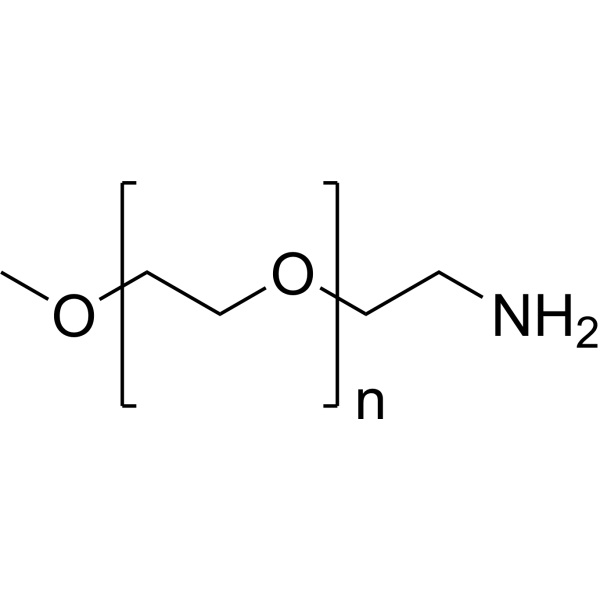
    mPEG750-amine (mPEG750-NH2) is a chemical modification reagent for nanoparticles, capable of covalently binding to Ad-PVA to form Ad-PVA-PEG polymers. mPEG750-amine stabilizes gene delivery complexes by providing steric hindrance, reducing particle aggregation, while enhancing the water solubility and serum stability of the complex, reducing carrier cytotoxicity, and assisting in the efficient condensation of pDNA by cationic components to form nanoparticles that can be endocytosed by cells. mPEG750-amine can also be used to synthesize folate-conjugated polymer micelles for encapsulating the anticancer agent Camptothecin (HY-16560). Folate-conjugated polymer micelles are effective carriers for poorly soluble anticancer drugs, capable of avoiding macrophages and acting through folate receptor (FR)-mediated endocytosis to target tumor cells. mPEG750-amine can be applied to research in the field of non-viral gene delivery, as a component of gene delivery vectors, facilitating the safe and efficient delivery of nucleic acid drugs to target cells .
    mPEG750-amine
  • HY-W115727B

    PAM,Anion,Mw 18 million

    Biochemical Assay Reagents Others
    Polyacrylamide,Anion,Mw 18 million (PAM,Anion,Mw 18 million) is a multifunctional high molecular weight anionic polyacrylamide copolymer. The anionic properties of Polyacrylamide,Anion,Mw 18 million enable it to be used as a flocculant to achieve charge neutralization and aggregation, while its high molecular weight properties provide viscoelastic properties for fluid applications. Polyacrylamide series materials can maintain enzyme activity in enzyme immobilization, act as drug carriers to achieve controlled release, serve as smart materials responding to temperature/pH stimuli, and be used for in vitro toxin adsorption and soft tissue filling through mechanisms such as physical entrapment, covalent binding or chemical crosslinking. Polyacrylamide finds applications in biomedical engineering, environmental management and industrial applications .
    Polyacrylamide,Anion,Mw 18 million
  • HY-P10069

    Drug Intermediate ADC Linker Others
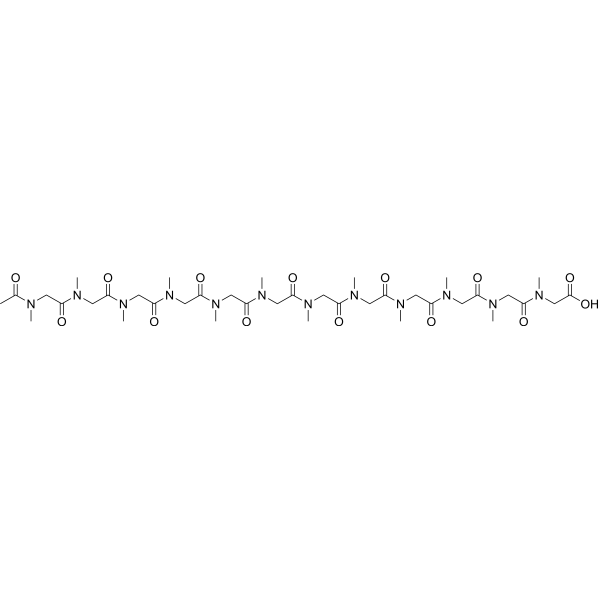
    Ac-pSar12-OH is a water-soluble polymer of the polysarcosine class and can be used as a linker. Ac-pSar12-OH is a linear polypeptide derivative composed of 12 arginine units. Ac-pSar12-OH N-terminus is modified with an acetyl group, while the C-terminus retains a free hydroxyl group, which can help enhance the stability of the polypeptide .
    Ac-pSar12-OH
  • HY-Y0850K

    PVA (Mw 31000-50000, 98-99% hydrolyzed); Poly(Ethenol) (Mw 31000-50000, 98-99% hydrolyzed)

    Environmental Pollutants Biochemical Assay Reagents Cancer
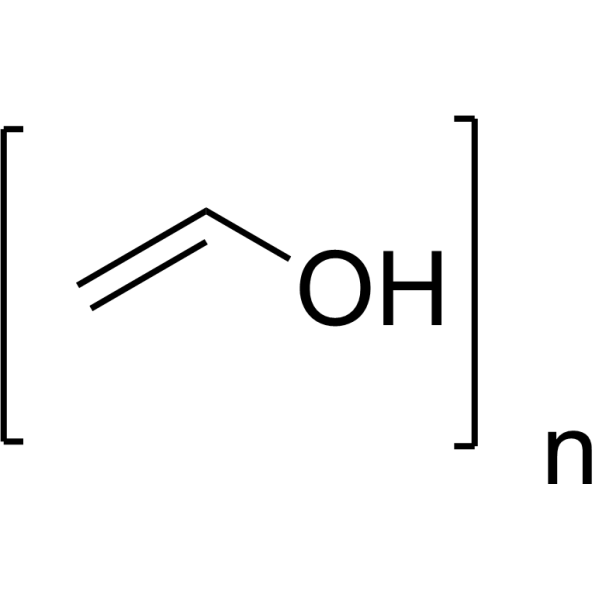
    Polyvinyl alcohol (Mw 31000-50000, 98-99% hydrolyzed), also known as PVA, is a vinyl water-soluble polymer that can be used as a non-ionic surfactant. It can also be used as a biodegradable polymer and can be used in adhesives, coatings, textiles, ceramics and cosmetics. Polyvinyl alcohol can be used in tissue engineering by electrospinning. Polyvinyl alcohol can achieve high cellular density, infiltration, and uniform distribution, facilitating functional connections between cells. Polyvinyl alcohol can improve cell vitality through in vitro cultivation. Polyvinyl alcohol demonstrates promising inhibition of ostersarcoma cancer cells with Doxorubicin (HY-15142A) .
    Polyvinyl alcohol (Mw 31000-50000, 98-99% hydrolyzed)
  • HY-Y0850N

    PVA (Mw 13000-23000, 98% hydrolyzed); Poly(Ethenol) (Mw 13000-23000, 98% hydrolyzed)

    Environmental Pollutants Biochemical Assay Reagents Cancer
    Polyvinyl alcohol (PVA; Poly(Ethenol)) (Mw 13000-23000, 98% hydrolyzed) , also known as PVA, is a vinyl water-soluble polymer that can be used as a non-ionic surfactant. Polyvinyl alcohol (Mw 13000-23000, 98% hydrolyzed) can also be used as a biodegradable polymer and can be used in adhesives, coatings, textiles, ceramics and cosmetics. Polyvinyl alcohol (Mw 13,000–23,000, 98% hydrolyzed) can be used in studies involving breast cancer as well as cisplatin (HY-17394)-induced sensorineural hearing loss .
    Polyvinyl alcohol (Mw 13000-23000, 98% hydrolyzed)
  • HY-Y0850U3

    Polyvinyl alcohol (Mw 125000, 98-99% hydrolyzed, ~2800 polymerization); Poly(Ethenol) (Mw 125000, 98-99% hydrolyzed, ~2800 polymerization)

    Biochemical Assay Reagents Others
    PVA (Polyvinyl alcohol) (Mw 125000, 98-99% hydrolyzed, ~2800 polymerization) is a water-soluble, biodegradable, biocompatible and non-immunogenic polymer. PVA (Mw 125000, 98-99% hydrolyzed, ~2800 polymerization) causes no irritation to rabbit eyes, no skin sensitization in guinea pigs, promotes the proliferation of human skin keratinocytes, and reduces the loss of corneal endothelial cells. The LD50 of PVA (Mw 125000, 98-99% hydrolyzed, ~2800 polymerization) in rats and dogs is greater than 10 g/kg. PVA (Mw 125000, 98-99% hydrolyzed, ~2800 polymerization) is hardly absorbed by the digestive system, causes no adverse effects upon long-term oral administration, and shows no mutagenicity or carcinogenicity. However, repeated intravenous or portal vein injection of PVA (Mw 125000, 98-99% hydrolyzed, ~2800 polymerization) may induce pathological changes such as glomerular lesions, anemia, hypertension or liver fibrosis in rats or dogs. Crosslinked nanofibers prepared by modifying PVA (Mw 125000, 98-99% hydrolyzed, ~2800 polymerization) can be used in studies related to wound dressings and other applications .
    PVA (Mw 125000, 98-99% hydrolyzed, ~2800 polymerization)
  • HY-109536B

    Biochemical Assay Reagents Others
    Ammonium polyphosphate, n<20, water solubility>90 g/100 mL, a low-polymerization-degree ammonium polyphosphate (APP), is an important raw material in chelated, and controlled-release fertilizers .
    Ammonium polyphosphate, n<20, water solubility>90 g/100 mL
  • HY-155902

    Maleimide-PEG5000-Hydroxy

    Biochemical Assay Reagents Others
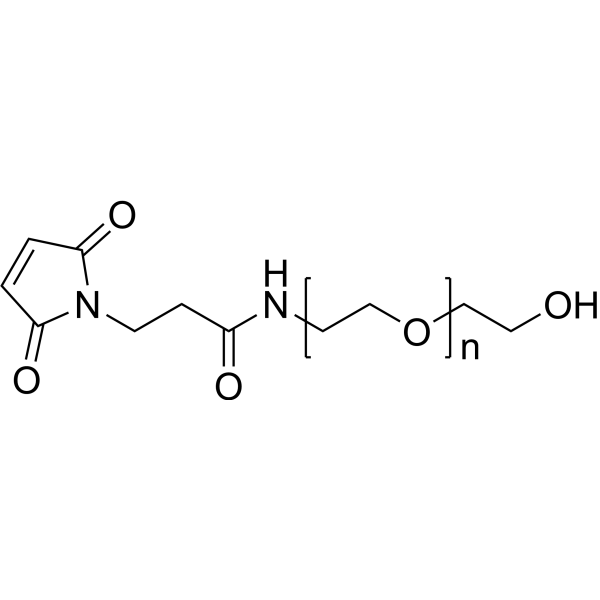
    Mal-PEG5000-OH can be used as a macroinitiator to obtain amphiphilic diblock copolymers by ring-opening polymerization of LA. Nanoparticles prepared using amphiphilic block copolymers can form active drug delivery systems. Nanoparticles encapsulate Triptolide (HY-32735), which can avoid the disadvantage of Triptolide’s poor water solubility and reduce its toxicity.
    Mal-PEG5000-OH
  • HY-155902A

    Maleimide-PEG2000-Hydroxy

    Biochemical Assay Reagents Others
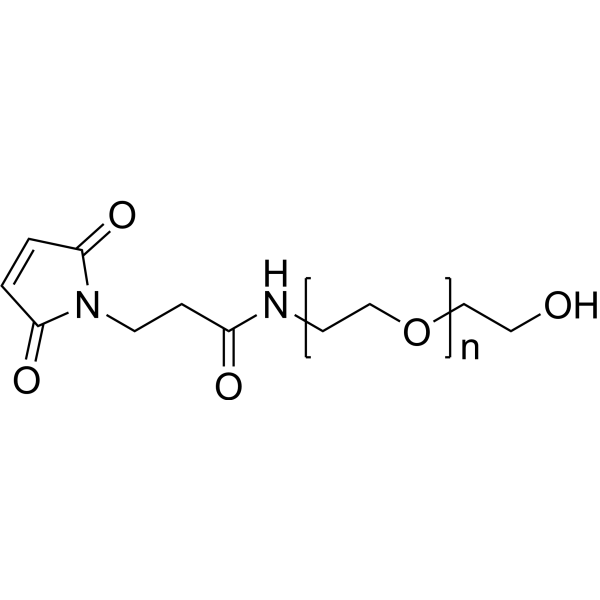
    Mal-PEG2000-OH can be used as a macroinitiator to obtain amphiphilic diblock copolymers by ring-opening polymerization of LA. Nanoparticles prepared using amphiphilic block copolymers can form active drug delivery systems. Nanoparticles encapsulate Triptolide (HY-32735), which can avoid the disadvantage of Triptolide’s poor water solubility and reduce its toxicity.
    Mal-PEG2000-OH
  • HY-Y0850U5

    Polyvinyl alcohol (Mw 27000, 98-99% hydrolyzed, ~600 polymerization); Poly(Ethenol) (Mw 27000, 98-99% hydrolyzed, ~600 polymerization)

    Biochemical Assay Reagents Fungal Infection
    PVA (Polyvinyl alcohol) (Mw 27000, 98-99% hydrolyzed, ~600 polymerization) is a nonionic ethanol homopolymer with hydrophilicity, water solubility and biodegradability. PVA (Mw 27000, 98-99% hydrolyzed, ~600 polymerization) exhibits biocompatibility, non-toxicity and non-carcinogenicity, as well as antibacterial activity against Gram-positive bacteria, Gram-negative bacteria and fungal strains. PVA (Mw 27000, 98-99% hydrolyzed, ~600 polymerization) can serve as a solubilizer, stabilizer, mucoadhesive agent and sustained-release agent, and has a synergistic solubilizing effect on voriconazole/sulfobutyl ether β-cyclodextrin complexes. By stabilizing such complexes, PVA (Mw 27000, 98-99% hydrolyzed, ~600 polymerization) forms freeze-thaw hydrogels with high mucoadhesion, sustained drug release and ex vivo corneal permeability. When compounded with hyaluronic acid hydrogels, PVA (Mw 27000, 98-99% hydrolyzed, ~600 polymerization) supports chondrocyte growth in vitro, and also forms complexes with Cu 2+, Co 2+, Ni 2+ and Zn 2+ ions. PVA (Mw 27000, 98-99% hydrolyzed, ~600 polymerization) can be used in studies related to fungal keratitis, bacterial infections and fungal infections .
    PVA (Mw 27000, 98-99% hydrolyzed, ~600 polymerization)
  • HY-W250928D

    Fluorescent Dye Others
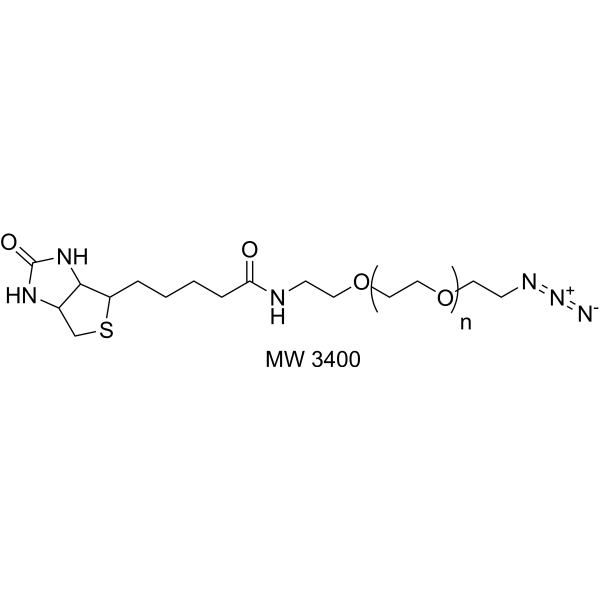
    Biotin-PEG3400-azide is a biotin labeled PEG derivative. Biotin is an enzyme co-factor, can be used for labeling protein; PEG is a hydrophilic and water-soluble polymer with low toxicity; azide, is a moderately good leaving group, can react with alkyne by Cu-catalyzation, which improve the efficiency of biotin binding targets. It contains an azide group and can undergo copper-catalyzed azide-alkyne cycloaddition (CuAAc) with molecules containing alkyne groups. It can also undergo ring strain-promoted alkyne-azide cycloaddition (SPAAC) with molecules containing DBCO or BCN groups.
    Biotin-PEG3400-azide
  • HY-W250928C

    Fluorescent Dye Others
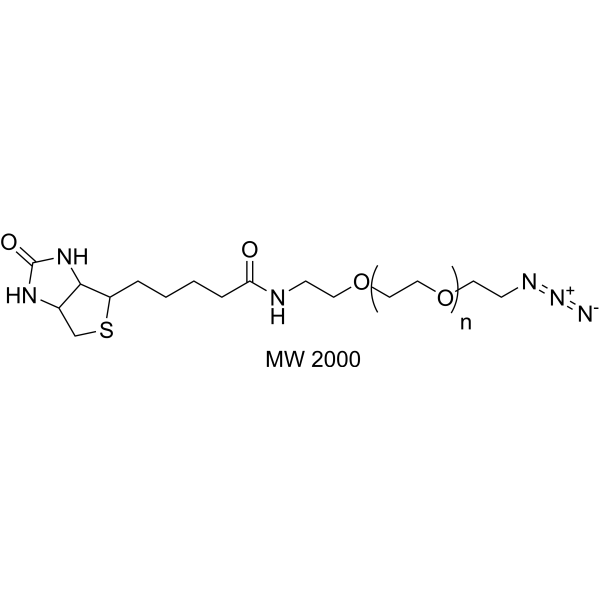
    Biotin-PEG2000-azide is a biotin labeled PEG derivative. Biotin is an enzyme co-factor, can be used for labeling protein; PEG is a hydrophilic and water-soluble polymer with low toxicity; azide, is a moderately good leaving group, can react with alkyne by Cu-catalyzation, which improve the efficiency of biotin binding targets. It contains an azide group and can undergo copper-catalyzed azide-alkyne cycloaddition (CuAAc) with molecules containing alkyne groups. It can also undergo ring strain-promoted alkyne-azide cycloaddition (SPAAC) with molecules containing DBCO or BCN groups.
    Biotin-PEG2000-azide
  • HY-140656F

    Fluorescent Dye Others
    Biotin-PEG20000-Biotin is a biotin labeled PEG derivative. Biotin is an enzyme co-factor, can be used for labeling protein; PEG is a hydrophilic and water-soluble polymer with low toxicity.
    Biotin-PEG20000-Biotin
  • HY-W106486

    N,N-Dimethyl-N-2-propenyl-2-propen-1-aminium chloride

    Biochemical Assay Reagents Others
    Diallyldimethylammonium chloride (60% in water) is a quaternary ammonium compound belonging to the class of alkylammonium salts. The compound is widely used as a cationic monomer in the production of water-soluble polymers, especially in the manufacture of flocculants and coagulants for water treatment processes. In addition, it can be used as an antimicrobial agent, surfactant or adhesive in various industrial applications. Its unique chemical properties make it an important ingredient in a variety of industrial processes, including papermaking, textiles and personal care products.
    Diallyldimethylammonium chloride (60% in water)
  • HY-155902B

    Maleimide-PEG1000-Hydroxy

    Biochemical Assay Reagents Others
    Mal-PEG1000-OH was used as a macroinitiator to obtain amphiphilic diblock copolymers by ring-opening polymerization of LA. Nanoparticles prepared using amphiphilic block copolymers can form active drug delivery systems. Nanoparticles encapsulate Triptolide (HY-32735), which can avoid the disadvantage of Triptolide’s poor water solubility and reduce its toxicity.
    Mal-PEG1000-OH
  • HY-147207C

    Liposome Others
    Phospholipid-PEG5000-Biotin is a phospholipid PEG derivative, can be used for modify liposome and cells surface, and pancreatic islets for cell transplantation. Phospholipid is a class of lipid containing a hydrophilic “head” and two hydrophobic “tails”; PEG is a hydrophilic and water-soluble polymer with low toxicity; Biotin is an enzyme co-factor, can be used for labeling protein .
    Phospholipid-PEG5000-Biotin
  • HY-147207A

    Liposome Others
    Phospholipid-PEG2000-Biotin is a Biotin labeled phospholipid PEG derivative, can be used for modify liposome and cells surface, and pancreatic islets for cell transplantation. Phospholipid is a class of lipid containing a hydrophilic "head" and two hydrophobic "tails" ; PEG is a hydrophilic and water-soluble polymer with low toxicity; Biotin is an enzyme co-factor, can be used for labeling protein .
    Phospholipid-PEG2000-Biotin
  • HY-173381A

    Cholesteryl biotinyl(polyethyleneglycol)-1000 carbamate

    Biochemical Assay Reagents Others
    Cholesteryl-PEG1000-Biotin is a lipid product. Cholesteryl-PEG1000-Biotin is a cholesterol backbone attached to one side of a PEG unit and a Biotin unit on the other side. Biotin is an enzyme cofactor that can be used to label proteins, and PEG is a low-toxic, hydrophilic, water-soluble polymer. Cholesteryl-PEG1000-Biotin can be used for drug circulation time studies .
    Cholesteryl-PEG1000-Biotin
  • HY-147206C

    Fluorescent Dye Others
    Biotin-PEG3400-Alk is a biotin labeled PEG derivative. Biotin is an enzyme co-factor, can be used for labeling protein; PEG is a hydrophilic and water-soluble polymer with low toxicity; Alk (Alkyne), acyclic (branched or unbranched) aliphatic hydrocarbon, can react with azido, which improve the efficiency of biotin binding targets. Biotin-PEG3400-Alk is a click chemistry reagent, it contains an Alkyne group and can undergo copper-catalyzed azide-alkyne cycloaddition (CuAAc) with molecules containing Azide groups.
    Biotin-PEG3400-Alk
  • HY-147206A

    Fluorescent Dye Others
    Biotin-PEG1000-Alk is a biotin labeled PEG derivative. Biotin is an enzyme co-factor, can be used for labeling protein; PEG is a hydrophilic and water-soluble polymer with low toxicity; Alk (Alkyne), acyclic (branched or unbranched) aliphatic hydrocarbon, can react with azido, which improve the efficiency of biotin binding targets. Biotin-PEG1000-Alk is a click chemistry reagent, it contains an Alkyne group and can undergo copper-catalyzed azide-alkyne cycloaddition (CuAAc) with molecules containing Azide groups.
    Biotin-PEG1000-Alk
  • HY-147206E

    Fluorescent Dye Others
    Biotin-PEG10000-Alk is a biotin labeled PEG derivative. Biotin is an enzyme co-factor, can be used for labeling protein; PEG is a hydrophilic and water-soluble polymer with low toxicity; Alk (Alkyne), acyclic (branched or unbranched) aliphatic hydrocarbon, can react with azido, which improve the efficiency of biotin binding targets. Biotin-PEG10000-Alk is a click chemistry reagent, it contains an Alkyne group and can undergo copper-catalyzed azide-alkyne cycloaddition (CuAAc) with molecules containing Azide groups.
    Biotin-PEG10000-Alk
  • HY-147206B

    Fluorescent Dye Others
    Biotin-PEG2000-Alk is a biotin labeled PEG derivative. Biotin is an enzyme co-factor, can be used for labeling protein; PEG is a hydrophilic and water-soluble polymer with low toxicity; Alk (Alkyne), acyclic (branched or unbranched) aliphatic hydrocarbon, can react with azido, which improve the efficiency of biotin binding targets. Biotin-PEG2000-Alk is a click chemistry reagent, it contains an Alkyne group and can undergo copper-catalyzed azide-alkyne cycloaddition (CuAAc) with molecules containing Azide groups.
    Biotin-PEG2000-Alk
  • HY-147206F

    Fluorescent Dye Others
    Biotin-PEG20000-Alk is a biotin labeled PEG derivative. Biotin is an enzyme co-factor, can be used for labeling protein; PEG is a hydrophilic and water-soluble polymer with low toxicity; Alk (Alkyne), acyclic (branched or unbranched) aliphatic hydrocarbon, can react with azido, which improve the efficiency of biotin binding targets. Biotin-PEG20000-Alk is a click chemistry reagent, it contains an Alkyne group and can undergo copper-catalyzed azide-alkyne cycloaddition (CuAAc) with molecules containing Azide groups.
    Biotin-PEG20000-Alk
  • HY-W010713

    Fimaporfin free base

    Photosensitizer Cancer
    Meso-tetraphenylchlorin (TPCS2a) is a photosensitizer with poor water solubility, which limits its use in the blood circulation. However, TPCS2a@NPs nanoparticles can be prepared based on polylactic-co-polyethylene glycol acid (PLGA) polymer core loaded with TPCS2. Such nanoparticles can be coated with mesenchymal stem cell-derived plasma membranes (mMSCs) to form mMSC-TPCS2a@NPs, which prolongs blood circulation time and improves tumor targeting ability. Compared with uncoated TPCS2a@NPs, mMSC-TPCS2a@NPs can reduce macrophage uptake by 54% to 70% under different conditions. Both nanoparticle forms are effectively accumulated in MCF7 and MDA-MB-231 breast cancer cells, while uptake in normal breast epithelial cells MCF10A is significantly lower .
    Meso-tetraphenylchlorin
  • HY-W591992

    Biochemical Assay Reagents Others
    PEG17 is a polymer consisiting of repeating ethylene glycol subunits and terminal hydroxyl groups. The ethylene glycol units increase the water solubility of hydrophobic compounds, allowing for them to be more compatible in aqueous settings. The terminal hydroxyl groups can react to further derivatize the compound.
    PEG17

Inquiry Online

Your information is safe with us. * Required Fields.

Salutation


Country or Region *

Applicant Name *


Organization Name *

Department *


Email Address *


Product Name *

Cat. No.


Requested quantity *

Phone Number *


Remarks

Inquiry Online

Inquiry Information

Product Name:
Cat. No.:
Quantity:
MCE Japan Authorized Agent:

