



Temocaprilat
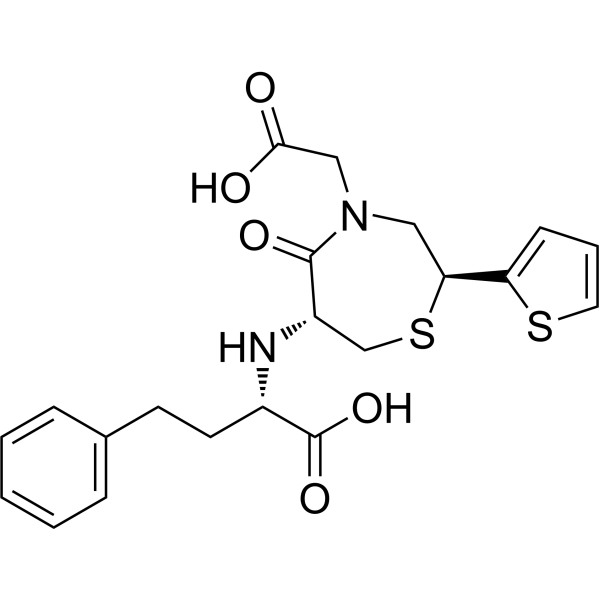
Temocaprilat (Temocapril diacid) is an inhibitor of angiotensin-converting enzyme (ACE). Temocaprilat alleviates the inhibitory effect of high glucose on the proliferation of aortic endothelial cells. Temocaprilat has potential applications in hypertension and vascular inflammation.
For research use only. We do not sell to patients.
- CAS No.: 110221-53-9
- Formula: C21H24N2O5S2
- Molecular Weight:448.56
-
Storage:
Please store the product under the recommended conditions in the Certificate of Analysis.

To place orders, for customer services and technical support, please contact: MedChemExpress USA
Tel: 609-228-6898 E-mail: [email protected] [email protected]


-
 Biological Activity
-
Chemical Information
- Protocols
- Purity & Documentation
- References
-
 Help & FAQs


-
HY-B0378A
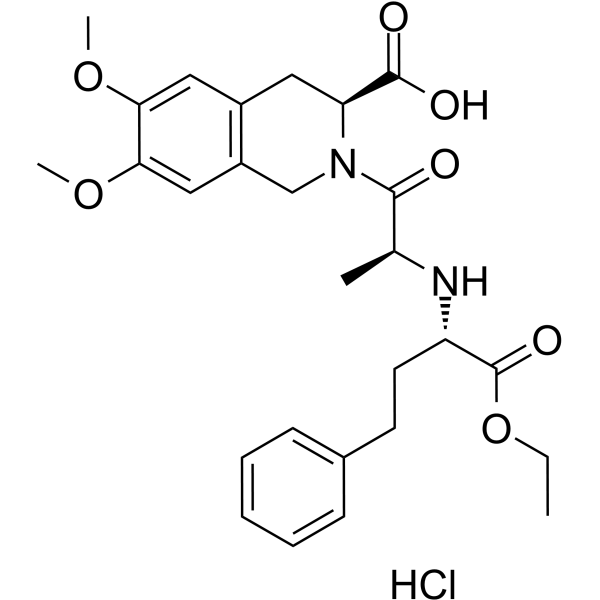
Moexipril hydrochlorideACE Inhibitor -
HY-A0116A
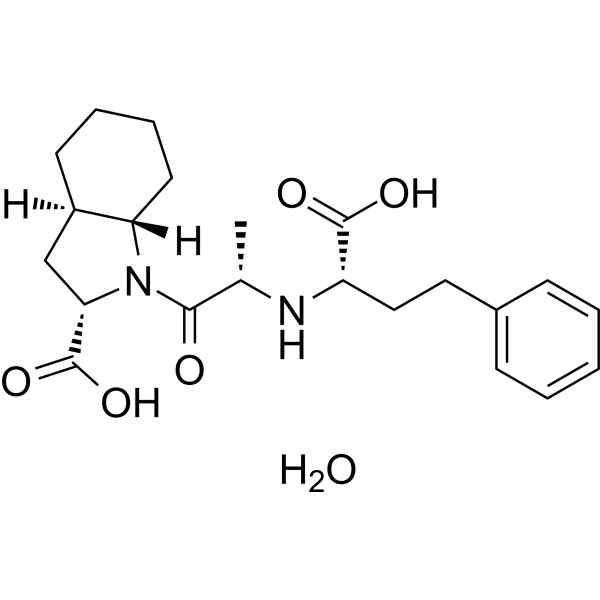
Trandolaprilate hydrateACE Inhibitor -
HY-B0384
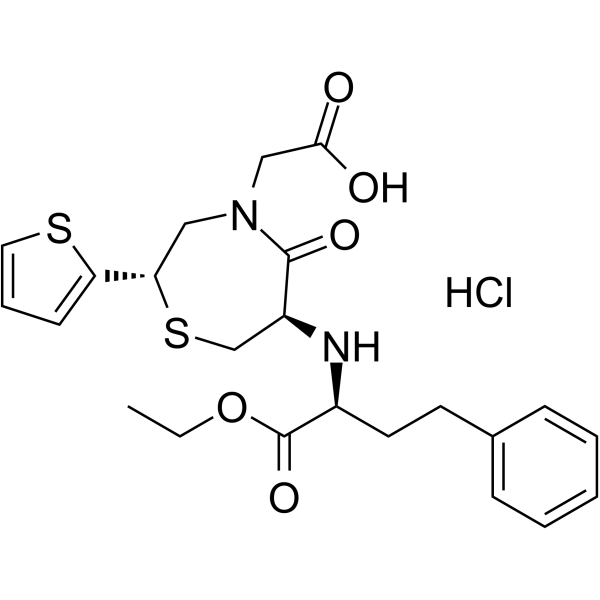
Temocapril hydrochlorideACE Inhibitor -
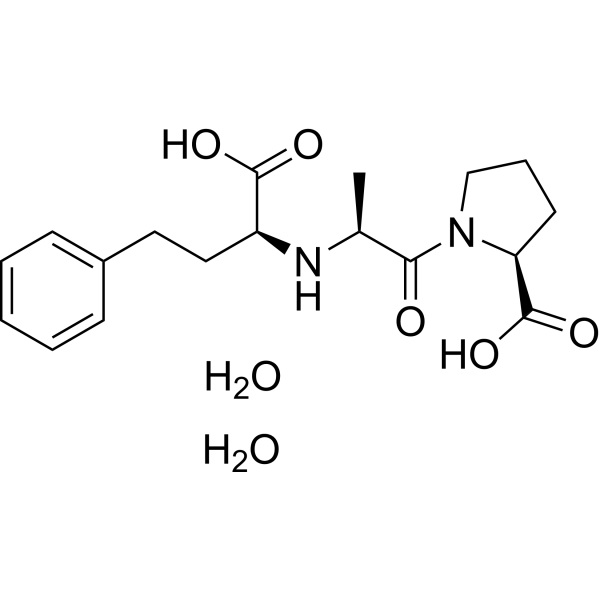
HY-B0231
Enalaprilat dihydrateACE Inhibitor -
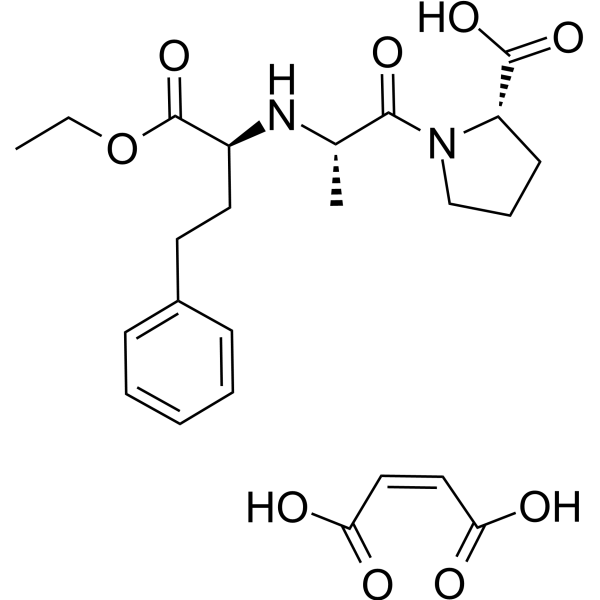
HY-B0331A
Enalapril maleateAngiotensin-Converting Enzyme Inhibitor -
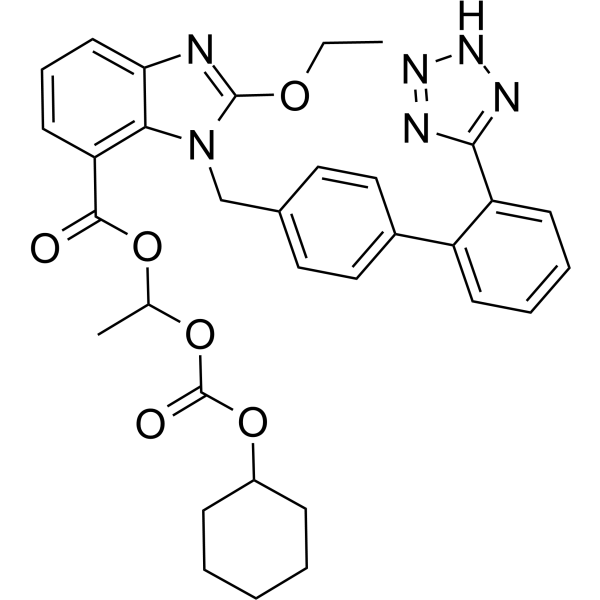
HY-17505
Candesartan CilexetilAngiotensin II receptor Inhibitor -
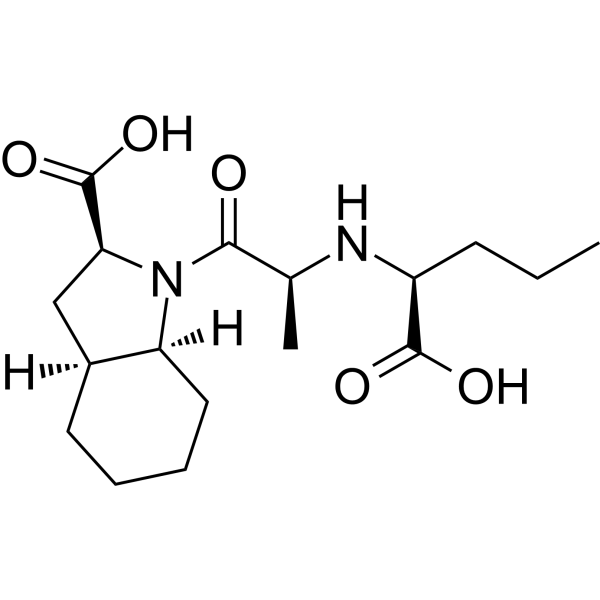
HY-B1433
PerindoprilatACE Inhibitor -

HY-B0378AR
Moexipril hydrochloride (Standard)ACE Inhibitor -
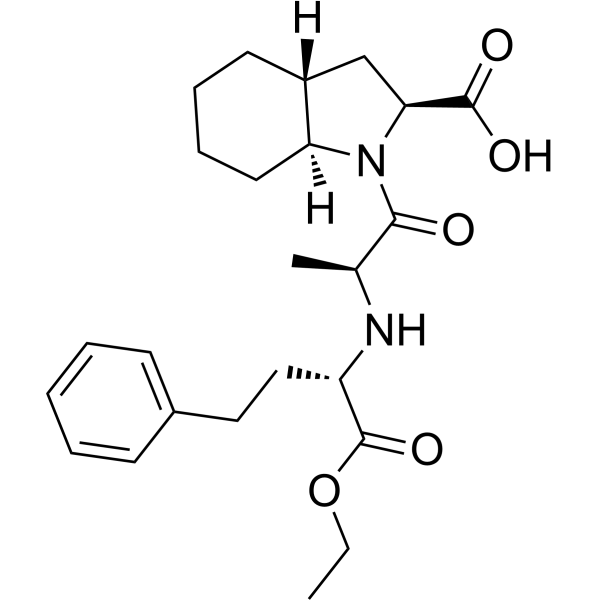
HY-B0592
TrandolaprilACE Inhibitor -
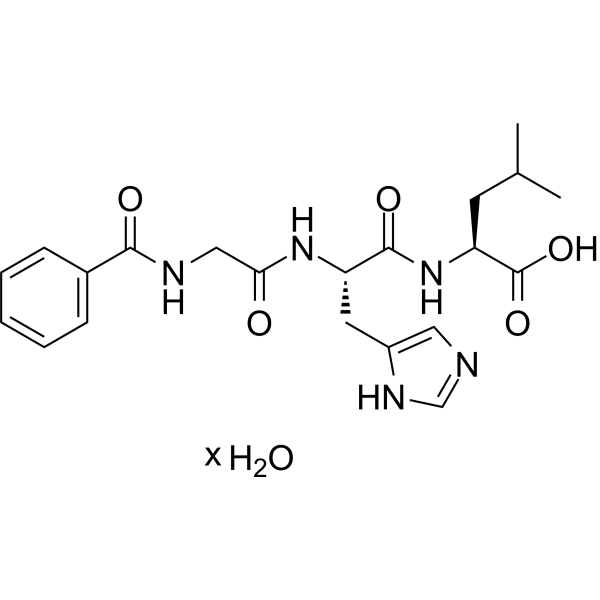
HY-137875
Hippuryl-His-Leu-OH hydrateACE Substrate -
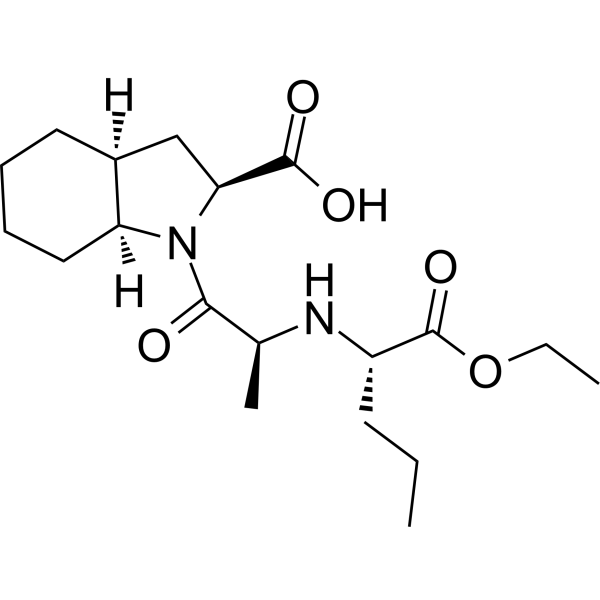
HY-B0130
PerindoprilAngiotensin-converting enzyme Inhibitor -
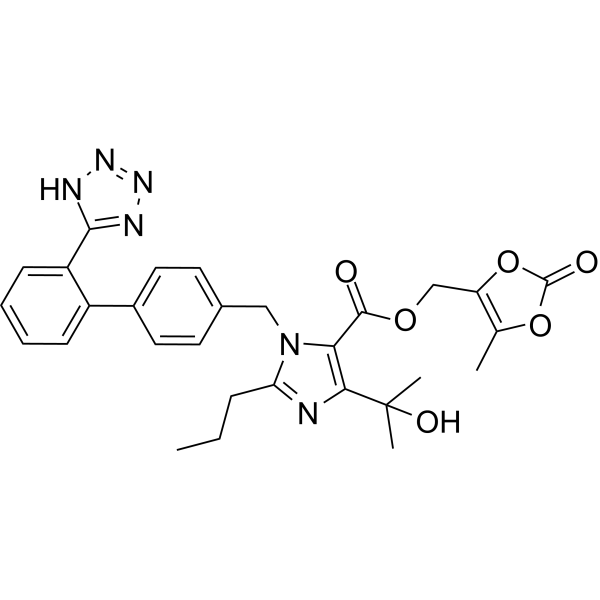
HY-17005
Olmesartan medoxomil


Biological Activity
Description
In Vitro
Temocaprilat (1, 10, 100 and 1000 nM; 72 h) relieves high glucose (22.2 mM) mediated inhibition of human aortic endothelial cells (HAECs) proliferation with dose-dependent manner. Temocaprilat inhibits oxidative stress induced by high glucose in HAECs[1].
Temocaprilat (1 µM; 10 min) increases protein kinase C (PKC) activity in HAECs[1].
Temocaprilat (0.1 µM) inhibits IL-1β induced IL-6 expression by reducing the stability of IL-6 mRNA[4].
MedChemExpress (MCE) has not independently confirmed the accuracy of these methods. They are for reference only. Further protocols information, click here.
In Vivo
MedChemExpress (MCE) has not independently confirmed the accuracy of these methods. They are for reference only.
-
Animal Model:Six 10-week-old WKYs and SHRs and six 50-week-old (aging control) SHRs[3].
-
Dosage:1 mg/kg/d.
-
Administration:Intravenous injection; 4 weeks.
-
Result:Reduced the expression levels of myocardial fibrosis, transforming growth factor-β1 (TGF-β1) mRNA and fibroblast growth factor-2 (FGF-2) mRNA in the left ventricle (LV).
Weakened the expression levels of 8-isoprostane, p22phox mRNA, p47phox mRNA and gp91phox mRNA in LV.


Chemical Information
-
CAS No. 110221-53-9
-
Molecular Weight 448.56
-
Formula C21H24N2O5S2
-
SMILES
OC(CN1C[C@@H](C2=CC=CS2)SC[C@@H](C1=O)N[C@H](C(O)=O)CCC3=CC=CC=C3)=O
-
Synonyms
Temocapril diacid; Temocaprilate; RS 5139
-
Shipping
Room temperature in continental US; may vary elsewhere.
-
Storage
Please store the product under the recommended conditions in the Certificate of Analysis.

Protocols
-
Endothelial Tube Formation Assay
Endothelial tube formation assay evaluates the ability of endothelial cells to attach, migrate, align, and organize into capillary-like networks when cultured on gelled basement membrane extract or Matrigel; the readout is the morphology and quantity of tube-like networks, which reflects an in vitro endothelial morphogenesis step related to angiogenesis. Basement membrane extract/Matrigel provides laminin-rich extracellular matrix cues that support endothelial differentiation into capillary-like structures, but it can contain biologically active growth factors, so growth-factor-reduced matrix is preferred when testing defined angiogenic stimulators or inhibitors.
-
Research Protocol for Cardiovascular Diseases
Cardiovascular disease can be modeled as maladaptive cardiac remodeling, where ischemic injury or pressure overload activates inflammatory signaling, fibroblast activation, extracellular-matrix deposition, cardiomyocyte hypertrophy, vascular remodeling, and progressive ventricular dysfunction. The TGF-β/SMAD axis is a central profibrotic pathway after myocardial injury and pressure overload, while innate immune and cytokine pathways regulate leukocyte recruitment, scar formation, and adverse remodeling. Key unresolved questions include which inflammatory signals are reparative versus harmful, when fibrosis is protective versus maladaptive, and whether pathway inhibition improves function without weakening necessary infarct healing or compensatory remodeling.
-
Research Protocol for Inflammation-related Diseases
The NLRP3 inflammasome is a cytosolic innate immune signaling platform that integrates priming signals and danger-signal activation to promote caspase-1 activation, maturation of IL-1β and IL-18, and gasdermin D-mediated pyroptotic cell death. The core experimental logic is to determine whether inflammatory disease phenotypes are driven by increased NLRP3 expression, ASC-containing inflammasome assembly, caspase-1 cleavage, GSDMD cleavage, and extracellular release of IL-1β/IL-18 rather than by nonspecific cell injury alone. The pathway is strongly linked to inflammation-related disease phenotypes because monosodium urate crystals activate NALP3/NLRP3 inflammasome signaling in gout-like crystal inflammation, cholesterol crystals activate NLRP3 inflammasomes in atherogenesis models, and DSS-induced intestinal inflammation has been reported to involve NLRP3 inflammasome activity. However, experimental colitis studies also show context-dependent protective effects of NLRP3 inflammasome co
-
Cell Viability Determination by MTT Colorimetric Assay
The following protocol uses the MTT colorimetric assay as a classic literature-established method for assessing cell viability/metabolic activity in cultured mammalian cells. MTT[3-(4,5-dimethylthiazol-2-yl)-2,5-diphenyltetrazolium bromide] is reduced by metabolically active cells to a colored formazan product; the amount of formazan is quantified spectrophotometrically and provides an indirect measure of metabolically active viable cells. Importantly, MTT reduction reflects cellular oxidoreductase/metabolic activity rather than an absolute direct count of living cells, so changes in cellular metabolism can alter the signal independently of cell number.


Purity & Documentation
-
Data Sheet (275 KB)
-
SDS (252 KB)
- Français - FR (252 KB)
- Deutsch - DE (252 KB)
- Norwegian - NO (252 KB)
- Español - ES (252 KB)
- Swedish - SV (252 KB)
- Italian - IT (252 KB)
- Korean - KR (252 KB)
- Portuguese - PT (252 KB)
-
Handling Instructions (2659 KB)
References
[1]. Yasunari K, et al. Converting enzyme inhibitor temocaprilat prevents high glucose-mediated suppression of human aortic endothelial cell proliferation. J Cardiovasc Pharmacol. 2003 Dec;42 Suppl 1:S55-60. [Content Brief]
[2]. Püchler K, et al. Single dose and steady state pharmacokinetics of temocapril and temocaprilat in young and elderly hypertensive patients. Br J Clin Pharmacol. 1998 Oct;46(4):363-7. [Content Brief]
[3]. Ito N, et al. Renin-angiotensin inhibition reverses advanced cardiac remodeling in aging spontaneously hypertensive rats. Am J Hypertens. 2007 Jul;20(7):792-9. [Content Brief]

Calculators
Concentration (start) × Volume (start) = Concentration (final) × Volume (final)


Temocaprilat Related Classifications
HY-A0117 Related Classifications
 Powered by Bioz