



NCT-503
Based on 35 publication(s) in Google Scholar
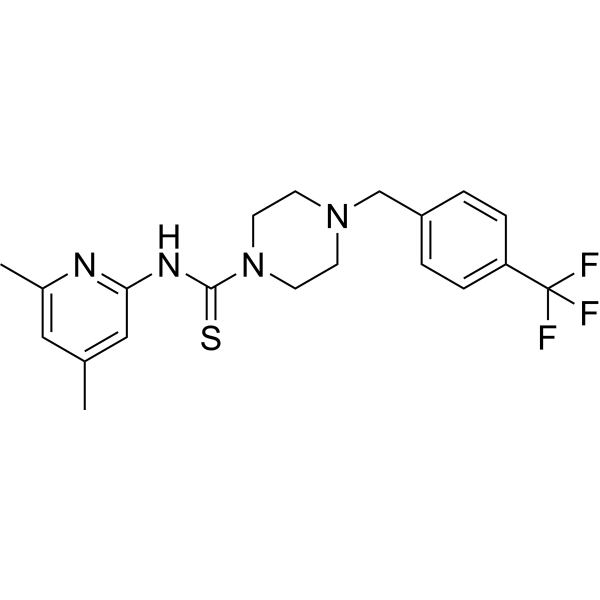
NCT-503 is a blood-brain barrier-permeable, non-competitive PHGDH inhibitor with an IC50 of 2.5 μM against human PHGDH. NCT-503 reduces glucose-derived serine production and the incorporation of one-carbon units into nucleotides without decreasing PHGDH protein expression. NCT-503 prevents high selenium-induced insulin resistance in mice by regulating blood glucose and insulin levels and improving glucose tolerance, and also inhibits the growth of tumors overexpressing PHGDH. NCT-503 can be used in research related to insulin resistance and breast cancer.
For research use only. We do not sell to patients.
- Purity : 99.69%
- CAS No.: 1916571-90-8
- Formula: C20H23F3N4S
- Molecular Weight:408.48
-
Storage:Powder -20°C, 3 years , 4°C, 2 years ; In solvent -80°C, 2 years , -20°C, 1 year

To place orders, for customer services and technical support, please contact: MedChemExpress USA
Tel: 609-228-6898 E-mail: [email protected] [email protected]


-
 Biological Activity
-
Chemical Information
-
Solvent & Solubility
- Protocols
- Purity & Documentation
- References
-
 Help & FAQs


-
HY-100012
CBR-5884PHGDH Inhibitor -
HY-117240
NCT-502PHGDH Inhibitor -
HY-Y0873
PEG300Neutral Polymer -
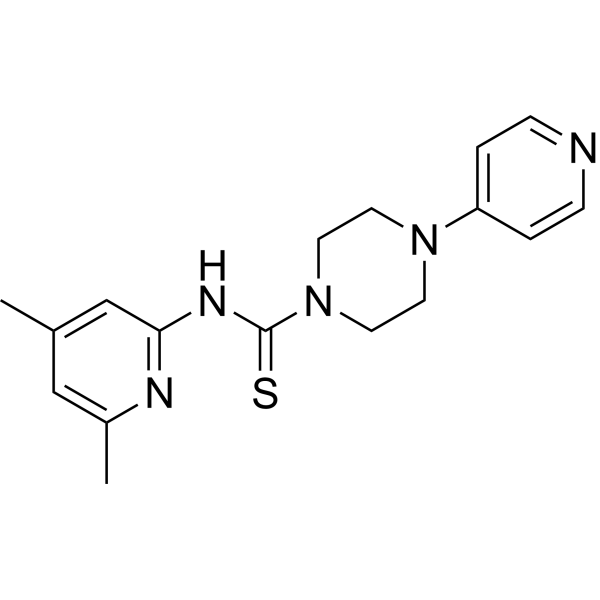
HY-121733
PHGDH-inactiveNegative Control -
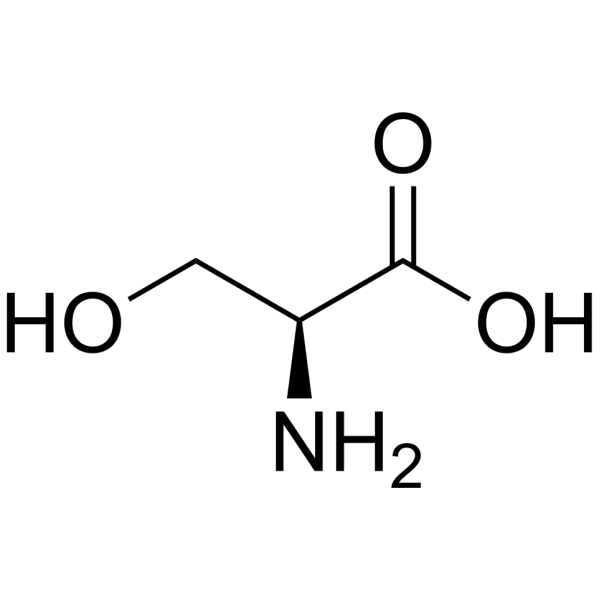
HY-N0650
L-SerineAmino Acid -
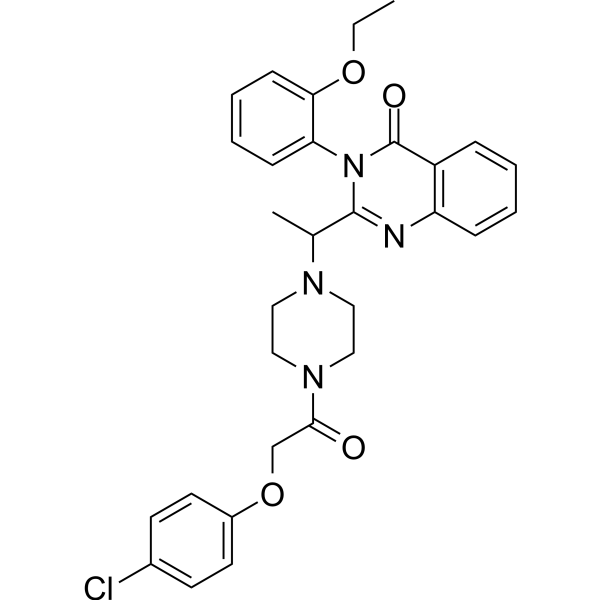
HY-15763
ErastinFerroptosis Inducer -
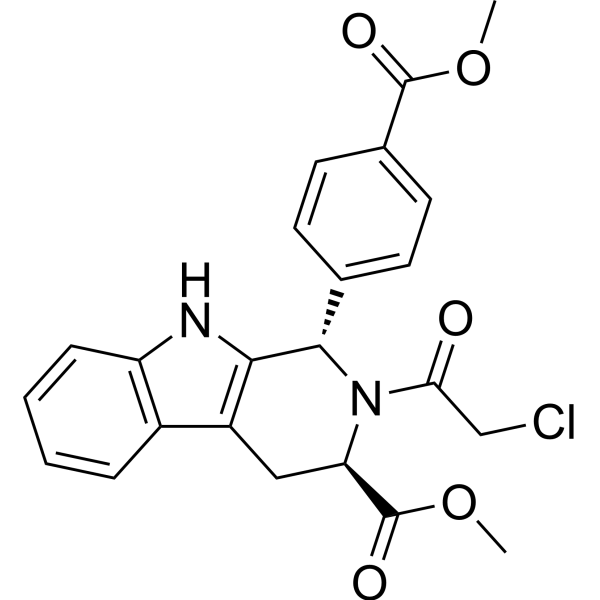
HY-100218A
RSL3GPX4 Inhibitor -
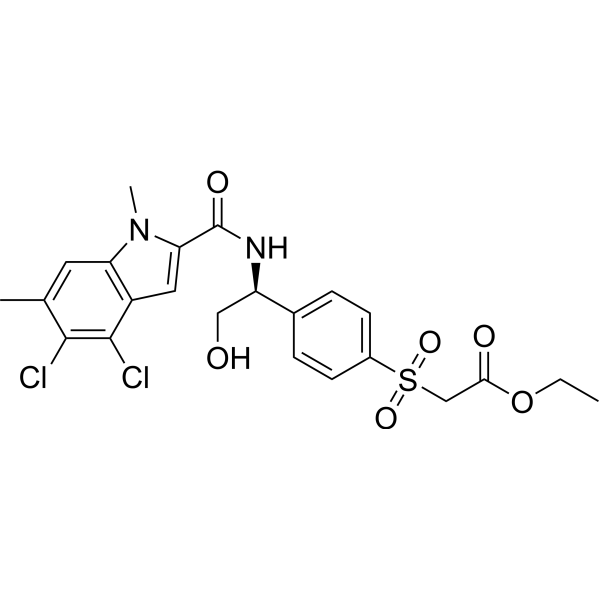
HY-126253
BI-4916PHGDH Inhibitor -
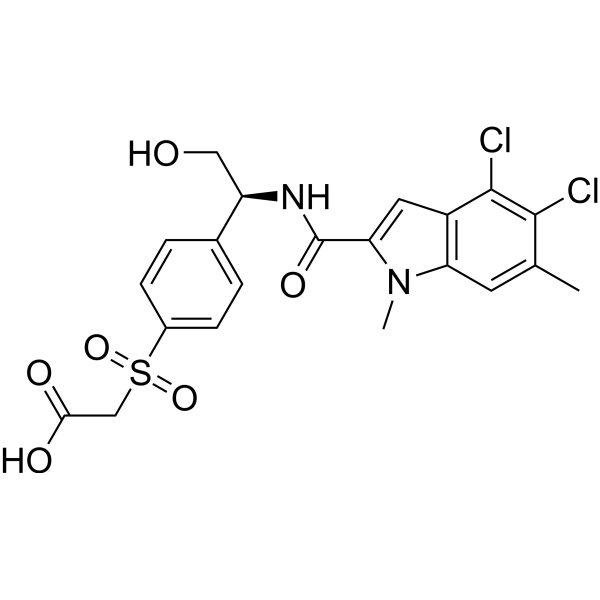
HY-126254
BI-4924PHGDH Inhibitor -
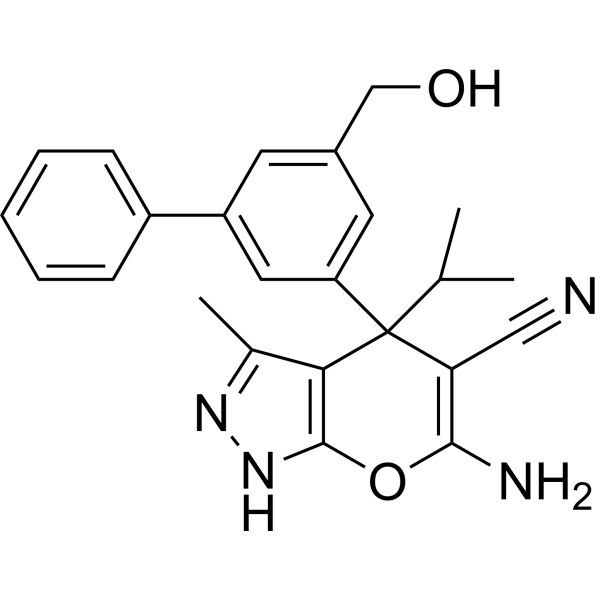
HY-112066
SHIN1SHMT1/2 Inhibitor -
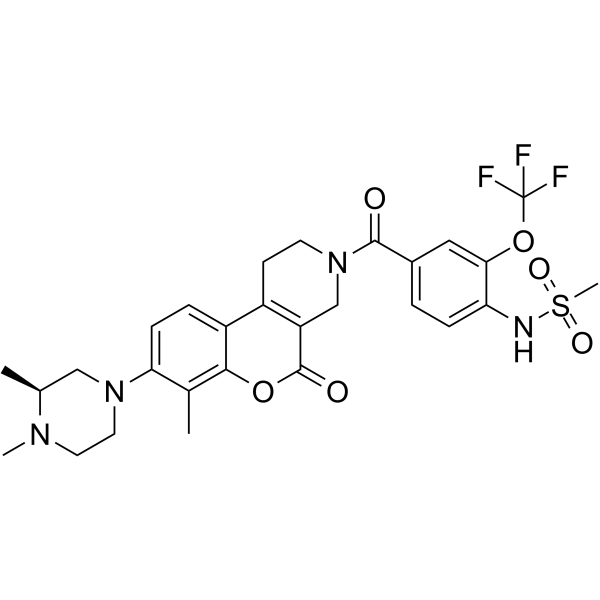
HY-130251
DS18561882MTHFD2 Inhibitor -
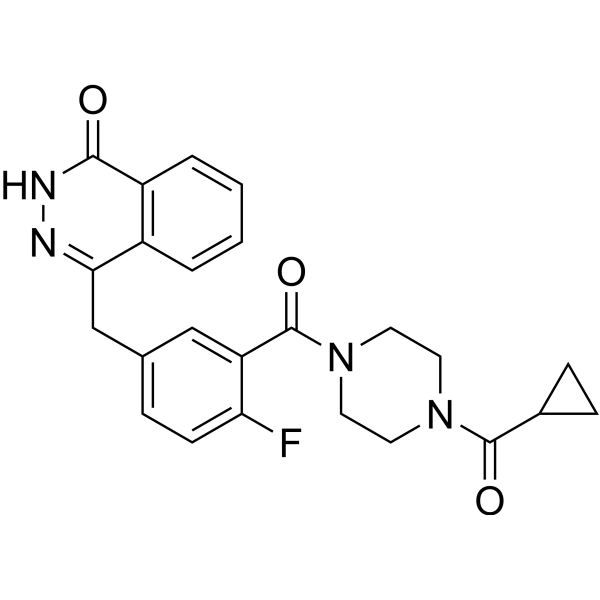
HY-10162
OlaparibPARP Inhibitor
Publications Citing Use of MedChemExpress (MCE) NCT-503
More- Nature. 2026 Apr;652(8112):1339-1348. [Abstract]
- Cell Res. 2022 May;32(5):477-490. [Abstract]
- Immunity. 2021 Aug 10;54(8):1728-1744.e7. [Abstract]
- Nat Metab. 2021 Oct;3(10):1357-1371. [Abstract]
- Cancer Res. 2021 Mar 15;81(6):1443-1456. [Abstract]
- Autophagy. 2026 Jun 16:1-20. [Abstract]
- Nat Commun. 2026 Oct 1.
- Nat Commun. 2019 Jun 20;10(1):2701. [Abstract]
- Redox Biol. 2024 Jul:73:103187. [Abstract]
- Mol Cell. 2026 Apr 16;86(8):1529-1545.e7. [Abstract]
- Mol Cell. 2019 Sep 19;75(6):1147-1160.e5. [Abstract]
- J Exp Clin Cancer Res. 2025 Mar 19;44(1):99. [Abstract]
- J Clin Invest. 2020 Jun 1;130(6):3253-3269. [Abstract]
- Cell Rep Med. 2026 Mar 26:102704. [Abstract]
- Cell Commun Signal. 2025 Jan 7;23(1):13. [Abstract]
- J Cachexia Sarcopenia Muscle. 2024 Jun;15(3):989-1002. [Abstract]
- Int J Biol Macromol. 2026 Jun 25:373:153200. [Abstract]
- Cell Prolif. 2025 Sep 10:e70123. [Abstract]
- J Agric Food Chem. 2025 Jul 2;73(26):16301-16316. [Abstract]
- Nutrients. 2025 Jan 16;17(2):311. [Abstract]
- Biol Direct. 2026 Mar 23;21(1):57. [Abstract]
- Am J Physiol Cell Physiol. 2025 Nov 1;329(5):C1560-C1576. [Abstract]
- J Nutr Biochem. 2026 May 30:157:110432. [Abstract]
- PLoS Pathog. 2026 Jul 7;22(7):e1014335.
- J Virol. 2023 Mar 30;97(3):e0001623. [Abstract]
- Lab Invest. 2022 Feb;102(2):194-203. [Abstract]
- Br J Haematol. 2020 Jul;190(1):52-66. [Abstract]
- Biotechnol Bioprocess Eng. 2025 Dec 8.
- Chem Zvesti. 2020 May.
- Onco Targets Ther. 2020 May 29;13:4833-4842. [Abstract]
- bioRxiv. 2026 Sep 18.
- bioRxiv. 2025 July 02.
- Chalmers University of Technology. 2024.
- bioRxiv. 2024 July 05.
- bioRxiv. 2023 Aug 22.
 Customer Validation & Images

-
WB
-
WB
-
Cell Proliferation/Viability Assay
-
RT-PCR
-
In Vivo Efficacy Study


Biological Activity
Description
IC50 & Target
IC50: 2.5 μM (PHGDH)[1]
Cellular Effect
|
Cell Line

|
Type | Value | Description | References |
|---|---|---|---|---|
| MDA-MB-231 | IC50 |
8 μM
Compound: 31; NCT-503
|
Antiproliferative activity against human MDA-MB-231 cells overexpressing PHGDH assessed as reduction in cell growth
Antiproliferative activity against human MDA-MB-231 cells overexpressing PHGDH assessed as reduction in cell growth
|
[PMID: 39106658] |
| MDA-MB-468 | EC50 |
8 μM
Compound: 31; NCT-503
|
Cytotoxicity against human MDA-MB-468 cells
Cytotoxicity against human MDA-MB-468 cells
|
[PMID: 29555419] |
In Vitro
NCT-503 (10 μM; 1 h pretreatment, 4 h/24 h tracer incubation) engages PHGDH in MDA-MB-468 cells, reducing glucose-derived serine synthesis, impairing one-carbon unit incorporation into nucleotides from both endogenous and exogenous serine, and increasing SHMT1-mediated one-carbon unit wasting; the C234S PHGDHG12C mutant reduces NCT-503 potency by ~3-fold[2].
NCT-503 (dose-response concentrations; 4 days) selectively inhibits the viability of PHGDH-dependent human cancer cell lines (MDA-MB-468, BT-20, HCC70, HT1080, MT-3) with EC50 values of 8-16 μM, while showing minimal to no toxicity towards PHGDH-independent cell lines[2].
MedChemExpress (MCE) has not independently confirmed the accuracy of these methods. They are for reference only.
-
Cell Line:PHGDH-dependent (MDA-MB-468, BT-20, HCC70, HT1080, MT-3) and PHGDH-independent (MDA-MB-231, ZR-75-1, SK-MEL-2) human cancer cell lines
-
Concentration:Dose-response concentrations
-
Incubation Time:4 days
-
Result:Exhibited EC50 values of 8-16 μM for PHGDH-dependent cell lines.
Showed a 6- to 10-fold higher EC50 for MDA-MB-231 cells.
Showed no toxicity towards other PHGDH-independent cell lines.
In Vivo
NCT-503 (40 mg/kg; i.p.; daily; 24 days) selectively inhibits growth and induces necrosis in PHGDH-dependent MDA-MB-468 orthotopic breast cancer xenografts in NOD.CB17-Prkdcscid/J mice without causing weight loss[2].
NCT-503 (30 mg/kg; i.p.; single dose) engages PHGDH in MDA-MB-468 orthotopic xenografts, reducing glucose-derived serine synthesis[2].
MedChemExpress (MCE) has not independently confirmed the accuracy of these methods. They are for reference only.
-
Animal Model:C57BL/6J (male, 4 weeks old, SPF status, high-selenium diet-induced insulin resistance model)[1]
-
Dosage:30 mg/kg
-
Administration:i.p.; twice weekly; 5 months
-
Result:Significantly reduced high-selenium-induced weight gain compared to the high-selenium alone group, with final body weight closer to the adequate-selenium control group.
Prevented the gradual increase in fasting blood glucose levels seen in the high-selenium alone group, with levels remaining near those of the adequate-selenium control group by the fifth month.
Improved glucose tolerance, with significantly lower blood glucose levels compared to the high-selenium alone group during the glucose tolerance test.
Improved insulin sensitivity, with a reduced percentage change in blood glucose following insulin injection compared to the high-selenium alone group.
Significantly reduced plasma insulin levels compared to the high-selenium alone group.
Significantly increased plasma homocysteine levels compared to the high-selenium alone group.
Significantly reduced plasma serine levels compared to the high-selenium alone group.
Markedly reduced PHGDH enzyme activity in the liver, muscle, and pancreas compared to the high-selenium alone group; PHGDH activity was also significantly lower than in the adequate-selenium control group and the high-selenium + serine group.
Significantly reduced GPX1 and SELENOP protein expression in the liver compared to the high-selenium alone group and the high-selenium + serine group.
Significantly reduced GPX1 and SELENON protein expression in the muscle compared to the high-selenium alone group and the high-selenium + serine group.
Significantly reduced GPX1 protein expression in the pancreas compared to the high-selenium alone group and the high-selenium + serine group.
Increased PHGDH protein expression in the liver, muscle, and pancreas compared to the high-selenium + serine group.
Significantly increased SHMT1 protein expression in the pancreas compared to the high-selenium + serine group.
Significantly increased mTOR protein expression in the pancreas compared to the high-selenium alone group.
Significantly increased phosphorylated Akt (Ser-473 and Thr-308) protein expression in the pancreas compared to the high-selenium alone group.
-
Animal Model:NOD.CB17-Prkdcscid/J (female, 6-8 weeks old, orthotopic xenograft via injection of 500,000 MDA-MB-468 cells into the 4th mammary fat pad)[2]
-
Dosage:40 mg/kg
-
Administration:i.p.; daily; 24 days
-
Result:Reduced the growth and weight of PHGDH-dependent MDA-MB-468 xenografts.
Selectively increased necrosis in these xenografts.
Decreased production of glucose-derived serine in tumors.
Reached ~3 μM tumor exposure at the end of the experiment.
Prevented weight loss in mice during the 24-day treatment period.


Chemical Information
-
CAS No. 1916571-90-8
-
Appearance Solid
-
Molecular Weight 408.48
-
Formula C20H23F3N4S
-
Color Off-white to light yellow
-
SMILES
S=C(N1CCN(CC2=CC=C(C(F)(F)F)C=C2)CC1)NC3=NC(C)=CC(C)=C3
-
Shipping
Room temperature in continental US; may vary elsewhere.
-
Storage
Powder -20°C 3 years 4°C 2 years In solvent -80°C 2 years -20°C 1 year


Publications (35)
-
Journal Impact Factor
-
Most Recent
-
Nature
2026 Apr;652(8112):1339-1348. PMID: 41813904 -
Cell Res
2022 May;32(5):477-490. PMID: 35105939 -
Immunity
Multiomics analyses reveal a critical role of selenium in controlling T cell differentiation in Crohn's disease. [Abstract]2021 Aug 10;54(8):1728-1744.e7. PMID: 34343498 -
Nat Metab
The alternative activity of nuclear PHGDH contributes to tumour growth under nutrient stress. [Abstract]2021 Oct;3(10):1357-1371. PMID: 34663976
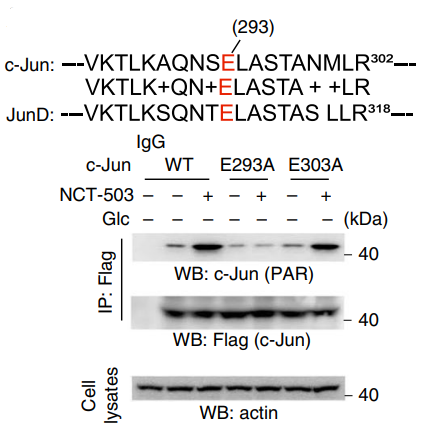
NCT-503 purchased from MedChemExpress. Usage Cited in: Nat Metab. 2021 Oct;3(10):1357-1371. [Abstract]
SW1990 cells expressing the indicated Flag–c-Jun were pretreated with NCT-503 (40 μM) and were cultured in glucose-free DMEM for 12 h.
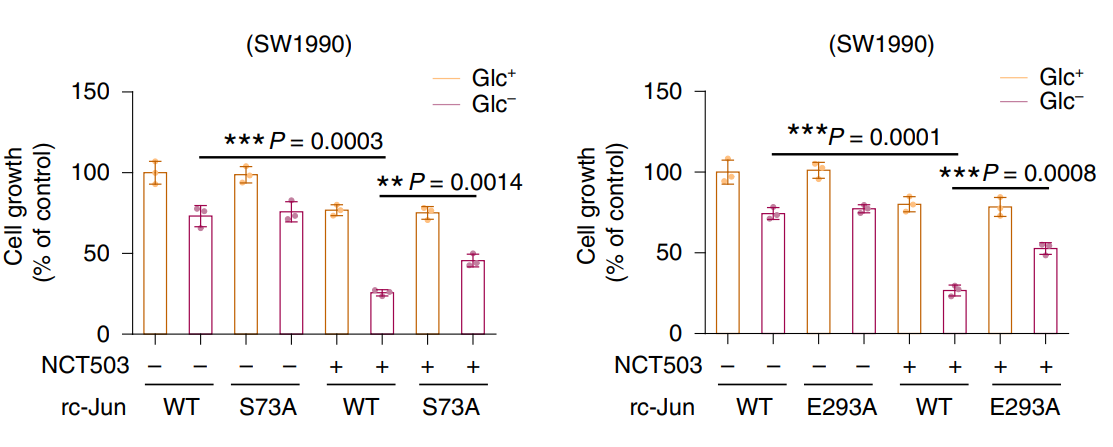
NCT-503 purchased from MedChemExpress. Usage Cited in: Nat Metab. 2021 Oct;3(10):1357-1371. [Abstract]
Cells pretreated with or without NCT-503 (40 μM) were cultured in normal or glucose-free DMEM for 36 h Cellular viability was examined by CCK-8 assay
NCT-503 purchased from MedChemExpress. Usage Cited in: Nat Metab. 2021 Oct;3(10):1357-1371. [Abstract]
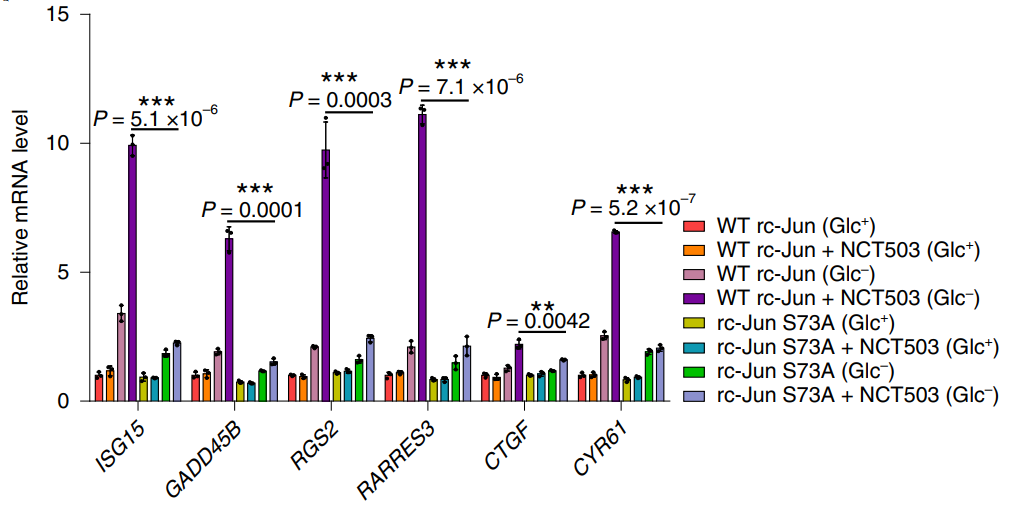
Cells pretreated with or without NCT-503 (40 μM) were cultured in normal or glucose-free DMEM for 24 h. mRNA levels of potential c-Jun target genes were analysed by real-time PCR.
NCT-503 purchased from MedChemExpress. Usage Cited in: Nat Metab. 2021 Oct;3(10):1357-1371. [Abstract]
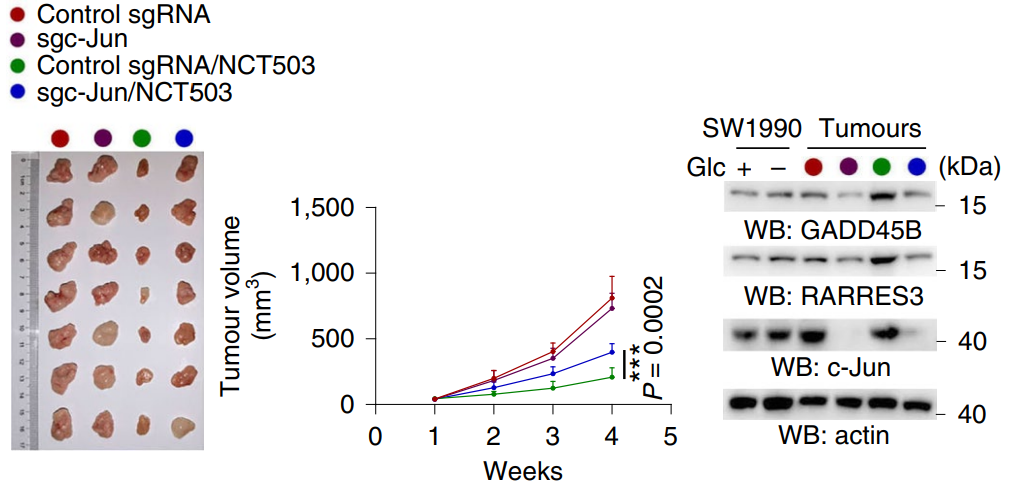
A total of 1 × 10⁷ SW1990 cells expressing the indicated sgRNAs were subcutaneously injected into athymic nude mice. NCT-503 (40 mg/kg/day; i.p.) administration in mice 7 d after subcutaneous injection of tumour cells. Representative tumour xenografts (left) and quantification of tumour volumes (middle) are shown; lysates were collected from SW1990 cells that were cultured for 6 h in glucose-free DMEM and from tumour tissues, then immunoprecipitated c-Jun was subjected to immunoblotting analyses (right).
-
Cancer Res
Serine Biosynthesis Is a Metabolic Vulnerability in IDH2-Driven Breast Cancer Progression. [Abstract]2021 Mar 15;81(6):1443-1456. PMID: 33500247 -
Autophagy
Porcine reproductive and respiratory syndrome virus hijacks the non-canonical enzymatic function of PHGDH to arrest autophagic flux for viral replication. [Abstract]2026 Jun 16:1-20. PMID: 42260976 -
-
Nat Commun
2019 Jun 20;10(1):2701. PMID: 31221965 -
Redox Biol
Central carbon metabolism exhibits unique characteristics during the handling of fungal patterns by monocyte-derived dendritic cells. [Abstract]2024 Jul:73:103187. PMID: 38744190 -
Mol Cell
Metabolic profiling reveals pyrimidine synthesis enzyme CAD as a central carbon metabolism signaling node in cancer cell proliferation. [Abstract]2026 Apr 16;86(8):1529-1545.e7. PMID: 41950920 -
Mol Cell
One-Carbon Metabolism Supports S-Adenosylmethionine and Histone Methylation to Drive Inflammatory Macrophages. [Abstract]2019 Sep 19;75(6):1147-1160.e5. PMID: 31420217 -
J Exp Clin Cancer Res
PHGDH activation fuels glioblastoma progression and radioresistance via serine synthesis pathway. [Abstract]2025 Mar 19;44(1):99. PMID: 40102981 -
J Clin Invest
Parkin ubiquitinates phosphoglycerate dehydrogenase to suppress serine synthesis and tumor progression. [Abstract]2020 Jun 1;130(6):3253-3269. PMID: 32478681 -
Cell Rep Med
Targeting the noncanonical function of metabolic enzyme PHGDH in driving PD-L1 expression and cancer immune evasion. [Abstract]2026 Mar 26:102704. PMID: 41905348 -
Cell Commun Signal
FOXC1-mediated serine metabolism reprogramming enhances colorectal cancer growth and 5-FU resistance under serine restriction. [Abstract]2025 Jan 7;23(1):13. PMID: 39773485 -
J Cachexia Sarcopenia Muscle
Skeletal muscle hypertrophy rewires glucose metabolism: An experimental investigation and systematic review. [Abstract]2024 Jun;15(3):989-1002. PMID: 38742477 -
Int J Biol Macromol
Acetylation-modified phosphoglycerate dehydrogenase is associated with enhanced serine biosynthesis and one‑carbon metabolism, supporting heat resistance in Pleurotus ostreatus. [Abstract]2026 Jun 25:373:153200. PMID: 42349591 -
Cell Prolif
PHGDH Orchestrates Cell Cycle Progression to Drive Cardiomyocyte Proliferation and Myocardial Regeneration via TGF-β/Smad Signalling Pathway. [Abstract]2025 Sep 10:e70123. PMID: 40930719 -
J Agric Food Chem
Ethyl Acetate Fraction of Zanthoxylum bungeanum Ameliorates Cognitive Deficit by Facilitating the PHGDH-Dependent Astrocyte-Neuron Serine Shuttle in Aging Mice. [Abstract]2025 Jul 2;73(26):16301-16316. PMID: 40537930 -
Nutrients
The Inhibitory Effects of NCT503 and Exogenous Serine on High-Selenium Induced Insulin Resistance in Mice. [Abstract]2025 Jan 16;17(2):311. PMID: 39861441 -
Biol Direct
2026 Mar 23;21(1):57. PMID: 41872929 -
Am J Physiol Cell Physiol
Glycolytic metabolism and biomass production from glucose in human skeletal muscle growth. [Abstract]2025 Nov 1;329(5):C1560-C1576. PMID: 41071646 -
J Nutr Biochem
2026 May 30:157:110432. PMID: 42218944 -
-
J Virol
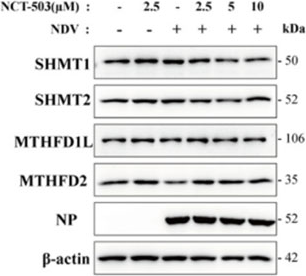
Newcastle Disease Virus Manipulates Mitochondrial MTHFD2-Mediated Nucleotide Metabolism for Virus Replication. [Abstract]2023 Mar 30;97(3):e0001623. PMID: 36794935
NCT-503 purchased from MedChemExpress. Usage Cited in: J Virol. 2023 Mar 30;97(3):e0001623. [Abstract]
NCT-503 (2.5, 5, 10 µM) blocks serine synthesis but promotes a compensatory upregulation of MTHFD2 in Newcastle disease virus (NDV)-infected cells.
-
Lab Invest
Pharmacological inhibition of serine synthesis enhances temozolomide efficacy by decreasing O6-methylguanine DNA methyltransferase (MGMT) expression and reactive oxygen species (ROS)-mediated DNA damage in glioblastoma. [Abstract]2022 Feb;102(2):194-203. PMID: 34625658 -
Br J Haematol
Phosphoglycerate dehydrogenase promotes proliferation and bortezomib resistance through increasing reduced glutathione synthesis in multiple myeloma. [Abstract]2020 Jul;190(1):52-66. PMID: 32037523 -
-
-
Onco Targets Ther
2020 May 29;13:4833-4842. PMID: 32581546 -
-
-
-
-


Solvent & Solubility
In Vitro:
DMSO : 50 mg/mL (122.41 mM; Need ultrasonic; Hygroscopic DMSO has a significant impact on the solubility of product, please use newly opened DMSO)
Ethanol : 13.33 mg/mL (32.63 mM; ultrasonic and warming and heat to 60°C)
Please refer to the solubility information to select the appropriate solvent. Once prepared, please aliquot and store the solution to prevent product inactivation from repeated freeze-thaw cycles.
Storage method and period of stock solution: -80°C, 2 years; -20°C, 1 year. When stored at -80°C, please use it within 2 years. When stored at -20°C, please use it within 1 year.
Please refer to the solubility information to select the appropriate solvent. Once prepared, please aliquot and store the solution to prevent product inactivation from repeated freeze-thaw cycles.
Storage method and period of stock solution: -80°C, 2 years; -20°C, 1 year. When stored at -80°C, please use it within 2 years. When stored at -20°C, please use it within 1 year.
Concentration (start) × Volume (start) = Concentration (final) × Volume (final)
In Vivo:
Select the appropriate dissolution method based on your experimental animal and administration route.
- For the following dissolution methods, please ensure to first prepare a clear stock solution using an In Vitro approach and then sequentially add co-solvents:
- To ensure reliable experimental results, the clarified stock solution can be appropriately stored based on storage conditions. As for the working solution for In Vivo experiments, it is recommended to prepare freshly and use it on the same day.
- The percentages shown for the solvents indicate their volumetric ratio in the final prepared solution. If precipitation or phase separation occurs during preparation, heat and/or sonication can be used to aid dissolution.
Add each solvent one by one: 10% DMSO 40% PEG300 5% Tween-80 45% Saline
Solubility: 2.5 mg/mL (6.12 mM); Suspended solution; Need ultrasonic
This protocol yields a suspended solution of 2.5 mg/mL. Suspended solution can be used for oral and intraperitoneal injection.
Taking 1 mL working solution as an example, add 100 μL DMSO stock solution (25.0 mg/mL) to 400 μL PEG300, and mix evenly; then add 50 μL Tween-80 and mix evenly; then add 450 μL Saline to adjust the volume to 1 mL.
Preparation of Saline: Dissolve 0.9 g sodium chloride in ddH₂O and dilute to 100 mL to obtain a clear Saline solution.
For the following dissolution methods, please prepare the working solution directly:
It is recommended to prepare fresh solutions and use them promptly within a short period of time.
The percentages shown for the solvents indicate their volumetric ratio in the final prepared solution. If precipitation or phase separation occurs during preparation, heat and/or sonication can be used to aid dissolution.
Add each solvent one by one: 50% PEG300 50% Saline
Solubility: 10 mg/mL (24.48 mM); Suspended solution; Need ultrasonic
Add each solvent one by one: 0.5% Methylcellulose/0.2% Tween-80 in Saline water
Solubility: 2 mg/mL (4.90 mM); Suspended solution; Need ultrasonic
In Vivo Dissolution Calculator
Please enter the basic information of animal experiments:
-
-
-
-
Recommended: Prepare an additional quantity of animals to account for potential losses during experiments.
Please enter your animal formula composition:
-
%DMSO +
Recommended: Keep the proportion of DMSO in working solution below 2% if your animal is weak.
-
%+
-
+%Tween-80 + +
-
%Saline +
The co-solvents required include: DMSO, . All of co-solvents are available by MedChemExpress (MCE). , Tween 80. All of co-solvents are available by MedChemExpress (MCE).
Working solution concentration: 0.22 mg/mL
Method for preparing stock solution: mg drug dissolved in μL DMSO. Stock solution concentration: mg/mL.
1. Take μL DMSO stock solution;
2. Add μL .
μL , mix evenly;
3. Then add μL Tween 80, mix evenly;
4. Then add μL
Please ensure that the stock solution in the first step is dissolved to a clear state, and add co-solvents in sequence. You can use ultrasonic heating (ultrasonic cleaner, recommended frequency 20-40 kHz), vortexing, etc. to assist dissolution.


Purity & Documentation
-
Data Sheet (280 KB)
-
SDS (393 KB)
- English - EN (393 KB)
- Français - FR (393 KB)
- Deutsch - DE (393 KB)
- Norwegian - NO (393 KB)
- Español - ES (393 KB)
- Swedish - SV (393 KB)
- Italian - IT (393 KB)
- Korean - KR (393 KB)
- Portuguese - PT (393 KB)
-
Handling Instructions (2659 KB)
References
[1]. Zhan S, et al. The Inhibitory Effects of NCT503 and Exogenous Serine on High-Selenium Induced Insulin Resistance in Mice. Nutrients. 2025;17(2):311. Published 2025 Jan 16. [Content Brief]
[2]. Pacold ME, et al. A PHGDH inhibitor reveals coordination of serine synthesis and one-carbon unit fate. Nat Chem Biol. 2016;12(6):452-458. [Content Brief]


Complete Stock Solution Preparation Table
Please refer to the solubility information to select the appropriate solvent. Once prepared, please aliquot and store the solution to prevent product inactivation from repeated freeze-thaw cycles.
Storage method and period of stock solution: -80°C, 2 years; -20°C, 1 year. When stored at -80°C, please use it within 2 years. When stored at -20°C, please use it within 1 year.
| Optional Solvent | Concentration Solvent Mass | 1 mg | 5 mg | 10 mg | 25 mg |
|---|---|---|---|---|---|
| Ethanol / DMSO | 1 mM | 2.4481 mL | 12.2405 mL | 24.4810 mL | 61.2025 mL |
| 5 mM | 0.4896 mL | 2.4481 mL | 4.8962 mL | 12.2405 mL | |
| 10 mM | 0.2448 mL | 1.2241 mL | 2.4481 mL | 6.1203 mL | |
| 15 mM | 0.1632 mL | 0.8160 mL | 1.6321 mL | 4.0802 mL | |
| 20 mM | 0.1224 mL | 0.6120 mL | 1.2241 mL | 3.0601 mL | |
| 25 mM | 0.0979 mL | 0.4896 mL | 0.9792 mL | 2.4481 mL | |
| 30 mM | 0.0816 mL | 0.4080 mL | 0.8160 mL | 2.0401 mL | |
| DMSO | 40 mM | 0.0612 mL | 0.3060 mL | 0.6120 mL | 1.5301 mL |
| 50 mM | 0.0490 mL | 0.2448 mL | 0.4896 mL | 1.2241 mL | |
| 60 mM | 0.0408 mL | 0.2040 mL | 0.4080 mL | 1.0200 mL | |
| 80 mM | 0.0306 mL | 0.1530 mL | 0.3060 mL | 0.7650 mL | |
| 100 mM | 0.0245 mL | 0.1224 mL | 0.2448 mL | 0.6120 mL |


NCT-503 Related Classifications
HY-101966 Related Classifications
 Powered by Bioz