



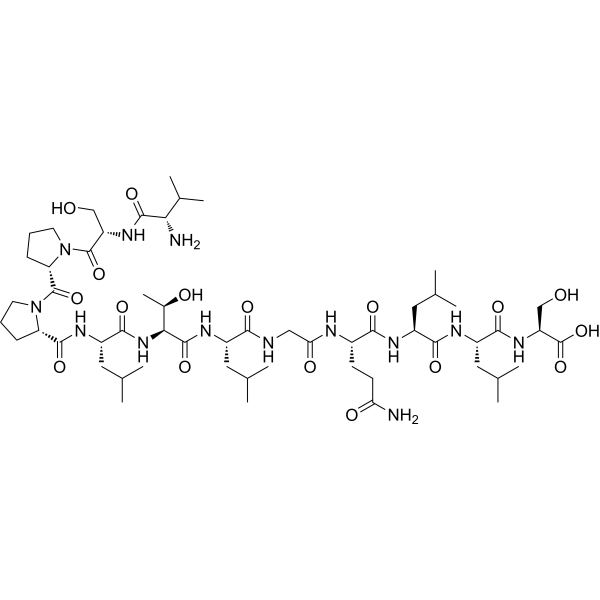
VSPPLTLGQLLS

Based on 1 Customer Validation
VSPPLTLGQLLS is a small peptide FGFR3 inhibitor, peptide P3, inhibits FGFR3 phosphorylation. VSPPLTLGQLLS inhibits 9-cisRA-induced tracheal lymphangiogenesis and blocks lymphatic endothelial cell (LEC) proliferation, migration, and tubule formation.
For research use only. We do not sell to patients.
- Purity : 99.53%
- CAS No.: 1206896-24-3
- Formula: C56H97N13O17
- Molecular Weight:1224.45
-
Storage:
Sealed storage, away from moisture and light.
Powder -80°C, 2 years , -20°C, 1 year* In solvent : -80°C, 6 months; -20°C, 1 month (sealed storage, away from moisture and light)

To place orders, for customer services and technical support, please contact: MedChemExpress USA
Tel: 609-228-6898 E-mail: [email protected] [email protected]


-
 Biological Activity
-
Chemical Information
-
Solvent & Solubility
- Protocols
- Purity & Documentation
- References
-
 Help & FAQs


-
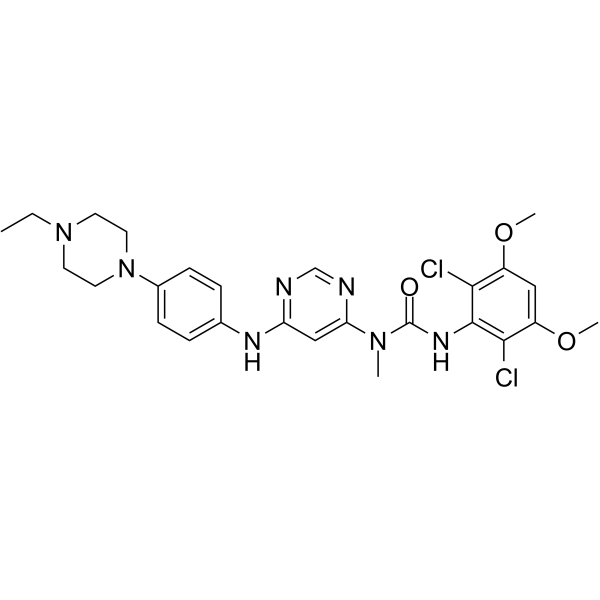
HY-13311
InfigratinibFGFR Inhibitor -
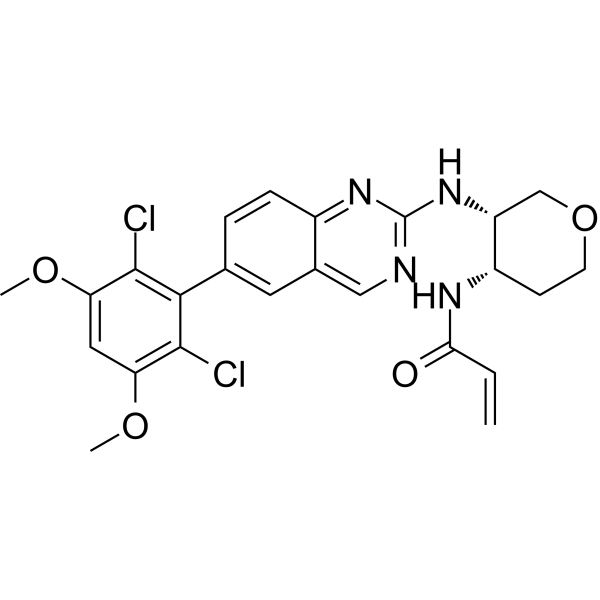
HY-100492
FisogatinibFGFR4 Inhibitor -
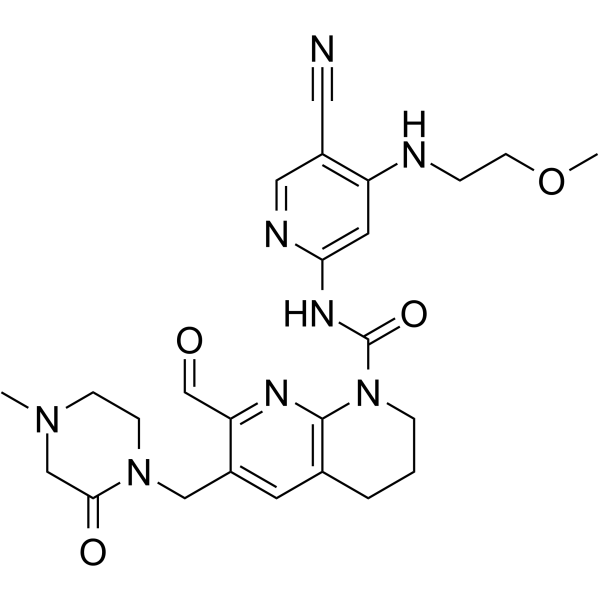
HY-101568
RoblitinibFGFR4 Inhibitor -
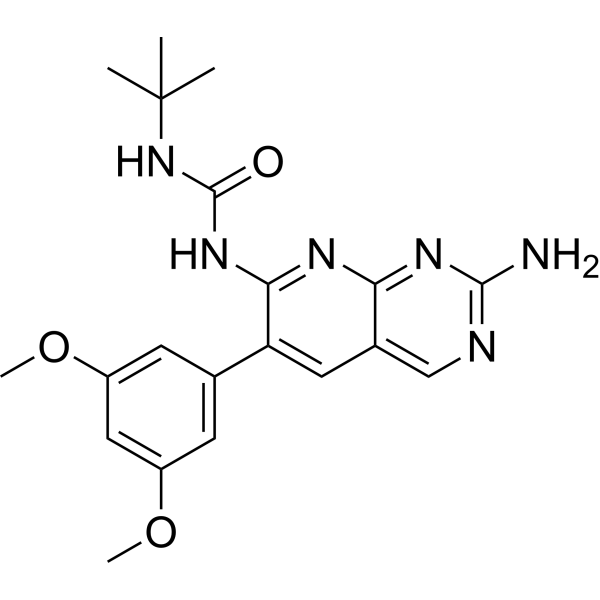
HY-101296
PD-166866FGFR1 Inhibitor -
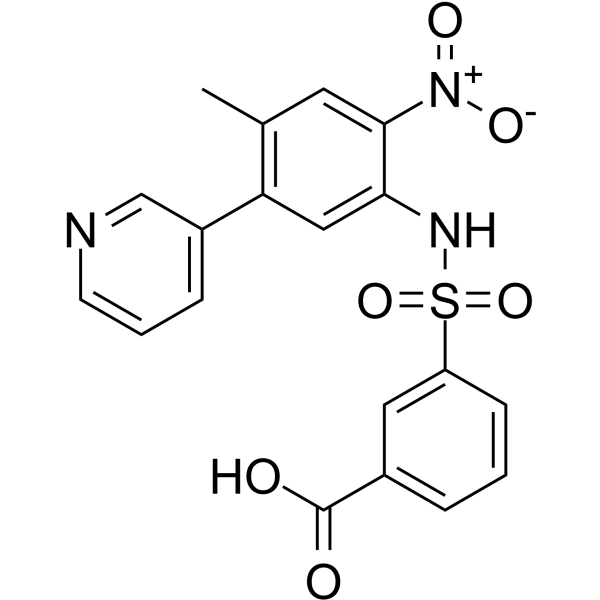
HY-17601
Alofanib -
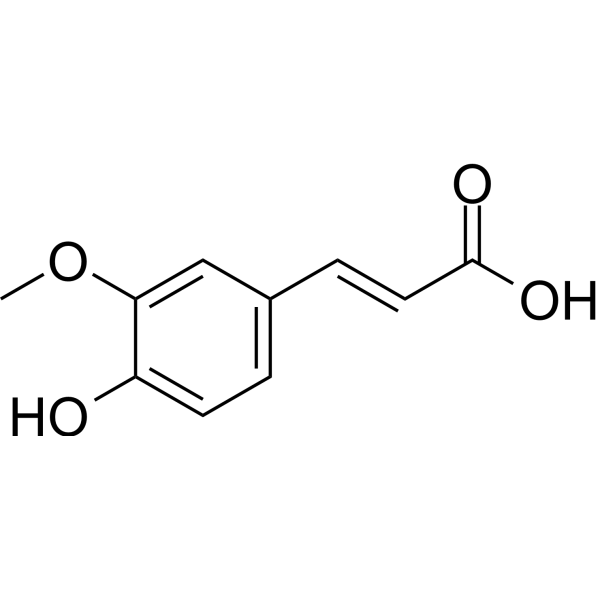
HY-N0060
Ferulic acidFGFR1 Inhibitor -

HY-P99930
EfruxiferminFc-FGF21 Fusion Protein -

HY-N0060R
Ferulic acid (Standard)FGFR1 Inhibitor -
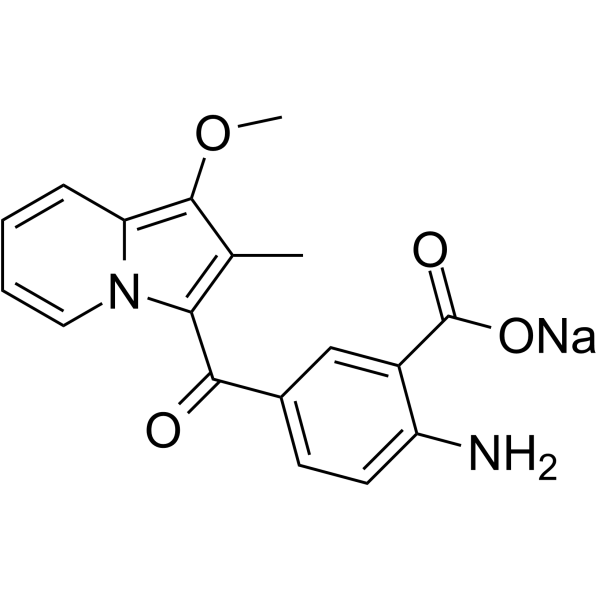
HY-15599
SSR128129EFGFR Inhibitor -
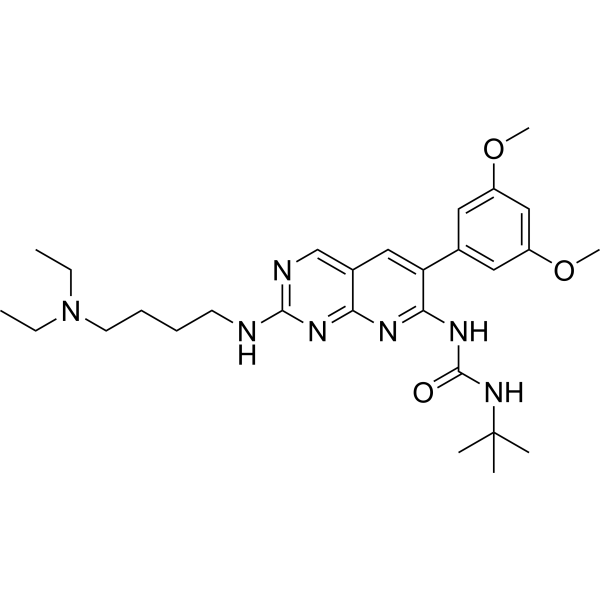
HY-10321
PD173074FGFR1 Inhibitor -
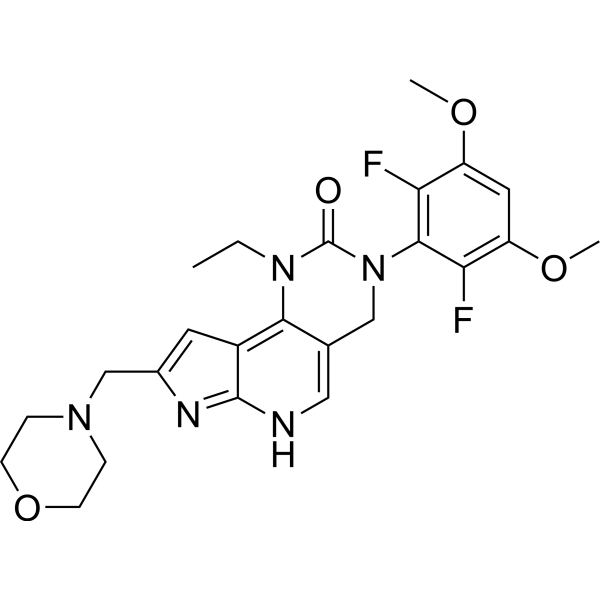
HY-109099
PemigatinibFGFR Inhibitor -
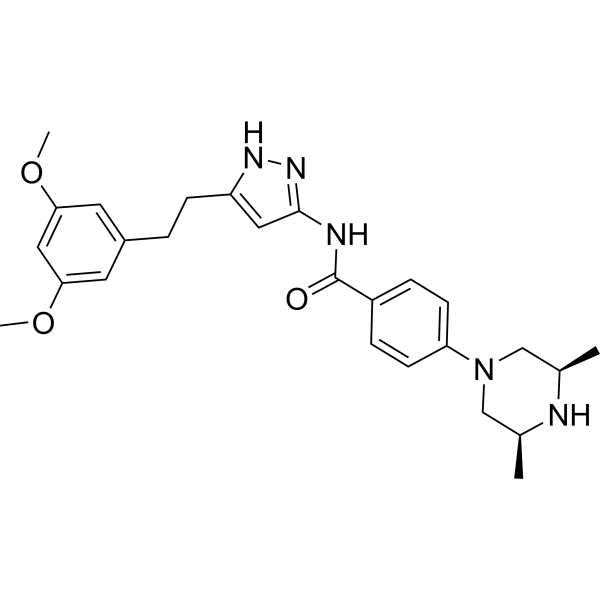
HY-13330
FexagratinibFGFR Inhibitor


Biological Activity
Description
|
FGFR3 |
K650M-FGFR3 |
K644E FGFR3 |
In Vitro
VSPPLTLGQLLS (5 μM and 10 μM; 24 h and 48 h) inhibits human primary lymphatic endothelial cell (LEC)s proliferation, migration, and tubule formation[1].
VSPPLTLGQLLS shows effective inhibition in FGFR3 phosphorylation in LECs and also demonstrated to be effective in ATDC5 chondrogenic cells, 293T cells, explanted metatarsal bone cultures, and an in vivo mouse model of thanatophoric dysplasia II[1][2].
VSPPLTLGQLLS (10 μM; 6 h) inhibits tyrosine kinase activity of FGFR3 and its typical downstream molecules, extracellular signal-regulated kinase/mitogen-activated protein kinase[2].
VSPPLTLGQLLS (0, 1, 10, and 50 μM; 24 h and 3 or 7 days, respectively) also promotes proliferation and chondrogenic differentiation of cultured ATDC5 chondrogenic cells[2].
VSPPLTLGQLLS (10 μM; 0-60 min) inhibits the ERK/MAPK pathway in FGFR3-expressing chondrocytic cell line ATDC5[2].
MedChemExpress (MCE) has not independently confirmed the accuracy of these methods. They are for reference only. Further protocols information, click here.
-
Cell Line:Human primary lymphatic endothelial cell (LEC)s; ATDC5 chondrogenic cells
-
Concentration:10 μM
-
Incubation Time:0, 5, 10, 30, 45, 60 min
-
Result:Inhibited FGFR3 phosphorylation at Tyr 724 in human primary lymphatic endothelial cell (LEC)s.
Inhibited the FGF2-mediated ERK/MAPK phosphorylation in FGFR3-expressing chondrocytic cell line ATDC5.
-
Cell Line:Human primary lymphatic endothelial cell (LEC)s
-
Concentration:2.5 μM, 5 μM, and 10 μM
-
Incubation Time:15 min for pre-incubation and co-incubation with 1 μM 9-cisRA for 48 hr
-
Result:Inhibited LEC proliferation.
-
Cell Line:Human primary lymphatic endothelial cell (LEC)s
-
Concentration:5 μM
-
Incubation Time:15 min for pre-incubation and co-incubation with 1 μM 9-cisRA for 24 hr; observed at 0, 24, 48 hr
-
Result:Inhibited LEC migration tubule formation.
In Vivo
VSPPLTLGQLLS alleviates the bone growth retardation in bone rudiments from mice mimicking human thanatophoric dysplasia type II (TDII), reversed the neonatal lethality of TDII mice[2].
MedChemExpress (MCE) has not independently confirmed the accuracy of these methods. They are for reference only.
-
Animal Model:Lymphatic reporter mice, Prox1-GFP model[1]
-
Dosage:1 mM
-
Administration:Intranasal dropping; once daily for 7 days; accompanied with 1 mM 9-cisRA or not
-
Result:Significantly inhibited total lymphatic vessel length and number of sprouts compared increase induced by 9-cisRA.
-
Animal Model:Fgfr3Neo-K644E/+EIIa-Cre mice (TDII mice) from Fgfr3Neo-K644E/+ mice crossed with heterozygous EIIa-Cre mice[2]
-
Dosage:10 μM
-
Administration:Treated for 7 days
-
Result:Suppressed FGFR3-mediated growth inhibition in cultured murine metatarsal bones.
Rescued the lethal phenotype in thanatophoric dysplasia type II (TDII) mice.
Rescued the abnormal growth plate and the lung phenotypes in the TDII mice.


Chemical Information
-
CAS No. 1206896-24-3
-
Appearance Solid
-
Molecular Weight 1224.45
-
Formula C56H97N13O17
-
Color White to off-white
-
Sequence Shortening
VSPPLTLGQLLS
-
Shipping
Room temperature in continental US; may vary elsewhere.
-
Storage
Sealed storage, away from moisture and light
Powder -80°C 2 years -20°C 1 year * In solvent : -80°C, 6 months; -20°C, 1 month (sealed storage, away from moisture and light)


Solvent & Solubility
In Vitro:
H2O : 50 mg/mL (40.83 mM; Need ultrasonic)
Please refer to the solubility information to select the appropriate solvent. Once prepared, please aliquot and store the solution to prevent product inactivation from repeated freeze-thaw cycles.
Storage method and period of stock solution: -80°C, 6 months; -20°C, 1 month (sealed storage, away from moisture and light). When stored at -80°C, please use it within 6 months. When stored at -20°C, please use it within 1 month.
* Note: If you choose water as the stock solution, please dilute it to the working solution, then filter and sterilize it with a 0.22 μm filter before use.
Please refer to the solubility information to select the appropriate solvent. Once prepared, please aliquot and store the solution to prevent product inactivation from repeated freeze-thaw cycles.
Storage method and period of stock solution: -80°C, 6 months; -20°C, 1 month (sealed storage, away from moisture and light). When stored at -80°C, please use it within 6 months. When stored at -20°C, please use it within 1 month.
* Note: If you choose water as the stock solution, please dilute it to the working solution, then filter and sterilize it with a 0.22 μm filter before use.
Concentration (start) × Volume (start) = Concentration (final) × Volume (final)

Protocols
-
Kinase activity and phosphorylation assays
Kinase activity assays measure the ability of kinases to transfer phosphate groups from ATP to specific substrates, while phosphorylation assays detect the presence and levels of phosphorylated proteins. Common methods include radiolabeled ATP incorporation (e. g. ,), ADP release detection via bioluminescence (e. g. ,[3]), enzyme-linked immunosorbent assays (ELISA) for phospho-specific epitopes (e. g. ,[6]), and microtiter-based formats for high-throughput screening (e. g. ,[8]). The ADP-Glo assay quantifies kinase activity by measuring ADP produced during phosphorylation using a luciferase-based system. Radiometric assays involve autoradiography or scintillation counting after incorporation of 32P-labeled ATP into substrate proteins. ELISA-based approaches rely on phospho-specific antibodies to detect activated kinases in cell lysates or purified samples.
-
Western Blot
Western blotting (WB) is a commonly used experimental method in molecular biology, biochemistry, and immunogenetics for identifying and quantifying target proteins. It combines gel electrophoresis with immunoassay, enabling researchers to analyze protein expression, post-translational modifications, and molecular weight.
-
Cell migration
Cell migration is a method that plays an important role in wound healing, cell differentiation, embryonic development, etc.
-
Protocol for Kinase activity and phosphorylation assays
Kinase activity assays measure transfer of phosphate from ATP to a protein or peptide substrate, generating phosphorylated substrate, ADP, or incorporated radiolabeled phosphate as the readout; phosphorylation assays measure site-specific phosphorylation in cells or tissues as a proxy for kinase-pathway activation, inhibition, or substrate regulation. Phosphorylation can be detected by phospho-specific Western blot, immunoprecipitation kinase assay, phospho-immunofluorescence, phospho-flow cytometry, luminescent ADP detection, radiolabeled ATP incorporation, or reporter-based pathway assays, and these readouts can be applied to cancer cells, primary neurons, mouse tumors, organoids, inflammatory macrophages, ferroptosis studies, and mitophagy studies when the kinase target is biologically relevant.
-
Cell Viability Determination by MTT Colorimetric Assay
The following protocol uses the MTT colorimetric assay as a classic literature-established method for assessing cell viability/metabolic activity in cultured mammalian cells. MTT[3-(4,5-dimethylthiazol-2-yl)-2,5-diphenyltetrazolium bromide] is reduced by metabolically active cells to a colored formazan product; the amount of formazan is quantified spectrophotometrically and provides an indirect measure of metabolically active viable cells. Importantly, MTT reduction reflects cellular oxidoreductase/metabolic activity rather than an absolute direct count of living cells, so changes in cellular metabolism can alter the signal independently of cell number.


Purity & Documentation
-
Data Sheet (280 KB)
-
SDS (252 KB)
- English - EN (252 KB)
- Français - FR (252 KB)
- Deutsch - DE (252 KB)
- Norwegian - NO (252 KB)
- Español - ES (252 KB)
- Swedish - SV (252 KB)
- Italian - IT (252 KB)
- Korean - KR (252 KB)
- Portuguese - PT (252 KB)
-
Handling Instructions (2659 KB)
References
[1]. Perrault DP, et al. Small Peptide Modulation of Fibroblast Growth Factor Receptor 3-Dependent Postnatal Lymphangiogenesis. Lymphat Res Biol. 2019 Feb;17(1):19-29. [Content Brief]
[2]. Jin M, et al. A novel FGFR3-binding peptide inhibits FGFR3 signaling and reverses the lethal phenotype of mice mimicking human thanatophoric dysplasia. Hum Mol Genet. 2012 Dec 15;21(26):5443-55. [Content Brief]


Complete Stock Solution Preparation Table
Please refer to the solubility information to select the appropriate solvent. Once prepared, please aliquot and store the solution to prevent product inactivation from repeated freeze-thaw cycles.
Storage method and period of stock solution: -80°C, 6 months; -20°C, 1 month (sealed storage, away from moisture and light). When stored at -80°C, please use it within 6 months. When stored at -20°C, please use it within 1 month.
| Optional Solvent | Concentration Solvent Mass | 1 mg | 5 mg | 10 mg | 25 mg |
|---|---|---|---|---|---|
| H2O | 1 mM | 0.8167 mL | 4.0835 mL | 8.1669 mL | 20.4173 mL |
| 5 mM | 0.1633 mL | 0.8167 mL | 1.6334 mL | 4.0835 mL | |
| 10 mM | 0.0817 mL | 0.4083 mL | 0.8167 mL | 2.0417 mL | |
| 15 mM | 0.0544 mL | 0.2722 mL | 0.5445 mL | 1.3612 mL | |
| 20 mM | 0.0408 mL | 0.2042 mL | 0.4083 mL | 1.0209 mL | |
| 25 mM | 0.0327 mL | 0.1633 mL | 0.3267 mL | 0.8167 mL | |
| 30 mM | 0.0272 mL | 0.1361 mL | 0.2722 mL | 0.6806 mL | |
| 40 mM | 0.0204 mL | 0.1021 mL | 0.2042 mL | 0.5104 mL |
* Note: If you choose water as the stock solution, please dilute it to the working solution, then filter and sterilize it with a 0.22 μm filter before use.


VSPPLTLGQLLS Related Classifications
HY-P3695 Related Classifications
 Powered by Bioz