



5J-4
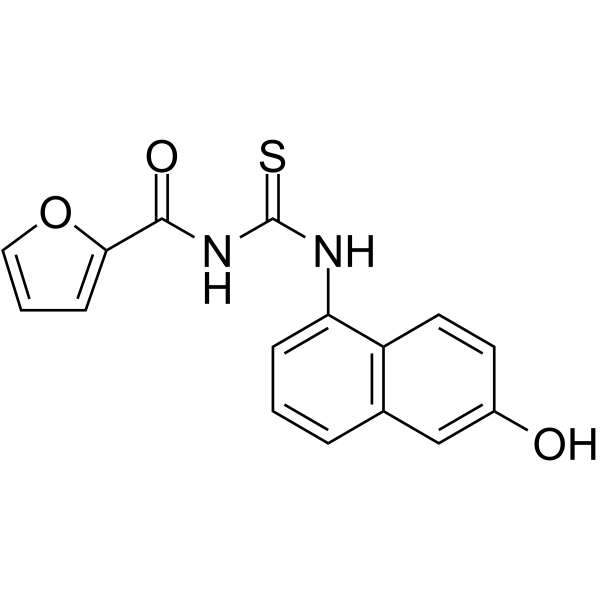
5J-4 is a potent CRAC inhibitor. 5J-4 decreases the numbers of infiltrated mononuclear cell into the CNS, and significantly decreases the population of infiltrated CD4+ population. 5J-4 reduces the symptoms and delayed the onset of EAE (experimental autoimmune encephalomyelitis) in mouse model of inflammation.
For research use only. We do not sell to patients.
- Purity : 95%
- CAS No.: 827001-82-1
- Formula: C16H12N2O3S
- Molecular Weight:312.35
-
Storage:Powder -20°C, 3 years , 4°C, 2 years ; In solvent -80°C, 6 months , -20°C, 1 month

To place orders, for customer services and technical support, please contact: MedChemExpress USA
Tel: 609-228-6898 E-mail: [email protected] [email protected]


-
 Biological Activity
-
Chemical Information
- Protocols
- Purity & Documentation
- References
-
 Help & FAQs


-
HY-N1370
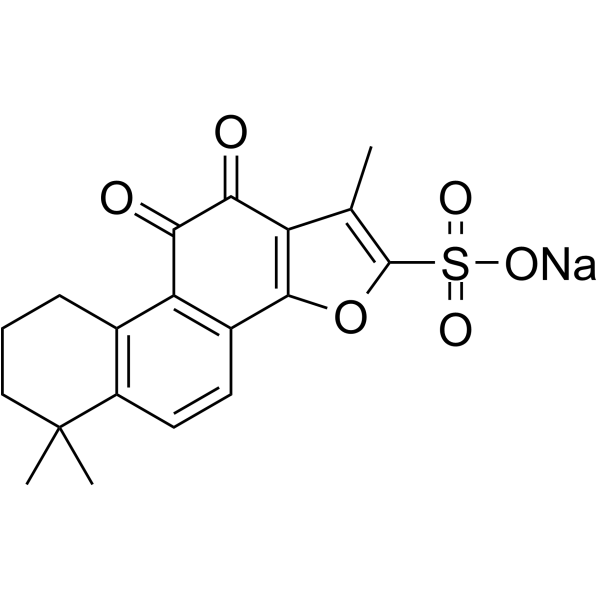
Tanshinone IIA sulfonate sodiumSOCE Inhibitor -
HY-101942
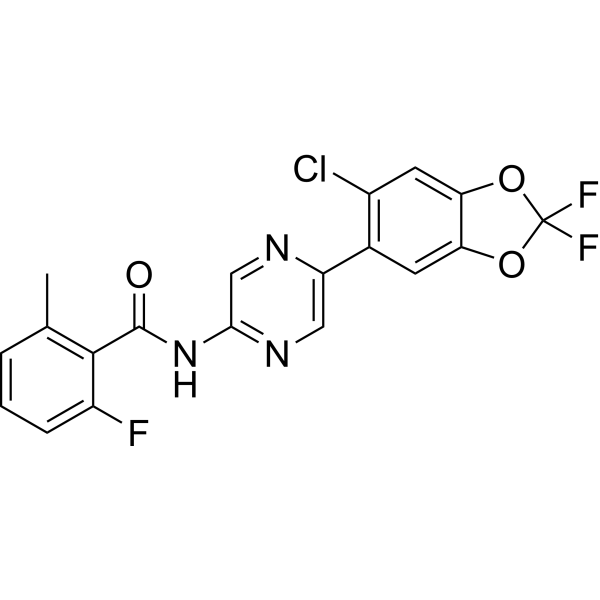
ZegocractinSOCE Inhibitor -
HY-111325
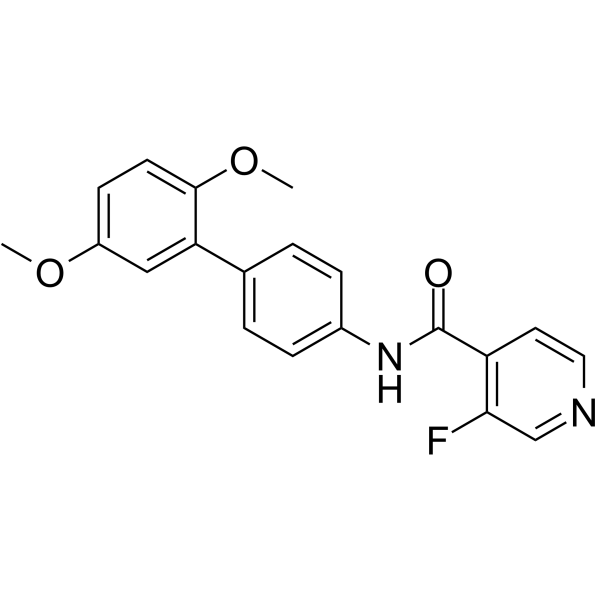
Synta66CRAC Channel Inhibitor -
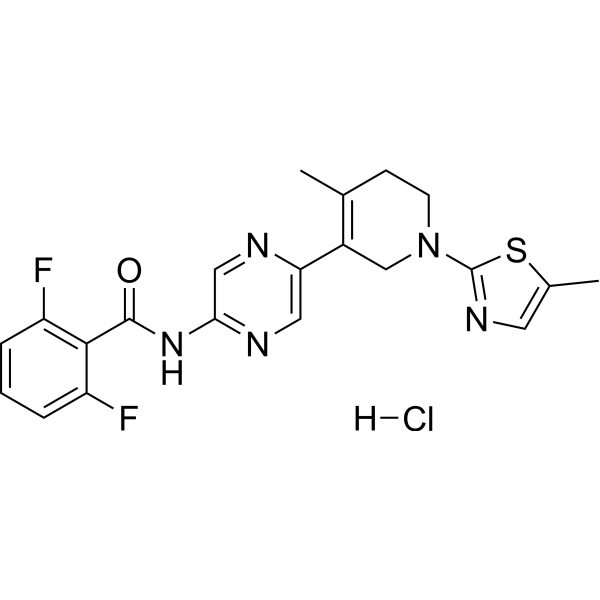
HY-113618B
RO2959 monohydrochlorideCRAC Channel Inhibitor -
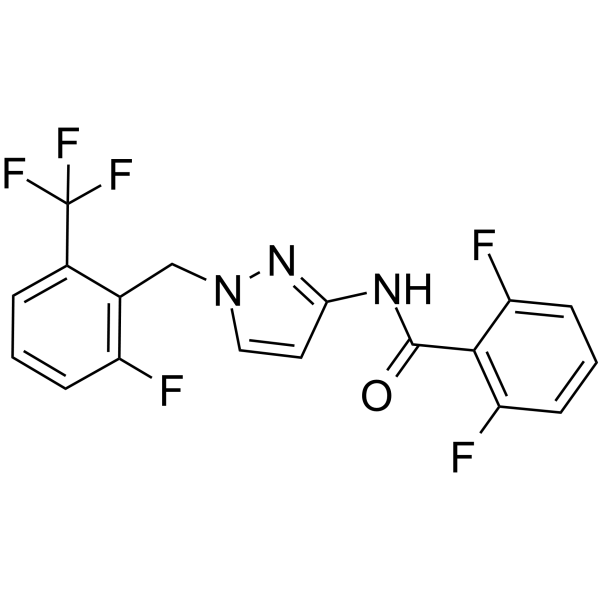
HY-12521
GSK-5498ACARC Inhibitor -
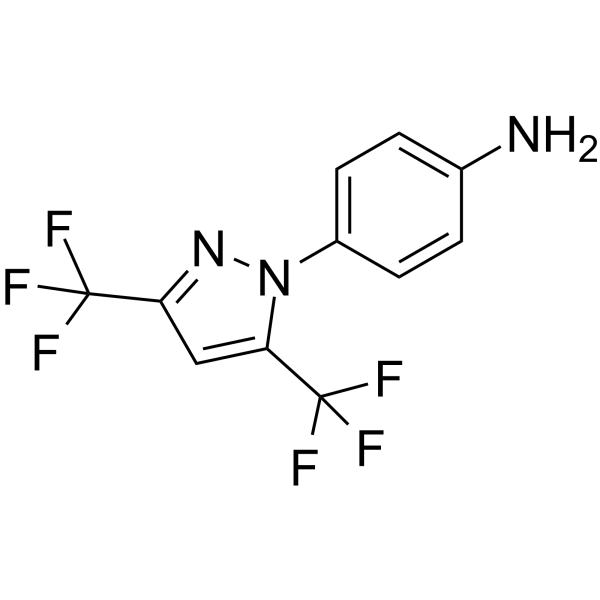
HY-20588
CRAC intermediate 2CRAC Inhibitor Synthesis Intermediate -
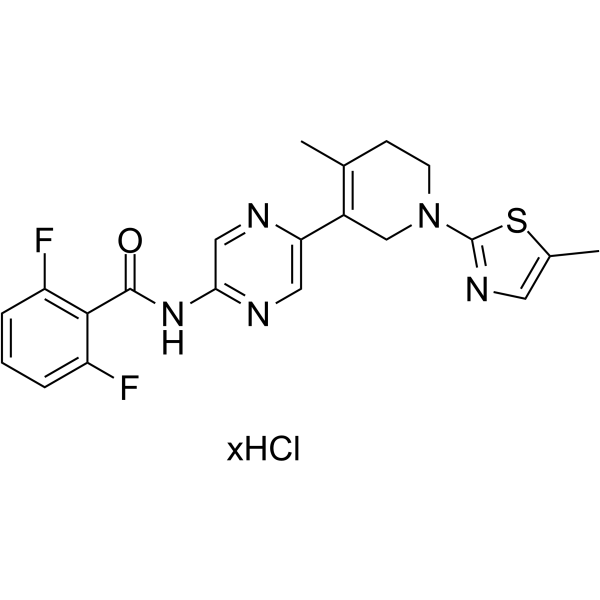
HY-113618A
RO2959 hydrochloride -
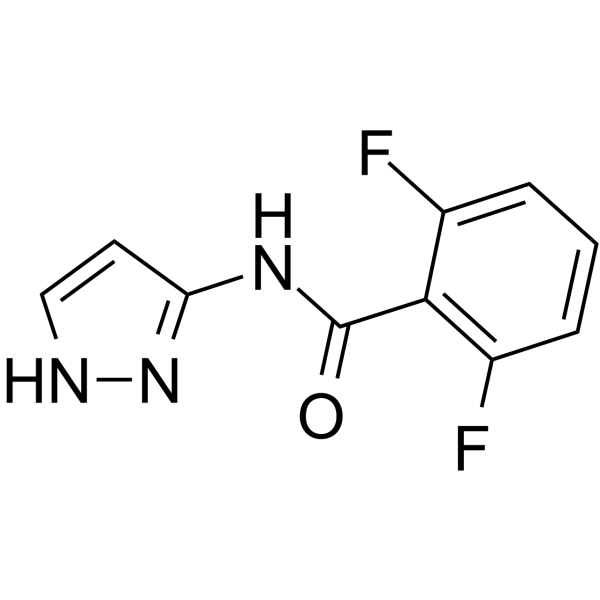
HY-20587
CRAC intermediate 1Synthetic Intermediate -
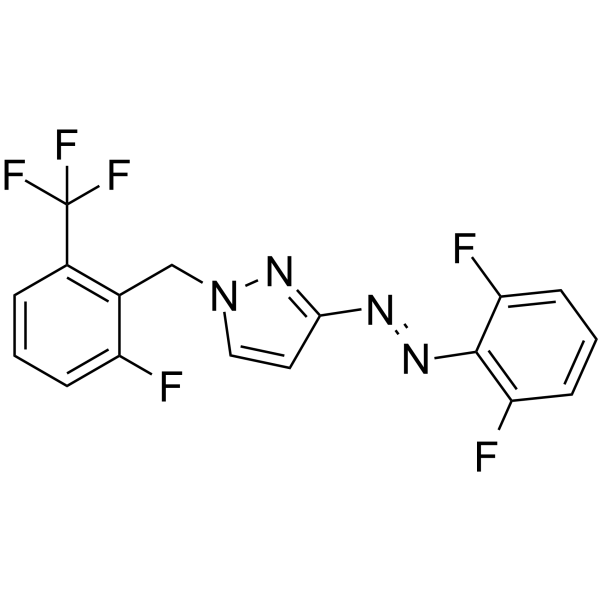
HY-147005
piCRAC-1CRAC Channel Inhibitor -

HY-101942R
Zegocractin (Standard)Reference Standard -

HY-N1370R
Tanshinone IIA sulfonate sodium (Standard)SOCE Inhibitor


Biological Activity
Description
In Vivo
5J-4 (2 mg/kg; i.p.; every alternate day for 30 days) reduces the symptoms and delayed the onset of EAE[1].
MedChemExpress (MCE) has not independently confirmed the accuracy of these methods. They are for reference only.
-
Animal Model:C57BL/6 mice (MOG35-55 peptide-immunized mice)[1]
-
Dosage:2 m/kg
-
Administration:I.p., every alternate day for 30 days
-
Result:Dramatically reduced the symptoms and delayed the onset of EAE and decreased the numbers of infiltrated mononuclear cell into the CNS, and significantly decreased the population of infiltrated CD4+ population.


Chemical Information
-
CAS No. 827001-82-1
-
Appearance Powder
-
Molecular Weight 312.35
-
Formula C16H12N2O3S
-
Color White to off-white
-
SMILES
O=C(C1=CC=CO1)NC(NC2=CC=CC3=C2C=CC(O)=C3)=S
-
Shipping
Room temperature in continental US; may vary elsewhere.
-
Storage
Powder -20°C 3 years 4°C 2 years In solvent -80°C 6 months -20°C 1 month

Protocols
-
Research Protocol for Inflammation-related Diseases
The NLRP3 inflammasome is a cytosolic innate immune signaling platform that integrates priming signals and danger-signal activation to promote caspase-1 activation, maturation of IL-1β and IL-18, and gasdermin D-mediated pyroptotic cell death. The core experimental logic is to determine whether inflammatory disease phenotypes are driven by increased NLRP3 expression, ASC-containing inflammasome assembly, caspase-1 cleavage, GSDMD cleavage, and extracellular release of IL-1β/IL-18 rather than by nonspecific cell injury alone. The pathway is strongly linked to inflammation-related disease phenotypes because monosodium urate crystals activate NALP3/NLRP3 inflammasome signaling in gout-like crystal inflammation, cholesterol crystals activate NLRP3 inflammasomes in atherogenesis models, and DSS-induced intestinal inflammation has been reported to involve NLRP3 inflammasome activity. However, experimental colitis studies also show context-dependent protective effects of NLRP3 inflammasome co
-
How to Choose the Right Model Animal
Choosing the right model animal is a validity-driven decision in which the species, strain, sex, age, genetic background, disease-induction method, outcome measures, and welfare burden must match the scientific question rather than laboratory tradition or convenience. A model should be selected by judging face validity, construct validity, and predictive validity: whether it resembles the human phenotype, whether it reproduces relevant mechanisms, and whether results are likely to predict human biology or treatment response. Animal studies often fail to translate because of species differences, weak disease resemblance, poor experimental design, inadequate reporting, publication bias, and underuse of randomization, blinding, and sample-size justification. Unresolved questions include how to rank competing models objectively, how much human-disease complexity must be reproduced for a given objective, and when non-animal systems such as organoids, ex vivo tissue, or computational models


Purity & Documentation
-
Data Sheet (268 KB)
-
SDS (251 KB)
- English - EN (251 KB)
- Français - FR (251 KB)
- Deutsch - DE (251 KB)
- Norwegian - NO (251 KB)
- Español - ES (251 KB)
- Swedish - SV (251 KB)
- Italian - IT (251 KB)
- Korean - KR (251 KB)
- Portuguese - PT (251 KB)
-
Handling Instructions (2659 KB)
References

Calculators
Concentration (start) × Volume (start) = Concentration (final) × Volume (final)


5J-4 Related Classifications
HY-110216 Related Classifications
 Powered by Bioz