Infection
-
Infection Related Products (18767)
Related Products (18767)

-
Antibodies (22)


-
Chloramphenicol-d4
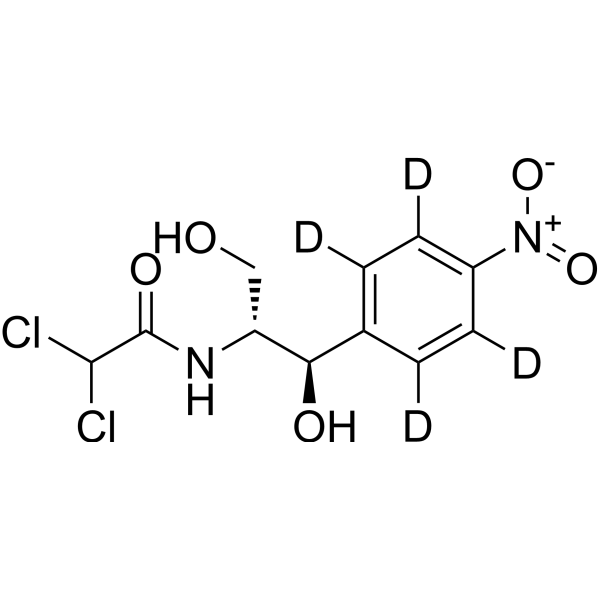 0 ImagesCat. No.: HY-B0239S3
Chloramphenicol-d4 is deuterium labeled Chloramphenicol. Chloramphenicol, a broad-spectrum antibiotic, acts as a potent inhibitor of bacterial protein biosynthesis. Chloramphenicol acts primarily on the 50S subunit of bacterial 70S rihosomes and inhibits peptide bond formation by suppressing peptidyl transferase activity.
-
(±)-Phrymarolin II
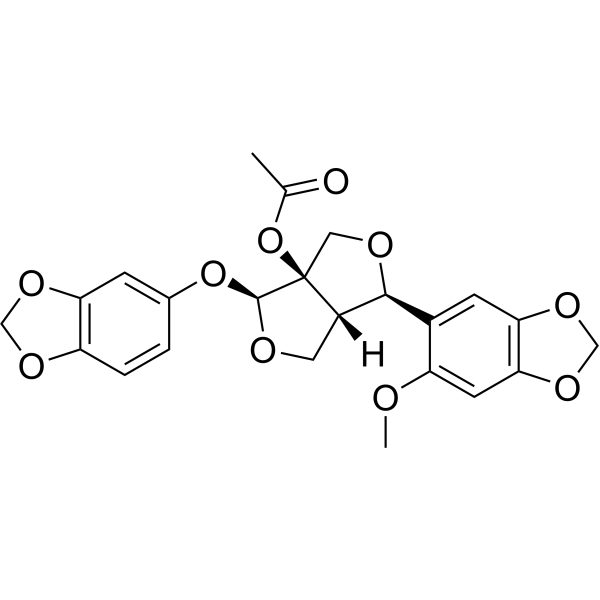 0 ImagesCat. No.: HY-N10110CAS No.: 110903-08-7
(±)-Phrymarolin II is a promising new class of plant virus (tobacco mosaic virus) inhibitors.
-
CcpA-IN-1
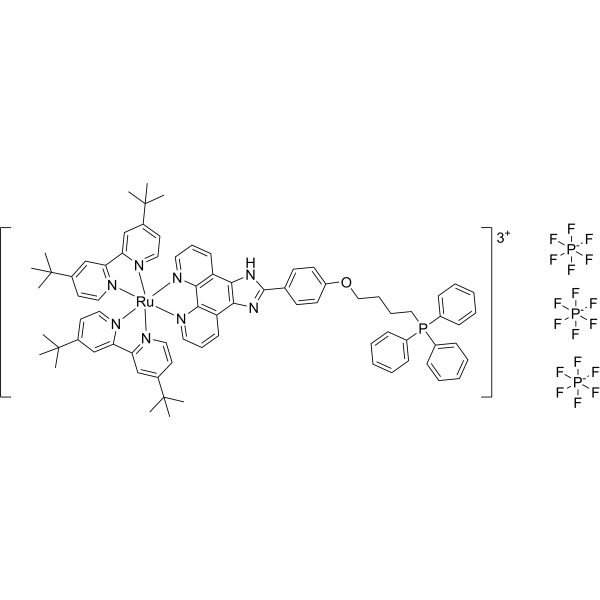 0 ImagesCat. No.: HY-156189CAS No.: 2702277-62-9
CcpA-IN-1 is a Staphylococcus aureus antibiotic. CcpA-IN-1 has significant bactericidal activity (MICS=460 nM).
-
BVDU 5′-Triphosphate
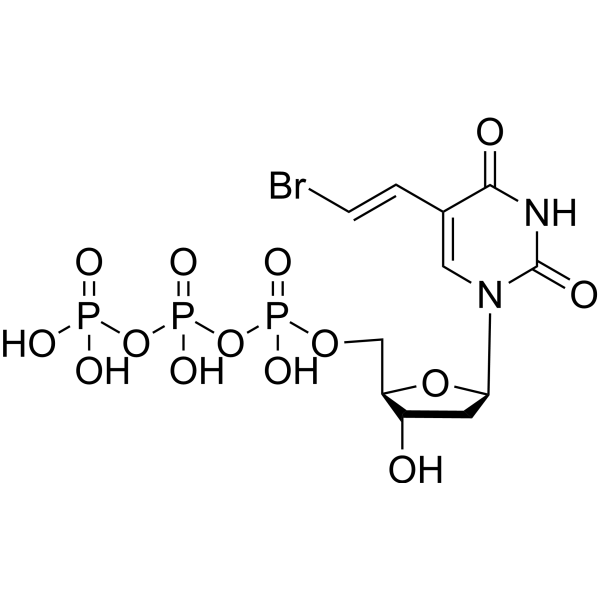 0 ImagesCat. No.: HY-W747737CAS No.: 77222-61-8Synonyms: (E)-5-(2-Bromovinyl)-dUTP; BVdUTP
BVDU 5′-Triphosphate is an antivirus agent with 5′-Triphosphate label, targeting viral DNA polymerase. BVDU 5′-Triphosphate shows excellent selectivity against varicella-zoster virus (VZV) and herpes simplex virus type 1 (HSV-1), due to a specific phosphorylation by the virus-encoded thymidine kinase.
-
GT-055 free base
 0 ImagesCat. No.: HY-187939CAS No.: 2092930-66-8Synonyms: LCB18-055 free base
GT-055 free base (LCB18-055 free base) is a broad-spectrum β-lactamase inhibitor and penicillin-binding protein 2 (PBP2) inhibitor. GT-055 free base inactivates β-lactamase, protects GT-1 from hydrolysis, and binds tightly to PBP2, thereby inhibiting cell wall biosynthesis. GT-055 free base can be used for research on bacterial infections.
-
Milliamine D
 0 ImagesCat. No.: HY-N21574CAS No.: 88524-59-8
Milliamine D is a diterpenoid toxin of the ingenol ester class containing an anthraniloyl tripeptide, existing in the free base form and exhibiting molluscicidal activity. Milliamine D can be used in the study of schistosomiasis.
-
Kanosamine hydrochloride (Standard)
 0 ImagesCat. No.: HY-112176RCAS No.: 57649-10-2
6-Hydroxytropinone (Standard) is the analytical standard of 6-Hydroxytropinone. This product is intended for research and analytical applications. 6-Hydroxytropinone is a Alkaloids product that can be isolated from the roots of Atropa belladonna.
-
ICRF-196
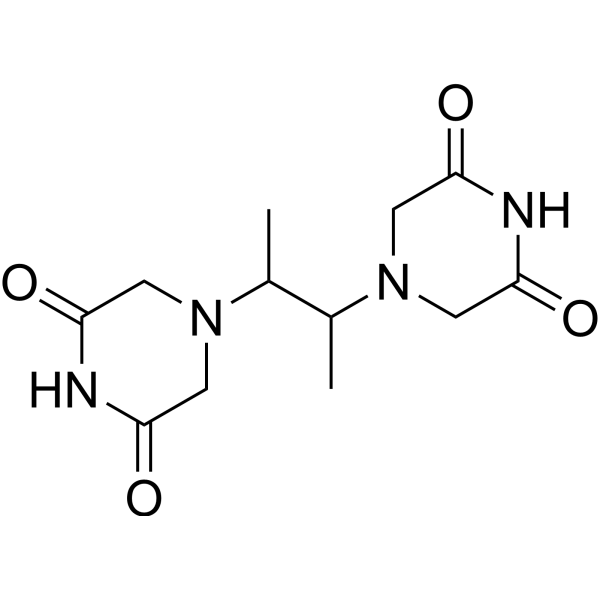 0 ImagesCat. No.: HY-118590ACAS No.: 21416-68-2
ICRF-196 is an racemic mixture of the (S,S)- and (R,R)-isomers of ICRF-193 (HY-118590). ICRF-193 is a DNA Topoisomerase II inhibitor. ICRF-193 can inhibit DNA syntheses and induces apoptosis. ICRF-193 exhibits anti-cancer and anti-inflammation effects. ICRF-193 shows cardioprotective effect against anthracycline toxicity to cardiomyocytes. ICRF-193 can be used for the researches of cancer, infection, inflammation and cardiovascular disease, such as acute promyelocytic leukemia.
-
TFMU-ADPr
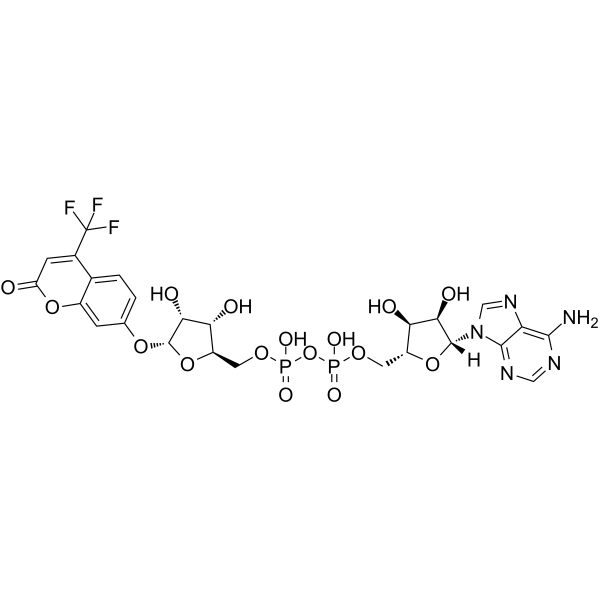 0 ImagesCat. No.: HY-146248CAS No.: 2412923-11-4
TFMU-ADPr is a selective reporter substrate of SARS-CoV-2 Macro1 (IC50=0.59 μM), with an excitation wavelength (λEx) of 385 nm, and an emission wavelength (λEm) of 502 nm (or 495 nm). TFMU-ADPr can also undergo enzymatic hydrolysis with Poly(ADP-ribose) Glycohydrolase (PARG) sourced from human, Tetrahymena thermophila and ADP-ribosylhydrolase 3 from human to release fluorophores, thereby directly reporting total poly (ADP-ribose) hydrolase activity. TFMU-ADPr binds to the ADPr-binding site of SARS-CoV-2 Macro1, and its TFMU moiety inserts into the narrow hydrophobic groove of this protein. TFMU-ADPr can thus be used to evaluate small-molecule inhibitors targeting PAR hydrolases under in vitro conditions, to investigate the regulatory mechanisms of ADP-ribosyl catabolic enzymes, or to detect PAR hydrolase activity in whole-cell lysate assays. TFMU-ADPr is also applicable to COVID-19-related research.
-
Gageotetrin A
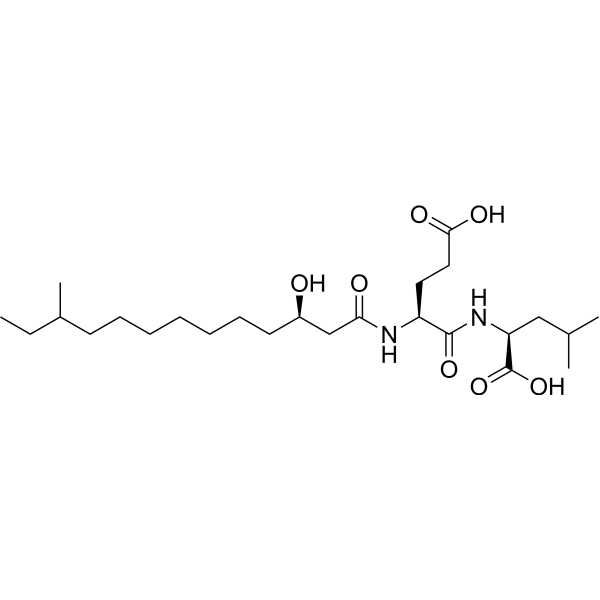 0 ImagesCat. No.: HY-P5639CAS No.: 1536405-78-3
Gageotetrin A is an antimicrobial peptide derived from the marine bacterium Bacillus subtilis. Gageotetrin A has antifungal activity, but none toxic to numerous human cancer cells.
-
Anserinone B
 0 ImagesCat. No.: HY-N10307CAS No.: 190895-96-6
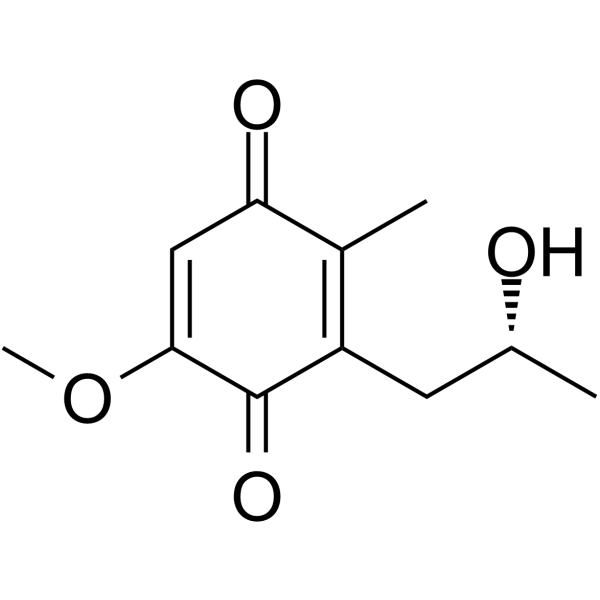
Anserinone B is an antifungal and antibacterial benzoquinone. Anserinone B causes radial growth reductions of 50% and 37% against S.fimicola and A. furfuraceus, respectively. Anserinones B also displays moderate cytotoxicity in the NCI’s 60 human tumor cell line panel (GI50=4.4 µg/mL).
-
Antiangiogenic agent 8
 0 ImagesCat. No.: HY-168932
Antiangiogenic agent 8 (Compound 3m) is an antibacterial agent with anti-angiogenic activity. The MIC values of Antiangiogenic agent 8 against E. coli, P. aeruginosa, B. subtilis, S. aureus, and C. glabrata are 16, 8, 4, 16, and 8 μg/mL, respectively, with MBC ranging from 32 to 64 μg/mL. Antiangiogenic agent 8 holds promise for applications in anti-infective therapy and cardiovascular disease research.
-
Pantinin-3
 0 ImagesCat. No.: HY-P10511CAS No.: 2383115-06-6
Pantinin-3 is an antimicrobial peptide with antitumor activity found in the venom of the emperor scorpion (Pandinus imperator). Pantinin-3 shows selective toxicity against breast cancer cells (MDA-MB-231) and prostate cancer cells (DU-145). Pantinin-3 can induce apoptosis in tumor cells. Pantinin-3 can be used in cancer research.
-
Eberconazole
 0 ImagesCat. No.: HY-106542CAS No.: 128326-82-9
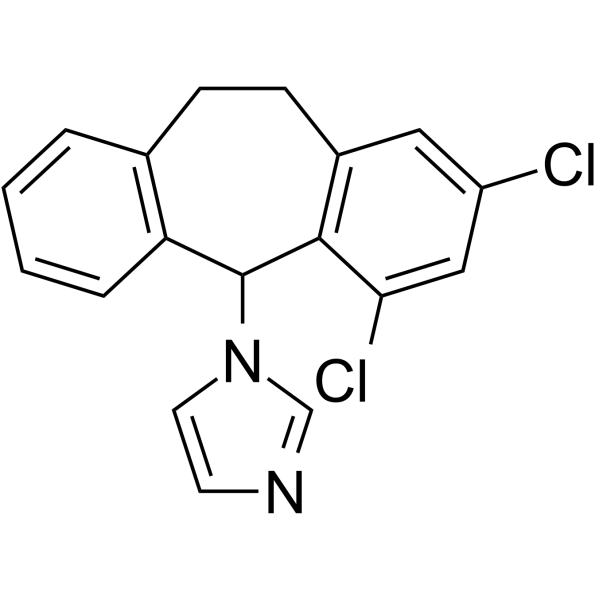
Eberconazole is a dichlorinated imidazole derivative with antifungal activity. Eberconazole is more effective than Clotrimazole (HY-10882), Ketoconazole (HY-B0105), and Miconazole (HY-B0454). Eberconazole has potential for the study of dermatophytosis.
-
Flumethrin-d5
 0 ImagesCat. No.: HY-107835SSynonyms: FCR 2769-d5
Flumethrin-d5 (FCR 2769-d5) is the deuterium labeled Flumethrin (HY-107835). Flumethrin (FCR 2769) is a pyrethroid insecticide and acaricide. Flumethrin targets voltage-gated sodium channels and estrogen receptor α (ERα). Flumethrin induces cytotoxicity, apoptosis, genotoxicity and DNA damage in breast cancer cells by regulating the expression of BCL2, BAX, TP53 and P21 genes. Flumethrin is applicable to relevant studies on ectoparasite infections (tick and flea burdens) in dogs and cats, as well as breast cancer.
-
Antibacterial agent 161 trifluoromethanesulfonate
 0 ImagesCat. No.: HY-157043
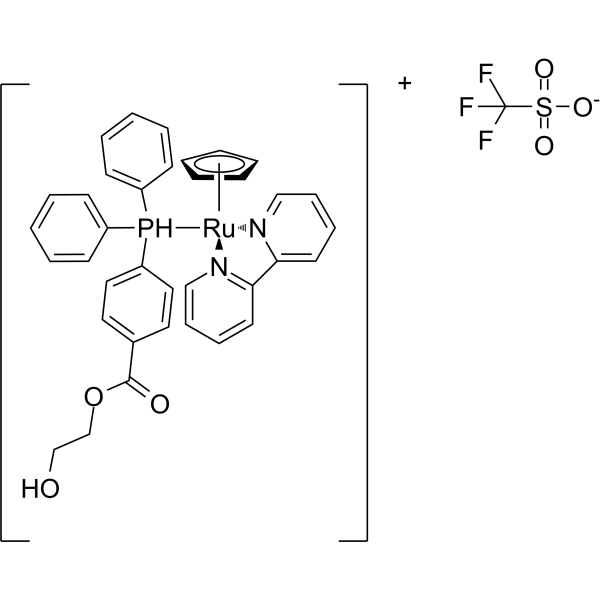
Antibacterial agent 161 trifluoromethanesulfonate (Compound 6) has antibacterial activity. Antibacterial agent 161 trifluoromethanesulfonate has high antiproliferative effects against colon cancer and non-small cell lung cancer.
-
HIV Protease Substrate IV
 0 ImagesCat. No.: HY-P4018CAS No.: 128340-47-6
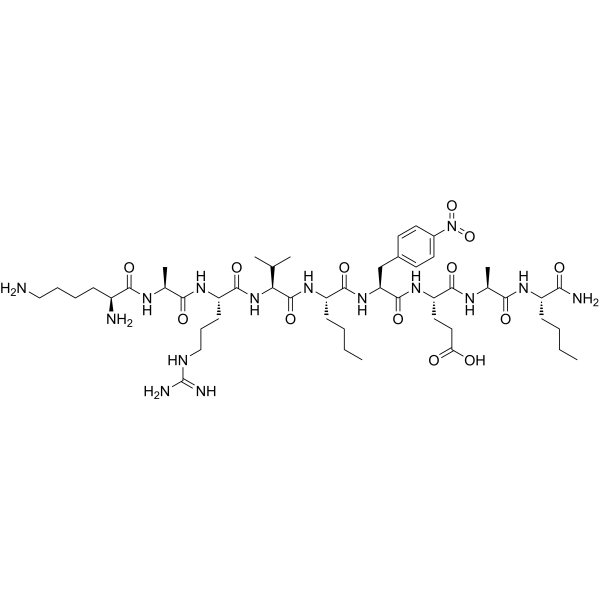
HIV Protease Substrate IV is a substrate of HIV protease. HIV Protease Substrate IV can be used to measure the activity of HIV (human immunodeficiency virus) -1 protease.