



Cholinesterase (ChE)
Cholinesterase (ChE) is a family of enzymes present in the central nervous system, particularly in nervous tissue, muscle and red cells, which catalyze the hydrolysis of the neurotransmitter acetylcholine into choline and acetic acid, a reaction necessary to allow a cholinergic neuron to return to its resting state after activation. It is one of many important enzymes needed for the proper functioning of the nervous systems of humans.
There are two types: acetylcholinesterase (AChE, acetylcholine hydrolase) and butyrylcholinesterase (BChE, acylcholine acylhydrolase), also known as nonspecific cholinesterase or pseudocholinesterase. AChE is primarily found in the blood on red blood cell membranes, in neuromuscular junctions, and in neural synapses, while BChE is produced in the liver and found primarily in plasma. The difference between the two types of cholinesterase is their relative preferences for substrates: AChE hydrolyzes acetylcholine faster while BChE hydrolyzes butyrylcholine faster.
Cholinesterase (ChE) Isoform Specific Products
All Product Categories
-
Cholinesterase (ChE) Inhibitors
(910)
View all products
-
Cholinesterase (ChE) Agonists
(5)
View all products
-
Cholinesterase (ChE) Antagonists
(10)
View all products
-
Cholinesterase (ChE) Activators
(32)
View all products
-
Cholinesterase (ChE) Modulators
(10)
View all products
-
Cholinesterase (ChE) Chemical
(1)
View all products
-
Cholinesterase (ChE) Inducer
(1)
View all products
-
Cholinesterase (ChE) Controls
(6)
View all products
-
Cholinesterase (ChE) Substrates
(2)
View all products
-
Cholinesterase (ChE) Related Products (1058)
Related Products (1058)

-
Antibodies (2)
-
Cholinesterase (ChE) Isoform Comparison
-
Methyl rosmarinate
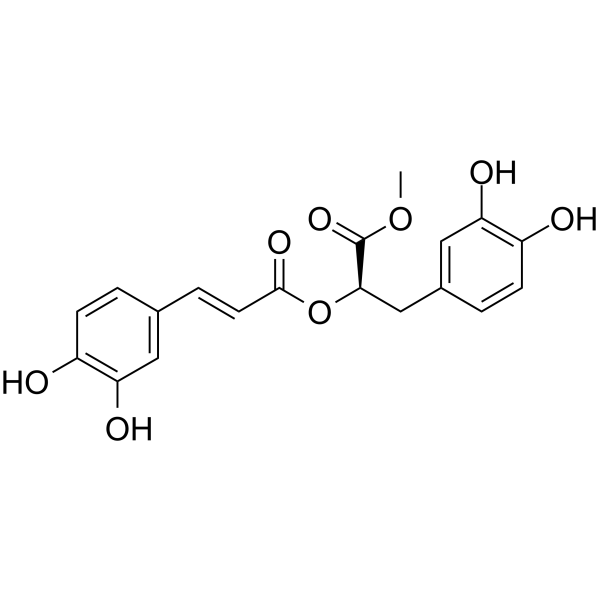 0 ImagesMethyl rosmarinate is an orally active hydroxycinnamic acid. Methyl rosmarinate exhibits an IC50 of 24.70 μM and a Ki of 15.29 μM against PTP1B, an IC50 of 41.46 μg/mL against BChE, a Ki of 0.61 mM against mushroom tyrosinase, and an IC50 of 2.50 μM against SARS-CoV-2 3CLpro. Methyl rosmarinate downregulates the phosphorylation levels of ERK, JNK, p38, Smad2 and Smad3. Methyl rosmarinate activates erythrocyte BPGM and promotes the production of 2,3-BPG. Methyl rosmarinate induces apoptosis of fibroblasts. Methyl rosmarinate prolongs the survival time of hypoxic mice. Methyl rosmarinate improves insulin sensitivity. Methyl rosmarinate binds to SARS-CoV-2 3CLpro and inhibits viral replication. Methyl rosmarinate induces glioblastoma cell death. Methyl rosmarinate activates the TGR5/AMPK axis and reduces the levels of ROS and MDA. Methyl rosmarinate shows inhibitory activity against MMP-1. Methyl rosmarinate can be used in research related to pulmonary fibrosis, hypoxia-induced injury, type 2 diabetes, Alzheimer's disease, hyperpigmentation disorders, COVID-19, glioblastoma and myocardial ischemia-reperfusion injury.
-
Fustin
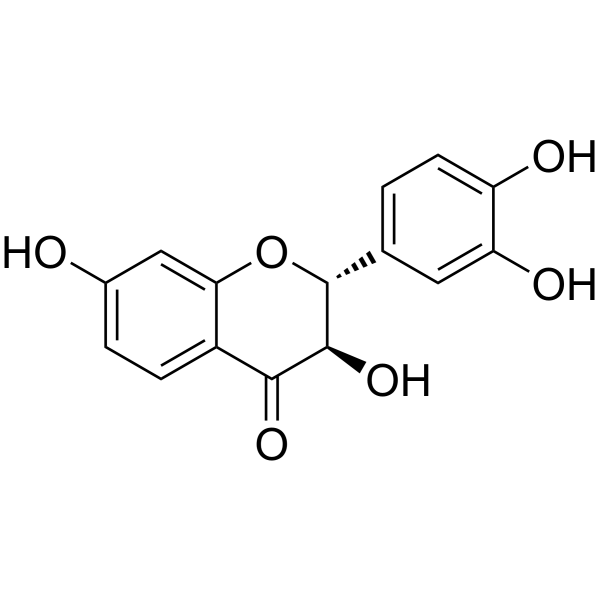 0 ImagesSynonyms: (±)-Fustin; 3,7,3',4'-TetrahydroxyflavanoneFustinis ((±)-Fustin; 3,7,3',4'-Tetrahydroxyflavanone) is a potent amyloid β (Aβ) inhibitor. Fustinis ((±)-Fustin; 3,7,3',4'-Tetrahydroxyflavanone) increases the expression of acetylcholine (ACh) levels, choline acetyltransferase (ChAT) activity, and ChAT gene induced by Aβ (1-42). Fustinis ((±)-Fustin; 3,7,3',4'-Tetrahydroxyflavanone) decreases in acetyl cholinesterase (AChE) activity and AChE gene expression induced by Aβ (1-42). Fustinis ((±)-Fustin; 3,7,3',4'-Tetrahydroxyflavanone) increases muscarinic M1 receptor gene expression and muscarinic M1 receptor binding activity. Fustinis ((±)-Fustin; 3,7,3',4'-Tetrahydroxyflavanone) can be used for Alzheimer's disease research.
-
Minaprine dihydrochloride
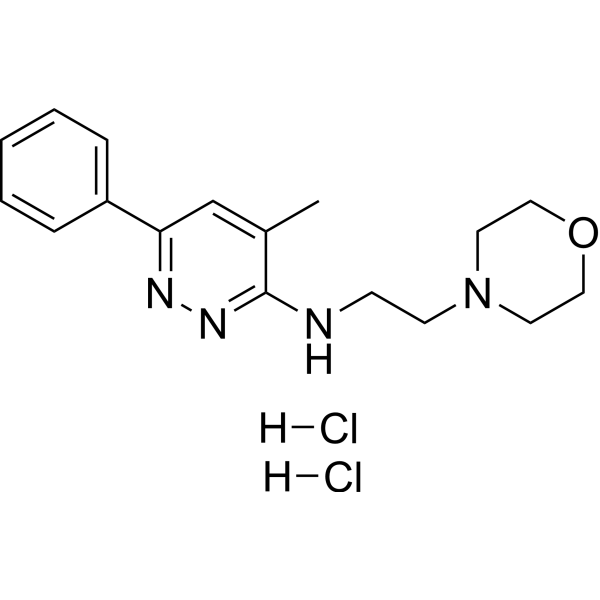 0 ImagesMinaprine dihydrochloride is a brain-penetrant monoamine oxidase inhibitor. Minaprine dihydrochloride also weakly inhibits acetylcholinesterase (AChE) activity. Minaprine dihydrochloride reduces intraneuronal dopamine metabolism, lowers striatal homovanillic acid and dihydroxyphenylacetic acid levels, and raises striatal 3-methoxytyramine and 5-hydroxytryptamine levels. Minaprine dihydrochloride exhibits convulsant, antidepressant properties.
-
Orphenadrine
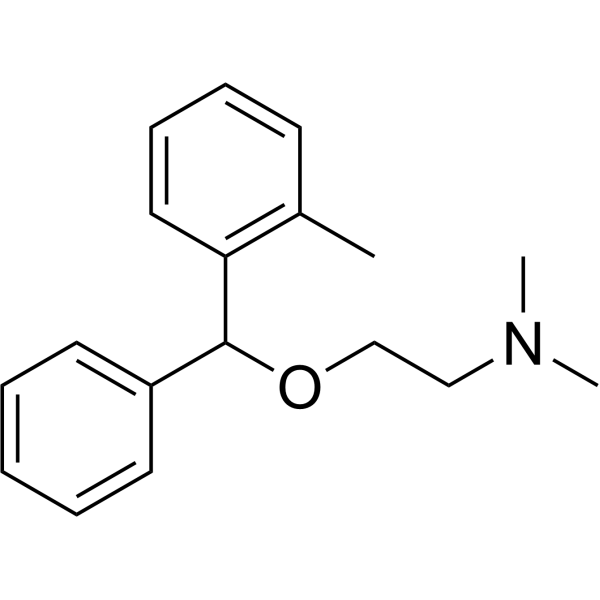 0 ImagesOrphenadrine ((±)-Orphenadrine) is a skeletal muscle relaxant and NMDA antagonist that also has antiparkinsonian, antihistamine, antitremor, antispasmodic, and analgesic effects. Orphenadrine inhibits the binding of [3H]MK-801 to the phencyclidine (PCP) binding site of the NMDA receptor. Orphenadrine is also an anticholinergic and CYP2B inducer. Orphenadrine may exert pro-tumor effects, causing CAR nuclear translocation, resulting in microsomal reactive oxygen species (ROS) production and oxidative stress. Orphenadrine also exerts neuronal protection, protecting rat cerebellar granule cells (CGC) from 3-NPA-induced death and has inhibitory potential against neurodegenerative diseases mediated by NMDA receptor overactivation.
-
N-Boc-4-piperidinemethanol
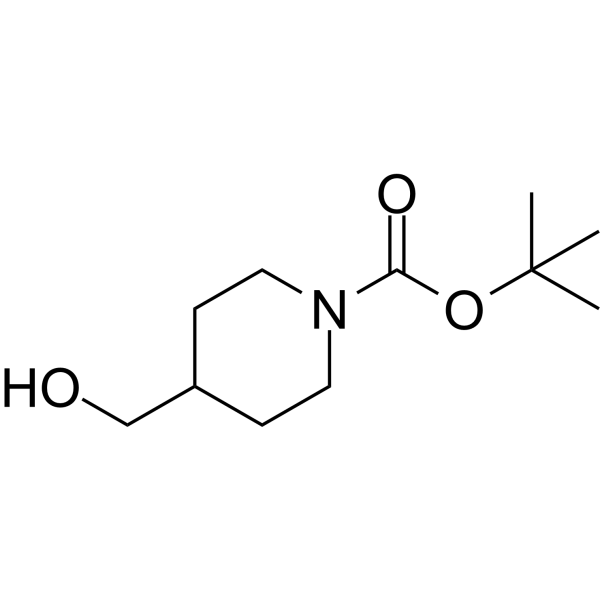 0 ImagesN-Boc-4-piperidinemethanol (Compound 4) is a synthetic intermediate. N-Boc-4-piperidinemethanol can be used for the preparation of Acetylcholinesterase inhibitors.
-
Ajmalicine
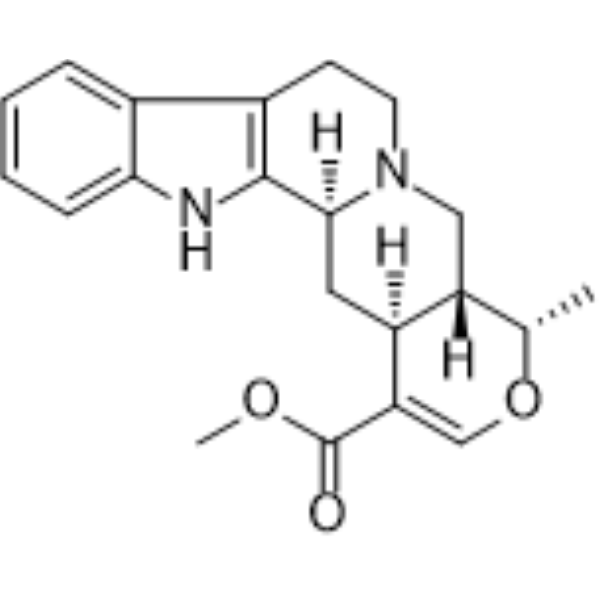 0 ImagesAjmalicine (Raubasine) is a potent adrenolytic agent which preferentially blocks α1-adrenoceptor. Ajmalicine is an reversible but non-competitive nicotine receptor full inhibitor, with an IC50 of 72.3 μM. Ajmalicine also can be used as anti-hypertensive, and serpentine, with sedative activity.
-
N-p-trans-Coumaroyltyramine
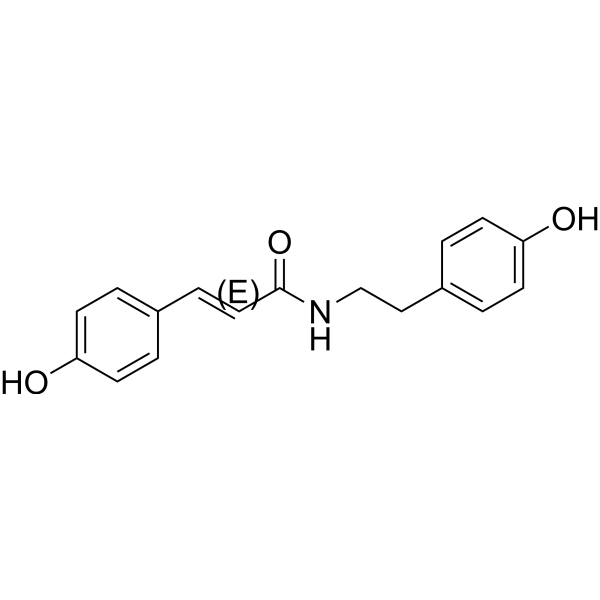 0 ImagesN-p-trans-Coumaroyltyramine is a natural phenolic amide compound and an inhibitor of AChE (IC50: 122 μM) and α-glucosidase (IC50: 2.7 μM). N-p-trans-Coumaroyltyramine also has anti-trypanosomal activity, with an IC50 of 13.3 µM against T. brucei rhodesiense. N-p-trans-Coumaroyltyramine can be used in the research of diseases such as Alzheimer's disease.
-
Physostigmine hemisulfate
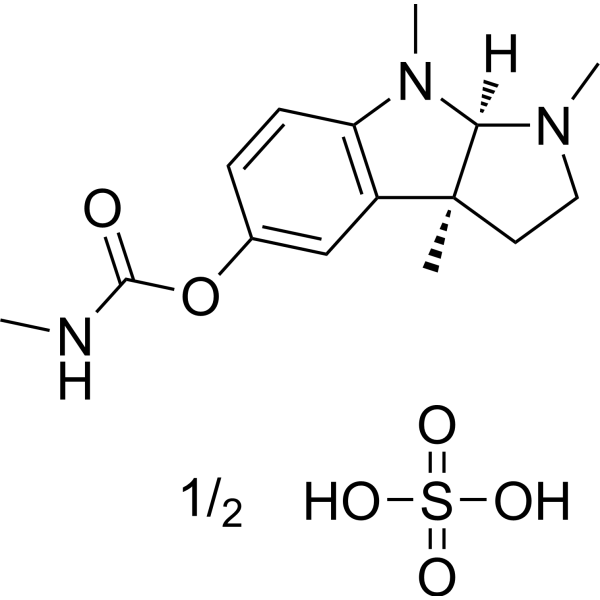 0 ImagesPhysostigmine hemisulfate (Eserine hemisulfate) is a reversible acetylcholinesterase (AChE) inhibitor. Physostigmine hemisulfate can crosses the blood-brain barrier and stimulates central cholinergic neurotransmission. Physostigmine hemisulfate can reverse memory deficits in transgenic mice with Alzheimer's disease. Physostigmine hemisulfate is also an antidote for anticholinergic poisoning.
-
Pralidoxime chloride
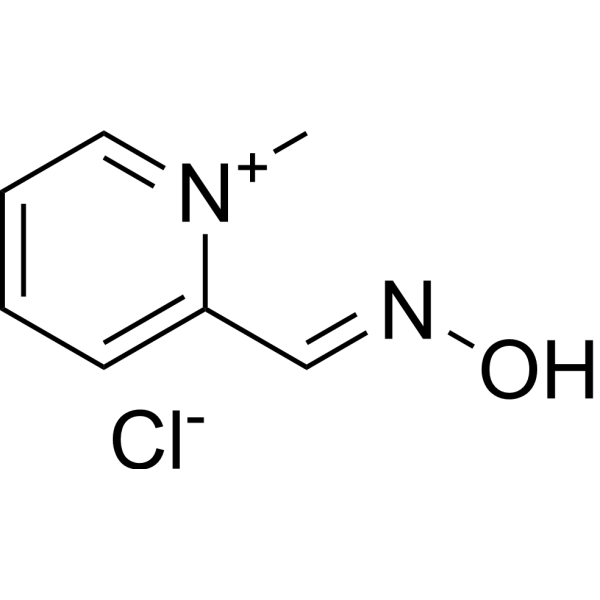 0 ImagesPralidoxime chloride is a potent reactivator of acetylcholinesterase (AChE). Pralidoxime chloride reactivates nerve agent-inhibited AChE via direct nucleophilic attack by the oxime moiety on the phosphorus center of the bound nerve agent. Pralidoxime chloride is an antidote for organophosphate poisoning.
-
Skimmianine
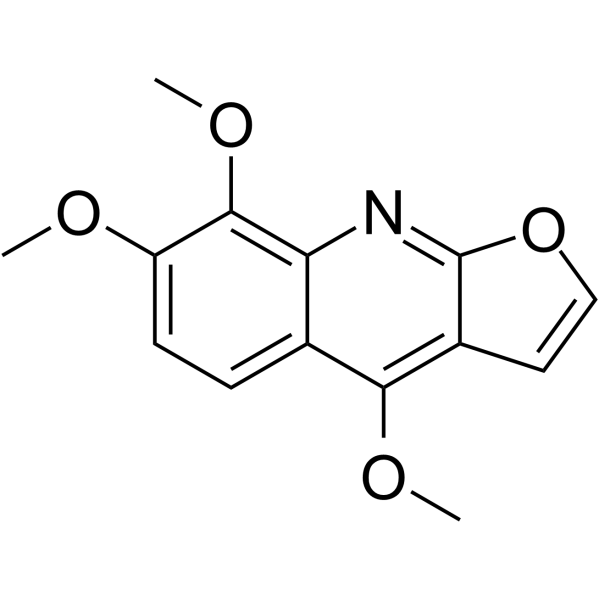 0 ImagesSkimmianine is an orally active furoquiniline alkaloid present mainly in the Rutaceae family. Skimmianine has analgesic, antispastic, sedative, and anti-inflammatory properties. Skimmianine inhibits acetylcholinesterase (AChE) (IC50 = 8.6 μg/mL). Skimmianine exhibits cytotoxicity against a variety of cancer cell lines and genotoxicity. Skimmianine has antioxidant and anti-inflammatory effects on ischemia-reperfusion (IR) injury. Skimmianine exerts anti-inflammatory effects through activation of the phosphatidylinositol-3-kinase (PI3K)-protein kinase B (AKT) pathway. Skimmianine is neuroprotective by targeting the NF-κB activation pathway to prevent neuroinflammation. Skimmianine inhibits the release of histamine, intracellular Ca2+ signaling and protein kinase C signaling.
-
Cornuside
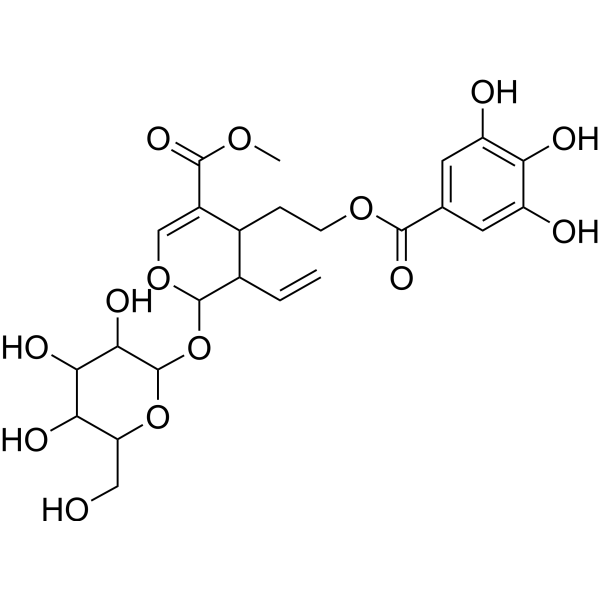 0 ImagesCornuside is an iridoid glycoside with anti-allergic, anti-inflammatory, and neuroprotective activities. Cornuside exerts anti-allergic activity by downregulating the p38 MAPK, JNK, and NF-κB signaling pathways, and inhibits IgE-mediated histamine release from mast cells. Cornuside improves cognitive impairment in mice by inhibiting BACE1 activity (IC50 = 55.84 μg/mL) and enhancing ChAT activity. Cornuside inhibits LPS (HY-D1056)-induced inflammatory mediators, including iNOS, COX-2, PGE2, TNF-α, IL-6, and IL-1β, by suppressing NF-κB activation.
-
Itopride hydrochloride
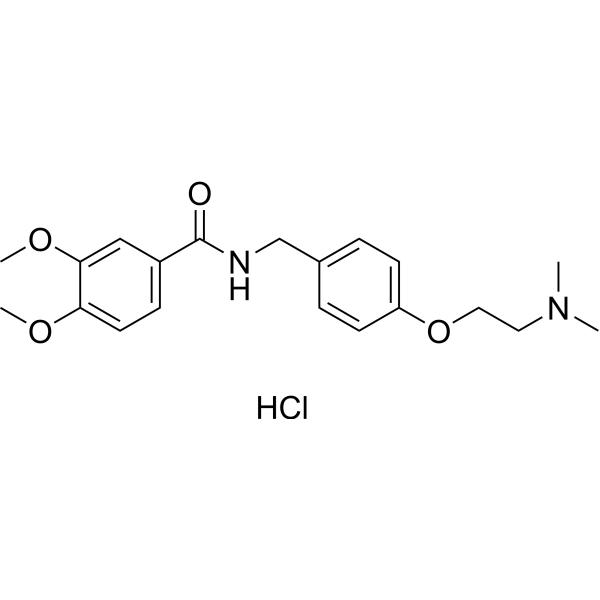 0 ImagesSynonyms: HSR803Itopride (HSR803) hydrochloride is a potent dopamine-2 antagonist and an acetylcholine esterase (AChE) inhibitor. Itopride hydrochloride enhances gastric motility through both antidopaminergic and anti-acetylcholinesterasic actions, can be used as a gastrointestinal prokinetic agent. Itopride can be used for researching gastro-esophageal reflux disease (GERD).
-
Choline Chloride-13C3
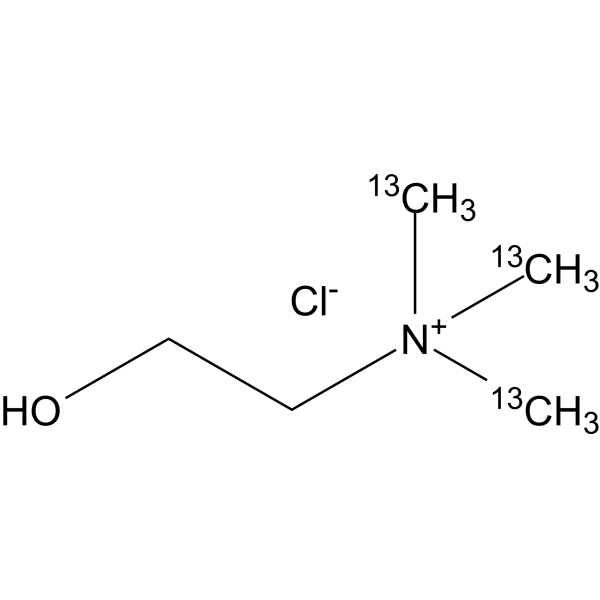 0 ImagesCat. No.: HY-B1337S4Purity: 98.06%Choline Chloride-13C3 is the 13C-labeled Choline (chloride). Choline chloride is an organic compound and a quaternary ammonium salt, an acyl group acceptor and choline acetyltransferase substrate, also is an important additive in feed especially for chickens where it accelerates growth.
-
Resorufin butyrate
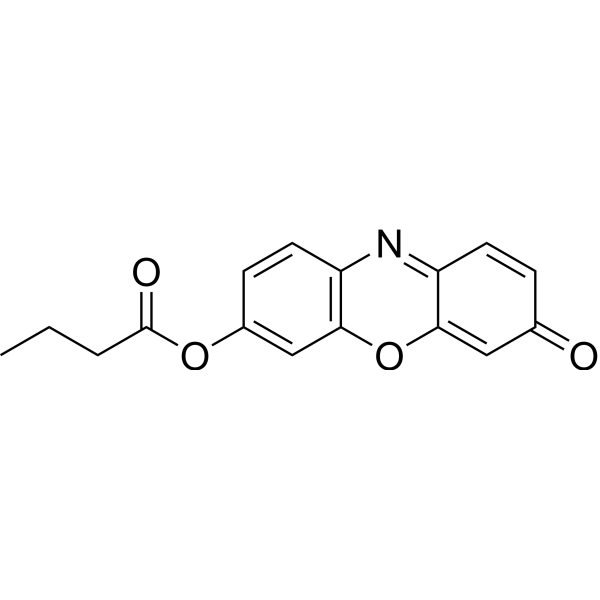 0 ImagesResorufin butyrate is a fluorogenic substrate for triglyceride lipases and cholinesterase (Ex=570 nm, Em=580 nm).
-
Fenitrothion
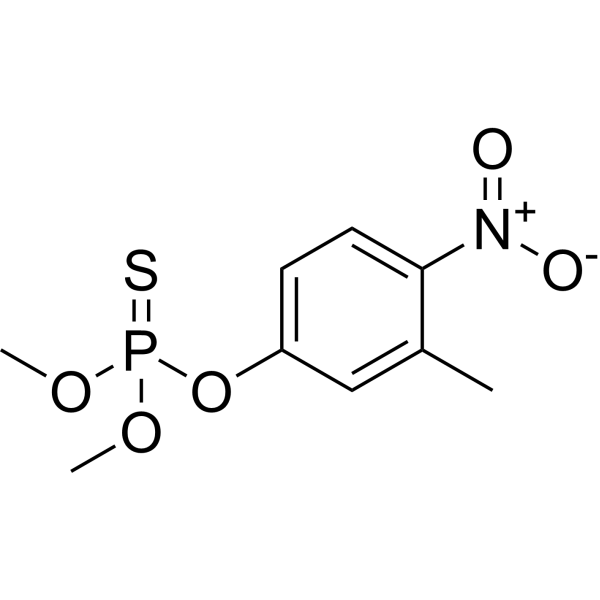 0 ImagesFenitrothion is a broad-spectrum and orally active insecticide/acaricide. Fenitrothion inhibits cholinesterase, AMPKα and IRS1/PI3K/AKT. Fenitrothion causes Apoptosis, reduces SOD activity. Fenitrothion shows insecticidal effect against Rhyzopertha dominica and Tribolium castaneum adults. Fenitrothion is widely used in cotton crops, vegetable crops, fruit crops and field crops, especially rice. Fenitrothion can be used for brain and spleen toxicology studies.
-
Asoxime dichloride
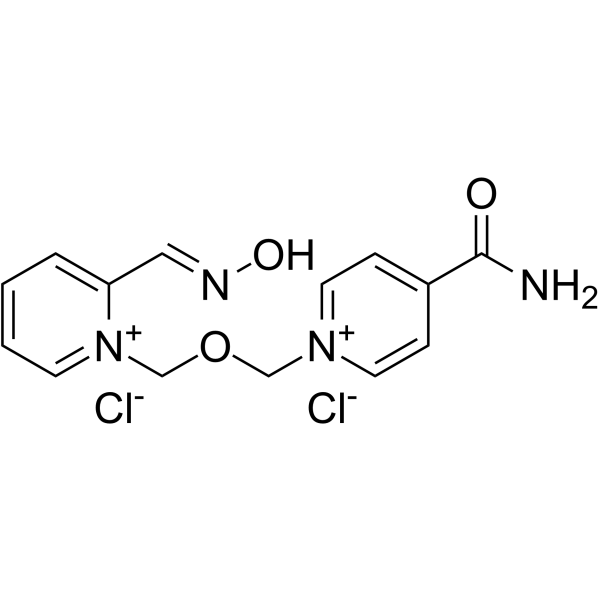 0 ImagesSynonyms: HI-6Asoxime dichloride (HI-6) is an orally active thiosemicarbazone-based antidote. Asoxime dichloride is a reversible inhibitor of AChE, and its core mechanism of action is to re-activate AChE inhibited by nerve toxins, thereby restoring the cholinergic nerve function. Asoxime dichloride significantly restores the function of poisoned muscles without reactivating AChE. Asoxime dichloride is an antagonist of acetylcholine receptors (AChRs), including nicotinic receptor and α7 nAChR. Asoxime dichloride can serve as an effective immunomodulator, improving the immune effect of the nervous system.
-
Trimethylammonium chloride-d9
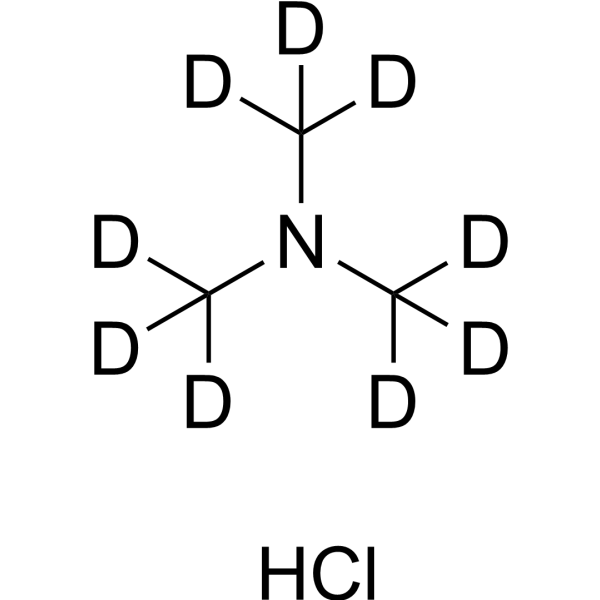 0 ImagesTrimethylammonium chloride-d9 is the d9-labeled Trimethylammonium chloride (HY-Y0504). Trimethylammonium chloride (Hegzadesil) is a non-competitive Acetylcholinesterase inhibitor. Trimethylammonium chloride reversibly blocks the deacetylation of acetylcholinesterase.
-
Schisanhenol
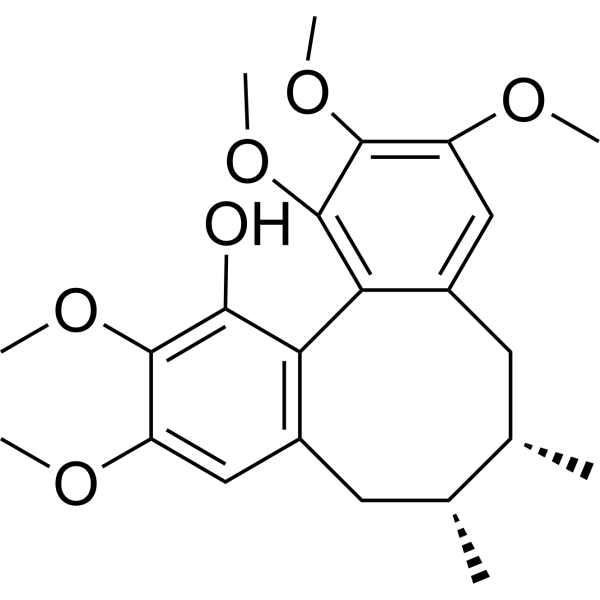 0 ImagesSynonyms: Schizanhenol; Gomisin-K3Schisanhenol (Schizanhenol), a lignan, is an orally active antioxidant. Schisanhenol reduces AChE activity, increases SIRT1 and PGC-1α expression, and decreases phosphorylated Tau (Ser 396) levels. Schisanhenol increases SOD and glutathione peroxidase activity, decreases malondialdehyde (MDA) content, and inhibits UGT2B7 activitY. Schisanhenol attenuates ox-LDL-induced apoptosis, intracellular reactive oxygen species generation, and cytotoxicity in endothelial cells. Schisanhenol inhibits LDL oxidation, brain mitochondrial and membrane peroxidative damage, and brain mitochondrial swelling and disintegration. Schisanhenol can be used for the research of Alzheimer’s disease, atherosclerosis, brain ischemia, and age-related brain deterioration.




