



TBK1 Inhibitor
- 1
- 2
-
BX795
 0 Images
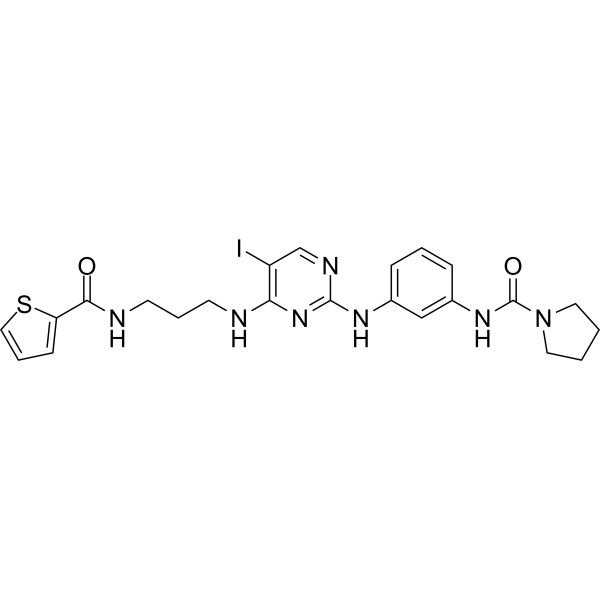
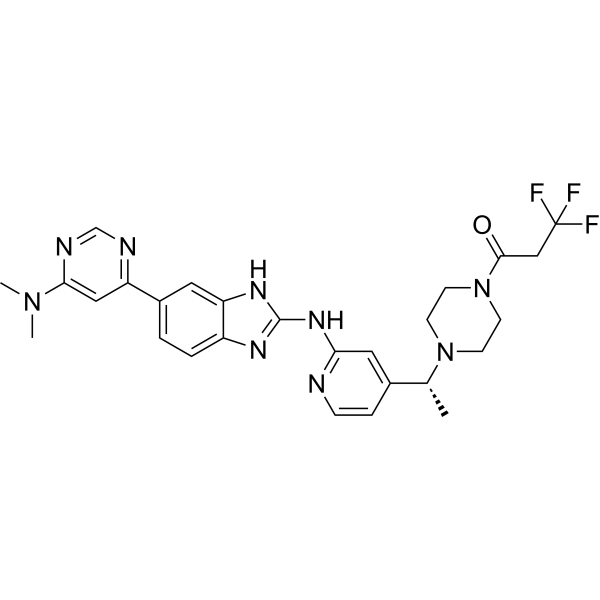
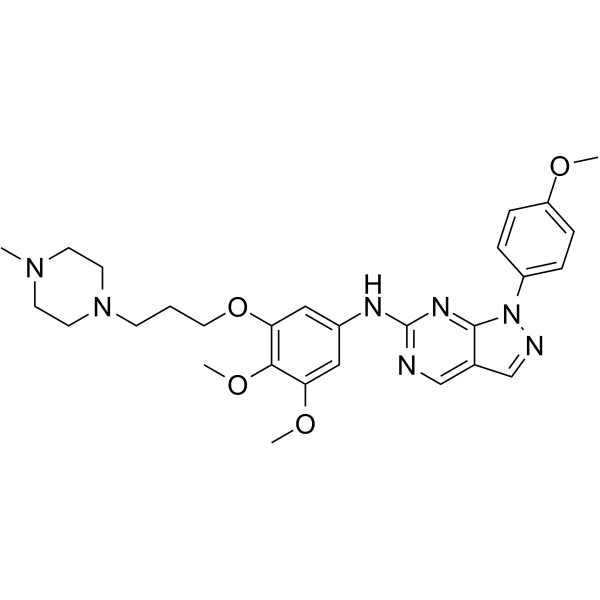
BX795 is a potent and selective inhibitor of PDK1, with an IC50 of 6 nM. BX795 is also a potent and relatively specific inhibitor of TBK1 and IKKε, with an IC50 of 6 and 41 nM, respectively. BX795 blocks phosphorylation of S6K1, Akt, PKCδ, and GSK3β, and has lower selectivity over PKA, PKC, c-Kit, GSK3β etc. BX795 modulates autophagy.
-
PROTAC STING degrader-4
 0 ImagesCat. No.: HY-176180Purity: 98.96%
PROTAC STING degrader-4 is a nitro-free covalent STING PROTAC degrader with a DC50 of 3.23 μM. PROTAC STING degrader-4 effectively inhibits STING as well as its downstream signaling, such as p-TBK1 and p-NF-κB (p-P65), and immune-inflammatory cytokines. PROTAC STING degrader-4 mitigates kidney and blood inflammation in Cisplatin (HY-17394)-induced acute kidney injury (AKI) mice model.
-
STING-IN-19
 0 ImagesCat. No.: HY-187227
STING-IN-19 is a STING inhibitor with a Kd value of 2.31 μM for human STING. STING-IN-19 inhibits the activation of TBK1 and IRF3 by binding to STING, thereby suppressing the activation of downstream signaling pathways. STING-IN-19 reduces the levels of key inflammatory cytokines IL-1β, IL-6 and TNF-α in colonic tissues and serum of mice with ulcerative colitis. STING-IN-19 can be used in studies related to ulcerative colitis.
-
TBK1-IN-1
 0 Images
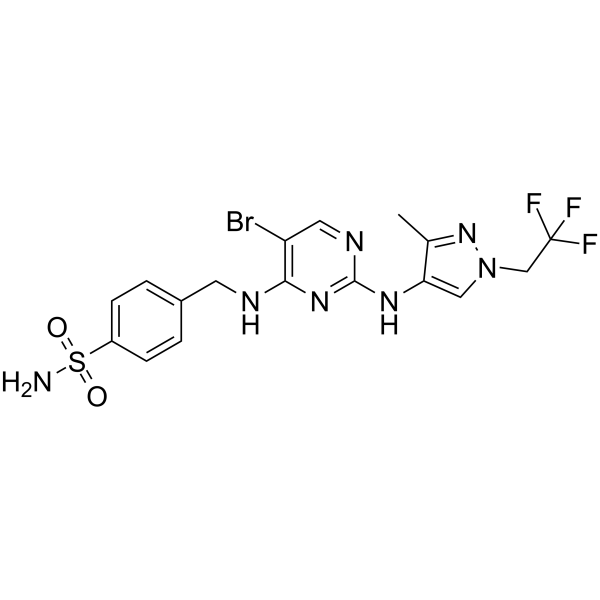
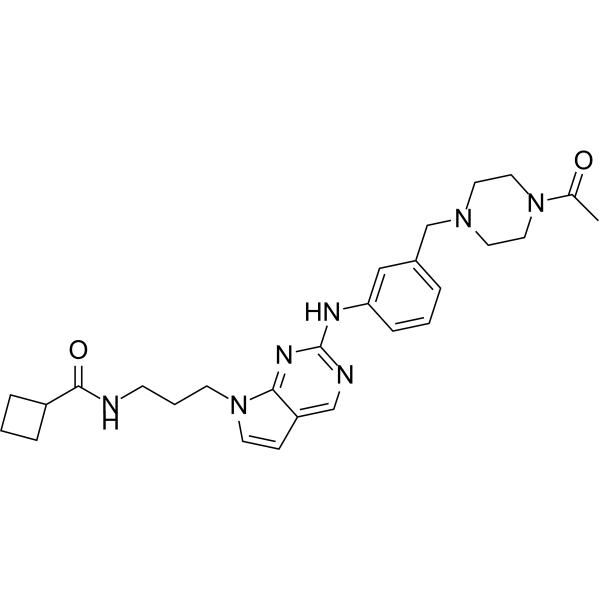
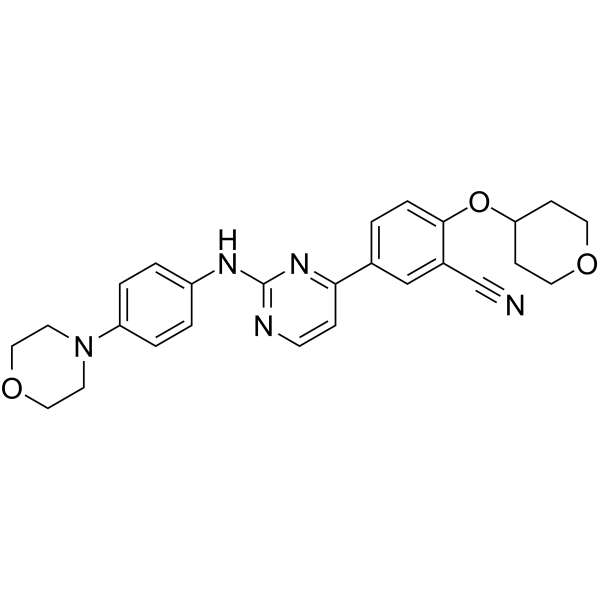
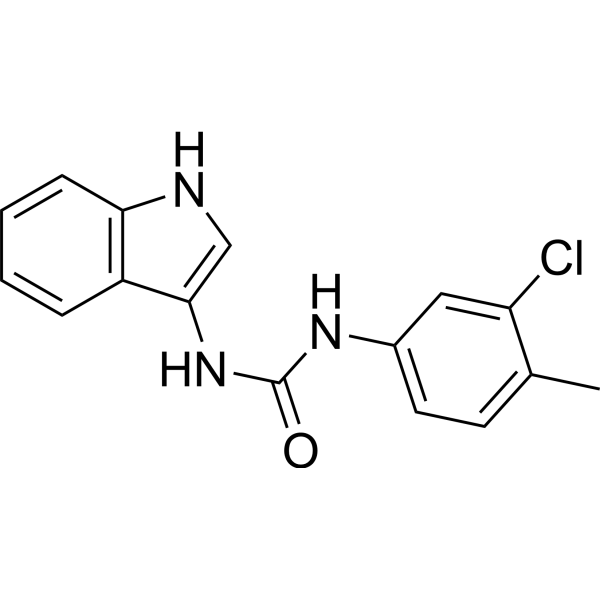
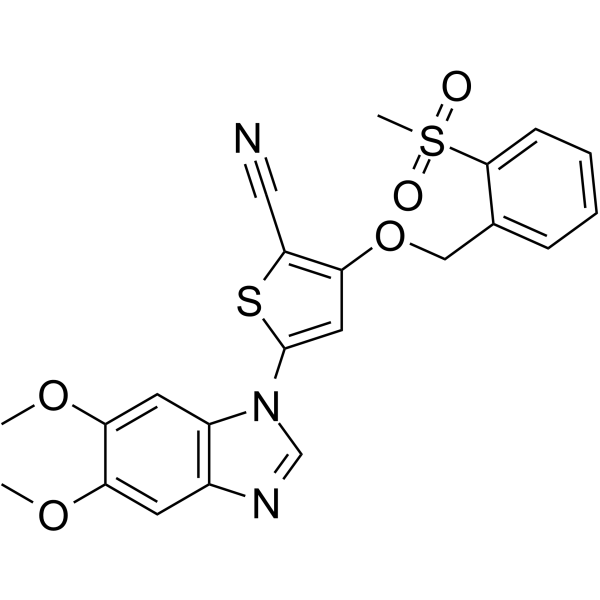
TBK1-IN-1 is a potent and selective TANK binding kinase 1 (TBK1) inhibitor with an IC50 value of 22.4 nM. TBK1-IN-1 inhibits TBK1 downstream target genes cxcl10 and ifnβ expression. TBK1-IN-1 has anticancer activity.
-
TBK1-IN-2
 0 Images
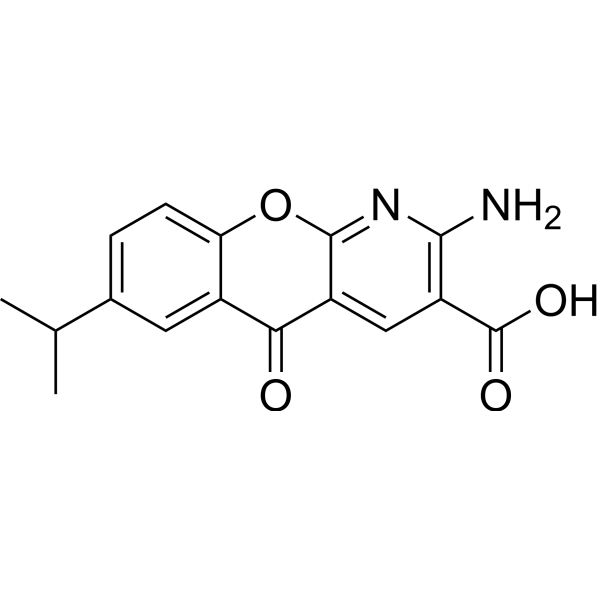
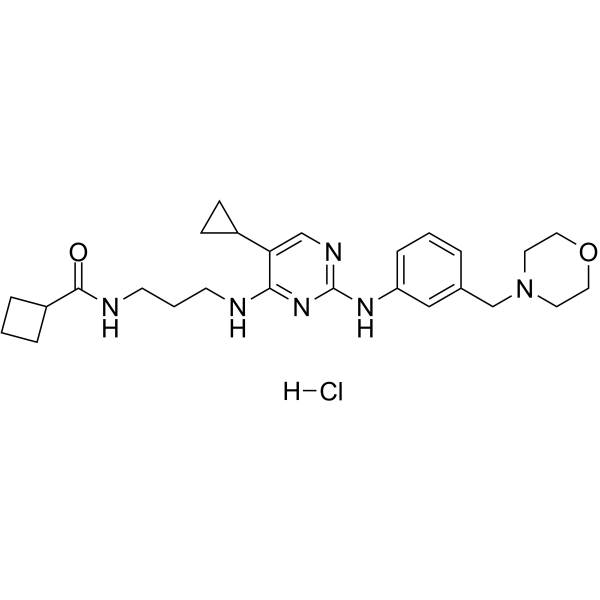
TBK1-IN-2 (Compound A1) is a potent TBK1 inhibitor (IC50: 775 pM). TBK1-IN-2 binds to TBK1 through stable hydrogen bonds and π-π stacking, inhibiting IRF3 phosphorylation. TBK1-IN-2 synergizes with TNF/IFNγ to enhance immune-mediated tumor cell death. TBK1-IN-2 can be used in cancer immunotherapy research.
-
SMU-14a
 0 ImagesCat. No.: HY-176192
SMU-14a is a selective Toll-like receptor 3 (TLR3) inhibitor wirh an IC50 of 0.18 μM. SMU-14a reduces phosphorylation of p65, ERK, and TBK1 via NF-κB, MAPK, and IRF3 signaling pathways. SMU-14a inhibits IL-6 secretion in mouse peritoneal macrophages, downregulates TNF-α in human peripheral blood monocytes and decreases serum alanine aminotransferase (ALT) and aspartate aminotransferase (AST) levels. SMU-14a can be used for the research of acute hepatitis.
-
(Rac)-BAY-985
 0 ImagesCat. No.: HY-133117ACAS No.: 2101925-20-4
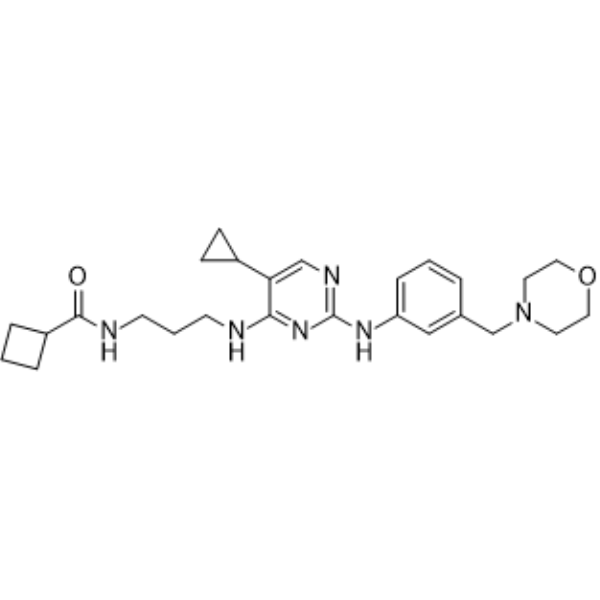
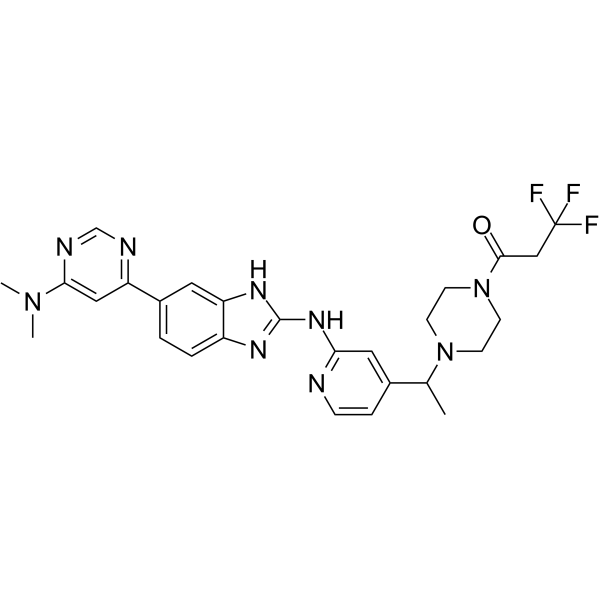
(Rac)-BAY-985 (Compound Example 100.01) is a potent, ATP-competitive and selective TBK1 inhibitor with an IC50 of 1.5 nM. Antitumor efficacy.
-
SR8185
 0 ImagesCat. No.: HY-148483CAS No.: 1356225-62-1
-
STING-IN-17
 0 ImagesCat. No.: HY-178951CAS No.: 3069635-58-8
STING-IN-17 (compound 10a) is an orally active STING (human STING IC50 = 29 nM, mouse STING IC50 = 15 nM) inhibitor. STING-IN-17 can inhibit the phosphorylation of STING, TBK1 and IRF3. STING-IN-17 dose dependently inhibits the mRNA expression of IP10, IFNB1 and ISG56. STING-IN-17 can reduce ROS and inhibit the expression of cleaved-PARP/caspase-3. STING-IN-17 can improve kidney function. STING-IN-17 can be used for research on inflammatory conditions such as acute kidney injury.
-
UM-203
 0 ImagesCat. No.: HY-180120
UM-203 is a reversible covalent STING antagonist. UM-203 is effective against both mouse and human STING, and in particular, it inhibits the most common human STING R232 variant. UM-203 can inhibit STING oligomerization and reduce phosphorylation of downstream TBK1 and IRF3, thereby blocking the IRF3 and NF-κB-mediated signaling pathways and inhibiting IFNβ and IL-6 secretion. UM-203 can be used for the research of inflammation and immunology, such as systemic lupus erythematosus.
-
ITA-5
 0 ImagesCat. No.: HY-178915CAS No.: 2374162-36-2
- 1
- 2



