



Myosin
Myosins are mechanoenzymes that interact with actin filaments and hydrolyse ATP to generate movement and force. This enables myosins to propel the sliding of actin filaments, to produce tension on actin filaments and to walk along these filaments. As a result, myosins can regulate the structure and dynamics of the actin cytoskeleton and affect the localization and transport of cellular components. The different myosins are grouped into classes on the basis of their motor domains. There are 35 known classes of myosin, and humans have 40 myosin genes that fall into 13 classes (I, II, III, V, VI, VII, IX, X, XV, XVI, XVIII, XIX and XXXV).
Myosins are actin-dependent motors that participate in a diverse range of crucial activities, including muscle contraction, intracellular trafficking, cell division, motility, actin cytoskeletal organisation and cell signaling. Myosin malfunction has been implicated in a variety of disorders including deafness, hypertrophic cardiomyopathy, Usher syndrome, Griscelli syndrome and cancer.
Myosin light chain kinase (MLCK) is an enzyme that activates the myosin light chain to exert its function related to cytoskeleton contraction and tight junction regulation. In most cells, MLCK is a transducer for signalling MLC phosphorylation in response to Ca2+ binding to MLCK-associated calmodulin. MLCK-mediated MLC phosphorylation and actomyosin contractility is important in muscle contraction, cell migration, and endo/exocytic processes, and is recognized for its central role in signalling endothelial cell-cell adhesion and barrier function.
Myosin Isoform Specific Products
All Product Categories
-
Myosin Related Products (105)
Related Products (105)

-
Antibodies (20)
-
Myosin Isoform Comparison
-
HJ445A
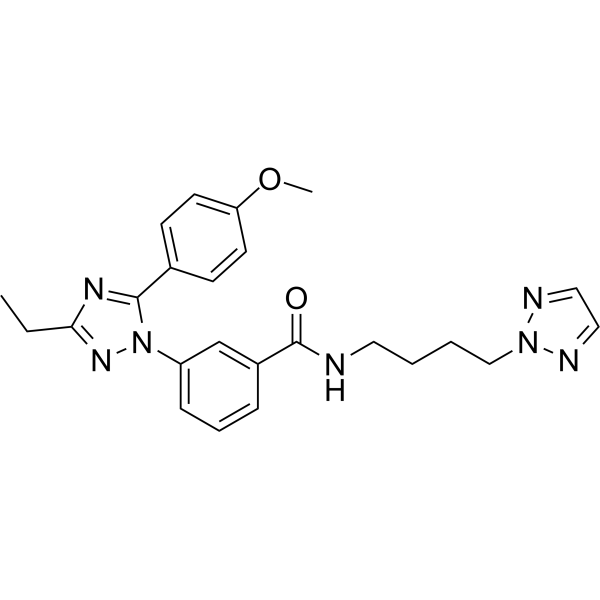 0 ImagesHJ445A is an orally active myoferlin (MYOF) inhibitor with a Kd value of 0.17 μM against human targets. HJ445A directly binds to the MYOF-C2D domain to stabilize the MYOF protein, thereby regulating vesicle trafficking, cell proliferation, colony formation, migration and apoptosis processes in cancer cells, and exhibits anti-tumor efficacy. HJ445A can be used in gastric cancer-related research.
-
MPH-220
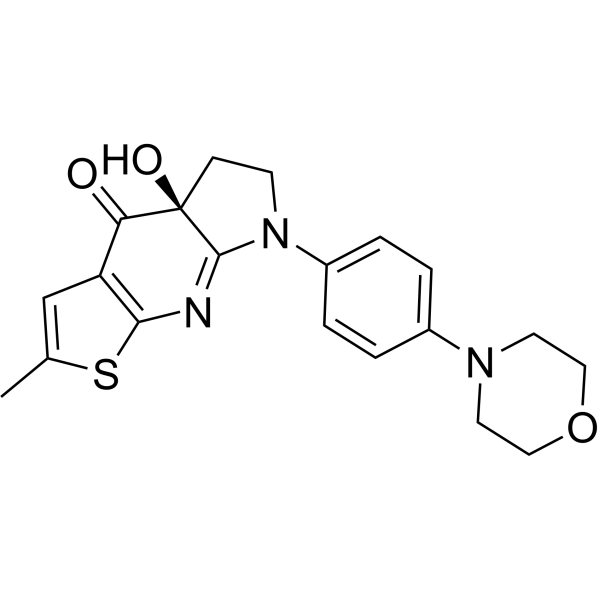 0 ImagesMPH-220 is a selective and orally active inhibitor of skeletal muscle myosin-2. MPH-220 enables muscle relaxation. MPH-220 is anti-spastic agent that can be used in the research of spasticity and muscle stiffness.
-
MT-125
 0 ImagesCat. No.: HY-174406Purity: 98.73%MT-125 is a specific and well-tolerated inhibitor of non-muscle myosin IIA (Ki,NMIIA = 2.7 μM) and IIB (EC50 = 1.7 μM). MT-125 can pass through the blood-brain barrier. MT-125 induces ferroptosis and DNA damage by increasing the levels of reactive oxygen species (ROS) within tumor cells. MT-125 can enhance the PDGFR signaling pathway. MT-125 can be used for research on glioblastoma.
-
Ulacamten
 0 ImagesSynonyms: CK-4021586; CK-586Ulacamten (CK-4021586; CK-586) is an orally active cardiac myosin inhibitor and an inhibitor of the double-headed cardiac heavy meromyosin (HMM)ATPase (excluding single-headed myosin subfragment-1), with an EC50 of 2.9 μM. Ulacamten regulates cardiac myosin, reduces excessive myocardial contractility, and alleviates left ventricular outflow tract obstruction. Ulacamten increases the left ventricular short-axis systolic internal diameter, inhibits dobutamine-induced exacerbation of obstruction, and exerts only a mild reducing effect on left ventricular systolic function. Ulacamten also inhibits the fractional shortening of the short axis without altering calcium transients. Ulacamten shows good safety and tolerability in purpose-bred cats with naturally occurring obstructive hypertrophic cardiomyopathy.
-
Delphinidin 3-rutinoside chloride
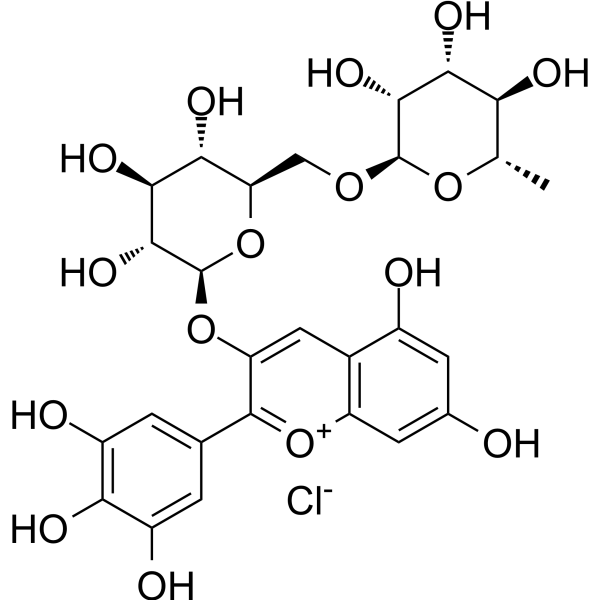 0 ImagesSynonyms: Delphinidin 3-O-rutinoside chlorideDelphinidin 3-rutinoside chloride is an anthocyanin component. Delphinidin 3-rutinoside chloride is isolable from the fruits of blackcurrant Ribes nigrum L. Delphinidin 3-rutinoside chloride activates the ETB receptor and stimulates the NO/cGMP pathway. Delphinidin 3-rutinoside chloride increases cyclic guanosine monophosphate production and reduces the phosphorylation level of Myosin regulatory light chain. Delphinidin 3-rutinoside chloride stimulates GLP-1 secretion. It significantly induces relaxation of bovine ciliary muscle strips contracted by ET-1 and inhibits ET-1-induced contraction of bovine ciliary muscle strips. Delphinidin 3-rutinoside chloride is applicable to research related to type 2 diabetes.
-
Pentachloropseudilin
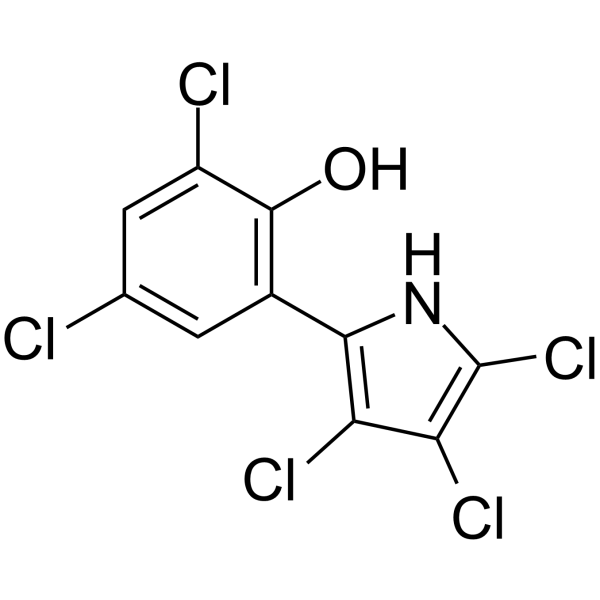 0 ImagesSynonyms: Antibiotic A 15104 Y; PClPPentachloropseudilin (Antibiotic A 15104 Y; PClP) is a reversible and allosteric potent inhibitor of Myo1s (class 1 myosins) with IC50s range from 1 to 5 μM for mammalian class-1 myosins and greater than 90 μM for class-2 and class-5 myosins. Pentachloropseudilin is a potent inhibitor of transforming growth factor-β (TGF-β)-stimulated signaling, with an IC50 of 0.1 to 0.2 μM for TGF-β.

-
MT-125 free base
 0 ImagesMT-125 free base is a specific and well-tolerated inhibitor of non-muscle myosin IIA (Ki,NMIIA = 2.7 μM) and IIB (EC50 = 1.7 μM). MT-125 free base can pass through the blood-brain barrier. MT-125 free base induces ferroptosis and DNA damage by increasing the levels of reactive oxygen species (ROS) within tumor cells. MT-125 free base can enhance the PDGFR signaling pathway. MT-125 free base can be used for research on glioblastoma.
-
Myosin V-IN-1
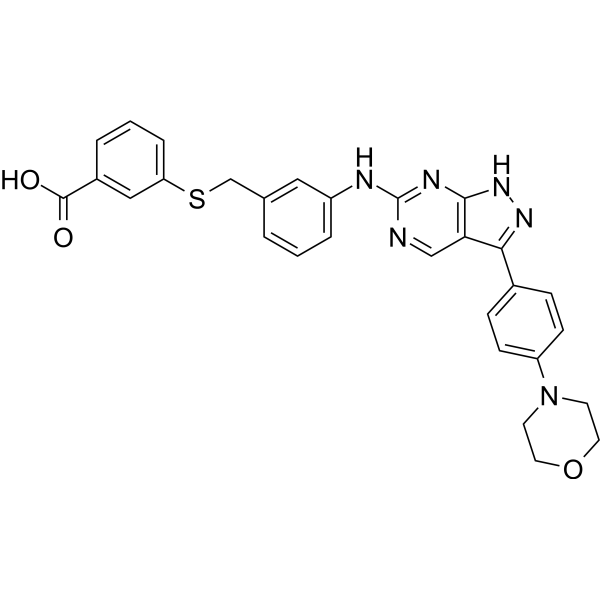 0 ImagesCat. No.: HY-152949CAS No.: 1259177-59-7
-
MT-228
 0 ImagesSynonyms: BPN-0026709MT-228 (BPN-0026709) is a selective and blood-brain barrier permeable non-muscle myosin II inhibitor. MT-228 markedly improves tolerability by selectively targeting NMIIB (KI = 1.5 μM) over CMII (KI = 17 μM), and the sequence of SmMll MD is 83.6% identical to that of NMllB. MT-228 shows long-lasting efficacy in animal models of stimulant use disorder.
-
Mavacamten-d5
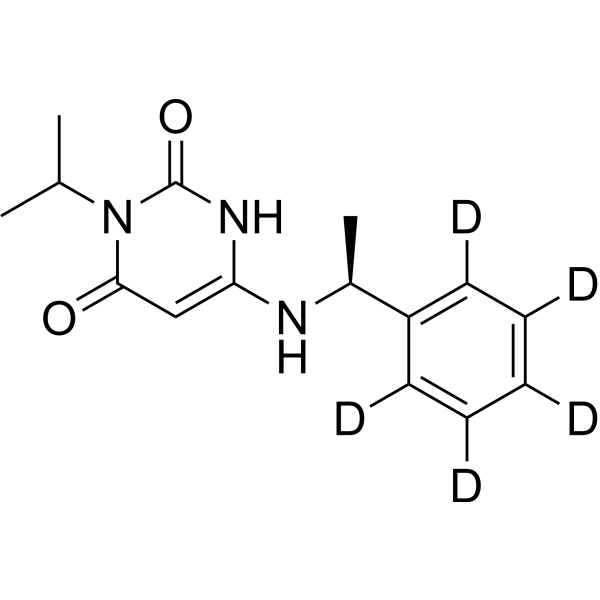 0 ImagesSynonyms: MYK461-d5; SAR439152-d5Mavacamten-d5 (MYK461-d5; SAR439152-d5) is deuterium labeled Mavacamten (HY-109037). Mavacamten (MYK461) is an orally active modulator of cardiac myosin, with IC50s of 490, 711 nM for bovine cardiac and human cardiac, respectively.
-
MT-110
 0 ImagesSynonyms: BPN-0027490MT-110 (BPN-0027490) is a non-muscle myosin NMIIB-selective inhibitor with high brain penetration and favorable safety profile. MT-110 specifically disrupts NMIIB-dependent actin dynamics in dendritic spines, while it exerts no significant adverse effects on cardiac myosin II and cardiac functions (such as cardiac output and heart rate) at tested concentrations. A single administration of MT-110 produces long-lasting (sustained for several weeks) blockade of methamphetamine motivation associated with environmental cues. MT-110 exhibits extremely high specificity, with no interference with cocaine motivation, hippocampus-dependent memory, fear memory, or locomotor and anxiety-like behaviors. MT-110 serves as a valuable tool compound for investigating the mechanisms of methamphetamine use disorder.
-
AX-202
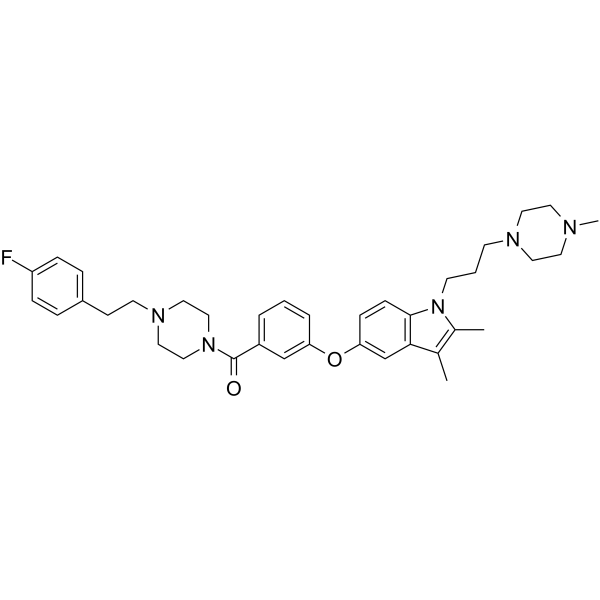
 0 ImagesCat. No.: HY-P991363Purity: 98.91%AX-202 is a humanized IgG4 monoclonal antibody targeting S100A4. AX-202 neutralizes the activity of S100A4. AX-202 effectively reverses established fibrosis and reduces inflammation and fibrosis-related biomarkers in a mouse model of skin fibrosis. AX-202 is applicable for the research of fibrotic and inflammatory diseases.
-
Delocamten
 0 ImagesDelocamten is an orally active, selective Cardiac Myosin inhibitor with an IC50 of approximately 1.11 μM. Delocamten directly modulates myosin complexes, inhibits excessive myocardial contraction, and improves diastolic function. Delocamten can be used in studies of hypertrophic cardiomyopathy (HCM), left ventricular hypertrophy, and diastolic dysfunction.
-
W-7
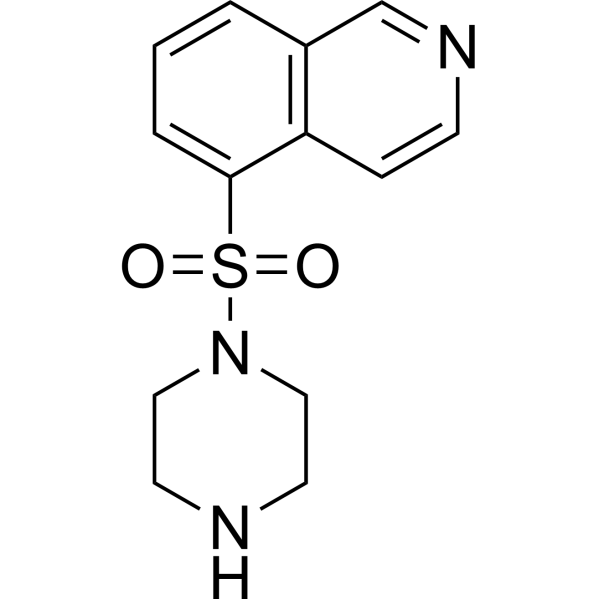
 0 ImagesW-7 is a selective calmodulin antagonist. W-7 inhibits the Ca2+-calmodulin-dependent phosphodiesterase and myosin light chain kinase with IC50 values of 28 μM and 51 μM, respectively. W-7 induces apoptosis and has antitumor and vascular relaxing activity. W-7 is a blocker of Kv4.3 and can be used for research of arrhythmias.
-
Myoferlin inhibitor 1
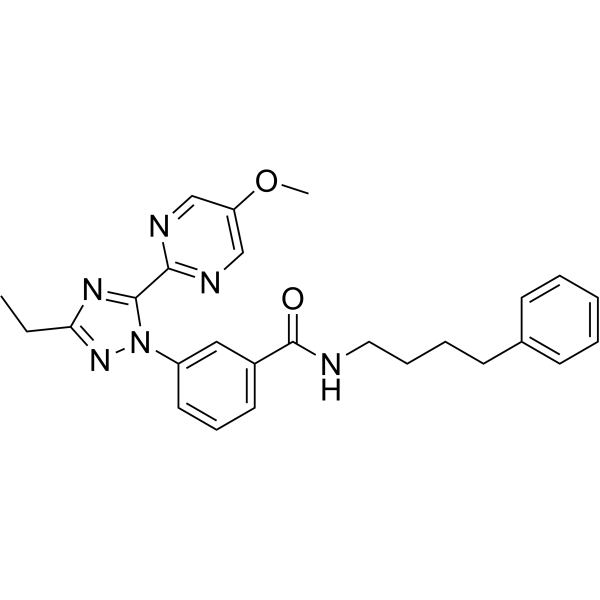 0 ImagesMyoferlin inhibitor 1 is a compound that exhibits reversible, concentration-dependent binding to the myoferlin MYOF-C2D protein, with a KD of 0.094 μM. Myoferlin inhibitor 1 shows potent anti-invasion and anti-migration activities against different pancreatic cancer cells. Myoferlin inhibitor 1 inhibits pancreatic cancer metastasis through reversing mesenchymal transition (EMT), inhibiting the secretions of MMP1 and MMP2 and blocking the receptor tyrosine kinases. Myoferlin inhibitor 1 displays effective antimetastatic activities in pancreatic cancer in vitro and in vivo. Myoferlin inhibitor 1 can be used in research on preventing pancreatic cancer metastasis.
-
Mavacamten-d7
 0 ImagesCat. No.: HY-109037S4Purity: 99.68%Synonyms: MYK461-d7; SAR439152-d7Mavacamten-d7 (MYK461-d7) is deuterium labeled Mavacamten. Mavacamten (MYK461) is an orally active modulator of cardiac myosin, with IC50s of 490, 711 nM for bovine cardiac and human cardiac, respectively.




