



Isotope-Labeled Compounds
Isotope-labeled compounds are chemical substances in which some atoms in their molecules are replaced by isotope atoms. The range of stable isotope products can cover from gases to complex molecules. Isotope-labeled compounds could provide a site-specific investigation of structures, making molecules easily detectable by mass spectrometry and NMR, and maintaining the physico-chemical properties of the target molecule at the same time.
MCE isotope-labeled compounds are all stable isotope-labeled compounds and are non-radioactive labeled substances. MCE isotope-labeled compounds are unique tools for identifying and understanding biological and chemical processes. Stable isotope-labeled products are now getting more and more popular among scientists. The scope of application is gradually penetrating into various scientific fields, such as life sciences, food and medicine, agriculture, environment, geology, etc. Stable isotope-labeled compounds have a wide range of applications in the Life Science areas, such as Metabolomics, Proteomics, Clinical studies, Deuterium drugs, etc.
All Product Categories
-
Isotope-Labeled Compounds Related Products (11098)
Related Products (11098)

-
5-Aminolevulinic acid-13C2,15N hydrochloride
 0 ImagesSynonyms: 5-ALA-13C2,15N hydrochloride; δ-Aminolevulinic acid-13C2,15N hydrochloride; 5-Amino-4-oxopentanoic acid-13C2,15N hydrochloride5-Aminolevulinic acid-13C2,15N (5-ALA-13C2,15N; δ-Aminolevulinic acid-13C2,15N) is 13C- and 15N-labeled 5-Aminolevulinic acid (HY-W000450).
-
L-Isoleucine-13C6,15N
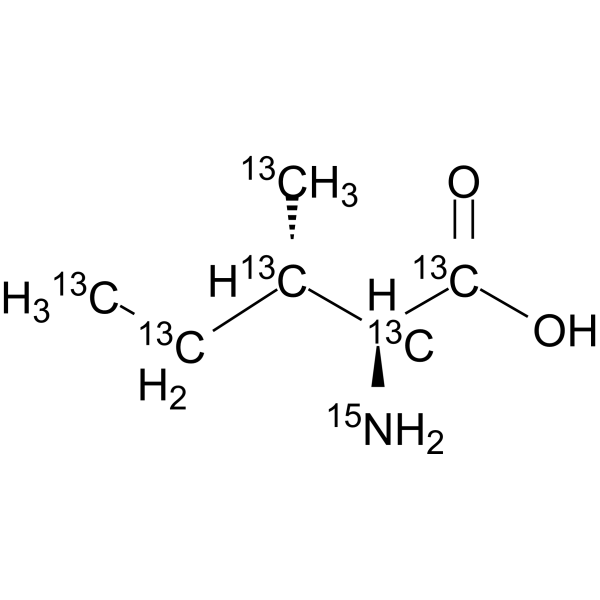 0 ImagesL-Isoleucine-13C6,15N is 13C and 15N labeled L-isoleucine. L-isoleucine is a nonpolar hydrophobic amino acid. L-Isoleucine is an essential amino acid.
-
Glycolaldehyde-1-13C
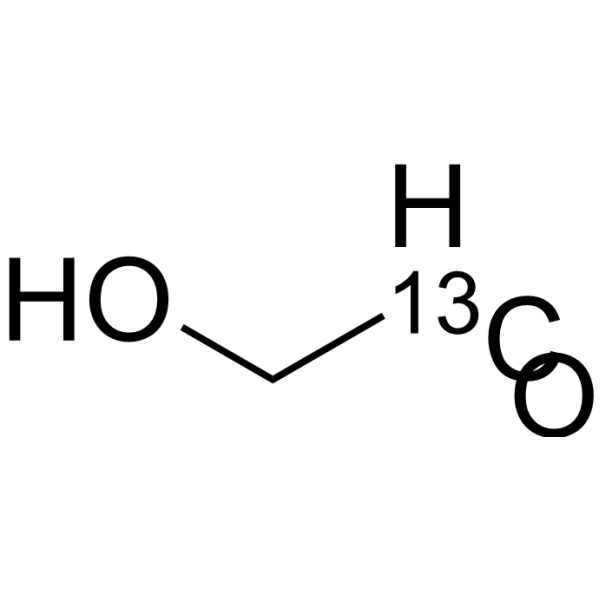 0 ImagesGlycolaldehyde-1-13C is the 13C labeled Glycolaldehyde.
-
Adenosine monophosphate-13C10 dilithium
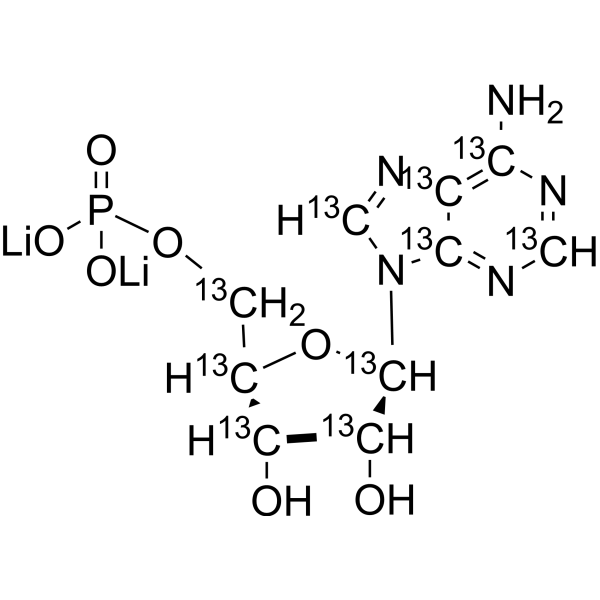 0 ImagesCat. No.: HY-A0181S3Purity: 99.2%Synonyms: AMP-13C10 dilithiumAdenosine monophosphate-13C10 (AMP-13C10) dilithium is 13C-labeled Adenosine monophosphate (HY-A0181). Adenosine monophosphate is an adenosine A1 receptor agonist. Adenosine monophosphate has significant antiviral activity against HSV-1 and HSV-2. Adenosine monophosphate is a key cellular metabolite regulating energy homeostasis and signal transduction.
-
Mavacamten-d5
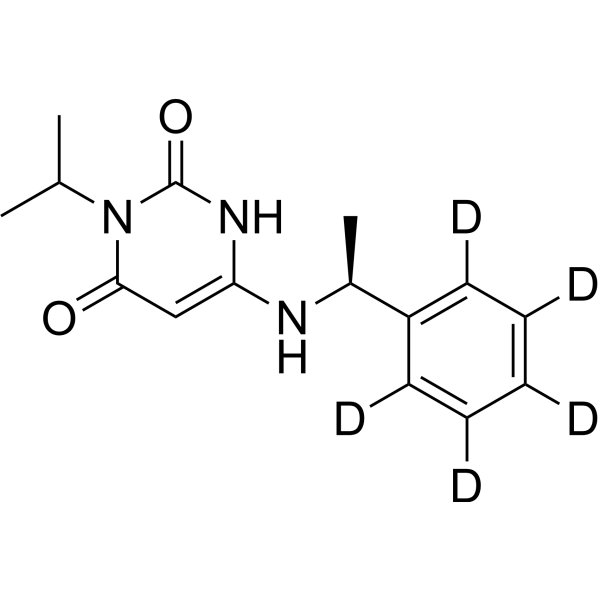 0 ImagesSynonyms: MYK461-d5; SAR439152-d5Mavacamten-d5 (MYK461-d5; SAR439152-d5) is deuterium labeled Mavacamten (HY-109037). Mavacamten (MYK461) is an orally active modulator of cardiac myosin, with IC50s of 490, 711 nM for bovine cardiac and human cardiac, respectively.
-
Azithromycin-d3
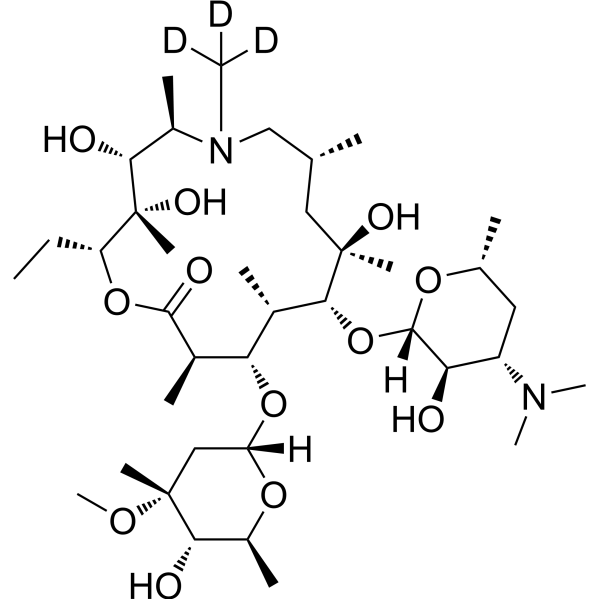 0 ImagesAzithromycin-d3 is the deuterium labeled Azithromycin. Azithromycin (CP-62993) is a macrolide antibiotic useful for the treatment of a number of bacterial infections.
-
Acetyl coenzyme A-13C2 lithium
 0 ImagesCat. No.: HY-114293SSynonyms: Acetyl-CoA-13C2 lithiumAcetyl coenzyme A-13C2 lithium is the 13C-labeled Acetyl coenzyme A (HY-114293). Acetyl-coenzyme A (Acetyl-CoA) is a membrane-impermeant central metabolic intermediate, participates in the TCA cycle and oxidative phosphorylation metabolism. Acetyl-coenzyme A, regulates various cellular mechanisms by providing (sole donor) acetyl groups to target amino acid residues for post-translational acetylation reactions of proteins. Acetyl Coenzyme A is also a key precursor of lipid synthesis.
-
Thymidine-d3
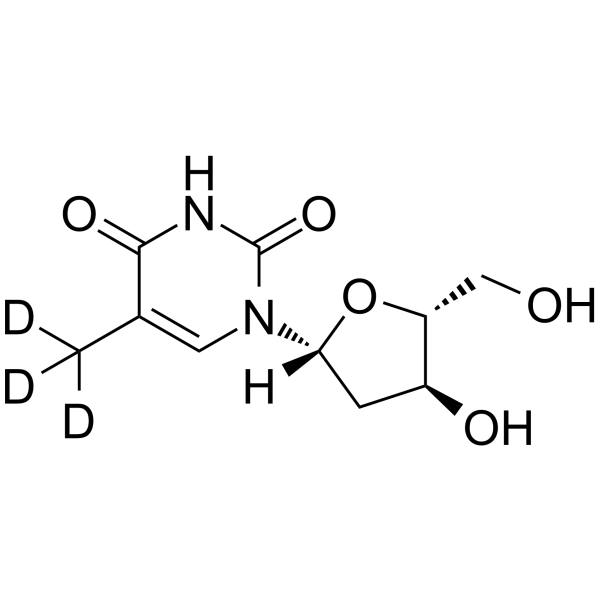 0 ImagesSynonyms: DThyd-d3; NSC 21548-d3
-
Sulfasalazine-d4
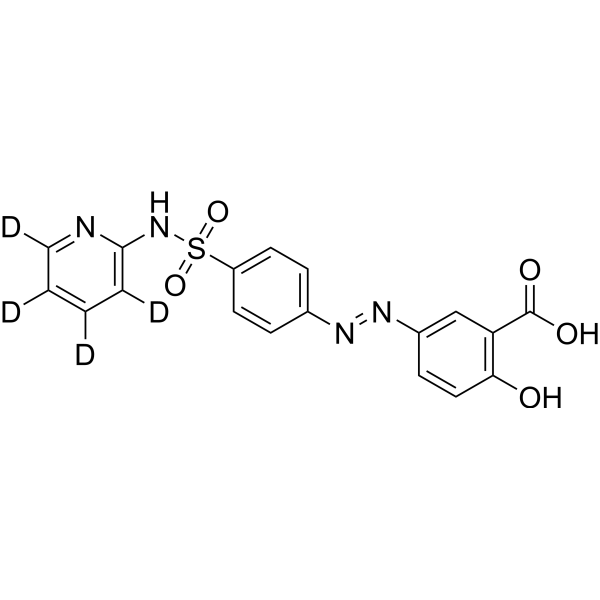 0 ImagesSynonyms: NSC 667219-d4; Salicylazosulfapyridine-d4Sulfasalazine-d4 is the deuterium labeled Sulfasalazine. Sulfasalazine (NSC 667219) is an anti-rheumatic agent for the research of rheumatoid arthritis and ulcerative colitis. Sulfasalazine can suppress NF-κB activity. Sulfasalazine is a type 1 ferroptosis inducer.
-
Quercetin-d3
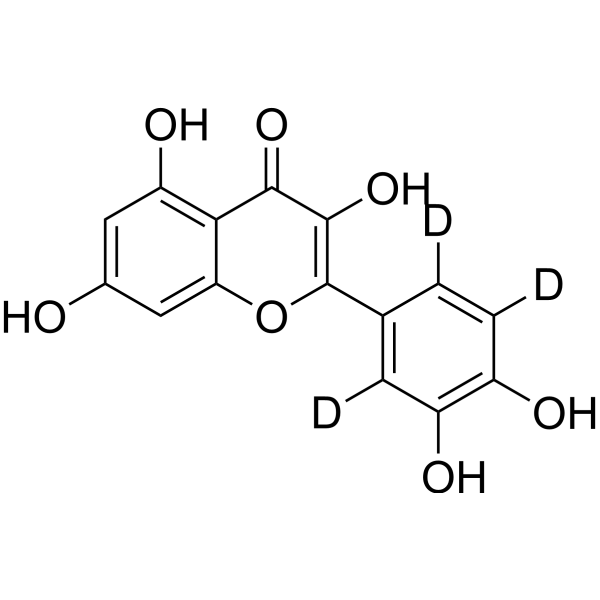 0 ImagesQuercetin-d3 is the deuterium labeled Quercetin. Quercetin, a natural flavonoid, is a stimulator of recombinant SIRT1 and also a PI3K inhibitor with IC50 of 2.4 μM, 3.0 μM and 5.4 μM for PI3K γ, PI3K δ and PI3K β, respectively.
-
Diphenhydramine-d6 hydrochloride
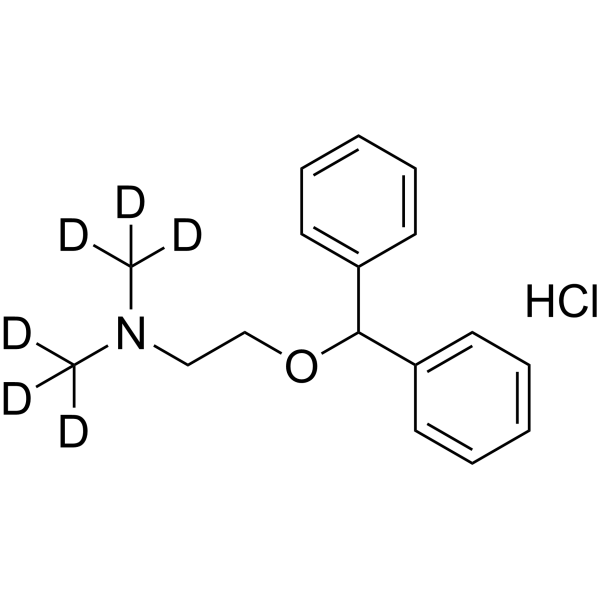 0 ImagesDiphenhydramine-d6 (hydrochloride) is the deuterium labeled Diphenhydramine hydrochloride. Diphenhydramine hydrochloride is a first-generation histamine H1-receptor antagonist with anti-cholinergic effect. Diphenhydramine hydrochloride can across the ovine blood-brain barrier (BBB).
-
D-Glutamic acid-d5
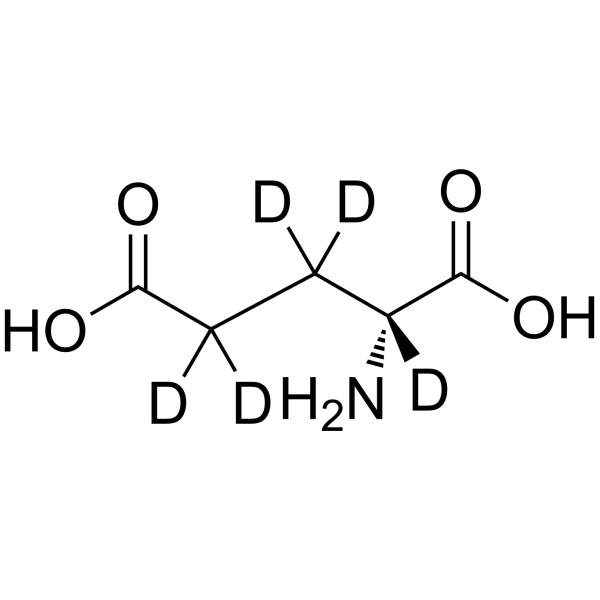 0 ImagesSynonyms: (R)-Glutamic acid-d5D-Glutamic acid-d5 is the deuterium labeled D-Glutamic acid. D-glutamic acid, an enantiomer of L- glutamic acid, is widely used in pharmaceuticals and foods.
-
Dexamethasone-4,6α,21,21-d4
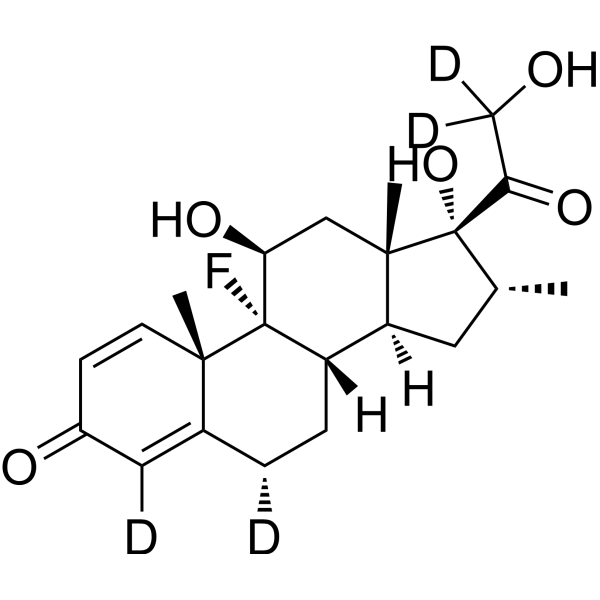 0 ImagesDexamethasone-4,6α,21,21-d4 is the deuterium labeled Dexamethasone-4,6α,21,21. Dexamethasone (Hexadecadrol) is a glucocorticoid receptor agonist. Dexamethasone also significantly decreases CD11b, CD18, and CD62L expression on neutrophils, and CD11b and CD18 expression on monocytes. Dexamethasone is highly effective in the control of COVID-19 infection. Dexamethasone inhibits production of exosomes containing inflammatory microRNA-155 in lipopolysaccharide-induced macrophage inflammatory responses.
-
DL-3-Phenyllactic acid-d3
 0 ImagesDL-3-Phenyllactic acid-d3 is a deuterated labeled DL-3-Phenyllactic acid. DL-3-Phenyllactic acid is a broad-spectrum antimicrobial compound.
-
Rosuvastatin-d3 sodium
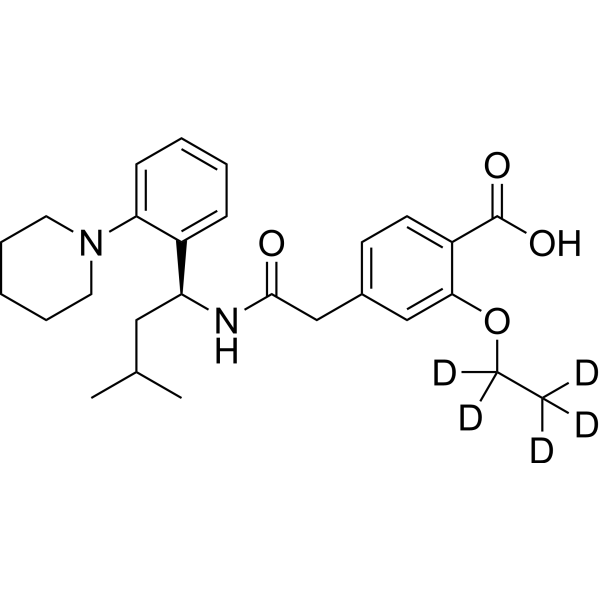
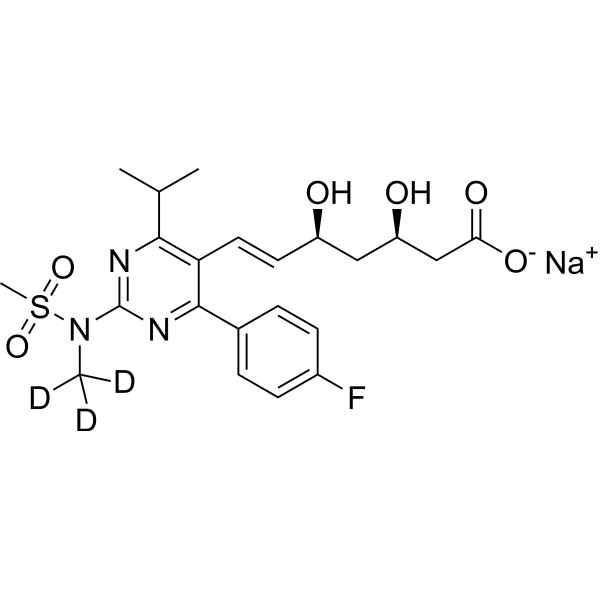 0 ImagesRosuvastatin-d3 sodium is the deuterated-labeled Rosuvastatin Sodium (HY-17504B). Rosuvastatin Sodium is a competitive HMG-CoA reductase (HMGCR) inhibitor, with an IC50 of 11 nM. Rosuvastatin Sodium potently blocks hERG current with an IC50 of 195 nM. Rosuvastatin Sodium reduces the expression of the mature hERG and the interaction of heat shock protein 70 (Hsp70) with the hERG protein. Rosuvastatin Sodium effectively lowers low-density lipoprotein (LDL) cholesterol, triglycerides, and C-reactive protein levels.
-
Cytidine-13C9
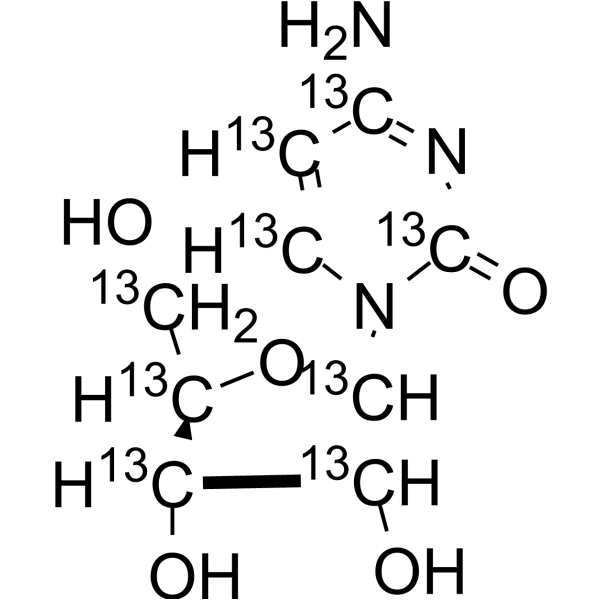 0 ImagesCat. No.: HY-B0158S7Purity: 98.69%Synonyms: Cytosine β-D-riboside-13C9; Cytosine-1-β-D-ribofuranoside-13C9Cytidine-13C9 (Cytosine β-D-riboside-13C9) is 13C labeled Cytidine (HY-B0158). Cytidine is a pyrimidine nucleoside and acts as a component of RNA. Cytidine is a precursor of uridine. Cytidine controls neuronal-glial glutamate cycling, affecting cerebral phospholipid metabolism, catecholamine synthesis, and mitochondrial function.
-
C16-Ceramide-d9
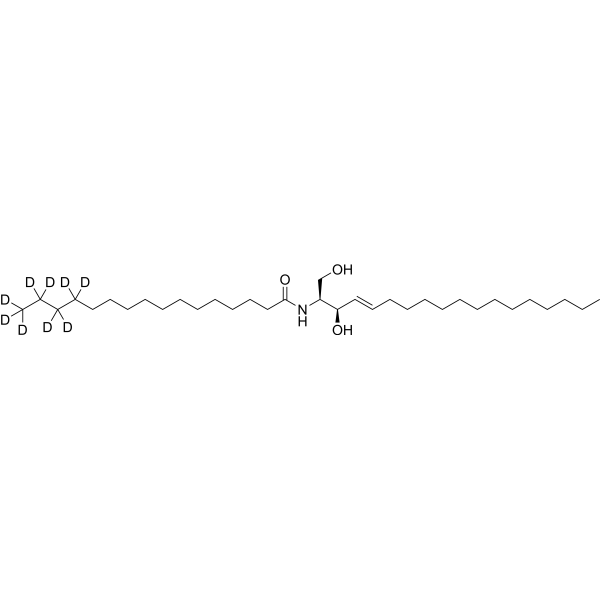 0 ImagesC16-Ceramide-d9 is deuterium labeled C16-Ceramide.
-
Creatinine-13C
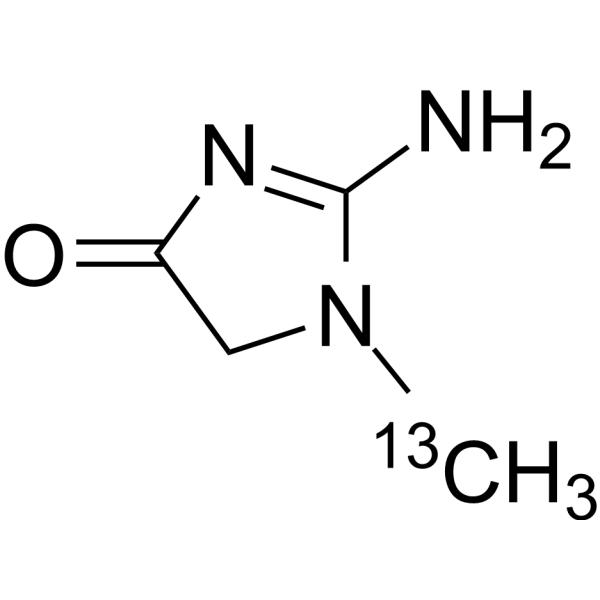 0 ImagesSynonyms: NSC13123-13CCreatinine-13C is the 13C-labeled Creatinine. Creatinine (NSC13123) is an orally active, blood-brain barrier-permeable modulator of GABAA and NMDA receptors, with activities of antioxidation and metabolic regulation. Creatinine is generated via non-enzymatic conversion of creatine and phosphocreatine in muscle. Creatinine serum levels correlate with muscle mass, glomerular filtration rate, and extrarenal clearance, serving as an evaluation biomarker for renal function, muscle mass, and clinical outcomes, and used for perioperative renal risk assessment. In addition, Creatinine can induce specific Cryptococcus species to produce creatinine deiminase and act as their nitrogen source, while it can be secreted via renal tubules. Creatinine is widely used in research related to various diseases such as neurodegenerative diseases, psychiatric disorders, acute kidney injury, chronic kidney disease, and renal failure.
-
Guanosine-13C10,15N5
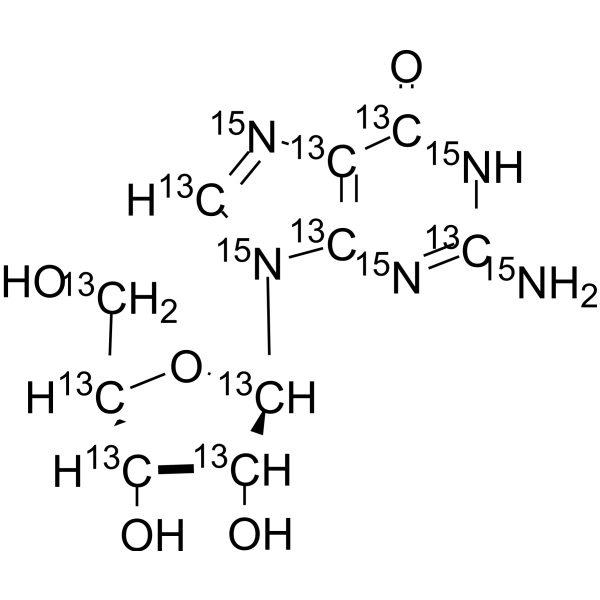 0 ImagesSynonyms: DL-Guanosine-13C10,15N5; Vernine-13C10,15N5



