Isotope-Labeled Compounds
Isotope-labeled compounds are chemical substances in which some atoms in their molecules are replaced by isotope atoms. The range of stable isotope products can cover from gases to complex molecules. Isotope-labeled compounds could provide a site-specific investigation of structures, making molecules easily detectable by mass spectrometry and NMR, and maintaining the physico-chemical properties of the target molecule at the same time.
MCE isotope-labeled compounds are all stable isotope-labeled compounds and are non-radioactive labeled substances. MCE isotope-labeled compounds are unique tools for identifying and understanding biological and chemical processes. Stable isotope-labeled products are now getting more and more popular among scientists. The scope of application is gradually penetrating into various scientific fields, such as life sciences, food and medicine, agriculture, environment, geology, etc. Stable isotope-labeled compounds have a wide range of applications in the Life Science areas, such as Metabolomics, Proteomics, Clinical studies, Deuterium drugs, etc.
All Product Categories
-
Isotope-Labeled Compounds Related Products (11097)
Related Products (11097)

-
Indomethacin-d4
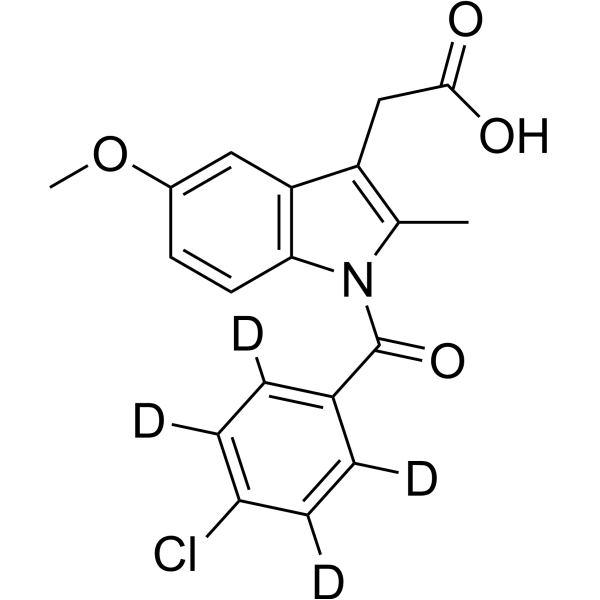 0 ImagesCat. No.: HY-14397SCAS No.: 87377-08-0Synonyms: Indometacin-d4Indomethacin-d4 (Indometacin-d4) is a deuterium labeled Indomethacin. Indomethacin is a potent, blood-brain permeable and nonselective inhibitor of COX1 and COX2, with IC50s of 18 nM and 26 nM for human COX-1 and COX-2, respectively, in CHO cells. Indomethacin disrupts autophagic flux by disturbing the normal functioning of lysosomes.
-
Perindoprilat-d4
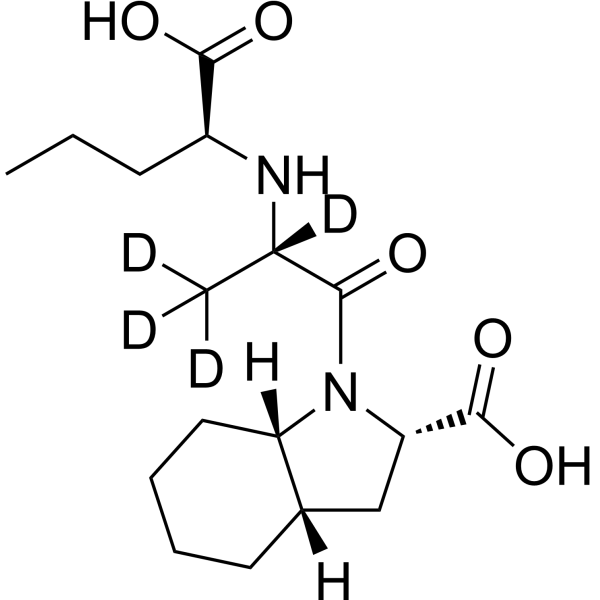 0 ImagesPerindoprilat-d4 is the deuterium labeled Perindoprilat.
-
Edaravone-d5
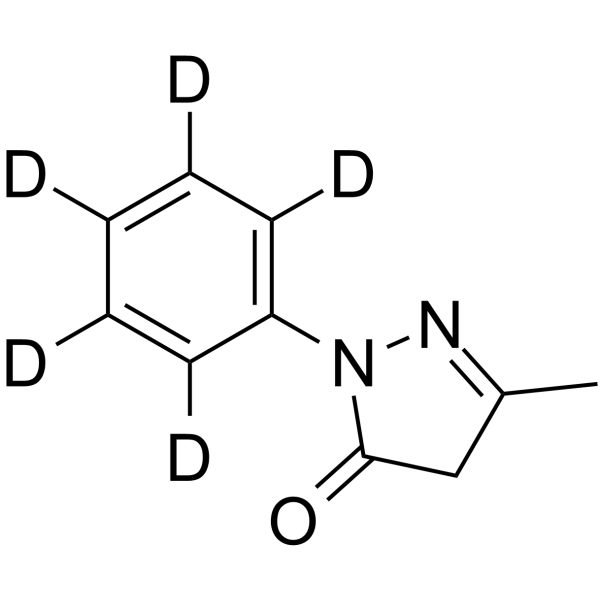 0 ImagesSynonyms: MCI-186-d5Edaravone-d5 is a deuterium labeled Edaravone. Edaravone is a strong novel free radical scavenger, and inhibits MMP-9-related brain hemorrhage in rats treated with tissue plasminogen activator.
-
Guanosine triphosphate-13C10,15N5 tetraammonium solution (100 mM)
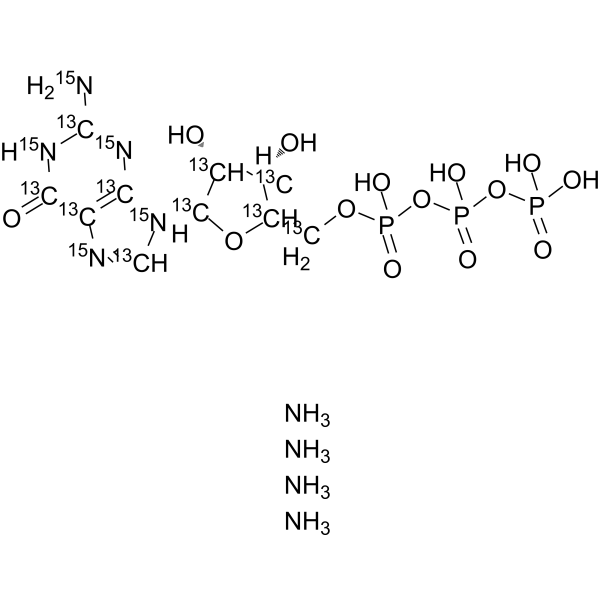 0 ImagesCat. No.: HY-113225S1Purity: 99.98%Synonyms: GTP-13C10,15N5 tetraammoniumGuanosine triphosphate-13C10,15N5 tetraammonium solution (100 mM) (GTP-13C10,15N5 tetraammonium) is the 15N, 13C-labeled Guanosine triphosphate (HY-113225). Guanosine triphosphate (GTP) is a critical nucleotide and regulator of cellular metabolism. Guanosine triphosphate promotes ribosomal DNA localization, pre-rRNA transcription and ribosome biogenesis by binding to RNA polymerase I and GPN proteins (GPN1/3). Guanosine triphosphate links MYC-dependent ribosome biogenesis to nucleotide sufficiency, acts as a metabolic gatekeeper supporting protein synthesis, DNA/RNA synthesis and cellular signal transduction, while also participating in the physiological activities of pancreatic β-cells and serving as an oxidative substrate for reactive oxygen species. In small cell lung cancer with high MYC expression, Guanosine triphosphate accumulates through the IMPDH-driven synthetic pathway, thereby affecting apoptosis and mitotic processes. Guanosine triphosphate is used in the research of small cell lung cancer, hepatoblastoma and cellular metabolism.
-
Ceritinib-d7
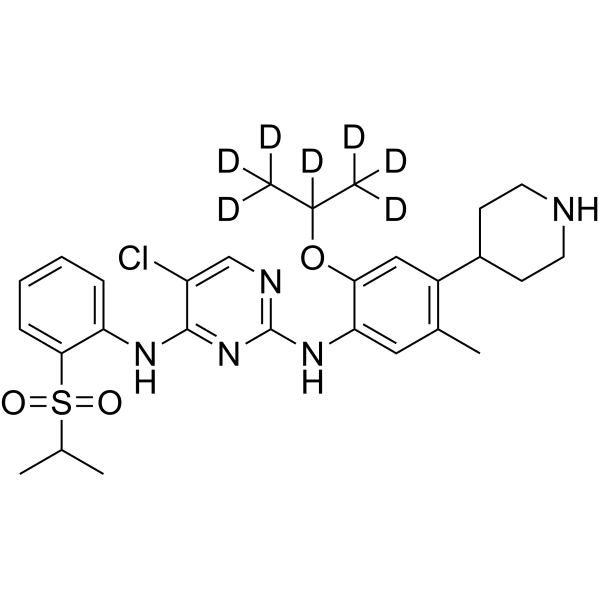 0 ImagesSynonyms: LDK378 d7Ceritinib (LDK378)-d7 is a deuterium labeled Ceritinib (HY-15656). Ceritinib is a selective, orally bioavailable and ATP-competitive ALK tyrosine kinase inhibitor. Ceritinib is a selective, orally bioavailable, and ATP-competitive ALK tyrosine kinase inhibitor with an IC50 of 200 pM. Ceritinib also inhibits IGF-1R, InsR, and STK22D with IC50 values of 8, 7, and 23 nM, respectively. Ceritinib shows great antitumor potency.
-
Linoleoyl LPA-d5
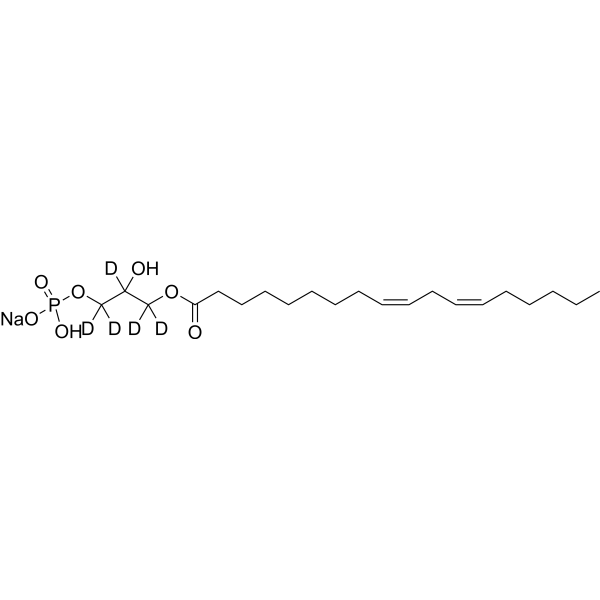 0 ImagesCat. No.: HY-146955SLinoleoyl LPA-d5 is deuterium labeled Linoleoyl LPA.
-
L-Xylose-2-13C
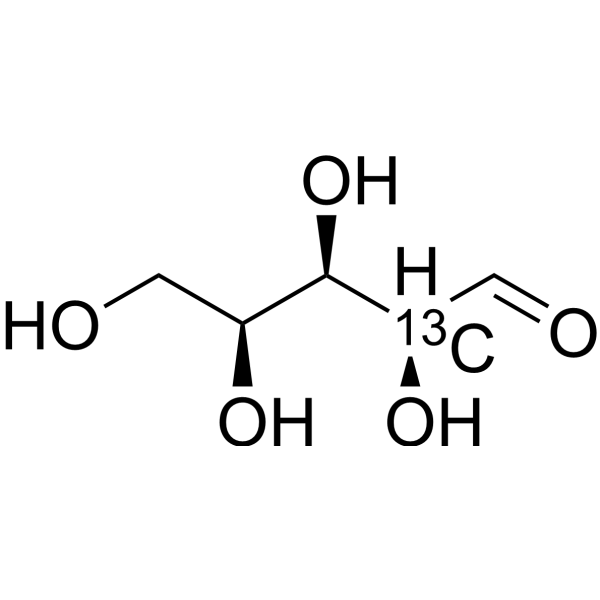 0 ImagesSynonyms: L-(-)-Xylose-2-13C
-
2,2′-Bipyridine-d8
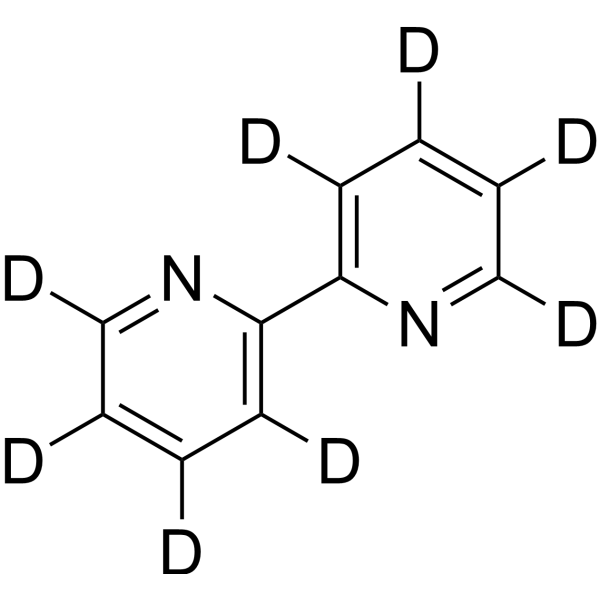 0 ImagesSynonyms: 2,2'-Dipyridyl-d82,2′-Bipyridine-d8 is the deuterium labeled 2,2′-Bipyridine-d8.
-
Mestranol-d2
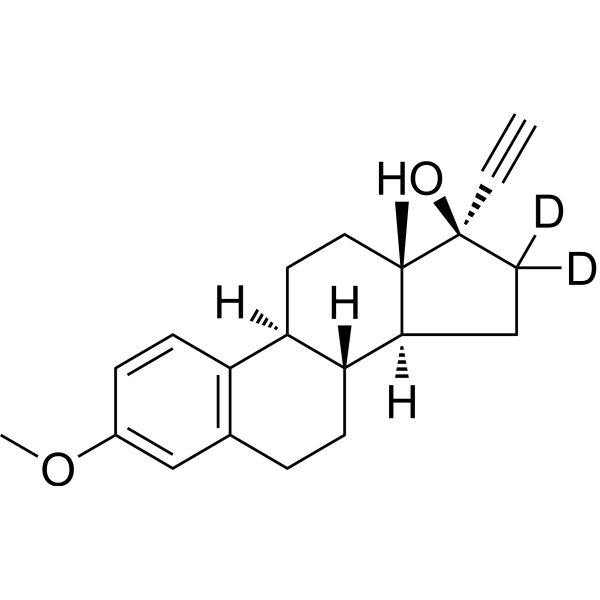 0 ImagesCat. No.: HY-B0390SPurity: 99.0%Mestranol-d2 is the deuterium labeled Mestranol. Mestranol is an inactive proagent and becomes biologically active on conversion to ethinyl estradiol (EE). Mestranol acts as an estrogen receptor agonist. Mestranol combines with a progestin in vivo and can be used for the research of menopausal hormone or menstrual disorders. Mestranol-d2 is a click chemistry reagent, it contains an Alkyne group and can undergo copper-catalyzed azide-alkyne cycloaddition (CuAAc) with molecules containing Azide groups.
-
Myristic acid-13C3
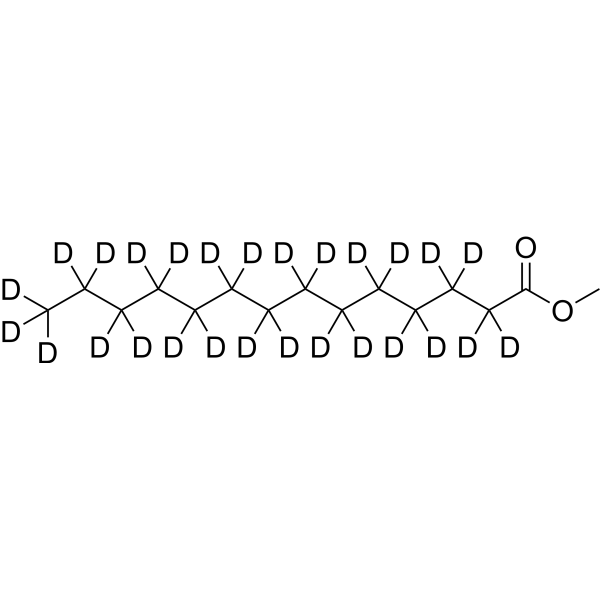
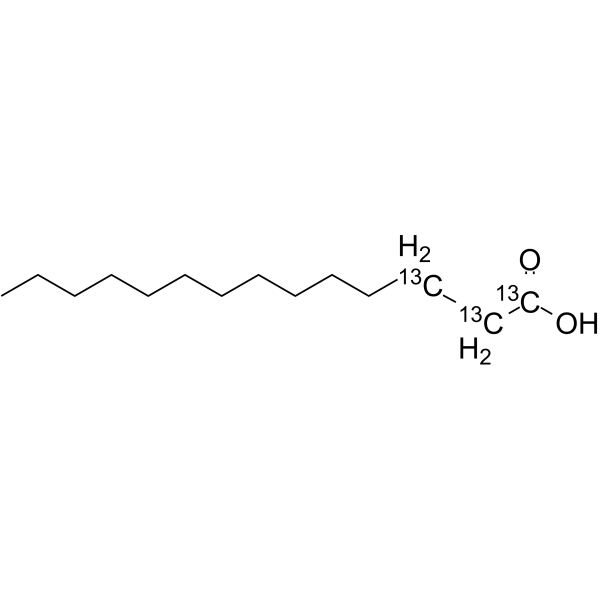 0 ImagesMyristic acid-13C3 is the 13C labeled Myristic acid. Myristic acid is a saturated 14-carbon fatty acid occurring in most animal and vegetable fats, particularly butterfat and coconut, palm, and nutmeg oils.

-
L-Alanine-2-d1
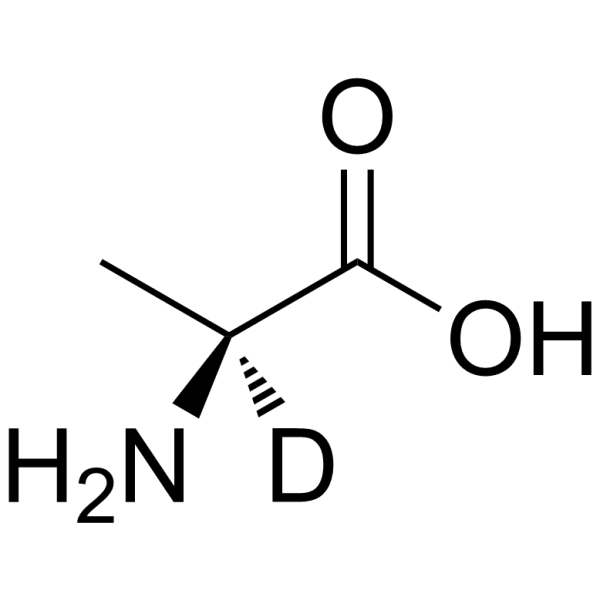 0 ImagesCat. No.: HY-W141857CAS No.: 21386-65-2L-Alanine-2-d1 is the deuterium labeled L-Alanine-2[1].
-
Lenalidomide-d5
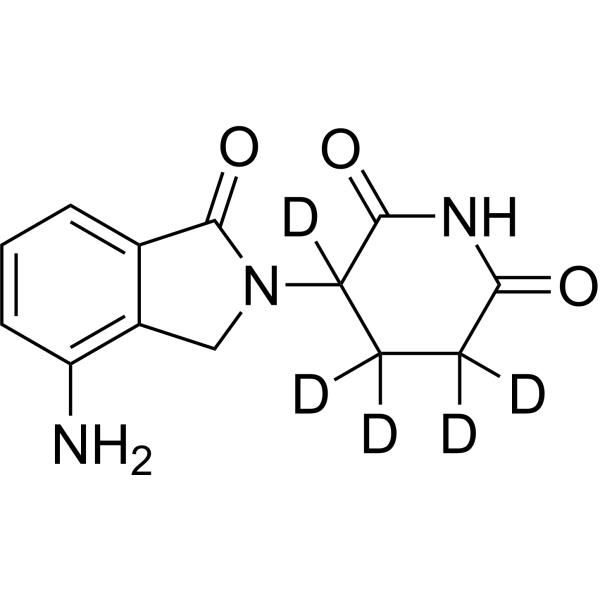 0 ImagesSynonyms: CC-5013-d5Lenalidomide-d5 (CC-5013-d5) is the d5-labeled Lenalidomide (HY-A0003). Lenalidomide (CC-5013) is an orally active immunomodulatory agent that binds CRBN as a molecular glue to alter substrate specificity, inducing ubiquitination and proteasome-dependent degradation of IKZF1, IKZF3 and CK1α. Lenalidomide induces apoptosis by degrading IKZF1/3, and activates p53 by degrading CK1α. Lenalidomide promotes IL-2 release and effector functions of CD8+ T/NK cells, while inhibiting TNF-α secretion and M1-type pyroptosis. Lenalidomide can be used in research related to hematological malignancies, acute liver failure and acute kidney injury.
-
Formaldehyde 2,4-dinitrophenylhydrazone-d3
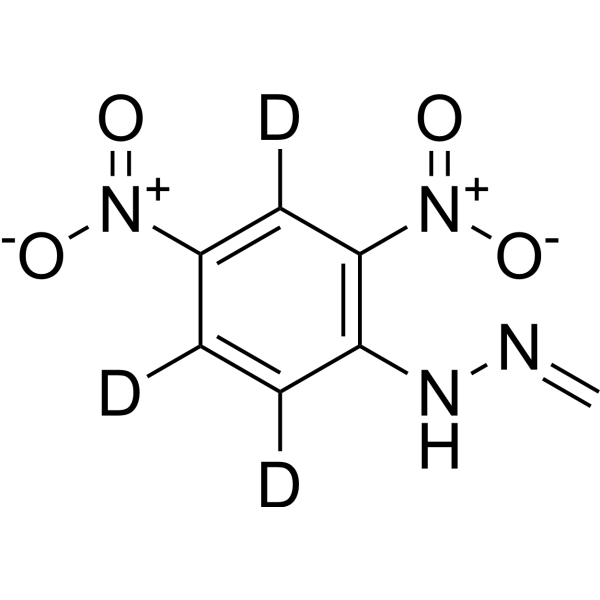 0 ImagesFormaldehyde 2,4-dinitrophenylhydrazone-d3 is the deuterium labeled Formaldehyde 2,4-dinitrophenylhydrazone.
-
Eprinomectin-d3
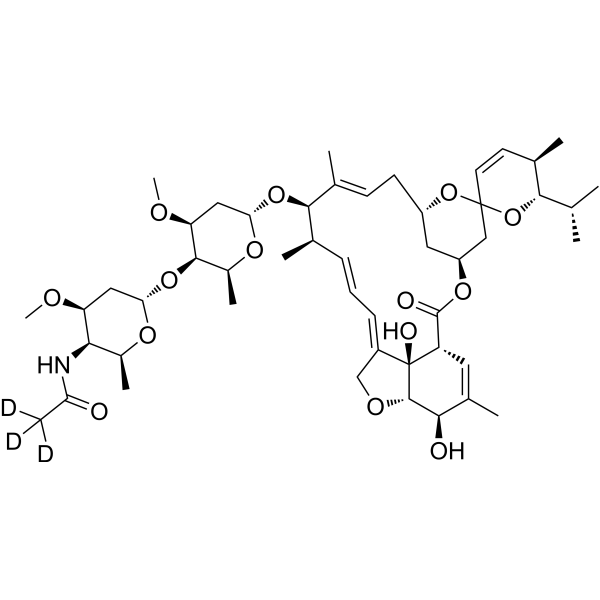 0 ImagesCat. No.: HY-12643SPurity: 99.2%Synonyms: MK-397-d3Eprinomectin-d3 (MK-397-d3) is the deuterium-labeled Eprinomectin (HY-12643). Eprinomectin is a type of avermectin. Eprinomectin, as a broad-spectrum fungicide, has insecticidal, insecticidal and acaricidal activities. Eprinomectin induces apoptosis and autophagy in prostate cancer cells and has antitumor activity.
-
Urapidil-d3
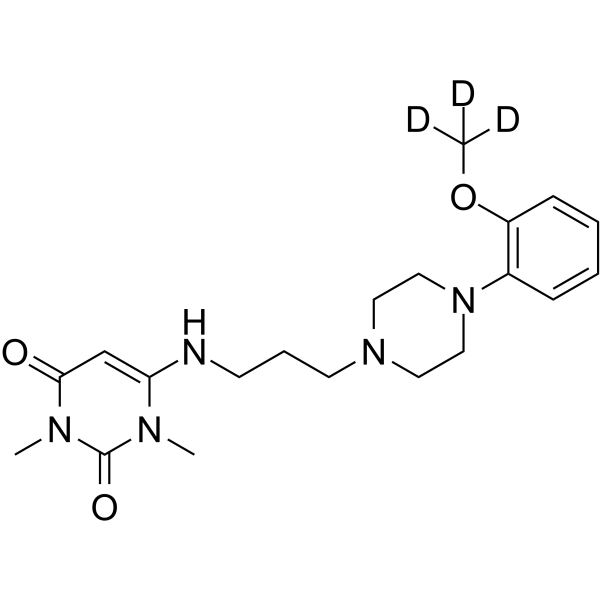 0 ImagesUrapidil-d3 is the deuterium labeled Urapidil. Urapidil is an α1 adrenoreceptor antagonist and a 5-HT1A receptor agonist.
-
Alpha-Zearalenol-d7
 0 ImagesCat. No.: HY-W766497Alpha-Zearalenol-d7 is the deuterium labeled α-Zearalenol (HY-N6710). α-Zearalenol is a Mycotoxin with high affinity for the estrogen receptors (ER). α-Zearalenol is the derivative of zearalenone (ZEN), causes reproductive disorders in animals, due to its xenoestrogenic effects.
-
Docetaxel-d5
 0 ImagesCat. No.: HY-W653942Synonyms: RP-56976-d5
-
2,6-Dimethylnaphthalene-d12
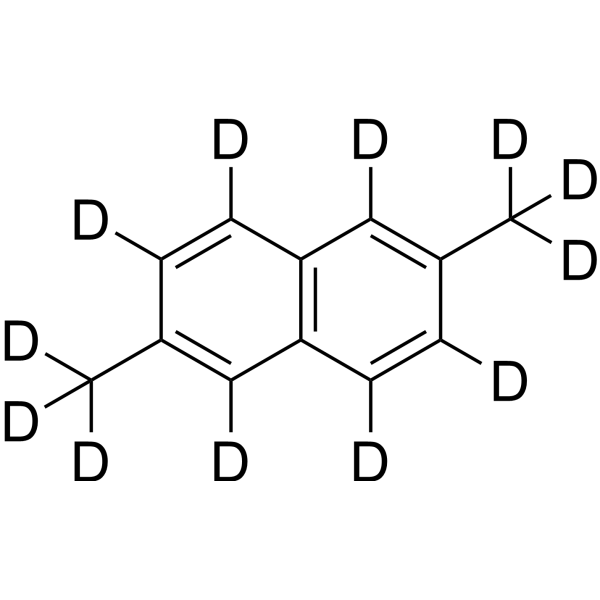 0 Images2,6-Dimethylnaphthalene-d12 is the deuterated-labeled 2,6-Dimethylnaphthalene (HY-W017280). 2,6-Dimethylnaphthalene is a cytochrome P450 1A2 (CYP1A2) inhibitor, with an IC50 of 52 μM and a pIC50 of 4.28 against human targets. 2,6-Dimethylnaphthalene inhibits the 7-ethoxyresorufin O-dealkylation activity catalyzed by CYP1A2.