



CAY10435
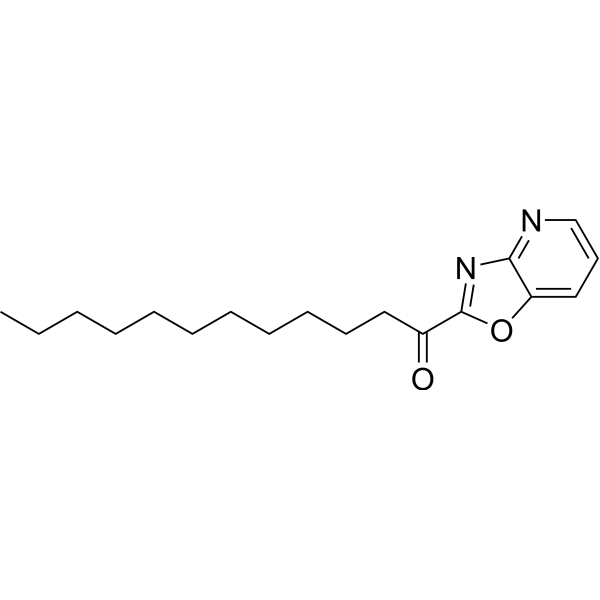
CAY10435 is a β-ketooxazapyridine, selective FAAH inhibitor with antimicrobial activity. CAY10435 binds non-competitively to the FAAH of Dictyostelium discoideum with a Kd value of 0.57 nM.
For research use only. We do not sell to patients.
- CAS No.: 288862-73-7
- Formula: C18H26N2O2
- Molecular Weight:302.41
-
Storage:
Please store the product under the recommended conditions in the Certificate of Analysis.

To place orders, for customer services and technical support, please contact: MedChemExpress USA
Tel: 609-228-6898 E-mail: [email protected] [email protected]


-
 Biological Activity
-
Chemical Information
- Protocols
- Purity & Documentation
- References
-
 Help & FAQs


-
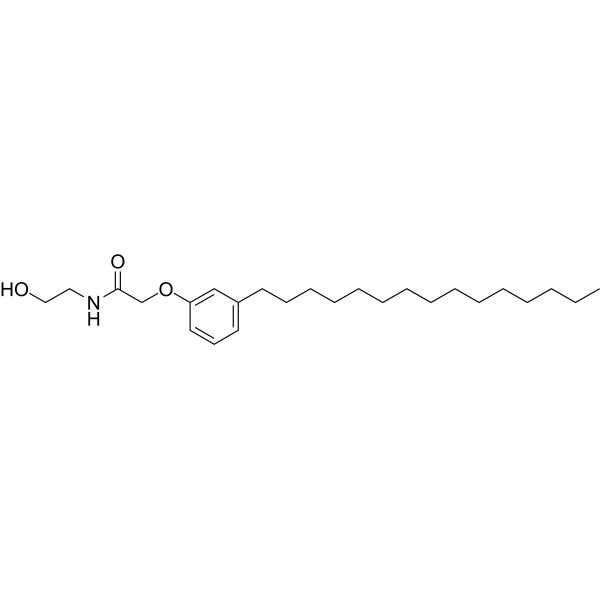
HY-110138
PDP-EAActive Compound -

HY-118210
PHOP -
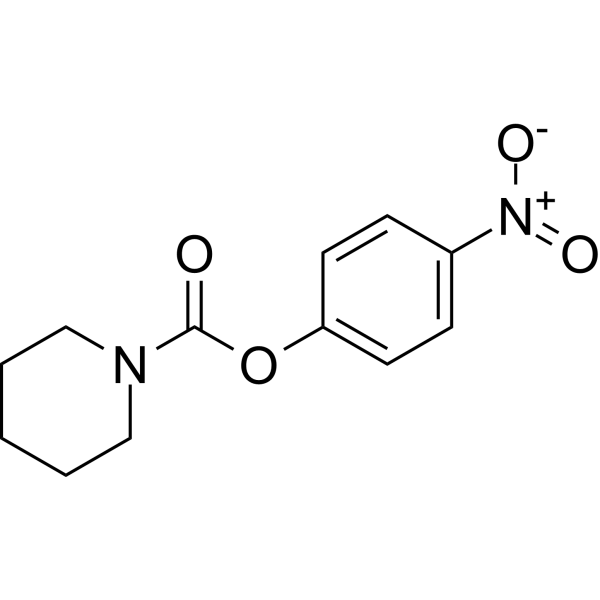
HY-18544
AA38-3Serine Hydrolase Inhibitor -
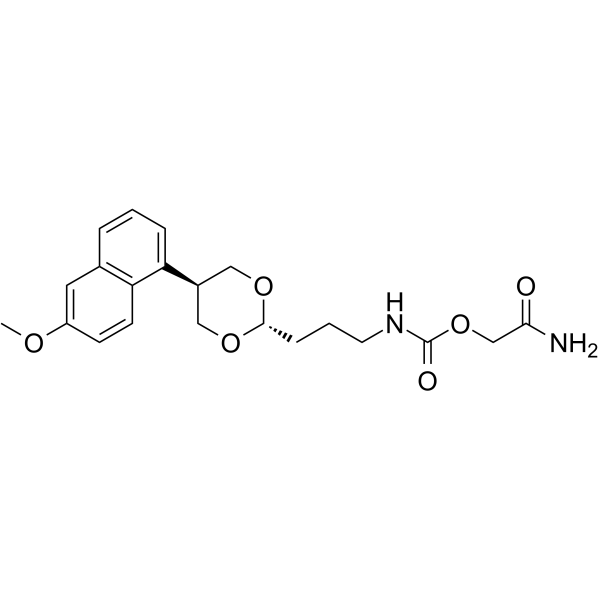
HY-123863
SSR411298FAAH Inhibitor -
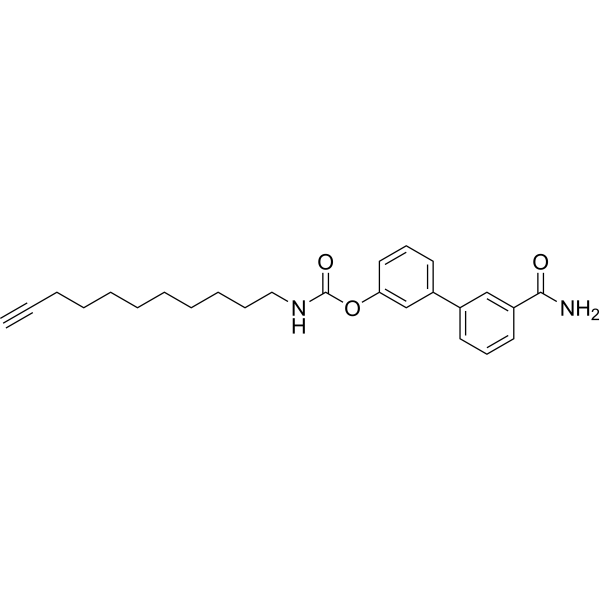
HY-121558
JP104FAAH Inhibitor -
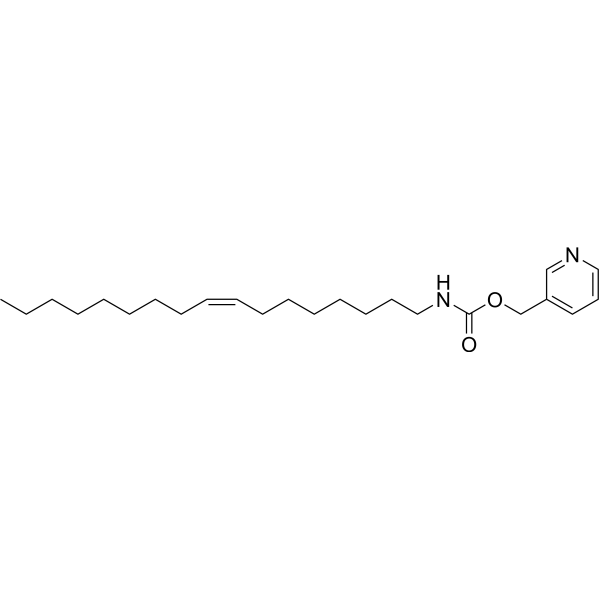
HY-139384
FAAH inhibitor 2Fatty Acid Amide Hydrolase Inhibitor -
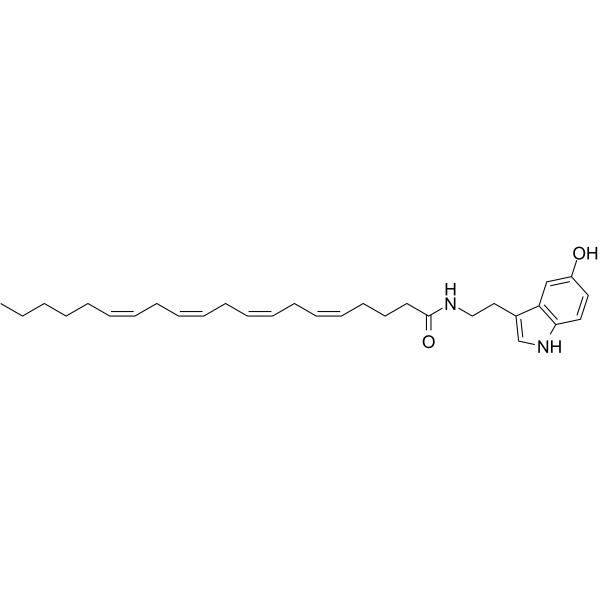
HY-103337
N-ArachidonoylserotoninFAAH Inhibitor/TRPV1 Antagonist -

HY-121090
FAAH-IN-9 -
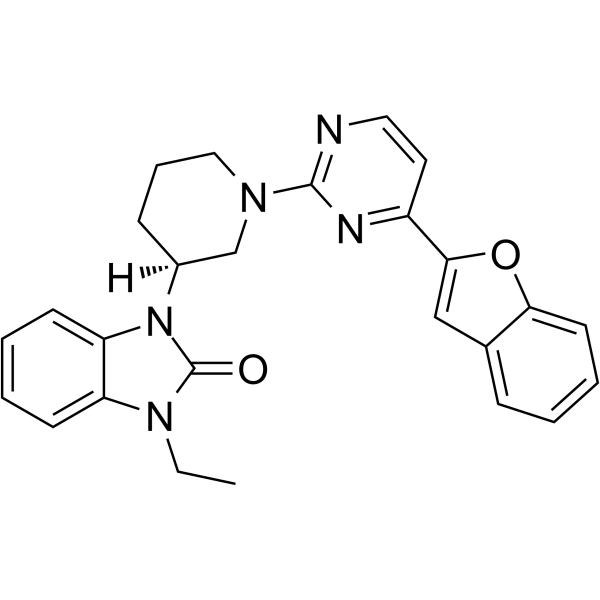
HY-103462
TC-F2FAAH Inhibitor -
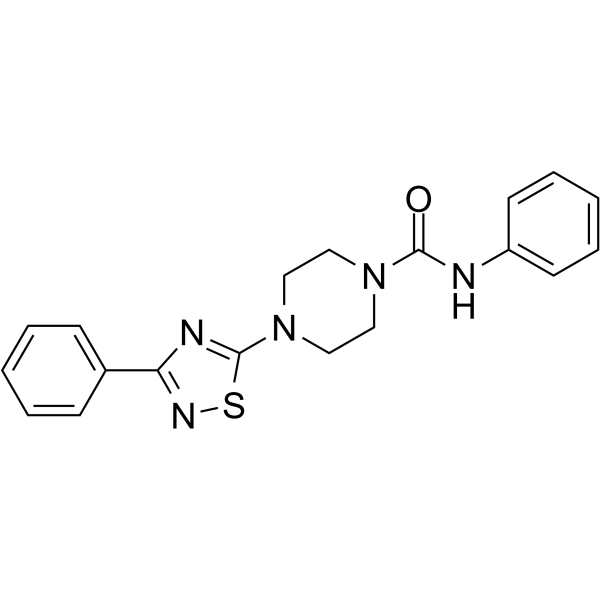
HY-N7062
JNJ-1661010FAAH Inhibitor -
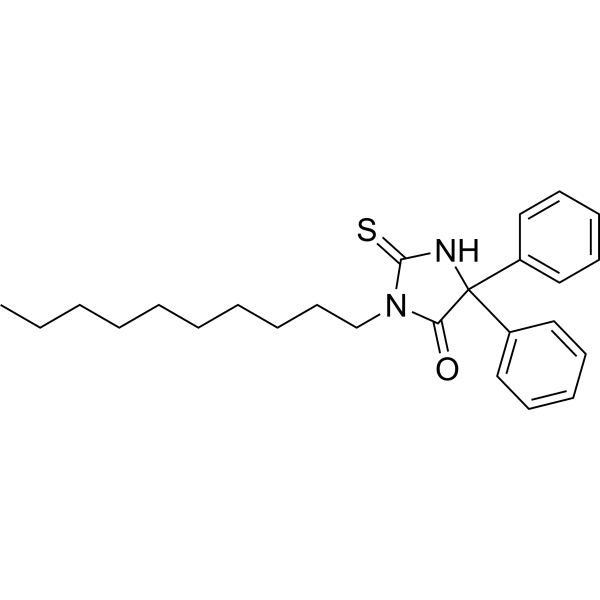
HY-116710
3-Decyl-5,5'-diphenyl-2-thioxo-4-imidazolidinoneFAAH Inhibitor -
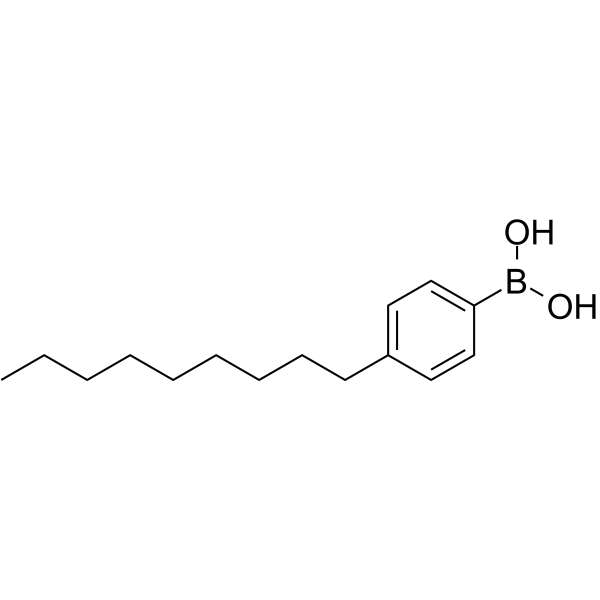
HY-118158
FAAH/MAGL-IN-4FAAH/MGL Inhibitor


Biological Activity
Description
IC50 & Target
Ki: 0.57 nM (FAAH, Dictyostelium discoideum)[1]
Cellular Effect
|
Cell Line

|
Type | Value | Description | References |
|---|---|---|---|---|
| COS-7 | IC50 |
0.017 μM
Compound: 65, CAY10435
|
Inhibition of human recombinant FAAH overexpressed in African green monkey COS7 cells using [3H]-anandamide as substrate preincubated for 10 mins before substrate addition measured after 10 mins by liquid scintillation counting analysis
Inhibition of human recombinant FAAH overexpressed in African green monkey COS7 cells using [3H]-anandamide as substrate preincubated for 10 mins before substrate addition measured after 10 mins by liquid scintillation counting analysis
|
[PMID: 24083878] |


Chemical Information
-
CAS No. 288862-73-7
-
Molecular Weight 302.41
-
Formula C18H26N2O2
-
SMILES
CCCCCCCCCCCC(C1=NC2=NC=CC=C2O1)=O
-
Shipping
Room temperature in continental US; may vary elsewhere.
-
Storage
Please store the product under the recommended conditions in the Certificate of Analysis.

Protocols
-
Research Protocol for Infectious Diseases
Infectious-disease experiments test how pathogens interact with host barriers, innate immune receptors, inflammatory signaling, pathogen replication, and tissue injury; pattern-recognition receptors such as TLRs, RIG-I-like receptors, NOD-like receptors, and inflammasomes detect microbial molecules and activate NF-κB, interferon, and cytokine responses. The central hypothesis is that infection severity reflects the balance between pathogen burden and host response: protective inflammation restricts pathogen growth, whereas excessive or mislocalized inflammation contributes to tissue damage and disease phenotype. Unresolved questions include which host pathways are protective versus pathogenic, why some infection models fail to translate to human disease, and which combined readouts best predict clinically relevant infection outcomes.


Purity & Documentation
References
[1]. Hayes AC, et al. Identification of N-acylethanolamines in Dictyostelium discoideum and confirmation of their hydrolysis by fatty acid amide hydrolase. J Lipid Res. 2013 Feb;54(2):457-66. [Content Brief]
[2]. Glaser ST, et al. Ex vivo imaging of fatty acid amide hydrolase activity and its inhibition in the mouse brain. J Pharmacol Exp Ther. 2006 Mar;316(3):1088-97. [Content Brief]

Calculators
Concentration (start) × Volume (start) = Concentration (final) × Volume (final)


CAY10435 Related Classifications
HY-120650 Related Classifications
 Powered by Bioz