



FMP-API-1

Based on 1 Customer Validation
FMP-API-1 is an A-kinase anchoring protein (AKAP)-PKA interaction inhibitor. FMP-API-1 binds to the allosteric site of PKA R subunits and increases the activity of PKA and AQP2 in PKA-knockout cell lines of renal cortical collecting ducts (mpkCCD cells). FMP-API-1 has the potential for the study of nephrogenic diabetes insipidus (NDI).
Nur für Forschungszwecke. Wir verkaufen nicht an Patienten.
- Reinheit : 95.51%
- CAS. Nr.: 16523-28-7
- Formel: C13H14N2O2
- Molecular Weight:230.26
-
Speicherung:
-20°C, stored under nitrogen
* In solvent : -80°C, 6 months; -20°C, 1 month (stored under nitrogen)


To place orders, for customer services and technical support, please contact: MedChemExpress USA
Tel: 609-228-6898 E-mail: [email protected] [email protected]


-
 Biologische Aktivität
-
Chemical Information
- Protokoll
- Reinheit & Dokumentation
- Verweise
-
 Help & FAQs


-
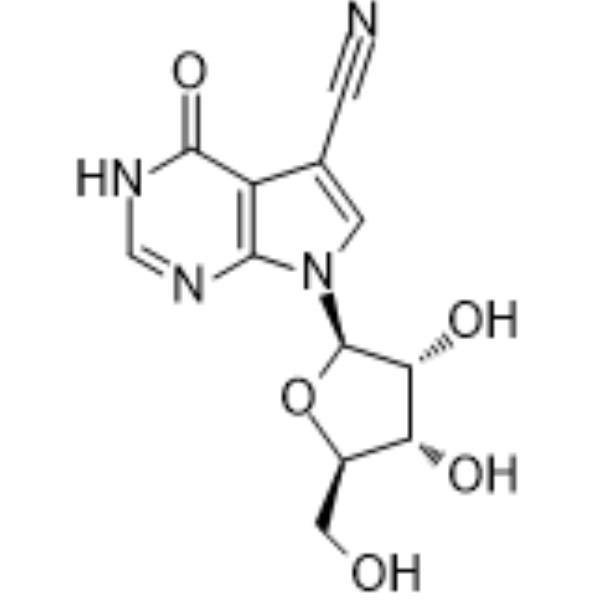
HY-111759
JaspamycinPKA Activator -
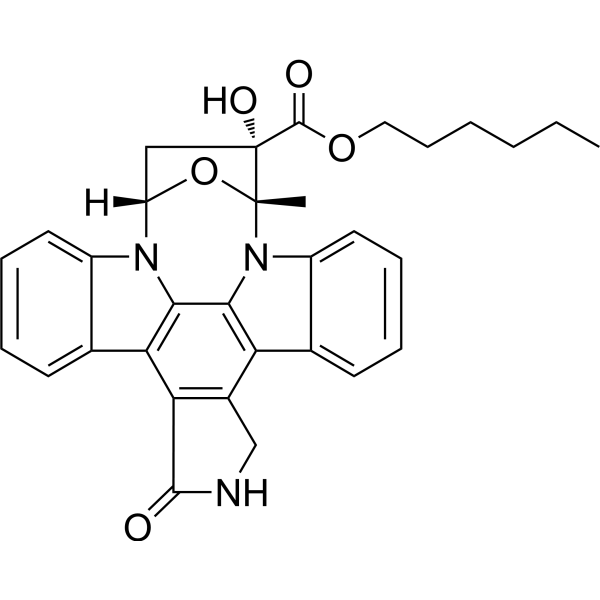
HY-N6789
KT5720PKA Inhibitor -
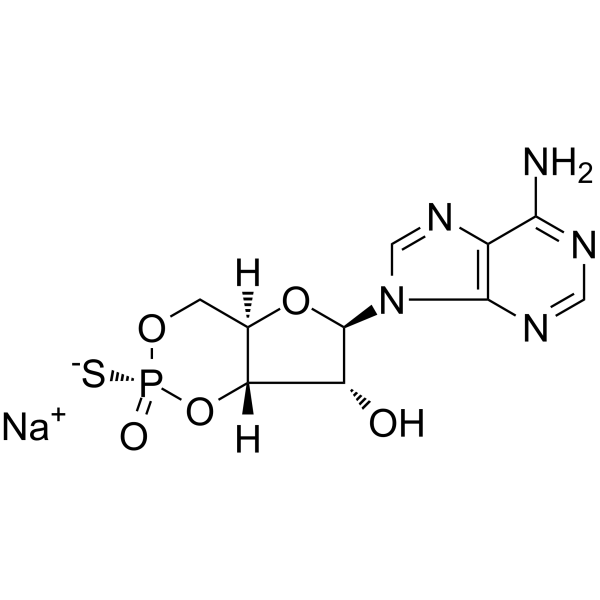
HY-100530D
Rp-cAMPS sodium saltPKA I/II Antagonist -
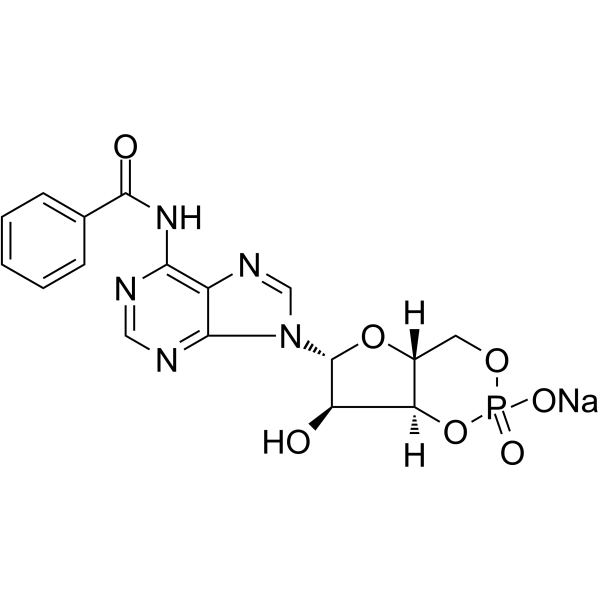
HY-103322
6-Bnz-cAMP sodium saltPKA Activator -
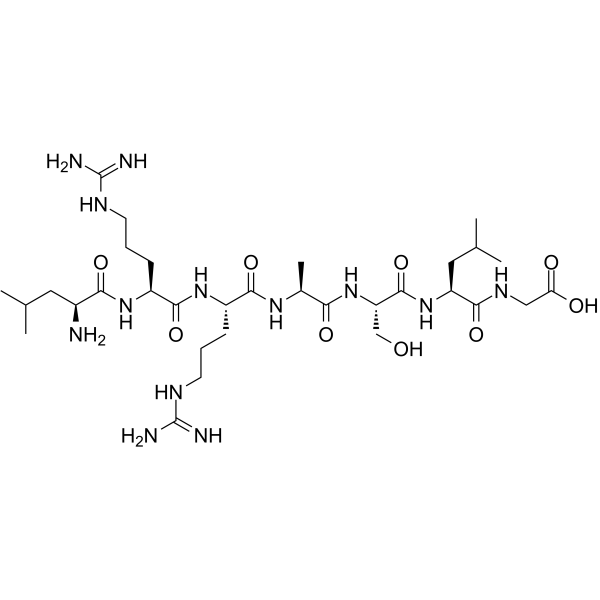
HY-P0248
KemptidePKA Substrate -
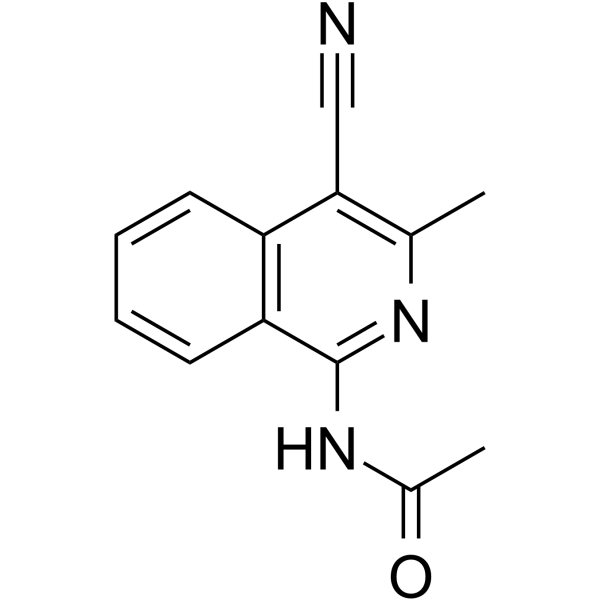
HY-115732
PKA-IN-1cAK Inhibitor -
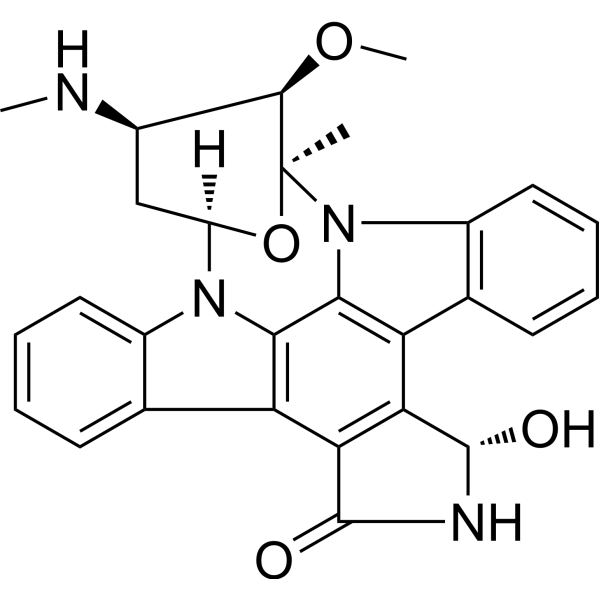
HY-108262
UCN-02PKC Inhibitor -
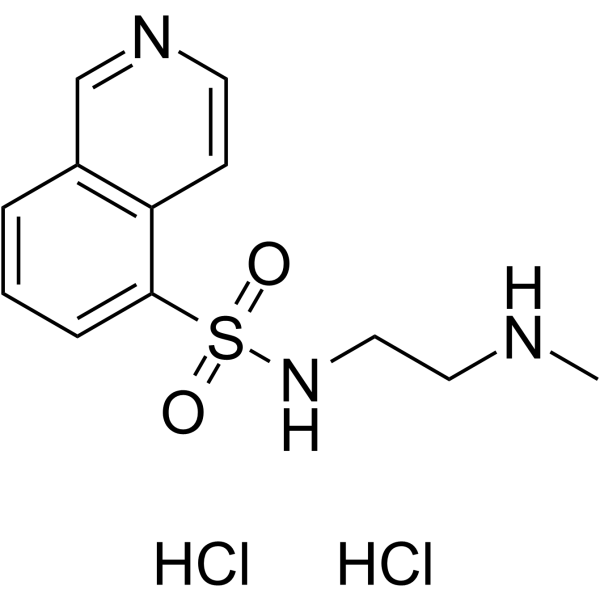
HY-112465
H-8 dihydrochloridecyclic nucleotide-dependent protein kinases Inhibitor -
HY-100530
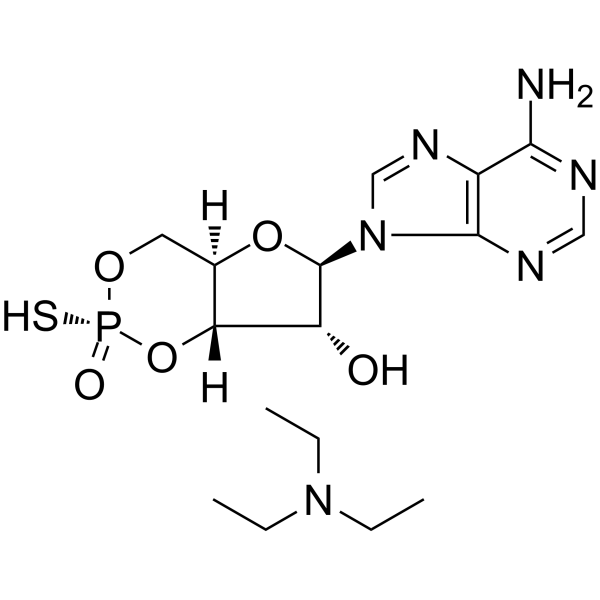
Rp-cAMPS triethylammonium saltPKA I/II Antagonist -
HY-P3929A
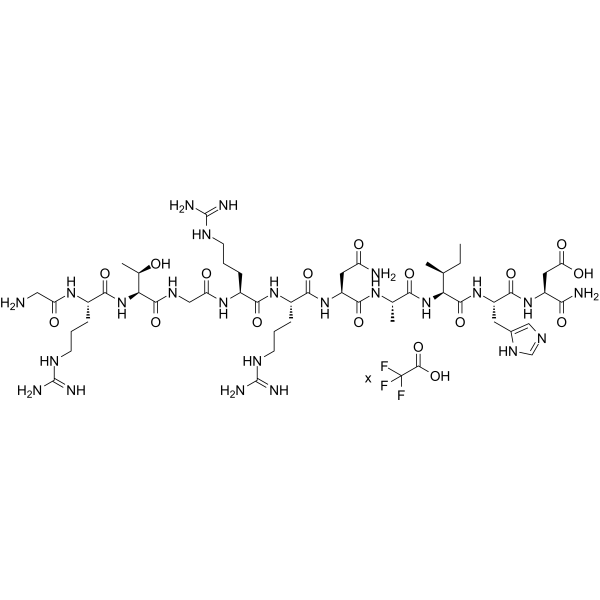
PKI (14-24)amide TFAPKA Inhibitor -
HY-N1074
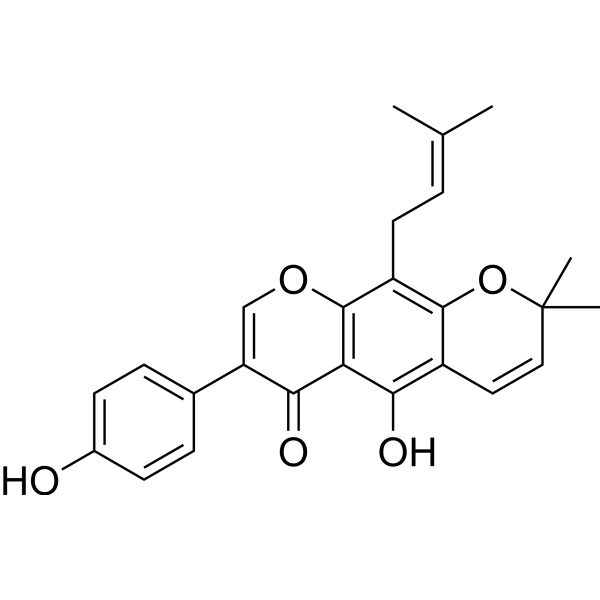
WarangalonePKA Inhibitor -
HY-107544
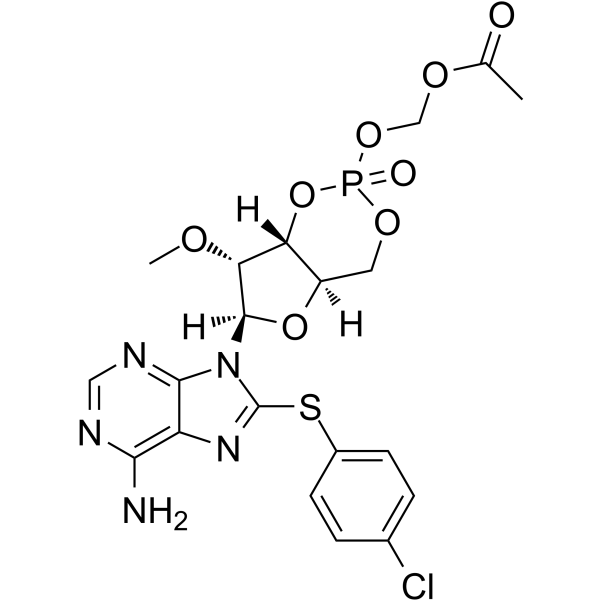
8-pCPT-2'-O-Me-cAMP-AMAMP Analogue


Biologische Aktivität
Beschreibung


Chemical Information
-
CAS. Nr. 16523-28-7
-
Appearance Solid
-
Molecular Weight 230.26
-
Formel C13H14N2O2
-
Color Light yellow to brown
-
SMILES
C1=CC(=C(C=C1CC2=CC(=C(C=C2)O)N)N)O
-
Versand
Room temperature in continental US; may vary elsewhere.
-
Speicherung
-20°C, stored under nitrogen
* In solvent : -80°C, 6 months; -20°C, 1 month (stored under nitrogen)


Reinheit & Dokumentation
-
Data Sheet (266 KB)
-
SDS (393 KB)
- English - EN (393 KB)
- Français - FR (393 KB)
- Deutsch - DE (393 KB)
- Norwegian - NO (393 KB)
- Español - ES (393 KB)
- Swedish - SV (393 KB)
- Italian - IT (393 KB)
- Korean - KR (393 KB)
- Portuguese - PT (393 KB)
-
Handling Instructions (2659 KB)
Verweise
[1]. Ando F. Activation of AQP2 water channels by protein kinase A: therapeutic strategies for congenital nephrogenic diabetes insipidus. Clin Exp Nephrol. 2021 Oct;25(10):1051-1056. [Content Brief]
[2]. Fumiaki Ando, et al. AKAPs-PKA disruptors increase AQP2 activity independently of vasopressin in a model of nephrogenic diabetes insipidus. Nat Commun. 2018 Apr 12;9(1):1411. [Content Brief]

Calculators
Konzentration (Stammlösung) × Volumen (Stammlösung) = Konzentration (Ziellösung) × Volumen (Ziellösung)


FMP-API-1 Related Classifications
HY-W288951 Related Classifications
 Powered by Bioz